Patenting, Trademarks, Copyright, Trade Secrets...
In the next installment of our micro-learning series, we’ll explore potential legal solutions to help you keep your ideas safe and sound.

Hydroponics in China; is there really no demand?

Meet the Network
Agri-TechE

In his latest blog, Russell Sharp, Founder of Plater Bio writes:
am often told that there is no significant market for hydroponic fertilizers in China. However, I would love to know your opinion on this. Can this really be the case?
Surely with a massive and growing urban population there will be a demand? As a bare minimum I imagine that in the cities there is a growing interest in vertical farming, green walls, and general ‘amateur’ hydroponics as a hobby. Or am I missing something that makes hydroponic completely unattractive to the Chinese market?
And if there is indeed a market, who will be the first movers to fulfill the unmet demand for hydroponic products in the major mega-cities and go against the current received wisdom of the Chinese horticultural industry?
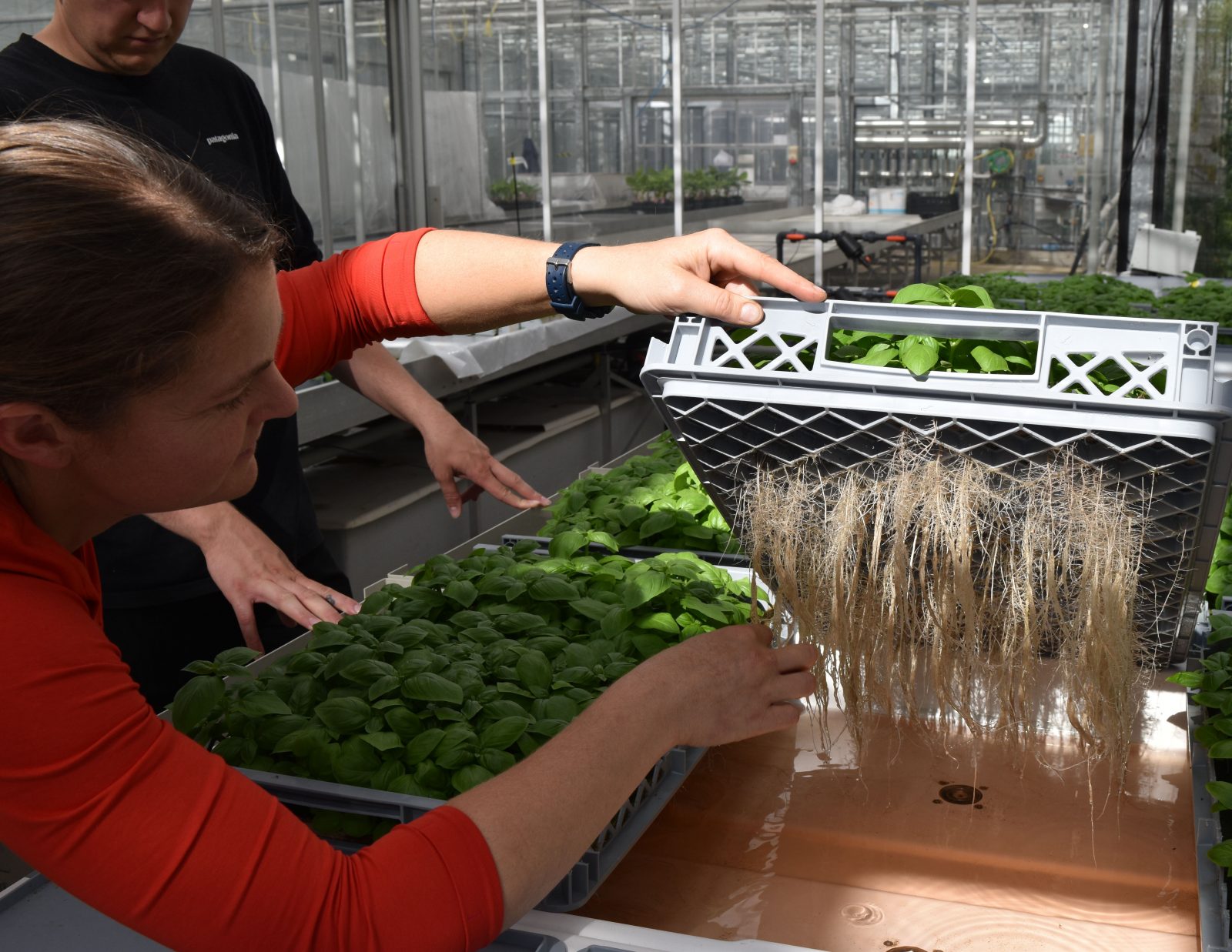
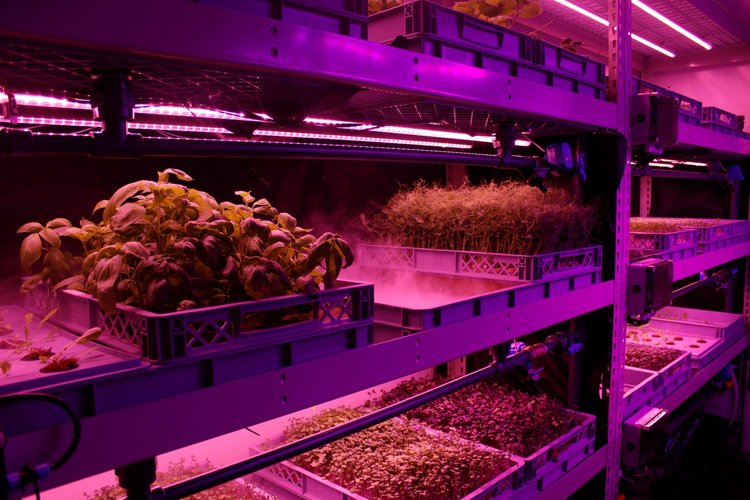
What might in fact be the case is that when I mention ‘hydroponics’, the Chinese viewpoint is to think of large-scale production in glazed greenhouses, AKA ‘Dutch Horticulture’. This is of course the major form of hydroponics currently, and is not a realistic value proposition compared to the current methods of growing fruit and vegetables in China. However, this doesn’t have to be the only way to grow hydroponically, and very simple hydroponic systems are now available that can dramatically reduce initial capital costs and running costs. In fact, the area with perhaps the greatest potential for hydroponics in China is in allowing food production in remote locations where conventional farming is impossible (e.g. isolated villages in the Gobi Desert). At Plater Bio this interests us as the ability of our unique ‘one part’ hydroponic fertilizer Gold Leaf means that the features of hydroponics that make it expensive and complicated are not essential. Dositrons, pH/EC monitoring, multiple fertilizer regimes and complex machinery to deliver fertigation are no longer essential (but can still be used) when switching to a Gold Leaf fertilizer regime. As such, very simple production systems, like this one, could be rolled out in remote locations to improve food production and human nutrition.
One major barrier to entry for hydroponic fertilizers in China that I have so far identified are the requirements set out in the regulations governing the registration of fertilizer products. These regulations state very specific nutrient contents that a liquid fertilizer must meet in order to obtain a registration. These regulations were developed for liquid fertilizers destined for field production and the vast majority of hydroponic fertilizers sold in Europe and USA would fail the requirements. One of these requirements is a total NPK content of no less than 50%! However, there are other allowances that can be made when you look closer at the regulations, and not all hydroponic fertilizers would be excluded. Thankfully Gold Leaf falls into this later category!
I’d be interested in trialling our Gold Leaf fertilizer in low-tech hydroponic systems in China; both in urban and rural situations. Not least because there is a big demand for calcicole crops (Pak Choi, Cabbage etc) in China which need good calcium levels to be maintained. Perhaps, we will need to work with local partners to adapt the technology for local conditions?
So let me me know if you have an opinion on hydroponics in China and if you would like to trial Gold Leaf in your hydroponic system.

Using natural products in conventional farming

Meet the Network
Agri-TechE

Would working with nature relieve some of the evolutionary pressure on arable weeds and plant pests and stop them from becoming so aggressive?
Building plant resilience is one strategy for promoting crop performance.
Dr Ed Moorhouse, the new Head of Strategy Development with ITAKA Crop Solution, explains that the Rhizosphere is the name given to a region of the soil directly around the roots.

Ed Moorhouse
Dr. Ed Moorhouse, Head of Strategy and Development of ITAKA International

“Beneficial microorganisms in the Rhizosphere, such as bacteria and fungi, have an important role in root function, such as making nutrients from the soil more available to the plant and increasing the volume of soil available to the plant. These microorganisms “feed-off” sugars, proteins and other products that are produced by the roots in a mutually beneficial relationship for both the crop and the microbe.
Modern farming methods have tended to ignore these important relationships, but the increasing interest in improved production efficiency is highlighting the opportunities in this area through creating a better environment for natural populations and augmenting the beneficial microbes.
“Itaka has developed a range of seed dressings and soil application solutions that supplement the natural microbial population. Work with commercial growers has demonstrated improved crop establishment and it is thought that this is due to the beneficial effects on early root development.
“Rapid crop establishment has several advantages, such as reducing the window for weed competition, and this is likely to become more important with the loss of key herbicides and increased climatic challenges for farmers and growers”.
“KONCIA and MAXY ROOT are two examples of a number of products that Itaka has developed to improve crop production as part of an integrated crop management system. These products need to be combined based on a range of factors such as crop, soil type and location to deliver the maximum benefit for the farmer.”
Itaka also produces refined extracts from natural products to reduce pest and disease pressure.
Moorhouse continues: “Many plants and microorganisms produce natural chemicals that deter pests and/or limit their ability to locate host crops. A good example of this is a natural ingredient found in garlic which repels cabbage stem flea beetle, a major pest in oil seed rape. The benefits of this treatment have been exploited by speciality growers for several years, but there is increasing interest for application in large scale cropping systems and Itaka is working with farmers to develop application strategies on these crops.”

Pollinator event explores the potential 

Dr Belinda Clarke, Director of Agri-Tech, comments that one of the interesting trends she has seen recently is the increasing number of organisations developing agri-products based on natural processes and active ingredients.
She says; “Bio mimicry in all its forms has a role in conventional and organic farming and some promising solutions are emerging.”
This is one of the areas of discussion for the Agri-TechE Pollinator event ‘Mimic, Harness or Borrow; Applying Nature’s Solutions to Agriculture’ being held in Norwich on 15th January 2019. See more on our events page here.

fieldmargin launches DroneDeploy to plan flights

Meet the Network
Agri-TechE

Drones are becoming an increasingly important bit of kit on farms, allowing farmers to collect real time imagery of what is happening on the ground quickly and easily. But once you’ve collected this data how do you put it to use?

DroneDeploy integrates with fieldmargin
Drone image of field amended with areas to investigate showing how DroneDeploy integrates with fieldmargin

DroneDeploy makes it easy to plan drone flights and convert the images from them to maps. fieldmargin’s integration with DroneDeploy lets you plan drone flights using your existing field boundaries and to view the resulting maps in context alongside the rest of your fieldmargin data.
Once you have imported your maps from DroneDeploy you can use them to:

  • Track changes in your fields over time
 – imported drone maps appear on your field in chronological order so you can track their performance over time.
  • See the impact that that issues you have noted are having on performance – 
existing notes are overlaid on your map so you can see what effect the waterlogging you noted over the winter has had on crop health.
  • Identify problem areas to investigate
 – make notes about areas showing problems such as poor growth so that you can target your work on the ground to investigate the cause.
  • Cross reference with other mapping data
 – overlay your drone maps with other mapping data such as yield and drainage maps to help identify the causes of problems.

More advanced agriculture-specific functionality includes:
• Crop health measurement with RGB and vegetation indexes.
• Measure slopes, stockpiles, rooftops and more with volume, slope, surface distance and surface area calculations.
• Automated reports of fields of crops, including stand count and plant populations.
• NDVI analysis to identify areas of crop stress.
More about fieldmargin.

Revolutionising livestock disease management

Meet the Network
Agri-TechE

Dr Berwyn Clarke Agri-TechE REAP Conference 2016Despite recent advances in our knowledge of microbiology and genomics, many of the tests used to identify animal infections and support disease management are based on techniques developed over 30 years ago and are not always sufficiently sensitive to effectively control these diseases.
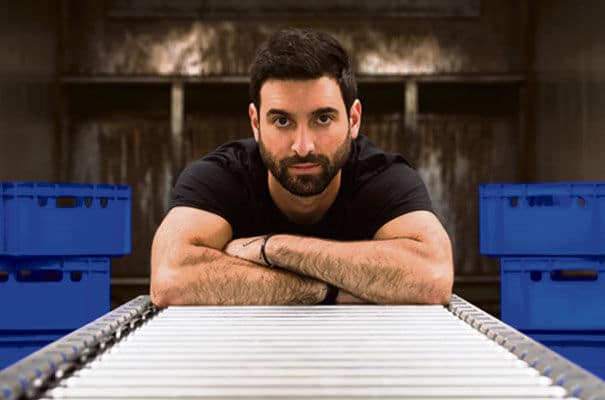
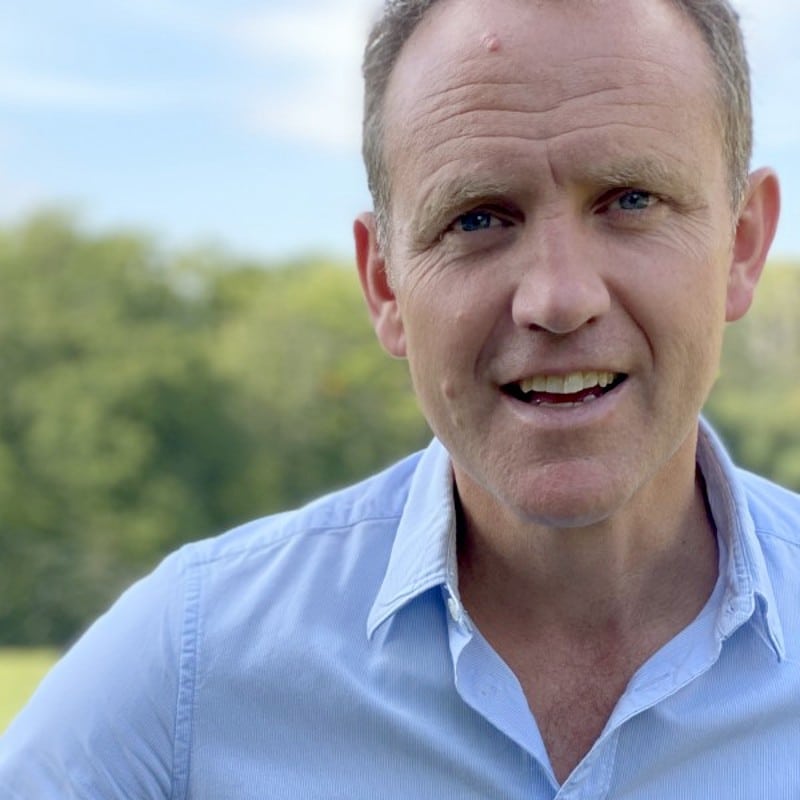
This is changing, with young companies within the agri-tech cluster using the latest science to develop powerful diagnostics. A number of people behind these companies will be speaking at the Agri-TechE Pollinator ‘The 3 Rs of Diagnostics: Rapid, Reliable and Robust’ on 13 February 2019.
A good example of technology that needs improvement is the skin test for bovine TB. The UK agri sector knows only too well that using this as the key diagnostic test for TB has proved inadequate in identifying enough infected animals to control the disease – currently at an estimated annual cost of £100 million to the UK taxpayer.

A new approach

We asked Dr Berwyn Clarke, CEO of PBD Biotech, to explain why a new approach is needed. He says:
“The current test for bovine TB is a skin test. The animal is exposed to extracts of the mycobacteria that cause this disease with a small injection into the skin.  If the animal shows an immune response – ie. the skin swells up – then it is assumed that the cow is infected with TB, and so it is culled and the farm is put under restriction until no more reactors are found.
“But the problem in using the skin test is that it is impossible to find animals in the early stage of infection and in some cases infected animals just don’t react at all, so it is difficult to eradicate the disease quickly.
“For some farms this can mean that, for months or years, they are unable to sell beef or milk and it is economically and emotionally devastating for those affected.
“The challenge in developing an effective diagnostic for mycobacteria is that the organism is very slow to grow using petri dish plates normally used to detect bacteria. Mycobacterium also has a very tough cell wall, so is difficult to break open to carry out DNA-based detection tests.
“We have developed a new approach using the latest science developed at the University of Nottingham, benefiting from recent advances in molecular biology.
“The method uses a type of virus, known as a phage, which only infects mycobacteria and can penetrate the thick cell wall. Once inside the mycobacteria the phage grows rapidly and breaks open the cell, releasing its DNA. This mycobacterial DNA can then be sensitively detected, even just a few cells, allowing confirmation of the presence or absence of bovine TB in samples within 6 hours.”
At the end of last year, after using Actiphage as part of a private eradication strategy, Devon vet Dick Sibley cleared a dairy herd of bovine TB reactors for the first time in 6 years. Following the success of this exercise, the UK Government acknowledged Actiphage’s potential and included the test in a new ‘Exceptional Private Use’ protocol so that it can now be used by farmers in England for chronic TB breakdowns.
PBD Biotech is a member of Agri-TechE and has greatly benefited from the networking and profile this has offered. Berwyn first presented PBD Biotech in the Start-Up Showcase at REAP 2016 and demonstrated in the Technology Exhibition at REAP 2017.
Dr Clarke said: “The company has come a long way in the past two years. We’ve gained funding, UK Government approval, proven efficacy in field trials, had our test patented and opened a subsidiary office in Canada. We are grateful for the support that Agri-TechE has given us.”

Early disease detection

Actiphage is not just effective for bovine TB, but also other endemic livestock diseases such as Johne’s disease. This is a chronic wasting disease transmitted from mother to calf by bacteria shed in manure, colostrum and milk.
The presence in milk of the bacterium that causes Johne’s disease (Mycobacterium avium subspecies paratuberculosis, MAP) is also being investigated as a potential concern for human health as it has been linked to Crohn’s disease.
However, like bovine TB, Johne’s disease has proved difficult to control. With less than 5% of infected animals developing clinical signs of disease, it is difficult to identify these animals before they begin to spread disease. Current tests only allow the reliable detection of MAP in animals once they are over 18 months old.
A study presented at the European Association of Veterinary Laboratory Diagnosticians (EAVLD) Congress in October 2018 showed that the Actiphage test could detect Johne’s disease in the blood of new born calves. The test therefore creates a window of opportunity for the dairy industry to improve disease control.
Additionally, a milk trial, recently published in the journal of Food Microbiology, confirmed that the Actiphage milk test was able to detect very low levels of MAP.
Dr Clarke explains: “In a controlled study Actiphage was able to detect just 1-2 mycobacteria cells per 50 ml of pasteurised milk, highlighting just how sensitive this technology is.
“Mycobacterial diseases are a global challenge for the whole livestock industry, so the scale of the problem PBD Biotech is addressing is enormous.  In addition to detecting bovine TB and Johne’s disease in cattle the method can be used to detect other species of mycobacteria in any animal host including other livestock, wildlife, exotic and domestic animals. In many cases, Actiphage is allowing infections to be accurately identified in these animals for the first time.
“This new technology has the potential to revolutionise the control and understanding of mycobacterial diseases in a range of species, giving vets and farmers a head start on the race to catch bovine TB, Johne’s disease and other mycobacterial infections in the hope of preventing unnecessary culls when these infections spread unchecked.”
More about PBD Biotech
Dr Clarke will be speaking alongside Agri-TechE members Analytik, RoboScientific and leaders in the field of diagnostics. The Agri-TechE Pollinator: The 3 Rs of Plant and Animal Diagnostics: Rapid, Reliable and Robust (Enough) will be held on 13 February 2019, 2.00 – 5.30pm, at Incubyte Ltd, Cambridge Innovation Park, Denny End Road, Waterbeach, Cambridge, CB25 9QE.

Small Robot Company achieves Crowdcube success within minutes

Meet the Network
Agri-TechE
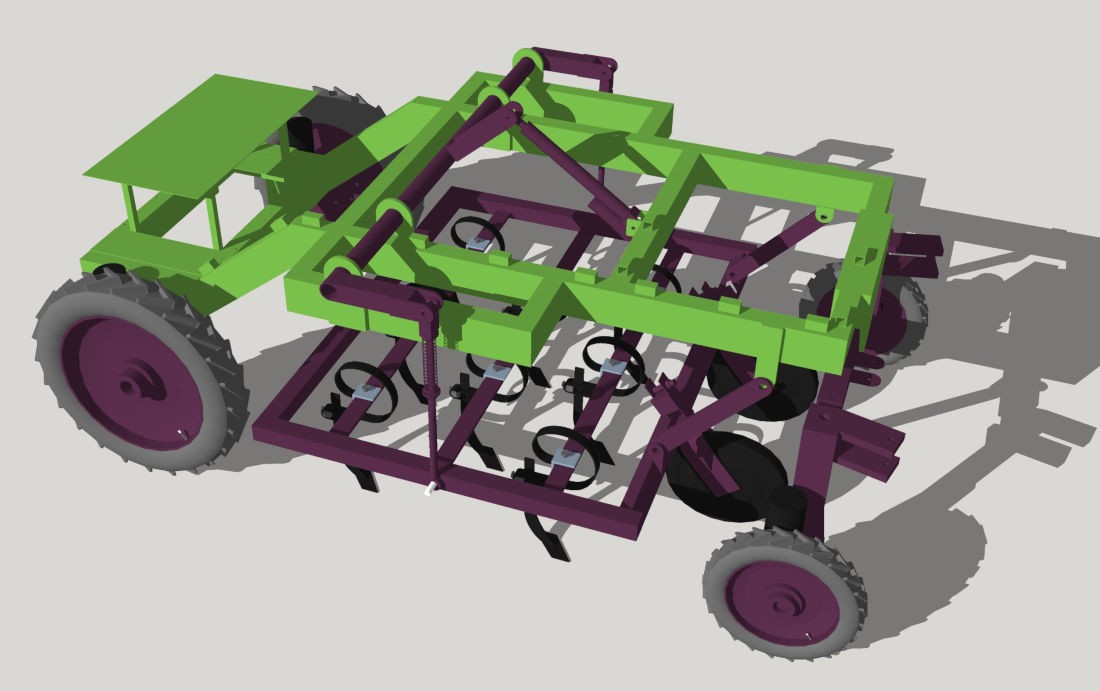
Small Robot Company - Tom monitoring robot prototype
Tom monitoring robot prototype

Small Robot Company, a British agritech start-up for sustainable farming, has announced that it achieved its Crowdcube equity crowdfunding funding target of £500,000 within minutes of its launch. The campaign is continuing to gather momentum, and the company is now working to reach its stretch targets.
The company’s hugely successful start to its campaign was was overwhelmingly due to backing from the farming community. It is also gathering pace with the technology community, including early investment from Matt Jones, Principle Designer at Google AI.
Small Robot Company harnesses the power and precision of robots and Artificial Intelligence (AI) to improve the way that food is produced and minimise chemical usage. It will make farms more profitable, and increase yield and efficiency, through using small robots instead of tractors. Its farmbots Tom Dick and Harry will plant, feed and weed arable crops autonomously, with minimal waste.
“Anything that can help change for the better the way we produce food on this planet is urgently needed,” comments Matt Jones, Principal Designer, Google AI, fellow of the Small Robot and investor in Small Robot Company. “I’m excited to invest and support the Small Robot Company team in their mission to change farming for the better with humanscale AI and robotics.”
“What attracts me about Small Robot Company is the prospect of dramatically reducing the use of fertilisers and pesticides – an urgent need for our rivers and for nature generally,’ comments Mark Ellingham, Founder of the Rough Guides, fellow of the Small Robot and investor in Small Robot Company. “I also like the idea that Small Robot Company can help small farmers, levelling the ploughing fields, so to speak.”
“This is game-changing for Small Robot Company. We have already made phenomenal progress. Just one year on from our foundation, we already have three prototype robots and an AI that can tell Wheat from Weed,” says Sam Watson Jones, co-founder and fourth generation Shropshire farmer. “With this backing through Crowdcube, we are now poised to completely transform food production.”
“There is a huge amount of investment going into agritech at the moment, with more than $10bn invested in the sector in 2017, a figure that is projected to rise both this year and next. However, most of these investment deals are private affairs and individual investors rarely get a chance to participate. Which is why we are excited to partner with Crowdcube to share the opportunity to grow a business which is working to change the way that technology is used to produce food.”

Small Robot Company: Milestones and momentum

Belinda Clarke of Agri-TechE and Sam Watson Jones from Small Robot Company reveal Harry at REAP 2018

Small Robot Company’s prototype Tom monitoring robot is already developed and in field trials on 20 farms across the UK, including the Waitrose Leckford Estate farm and the National Trust Wimpole Estate. This prototype embodies all the core technology needed for Small Robot Company’s farmbot family. This includes autonomy, geolocation, obstacle avoidance, navigation and the ability to accurately position objects on a map within 2 centimetres.
An early version of Wilma (its AI ‘nervous system’ and brains of the operation) was also unveiled at the WIREDLive Innovationfestival in November.  Wilma is the core of an intelligent, autonomous crop management system for arable farming. Following extensive field trials, and artificial intelligence training with partner Cosmonio over the last six months, Wilma can already distinguish Wheat plants from ‘Not-Wheat’, meaning any images of items that are not wheat plants.
Dick, its precision spraying and non-chemical weeding robot, will be ready to go in the first half of 2019. Non-chemical weeding (Dick) will follow later in 2019, with micro-spraying and digital planting being developed for the end of 2019 and early 2020.
Small Robot Company will work in conjunction with its trial farmers to develop the technology from early proof of concept prototype to a more robust working model.
The company is now be working to establish its ‘Hundred Club’ panel of an additional 100 farmers, both for regular consultation and to come on board to trial its robotics service when it is ready for large scale commercial trials in 2021.
“The Small Robot Company’s work gives us a glimpse of a new future for food production. As a farmer I feel that current crop production methods seem to be running out of places to go to make improvements in productivity,” comments George Renner, farmer and no-till pioneer, and member of the Small Robot Company Farmer Advisory Group. “The vision the Small Robot Company offers shows that there really is the potential now to completely revolutionise crop production like never before. I am hugely excited to be involved with such a bold project.
“Non-chemical weeding is the holy grail. Farmers crop protection toolbox is under ever growing pressure. Legislation is leaving us increasingly short of options,” comments Tom Jewers, farmer and contract farmer, and member of the Small Robot Company Farmer Advisory Group. “Fundamentally, the current farming system itself is also inherently inefficient. Meanwhile blackgrass has become a massive problem. We desperately need to develop ways to reduce the need for expensive plant protection products and artificial fertilisers. The ability to treat only the plants that actually need it is game-changing.”
“We’re on the cusp of a fourth agricultural revolution, taking farming into the digital age: and with British ideas and British technology at the helm,” says Ben Scott-Robinson, co-founder, Small Robot Company. “Our Tom, Dick and Harry robots will completely transform what’s possible on the farm. It will radically reduce chemical usage in arable farming, while improving soils, profits and yields. It’s the ultimate sustainable farming model.”
“Feeding an estimated extra 2.2 billion people living on planet earth by 2050 is going to be one of the biggest challenges we face in the future,” says Alan Howard, Design and Manufacturing Lead, the Institute of Engineering and Technology.
“This brilliant idea from Small Robot Company, with its ingenious application of robotics and automation technologies, could provide a vital and secure source of food to help feed the world”.
Small Robot Company is legally obliged to inform investors that capital may be at risk.

Breedr shows how livestock farmers can generate real value from EID tags

Meet the Network
Agri-TechE

Traceability and improving quality in food production are anticipated to be key themes at the Oxford Farming Conference. This follows recent announcements by the Defra Secretary of State of plans for a new livestock traceability service that uses electronic ID tags. Breedr will be at the conference to demonstrate how its new app can extract invaluable information from data collected by these tags, generating real value for farmers.
Ian Wheal is founder of Breedr, a productivity app for livestock farmers, which can be used to improve the profitability of every animal – increasing quality and reducing waste.
He comments that, given data about the breed of animal, live weight and growth rate, Breedr can estimate the optimum date for slaughter, which enables improved management of the animals. He says: “Keeping cattle, or other livestock, beyond the optimum cull date not only means wasted feed, but also additional fat which makes the meat less desirable.”
The value of a beef carcass is based on the EU-wide EUROP grid, which uses conformation and fat class. Cattle that fall outside the grid incur sizeable discounts. By analysing six years of data provided by Rothamsted Research’s North Wyke Farm, Breedr estimates that farmers could generate up to £400 additional revenue per animal by increasing meat yield through improved selection of dam/sire pairings and more accurate prediction of sale or slaughter date.
Wheal says: “EID tags, when used with a weigh beam, make it easier for farmers to capture information about live weight gain. This data, when combined with breeding data, can be used by Breedr to offer insights that will improve the quality of beef produced.
“Our aim is to make it easier for farmers to produce beef in spec and to have the data to provide the evidence. This will reduce the amount of waste for the processor and improve the price for the farmer. By building up a reputation for quality beef the farmer will be able to move to trading online and build relationships with processors and retailers. Breedr facilitates this.”
Breedr aims to create a virtuous circle where consumer behaviours and buying decisions are fed back through the value chain to inform decisions on breeding, feeding and animal welfare. Livestock producers can use Breedr to provide data evidence that they are producing premium meat.
The government’s Livestock Information Service will identify and track animal movements – initially cattle, sheep, pigs and goats – via electronic IDs and is set to come into action in the near future.
The Oxford Farming Conference is being held on 2-4 January 2019. The Politics Briefing is at 10.15 on Thursday 3 January. The headline political briefing will challenge the latest developments of the proposed British Agricultural Policy, presented by the Defra Secretary of State Michael Gove.
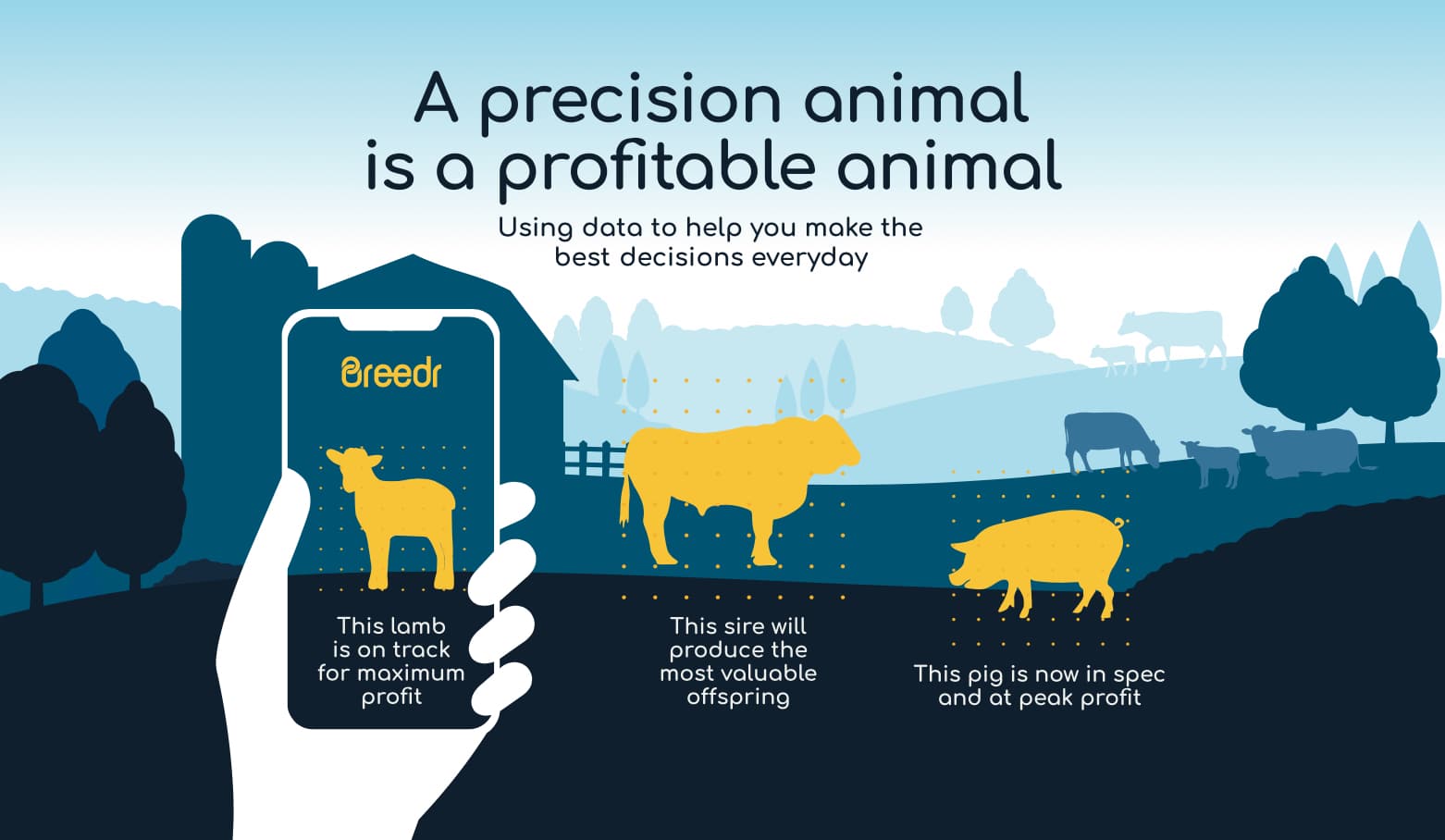
Breedr precision animal graphic

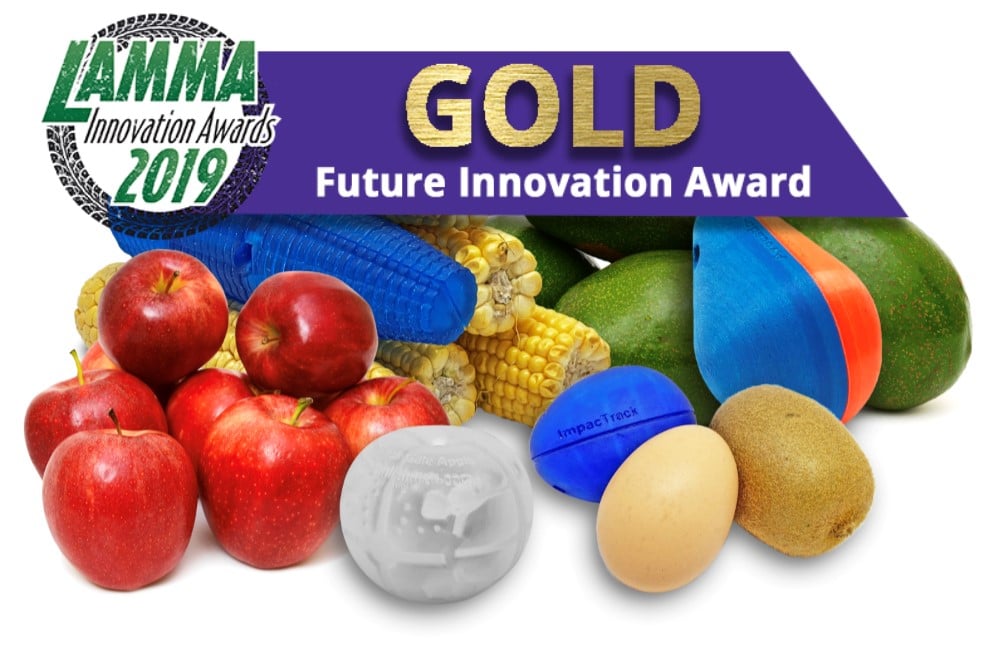
Martin Lishman’s ImpacTrack wins Gold at LAMMA 2019

Meet the Network
Agri-TechE

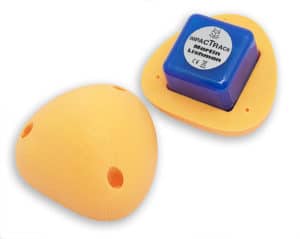
Martin Lishman - Gold Award ImpacTrack ShapesImpacTrack – a new, low-cost data logger with a family of synthetic food shapes, developed by Martin Lishman Ltd – has impressed the judges of the Innovation Awards at LAMMA 2019, who have awarded it a Gold Medal in the Future Innovations category. Using low-cost digital Agri-TechE solutions to meet the challenge of reducing food waste in agriculture has been the driving force behind the development of this novel concept.
“The fact that 1.3bn tons of food are wasted globally each year, with almost 60% of crops spoilt, damaged or wasted during post-harvest operations, presents a huge challenge to the food production industry”, says Dr Gavin Lishman, Managing Director of Martin Lishman Ltd. “But digital Agri-TechE solutions, leading to more efficient post-harvest methods, do not need to cost the earth and can reduce losses to as low as 1-2%.”
ImpacTrack is a small data logger cube that can be installed within the packaging of any fresh produce to monitor temperature and impact shock during transit over any distance by road, rail, sea or air. The data gathered can be downloaded at the end of the journey via Bluetooth to any smart phone or tablet using the ML Sensing App. The logger can also be encased in a 3D printed shape that mimics the size, shape and density of the fruit or vegetable being processed, which allows real-time monitoring or recording of damage during handling by machines or humans at any stage from the field to the shop floor.
Martin lishman Carrier-Shell
The ImpacTrack dummy shape reproduces the movement characteristics of fruit and vegetables prone to damage and bruising during handling and transport and therefore gets as close as possible to a realistic representation of impact ‘black spots’ in handling machinery. If handling is in water, as with apples, the dummy is also able to float with the real fruit. Shapes already created are Gala apple, sweetcorn, Haas avocado, carrot, parsnip, strawberry, potato and egg. Other shapes such as onion, mango, banana and peach are equally possible.
ImpacTrack is a vital quality control tool for the reduction of damage and bruising whilst fruit or vegetables are in transit or in the picking or packing process. The ability to monitor impacts during these processes will result in fewer discarded items, leading to less waste and higher production yields.
ImpacTrack is believed to be the first low-cost device to record both impact and temperature while also mimicking the characteristics of the produce being monitored. As well as reducing financial losses due to waste, it will help handlers and shippers to be more aware of the effects of their processes, both positive and negative, leading to more sympathetic handling systems, fewer insurance claims and potentially lower premiums.
“ImpacTrack is an example of a game-changing technology that can be used worldwide and adapted to suit all types and sizes of production and handling facility,” says Dr Lishman, “It will make a significant contribution to the challenge of reducing waste losses and increasing food production.”

Niab says gene editing shows promise

Meet the Network
Agri-TechE

Gene editing has the potential to underpin the next agricultural revolution. As a quicker, more accurate way of selecting desired genetic traits in plant breeding it offers the promise of a step-change increase in agricultural productivity, more durable pest and disease resistance, improved nutrition and resilience to climate change.
Gene editing is a new technique which allows a specific gene to be altered, but only at a very specific point, sometimes without the introduction of any new DNA. It means that plant breeders could precisely improve specific crop traits, for example disease resistance or drought resistance. This technique has been widely used in human, animal and plant cells.
Niab research has shown that genetic innovation (in the form of new crop varieties) accounts for around 90% of yield gain over time in our major arable crops. No amount of investment in robotics, artificial intelligence, satellite and digital technologies can increase a crop’s basic genetic potential. In contrast, gene editing is the latest tool in our wheat breeding research which offer step-change increases in yield.
Niab has recently published its latest findings showing that efficient gene editing in wheat is now possible with similar efficiencies of wheat transformation alone (BMC Plant Biology journal: Efficient generation of stable, heritable gene edits in wheat using CRISPR/Cas9).

KisanHub expands weather station network

Meet the Network
Agri-TechE

KisanHub now has 90 weather stations installed across its grower base, recording weather data at a 15 minute intervals.
The network now runs from North Yorkshire to Cornwall, with another 30 stations yet to be installed in 2018. Although every weather station has been allocated to a grower and positioned on farm, any KisanHub platform user can access the live weather information.
The weather stations that have been deployed are the Davis Vantage Pro-2 Plus. These are capturing:
Rainfall
Temperature
Solar radiation
Relative humidity
Wind speed
Wind direction
Pressure
Dew point
Wind chill
Heat index
If you would like more details or are interested in becoming a KisanHub Crop Intelligence Platform user then please contact the team at business@kisanhub.com

Fungal threats stored under liquid nitrogen

Meet the Network
Agri-TechE

CHAP’s team at CABI is focusing on the maintenance, by storage under liquid nitrogen, of collected microbial (particularly fungal) threats to major UK crops. Part of this capability is a  MALDI-TOF mass spectrometer, originally purchased for characterisation and quality control of material going into and out from the National Reference Collection.
Since the commissioning of the spectrometer, early in 2017, CABI scientists at Egham have been developing new sample-preparation and data-analysis methods to simplify the workflow and to expand the usefulness of the mass spectrometer within CHAP and CABI.
These efforts have, so far, resulted in three peer-reviewed publications (details below). Another three papers are currently submitted and under peer review, and a further four are in preparation.
Anyone interested in collaborative opportunities within CHAP using this MALDI-TOF mass spectrometer should contact either Mike Reeve (M.Reeve@cabi.org) or Alan Buddie (A.Buddie@cabi.org).

Colin Morgan joins ADAS as business development director

Meet the Network
Agri-TechE

Boxworth, UK. His appointment as business development director comes at an exciting time of growth for the team and enables expansion of the current client base by developing new client relationships and increasing our service offering to existing clients.
Colin joins the team from DNV Global. His 15 years’ experience in sustainability includes global supply chains in food and commodities, as well as working with global food brands to support them in developing and strengthening responsible sourcing strategies.
With broad experience across all aspects of sustainability, Colin’s recent projects have included working in food and farming businesses across the world. This encompasses projects in Burkina Faso with the shea sector, in Bangladesh on human rights in farming, and in Saudi Arabia using sustainability frameworks with food production businesses. He has also worked extensively with UK food producers. Colin is interested in new and emerging food and farming systems and approaches, including novel crops, and is highly competent in understanding the challenges in modern farming and the opportunities open to the sector to improve wellbeing in society. He will be responsible for implementing a growth strategy to enable the Sustainable Food and Farming business to expand its offering in the corporate food sector.
You can find out more about the team’s service offerings on the Sustainable Food and Farming section of our website. For more information, please contact Sarah Wynn. Interested in joining the ADAS team? You can view our current job openings here.

Phytoponics gains funding for hydroponic scale-up trials

Meet the Network
Agri-TechE
Phytoponics, a multi-award winning start-up specialising in the development of hydroponic deep-water culture technology for sustainable agriculture has secured £300,000 in new funding following on from the £200,000 it raised earlier this year. The funding comes from existing investors and a number of new angel investors lead by Smart Anchor Capital.
The company based in Aberystwyth was co-founded by Adam Dixon and Luke Parkin during Adam’s studies at Cardiff University with the aim of delivering highly optimised hydroponic systems designed to produce better crop yields than traditional systems and with the potential to meet global food demand with sustainability in mind. Phytoponic’s patented Hydrosac technology is ready for high volume commercial growing having proven itself by producing two tonnes of high quality tomatoes through a pilot project housed at the company’s glasshouse facility at Aberystwyth University.
Phytoponics CEO & Co-Founder Adam Dixon says. “We’re so pleased to have secured this funding from such prominent supportive investors. These new funds will provide us the necessary operating cash to scale up trials of our technology whilst experimenting with other high value crop types. We recently signed a contract with a major commercial grower that will use our technology to grow tomatoes for two major
supermarkets early next year. We’re also planning to hire new employees to help with technical and commercial development”.
Existing investor David Kremer commented, “When approached I was more than happy to follow-on fund the team having experienced the progress they’ve made over the last 6 months, not only successfully bringing their concept to market but surrounding themselves with credible industry experts and picking up awards and accolades along the way”.
Incoming Angel investor entrepreneur Melisa Lawton says. “The decision to invest in Phytoponics was quite simple once I’d met Adam and Luke. Their vision is compelling, as is the potential for their Hydrosac technology, especially the ability to deploy it in countries where water is scarce or in humanitarian aid situations”.
“The team have achieved an amazing amount in the last 12 months and with little resource. Despite that they have attracted the attention of potential partners and customers from the US, India, UAE, Africa, Canada and many other countries”, said Mark Hindmarsh Founder Partner of Smart Anchor Capital. “As new shareholders we are all excited to see what the future holds for the company considering the opportunity that lies ahead and as recently appointed Chairman I personally look forward to playing my part in helping Phytoponics achieve its next milestones in advance of a larger fundraise within the next 12 months”.
The Phytoponics investment process was facilitated and managed by Smart Anchor Ventures with legal support provided by Acuity Legal.
Additional information on Phytoponics can be found at http://www.phytoponics.com