Get the latest agri-tech news, events and opportunities direct to your inbox
Pollinator: Engineering, Electronics and Software for Agri-Tech
Agri-TechE
Andy Thurman (left) being interviewed by the BBC
An on-farm automated ‘early warning system’ for disease in dairy cows is one of the new types of sensor being discussed in the Pollinator on 22 September at Russell Smith Farms, near Duxford.
The system, developed by Omnisense, uses a tag on the cow’s collar to relay information every few seconds via sensors within the cattle shed. It can identify changes in behaviour that provide an early indication that the animal has an illness.
Andy Thurman, CEO of Omnisense explains: “We have developed an accurate position and behaviour monitoring system which is easy to deploy within a shed and can be used to detect the early stages of disease.
“Small collar mounted radio sensors on the cows provide information on individual and herd behaviour. This is uniquely combined with knowledge of every cows position, enabling the software to establish the normal activity pattern for each animal, making it easier to identify abnormalities in behaviour. The farmer will be alerted to these changes by text or email.”
Currently disease detection relies heavily on direct observation of symptoms, so the disease can already be affecting the milk before it is diagnosed. For example, mastitis, an inflammation of the mammary gland and udder is easily transferred from shared milking machinery. As milk from infected cows cannot be sold, the use of Omnisense’s technology could reduce the spread of infection and loss of income.
In addition to the presentations this Pollinator will use a speed dating format which provides facilitated networking, allowing people to quickly connect with others that have a mutual interest.
Get the latest agri-tech news, events and opportunities direct to your inbox
Solutions to pod shatter to be discussed at Pollinator
Agri-TechE
One of the big issues with oilseed rape is unsynchronised pod shatter, where fruits open in the field and seeds fall to the ground; in the UK pod shattering leads to the annual loss of 11-15%. With an annual worldwide production of 38 million tons of oil this represents a major loss of production.
A reason for pod shatter is that the crop is more recently cultivated than wheat and barley and still has many ‘weedy’ characteristics; improvements in breeding are needed to overcome this problem.
Professor Lars Østergaard, John Innes Centre, is working at the forefront of research in this area and he will be sharing the findings from his recent work at the Pollinator event.
Professor Lars Østergaard and Chris Tapsell KWS will both be speaking about their work before the meeting takes on a ‘speed dating’ format allowing participants to discuss problems and solutions in relation to crop breeding.
Agri-Tech’s New Innovations in Crop Breeding Pollinator will take place at Norwich Research Park, Centrum, Norwich, NR4 7UG at 4pm on 13th October, 2015.
Get the latest agri-tech news, events and opportunities direct to your inbox
What is the business case for satellite imaging?
Agri-TechE
Satellite images on Satellite Applications’ Video Wall
The Producers Panel at REAP gives farmers an opportunity to explain the challenges they are facing to technologists and researchers. These clearly articulated needs, interpreted by the right person, could form the basis for a new business idea or solution.
Tim Whitehead is one of the producers on the panel. He works for Velcourt, Europe’s largest farm management and advisory company and is the farm manager on Vine Farm in Hertfordshire. Tim also provides agronomic advice to a large farmer-owned co-operative in Northern France.
Vine Farm benefits from nutrient rich clay soils and the 1300 Ha is used for winter wheat, winter oil seed rape, spring beans, peas, spring barley and sugar beet. The farm is diversifying with 100 Ha being converted into a solar farm for the National Grid.
Tim Whitehead believes that for farmers to adopt new innovation there has to be a defendable business case. Vine Farm has embraced both GPS and satellite imaging of the farm. He says: “GPS has made a significant impact on the farm as tractors can follow exactly the same tracks (within 2cms) helping cultivate the land, plant seeds and apply fertiliser in the right location minimising waste.
“However, I am unsure if there is a strong business case to support satellite imaging. The technology allows variable rate application of seed, fertiliser and pesticides depending on crop viability but with nutrient rich clay soils I am not convinced how economically viable it is to the business.”
Tim would like to exchange ideas with anyone who’s had similar experiences or to someone who can persuade him of the benefits to his business.
We will be aiming to stimulate this debate at REAP and think that Tim and others will be particularly interested in the insights of Vladimir Stoiljkovic, Business Development Manager of Satellite Applications Catapult. The Catapult helps organisations to use, and benefit from, satellite technologies.
Get the latest agri-tech news, events and opportunities direct to your inbox
REAP 2015: Resilience Through Innovation
Agri-TechE
“Resilience Through Innovation” is the theme for the Agri-TechE REAP conference (Realising our Economic Agricultural Potential), which will be held on Wednesday 11th November at Churchill College, Cambridge during Agri-TechE Week 2015.
It will feature some of our most innovative producers in discussion with an exciting panel of high profile technologists, which we expect to stimulate some productive interactions and networking opportunities.
The high calibre line-up includes speakers from Sainsbury’s, Microsoft Research, Elveden Estates, BBSRC, the Satellite Applications Catapult and the National Farmers’ Union.
Priority and discounted registration is now open to Agri-TechE members only.
Tickets for non-members will go on sale on 1st September at full price.
REAP 2015 follows the highly successful inaugural conference in 2014, the major themes, recommendations and outcomes of which are captured in this report.
REAP is part of Agri-TechE Week, a week of events and conferences across the whole of East Anglia organised by Agri-TechE to address the challenges faced by the agri-food value chain. To find out more about Agri-TechE Week 2015 click here.
Get the latest agri-tech news, events and opportunities direct to your inbox
Agri-tech Innovation Zone new at the Norfolk Show
Agri-TechE
Germains will be showcasing a variety of seed technologies at the Innovation Zone
There will be a new feature at this year’s Royal Norfolk Show on the 1-2nd July with the launch of an “Innovation Zone’, which aims to encourage wider engagement and interest in the latest approaches to farming and food production.
The Innovation Zone is hosted by Agri-TechE in partnership with the Royal Norfolk Agricultural Association (RNAA) and NORMAC (The Norfolk Farm Machinery Club) and is focused on using advances in science, technology and engineering to turn challenges into business opportunities.
Dr Belinda Clarke, director of the cluster organisation, says: “We have focused on three areas of innovation – producing more food with less, creating more nutritious and tasty foods, and the opportunities for new types food. These are all areas where there is a clearly defined need and some novel solutions are emerging that have the potential to add value to current farming practice.”
The Royal Norfolk Show is the flagship of the RNAA which was formed in 1847 to “promote the improvement (in Norfolk agriculture) by the holding of shows” and “to promote the invention and improvement of agricultural implements.”
So the new Innovation Zone is a way to return to its roots, especially as NORMAC will be running two competitions, one for ‘New Ideas’ and the other for ‘Farm Machinery Innovations’, and these are to be judged by Farming Today’s Anna Hill.
Demonstrations in the Innovation Zone will include:
Getting more from less space
Aponic Aeroponics will be demonstrating how vertical soil-less growing towers can be used to easily create huge yields of herbs, salad crops, fruit, vegetables and fresh fish in a small area. It has versions suitable for both home and commercial use. Jason Hawkin-Row, founder of Aponic, says: “Water is a finite resource and we are often told that we do not have sufficient land to grow all the food we need.
“Growing plants in vertical tubes in nutrient rich water boosts yield and makes efficient use of water. You can easily produce a salad crop with 90% less water than conventional food production.”
Tasty peas and nutritious cereals
The John Innes Centre is encouraging everyone to think again about peas, beans and lentils which are nutritious and good for improving the fertility of the soil. Work at JIC is directed at making this crop more desirable to the farmers by improving yields, taste, performance and market value. The research institute has collected peas of all different varieties over many years and is using new knowledge about its pulse genetic resources to benefit traditional breeding.
Also on show is work with cereal crops on bio-fortification to increase the beneficial levels of iron and zinc.
Nutrient rich food supplements from algae
Algenuity has developed a compact biofermenter that can be used to grow algae – tiny microorganisms most closely related to plants – that are a rich source of EPA/DHA omega-3 polyunsaturated fatty acids found in fish oil.
This nutrient is associated with protection against a number of major diseases including coronary heart disease, cancer and type 2 diabetes. Algenuity’s system would allow the production of a vegan source of these valuable nutrients suitable for enriching other foods.
Giving seeds the best start
Richard Nicholls
Germains provides seed technology designed to improve seed health and build resilience to adverse environments. Its range of specialist polymers encapsulate the seed to ensure seed treatments remain on the seed. Pelleting also creates a uniform shape and size for automated sowing.
Of particular interest is seed priming, which regulates germination by managing the temperature and seed moisture content. This can improve germination rates and trials have shown a 3% improvement in yield over previous generations of seed.
Richard Nicholls, European Commercial Manager at Germains, explains: “Our technology is directed at key areas: improving seed health by providing protection against disease; priming the seed to ensure consistent germination; pelleting to create a uniform shape and size for automated sowing; and the application of specialist crop protection materials.
“Germains has developed a range of specialist polymers which, when applied, encapsulate the seed eliminating dust, ensuring seed treatments remains on the seed. If you can provide the seed with the right environment this promotes vigour in the crop and reduces the need for other inputs in the field. Crop protection is applied within pellet in a controlled environment and so is safer to handle for the operator and reduces the need for spraying.
Superwheat resilient to changing conditions
Wheat breeding over the last three hundred years has focused on just a few varieties and this is restricting the capacity of the plant to adapt to changing environments. By recreating the original cross between an ancient wheat and wild grass species that happened in the Middle East 10,000 years ago, Niab has developed a ‘superwheat’ that offers new sources of yield improvement, drought tolerance, disease resistance and input use efficiency for UK plant breeders and wheat growers.
Precision agriculture better for everyone
Farmers and environmentalists are keen to ensure that sprays are only used when they are needed. Improving prediction of disease and applying plant protection just to the crops that are at risk will reduce wastage of chemicals. This is known as precision farming and URSULA Agriculture will be showing how analysing data collected by UAVs (drones) flying over crops can enable better management and increase crop performance.
Digital field maps showing things like weed stress, disease pressures and variation in vigour are providing real value in crop management.
The Norfolk Farm Machinery Club (NORMAC) will be organising two competitions aimed at looking at the latest thinking and innovations in farm machinery. Entries for the ‘New Ideas’ include: a precision seeder combination system for drilling oil seed rape; a firewood processor; a self loading timber trailer; a sheep-net winder and a concrete crusher.
The “Farm Machinery Innovations” competition has attracted: a soil erosion management tool, a control system for nemacide applicators, one-pass cultivation tools and a Wireless Data Transfer System, among others.
Competition entries will be available for inspection.
The Innovation Zone, in association with Larking Gowen, is a new development by the Royal Norfolk Agricultural Association to support the effective transfer of scientific developments from the lab to the field.
Get the latest agri-tech news, events and opportunities direct to your inbox
How to boost pollination
Agri-TechE
The decline in bee diversity in the UK is a serious concern to many and can be attributed to decline in food resources (nectar and pollen), combined with other pressures that are more difficult to quantify such as fewer nesting sites and over-wintering sites, diseases (such as mites and viruses) and exposure to pesticides.
Various approaches to improving the environment for pollinators, while enhancing agri-production, were discussed at an Agri-TechE networking meeting and the conclusion was that there is an opportunity for cautious optimism.
One speaker, Lynn Dicks, a Research Fellow at the Dept of Zoology at University of Cambridge, discussed her recent paper which provided a simple calculation for farmers.
To provide enough pollen to support six very common crop-pollinating bee species in the UK, this equates to approximately 1-3 ha of flowers, or 500m – 2km of flowering hedge per 100 hectares of crop, at lowest estimates only, using the minimum available estimates for bee density and pollen demand. These calculations have helped inform the new Wild Pollinator and Farm Wildlife Package as part of the UK’s Countryside Stewardship Scheme.
The full report of the meeting is available to Agri-TechE members and to others on request.
Post Overview
28th June 2015
Agri-TechE
Agri-TechE Article
Uncategorised
Share this Page:
Related Posts
From Mobile Phones to Mobile Aircraft: Next-Generation Crop Analysis
Get the latest agri-tech news, events and opportunities direct to your inbox
Increasing pollinators and reducing blackgrass discussion at Pollinator
Agri-TechE
About one third of the world’s crop production relies on animal pollinators, not just honeybees but a variety of different wild species, and numbers are decreasing. Although concerns have been raised about specific types of pesticide, there is also a growing body of evidence that suggests that the increase in monocultures means that honeybees in particular are short of food at critical times of the year.
Experts in a number of areas are to discuss how beneficial insects can be encouraged within a productive farm environment at a networking meeting organised by Agri-TechE at Niab’s Park Farm on 23rd June 2015.
Improving food source for pollinators
Jeremy Macklin, of event sponsor Hutchinsons, which has Regional Technology Centres throughout the country, says that his fieldwork with beekeepers and mustard producers has shown bees are vulnerable to food shortages, especially in early spring and prior to hibernation.
Professor Beverley Glover, Director of the Cambridge University Botanic Garden, agrees: “If you’re a honeybee in East Anglia you’re having a great time while the oilseed rape is out. Then within a few weeks those crops go to seed and there’s nothing to eat, so the bees rely on gardens and wildflowers. It’s feast or famine for them.” The Botanic Garden, Moles Seeds and Niab have developed a seed mix for use in parks and recreational areas that provides a food source across the entire growing season. It is designed using a scientific methodology that takes into account flower reward, timing, accessibility, visibility and texture.
Mixed leys boost pollinators and fertility
Although these seed mixes are not designed for agricultural usage, Ian Wilkinson, Managing Director of Cotswold Seeds Ltd, believes that this approach can be adopted on a field scale and provide a more rounded benefit for farmers. “Wildflower meadows have declined significantly since the 1950s and over the same period we have also seen a decline in bee numbers.”
Wilkinson sees that increasing diversity in temporary grassland, or leys, can provide benefits on a number of levels.
“Cultivated legumes such as peas and beans are excellent within a rotation as through nitrogen fixation they can increase the fertility of the soil. We are recommending that these same benefits can be achieved with wild species of forage legumes, such as clover, lucerne, trefoils and vetches grown within a mix of grass species and herbs. “Forage legumes can be considered the engine of the ley. These are truly remarkable plants that have the unique ability to fix up to 300 kg N/ha N and provide forage with around 15% more protein than grasses alone.
“A rich sward including forage legumes can be introduced within a rotation and forms an effective management strategy for blackgrass – which can be virtually eliminated.
“Another advantage is that a mix of species providing ground cover and flowering through the year protects the soil, reduces runoff and provides food and shelter for insects who may spend part of their lifecycle in the ground.”
With years of experience in multi-species mixtures, backed by extensive trials across Europe, Cotswold Seeds has learnt that increasing the species in a seed mix can increase the net yield by 47% beyond what would normally be expected – an effect identified by Darwin many years ago. These mixes are also is a rich source of protein, vitamins and minerals for livestock.
Bee friendly insecticides
The need to protect beneficial species whilst at the same time controlling pests that threaten to reduce yields is an area of research for Lin Field of Rothamsted Research. She says that more work needs to be done on increasing the selectivity of pesticides for pest insects.
“Our understanding is increasing of how insecticides interact with their target proteins and how these proteins vary in different insects; this can potentially pave the way for designer compounds with high selectivity. This is also true for understanding how insects metabolise insecticides, where we are working with Bayer Crop Science on a project that has the potential to create ‘bee friendly’ insecticides.
“Other approaches include seed treatments so the insecticide is contained, development of crop plants that can repel insects or enhanced biological control. “Additionally better forecasting of risk and targeted treatments can reduce the use of insecticides and cut the costs to farmers.”
Expert speakers, strawberries and Pimms
Speakers at the Pollinator event will also include Dr Lydia Smith, Head of the Niab Innovation Farm, and Dr Lynn Dicks, Research Fellow at the University of Cambridge Department of Zoology. The Agri-TechE event “The Pollinator Pollinator’ is to be held at Niab Park Farm, Villa Road, Histon, Cambridge, CB24 9NZ from 15.30 on Tuesday 23rd June.
See trial plots
There will be an opportunity to see the trial plots and to network over Pimms and strawberries. The event is kindly sponsored by Hutchinsons.
Get the latest agri-tech news, events and opportunities direct to your inbox
Agri-TechE reports now available
Agri-TechE
Agri-TechE provides different perspectives by capturing the views of experts in different disciplines
Agri-TechE is bringing together some of the country’s leading innovators in agriculture, technology and engineering and hosts Pollinator meetings on topical subjects and Special Interest Groups to provide more in depth discussions with others with mutual interests.
For each meeting we have produced a report, which provides a digest of some of the key points that have emerged from the discussions and covers a range of topical issues.
Details of the recent reports are available on the publications page.
The reports are available to all members (just make sure you are logged in before you click the links) and to others on the discretion of the secretariat; if you would like to find out more please do contact us.
Post Overview
12th June 2015
Agri-TechE
Agri-TechE Article
Uncategorised
Share this Page:
Related Posts
Innovation Hub – What will farming look like in the year 2030
Get the latest agri-tech news, events and opportunities direct to your inbox
LEAF Open Farm Sunday 7th June 2015
Agri-TechE
Russell Smith Farms and Holkham Estates are among the farms open to visitors this Sunday 7th June as part of the LEAF (Linking Environment And Farming) Open Farm Sunday initiative.
Research by LEAF has revealed that more than 1 in 3 children have never heard a sheep baa (37 per cent) or a cow moo (34%) up close, with thousands only experiencing it through their TV or computer screens.
Annabel Shackleton, LEAF’s Open Farm Sunday manager said: “Over the past decade more than a million people, including families, have visited an Open Farm Sunday event but the results show that there is still a disconnect with farming for today’s youngsters (as well as for many parents too). We must all work together to ensure that this does not become an increasing trend and so we’re calling on all families to head to their local farm on 7 June for Open Farm Sunday to experience all the sights and sounds of a farm for themselves.”
Sponsors of Open Farm Sunday 2015 include: Aldi, Arla, Asda, BASF plc, Defra, Farmcare, Farmers Weekly, Frontier Agriculture, John Deere, Kellogg’s, LEAF Marque, Marks and Spencer, National Farmers Union, Syngenta, The Tesco Eat Happy Project, Waitrose plus the Agriculture and Horticulture Development Board (from its BPEX, DairyCo, EBLEX, HGCA and HDC divisions)
Get the latest agri-tech news, events and opportunities direct to your inbox
Reports from Pollinators and SIGs
Agri-TechE
Bringing together people from different disciplines has resulted in some very interesting discussions at the Pollinator and SIG events. We have tried to capture the main points and take home messages in the reports and have now created a page for these on the website (you need to be a member to view them all).
Feedback from the non-traditional players suggests that the meetings are proving a very useful way to understand the market and user needs and to stress test ideas. We are also seeing a number of collaborations emerging following these discussions.
If you want to contact people you met at a SIG meeting you can do this through the relevant private forum – if you attended then you will have been sent a log-in but if you have any queries do contact Becky Dodds to discuss.
Get the latest agri-tech news, events and opportunities direct to your inbox
Grown in Britain: World Expo features Great Week Agri-Tech
Agri-TechE
Inside UK Pavilion, courtesy of UKTI
The World Expo is the world’s largest exhibition held every 5 years and attracting over 20 million international visitors and the UKTI has a presence at the show and is organising a series of sector specific trade missions called ‘Great Weeks’ which from 6-10 July will feature agri-tech.
Under the theme ‘Grown in Britain,’ the mission represents a unique opportunity for UK companies to meet major buyers, potential partners and substantial business prospects from around the world.
GREAT Week Agri-TechE will bring together international companies, leading academics and key policy-makers for three dynamic events covering:
Animal Science – Tuesday, 7th July
Aquaculture – Wednesday, 8th July
Precision Agriculture – Thursday, 9th July
Why attend?
Discuss and help influence the future agenda and direction of the industry, alongside policy makers and global organisations
Evaluate new innovative solutions to current challenges relevant to businesses of all sizes in the Agri-TechE sector
Collaborate with thought leaders on future challenges and opportunities, so that Agri-businesses can be better positioned and informed
Network with potential business partners and R&D collaborators from across the sector and around the world
Receive a complimentary one-day pass to the World Expo, the world’s most prominent exhibition, themed around ‘Feeding the Planet, Energy for Life’. With the pass you will also gain Fast Track entry into the critically-acclaimed UK Pavilion

 Agri-TechE

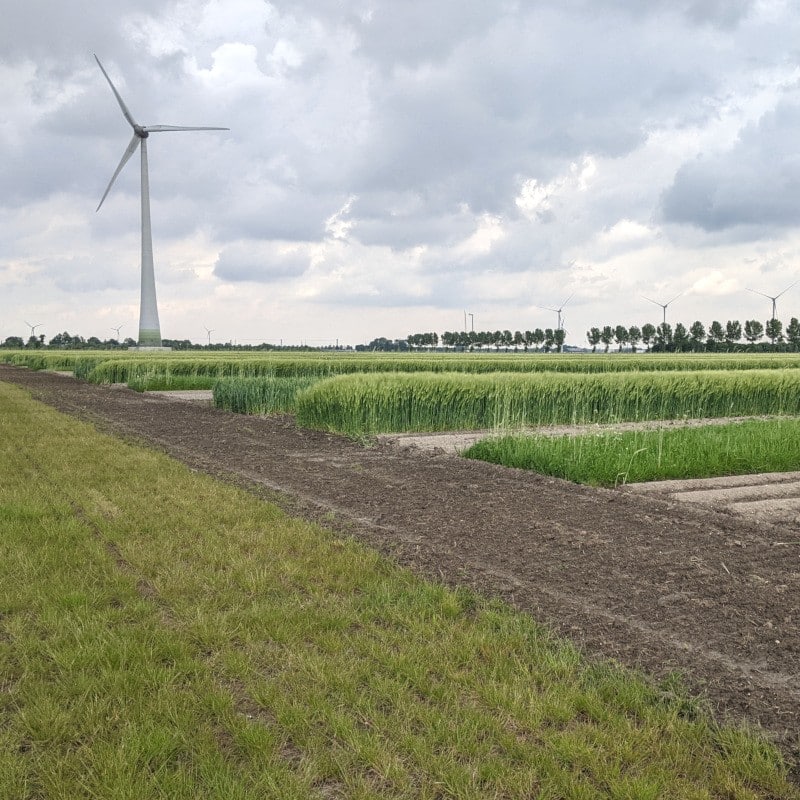


 One of the big issues with oilseed rape is unsynchronised pod shatter, where fruits open in the field and seeds fall to the ground; in the UK pod shattering leads to the annual loss of 11-15%. With an annual worldwide production of 38 million tons of oil this represents a major loss of production.
















 The
The 
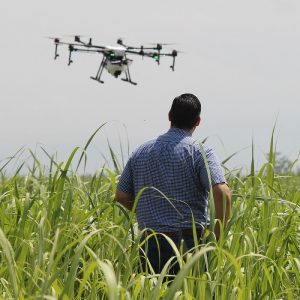
 Farmers and environmentalists are keen to ensure that sprays are only used when they are needed. Improving prediction of disease and applying plant protection just to the crops that are at risk will reduce wastage of chemicals. This is known as precision farming and URSULA Agriculture will be showing how analysing data collected by UAVs (drones) flying over crops can enable better management and increase crop performance.



 The decline in bee diversity in the UK is a serious concern to many and can be attributed to decline in food resources (nectar and pollen), combined with other pressures that are more difficult to quantify such as fewer nesting sites and over-wintering sites, diseases (such as mites and viruses) and exposure to pesticides.



 About one third of the world’s crop production relies on animal pollinators, not just honeybees but a variety of different wild species, and numbers are decreasing. Although concerns have been raised about specific types of pesticide, there is also a growing body of evidence that suggests that the increase in monocultures means that honeybees in particular are short of food at critical times of the year.