Explore advancements in the arable industry
Join us at CropTec, the UK’s leading technical event for the arable sector, on 14-15 January 2026 at the NEC Birmingham. Gain exclusive insights from industry-leading specialists and explore the latest innovations shaping the arable industry.

Field2Yield trial reveals point of peak profit to minimise cattle emissions

Meet the Network
Agri-TechE

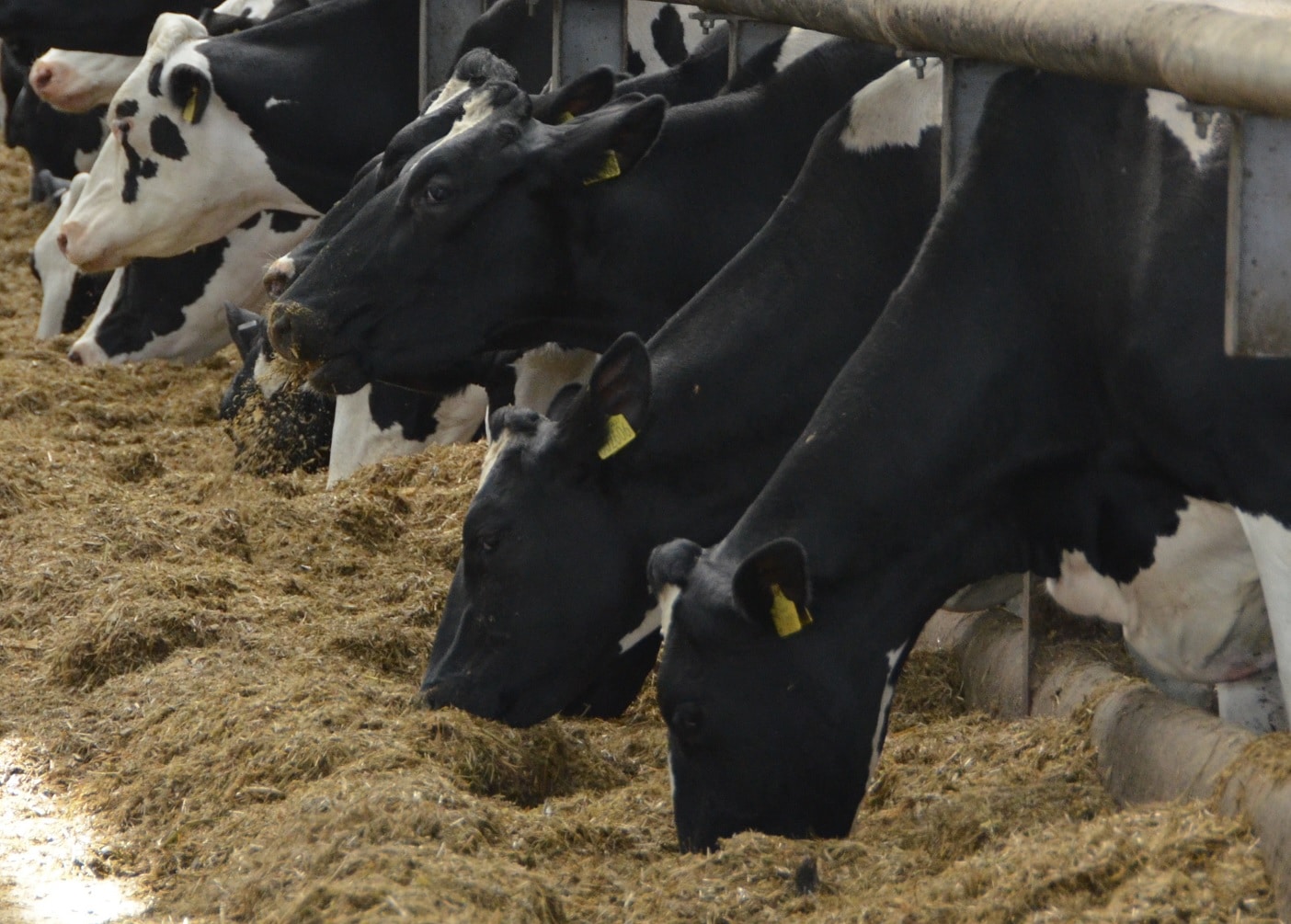
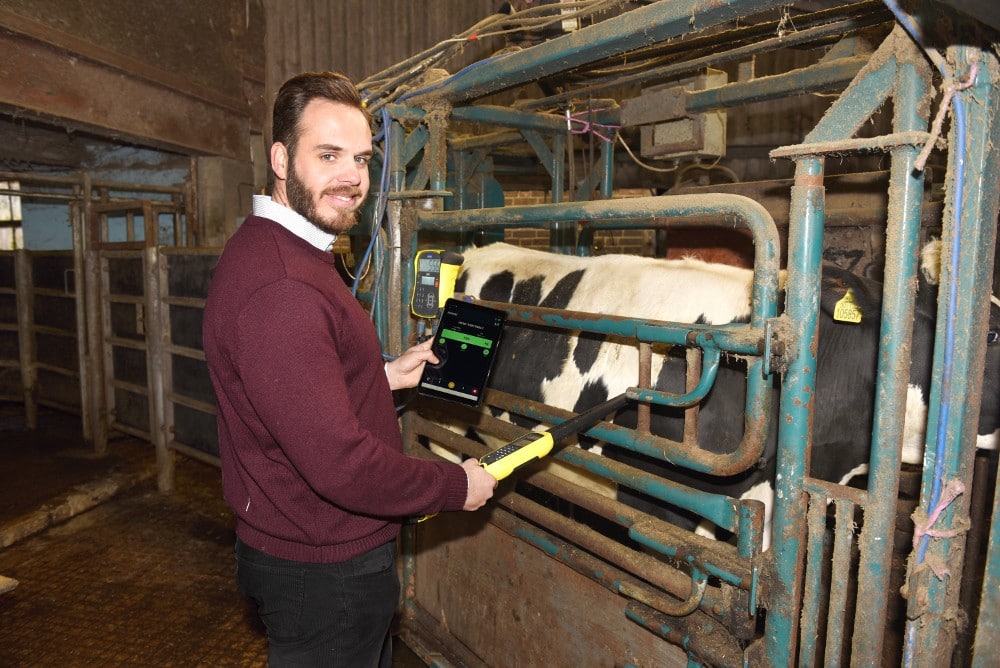
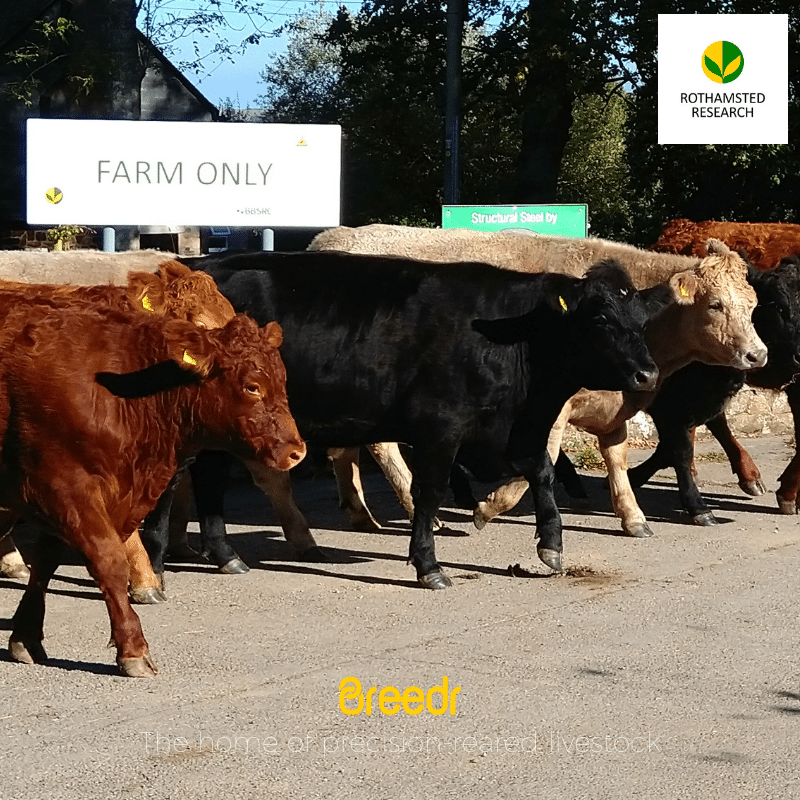
Healthy lower weight cattle, finished rapidly, are more profitable and produce less greenhouse gases over their lifetime, the Field2Yield study has revealed. This unique analysis of six years of real-world data by Breedr, developers of a precision livestock app, together with Rothamsted Research North Wyke Farm, has identified ways to identify the point of ‘peak profit’ for producers while curbing cattle emissions. Ian Wheal, founder of Breedr, is to discuss these insights alongside Sainsbury’s, IBM and Topsector Agrifood at the Animal AgTech Innovation Summit in Amsterdam this week.
The project aimed to develop metrics that would help a producer predict when an animal should be sold to get maximum returns and also how to improve the herd so that offspring would consistently meet processor specifications.
Historical data along with additional rump width, length, hip, height and body length measurements were analysed to develop models that would allow farmers to benchmark their performance. For example, growth curves were used to compare consumption over a lifetime for animals that were the same weight at slaughter. This showed that fast finishers are more profitable.
Ian Wheal comments: “Field2Yield demonstrated that growth curve analysis offers the potential to estimate the gross feed consumption and emissions of individual cattle, enabling a deeper understanding of the economic and environmental efficiency of livestock production.
“This rigorous science underpins our platform, which offers for the first time objectivity and a data driven approach to the livestock supply chain.”
As animals get larger their efficiency decreases, so giving farmers the tools to make the decision when to send an animal off would improve profitability and reduce greenhouse gas (GHG) emissions.
Dr Andrew Cooke, livestock scientist at Rothamsted Research’s North Wyke ‘farm lab’, explains: “An animal will consume about 2.5 per cent of its body weight a day in dry matter. It is accepted that dry matter intake correlates strongly with methane output – a greenhouse gas.
“Therefore, you may have two animals that are the same weight at slaughter, but if one of those gained more of its weight earlier in its life, it will have consumed more food and produced more methane during its lifetime.”
Breedr is taking the guesswork out of livestock production. Data that is routinely collected by a farmer can be captured by its app and analysed on the platform, creating a ‘digital twin’ that can be compared to retailer specifications.
By digitising livestock production, Breedr is driving innovation and integration across the industry. It is also working with industry partners to lead the development of an innovative Smart Contracts system for meat and livestock. This system uses blockchain, a form of distributed ledger technology, to capture the complicated flows of data and transactions, improving transparency and trust between multiple partners.
The precision livestock network created by Breedr aims to streamline and incentivise livestock production – increasing profitability while reducing environmental impacts and overfeeding.
Breedr’s CEO Ian Wheal will be speaking alongside: Gavin Hodgson, Sainsbury’s Head of Livestock; Willemien van Asselt of Topsector Agrifood; and Louis De Bruin, IBM’s Blockchain Thought Leader for Europe, in the session Digitisation and Data – How can we Harness the Power of Data to Deliver a More Sustainable and Transparent Supply Chain? at the Animal AgTech Innovation Summit in Amsterdam on 2 October at 9.30am.
Breedr is looking for farmers and processors to further develop their technology. Those that see commercial sustainability as vital to reducing environmental impact of beef production are encouraged to visit www.breedr.co and apply for a trial.

The war on waste

Agri-TechE Blog
Agri-TechE

Potatoes growing
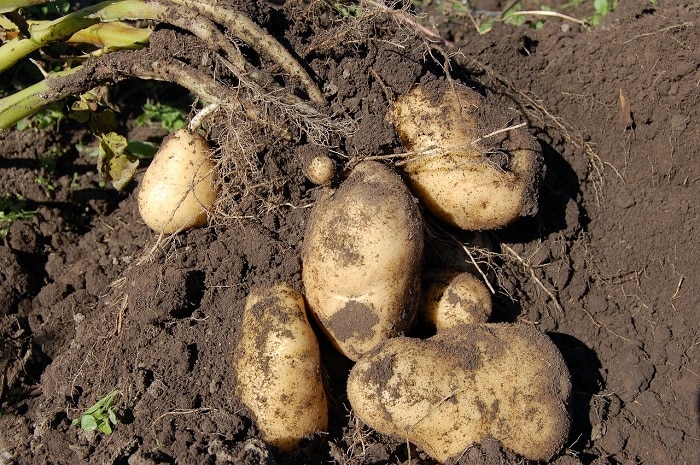
Potato Yield Model reduces waste by enabling prediction of the size ratio of the yield before harvest

We are on the verge of war…..a war on “waste”, which we expect to see increases in productivity, profitability and sustainability across the agri-food chain, and in which technology will be a major catalyst for change.
Yet despite the troops rallying for this war, it’s been difficult to gather robust data around the scale of the problem, particularly in primary agriculture.
Food grade waste
But in a recent report published by WRAP, a review of the available data reveals some shocking statistics about how much of the huge effort by farmers to produce food-grade products actually ends up as waste.
An estimated 7.2% of all food harvested ends up as food surplus and waste. That’s a whopping 3.6 million tonnes which could have had a market value of £1.2 billion.
Potatoes, wheat and sugar beet collectively make up more than 55% of the total estimate of waste in primary production. Horticultural crops make up nearly 60% of the rest, with cereals nearly a third, livestock 4% and milk 6%.
Solutions 
So what counts as waste? If food products that were originally intended for human consumption are disposed of, composted, ploughed in or sent to an anaerobic digester they count as waste. If, however, they can be redistributed across other supply chains, fed to livestock or used as part of the so-called “circular economy” to produce bio-based materials, they are considered “surplus.”
There is no doubt that innovation is at the heart of winning this war on waste. And progress is being made.
Matching demand with supply 
There are companies in our membership, such as Agronomex and COGZ, with software platforms designed to match supply and demand for surplus food-grade product, bringing additional sales opportunities to the producers.
Predictive yield mapping tools have been developed for crops such as lettuces through the IceCam project with G’s  – and the Potato Yield Model, thanks to Niab and Agrimetrics. These help reduce over-planting and enable better supply chain management through line-of-sight of expected timings and yields.
Living bio-converters 
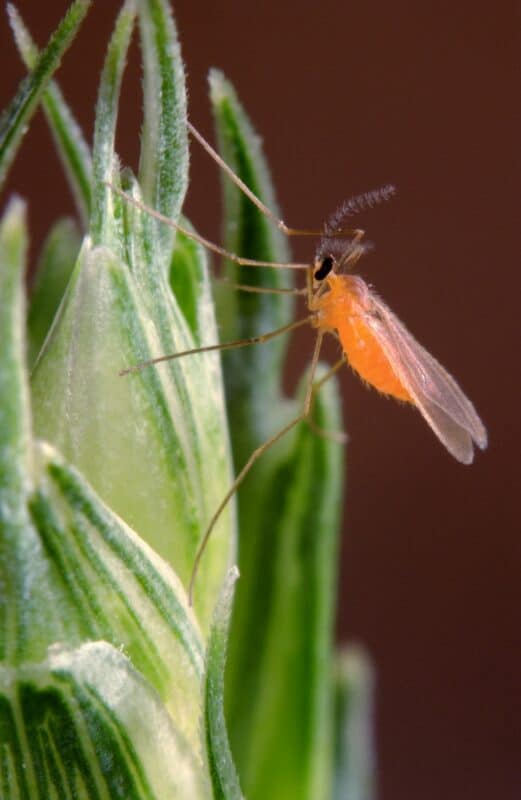
The Eastern Agri-TechE Innovation Hub, hosted by Niab, offers a resource for innovators to develop their ideas and was the first home to Entomics as they developed their black solder fly innovations to reduce food waste. That activity is now underway within Agri-Grub in partnership with AMT Fruit, feeding the fly larvae on fruit waste.
Part of the reason it has been so difficult to establish the scale of the problem in primary agriculture is the difficulty in extrapolating losses between seasons – environmental and weather conditions almost certainly vary and the absence of year-on-year data collection has made calculations around waste challenging.
The War on wasteAnd, unlike household waste, which still far outweighs the waste in any parts of the value chain, there are limited opportunities for farmers to influence the scale of the problem. At a pre-harvest level, pest and diseases and extreme or unhelpful weather events are beyond the control of most producers yet can contribute to loss of marketable yield.
 
Precision agriculture and smart water 
Here again, precision agriculture tools can help with reduction of waste of inputs, with precision irrigation specialist Wroot Water, and mapping tools such as Omnia, and data solutions from Pix4D, with imaging and sensing technologies from companies such as Crop Angel, DroneAG, fieldmargin and the Small Robot Company.
Consumer behaviours linked to buying decisions in the supply chain and retailers can also influence supply and demand, and shortcomings in post-harvest storage and failure to meet quality requirements are another major source of waste generation.
Post-harvest
Yet again, storage solutions and monitors to reduce damage to the product are being used, such as the award winning ImpacTrack by Martin Lishman which can be made to mimic different food shapes, Roboscientific’s electronic “noses” to detect rots in potato stores and Consus Fresh with process innovation to help manage the transition from fields to packhouses to reduce waste.
The UK’s Innovative Farmers programme is piloting a farmer-led approach to gathering data on food waste in the apple, carrot, egg, tomato and wheat sectors in England. The work is supported by WRAP and funded by DEFRA, and the resulting data will be used to refine future waste estimates.
We’ll be talking about our Innovative Farmers project around the use of digestate, a by product of anaerobic digestion  to improve soils health at our Pollinator on the 12th September in Cambridge.

Are cow burps responsible for climate change?
Agri-TechE Article
Agri-TechE

IPCC Special Report on Climate Change and Land summary coverIt may come as a surprise to some but the main finding of the UN’s IPCC Special Report on Climate Change and Land was not that cows are responsible for global warming, as some press reports seem to suggest.
The report is long so a short summary might be useful – and some of the key points are given below.
The key thing to remember is that the report is global – land degradation is happening on a massive scale in many parts of the world and this is impacting lives today.
However, the IPCC report concludes: “Land is both a source and sink of greenhouse gases – sustainable land management can contribute to reducing the negative impacts of multiple stressors including climate change.
“Many response options can be applied without competing for land and have the potential to provide multiple co-benefits … most of the response options assessed contribute positively to sustainable development and other societal goals.”
This statement underpins the importance of ‘One Agriculture’ – a concept based on the understanding that everything is interconnected. Agri-TechE is considering at its 2019 REAP conference the innovation that is required to deliver this approach to food systems.
There is much already underway to mitigate adverse environmental impacts and promote sustainability; at REAP there will be a discussion on this and insights into emerging agri-tech at the research institutes and a start-up showcase of entrepreneurial thinking.

The statistics in the IPCC report are sobering

  • 70% of available land is already in human use – it is a finite resource
  • 1/4 of this land is subjected to human induced degradation – deforestation is a major cause but soil erosion from conventional tillage is 100 times higher than the rate of soil formation
  • Agriculture uses 70% of global fresh-water use – it is a limited resource
  • Food production has increased rapidly since 1961 – cereal production has increased by 240% through land expansion and yield improvement. Ruminant livestock has increased by 50%. Irrigation water volume has doubled
  • 1/3 of land’s potential net primary production (energy from sun converted into carbohydrate by plants) is now used for food, feed, fibre, timber and energy.
  • Agriculture, Forestry and Other Land Use (AFOLU) activities accounted for 23% of total net anthropogenic emissions of greenhouse gas (GHGs) – which means 77% of emissions are from other sources (point A3, p7)
  • Land is both a source and sink of greenhouse gases – sustainable land management can contribute to reducing the negative impacts of multiple stressors including climate change

Adaptation and mitigation response options (B, p19)

These options include, but are not limited to:

  • sustainable food production
  • improved and sustainable forest management
  • soil organic carbon management
  • ecosystem conservation and land restoration
  • reduced deforestation and degradation
  • reduced food loss and waste

Immediate impacts include the conservation of high-carbon ecosystems such as peatlands, wetlands, rangelands, mangroves and forests.

Many options do not require land use change

Improved management of cropland and grazing lands, improved and sustainable forest management and increased soil organic carbon content, do not require land use change and do not create demand for more land conversion.
Further, a number of response options such as increased food productivity, dietary choices and food losses and waste reduction can reduce demand for land conversion, thereby potentially freeing land and creating opportunities for enhanced implementation of other response options.
Most of the response options assessed contribute positively to sustainable development and other societal goals.
Many response options can be applied without competing for land and have the potential to provide multiple co-benefits. A further set of response options has the potential to reduce demand for land, thereby enhancing the potential for other response options to deliver across each of climate change adaptation and mitigation, combating desertification and land degradation, and enhancing food security.

Innovation required to deliver the adaption and mitigation options

Improved value chain management – such as dietary choices, reduced post-harvest losses, reduced food waste can contribute to eradicating poverty and eliminating hunger while promoting good health and wellbeing.
Increased knowledge of adaptation limits for crops – also assessment of the potential for maladaptation eg for irrigation systems, pests and diseases to the combined effects of climate change and desertification.
Water harvesting and micro-irrigation – also knowledge to restore degraded lands using drought-resilient ecologically appropriate plants.
Ways to reducing dust and sand storms – this would include the creation of “green walls”, and “green dams” using native and other climate resilient tree species and other methods.
Cleaner energy sources – wind and solar energy infrastructures were suggested as promoting health of women and children.
Understanding of comparative benefits of farming systems – agroforestry, perennial pasture phases and use of perennial grains, have the potential to reduce erosion and nutrient leaching while building soil carbon.
Precision livestock production – options include better grazing land management, improved manure management, higher-quality feed, and use of breeds and genetic improvement. Different farming and pastoral systems can achieve reductions in the emissions.
Reduction of food loss and waste – this can lower GHG emissions and reduce the land area needed for food production. During 2010-2016, global food loss and waste contributed 8-10% of total anthropogenic GHG and currently 25-30% of total food produced is lost or wasted. Technical options such as improved harvesting techniques, on-farm storage, infrastructure, transport, packaging, retail and education can reduce food loss and waste across the supply chain.
Improved systems of payments and incentives – Land-use zoning, spatial planning, integrated landscape planning, regulations, incentives (such as payment for ecosystem services), and voluntary or persuasive instruments (such as environmental farm planning, standards and certification for sustainable production, use of scientific, local and indigenous knowledge and collective action), can achieve positive adaptation and mitigation outcomes.
Improved technology for data visualisation and consensus building – Inclusiveness in the measurement, reporting and verification of the performance can support sustainable land management. Integrated landscape planning and policy choice can be improved by involving stakeholders in the selection of indicators, collection of climate data.

REAP 2019: innovating for One Agriculture

REAP 2019Food systems, human health, animal health and the environment are inextricably linked by best practice in agriculture. This brings with it a huge opportunity to create sustainable, productive and profitable farming enterprises.
With its vision of ‘One Agriculture’, the REAP 2019 conference will be reviewing the opportunities that emerging agri-tech offers to mitigate the grand challenges facing society.
Agri-TechE brings together inspirational thinkers, disruptive technologies and pragmatic achievers to make things happen. Come to REAP and be a part of this vibrant cluster.
More information: reapconference.co.uk

Read the report in full

Climate Change and Land: An IPCC Special Report on climate change, desertification, land degradation, sustainable land management, food security, and greenhouse gas fluxes in terrestrial ecosystems.

Julian Gairdner of Rezare examines the sustainable delivery of human nutrition

Meet the Network
Agri-TechE

Following a recent presentation by Professor Michael Lee from Rothamsted Research’s North Wyke site, Julian Gairdner, Managing Director of Rezare UK, examines the argument that it is not enough to simply measure the global warming potential (GWP) such as C02 equivalent/kg of meat product  – there may be other, more beneficial measurements, such as measuring C02 production against recommended daily intake of certain key nutrients.
In his blog – which you can read in full on the Rezare website – Julian discusses the conclusions of Prof Lee’s presentation that for every % of RDI we need in our diet, “beef production produces fewer kg of C02 than even chicken!”
“So why as a technology provider am I interested in this?” asks Julian. “Well, if here in the UK rewarding farmers for preserving (even building) ‘natural capital’ is going to become the big game in town, then we need some ways to measure it … This seems an enormous opportunity to start creating a tangible link between human nutrition (society), farm productivity (economy) and the environment through an empirically-based approach.”
You can read his thoughts in full on the Rezare website here.

New ‘high tech sheep shed’ added to Rothamsted farm lab

Meet the Network
Agri-TechE

The new Robert Orr Small Ruminant Facility will bolster research into the sustainability of livestock.

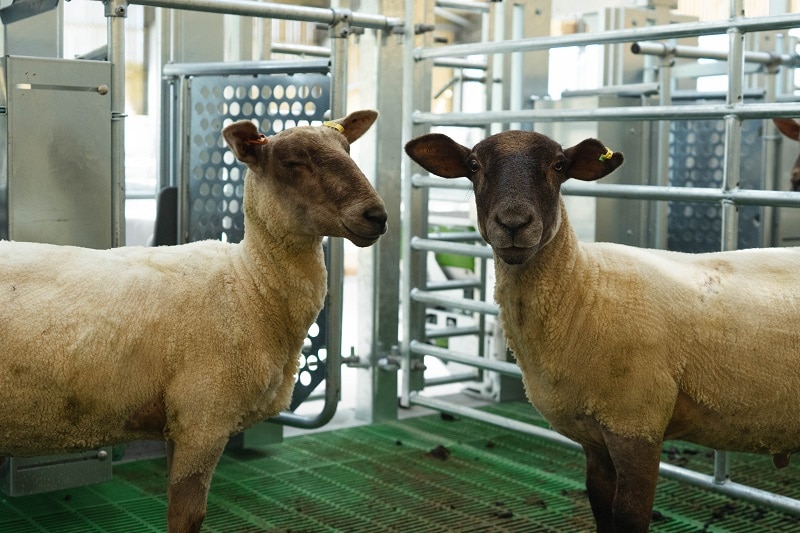
A new high-tech ‘sheep shed’ has been unveiled which will allow Rothamsted researchers to monitor the impacts of livestock in real-world farming systems.
The new facility, which can also accommodate goats, is part of Rothamsted’s ‘farm lab’ at its North Wyke site near Okehampton, Devon, where it measures how sustainable different farming methods are.
It will help scientists study different ways of rearing and producing lamb – and examine whether a switch away from red meat is good for the environment in the UK.
The ‘farm lab’ or Farm Platform is in fact three self-contained farms where every relevant input such as fertiliser and manpower, and all key outputs including pollutants in water runoff from fields, greenhouse gases and, ultimately profits, are monitored.
The Robert Orr Small Ruminant Facility will become an integral part of the Farm Platform and will house 400 or more ewes and up to 60 goats, with group and single pen facilities for feeding and behavioural research trials, including 24 automatic feeding pens.
It will keep the flocks reared on the different farming systems separate over winter to fully examine and compare the environmental and efficiency benefits of each.
It will do this by allowing researchers to measure the nutrients taken in, animal growth, urine and faeces produced, and the greenhouse gases being emitted by the sheep, individually or in groups, during housing.
Professor Michael Lee, head of the North Wyke site, said agricultural research often focused on individual animals or field-scale trials, and it was not always easy to extrapolate that up to the level of the farm.
“All the research we do, the leading stakeholder is the farmer, to help them improve their productivity, sustainability, reduce emissions and improve efficiency generally.
“Instead of doing that at a field or animal scale, let’s do that at a farm scale.”
For four years, the three farming systems tested have been permanent pasture which uses fertiliser, a quasi-organic system which relies on natural nutrients such as manure, and a short-term lay system which sees farmers ploughing and sowing grass crops for feed.
“There’s been a lot of press about the detrimental impact of grazing livestock on the environment,” says Prof Lee, but there was no real evidence on the impact of removing ruminants such as sheep and cattle from the food chain.
“We want to run these experiments so we can have enough data to show the true impacts,” he said.
He added that the idea was to look at if it was possible to develop a system which utilises the natural benefits of grazing animals such as cattle and sheep for food security.
The facility was built through the help of CIEL (Centre for innovation and Excellence in Livestock) as a further development of the BBSRC North Wyke Farm Platform National Capability to allow complete separation of its three research flocks, but also as a research facility in its own right.
Lyndsay Chapman, chief executive of CIEL, said: “It’s exciting to see the Orr sheep facility come to fruition.
“Its versatility, combined with the expertise of the North Wyke team, make it ideal for supporting a broad range of projects across health, welfare, nutrition and behaviour.
“Working together with industry, we’re delivering valuable solutions for a sustainable livestock sector.”
The facility is capable of developing tailor made research trials to address industry needs. These include:

  • Effect of various forage types and protein supplements on the performance of ewes during pregnancy and early lactation.
  • The effect of supplemental minerals on the performance of ewes and lambs.
  • The effects of sire breed on lamb performance and carcass quality.
  • Effect of feed supplements on the health and wellbeing of ewes, and potential impact on ecto-parasites.
  • The fate of water during rumen metabolism in goats and sheep.

For SMEs in Devon, Cornwall and Isle of Scilly, there is potential opportunity to apply for innovation grants through the regionally funded ERDF program, Agritech Cornwall and Impact Lab.
There is also funding available through Innovate UK via its various funding competitions under the Industrial Challenge Fund.
The facility can also play host to farmer groups interested in sheep production systems and as a tool to demonstrate recent research findings to help improve on-farm management.

CWIC 2019 – Digitising agriculture strand highlights rapid growth in agri-tech

Agri-TechE

Digital livestock production, smart plants and 24/7 indoor salad production are some of the ways the digital revolution is driving rapid growth in the agri-tech sector. Start-ups 30MHz, Breedr and LettUs Grow are part of a new breed of technology companies aiming to improve productivity and sustainability in agriculture, but they will be quick to stress at CWIC 2019 that domain knowledge has been essential for success. They are presenting in the Agriculture track of the conference, hosted by Agri-TechE and Allia Serious Impact.
Dr Belinda Clarke, director of Agri-Tech, comments: “Few market sectors are as dynamic as agriculture. The value-chain has to manage volatile prices, changeable weather, 24/7 consumer demands, regulatory changes and global challenges – so technologies that can improve decision-support and productivity are being met by a receptive audience.
“Farming is data-rich but until now it has been difficult to extract meaningful insights. This is changing and the greater availability of wireless technologies and the increasing sophistication of multi-factorial analysis is creating some interesting solutions as the agri-tech companies 30MHz, Breedr, and LettUs Grow clearly demonstrate.”
30MHz provides a data platform for agriculture30MHz provides a data platform for agriculture; Business Engineer Steve Archer was a currency trader before he made the switch to agriculture. He comments: “I followed the productivity of economies closely and figured there was a global problem. 30MHz began life as an industry agnostic platform for generating environmental insights with wireless sensors but growers were the first to really see the potential. Dutch greenhouse growers wanted to be able to monitor greenhouse crops and adjust the microclimate to improve productivity and so we focused our product development to really support them.
“We have worked closely with these growers to learn about and understand agriculture and bring a data-driven approach to the industry. This has been a good strategy. It’s an industry with many different challenges and there is no ‘one size fits all’ solution. Being open-minded, listening and having a flexible product is key and it has enabled us to bring technology to market effectively.
“However, growers are a pragmatic breed and if a grower wants – understandably – to see proof that a technology works they have to wait a long time for a good data set to prove there is a good ROI. This is a key issue, and more support is needed to help tech companies lacking in resource to test and prove their technology ‘in the field’. Low margins are also an issue; we have found that our technology has been more comprehensively adopted where the produce is higher value.”
LettUs Grow - aeroponic systemsLettUs Grow designs irrigation and control technology for indoor farms that incorporates technologies such as machine learning and aeroponics. Ben Crowther, Co-founder of LettUs Grow, comments that growers have seen vertical farming as an opportunity to diversify and that it offers a stable rate of production and return on investment. He agrees that domain knowledge is key: “We are constantly improving our understanding. From the outset we partnered with leading researchers and this included some of the pioneers of vertical farming in the UK. Since then we have built an R&D farm in central Bristol so everyone in the team can develop a practical knowledge of the customer and user requirements and see how this applies to their work.”
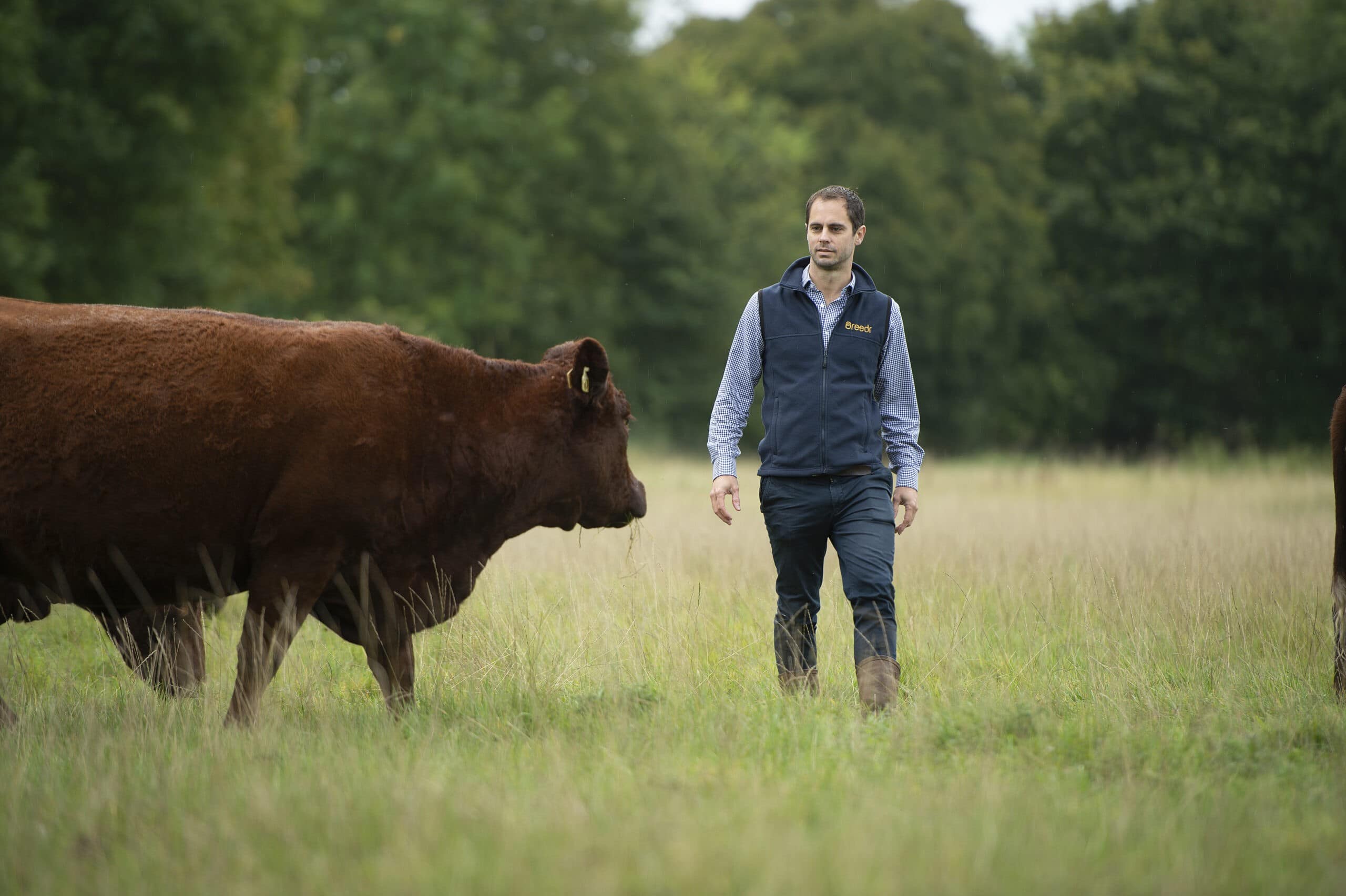
Breedr is digitising livestock production by developing an online trading platform to help increase transparency and trust from field to plate. It incorporates machine learning and smart contract technologies.
Breedr co-founder and CEO Ian Wheal
Co-founder Ian Wheal says he grew up on a mixed farm in Australia but studied robotics and computer science before going into management consulting with multinational food processors: “On the farm we were using electronic tagging to try and improve traceability and productivity and I have always been passionate about using technology to bring farmers and buyers closer together.
“Agriculture is the last industry to be transformed by the digital revolution and still farmers have to rely on judging by eye and weight when an animal is ready for market.
“With Breedr we are able to add value to the data that farmers are already collecting for different purposes. We have created models from the extensive data held by Rothamsted Research and are using this to help farmers to benchmark their performance. Providing these insights will make it easier to produce cattle that meet the specifications of consumers, processors and retailers – building an integrated supply chain that benefits from all users, conception to consumption.”
All the agri-tech companies featured at CWIC aim to reduce inputs and improve productivity and sustainability. This is also the mission of Allia Serious Impact, which aligns its work to the UN Sustainable Development Goals to tackle global issues like poverty, climate change, and food waste.
The agri-tech strand at the conference is being chaired by Emma Mee, New Accelerator Programme Manager for Allia. She says: “We have seen a huge swell of impact ventures over the recent years that aim to address some of the grand challenges facing society. I am delighted to see such good examples of how these issues can be addressed by cutting-edge technology in partnership with the agricultural community.”
Simon Mead, CEO of Cambridge Wireless says: “CW’s community consists of some of the biggest and most innovative technology companies in the world who see that a one-size-fits-all approach to deploying new technologies such as 5G or big data just won’t cut it. We want to work hand-in-hand with farmers and growers, and organisations such as Agri-Tech, to ensure that future digital products and services fit their requirements. Open, clear and un-jargoned conversation is needed to facilitate this.  At the CW International Conference we are looking forward to learning from the impressive entrepreneurs at 30MHz, Breedr and LettUs Grow, while examining successful examples of agricultural digitisation and talking to farming thought leaders to understand the potential future of digital in agriculture.”
The Cambridge Wireless International Conference (CWIC) is being held on Wednesday 26 June 2019 at the Wellcome Genome Campus Conference centre, Hinxton. Find out more on the CW website here.
Technologists interested in gaining more domain knowledge of agriculture are also encouraged to attend an event being hosted by Agri-Tech, ‘Agriculture 101’, providing an overview of the industry, on 17th September 2019 – see more details here.

How to create value from food waste

Agri-TechE Article
Agri-TechE

2-4 million people could be fed their 5-a-day nationally on fruit and veg that is currently rejected for cosmetic reasons such as colour, shape and size, it has been estimated by WRAP.
AMT Fruit, part of the Munoz Group, is one of the UK’s largest citrus specialists, and they are addressing the problem in a number of inventive ways, were discussed at an event ‘Closing the Loop on the Circular Economy’.

Naomi Pendleton, Head of Technical and CSR at AMT Fruit Ltd, spoke at the event. She explains that the company works with over 250 growers to supply Tesco with 11 million boxes of citrus each year – that’s approximately 140 million nets of citrus.
circular economyShe says: “We have been focusing on reducing food waste in our global operations for a number of years, and through our efforts to date we have reduced overall operational waste by 30% from 2015 to 2018, the majority of which (81%) is citrus fruit waste.
“This has been achieved in a number of ways including: revising and broadening product specifications; expanding our sourcing countries; introducing new product lines; and developing partnerships with food charities, which have seen the donation of 1 million portions of fruit.”

AMT conducted consumer research to gauge attitudes and as a result was able to work with their retailer customer Tesco to accept an increased amount of ‘scruffy’ fruit and to introduce a new giant line of over-sized fruit. This resulted in Spanish growers supplying an extra 10% of their crop to Tesco. Further improvements to the delivery strategies have extended the shelf life of citrus fruits by 40 million days.

However despite these efforts the organisation still has in excess of 2,000 tonnes of waste each year from the UK operation.

Create value from food waste

Naomi explains: “Our citrus waste is too wet and acidic and full of rots and moulds which makes it unpalatable for animal feed. We were having to send all our waste to AD plants. At the start of 2018 we were introduced to Joe Halstead from AgriGrub, who was looking for locally sourced viable waste products on which to grow his black soldier fly larvae.”

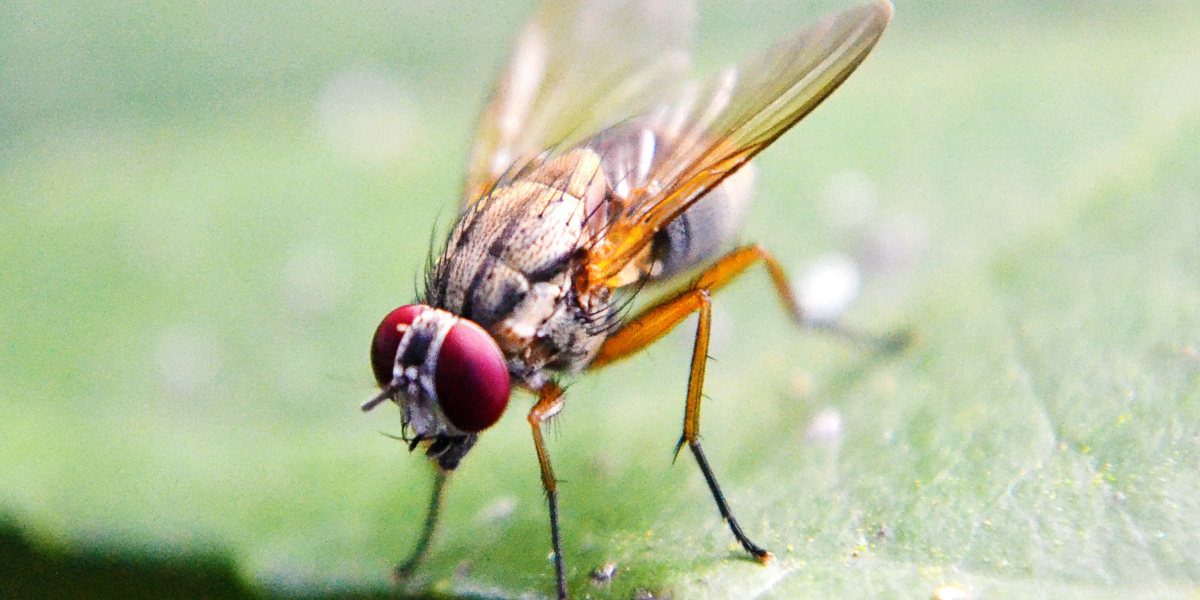
AgriGrub feeds waste vegetables and fruit to the larvae of Black Soldier Flies and when they are an optimum size they sell the larvae – branded as Calci worms – to pet food distributors and retailers as a form of live feed for reptiles. Their virtuous by-product is called frass, and is a sustainable source of nutrients for plants, and a novel bio-repellent for crop protection.

There is already a significant body of evidence on the efficacy of chitosan (the active component in frass) as a biopesticide. However for many years the cost of extracting the chitosan was considered too great, as the process involved boiling crustacean shells in sulphuric acid. Frass from insects, however, needs little processing and represents an economically viable source of chitosan for agriculture.

Joe Halstead explains: “We are focusing our attention at the moment on higher margin crops which have few treatment options for pests and diseases as this is likely to give us the best return in the least time. However longer term I hope and expect frass to have broadacre application, especially where neonicotinoids are being phased out. Our first frass trials, on brassicas, showed a 94% reduction in aphid numbers on frass treated plants versus controls.

“It is in the field where routine synthetic pesticide usage is most damaging to our environment, so ideally we’d like to see frass and its bio-repellent qualities used in the field to repel insects rather than killing them. This spares non-pest species and allows beneficial insects to persist in the local environment.”

Naomi says the relationship is working well: “This is a great example of a circular economy created through a mutually beneficial relationship. Our presentation will discuss this relationship, how it works and the benefits for all, including those for local farmers.”

Find out more Closing the loop on the circular economy 

Dr Belinda Clarke, says: “Food waste is a major issue and the work AMT Fruit is doing with AgriGrub is one of a number of inspirational approaches that use waste from one process as input to another.

Event is over.

Breedr to make livestock trading smarter and financing easier

Meet the Network
Agri-TechE

Breedr co-founder and CEO Ian Wheal

Breedr’s vision is to help farmers trade livestock smarter and finance faster, by enabling the value-chain to buy and sell animals based on data rather than how they look. Founder of the company, Ian Wheal, will be discussing the benefits of data-led trading in the ‘Integrating Supply Chains’ seminar alongside Dr. Stefano Vandoni of science-driven nutrition company Belcham and Ryan Law of meat processors Dunbia at NBA Beef Expo on 23 May 2019.
Traditionally, the way that animals are sold to processors is fragmented – some farmers sell to finishers, others through agents, at market or direct – so it is difficult for processors to see what is becoming available and for kill sheets and customer insights to be fed back to producers.
Breedr CEO Ian Wheal explains: “It’s all about linking up the supply chain, to get more value for the farmer and more consistency for the processor and retailer. Transparency and traceability are being demanded by customers, and farmers already collect a lot of data for regulatory purposes. Our aim with Breedr is to make data into actionable insights for the benefit of everyone in the value-chain.
“At the moment processors issue a kill sheet, showing the weight and carcass information, which is often supplied as a sheet of paper or pdf. To use this data, farmers need to retype it into their system. If this data was more accessible and informative it could be used to improve meat production.
“A data-led supply chain allows visibility of animals in the pipeline, which is why processors are interested. Rather than buying animals based on weight, as they currently do, they are able to select the ones that will be within their specification and know when they will be available.”
To enable this, Breedr is leading an Innovate UK project to create smart contracts for the livestock industry by using blockchain to assure the lifetime data of an animal. Blockchain is a method of securely sharing data around the world and making sure that data cannot be edited. Copies of the data are stored across hundreds of thousands of computers that are used to authenticate the information and prevent it from being tampered with. The data is encrypted and can only be read within Breedr using a secure login.
Breedr is working with Imperial College London to develop the software; with Deloitte to address the legalities; and with Dunbia to gain input from the processor perspective. A number of farmers from across the UK are also involved to ensure the system works well for farmers.
A major benefit of smart contracts is that instead of an animal being bought based on the way it looks, it is bought based on its track record.
Farmer and Breedr’s UK Manager James Wright gives the example of compensatory growth, an evolutionary strategy designed to help cattle survive hard winters. He says: “If you cut down an animal’s feed intake and then start feeding it again there will be a jump in growth. With a smart contract you will be able to see that the low growth rate has been caused by restricted rations. A farmer would be prepared to pay more in anticipation of rapid growth with enhanced feeding. The idea of data-led trading is that you are buying and selling animals on their potential performance.”
Improved performance and business efficiencies will be discussed by AHDB (Agriculture and Horticulture Development Board) and Claire Lewis, a Breedr co-founder, who will bring together her farming and the supply chain experience in Beef Expo’s ‘Challenges Facing The Industry’ seminar at 1.30pm.
Breedr is a sponsor of Beef Expo 2019 and will also exhibiting on Stand 24.
The 2019 NBA Beef Expo will be held at North West Auctions, J36 Rural Auction Centre, Milnthorpe, Cumbria on Thursday 23 May 2019.

Citizen science project ‘Barberry Rust Explorer’ takes multi-disciplinary approach to conservation

Agri-TechE Article
Agri-TechE
Barberry Carpet Moth - credit Ian Hughes, Butterfly Conservation
Barberry Carpet Moth (photo: Ian Hughes, Butterfly Conservation)

The delicately patterned Barberry Carpet moth is one of England’s species most at threat of extinction, but its conservation could risk helping a devastating wheat disease to re-establish.
The Barberry Rust Explorer (BarbRE) program, a citizen science project being launched in Norfolk on 3rd April 2019, aims to see how the moth’s host plant common barberry (Berberis spp.) can be managed to secure the future of this rare moth. It also seeks to better understand the life cycle of the stem rust pathogen to protect cereals from future outbreaks.
Dr Diane Saunders from the John Innes Centre explains that wheat stem rust (Puccinia graminis f. sp. tritici) has the potential to infect 80% of the current UK wheat lines. It was thought to have been eradicated until 2013, when it was discovered on a single wheat plant in a field in Suffolk – the first sighting for 60 years. Although no further infections have been recorded in the UK, increased incidence of wheat stem rust disease in Western Europe since 2013 is worrying as most of our wheat species are susceptible.
Dr Saunders says: “Barberry helps the overwintering cycle for wheat stem rust. At the end of the crop season, stem rust can produce hardy teliospores that germinate in the spring and infect barberry. The barberry bush acts as a seasonal bridge and source of inoculum. As a result, the shrub was largely removed from hedgerows and this was thought to have broken the disease cycle.

Diane Saunders, John Innes Centre

“Understanding how rust strains diversify and being able to accurately identify the cereal-infecting forms is vital for future bio-security. This knowledge may also suggest alternative methods of disease control.”
BarbRE is encouraging people interested in conservation and farming to use the iNaturalist app to report the location of common barberry bushes; these can then be checked by the BarbRE team for stem rust infection. This location information will directly inform the development of risk models, which will be invaluable if wheat stem rust re-emerges in the UK.
This project will ultimately provide a better understanding of the potential disease threat and help protect our wheat crops, while finding ways to manage conservation of the threatened Barberry Carpet moth.
Mark Parsons of Butterfly Conservation comments that BarbRE is a good model for how volunteers, conservationists, scientists and farmers can work together to find solutions to environmental issues.
He says: “Common Barberry still occurs widely in the countryside and despite this there have been no wheat rust issues in recent times. However, while the Barberry Carpet moth is an endangered species, restricted to just a handful of sites in this country, we are still concerned about the potential risk from stem rust and the impact it could have on food security. By working together, we can reach a consensus on the best way to manage this complex issue and maintain part of our natural heritage, whilst also reducing any possible threat from stem rust.”
More details about the BarbRE project and the launch meeting – at 18.30 on 3rd April 2019 at John Innes Conference Centre, Norwich Research Park, Colney Ln, Norwich NR4 7UH – can be found on the website barbre.co.uk.

Actiphage test wins UK Royal Dairy Innovation Award 2019

Meet the Network
Agri-TechE

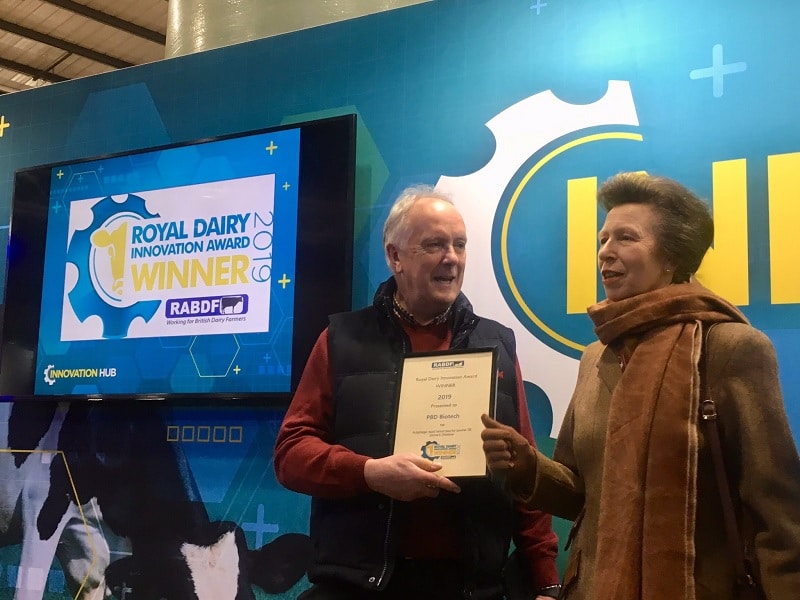
PBD Biotech’s novel Actiphage® testing technology was crowned winner of the Royal Dairy Innovation Award at Dairy-Tech 2019 (6 February 2019).

PBD Biotech win Royal Dairy Innovation Award 2019
Dr Berwyn Clarke of PBD Biotech is presented with the award by Princess Anne

The Royal Dairy Innovation trophy and certificate are awarded for research and development in the field of dairy farming. With the award going to the most practical, relevant product, which is likely to be the most significant innovation for the future of dairying.
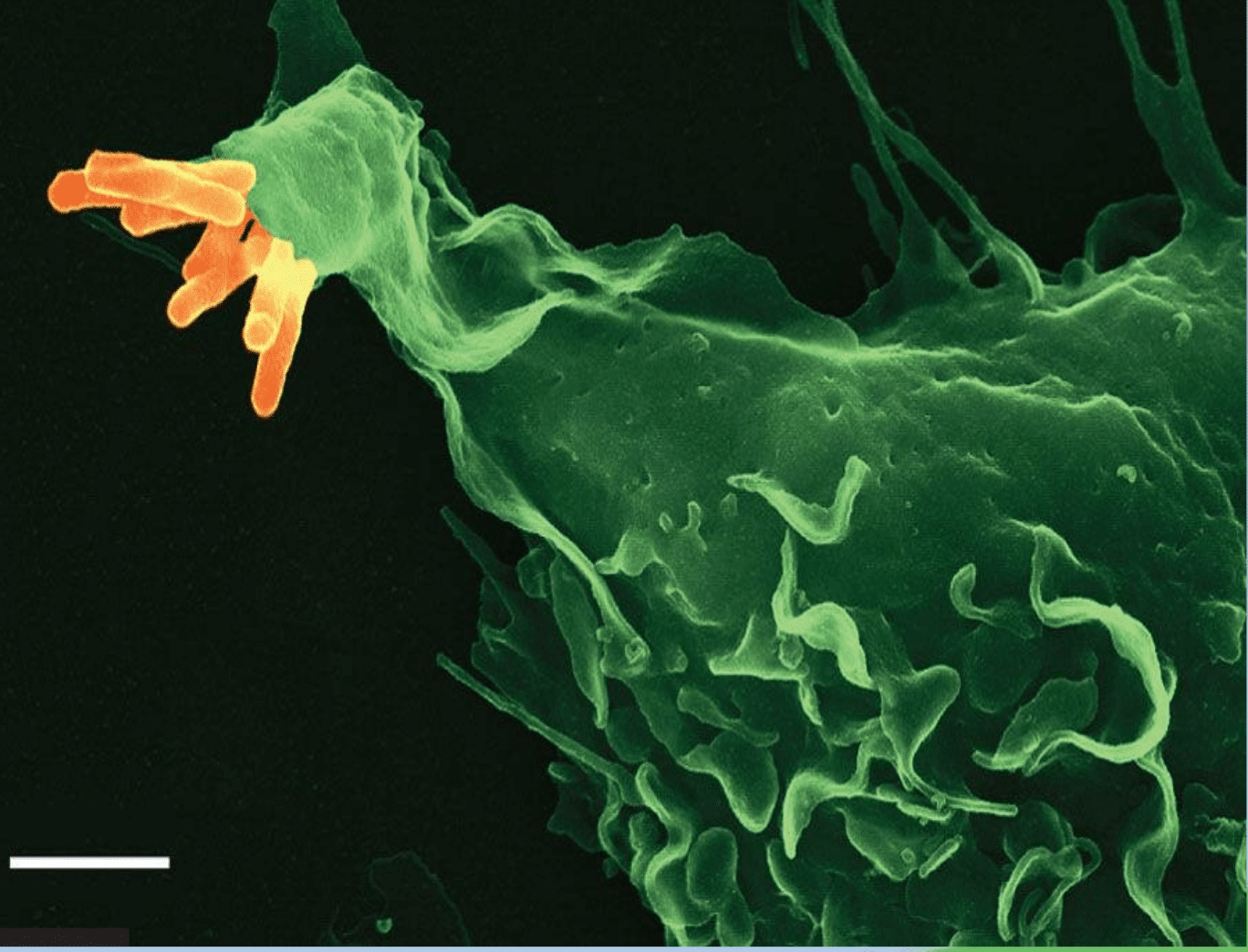
Actiphage is an innovative new test for the rapid detection of bovine TB, Johne’s disease and other mycobacterial infections. It has the potential to expedite food safety checks on milk and dairy products; revolutionise livestock disease management; and ease the burden on farmers, the industry and wider public.
Receiving the award from HRH The Princess Royal, CEO of PBD Biotech Dr Berwyn Clarke said, “The dairy industry is known as an early-adopter of innovation, so we’re delighted Actiphage has been recognised amongst such a strong field of emerging tech and forward-thinking services.”
Every year, Johne’s disease costs UK farmers and industry at least £13million and an increasing number of retailers are removing suppliers from their milk pool if they are not engaged in Johne’s disease testing.
Again in the UK alone, bovine TB results in almost 44,000 cattle slaughtered annually and an estimated cost to the taxpayer of £100million.
PBD Biotech’s Actiphage fits into current animal health testing practices and is the only diagnostic able to detect live mycobacteria – differentiating between infection and vaccination – that delivers results within 6 hours.
Originally developed as a tool for diagnosis of human TB, Actiphage has been optimised and developed to provide enhanced sensitivity and specificity for use in blood or milk samples.
“Globally there is growing concern regarding the presence of live mycobacteria in milk that may have human health implications. This prestigious award is recognition of the opportunity this technology provides to ensure dairy products are free from these organisms as part of routine dairy quality control,” added Dr Clarke.
“We are seeing significant interest from dairy organisations throughout the world in Actiphage, and this award will significantly aid in transferring our technology into those global markets.”

Breedr improves value of dairy beef calves by up to 50 percent

Meet the Network
Agri-TechE

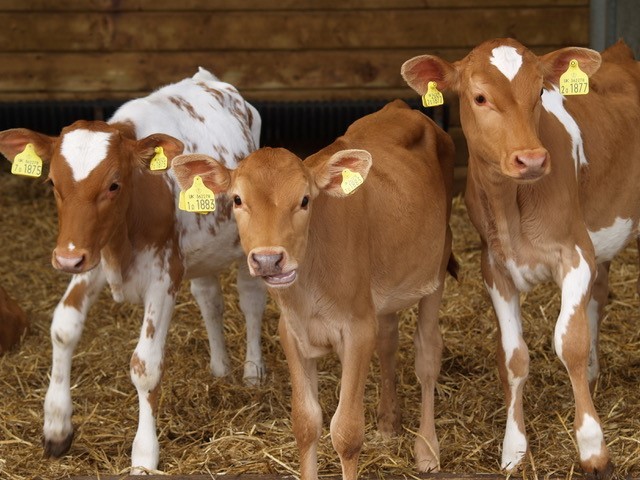
The value of dairy beef could be increased by an estimated 50 per cent per calf, if sires were selected for their meat yield as well as milk yield, according to farmers trialling Breedr.
The easy-to-use app helps farmers to finish cattle to retailers’ specifications with greater precision. James Wright, Breedr’s Farmer Community Manager, will be sharing insights at Dairy-Tech on 6 February and demonstrating on the Farming 491 stand.
Consumer tastes for beef have changed in recent years towards leaner meat, and processors require greater consistency. The Holstein Friesian breed, used widely by the dairy industry, offers the potential to provide the required uniformity of quality.

Ian Wheal, Breedr
Ian Wheal, founder of Breedr

Breedr’s founder, Ian Wheal, comments: “Dairy breeding has traditionally been done to increase milk yield, but if the cows were also selected by the quality of their bull calves, a market that has seen a massive upturn, the value could significantly increase with no additional cost.”
A number of major retailers, including the Co-operative and Waitrose, have introduced high welfare schemes to connect their dairy and beef producers. This has resulted in a rise of 59 per cent in the numbers of dairy bull calves retained within the supply chain for veal or beef.
Further increasing transparency and providing feedback to farmers on the performance of their bull calves can enhance the success of these initiatives. To assist with this Breedr has analysed six years of data from Rothamsted’s North Wyke Farm. This analysis has revealed that some cows consistently produce calves that are slow to put on weight; the difference between good and poor performers can be a much as 0.5kg a day.
Wheal explains that Breedr will alert farmers about ways to improve performance. He says: “It can highlight which animals to breed from, indicate the optimum time to sell, or provide an alert that an intervention is needed. The system will also help the farmer to know the cost-benefit of these alternative strategies; it is valuable decision-support to supplement the knowledge of the farmer.” Breedr also looked at the impact of the choice of sire.
Wheal continues: “Analysis of the sires reveals which bulls produce calves with the preferred body shape and condition for beef. Producing calves that consistently meet specifications will command a higher price. We analysed data from one beef herd and found that using data to improve productivity and meat yield could provide a benefit of up to £400 per animal.”
Breedr allows a farmer to analyse the herd to make decisions about breeding and cull date. Keeping bull calves beyond the optimum weight is a waste of feed and will increase the fat content. Historical data can be inputted from other systems and groups of farmers have pooled data to provide benchmarks. Where this data is available farmers have immediately seen ways to improve their beef yield.
Breedr has recently announced a ‘Field to Yield’ trial with Rothamsted’s North Wyke Farm, and beef and dairy farmers keen to gain an early benefit are encouraged to enrol.
Dairy-Tech takes place on 6 February 2019 at Stoneleigh Park, Coventry, CV8 2LZ. Breedr will be on the Farming 491 Stand.
More information 
 

New test speeds up mastitis diagnosis in farmyard

Meet the Network
Agri-TechE

A new rapid diagnostic for mastitis, a painful udder disease that costs the dairy industry almost £42million a year, is being developed by start-up Beosense. The device will allow on-farm identification of the bacteria that causes mastitis, enabling immediate treatment and preventing loss of milk yield.

Rapid diagnostics enable more effective treatment

Katie CavanaghFounder of Beosense, Katie Cavanagh, came up with the idea after a long wait for test results for her dog. However, it was growing up in a farming community in Northern Ireland that made her realise the potential of a point of care device that can be used to detect mastitis, a major endemic disease.
Katie developed the concept while a physics fellow at The University of Bristol. She explains: “If you can diagnose quickly, you can treat quickly. Rapid identification of the bacteria enables the use of closely targeted treatments and ensures quick recovery of the animal.”
The diagnostic is a development of a lab method that is used to detect pneumonia and salmonella in humans. Katie is working on ways to miniaturise the technology – which is normally performed in a laboratory using PCR technology – so that it can be used on-farm.

Cutting time and cost

Cow - New test speeds up mastitis diagnosis in farmyard“The current gold standard diagnostic for mastitis is lab based, so if you want a comprehensive result it will take a couple of days. Our test has slight differences to the lab-test but the principle is the same and it will provide confirmation the presence of a particular strain of bacteria in the milk sample.
“We’re not inventing new science, this kind of tech is being developed for humans all of the time, it’s just not being done for animals,” Katie says.
“As a physicist, you see all of this amazing technology in labs that could change the world; there is huge potential for a rapid test for mastitis and I am keen to work with farmers and vets develop the end product,” Katie concludes.
The mastitis test is currently at concept stage and Katie is seeking investors as well as farmers to help produce a practicable point of care device.

How the novel tech works

The Three Rs of Plant and Animal DiagnosticsCommenting on the range of new agricultural diagnostics coming to market, Director of Agri-Tech, Dr Belinda Clarke, said: “Advances in microbiology, imaging and organic chemistry are providing farmers and growers greater access to more cost-effective tools.
“We have selected a number of diagnostics that are promising to revolutionise disease management and at ‘The 3 Rs’ event the developers will explain how the novel technology behind them works.”
More information about the animal and arable diagnostics being profiled – many for the first time – at Agri-Tech’s ‘The 3 Rs of Plant and Animal Diagnostics: Rapid, Reliable and Robust (Enough)’ is available on our events page here.