The Productive Landscape: NatureTech for Profit and Planet
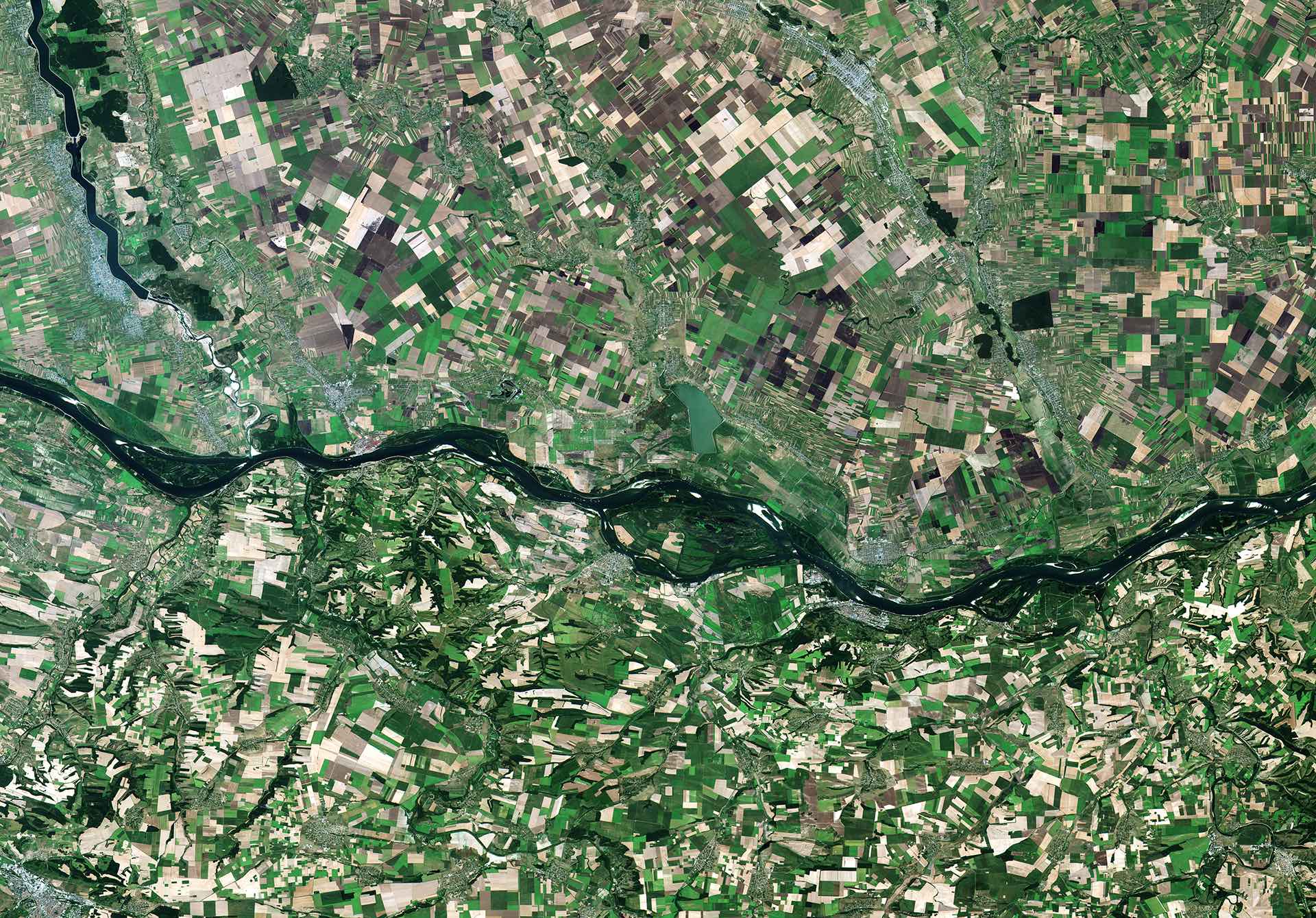
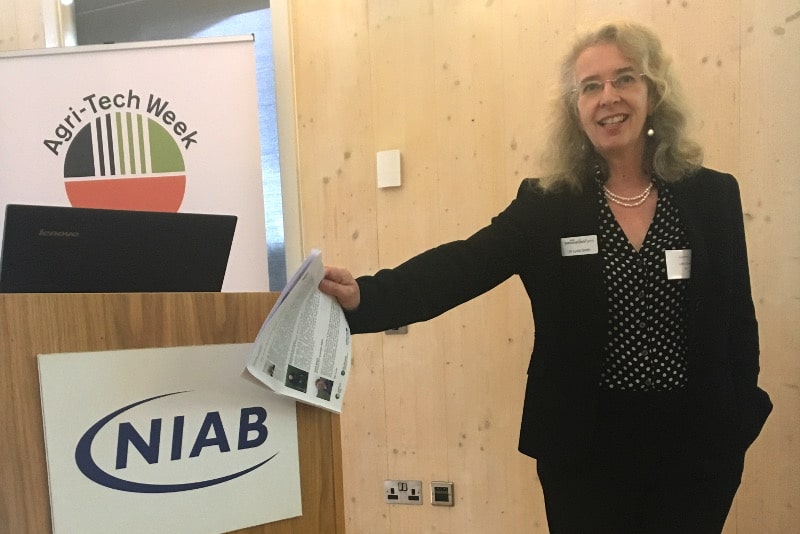
How can technology enable delivery of food, nature recovery, and climate resilience - all at once? The Head of the Environment Agency is asked: what's the national plan for dealing with land use pressures, plus you’ll hear from technologists and land managers working on nature-based and tech-enabled solutions for water, soils and climate adaptation.

Backpack LiDAR used for the first time in field phenotyping

Research Digest
Agri-TechE

field phenotyping with CropQuant
This is the first time that plant researchers used backpack LiDAR to provide phenotyping for large-scale field trials.

LiDAR is used by the Environment Agency and others to visualise gradients and recreate 3D landscapes – now this technology is being used for crop phenotyping, to show the physical characteristic of plants obtained by breeding.
Prof Ji Zhou is Head of Data Sciences at Niab,  his latest published paper explains how LiDAR has been used to provide large-scale 3D crop phenotyping in the field.
He says: “The lack of high-quality phenotypic data has prevented researchers and breeders from fully exploiting available genomic resources and this has become a major bottleneck.  To address this Niab has developed the CropQuant-3D technology to provide an in-field solution for large-scale crop phenotyping for breeding, agronomic services and agricultural production.
“We utilised a backpack LiDAR device to overcome limitations in mobility and scalability possessed by other phenotyping platforms and performed large-scale phenotypic analysis to characterise key agronomic traits such as crop height, canopy development and 3D canopy structural changes in response to different nitrogen (N) treatments for wheat field trials, which are imperative to yield- and development-related crop monitoring.”
The LiDAR device carried in the backpack obtained hundreds of millions of 3D data points from wheat in field trials.  The CropQuant-3D platform provided automated 3D trait analysis revealing the relationship between key agronomic traits with the yield and N responses.
Additionally, the CropQuant-3D platform could also provide a unified analysis pipeline to analyse 3D point clouds obtained by different sources – such as drones and gantry-based LiDAR sensors –  demonstrating its great potential in large-scale field phenotyping and open-source trait analysis.
This work has been published by one of the top plant research journals, Plant Physiology in its breakthrough technology column, entitled “Large-scale field phenotyping using backpack LiDAR and CropQuant-3D to measure structural variation in wheat”.
More about Niab

B-HIVE RECEIVES FUNDING TO DEVELOP CUTTING-EDGE TECHNOLOGY FOR FOOD WASTE REDUCTION

Member News
The views expressed in this Member News article are the author's own and do not necessarily represent those of Agri-TechE.

Leading Agri-tech company B-hive Innovations will host a Future Leaders Fellowship and lead a research project, which will early detect potato diseases and defects before they hit supermarket shelves.

Awarded by UK Research and Innovation (UKRI), research scientist Dr Barbara dos Santos Correia has been successful in her application for a Future Leaders Fellowship and will receive nearly £675k to support her TuberSense project – a four-year research programme that aims to detect diseases and defects in potato crops, using volatile biomarkers and innovative gas sensors to reduce food waste across the supply chain.

The project will help to establish a framework for crop disease prevention and precision detection from farm to fork by developing new gas sensors that will have a high impact of reducing crop waste and increasing food safety.

Barbara said: “I am delighted to have secured this UKRI funding with B-hive’s support. This funding will support our latest research project, which can transform the agri-food industry.

“We’re incredibly eager to commence our research activities with our project partners – Branston Limited, UWE Bristol, Warwick University and the James Hutton Institute. Our TuberSense project will help to identify emerging climate-driven and disruptive diseases that affect potato farming and storage across the UK and create innovative decision support tools based on volatile sensing.”

The Future Leaders Fellowship is a highly competitive and flexible scheme that supports ambitious and challenging research and innovation and provides training and career development, to maximise the leadership potential of talented early career researchers.

UKRI chief executive, Professor Dame Ottoline Leyser, said:

“I am delighted that UKRI is able to support the next generation of research and innovation leaders through our Future Leaders Fellowship programme.

“The new Fellows announced today will have the support and freedom they need to pursue their research and innovation ideas, delivering new knowledge and understanding and tackling some of the greatest challenges of our time.”

Vidyanath (Vee) Gururajan, managing director at B-hive Innovations, said:

“It’s fantastic that Barbara has received this funding. Not only will it support her development as a research scientist, but projects such as TuberSense can be undertaken to help transform the agriculture industry.

“We’d like to say thank you to UKRI, for providing us with this opportunity, and to our partners who will be working alongside our team during this transformational project. We look forward to research getting underway and the results it will bring.”

Showcase update: Xampla creating plastic alternatives from pea powder

Agri-TechE Article
Agri-TechE
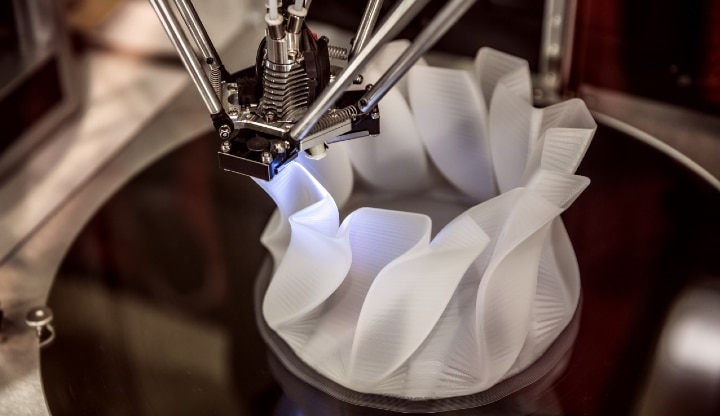
A plant-based alternative to micro plastics is being developed by Xampla. When it took part in the REAP 2020 Start-up Showcase the company was making edible plastics but saw a bigger opportunity in creating biodegradable products from non-food crops and waste streams. We asked about progress of the last year. 
CEO Simon Hombersley says that business is going well: “Since we launched at REAP2020, Xampla has received a £6 million seed investment to commercialise its first plant-based plastic product, microcapsules. This product provides a biodegradable alternative to the single use plastics which are currently used in the fragrance industry.”

Plant-based alternative for microcapsules

Microscopic plastic capsules are used in home and personal-care products to gradually release the active ingredient, such as an enzyme or fragrance, but as the capsules are currently made of plastic, they build up and remain in water systems as a major environmental pollutant.
“Our microcapsules can store a range of cargos from fragrances to food grade ingredients, replacing hidden single-use plastics added to a multitude of products,” explains Simon, “the aim is to get the plant based microcapsules to market later this year.”
In June 2021, the research and process behind Xampla’s plant-plastic material was published in Nature Communications, making clear the scientific breakthroughs that allow Xampla to turn plant proteins into a material with the same properties and functionality as plastic that can decompose fully without harming the environment.

Welcomes former Unilever Chief 

The company also welcomed Jeff Seabright as Chair of Xampla. Jeff is the former Unilever Chief Sustainability Officer and Coca Cola VP of Environment & Water Resources. He also worked in the White House as climate advisor to the Clinton administration.
This year of success has followed from Xampla’s launch in the Start-Up Showcase at REAP2020. To get the first look at this years’ Start-Up Showcase participants, book your tickets for REAP2021 now!

REAP 2021: Changing Time(s) for Agriculture10th November 2021

Imagine a world where agriculture is not constrained by time. The ability to manage and manipulate time is increasing and REAP 2021 will explore the advances in technology and breakthroughs in science that is making this possible.
REAP brings together people from across the agri-tech ecosystem who believe that innovation is the engine for change. The conference bridges the gap between producer needs and technology solutions and showcases exciting agri-tech start-ups. 

Showcase update: Land App supporting land managers and ELMS trials

Agri-TechE
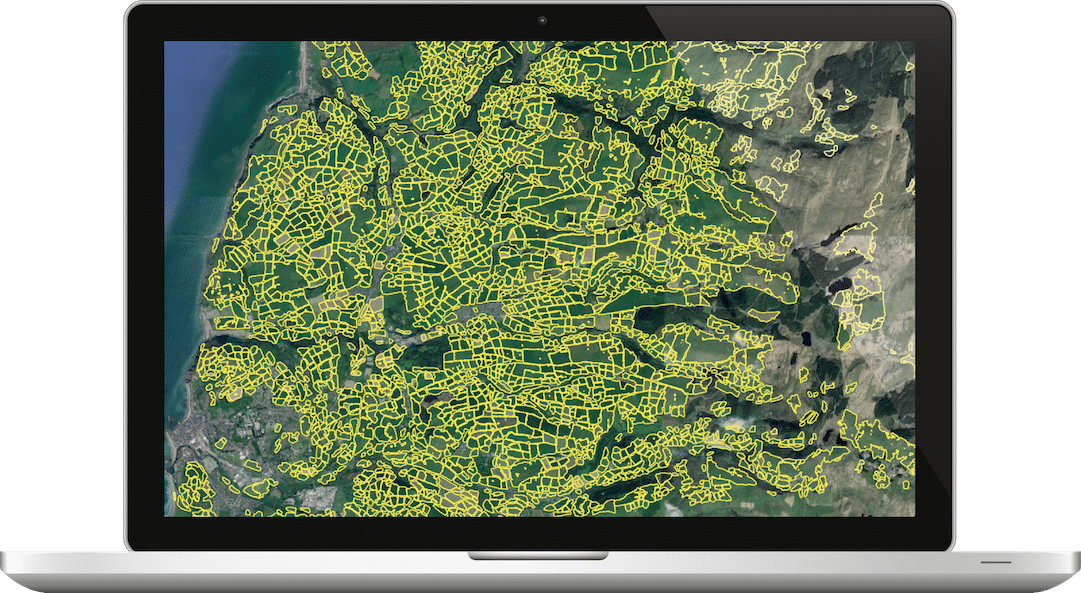
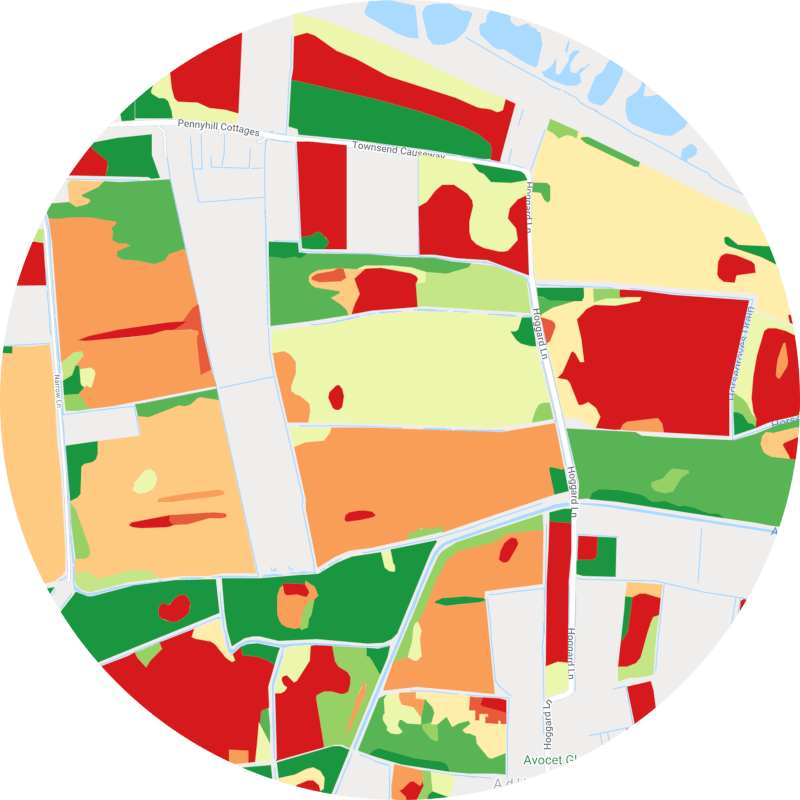
The Land App is an easy to use digital mapping platform that enables land managers to benefit from new agri-environmental schemes, connect with Natural Capital investors and design integrated estate plans that support best practice.  The company presented in the Start-up Showcase at REAP 2020 we caught up with the team to find out what has happened since. 
Having recently partnered with three Environmental Land Management trials The Land App aims to help groups of landowners prepare for natural capital investment and to design integrated estate plans that support best practices to benefit from agri-environment schemes.

ELMS Trials

One of these Land App trials is in the Surrey Hills, where 22 landowners are working in collaboration with advisors on a combined 4,500acre project to improve natural capital.
“The Land App allows land managers to work collaboratively with advisors to build independent land management plans,” explains Partnership and Growth Manager, Dan Geerah, “but crucially the plans from multiple holdings can be brought into a single view to ensure the projects are aligned and deliver maximum benefit.”

Landscape level change needed

The Land App has embarked on a series of ambitious projects bringing landowners together. With over 1.2 million hectares of farmland now represented, the digital mapping platform is being used to help steer land managers to best manage their assets over large land areas.
Dan explains:
“Landowners are making good progress with countryside stewardship at an individual holding level, with wildflower meadows, buffer strips etc, but for actual ecological restoration we need those meadows and buffer strips to be connected across the wider landscape.”
“In Surrey we’re trialling a more user-friendly Land App dashboard which shows the overall farm plan, aggregated across all participants in the study, and indicates the total area eligible for habitat enhancement (e.g number of trees that need to be planted in each location / area for wildflower creation), and approximately how many biodiversity credits this will generate – and all of these elements update as individual land managers in the project update their holdings.”
“We’re asking the farmers what aspirations they have for their land, and then we have this ‘what-if’ approach – what if by 10 years’ time, all of the land management plans in this project have been completed – what benefits would that bring to the landscape in terms of: habitat connectivity; carbon sequestration; floodwater mitigation; and biodiversity.”

Supportive community

The Land App has now grown to over 7000 users and according to Dan the user base is starting to develop into a community of its own: “Most of our clients are very self-sufficient, with some key individuals helping to train other users on the app. We want this to be a platform for consultants and land managers to use side by side without intervention from the Land App team.”
This year of success has followed from the Land App’s participation in the Start-Up Showcase at REAP2020. To get the first look at this years’ Start-Up Showcase participants, book your tickets for REAP2021 now!

REAP 2021: Changing Time(s) for Agriculture10th November 2021

Imagine a world where agriculture is not constrained by time. The ability to manage and manipulate time is increasing and REAP 2021 will explore the advances in technology and breakthroughs in science that is making this possible.
REAP brings together people from across the agri-tech ecosystem who believe that innovation is the engine for change. The conference bridges the gap between producer needs and technology solutions and showcases exciting agri-tech start-ups. 

Showcase update: Glas Data makes analysis of on-farm sensors accessible to all

Agri-TechE Article

Agri-TechE
Glas Data presented its farm-centric dashboard, GlasCore, in the REAP 2019 Start-up Showcase. GlasCore allows you to input agri-data from any source and offers fully customisable visualisation and modelling without the need for specialist skills.  The company has grown since then and we asked about its progress. 
GlasCore, can now combine data from over 70 types of remote sensor  as founder Robert Sanders explains: “Farming operations can benefit from being able to detecting patterns across all variables on the farm, and this is what our array of sensors allows them to do.”
Robert’s aim is to make sensors easy to use and affordable for all: “Given the low cost of sensors on the GlasCore platform, there is no limit to the variables that can be measured – we’re actually in early conversations with a local council to establish up to 10,000 sensors.”

Funding accelerates progress

Shortly after REAP the company raised seed funding to allow them to expand commercially. Robert continues: “This year things have really started accelerating, as we bring more sensor types online and widen what we can offer to farmers – and just in the last three months we’ve brought out our new data analysis package.”
“Our sensors feed data to the GlasCore for analysis, but they can also be used to provide remote operation and automated responses,” Robert explains, “when the pattern of incoming data changes suddenly, the wobble in the data is detected by GlasCore and the software sends an alert, which can either be picked up by the farmer, or sent directly to another piece of equipment to action a feedback response.”
“An example use case of Glas Data sensors is in the poultry shed – a sensor can monitor and automatically refill the feed bin and water trough, keeping them fresh and free of disease,” Robert explains, “Or simple sound and temperature sensors can detect ‘huddles’, which is a sign of a welfare problem, as the birds group together and end up crushing each other – so the feedback system allows the farmer to detect that early and intervene.”
“The next step for Glas Data is prediction – for example if you’re looking at egg yield as your key performance indicator (KPI), GlasCore will soon tell you how you can improve that by changing the conditions.” This year of success has followed Glas Data’s participation in the Start-Up Showcase at REAP2019. To get the first look at this years’ Start-Up Showcase participants, book your tickets for REAP2021 now!

REAP 2021: Changing Time(s) for Agriculture10th November 2021

Imagine a world where agriculture is not constrained by time. The ability to manage and manipulate time is increasing and REAP 2021 will explore the advances in technology and breakthroughs in science that is making this possible.
REAP brings together people from across the agri-tech ecosystem who believe that innovation is the engine for change. The conference bridges the gap between producer needs and technology solutions and showcases exciting agri-tech start-ups. 

Connecting sensors anywhere – Wyld Networks to discuss the tech at REAP 2021

Agri-TechE Article
Agri-TechE
Gold Exhibitors Wyld Networks to discuss sensor-to-satellite connectivity at REAP 2021

“I attended Agriculture 101 a few years ago – it’s a fantastic opportunity to get together with early-stage agri-tech companies, and people from outside farming,” says Eric Hewitson, Business Development Manager at Wyld Networks, who was so inspired by the event that he joined Agri-TechE as a member and will be exhibiting at REAP2021.
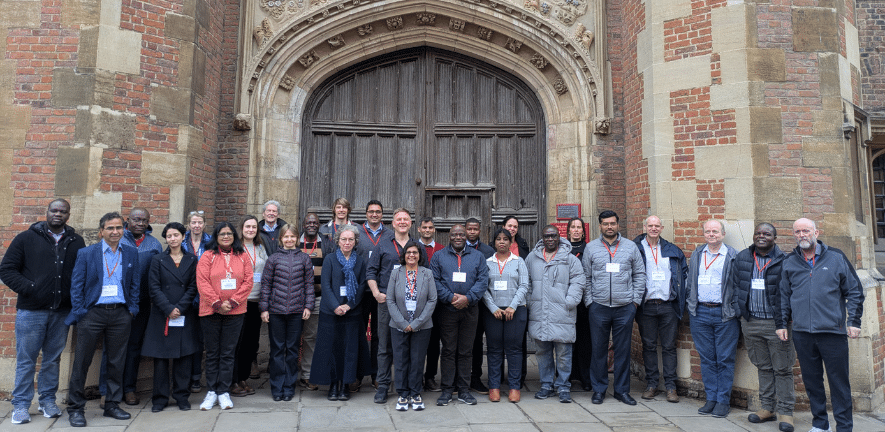
The workshop format of Agriculture 101 provides presentations by experts from different parts of the agricultural value-chain and gives a deep insight into the industry for those that are new to the sector.
There is also an opportunity to network with others and it was this that Eric found particularly beneficial.
“We just had a chat about what we do and how we can work together – to help each other with that ‘other bit’ that complements what we do.”  Networking at Ag101 has achieved results and going on to engage in further Agri-TechE activities has led Wyld Networks to work with partners on a soil moisture sensor that connects to the cloud from anywhere. “Most agricultural land currently lies on the 85% of the earth that doesn’t have cellular connectivity,” explains Eric Hewitson, Business Development Manager, Wyld Networks. The company is a Gold Exhibitor at REAP 2021 and will use that opportunity to discuss how enabling sensors to connect via satellite will be beneficial.

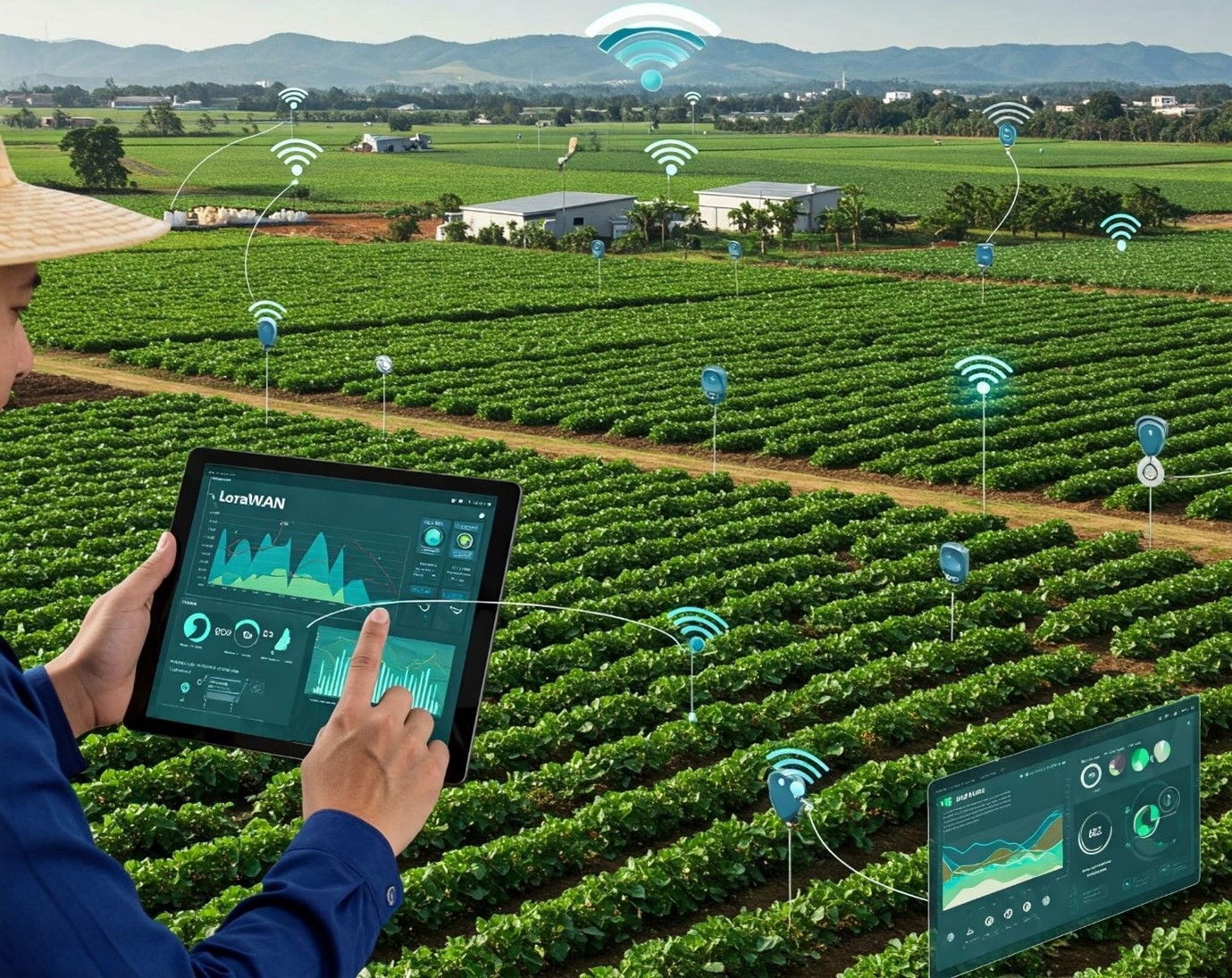
“At the moment if farmers want to use a sensor and transmit data to the cloud for analysis, they may have to install a wireless (LoRaWAN) network on the farm. However, they will still need to have access to broadband or mobile data. As well as sensors, additional costly infrastructure in the form of gateways is required which rely on line of sight between sensor and gateway. Such a network requires significant power and the whole network needs to be installed and managed – so a huge investment of time and hardware.” Eric explains that the new generation of low earth orbit (LEO) satellites will very soon provide near global connectivity, and this will offer a huge opportunity to deploy sensors in remote areas – such as the fens – where there is little cellular coverage.
“Wyld Networks are developing connectivity solutions that send data directly to LEO satellites – at low cost, low energy and minimal investment. We are looking forward to talking about this at REAP 2021.”
The LEO satellites pass overhead daily – an array of 24 of these LEO-satellites would give hourly data coverage. This low-cost data suddenly opens the doors for a range of applications and opportunities for sensor developers and their customers.
Wyld Networks became a member of Agri-TechE after being inspired by the Agriculture 101 event, explains Eric: “I attended Ag101 a few years ago – it’s a fantastic opportunity to get together with early-stage agri-tech companies, and people both inside and outside farming. It’s a great community looking at technology to solve key issues in agriculture such as increasing yields and improving biodiversity and sustainability.
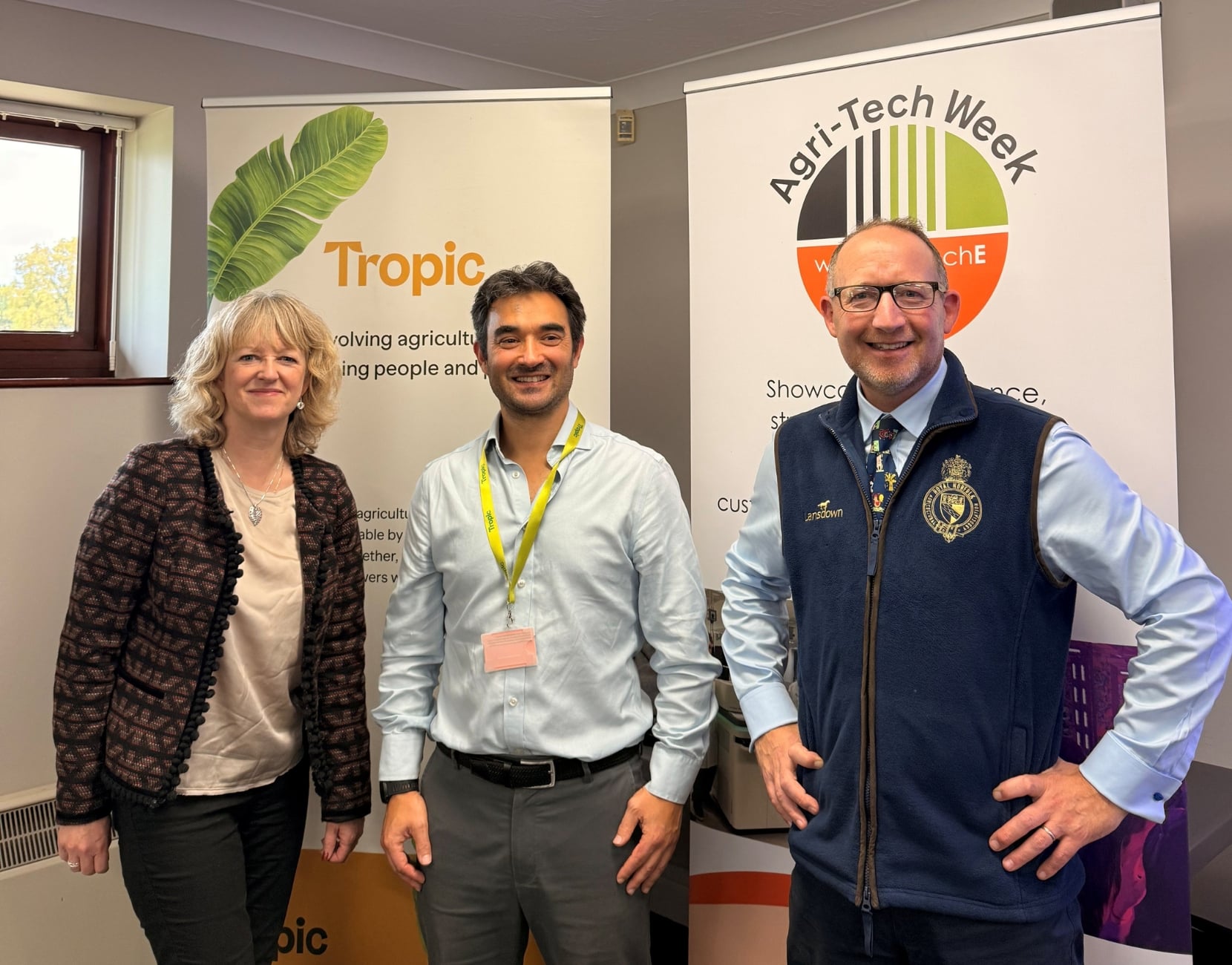
In the company’s next step as a Gold Exhibitor at REAP 2021, Eric is looking forward to meeting sensor developers, agronomists and farmers with an interest in deploying, and finding new use cases for remote data collection.

Agriculture 101Thursday 9th September @ 9:30 am – 3:30 pm

The unique one-day introduction provides some insights into the agriculture sector, the opportunities it presents and some of the challenges that are still seeking solutions.

“Attending the Agriculture 101 event gave us an insight into what was a new sector for us, and it gave us the confidence to further explore applications within agri-tech. We have since embarked on several new collaborations and have really appreciated the introduction to the sector and subsequent support of Agri-TechE “
Liz Jenkinson, CEO, Biocleave
“An impressive blend of different presentations discussing the future of farming, farming politics and the technological drivers. Exchanging knowledge and expertise”
– Agriculture 101 attendee, anonymous, 2020

REAP 2021: Changing Time(s) for Agriculture10th November 2021

Imagine a world where agriculture is not constrained by time. The ability to manage and manipulate time is increasing and REAP 2021 will explore the advances in technology and breakthroughs in science that is making this possible.
REAP brings together people from across the agri-tech ecosystem who believe that innovation is the engine for change. The conference bridges the gap between producer needs and technology solutions and showcases exciting agri-tech start-ups. 

Arable Wins 2021 AgTech Breakthrough Award For “IoT Monitoring Solution of the Year”

Member News
Agri-TechE

Arable has won the 2021 “IoT Monitoring Solution of the Year” prize in the AgTech Breakthrough Awards, which recognize the best agri-tech companies, products, and services around the globe.
Arable, a member of Agri-TechE , is based in California, and its products include a portable weather station, Arable Mark 2, which provides localised weather and plant health status in real-time via a mobile phone.
In the UK Arable has partnered with xarvio to combine its hyper-local crop and weather data with xarvio’s powerful crop production optimisation, to support more precise in-field decisions Jim Ethington, CEO of Arable, said: “We want to thank AgTech Breakthrough for validating our focus and vision with this award. Many of the challenges in agriculture today come down to a data problem: lack of accurate and reliable data costs farmers and enterprises billions in sub-optimally applied inputs, lost yields, and unmanaged risks. Arable’s goal is to offer one centralized, scalable digital solution for the full range of agricultural stakeholders, from farmers and agronomists to global agribusinesses and food companies. The team at Arable is proud of the progress we’ve made towards this vision, and we are proud to receive recognition of that achievement.”
Arable is a data and analytics company that delivers more productive and sustainable outcomes in agriculture through an integrated IoT platform that helps food and agriculture businesses gain visibility and insight into their farming operations. Arable works with the world’s most innovative farms, agriculture input providers, and food companies in over 40 countries.
Read more at arable.com.

New government report on genetic technologies recommends gene editing trial

Agri-TechE Article
Agri-TechE

Breeding of new varieties of crop takes many generations. With the rapid changes in environmental conditions and the withdrawal of key plant protection products, this may not be fast enough to provide food security. A new government report on genetic technologies is recommending changes to regulatory frameworks to support development of new breeding techniques.
Dr Belinda Clarke, Director of Agri-TechE comments: “Our knowledge of the genome has increased significantly since the legislation was first passed and it is time to review the regulations. Opening up the discussion and creating a test-case enables different stakeholders to provide their perspectives. This will help provide consensus on the way forward that balances a proportionate view on the risks and benefits and provide an environment that stimulates new thinking.”

New report on Genetic Technologies

There are many emerging genetic technologies that don’t involve the transfer of DNA from one species to another (genetic modification) and that could accelerate the development of new varieties.
However, the current ‘one size fits all’ regulation of genetic technologies does not allow the use of techniques such as gene editing, even when the end product could have arisen in nature or during conventional plant breeding.
The government ran a consultation earlier this year to gain inputs to advise potential changes to the legislation, and it has reported this week (1st September 2021) in the document Regulatory Horizons Council – Report on Genetic Technologies.
The report identifies that genetic technologies developed within a sensible precautionary environment can offer opportunities to transform agri-food systems through nutritionally healthier crop varieties, disease resistance, reduced insecticide and fungicide use, reduced greenhouse gas emissions, improved climate resilience, and contributions to sustainability and biodiversity conservation.

A new regulatory approach for genetic technologies

It makes a number of recommendations, stressing the need to take a more proportionate approach to applications based on the potential risks.
The report says that “A guiding assumption should be that similar products (phenotypically and genetically) arising from different genetic techniques would not be expected to have different risks and so should be subject to similar regulatory scrutiny.”
The report clarifies the underlying principles of good regulation: ensuring safety; balancing precaution about future hazards with ambition to gain future benefits; taking decisions in a timely, proportionate and predictable manner; being adaptable to future innovations; and ensuring improvements in the quality of animal welfare. It concludes that data requirements should be proportionate to the nature and scale of potential risks, should include information on potential benefits, and should not require the collection of data that do not relate to a clearly specified policy.

Gene Editing as a test case

It proposes to use ‘Simple Genome Editing’ as a test case for the new approach as this process generates varieties that could be produced by conventional breeding.
The authors comment: “Given the scale and extent of the potential benefits from all genetic technologies, it is important to ensure that the UK regulatory approach adopted for products of simple genome editing does not create regulatory precedents that would restrict our freedom to act in the near future on the regulation of all genetic technologies.”
Dale Sanders, Director of the John Innes Centre, comments: “I welcome publication of this comprehensive report which takes an evidence-based view of regulatory reform that could enable sustainable crop improvement through deployment of modern genetic technologies.”“The Regulatory Horizons Council Report on genetic technologies is extremely timely. With COP26 on the horizon, and with the UK pursuing its own independent trade policy while rebuilding from the COVID-19 pandemic, businesses need to be able to make the most of innovations that stand to benefit the environment, consumers and the economy.
Paul McGrade, Senior Counsel on Brexit and Trade, Lexington Communications comments that the report is extremely timely. “With COP26 on the horizon, and with the UK pursuing its own independent trade policy while rebuilding from the COVID-19 pandemic, businesses need to be able to make the most of innovations that stand to benefit the environment, consumers and the economy.”
He says there is a “case for a science-based, proportionate approach to regulation. Such an approach can unlock investment in the UK and create new opportunities for those who wish to do business here.”
Agri-TechE has an event on 23rd September – Advances in Breeding for Agriculture- New tools for new solutions – at which will be a discussion of the new genetic technologies that are emerging and the implications of the new report for innovation.
For more information, also take a look at our briefing page on new breeding technologies.

Blog: Bx Technologies

Agri-TechE Article
Agri-TechE

We were very please to be joined by from Adam Slate, Innovation Manager at Bx at our very first fully virtual YIF visit.
Bx Tech is a spin out of the Kent Fruit Produces, Bardsley England, and manage the agri-tech interests of Bardsley but also exploring climate tech, trying to change the way people grow, encouraging more regenerative approaches to sequest more carbon & be paid for ecosystems services that they can provide.
Bx are a climate tech business looking to support the reversal of climate change and benefit nature by transforming agriculture. They’re building tools to support growers to manage operations sustainably and while also looking after the farm’s ecosystems. The tools provide data from the farms, enabling a certification of the ecosystem services which they provide. Access to fruit farms which is used as the Bx Laboratory to trial the solutions, technologies and services. This allows for a R&D continuous improvement loop which is quite short speedin up the development of the tech and services.
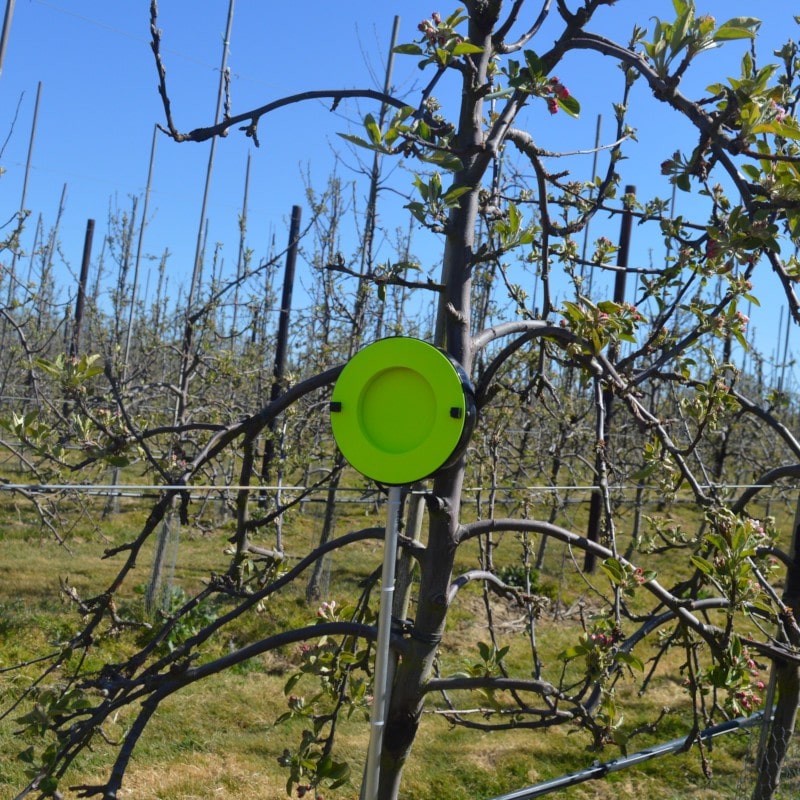
Data is the key in the work Bx are doing. There are lots of areas in which sensors in orchards can collect useful data including gaining information around eco system services, surveying, climate issues, yield, scouting, quality as well as pest and disease. The sensors could be mounted on tractors, stationery in field, satellite feeds or mounted on drones.
This data collection will be offered alongside ‘Earth Exchange’, Bx’s carbon offsetting service which is on offer to corporates. allowing corporates to offset their carbon emissions.
Using the data collected on farm, Bx are creating digital twins as a way to use modelling to predict yield, rate of change of soil carbon etc. A challenge is ensuring that the quality of and right data is used to ensure the modelling is as accurate as possible. The models are is enabling an understanding of optimate system inputs to increase eco system services and operational efficiencies in orchards.
Farming as a service
Adam feels like in the future we should see farming as a service. This starts with farmers and growers, they provide the data which is captured by sensors in the field this then goes through the Bx data service. In return growers receive analytics around various metrics like finance, carbon, yield etc. Corporates can then be brought into this cycle and they can offset their carbon footprint and by paying growers for the carbon sequested and verified by Bx.
If you would like to catch-up on the talk with Adam, you can do so here.
Fiona Rust, Events and Young Innovators’ Co-Ordinator, Agri-TechE

Genomic engineering offers solutions to endemic viral diseases and livestock emissions

Agri-TechE Article
Agri-TechE

Widespread use of anti-viral drugs for animal healthcare creates a risk for human health. A new genomic engineering approach has proven successful in reducing spread of a respiratory disease in pigs, and offers an alternative approach to containing disease. One of the scientists behind the breakthrough, Professor Helen Sang of the Roslin Institute at the University of Edinburgh, is a speaker at the Agri-TechE event ‘Advances in Breeding for Agriculture – New Tools for New Solutions’ on 23rd September 2021. Professor Sang explains that use of genetic engineering has potential to be a much safer and more effective means of disease control in livestock: “In China, where over 5 billion chickens are currently raised, the management approach for bird flu is to use antiviral drugs.
“Antiviral drugs that are very similar to those used in human healthcare are a really bad idea for use in farmed animals, as their usage can cause resistance to the drug, which then removes the efficacy of the drug for use in humans if the disease does end up spreading.
“Finding a genetic way, either by conventional breeding or genome editing, to embed the resistance in the genetics can be a good tool for combatting disease.”
Genome editing is one of a number of advanced breeding techniques to be discussed at the forthcoming Agri-TechE meeting. Director Dr Belinda Clarke comments: “The use of New Genomic Technologies is currently restricted by legislation that predates the sequencing of the human genome and does not reflect the increasing diversity in the technology. Making legislation fit for purpose could bring many benefits.” Among the speakers will also be Mike Coffey, Professor of Livestock Informatics and Team Leader for Animal Breeding & Genomics at Scotland’s Rural College (SRUC), who will be discussing how breeding for particular traits can reduce the environmental impacts of cattle, while Professor Sang will describe the welfare benefits.
Porcine Respiratory and Reproductive Syndrome (PRRS) causes breathing problems and deaths in young animals and pregnant sows to lose their litters.
Professor Sang continues: “Vaccines are available for PRRS but are not fully effective, resulting in PRRS being an endemic disease of pigs in the UK, with the consequent economic losses and animal welfare challenges.
“A genetic approach that would give pigs protection against this disease would be good for the welfare of the pig and good for the farmer. The PRRS virus binds to a particular protein on the surface of cells of the pig, which enabled the use of genetic engineering by Professor Sang and her colleagues at the Roslin Institute to edit that protein in order to prevent infection by the virus.
“Colleagues used CRISPR-Cas9 to chop out part of the protein from the pig’s gene – they showed that the pig is still perfectly healthy and happy, but if you try and infect the pig with PRRS, it just won’t become infected. That shows really strong genetic resistance.”
Similar uses of Genetic Engineering could also help to prevent swine flu and bird flu, both of which hold risk of spreading to humans. Professor Sang is involved in work on the latter.
“We’re investigating using gene editing to edit a gene that was shown by colleagues at Imperial College London to be involved in bird flu virus infection. This is an exemplar of the sorts of things we can do with gene editing technology.”
The virtual event ‘Advances in breeding for agriculture – new tools for new solutions’ takes place on 23rd September 2021, and will feature: Gilad Gershon, CEO of Tropic Biosciences; Helen Sang, Personal Chair of Vertebrate Molecular Development at Roslin Institute; Ingo Hein, Senior Research Scientist at James Hutton Institute; Thomas Farrugia, CEO of Beta Bugs; Nathan Fairhurst, Commercial Operations Manager at Biocleave; and Mike Coffey, Professor of Livestock Informatics at SRUC.

Book your place now from our events page!

Beta Bugs improves insect-based protein production through rapid breeding

Agri-TechE Article
Agri-TechE

Beta Bugs was set up to provide improved black soldier fly breeds for the rapidly emerging insect farming sector, which supplies animal feed industry.
Thomas Farrugia CEO of Beta Bugs explains: “Insects, such as the Black Soldier Fly, are excellent sources of protein for animal and aquaculture feed as well as a broad range of otherBeta Bugs black soldier fly and eggs resources from bio-materials to fuel. However, having only recently been domesticated, insects, unlike other agricultural species, are far from optimised for industry. There are huge improvements to be made in efficiency, quality of produce and ease of farming.
“We set up Beta Bugs to address the missing link in the insect farming sector, which was genetics – and it’s the link that creates the most scalable impact for an industry. Our mission is to double productivity.
“So, we’re improving the performance of Black Soldier Flies by selecting for traits that improve performance – these include growth rate, development time, fecundity and survival rate, amongst others.
“We use classical breeding techniques, i.e selective breeding, to make improvements to our genetics. Black Soldier Fly has a very short generation time of only a few weeks, meaning that significant genetic progress can be made in a year. We’re using specific quantitative genetics approaches and complementary technologies to identify the top performers in our breeding programme.
“We distribute our breeds through our egg production facility, The Multiplier™, which is coming online this year. Initially this will supply Just-Fly™, our entry level product, which we are starting to take and supply orders for.”
“If I could change the regulations, I would focus on the use of insects in animal feed, and I would ask the UK government to make sure regulations here are keeping up with those in the EU and consider going beyond that to allow a wider use of what feedstuffs insects can be grown on, and what insects can be used for.”
Thomas is one of the speakers at the Agri-TechE event ‘Advances in Breeding for Agriculture – New Tools for New Solutions’ on 23rd September from 1.30pm – 5pm.
Find out more and book your place now.
Read more about advanced breeding on our Briefing page.

Saving the banana – Tropic Biosciences develops advanced breeding tech

Agri-TechE Article
Agri-TechE

Gene editing is a new tool in the fight against devastating crop disease. It is hoped that when the government reports on its consultation into the regulation of genetic technologies, a distinction will be made between techniques for editing and modification, accelerating the development of disease resilience in crops like the banana.
Tropic Biosciences, based on the Norwich Research Park, is focussed on improving disease resistance and performance of commercial crops.
The company has developed a novel gene editing technique that could allow breeders to achieve a desired trait in a matter of months, rather than the years it takes to achieve the same result through more traditional methods of breeding.

Improving the plant’s immune response

Gilad Gershon, CEO of Tropic Biosciences, explains that bananas are particularly vulnerable to disease: “Almost all bananas produced globally for export are from the same variety known as the Cavendish, which is being attacked by a strain of fusarium fungus called TR4.”
TR4 causes the ‘Panama disease’ which began in South East Asia in the 1990s and is now spreading across the world, to Australia and the Middle East. In 2019 it was detected in the Americas, where 85% of the world’s bananas are grown.
“The United Nations deems the banana the world’s fourth most important food crop, and the disease will have a catastrophic effect on the fragile economy of the countries that produce bananas,” says Gilad. “We are working on developing a new variety of banana that is more resistant to Panama disease.”

Role of genes in resistance to disease

The blueprint for designing any organism is in its genetic code. The genes control the expression of traits – these are desirable characteristics that help the plant survive and reproduce. Genetic variation results in a diverse population of individuals, which ensures that some will have resistance to disease. There is very little variation in the banana crop and this means that disease will spread rapidly, killing all the plants.
Tropic Biosciences has developed a technique called Gene Editing induced Gene Silencing (GEiGS) which enables subtle changes to the way the plant expresses its genes. The novel gene editing technique could allow breeders to achieve a desired trait in a matter of months, rather than the years it takes to achieve the same result through more traditional methods of breeding.
Gilad explains: “All plants produce small strands of RNA that control the activity of some of their own genes. Recent studies have shown that some of these RNA strands are used within the plant’s immune system to suppress the genes in pathogens such as TR4, crippling the invaders.”
GEiGS can potentially be applied to any plant species, and Tropic Biosciences is currently undertaking tests of the technology in rice and other commercial crops.

Gene editing vs genetic modification

Unlike Genetic Modification (GM), which introduces genes from another species, gene editing makes alterations to the plant’s own genetic code, producing changes that could be made, more gradually, using traditional breeding methods.
At the moment, due to a legal ruling from the European Court of Justice in 2018, gene editing is regulated in the same way as GM. However, the UK government is currently in the process of reviewing this ruling, and a public consultation on the regulation of genetic technologies ran from 7th January to 17th March 2021.

Huge worldwide potential for novel gene editing technique

Gilad sees huge potential for the GEiGS technology in areas of the world where gene editing is allowed, as it is step forward from existing gene editing techniques.
“Previous gene editing work is primarily designed to ‘knock out’ genes, and the success is often binary – it either causes a dramatic effect or nothing at all – and can take years to introduce as the plant has multiple copies of the gene. Our technology overcomes both these issues as it focusses on the regulatory pathway of the gene, not the gene itself, which means the desired trait can be achieved much faster than ever before.”
Gilad is one of the speakers at the Agri-TechE event ‘Advances in Breeding for Agriculture – New Tools for New Solutions’ on 23rd September from 1.30pm – 5pm.
Gilad will be joined by Helen Sang of the Roslin Institute, Ingo Hein of the James Hutton Institute, Thomas Ferrugia, CEO of Betabugs, Liz Jenkinson, CEO of Biocleave, Mike Coffey of the SRUC, and others.
Find out more and book your place now.
Read more about advanced breeding on our Briefing page.