The Productive Landscape: NatureTech for Profit and Planet
How can technology enable delivery of food, nature recovery, and climate resilience - all at once? The Head of the Environment Agency is asked: what's the national plan for dealing with land use pressures, plus you’ll hear from technologists and land managers working on nature-based and tech-enabled solutions for water, soils and climate adaptation.

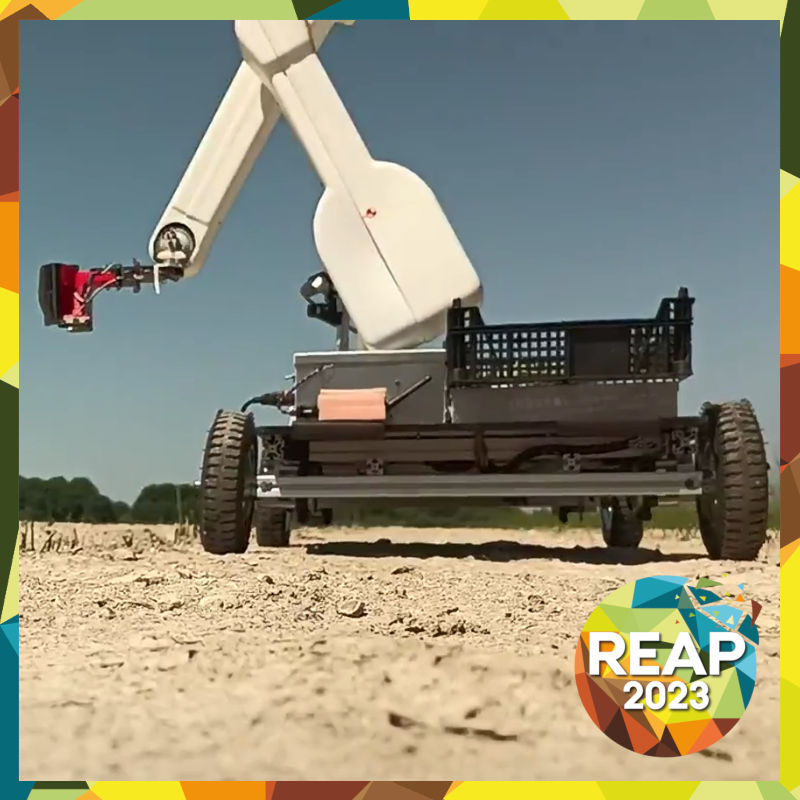
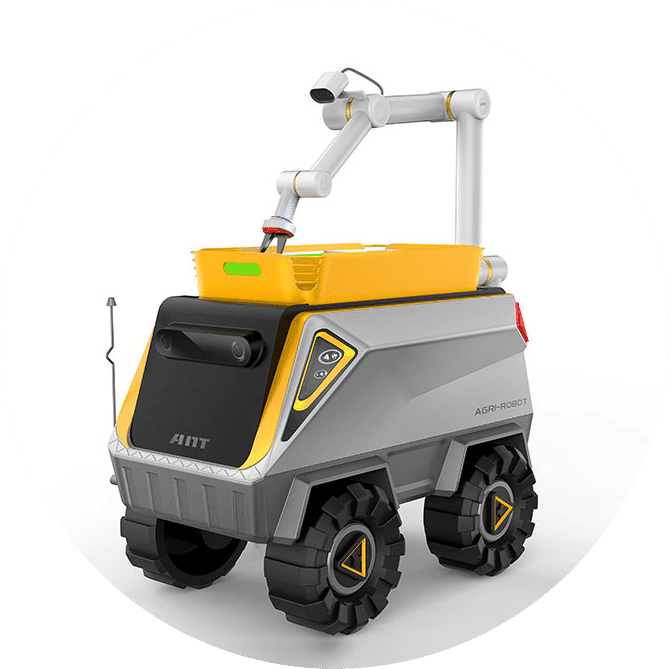
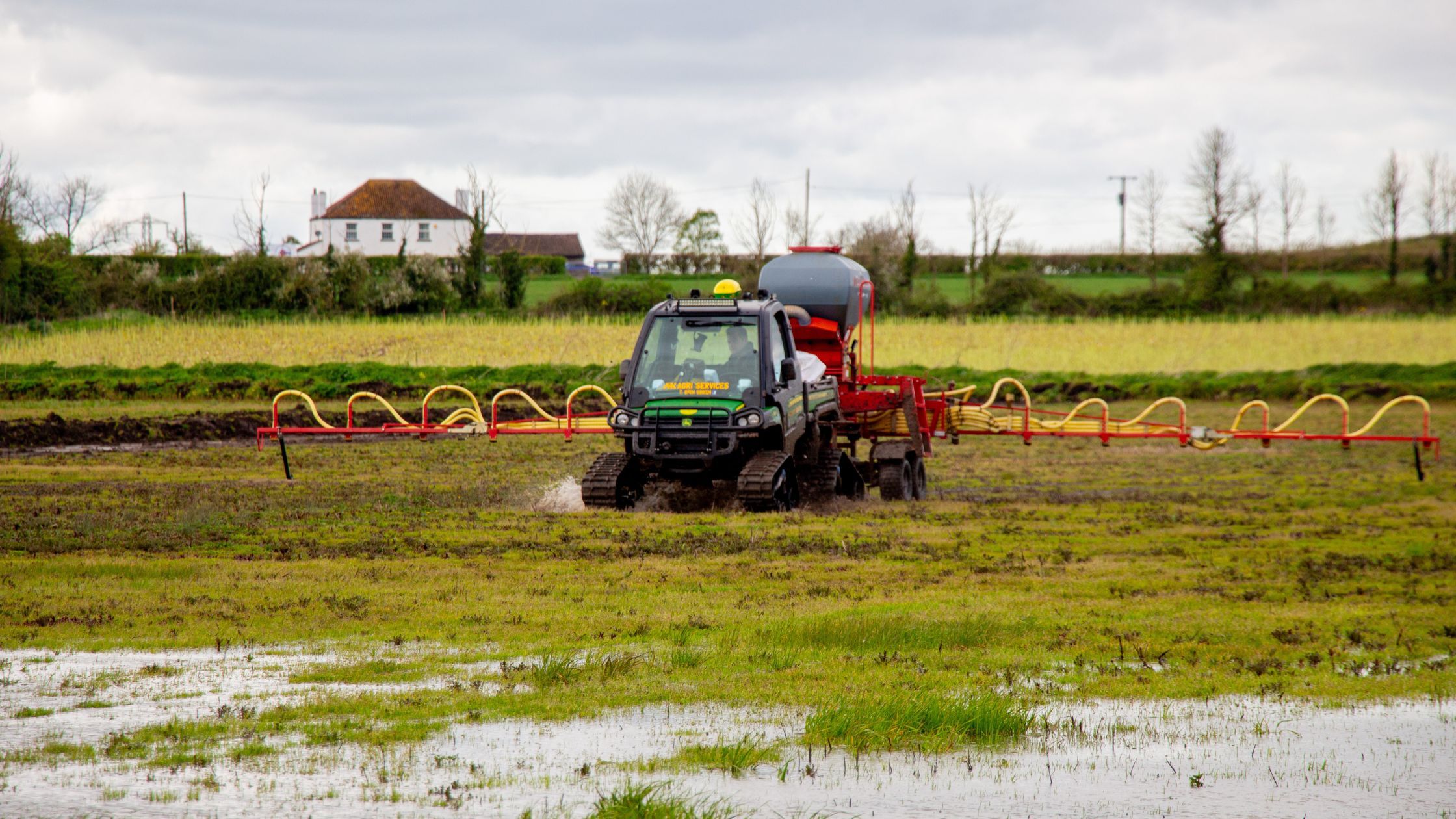
SprayBot brings together Fotenix and Small Robot Company to investigate variable rate application of biopesticides

Meet the Network
Agri-TechE
 Small Robot Company and Fotenix are part of a collaboration devising a new method for the precision application of fungicides and biopesticides. Both the companies will be exhibiting in REAP2021. 
SprayBot is a three year feasibility study funded through the Innovate UK Smart Grants fund (November 2020 call). It will investigate how combining early disease detection techniques such as imaging provided by Fotenix and robotic machinery provided by Small Robot Company can be used to implement targeted ‘variable rate’ applications of fungicides and biopesticides.
This will involve detecting and mapping crop disease and then applying product at a variable rate to small areas of the crop. In the future, this could also extend to an individual plant or even leaf.

Variable rate application of fungicides and biopesticides

Sam Watson Jones, co-founder of Small Robot Company, said: “Microspraying could be game-changing for the industry. Pressure is increasing from regulators, leaving farmers short of options. SprayBot could enable a new generation of spot treatment chemicals, reduce costs, and significantly reduce the impact on biodiversity.
“Up to 95% of chemicals are wasted in the current farming system. Unfortunately, if you treat the whole field the same, waste is inevitable. Robotic precision application technology will be both economically and environmentally sustainable. The best of both worlds.”
Dr Charles Veys, Managing Director at Fotenix, agrees: “SprayBot brings together the latest in disease profiling alongside automated platforms, which close the loop from early detection to impactful treatment, bringing the savings to both the farm’s bottom line and its environmental footprint.”
The consortium combines disease forecasting and diagnostics from Newcastle University, crop imaging and analytics from Fotenix, spray application from Silsoe Spray Application Unit, and autonomous farm robotics from Small Robot Company.
Small Robot Company and Fotenix both appeared in the REAP Start-Up Showcase.

See us at REAP 2021!

REAP 2021: Changing Time(s) for Agriculture10th November 2021

Imagine a world where agriculture is not constrained by time. The ability to manage and manipulate time is increasing and REAP 2021 will explore the advances in technology and breakthroughs in science that is making this possible.
REAP brings together people from across the agri-tech ecosystem who believe that innovation is the engine for change. The conference bridges the gap between producer needs and technology solutions and showcases exciting agri-tech start-ups. 

LettUsGrow collaborates on four social impact vertical farming projects

Meet the Network
Agri-TechE

Making fresh produce affordable is the aim of Crop Cycle, an innovative social-impact vertical farming project that brings together four leading companies – LettUs Grow, GrowStack, Digital Farming and Farm Urban – to collaborate in delivering four projects in Wales.
Vertical farming is a way of growing crops indoors on stacked shelves, and can be beneficial for people, plants and the planet. It allows growers to provide fresh, healthy produce to their local area 365 days of the year and can help to supplement outdoor growing. It diversifies our supply chains and boosts local food security. It also has a long stream of environmental benefits, such as using fewer resources including land or water, removing the use of chemical pesticides and reducing the need to transport food across seas. However, a common criticism of vertical farming is that it’s not always accessible or affordable to areas under-served by our food networks. Crop Cycle is looking to bring the benefits of vertical farming directly to communities who could benefit most and is being funded by the Welsh Government through the Foundational Economy Challenge Fund.
Charlie Guy, co-founder and CEO of LettUs Grow, said about the collaborations: “LettUs Grow is delighted to be working alongside these leaders of the UK vertical farming ecosystem and inspiring community projects. We believe a brighter future can only be realised with inclusive partnerships and strong cooperation, built on shared values and a vision which places people and the planet at its epicentre.” The project will introduce year-round food growing right into the heart of Welsh communities, where they’ll be connected to the particular dynamics of the local area. Activities will test new community-based engagement models, focusing on social well-being, local entrepreneurship and environmental impact. In this way, the project will be bringing together community, businesses and local public sector organisations.
Two CEA systems, provided by LettUs Grow and Digital Farming, are being integrated into an active college site and managed by a community group, with a cafe and kitchen, shop, deli and veg box scheme in place. The site is supported by Cultivate, a membership cooperative linking food and community.

Bee Challenge raises awareness of plight of bees

Agri-TechE Article
Agri-TechE
The plight of bees has reached the public consciousness, with the BBC Big Bee Challenge among the campaigns to support these valuable pollinators. For commercial beekeepers, BeeSecure is supporting sustainable beekeeping by improving the way that bee services are rented on-farm. The company was profiled in the Start-Up Showcase at REAP 2020 and has won EU funding to progress its work. BeeSecure is based in Italy and supports thousands of beehives across mainland Europe. Co-founder Roberto Pasi says that by tapping into vibrations in the hive, agri-tech start-up BeeSecure is able to listen into conversations ensuring that the bees are happy, healthy and performing well. He says the company can understand ten main topics, quickly identifying issue. Data from the hives can be viewed in real-time by the farmer and keeper via a secure app. Hive theft is an increasing problem for beekeepers so BeeSecure also contains a GPS tracker, which provides an alert if the hive is moved.
Roberto says the company has had a busy year: “This year we got good news that our consortium got approved for EU funded project, and we have started the activities.
“We are pretty excited about it, as the project involves safeguarding agro-ecosystem resilience under climate change through efficient pollination and sustainable beekeeping. We are going to work in different countries in the Mediterranean area, and provide and improve our devices to create smart digital technologies for beekeepers.
“We’ve also had two new people joining our team, to help out with our operations, specifically to participate in more collaborative projects.
“Our product is progressing well and a couple of months ago we started testing our devices on Mason bees. Our goal is to include as many pollinators as possible in our database. We are currently also in contact with a couple of universities (EU and the US) to further test wild bees and analyse their sounds, to help identify the type of bee present and their health.
“We are currently looking for 1€ million investment to scale, as well as to further develop our sensors and expand to different markets.”

REAP 2021: Changing Time(s) for Agriculture10th November 2021

Imagine a world where agriculture is not constrained by time. The ability to manage and manipulate time is increasing and REAP 2021 will explore the advances in technology and breakthroughs in science that is making this possible.
REAP brings together people from across the agri-tech ecosystem who believe that innovation is the engine for change. The conference bridges the gap between producer needs and technology solutions and showcases exciting agri-tech start-ups. 

Outfield’s Precision Orchard Dosing System to enable real-time decision making

Agri-TechE Article
Agri-TechE
A new way of managing apple crops is being pioneered by Outfield, developers of an orchard management system, as part of the Precision Orchard Dosing System (PODS) project, funded by Innovate UK.

Outfield was profiled in the farmer-tech session of REAP 2020; the theme of REAP this year is time, and will include a look at the emerging tools to help farmers manipulate time.
Jim McDougall, Director of Outfield, says that real-time decision-making is currently the most important challenge and agri-tech to support that is crucial:
“The changing climate is making it so hard for growers to forecast what they’re doing – in the UK we’ve had frost in April like we haven’t seen for 60 years, and last year when I was in Australia, half the country was either underwater or on fire – so having real-time data based on what’s happening right now in your orchard is becoming really critical.” To support real-time decision-making for fruit growers, Outfield is part of a collaboration developing PODS, a system capable of varying spray volume between trees and even between different areas of a single tree. It combines Outfield’s orchard digitisation system with a tractor-mounted precision spray device, to give growers real-time monitoring coupled with precision intervention.
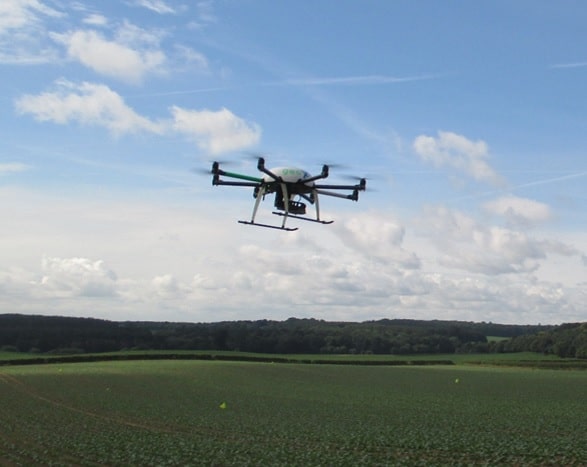
The system uses a self-flying drone, launched by the grower, to map the orchard in 20 minutes. This map then informs a sprayer unit of the correct dose of fruitlet thinning chemicals to put on each tree. The sprayer then controls the spray rate as it travels through the orchard to ensure that each tree has an optimal number of fruit per tree, increasing production and quality whilst reducing chemical use. Jim McDougall explains: “In order to produce consistent, good quality fruit at harvest, growers need to monitor trees when they blossom, and balance the number of blossoms on each tree by applying fruitlet thinning agents.
“However, across the UK, every single apple tree will blossom in just a period of a few days or weeks. Growers not only need data quickly, but also need to be able to make that intervention at the right time, in real time, not tomorrow or next week.”
The blossom surveying service being used to support PODS is just one of a spectrum of year-round farm management tools that Outfield has developed, according to Jim.
“PODS is an example of how you can use precision mapping of the orchard to make precise interventions – fruitlet thinner is very potent, and it does have some environmental impacts, so if we can be precise about how it is deployed, that’ll help keep the trees on target whilst being better for the orchard environment – so everyone’s happy.”
Taken together, the Outfield tools are designed to give growers better use and more availability of time. The impact of time on agriculture is also the theme of REAP 2021. PODS has recently completed field trials and will become commercially available next year.
The consortium combines: a tractor-pulled precision sprayer from N. P. Seymour, data interpretation from TASC, horticultural agronomy knowledge from HL Hutchinson, grower insights and testing from Plumford Farms, and data science from Niab EMR.
The Outfield system is available internationally – see more information on Outfield’s member page.

REAP 2021: Changing Time(s) for Agriculture10th November 2021

Imagine a world where agriculture is not constrained by time. The ability to manage and manipulate time is increasing and REAP 2021 will explore the advances in technology and breakthroughs in science that is making this possible.
REAP brings together people from across the agri-tech ecosystem who believe that innovation is the engine for change. The conference bridges the gap between producer needs and technology solutions and showcases exciting agri-tech start-ups. 

Whitepaper (2021): THE MICROBIOME MARKET 2021: Recent developments, challenges and future directions

Member News
The views expressed in this Member News article are the author's own and do not necessarily represent those of Agri-TechE.

This white paper by IP Pragmatics focuses on technological and market developments in the microbiome industry over the last four years, serving as an update to our more in-depth 2017 white paper on the same topic. Since 2017 there has been vertical and horizontal growth in the microbiome market, evolving technological capabilities and an increasingly diverse landscape of start-up formation, partnerships and deal-making

Burleigh-Dodds celebrates 100th title of curated agri-science research findings

Meet the Network
Agri-TechE
Agri-Science specialists Burleigh Dodds (BDS) have published their 100th title, Reducing greenhouse gas emissions from livestock production, after debuting with Achieving sustainable production of poultry meat in 2017.

Founder Rob Burleigh explains: “That was just the start, as by the end of 2017 we’d published over 20 titles in crop and livestock science, covering key research trends in breeding, cultivation, animal nutrition and welfare. And as of 2021, we have worked with over 4000 agricultural professionals from 1500+ different worldwide organisations across academia and industry.”

“It’s taken us just over 4½ years to reach our biggest milestone yet and we couldn’t have chosen a better title in the form of Reducing greenhouse gas emissions from livestock production to celebrate this achievement as it channels so many of the reasons as to why we chose to publish in agricultural science.”
“Since our books are carefully-curated collections of literature reviews of thousands of journal articles and other pieces of research, all of our titles are about saving our customers time by picking out the key information they need from the overwhelming amount available.”

“When the company was first launched, we could see the direction of travel for accessing research information and set out to create an authoritative database of agricultural science content underpinned by a taxonomy for topics and themes.  However, reader preferences dictate the need to be able to supply content in a variety of formats and many even now, prefer print rather than online or as an eBook.”
An innovative feature from Burleigh-Dodds is that readers can select individual chapters of interest and ask for them to be compiled either into an eBook, or printed, and the publication can even be personalised or branded.

Key points from the latest publication Reducing greenhouse gas emissions from livestock production:

  • Ruminants, among the first domesticated animals, have been providing food, leather, wool, draft and by-products to humanity for at least 10000 years.
  • Methane (CH4) gas was first isolated by the Italian physicist Alessandro Volta in 1776 and described as the ‘inflammable air native of marshes’. (p.3)
  • The key future research should centre on biogenic methane’s impact on global warming. (p.50)
  • The expected 70% increase in food demand requires an annual increase in food production of 1.3% per annum. (p.57-58)
  • Animal production is responsible for 14.5% of total anthropogenic GHG emissions (Gerber et al., 2013). Approximately half of these emissions originate directly from animal production, whereas the other half comes from feed production. (p.59)

Agri-TechE members to support farmers make the transition to ELMS
Agri-TechE

Four Agri-TechE members have been appointed by Defra to support farmers in making the agricultural transition to ELMS, a new payments scheme which aims to reward good environmental management. 
Support for UK farmers was first introduced after the Second World War to guarantee a food supply and to increase productivity. It was initially successful: by 1956 output was 60 percent above pre-war levels. Part of this drive was to improve grassland to reduce the amount of expensive imported animal feed.

Support for farmers

However, the guaranteed prices paid for produce started to create a burden for the tax payer and the payments were reviewed in a meeting between the Prime Minister, Harold Macmillan, and the president of the NFU in 1960. The resulting White Paper described the industry as making a ‘valuable contribution’ to the balance of payments while at the same time ‘ensuring a countryside in which the whole nation can find pride and enjoyment’. This policy of price guarantees continued and became increasingly problematic until the UK joined the EU and the Common Agricultural Policy (CAP).
While in the EU, eligible farmers were able to claim income support under the Basic Payments Scheme (BPS) based on the hectares they farmed. Each country is able to impose its own limitations on the number of entitlements. Under BPS the support is paid directly to the farmer and for some smaller farmers it can make a significant contribution to their income.

Reward for environmental management

Now that the UK has left the EU there is a seven-year agricultural transition to a new system that will reward farmers for environmental improvements alongside food production on their land.  The details of how this will work are still unclear and trials are continuing to formulate the best way to assess good environmental management and how to reward this.
The new payment scheme is called the Environmental Land Management Scheme (ELMS).
To help in this transition process, the government has developed ‘The Future Farming Resilience Fund’ to provide business support to farmers and land managers who are currently in receipt of BPS to help them navigate the changes over this period.
This will be delivered by 19 partner organisations and the aim is to co-design the new payments system. The final phase which will be available from 2022-2024.
Farming Minister Victoria Prentis said: “As we continue to co-design and develop the future schemes it is important that the industry has access to expert support and knowledge. I urge farmers and land managers to sign up to the Future Farming Resilience Fund now to ensure that come August they are able to use the help that is available to them.”
Funds announced:
Future Farming Resilience Fund – 19 organisations have been appointed to support farmers make the transition from BPS to ELMS – these include Agri-TechE members AHDB, ADAS, Brown & Co and Niab.
Sustainable Farming Incentive 2022 – the first of three environmental land management schemes. Farmers are able to access up to £70 per hectare for improving the health of their soil.
Farming in Protected Landscapes programme – aimed at farmers and other land managers in England based in National Parks or Areas of Outstanding Natural Beauty. The funding will go towards one-off projects to support nature recovery, improve public access, mitigate the impacts of climate change, provide opportunities for people to enjoy and understand the landscape, and support nature-friendly and sustainable farm businesses.
Consultation on exit – The Government also launched a consultation on the lump sum exit scheme to support those ready to leave the sector to do so on their own terms.
Further information of grant providers, geographical coverage and contact details can be found on Defra’s Farming Is Changing blog on GOV.UK.

Rapid identification of disease enables timely disease detection

Agri-TechE Article
Agri-TechE

FOTENIX is speeding up the diagnosis of disease in-field. The company aims to make sophisticated imaging technology accessible for small-scale farmers and has grown its offering since it was featured in the REAP 2019 Start-up Showcase.
FOTENIX aims to provide affordable crop diagnostics in real-time. It has miniaturised its lab-quality technology so it can be used in the field. Spectral image data is captured using a standard camera and LED flash and is transmitted for analysis in the cloud. The results are delivered to producers’ smartphones.
The compact device can be integrated into farm equipment and the company is working with two robotics companies on further integration.
The technology can also be used to facilitate breeding and the company has recently developed DELTA, a desktop system that can detect cues from dynamic plant responses. Using multispectral imaging, it can significantly improve identification of the traits under study. Co-founder Charles Veys says: “We have grown the team and made major releases of our product LIMA, which is a crop scout used for detecting disease in soft fruit and wheat, and DELTA, a desktop system for use by breeders.
“Our focus is on reducing cost to the producer and adding value to the rest of the supply chain. We are developing LIMA for soft fruit in collaboration with the Lincoln Institute for Agri-Food Technology, Saga Robotics and Berry Gardens, and for wheat in partnership with Small Robot Company and CHAP – two very exciting developments.”
FOTENIX’s spectral imaging offers the ability to detect crop diseases, including those with no visual symptoms such as Light Leaf Spot. It provides improved prediction of yields – even under difficult conditions such as counting white fruit flowers amidst white tabletop guttering. Charles continues: “Essentially, we’re detecting disease so producers know exactly where and when to spray. When the device is being used, it translates the raw information and creates an image so producers can choose to bring forward their application schedule and reduce crop losses.
“We intend to offer FOTENIX’s imaging-advice-action as a fully automated process so we’re currently working with robotics companies to achieve this.
“It could deliver immediate operational savings – as well as help continue the work of environmental stewardship, which is becoming increasingly important to the future of farming.”
Find out more about the REAP Start-up Showcase.

REAP 2021: Changing Time(s) for Agriculture10th November 2021

Imagine a world where agriculture is not constrained by time. The ability to manage and manipulate time is increasing and REAP 2021 will explore the advances in technology and breakthroughs in science that is making this possible.
REAP brings together people from across the agri-tech ecosystem who believe that innovation is the engine for change. The conference bridges the gap between producer needs and technology solutions and showcases exciting agri-tech start-ups. 

PheroSyn gains funding for pheromone trap for midges and weevils

Agri-TechE Article
Agri-TechE

Pheromones, used by insects for communication, can be used to lure and trap pests. PheroSyn, a spin-out from Rothamsted Research, is exhibiting at REAP 2021, it  featured in the REAP 2020 Start-up Showcase and its work has progressed.  The company was awarded an Innovate UK grant (£200k) to develop the supply chain for a new set of insect pheromones to tackle midges and weevils.

Midges and weevils are significant global pests of legume food production. Their management is problematic, and the food harvest can potentially be exposed to pesticides when targeting specific stages of their life cycles, leading to possible contamination of the human and animal food chain. PheroSyn, developers and producers of novel pest pheromones, will use the grant to design scalable routes for two new products that target midges and weevils. It will work closely on the project with the UK Processors and Growers Association (PGRO), the UK’s leading legume agronomists.
Over 18 months, the partners will establish manufacture, validation and distribution of the novel products for use by farmers to enable a smarter application of pesticides.
Efficacy assessment of the pheromone products in trapping and monitoring populations of midges and weevils in legume production systems will be undertaken by PGRO following their synthesis by PheroSyn.
Daniel Bahia, Business Manager at PheroSyn, says: “We are delighted to be starting this next stream of work on pea and bean insect pest pheromones. There is a growing global trend away from reliance on chemical pesticides in food production in favour of Integrated Pest Management (IPM) strategies.
“Demand for our existing pea and pear midge pheromone products has been clear, and this grant allows us to accelerate development of the next range of products, leading to affordable, safe to eat food in a way that promotes zero carbon agriculture.”
Becky Howard, R&D Manager at PGRO, comments: “We are really pleased to be working with PheroSyn to help develop IPM tools for growers and to ensure a sustainable future for UK legumes”.
More information about PGRO, PheroSyn, Rothamsted Research
Find out more about REAP 2021 and the Start-up Showcase 2021. There will be an opportunity to chat to PheroSyn in the exhibition at REAP 2021.

See us at REAP 2021!

REAP 2021: Changing Time(s) for Agriculture10th November 2021

Imagine a world where agriculture is not constrained by time. The ability to manage and manipulate time is increasing and REAP 2021 will explore the advances in technology and breakthroughs in science that is making this possible.
REAP brings together people from across the agri-tech ecosystem who believe that innovation is the engine for change. The conference bridges the gap between producer needs and technology solutions and showcases exciting agri-tech start-ups. 

Keynote announced for REAP 2021

Agri-TechE

The theme of REAP 2021 is time, a key limiting factor in agricultural production. The conference will examine many dimensions of time and the technologies that are emerging to enable us to manipulate or overcome this major obstacle.

Changes in temperature and seasons as a result of climate change will have an increasing impact on the timing of germination and harvest and also on animal health with migration of pests and diseases, so it is with pleasure that Agri-TechE announces that the keynote speaker for REAP 2021 is Jan-Erik Petersen of the European Environment Agency (EEA), Copenhagen.

Natural capital and ecosystem accounting

Jan-Erik Petersen has worked at the EEA for about 20 years in a range of specialist and management roles. He currently focuses on helping to develop approaches to ecosystem accounting at EU and global level.
His previous role as an agricultural expert at the EEA involved developing indicator data sets that captured the entire interaction between agriculture and environment, from soil protection to water pollution, to GHG emissions, and also biodiversity.
He coordinates EEA work to develop better estimates of natural capital and ecosystem services. The EEA team collates data from multiple sources – from member states, statistical offices, research projects – but also from earth observation data from the Copernicus satellites.

80% of rural areas of the world will have connectivity by 2030

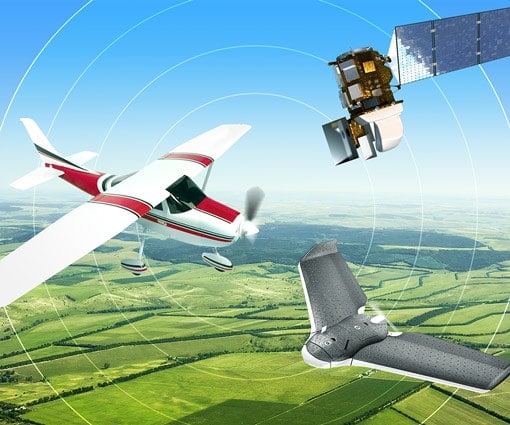
Earth observation data and ‘fibre in the sky’ will become a major facilitator for many types of precision agriculture and reducing the time delay – latency – is needed for autonomous vehicles.
Jan works closely with teams developing new products using the raw satellite data and one focus of his work is the interaction between farming and ecosystems.
He comments: “We’ve created a distribution map of high nature value farmland areas and I am actively exploring the kind of data that we can use to develop further this concept. One of the things we’ve been investigating is the role of the high-resolution data that are becoming available.”

EEA new products team 

Of particular interest to Jan-Erik is extensive grazing where there is a close relationship between agriculture and biodiversity. He says that this is a real test for the technology as it is currently difficult to distinguish between different types of grassland using satellite data.
Dr Belinda Clarke, Director of Agri-TechE says: “We are delighted that Jan-Erik has agreed to present the keynote and also to join us for further discussions. He sees the conference as an opportunity to gain input from a range of different perspectives that will be of keen interest to the EEA new products team.”

REAP 2021: Changing Time(s) for Agriculture10th November 2021

Imagine a world where agriculture is not constrained by time. The ability to manage and manipulate time is increasing and REAP 2021 will explore the advances in technology and breakthroughs in science that is making this possible.
REAP brings together people from across the agri-tech ecosystem who believe that innovation is the engine for change. The conference bridges the gap between producer needs and technology solutions and showcases exciting agri-tech start-ups. 

Groundswell shows regenerative agriculture has wide appeal

Agri-TechE Blog
Agri-TechE

From grass leys to e-seeders and robots to weather stations, Agri-TechE and many of our members were out in force at the Groundswell Regenerative Agriculture Conference and Show last week in north Hertfordshire. (See our Twitter feed to learn more – and how we took “time” to talk about the REAP 2021 conference!)

Gaining traction

Organised by farmers for farmers (in this case, the forward-thinking Cherry family), Groundswell is fast gaining traction as the go-to event with the relaxed feel but razor-sharp thinking and a determined focus by farmers on change for the better.
Once visitors had got over the excitement (really!) of being out and about in real life, the initial giddiness was soon replaced by information gathering, knowledge exchange and sharing with some of the UK’s leading farmers. The seminar marquees were full – mostly standing-room only – and the exhibitor stands were buzzing, while the walks and demos gave some much needed real-world perspectives.
And a number of myths were busted at Groundswell 2021.
One visitor to our stand – new-to-agriculture and attending their first trade event – commented on the concentration of farmers, all united around a common goal – that of improvement and “doing things better.”
This unity, however, resulted from an eclectic and heterogenous group of farmers. Some own or manage big estates, some run smaller mixed farms, others are practising permaculture on smaller holdings as far north as Orkney.
A very elegant busting of the myth that only a certain type of farmer can or will take a regenerative agriculture approach.
The role of science and technology to support this approach was very much in evidence – it isn’t about letting Mother Nature just go mad, it is about a mindful, deliberate approach to sensitive holistic management. Using data to inform decisions, robotics and automation to tread lightly – but accurately – around crops and livestock, and understanding the biology and chemistry underpinning soil and feed amendments to reduce carbon emissions and improve performance and productivity. Another myth busted – regenerative agriculture is more than a philosophy; it needs good science, robust technology a carefully curated understanding of the systems.
And the final myth was about atmosphere and that famous “festival” vibe of Groundswell. Yes, there was a beer tent. Yes, there was a stand selling hummus wraps (alongside other more familiar food options we expect at agricultural trade shows!), and yes, there was music in the evening of Day 1. And rumour even speaks of some overnight camping in cars, tents and caravans.
But as a way of bringing together the serious change agents of the future in the industry – those farmers and technology enablers committed to making a difference, doing things better, and having the curiosity and open-mindedness to prepare for the future … it was certainly an event worth celebrating.
Hang out the bunting for all those committed to doing differently – and doing better – and long live the festival vibe!

Using tech to tackle challenges – Innovation Hub live now!

Agri-TechE Article
Agri-TechE

The uncertainty faced by all businesses over the last year with the pandemic is the everyday experience of farmers, and it is driving innovation. It is noticeable how technologies that seek to improve prediction of disease and weather and improve timing of interventions – such as sowing, spraying and harvesting – have grown in maturity over the six years that Agri-TechE has hosted the Innovation Hub at the Royal Norfolk Show, in partnership with the Royal Norfolk Agricultural Association (RNAA).
The Royal Norfolk Show is one of the UK’s oldest agricultural shows – it will celebrate 175 years in 2022. However, it has always been ahead of its time and sharing innovative practice was the original inspiration for the show. Back in the 1800s new techniques in breeding were producing quality animals and plants, and showing them competitively was an excellent way to not only reward performance but also to showcase to others what was being achieved. Fast forward to 2021 – and The Sainsbury Laboratory, Earlham Institute and John Innes Centre have accelerated this process with novel tools for improving the selection and production of new varieties with improved resilience.
175 years ago, farm practices were changing too with the introduction of new forms of cultivation and the machinery to do this. In the Innovation Hub, the first drones for agriculture were demonstrated, along with devices for the emerging Internet of Agriculture.
Although sadly the show will not be happening this year, this fine tradition is being kept alive in the Innovation Hub, which for the second year is going online as a virtual show, rather than physical demonstrations in a marquee at the showground.
Mark Nicholas MBE, Managing Director of the RNAA, comments that the Innovation Hub is keeping the flame alive and makes a valued contribution to the show:
“Recognising the importance of innovating in the agri-sector, the RNAA is thrilled to be partnering with Agri-TechE as they support the growth of a world-leading network of innovative farmers, producers, scientists, technologists and entrepreneurs in the East of England.
“The Royal Norfolk Show provides an annual showcase for this exciting work and this year, in the absence of a Show, we are delighted to be supporting Agri-TechE as they demonstrate the utility of collective knowledge exchange with an online Innovation Hub.”
Dr Belinda Clarke, Director of membership organisation Agri-TechE , says: “In the first few years of the Innovation Hub, we saw the demonstration of individual devices such as novel sensors and the first drones; now we are seeing greater integration of data from sensors and monitors and other sources feeding into ‘Smart Farming’ frameworks. These will enable greater decision making and also remote management and control of growing environments.
“A good example of this is the smart irrigation system designed by Niab EMR with equipment from Delta-T Devices, which has increased yields of strawberries by 7% while reducing water consumption. Also, 30MHz’s contribution to the Autonomous Greenhouse Project which enables the precision control of environments to grow cherry tomatoes remotely.
“A major enabler for many forms of agri-tech has been the been the wider availability of connectivity across rural areas and the uptake of smartphones by farmers. The pandemic has accelerated the use of all types of digital communication and this will help to lower the barriers to use of technology in agriculture.”
The full Royal Norfolk Show and a live Innovation Hub are set to return in 2022. Until then you are invited to review some of the highlights of previous years and updates on 15 of the many organisations that have participated.

The 2021 virtual Innovation Hub is live now so take a look!