The Productive Landscape: NatureTech for Profit and Planet
How can technology enable delivery of food, nature recovery, and climate resilience - all at once? The Head of the Environment Agency is asked: what's the national plan for dealing with land use pressures, plus you’ll hear from technologists and land managers working on nature-based and tech-enabled solutions for water, soils and climate adaptation.

Paper Crumble could build carbon stocks and improve soil health

Agri-TechE Article
Agri-TechE

Could a co-product from paper recycling help farmers to improve soil health whilst building carbon stocks? This was the question being explored by researchers at the University of East Anglia (UEA) and discussed at the 2020 Innovation Hub – and recent reseach suggest that it would.

UEA is working with Greenworld Ltd to explore the potential of Paper Crumble (PC) to improve soils and improve the delivery of public goods, as explained by Brian Reid, Professor of Soil Science and Associate Dean for Science (Innovation) at UEA:
“Soil carbon enables soil to self-structure, and thus increases water infiltration, increase water storage and decreases the risk of flooding. The opportunity to sequester carbon in soil through the use of paper crumble could make a meaningful contribution to net zero aspirations.”
Practices that increase soil carbon stocks can also improve a range of essential ecosystem services, such as food, fuel and resource production, climate change mitigation and biodiversity net gain.

Listen to an interview with Prof Brian Reid from UEA and Steve Kilham, Managing Director of Greenworld Ltd.

UEA discussed the opportunities to increase soil carbon with farmers and growers and has since trialled the use of paper crumble in field trials.
Brian says: “In September 2020, we established a second paper crumble field trial near Swaffham to look at the influence of paper crumble on light sandy soils. This is as a counterpoise to the heavy clay soils trial already in place near King’s Lynn. We are also seeking a location with mid-texture soil for a third trial.”
The team has developed a carbon profiling approach to assess the effectiveness of carbon storage. Brian continues: “In order to provide a prognosis on the longevity of carbon storage under paper crumble amendment, we have developed a carbon profiling approach that can be used to support the modelling of long-term carbon fate in soil amended with PC.
“Given an average farm size, in the East of England, of 120 ha (with 79 % as arable), a 50 year Carbon uplift (via 4-year rotational PC amendment) would be 607 t C (equivalent to 2225 t CO2e in long-term “lock-up”). Thus, the opportunity to sequester carbon in soil through paper crumble deployments could deliver a meaningful contribution to net zero aspirations.”

Resilience, resistance and reduction in fungicides – The Sainsbury Laboratory demonstrates how it can be done

Meet the Network
Agri-TechE

About The Sainsbury Laboratory 

The Sainsbury Laboratory is a world-leading research institute working on the science of plant-microbe interactions. It deploys the latest technologies to combat plant diseases and accelerate crop improvement. Discoveries in fundamental research translate to scientific solutions that tackle crop losses caused by existing and emerging plant diseases, particularly in low-income countries. These solutions support the Sustainable Development Goal of zero hunger.

In 2009 researchers first reported a novel gene for combatting potato late blight. Since then they have added two more, and were able to show that these genes are effective under field conditions. At the 2017 Innovation Hub researchers showed their initial work – this work has advanced significantly.

In 2016 a trio of studies from The Sainsbury Laboratory appeared in Nature Biotechnology, demonstrating the potential of developing disease resistance in three globally important crops: soybeans, potatoes and wheat. Two of these projects were supported by the 2Blades Foundation and the Laboratory has continued to engage with key industry partners to ensure that this technology reaches growers.

Increasing resilience to rust – soybean 

Asian soybean rust is caused by the fungus Phakopsora pachyrhizi and can lead to up to 80% loss in soybean yield. Increasing genetic resistance to fungicides and the huge costs associated with disease control emphasises the need for a more robust and sustainable solution. Currently the cost of disease management and yield loss is two billion dollars a year, and soybean crops rely on three to four fungal sprays a season to keep infections under control. By transferring a resistance gene from the orphan legume pigeon pea to soybeans, scientists at The Sainsbury Laboratory were able to create lines of soybean that were substantially more resistant to this fungal disease.

Unlocking resistance – wheat and barley

The stem rust fungus Puccinia graminis f. sp tritici infects economically important cereal crops, such as wheat and barley. In the last decade we have seen an increasing frequency of outbreaks, along with the evolution of more virulent races. Wheat varieties in the UK are highly susceptible to this disease and as temperatures increase in the UK due to climate change, the risk of stem rust re-establishing becomes even higher. The bread wheat genome is notoriously complex consisting of three genomes that evolved from three different grass species.

TSL 2blades
Photo taken by Andrew Davis, John Innes Centre

These genomes can interact in a way that suppresses resistance to stem rust, making the plant more susceptible to disease. By identifying and isolating a gene on the wheat D-genome that is supressing this resistance, scientists at The Sainsbury Laboratory are making headway on the potential to unlock reservoirs of inherent resistance genes and develop more resistant wheat varieties.

Jonathan Jones group - potatoes
Infection with Phytophthora infestans in the field destroys currently used potato varieties but not the Rpi-vnt1 immune receptor engineered plants. Photo taken by Andrew Davis, John Innes Centre.

Reducing loss in the supply chain – potatoes

Potato late-blight is caused by the fungus-like microorganism, Phytophthora infestans. This plant pathogen triggered the Irish potato famine in the 1840s. Today, UK farmers are still battling this devastating crop disease, and depend on 15-20 fungicidal sprays per year to keep it under control. The Sainsbury Laboratory has developed a Maris Piper variety that is not only blight-resistant, but also resistant to tuber blight during storage. This PiperPlus potato incorporates three resistance genes from wild potato relatives. By combining different resistance genes, they can protect each other from being overcome by mutations that would allow the pathogen to evade their detection. This means that all these genes continue to stay effective in protecting the plant from diseases in the long term.

In addition to blight resistance, the PiperPlus potato has added qualities of reduced cold sugar formation and reduced bruising which will cut down on yield losses in the supply chain. Researchers at The Sainsbury Laboratory are now generating PiperPlus lines that also carry potato virus Y resistance and elevated nematode resistance.

Researchers at The Sainsbury Laboratory are now generating PiperPlus lines that also carry potato virus Y resistance and elevated nematode resistance. By combining different genes and modes of action there is less of an opportunity for pathogens to become resistant to any single gene. This enables gene stewardship, which means that these valuable resistance genes continue to stay effective over time. The PiperPlus potato is an excellent example of how stacking different genes can confer durable blight resistance.

The future 

Many of the research projects conducted at The Sainsbury Laboratory have provided evidence that engineering disease resistance in crops can reduce several agricultural challenges associated with plant pathogens. If resistant varieties of crops were available for stem rust, late blight and soybean rust it would not only save millions of pounds in annual yield loss, but also drastically reduce the amount of fungicides needed in agriculture, thus making a major contribution to more sustainable crop production.


The Sainsbury Laboratory is appearing in the Innovation Hub at the 2023 Royal Norfolk Show.
Read more about the 2023 Innovation Hub >>

Innovation Hub 2023

Sweet and water efficient strawberries – Niab EMR and Delta-T Devices collaborate at WET centre

Agri-TechE Article
Agri-TechE

Smart irrigation resulted in a 7% increase in the yield of strawberries for one large commercial grower, following the trial of a precision irrigation system designed by Niab EMR with equipment from Delta-T Devices and Netafim.

Delta-T Devices is an industry partner of the Water Efficient Technology Centre (WET) based at Niab EMR in Kent supplying sensors and data loggers for both research and commercial projects. Delta-T first appeared alongside Niab at the Innovation Hub in 2016 and became involved in WET the following year.
Yields of strawberries reached 72t/ha at the WET centre in 2020, double that of the industry average of 45 t/ha with a significant reduction in water use.
The initial trials were in small polytunnels, but WET Centre enables industry scale conditions with commercial farm polytunnels and tabletop  configuration, ie where the strawberries are grown on substrate on raised platforms.
The research is focussed on the use of automated irrigation control systems, with as little human intervention as possible.

Smart irrigation

Minimising water wastage is of huge importance given its increasing scarcity. In future, it is anticipated that intensive horticultural growing systems will become increasingly based in urban locations, where very strict water waste prevention protocols (and legislation) are likely to be the norm.
Delta-T’s programmable GP2 Data Logger allows different control algorithms to be set for separate experimental irrigation regimes, and then for researchers to measure and compare the outcome of each approach. These experiments enabled the  key plant stress points to be accurately determined, and the optimum moisture content levels in the growing substrate to be determine at each stage of the life cycle of the strawberry plant.
The aim was to ascertain the minimum amounts of water needed to achieve the desired level of strawberry plant quality and yield.

Colour of growbags impacts growth

Further research has shown even the colour of the plastic on coir growbags can have a big impact on crop growth.
The WET Centre team investigated the correlation between plant water use and vapour pressure deficit (VPD) – using the Delta-T Devices SM150T Soil Moisture and Temperature Sensor and RHT2 Relative Humidity and Air Temperature Sensor.
The outputs of this research have been fascinating – showing that black grow bags absorb sufficient additional solar radiation to create warmer root zones (especially earlier in the growing season), whilst white bags reflect more light up into the canopy of the growing crop (see image below for effects on substrate temperature).
Timing of plant growth and fruiting can therefore be manipulated by something as simple as selecting a specific grow bag colour.

Impact of sheeting on photosynthesis

In addition the sheeting, frames and particularly the row position within the polytunnel structures can affect light availability to plants and thus growth and Class 1 yield. Researchers measured Photosynthetically Active Radiation (PAR) levels within polytunnels using the Delta-T Devices QS5 PAR Sensor. PAR corresponds to the spectral range of radiation that plants require for growth and photosynthesis, and levels seen in 2020 were well above the 10 year average.
To explore the effect of this phenomena the team used the GP2 Data Logger and Controller (connected to QS5 PAR sensors) to automatically open and close venting in the roof of the polytunnels – based on the meeting of pre-set threshold requirements and to adjust the irrigation accordingly.
This system was designed to optimise the phytoclimate as the sun passed overhead and leverage the unusually sunny weather of 2020 to maximise yield to levels otherwise not achievable.

John Innes Centre researchers deliver plant-based solutions to major health problems

Research Digest
Agri-TechE

The John Innes Centre has been developing plant-based solutions to chronic health conditions. Conditions such as Type 2 diabetes, anaemia and Parkinson’s Disease can be mitigated with wrinkled peas, fortified floor and genetically modified tomatoes respectively, recent work has shown.

High iron wheat to address global anaemia problem

A new type of biofortified wheat developed by John Innes Centre researchers delivers a two-fold iron increase in hand-milled white flour. The genetically modified (GM) crop has successfully come through early field trials and work is underway to breed a non-GM equivalent.
Iron-deficiency anaemia is a significant global health problem particularly in women and with an economic cost from annual physical productivity losses of $2.32 per capita, or 0.57 percent of the gross domestic product (GDP) in low-and middle-income countries.
A diet rich in products such as bread and pasta made from this biofortified white wheat flour can provide a high daily dose of dietary iron removing the need for supplements. Results using flour from indoor-grown grain have already shown that cells are able to absorb more iron from the high-iron variety than from control wheat. Researchers are now testing if the iron in field-grown wheat is also more absorbed by the body.
Professor Cristobal Uauy from the John Innes Centre said: “Wholemeal flour which uses the bran and wheat germ portions of the wheat seed produces more iron, but it is not all absorbed into the body. By producing high-iron white flour we can have the biggest impact on health.”

Wrinkled super peas to help reduce type 2 diabetes

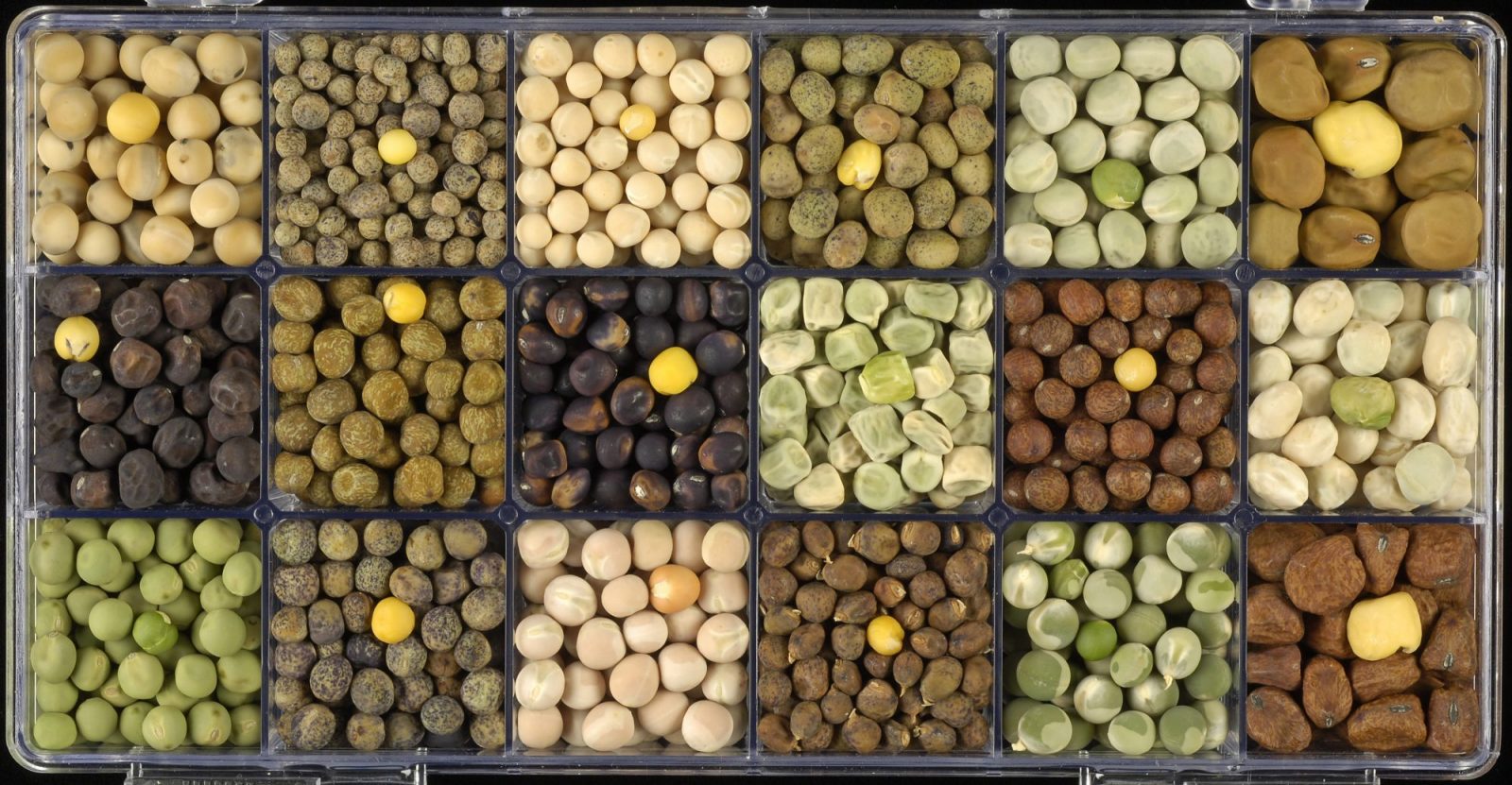
A type of wrinkled ‘super pea’ may help control blood sugar levels and could reduce the risk of type 2 diabetes.
Unlike regular (smooth) peas, the wrinkled pea contains higher amounts of ‘resistant starch,’ which takes longer for the body to break down.
Research shows that compared to eating smooth peas, wrinkled peas prevented ‘sugar spikes’ – where blood sugar levels rise sharply after a meal. The same effect was seen when consuming flour made from wrinkled peas incorporated in a mixed meal.
This could be important as frequent, large sugar spikes are thought to increase the risk of diabetes. Flour from ‘super peas’ could potentially be used in commonly consumed processed foods which, if eaten over the long term, could prevent these sugar spikes.
The research, from scientists at the John Innes Centre, Imperial College London, Quadram Institute Bioscience and University of Glasgow, suggests incorporating the peas into foods, in the form of whole pea seeds or flour, may help tackle the global type 2 diabetes epidemic.
Professor Claire Domoney of the John Innes Centre said: “Longer term it could become policy to include resistant starch in food to tackle type 2 diabetes and other metabolic illnesses.”

Tomatoes offer affordable source of Parkinson’s disease drug

John Innes Centre scientists have produced a tomato enriched in the Parkinson’s disease drug L-DOPA in what could become a new, affordable source of one of the world’s essential medicines.
The development of the genetically modified (GM) tomato has implications for developing nations where access to pharmaceutical drugs is restricted.
This novel use of tomato plants as a natural source of L-DOPA also offers benefits for people who suffer adverse effects – including nausea and behavioural complications – of chemically synthesised L-DOPA. The John Innes Centre led team modified the tomato fruit by introducing a gene responsible for the synthesis of L-DOPA in beetroot where it functions in the production of the pigments betalains.
The aim now is to create a production pipeline where L-DOPA is extracted from the tomatoes and purified into the pharmaceutical product.
Professor Cathie Martin, a group leader at the John Innes Centre explained: “The idea is that you can grow tomatoes with relatively little infrastructure. As GMOs (genetically modified organisms) you could grow them in screen houses, controlled environments with very narrow meshes, so you would not have pollen escape through insects. “Then you could scale up at a relatively low cost. A local industry could prepare L-DOPA from tomatoes because it is soluble, and you can do extractions. Then you could make a purified product relatively low tech which could be dispensed locally.”
Parkinson’s disease is a growing problem in developing countries where many people cannot afford the daily $2 price of synthetic L-DOPA.
L-DOPA is an amino acid precursor of the neuro-chemical dopamine and is used to compensate for the depleted supply of dopamine in Parkinson’s disease patients.
Also known as Levodopa, L-DOPA has been the gold standard therapy for Parkinson’s disease since its establishment as a drug in 1967. It is one of the essential medicines declared by the World Health Organisation (WHO) and its market value is in the hundreds of billions of dollars.

How happy is your crop? 30MHz will tell you

Meet the Network
Agri-TechE

From monitoring single plants to remote management of entire greenhouses, 30MHz has taken its plant-led focus a long way since its first appearance in the Innovation Hub in 2018.

Steven Archer of 30MHz explains that its wireless sensors are able to do an analysis of crop level environmental conditions, including measurement of actual leaf and stem metrics, to more closely assess how “happy” the crop is.  The data is collated into the 30MHz platform for analysis and models are created to enable the development of the optimal growing environment. The company recently reached the finals of the Autonomous Greenhouse Challenge, which aimed to grow healthy cherry tomatoes remotely. Within six months the multidisciplinary team of horticultural experts and computer scientists were able to develop the system and models needed to control a greenhouse autonomously.
Steven explains that this is just one of the applications for the technology: “30MHz provides a data platform for horticulture that collates data from a range of wireless sensors and data sources, analyses and stores the data and then makes it available for many applications. These applications can be simple analysis of a plant or soil moisture or indeed control of an entire controlled environments such as the recent Autonomous Greenhouse Challenge.
“The data is owned by the user and can be utilised in any way they see fit including being sent into other platforms via our API or it can be sent into climate computers for control.”
The platform supports the integration of other sensors such as 2Grow, Sendot and Paskal, with many more coming, and the data is displayed through a fully customisable dashboard accessible on smartphone, putting decision support directly into the hands of the user.
Steven continues: “As it is customisable the data can be displayed in many different ways depending on how the grower wishes to analyse the particular metric in order to make decisions.
“For example, continuous data on substrate or soil conditions can show when sufficient dry back has happened and when irrigation needs to begin. This is particularly important in controlled environments where climate control – particularly managing humidity – is energy intensive.
“Certainly, the optimisation of various metrics has led to less water use, less heat use and in some cases less CO2 pumping.”
More information about the Greenhouse Challenge

Skippy Scout ten times faster than field walking says Drone Ag

Meet the Network
Agri-TechE

Drone Ag showcased Skippy Scout, its crop scouting app, at the 2019 Innovation Hub, before launching the app at Lamma in 2020, where it won the Gold Future Innovation Award. Since then, over 20 farms in Norfolk and Suffolk are using the app which automates drone flight to photograph broad acre crops. “The app is currently ten times faster than traditional crop walking methods and we intend to make it faster still as we develop the technology further,” says founder Jack Wrangham.

Image analysis of whole field in minutes

The first version of Skippy Scout could image crops and provide an accurate green area index (GAI) figure. The new version 2.5 offers field overview, automated scouting and PDF field reports using maps uploaded by the user, and images taken by the drone
“Our image analysis takes only minutes to provide an easy-to-understand report of the whole field,” says Jack.
The reports are generated using unique image analysis to flag up potential crop issues and can also be compared to satellite and yield maps to find correlations in field performance. “It also provides a breakdown with indicators for green area index (GAI), healthy and unhealthy crop cover percentage, weed percentage, and it gives an insect damage measurement,” he says.
Users can therefore identify crop issues such as weeds or pests more quickly by subsequently viewing the leaf level images on their phone or tablet. “Long term, the reports will also benchmark fields of the same crop to provide a picture of changes and crop progress over time,” he adds. The latest version of the app is also able to identify the development of specific crops such as oilseed rape (OSR). Skippy has been used to monitor OSR in much more detail this season. The aerial photos of the crop are interpreted by the software to establish GAI and even flower fractions. “‘Skippy can measure crop GAI in almost real-time and provide week-on-week tracking of changes, as well as measuring flowering fraction. Therefore, decisions on when and how much foliar nitrogen, and other inputs, to apply can be made based on crop progression indicators such as a GAI of 3.5 when flowering starts,” explains Jack.

Improvements and new features

Skippy Scout has been improved multiple times over the past sixteen months, with the optimisation of current features and the addition of new ones. These new features include more crop monitoring metrics within field reports, such as the aforementioned flowering fraction in OSR, and now a uniformity percentage for all crops that shows how even a field is overall.
At emergence, reports can now even provide plant counts per square metre in bean crops and cereals, with OSR to closely follow suit.
The addition of NDVI maps from the French start-up satellite data company, SpaceSense, now allows users to plan scouting routes based on up-to-date crop health imagery – and there are no plans to stop there…
The next six months are set to include updates in the form of flight route optimisation, speed improvements and even more analysis metrics (plus a few “revolutionary”, top secret features, coming soon).

Two hundred users

Drone AG is approaching two hundred users and Jack cannot see a reason why every arable farmer and agronomist would not want to save time by using Skippy and a drone to walk crops. He says: “It is cheap and easy to use so we expect user numbers to grow significantly in the next 12 months,” he says.
Existing users can update their app to version 2.5 for free now, and new users will benefit from all the additional features when they register. “It is easy to start using Skippy. Anyone who owns a drone can sign up online with monthly subscriptions starting from just £30,” concludes Jack.

New precision genome engineering service from UEA

Member News
The views expressed in this Member News article are the author's own and do not necessarily represent those of Agri-TechE.

Researchers from UEA’s School of Environmental Sciences have developed a revolutionary new process that speeds up the success rate of genome editing.

The technique is now available as a contract research service for academic researchers and life science industries such as agri-tech and biotech.

The OmicronCR service, started by Dr Amanda Hopes and Prof Thomas Mock, uses existing CRISPR/Cas genome-editing technology, which alters the genetic code at a specific location on the genome. Editing requires short sequences called guide-RNAs, which are identical to the genetic information of the target site. However, selecting the most efficient guide-RNAs can be time-consuming and expensive, as some guide-RNAs can edit the genome in unwanted places, whilst others do not lead to editing at all.

OmicronCR addresses these challenges with a unique, rapid laboratory test, devised by Dr Hopes. The test carefully designs, evaluates and selects the guide-RNAs that will most likely lead to precise and efficient genome editing for the relevant species, saving the time and costs of trial and error.

Biocleave teams up with Rothamsted Research to synthesise promising biopesticides

Meet the Network
Agri-TechE

Biocleave uses soil bacteria to create synthetic insect pheromones as natural crop defence

Insect pheromones used in nature for communication are to be engineered synthetically to produce powerful crop protection tools, following a collaboration between biotech company Biocleave and Rothamsted Research. Biocleave uses a benign soil bacterium, Clostridium, as a micro-factory to create recombinant proteins such as enzymes, for use in the production of biopesticides.

Semiochemicals, such as pheromones, are naturally occurring compounds used by insects to convey specific messages. Disrupting these communications can prevent them from attracting mates and breeding and so provide an exciting opportunity for the creation of highly specific biopesticides that are non-toxic to beneficial insects and natural predators.

Naturally occurring compounds are difficult to make using the traditional chemistry techniques that are currently used to generate fertilisers and pesticides from petrochemicals. Instead, the single-cell organism, E.coli, is often used as a bio-factory to create these. However, some of the ingredients of semiochemicals are toxic to E.coli, so as production of these novel crop protection compounds increases, an alternative bio-factory is needed.

Biocleave overcomes a bottleneck in production

Biocleave is using a new organism, the soil bacterium Clostridium, to produce biological semiochemicals.

Dr Liz Jenkinson, CEO of Biocleave, explains: “There are a whole host of semiochemicals, including sex pheromones, that have been demonstrated to have efficacy at replacing traditional pesticides.
“However, it is difficult to produce these semiochemicals as they are created through pathways of enzymes – so obtaining these enzymes is currently the bottleneck; preventing the synthetic production of these biopesticides. Essentially we are harnessing the power of nature to make these enzymes. and then supporting various production partners, to use those enzymes to make the final biopesticide.”

Biocleave gained investment in December 2020, which has enabled it to develop its novel gene editing technology CLEAVE™ and rebrand the company to take it to market.

Strong track record

The original company, Green Biologics, was an industrial biotech company using Clostridium to make biochemicals, biobutanol and bioacetone – it had a plant in the US to produce these biomolecules. In parallel with this the company was developing new technologies and one strand has been using Clostridium as a new host for making recombinant proteins.

Recombinant proteins can include drugs, antibodies and enzymes for disease treatment. A small section of DNA that codes for protein production is inserted into a micro-organism host and as that host rapidly replicates, the protein is produced.

The most widely used host is E.coli, but this often contains toxins in its cell wall, called endotoxins, that are released when the cell breaks down, so products from the cell require purification and this can reduce the efficacy of the product.

Liz continues: “Clostridium is free of endotoxins, and so does not require purification.  In some cases, ours is the best current solution for making certain types of recombinant protein.”

Biopesticides are one focus of Liz Jenkinson's research
Liz Jenkinson, CEO, Biocleave

Applications for agriculture

Biocleave’s Commercial Director Dr Nathan Fairhurst explains the company currently has a BBSRC funded project with Rothamsted Research.

“Insect pheromones are used in traps to monitor insects, such as the Codling Moth, to identify the presence of adults to time spraying of orchards to kill the larvae. Rothamsted has identified a number of semiochemicals that have potential as biopesticides to lure insects away from crops or to disrupt their behaviour to prevent mating.”

“Rothamsted has done some limited field trials to demonstrate their efficacy but has been unable to scale production in a way to enable them to commercialise it. In this case it is because the enzymes needed are toxic to E. coli.”

“Our technology overcomes this issue. so, we are working with Rothamsted to develop these enzymes and demonstrate that they can be used in the production of semiochemicals.

“Rothamsted has connections with growers and the farming community and a spin-out company PheroSyn, which is starting to commercialise other semiochemicals so there is already a channel to market.”

Biopesticides are one focus of Nathan Fairhurst's research
Nathan Fairhurst, Commercial Director, Biocleave

Benefits of semiochemicals

Semiochemicals are used differently depending upon crop and insect, but they can either be used as attractants or as repellents – with attractant semiochemicals loaded into traps at the edges of the crop, and repellents applied in the centre of the crop to push the insects away from the crop into the traps. In other cases, you would just use one or the other.

Semiochemicals have big advantages over traditional insecticides, not only are they more targeted and can be used just when required, reducing the volumes of inputs required, but also the production process requires less energy and produces significantly less greenhouse gas emissions.

Nathan concludes: “Semiochemicals as biopesticides is an area that we’re really excited about, and Rothamsted are really excited about. They have identified the semiochemicals, and we’re providing the ability to make them.”

Nathan Fairhurst will be speaking at the Agri-TechE event ‘Advances in Breeding for Agriculture – New Tools for New Solutions’.  The event will be looking at the application of genetic tools in breeding of livestock (including insects) and crops, as well as in cultivation of microbes. Nathan will be joined at the event by Helen Sang of the Roslin Institute; Thomas Ferrugia, CEO of Beta Bugs; Gilad Gershon, CEO of Tropic Bioscience; Ingo Hein, from the James Hutton Institute; and Mike Coffey, of the SRUC.

Supercharging light provides plants with energy cocktail to fight pathogens and thrive

Member News
The views expressed in this Member News article are the author's own and do not necessarily represent those of Agri-TechE.

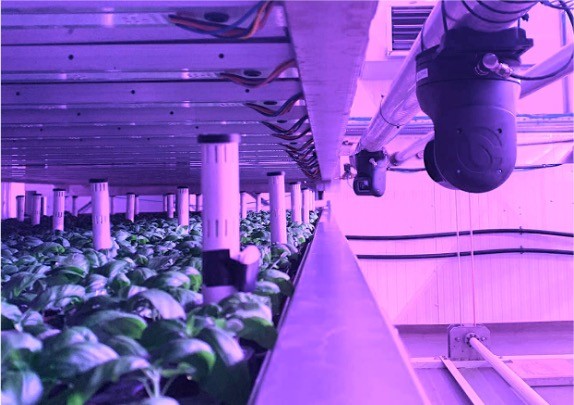
CEA facilities boast the most extreme, sophisticated systems of the agricultural industry. Whether it is a vertical farm, a single-tier cannabis indoor cultivation, or a gigantic tomato greenhouse, growers have to deal with extremely complex systems. Even though one might be taking all the precautions, there is still one insidious enemy that could find a way to sneak into the cultivation: mold. “When you grow a plant in a CEA facility, the balance between temperature and humidity is the perfect breeding ground for mold,” says James Millichap-Merrick, CEO, and co-founder of Vitabeam. “This is especially true after the summer when temperatures cool down giving cold temp at night and warm during the day: the perfect environment for molds.”

Dealing with mold
Mold issues can be potentially very dangerous for a grower’s bottom line. “Produce growers try to use the least amount of crop protection possible – the result is to look for non-invasive solutions to treat their crops. However, the problem is, is that there aren’t many of them,” says James. “But then, you get mold issues and your profits get affected. We have seen this recently with some fruit growers: when their produce is affected by mold, it gets downgraded and is sold for a lower price. On top of that, a proportion of the crop will be thrown away, so growers lose money.” And indeed, Emily Cameron with Vitabeam adds: “For many growers, roughly 5-10% of a crop is going to waste due to mold and other bacteria. Additionally, 20% of the product is downgraded to class 2.”

The importance of growing organic produce and ensuring the highest quality possible comes with the wave of increased customer awareness with regard to organic products. “You can also see this in the US where a new organic accreditation for baby leaves is being introduced,” says Katie Powell with Vitabeam.

That is exactly where Vitabeam comes into play. “Growers want to achieve the maximum income for their work,” James says. “As Emily pointed out, growers throw away a significant amount of their crop to mold and bacteria. So, we developed a lighting technology that helps them get rid of molds, bacteria, and dangerous pathogens safely with no chemicals, no UV, and no gasses.”

It’s magic but it’s actually science
What Vitabeam’s solution does is nothing short of magic. “Our supercharging light has a unique and proprietary cocktail of photons that achieves two significant things: by providing plants with around 18 hours a day with this special cocktail of photons, you can stimulate the growth of the plant, making it stronger and less susceptible to mold and bacteria; but also, the light itself kills these pathogens.”

The Vitabeam light is used in conjunction with typical horticultural lighting or natural sunlight, but as said, its function is not specifically as a light source for the plant. “What’s special about this is the proprietary technology with which we can supply the plant with this special mix of energy that stimulates the plant to grow stronger. Trials we have conducted with cannabis licensed producers in the US have shown plants grow more vibrantly, healthily, and with increased organoleptic qualities.” The Vitabeam solution achieves this by triggering very specific responses from the plant. “Growers want to have the best produce, and everything they do is to get that taste, flavor, aromatics, which you can get by having a strong and mold-free plant. Our solution can get that result by increasing the water and nutrient uptake.” Since the Vitabeam solution can be deployed in any kind of CEA facility, James and his team are constantly in the field supporting growers with their cultivar-specific challenges. “We work closely with growers and help them dial in the best recipe,” he continues. “For instance, we help figure out the perfect height for the lights, or for how long our light should be kept on. The goal is always to optimize our system with the customer’s system and get the best output.”

This is especially crucial for those growers looking to increase profit margins by letting the quality of their produce speak. “When your crop gets affected by mold and bacteria, there is also a hidden additional cost to that: it’s not just the cost of losing the harvest, but also the cost of disposing of the waste produce, plus all the labor cost that went into cultivation that now is just thrown away. So, also in respect of a global food shortage, it is very significant for us to be able to help growers reduce that waste.”

For more information:
Vitabeam
www.vitabeam.com

‘New’ rice varieties offer potential for greater crop resilience

Research Digest
Agri-TechE

15 ‘new’ varieties of local rice could be used to help breed improved crops with a higher resilience to climate change, according to a new study.

Earlham Institute researchers are part of an international collaboration with genebanks and rice breeders in Vietnam – championed by the International Rice Research Institute (IRRI) to help abolish world poverty and hunger – aiming to identify varieties that can survive an increasingly unpredictable climate. The team discovered a previously overlooked ‘I5 Indica’ large rice subpopulation in some regions of Vietnam, which had not been used before to produce the more common elite rice varieties resulting from previous rice improvement studies.
The new genomic data they have generated will significantly support efforts to breed resilient rice crops for optimum global production.
The unparalleled geography and history of Vietnam, together with its diverse range of ecosystems and latitudinal range, means it has been blessed with a vast diversity of rice landraces.
Rice production in Vietnam is of enormous value, both as an export commodity and a daily food staple for the more than 96 million people who live there. An important part of diets worldwide, rice is a healthy, versatile and cheap carbohydrate. However, climate change is threatening its wide availability, with the country’s unique geography and environments putting Vietnam at particular risk.

Green super rice

To fully understand native crop diversity, the research team analysed 672 Vietnamese rice genomes; 616 that were newly sequenced, which encompass the range of rice varieties grown in the diverse ecosystems found throughout Vietnam.
Locally adapted rice varieties provide a potential source of novel genes that carry important agronomic traits, which can potentially be leveraged by future rice breeding programmes.
This will help with a new generation of ‘Green Super Rice’, designed to lower production input while enhancing nutritional content and suitability for growing on marginal lands – resulting in a sustainable and resilient rice to better withstand extreme weather conditions.
First author Dr Janet Higgins at the Earlham Institute, said: “Vietnam has a rich history in rice breeding, especially at the local level. The adaptation to multiple environmental conditions and regional preferences has created a wide range of varieties.
“Studies like this suggest that this diversity constitutes a largely untapped and highly valuable genetic resource for local and international breeding programmes.”
To understand how rice diversity within Vietnam relates to worldwide varieties, the team analysed nine landrace subpopulations that were likely adapted to the demands in the different regions of origin.
They then compared this new data to the previous global study on rice diversity in Asia, consisting of fifteen worldwide Asian subpopulations (from 89 countries) in the publicly available ‘3000 Rice Genomes Project’. From this, the Earlham Institute researchers discovered how the new rice varieties native to Vietnam were related to the global Asian data set – leading to the I5 Indica subpopulation finding.

Sustainable rice breeding

This genetic diversity is a highly valuable resource when the highest rice production areas in the low-lying Mekong and Red River Deltas are enduring increasing threats from climate changes – unpredictable weather patterns, increasing sea levels causing overflow of salt water, and consequential drought in the upland areas.
Dr Higgins explains: “Improved varieties, which are high yielding but can also be grown sustainably, are needed to ensure we can continue to meet the worldwide demand for rice. Salt and drought tolerance are related critical traits which need to be addressed in order to secure future rice production.
“This requires agronomic, smart crop management practices and genomic solutions to stop the vicious cycle of rice contributing to global warming due to greenhouse gas emissions from crop fields, and areas of production being threatened by climate change.
“We are now analysing the Indica I5 subpopulation in further detail. We hope to try and detect regions of the genome which have been selected in the Indica I5 subpopulation and relate these to traits of interest for sustainable rice crops.
“It would be fantastic if the IRRI were in a position to incorporate some of the Indica I5 varieties from Vietnam we describe in our study in their future breeding programmes. We believe this new data will massively help optimise sustainable rice production for global demand while protecting our planet.”
The paper ‘Resequencing of 672 Native Rice Accessions to Explore Genetic Diversity and Trait Associations in Vietnam’ is published in the journal Rice.

Business support ecosystem offers advice in live Agri-Business Plaza

Agri-TechE Article
Agri-TechE

There is an opportunity to gain firsthand advice from a range of business advisors with significant agri-tech knowledge in the Agri-Business Plaza supporting the Focus on Funding event.
Becky Dodds, Agri-TechE Membership and Events Manager, explains that the virtual environment creates a interactive experience for delegates, allowing both presentations to a group and one-on-one meetings. She stresses that although there will be much to interest start-ups the advice will also help established businesses and those in scale-up.
She says: “As businesses grow, their needs change. Our ecosystem has people who can help you from that first round of seed funding, to the launch of a new product or service in your existing portfolio.  The Agri-Business Plaza is a good opportunity to review the services of many organisations in one place to see what support is available.” The Agri-Business Plaza will include:
Barclays Eagle Labsoffers a UK wide network of coworking spaces and business incubators
GrantTreeone of the UK’s leading funding experts for scaling companies, specialising in innovation grants, R&D tax credits, and advanced funding. Dr Nickie Smith of GrantTree will be discussing agri-tech grant funding and offering insights into best practices and success stories.
Lombard Asset Finance – offers forward looking finance for managing assets.
Mixology Communications – marketing communications consultancy that advises companies on brand positioning and audience engagement. Mixology will be talking about investor marketing and how to promote your brand to a fundraising audience.
MMP-Taxcombine specialist knowledge of IP planning, grants and technology tax incentives, such as the R&D Tax Credit and Patent Box, with practical experience in engineering and scientific disciplines. MMP-Tax will be giving their top tips for R&D tax relief.
PwC – global network of firms delivering world-class assurance, tax, and consulting services. PwC will be talking about R&D tax incentives and the changes that are on the horizon.
Rothamsted Enterprisesa unique hub focused on promoting collaboration and innovation by partnering with commercial agri-tech businesses and opening up the research process.
RSM – a leading provider of audit, tax and consulting services to middle market leaders, globally. It will be providing a brief introduction to RSM and will talk through the accounting and tax considerations that companies need to consider at each stage of the business lifecycle from Seed to Exit.
Taylor Vinters – international law firm supporting businesses that drive the innovation economy. Taylor Vinters will be providing funding tips and hints to help entrepreneurs make the most of the agri-tech momentum post COVID.
Trendlinesleading agrifood tech investor with a growing portfolio of more than 20 companies. Based in Israel with operations in Singapore it will be offering a clinic to provide feedback to start-ups.
Focus on Funding with the Agri-TechE Business Plaza – Tuesday 15th June at 11:00 am – 3:00 pm

Clever cultivation advised by Hutchinsons for 2021 to protect soil health

Agri-TechE Article
Agri-TechE

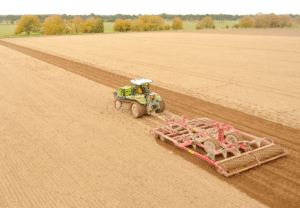
“Clever cultivation can mean anything from not cultivating at all to subsoiling or ploughing where necessary,” says Ian Robertson, head of soil health at Hutchinsons. “As a general rule, never cultivate at the same depth every year and make sure whatever you do delivers what the soil actually needs.”
Recent seasons have highlighted the need to make soils more resilient to wet and dry conditions. In the rush to prepare ground for drilling it can be all too easy to go straight in with the cultivator or subsoiler as soon as the combine leaves the field, but that may not be best for soil health or crop establishment.
“Before doing anything, it is important to stop, take a step back and consider what the soil actually needs,” says Ian Robertson, who urges growers to adopt a flexible “clever cultivation” strategy.
Mr Robertson notes the rising popularity of low disturbance subsoilers for rectifying structural issues in shallow tillage systems. Such implements are often needed to break up distinct layers that can form where ground has been repeatedly cultivated at a shallow depth (typically 50 mm), potentially restricting water infiltration and root growth.
In many cases, the need for this remedial action could have been avoided by adopting a more varied approach to cultivations, he says.

Understand soil requirements – 3 step strategy

Step 1 –  Dig a few holes. Identify whether there are any structural issues that needed addressing, such as compaction or poor drainage.
Step 2 – Use bubble test to see if soils are compacted. It is best to make soil assessments in spring or autumn when ground is moist and warm, with active root growth and biological activity. When assessing soils in summer care is needed not to mistake dry, hard soil for being compacted. The bubble test is a simple way of identifying whether dry soils are compacted. Infiltration tests are also useful, but when conducted in summer, make sure water does not flow straight down cracks. Mr Robinson says: “Typically, 50% of soil is made up of air and water, so it may be that rock hard ground just needs wetting-up again to return to a friable surface that can be drilled straight into.
“In the past two years we’ve seen examples where growers have rushed to create a seedbed after harvest, only for heavy rain to make it unworkable and un-drillable later in autumn. In some cases it may have been better not to touch it.”
Step 3 – Leave root networks undisturbed. Root networks left by crops, even low yielding ones, do a fantastic job of stabilising soil aggregates, improving porosity and structure of the top layer that crops are drilled into, so leaving this undisturbed can often be a better choice. Mr Robinson continues: “Nine times out of 10 the top 50 mm is actually in good condition.”

Clever cultivation to conserve moisture 

Hutchinsons’ technical manager Dick Neale agrees: “Stubbles generally handle moisture much better than a cultivated surface. If you’ve got a nice friable surface that’s managed moisture well, most modern drills are capable of drilling directly into stubble, so there’s no need to cultivate. Cultivations destroy aggregate structure, which takes time to rebuild.”
Not disturbing the surface offers significant benefits for moisture conservation too, which can make all the difference when establishing crops such as oilseed rape or early-sown wheats in dry autumns, he adds. “Moisture conservation and managing moisture within the seedbed have got to be an absolute focus.”
Oilseed rape in particular is better direct-drilled with a disc or tine-based implement to minimise soil movement and conserve moisture, he says. Given the importance of achieving even sowing depth for such a small seed, he advises against seeder units on subsoilers and recommends growers plan rotations and cultivations carefully to ensure any structural issues are rectified in preceding seasons.
About Hutchinsons.