The Productive Landscape: NatureTech for Profit and Planet
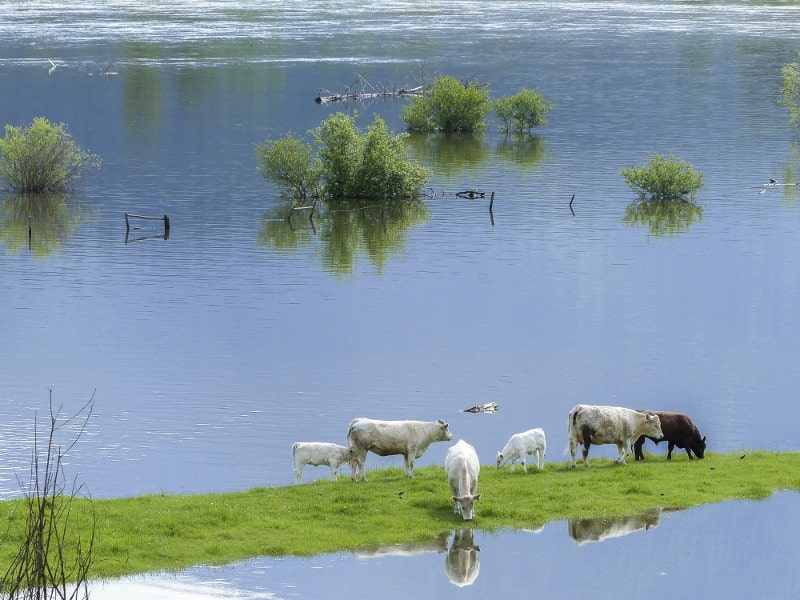
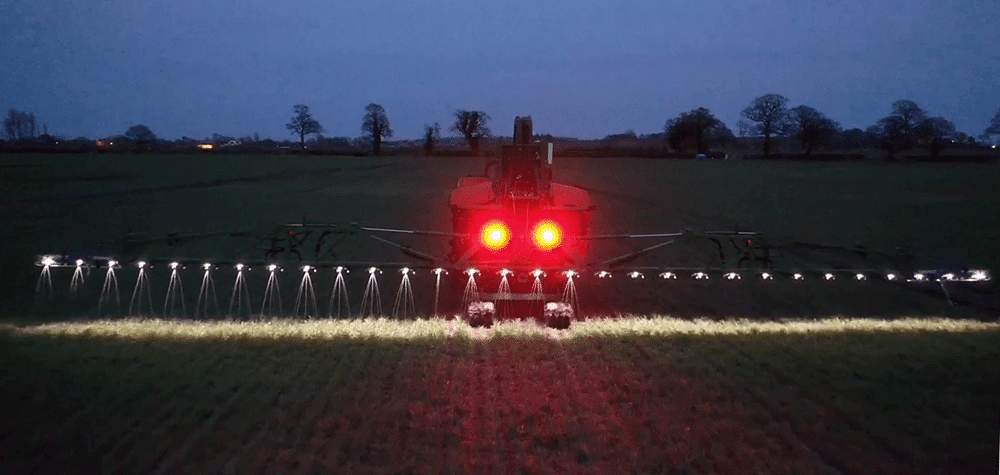
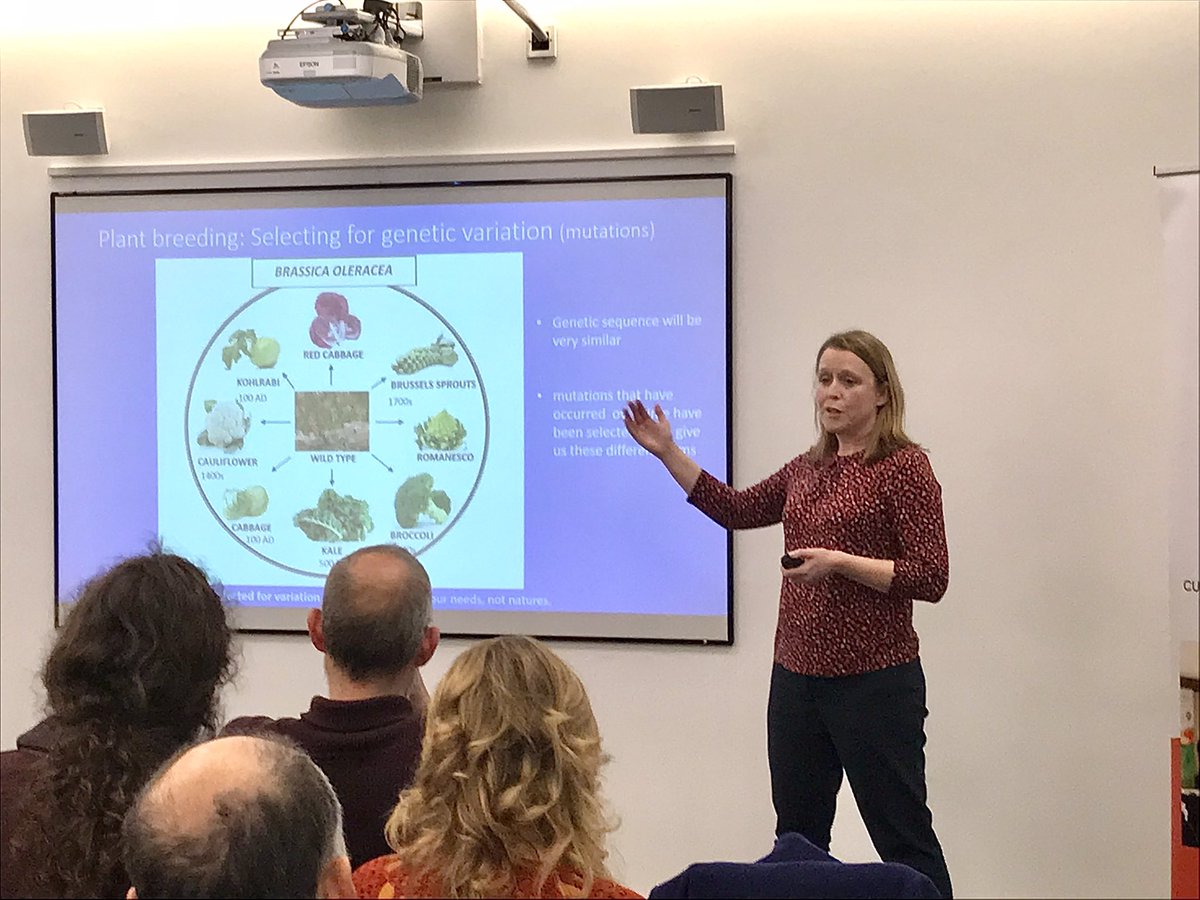
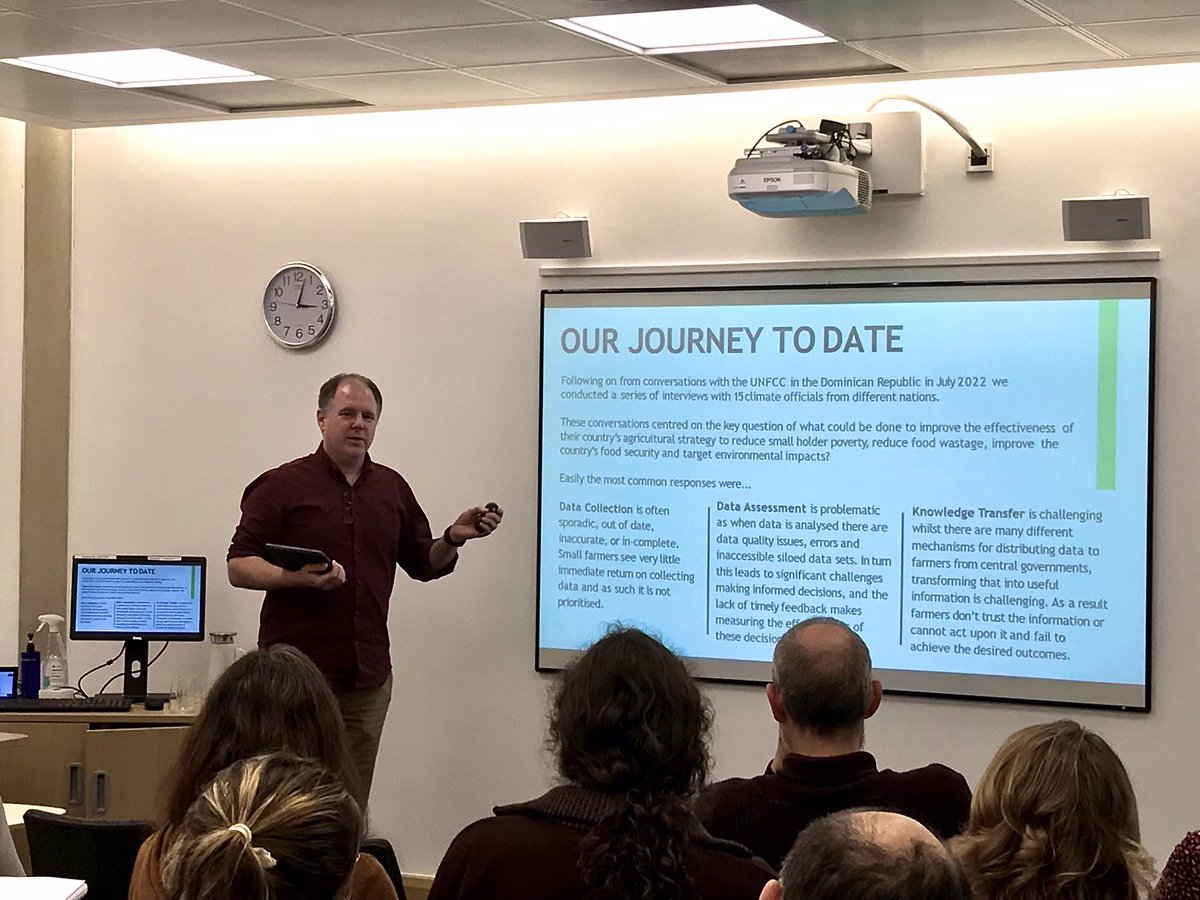
How can technology enable delivery of food, nature recovery, and climate resilience - all at once? The Head of the Environment Agency is asked: what's the national plan for dealing with land use pressures, plus you’ll hear from technologists and land managers working on nature-based and tech-enabled solutions for water, soils and climate adaptation.

ROTHAMSTED JOINS LEAF’S NETWORK OF INNOVATION CENTRES

Member News
The views expressed in this Member News article are the author's own and do not necessarily represent those of Agri-TechE.

Rothamsted’s 400-hectare site in Harpenden, Hertfordshire today became the latest site to join a network of innovation centres and demonstration farms which include some of the UK’s leading research establishments and most progressive farmers.

The move further strengthens Rothamsted’s strategic partnership with LEAF (Linking Environment And Farming) which aims to accelerate the scientific knowledge exchange around more sustainable, regenerative farming systems.

Working with farmers, the food industry, scientists, environmentalists, teachers, young people, and consumers, LEAF are looking at new ways to deliver productivity and prosperity among our farmers, enrich the environment and engage young people and society in a valuable and meaningful way

Speaking at the launch earlier today, Philip Wynn, Chairman of LEAF said: “Rothamsted is a vibrant hub for global science, underpinned by history, innovation, and fresh thinking, working across different scales and disciplines to improve crop and livestock performance, resilience, and value. 

“We are honoured to be forging even closer links with them at this crucial time for agriculture and hugely excited about the opportunities this partnership will offer our members and the wider farming community to access the latest research, ideas, and innovations to advance more resilient global farming and food systems.

“The role of the LEAF Network could not be more important at this time.  We look forward to building on our partnership with Rothamsted to help inform, inspire and equip farmers with the tools, know-how and confidence to realise their sustainable farming ambitions.”

LEAF Innovation Centres are research organisations whose work supports the research, evidence, development, and promotion of Integrated Farm Management and Rothamsted’s North Wyke farm, specialising in sustainable grazing livestock systems, has been a LEAF Innovation Centre since 2015.

Professor Angela Karp, Director and CEO of Rothamsted Research said that extending the collaboration with LEAF signals a major step in driving forward the uptake of more integrated, holistic approaches to crop and livestock farming.

“Partnerships, innovation, public engagement, and knowledge exchange are woven into our new science strategy.  By working with both public and private sector partners our aim is to turn excellent research into impactful, sustainable outcomes. Being a LEAF Innovation Centre will better enable our wide-ranging research to reach farmers on the ground.

“It is partnerships such as this that will help accelerate the capabilities of farmers to raise the productivity of their crop and livestock systems, tackle weed, disease and insect resistance, improve soil health, enhance natural capital, and reduce their carbon and nutrient footprint.

“Developing closer ties between researchers and practitioners will refine and improve performances for both. We are extremely honoured to become a LEAF Innovation Centre and, alongside our North Wyke site, look forward to the opportunities it will bring to advance fresh, dynamic, and responsive approaches to knowledge development and exchange that are aligned with the needs of farmers.”

Rothamsted Research joins 14 other LEAF Innovation Centres – Agrii Throws Farm Technology Centre, Bangor University, Bayer Crop Science, the University of Reading’s Centre for Dairy Research, The Game and Wildlife Conservation Trust, Harper Adams University, The James Hutton Institute, Newcastle University Farms, Niab EMR, Rothamsted Research North Wyke, The Royal Agricultural University, SRUC’s The Dairy Cattle Research and Innovation Centre, SRUC’s Hill & Mountain Research Centre, and Stockbridge Technology Centre.

More information about Rothamsted Research and the LEAF Network can be found here.

Space the final frontier for agri-tech

Agri-TechE Article
Agri-TechE

Opportunity to take your experiment to the International Space Station

Markus Hauser
Markus Hauser, General Manager of the Space Cooperative Europe (SCE) project

Microgravity, or weightlessness, creates an opportunity to develop more stress resilient crop varieties and other disruptive technologies, according to Markus Hauser, General Manager of the Space Cooperative Europe (SCE) project. The SCE project aims to encourage early-stage businesses and research organisations to explore the potential of space for agri-food innovation by putting three experiments into the International Space Station.

Markus explains: “The space environment, and in particular the absence of gravity, can be a game-changing factor for radical innovation, providing new insights into chemical and physical processes and plant biology – imagine a world without day and night, sedimentation, combustion, convection or phase separation!

“The aim of the programme is to stimulate new thinking and encourage new players to consider using space infrastructure for R&D.

“We are looking to take three experiments in agri-food up to the International Space Station, to exploit microgravity and run studies that would be otherwise impossible to do on the Earth’s surface. ”

Lettuce in space (credit: ESA / NASA)

The International Space Station already offers a number of commercial services, including:

  • ICE cube service, which enables researchers to run their experiments in microgravity within self-contained cubes; potential applications include pharmaceutical development, microbiology and stem cells.
  • Bioreactor Express, a mini laboratory equipped with temperature control and a centrifuge to explore impact of gravity on biological processes; a recent “BioAsteroid’ project by University of Edinburgh is looking at the growth of biofilms.
  • Bartolomeo, a payload hosting platform located in the Columbus science lab which supports experiments in material science, fluid physics and life science.


Bartolomeo on the ISS (credit Airbus)
Bartolomeo on the ISS (image credit: Airbus)

SCE has been awarded a contract by the European Space Agency (ESA) to develop the Sustainable Agriculture and Food Industry Accelerator for the Business in Space Growth Network. The network has two other accelerators for Advanced Materials & Manufacture and Life Sciences.

SCE has recently joined Agri-TechE and is keen to talk to innovators about the potential of space for breakthrough innovation.

Call to collaborate with the space industry

Companies, research organisations and investors that are interested in discovering new opportunities can now join the BSGN Sustainable Agriculture and Food Industry Accelerator by registering on the platform: http://bsgn.spacecoop.eu

Note: this call is now closed and the final projects will be announced in 2023.

Making sense of agriculture – has digital twin technology come of age?

Agri-TechE Article
Agri-TechE

Combining economic data with inputs from agri-environmental sensors in a digital twin will enable producers to model ‘what if?’ scenarios, reducing risk and increasing reward – farmers will discuss this new agriculture technology at REAP.

Seeing the impact of change in an agricultural system takes time. So digital models that replicate the real world but that can be used to answer, ‘what if?’ questions would potentially reduce the risks and accelerate the adoption of improved strategies. The evolving technology to support these ‘digital twins’ is to be discussed at the Agri-TechE REAP conference ‘Making Sense of Agriculture’ on the 8th November 2022.

Understanding the farm from multi-dimensions

Belinda Clarke, Director
Belinda Clarke, Agri-TechE

Dr Belinda Clarke, Director of Agri-TechE , comments: “Progressive farmers in our membership, want to use their data for smart decision support and to increase automation on-farm.

“The technology to create digital twins for farms, models that show in multiple dimensions the environmental impacts, how the system works, business revenues and nutrient flows – and, crucially, where everything is located – are fast becoming a reality, but there are still technology hurdles and gaps.

“Universal internet connectivity and interoperability are among the big ones, but there is also the matter of human interpretation of the models by those who know and understand the land and livestock. It is vital that agriculture technology is farmer-centric.”

Digital vineyard accelerates onboarding

Ian Beecher-Jones
Ian Beecher-Jones, JoJo’s Vineyard

Ian Beecher-Jones of JoJo’s Vineyard is a speaker at the event and an early adopter of precision agriculture. His background is from a broadacre perspective, so when he started to plant up the vineyard about four years ago, he was keen to introduce automation.

He explains: “A number of tasks, especially mowing and under vine management, are very labour intensive. However, to enable automation there is a need to digitise the vineyard accurately and correctly and make a representation that is shareable, so that whoever we are working with – drone, robot or satellite providers – can access the digital infrastructure of the vineyard.

“Without this infrastructure model, every time a new technology is introduced, or a grower wants to introduce new software to the vineyard, they need to survey it to get successfully onboarded.”

This time-consuming process is a major obstacle to on-farm adoption of technology and Ian is looking to launch a ‘digital vineyard’ later in the year to provide a testbed for different robotic and sensor technologies.

Agri-TechE attracting interest from Amazon, Microsoft and Google

Elizabeth Fastiggi, AWS

The increasing interest of non-traditional players, such as Amazon, Microsoft and Google, in agri-tech is an indication of the change of pace of innovation. Elizabeth Fastiggi, Head of Worldwide Business Development for Agriculture at Amazon Web Services (AWS), is the keynote speaker at REAP 2022. She sees automation as playing an increasingly important role in agriculture, especially with broader adoption of robotics and computer vision.

Commercial per plant farming service

A good example of this trend is Small Robot Company, which is rolling out its ‘per-plant’ farming service commercially, just five years after it first debuted its concept in the REAP Start-up Showcase. The precision farming agriculture technology is being adopted by farmers keen to reduce inputs and environmental impacts.

Sam Watson, co-founder of Small Robot Company, comments: “Very soon it will be unusual for a farmer to take any decision on their farm without the support of AI, and for a farmer to apply a blanket application of anything in their field.”

More than just data

Matthew Smith
Matthew Smith, Scientific Technologies

Matthew Smith of Scientific Technologies agrees. His company is developing a software platform to capture multiple types of data to enable businesses to identify their best course of action in order to meet the demand for more food, while transforming to more sustainable production. He comments: “It is much more than just data; there are gaps in proper intelligence about what the agricultural system is doing and how it might change. This requires knowledge of how the systems work, for example soil biology and physics.”

The Smart Agri-Systems initiative at the University of Leeds aims to build this understanding. It is applying the Internet-of-Things (IoT) concept to agri-environmental monitoring, generating data on soil chemical, physical and biological variables, and also on climate and vegetation.

REAP speaker Dr Marcelo Valadares Galdos, a Soil Carbon Specialist and climate scientist, now at Rothamsted Research, was involved in the smart farm initiative, creating agricultural digital twins and agri-environmental sensor networks for decision support. This has included experimenting with novel sensors and use of robotics for soil monitoring.

Marcelo Valdares Galdos
Marcelo Valdares Galdos, Rothamsted Research

He explains: “For the last several decades we have been applying computer representations of crops and soils for scientific research. Now, by combining climate projections with information on land use and agricultural management practices, we can develop ‘what if?’ scenarios, which are useful to identify ‘climate-smart’ options that contribute to climate change mitigation and adaptation.

“One of the advantages of this approach is to see ‘what could I do to improve the sustainability in my specific farm or region with my microclimate and my soil type?’

Even more interesting when you add economics

“I think the most interesting approach is when you include economics as well – input costs, commodity prices, environmental externalities and so on. The question then becomes ‘What could I do in an economically viable way to become more sustainable?’”

“The idea of digital twins encompasses the workflow of the data, from collection and analysis through to visualisation and its presentation on a dashboard of real-time data with actionable insights.”

Still need the innovative human

Others argue that the parallel need to be addressed is closer involvement between human experts and AI. Casey Woodward is founder of Agrisound, which is developing a precision pollination service for farmers by using technology that listens to insects. He comments that there is a gap between ‘big data’ and ‘big insights’.

“Interpretation of the data can be delivered through increasingly complex algorithms and models, but creating trust in these models to take financially risky decisions is very difficult.

“Human intervention will still be required to translate data from sensors and provide recommendations that can be actioned.”

The discussion continues at REAP.


REAP 2022: Making Sense of Agriculture, digital twinREAP 2022: ‘Making Sense of Agriculture’ – Tuesday 8th November 2022 

From yield mapping and precision livestock through to digital twins and cloud computing, at REAP 2022 we will be exploring agriculture technology and looking at the implications from a field to landscape level. Making technology farm-centric is core to Agri-TechE ’s mission so a key feature of the conference will be a panel of farmers and producers discussing the emerging technologies and future scenarios.

reapconference.co.uk

Key role for Cambond’s bio-resins in BONDIFI circular economy project

Agri-TechE Article
Agri-TechE

BONDIFI is an ambitious project to extend the use of plant-based bio resins within the construction industry. Agri-TechE member Cambond is a key player in the consortium which aims to develop the UK’s circular economy; reducing the use of oil-base products.

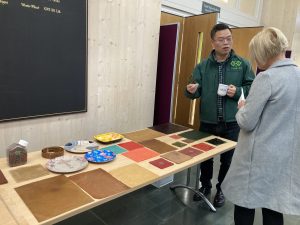
Cambond reusable coffee cup
An example of the bio resin technology: Wasbeans – Bean waste into reusable plastic

Cambond has invented a plant-based resin system using by-products from brewing.  The resin can be used as replacement for panels used within the automotive and construction industries that are oil-based and energy intensive to produce.

Cambond’s process uses ‘green chemistry’ and creates value for by-products that may otherwise be wasted supporting the development of a circular economy. BONDIFI, supported by a £7.3M UKRI grant, is the first such system for the construction industry.

Resins are critically important chemicals in many manufacturing industries. However, their oil-based and energy intensive manufacture requirements mean products containing resins have a large carbon footprint.

BONDIFI is a partnership between the UK brewing, foundry, panel and chemical industries, which aims to scale manufacture of sustainable resins and introduce them into the processes of making furniture, construction panels and casting metal.

Panels and metal products use more than 1.3M million tonnes of resin a year, producing oil-based carbon emissions of more than 4MT CO2e, The Cambond has the potential to replace these with plant-based resins requiring 45% less energy per tonne to manufacture

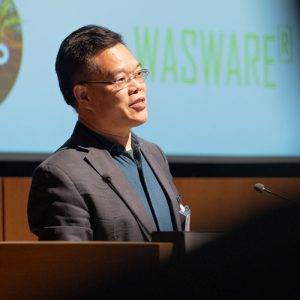
Professor Xiaobin Zhao, Cambond CEO, said: “Each partner alone cannot deliver the change needed to decarbonise and transform UK industries. BONDIFI will catalyse change and open the way to massive carbon reductions in manufacturing.”

The funding has been won in the competition for the Transforming Foundation Industries Challenge.

More about Cambond.

Drought: five ways to stop heavy rains washing away parched soil

Member News
The views expressed in this Member News article are the author's own and do not necessarily represent those of Agri-TechE.

When William Blake described England’s “green and pleasant land” in his poem Jerusalem, he was actually writing during a prolonged drought. Two centuries later, much of Europe is withering under successive heatwaves amid one of the most extreme droughts ever recorded.

The latest satellite image of England captured by Nasa shows not a green and pleasant land but one which is brown and parched. Under all that dry vegetation is sun-baked, dusty and desiccated soil.

Heavy rain and thundery showers are now forecast for much of the UK. No doubt the promise of a good downpour will please farmers, for whom the drought has been particularly punishing. Bizarrely though, heavy rain may not be what their thirsty soil needs right now.

A soil normally acts like a sponge which soaks up moisture when it rains. Having been baked for weeks by intense heat with little respite, soil surfaces have hardened.

As a result, the soil’s infiltration capacity (the maximum rate at which soils can absorb moisture) has diminished. If rain falls at such an intensity that this rate is exceeded, the water will run off the soil surface, potentially triggering flash floods and other hazards downslope.

When heavy rain falls, tonnes of soil can be eroded into the flow and rushed out of farm gates. There, it is washed into rivers, and spat out to sea in a brown plume that can occasionally be seen from space.

Likewise, flash floods can leave thousands of households with thick carpets of sand, silt and clay. Cleaning up after extreme rainfall can drain wallets very quickly, but there is a larger and longer-term cost.

Soil erosion is a major threat to the resilience of the environment. Proactive measures to curb erosion are essential to ensure soils continue supporting food production, sustaining habitats and biodiversity, cycling nutrients and safely storing the carbon fuelling climate change.

Here are five options for preventing soil running off the land.

1. Don’t leave soils bare

A bare soil is particularly vulnerable to erosion. Extreme heat can make some harvests come early, leaving soils bare for longer. Farmers can grow cover crops such as brassicas, legumes and grasses to protect soils from being exposed between periods of crop production.

As well as shielding the soil from rain splash, some cover crops can suppress weeds and fungal diseases, replenish carbon and offer food and habitat to wildlife. 

2. Adapt tillage practices

Soil tillage (digging, stirring and overturning it) is one of the most practised methods of preparing the land for growing crops. But tilling the soil too vigorously can damage its internal structure.

A healthy soil has a continuous network of pores and channels capable of storing and transporting air and water. Lining this network are mineral and organic aggregates. Maintaining the soil’s structure is vital, not only for bolstering its resistance to erosion, but for enhancing how much water can infiltrate it.

Shifting towards less intensive tillage practices – reduced or zero tillage farming – has been shown to be effective at curbing soil erosion. Ploughing across slopes rather than down them can reduce it even further.

3. Watch out for overgrazing

Grazing livestock like cattle can maintain grassland habitats and support native wildlife, but overgrazing can be a problem. If vegetation is stripped from the land faster than it can naturally recover, soils are left bare and prone to erosion.

Overgrazing can also compact the soil, making it less effective at soaking up moisture and increasing the likelihood that water will run off the surface. 

4. Consider terracing steep slopes

Steep slopes funnel water downhill fast. Building a series of level steps into the slope where food can be grown, a practice known as terracing, is an effective engineering solution.

Hillslope terracing has been adopted by farmers for millennia, and can be particularly good at reducing water runoff and sediment erosion, especially if regularly maintained. Levelling the slope can also help water infiltrate the soil and increase how much water it can hold. 

5. Grow a buffer strip

For fields bordering rivers and streams, planting buffer strips of vegetation on the boundary with the watercourse can offer multiple benefits beyond reducing soil erosion.

Comprised of grass and shrubs, buffer strips increase the roughness of the land which slows the water running off it. Planting trees in buffer strips can help stabilise riverbanks, shade livestock and reduce the runoff of agricultural chemicals into rivers. As well as combating soil erosion, buffer strips feed and shelter pollinating insects, enriching a farm’s biodiversity.

Be proactive not reactive

It only takes a second to open an umbrella and protect yourself from a downpour. Protecting soil from erosion demands more proactive measures.

These five recommendations can build a soil’s resistance to erosion, particularly during the spells of heavy rain which often follow heatwaves. If implemented and maintained, these strategies can have lasting additional benefits for soil fertility, biodiversity and slowing climate change.

Dan Evans, 75th Anniversary Research Fellow, Soil and Agrifood Institute, Cranfield University

M&S adds buzz to York bio-tech firm AgriSound

Member News
The views expressed in this Member News article are the author's own and do not necessarily represent those of Agri-TechE.

A York company that aims to boost pollination in crops is to get some buzz thanks to a three-year deal with Marks and Spencer.

AgriSound is to supply in-field sensors to two M&S Select Farms, which will see the farms use the devices which measure the numbers of bees and other insect visitors.

The company, based in York St John University’s Enterprise Centre, has developed specialist listening devices which can collect and send data concerning key pollinators, such as bumble bees and honey bees.

At one farm, in Plumford, Kent, the sensors will be placed in an orchard to assess how well spaced flowers must be to attract bees and other pollinators.

Meanwhile, G’s Growers of Cambridgeshire, will place its sensors in hedgerows, pollen and nectar mix and wild bird seed mix. The aim is to assess how well these are at attracting bees at different times of the year.

What is learnt will be shared with the wider industry.

Casey Woodward, Founder and CEO of AgriSound, said: “The development of our PollyTM device has taken years of dedicated research and it is really exciting to see our technology beginning to deliver unique insights into pollinator activity.”

The collaboration is part of M&S five-year Farming with Nature programme, launched last year, to support the retailer’s Select Farmers to become more resilient to environmental challenges spanning climate change and biodiversity loss.  

As part of the programme, M&S has partnered with specialist industry partner LEAF (Linking Environment and Farming) to strengthen pollinator-friendly farming practices across M&S’s grower base in the UK, such as setting aside areas for plants and wildlife.

M&S has also collaborated with the Game & Wildlife Conservation Trust, FERA and Kings Frontier to test different wildflower seed mixes on some of its M&S Select Farms aiming to enhance yield and reduce costs through pollination and reduced pests.

Andrew Clappen, Technical Director at M&S Food, said: “Pollinators are the unsung heroes of British farming – helping to improve yields and quality while benefitting the wider environment.  

“Since we launched Farming with Nature, we’ve been hosting workshops offering advice to our M&S Select Farmers on the best ways to attract more pollinators. Now, by partnering with AgriSound, the farms will have real-time data and valuable insights into what’s working and what’s not. 

  “We’re also working closely with farmers on land use and different wildflower mixes to boost pollinator numbers, alongside crop health and pest management.” 

Gill Perkins, CEO of The Bumblebee Conservation Trusts, added: “To help wild pollinators, we need to work across the wider countryside and farmland is the key to that.  It’s great to see M&S working with farmers to thoroughly integrate monitoring and pollinator-friendly management into these systems.” 

Hutchinsons’ advice for how to manage potato crops in warm, dry conditions

Meet the Network
Agri-TechE

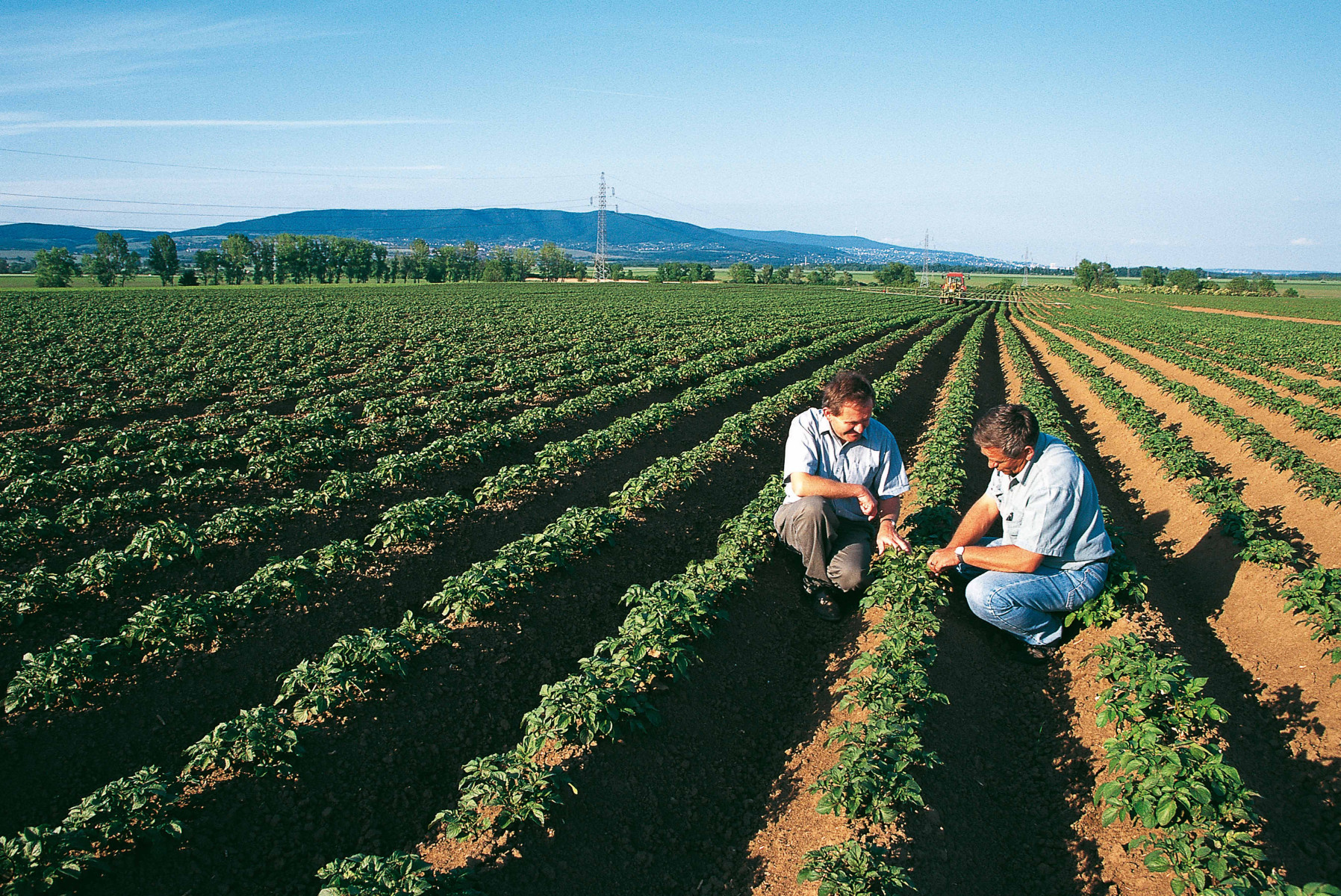
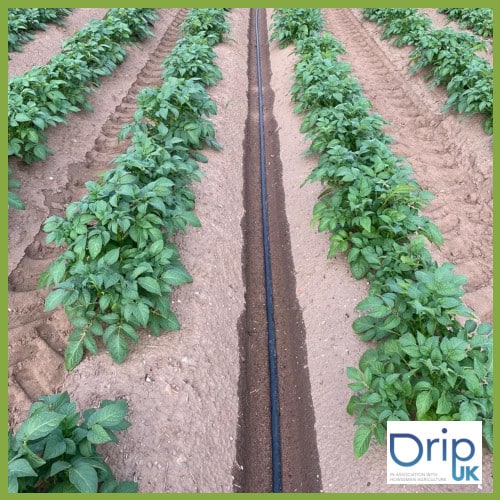
Unlike most years 2022 will not be about managing large green haulm to aid skin set and lifting, but about keeping the crop alive with water or making more challenging strategic decisions, says Hutchinsons‘ root crop technical manager Darryl Shailes.

Darryl Shailes, root crop technical manager, Hutchinsons

He points out that even the best of irrigation systems or the crops grown in the perfect silt that were planted in great conditions are struggling under the prolonged hot and dry weather we are experiencing.

By early August, most irrigation reservoirs are getting very low and restrictions are being put on some other licenses.

“During the heat wave in July many crops ceased bulking and only put on dry matter, and were just about kept alive,” he says. “This rapid increase in dry matter means that many crops, especially those that are unirrigated or short of water, are already in excess of 24% DM and will be highly prone to bruising.”

Darryl believes the best decision for many growers will be to stop the crop even though the yield is only in the low teens per acre.

“To leave the haulm alive under the current conditions will only increase dry matter and yield is unlikely to be significantly improved.”

“For some crops even if rain were forecast, their ability to increase yield and tuber size significantly will already be compromised with very poor haulm and will probably cause issues with secondary growth.”

He says growers may have to target lifting and irrigation where still available to those crops that are most sensitive to bruising.

“Where water is available, irrigation pre-harvest – even though having no real effect on dry matter – can help to keep more soil on the web and cushion the potatoes to reduce bruising.

“Single handling and correct settings of harvesters and elevators will be even more important than normal to reduce the exposure to bruising as much as possible.

“A relatively small unbruised crop should be easier to market than a slightly larger but heavily bruised crop,” he adds.

However, Darryl says it is not all doom and gloom: “Some well irrigated crops are still bulking and have good haulm, and in an ideal world soil moisture deficit should be maintained at around 30mm until flailing and or burn down to reduce the risk of bruising.

“Normally blight control would need to be continued until all the haulm is dead but with this season with hardly any reports of blight some growers may decide not to treat during the haulm destruction process especially on crop not intended for storage.”

Lifting potatoes

DeepPlanet featured in BBC Click

Member News
The views expressed in this Member News article are the author's own and do not necessarily represent those of Agri-TechE.

Deep Planet featured on BBC Click Documentary “Agri-tech and Future of Farming Programme” discussing the impact of climate change on wine. Premium French wine producers Bernard Magrez and Chateau Haut-Bailly share insights on how they are adapting to changing weather conditions and the future of wine. Watch on the link: https://www.bbc.co.uk/iplayer/episode/m001b72y/click-agritech-and-the-future-of-farming

Research, Innovation, and Advanced Farming in Missouri

Member News
The views expressed in this Member News article are the author's own and do not necessarily represent those of Agri-TechE.

Missouri is the global leader in agtech. With research taking place across the entire state in dozens of our innovation communities, companies are utilizing our exceptional resources to grow their business.

The use of drones, satellites and data is transforming farming as we know it. Missouri companies are leading the way in investment and innovation in advanced farming.

  • 2ndMOST FARMS IN THE U.S.
  • $94BAGRICULTURAL INDUSTRY

World-Leading Innovation With a Local Touch

Agriculture is a $94 billion industry in Missouri, and our agtech workforce consists of more than 460,000 people. So much agricultural product is shipped via river barge from the St. Louis region that a 15-mile section of the Mississippi is known as the “Ag Coast of America.”

Agtech Innovation…It’s Growing Here

Our state has seen tremendous investment from the agtech industry in recent years. The United States Department of Agriculture moved two of its key agencies’ headquarters to Kansas City, Missouri. The University of Missouri College of Agriculture, Food and Natural Resources recently announced that it is the home of the first Center for Regenerative Agriculture in the Midwest. The Donald Danforth Plant Science Center in St. Louis is the world’s largest independent research institute focused on plant science, and there are more than 1,000 plant scientists conducting research in the region. The industry is growing rapidly in Missouri, and we’re prepared with the talent and resources to support this growth.

Agrimetrics Field Boundaries can change the future of UK farming

Agri-TechE Article
Agri-TechE

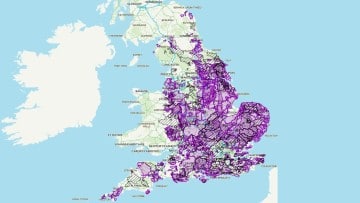
The lack of accurate field boundaries has been a pain point for the farming sector since the Rural Payments Agency stopped making these publicly available. To solve this, Agrimetrics has used an AI algorithm to identify the UK’s field boundaries from satellite imagery supplied by Airbus. These boundaries have then been connected to more than a billion other data points – creating an unrivalled resource for stakeholders across the agri-food sector.

Agrimetrics, one of four agri-tech centres at the heart of the UK Government’s Agricultural Technologies strategy, have used artificial intelligence and satellite imagery 13-times the resolution of the industry standard to identify 2.8 million field boundaries across England, Wales, Scotland and Northern Ireland.

Professor Richard Tiffin, Agrimetrics Chief Scientific Officer, explains the reason for their work: “In addition to vast archives of historical information, our sector is capturing huge volumes of new data every day. Unfortunately, this data is rarely filtered by field level. As a result, drawing insights or creating products which can improve land management is often not possible – despite the required data being available.”

Agrimetrics field boundariesNow data sets, which could previously only be viewed by region or county, can be viewed from the perspective of an individual field. This has profound implications for a range of stakeholders, producing practical insights which can improve farm management.

Kathryn Berger leads the data science team responsible for bringing Field Boundaries to life, she explains the level of precision it offers: “To create field boundaries, we trained a machine-learning algorithm to look at satellite data, identify the land features which distinguish fields and use these features to highlight the field boundaries.

“Where Agrimetrics differs from other providers, however, is in the precision of the satellite data we use. Whereas industry-standard satellite imagery might have a spatial resolution of 10 to 20 metres, we used premium SPOT satellite imagery supplied by Airbus, which has a resolution of just 1.5 metres.”

Accessing Field Boundaries through Agrimetrics brings several additional benefits, as Tiffin further explains: “Field Boundaries provide a detailed digital map of the UK’s farmed landscape, what’s less well known is that … we have linked our 2.8 million field boundaries to over a billion additional data points, including weather, previous cropping and soil composition. This expands the applications of field boundaries and provides significant time- and cost-saving for our users.

“When the required information is not available through Agrimetrics, Field Boundaries provide the building blocks for assembling and analysing third party data. Processing satellite data is one example. Field Boundaries act as cookie cutters to slice up satellite imagery in order to provide summary statistics for all of the individual fields in the UK.

“This will enable the development of products which could measure in-season crop health and productivity – without ever having to visit a field.”

Read the full story on Agrimetrics’ website: Seven reasons why field data will change British farming

Machine learning tech that hunts for plant biomarkers awarded UKRI funding

Member News
The views expressed in this Member News article are the author's own and do not necessarily represent those of Agri-TechE.

An Earlham Institute team that has developed machine learning technology to find genetic markers for important traits in plants has been awarded £25,000 of funding from UKRI. The funding will support market discovery and skills development for the project, helping to commercialise the BBSRC-funded research.

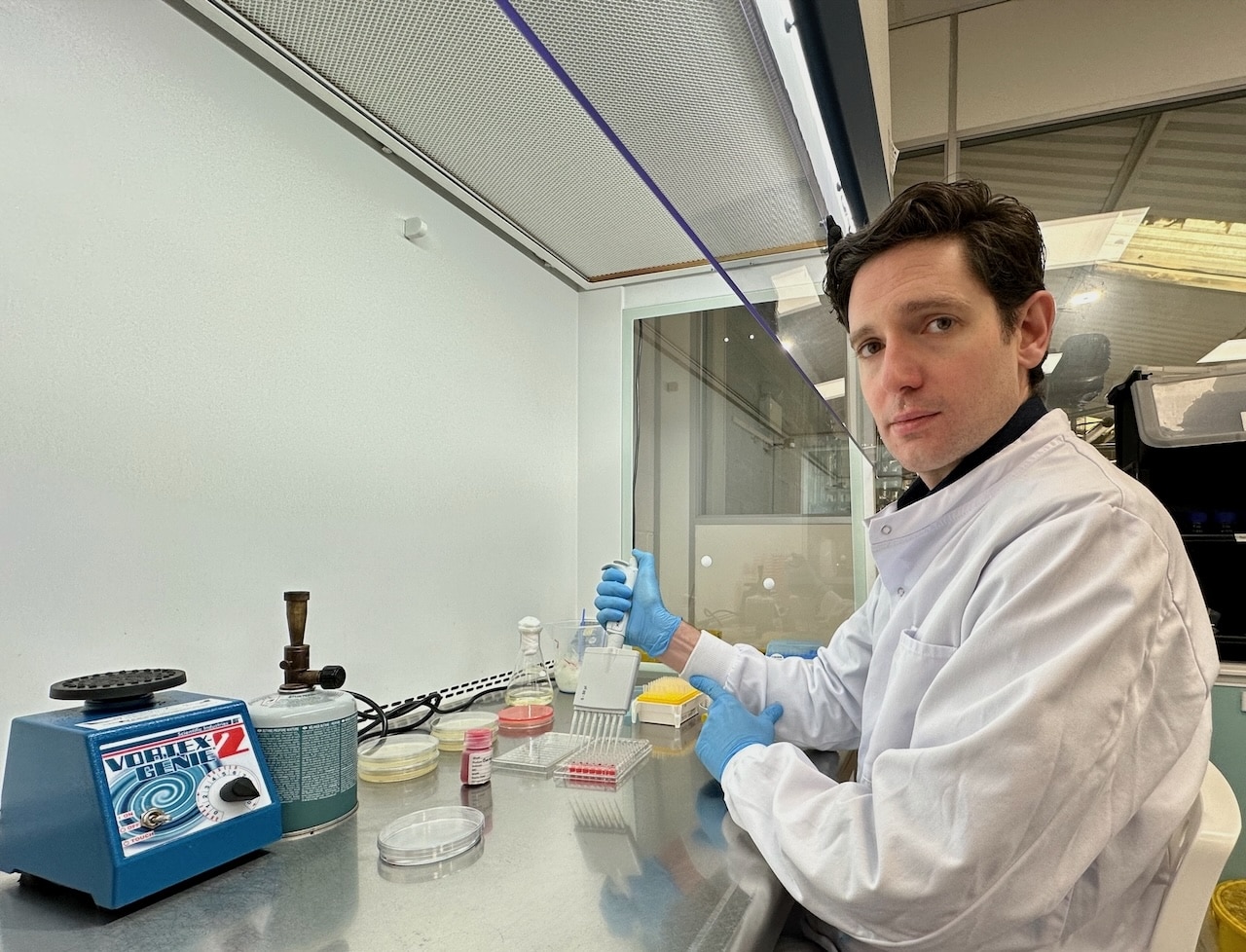
TraitSeq, developed by Josh Colmer during his PhD at the Earlham Institute, is an end-to-end laboratory and computational pipeline that uses cutting-edge machine learning (ML) methods to generate biomarkers using transcriptomic data. 

These biomarkers have the potential to predict useful physiological, biochemical, or metabolic traits and changes. 

The technology is the culmination of Colmer’s involvement in a number of projects during his PhD in the Anthony Hall Group at the Earlham Institute.

Colmer and the team behind TraitSeq have received funding from UKRI’s Innovation to Commercialisation of University Research (ICURe) pilot programme, which supports research teams to shorten the time it normally takes to move a promising idea in the lab to the point of commercialisation.

The team behind TraitSeq will now spend 12 weeks carrying out market discovery activities to build a clearer picture of how the technology could be applied and the areas of industry with the greatest potential to benefit from it.

Josh Colmer, TraitSeq entrepreneurial lead and PhD student based at the Earlham Institute, said: “TraitSeq was born out of a few projects where we realised how valuable it’d be to have a diagnostic tool for spotting biomarkers. 

“These could flag a range of important traits for plant breeders, from obvious benefits such as climate resilience or yield through to more subtle things like taste!”

TraitSeq involves both laboratory and computational approaches, which the Earlham Institute’s facilities are uniquely placed to support. 

“The lab component consists of a low-cost, high throughput RNA extraction and sequencing pipeline optimised for plant material,” says Colmer. “The computational aspect consists of bespoke ML algorithms and bioinformatics tools for detecting biomarkers and producing trait prediction models using the resulting high-dimensional RNA-Seq datasets.”

Dr Liliya Serazetdinova, Head of Business Development and Impact at the Earlham Institute, said: “What makes TraitSeq so innovative is the computational component. This is how we’re able to accurately and robustly predict measurable targets that relate to changes in phenotype, physiology or metabolism under varying environmental conditions.

“The Earlham Institute works to bridge the gap between biology and data science, and this innovation is a perfect example of how data-intensive bioscience could deliver significant impact.”

TraitSeq uses a bespoke set of gene selection algorithms and machine learning models developed by Colmer and colleagues at the Earlham Institute. These are able to identify a specified number of transcriptomic biomarkers for prediction (trait measurement) and inference (gene regulation understanding) purposes.

With support from ICURe and Earlham Enterprises Ltd, the commercial arm of the Earlham Institute, Colmer will now dedicate time to develop a range of new skills in how to translate research into a commercial venture, how to test it in the market, and how to pitch it to potential investors.

Professor Anthony Hall, Group Leader at the Earlham Institute and science lead on this project, said: “Biomarker-based diagnostics has significantly advanced in precision medicine, yet this approach represents an opportunity for the agriculture sector. 

“TraitSeq was initially designed to predict the presence of plant diseases and the circadian clock in plants, but we’ve shown it’s also applicable to human or even livestock trait prediction. The pipeline has already been used in a trial project to predict cancer subtypes in humans at unmatched levels of accuracy.”

Colmer is actively seeking input on the potential of TraitSeq from anyone who thinks the technology may have an application in their area of work.

Combatting destructive crop viruses in tomato and cucurbit plants

Member News
The views expressed in this Member News article are the author's own and do not necessarily represent those of Agri-TechE.

Every year, viral diseases wreak havoc worldwide on tomato and cucurbit crops (squash, pumpkin, courgette), causing huge yield losses ranging from 15% to 100%, accounting for losses of around €3.5 billion in Europe alone. The emergence of new and devastating plant viruses is fuelled by a combination of climate change, rising global trade and more interconnected agricultural sectors.

Building on decades of expertise in plant molecular biology and sustainable pest management approaches, NRI is part of the EU-funded VIRTIGATION project, which aims to combat emerging viral diseases in crops, and to help prevent them from spreading around the world.

To date, few viable remedies have been made available to tackle the destruction of crops caused by these plant viruses. The VIRTIGATION project aims to cut tomato and cucurbit crop losses stemming from viral diseases by up to 80%, and it seeks to cut in half, or even eliminate the use of pesticides to control emerging viral diseases. VIRTIGATION will demonstrate several innovative biologically based solutions to safeguard tomato and cucurbit plants. These will include natural plant resistance, plant vaccines, a sustainable and integrated pest management (IPM) approach, and biopesticides – substances used for controlling pests made from natural products or micro-organisms, as opposed to the more conventional synthetic or chemical pesticides. VIRTIGATION will also implement new methods for the early detection and prevention and control of these plant viruses. It will further develop innovative diagnostic tools and online monitoring platforms to identify possible outbreaks to ‘test, track and trace’ the spread of viruses. With this toolbox, VIRTIGATION aims to assist the entire value chain – from farmers and plant health services, to policymakers and industry – in protecting tomatoes and cucurbits from viral diseases.

NRI’s Professor Maruthi Gowda is leading NRI’s contribution to VIRTIGATION which focuses on understanding how viruses jump hosts from tomatoes to cucurbits and expand their host range. The team aims to identify virus-resistant varieties from extensive germplasm collections to provide rapid and natural control measures for farmers. In addition to the use of naturally occurring resistance sources, the NRI team is exploring wide-ranging IPM practices such as the use of biopesticides, plant extractions and novel eco-friendly formulations for controlling whiteflies – one of the main insect vectors which transmit viral diseases. These efforts will minimise the use of harmful synthetic pesticides and thus help produce healthier vegetables. 

VIRTIGATION is coordinated by the Department of Biosystems at KU Leuven University in Belgium and brings together 25 partners from universities, industries, research and technology organisations, agricultural extension services and small and medium-sized enterprises from 12 countries: Austria, Belgium, France, Germany, India, Israel, Italy, Luxembourg, Morocco the Netherlands, Spain and the United Kingdom.Virtigation logo 750

The VIRTIGATION project is running from 2021–2025 and is funded with EUR 7 million by the EU Horizon 2020 programme.

Links: www.virtigation.eu