The Productive Landscape: NatureTech for Profit and Planet
How can technology enable delivery of food, nature recovery, and climate resilience - all at once? The Head of the Environment Agency is asked: what's the national plan for dealing with land use pressures, plus you’ll hear from technologists and land managers working on nature-based and tech-enabled solutions for water, soils and climate adaptation.

Unique experimental plant growth facility secures £1m grant

Member News
Agri-TechE
The views expressed in this Member News article are the author's own and do not necessarily represent those of Agri-TechE.

World-leading plant productivity research at the University of Essex has received a major funding boost to create a new state-of-the-art indoor crop growth facility.

Today, the Wolfson Foundation has pledged £1 million to support the development of a unique Smart Technology Experimental Plant Suite (STEPS) at Essex’s Colchester Campus to future-proof crop production in a changing world.

With one of the longest established whole plant physiology and photosynthesis groups in the UK, Essex has long been at the forefront of plant productivity research.

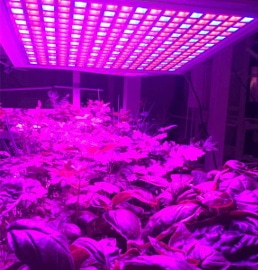
Building on these existing strengths, the £3.5million facility will be able to grow plants in a suite of fully automated and adjustable environments, including dynamic tuneable lighting systems capable of replicating natural outdoor environments in real time, with fine-scale regulation of temperature, humidity, water availability and CO2 concentrations.

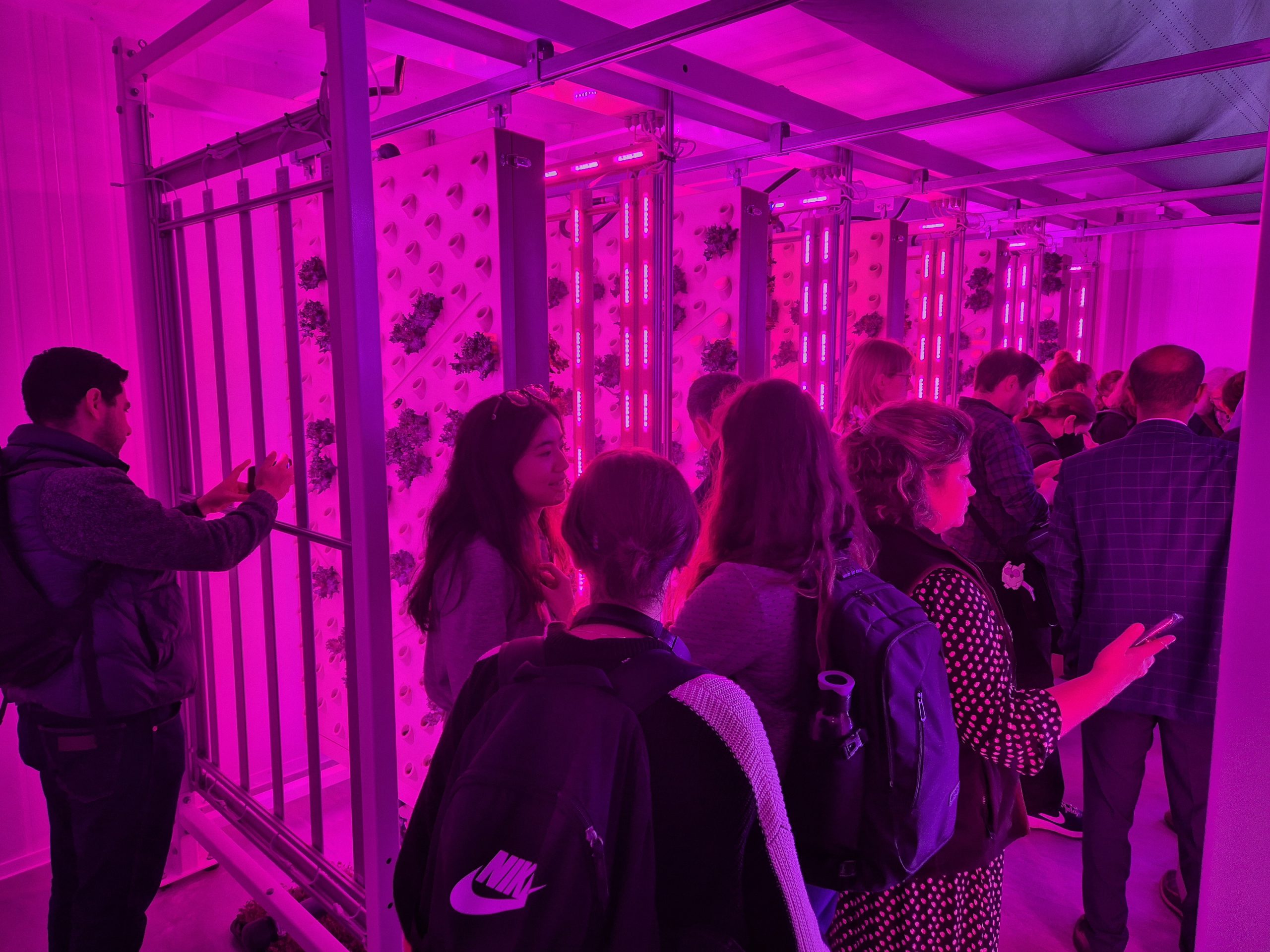
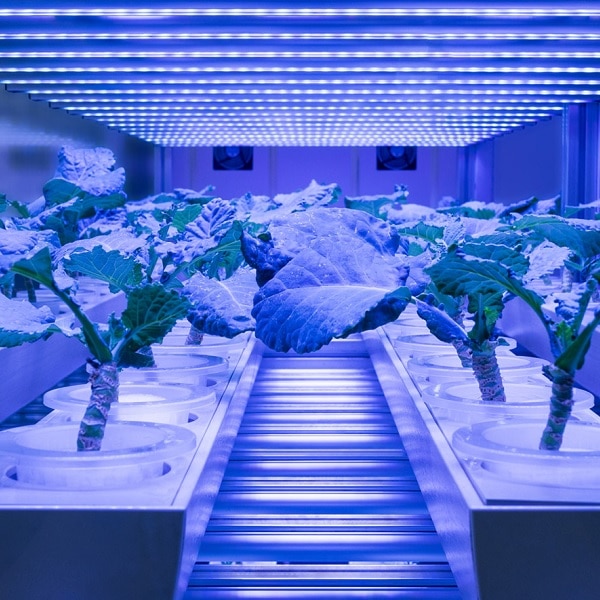
This will be underpinned by advanced technology, artificial intelligence (AI), environmental sensors and water management systems. There will also be an experimental commercial-standard vertical farm that will further expand Essex’s research, expertise and knowledge in indoor plant growth.

With the expected growth in human population by 2050, a step-change in agricultural productivity, sustainability and resilience is needed to keep up with demand. Ensuring future food security and building climate resilience is also central to the UN’s global sustainable development goals.

Renowned plant physiologist Professor Tracy Lawson, from Essex’s School of Life Sciences, said: “We are delighted to have been awarded this funding from the Wolfson Foundation. This unique facility will build on our world-leading strengths in plant productivity research and allow us to exploit the latest technologies to improve key plant processes.

“It will elevate our cross-disciplinary research and work with business stakeholders to address some of the key challenges in the agriculture and horticulture sector. STEPS will also provide a unique platform for community engagement and outreach to increase the visibility of plant science research and highlight the global challenges in this area.”

Professor Chris Greer, Essex Pro-Vice-Chancellor Research, added: “At Essex, our Plant Productivity Group (PP Group), led by Professor Lawson, is a world-class team of plant scientists, driven by a shared commitment to understanding the physiology and genetics of crop yield to address the global challenge of feeding the world in the future.

“Thanks to this grant from the Wolfson Foundation, the STEPS facility will take our already transformational research in this area to the next level, strengthen our partnerships with a diversity of stakeholders, and deliver real-world impact to mitigate the effects of climate change on global agriculture.”

The STEPS facility will extend the activities initiated by the Essex Plant Innovation Centre (EPIC), which brings together the research skills, expertise and technologies from the PP Group, the School of Computer Science and Electronic Engineering, the Institute for Analytics and Data Science and Essex Business School, to provide an innovative platform to engage industrial partners and stakeholders in addressing the many challenges facing the agricultural and horticultural sector at local, national and international levels.

EPIC already has strong links working with agri-tech and environmental industries to deliver solutions to real-world problems including helping develop new tools for plant growth in indoor environments using a combination of sensors, robotics and feedback systems to explore how lighting regimes for indoor/vertical farming environments can be fine-tuned to optimise plant performance whilst reducing energy demand and other inputs.

The facility, which is due to be open by late summer 2023, will comprise four unique environmental growth rooms. This project will include long-time industry collaborator Innovation Agri-TechE Group (IAG). British agricultural technology company, IAG, will be installing the commercial standard vertical farm unit, deploying a full scale GrowFrame system – which is unique to the global vertical farming market.

The GrowFrame will provide a facility at Essex for extended education, UK outreach, research, experimentation and knowledge transfer for the real-world application of CEA (Controlled Environment Agriculture).

Paul Ramsbottom, Chief Executive of the Wolfson Foundation, said: “New and improved farming methods will be crucial to solving some of the great challenges of the 21st century, not least global food security – especially in the context of a changing climate. The University of Essex has an impressive track record in crop science and we are delighted to be supporting these experimental facilities. We hope they will assist in making important new breakthroughs in sustainable food production.”

Innovation Agritech Group & University of Essex Secure Funding to Create £3.5 million Facility

Member News
The views expressed in this Member News article are the author's own and do not necessarily represent those of Agri-TechE.

The major funding boost will be used to create a state-of-the-art indoor crop growth facility to explore how to future-proof crop production for an increasing global population

Agricultural technology company, Innovation Agritech Group (‘IAG’), can today announce it is further cementing its relationship with the University of Essex, as the university receives a major funding boost from The Wolfson Foundation, to continue its world-leading plant productivity research.

The Wolfson Foundation, an independent grant-making charity, has pledged £1 million to support the development of a unique Smart Technology Experimental Plant Suite (STEPS) at Essex’s Colchester Campus to future-proof crop production in a changing and challenging world. With one of the longest established whole plant physiology and photosynthesis groups in the UK, Essex has long been at the forefront of plant productivity research.

As major contributor to the project, IAG will be installing its innovative and patented IAG GrowFrame™ – a modular system, it uses aeroponic irrigation and closed loop water recycling to provide water and highly precise nutrients with no pesticides, as well as being proven to produce a healthier root system and superior crop growth.

The IAG GrowFrame™ will be part of a wider advanced technology system, which will include artificial intelligence (AI), environmental sensors and water management systems all provided and installed by IAG, enabling the ability to grow plants in a fully automated and adjustable environment.

Through the installation, the University of Essex will have an unrivalled facility for extended education, UK outreach, research, experimentation and knowledge transfer for the real-world application of CEA (Controlled Environment Agriculture).

This comes at a time when there is expected growth in the human population by 2050, alongside building climate resilience, all driving a step-change in sustainable agricultural productivity.

Kate Brunswick, Business Development Director, comments: “The investment and funding from The Wolfson foundation into STEPS is a fantastic moment for the whole of the vertical farming industry. We know the global population is growing – and predicted to continue to do so rapidly. The traditional methods of farming and food production alone are not enough. The capability to provide adequate nutritional food, will continue to be a world-wide challenge as demand increases.

“Since 2017, the mission of IAG is to provide a cost-effect solution that can be used on a global scale. To grow food to help feed increasing populations – especially in urban spaces or where arable farming is depleting the land due to over-farming. Collaborating with Professor Tracy Lawson and her team at the University of Essex, we’re confident that our technology will help lead the way in future-proofing food security and building climate resilience. It is a hugely exciting project to be a part of, and one that is personally close to our own objectives.”

The project is being spearheaded by renowned plant physiologist, and key member of the IAG advisory board, Professor Tracy Lawson from Essex’s School of Life Sciences. Lawson comments: “We are delighted to have been awarded this funding from the Wolfson Foundation. This unique facility will build on our world-leading strengths in plant productivity research and allow us to exploit the latest technologies to improve key plant processes.

“It will elevate our cross-disciplinary research and work with business stakeholders to address some of the key challenges in the agriculture and horticulture sector. STEPS will also provide a unique platform for community engagement and outreach to increase the visibility of plant science research and highlight the global challenges in this area.”

In addition, Paul Ramsbottom, Chief Executive of the Wolfson Foundation, said: “New and improved farming methods will be crucial to solving some of the great challenges of the 21st century, not least global food security – especially in the context of a changing climate. The University of Essex has an impressive track record in crop science, and we are delighted to be supporting these experimental facilities. We hope they will assist in making important new breakthroughs in sustainable food production.”

The STEPs facility will extend the activities initiated by the Essex Plant Innovation Centre (EPIC), which already has strong links working with Agri-TechE and environmental industries to deliver solutions to real-word problems. The £3.5million facility, which is due to be open by summer 2023,will comprise four unique environmental grow rooms.

Agri-TechE – hotting up to cool us down

Agri-TechE Blog
Agri-TechE

Potato Trial
A recyclable drip tape system from DripUK that reduces water, energy and labour while ensuring soil moisture levels at a critical time has been trialled by Norfolk farmers.

As July 2022 has seen temperatures across the UK and Europe hit record levels, we are looking at climate-friendly tech to cool us down.

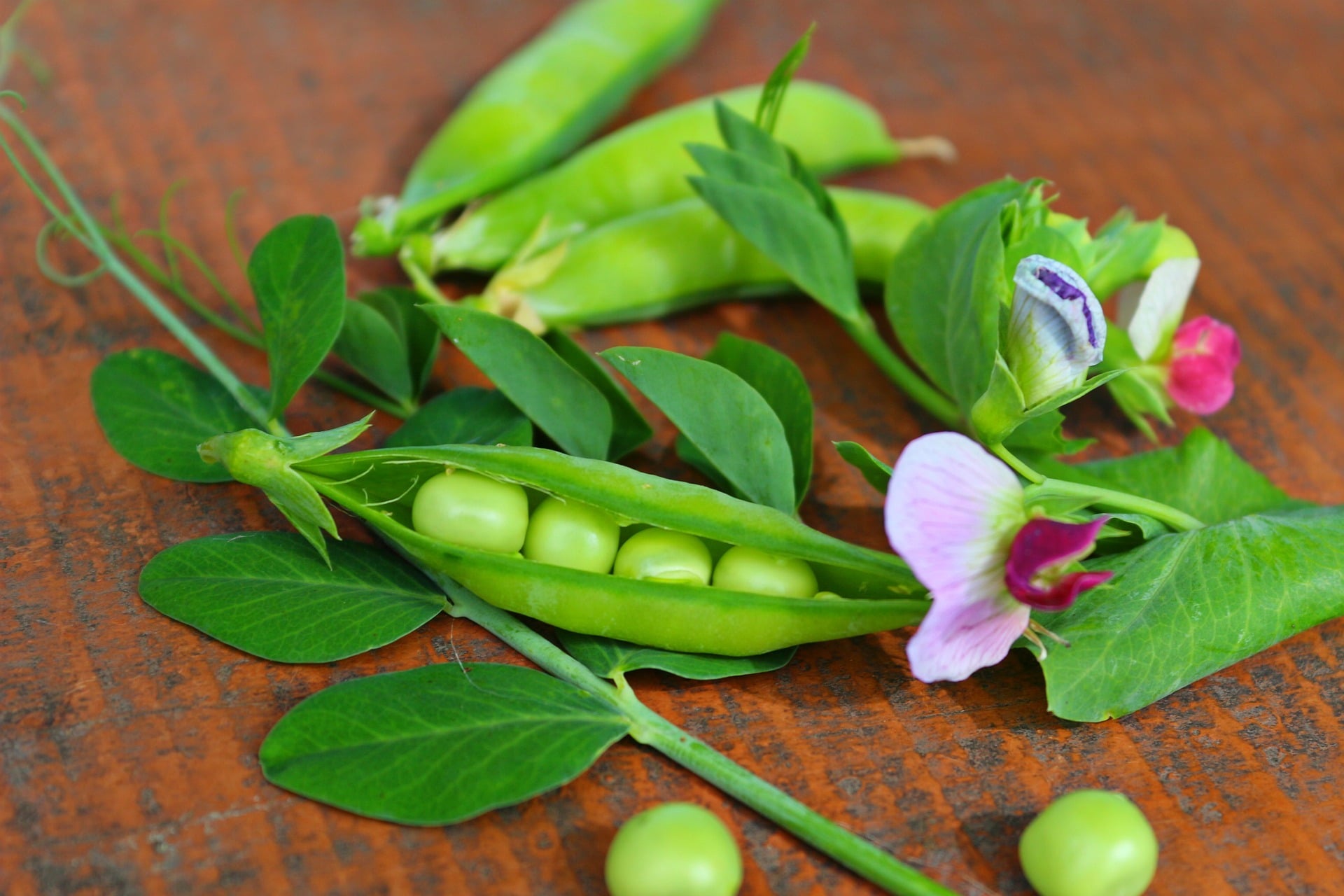
Crops and livestock have struggled with the heat – in the case of peas, for example, farmers are racing against the clock to harvest before quality is dramatically impacted by the weather conditions.

Heat-stressed animals and plants, an increased risk of fire, machinery breakdowns, and a need to potentially re-schedule irrigation plans are coming at an already stressful time in the industry.

Even controlled and protected environment facilities will incur additional energy costs to maintain optimum temperatures and adequate ventilation.

As if we needed any reminder of the need for new solutions to mitigate and adapt to climate change, extreme weather events are a stark indicator of the urgency of the problem.

Reading the gauge

The last month has seen the Agri-TechE team out taking the temperature of the industry during the Show season (check out our Twitter Feed and LinkedIn to see more about that!). We’ve been talking to our members and other industry leaders, policy-makers, funders and more, both in the UK and internationally.

And the hot topics are – unsurprisingly – all about delivering on the net zero agenda and ideally taking a “circular economy” approach across the supply chain.

From harnessing biological solutions to manage pests and diseases (such as beneficial insects and microbes, for example), to using seaweed derivatives as a livestock feed to reduce methane emissions, the hunt is on for climate-friendly tech to replace or augment existing solutions.

Albotherm Product Image
Albotherm coating for greenhouses maintains the optimum temperature while reducing labour costs.

The Agri-TechE network is working hard towards this agenda

From solutions to measure and manage carbon emissions and biodiversity gain resulting from land-use change, our members are working hard to create solutions and we can help facilitate this. This week we were helping one of our technology members to find an academic partner with expertise in life cycle analysis emissions from food production.

Use of biologicals to increase plant resilience and reduce the application of agchem is also gaining traction – we’re excited to see the natural symbiosis between plants and mycorrhizal fungi being harnessed to boost productivity, as well as the natural enemies of disease-causing bacteria – so-called “phages” being deployed to reduce the incidence of disease-causing bacteria in plants and animals.

We’ve also seen plenty of technologies from our members presented at Groundswell and Fruit Focus helping farmers understand and deliver plant nutrient requirements more precisely and efficiently.

Machinery is heading towards electrification with this year seeing some of the big machinery suppliers showcasing their journey towards electric, and the robots showing how they are moving closer to autonomously managing and harvesting crops more precisely and efficiently.

High pressure area advancing

The Hutchinsons soil pit at Cereals 2018
Hutchinsons discuss healthy soils at Groundswell 202

Of course, this evolving tech has to sit alongside – and by handled by – people. And that remains a major pinch-point, either on-farm labour or expertise in the research pipeline to help generate the vital new knowledge to deliver robust on-farm models.

There are isolated flurries of serious expertise in the research community but we know that more is needed – both in terms of training and funding for research to answer the key questions of the future.

Forecasting a BBQ weekend?

And what better illustration on the hottest day of the year than to imagine life in the field on a vegetable harvesting rig, or as part of a fruit picking team?

We’ll be giving our members the chance to test their skills against the robots at our Salad Rig Challenge with G’s Fresh on September 13th – with a big social and the chance to meet and network.

It’s going to be cool – in all senses of the word!

Glaia awarded Deep Tech Investment of the Year for yield boosting sugar tech

Member News
Agri-TechE

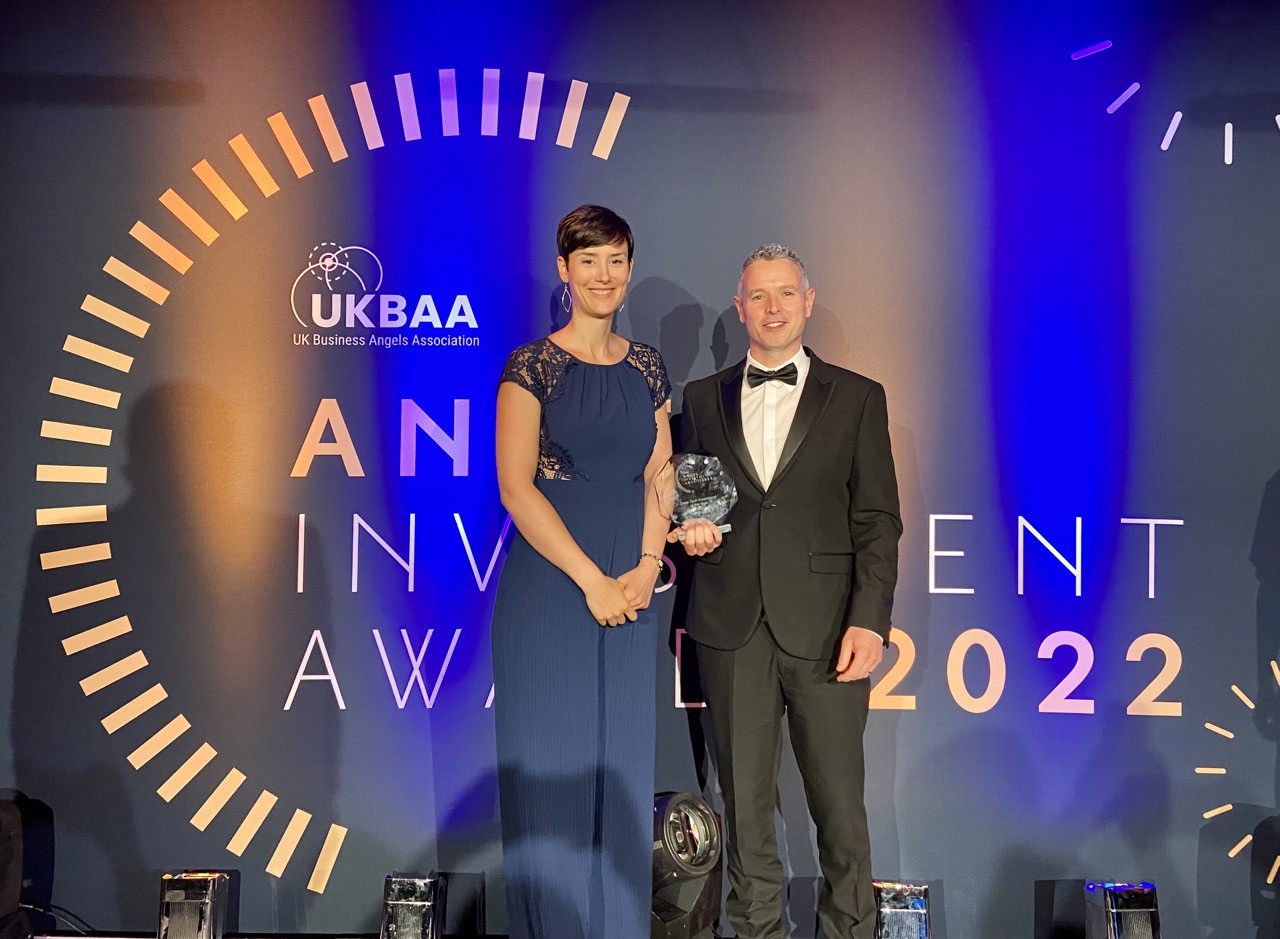
Glaia, developer of a groundbreaking ‘sugar dot technology’ which boosts a plant’s efficiency at converting sunshine to biomass, has won ‘Deep Tech Investment of the Year’ at the Angel Investment Awards 2022.

Glaia DeepTech Investment awards
Dr David Benito-Alifonso,
Founder, CEO of Glaia receives the DeepTech Award

The deep tech category, sponsored by Digital Catapult, recognises investors and founders that are pioneering deep technologies, such as AI, machine learning and robotics, to achieve fundamental breakthroughs to global challenges.

Glaia, a spinout from the University of Bristol, uses a carbon-based nano-material to create ‘sugar dots’ that when applied to the plant improves the  efficiency of photosynthesis; the energy producing process that plants use to fuel their growth. Naturally, less than 1% of the sun’s rays absorbed by plants are turned into biomass.

Sugar-dot technology is yield enhancing

Applying Glaia’s new-generation biostimulants to the roots or leaves could revolutionise the production of staple and horticultural crops. With the team estimating it has potential to increase harvests by as much as 40% without increasing fertilisers.

The sugar-dots are non-toxic, benign to the environment and water soluble, and can be applied directly to the soil, as part of irrigation systems, or via foliar application, which makes them completely compatible with current farming practices.

The team’s inital focus has been  hydroponic tomatoes and strawberries, where they estimate the added value could result in a fivefold return on investment for the growers.

GlaiaGlaia participated in the Agri-TechE GROW business plan competition. This was followed by investment into Glaia from SHAKE Climate Change and Innovate UK which enabled the team to move the concepts out of the lab at the University of Bristol, where the technology was developed, into commercially relevant set ups.

The annual UKBAA (UK Business Angels Association) Angel Investment awards, held on 7th July 2022, are a celebration of the success and determination of the angel and early-stage investment community.

For greatest impact we need to be looking at data at scale – fieldmargin

Meet the Network
Agri-TechE

Camilla Hayselden-Ashbyfieldmargin helps ‘make sense of agriculture’ by bringing together all of the farm’s data into a single hub which fits in the farmer’s hand – their phone.  The company was profiled in the Start-Up Showcase at REAP 2015, and we asked Camilla Hayselden-Ashby, the Head of Product, to describe the opportunity gaps for digital agriculture.

“Digitising the data that farmers already gather in the form of work done, livestock moves, observations and measurements is the first step to getting better insights. Bringing this alongside data from technologies such as satellite and drone imagery, machinery and sensor readings through our API will provide a holistic overview of the farm’s performance.

“Having this data together and on hand when it’s needed means that a) it gets used (how many farms have ring binders of soil test results or printed yield maps which gather dust?) and b) it is in context, making it easier to pick out trends. Once we have a large enough pool of data we plan to add analysis across these data sources.

Current challenge is data is in silos 

fieldmargin phone app“The challenge with sensors available for agriculture is that the data from them is siloed into different tools, making it difficult to derive insight. There are a huge number of factors which impact agricultural performance and farmers need to consider the whole picture rather than just one aspect. Bringing this data into context with farming practices is key to identifying trends and opportunities.

“For the greatest impact we need to be looking at this data at scale. One of the frustrations experienced by many farmers is that you only get one shot per year to try something new and it can take years to see the results. By aggregating data across farms the world becomes our science lab and we will be able to learn a lot more than gathering data from a single farm, or even a network of farms. This will result in more timely, targeted recommendations for farmers.

Will the future by high tech, frugal or diversified?

“The farm of the future will be a combination of all of these. Looking after soils and understanding the farm as an ecosystem both above and below ground will be key to reducing costs and delivering a net positive impact for the environment.

“Going ‘high tech’ will help to facilitate this by quantifying the impact of different methods of soil improvement. For instance being able to DNA sequence soils to measure which microorganisms are living in them. Automation will allow smaller kit, using less fuel (or electric) and creating less compaction, and more targeted application of treatments or moving to non-chemical treatments such as zapping weeds instead of applying herbicide.

“Diversity in ecosystems and cropping will increasingly be seen as a necessity for farm resilience as evidenced by trends to companion cropping or sowing variety blends.”


REAP 2022: Making Sense of AgricultureREAP 2022: ‘Making Sense of Agriculture’ – Tuesday 8th November 2022 

From yield mapping and precision livestock through to digital twins and cloud computing, at REAP 2022 we will be exploring the technology and looking at the implications from a field to landscape level. Making technology farm-centric is core to Agri-TechE ’s mission so a key feature of the conference will be a panel of farmers and producers discussing the emerging technologies and future scenarios.

reapconference.co.uk

To know what is happening farmers need to see it – Drone Ag

Meet the Network
Agri-TechE
Alex Macdonald-Smith, DroneAg, smaller circle
Alex Macdonald-Smith

The company has exhibited several times at REAP and has benefited from crowdsourced funding for its product.

Ahead of REAP 2022 we asked Alex about the challenges and opportunity gaps. 

“In order to know what’s actually happening in the crop, the farmer/grower/agronomist needs to actually see it.

“With the time constraints and demands of modern agriculture, the likelihood of missing a yield limiting factor that may arise throughout the growing season, or catching important timing triggers in the crop too late to prevent yield loss – is unfortunately high.

“With Skippy Scout, using standard, off-the-shelf technology, the whole field can be viewed quickly, and data collection can be repeated throughout the season to view comparisons and trends in near real-time.

“Moreover the collected data can be viewed or sent anywhere, so anyone who needs to see it, can see it instantly.

Where are the gaps at the moment? 

Dron Ag - drone capturing low level image

“Within farming as a whole, there is a definite need for technologies to earn the trust of their target market. There are obvious gaps, especially surrounding powerful, potential integrations, and things have been promised of certain technologies that have as of yet, not delivered any meaningful results.

“So, in short, yes there are plenty of tools, the Internet of Things (IoT) is a very powerful thing, but as of yet we’ve only scratched the surface and the possibilities are endless.

“One of the reasons we built Skippy Scout was that other drone software, that wasn’t designed for agriculture, had been adapted to provide agricultural insights but didn’t deliver on its promise. These technologies were complex and slow, and therefore not an easy fit for fast-paced farming workflows, so adoption was slow and the drawbacks outweighed the benefits. Skippy was designed purely with broad-acre cropping and these demands in mind.

“At Drone Ag we are constantly working on building trust with farmers by providing a useful, affordable service for them, with the ever-clear goal of making their jobs easier.

Is the future high tech, frugal or diversified?

“I don’t think I could choose one single scenario from these three – I can’t predict the future, but the way things are going all three are definitely set to play their role in the bigger picture.

“Farming needs to become more sustainable and more productive; the only way this can happen is with frugality, diversification and high tech.

“At Drone Ag we definitely play into the high-tech category, but also into the environmental space. We have our sights set on soil as well as variable rate inputs, not only that but our system allows for less soil compaction, fuel usage etc.

“If farmers are to meet the growing needs of an ever expanding population, all avenues of future-proofing and sustainability must be approached with an open mind.”


REAP 2022: Making Sense of AgricultureREAP 2022: ‘Making Sense of Agriculture’ – Tuesday 8th November 2022 

From yield mapping and precision livestock through to digital twins and cloud computing, at REAP 2022 we will be exploring the technology and looking at the implications from a field to landscape level. Making technology farm-centric is core to Agri-TechE ’s mission so a key feature of the conference will be a panel of farmers and producers discussing the emerging technologies and future scenarios.

reapconference.co.uk

GLOBAL WHEAT PRODUCTION CAN BE DOUBLED, SHOWS STUDY

Member News
The views expressed in this Member News article are the author's own and do not necessarily represent those of Agri-TechE.

A first-of-its-kind analysis of the untapped genetic potential of wheat shows global yields are only half of what they could be.

The team of international experts, led from the UK’s Rothamsted Research, says this ‘genetic yield gap’ could be closed by developing wheat varieties tailored to each region – by utilizing the vast genetic variation available in global and historical wheat gene banks with modern techniques such as speed breeding and gene editing.

Dr Mikhail Semenov and Dr Nimai Senapati, who co-led this study, define a crop’s ‘genetic yield potential’ as the highest yield achievable by an idealised variety – in other words, a plant with an optimal genome that allows it to capture water, sunlight and nutrients more efficiently than any other.

Dr Semenov said: “Current wheat cultivars are, on average, only at the half-way point with respect to the yields they could produce given the mismatches between their genetics and local wheat growing conditions. 

“Global wheat production could be doubled by the genetic improvement of local wheat cultivars – without increasing global wheat area.”

Using existing data on the contribution of different genes to individual plant traits such as size, shape, metabolism and growth, the researchers ran millions of computer simulations to design ‘perfect’ wheat plants that were tailored to their local environments.

When compared to the performance of locally adapted cultivars, in all cases they found current wheat varieties were underperforming for grain yield, with an obvious ‘genetic yield gap’ between reality and possibility.

According to Dr Senapati, closing the genetic yield gap would go a long way to feeding the growing world population and would reduce pressure to convert wild habitats to farmland.

Wheat is the world’s most widely grown crop, and in terms of human consumption, is the second most important crop after rice, with global harvests in the region of 750 million tons. 

Since the 1960s ‘Green Revolution’ yield have, on average, tripled – but this study suggests there is a lot more to come.

It is the first time this type of analysis has been done globally with the study, published in Nature Food, looking at a total of 53 wheat growing regions across 33 countries and covering all global wheat growing environments.

Using a state-of-the-art wheat model, called Sirius, the team first calculated the potential yield from a total of 28 commonly used wheat varieties grown at these sites, assuming the best possible cultivation conditions for each one.

This gave harvests of less than four tons in Australia and Kazakhstan – compared with 14 tons of wheat produced per hectare in New Zealand.

Next, they designed ‘idealized’ local varieties within their model, which optimised several plant traits that contribute to yield and whose underlying genetics will allow them to be improved by plant breeders.

Simulations were based on extensive data on the natural genetic variation underpinning the traits. These included tolerance and response to drought and heat stresses, the size and orientation of the light-capturing upper leaves, and the timing of key life cycle events.

The results showed that by optimizing these key traits, genetic yield gaps could be anywhere from 30-70% across different countries, with a global average genetic yield gap of 51%. Therefore, global wheat production could be doubled by exploiting this existing genetic yield gap towards achieving global food security in a sustainable way.

“Not unsurprisingly, the countries with the lowest current yields could gain the most from closing their genetic yield gaps,” said Dr Senapati.

“That said, even improvements in those countries with a medium genetic yield gap of 40 to 50%, but with a large proportion of global wheat harvest area – such as the leading producers India, Russia, China, USA, Canada, and Pakistan – would have a substantial effect on global wheat production due to the larger wheat cultivation areas involved.”

Before this study, the size of these genetic yield gaps at country and global scales were unknown.

The genetic yield gap idea contrasts with the longer-understood concept of traditional yield gap due to sub-optimal management where harvests are smaller than the best-case scenario as a result of factors such as pest or diseases, lack of nutrients, or sowing or harvesting at the wrong time.

“Our analysis suggests that such genetic yield gaps due to sub-optimal genetic adaptation could, in relative terms, be as large as the traditional yield gap due to imperfect crop and soil management,” said Dr Semenov.

“Wheat was first domesticated about 11,000 years ago, but despite this – and not to mention the sequencing of its entire genome in 2018 – the crop is still some way from being at its ‘genetic best’,” he added.

Also involved in the study were leading wheat experts from Australia, Denmark, France, Germany, The Netherlands and Mexico.

Insights from predictive models increases confidence in decisions – Map of Ag

Meet the Network
Agri-TechE

Andrew Cooke, Map of Ag
Andrew Cooke, Chief Technology Officer, Map of Ag [from mapof.ag]
Making sense of data is core to the work of Map of Ag with its predictive models offering global insights into markets and environment; ahead of REAP 2022 we asked Andrew Cooke, its Chief Technology Officer, where he sees the challenges. 

“In the past farmers and growers could operate with a great deal of intuition and use the embedded learnings of past generations and seasons.

“Farm systems develop as a result of many factors – farmers’ preferences, market demands and incentives, and the capability of the land and the environment.

“However, today’s world is less certain – the climate is changing, and demands from supply chains, regulators and consumers weigh heavily on farmers.

“Insights from analytics and predictive models will help farmers make more confident decisions in the face of all these changes.

Powering up businesses with trusted data and predictive models

“We have worked closely with agricultural organisations and agri-tech companies over many years, helping them to collect, interpret and add value to agricultural data.

“Pure Farming – Map of Ag’s data integration platform – connects data from multiple sources, standardises it to a common form, and then allows farms to control who accesses that data and for what purposes. We see ourselves as giving control to farmers and also powering up businesses that need to make sense of farm data.

“The insights also help supply chains demonstrate that farmers are genuinely acting on the sustainability and welfare concerns of consumers.

Farming needs to be profitable

“Farmers we speak to want to leave their land and environment in a better state for the next generation – but they also need farm systems that are profitable, not too risky, and are manageable with the time and resources they have.

“Farmers will embrace frugality and sustainable farming using rotational practices, livestock and cover crops, and alternatives to current chemical controls – to the extent that their environment and finances allow.

“Smart technologies, precision tools, and automation will contribute to this by making some practices more feasible or cost effective, or by freeing up their time. I’d like to think that applying Pure Farming to make sense of data and connect technologies will contribute to this.”


REAP 2022: Making Sense of AgricultureREAP 2022: ‘Making Sense of Agriculture’ – Tuesday 8th November 2022 

From yield mapping and precision livestock through to digital twins and cloud computing, at REAP 2022 we will be exploring the technology and looking at the implications from a field to landscape level. Making technology farm-centric is core to Agri-TechE ’s mission so a key feature of the conference will be a panel of farmers and producers discussing the emerging technologies and future scenarios.

reapconference.co.uk

What is ELMs and how Agri-TechE can help

Topic Overview
Agri-TechE

What is ELMs?

The three-tier Environmental Land Management (ELM) scheme is part of the UK government’s future farming policy as it seeks to move away from farm support based on direct payments towards one centred on “public money for public goods”.

It is recognised, that in addition to producing food and other goods, that farmers can make a contribution to the government’s priority environmental and climate targets.

The government targets include:

  • Reduction in greenhouse gas emissions – to reach net zero by 2050
  • Biodiversity – to halt the decline in species abundance by 2030 and to ensure that species abundance is at least 10% greater than 2022.
  • Species extinction – improve the Red List Index for England for species extinction risk
  • Habitat restoration – to restore or create an additional 500,000 hectares of a range of wildlife-rich habitat outside protected sites by 2042 (2022 baseline)
  • Pollution – reduce nitrogen, phosphorus and sediment pollution from agriculture into the water environment by at least 40% by 2038
  • Woodland – to increase total tree and woodland cover to 16.5% by 2050
  • Climate change – to adapt to climate change

Supporting farmers to deliver environmental goods

There are currently three schemes, however it is planned to combine SFI and Countryside Stewardship into one integrated online service with the option to ‘pick and mix’ according to local requirements.

Sustainable Farming Incentive – Encouraging environmentally sustainable farming

The Sustainable Farming Incentive (SFI) will pay farmers to adopt and maintain sustainable farming practices that can protect and improve the environment. 

Farmers are paid for actions on their land that help address their direct environmental impacts. These could include nutrient management, pest control, soil improvement, cover crops or planting wildflower margins to encourage sustainable farming.

There are 23 SFI actions across 8 areas in addition to an annual health and welfare review by a Vet.

  • Soils (SAM 1-3)
  • Moorland (MOR1)
  • Hedgerows (HRW1-3)
  • Integrated Pest Management (IPM1-4)
  • Nutrient management (NUM1-3)
  • Farmland wildlife on arable and horticultural land (AHL1-4)
  • Buffer strips
  • Low input grassland (LIG 1-2)

More information on Sustainable Farming Incentive.

Countryside Stewardship (CS)

This scheme pays grants for targeted actions specific to locations, features and habitats in support of Defra’s 25 year environment plan.

There is a focus on local needs and reward collaboration between land managers where a scheme encompasses more than one stakeholder. 

Note the proposed Local Nature Recovery scheme has been dropped in favour of CS. From 2024 the SFI and CS Mid Tier share the same application process.

The grants include:

  1. Mid Tier and wildlife offers – options for enhancing natural environment
  2. Higher Tier – these are of environmentally important habitats requiring complex management
  3. Catchment Sensitive Farming
  4. Farming in protected landscapes
  5. Woodland Management Plan
  6. Woodland Tree Health
  7. Implementation and feasibility studies
  8. Facilitation fund to support individuals who bring together groups

More information about Countryside Stewardship

Landscape Recovery – Landscape scale, land-use change projects

These projects would aim to deliver more ambitious environmental targets, such as nature recovery and net zero carbon emissions. It might include woodland creation, peatland restoration and the creation of coastal habitats. These projects will be funded individually.

More information about Landscape Recovery.


Investment in equipment, technology and infrastructure

Grants are available through the Farming Investment Fund (FIF) to invest in new technology, equipment and infrastructure.

More information is available at gov.uk here (April 2024)

Grants are available for specific types of agri-tech to cover a proportion of the total cost of investment.

These have included:

  • equipment and technology for storing, sorting, or processing products
  • robotic or automated technology
  • on-farm water storage infrastructure, including reservoir
  • improve productivity
  • manage slurry
  • improve animal health and welfare

The topics change so check for the open calls.

Timeline

2020 – 2024 Countryside Stewardship – those on CS will be able to transition to ELMs
2020 – 2023 ELM scheme design
2020 – 2027 ELM tests and trials on specific elements (latest report 2022)
2021 – 2027 Direct payments to be phased out
2021 – 2024 National pilot for real world testing, 5,500 farmers over 3-year period
2027                Direct payments to end


Agri-tech to support ELMs

Before launching the Sustainable Farming Incentive (SFI) a number of pilots were run to test the methods for assessing improvements.  Agri-TechE members have been involved in these trials and a meeting was held in March 2022 to discuss the pilots, the learning points and the opportunities for improved agri-tech. 

Feedback from the Test and Trial scheme is reported at regular intervals.

Among recommendations from farmers, landowners and advisors on how to structure the scheme and payments there were also a number of observations about the need for improved tools and processors to support adoption of measures to reduce negative environmental impacts.

In particular, farmers wanted a guide or template for the Land Management Plan (LMP) that could be used to identify the environmental outcomes that could be delivered on their land.

This LMP should include:

  • Map of the farm with basic farm details
  • Environmental baseline that documents and rewards existing public goods delivery
  • Public goods delivery assessment that acknowledges existing standards and certification
  • Assessment of aspirations and opportunities to enhance the quality and quantity of natural capital

Tools required to deliver this would include:

  • Digital mapping tools and those for remote monitoring
  • Natural capital data sets that are shared and can be ground-truthed
  • Baseline assessments – nutrients, soil quality, pollinators
  • Tools to support self-assessment, ie uploading photographs

A number of companies within the Agri-TechE ecosystem are work on technologies with relevance to ELMs.

The new handbook issued by Defra has addressed many of the outputs from the meeting – find it on the Sustainable Farming Incentive website.


Briefing last modified July 2023.

Beet farm near Wymondham in colour-based aphid pest trial

Member News
The views expressed in this Member News article are the author's own and do not necessarily represent those of Agri-TechE.

Scientists hope patchworks of multi-coloured crops will help hide them “in plain sight” from pests as a natural alternative to pesticides.

Using dyes, the so-called “camo-cropping” trial has been started by the Norwich-based British Beet Research Organisation (BBRO).

It has been introduced at Morley Farms, near Wymondham, Norfolk, in an attempt to protect sugar beet from aphids.

Farmer David Jones said pests can “reduce yield by 50% in a bad year”.

Fields of sugar beet have been dyed different colours using food dye at the farm.

Scientists hope to find out if the camo-crops deter aphids from landing on the sugar beet and, if they do, which colours prove most effective.

Mr Jones, from the Morley Agricultural Foundation, said growing sugar beet was a “a challenge”.

He said the farm has to cope with “lots of things all of the time, principally the weather, but also weeds, and particularly aphids come and attack the crops and transfer virus into the crop”.

“We’re always looking for new ways to control the problems we’ve got, if it’s without pesticide [then] that can be beneficial to what we do,” he said.

Dr Alistair Wright, from the BBRO, said had used “colour as a dye to reduce the contrast between the immature beet and the soil”.

He said: “We’re trying any approaches to deter the aphids from the crop and we know they use all sorts of senses when they are migrating in the spring.

“One of them is colour and the contrast between the plant and soil, so using the dye we are hoping to effectively hide the crops in plain sight form the aphids.”

Dr Wright said there were “early positive signs” but added results would not be fully known until the harvest.

He said the organisation was also trialling other methods such as increasing ladybirds and planting a grass from New Zealand which releases chemicals that kill aphids.

“There’s no silver bullet, no one thing we can rely on,” Dr Wright added.

Aerial monitoring is useful but real-time measurement at soil level is key – Delta-T Devices

Agri-TechE Article
Agri-TechE

Delta-T SunScan Canopy Analysis

Despite advances in remote monitoring there still remains a crucial need for sensor data on the ground at higher resolution – closer to the crop, or under polytunnels, says Dr John Newstead, Soil Science and Technical Specialist at Delta-T Devices. The company provides real-time environmental data at soil level and has participated in REAP on numerous occasions and collaborates with many fellow members across the ecosystem.

Ahead of REAP 2022 We asked John how Delta-T was making sense of agriculture and where the opportunities are  for improved decision support.  

“Compared to 30 years ago, the technologies that now are available to growers are frankly incredible. Virtually all of the data needed to optimise crop quality, improve sustainability, limit water use, and eliminate needless environmental damage can now be obtained at realistic costs.

“There are a multitude of sensing systems in the market that can generate crucial real-time data, all of which is potentially transformational for the average farm. The key issue that we feel is holding progress back is one of interoperability – i.e. a way of ensuring that different data streams can “talk to each other” and easily be combined – enabling a grower to see a coherent picture on just one screen.

“To a large degree what we are currently lacking are industry-wide communications protocols for integrating and utilising this data easily.

Real-time measurement at soil level

“Although the recent use of ‘Big Data’ obtained from remote sensing and drone images has impacted positively on many farms, there is a need for sensors at ground level, as well managed and functioning soils are the foundation for all crop production. This is a critical element of an integrated solution and essential for improved agricultural practices.

“At Delta-T Devices, we specialise in precise real-time environmental measurement. Our soil sensors, often buried in the soil or substrate, measure right in the root zone, giving fast, accurate readings of moisture, temperature and pore water EC.

“Our sensors can facilitate minute-to-minute monitoring, to help refine models, support decisions, and enable powerful on-farm automation.

“For example, by measuring soil electrical conductivity (a strong indicator of the general nutrient level), our sensors enable growers to monitor and enhance their soil care regimes.

Cloud data provides improved data access

Delta T at RNS 2019 1
Delta-T Devices at the 2019 Royal Norfolk Show

“Another aspect of Delta-T Device’s offering that ‘makes sense’ of agriculture is our cloud data management, display, and sharing platform – Deltalink -Cloud. The proliferation of affordable in-situ wireless sensor networks (that transmit real-time data to the cloud) will be a major new phase in the high tech horticulture revolution, allowing farms to have complete clarity in terms growing conditions and plant growth across their facility.

“Our solution enables growers to get instant remote access to their real-time soil and environmental data on desk based or mobile devices, so any potential issues with moisture and EC conditions can be identified and remedied fast – before they impact on crop health.

“Not only will growers have constant remote access to this comprehensive data on their smart devices, but they will also be able to monitor and control their irrigation/environment systems remotely, allowing them to instantly optimise growing conditions, regardless of their location.

Is the future high tech, frugal or diversified? 

“Looking to the future, on-farm decision making and automation will mean acting upon a wealth of data from varied platforms and sources, most likely in real time. This will require more sophisticated and operationally elegant “back-office” resources working in tandem with fully compatible mechanical (irrigation and environmental control) systems.

“The simple answer to this question is ‘all of the above’. In order to successfully meet its challenging aim of sustainably feeding a growing global population, the agriculture sector will need to optimise every aspect of its operations. Mitigating against soil degradation, diligent use of grey water, and the active use of land previously considered unsuitable for agriculture, are all fundamental requirements to achieving sustainable crop production going forwards.

“Research to improve our understanding of soil processes will undoubtedly be key to achieving these goals – and this scientific activity will require more accurate, convenient and affordable measurement and monitoring systems.

“Diversification is yet another area that will benefit from advancing technology, with AI software and access to “big data” helping to achieve the best routes towards improved sustainability and optimised integration with supply chains.”


REAP 2022: Making Sense of AgricultureREAP 2022: ‘Making Sense of Agriculture’ – Tuesday 8th November 2022 

From yield mapping and precision livestock through to digital twins and cloud computing, at REAP 2022 we will be exploring the technology and looking at the implications from a field to landscape level. Making technology farm-centric is core to Agri-TechE ’s mission so a key feature of the conference will be a panel of farmers and producers discussing the emerging technologies and future scenarios.

reapconference.co.uk

BioFAIR life-science data sharing infrastructure gains £6.3M funding

Agri-TechE Article
Agri-TechE

Neil Hall, credit Anthony Cullen
Professor Neil Hall, Earlham Institute. Credit Antony Cullen

BioFAIR, a collaborative virtual infrastructure that will support the sharing and management of life science data, has been awarded £6.3 million of new funding by UK Research and Innovation, the Earlham Institute reports.

BioFAIR seeks to connect life science data currently stored at different institutions and repositories. In the past data has been stored in different formats and is often lost when a project finishes or a researcher moves on. With BioFAIR this data will be retained; bridging the gap between researchers, institutional data repositories, and existing data infrastructures.

It will enable researchers to have access to much larger datasets and to mine historical data. The project hopes to accelerate discoveries and innovation.

The funding awarded by UKRI will be used to assemble and establish the core services for a data and analysis commons.

Professor Neil Hall, Director of the Earlham Institute, said: “Biology is increasingly becoming a big data science. Life scientists generate large and complex data sets, which have huge potential to transform our understanding of life on Earth – but only if we can make sense of all the data.

“This investment will not only empower researchers by providing the resources they need for better data management and analyses, it will also ensure data is preserved beyond the lifespan of an individual research project so the most value can be extracted from it.”

Ottoline Leyser
Professor Dame Ottoline Leyser

UKRI Chief Executive Professor Dame Ottoline Leyser said: “From drug discovery to advances in digital arts, advances in research and innovation depend on access to cutting edge equipment and facilities.

“We are investing £481 million across the UK that will ensure our talented people, teams and innovative businesses have access to the world-class infrastructure they need to unlock their full potential.”

The three-year £481 million investment is made from UKRI’s Infrastructure Fund. The lifetime UKRI Infrastructure Fund investment in this portfolio is estimated to be £1.6 billion.

More about the Earlham Institute.