Patenting, Trademarks, Copyright, Trade Secrets...
In the next installment of our micro-learning series, we’ll explore potential legal solutions to help you keep your ideas safe and sound.

Schneider Electric leverages AI to accelerate growth for Jones Food Company

Member News
The views expressed in this Member News article are the author's own and do not necessarily represent those of Agri-TechE.

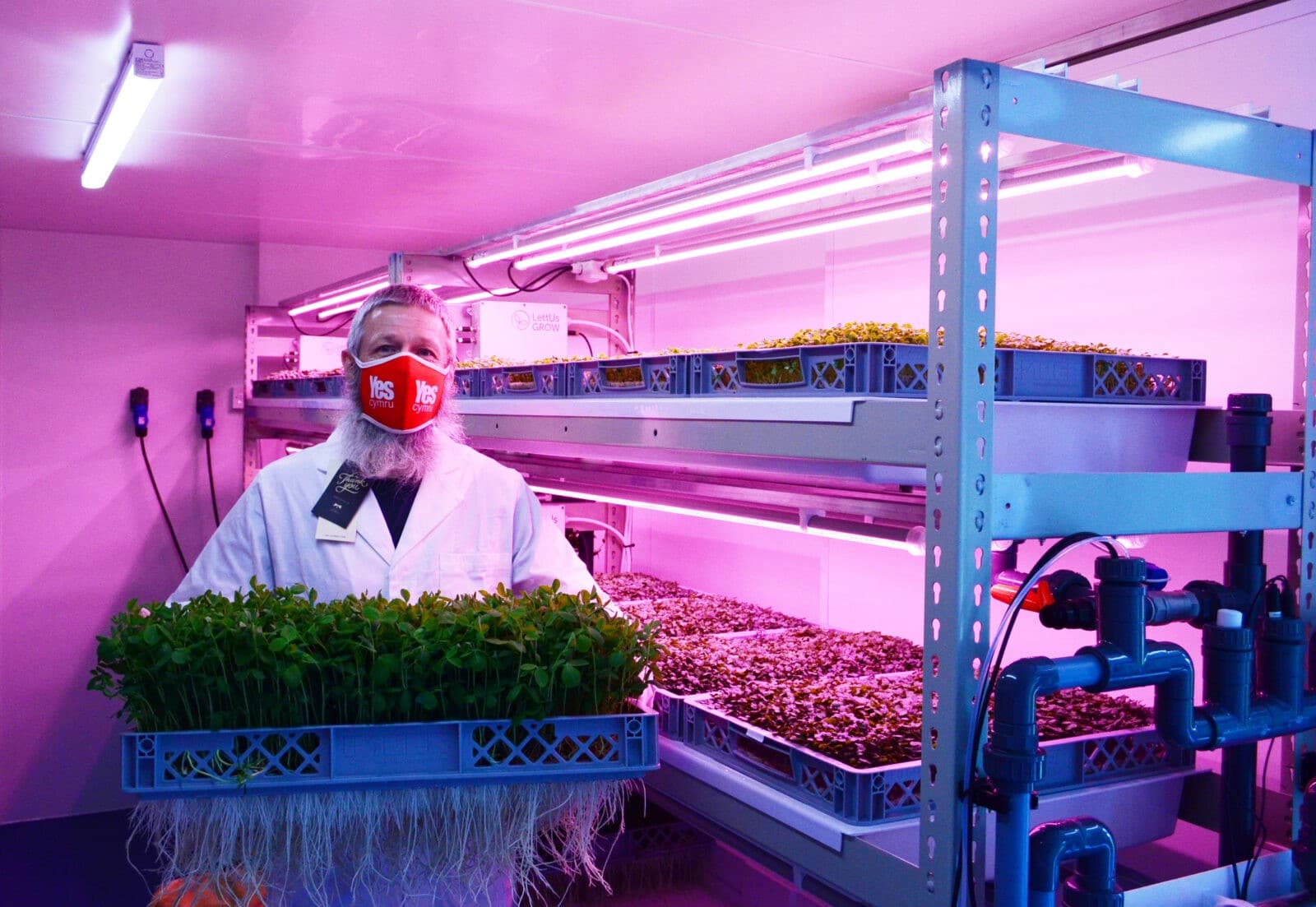
Schneider Electric, a specialist in digital transformation of energy management and automation, has announced a new partnership with Jones Food Company to design and install leading AI-driven software designed to optimize growing conditions and improve energy efficiency.  

Jones Food Company (JFC) is one of the UK’s leading agri-tech companies, building vertical farms that supply 24,000kg of fresh produce weekly to customers around the UK.

Schneider Electric is providing Jones Food Company with the state-of-the-art AVEVA Flex subscription, supplied by Aveva Select UK and IR, creating a centralized, automated model for data analysis that is flexible and scalable to JFC’s requirements. The subscription model includes the AVEVA Advanced Analytics Module. The AI-driven software solution enables JFC to make real-time changes to growing conditions (including temperature, humidity, nutrient mix, and water quality) to produce a higher yield at a lower energy cost.  

Vertical farming is an energy-intensive process by nature, using controlled environments and growing vast amounts of fresh produce. In the current energy market environment, spiraling costs mean that Jones Food Company must ensure that every kilowatt of energy input returns the maximum output.  

Schneider Electric has helped JFC to achieve this by using AI to accurately detect and adjust the growing environment to the optimum temperature. As a result, the yield produced has more crops grown to specification dimensions, reducing food waste and handling time in the sortation stage. This will ultimately enable JFC to deliver value quicker to its customers by accelerating the speed to market.  

“Jones Food Company is one of the most exciting young companies in the UK agri-tech scene – they’re revolutionizing the way that agricultural supply chains are built,” said Mark Yeeles, VP of Industrial Automation at Schneider Electric. “Real-time, rich data is essential for JFC to create the foundation upon which they can develop and meet ambitious growth targets, and I am thrilled that they have selected us as a partner to support them on their journey.”

“Automation is at the heart of everything we do,” added James Lloyd-Jones, CEO & Founder of Jones Food Company. “Without it, we wouldn’t be able to produce our high-quality, high-yield crops sustainably. Schneider Electric’s advanced technology and premium service level has meant we can continue to innovate at breakneck speeds. At the same time, our employees learn from Schneider’s support team, expanding their knowledge of the technology at our disposal.”

Innovate UK Funding For Energy Efficient Aeroponic Farming Systems

Member News
Agri-TechE

This content is hosted by Agri-TechE as part of its service to its members. The views and opinions expressed are those of the individual/organisation that supplied the content and not those of Agri-TechE or its employees. This content is hosted by Agri-TechE as part of its service to its members. The views and opinions expressed are those of the individual/organisation that supplied the content and not those of Agri-TechE or its employees. Aponic International has secured Innovate UK funding to commercialise its super efficient aeroponic farming system developed with help from the Eastern Agri-TechE Growth Fund. The vertical farming market has been slowed by high capital outlay and high energy costs. Aponic International has developed a design that dramatically cuts manufacturing and energy costs. Drawing on 9 years of commercial experience in the vertical farming market they have designed a new system that can be run from just two solar panels and a pair of deep cycle batteries. “We originally developed the system so that our farms could be run off grid, anywhere in the world and in the age of net zero, this thinking is paying dividends.”

We have a turnkey system that converts unused barn space and commercial units into controlled environment farms that grow abundant produce 365 days a year and creating full time jobs rather than seasonal labour. Taking the experience gained over a decade of developing this technology, we know that with our new design, we can improve the power usage, workflow and scalability of aeroponic growing by redesigning the aeroponic food factory system to be more labour and energy efficient and more easily rolled out at large commercial scale. The new design has all of the advantages that our previous designs excelled with, and still benefits from the energy and space efficient vertical tower design, but it comes in a package that creates great ROI for large commercial food production operations.

We obtained funding to develop the new design prototypes and run trials over lockdown. These proved successful and we are now attracting investors to create commercial scale production facilities and equipment. CEO Jason Hawkins-Row said “The Aponic International Food Factories are perfectly placed to plug the gaps in todays food production market by enabling ultra-local food production 365 days a year using 95% less water, renewable energy and 60% less nutrient to produce above organic quality, fresh produce in urban and rural farms.”

The Innovate UK funding will be used to create the tooling and processes to manufacture this new design which will be available in the New Year. Details will be released on our web site www.aponic.co.uk.

In a net zero environment, we need to continually move towards clean, efficient ways to meet the demands for high quality, nutritious food. Sustainable food only works if there is a sustainable business model and that is why we have made every effort to get an efficient product at the right price to the right people.

Agri-TechE Week kicked off with a bang at Norwich Research Park

Member News
The views expressed in this Member News article are the author's own and do not necessarily represent those of Agri-TechE.

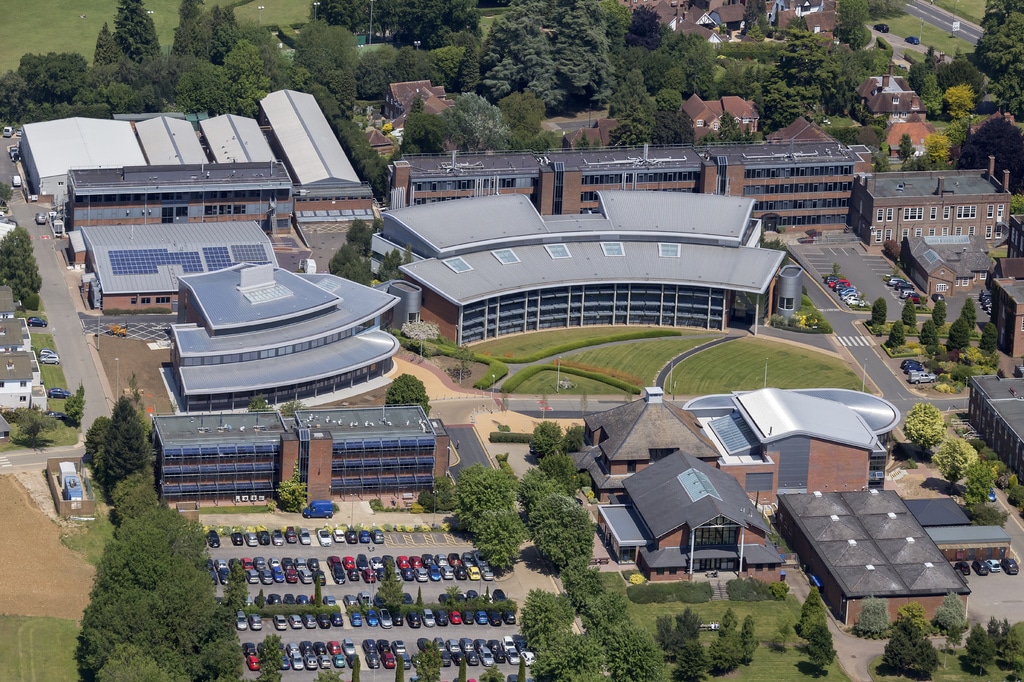
The team at Anglia Innovation Partnership LLP (AIP LLP), the science park management entity of the Norwich Research Park, were delighted to organise and hold the first event to kick things off for this year’s Agri-TechE Agri-TechE Week.

The event, entitled ‘field applications and opportunities using genetic technologies’ discussed the exciting innovative possibilities that the application of genetic technologies, when combined with continued developments in AI and automation, has the potential to bring to sustainable agriculture, providing solutions to global challenges such as sustainability and productivity.

The event featured four fantastic presentations from experts in the field, three from the park, Professor Nick Talbot (The Sainsbury Laboratory), Dr Penny Hundleby (John Innes Centre) Dr Darren Heavens (Earlham Institute) and we were also thrilled to be joined by Tim Teece, Technical Strategic Advisor from Morality and Knowledge in Artificial Intelligence (MKAI). The presentations were followed by a lively panel discussion with lots of thought-provoking audience questions. the event concluded with time for networking and refreshments.

Professor Nick Talbot from The Sainsbury Laboratory and Dr Penny Hundleby from the John Innes Centre explained gene editing technology and outlined current research applications as well as potential future applications for farming. Examples included gene editing to stop premature pod shatter in oil seed rape and the creation of non-browning bananas.

Dr Darren Heavens from the Earlham Institute discussed a specific cutting-edge technology, AirSeq, which uses a device that uses real time sequencing technology to detect airborne pathogens. This can provide a farmer with key information that a specific pathogen is present in the area providing them with essential knowledge that will allow them to act swiftly and with precision.

Tim Teece of MKAI showed an example of their Agricultural Data Aggregation Platform (ADAP) that leverages blockchain and AI technology to collect data consistently that will help farmers make more informed decisions, improve their strategies, be environmentally friendly and create a peer-to-peer network.

Diego Durantini, Agri-TechE Interdisciplinary Manager at Agri-TechE , said, “The Norwich Research Park pulled off a great event, assembled a lineup of amazing speakers, and engaged the community with thought-provoking talks. A fantastic event to start Agri-TechE Week 2022!

Nick Talbot, Executive Director of The Sainsbury Laboratory said, “There is enormous strength in the Norwich Research Park in Agri-TechE with discovery science expertise in plant and microbial sciences and innovative ideas in how to provide new solutions and products for agriculture.  There is a twin revolution underway in agriculture currently, with advance genetic technologies offering real hope to provide low input, high output crops with increased resilience to environmental stress, in addition to the artificial intelligence and autonomous vehicle revolution providing sustainable infrastructure to the farming industry.  The institutes in the NRP have much to offer in Agri-TechE as this event clearly demonstrated.”

The event attracted a varied and engaged audience, which was very buzzing during the break sessions and asked a lot of insightful questions to the panel.”

A great summary of the event can also be found on the Agri-TechE website here!

About Agri-TechE Week

Agri-TechE Week is a partnership initiative founded in 2014 by Agri-TechE with the Royal Norfolk Agricultural Association. It features a mix of in-person and virtual events that are designed to showcase exciting developments in agri-tech.

It is coordinated by Agri-TechE working closely with partners across the innovation ecosystem and aims to provide opportunities to attract new customers and partners and to broker collaborations and international connections.

90 days free member access to Burleigh Dodds Science Publishing database

Member News
Agri-TechE

Burleigh Dodds Database

Members of Agri-TechE will have access the world’s most comprehensive agricultural science publishing database for 90 days, the first in a series of member-to-member offers it was announced at REAP.

Dr Belinda Clarke, Director of Agri-TechE said:  “We were excited to launch a new initiative to help members help each other. The scheme will enable members to offer opportunities and benefits to other members, and we are delighted to announce Burleigh Dodds Science Publishing as founder partners in the scheme.”

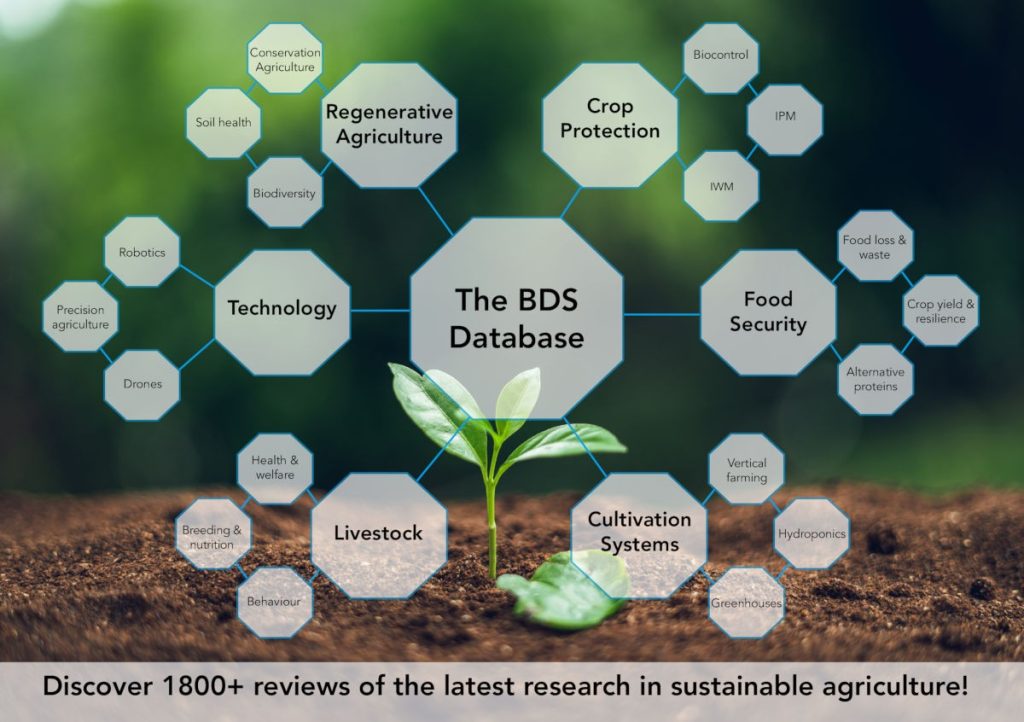
Burleigh Dodds curates an agricultural science database, compiled by 4,000 internationally recognised experts with over 120 titles and 1,800 chapters. The resource can be customised to meet the user’s requirements, so they are presented with the most relevant information.

All Agri-TechE members have free access to the database from 1st Dec 2022 to 28th Feb 2023, with an additional discount on purchase of any books.

Rob Burleigh says:  “The trial provides a good opportunity for members to explore the database and see which content is of greatest value to them. Recently published and forthcoming volumes have focused on the latest work on soil carbon sequestration, pollinators and crop sensors. It can be hugely time saving to have all this information available in one place.

“For those involved in the livestock sector we have two new books on poultry flock health and poultry meat quality, as well as another new book focussed on pig herd health and production.”

Following the trial the user will be able to select the content they are most interested in and Burleigh Dodds can tailor the database to specific requirements.

Burleigh Dodds had a stand at REAP 2022, and one of the delegates was delighted with  Professor Watkins book, Advances in post-harvest management of horticultural produce.  She said: “It’s great. All the key information is included, meaning that I don’t have to waste time looking elsewhere for the key research – it’s all here in one place.”

If you an Agri-TechE member interested in taking up the offer, please get in touch with us.

Innovate UK and BBSRC announce new strategic partnership

Member News
The views expressed in this Member News article are the author's own and do not necessarily represent those of Agri-TechE.

Innovate UK and BBSRC are partnering to invest over £50 million in strategic innovation programmes to help UK businesses collaborate with the UK research base.

Boosting innovation

Innovate UK and the Biotechnology and Biological Sciences Research Council (BBSRC) are partnering to co-develop and jointly invest in a range of new strategic innovation programmes.

This will accelerate the translation of bioscience and biotechnology research into commercial products, processes and services that improve lives and livelihoods through helping to address national and global societal and environmental challenges.

Successful partnership history

A new series of joint programmes will be announced over the coming weeks and months. This builds on a highly successful partnership between BBSRC and Innovate UK.

This partnership has, for over 15 years, invested millions of pounds to support hundreds of businesses and academic researchers in collaborating with each other across diverse areas including:

  • agri-tech
  • industrial biotechnology
  • engineering biology
  • integrated omics
  • biofilms
  • regenerative medicine

The creation of UK Research and Innovation (UKRI) has strengthened this partnership and collaborative working, helping to build a thriving, inclusive research and innovation system.

Investing in collaborative research and development (R&D)

Innovate UK and BBSRC have set out these programme commitments in detail in the recently published strategic delivery plans. These programmes will help to support innovation in UK bioscience, build connections across the innovation ecosystem and stimulate private sector investment in R&D.

These programmes and activities will span research and innovation that will focus on a multitude of areas, including:

  • biofilms and broader microbial communities
  • bio-based manufacturing
  • improved diet, nutrition and health
  • more sustainable food production systems, including novel proteins

Keep an eye out for the new series of funding opportunities by signing up to the UKRI newsletter and Innovate UK newsletter.

Accelerating innovation

BBSRC Executive Chair, Professor Melanie Welham, said:

As set out in the BBSRC strategic delivery plan 2022 to 2025, our partnership with Innovate UK is an important part of delivering our ambition to drive and accelerate innovation.

It supports researchers, innovators, and businesses in translating fundamental understanding of biological systems.

This is a partnership with a long history of success in providing joint support for innovation and commercialisation, and I look forward to this continuing with a new series of strategic bioscience innovation programmes to be announced over the coming months.

A strong strategic partnership

Innovate UK CEO Indro Mukerjee said:

Innovate UK has been building a strong strategic partnership with BBSRC to support collaboration between business and the UK research base.

This partnership consists of co-created programs across the biosciences and biomanufacturing. It is a good example of the active collaboration work with all the research councils and Research England across UKRI.

LST Secures Further sensorGROW Trials & Files Patent For nurturGROW

Member News
The views expressed in this Member News article are the author's own and do not necessarily represent those of Agri-TechE.

Light Science Technologies (LST), a leader in agritech, recently announced that it has contracts for two further sensorGROW experiments and files patent for nurturGROW

If the contracts are successful, which include one with a well-known UK brand of preserves, marmalades, and related goods, they might develop into subscriptions and generate recurring income of up to £167,000 over the course of three years. These trials are additional to those that were revealed in September and could be worth up to £940,000. LST continues to discuss sensorGROW studies with a number of other growers.

The all-in-one growing intelligence tool introduced earlier this year aims to give indoor farmers improved environmental management. Its advantages include decreased use of water, nutrients, fertilizers, and energy, as well as increased yields, healthier crops, and decreased waste.

LST has also submitted a PCT patent application to the Intellectual Property Office for its nurturGROW “tuneable” luminaire, which uses its ground-breaking LED grow lighting technology. Any indoor grower can use the slimline-designed grow lamp to modify the lighting output to minimize energy expenses and to precisely tailor the light emission spectrums to correspond to a crop’s growth cycle, enabling the grower to select the best lighting conditions for a variety of crops.

NurturGROW is especially suited for usage in a closed, climate-controlled growing facility and can maximize space because to its lower profile and custom length, making it ideal for vertical farms and other multi-layer growth applications. It can give up to 2.8 umol of efficacy, which helps to reduce energy consumption and operational expenses while maintaining performance.

Simon Deacon, CEO and founder of Light Science Technologies, said: “We remain focused on growing recurring revenues by providing technology, data collection, advisory and maintenance services for the CEA market. Our product range is steadily expanding and we very much look forward to building on our recent momentum.”

“We’re experiencing strong growth as the sector looks to grow produce more intelligently and sustainably, as global food security becomes more of a critical issue. COP27 is seeking to put more pressure on governments to urgently adopt a shift in thinking to rebuild the broken food system; this in turn will only create more demand for products and technology that offer an energy and cost-efficient solution, reducing reliance on imports.”

Suffolk New College: Impact Review for 2021-2022

Member News
The views expressed in this Member News article are the author's own and do not necessarily represent those of Agri-TechE.

We are proud to present our impact review document for 2021-22. Over the last two years, we have grown in geography, taking on the Rural campus at Otley and the Halesworth Skills campus, in a background of disruption through COVID and other factors.

Here the Impact Review document.

We have succeeded in ensuring that our learners’ experience has continued to be enhanced and that learners achieve well and go on to good destinations. Suffolk New College is strong financially which has enabled continuing investment. Of course, none of this would be possible without the dedication of our talented staff who go ‘above and beyond’ to support students in their time at College.

You can also find the Strategic Plan for 2022 – 2027. The 2022 – 2027 Strategic Plan for Suffolk New College has been developed in consultation with stakeholders, staff and customers. The Plan outlines the College’s ambitious goals for the next five years. Feel free to browse through our Strategic Plan.

Read the Strategic Plan here.

Research to better understand the economic value of biodiversity

Member News
The views expressed in this Member News article are the author's own and do not necessarily represent those of Agri-TechE.

Biodiversity supports everything in nature that we need to survive, including food to clean water.

From the plants, animals, insects, fungi to bacteria, biodiversity creates the intricate ecosystems we rely on.

7 new interdisciplinary studies announced today (8 November 2022) will improve our understanding the significant economic value of biodiversity and how it underpins our economy.

This will enable us to better manage our natural environment by directing investment to restore and conserve this vital natural resource.

Biodiversity under threat

Though the UK has more than 70,000 species of animals, plants, fungi and microorganisms, research has shown that we are also 1 of the world’s most nature depleted countries.

The studies have received a share of £6.4 million from UK Research and Innovation (UKRI) to study 7 key areas. They will:

  • inform the development of the world’s first biodiversity credit standards (similar to carbon credits) for valuing biodiversity for market trading and investment
  • test a new international approach to valuing nature using woodland sites in Wales, Helsinki, and Tanzania, as well as exploring how the value of woodland can be integrated into natural capital accounts
  • measure and map the acoustic properties of the UK’s natural soundscapes to better understand the value of nature to human mental health and wellbeing
  • value biodiversity in urban areas and new developments by understanding its benefits in providing drainage and recreation while reducing pollution, noise and intense heat
  • determine novel and robust economic, ecological and socio-cultural values of marine ecosystems, and embed these values in the co-development of green investment options including nutrient, carbon and biodiversity markets
  • investigate whether ‘virtual labs’ coupled with decision-support frameworks, can help us understand the complex interactions needed to support biodiversity
  • focus on ‘additionality’, a key goal of biodiversity policy stating that any intervention, be it a protected area, a performance-related payment or a biodiversity law, must provide additional biodiversity to what otherwise would have happened

Embedding biodiversity in the economy

The studies are all part of UKRI’s Economics of Biodiversity programme and will help to deliver on the recommendations from the government’s Dasgupta Review. The review found that biodiversity must be embedded in decision making to support nature recovery and halt biodiversity loss.

The funding has been provided by UKRI’s Natural Environment Research Council (NERC) and Economic and Social Research Council (ESRC).

Investing in biodiversity research

Professor Sir Duncan Wingham, Executive Chair of NERC, said:

The Economics of Biodiversity programme will address critical gaps in our understanding of the economic and societal value and benefits of biodiversity.

As governments work to tackle climate change and biodiversity loss at the COP27 conference and the forthcoming COP15 biodiversity conference, these UKRI-funded projects will support increased investment and improve management of biodiversity.

They will help us protect our natural environment and Earth’s carefully balanced ecosystems.

Further information

The projects form a major part of UKRI’s Economics of Biodiversity programme. The programme also supported 9 rapid research synthesis projects that produced summary reports of their findings.

An open programme information sharing webinar of the new awarded research projects and recently completed synthesis projects will be held on 8 November 2022 and a recording will be available after the event on the programme web page.

The projects

Developing a new co-designed decision support tool for biodiversity credits and investment

Led by Dr Richard Field, University of Nottingham (£799,560)

This project will do research that is needed to underpin the world’s first biodiversity credit standards, standards for assigning investable and tradable economic value to biodiversity. Biodiversity credits are quite similar to carbon credits.

Scientists in the project will field-test methods to quantify biodiversity of pieces of land or sea to enable the creation of biodiversity credits. They will use key indicators, such as the health of the vegetation and the numbers and abundances of species of birds and invertebrates to measure the biodiversity. In addition, market experts will user-test the tools and processes for the credit standard.

Biodiversity credits benefit landowners by enabling them to seek investment in rewilding and other biodiversity projects, organisations that are seeking to offset their impact on the environment from their economic activity, and people seeking to invest in nature.

Field sites: Knepp Farm in Sussex and Attenborough Nature Reserve in Nottingham.

NAVIGATE (Understanding NAture’s multiple Values for InteGrATion into dEcisions)

Led by Professor Mike Christie, Aberystwyth University (£799,726)

In July, 139 countries including the UK agreed a common approach to understanding the multiple ways people value nature and methods to embed these values into political and economic decision making.

The NAVIGATE project will, for the first time, use this IPBES value assessment approach to assess 4 areas of the UK, as test cases.

The field sites will be:

  • Welsh Woodland Trust forest in Neath, Wales, where woodland will be valued for its impact to reduce flooding, carbon storage and improving community wellbeing
  • UK National Forest, where scientists will value the benefits of woodland ecosystem services
  • Helsinki, Finland, which is one of the greenest cities in the world. Scientists will evaluation the benefits of trees and green spaces
  • Tanzania, where scientists will value the sustainably managed savannah woodland

Valuing the mental health and wellbeing benefits of nature engagement through measures of soundscape complexity

Led by Dr Simon Butler, University of East Anglia (£797,562)

Bird song provides the soundtrack to time spent outdoors and plays a key role in our experience of nature. The team will combine UK Breeding Bird Survey data with recordings of birds from the Xeno-Canto sound database to reconstruct natural soundscapes in different habitats and times across the UK.

Spatial variation in the acoustic properties of these soundscapes will be measured and mapped. Environmental psychologists will examine which acoustic properties convey benefits to human health and determine how noise pollution can reduce these benefits.

These findings will be combined with indicators of mental health and data on antidepressant prescription rates across the UK to value the contribution of biodiversity to human mental health

Sea the Value: marine biodiversity benefits for a sustainable society

Led by Professor Nicola Beaumont, Plymouth Marine Laboratory (£797,953)

Marine biodiversity provides a host of benefits including providing a source of food, capturing carbon, extracting phosphorus and nitrogen waste, providing jobs and being fundamental to our wellbeing.

The aim of the project is to determine the pluralistic values of marine ecosystems. This includes economic values but also ecological and socio-cultural values, and explores precisely who benefits from marine biodiversity and who is affected when these values change.

The determined values be applied in the natural capital accounts and also in setting up green investment schemes such as carbon, nutrient and biodiversity markets and Payments for Ecosystem Services schemes.

Research is focused on 2 field sites: The Solent in Southern England, and the Moray Firth in Scotland. At these sites communities and organisations will be engaged in mapping values and trade-offs, and in co-developing green investments to maintain and enhance marine biodiversity.

The lessons learned from these sites will be shared with coastal partnerships through a series of training exercises, enabling dissemination of best practice across the UK and beyond.

The project will also undertake a range of activities to train upcoming professionals in the valuation of biodiversity, transforming the future UK capability in this critical area.

Trustworthy and accountable decision-support frameworks for biodiversity: a virtual labs based approach

Led by Professor Gordon Blair, UK Centre for Ecology & Hydrology (£794,402)

The overall aim of the project is to investigate how to support transparent and accountable decision-making around biodiversity, using recent developments in digital research infrastructure.

Scientists leading this project plan to investigate whether virtual labs coupled with decision-support frameworks provide the necessary support to understand the ecosystems and support informed policy development and organisational decision-making needed in order to manage biodiversity.

Scientists this framework to test ideas from environmental accounting, ecosystem services and natural capital, and systems thinking approaches more generally.

This overall aim is to:

  • determine the best approaches to support good decision-making around biodiversity
  • test those ideas within a virtual lab forum
  • design a decision-making framework to enhance accountability and trustworthiness

Biurbs: valuing biodiversity in multifunctional urban development and environment

Led by Professor Grada Wossink, The University of Manchester (£778,143)

The UK government’s Nature Positive 2030 report recommends businesses, organisations, cities, and local authorities adopt targets to become nature positive.

Urbanisation and densification have resulted in environmental degradation and severe habitat fragmentation in towns and cities.

Biodiversity may benefit other ecosystem services, such as sustainable drainage, outdoor recreation, and noise and heat attenuation, yet the economic value of biodiversity is undercounted in existing planning tools.

This project will engage with decision makers and stakeholders, to help inform practical, well-grounded tools and guidance assess the economic value of urban biodiversity.

BIOADD: the economics of biodiversity additionality

Led by Professor Ben Groom, University of Exeter (£798,608)

The project’s aim is to understand the economic and ecological determinants of what makes interventions in biodiversity successful.

The project aims to use this information to provide guidance, evidence and tools for people deciding on investments and policymaking around biodiversity. These include:

  • government policy
  • central banks
  • financial institutions

Researchers will evaluate the potential of nature-based solutions to climate change, their contribution to biodiversity. They will investigate the potential for biodiversity to be priced using a target compatible, cost-based pricing method, illustrating the economy-ecology trade-offs that are required to meet societal targets for biodiversity to be consistently evaluated.

Scientists will also assess the Amazon rainforest, in particular Bolivia and Indonesia.

The project will create an online platform for evaluating nature-based solutions for climate change, and help the UK prioritise approaches to meeting its commitments to global biodiversity and net zero.


How Air-seq from the Earlham Institute is making sense of agriculture

Member News
Agri-TechE

Earlham Institute at REAP 2022
An air sampler sucks in air and swirls it through water, where any particles contained in the air get captured for analysis.

A sensor that can detect airborne viruses, fungi and other pathogens will be discussed by the Earlham Institute (EI) in the Technology Exhibition at REAP 2022. Air-seq is just one of the innovation technologies under development at the research institute.

Air-seq to provide early warning of disease

EI has developed a new technology, Air-seq, for near-real-time identification and analysis of airborne pathogens using DNA/RNA sequencing.

Air-seq samples air in the field and so could provide an early warning system for pathogens. This would enable preventative measures to be implemented, helping to reduce crop and livestock losses from disease outbreaks.

TraitSeq detects complex traits

EI has also developed machine-learning-based technology, TraitSeq, to discover biomarkers for complex agricultural traits. Traits that provide improved water use efficiency, nitrogen use efficiency, taste and yield could be detected, to enhance the sustainability and productivity of crops across a range of agricultural sectors.

EI is also researching breeding strategies for crop varieties, to identify those that are resilient to the impacts of a changing climate. This would ultimately improve crop yield and secure food production in more extreme and unpredictable conditions.

Find out more on the Earlham Institute stand at REAP 2022

EI, based on the Norwich Research Park, studies living systems using multi-disciplinary approaches, from engineering and computational science to biotechnology. Its research addresses major agri-tech challenges in crop breeding, precision farming, and biotech sectors.

Visit the EI stand to explore how to obtain desirable traits or outcomes and gain advanced agricultural insights to reduce risks, increase productivity, and improve crop performance.

EI’s innovative technologies with applications in agriculture include:

  • Air-seq, a portable, real time, in-field sequencer to monitor biological agents, e.g. for surveillance and early detection of pathogens.
  • TraitSeq, the AI-based technology platform aiming to accelerate biomarker identification, describe complex traits, and evaluate treatment options – all to reduce the need for field trials.
  • Tools for plant breeding,  a selection of crops, including rice and red clover, will be used to showcase a range of projects on traits and genotypes for plant breeding and agricultural diversity.

More about EI


REAP 2022: Making Sense of AgricultureREAP 2022: ‘Making Sense of Agriculture’ – Tuesday 8th November 2022

From yield mapping and precision livestock through to digital twins and cloud computing, at REAP 2022 we will be exploring the technology and looking at the implications from a field to landscape level. Making technology farm-centric is core to Agri-TechE ’s mission so a key feature of the conference will be a panel of farmers and producers discussing the emerging technologies and future scenarios.

reapconference.co.uk

Satellite Applications Catapult to Expand its Living Labs Network

Member News
The views expressed in this Member News article are the author's own and do not necessarily represent those of Agri-TechE.

Following the successful launch of the Agri and Health Living Labs in July 2022, the Satellite Applications Catapult is expanding its national Living Labs network with a new Environmental Living Lab in the South West.
The Environmental Living Lab will enable the space sector to collaborate with the agriculture and environmental sectors, demonstrating the economic benefits of satellite-enabled technologies across real-world environments within agriculture, horticulture, animal husbandry, aquaculture, and the management of woodlands and other habitats.

The project is funded by key partners, the Heart of the South West Local Enterprise Partnership (LEP), which is supporting the Satellite Applications Catapult to set up the project’s facilities and kick-start trials and demonstrations of sustainable agricultural and environmental technology. The funding will see new equipment installed and the refurbishment of three training facilities across Devon: Bicton College in East Devon, the Cannington campus of Bridgwater and Taunton College, and the Barnstaple campus of Petroc College. Each location will be fitted out with a 5G mobile network and demonstration labs, including 3D modelling and immersive technology capabilities. This will bring in field connectivity for research and demonstration purposes, with the aim of increasing the adoption of technology across farming communities.

The Lab will ensure the region’s future workforce has the relevant digital skills to encourage technology implementation and make sure its associated environmental benefits are well-recognised, which in turn will strengthen the collaboration between education providers and employers.

The lab will also benefit from the expertise of the University of PlymouthNorth Devon Biosphere and the Joint Centre of Excellence in Environmental Intelligence, a partnership between the University of Exeter and the Met Office.

Sonia Pietosi, Living Labs Lead at the Satellite Applications Catapult, said:

“We are extremely excited to work in partnership with the Heart of the South West LEP and the Environmental Living Lab consortium to support farmers and land managers in the region. We purposefully decided to take a decentralised approach to reduce inequalities within the region and maximise the impact of the Environmental Living Lab on the levelling up agenda. We are excited to see how satellite-enabled technologies can help accelerate our path to net zero, transform environmental management, and increase agricultural sustainability.”

Karl Tucker, Chair of the Heart of the South West LEP, said:

“The Heart of the South West is leading the way in agricultural technology, and it’s exciting to see the sector continue to go from strength to strength. We are delighted to be supporting the new Environmental Living Lab, which will offer further state-of-the-art facilities for testing and demonstrating new agricultural technologies.”

Brown&Co supporting farming businesses adapt to agricultural transition

Meet the Network
Member News
Agri-TechE

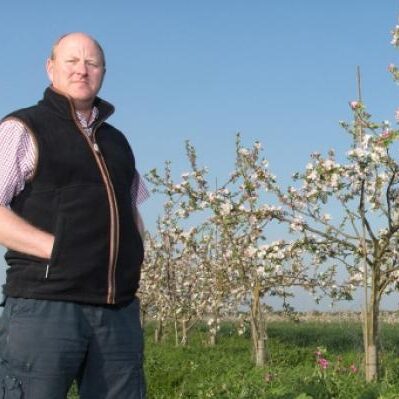
Greg Beeton, Brown & Co
Greg Beeton, Brown&Co

The Future Farming Resilience Fund aims to provide business support to farmers and land managers in the first few years of adapting to agricultural transition.  Brown&Co is one of the organisations selected to deliver this business support and it has announced a series of webinars to provide an overview of the changes in the payment systems. 

From 2024, The Basic Payment Scheme (BPS) in England, which is based on land area, will be replaced with delinked payments. Some of these are one-off payments for investment in equipment and others  will include a number of new schemes that have been co-designed by the government together with farmers and land managers.

Farming businesses that currently receive direct payments can access business support free of charge and it will  help them to make the right business choices for the future.

Business support from Brown&Co 

Brown&Co is a leading national provider of professional and consultancy services with specialist expertise in rural businesses, agriculture and the environment. It is providing consultancy funded by the Scale-Up Phase of the Future Farming Resilience Fund (FFRF) to farm businesses across England.

Since the launch of the FFRF programme in 2020,  Brown&Co has directly assisted over 1,400 farmers across all farm types and many hundreds more through remote and digital engagements.

Agricultural business consultant Greg Beeton, explains: “Farmers face many challenges, from soaring input prices and market instability to changing weather patterns and government policy, but opportunities lie ahead and guidance on how to capture these is more important than ever.

“Planning and actioning a way forward can take time, experience and detailed knowledge, and this is where Brown&Co can help. We are deploying skills from our agribusiness, land agency, environmental and planning teams to offer farmers free support over the next 2.5 years to help them make the transition away from reliance on the Basic Payments Scheme.

“Support is available one-to-one through on farm meetings with farmers and their families. To be eligible, you must have a single business identifier (SBI) and normally would receive BPS payments.”

Farmers can take up this free advice to plan and support their own business decisions by signing up via the link below or calling 01480 598869.

https://www.brown-co.com/services/agricultural/future-farming-resilience-fund

Series of webinars

Brown&Co is running a series of webinars to showcase the range of interventions that farmers can access.

Topics include:

  • overall business reviews,
  • finance,
  • technology adoption
  • collaborations
  • environmental management
  • GHG footprints
  • planning and tenancy matters.

The series of webinars kicked off on 3rd October and this is available to view on the website

https://www.brown-co.com/view-event/defra-future-farm-resilience-fund-launch-webinar

Further webinars are available on

The next webinar, on Finance, Technology & Collaborations, is on the 19th of October, please find the link below:

To book your place.

FFRF Scale Up Phase Launch Monday 03/10/22 6pm-7pm Overview of all support options
FFRF Scale Up Phase webinar 2 Wednesday 19/10/22 6pm -7pm Finance
FFRF Scale Up Phase webinar 3 Tuesday 01/11/22 6pm -7pm Environment/GHG
FFRF Scale Up Phase webinar 4 Wednesday 23/11/22 6pm -7pm Tenants
FFRF Scale Up Phase webinar 5 Monday 12/12/22 6pm – 7pm Planning

The information can all be found on the Brown&Co website

What opportunities does the ‘Brexit Freedoms’ bill offer to agri-tech?

Member News
Agri-TechE

One of the first major announcements of Liz Truss’s government was a bill to amend, repeal or replace inherited EU law by 2023, aiming to “remove needless bureaucracy that prevents business from investing and innovating in the UK.” The ‘Brexit Freedoms’ bill (strictly the ‘Retained EU law (revocation and reform)’ bill) is the vehicle through which Truss’s government aims to push for growth through deregulation, after the two previous governments failed to prod Whitehall or business into coming up with a list of game-changing list of EU laws to be scrapped.


What will this mean for the regulation of agri-tech, and for Defra, the department most affected? Here are six takeaways.


  1. The vast majority of 47 years’ worth of EU food regulation will fall by 23 June 2026 at the latest, unless specifically ‘saved’ by Defra. Although the bill only covers ‘secondary’ legislation, in practice most EU law on food and agriculture standards was given effect in the UK through implementing regulations and so comes under the sunset clause.


  1. In practice the deadline is 2026. A Minister can keep any particular bit of retained EU law in operation until 23 June 2026 while they ‘assimilate’ it by stripping out EU legal concepts etc. Given how much of the food and agriculture statute book is affected, Defra Ministers will probably use this power widely. It’s unlikely in any case that the bill would be in force much before December 2023, given the probably opposition in the House of Lords;


  1. Legal uncertainty is a feature, not a bug. The bill ends EU legal concepts – such as ‘direct effect’, allowing companies or individuals to sue the government over retained EU laws – by the end of 2023. This cannot be extended. If there is a conflict of interpretation after that, the courts will in principle have to give supremacy to pre-existing domestic laws over any retained EU laws that have been “assimilated”;


  1. There is a huge opportunity to change retained EU law, not just ‘assimilate’ it. Ministers can in practice replace retained EU law with “such provision as they consider appropriate” i.e. anything, with no real Parliamentary scrutiny. The bill effectively creates a ‘no deal’ cliff edge allowing Minsters to say ‘if you don’t agree my changes, then the whole regulation falls and we’ll have chaos’.  This clause 15 will, more than anything, mobilise likely opposition in the House of Lords;


  1. Departments will be under pressure to offer up deregulation ‘wins’, and to justify why they want to keep EU-derived laws – so agri-tech businesses should start working with trade bodies in the sector to identify where they may want existing EU rules scrapped or changed and where they want continuity. Defra will launch consultation exercises soon; this will be a huge, time-consuming exercise for them, so business help and suggestions, to change or keep existing rules, will be invaluable for officials.


  1. Food and agriculture rules across the UK could diverge further. Devolved governments can also save what EU laws they wish and Scotland and Wales want to stay closely aligned with EU regulation. Their starting point may be to save everything – they’ve each already rejected the new Precision Breeding bill opening to gene editing technology in England, for example. Edinburgh and Cardiff will also have in mind the Internal Market Act, though, which ensures that food produced in England must be accepted in their markets, unless otherwise agreed.


For agri-tech regulation, pretty much everything is now on the table. Business and trade bodies will want to think about consumer confidence as they weigh what changes they want. But Defra will want to offer some deregulation changes to No10, and time is short – the sector should start drawing up its list now.