The views expressed in this Member News article are the author's own and do not necessarily represent those of Agri-TechE.
“GigaFarm” capable of replacing 1% of UAE food imports set for construction in Dubai Food Tech Valley
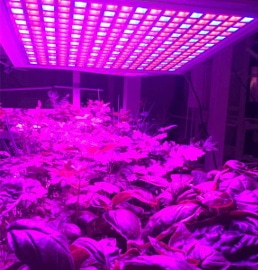
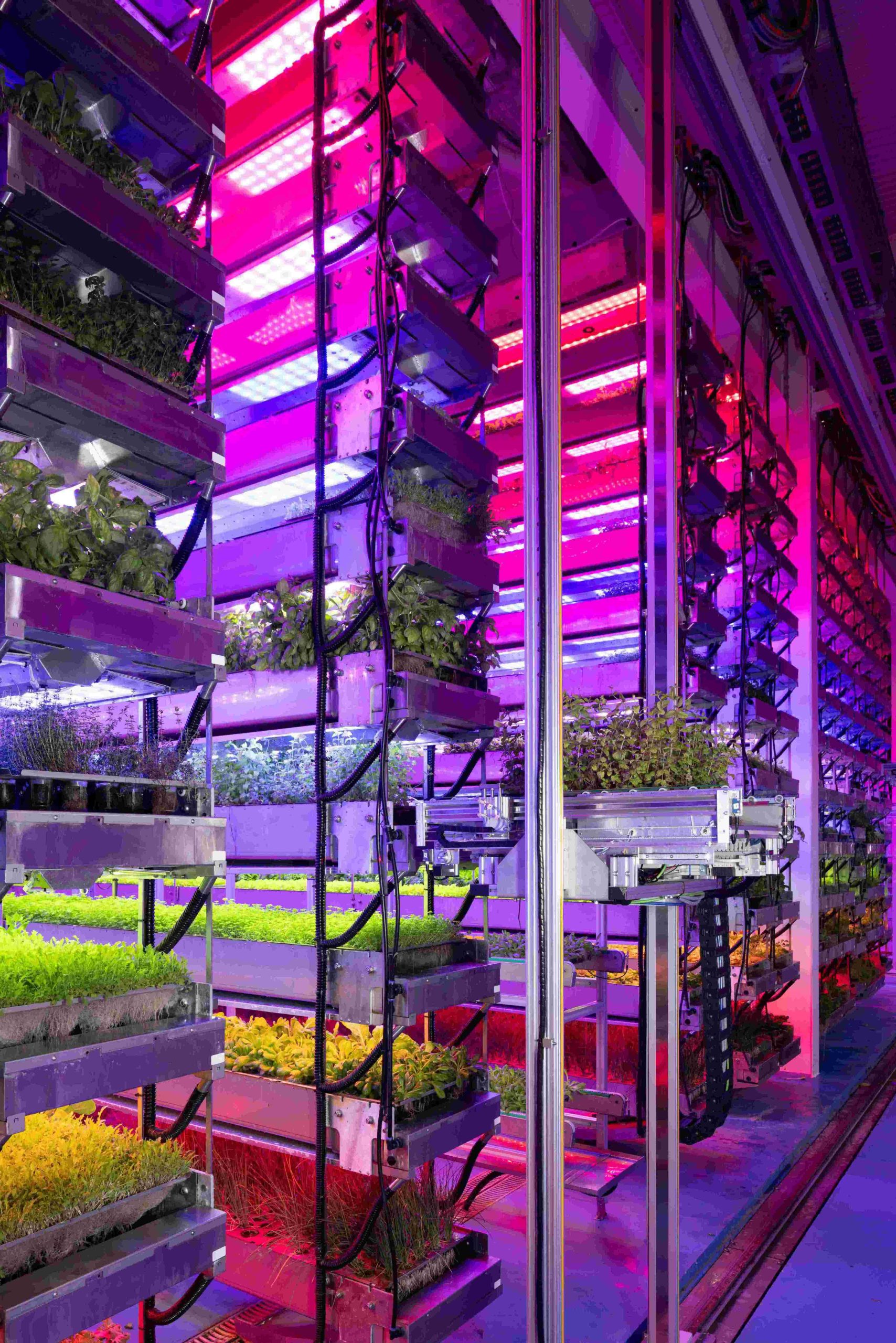
Food Tech Valley has signed an agreement at COP28 with ReFarmTM to start construction on a 900,000 sq. ft. game-changing “GigaFarm”. The innovative waste-to-value farm will be capable of recycling more than 50,000 tonnes of food waste and growing two billion plants each year.
ReFarmTM was established in the UAE by SSK Enterprise and Christof Global Impact (CGI) as a group of companies with a focus on projects with circularity and clean technologies. The brand chose vertical farming technology developed by infrastructure supplier Intelligent Growth Solutions (IGS) and is set to start construction in mid-2024 at Dubai’s Food Tech Valley, a master development launched by His Highness Sheikh Mohammed bin Rashid Al Maktoum and being led by major Dubai property developer, Wasl. ReFarmTM has engaged its lead bank to arrange support from UK Export Finance within the UK Government’s Department for Business & Trade.
Get the latest agri-tech news, events and opportunities direct to your inbox
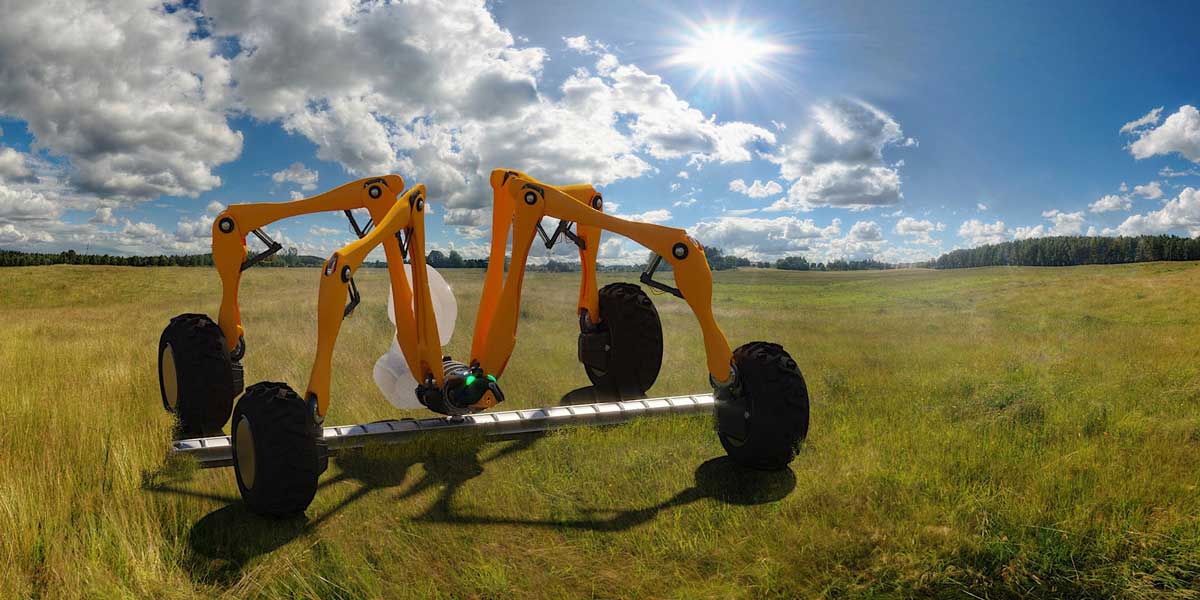
Antobot expands expertise in Viticulture through Project VISTA
Member News
The views expressed in this Member News article are the author's own and do not necessarily represent those of Agri-TechE.
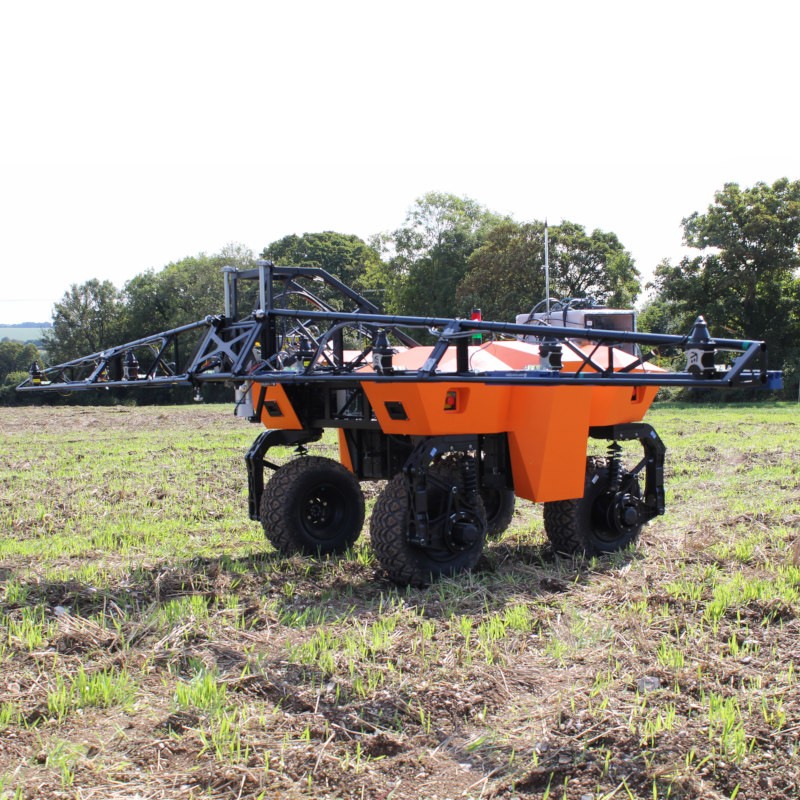
Antobot VISTA
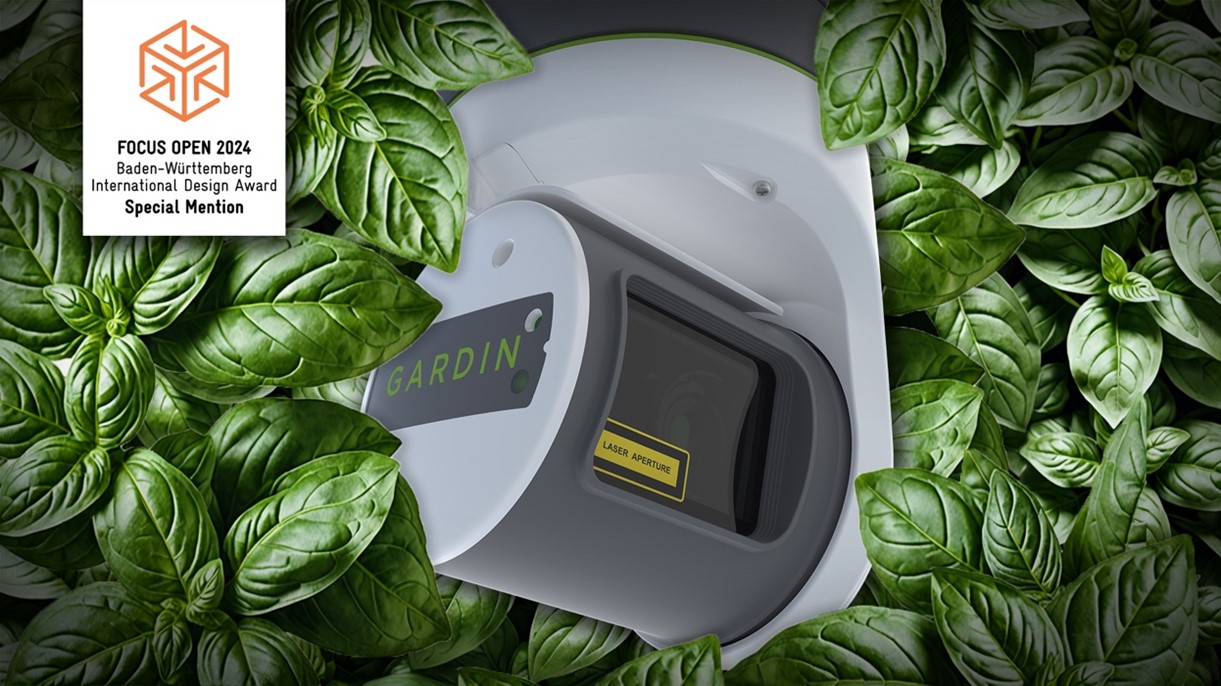
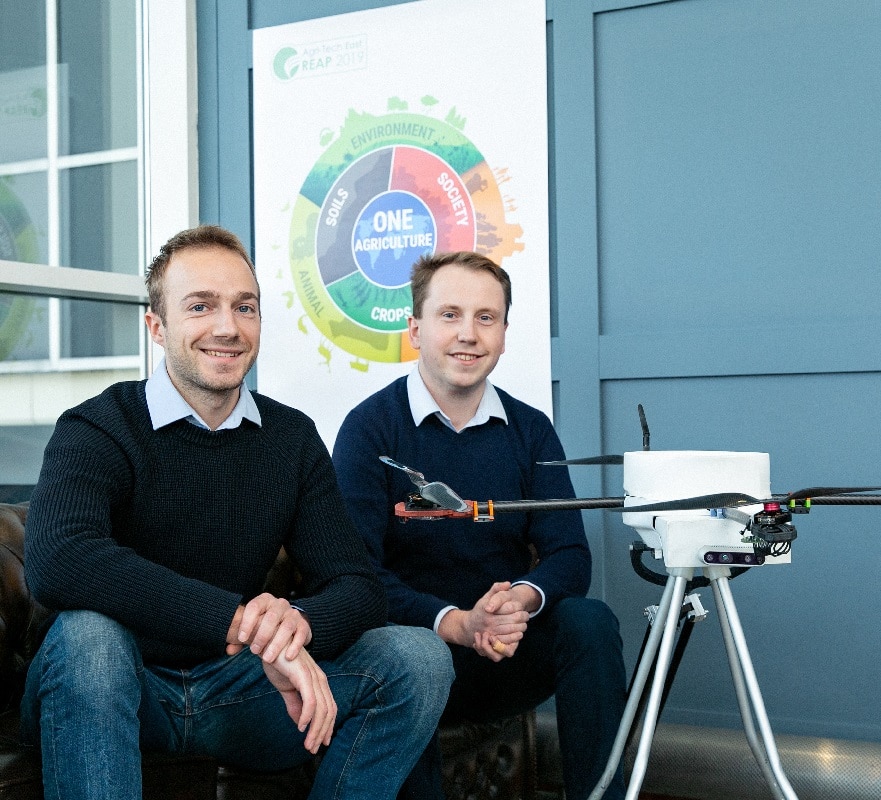
Following from the successful Viticulture 4.0 Digital Infrastructure Project, Antobot is deepening its expertise in the growing viticulture sector through the VISTA (Vineyard Information System for Technology and Automation) project.
The project is led by a consortium of industry leading partners and will start by digitally mapping vineyards at the row and individual vine level. The VISTA project is a collaboration between Antobot and other domain experts and partners including: Agri-EPI Centre, Outfield Technologies, Vinescapes, JoJo’s Vineyard, and University of Lincoln.
The views expressed in this Member News article are the author's own and do not necessarily represent those of Agri-TechE.
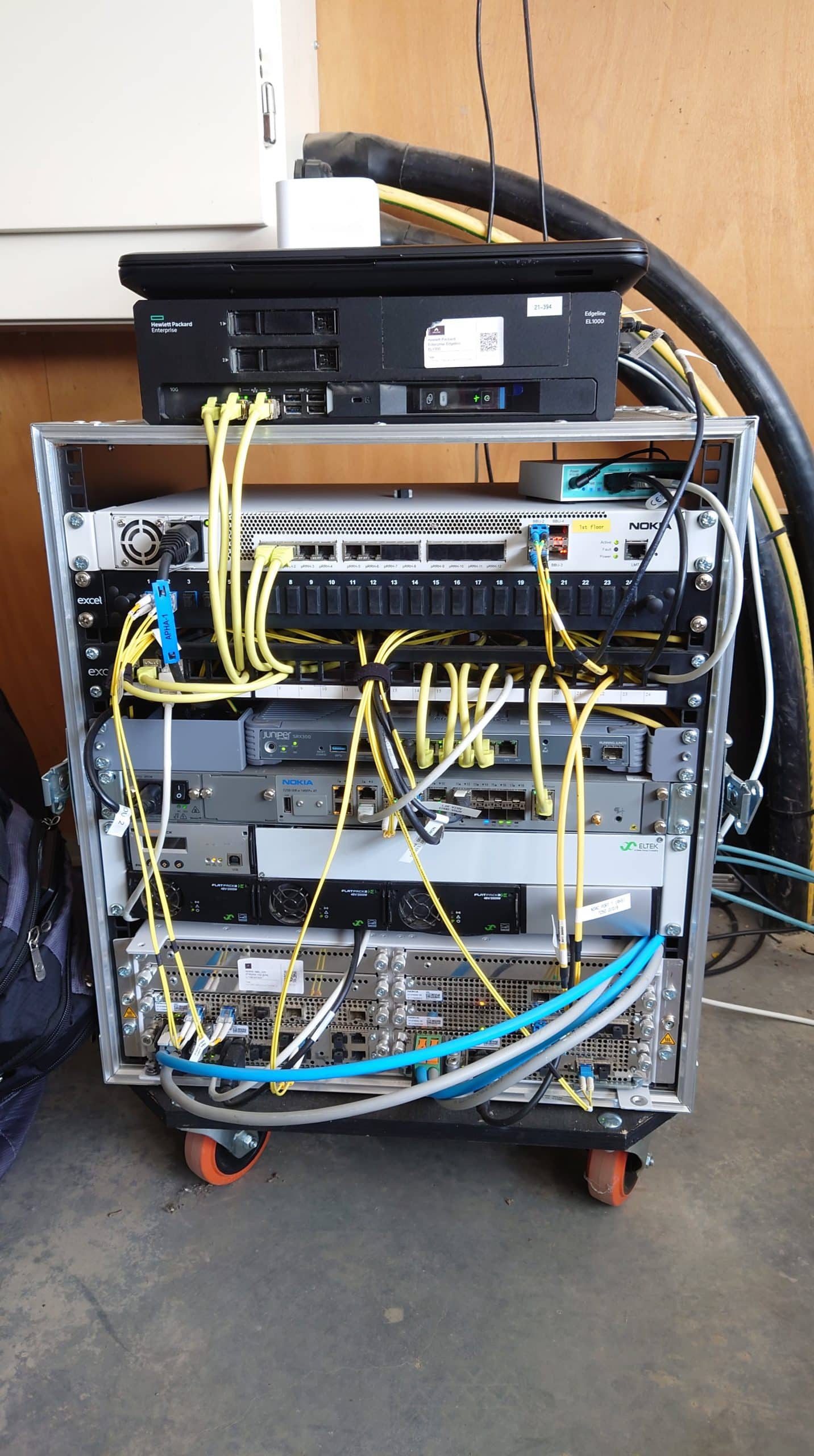
Map of Ag, the agricultural data exchange, proudly announces the release of its much-anticipated Horizon 2024 brochure, providing a comprehensive outlook for the agrifood sector. This year’s edition explores the transformative power of data in revolutionising farming and food production, showcasing real-world examples and insights from industry leaders.
In the foreword penned by Richard Vecqueray, CEO of Map of Ag, he reflects on the significant strides made over the past 12 months, emphasising a turning point in the integration of data into the core activities of the food chain, from farm to retailer shelf. Vecqueray notes the increasing importance of data in sustainable food production and the strides being made at practical levels, from on-farm efficiency improvements to international marketing strategies.
The Horizon 2024 brochure highlights the practical applications of data, demonstrating that with better information, informed decisions can be made. Vecqueray acknowledges the challenges within the industry, particularly the messy and fragmented nature of much of the data, and stresses the need for scalable data-driven solutions to realize the full potential of food production opportunities while mitigating risks.
The brochure features compelling articles, such as “Accuracy Essential to Measure Feed Emissions,” “Driven by Data…and a Great Story,” and “Digital Twin Holds the Key,” providing in-depth explorations into the ways data is being leveraged across the sector. The Statham family’s cotton farm in Australia serves as an exemplary case study, showcasing how data is used across all facets of their business to promote sustainability, technological scalability, and robust, defensible science.
Vecqueray also highlights Map of Ag’s commitment to transparent and respectful data handling, as evidenced by the adoption of the Farm Data Principles data certification scheme in the UK and the Australia Farm Data Code. The company encourages others to follow suit, positioning data as a friend rather than a fear for farmers.
“As evidenced in this year’s Horizon, there is much to gain from independent, credible, and trusted use of data throughout the supply chain,” Vecqueray affirms. “Farmers need to know there are benefits from this. What follows in this year’s Horizon should leave no one in any doubt.”
The views expressed in this Member News article are the author's own and do not necessarily represent those of Agri-TechE.
While some UK farmers see the advances in the development of cultured, or cell-based meat, as potential competition to traditional meat production, others from the farming community have suggested it could create a premium for pasture-reared meat.
Research into farmers’ attitudes towards cultured meat, led by a team from the University of Lincoln and Royal Agricultural University (RAU), and published in the journal Frontiers in Sustainable Food Systems, reports the views of UK farmers about this potentially disruptive technology.
The farmers also talked about public health effects of the new technology, how it could lead to consolidation of power in the food system, and how it might affect rural life.
While there have been many academic papers about the opportunities for cultured meat, very little work has been undertaken to ask how it might affect farming.
Now, a team of farmers, researchers, and start-ups – funded by the BBSRC in the Transforming Food Systems Programme is looking to redress this balance.
The views expressed in this Member News article are the author's own and do not necessarily represent those of Agri-TechE.
Some recent studies estimating the potential of farmland to store more carbon through innovative soil management are presenting an overoptimistic picture of what can be achieved and the analyses need to undergo a “reality check”, according to a group of leading researchers.
In a letter to the journal Global Change Biology, the group pointed out that estimates for the potential magnitude of soil carbon sequestration (SCS) vary dramatically, from very modest to very substantial. Estimates on the high end are “unrealistic” say the team and a more rigorous approach is needed.
“When organic material is added to fields, only about one third of carbon is incorporated into the soil itself in the first year – the rest is decomposed by soil microbes and ends up back in the atmosphere,” said Stephan Haefele, a soil scientist at Rothamsted and one of the letter’s authors. “To achieve a specified soil carbon increase that persists for 30 years its necessary to add about ten times that much. So, you need to add many tons of organic matter per hectare to increase soil carbon by 1 ton per hectare.”
The views expressed in this Member News article are the author's own and do not necessarily represent those of Agri-TechE.
It’s been a tough 12 months for start-ups seeking early-stage investment. With the UK economy battered with high interest rates, international turbulence and a slow recovery from the fallout of Covid, founders have had to work even harder to secure investment, both in the early-stage and at VC level.
Despite the tricky conditions, Anglia Capital Group have seen £1.1 million invested into early-stage businesses from across East Anglia. This is a hugely positive sign for economic development locally.
“Although this year has been tough, we have seen some fantastic start-ups pitch for and receive significant investment in 2023. It has also been extremely encouraging to see a lot of our portfolio companies reporting positive growth”
Hannah Smith, Managing Director, Anglia Capital Group.
Looking at the investments made during 2023, we see a continuation of the trend towards start-ups that have a focus on sustainability and health.
The views expressed in this Member News article are the author's own and do not necessarily represent those of Agri-TechE.
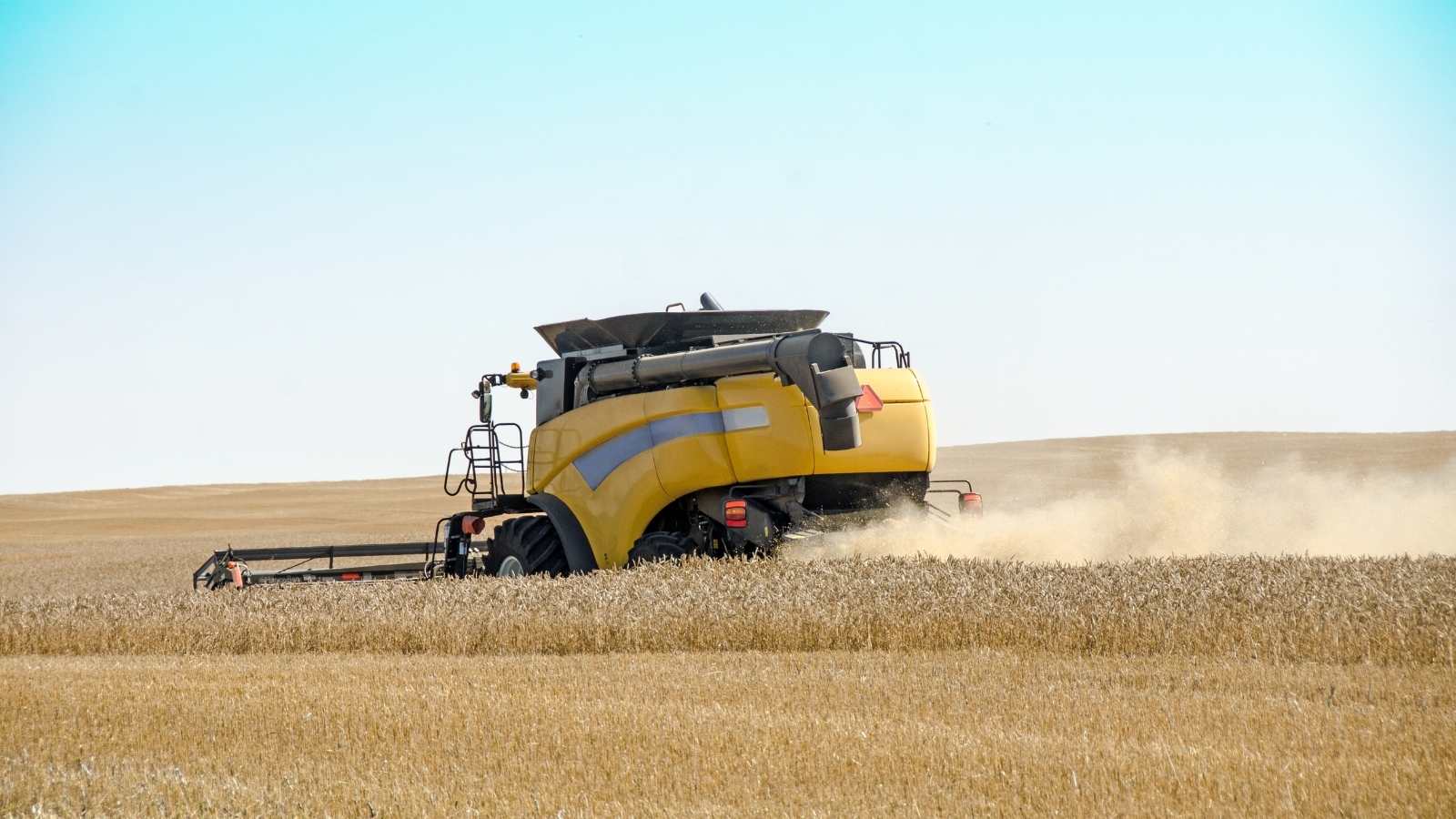
Gene-editing techniques have helped to identify a temperature tolerance factor that may protect wheat from the increasingly unpredictable challenges of climate change.
Researchers in the group of Professor Graham Moore at the John Innes Centre made the discovery during experiments looking at wheat fertility in plants exposed to either high or low temperatures.
Meiosis
Wheat fertility and therefore yield is highly influenced by temperature, particularly the initial stages of meiosis when chromosomes from parent cells cross over and pair to create seeds for the next generation.
Meiosis in wheat functions most efficiently at temperatures between 17-23 degrees centigrade. It is known that developing wheat does not cope well with hot temperatures and can also fail during low summer temperatures.
Identifying genetic factors that help stabilise wheat fertility outside optimal temperatures is critical if we are to breed climate resilient crops of the future.
Previous research has indicated a major meiotic gene DMC1 as the likely candidate for preserving wheat meiosis during low and high temperatures.
Researchers at the John Innes Centre used gene-editing techniques to delete DMC1 from a variety of Chinese Spring Wheat, then carried out a series of controlled experiments to observe the effects of different temperatures on meiosis in the mutated plants.
Results
The experiments revealed that after approximately one week, the gene-edited mutant plants were significantly affected when grown at a temperature of 13 degrees, with 95% of plants showing a decrease in crossover number.
At the other end of the temperature scale, wheat plants grown at 30 degrees also showed a reduced number of crossovers, compared to control plants.
The results confirm the hypothesis that DMC1 is responsible for preservation of meiotic crossovers at low and, to a lesser degree, high temperatures.
Given that the reduction in crossovers has significant effects on grain yield, these results have important implications for wheat breeders in the face of climate change.
Professor Moore said: “Thanks to gene editing we have been able to isolate a key temperature tolerance gene in wheat. It provides cause for optimism in finding valuable new traits at a time when climate change is challenging the way we grow our major crops.”
The next stage of this research is to look for variations of DMC1 which offer greater protection to wheat, and to investigate how dosage and expression levels of this gene in wheat may influence protection against wider variations in temperature.
Trials
Trials on temperature tolerance are taking place in Cordoba, Spain, where 30–40-degree centigrade temperatures are regular, posing a threat to wheat fertility and yield.
The study also highlights that DMC1 is a deeply conserved gene, controlling temperature tolerance in wheat and throughout the plant kingdom, including in other major crops.
Previous research, cited in this study, into a species of Japanese newt, also shows that fertility is compromised in temperatures below 13 degrees centigrade and that the temperature effect is related to DMC1 activity.
This research follows the earlier breakthrough by the Moore group at the John Innes Centre in identifying the wheat gene (ZIP4) responsible for correct chromosome pairing and preservation of wheat yield, but which also prevents the introduction of beneficial new traits from wheat wild relatives by suppressing chromosome exchange.
The views expressed in this Member News article are the author's own and do not necessarily represent those of Agri-TechE.
ABU DHABI – Tadweer has announced a $2.5m pilot project with Aquagrain, a company which has developed a unique soil enhancing technology that harnesses organic waste to enable crops to be grown in arid land, sandy soils or pots using up to 50 percent less water and inorganic fertilisers.
Aquagrain’s innovative method converts organic food industry waste into a biodegradable polymer that absorbs and releases water, thus serving as food and drink reservoir for plants.
The project
This project is supported by an AED100 million R&D fund launched by ADQ, an Abu Dhabi-based investment and holding company, in 2022.
The fund forms part of ADQ Growth Lab, a community of innovators across ADQ’s portfolio that realises the company’s commitment to accelerating innovation and R&D with a focus on unlocking growth opportunities and driving value creation and sustainability across priority sectors of the UAE’s economy.
Ali Al Dhaheri, Managing Director and CEO of Tadweer, said, “We are proud to partner with Aquagrain and introduce a vital soil improving technology that harnesses organic waste to significantly enhance the economic and innovative value of circularity in the waste management sector.
Together, we are confident we can have a significant impact on sustainable and regenerative farming, delivering measurable progress towards reducing emissions, whilst increasing food and water security in the UAE and beyond.”
Paul Smith, Chief Executive Officer of Aquagrain, commented, “We are delighted to be working with Tadweer on this pilot project, which marks a significant milestone in Aquagrain’s development. Since setting up in the UAE earlier in 2023, it was clear that this is a nation not just talking about sustainability, but actively investing in achieving it.
The project will see the first-ever commercial scale Aquagrain production facility built in Abu Dhabi with organic food industry waste, currently sent to landfill, converted into Aquagrain. It will be used to produce food and reduce water and fertiliser use in farming and horticulture, diverting carbon away from the atmosphere and putting it back into the land.
Winners
Aquagrain was declared one of the four winners of the UAE’s FoodTech Challenge (FTC) in 2023, organised by the UAE Ministry of Climate Change.
The FTC is a global competition for the world’s most innovative, exciting start-ups and provides a platform for solutions that address food security and ensure sustainability across the food supply chain and the planet.
Post Overview
This story has been submitted by an Agri-TechE member.
The views expressed in this Member News article are the author's own and do not necessarily represent those of Agri-TechE.
Geothermal energy company CeraPhi Energy have yet again been recognised by its peers at an awards ceremony hosted by the East of England Energy Group.
Shortlisted within the ‘One to Watch’ category, sponsored by Generate at the EEEGR Innovation Awards, the award commended a start-up or a small business with potential.
Karl Farrow, CEO said “It’s great for the team to be recognised for its efforts over the last 12 months with another award specifically the “One to Watch” category as we end another successful year on a high, and prepare to announce several large energy contract awards in early 2024 putting our closed loop geothermal technology on the map as an East of England commercial export”.
CeraPhi Energy based in Great Yarmouth, founded in 2020, have had quite a year. The small team of 20 have hit some major milestones, their most significant being the successful completion of their commercial demonstrator on a well site in Yorkshire to prove their technology in repurposing end of life oil and gas wells.
Earlier this year CeraPhi won the ‘Most Innovative Idea Award’ at the Small Business Awards hosted by the FSB (Federation of Small Businesses) in London, they were shortlisted at the Spectator Awards for ‘Economic Innovator of the Year’ and the EDP (Eastern Daily Press) ‘Environmental and Sustainability Award’. They were also recognised at a formal ceremony for achieving Silver Status as part of the Armed Forces Covenant Employer Recognition Scheme.
CeraPhi continues to grow with the recent addition of the CeraPhi Drilling Solutions business, allowing them to offer a vertically integrated solution for deep Geothermal energy production.
Post Overview
This story has been submitted by an Agri-TechE member.
The views expressed in this Member News article are the author's own and do not necessarily represent those of Agri-TechE.
You will often hear the terms digital twin or virtual twin spoken and it’s certainly a subject we hear a lot more about at XD Innovation. We believe this is a technology that will become more prevalent over time and more mainstream. However……..what is it?
Digital twin and virtual twin are in fact two different methods. Although incredibly easy to confuse I will try and break these down to a digestible interpretation. You will often hear them used universally and sometime contextually incorrect but there’s a clear definition in the words below.
Digital twin, in the eyes of Gartner who are the go to for all software technology research and our good friends at Dassault Systèmes. A digital twin is a digital representation of a physical object, a process, a person or an abstraction which has a process that can be twinned. It can be a living breathing virtual model of the real. Fed by data you can play out scenarios with the digital twin before you apply them in real life to avoid issues which may have been unforeseen. This can go a long way in speeding up time to market and reduce costly re-engineering or shutdowns. The key thing to remember here is that the digital twin is always a digital representation of a real-world object or process.
Now it gets a bit trickier, virtual twins are easier understood if based on a hypothesised scenario. As outlined by Dassault Systèmes, they go beyond the capability of a digital twin. Rather than working with a physical object, they can start to formulate in the concept stage of a product or process. As the project moves from concept to design, to engineering and so on. The virtual twin will evolve in line with these milestones. It will give a representation of your vision and once equipped with enough data. It can be a simulation of your intentions.
Like with a digital twin, you can expose this simulation to scenarios like weather, or a failure and the outcomes of this can feed the design process and help steer engineering. It gets to a cycle-like phase where the virtual twin evolves with all new data added. Once you move to a physical product or process you are now into the digital twin world as described above, but with the advantage of all the data and knowledge captured and incorporated on the journey to this stage. A virtual twin aligns with the lifecycle of the product and in the connected world we now live in. It can be a cradle to grave process.
The largest deployment of virtual twin technology I am aware of is with Team Tempest; the next ambitious 6th gen fighter jet collaboration between multiple geographies and engineering companies. A more relative example would be with Claas Tractors – they have a virtual twin methodology in place at their production lines in Le Mans. This has been heavily utilised for the engineering and manufacturing of the Axion 900 Terra Trac. No mean feat! The video gives some insight into the value this offers their operations.
The value these methods bring to business is the chance to test scenarios before putting them into practice. This can save time, save material waste and contributes to a more sustainable process. Healthcare, automotive and manufacturing have started to embrace these technologies at scale and no doubt they will become more accessible as time goes by.
So why am I banging on about it to you? Despite the big rollouts given in this blog, it works for any size of business, wherever you are disrupting and innovating it has its place to bring visons to fruition with less headaches. If you have the data, you can twin it! Be it a CAD model or a customer’s farm, an output from a machine or moisture reading.
My last comment on this topic is like all data heavy practices, it’s only as good as what you put in. Data integrity is critical at any phase but paramount in this application. The GIGO (garbage in garbage out) acronym has been around for years and is more prevalent now than ever. You need to know what you want from the twin, ensure you feed it with good data and don’t use data unnecessarily. Just because you capture it does not mean you have to use it.
The views expressed in this Member News article are the author's own and do not necessarily represent those of Agri-TechE.
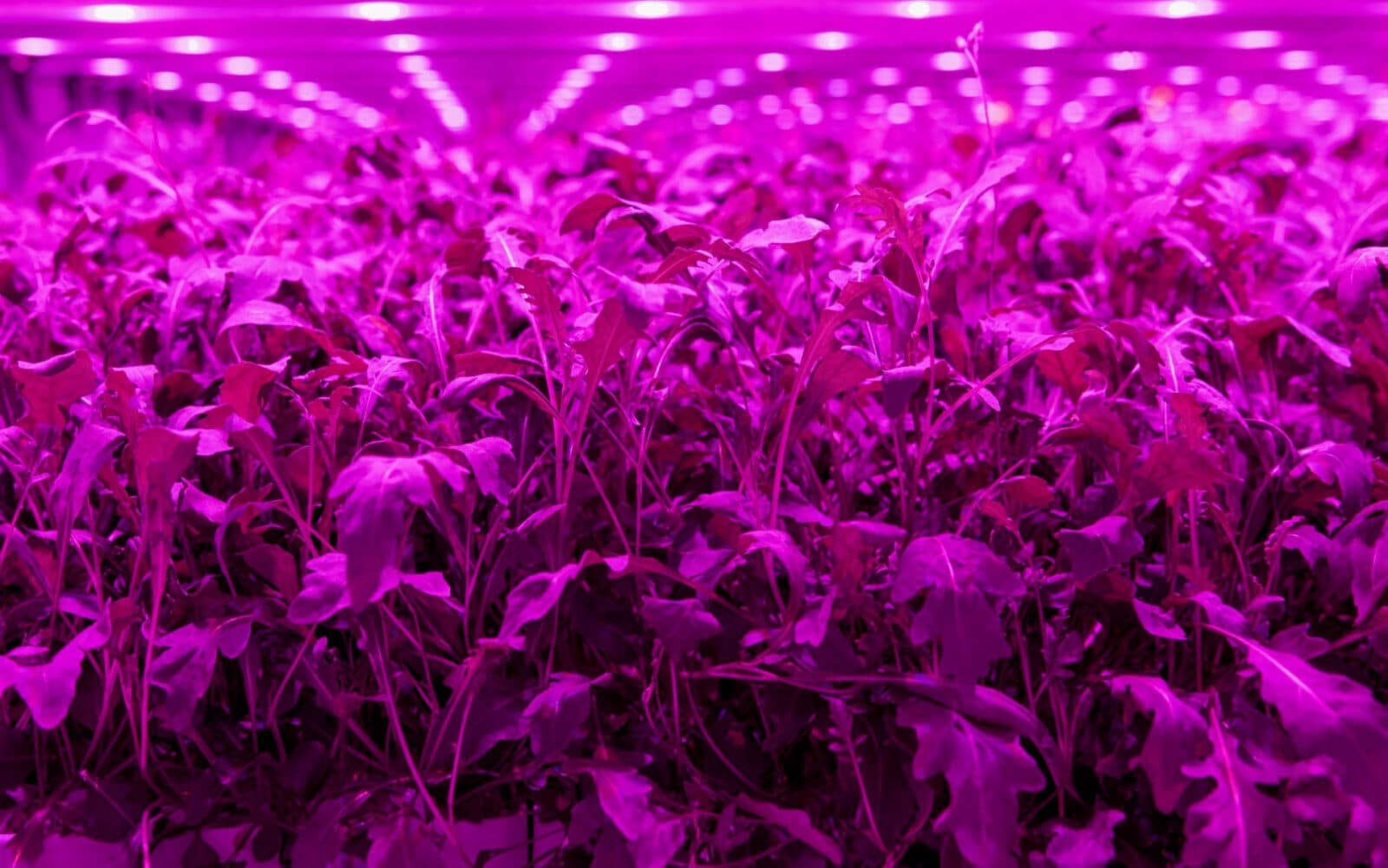
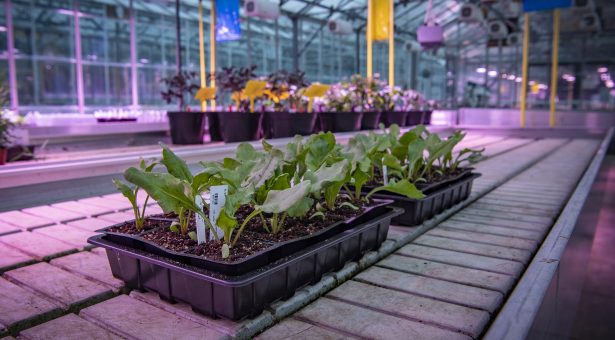
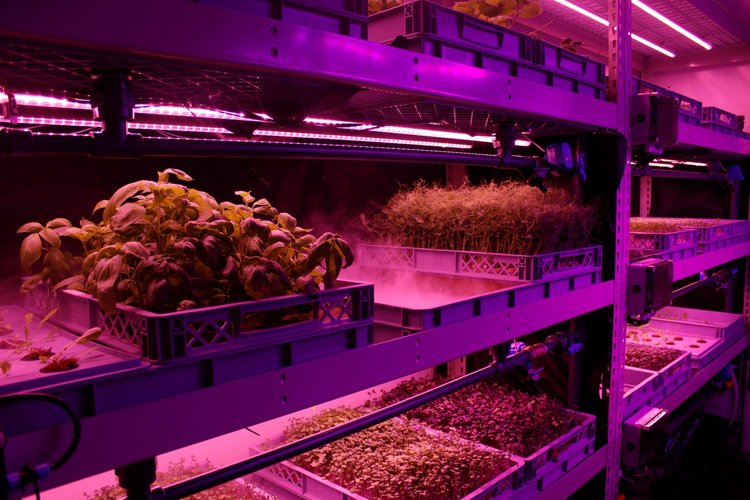
At LettUs Grow, a large portion of our work is dedicated to exploring the potential of controlled environment agriculture beyond growing herbs, salads and leafy greens. By using aeroponic technology at key stages of plant development, particularly during propagation phases, we can potentially increase the productivity, efficiency and sustainability of the growth cycles for many different plants. During this set of trials, we explore propagating strawberries in an aeroponic indoor farm.
The views expressed in this Member News article are the author's own and do not necessarily represent those of Agri-TechE.
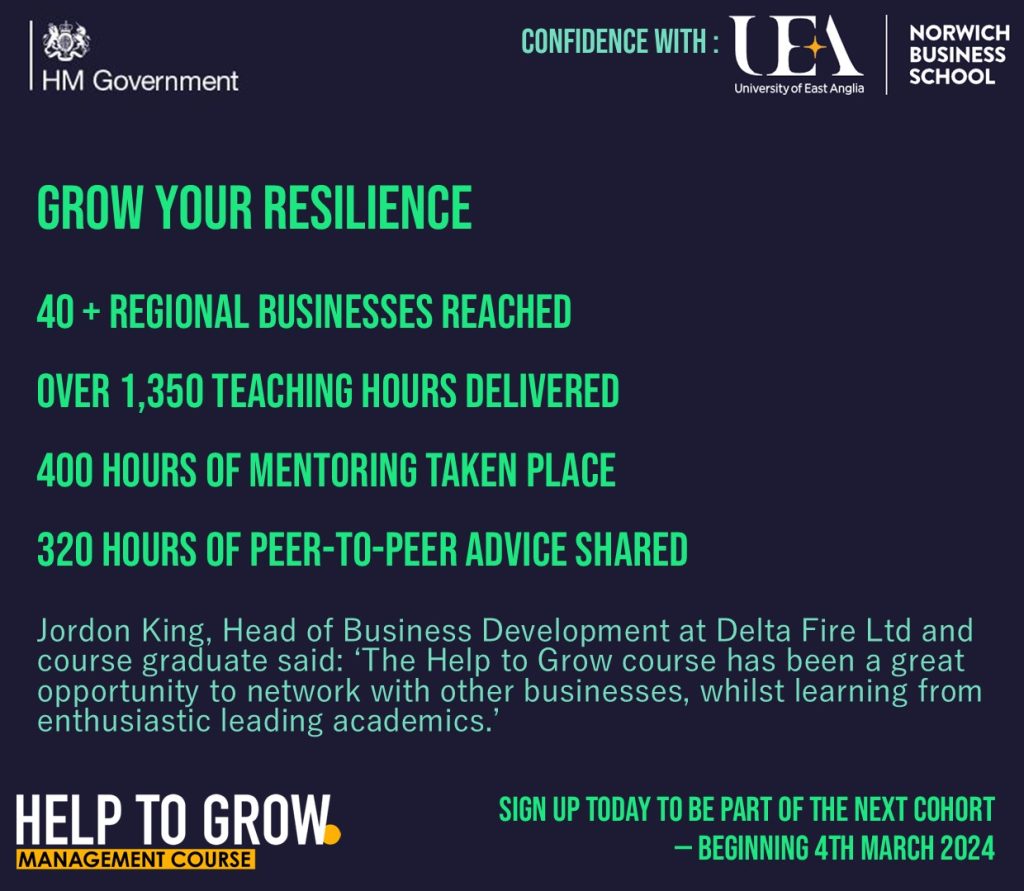
Management Course – grow your business with Norwich Business School
Are you interested in learning new skills, boosting profits and improving business performance, resilience and long-term growth? Make plans now for 2024 and beyond. Kickstart your personal and business development by joining the University of East Anglia’s (UEA) Help to Grow: Management course with Norwich Business School. Led by UEA academics, who are experts in their field, the course equips your business with tools and strategies to bolster your resilience.
Help to Grow: Management is a nationwide course, and as a member of the Small Business Charter, Norwich Business School is delighted to invite applications for its fourth cohort starting on 4th March 2024. You can hear more from course academics and graduates from previous course cohorts here.
The course supports managers and leaders of SMEs with 5-249 employees. Those with 10+ employees may apply for two places. The 12-week programme is designed to fit alongside full-time work commitments and is 90% funded by the Government, meaning the fee payable by participants is just £750.
Who is it for?
The course is designed for business owners, CEOs and tomorrow’s senior business leaders, who each bring a diversity of experience. 50+ regional businesses from a wide range of sectors including science and technology, electronics and aviation, social enterprise, retail and logistics have participated to date. Over 1,350 teaching hours have been delivered since November ‘22, as well as 400 hours of mentoring and 320 hours of peer-to-peer advice.
The Curriculum
The course curriculum has been created alongside business leaders and industry experts with expertise in growing businesses. Participants will enhance their management and strategic capabilities, learn how to innovate in their business, grow national and international markets and adopt digital technologies to boost productivity and operational agility. Via the alumni programme, participants continue to benefit from ongoing learning and networking opportunities.

 Intelligent Growth Solutions






 Map of Ag



 University of Lincoln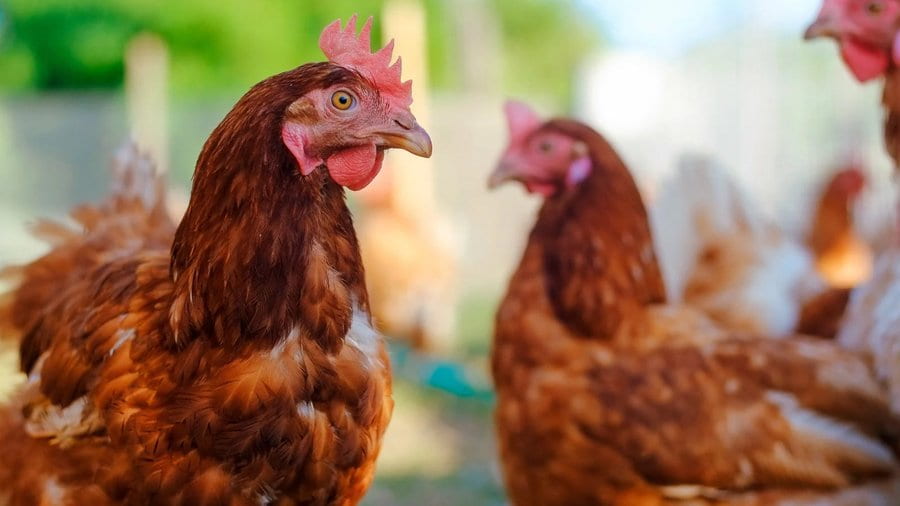




 Rothamsted Research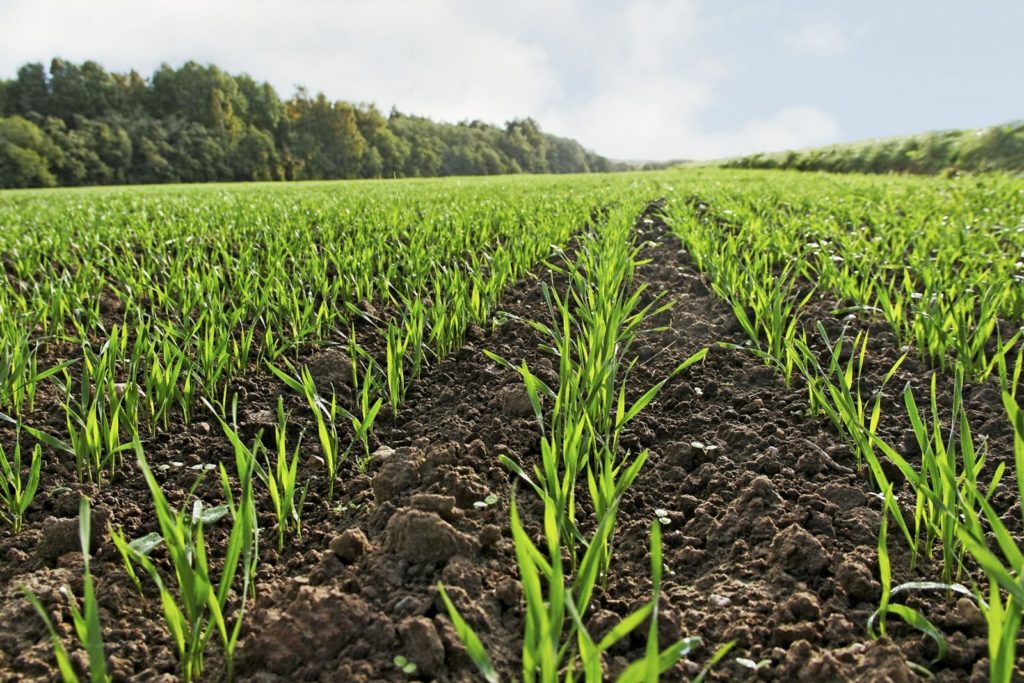


 Anglia Capital Group


 John Innes Centre




 Aquagrain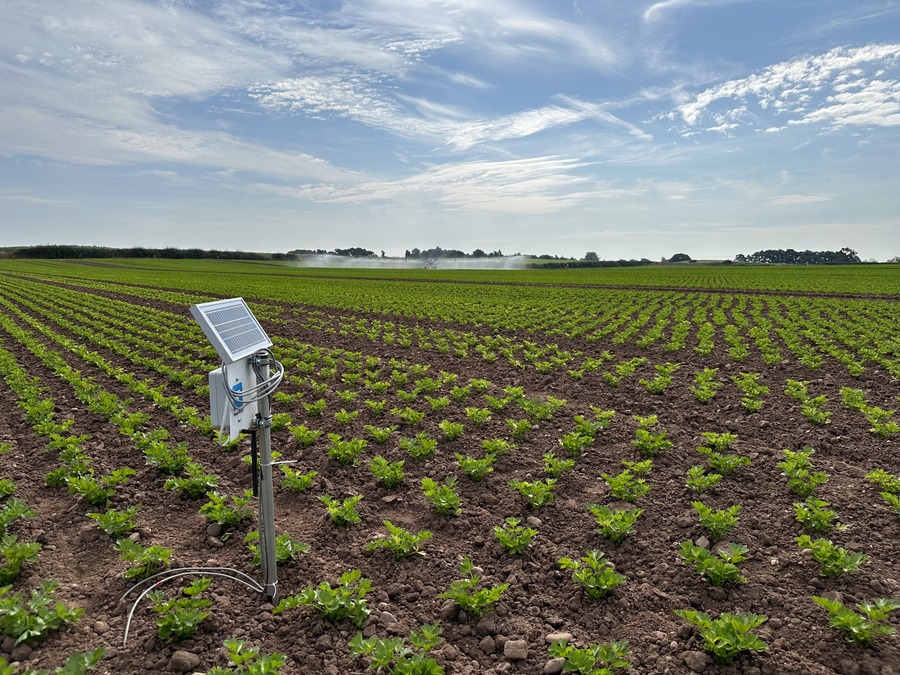
 CeraPhi Energy Ltd


 XD Innovation


 LettUs Grow Ltd.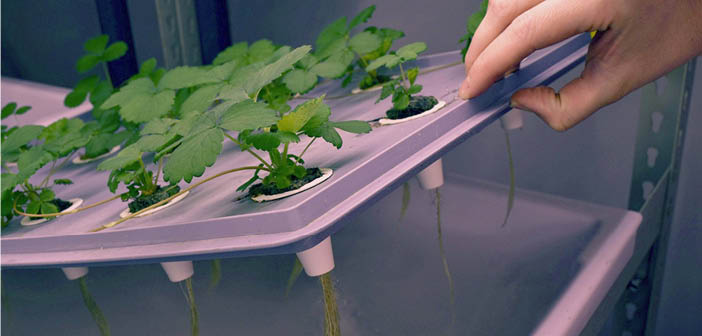

 University of East Anglia (UEA)