Burleigh Dodds Science Publishing: Agriculture 2050 – The regenerative agriculture podcast

Member News
The views expressed in this Member News article are the author's own and do not necessarily represent those of Agri-TechE.

Burleigh Dodds Science Publishing are launching a regenerative agriculture podcast. Agriculture 2050 will aim to bridge the knowledge gap between science and its application through focussed discussions with a host of experts working within agriculture.

Through these discussions, listeners will hear about the following from some of the world’s most renowned experts working in agriculture:

• The emergence of regenerative agriculture as a sustainable solution to mitigating some of agriculture’s biggest challenges
• The latest advancements in new agricultural products and technologies developed as a means of contributing to achieving net-zero by 2050

Not sure what to expect from the podcast? Listen to the trailer here.

Follow and Subscribe to the podcast to be notified when the first episode will be released!
– X (@agri2050)
Spotify
Apple Podcasts
Amazon Music

Interested in featuring on the podcast or want to highlight a topic/theme that we haven’t yet covered? Contact us: pod@agriculture2050.com.

Verdesian Europe & Africa: How to use seed treatments to boost cereal crop production

Member News
The views expressed in this Member News article are the author's own and do not necessarily represent those of Agri-TechE.

What are seed treatments?

Seed treatments are products that farmers use in the earliest stages of their crops’ growth. Using a seed treatment such as Take Off PGA Biostimulant Seed Treatment and Tuxedo Micronutrient Seed Treatment means that seeds have stimulation from the earliest stage of the growth process, leading to better growth in the long term.

What does a seed treatment do?

A seed treatment does a few different things, including:

Increasing the mass of roots: Having a greater amount of mass in the roots of the crop means that the root collects more nutrients and water from the surrounding ground.
Improving photosynthesis efficiency: More efficient photosynthesis means a greater rate of growth, as the plant has more energy from the same resources.
Supporting nitrogen use: Seed treatments enable more efficient nitrogen transfer, which creates stronger roots and structures within the plant.
More hardy crops: Seed treatments create crops that are more resistant to shocks such as extreme temperature changes and waterlogged fields.

The benefits of using seed treatments

One of the biggest issues farmers face is the limit on the number of resources available for their growth as a business. For example, where a factory can always build in more capacity, a farm can’t always buy the next field. Using a seed treatment on your planted crops means that you increase your yields without spending more on expanding your land or planting more seeds.

Farmers also benefit as their plants are more resilient to the challenges of climate change. NASA forecasts that global temperatures are set to rise between 2.5 to 10 degrees Fahrenheit over the next century. Plants are very susceptible to changes and evolution in the local climate, which means that having a harvest that is more durable ensures that your business is protected from the worst of any climate impacts.

Try Take Off PGA & Tuxedo

If you’re a farmer considering seed treatments to improve your cereal crop output, try Take Off PGA and Tuxedo to discover the benefits of improving yields for your farm today.

CHAP: Shaping the Future of Sustainable, Healthy and Nutritious Food

Member News
The views expressed in this Member News article are the author's own and do not necessarily represent those of Agri-TechE.

Sustainable Farming Techniques

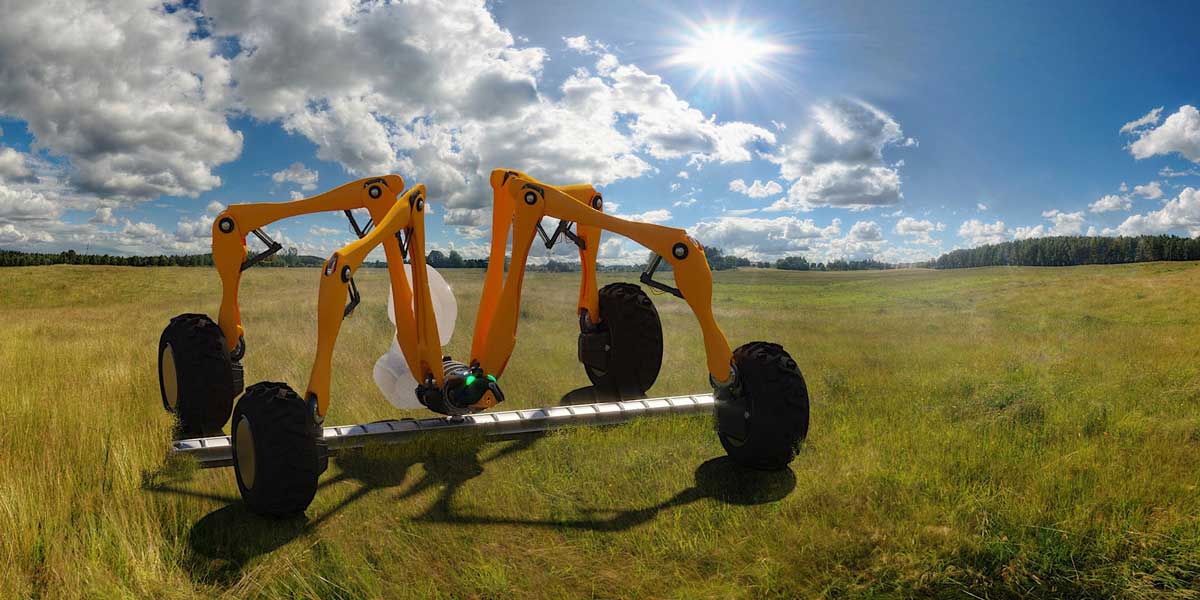
Sustainable agriculture focuses on practices designed to maintain the productivity and health of the land over time. Techniques such as crop rotation, cover cropping, and reduced tillage not only conserve soil health but also influence the nutritional content of food. These practices, by promoting biodiversity and soil fertility, can lead to crops that are potentially richer in nutrients. Crop Health and Protection (CHAP- one of the three Agri-TechE Centres) is committed to sustainable practices that enhance food nutritional quality while minimising environmental impact, and advocates for advances in integrated pest management as well as precision agriculture with projects like SprayBot and SLIMERS.

The Role of Plant-based Proteins

Plant-based diets are not only associated with lower environmental impact but also with improved health outcomes and lower environmental footprints. Foods like legumes, nuts, and whole grains are staples of a plant-based diet and are rich sources of fibre, vitamins, and minerals. By supporting the production of sustainable plant-based proteins, projects including Sustainable Lupins and Sustainable Legumes are contributing to a food system that supports both the planet’s health and our own. Achieving sustainable plant-based proteins within the UK’s production systems is a key part of CHAP’s portfolio of work, highlighting the important role of innovation and collaborative R&D in advancing the alternative protein sector for improved sustainability and productivity.

Nutrient Circularity in Agriculture


Another area of interest which the Agri-TechE Centres have been exploring as part of their New Innovations programme is nutrient circularity. Taking a controlled environment agriculture (CEA) and total controlled environment agriculture (TCEA) approach, there is potential for agricultural practices to produce crops with enhanced nutritional profiles in an environmentally conscious way and can lead to enhanced nutrient profiles in the food produced. Aeroponics increase a plants access to oxygen and nutrients, and CHAP’s collaboration with LettUs Grow on the Advanced Aeroponics project demonstrates how we can integrate tech into improving farming practices both in theory and on a commercial level

The Soil Microbiome’s Impact on Nutrition

The health of the soil microbiome is crucial for sustainable agriculture and can have an impact on the nutritional quality of crops. A diverse and healthy soil microbiome can improve plant growth, increase nutrient uptake, and enhance the nutritional content of crops. Research into the soil microbiome and its role in sustainable agriculture underscores the importance of maintaining soil health for the production of nutritious food.

Join the Conversation

Innovation Sector Lead and alternative protein specialist Dr Réka Haraszi will be discussing the need for a varied sources of protein in the food supply chain, under-utilised crops and inviting delegates from across the sector to join the conversation at the Plant Protein Connect event in Sheffield on 12 March 2024. The event will focus on eliminating the barriers of collaboration within the plant-based protein sector in the UK.

Cranfield University Revolutionising flood and drought management: radar drones could redefine soil moisture monitoring

Member News
The views expressed in this Member News article are the author's own and do not necessarily represent those of Agri-TechE.
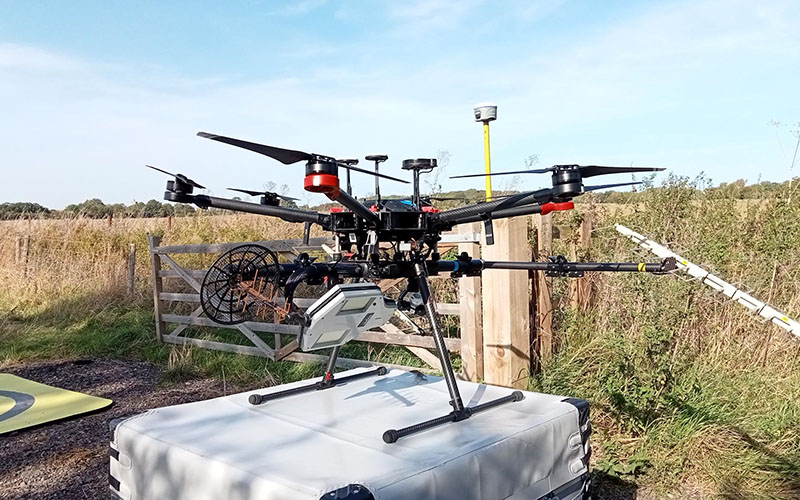
Drone based multi-based Synthetic Aperture Radar

Experts at Cranfield University are leading a two-year project which combines Synthetic Aperture Radar with uncrewed aerial vehicles (UAV).

Synthetic Aperture Radar (SAR) uses radio waves to make detailed images of the Earth’s surface. It bounces waves off objects, measures their return time, and combines the data to create a high-resolution map. The project, led by Dr Dan Evans , will assess the accuracy and potential applications of the innovative technology in soil moisture monitoring.

By obtaining detailed measurements of soil moisture at the field scale, the project seeks to improve flood and drought risk management, aiding farmers in making informed irrigation decisions and planning for extreme weather events. The technology could also find applications in testing the stability of railway embankments.

The project also aims to identify the effectiveness of radar-based soil moisture measurements across different land use contexts, including grasslands, arable farmlands, and woodlands.

In addition to Cranfield University , the collaboration includes Surveyar Ltd and other academic partners, with funding of £30,000 from the Douglas Bomford Trust.

Simplifying soil moisture measurements with radar-equipped drones

Traditional soil moisture measurements are often labour-intensive, time-consuming, and costly. In contrast, the radar-equipped drones provide continuous, cost-effective measurements of soil moisture up to 40 centimetres deep, a critical depth for plant growth and yield. While preliminary findings suggest that UAV-based radar is effective at assessing soil moisture, the project will investigate the impact that above-ground vegetation has on the accuracy of these moisture data across different land use contexts.

Cranfield University, along with partner institutions including the University of Stirling and the University of Missouri, will compare the UAV-based radar data with conventional ground-based measurements to validate the accuracy of UAV radar in comparison to existing methods. If successful, the technology could be expanded for applications such as biomass mapping and yield measurements.

Dr Dan Evans, Lecturer in Soil Formation at Cranfield University, said the project would seek to push the boundaries of radar technology by harnessing the power of UAVs.

“Through mounting synthetic aperture radar onto drones, we can conduct comprehensive radar surveys of fields, providing us with detailed measurements of soil moisture. This has significant implications for managing flooding and drought risks. With increasingly warm summers and the threat of extreme weather events, monitoring soil moisture becomes crucial for optimising irrigation practices and mitigating the impact of flooding.

“Our goal is to validate the accuracy of UAV radar in comparison to traditional methods, paving the way for scalable and cost-effective soil moisture monitoring solutions.

“This technology has immense potential not only for agriculture but also for environmental monitoring, biomass mapping, and yield measurement.”

Verdesian Europe and Africa: Major benefits of using Advance 66 & NutriSphere NL

Member News
The views expressed in this Member News article are the author's own and do not necessarily represent those of Agri-TechE.

What is Advance 66?

Advance 66 with added zinc is a foliar biostimulant designed to make sure that your crops use the nutrients they receive more efficiently. It has been shown to significantly increase the production of the key enzyme nitrate reductase and hormone cis-zeatin leading to a 30% increase in root mass in cereal crops with improved nutrient uptake from the soil to the plant.

What are the benefits of using Advance 66?

Advance 66 offers a range of benefits, following the Verdesian model of enabling a sustainable future for farmers through nutrient use efficiency. Just some of the benefits of Advance 66 include:

Root mass: Cereal crops have demonstrated a 30% increase in root mass improving the stability and growth of crops.

Increasing nitrogen: The ability to increase the production within the plant of the key enzyme nitrate reductase increases both the availability and utilisation for the plant of applied nitrogen.

Greater yields: With healthier plants growing more efficiently, your crop yields increase with Advance 66.

What is NutriSphere NL?

NutriSphere NL is an effective tool that limits nitrogen loss in the soil due to leaching and volatilisation. This water-soluble product stabilises nitrogen in the soil, working effectively with liquid nitrogen fertiliser like UAN to ensure more effective crop growth.

The benefits of NutriSphere NL

Nitrogen significantly increases and enhances the yield of crops, so it’s important to consider using a product like NutriSphere NL. Its benefit include:

Environment: Provides the opportunity to increase yield with a lighter environmental touch. Various independent studies have proven NutriSphere NL to have no effect on earthworms, fish, aquatic organisms or the soil biome.

Sustainable growth: Nitrogen is more available from the very start of the growing process to ensure improved crop establishment.

Limiting ammonia loss: Plants utilise applied nitrogen more efficiently providing potential for improved growth and crop quality.

Enhancing your crops

Focusing on enhancement products such as these is ultimately beneficial for your farm and your return on investment. You have a significantly greater revenue ceiling in terms of both better crop quality and yield. Furthermore, farming is facing significant climatic issues such as droughts and flooding which have the ability to reduce final yield and crop quality at the end of the year. Utilising Verdesian technologies such as Advance 66 and Nutrisphere NL can assist in reducing the potential impact from these adverse climatic conditions and at the same time help to reduce environmental impact.

Consider Verdesian

If you have an interest in maximising your crop outup and taking care of the environment, take a look at Verdesian’s range of products, including Advance 66 and NutriSphere NL. With these, you have a better chance of reaching your yield goals and growing the best crops possible year in, year out. Look through the Verdesian range today to learn more.

Cranfield University: £13 million for biotechnology research to address environmental challenges

Member News
The views expressed in this Member News article are the author's own and do not necessarily represent those of Agri-TechE.
  • New research group is first of its kind in the UK
  • Researchers from ten universities will advance functions of micro-organisms
  • Micro-organisms have ‘superhero’ qualities that will help tackle pollutants

A new research centre, the first of its kind in the UK, is being formed to enhance and develop the natural abilities of micro-organisms in cleaning up our planet. Tackling environmental pollutants and waste using microbes, the new centre is being established with £13 million of funding from UK Research and Innovation’s Technology Missions Fund and support from the Biotechnology and Biological Sciences Research Council .

The Environmental Biotechnology Innovation Centre (EBIC), led by Cranfield University, brings together scientists from ten leading UK institutions in a mission to advance the properties and functions of micro-organisms, creating more effective ways to monitor the environment and remove pollutants.

Enormous potential of tiny ‘superhero’ micro-organisms

“They may be tiny, but micro-organisms have ‘superhero’ properties which give them enormous potential to have a positive impact on our world,” says Frederic Coulon, Professor of Environmental Chemistry and Microbiology at Cranfield University and EBIC Project Lead.

“Using advanced technologies, the research team will create entirely new organisms or enhance the functions of existing ones. By doing this, we can design micro-organisms that are better suited for environmental tasks like converting waste into valuable resources.”

Research from lab to field applications

Working together from lab to field applications, scientists involved in the five-year project will examine ways to develop micro-organisms to target and mitigate negative impacts from polluting substances like plastic waste, hydrocarbons, metals and oil. Micro-organisms will not only be used to clean up hazardous and toxic pollutants from the environment, but also to help regenerate or recycle waste.

Cutting-edge techniques from synthetic biology, biotechnology and environmental engineering will be used. With a focus on responsible and ethical research practices, the research team is set to examine and develop new ways to tackle three key areas:

1. Next-generation biosensing for environmental monitoring and surveillance

2. Bioremediation targeting environmental pollutants, promoting cleaner and healthier ecosystems

3. Enhanced wastewater and waste management to improve resource recovery, optimise treatment processes and reduce waste generation

Critical technology to address challenges

Engineering biology is identified as one of the UK Government’s five critical technologies in its Science and Technology Framework .

Professor Leon A. Terry, Pro-Vice Chancellor for Research and Innovation at Cranfield University commented: “This new research centre is set to bring together some of the UK’s leading experts in biotechnology to create a world-class hub of excellence. Working closely with industry and focused on real-world applications, the research will develop a creative and sustainable way to address some of our most pressing environmental challenges.”

Cranfield is working with nine other universities on this project: Brunel University London, the University of Essex, Bangor University, the University of Edinburgh, the University of Southampton, the University of East Anglia, the University of Glasgow, Heriot-Watt University and Newcastle University.


BugBiome, the biotech start-up secures investment for pioneering research in sustainable pest protection

Member News
The views expressed in this Member News article are the author's own and do not necessarily represent those of Agri-TechE.

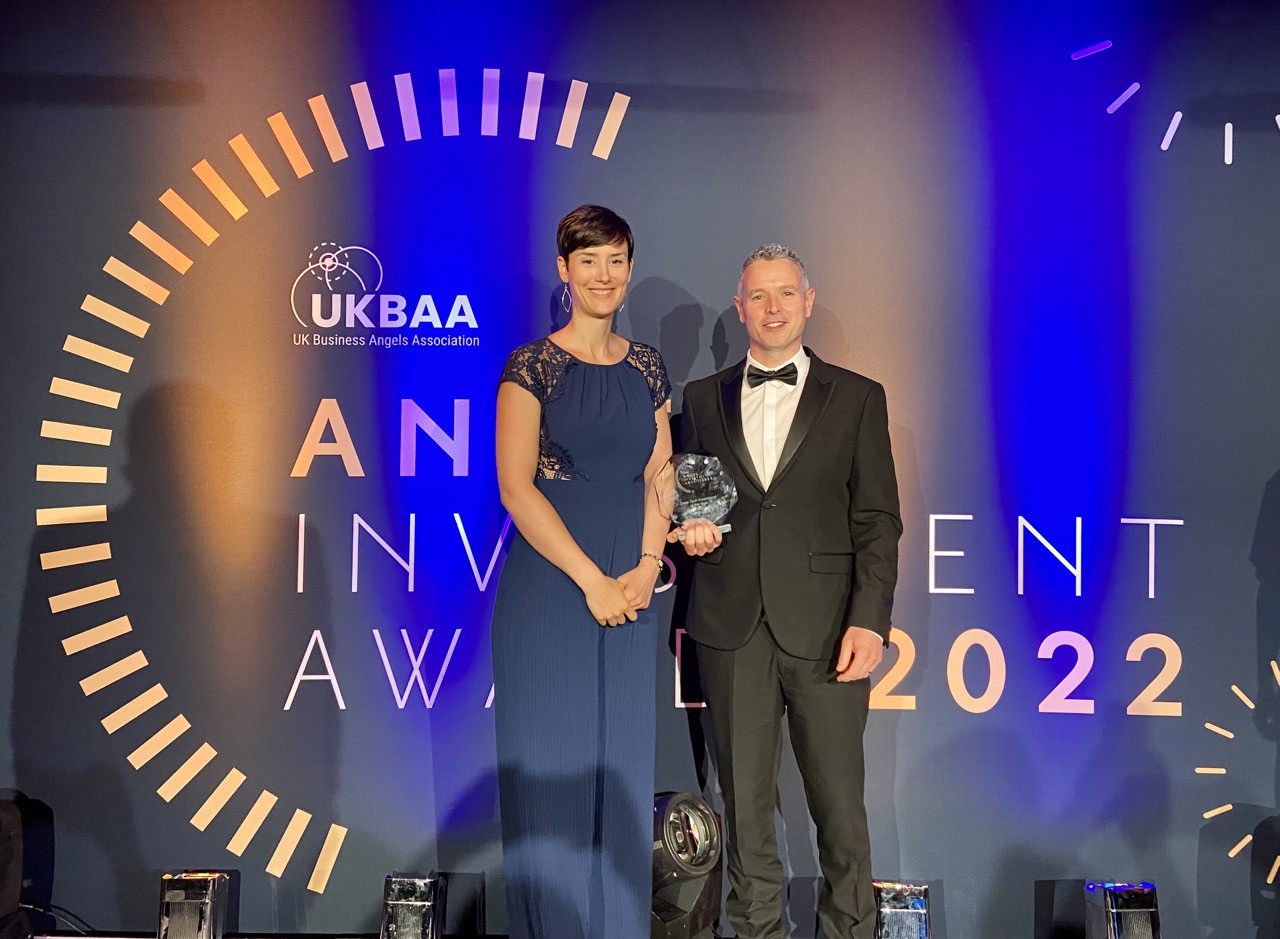
Cambridge, UK, 12th February 2024: BugBiome, a biotech harnessing nature’s microbial defences for pest protection to benefit human and planet health, has successfully closed a pre-seed funding round, securing £310k from Cambridge Angels and Discovery Park Ventures.

This investment will support BugBiome’s mission to address agricultural and human pest protection with naturally derived solutions harnessing the microbiome as a sustainable source of alternatives to synthetic and bio-accumulative chemicals. It also provides matched funding for a £330k Engineering Biology Grant from Innovate UK, to identify new methods to control aphids in crop protection. The 12-month project aligns with BugBiome’s focus for sustainable, insect control solutions that do not compromise biodiversity, including a pipeline of targets across human and agricultural pests.

Following the investment, Emma Palmer Foster of Discovery Park Ventures and James Thomas of Cambridge Angels join the Board as Investor Directors.

Accelerate@Babraham

BugBiome recently completed the 2023 cohort of Accelerate@Babraham – the Babraham Research Campus’ pre-seed company support programme. Drawing on year on year experience and lessons learned, Accelerate@Babraham brings together a network of experts, mentors, and investors to equip early career science entrepreneurs with the skills, confidence, connections, and access to communal laboratories to start up, test and build their business propositions.

Dr Alicia Showering, co-founder and CEO of BugBiome, said: “We are delighted to announce a successful pre-seed funding round with the support of Cambridge Angels and Discovery Park Ventures. This investment enables our non-dilutive Innovate UK grant and will help us to advance our pipeline of innovative microbial solutions for pest protection, offering an effective alternative to chemicals. With this new funding, we are expanding our team, accelerating the development of our microbial products against pests.”

Dr Andy Richards, founder member of Cambridge Angels, added: “We have been impressed by the entrepreneurial acumen of the BugBiome team, who have achieved such a lot in a short time. The microbiome is increasingly being seen as a vitally important aspect of biological systems. The team at BugBiome have identified that the interaction between the microbiome on a surface, be that human skin or a plant surface, plays a vital role in the attraction of insects which can impact on human health and on the environment. We look forward to helping them on their journey to exploit these learnings.”

Emma Palmer Foster, Director, Discovery Park Ventures, said: “BugBiome’s ground-breaking research addresses a critical aspect of the global focus on feeding the population sustainably and enhancing crop protection. Our investment in BugBiome makes it our tenth portfolio company and underscores the company’s potential to make a significant and sustainable impact in the agricultural sector and human health.”

Universty of Reading: Reducing Food Loss at the primary production stage

Member News
The views expressed in this Member News article are the author's own and do not necessarily represent those of Agri-TechE.

The University of Reading is a partner in an EU funded project, FOLOU, that is investigating the potential of innovative technologies to facilitate the systemic transition of EU food systems by setting up the necessary mechanisms to:
• measure and estimate food losses at primary production stage
• monitor and report food losses at Member State and European levels
• assess the magnitude and impact of Food Losses, and identify key drivers


New cost-effective tools for the measurement/estimation of food losses will be developed along with a robust and harmonized quantification methodology for five main commodity groups. The FOLOU project will investigate the potential of the following six innovative applications of agritechnologies:
o RGB cameras on UAVs to enable direct estimates of fruit and vegetables unfit for human consumption
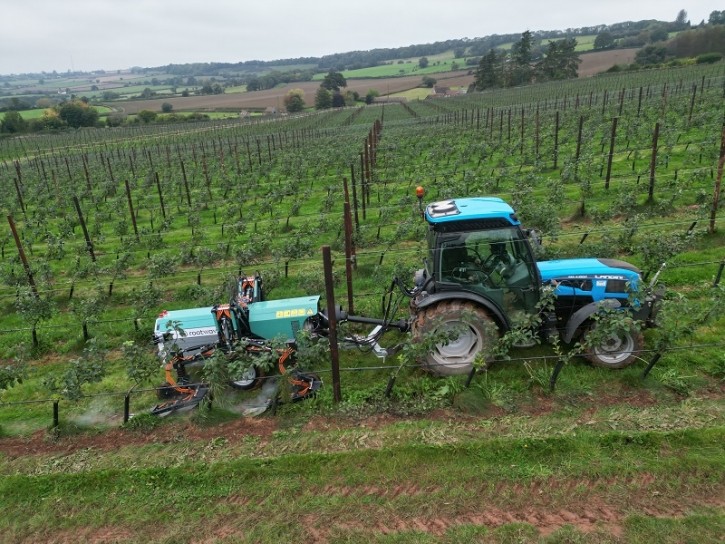
o RGB video cameras embedded on tractors to detect and localise weeds
o Satellite and UAV images to estimate food losses in case study arable crops
o An automatic system for removal of dead eggs from fish farming systems using multi-spectral cameras and robotic arms
o Blockchain and distributed ledger technologies to estimate food losses in cold chains
o Use of big data and AI to estimate consumers’ demand shifts


The University of Reading will develop a series of educational training courses and workshops to bring the outcomes from the FOLOU project to a range of audiences. For further information about the project, please get in touch with Alice Mauchline (a.l.mauchline@reading.ac.uk).

Lettus Grow collaborates with Albotherm

Member News
The views expressed in this Member News article are the author's own and do not necessarily represent those of Agri-TechE.
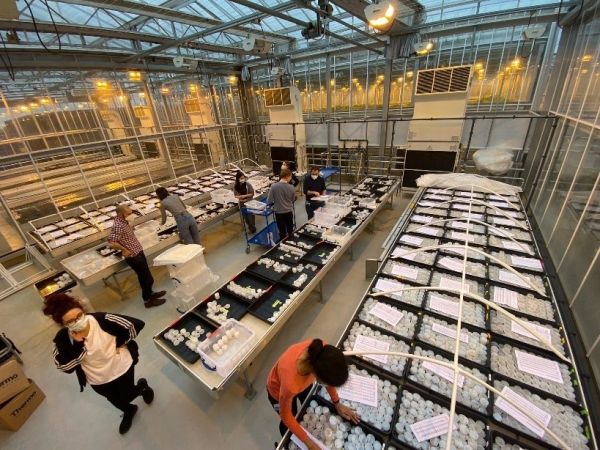
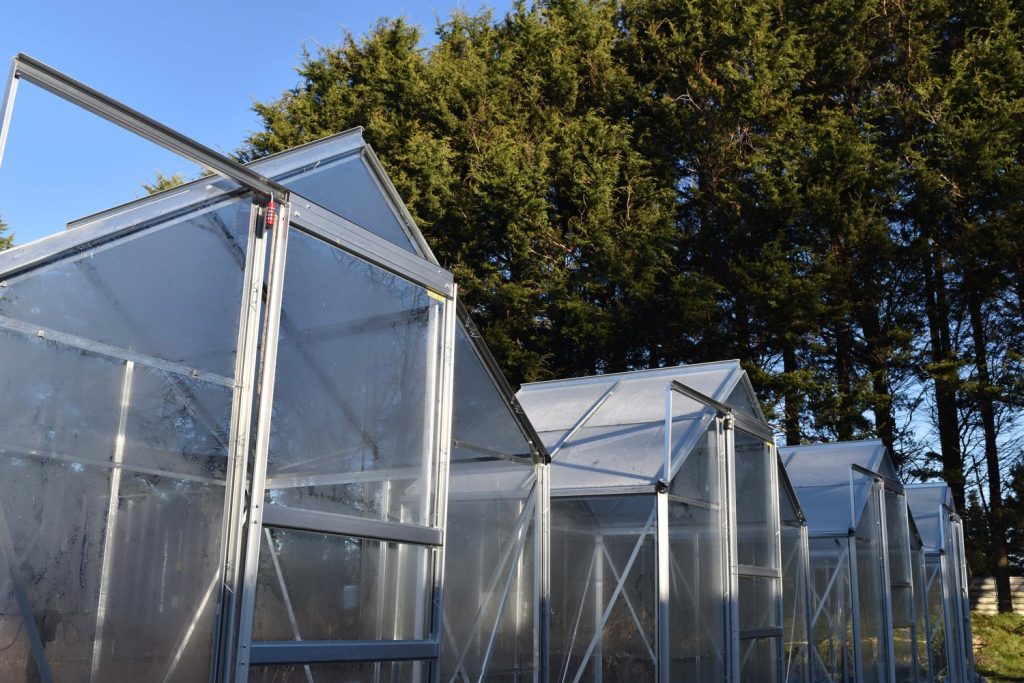
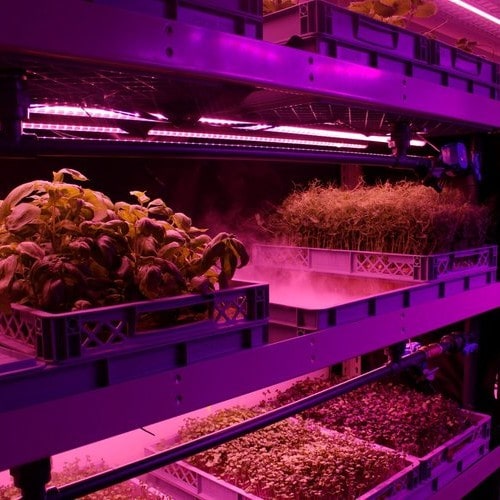
Picture of LettUs Grow collaborates with greenhouse shading technology experts, Albotherm

LettUs Grow is embarking on a research project with Albotherm, a fellow Bristol-based agri-tech company, to investigate the impact of intuitive shading technology on glasshouse productivity and energy efficiency.

The study will use a combination of Albotherm’s responsive glass coating and LettUs Grow’s farm management software, Ostara, to monitor performance and capture data.

Read the full article here

CeraPhi Energy Acquires former fracking company Third Energy Onshore Ltd

Member News
The views expressed in this Member News article are the author's own and do not necessarily represent those of Agri-TechE.

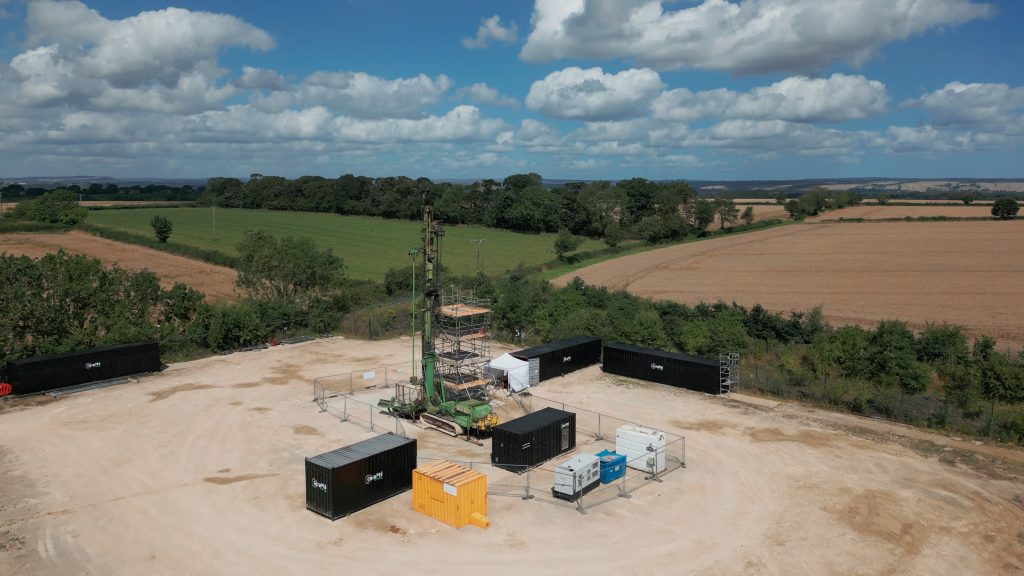
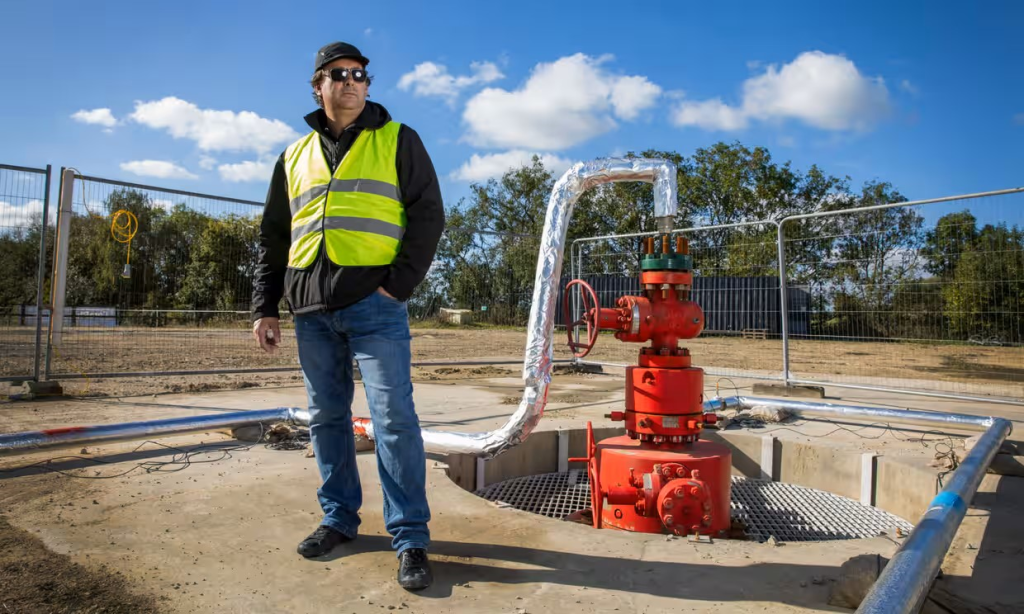
Geothermal development company CeraPhi Energy has acquired the business of Third Energy Limited, a former shale gas development company with plans to repurpose the existing wells into clean geothermal energy centres.

The acquisition includes the subsidiaries, namely Third Energy Trading Limited, Wolfland Renewables Limited, Wolfland Utilities Limited, Third Energy UK Gas Limited, and the 50% holding in West Heslerton Renewables Limited.

The assets located in North Yorkshire UK, include 8 well sites consisting of 12 former gas wells in a suspended state, 22.4 km of 6-inch and 16.6 km of 3-inch subterranean pipelines and a further 22.4 km of buried fibre optic comms lines.

CeraPhi is the UK’s leading closed-loop geothermal energy developer using its proprietary CeraPhiWell system and CeraPhiPro™ modelling software providing an end-to-end solution for closed-loop geothermal energy anywhere for everyone.

CeraPhi completed a commercial demonstration of its CeraPhiWell™ system earlier in the summer using the Third Energy KMA site. CeraPhi’s strategy is to de-risk the scaling and commercialisation of large-scale heat networks using boreholes down to a depth of 2km, reducing the space required for deployment of large-scale systems and increasing the extraction of thermal energy available for network connections. By both drilling new wells and repurposing end-of-life and non-producing oil and gas wells, the CeraPhi solution will provide “huge commercial potential” for the scaling of geothermal heat networks in the UK and globally.

CeraPhi Energy CEO Karl Farrow said:
“The decarbonisation of heat represents a huge UK and global challenge in meeting our net zero targets. Combined with the continued insecurity customers face with volatility and seasonal cost of fossil fuels, we have to move geothermal energy to scale to reduce the cost of deploying direct use heat, which is an endless resource not subject to price fluctuation, enabling a move away from our dependency on fossil fuels within our day-to-day energy mix.

By using the inexhaustible resource beneath our feet using closed-loop technology we can access this energy anywhere with zero environmental risk, requiring no hydraulic fracturing, no use of water and providing enough energy within the next 15 years to solve our energy crisis indefinitely. “

Third Energy Managing Director Russell Hoare said:
“Third Energy have been pursuing a transition strategy for several years now with geothermal energy at the centre of that strategy and in CeraPhi we have found a capable and accomplished partner, as proven by the successful geothermal demonstrator project at our KMA site last summer. Bringing together the expertise of CeraPhi with the assets of Third Energy is a natural progression and I look forward to working with Karl and his team to continue the story.”

Ceraphi Energy: Geothermal Energy Gets a Financial Boost

Member News
The views expressed in this Member News article are the author's own and do not necessarily represent those of Agri-TechE.

UK Geothermal Energy pioneers CeraPhi Energy, and Climate Change Ventures (CCV), the integrated financial services and green project development specialists, have joined forces to exploit their knowledge and experience in bringing terrestrial, thermally derived green energy to the marketplace with CCV facilitating significant investment in CeraPhi’ s portfolio of projects.
CeraPhi has pioneered the use of advanced “closed loop” geothermal technologies, which can be optimised to re-use redundant Oil and Gas wells in a cost-effective, highly efficient way. With a portfolio of acquisitions, they are now set to exploit a series of opportunities, promising shortened development timeframes, and much needed, 24/7 supplies of heat and derived energy at attractive costs of production. CCV, is bringing project finance, using a “Green Bond” mechanism to enable CeraPhi to help realise their vision to exploit “the heat beneath our feet”.
The arrangement was concluded in an agreement between both parties signed by Karl Farrow, CEO of CeraPhi, and Horacio Carvalho, CEO of CCV. Karl Farrow said, “CeraPhi has developed a portfolio of projects around the reusing of end-of-life Oil and Gas wells over the last 12 months, whilst working with CCV to develop a viable financial model to accelerate our project development as a leader in the geothermal energy utility space.” The availability of funding through the facility set up by CCV will allow the company to deliver multiple commercial-scale geothermal energy projects, which will help consolidate our position as a leader in the geothermal energy space. We are a mission-driven business and initiatives like this are what are required to shift the trajectory in carbon reduction and to help governments achieve Net Zero targets”.
Horacio Carvalho commented, “We have been observing the innovative approach to green heat and power production adopted by CeraPhi for some time now, and we have grown to appreciate the true potential that they can provide for reducing greenhouse gases and making our planet a safer place. We are delighted to be working alongside them in funding our joint ambition to bring to the market their contribution to solving the climate crisis problem. Exciting times lie ahead.”

Ecospray gains EU registration for garlic nematode deterrent

Member News
The views expressed in this Member News article are the author's own and do not necessarily represent those of Agri-TechE.

The protective force of garlic is the stuff of legend, but it has a sound scientific basis. Now, Ecospray, has gained European Union plant protection product (PPP) registration for its Nemguard product, which uses garlic extract to repel nematodes in potatoes and other root crops.

Peter McDonald, CEO of Ecospray Limited, says that EU registration is a long and expensive process.

“Ecospray has developed a stabilised formulation of garlic extract containing a defined fingerprint of different polysulfide molecules. It is this achievement that has enabled Nemguard to be registered as a plant protection product within the European Union as well as other territories across the world.”

Peter McDonald, Ecospray
Peter McDonald, CEO of Ecospray

Polysulfides are produced when the garlic is crushed, they are lipophilic and so can pass through the cuticle of the pest and interfere with its metabolism. A cascade of chemical reactions result in oxidative stress and the death of the pest. The complex mode of action means that it is unlikely to trigger resistance.

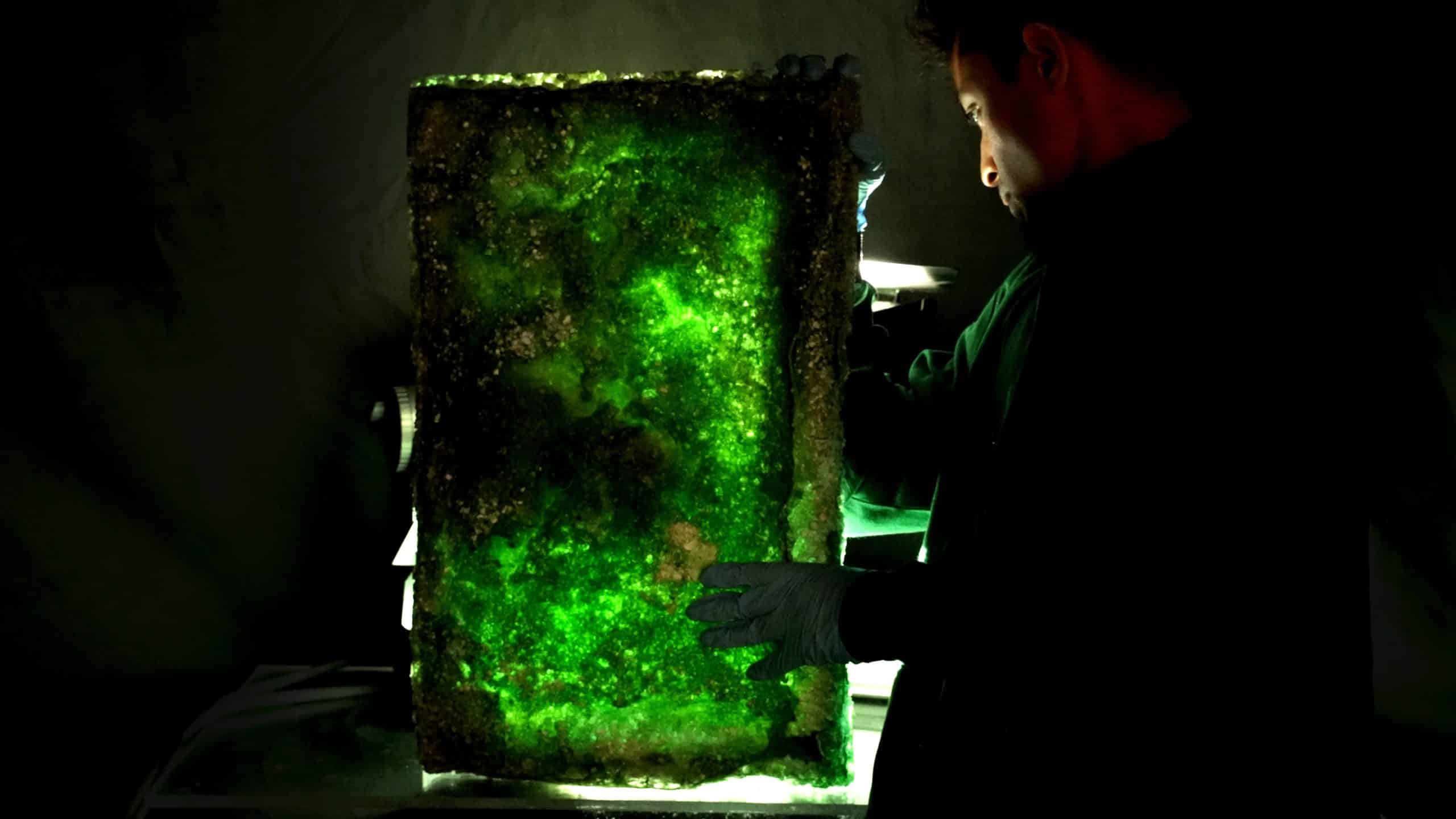
By creating a stablised formulation, Nemguard is highly specific to parasitic nematodes, sparing beneficial microfauna in the soil. This has been qualified by the De Vega Group at the Earlham Institute . It has been working with Ecospray on the development of Nemguard and is using metagenomics – a study of the diversity of the soil microbiome – to understand the impact on the soil microbial community.

Peter continues: “We have been conducting extensive trials on a range of crops such as carrots, parsnips, potatoes as well as glasshouse crops such as tomatoes, peppers, cucumbers and melons and Nemguard has demonstrated efficacy as a soil applied treatment on pathogenic nematodes.”

“Of particular interest are recent trials with Niab where we have undertaken a first season on potato evaluation.”

Garlic in Ecospray Nemguard repels nematodes