The views expressed in this Member News article are the author's own and do not necessarily represent those of Agri-TechE.
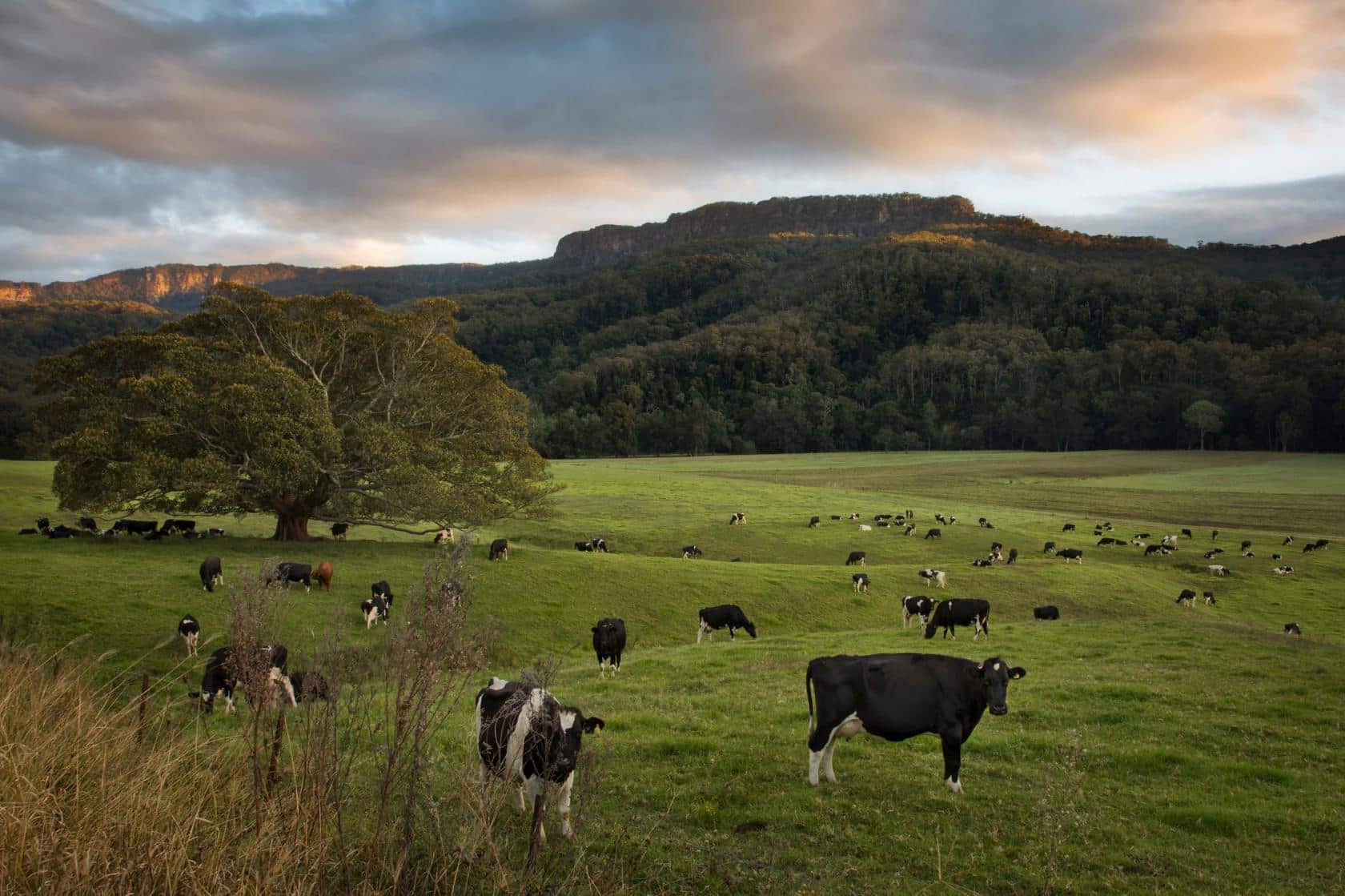
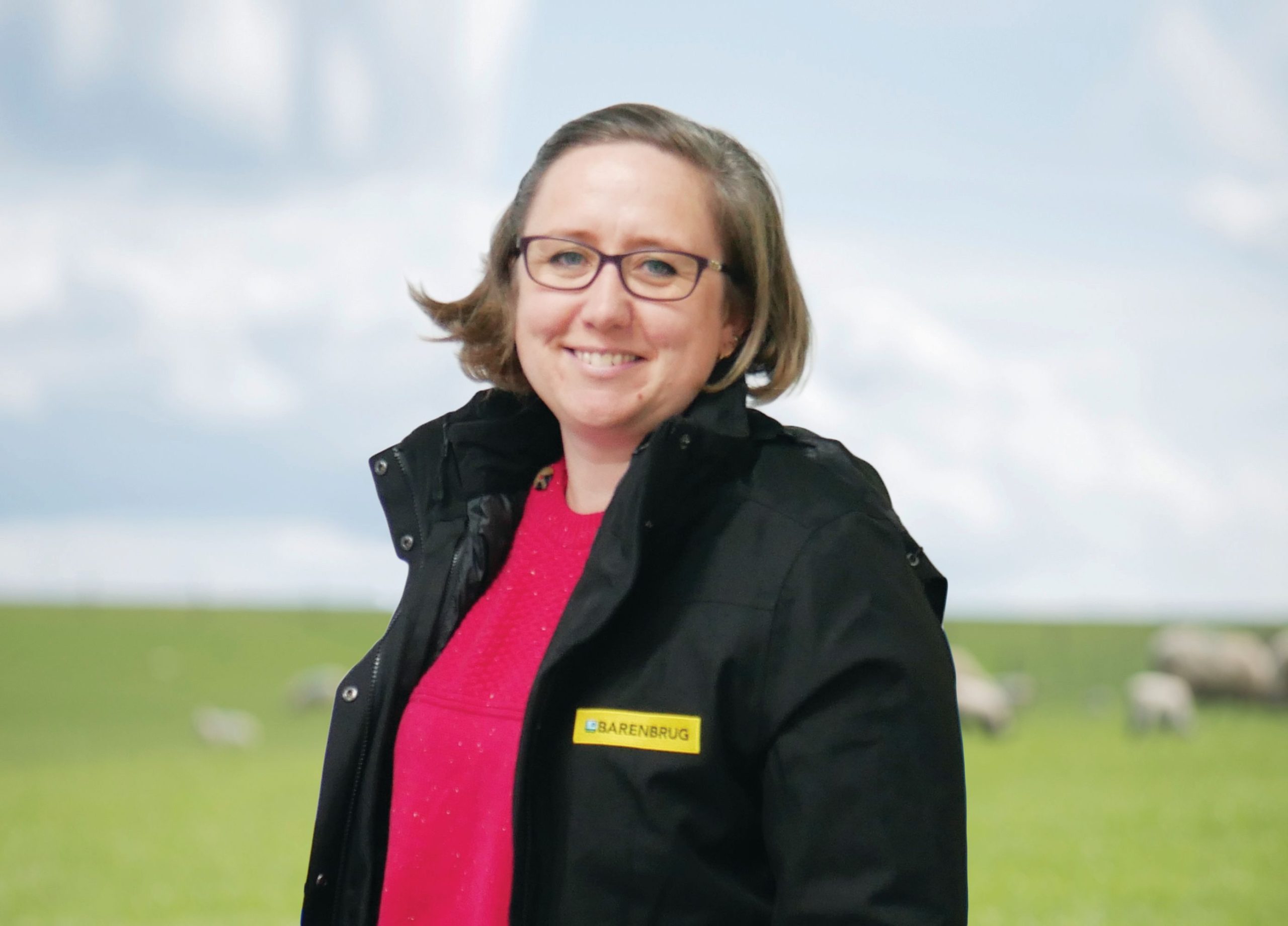
Barenbrug has announced a ‘select release’ of its latest perennial ryegrass, Banbridge, for spring 2025.
The new variety, an intermediate tetraploid, is one of the strongest in its class according to agriculture product manager Janet Montgomery.
“We’re very excited about Banbridge,” she says. “This is a class in which Barenbrug has enjoyed a long-standing reputation for high-performing varieties, so for this to top-out over favourites such as Seagoe, Fintona and Tollymore is remarkable.
“Its stellar genetics really stand out in conservation use, where Banbridge has become the leading variety in its class, sporting very high yields of dry matter and ME.”
In grazing, meanwhile, Banbridge is second only to Tollymore for early and late spring yield.
“I would not be surprised if those who have been impressed with Seagoe these last few years start to find a new favourite,” Janet enthuses. “The combination of the two together promises a cracking outcome in BarForage mixtures such as Combi and Prota Sile.”
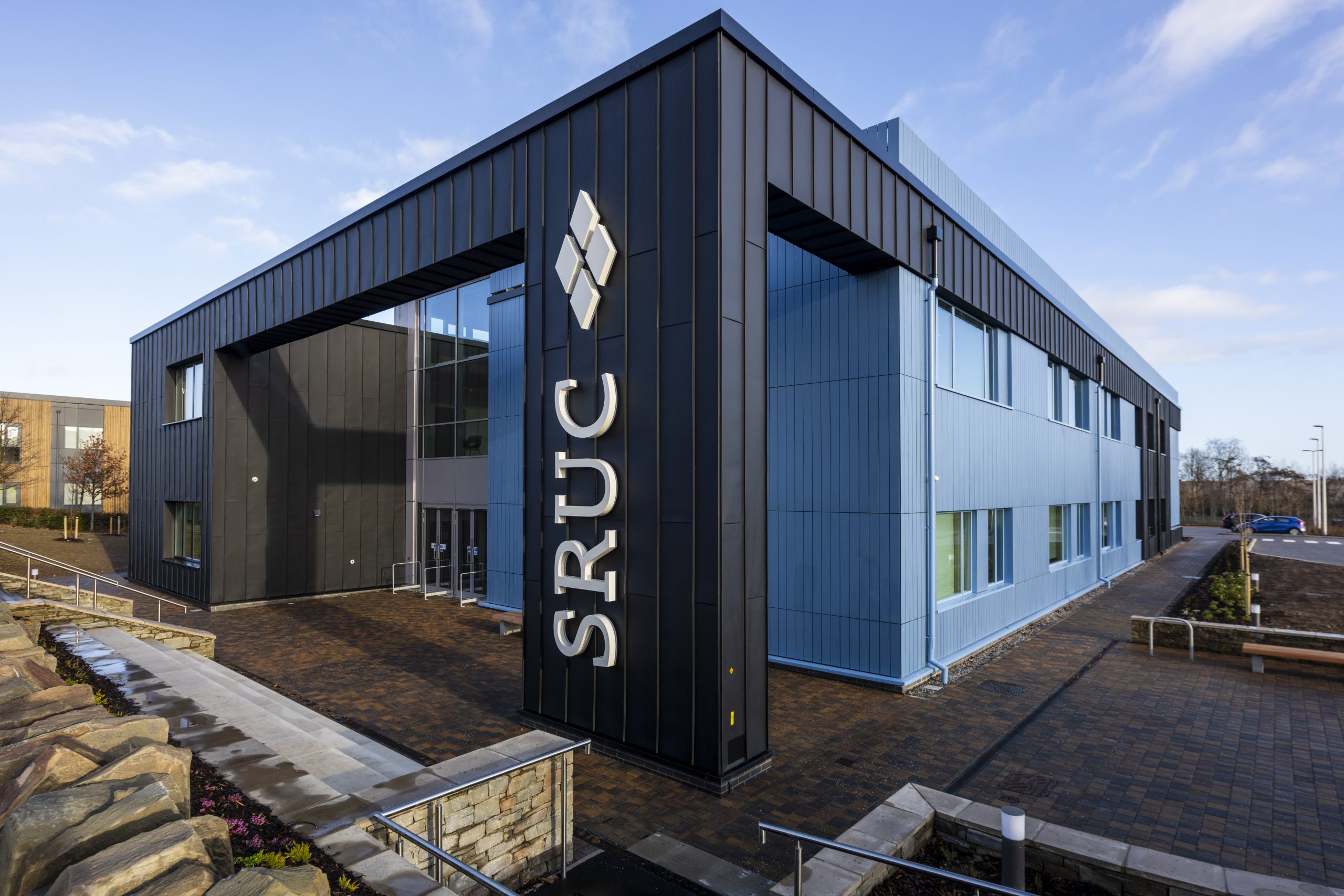
Banbridge is marked for Provisional General Use in the England and Wales Recommended Grass and Clover Lists, and 1st Choice (P) in SRUC’s Grass and Clover varieties for Scotland.
Post Overview
This story has been submitted by an Agri-TechE member.
The views expressed in this Member News article are the author's own and do not necessarily represent those of Agri-TechE.
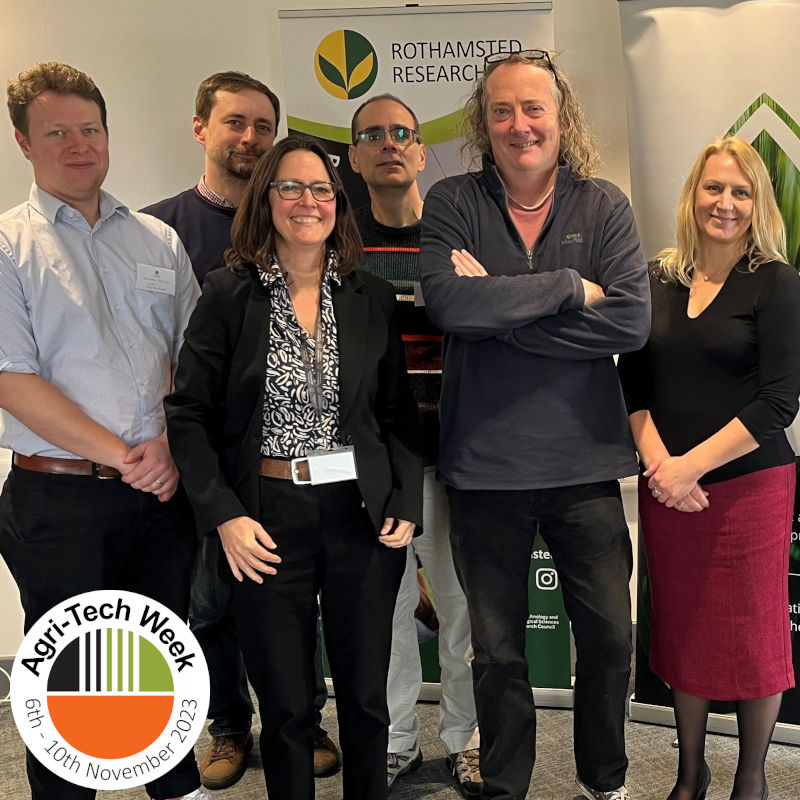
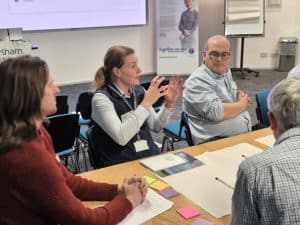
To mark International Women’s Day, the Women in IASP (International Associations of Science Parks) held a global meeting to discuss some of the important issues facing women in science. Women in IASP is a group that was set up to share knowledge and increase the visibility of women in innovation communities worldwide.
Moderated by Roz Bird, CEO of Anglia Innovation Partnership at Norwich Research Park in the UK, the audience heard from Dr. Bindu Nishal from Agri Innovations and One Health at IKP Knowledge Park, India and Prof Keo Shirley Motaung, CEO of Global Health Biotech in South Africa.
One of the key points for discussion was the global issue of how to close the gender gap in STEM (Science, Technology, Engineering and Mathematics). Dr Nishal shared her experiences running the SheLeads in Science programme, which aims to foster gender diversity, support professional growth and promote innovation at IKP.
She spoke about the ‘inexplicable gap’ that currently exists with women being significantly underrepresented in STEM. In 2023, around 29% of the worldwide workforce in STEM fields were women compared to around 49% of the total employment in non-STEM fields.
Despite graduating at higher rates than men, women are less likely to study in STEM fields, are less likely to take a career in STEM and those that do tend to leave their careers earlier than men. She also explained that women in STEM are published less and are typically underpaid.
Prof Motaung highlighted the need to encourage grassroots efforts and mentorship to promote innovation and improve women’s participation in STEM. From her work, she believes that gender diversity fuels innovation and research advancements and that inclusivity is key.
To address this, she suggested joining mentorship, coaching or advocacy programmes, supporting policies promoting women in STEM and spreading the word to encourage more interest in STEM as a career choice amongst young women.
Commenting on the event, Roz said, “What a great session we had today ahead of International Women’s Day. It was fantastic to host two international speakers and hear their inspirational stories which will encourage us all! I truly hope that 2025 will be a year where we see more women in technology and innovation spaces and where we make significant progress in closing the gender gap.”
*I have permission from the copyright holder to publish this content and images.
Post Overview
This story has been submitted by an Agri-TechE member.
The views expressed in this Member News article are the author's own and do not necessarily represent those of Agri-TechE.
eg technology Ltd have started 2025 with a key appointment as Paul Anglim joins the specialist product design, engineering and development consultancy as we continue our international expansion.
In response to increased global demand for integrated product development services and eg technology’s recently established office in Galway, Ireland, we are pleased to welcome former BioInnovate Ireland strategic lead, Paul Anglim, to our growing Business Development team.
eg technology has been bridging the gap between innovation and market-ready products for 23 years from bespoke facilities in Cambridge. However, based in eg’s Galway office, the PorterShed, Paul will be a direct liaison for our Irish network, further facilitating the delivery of client projects to the Irish, European and US markets.
With over 20 years’ experience in Life Sciences, MedTech and Digital Health, Paul has worked with Multinational Corporations, SMEs, Startups, academic institutions, investment companies, government agencies and hospital groups to help them achieve their goals in market strategy, commercialisation, needs-led innovation, and identify opportunities for growth and scale.
With a BSc in Biotechnology from NUI Galway, and a PhD in Molecular Biology from University of Southern California, Paul lectures at RCSI and University of Galway (where he is an Honorary Clinical Fellow). He is also the Founder of Angles Consulting, former Health Lead at the Guinness Enterprise Centre and advisor to the Innovators Initiative DigiBio Fellowship.
“As the MedTech industry evolves and markets remain transient, providing innovators in Ireland, Europe and America with access to our development services will help reduce barriers when delivering products to global markets”, eg Director, Rouzet Agaiby says.
“Paul is a fantastic addition to our team and has extensive experience and established networks within the Irish healthcare and life sciences ecosystem. He is joining a remarkable team, and I have no doubt that his expertise in identifying and validating needs and market opportunities, commercial de-risking, and market adoption strategywill be integral in further driving eg’s success, growing our international client base and delivering on our strategy of becoming the chosen product development consultancy for clients and employees alike”.
Paul Says: “Joining eg is both a pleasure and a privilege. I have a wide and varied background in the Life Science and MedTech sectors, and I am looking forward to drawing upon my technical and commercial experience to help support innovators looking to access Irish, European, US and UK markets. I have a particular passion for HealthTech and needs-led innovation and I am excited to work with eg technology who are experts at developing emerging technologies and working with innovators dedicated to optimising patient outcomes and improving their route to market.”
If you are based in Ireland and would like to discuss how we can accelerate your route to market, please connect with Paul here.
For more information on getting your technology or ideas to market, or to chat with one of the eg team about your product design and development requirements, please get in touch:
The views expressed in this Member News article are the author's own and do not necessarily represent those of Agri-TechE.
In a recent blog post we discussed the Precision Breeding Regulatory Framework developed by the Food Standards Agency (FSA). Further details on the application process for Precision Bred Organism confirmation have now been revealed, with the recent publication of the draft Regulations implementing the Genetic Technology (Precision Breeding) Act 2023.
This draft legislation provides detailed procedures for applicants seeking confirmation, release, and marketing authorisation for precision bred plants in England.
Confirmation of precision bred status may be obtained by submitting a marketing notice to the Department for Environment, Food & Rural Affairs (DEFRA). The marketing notice must provide a general description of the precision-bred plant and list its intended use, and include the purpose of the genetic modifications and a comprehensive description of these.
Specifically, the applicant must provide the details, location and stability of the intended and unintended genetic changes and include, if relevant, a description of any genetic elements and information relating to their origin.
While the legislation does not specifically mention the need to submit sequence data, it is not clear whether such data may be needed to support the description of genetic modifications. In addition, scientific evidence must be provided to demonstrate that the modifications meet the legal definition of precision breeding (i.e. the genetic modifications have been performed using modern biotechnology and could have occurred naturally or through traditional breeding).
If the application is successful, the confirmed precision bred plant will be added to the precision breeding register, allowing it to move forward in the regulatory process. Of note, such marketing notice may be used for other precision bred plants, provided that they belong to the same species and share the same genetic modifications.
Before releasing a precision bred plant into the environment, for example for R&D trials, applicants must submit a notice of release to DEFRA, at least 20 days before the plant release. The notice must contain a description of the precision bred plant, including taxonomy and genetic modifications, and list the modification techniques used. In addition, confirmation must be provided that appropriate containment measures will be put in place to prevent the marketing of the released plant. Release notices will also be included in the register.
Specific rules apply to food and feed produced from precision bred plants, for which an additional marketing authorisation from the FSA is required. In this case, applicants must provide further evidence that the products derived from a confirmed precision bred plant are safe for consumption (for example, evidence of historical safe use) and may require assessment by the FSA before authorisation can be granted. The FSA has published draft guidance documents for applicants seeking marketing authorisation of precision plants for use in the production of food and feed (https://www.food.gov.uk/business-guidance/what-are-precision-bred-organisms).
The views expressed in this Member News article are the author's own and do not necessarily represent those of Agri-TechE.
The challenge of global food security is vast, but a significant part of it revolves around understanding and mitigating crop losses caused by pests and pathogens. Crop diseases and pests are major constraints, causing yield losses that can vary from small to total crop loss. These losses and their severity are due to sporadic incidences of pests and disease that ultimately can lead to severe food insecurity in some regions. Notably, there are “orphan diseases”, diseases that even though are important due to their effect on crop yield, are underappreciated, even by farmers. Among these, plant parasitic nematodes are a prime example and the subject of Dr Sebastian Eves-van den Akker’s research, head of the plant-parasitic interactions research group. These root-parasitic, soil-borne nematodes are challenging to detect and thus often overlooked by farmers and researchers, yet they significantly impact crop health by draining plant resources from within the roots.
Sebastian’s lab focusses on understanding and combating these hidden threats. One of the significant obstacles in this research field is phenotyping: determining the extent of nematode infection (i.e. how many nematodes are currently infecting a given plant?) and their effects on plants (i.e. how many nematodes will there be in the next generation?). Traditionally, this has been a painstaking manual process where researchers must physically look at plants and visually quantify whether a given plant is diseased at any specific point in time. To address this, Sebastian’s team developed a four-step process that allows researchers to (1) see the roots, (2) see the nematodes, (3) measure the number of nematodes present and (4) do this in tens of thousands of plants, in real-time and without using destructive processes. They developed an innovative, high-throughput phenotyping system using 3D printing and Artificial Intelligence (AI). This system allows the rapid visualisation and analysis of tens of thousands of plants (in only 3 hours), thus significantly accelerating the ability to study nematodes in situ.
The approach involves infecting the model plant Arabidopsis thaliana with beet cyst nematodes (Heterodera schachtii) and using the custom-designed machines to capture detailed images of infected roots. These images are then analysed using AI-driven software, developed in collaboration with Prof Ji Zhou’s labs at Niab and Nanjing Agricultural University, which accurately counts nematodes and assesses various phenotypic traits such as size, shape, and colour. This non-destructive method allows the team to track the dynamics of nematode infections over time, providing a holistic view of the entire infection process.
One of the most significant findings from this study is the competitive interaction between nematodes, infecting the same root area. Contrary to the initial hypothesis that nematodes might assist each other, this study revealed that nematodes compete for resources, negatively impacting each other’s growth. This was further confirmed through extensive biological replicates, providing robust new insights into nematode behaviour.
This study is the largest nematode infection trial conducted to date, measuring millions of nematodes, infecting thousands of Arabidopsis plants (using a mapping population consisting of 550 different ecotypes or varieties of Arabidopsis), to map the genetic basis of nematode resistance. By correlating phenotypic data (size, shape, and colour) with genotypic information, specific regions of the Arabidopsis genome have been shown to be associated with resistance traits. This comprehensive genetic mapping is extremely important as it can inform the development of crop varieties with enhanced resistance to nematodes.
This type of innovative research underscores the importance of a dynamic approach to plant pathology, moving beyond static measurements to consider the growth rates and interactions of pathogens over time. By leveraging advanced technologies such as AI and 3D printing, the collaboration between researchers at The University of Cambridge and Niab, joined at the Crop Science Centre, are not only uncovering new biological insights, but also paving the way for innovative crop protection strategies. This holistic and dynamic understanding of plant-nematode interactions holds promise for improving global food security by developing crops that can withstand these hidden, yet devastating pests.
The views expressed in this Member News article are the author's own and do not necessarily represent those of Agri-TechE.
What do cars and vertical farms have in common? Plenty, it turns out, as showcased in the Hyundai Motor Group Innovation Center Singapore (HMGICS). Operational since late 2023, the seven-storey centre spanning 935,384 square feet (about 86,900 square meters) of floor space contains two smart farms which make use of robotics and automation (technology commonly used in car production), to produce various greens. There is a 5-meter tall vertical farm with automated rotating conveyors and robots that take care of processes from seeding through to harvesting.
Vertical farming is the practice of intensively growing plants in vertical stacks within a highly controlled environment. The super low footprint of a vertical farm is perfectly suited for producing fresh, high quality fruit and vegetables in an urban setting, especially in land-scarce, highly populated areas.
Although the concept has been around for decades, many regard Sky Greens’ facility in Singapore as the world’s first commercialised vertical farm. Set up in 2012, rotating, multi-layer troughs in a nine-metre-high vertical A-frame are used to grow plants hydroponically, or in soil. Natural lighting and water-powered rotation means the entire system is low energy, as well as low footprint. The inventor of the Sky Greens system, Mr Jack Ng, filed a patent application in Singapore in 2010, then made use of the Patent Cooperation Treaty (PCT) system to obtain protection for his invention in a range of countries around the world.
Market research firm MarketsandMarkets has predicted that the global market for vertical farming will be worth $13.7 billion by 2029, growing at a compound annual growth rate (CAGR) of 19.7% from 2024 to 2029. As awareness for the need for food security increases, government funding support in the agritech area has also been increasing globally, thus encouraging increased innovative activity.
In Singapore, there is a 30 by 30 initiative, which is a goal to increase the amount of Singapore’s nutritional needs that are produced locally and sustainably by 2030. A S$60 million (about US$44 million) Agri-food Cluster Transformation (ACT) Fund was set up in 2021, to encourage local farmers to upgrade their capabilities to raise productivity, resource efficiency, and reduce pollution and waste, and upscale their technologies.
In Korea, during the 3rd Agriculture, Forestry and Fisheries Future Technology Forum conducted in March 2024 by the President’s Special Committee on Agriculture, Fisheries and Rural Affairs, 243 billion won (about US$167.8 million) worth of funds were planned for supporting investments in green food technology, smart agriculture, among others.
According to a report from LexisNexis, there have been nearly 200 patent applications filed for documents that expressly use the phrase “vertical farming” in either their title, abstract, or claims with the top ten global patent authorities (Canada, China, France, Germany, Japan, Republic of Korea, Russia, the United States, the European Patent Office, and World Intellectual Property Organization). This does not account for any of the patent applications with applications in vertical farming that do not name it explicitly.
IP associated with vertical farming has also expanded in recent times to cover – amongst other things – sensors which monitor the plants, robots to tend to their needs, specialised lighting to ensure perfect all-year-round growth, and AI technology to manage it all. This “growing” trend is not limited to vertical farming, but encompasses many other Agritech sectors. In particular, the WIPO Patent Landscape Report on Agrifood shows substantial growth in the number of Agritech international patent families in the past 10 years. The sub-domain of connectivity/sensors/smart farming is among the top three sub-domain for patenting in Agritech, and has steadily grown over the years.
Innovation in the vertical farming sector is provided by an exciting mix of established agri-companies, global market leaders in non-agritech sectors, and new start-ups.
For example, Malaysian start-up BoomGrow, developed a system using repurposed shipping containers to grow pesticide-free produce grown in a controlled hydroponic environment. BoomGrow currently has pending patent applications in various Asia-Pacific countries, and received pre-Series A funding in 2023 to expand in Southeast Asia.
Urban Crop Solutions, a Belgian indoor vertical farming solutions provider, collaborated with global giant BASF SE in 2023 on a project to cultivate weed species for scientific research and develop innovative solutions to modern agricultural challenges. The company also recently partnered with Inagro and Ghent University to launch and validate the first of three vertical farming towers at Agrotopia, a research centre for urban food production in Belgium. Urban Crop Solutions currently holds several pending patent applications covering their vertical farming systems and facilities.
Danish start-up Nordetect, founded in 2016, produces portable lab-on-a-chip devices that enable vertical farmers to quickly identify and correct nutrient deficiencies in their crops, thereby obtaining optimum yield. Nordetect obtained a US patent grant in 2023 relating to their microfluidic device and method and system for performing inorganic determinations and has raised more than US$1.5 million in funding to-date.
As agritech companies continue to innovate, this emerging area of vertical farming presents an opportunity for growing intangible assets, whether it is to secure first-mover advantage, or to unlock licensing prospects for alternative revenue streams and/or collaborations. Whether you are a start-up or a multi-national, protecting your technology is paramount. Marks & Clerk’s Agri-tech team brings together years of expertise in biochemistry, engineering, AI, electronics and software. With our branches in the UK, Europe, Canada, Singapore, Malaysia and China, we are ideally placed to help grow your IP – around the world.
Article written by Nikki Lai, Associate Marks & Clerk
*I have permission from the copyright holder to publish this content and images.
Post Overview
This story has been submitted by an Agri-TechE member.
The views expressed in this Member News article are the author's own and do not necessarily represent those of Agri-TechE.
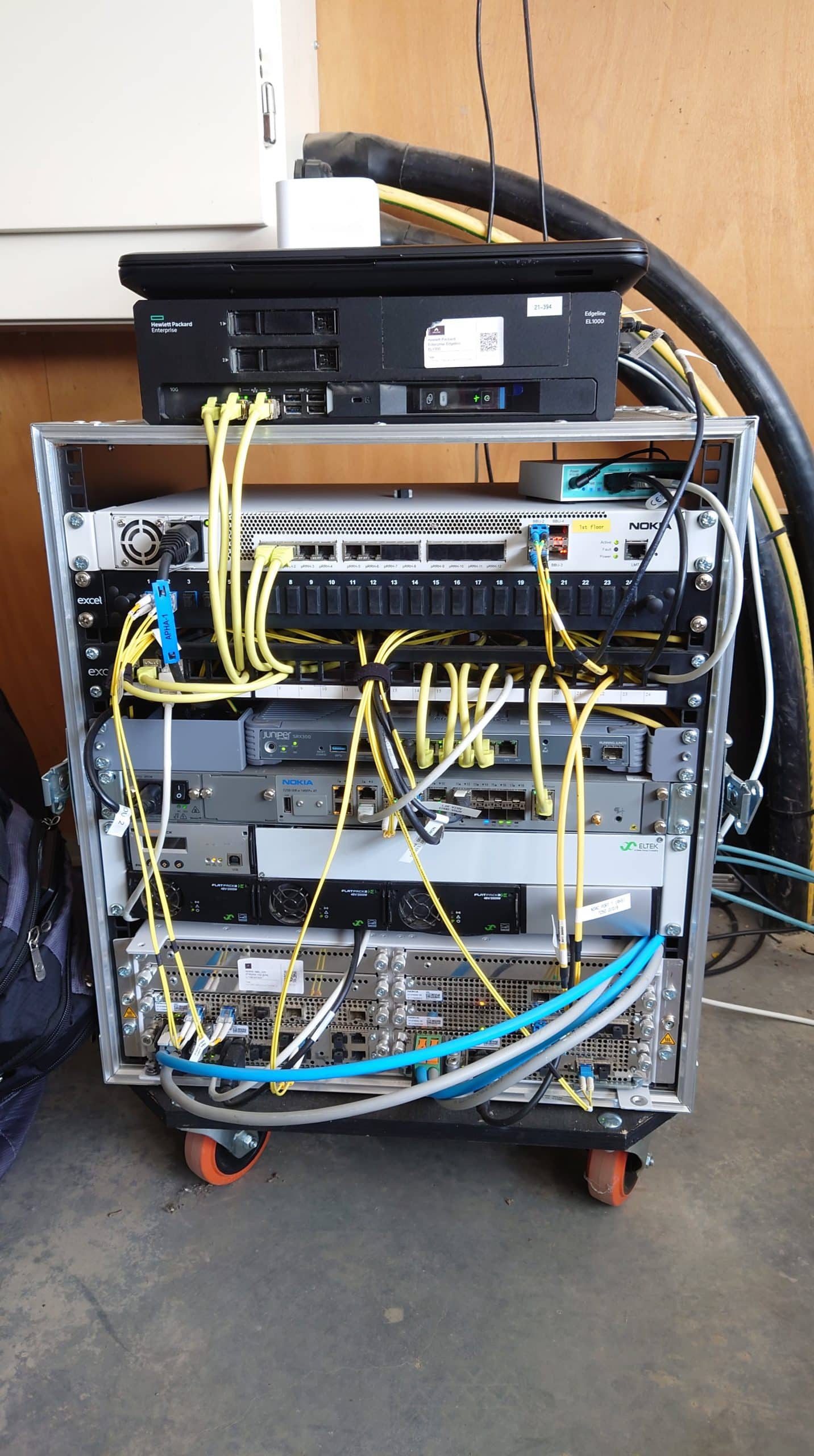
Virgin Media O2 Business and River Severn Partnership Advanced Wireless Innovation Region (RSPAWIR) have today announced a new collaboration to trial cutting edge 5G connectivity at Overbury Farms on the border between Worcestershire and Gloucestershire.
By installing a portable 5G Private Network on the farm, this trial will showcase innovative use cases, laying the groundwork for the connected farms of the future and demonstrating the transformative power of technology in crop protection and environmental preservation.
Overbury Farms, a 1,600 hectare award-winning estate and the chosen trial site, has long been a leader in digital farming, utilising connected tractors, Internet of Things (IoT)-enabled weather stations, and real-time data analytics. The farm will now serve as the ultimate testbed for the portable 5G Private Network, covering a 1-kilometre trial area to unlock advanced applications for farming, driving the future of agriculture.
Committing to share the findings from this innovative trial, Penelope Bossom, Overbury Farms’ owner, commented: “This exciting collaboration will give us the opportunity to test a variety of sensors collecting data over a private 5G network. The benefits of better information, warnings and the collation of data will provide new opportunities to our sector. Hopefully, we will overcome the constraints of variable connectivity to show the benefits of the network technology for a business in the countryside.”
Paving the way for further 5G-driven innovation in the agricultural sector, Overbury is a member of Agri-TechE , an organisation that brings farming experts together to foster new innovations in the Agritech space.
Read the full article and announcement on Virgin MediaO2.
Post Overview
This story has been submitted by an Agri-TechE member.
The views expressed in this Member News article are the author's own and do not necessarily represent those of Agri-TechE.
Soil monitoring is the foundation of successful farming, as it helps farmers understand soil health in real-time. It affects everything from nutrient availability and water retention to crop yields and long-term sustainability. Yet, many farmers still rely on periodic soil tests, which provide only a snapshot of conditions at a single point in time. But what if you could see exactly how your soil is changing—every day, throughout the growing season?
Continuous soil monitoring gives farmers real-time insights into nutrient levels, temperature, and moisture, enabling smarter decision-making, optimised resource use, and improved yields. But how does it work, and why is it becoming an essential tool for modern agriculture?
Baseline Nutrient Levels: The Foundation of Smart Fertilisation
Before plants start actively growing, it’s crucial to understand the baseline nutrient levels in the soil. The baseline indicates the amount of plant-available nutrients in the soil without mobile nitrogen compounds (nitrate nitrogen, NO3-N), giving a more accurate picture of long-term nutrient reserves.
With this data, farmers can:
Adjust fertilisation plans to match actual soil needs
Minimise over-fertilisation, reducing costs and environmental impact
Improve nutrient efficiency for better crop performance
Instead of guessing, farmers can now fine-tune their fertiliser applications based on real-time soil data—maximising both sustainability and yield potential.
Tracking Nutrient Dynamics with Real-Time Soil Monitoring
Nutrient availability isn’t static—it changes throughout the season as plants absorb key elements and as external conditions shift. Tracking nutrient reserves at different depths provides valuable insights into leaching and nutrient movement within the soil profile.
One of the most critical nutrients to monitor is nitrogen. Since it moves quickly through the soil, farmers need to ensure that nitrogen is available when plants need it—before it leaches into lower layers and becomes inaccessible.
With continuous data collection, farmers can:
Understand how and when plants absorb nutrients
Optimise organic and synthetic fertiliser applications
Reduce nitrogen losses, improving both farm profitability and environmental sustainability
Soil Temperature & Moisture: Critical Factors in Fieldwork Planning
Timing is everything in farming. Knowing the real-time soil temperature and moisture levels allows farmers to plan fieldwork at the most optimal times, reducing risks and improving efficiency.
Sowing at the Right Time: Soil temperature signals the beginning of the growing season. Sowing too early can expose seeds to frost, while delaying can shorten the growing period and impact yield potential.
Fieldwork Readiness: Moisture levels determine when soil is suitable for tillage and machinery operations. This is especially crucial for heavier clay soils, where the ideal moisture range for tillage is very narrow.
Overwintering Insights: Freeze-thaw cycles impact soil structure and crop survival. Monitoring winter soil conditions helps farmers anticipate risks and adjust their spring planning accordingly.
With continuous monitoring, farmers don’t have to rely on outdated weather models or guesswork—they have real-time data to make informed decisions.
A Season-Long Overview of Soil and Crop Conditions
Having access to soil data throughout the entire growing season gives farmers a powerful advantage. Instead of reacting to problems after they occur, they can take proactive measures to optimise plant health and yield.
Understanding Nutrient Availability: See exactly when fertiliser nutrients become available to plants and how they move through the soil.
Maximising Crop Health: Ensure crops receive the right nutrients at the right time for optimal growth.
Preventing Risks: Identify issues like nutrient deficiencies or excess moisture early, before they impact yield.
Effortless Access to Actionable Data
One common concern among farmers is whether continuous soil monitoring adds extra workload. The reality is the opposite—automated monitoring solutions collect and transmit data directly to an easy-to-use interface every few hours. No manual measurements. No guesswork. Just clear, actionable insights.
By leveraging real-time soil data, farmers can spend less time worrying about soil conditions and more time optimising their farm operations.
Make Data-Driven Decisions for a More Profitable Farm
Continuous soil monitoring isn’t just about data—it’s about making better farming decisions every day. Whether it’s optimising fertilisation, planning fieldwork, or mitigating risks, real-time insights give farmers the confidence to act.
Want to take the guesswork out of soil management? Paul-Tech’s soil monitoring solutions provide continuous, real-time data to help you make smarter decisions and improve your farm’s performance.
*I have permission from the copyright holder to publish this content and images.
Post Overview
This story has been submitted by an Agri-TechE member.
The views expressed in this Member News article are the author's own and do not necessarily represent those of Agri-TechE.
Why Technology Readiness Levels (TRLs) Matter
At eg technology, we specialise in turning innovative ideas into market-ready products. One of the key tools we use to assess and manage this journey for our clients is Technology Readiness Levels (TRLs).
Originally developed by NASA, TRLs provide a structured framework to evaluate a technology’s maturity and ensure a smoother, more predictable development process.
In this blog, we’ll explore why TRLs matter in product development and how they are essential in helping to mitigate risks, optimise resource allocation, and accelerate time to market.
What Are Technology Readiness Levels (TRLs)?
The product development TRL framework is comprised of a nine-level scale that measures the maturity of the critical technology upon which your core IP or innovation is being built, from basic research (TRL 1) through to full commercial deployment (TRL 9).
This scale helps innovators, businesses, investors, and developers understand where a product stands in its journey and what steps are needed to progress it to market.
The TRL Scale at a Glance
TRL 1-2: Research and concept phase
TRL 3-4: Experimental proof-of-concept and early prototype development
TRL 5-6: Validation and demonstration in relevant environments
TRL 7-8: System integration, regulatory approvals, and pre-commercialisation
TRL 9: Full commercial deployment
Why TRLs Are Important in Product Development
Risk Mitigation
Developing new products involves uncertainty, but TRLs help break down the process into manageable stages. By assessing the feasibility of a technology at each level, companies can identify potential risks early, preventing costly failures later.
Efficient Resource Allocation
By understanding a technology’s readiness, businesses can allocate resources effectively, ensuring that investment, time, and talent are directed toward the right activities at each stage. This prevents premature scaling or unnecessary delays in development.
Better Communication & Collaboration
TRLs provide a common language for stakeholders—engineers, investors, regulatory bodies, and marketing teams—ensuring clear expectations and alignment throughout the development cycle.
Smoother Regulatory Compliance
Regulatory approval is a critical step when developing medical devices. TRLs help teams align their product development with compliance requirements, ensuring that testing and validation occur at the appropriate stages. By understanding the required actions which need to be completed in order to progress to the next TRL, you effectively create a roadmap for compliance.
Faster Time to Market
By systematically progressing through TRLs, businesses can streamline development, avoid costly redesigns due to development omissions, and accelerate time to market, gaining a competitive edge.
How eg technology Uses TRLs in Product Development
At eg, we integrate TRLs into our development process to create a complete and quantifiable roadmap which aligns all project stakeholders, including investors.
We regularly encounter innovators who believe they are further along the TRL scale than they are; however, due to omissions in their programme – usually in the regulatory, quality and verification and validation streams – their TRL score is actually much lower than they believed. It is incredibly easy to focus on the design, development and commercial aspects of a product but the journey to market must incorporate usability, human factors, regulatory and quality management, verification and validation and risk management. By skipping through these phases, innovators leave themselves open to non-compliance and costly redesigns.
By leveraging TRLs, we help our clients create transparency, reduce risk, improve efficiency, and accelerate their route to market.
Conclusion
Whether you’re developing a medical device, industrial system, or consumer product, TRLs provide a structured roadmap for success. At eg, we use this proven framework to de-risk each development, enhance collaboration, and deliver high-quality, market-ready products.
You can find out your project’s TRL by taking part in our quick, free TRL self-assessment. Within a couple of minutes, you will receive a personalised report detailing your TRL score for each development area (from product development & human factors to regulatory & commercial), plus some recommended areas for attention, which will help you progress to the next TRL.
If you’re looking to bring a new technology to market, please get in touch with our team and we’ll guide you through every stage of the journey.
If would like to chat with one of our team about your product design and development requirements, please do not hesitate to get in touch:
The views expressed in this Member News article are the author's own and do not necessarily represent those of Agri-TechE.
Science, research and innovation are core disciplines that will undoubtedly help the human race address many of the key challenges it faces. Whether it is dealing with climate change, ending world hunger or living healthier and longer lives, we need to create environments that will enable scientists and researchers to make ground-breaking discoveries to be made. That means building a support network to work alongside them made up of individuals with other skills and disciplines.
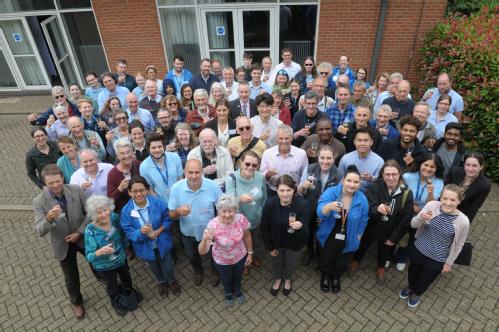
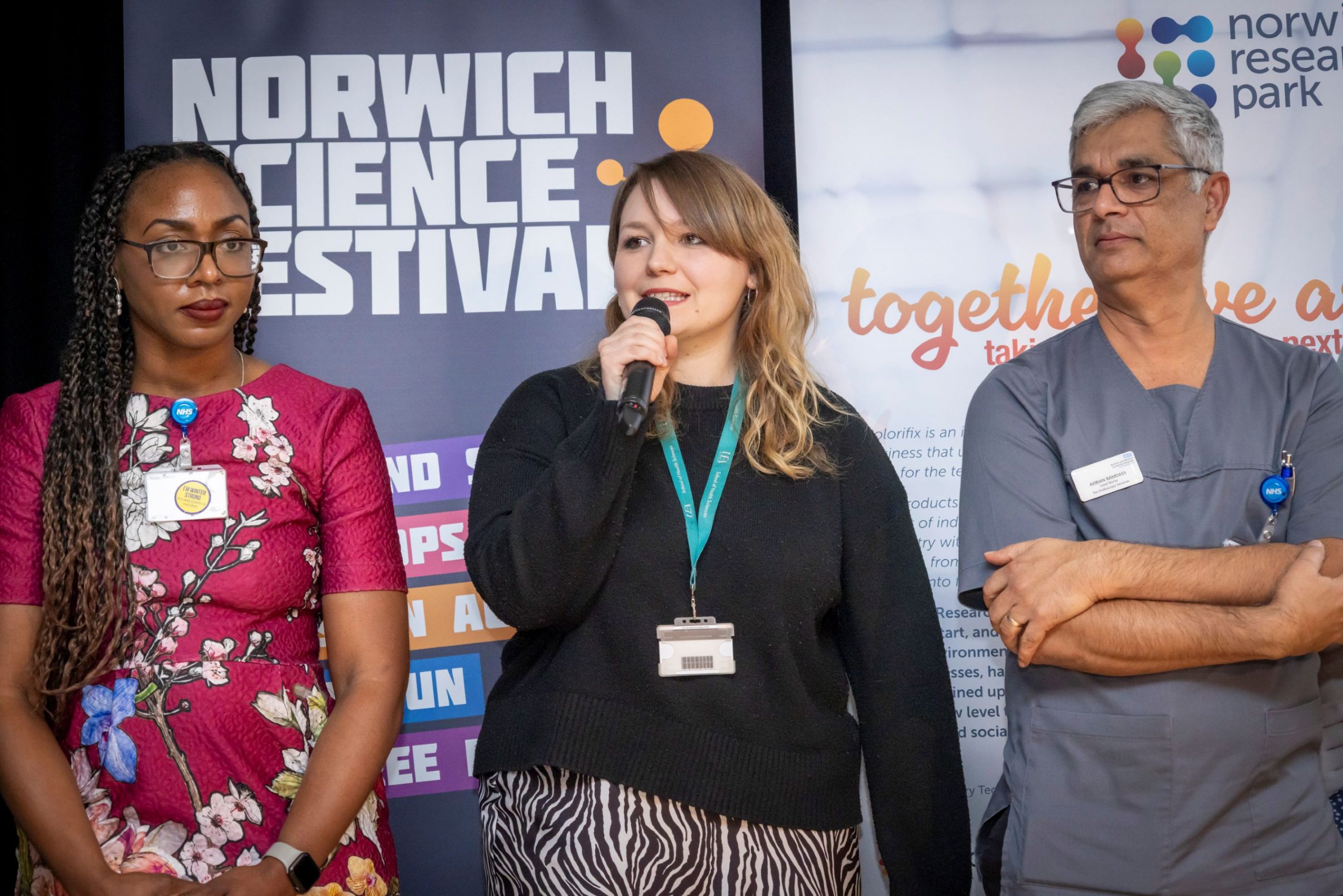
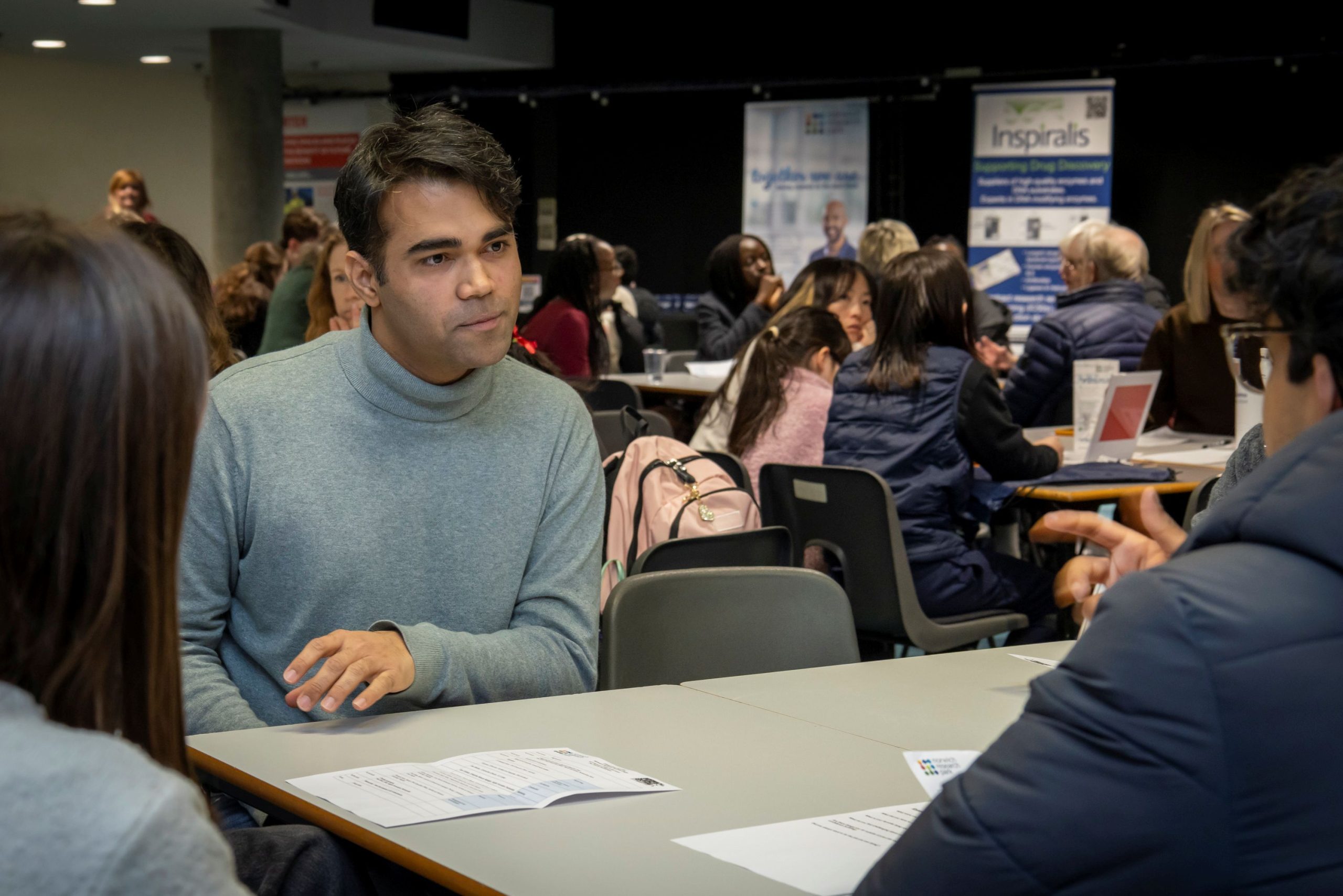
Raising awareness of the opportunities for non-scientists to work in the science sector was the theme of an event organised by Norwich Research Park at the Norwich Science Festival. Aimed at young people who are starting to think about their future career, it featured short talks from members of the Norwich Research Park community about their jobs and careers in disciplines as varied as research, marketing, finance, construction, facilities management, therapy, architecture, operations management and nursing.
The talks were followed by a lively ‘speed-dating’ style Q&A where attendees were able to quiz the presenters about their individual roles and day-to-day activities, how they got into their line of work and the opportunities they have to contribute towards ‘making the science happen’.
Roz Bird, CEO of Anglia Innovation Partnership, the campus management organisation at Norwich Research Park, opened the event by talking about the growth plans for the park campus, which has 30,000 people on site. With 100,000 sq. ft of start-up accommodation, 1.6m sq. ft of land with planning consent available and a number of new buildings about to be started, there is a real sense of excitement about the coming years.
She said, “As we grow, so will the number and variety of jobs on offer as new companies are established and grow and other businesses relocate to Norwich Research Park. And, it won’t just be jobs for scientists. There will be all sort of jobs, as we are showcasing today. It’s important that we share news of these opportunities with the people of Norwich. Norwich Science Festival is an excellent platform for us to engage with young people who are starting to think about their future careers.
Roberta Hook, Deputy Chief Operating Officer at Norfolk and Norwich NHS Foundation Trust, looks after the day-to-day operations at the hospital from patient admission to the point they are discharged.
She said, The beauty of today’s event is that we can show young people just how many career paths there are and the different ways they can start working in a research-based environment at both the hospital and across the park campus. Whilst academic qualifications are important, we also showed that passion for something can open just as many career doors. The important thing is to keep being curious and find out what is really possible.”
Emma Waters, a postdoctoral research scientist at the Quadram Institute, works with dangerous pathogens in her work sequencing DNA.
She said, “I grew up in Norwich and discovered the Research Park thanks to an A-level summer placement at the John Innes Centre. That experience introduced me to the diverse science community and incredible research happening right on my doorstep and inspired me to become a scientist. I only spend about a third of my time in the lab; the rest involves collaboration, communication and global travel to places I’d never have imagined visiting before.”
Natassja Bush is CEO and co-founder of Inspiralis a company created as a result of research carried out at the John Innes Centre. It supplies enzymes to institutions around the world for use in further research.
She said, “Science is one of the key drivers of economic growth in the world and there are lots of jobs in it. Engagement with young people in our communities is vitally important to show them what options exist. One of the most important lessons I learned is that you can be involved in research without having to be a researcher.”
Samantha Graham, Enterprise Network Manager of Anglia Innovation Partnership, shone a light on the different services, facilities and skills that a fledgling company emerging from research needs to succeed.
She said, “When researchers have an idea for a business they don’t really know where to go for support on things like patenting their intellectual property (IP), creating a web site, designing a brand, raising finance or establishing industry partnerships. The support network we are building at Norwich Research Park has to support these very real needs and that means great job potential.”
Sarah Bennion, Finance Director at Norwich Bioscience Institutes (NBI) Partnership, manages the finances for the four research institutes at Norwich Research Park, the John Innes Centre, The Sainsbury Laboratory, Earlham Institute and Quadram Institute.
She explained, “Finance is really important in science as so much of it is publicly-funded from Government so accountability is key. My job is to take care of the finances so that the researchers can focus on what they do best without any distractions. Whilst my expertise is in finance, I still feel involved in being part of something really worthy and it is very rewarding to know we are supporting our scientists.”
Gurpinder Singh Sidhu, a postgraduate researcher at the John Innes Centre, talked about his exciting work at the interface of computational sciences, physics and biology.
He said, “I love working in science because I like solving complicated problems. I think the only two qualities you need to succeed in science are curiosity and a drive for learning. If you have those, you can gather the skills and knowledge needed to investigate a problem and help advance our knowledge of this world.”
Elissa Manzi, is a lecturer in Speech and Language Therapy at UEA, specialising in stroke rehabilitation and brain trauma.
She said, “The therapy I deliver crosses many streams of science, both biological and neurological. Many people are unaware how varied speech and language therapy can be and that we can work with people at all stages of life, from neo-nates to end of life care. I want to raise awareness of the opportunities speech and language therapy offers as a career. As well as the medical and scientific aspects, you also need a certain amount of creativity to tailor therapy to each individual. What we do really does make a difference to people’s lives.”
Suzanne O’Donovan, from SRA Architects, talked about how architects design buildings for the science sector that are inspirational, beautiful, sustainable and safe.
She said, “I think back to when I was young and the value of being given a steer on where to look for a career. There isn’t just one path into any job and I think it is important that we break down some of the misperceptions that exist around science. We need to inspire young people and get them interested in all of the opportunities available to them.”
Alex Mackay, Construction Director at R G Carter, gave an overview of the specialist aspects of building premises for science-based research.
He said, “I have been involved in building projects at Norwich Research Park for 20 years. When embarking on a build for science it is very important to understand what you are housing and the specific requirements of the organisation and its people who will be working in it. It is incredibly rewarding to finish each job knowing that you have played a role in supporting world leading research to take place in Norwich.”
Adrian Ramdass is a Lead Nurse Endoscopy Services at the Quadram Institute/Norfolk and Norwich Hospital.
He said, “One of the most important jobs we have is to generate sufficient interest amongst young people so that they can replace us when it’s our time to retire! It’s not just nurses and doctors working at the hospital, it’s physiotherapy, IT support, communications and lots more disciplines. Most people don’t see half of what goes on behind the scenes to make the hospital run smoothly. It’s a very rewarding environment to work in, alongside so many different talented people.”
The event was well received by those that attended. Parent, Antony James, said, “It’s been an eye-opening event and it is great to have direct access to the speakers. Their message, that as long as you have a passion for science there is a pathway for you to work in the sector, is a powerful one.”
Paul Pearson, 16, of Wherry School Sixth Form, said, “I found the event to be very informative and I have established an interest in this field, especially in microbiology. I found it to be very educational and a really good introduction to what Norwich Research Park offers in terms of careers.”
*I have permission from the copyright holder to publish this content and images.
Post Overview
This story has been submitted by an Agri-TechE member.
The views expressed in this Member News article are the author's own and do not necessarily represent those of Agri-TechE.
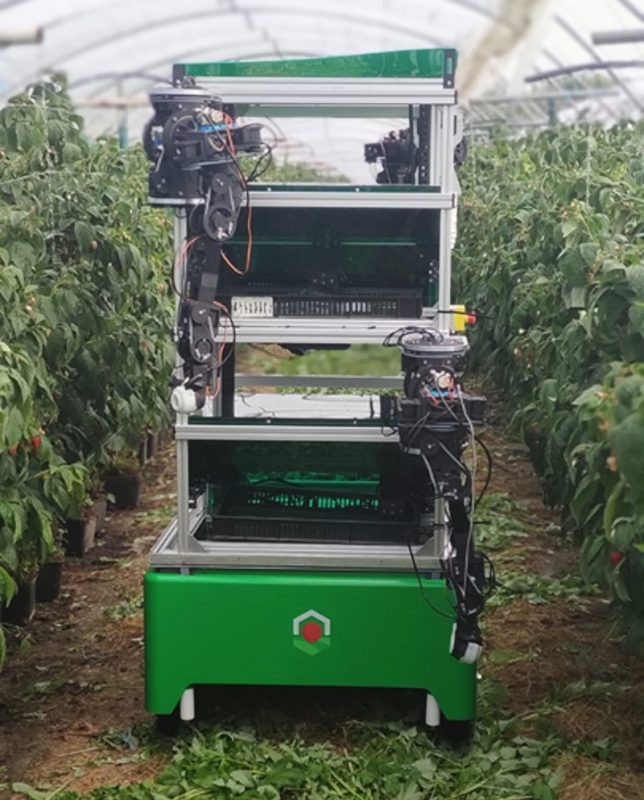
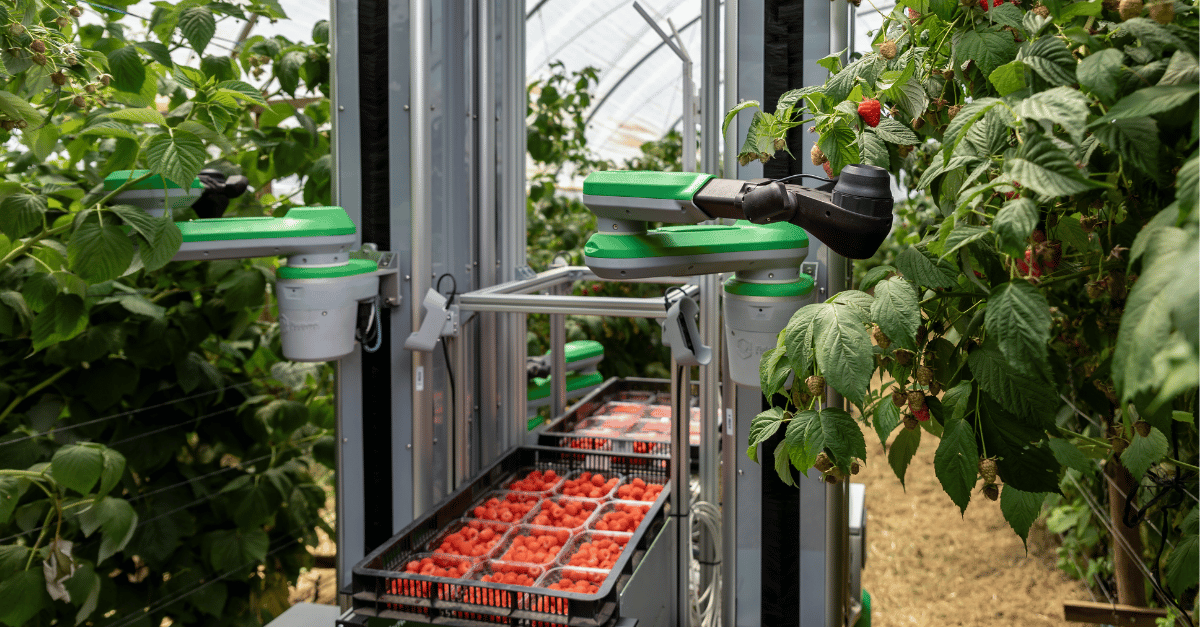
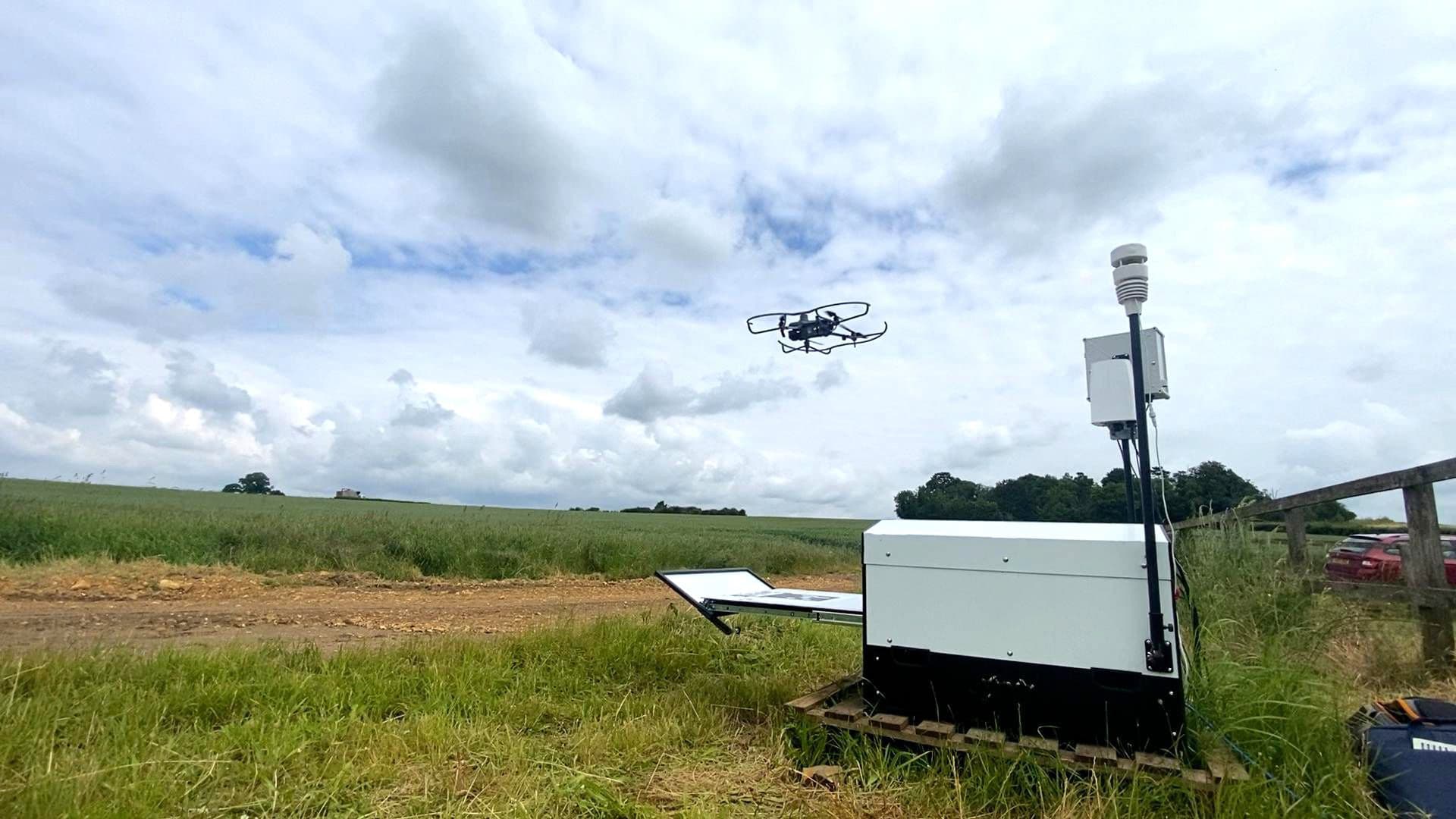
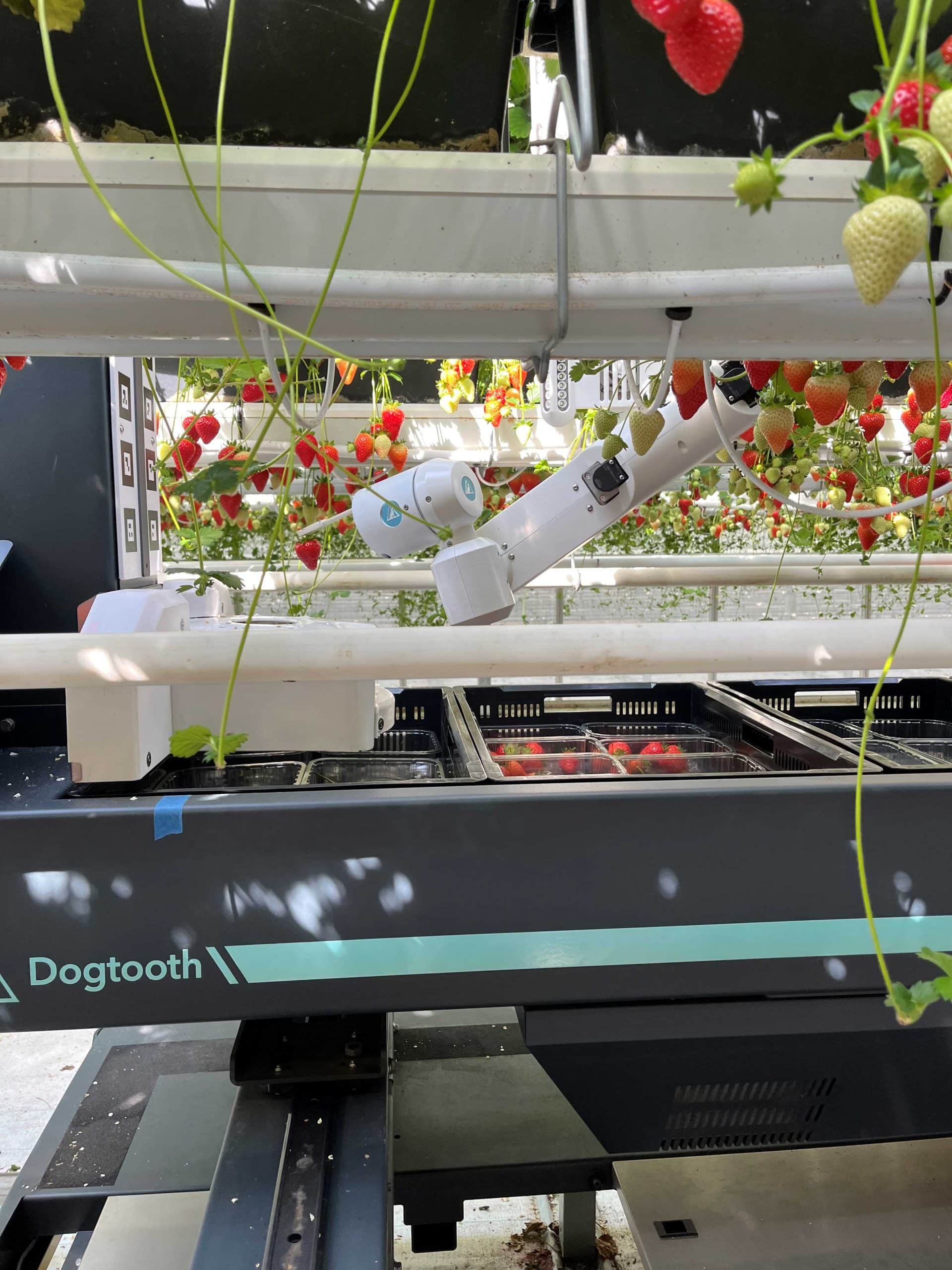
According to the retailer, the combination of techniques and technologies used demonstrated a carbon reduction of 47% in the growing phase compared to standard methods. The technology included two robots for bed farming, planting and weeding, two different types of drones to monitor and maintain crop health, and scientific testing on soil health and carbon impact.
The field also included various measures from M&S’s Farming with Nature programme to improve biodiversity of both wildlife and soil. One of these was the introduction of AgriSound technology to monitor pollinator numbers, with specialist listening devices situated on farm.
Through the trial, AgriSound found there was more pollinator activity in the trial field compared to the standard field, demonstrating another environmental benefit to farming this way, the supermarket said.
The views expressed in this Member News article are the author's own and do not necessarily represent those of Agri-TechE.
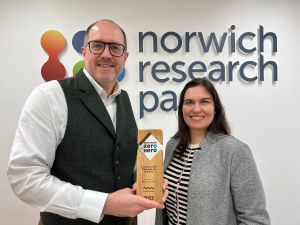
Norwich Research Park has won a prestigious industry award at the inaugural Commute Zero Hero Awards, hosted by climate tech provider Mobilityways. The awards honour organisations and individuals driving innovative commuting solutions that reduce carbon emissions and foster a culture of sustainability.
Norwich Research Park has won the Most Innovative Commuting Solution Award which recognises organisations that develop creative, forward-thinking solutions to transform the commuting experience.
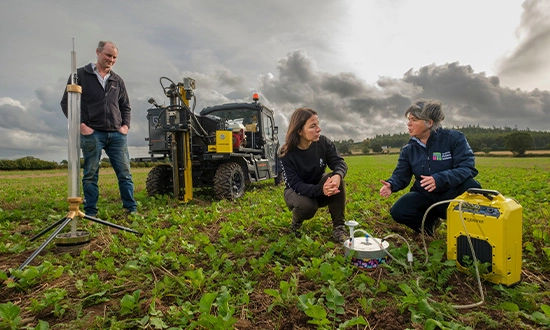
Norwich Research Park won the award for its creative and data-driven approach to fostering a cycling culture. Building on a strong green travel strategy, Anglia Innovation Partnership, the campus management organisation at Norwich Research Park, launched a successful travel survey and created engaging in-person events such as Bike Day. With initiatives like the Beryl bike sharing scheme and free on-site bike repairs, it has made cycling more accessible, even for students who do not own a bike.
Its commitment is further reflected in the strong engagement it has established, with over 20% of staff cycling to work regularly. By using data to drive decisions, Anglia Innovation Partnership has laid the groundwork for future investments and has built a collaborative, supportive community across the park campus. In summary, Mobilityways said, “This innovative, community-focused approach sets Norwich Research Park apart as a leader in sustainable commuting.”
The Commute Zero Hero Awards, which cover the whole of the UK, recognise initiatives that have supported more than 53,000 individuals to make greener journeys over the last twelve months. Among the other winners are Heathrow Airport, West Sussex County Council and University Hospitals Dorset.
Nick Goodwin, COO of Anglia Innovation Partnership, the campus management organisation at Norwich Research Park, said, “We are delighted that our efforts to move towards more sustainable travel across the park campus have been recognised with this award. When you consider the growth of our campus and the number of people that are here every day, it is important to offer solutions that help our community to use more sustainable modes of transport to and from work.
“The institutions and companies at Norwich Research Park have a real sense of community and desire to make the park campus accessible to our local communities. We are on a journey to deliver on our strategy and continue our collaborative effort to improve the way we travel. This award is recognition for everyone who has completed surveys, communicated to staff and chosen to share a car, get the bus, walk, run or cycle to work – well done!”
Mobilityways Managing Director, Julie Furnell, commented, “The Commute Zero Hero Awards recognise those leading the charge in making commuting greener, healthier and more efficient. Our winners have developed best practices that deliver measurable impacts in the mission to make zero-carbon commuting a reality. From reducing emissions to improving the health, wealth and happiness of their teams, these organisations demonstrate the transformative power of sustainable commuting solutions. We’re delighted to celebrate their success and inspire others to follow suit.”
*I have permission from the copyright holder to publish this content and images.
Post Overview
This story has been submitted by an Agri-TechE member.

 Barenbrug UK Ltd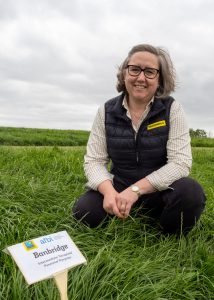




 Norwich Research Park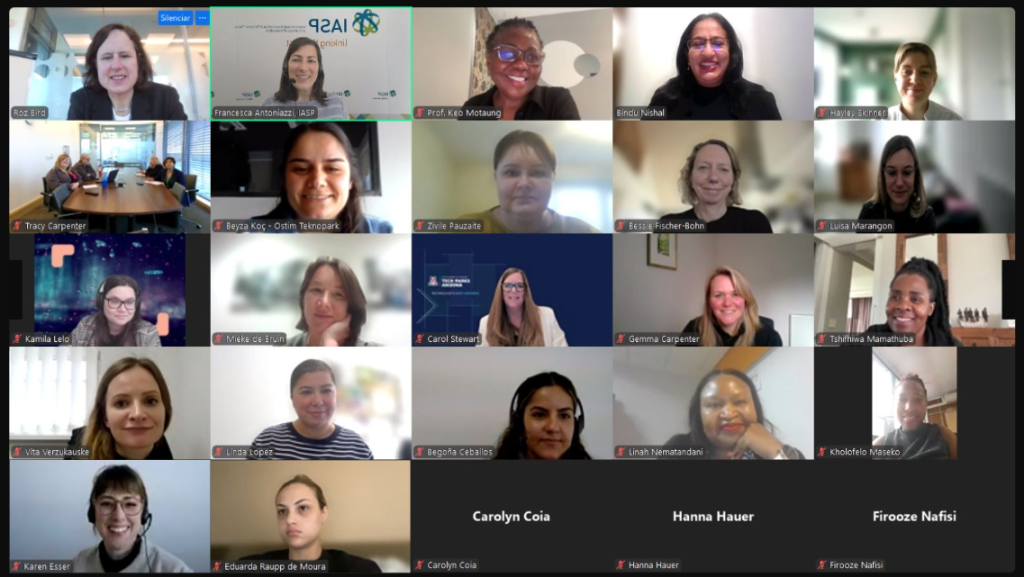


 eg technology Ltd




 HGF Limited


 Department of Plant Sciences, Cambridge University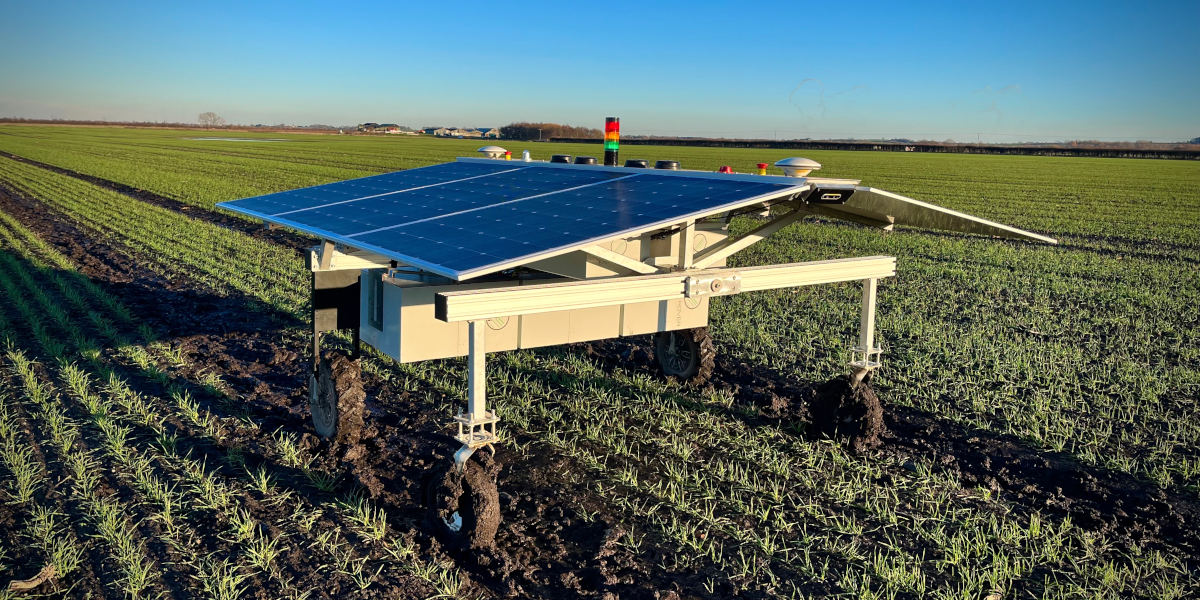

 Marks & Clerk LLP

 Overbury Enterprises


 Paul-Tech OÜ












 AgriSound Ltd