The views expressed in this Member News article are the author's own and do not necessarily represent those of Agri-TechE.
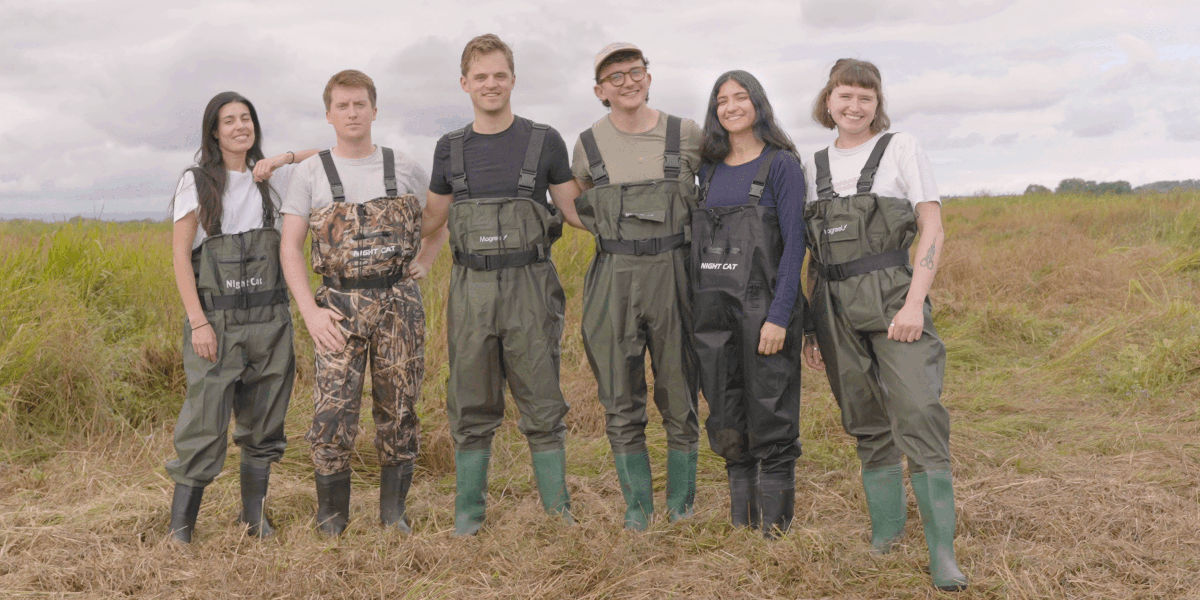
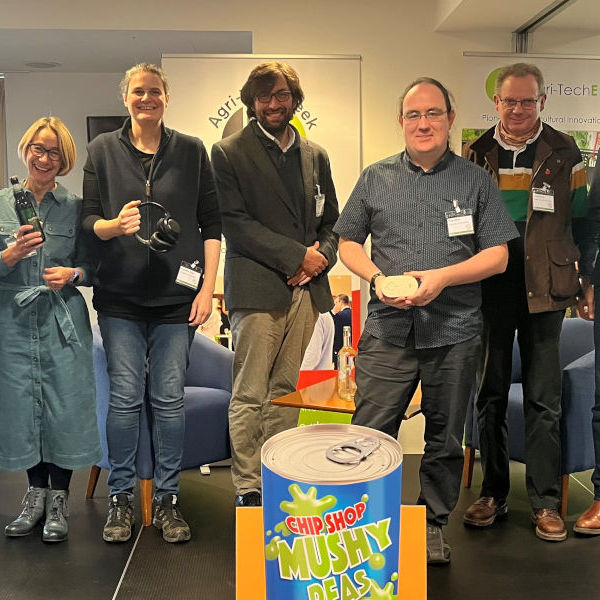
Following a feature on this year’s BBC Springwatch, the Wilder Sensing team were invited behind the scenes for a tour of the production village and even had the chance to sit in Chris and Michaela’s chairs inside the well known Springwatch tent.
This marks the second year running that Wilder Sensing has supported the show with remote bioacoustic monitoring, contributing data for an on screen segment exploring how climate change is driving earlier nesting in resident UK birds and how this shift may impact seasonal migrants such as the Cuckoo.
Bioacoustic monitoring is not only valuable for scientific research, it is also emerging as a practical and cost effective option for large scale environmental assessment across farmland. By providing continuous ecological insights, it supports smarter land management decisions and aligns with the growing evidence requirements set by food retailers and supply chain partners.
If you would like to discuss monitoring on your own sites, you can contact George Caterer at gcaterer@wildersensing.com
*I have permission from the copyright holder to publish this content and images.
Post Overview
This story has been submitted by an Agri-TechE member.
The views expressed in this Member News article are the author's own and do not necessarily represent those of Agri-TechE.
Real Time Crop Photosynthesis insights directly integrated with Ridder Hortimax Pro.
In an exciting development for the horticultural sector, Gardin, an innovator in optical crop phenotyping technology and Ridder, a leader in greenhouse automation have announced a new joint solution integration.
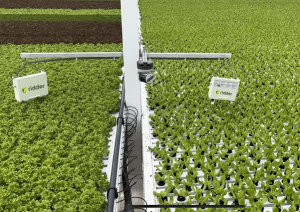
Real time crop photosynthesis insights generated by the Gardin sensor + AI is now integrated with and directly visible within the new Ridder Hortimax Pro interface. Growers can now close the loop between their crop health and the environment with one solution. This strategic integration marks a significant advancement in horticultural production, empowering growers with real-time photosynthesis insights to monitor crop health, measure farm productivity, optimise their climate strategies and see the results faster than ever before.
Figure 1: Real time crop measurement within Hortimax Pro interface
“For years, we’ve helped growers automate climate control around the crop,” said Sander Baraké, Product Director at Ridder. “This next phase is about integrating real-time crop feedback into that loop, shifting from climate control to crop control. Gardin’s technology enables exactly that, and Ridder’s open platform makes it accessible at scale.
Results include profitability boosts of up to 30% by optimizing winter LED efficiency and maximising summer light. Yield increases of up to 15% and early detection of biotic and abiotic stresses by up to 4 weeks before crop walking,” he continued.
This new product integration highlights Ridder’s strategic role as the solution integrator in the horticultural technology ecosystem. With proven infrastructure deployed in thousands of greenhouses worldwide, Ridder provides the secure, open platform on which partners like Gardin can build and deploy cutting-edge innovations that directly benefit growers. These insights, once only available through manual scouting, are now embedded into the daily operation of commercial greenhouses through Hortimax Pro.
The collaboration between Gardin and Ridder represents a pivotal shift towards data-driven cultivation practices based on measurements of the crops. By harnessing Gardin’s state-of-the-art sensor technology, growers can now access real-time indications of light-use efficiency, assimilation and plant health. This integration allows growers to correlate their crop performance with the environment in real time, in a single dashboard; enabling growers to adjust their climate strategy to meet the needs of their crops and see real value faster than before.
“This joint product offering enables growers to monitor and control their environment and see the impact on their crops in a single interface for the first time. Ridder and Gardin developed this product together in a direct response to requests from their clients. The product is now being deployed with major growers in Europe and North America” said Sumanta Talukdar CEO at Gardin.
Both Gardin and Ridder are committed to continuous innovation as they work together to develop novel solutions for the horticulture industry. The continued partnership between Gardin and Ridder will deliver enhanced greenhouse technologies that lead to more sustainable and efficient growing practices.
For further information, please visit: www.gardin.ag/contact
About Gardin: Gardin is a pioneering agricultural technology company specializing in optical phenotyping solutions that are combined with machine learning to generate insights into plant health and productivity. Gardin’s technology is applicable to any crop species including vegetables, flowers and potted plants. Through its novel approach of ‘Plant Driven Growing’, Gardin is enabling growers to make decisions on the plants themselves to achieve significant increases in greenhouse performance.
About Ridder: Ridder is a global leader in horticultural technology, providing advanced automation solutions for climate control, irrigation & energy management. With a focus on sustainability and innovation, Ridder enhances the efficiency and productivity of horticultural operations worldwide through collaboration and integration of cutting-edge technology. www.ridder.com/
Post Overview
This story has been submitted by an Agri-TechE member.
The views expressed in this Member News article are the author's own and do not necessarily represent those of Agri-TechE.
Whilst yet to recover to the levels of 2011-2021, where capital invested in agritech increased 20-fold, investor funding in agritech is starting to pick up, and 2025 is set to be a strong year for capital deployment in this sector. This is mirrored by increased government backing, including schemes like the Farming Innovation Investor Partnership competition in the UK. Despite this, the crunch point remains funding at the late seed/Series A stage, where companies are at a crucial phase of development, have burned through seed capital, and are approaching open trials. As the market and grant availability pick up and prime the pump at this critical stage, the hope is that new products will be seen in the field within 5 years.
So what technologies would we expect to see emerging from this landscape as promising over the next five years and beyond? One area that seems ripe to take advantage of this scheme is next-generation farm analytics. AI-powered data gathering and processing promises to provide more actionable information about agricultural contexts than ever before. Whilst physical and electrical sensors are widely deployed, the explosion in miniaturised laboratory equipment means that biological markers are ready for maturity. Areas such as soil microbiomics, plant and animal pathogen detection, and water health biomarkers are not only imminent but, thanks to AI-powered inference systems, can be analysed on the basis of the biological system to provide deeper insights beyond simple detection assays.
Looking to the longer term, we might expect to see analytics integrated into “mirror farms” or digital twins that provide predictive models and virtual sandboxes to experiment with different interventions, decreasing uncertainty for farmers and working towards a derisked agriculture. These have already been developed in controlled environment farms, but as sensing and AI technology develops, these will become feasible for use with larger, open agriculture. For innovators, the value of these propositions will lie not just in their foundational technology but in their dynamic and extensive datasets. Building a business and legal strategy around this is not without challenges, but can be highly rewarding, if exclusivity can be maintained, through partnership with or acquisition by large agri-tech.
The ongoing need for biocontrol agents also creates opportunities for innovation. Despite ongoing challenges to public acceptance of chemical entities, alternative modalities are increasingly receiving positive results in trials, whether this is the RNAi-based biostimulants, gene silencing pesticides, or protein and peptide-based antimicrobials, whether isolated from natural organisms or designed de novo. As these approaches allow rapid prototyping, once the underlying biology is understood and the agent is proven safe, it is relatively trivial to change the targeting sequence. Further advancement in this technology might enable the development of new crop protection agents on demand. Similar to mRNA vaccines, farmers of the future may be able to provide a sample of a plant pathogen or insect pest, and receive a bespoke control agent tailored against it. This may mean that discovery and generation platforms are more valuable assets than the agents themselves, as the ability to develop new products rapidly and flexibly in response to the emergence of novel pathogen threats becomes more important, especially given the increased susceptibility of plants to infection at higher temperatures.
Similarly, microbial stimulants are another area of intensive development. As more is understood about the mutualistic relationships between plants and their associated bacteria, isolation and even engineering strains that secrete or process plant-stimulating compounds becomes ever more tangible. The regulatory framework for microbial adjuncts is by now well-established, and, to the extent that this employs isolated rather than engineered species, the pathway to market is fairly clear in Europe and the US. That said, maintaining exclusivity over such a technology can be challenging, and companies building in this space will need to consider carefully how they can protect and leverage their innovation. Looking further to the future, whilst microbes that improve the health of plants are already reaching the field, could we one day soon see farmers employing microbial cultures that fix atmospheric carbon within soil? Combined with the right subsidy programme, microbial geoengineering and bioremediation projects could form a valuable source of revenue for farmers of the future.
It is an exciting time in agritech, with promising technologies poised for deployment, and any indication that vital funding can kickstart innovation in this sector is a reason to celebrate. By targeting the crucial late seed stage, policy makers can fill a crucial gap in pre-revenue funding, getting solutions over the final hurdle and, from an investor perspective, start recouping their investment sooner from companies which have already survived the challenges of bootstrapping. This is also an inflection point for IP – the completion of R&D projects, imminent disclosure at go-to-market, and increased scrutiny of Series A investors often makes this the last opportunity to get a strategic handle on IP. Innovators who are able to put both their capital and IP to work should face no difficulties securing both a market niche and follow-on investment.
This article was prepared by Partner & Patent Attorney Punita Shah and Patent Director Andrew Tindall.
*I have permission from the copyright holder to publish this content and images.
Post Overview
This story has been submitted by an Agri-TechE member.
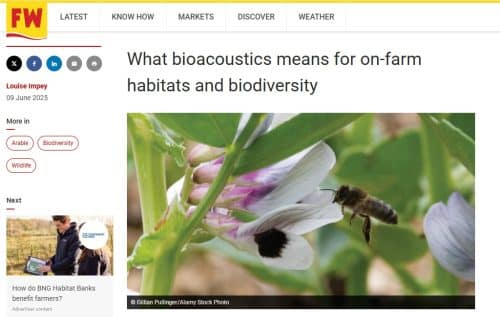
New technology can feel daunting to adopt, so the article explains what bioacoustics is and how it can increase the affordability and scale of environmental monitoring across farmland while generating high value ecological insights.
Whether the aim is to track native species, measure the impact of regenerative practices, or provide evidence for sustainability reporting and grant funding, continuous remote monitoring offers a cost effective approach while delivering robust, scientifically backed data on ecological activity.
Farmers Weekly clip Wilder Sensing
If you would like to discuss monitoring on your own sites, you can contact George Caterer at gcaterer@wildersensing.com
*I have permission from the copyright holder to publish this content and images.
Post Overview
This story has been submitted by an Agri-TechE member.
The views expressed in this Member News article are the author's own and do not necessarily represent those of Agri-TechE.
What is the most important aspect when it comes to choosing a developmentpartner?
Is it someone who can take your innovation completely off your hands and hand it back ready for market? Is it someone who will fully integrate into your existing team? Are you looking for end-to-end delivery, quick turnaround and low cost, or detailed development and phased programming? There is no right or wrong answer and everyone’s requirements are completely different.
At eg, when we partner with a new client, we spend a lot of time on the onboarding process to ensure we really get to know their way of doing things and get under the skin of their project. Innovators trust us with their ‘baby’ and in turn it becomes our ‘baby’. Our engineers treat each project as if it is their own to ensure they get the best results, which means our clients get the best results.
So, here are a few reasons why our clients repeatedly choose us as a development partner:
We are agile, adaptive and curated for excellence
eg are a team of 40+ people, this includes non-engineering staff, so every player counts. With a smaller team, it is imperative that each person is excellent at what they do and at eg, we stand by that claim! When we are allocating engineers to work on your project, you can be reassured that we are fielding our best team.
Being a smaller consultancy means we have the autonomy to be adaptive. Collaboration is often the answer to many problems and by being agile, flexible and by working together, we can prioritise our clients’ needs and solve their problems. We are constantly learning – through training, upskilling, from each other and from our mistakes – and therefore remain at the forefront of engineering innovation.
This flexibility also extends to the service we provide, which can be as integrated as you need it to be. We can act as a fully outsourced engineering resource – offering help with work programme development for funding applications and the option to leverage our network of suppliers and manufacturing partners – or we can provide the pieces of the development puzzle that you are missing, adding to your existing team and collaborating with your preferred partners to realise volume production.
We are a strategic partner
We take the time to understand our clients’ business processes, value propositions, objectives and goals. This forms a central part of every project and puts us in a position to provide strategic input and guidance. We not only help our clients to engineer the best product outcomes but also help them to navigate the development process from concept through to transfer to manufacture, and beyond in some cases. Our aim is not to develop a product that we think is great, but to build a product that will get manufactured and reach the market, because it’s great!
We have built partnerships with universities, accelerators, incubators, VCs, investors and other organisations which help their members to progress their innovation. These partnerships facilitate early introductions, allowing us to be integrated into our clients’ development programmes at an early stage. Early collaboration provides clients with our integrated expertise and extensive capabilities from the outset, allowing them to leverage our refined development roadmap, whilst we drive innovation and deliver optimum outputs, strategically.
Obviously, we don’t only work with innovators at the very start of their programme. Many companies come to us with an existing product which needs iterating or improving, or with a development which they are struggling to get to market. Going back to the beginning is not an option for many, but with a thorough pre-compliance gap analysis, TRL assessment or technical due diligence, any gaps can be identified, addressed and strategically factored into their programme.
Communication is central to programme success and regular meetings, progress reviews and updates are scheduled into each project, keeping us abreast of client-side market changes or requirements and keeping clients informed of project progress. This leads to better-informed decisions and optimisations whilst never sacrificing strategic direction.
We offer a tailored fit
We understand that your business may have multiple stakeholders – including external investors and partners. As such, we place emphasis on programme transparency and visibility. This enables us to identify risks from the outset and plan for all eventualities. It also allows us to phase our schedule of work to align with funding cycles, clinical schedules (where applicable) and investment rounds. Some of our clients are large, blue-chip companies, some are SMEs and some are smaller start-ups and in each of these relationships, we are dealing with different people – from clinicians, engineers, and innovators, to midlevel executives, CTOs/CEOs and board members. Each client or stakeholder has different challenges, requirements and expectations and we are well-versed in tailoring our approach to ensure our partnership not only compliments their business objectives, but also delivers the required outcomes.
We are not a ‘jack of all trades’
Many organisations want a one-stop-shop for their development. That’s not us.
We are an integrated product design, engineering and development specialist, with expertise in electronics, software and mechanical engineering, industrial design, human factors, technical due diligence & project management. We are ISO 13485 accredited and deliver inspiring and marketable products across MedTech, Lab/BioTech, Animal Health & VetCare, CleanTech, AgriTech, Consumer and Food/Drink Sectors. We excel in this space and are proud to have a team of exceptional engineers who know the development roadmap inside out.
However, product development is multifaceted and there are certain specialist areas in which external expertise is not only recommended, but required, specifically within MedTech development. We have built a network of partners, with whom we work in order to offer the best solutions to our clients. For example, although we have extensive knowledge of regulations and classifications, there are regulatory partners and test houses we work with to ensure our clients receive the best advice. The same goes for intellectual property. We are unusual in the fact that our clients keep their IP in its entirety, and to ensure they get the best protection, we can introduce them to trusted 3rd parties, if they so require. We have built a carefully curated selection of suppliers and manufacturers and can advise which we think will be most suitable for each project. We are happy for our clients to leverage our partner network to maximise success.
We would rather be masters of our trade, rather than a jack of all trades and master of none.
As you can probably tell, we are very proud of our team and the business we have built. eg technology became employee-owned in 2023, so we all take great pride in what we do and the business we have built. But, don’t just take our word for it…we might not be for you…but we’d love to have a call and find out if we are a fit and share how we can transform your product development journey.
For more information or to chat with one of our team about your product design and development requirements, please do not hesitate to get in touch:
The views expressed in this Member News article are the author's own and do not necessarily represent those of Agri-TechE.
Sky’s the limit: Why Agri-TechE Should Engage with Drone Law Reform
Drones and autonomous flight technologies are set to revolutionise how we travel, deliver goods and produce food, and the government has taken note. As part of a comprehensive three-year review into the regulatory framework of autonomous flight and the use of drones, the Law Commission has launched a second consultation. Its three-year review is nearing completion with recommendations expected to be published by early 2026 and will shape how this fast-moving sector evolves. For innovators in agri-tech and beyond, the opportunity to help design the rules that will govern a sky filled with commercial drones is now.
Flying free from EU constraints
Legislative agility to facilitate innovation is the ambition and ties into the government’s wider economic growth agenda. Aviation law in the UK is prescriptive and duly geared towards the passenger aviation sector. With the UK no longer bound by EU aviation rules, policymakers can now craft a more bespoke, agile regulatory environment that encourages experimentation, accelerates innovation and attracts investment.
However, the government has identified a possible post-Brexit dividend as the current regulatory regime is largely a carryover from current EU law. This presents a unique opportunity to break away from legacy constraints and design a tailored regime for UK-specific innovations and ambitions. A more flexible regime could fast-track the safe deployment of cutting-edge drone technology and give UK-based companies a first-mover advantage, enabling them to export innovations globally.
Drones on farms: Unlocking agri-tech potential
Commercial applications of drone technology are wide ranging. For the food and agriculture sectors alone, drones could revolutionise farming operations:
Precision agriculture from monitoring crops based on thermal sensors to scanning fields and accurately predicting crop yields.
Agricultural sprays deploying pesticides, fertilizers and herbicides thereby reducing labour costs, use of chemicals and their environmental impacts, and identifying diseases or pests to prevent wider outbreaks.
Irrigation management by identifying drainage issues to drought stressed areas and enabling the more efficient use of water and real-time crop water requirements.
Crop insurance and assessment by providing accurate, unbiased and detailed imagery required by insurers to speed up claims processes.
Harvesting assistance by providing crop maturity assessments to more effectively plan harvesting schedules and boosting the quality of crop yields.
Forestry and orchard management by measuring canopy growth, quantifying tree populations and aiding pruning schedules.
The economic case for drone-powered agriculture
There are many economic benefits – from reduced labour and input costs through more precise allocation of resources, to increasing crop yields via data driven decision making. Lower chemical and water usage not only cuts costs but also supports environmental sustainability. For businesses able to make the capital investment, drone technology is set to become a core component of modern agricultural management, policymakers should be engaged on this.
Government support signals lift-off
There is clear momentum in government to embrace drone technologies. The aviation minister has confirmed £20 million in funding for new flight technologies, including £5m earmarked for the Future of Flight Challenge. These initiatives could create government-backed testbeds for agri-tech solutions and help de-risk businesses ready for investment. For innovators in the sector, this is a moment to engage directly with policymakers, to shape the regulatory framework and unlock the commercial potential of drone led farming. The Law Commission’s second consultation is open until 18 July 2025, and alongside a wider engagement programme, this is a key opportunity to have your voice heard and set the direction of travel for the sector.
*I have permission from the copyright holder to publish this content and images.
Post Overview
This story has been submitted by an Agri-TechE member.
The views expressed in this Member News article are the author's own and do not necessarily represent those of Agri-TechE.
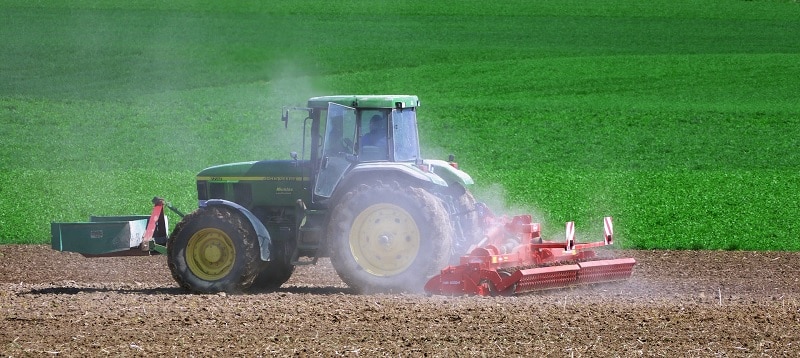
A large group of global agriculture and food chain experts have called for greater collaboration across the fertiliser industry to ensure future food security for a growing global population while reducing agriculture’s impact on soils and the wider environment.
The “Future of Fertiliser” report, commissioned by Anglo American and compiled by Deloitte, interviewed 74 industry experts from around the world to better understand what needs to change to ensure we can feed the world responsibly in 2050.
The report comes ahead of the annual conference of the International Fertiliser Association (IFA) whose CEO, Alzbeta Klein, was asked what she believed the focus of the annual conference would be in 25 years’ time. She said: “2050 will be more than just a meeting about fertilisers. It will be a global summit on the future of humanity’s relationship with food, nature and technology.”
Tom McCulley, CEO of Anglo American’s Crop Nutrients business, said: “There is no doubt in our minds that the future of agriculture has to be different if we are to produce more, better quality food more sustainably than we do today.
“The field of agriculture experts interviewed for this report – drawn from farmers to policymakers and major food-producing companies – agree with that reality. Together, they overwhelmingly concluded that we need to stop thinking about crop yields in isolation and instead focus on the long-term impact of many widely used fertilisers on our soils, the emissions from fertiliser production and use, and the nutritional value of the food we eat to ensure future generations have the legacy they deserve.”
Key insights from the report include that fertilisers, and the nutrients they provide, will continue to underpin agricultural success but their application must become more sustainable to preserve precious natural resources for the long term.
Specifically, the agricultural industry must stand up to redefine the metrics for success in the agricultural sector and better manage the often-competing balance of yield, soil health and responsible farming practices. Scalable crop nutrition solutions that efficiently use available nutrients across a broad range of crops to maximise return on investment must be a priority in this evolution – an important step away from historical wasteful practices, damaged soil and unnecessary emissions.
The report states that by embracing these shifts and seizing the opportunities they present, the sector can ensure that future fertiliser practices not only meet the growing demand for food but also contribute positively to the planet and future generations that will demand more and better-quality food.
Duncan Wanblad, Chief Executive of Anglo American, introduced the report by commenting: “The future of fertilisers must be one where crop solutions both nourish people and sustain the planet, building on the incredible successes of food production since the mid-20th century. Greater use of sustainable fertilisers has a vital role in increasing crop yield and resilience in parallel with protecting nature and improving soil health.”
The report also concluded that solutions and incentives needed to be tailored to the real day-to-day needs of farmers and that greater levels of trust and adoption of innovation are needed across the industry.
Those interviewed agreed that by 2050, regulation and financial incentives will have driven a transition in responsible agricultural practices, that will increasingly prioritise the importance of soil health. Achieving these changes will require the fertiliser industry itself to collaborate, focus on issues beyond yield, work more closely with farmers and internalise the environmental costs of fertiliser across the food value chain.
The report was commissioned by Anglo American and compiled by Deloitte through interviews with 74 industry experts. The full report can be downloaded here: http://uk.angloamerican.com/futureoffertiliser
The views expressed in this Member News article are the author's own and do not necessarily represent those of Agri-TechE.
In a recent conversation with a prospective client, we were discussing their potential route to market by figuratively walking them through our development programme illustration.
Their first comment was that it was less linear and formulaic than they assumed it would be and actually looked more like a snakes and ladders board.
Well, this got me thinking. Is this a good analogy of the product development process? Do you have to be careful of landing on a particular ‘square’ in your development in case it sends you right back to the start?
The simple answer is no, but there are, however, plenty of hurdles throughout and although a particular action won’t catapult you back to the start, key omissions in your programme will.
Is product development a game of chance?
“Snakes and ladders is a game of chance. Product development is not. Actions wont send you backwards, but omissions will.”
The best way to win a game of snakes and ladders is to get to the end square using the quickest possible route. A nice lofty ladder from the start to the end point is a good way to succeed, but getting there is somewhat beyond your control. Every roll of the dice dictates your route and it’s down to chance whether you climb straight to that winning square or go the long way round. The game of product development is less serendipitous.
As a product development consultancy, we often see people who have an incredible innovation but are so eager to get it on the market that they are hell-bent on taking that ladder straight to launch. However, this approach inevitably omits key programme requirements, landing them in a position that will likely snake them back to the start, to address the factors they have missed.
It is no surprise that many innovators try to rush through steps. Product development is no quick process, especially when it comes to medical devices (which can take between three to five years to develop). And without a defined development roadmap, which is only really achieved through frontline experience, it is understandable that many innovators look to partner with a development specialist.
At eg, we have spent years refining our development pathway and have learned along the way, which steps must be factored in and, more importantly, when. Nothing we do is down to chance. Everything is planned, scheduled, reported upon and managed carefully by our team of project managers. This may not be the preferred option for many, some may want to go it alone, but rolling a dice with product development won’t get you very far, as you will only have to return and address the elements you missed. Plan every step of your route to market and leave no stone unturned to avoid any potential snakes.
Failing fast
One of the single most frustrating things when playing snakes and ladders is making your way carefully (some might say luckily) towards the top of the board, only to land on a gargantuan python which takes you back to the start. I have played many games, where I have smugly mocked my daughter as I ploughed ahead and she hit snake after snake, only to see her whizzing past me to the finish line, whilst I take the long descent back to square one!
The moral of that touching story?
1. Play nice…nobody likes a smug opponent.
2. It’s often better to face multiple smaller pitfalls early on in your journey, than one enormous downward spiral towards the end, when you’ve already expended much of your enthusiasm and energy and have much further to climb. And guess what? The same applies when developing a product.
We often use the phrase, ‘failing fast’. This might seem like a slightly negative approach; but if you have an idea for an amazing innovation and are in the process of generating concepts, you want to know what will, and more importantly what will not work pretty quickly. Dedicating time and resource to a doomed concept doesn’t do anyone any favours, so we, as a team dedicate time to analysing the approaches, including those that won’t work, so they can be taken out of the equation quickly. We then cycle through prototyping stages to iron out further faults and ensure our progression is measured and tested.
Failing fast effectively means ruling out improbable options early on in the process, and this approach forces you as a developer to prioritise risk management in your programme. Looking at a product through ‘risk-coloured glasses’ allows for pragmatic development and careful progress via a considered pathway.
Iteration is not a backward step
Looking at the development roadmap that spurned the snakes and ladders comparison, it is clear that the numerous arrows which link stages are the source of comparison. But what do these arrows indicate? When we think of product development, we think of the key stages; concept generation, design and development, transfer to manufacture and market launch.
Four very linear stage gates. However, there are multiple tasks, requirements and actions that make up these broader stages and effective development often requires each to be visited multiple times.
As mentioned, front-loading your programme with human factors and usability, risk management and market research will arm you with the information you need for a successful development, but until you start prototyping and testing your theories, in reality you don’t know for sure it will perform exactly as you wish. This is a major similarity to the fortuitous game of snakes and ladders; a snake might take you backwards, but that doesn’t mean to say you won’t have a better journey going forward (just ask my daughter!).
We must stop looking at iteration as a backwards step and realise progress isn’t always a straight line. By iterating and cycling through stages, we end up with a more rigorously tested, robust and potentially successful product than if we’d have blindly ploughed on, because let’s face it, we’d have only got so far without encountering a snake!
Don’t roll the dice with your product development
So, going back to the original question…is the game of snakes and ladders a good analogy for the product development process? I think the answer is, in some ways, yes – purely due to the repetitive (or iterative) nature of the game, but in other ways, absolutely not.
Firstly, your route to market shouldn’t be guided by luck, it should in fact be rigorously planned to include all eventualities. There should be no surprises along the way, if it is planned correctly. Rushing your idea and not having complete insight into all aspects of your route to market leaves elements to chance and this is a recipe for disaster.
Secondly, it is important to remember that iteration often leads to a better end product and isn’t an unnecessary inconvenience – it may prolong the prototyping stage, but it will save you time and money in the long run. Test, test and test again and incorporate your learnings to ensure your product is compliant, effective and a success.
Don’t leave your product’s future up to chance by rolling the dice with your development, reach out and we can help you climb every ladder to success (see what I did there?!).
For more information or to chat with one of our team about your product design and development requirements, please do not hesitate to get in touch:
The views expressed in this Member News article are the author's own and do not necessarily represent those of Agri-TechE.
GK Strategy would like to invite you to: Spending Review in Focus: Winners, Losers and Implications for Business
Keynote speakers: The Rt Hon David Laws – Former Chief Secretary to the Treasury and Minister of State for Schools & Chris Giles – Economics Commentator, Financial Times
When: Thursday 12 June from 09:30 to 10:30
Where: This event will be held on Zoom
RSVP: Please RSVP by emailing events@gkstrategy.com for joining details.
Details: GK Strategy is delighted to be hosting former Treasury minister David Laws and Economics Commentator at the Financial Times Chris Giles to discuss the publication of the government’s spending review and its impact on businesses. The spending review will set departmental spending for the rest of the parliament and promises to be a pivotal moment in Labour’s time in office, especially given the spending pressures across the public sector and the government’s desire to drive economic growth.
The Rt Hon David Laws is a strategic adviser to GK with a wealth of experience across the policy and politics of education and skills.
Between 2001 and 2015, David served as the Liberal Democrat Member of Parliament for Yeovil. He held various senior frontbench positions for the party in parliament, including as its spokesperson on schools, children and families, before joining the Cabinet as Chief Secretary to the Treasury in the Coalition Government. From 2012 to 2015, David was the Minister of State for Schools in the Department for Education.
He has served as Executive Chairman of the Education Policy Institute and the Education Partnerships Group. In December 2022, David was appointed chair of Energy UK, a post he started in early 2023.
Chris Giles is the FT’s economics commentator. He writes a fortnightly column and the weekly newsletter, Chris Giles on Central Banks. Previously, he was economics editor and served as a leader writer.
He is an Honorary Professor of Practice at the UCL Policy Lab. Before joining the FT, he worked for the BBC, Ofcom and the Institute for Fiscal Studies. Chris loves numbers.
*I have permission from the copyright holder to publish this content and images.
Post Overview
This story has been submitted by an Agri-TechE member.
The views expressed in this Member News article are the author's own and do not necessarily represent those of Agri-TechE.
Ceres Research has launched a new membership service for arable farmers who want to benefit from the latest independent and technical advice.
Developed to deliver timely, data-driven solutions for progressive farmers and related businesses, the new service will combine regular agronomic, economic and political insights with field-based reviews and events.
That makes it suitable for those who are interested in the science behind the advice that they are offered and want to stay ahead.
Farmers who become members will receive:
Relevant and timely publications on key topics.
Monthly Digests bringing the latest updates on agricultural policy and regulation, industry news, science and innovation, and relevant publications for useful insights.
Online Agronomy Club meetings designed to help aid your decisions and plan for upcoming agronomy, powered by the latest scientific data.
Skills webinars and training events offering you valuable insights and practical training to support your professional growth.
Monthly podcast episodes, giving you easy audio access to essential topics from budgeting, benchmarking, agronomy, farm trial design, health and safety, business strategy, policy, and grants.
Innovative digital tools in the form of interactive dashboards that allow farmers to investigate and benchmark their key metrics as well as stay up to date with weather trends.
The cost of membership is £700/year, with existing Ceres Rural agronomy clients qualifying for a 25% discount. A free trial of your first online Agronomy Club meeting is being offered to anyone interested in the new service. Contact Danni at: dannielle.roche@ceresresearch.com if you would like to attend or have any queries.
The views expressed in this Member News article are the author's own and do not necessarily represent those of Agri-TechE.
Image Credit: Tropic Biosciences
Earlier this month, the House of Lords passed the Precision Breeding Act which has opened up a new world of opportunity for researchers and food biotech companies at Norwich Research Park.
The Act allows for the gene editing of plants and crops in England, something Tropic, a food biotech company that has been based at Norwich Research Park for several years, is pioneering with crops grown in tropical regions of the world such as bananas and rice as well as closer to home with sugar beet.
Gene editing enables precise, targeted changes to plant DNA to make improved varieties that are resistant to disease, last longer or improve yields. Although the technology is highly advanced, it simply replicates the natural process that occurs in traditional plant breeding and accelerates the results which would otherwise take decades to achieve.
Tropic recently announced that it has developed a variety of the world’s most consumed Cavendish banana whose flesh will remain yellow and firm, whilst retaining its taste, for up to 48 hours after it is peeled and sliced. It will also stay fresh for longer.
The impacts of this breakthrough are immense. Adopting this new variety of the Cavendish banana will cut down food waste, make growing and distributing bananas more cost efficient, help to preserve the banana industry and open up new markets for bananas to be used in.
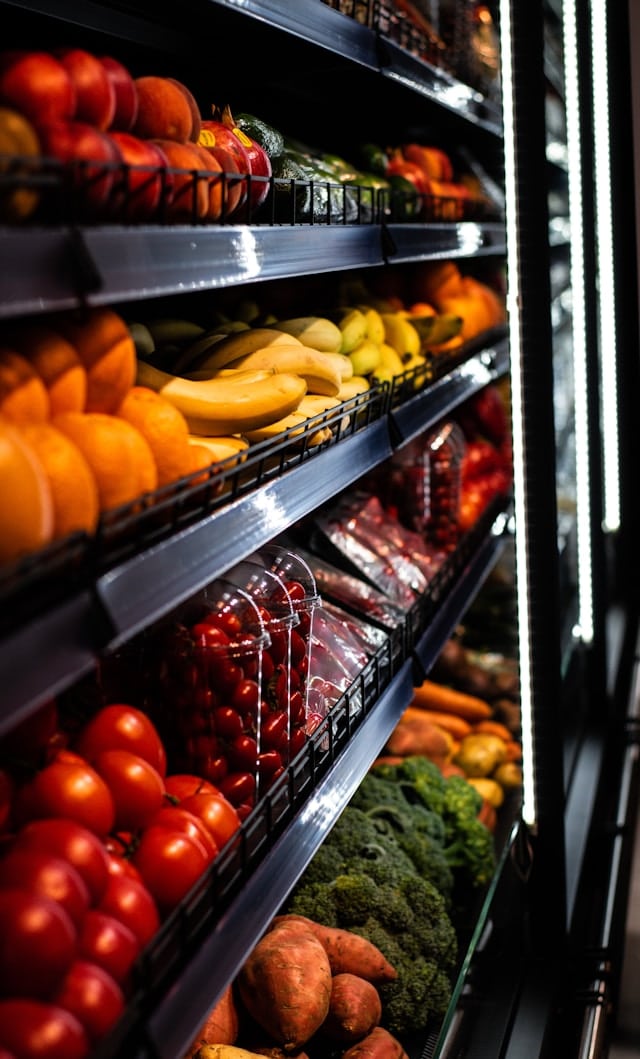
It is estimated that 1.4m bananas are thrown away daily, in the UK alone, because their skin blackens and the flesh browns quickly once peeled. A large proportion – up to 50% – of these bananas are thrown away before they even reach supermarkets’ shelves. That’s because they have to be shipped from growing regions in the tropics such as South America. They are harvested when they are green and kept refrigerated during transportation before being ripened when they reach their destinations – such as the UK. Many get damaged en route, and a single damaged banana can cause the whole container to go brown and are unusable by the time they arrive. And when they are ripened and hit the shops, bananas only last a few days.
Because the new variety will remain fresh and firm after peeling, it means that not only will you be able to return to a peeled banana in your home, but you’ll also start to find them in fruit salads, snackpots, milkshakes and smoothies sold in shops, cafes and restaurants. The team at Tropic have also found that this new banana is not affected by being kept alongside other fruits, specifically kiwi and melon.
Andrew Dominy, VP Product Management at Tropic, said, “Bananas are the most popular fruit in the world, billions are grown and eaten each year. Bananas are highly nutritious, a great source of vitamins, minerals and energy, and of course – they are delicious! However bananas are sterile, and don’t produce seeds which means they can’t be cross-bred to produce new varieties, like you would see with apples for instance, and so any changes need to be made by editing its DNA. This is a perfectly safe but highly complex process that has taken years for us to develop, and now that the Precision Breeding Act has been approved in England it will open up great opportunities for bringing these improved products to consumers here.
“Precision bred products are already available in the US, Canada, Japan and many other countries so we have already started work to get these new bananas on the shelves there and now expect them to be available next year to consumers in England. The global banana industry is massive but we need to make it more efficient by reducing waste, extending crop life and helping to create more disease-resistant varieties. We’re developing improved varieties with benefits to growers and consumers, better for people and for the planet.”
Tropic, which employs more than 150 people at its headquarters at Norwich Research Park, isn’t stopping with its non-browning banana. It is also working on an extended shelf-life variety that will increase the crop’s ‘green-life’. That means these bananas will be able to be harvested later, will grow bigger, will bruise less and will be able to be shipped over a longer time period. It will lower emissions and bring benefits to growers such as those in Ecuador who will then be able to ship their harvests further distances.
Tropic is also developing disease-resistant varieties. Bananas are susceptible to two potentially devastating fungal diseases – Panama and Black Sigatoka – which are very harmful to the soil in which bananas are grown and that is very difficult to recover from. The naturally resistant varieties Tropic are developing will help to reduce the amount of pesticides required to keep crops healthy, as well as ensuring secure and stable supplies of the world’s most consumed fruit.
It is also undertaking collaborations on improving disease-resistance and improving crop yields with rice and is working on a project with British Sugar, the John Innes Centre (JIC) and the British Beet Research Organisation (BBRO) (JIC and BBRO also based at Norwich Research Park) to develop a way to help one of Norfolk’s most important crops, sugar beet, become resistant to the disease Virus Yellows that can devastate a crop.
Roz Bird, CEO of Anglia Innovation Partnership, the campus management organisation at Norwich Research Park, said, “It’s tremendous news that the Precision Breeding Act has been passed enabling companies like Tropic and researchers at the John Innes Centre to positively impact crops and plants for the benefit of the global society. It is really exciting that the way is now clear for Tropic to bring its first product to market and that those of us in England will be able to directly benefit when they become available to buy here next year.
“We are really proud to have some of the world’s leading minds, in precision breeding and plant genetics, on our campus. We want to make sure that this work continues to attract interest from scientists, researchers, and entrepreneurs internationally. We are looking for new collaborations with other research communities and large corporates, and to we are looking attract start-ups, and their investors, to join our campus and benefit from our leading expertise. I am sure we will receive lots of enquiries as Tropic’s new banana varieties enter the market and attracts attention.”
*I have permission from the copyright holder to publish this content and images.
Post Overview
This story has been submitted by an Agri-TechE member.
The views expressed in this Member News article are the author's own and do not necessarily represent those of Agri-TechE.
Stand 712b: Nurturing Growth, Harvesting Excellence
De Sangosse, a leading provider of crop protection solutions and agricultural inputs, is preparing to showcase its latest innovations and stewardship initiatives at the Cereals Event 2025, taking place on June 11-12 in Lincolnshire.
For farmers, agronomists, and sprayer operators seeking expert advice and cutting-edge solutions, De Sangosse invites attendees to visit stand 712b. With a focus on practical learning, live demonstrations, and one-on-one technical advice, De Sangosse is set to reinforce its commitment to helping UK farmers grow smarter.
A Hub for Agronomic Education
As part of this year’s BASIS Knowledge Trail, De Sangosse’s stand will serve as a hands-on learning hub. The company’s approach combines innovation with education, offering visitors the tools and insights needed to make informed agronomic decisions. Whether addressing issues like glyphosate stewardship, crop nutrition, soil health, or slug control, De Sangosse’s stand will provide invaluable support to tackle the challenges that UK arable businesses are facing today.
Rhodri Morris, Commercial Director at De Sangosse, sums up the theme for this year’s event: “‘Nurturing Growth, Harvesting Excellence.’ This reflects not only the innovative technologies we bring to the table but also the forward-thinking mindset that modern farming demands.”
Glyphosate Stewardship: A Critical Focus
With glyphosate-resistant ryegrass now confirmed on UK farms, De Sangosse is emphasising the importance of glyphosate stewardship at the event. As the risk of resistance continues to grow, effective stewardship is essential to ensure the long-term viability of this vital herbicide. De Sangosse’s Glyphosate Stewardship Zone will be a focal point for educating farmers on best practices for resistance management, water quality, and application techniques.
“Glyphosate resistance is a real and growing risk, so every application counts,” explains Rhodri Morris. “Water quality plays a huge role in ensuring glyphosate works effectively. Too often, hard water ties up the herbicide, reducing its efficacy.”
Visitors to De Sangosse’s stand will gain access to practical resources, including:
Free digital water testing meters to help farmers assess their own spray water quality
A new Glyphosate Stewardship Guide packed with best practice advice and resistance management strategies
By highlighting the role of water quality and resistance awareness, De Sangosse hopes to equip farmers with the knowledge needed to make glyphosate applications more effective and sustainable.
Soil Nutrient Activators: Unlocking the Potential in Your Soil
A detailed image showcasing a plant’s root system beneath the soil and grass. The intricate network of roots is beautifully displayed.
In addition to glyphosate stewardship, De Sangosse will highlight its innovative soil nutrient activators—a game-changer for farmers aiming to enhance soil fertility without increasing the use of chemical fertilisers. These activators are designed to unlock bound phosphate and essential micronutrients that are already present in the soil, making them more accessible for crops during key growth stages.
“With fertiliser prices still volatile, being able to mobilise what’s already in the soil is a huge advantage for growers,” says Mr. Morris. “This not only supports sustainability but also strengthens financial resilience by reducing reliance on external inputs.”
On-site experts will guide visitors through how these soil activators can be integrated into both autumn and spring farming programs to maximise nutrient uptake and boost crop productivity.
Smarter Crop Nutrition: Foliar Feeding for Healthier Crops
Closeup of corn seedling and weed in field, selective focus
De Sangosse is also placing a strong emphasis on smarter crop nutrition at the Cereals Event. Their foliar feeding solutions are designed to help crops unlock their full potential by preventing nutrient deficiencies that can compromise growth and yield. With a focus on efficient and sustainable feeding practices, the company’s biostimulant range promises to enhance plant health and crop resilience.
“It’s not just about feeding crops; it’s about feeding them efficiently,” explains Mr. Morris. “Our solutions are tailored to help plants navigate stress, safen herbicide tank-mixes, and ultimately maximise yield.”
Farmers visiting the stand will have the opportunity to explore how foliar nutrition can improve plant health, reduce the impact of environmental stressors, and enhance overall crop productivity.
Pod Sealants: Protecting Yield at the Final Stage
The event will also spotlight pod sealants, a proven solution to safeguard yields, particularly in oilseed rape and pulses. With volatile weather patterns and the risk of pod shatter becoming increasingly common, applying pod sealants at the right time can significantly reduce seed loss and protect crop value.
“With oilseed rape prices currently sitting at £430 per tonne, it’s crucial for farmers to ensure their crops reach full potential,” says Mr. Morris. “We’ll be discussing the latest pod protection strategies and how our pod sealants can be a cost-effective solution to reduce harvest losses.”
Farmers will be able to explore De Sangosse’s trusted Pod-Stik sealant and discuss the benefits of timely application to secure their harvests.
Slug Control: A Global Approach to a Persistent Problem
Deroceras reticulatum, common names the “grey field slug” and “grey garden slug”, is a species of small air-breathing land slug, a terrestrial pulmonate gastropod mollusk in the family Agriolimacidae. This species is an important agricultural pest.
Another critical issue for farmers heading into the autumn season is slug control. De Sangosse will showcase its market-leading Ferric Phosphate slug pellet, a solution that has been proven to effectively manage slug populations with its unrivalled baiting power.
“Slugs remain one of the most economically damaging pests in UK agriculture,” says Mr. Morris. “Our Ferric Phosphate solution is designed to be both effective and environmentally-friendly, with long-lasting control that helps farmers protect their crops.”
During the event, experts will walk farmers through the latest slug control strategies, emphasising the importance of pellet choice, timing, and monitoring for the most effective defense. Attendees will learn how to make informed decisions regarding slug pellet selection and apply them for optimal protection.
Spray Trailer Demonstrations: See It, Learn It, Apply It
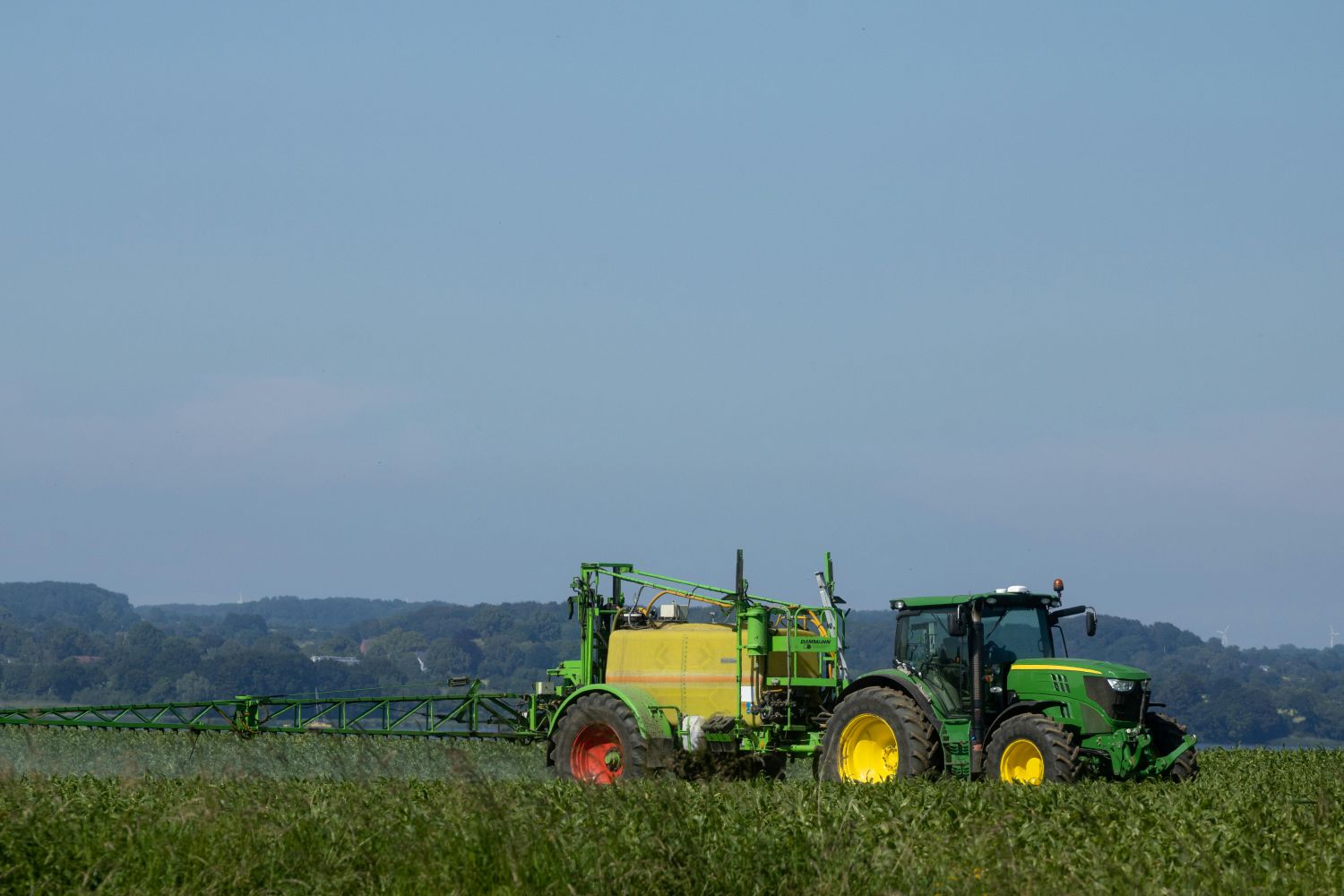
A fully equipped spray trailer will be featured throughout the event, offering live demonstrations on nozzle choice, spraying conditions, and the impact of adjuvants on spray performance. Visitors will have the opportunity to see firsthand how different variables affect spray coverage and efficacy, and how these insights can be applied to their own operations.
“We want farmers to leave with a deeper understanding of spray technology and how to optimise their practices for better results,” explains Mr. Morris. “The science behind better spraying will be front and centre, giving sprayer operators the confidence to apply these insights immediately.”
Join the BASIS Knowledge Trail at Stand 712b
As an official partner of the BASIS Knowledge Trail, De Sangosse is offering BASIS points for those looking to further their professional development. The event offers the perfect platform for agronomists and farmers to discover new solutions ahead of the next growing season.
“Cereals is the ideal venue for agronomic discovery, and we’re here to support that journey,” concludes Mr. Morris. “Whether it’s water quality, nutrient unlocking, or resistance management, stand 712b is the place to find the tools, knowledge, and support to help you grow smarter.”
Visit De Sangosse at Stand 712b at Cereals Event 2025 to take advantage of the latest crop protection technologies and expert advice that will help you stay ahead in today’s rapidly changing agricultural landscape.
Post Overview
This story has been submitted by an Agri-TechE member.

 Wilder Sensing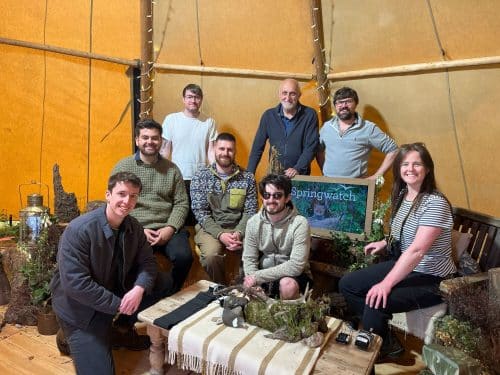


 Gardin Ltd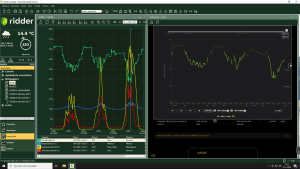


 HGF Limited







 eg technology Ltd



 GK Strategy




 Anglo American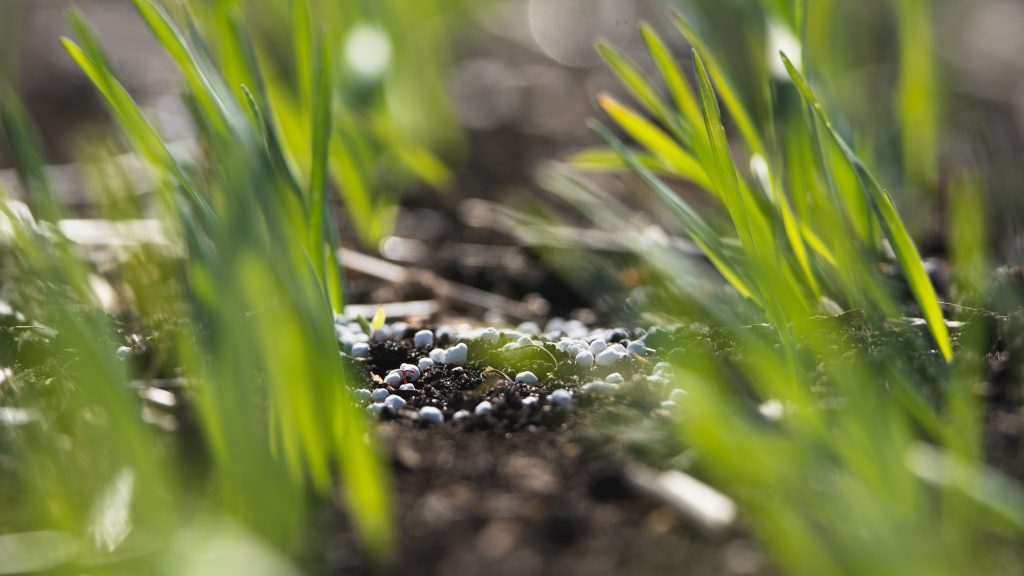









 Ceres Research


 Norwich Research Park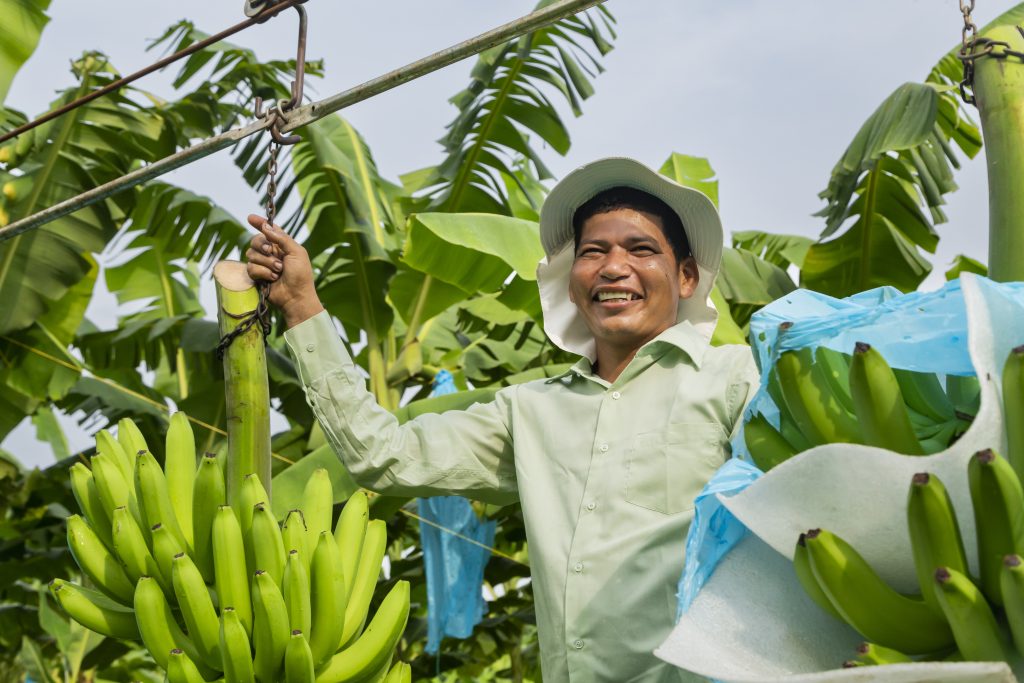








 De Sangosse