The views expressed in this Member News article are the author's own and do not necessarily represent those of Agri-TechE.
Join us at the Ceres AgriStrategy Conference on Thursday 4th December.
Are you ready to turn this year’s challenges into next season’s strategies?
Hosted by Ceres Research and Ceres Rural, this one-day conference is your opportunity to:
– Reflect on the 2025 harvest with expert insights
– Explore sustainable rotations and input efficiency
– Discover the latest in agri-tech and innovation
– Gain strategic tools for profitability and resilience
– Network with forward-thinking farmers and agri-leaders
Featuring keynote speakers like Charlie Ireland, Jeremy Moody, Sir Peter Kendall and Quintin McKellar, plus a full day of expert-led sessions, panel Q&As, and a networking dinner.
Through expert-led sessions, data-driven reviews, and future-focused discussions, the conference empowers the agricultural community to make informed, resilient, and sustainable decisions.
Dinner is available – make sure you select the add-on at check out.
Click here to view the full agenda and to book your tickets.
*I have permission from the copyright holder to publish this content and images.
Post Overview
This story has been submitted by an Agri-TechE member.
The views expressed in this Member News article are the author's own and do not necessarily represent those of Agri-TechE.
A tributary of the River Wensum has lent its name to a radical nature recovery project spanning 2,000 acres near Dereham in Norfolk.
Established in 2021 the Wendling Beck project focuses on habitat creation, nature restoration and regenerative farming, building financial and environmental resilience for farmers, and delivering access and education for people. Essential to success is data gathering.
Wilder Sensing has been deployed to monitor bioacoustics across the project. Its powerful machine learning algorithm allows the team to automatically identify and classify bird species and build a dataset to help track species recovery.
Key triggers that created Wendling Beck
Three key factors acted as catalysts.
Firstly, post-Brexit the Basic Payment Scheme (farming subsidy) was reduced, and subsequently removed. The land which now makes up Wendling Beck was poor arable quality and without the support of subsidies had become marginal. Landowners needed new ways to increase financial resilience in their businesses, whilst delivering environmental improvement.
Secondly, the Covid pandemic in 2020 provided an opportunity to take a step back, consider traditional land uses and co-design a new land-use model. Importantly, it enabled four neighbouring landowners to collaborate and pool their land to deliver something very different.
The final catalyst in this trilogy was the 2021 Environment Act. This included Biodiversity Net Gain (BNG), a policy that seeks to ensure habitats lost through development are replaced and provide a measurable gain on what existed.
“The BNG aspect of the Environment Act enabled us to think about doing something quite radical and to come together to deliver it at scale – we started changing our mindset from farming to under standing more about nature restoration within the landscape.” said Glenn Anderson, Landowner and Founder, Wendling Beck.
New ways of working and monetising land use
Wendling Beck began to think about catchment level management, a process of managing land to improve water quality and the environment. To achieve this, they needed to revert poor quality land from arable production and find a business model which would monetise the delivery of nature through ecosystem services. Working closely with The Nature Conservancy (TNC), along with other project partners, they created an investment model to deliver landscape level change and transform unviable farmland to a mosaic of high-distinctiveness habitats.
“It has been a learning curve – we have had to retrain ourselves and understand how the new policies work, we have become well informed in a nascent market.” said Anderson.
The team created a project operating company, owned and managed by the four landowners, and have entered into long-term legal agreements; they are now at the delivery and implementation stage and are actively trading the ecosystem services.
Other stakeholders include the Norfolk Rivers Trust; Norfolk Wildlife Trust; Norfolk County Council, Breckland Council and Anglian Water.
“Selling a few environmental credits has given every one a little bit of confidence, there was a massive amount of risk taking most of the land out of production, constant shifts in Government policy have added to the lack of certainty – but the business model is working.” added Anderson.
What happened on the ground?
Wendling Beck was selected by Natural England to be one of its statutory BNG pilots. The aim was to take 800 hectares of grade 3 arable land and create a mosaic of species-rich meadows, lowland heath, wetlands, woodlands, and restored chalk streams sit alongside 30 hectares of retained regenerative black currant farming.
The team undertook a Defra test and trial project, which engaged dozens of other farmers regionally to look at different monitoring methods used in conservation and gauged their effectiveness, relevance and validity within the farming sector. The team were introduced to bioacoustics experts Wilder Sensing by eCountability, the ecologists leading the monitoring strategy.
“We wanted to dovetail monitoring techniques with technology – bioacoustics, environmental DNA, and remote sensing solutions.” said Lizzie Emmett, Project Lead, Wendling Beck.
Working with Wilder Sensing provided the opportunity to try a new method of monitoring, the project currently has 22 monitors spread over 2000 acres. These, alongside camera trapping and manual bird recordings are maintained by Wendling Beck’s ecologist who changes the data cards and uploads to the Wilder Sensing platform.
“The obvious benefit of the monitors is that it’s all remote and you don’t need to be there.” explained Dave Appleton, Ecologist, Wendling Beck “You can get some false positives, but it’s a very low percentage. I have checked against manual observations, and it was as low as 1 in 1000 recordings.”
The system has proved an effective way to understand species presence in the landscape over time. As expected, there are a lot more species in the areas that have been left to nature than in the arable control points. The monitoring devices provide the baseline data from which Wendling Beck can demonstrate that the interventions on the ground are responsible
for the species recovery curve.
“We have rare breeding birds back on the land which we have not seen for years. We hope that with more sensors and time we will hear and identify turtle doves and nightingales – if we can, that will be off the scale.” said Emmett.
With the change of habitats from arable to rich grass land there have been substantial changes in invertebrate and on the ground species and an increasingly varied bird species list. Key is not the length of a species list picked up by monitors but finding out which species currently exist and the fluctuations in the presence of different species. This data has helped Wendling Beck with its ground management.
“Using the bioacoustic monitors has become a really useful tool in understanding the presence of different bird species. Crucially, it allows us to track species types and population changes as habitats are created and land is restored across the project.” said Glenn Anderson.
Going forward – measurement and data
Wendling Beck are determined to go above and beyond the minimum requirement for ecosystem services. Although not legally required to use bioacoustics as part of the process, they wanted to understand how the species assemblage changes and whether species recovery is more effective at a landscape scale, with a rich mosaic of habitats, rather than small areas of fragmented habitat. The demand for bioacoustic data is only expected to expand over the coming years.
“We see ourselves as ecosystem engineers, measurement and data is the most important part of the process – it underpins the project – we are effectively selling data – measuring the uplift of habitat value and using the habitat as a proxy for species recovery. This is a minimum 30-year project, and it is a lot more complex than farming!” concluded Glenn Anderson.
*I have permission from the copyright holder to publish this content and images.
Post Overview
This story has been submitted by an Agri-TechE member.
The views expressed in this Member News article are the author's own and do not necessarily represent those of Agri-TechE.
Tropic, a pioneering gene-editing company, is dedicated to developing resilient agricultural crops through advanced biotechnological solutions. The company’s primary focus has been on modifying bananas to combat devastating plant diseases such as Black Sigatoka and TR4 Fusarium Wilt, both of which threaten the future health and supply of the crop. Tropic is also preparing to launch a revolutionary gene-edited banana that resists browning for hours after peeling. Developed using the firm’s proprietary GEiGS® technology, the non-browning banana stays visually fresh and yellow for up to six hours—dramatically extending shelf life and reducing food waste across the supply chain. This innovation addresses both the cosmetic standards imposed by global retailers and the environmental burden of discarded produce.
As Tropic matures from an early-stage venture to a commercial entity, the need for a robust laboratory data management system (LIMS) became paramount. This case study explores how Tropic implemented Interactive Software’s Achiever LIMS to enhance data traceability, regulatory compliance, and operational efficiency.
Challenges faced by Tropic
As a young start-up, Tropic initially relied on Excel® spreadsheets and other task-specific data management practices.
As the business has grown quicky into a commercial entity, the need for data traceability has become synonymous with the company’s success. Gene-edited crops must undergo rigorous testing to meet regulatory standards and ensure public safety. Detailed traceability was required to demonstrate the development journey of each plant from cell transformation to a fully developed banana plant. As an ETS-certified company, Tropic needed a system that met stringent data traceability and reporting requirements.
As Tropic neared commercialisation and the volume of data produced increased, it made spreadsheet-based management inefficient and heightened the risk of human error during input. The company required a system that allowed scalability and centralisation. Data needed to be centralised in a single system to improve accessibility and reduce duplication of effort. The company also needed a secure, structured way to document and protect its intellectual property, particularly given the innovative nature of its genetic modifications.
An earlier attempt at implementing a LIMS had failed due to the premature adoption of the system and the selection of an unsuitable provider, leading to financial and time losses. Lessons learned from this experience underscored the importance of selecting the right vendor and system to support Tropic’s unique needs.
Why Tropic chose Achiever LIMS
Tropic undertook a thorough six-month evaluation process, starting with a wide range of potential LIMS providers before gradually narrowing the selection down to two finalists.
Ultimately, they chose Achiever LIMS based on several key considerations.
One of the most important factors was the flexibility and adaptability of the system. Tropic was particularly impressed by Interactive Software’s (ISL’s) structured approach and its ability to adapt to their unique requirements. Interactive Software have a strong market presence in sectors including biobanking and clinical research which are heavily regulated, hence the team had a particular understanding of the challenges facing Tropic and its work in gene editing. Achiever LIMS provided a structured yet straightforward framework that was well-suited to the regulated nature of Tropic’s work. The system’s user-friendly interface and structured data management capabilities made it an ideal choice, particularly as the company transitioned from Excel®-based processes.
Another crucial element in the decision was Interactive Software’s strong vendor partnership approach. In selecting the right vendor, Tropic prioritised collaboration and engagement. The team at ISL demonstrated a clear commitment to working closely with them, ensuring that the system could be tailored to suit their specific workflows and data management needs.
Finally, Tropic opted for a cloud-based solution through a Software-as-a-Service (SaaS) model. This allowed them to share the scalability challenge with ISL rather than investing in their own physical infrastructure. The decision not only ensured cost savings but also provided the flexibility needed for future growth and expansion.
Implementation process
The implementation process of Achiever LIMS at Tropic is being carried out in multiple phases, beginning with planning and selection. The contract negotiation phase ensured that both parties were aligned on expectation. Discussions and preparations for implementation started early in the development process to ensure that the project began quickly and without hinderance.
The next phase involved data migration and system deployment. One of the biggest challenges was cleansing and structuring the data to ensure accuracy and integrity before migrating it into Achiever LIMS. Through this process, Tropic identified several data inconsistencies and errors, highlighting the necessity of a centralised system. The deployment was carried out in stages, allowing for a structured and gradual transition.
Training and user adoption were critical to the success of the implementation. Initial training sessions focused on key users, who then shared their knowledge with their respective teams. In addition, technical training was provided to system administrators, enabling Tropic to manage the system internally. The flexibility of Achiever LIMS allowed the team to quickly adapt and take full ownership of the system, ensuring a smooth transition and effective long-term use.
Benefits and impact
Within two months of going live, Tropic observed significant data management improvements:
Enhanced data integrity and traceability: Manual data entry errors were reduced, improving the accuracy of critical research and regulatory data. Researchers can now trace plant development seamlessly from cell transformation to final product.
Operational efficiency and time savings: Data input time was reduced by at least 50%, freeing up lab technicians to focus on scientific work rather than administrative tasks. Real-time data entry using iPads and tablets streamlined workflows.
Regulatory compliance confidence: The structured data system provided Tropic with confidence in meeting regulatory requirements for product approval. Secure data management also supported intellectual property protection.
Improved decision-making and data access: Previous Excel files were consolidated, enabling quick search and retrieval of relevant data. In addition, the management had greater visibility into research and development progress, aiding strategic planning.
“The collaboration between Tropic and Interactive Software has raised the bar for supplier excellence. From the outset, Interactive Software demonstrated a deep understanding of our scientific and operational requirements, delivering a Laboratory Information Management System that is both robust, adaptable and scalable. Their professionalism, responsiveness, and commitment to co-creation enabled a seamless implementation that has significantly enhanced our data integrity, regulatory compliance, and research efficiency. This partnership has laid a strong foundation for continued innovation and growth.”
Dan Fox, VP Product Development, Tropic.
Looking to the future
With the successful implementation of Phase 1, Tropic is now looking ahead to further expanding and enhancing its use of Achiever LIMS. The next step, Phase 2, involves extending Achiever LIMS to the rice development pipeline. This expansion includes plans for a go-live date in March 2025 and the integration of genotyping data to streamline research and development processes.
Beyond this, future phases will focus on incorporating additional research functions. One key initiative is the integration of pathology data into the system, enabling more comprehensive product assessments. Tropic is also exploring the potential of using LIMS for discovery work, including the identification of new genes and transformation mechanisms.
Conclusion
Tropic’s implementation of Achiever LIMS has marked a significant milestone in its transition from an early-stage company to a commercial enterprise. By choosing a flexible and adaptable system, prioritising vendor partnership, and taking a phased approach, Tropic successfully overcame its previous LIMS implementation challenges. With improved traceability, regulatory compliance, and efficiency, Achiever LIMS has become an essential tool in supporting Tropic’s mission to revolutionise agricultural resilience. Looking ahead, the system’s scalability and integration potential will continue to play a key role in Tropic’s growth and innovation.
*I have permission from the copyright holder to publish this content and images.
Post Overview
This story has been submitted by an Agri-TechE member.
The views expressed in this Member News article are the author's own and do not necessarily represent those of Agri-TechE.
Agrifood Futures is the new, ambitious research strategy that builds on the University of Reading’s reputation for research excellence and work with global partners.
National and global challenges in our food system include climate-driven disruption of food production, rising levels of malnutrition and hunger, and the degradation of natural resources. The University of Reading is well-placed to drive change thanks to its deep expertise across the food system.
The three priority areas are:
A resilient food system for everyone – Creating an adaptable food system that meets our needs in the face of shocks and stresses
Farming systems that work with nature and our climate – Leading innovation in responsible food production while protecting and enriching our natural resources
Food that nourishes people and the planet– Transforming our global food system to deliver desirable, healthy and sustainable food for everyone
Our vision is that everyone across the world is able to consume a sufficient, healthy, sustainable diet that leaves the lightest possible footprint on the planet. Agrifood Futures will unlock innovation and drive the transformation needed to create an equitable, resilient and sustainable global food system for 2050.
The views expressed in this Member News article are the author's own and do not necessarily represent those of Agri-TechE.
We’re excited to share a recent success story!
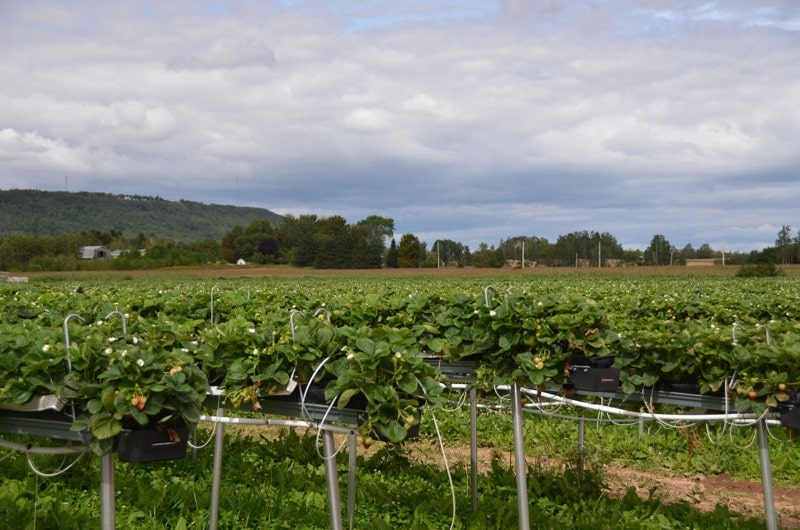
We partnered with Angus Soft Fruits to solve a critical challenge in large-scale glasshouse management: gaining clear visibility and collecting detailed data on crop performance, including fruit quality and size. 🍓
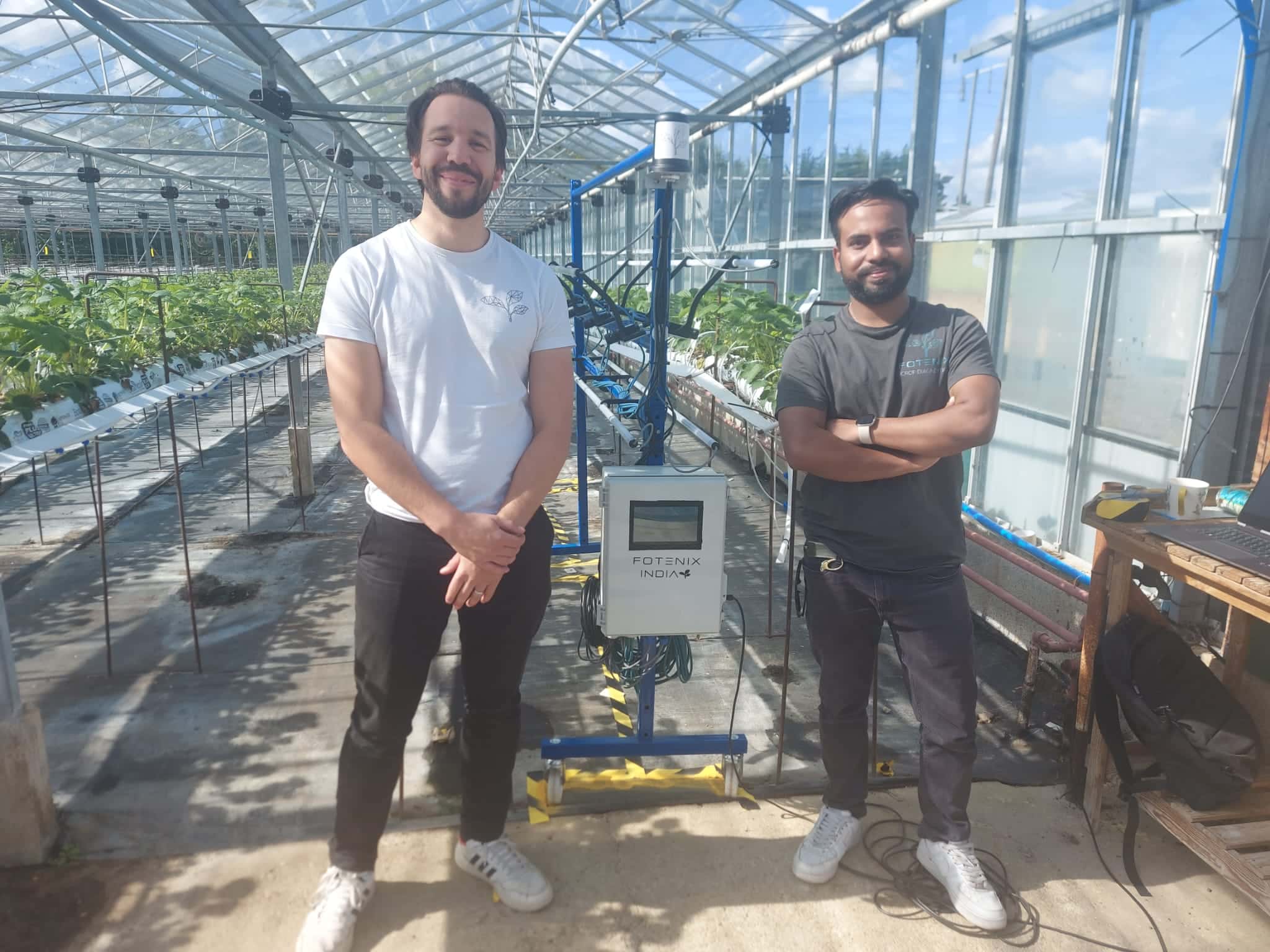
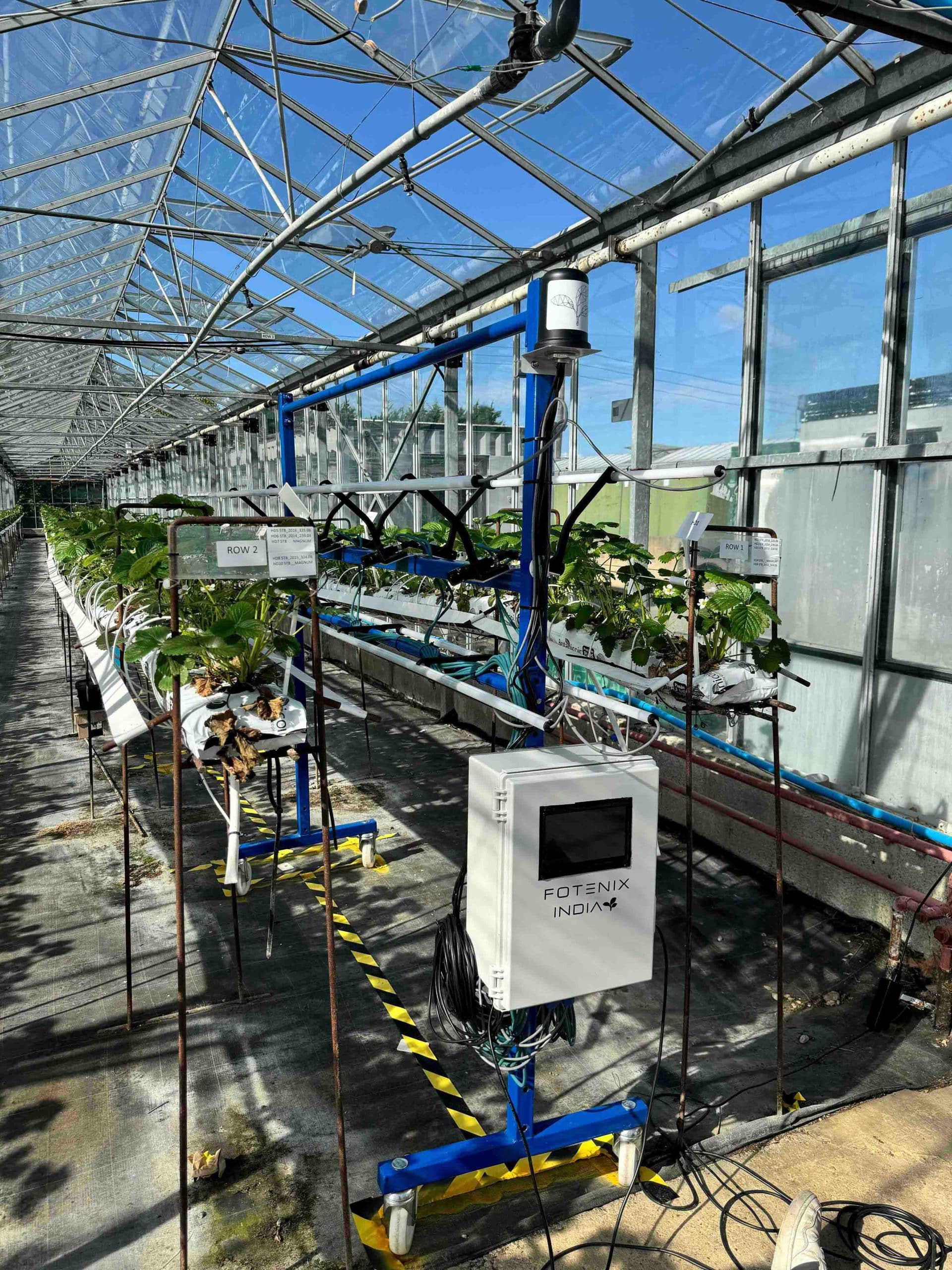
Our solution involved deploying a rolling rig at their breeding site. This innovative system seamlessly integrated with their existing crop walking routines, capturing multispectral images across strawberry rows. This allows for precise identification and measurement of leaves, flowers, and fruit, even incorporating manual data for a complete picture.
It’s incredibly rewarding to see this technology empower Angus Soft Fruits with the detailed insights they need for superior crop understanding and decision-making
Are you facing similar challenges in crop management, or curious about how our services can benefit your operations? We’d love to chat! Get in touch to learn more, info@fotenix.tech.
Post Overview
This story has been submitted by an Agri-TechE member.
The views expressed in this Member News article are the author's own and do not necessarily represent those of Agri-TechE.
The House of Commons’ Science, Innovation and Technology Committee wants to hear from agritech businesses about how innovation can improve agricultural practices and to understand the UK’s role in contributing to global food security. The Committee’s Call for Evidence focuses on five themes:
How scientific and technological innovation can be combined with low technology practices to support global food security.
The effects of these innovations on the global agricultural system.
How the UK can contribute to advancing innovation and promoting global food security through policy, partnerships and trade.
The barriers to implementing and adopting agricultural innovations.
The shape of a future agricultural system than can achieve global food security.
The Call for Evidence will close for written submissions on 7 September. The Committee will then review the written evidence sent in and carry out a series of oral evidence sessions to hear from business leaders, academics and sector stakeholders. The final outcome will be a sizeable report setting out the inquiry’s key findings, conclusions and recommendations for government. Ministers in the Department for Environment, Food and Rural Affairs are required to respond within a two-month period setting out the government’s view and what actions it will take forward.
This is a critical opportunity for agritech businesses to influence policy development in Westminster, ascertain answers to key questions that require a government response and help shape a more resilient, innovative and sustainable agricultural system.
If you would like to discuss this opportunity to submit written evidence to the inquiry, including how GK Strategy can support you with government relations and communication, please contact James Allan.
*I have permission from the copyright holder to publish this content and images.
Post Overview
This story has been submitted by an Agri-TechE member.
The views expressed in this Member News article are the author's own and do not necessarily represent those of Agri-TechE.
Here is July’s UK Food Valley news bulletin. This time taking an in depth look at some of Greater Lincolnshire’s cold chain and logistics opportunities.
The views expressed in this Member News article are the author's own and do not necessarily represent those of Agri-TechE.
The government has published its food strategy, setting out its vision for a healthier, more affordable, sustainable and resilient food system. It is ambitious in scope and designed to reconcile often competing objectives from farm to fork.
The food strategy identifies three interlocking dynamics of the UK food system: i) a junk food cycle driven by our appetite for highly processed, energy dense foods and the strong commercial incentives this creates to produce foods high in sugar and fat, ii) the invisible cost to nature which fails to reward sustainable and environmentally friendly food production, and iii) a resilience gap that means the UK is highly exposed to multiple and increasing risks, such as climate change.
The next step for ministers and officials is to develop an implementation plan, as well as metrics and indicators to measure progress towards achieving the strategy’s ten priority outcomes. This will take time and require ministers to engage with industry and business to ensure the government’s transition to a ‘good food cycle’ is achievable. It will also need to align with forthcoming strategies in Defra’s to-do list to deliver real, joined-up change across the entire food system. To name a few – the Land-Use Framework, the Food and Farming Decarbonisation Plan, the Farming Roadmap and Farming Profitability Review, and the Circular Economy Strategy.
What does the food strategy mean for agri-tech?
There is a huge opportunity for businesses in the space to engage with government off the back of the publication of the food strategy. Ministers clearly see innovation as critical to resolving system challenges in everything from public health to food security. Agri-tech businesses should take note: the government is not only signalling interest but actively investing in solutions that can deliver measurable impact.
To maximise this opportunity, businesses should look to demonstrate how they can support the government in achieving the food strategy’s core objectives – boosting productivity, enhancing resilience and delivery environmental sustainability. Collaborating with early adopters to demonstrate real-world use cases can help build a compelling evidence base that convinces policymakers of a solution’s viability and impact. Engaging with policymakers means staying ahead of regulatory change and shaping policy and market reforms to establish pathways to commercialisation.
Agri-tech may well represent the silver bullet policymakers are searching for but unless the sector speaks up and showcases its impact, those solutions risk going unnoticed.
If you’d like to discuss this in more detail, including how GK Strategy can support you with government relations and communication, please contact James Allan.
*I have permission from the copyright holder to publish this content and images.
Post Overview
This story has been submitted by an Agri-TechE member.
The views expressed in this Member News article are the author's own and do not necessarily represent those of Agri-TechE.
The UKRI Biotechnology and Biological Sciences Research Council (BBSRC) has unveiled a bold vision to harness the power of bioscience with the launch of its updated Forward Look for UK Bioscience.
This refreshed framework sets out BBSRC’s ambition to deliver a healthy, sustainable and resilient future through the power of bioscience.
Developed through extensive engagement with researchers, innovators, businesses, policymakers and beyond, the new Forward Look highlights bioscience’s essential but sometimes unseen role – and the enormous impact it will have – in tackling some of the biggest challenges we face as a global society.
These include improving lifelong health, building more sustainable food systems and driving clean economic growth.
Professor Anne Ferguson-Smith, BBSRC Executive Chair, said:
“Bioscience is one of the UK’s greatest strengths and a powerful force for change that underpins everything from the food we eat to the health of our planet. As the UK’s major public funder of bioscience research and innovation, BBSRC plays a unique and essential role in unlocking this potential.
“This Forward Look is more than a vision. It’s a rallying call. It sets out how, through discovery, innovation and strategic partnership, we will shape a future that is healthier, more sustainable and more resilient.
“Developed through deep engagement with our vibrant community, this is a bold, collaborative plan for the decade ahead. One that reflects both the ambition of UK bioscience and the leadership BBSRC provides in turning possibility into progress.”
The BBSRC Forward Look: The Power of Bioscience is structured around three core elements:
Our vision: to harness the power of bioscience to deliver a healthy, sustainable and resilient future
Our ambition: to deliver real-world impact in three interconnected areas – healthy people, animals and plants; sustainable agriculture and food systems; and a resilient bioeconomy.
Our commitment: to create the right conditions for success by providing leadership and fostering collaborative working to ensure the people, infrastructure and systems needed for progress are in place.
Working hand in hand with national and international partners across the research and innovation ecosystem, BBSRC will:
Apply innovation that delivers solutions to pressing global challenges like food insecurity, ageing populations and a changing climate
Catalyse discovery through our support for world-class curiosity-driven and fundamental research
Create and deploy transformative technologies such as engineering biology, advanced imaging and artificial intelligence to accelerate progress across bioscience and beyond.
Recognising the tremendous potential that can be unlocked when diverse expertise comes together, BBSRC is committed to strengthening interdisciplinary, cross-sector and global partnerships. This collaborative approach will foster a more dynamic, interconnected and inclusive research and innovation ecosystem, amplifying the power and reach of bioscience.
As part of this, BBSRC is committed to:
Investing in a skilled, diverse and resilient workforce, across all career stages and roles
Supporting accessible and sustainable research infrastructure, from world-leading labs to biological resources and campuses
Facilitating the translation of bioscience into impact
Strengthening collaboration across disciplines and sectors, both nationally and internationall
Post Overview
This story has been submitted by an Agri-TechE member.
The views expressed in this Member News article are the author's own and do not necessarily represent those of Agri-TechE.
The brief
In 2022, a team from the University of Liverpool identified the need for a laboratory and sample management system to support their longitudinal birth cohort study, Children Growing up in Liverpool (C-GULL).
The research is focused on improving the health and wellbeing of children and their families who live in the Liverpool City region and other similar areas within the UK. 10,000 families will be invited to participate in the study and the overall aim of the project is to reduce health inequalities within these regions by developing clinical understanding and addressing the many underlying health and social issues which drive these differences.
The study is funded by the Wellcome Trust Longitudinal and Population Study Award, and will be delivered by the University of Liverpool in partnership with Liverpool Women’s NHS Foundation Trust, The NIHR North West Coast Clinical Research Network and the Civic Data Cooperative (CDC), with additional support and partnership working from colleagues from Liverpool City Region Combined Authority, Liverpool City Council and many other local partner NHS Trusts.
The remit given to Dr. Victoria Shaw, Head of Biobanking and GCP Laboratories Oversight and Nicole Maziere, LIMS Manager at the University of Liverpool when searching for suitable laboratory information management system (LIMS) software was that C-GULL needed to be an entirely paperless project. The number of participants involved with the research, the amount of data being generated, and the throughput of information anticipated over a long period of time meant that any software used would have to be efficient, robust, and simple to use, without any reliance on paper forms. The project brief also wanted to remove as much data entry as possible to reduce the possibility of researcher input error.
One of the major assets of the C-GULL project is the collection of blood samples from the study participants. Therefore, another consideration was how the team would log samples in the biobank. The researchers aliquot blood into numerous small vials which is a time-consuming activity, and also has the potential to introduce human error. The LIMS needed to link the blood samples to the relevant patients in a secure, time efficient manner while at the same time eliminating the risk of sample mix-up.
The University of Liverpool had a number of key objectives required of the LIMS software used in the C-GULL study. These included:
An entirely paperless system for everyday practicality, ease of use and to reduce the risk of human data input error,
The integration of the LIMS software with external systems critical to the day-to-day research project management,
A secure, robust software system which aligns with the timeframe of a potentially multi-decade, longitudinal birth cohort study,
The provision of accurate and timely patient consent data. Due to the number of study participants and the timeframe involved in the project, the LIMS has to provide details and easy to access consent information for individual patients ensuring informed consent is correctly captured and patients’ preferences are being honoured at all stages during the trial.
The solution
The biobanking team at the University of Liverpool has been using Interactive Software’s Achiever LIMS software since 2015 and this existing relationship allowed the University and Interactive Software to work closely together to design LIMS software to manage the project requirements. There were two system integrations that were necessary to make the C-GULL study possible and critically, paperless.
Remote Data Capture for Clinical Information (REDCap) system integration with the LIMS
The C-GULL team log clinical information from study participants into a Remote Data Capture for Clinical Information (REDCap) system. They also log sample information into the LIMS. The C-GULL team involved in data capture and security required an automatic link between these two completely separate databases to ensure process efficiency and to remove the risk of human input error. Interactive Software were able to build the required integration between their LIMS software and the external REDCap system used by the clinical team.
The research nurses involved with the C-GULL project use sample collection kits which include consumables such as sample tubes for blood collection, cleaning materials etc. A large number of kits will be used in any one day at the clinic due to the number of participants involved in the project.
The clinical team enter the kit ID at the sample collection point into the REDCap system and then via the integration, the LIMS can then take the participant ID and link it to the kit ID. Without that link in place, the risk of human errors occurring would increase and the data processing element of the study would be extremely complex.
Dr. Victoria Shaw, Head of Biobanking and GCP Laboratories Oversight, commented: “For example, the laboratory team might be given five kits in the lab at any one time. There’s no paperwork with those kits so how does the lab manager then link that particular kit back to the participant? It could be any one of those five participants. That is where the system integration has been critical, not just beneficial, it’s actually been critical to this process and will probably change how we work going forward as well.”
Integration of the plate scanner
The integration of the plate scanner to scan multiple bar codes helps to increase process efficiency and reduces the manual effort required by project staff. Each C-GULL kit contains approximately 30 pre-barcoded tubes. These barcodes are not generated by the LIMS so the technicians need to scan them to link the physical sample to the sample record generated on the LIMS. Without the aid of the plate scanner integration, the lab technicians would have needed to scan 30 tubes individually with a handheld scanner rather than just once with a plate scanner.
As well as increasing process efficiency, automated integration of the plate scanner dramatically reduces the likelihood of human errors. An additional element that ISL provided was ensuring that the barcodes can only be assigned to a specific sample type. Green-topped vials for instance have a prefix of GRN which, thanks to the integration, can only be assigned to plasma vials, so there is no risk of assigning a tube as the incorrect type on the LIMS.
Without these two factors the system would have been over complicated and too time consuming to be practical in everyday use. In addition, without having these integrations, the risk of human input errors would be massively increased.
The outcome
Through a collaborative project approach Interactive Software Limited has delivered a LIMS solution to support the C-GULL study.
“I think the simplest way to explain it is that the project wouldn’t have been paperless without the support of Interactive Software and Achiever LIMS. Given the scale and complexity, it simply wouldn’t have been feasible without their system.”
Nicole Maziere, LIMS Manager at the University of Liverpool
In terms of timeframe, from project initiation through to the LIMS implementation, was only a few months. Project Managers at Interactive Software worked through a system release process which would then be tested by the University and the subsequent findings from this test would be fed back to Interactive Software so that the LIMS could be updated as required and a system update performed.
Discussing the project timeframe, Nicole explained: “(ISL) sent us an initial release and then we would test it and then send it back to them. I think there was maybe two to three releases – it really wasn’t too long at all.”
The laboratory staff that would be using the LIMS software for the project were involved in the testing phase of the project implementation to ensure they would have a full understanding of how the system functioned and how it would be used on a day-to-day basis. Working together, Interactive Software and the university C-GULL laboratory team have created Standard Operating Practices (SOPs) so that all system users will follow the same processes. These SOPs, together with the system release notes provided by Interactive Software, allow current LIMS users to train new staff as and when required. Interactive Software also have trainers and system support staff on hand to provide further training and assistance should it be needed.
Main Benefits
The integration of three separate systems including the plate scanner and the REDCap system with Interactive Software’s Achiever LIMS has allowed the C-GULL study to function as an entirely paperless project which was the main objective given to the laboratory team at the outset of the research.
The vast number of data sets being generated by the study cohort and the extensive timeframe of the project means that a robust and secure laboratory data management system is imperative to the researchers involved in the project’s data analysis and potentially the long-term outcomes of the C-GULL project.
The C-GULL Project is an important one for Liverpool, the University, and its project partners. Ultimately the main beneficiaries are the children and families that will be supported and whose lives will be improved through the study’s findings.
*I have permission from the copyright holder to publish this content and images.
Post Overview
This story has been submitted by an Agri-TechE member.
The views expressed in this Member News article are the author's own and do not necessarily represent those of Agri-TechE.
The integration of artificial intelligence into Laboratory Information Management Systems is playing a pivotal role in the evolution of agritech. As agriculture faces mounting pressures from climate instability, food insecurity, and the demand for sustainable practices, the capacity to process and act on complex data quickly is becoming critical. AI-enhanced LIMS platforms are enabling agricultural laboratories to do just that—revolutionising how research is conducted, how decisions are made, and ultimately how crops are developed and managed.
AI-driven LIMS systems are helping agricultural researchers fast-track breeding programmes by analysing vast genomic and phenotypic datasets. With these tools, scientists can identify favourable traits such as drought resistance, pest tolerance, and enhanced nutritional content with a degree of speed and precision that was once unattainable. Traditional breeding methods that relied on generational cycles and statistical projections are being replaced by AI algorithms that simulate outcomes and recommend optimal gene combinations in a single cycle. This not only slashes development timelines but also raises the chances of success dramatically.
In the laboratory, AI is improving how samples are managed and tracked. Whether it’s plant tissue, soil microbes or seeds, each sample contains metadata critical to research outcomes. AI-integrated LIMS automate the tracking process using technologies like barcoding and intelligent metadata analysis, enabling researchers to maintain chain-of-custody and quickly identify anomalies or contamination. These systems can also suggest follow-up actions or analyses, acting as a digital collaborator in experimental planning.
The reach of AI in agritech extends far beyond the genetics lab. When combined with climate and field data—from satellite imagery to in-field sensor readings—AI-enhanced LIMS provide predictive models that help researchers anticipate how specific crop varieties will respond to environmental variables. These insights empower agronomists to make informed decisions about planting strategies, resource allocation and climate resilience. The ability to simulate future conditions and test multiple scenarios in silico means fewer resources wasted and more successful outcomes in the field.
By facilitating more precise breeding, reducing input needs and improving yield reliability, AI-enabled systems contribute to the global effort to achieve more sustainable agriculture. They allow agritech organisations to develop climate-adaptive, high-output crops that require fewer chemical inputs, thrive in challenging environments, and deliver more with less. This directly supports global food security while reducing the environmental impact of food production.
Despite these benefits, AI integration comes with challenges. Implementation can be costly, requiring investment in new infrastructure, system integration, and staff training. There is also the issue of data quality—AI is only as good as the information it is trained on. Poor, biased, or incomplete datasets can compromise results and lead to faulty recommendations. Moreover, the complexity of AI systems necessitates a workforce that not only knows how to use the technology but understands how to interpret its outputs and manage its risks.
Cybersecurity adds another layer of concern. AI-driven LIMS platforms are susceptible to cyber threats, especially when cloud-based or dependent on third-party tools. Laboratories must defend against data breaches, adversarial attacks, and the manipulation of machine learning models. This requires a comprehensive approach that includes encryption, multi-factor authentication, regular system monitoring, and continuous staff education in best practices.
Nevertheless, forward-thinking agritech organisations are rising to the challenge. Agricultural research institutes, biotech firms and seed companies are increasingly adopting AI-integrated LIMS to modernise their operations. These systems are often tailored to include features like regulatory compliance management, intellectual property safeguards and collaboration modules that support global, cross-institutional research. They are scalable and flexible, making them suitable for small laboratories and multinational agribusinesses alike.
As AI continues to embed itself in the agritech sector, it is becoming not just a technological advantage but a strategic necessity. Laboratories equipped with intelligent LIMS platforms are better positioned to innovate, adapt and thrive in a world that demands sustainable, resilient, and efficient agricultural practices. AI in LIMS is not just reshaping how labs operate—it is helping shape the future of global agriculture itself.
*I have permission from the copyright holder to publish this content and images.
Post Overview
This story has been submitted by an Agri-TechE member.
The views expressed in this Member News article are the author's own and do not necessarily represent those of Agri-TechE.
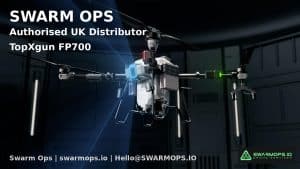
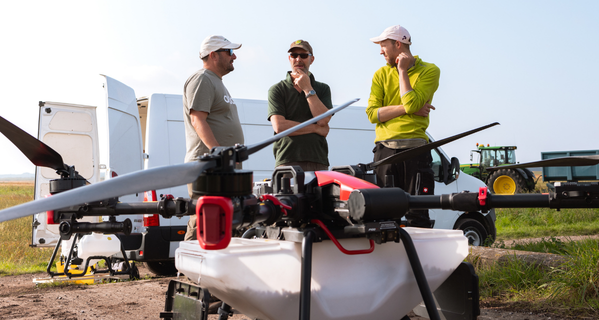
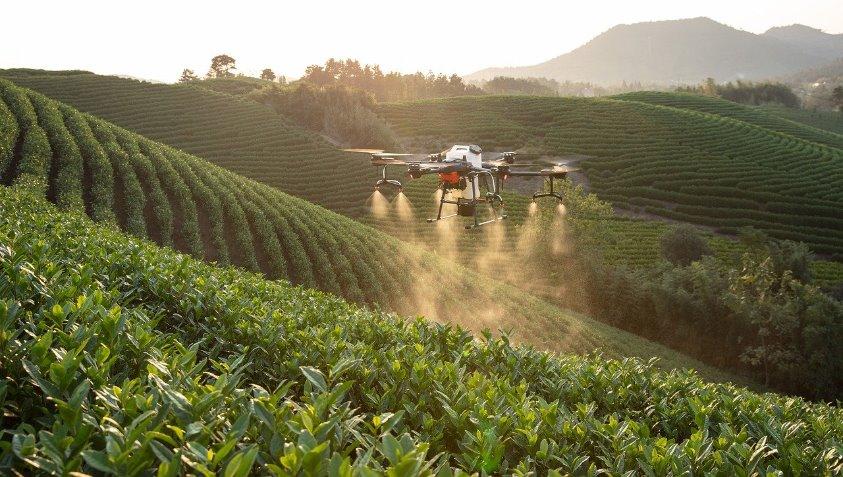
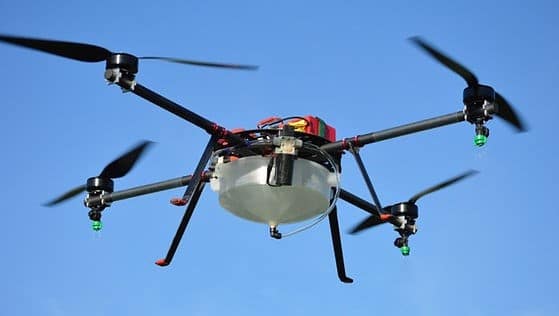
We’re proud to announce that Swarm Ops Ltd has officially been granted Operational Authorisation by the UK Civil Aviation Authority (CAA) for UAV crop spraying operations.
This authorisation allows us to safely and legally operate agricultural spraying drones across the UK — a major step forward in supporting more efficient, precise, and sustainable farming.
🚀 Now Approved To: ✅ Conduct UAV crop spraying under UK regulation ✅ Sell and support the Topxgun FP700 agricultural drone ✅ Train and certify pilots on the FP700 platform
Whether you’re looking to outsource spraying, invest in your own drone, or become a qualified spray drone operator — we’re here to help.
*I have permission from the copyright holder to publish this content and images.
Post Overview
This story has been submitted by an Agri-TechE member.

 Ceres Research

 Wilder Sensing



 Interactive Software Ltd - Achiever LIMS

 University of Reading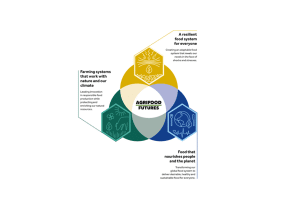



 FOTENIX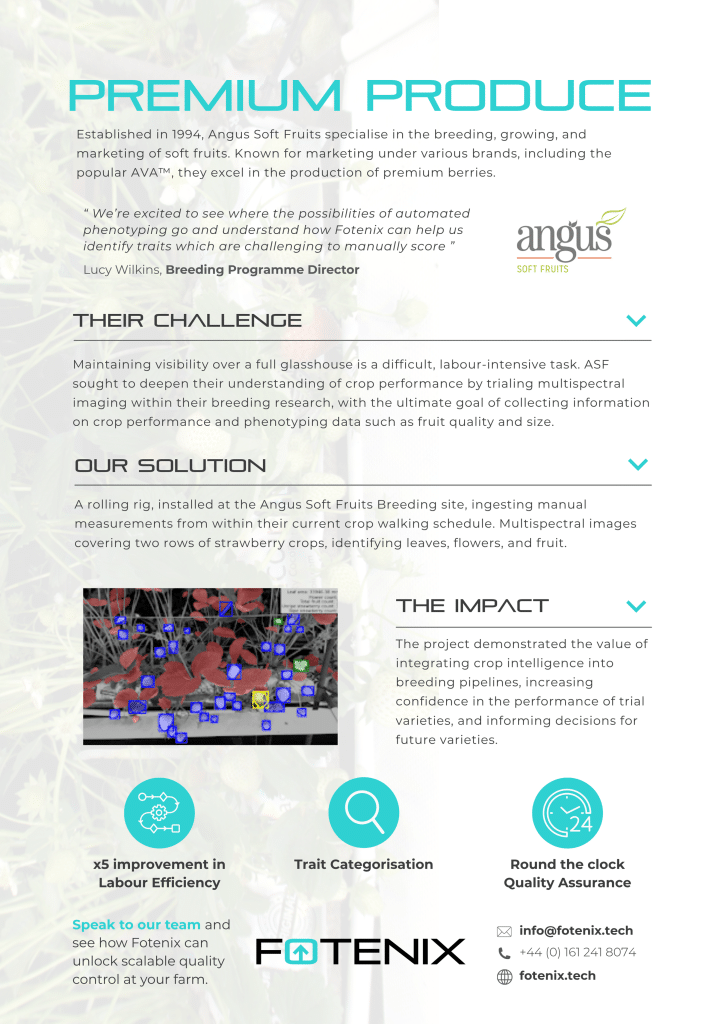
 GK Strategy



 UK Food Valley






 UKRI-BBSRC









 SWARM OPS