The views expressed in this Member News article are the author's own and do not necessarily represent those of Agri-TechE.
Introducing Fields of the Future, a new podcast for farmers who want to get the most out of their farm businesses and unlock their agricultural potential.
Each episode brings together voices from across the industry – farmers, agronomists, researchers, and innovators – to share independent, science-led insights that matter in the field. Whether you’re looking for practical advice, emerging trends, or a deeper understanding of the challenges shaping the sector, Fields of the Future is your go-to source for informed, accessible conversations.
Episode 1: Cereals Event Special
In our debut episode, we take you to the heart of the Cereals Event 2025. Recorded live on site, this special edition captures the atmosphere, innovation, and expertise of the UK’s leading arable farming event.
Join us as we walk the event grounds, speaking with key exhibitors about the latest agronomic insights, emerging technologies, and the practical challenges facing growers today. It’s a snapshot of the sector’s most important conversations – all in one episode.
Listen now:
Stay Connected
Subscribe to Fields of the Future on your favourite podcast platform and follow Ceres Research on social media @ceresresearch_ for updates, research highlights, and future episodes.
As a Ceres Research member, you will have access to more podcast content, exclusive insights, and tools to help unlock the full potential of your farming business. Click here to find out more.
*I have permission from the copyright holder to publish this content and images.
Post Overview
This story has been submitted by an Agri-TechE member.
The views expressed in this Member News article are the author's own and do not necessarily represent those of Agri-TechE.
Innovate UK grant to validate effectiveness of lead product, an important developmental milestone
BugBiome & Niab in UK collaboration to field validate novel bioinsecticide in sugar beet
Innovate UK-funded study to validate BugBiome’s lead asset & AvidX platform technology, important milestones for investors and commercial partners
Project also to enhance bioinsecticide active components & develop market strategy
Cambridge, UK, July 7 2025 – BugBiome, an agritech innovator developing new bioinsecticides from crop-associated microbes, is field testing its lead product against aphids via a new Innovate UK grant with partner Niab, an experienced crop trial specialist.
The project, Sustainable crop control: efficacy of insecticides from lab to field, will investigate the effectiveness of the aphid bioinsecticide, the first from the company’s proprietary AvidX platform, against aphid infestation on sugar beet in controlled and field settings. The partners will also optimise the product to improve efficacy and cost-effectiveness in the field.
Field validation of the effectiveness of the lead product outside the lab will mark a major milestone for BugBiome as its sustainable crop control business matures.
Niab, an expert in field trial design and implementation, will lead the polytunnel and field experiment components of the project. Product development will include optimizing stability of the bioinsecticide, which is important for competitive manufacture at scale. In addition, the project will investigate other markers of effectiveness, and further develop commercial, regulatory and manufacturing strategies.
Aphid infestation in sugar beet, primarily through the transmission of virus yellows, can lead to up to 20% yield losses, costing the UK industry over £54 million annually.
BugBiome is backed by Cambridge Angels, Discovery Park Ventures, IndieBio/SOSV and AgVentures Alliance. Proceeds from its ongoing fundraising round will further support development and commercialisation of its lead biopesticide, as well as generation of a pipeline of follow-up products.
Dr Alicia Showering, CEO of BugBiome, said: ‘This Innovate UK grant enables us to accelerate field validation of our lead bioinsecticide and core AvidX platform technology outside of the lab, important milestones for the company. Compelling data on the field effectiveness of our first product will drive BugBiome’s commercialisation and partnering activities.’
BugBiome is a biotechnology start-up harnessing the power of microbes to create novel pest protection solutions to protect crops. Their proprietary platform (AvidX) screens microbes for insecticidal activity by combining microbial characterisation and insect behavioural understanding to classify bioinsecticides based on function, enabling rapid discovery and development of novel microbial pest control agents. This approach aligns with the needs of modern agriculture while remaining committed to ecological balance and biodiversity conservation. Our lead product targets aphids, a major agricultural pest, aiming to provide farmers with an effective crop protection tool. For more information please go to www.bugbiome.com and follow us on LinkedIn.
About Niab
Niab is a leading UK crop science organisation, with rapidly expanding research capabilities in plant genetics, agronomy, farming systems and data science, the largest national field trials capability, and strong research links with industry, Government and academia. With headquarters in Cambridge, and regional offices across the country, employing more than 400 people across the UK, Niab provides scientific research, technical services and practical advice to improve the yield, efficiency and resilience of crop production across the arable, forage and horticulture sectors. www.niab.com
*I have permission from the copyright holder to publish this content and images.
Post Overview
This story has been submitted by an Agri-TechE member.
The views expressed in this Member News article are the author's own and do not necessarily represent those of Agri-TechE.
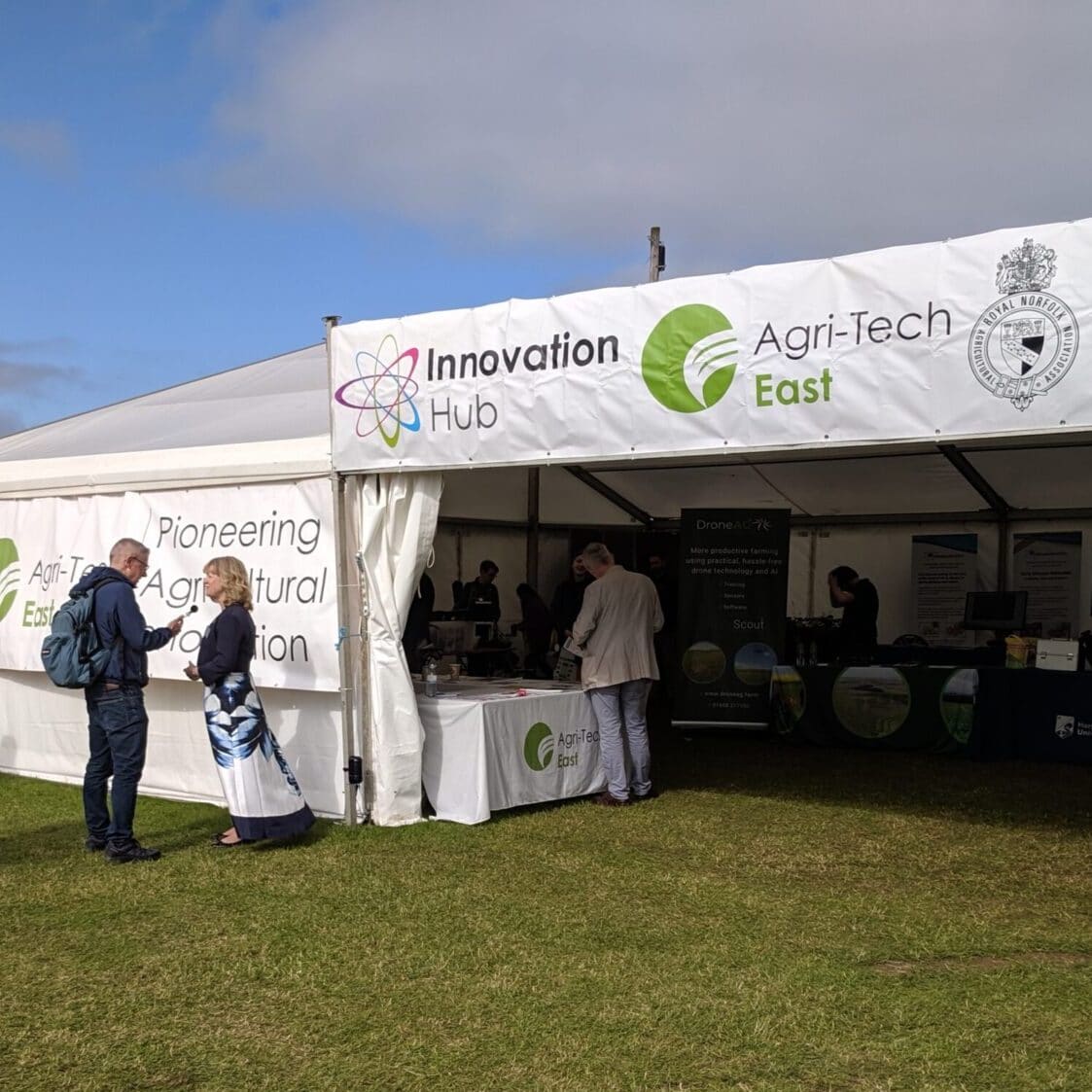
The UEA–FARMWISE team participated in the Agri‑TechE Innovation Hub at the Royal Norfolk Show (25–26 June 2025). Team members Kevin Hiscock, Andrew Lovett, Richard Cooper, and Natasha Balashova engaged with visitors to highlight the project’s innovative contributions to sustainable farming and water management.
Throughout both days, UEA researchers showcased the next generation of precision agriculture and AI including a live AmoreAqua dashboard demo, allowing visitors to explore real-time stream flow and water quality data from the Defra-funded Wensum Demonstration Catchment, highlighting applications that empower farmers with interactive, data-driven decision support.
The team displayed research on machine learning methods, exploring climatic stressors impacting potato yields in Finland and the Netherlands—jointly developed by University of Oulu and Wageningen University & Research.
“We’ve had excellent engagement over both days,” said Kevin Hiscock, “Visitors were particularly interested in how the dashboard reveals relationships between climate, water flow and quality—vital for on‑farm decision-making.”
The Royal Norfolk Show provided an ideal setting to engage with the farming community and demonstrate how smart agriculture, powered by AI and remote sensing, can deliver actionable insights and enhance resilience.
About FARMWISE
FARMWISE is a Horizon Europe–funded project combining AI, remote sensing and precision agriculture tools to reduce pollution, optimise natural resource use and boost climate resilience across Europe.
To find out more about the UEA–FARMWISE project, email Kevin Hiscock at K.Hiscock@uea.ac.uk
*I have permission from the copyright holder to publish this content and images.
Post Overview
This story has been submitted by an Agri-TechE member.
The views expressed in this Member News article are the author's own and do not necessarily represent those of Agri-TechE.
The public health problem: Over one in four adults are obese, with an additional 36% classified as overweight in England. The prevalence of obesity has been steadily rising since 1993, with little evidence to suggest this trend is slowing. This is not solely an adult issue. The sharpest increases in obesity have recently been observed among children. Currently, 15% of children aged 2 to 15 are obese, and a further 27% are overweight. Projections from the Royal Society of Public Health suggest the situation will get worse. 39% of children are expected to be obese or overweight by 2029–30, rising to 41% by 2034–35.
The cost: The government estimates that obesity is costing the NHS £11.4bn a year and is the root cause of diabetes and heart disease and the second biggest preventable cause of cancer after tobacco smoking. Less conservative estimates that account for wider consequences suggest that poor diets cost the UK £126bn a year. There is a strong rationale for public health intervention and the Labour government is demonstrating a willingness to intervene. One of health secretary Wes Streeting’s big three healthcare shifts set out in this week’s NHS 10 Year Plan is a shift from treatment to prevention, and for public health this means intervention.
Government action: Trailing the publication of the NHS 10 Year Plan alongside an obesity strategy, the government has announced a new standard for food retailers to make the average shopping backet of goods healthier. Big food businesses will be required to report on healthy food sales and will be overseen by the Food Strategy Advisory Board. This builds on a government consultation launched in May on plans to tighten the sugar levy by reducing the minimum sugar content level from 5g to 4g and remove the exemption for milk-based drinks. This signals a clear appetite within government for more interventionist policies. Such an approach will undoubtedly incur backlash from anti-nanny state politicos and big industry actors. However, it also creates an opportunity for innovators.
Agri-tech innovators: A contested political environment driven by a firmer stance on obesity and healthy foods by ministers, creates a window for pragmatic, science-driven solutions. Crop biofortification to increase the nutritional profile of foods. Precision fermentation to produce low-fat dairy and bioactive compounds. Modified starches with a lower glycaemic index. The agri-tech sector is well-placed to engage and support the government to achieving public health outcomes. Junk food advertisement bans might grab the political headlines, but ministers will need solutions that measurably change health outcomes and improve the health of the nation.
What next: The NHS 10 Year Plan and the obesity strategy will feed into Defra’s set piece item due for publication later this year: the national food strategy. Broadening access to healthy foods dominates the political discourse around this food strategy. Improving public health and tackling obesity have shot up the political agenda and joining this up with food and farming policy is the key to successfully achieving these policy aims. Aligning with the government’s thinking and offering solutions to public health priorities will strengthen the agri-tech sector’s positions to shape policy and work alongside ministers and policymakers.
*I have permission from the copyright holder to publish this content and images.
Post Overview
This story has been submitted by an Agri-TechE member.
The views expressed in this Member News article are the author's own and do not necessarily represent those of Agri-TechE.
Over the past two decades, genetic engineering, synthetic biology, and bioinformatics have revolutionised plant science. In this Insight, we explore how recent advances in plant biotechnology can help tackle United Nations Sustainable Development Goal Number 2:
With the global population projected to reach 9 billion by 2050, increasing food security is one of the most pressing challenges of our time. As traditional agricultural methods approach their limits, synthetic biology and genome editing are emerging as key tools to enhance crop yields and drive global food sustainability.
For centuries, traditional plant breeding has aimed to improve crop yields by leveraging natural genetic variation. However, in many staple crops, further gains are difficult to achieve without sacrificing other crucial agronomic traits. Plant biotechnology offers a breakthrough, enabling scientists to surpass these limitations and develop higher-yielding, more resilient crops to feed a growing population.
The C4 Rice Project: unlocking higher yields
Rice is a staple food for over 50% of the global population, making yield improvements in this crop particularly impactful. One promising approach involves synthetic biology, a branch of biotechnology that introduces novel biological pathways into organisms.
Most plants, including rice, rely on C3 photosynthesis, a process where carbon dioxide is fixed by the enzyme RuBisCo. However, RuBisCo is inefficient – it sometimes fixes oxygen instead of carbon dioxide, triggering photorespiration, which reduces overall biomass production.
In contrast, C4 photosynthesis, a process which has evolved over 60 times in nature, allows plants to optimize carbon fixation, leading to higher photosynthetic efficiency and greater biomass production. The C4 Rice Project, an international initiative partially funded by the Bill & Melinda Gates Foundation, seeks to introduce the genetic and anatomical adaptations required for C4 photosynthesis into rice, potentially revolutionising global rice yields.
Gene-edited wheat: breaking the yield plateau
Wheat is the staple crop for 35% of the world’s population and the most widely cultivated cereal globally. While the Green Revolution of the 1960s significantly increased wheat yields by introducing shorter-stature varieties, further improvements through traditional breeding have plateaued.
Now, CRISPR gene-editing technology, which earned the 2020 Nobel Prize in Chemistry, offers a precise way to enhance wheat genetics. A recent study using CRISPR-Cas9 demonstrated that silencing the TaARF12 gene in wheat resulted in higher grain yields, larger spike sizes, and reduced plant height – key traits for boosting productivity.
Innovation for a food-secure future
As natural genetic variation in key crops nears its limits, synthetic biology and genome editing will play an essential role in ensuring global food security. These innovations offer commercial opportunities for agribusinesses, researchers, and biotech investors, positioning plant biotechnology at the forefront of sustainable agriculture.
How J A Kemp can help
For businesses and researchers pioneering advancements in crop improvement, robust IP strategies are key to maximising innovation, investment, and impact. However, patenting plant biotechnology inventions presents challenges, as discussed in detail in our Technical Briefing on Patenting Plants in Europe and the UK. We have several experts working in this area and are uniquely placed to advise on overcoming these challenges.
The views expressed in this Member News article are the author's own and do not necessarily represent those of Agri-TechE.
Bringing resilient, global IoT coverage to the most remote farms, fields, and infrastructure
Lacuna Space, a leader in low-power satellite connectivity successfully launched two new satellites aboard SpaceX’s Transporter-14 mission in June 2025. These new additions to the Lacuna satellite constellation are designed to significantly enhance Internet of Things (IoT) coverage for agricultural applications—especially in regions with limited or no traditional connectivity.
From soil moisture sensors to grain silo monitoring, the agricultural sector is increasingly reliant on data to deliver efficiencies, grow profits, reduce inputs and meet sustainability targets. However, rural and remote locations often suffer from patchy or nonexistent mobile or broadband coverage, limiting the adoption of precision farming technologies. Lacuna’s satellite-enabled network changes that.
Connecting What’s Been Out of Reach
The newly deployed satellites enable ultra-low-power IoT devices to transmit small amounts of data from anywhere in the world—without the need for cellular infrastructure or expensive, power-hungry satellite terminals.
This advancement opens the door to a wide range of use cases in agriculture, including:
Soil moisture monitoring for smarter irrigation scheduling
Remote weather stations for hyper-local forecasting
Tank and trough level monitoring for water management
Grain storage telemetry to prevent spoilage and loss
Fence line security and livestock movement detection
Agri-environmental compliance data collection in hard-to-reach areas
A Simple, Affordable Approach to Global Connectivity
Lacuna’s system works with off-the-shelf LoRaWAN® sensors and transmits data via the company’s satellite network back to the cloud. This means farmers and agronomists can continue using familiar sensor platforms with no need for major infrastructure investment.
Importantly, Lacuna’s network is designed for low power and long battery life, making it especially well-suited for remote deployments with minimal maintenance.
Bridging the Digital Divide in Agriculture
“Connectivity shouldn’t be a barrier to innovation in farming,” says Rob Spurrett, CEO of Lacuna Space. “With these new satellites in orbit, we’re bringing reliable, affordable IoT coverage to even the most isolated agricultural sites. This is a step-change for smart farming, enabling better decision-making, more efficient resource use, and higher yields—anywhere on Earth.”
Want to See It in Action?
Lacuna is actively working with partners across the agri-tech sector to trial and deploy real-world use cases. If you’re a sensor developer, agri-tech provider, or farmer interested in deploying satellite-connected IoT solutions, we want to hear from you.
For more information, visit www.lacuna.space or contact us to explore how Lacuna’s technology can help your agricultural business thrive—no matter how remote.
The views expressed in this Member News article are the author's own and do not necessarily represent those of Agri-TechE.
Recent months have been busy for Prime Minister Keir Starmer, having secured trade agreements with the EU, USA and India which promise to rewrite the future of the food and agriculture sectors. With these agreements having largely been welcomed by the UK food industry, attentions will now turn to ensuring the UK remains firm in a turbulent geopolitical environment to uphold future protection of UK food production.
UK-US
Among the most headline-worthy agreements is the revised trade policy for the beef and bioethanol sectors between the USA and UK. The Prime Minister allayed tariff concerns and secured reciprocal access to US beef markets, permitting British farmers to export up to 13,000 metric tonnes of beef per year. In return, the 20% tariff on US beef imports has been removed, as have tariffs on US ethanol and bioethanol.
The government has assured the food industry that closer ties to the US market will not be to the detriment of UK food standards. Concerns over chlorinated or hormone-treated meat, which is legal in the US but banned in the UK, have frequently been raised by British farmers and consumers. Defra secretary, Steve Reed, clarified that British standards will be upheld and agricultural food imports must still adhere to UK standards. The UK has previously come under pressure from the USA to dilute these standards.
While the UK appears firm in its resolve this time around, some in the sector are concerned that competition with cheaper and lower quality international products might push British farmers out of the market and force the government to revise its standards. The National Farmer’s Union has expressed concern that US beef might undercut British beef as it is often cheaper, making it an attractive product to hospitality and catering groups but putting British meat at risk. The food sector should be vocal about holding the government to account on food safety and standards, and promoting British products, in order to insulate the sector from potential risks.
While the agreement presents a series of opportunities for British farmers to capitalise from profitable US beef markets, the industry must closely monitor the UK’s dedication to strict food standards.
UK-India
The UK has signalled its interest in forging closer economic ties with India, with the IMF predicting it to be the third largest economy by 2030. The UK-India Free Trade Agreement commits India to reduce tariffs on 90% of UK exports, with the UK in return scrapping tariffs on 99% of Indian exports. Similarly to the US agreement, it is hoped that this will reap long-term benefits for British farmers.
Lamb exports to India, which had previously been subject to a 33% import duty will now face no cost, increasing British competition in Indian markets. Other UK goods including chocolate, salmon and cod will also be tariff free, and alcohol including whisky and gin will see their tariffs halved to 75%.
Following the deal, the government has confirmed that British food standards will be upheld. However, Indian use of pesticides has been raised by farming and environmental groups who have suggested this could cause risk to UK consumers. The Pesticide Action Network has labelled the deal a ‘toxic trade’, given the higher number of highly hazardous pesticides that India permits on its produce. As concerns have been mounting following both the India and USA agreement, businesses operating in the food and farming sector should consider how they best communicate their concerns to government.
UK-EU
Rounding off a busy month of trade negotiations was the agreement with the EU. A natural ally on the importance of high food standards, the EU deal was a slightly simpler process given there was no pressure to dilute the UK’s position on food and welfare standards. The deal removes some routine checks on animal and plant products, easing the flow. Additionally, the deal enables raw meat including burgers and sausages to be sold back to the EU for the first time following Brexit under new sanitary and phytosanitary (SPS) agreements.
While the trio of trade agreements will significantly broaden opportunities for British farmers and help boost UK competition, many fear they will ultimately dilute the government’s commitment to food and welfare standards. The government has signalled that it is not willing to jeopardise its commitment to health and food standards – yet. However, food and farming businesses must remain alert to the threat that cheaper overseas products can have on British markets and the potential for costs to be saved through lower food safety regulations.
Despite the government’s commitment to “Back British” produce so that 50% of food supplied in catering contracts comes from British farms, it is essential that Defra is held to account on this. Keeping on top of government policy and actively communicating the importance of food standards to policymakers will be key to protecting British food.
*I have permission from the copyright holder to publish this content and images.
Post Overview
This story has been submitted by an Agri-TechE member.
The views expressed in this Member News article are the author's own and do not necessarily represent those of Agri-TechE.
Today, the government has published its long awaited 10-year, multibillion-pound industrial strategy. It outlines how the government will progress priority sectors identified by ministers, create jobs and drive long-term economic growth. It is s good news for agri-tech businesses and startups as the sector is identified as a frontier industry.
In its strategy, the government identifies agri-tech as a vital emerging market in the advanced manufacturing sector. The UK agri-food chain contributes £147 billion in Gross Value Added (GVA) and the number of UK agri-tech startups has increased 40-fold in the last decade. The agri-tech market is expected to grow even more rapidly, with increasing global demand for technologies that support economic resilience in agriculture. The agri-tech sector is vital to improving agricultural productivity and sustainability, and ministers want the UK to be at the forefront of innovation.
In its plan for the agri-tech industry, the government has flagged that it is particularly interested in businesses that are seeking to develop net zero solutions and address food security challenges. It will support UK agri-tech to target precision technologies that champion the application of controlled environments, robotics and automation, advanced sensors, AI and data systems, in both domestic and global markets. Precision agri-tech will also benefit from, and accelerate growth in, the application of engineering biology to agriculture.
The government has outlined its vision for the sector, wanting to reduce dependency on public investment by crowding in at least £50 million in private investment by 2029, leading to a strong cohort of profitable businesses in the space. It also wants to see a significant increase in the application of automation to resolve challenges around seasonal labour. By the end of the next decade, it hopes to see the sector turnover at least £20 billion by 2035.
The roadmap for growth
For UK agri-tech, the publication of the industrial strategy introduces several distinct interventions that ministers hope will boost investment and growth in the sector. First, at least £200m has been allocated to the Farming Innovation Programme up to 2030, providing dedicated and targeted funding to drive innovation in agriculture. Second, the government will set up an agri-tech export accelerator programme to match high-growth businesses with the most promising global markets and upskill these companies to build resilient supply chains. The programme will focus on priority markets with UK companies pitching collaboratively to deliver agri-tech solutions in new markets. Finally, to encourage the wider agricultural sector to adopt new technology at pace, programmes such as the ADOPT fund will be expanded to enable agri-tech SMEs to work with farmers to trial new technologies and practices. These grants will provide critical evidence of operational feasibility and return on investment, so farmers have the confidence to invest in new technology on farms.
The Industrial Strategy 2025 and the sector plan for advanced manufacturing places agri-tech at the heart of the government’s plans for future economic growth. Doing so signals how the government perceives the potential of agri-tech solutions to boost the productivity and resilience of the agricultural sector, as well as resolve the biggest challenges of the coming decade such as food security and climate resilience. To work with the sector to deliver these goals, the Agricultural Productivity Group has been set up to support the industry to accelerate agri-tech adoption. Businesses in the space should keep a close eye out for the publication of the farming roadmap and the land use framework later this year, which will set out further plans for the food and agriculture systems. There is no doubt, however, that with cutting-edge research, innovative startups, and strong government support, policymakers are positioning the UK as a world leader on the agri-tech frontier.
*I have permission from the copyright holder to publish this content and images.
Post Overview
This story has been submitted by an Agri-TechE member.
The views expressed in this Member News article are the author's own and do not necessarily represent those of Agri-TechE.
ActivatedAir® is being used by some of the largest growers in the world, and it doesn’t get much bigger than 80 Acres Farms.
They discovered ActivatedAir® at an industry exhibition. After thoroughly examining the science behind cold plasma, 80 Acres began a free trial, producing remarkable results.
It unlocked incredible outcomes for their business. Higher and more consistent seed germination delivers crops that achieve their target specification quicker, maximising their growing space.
See for yourself
Megan Gambrill, 80 Acres Farms senior manager of growing, explains how they began trialling ActivatedAir® and the results they saw on the crops they tried. She also discusses how ActivatedAir® seed priming is practically incorporated into their growing process.
How does 80 Acres maximise its output from its facility?
Noah Zelkind, 80 Acres head of operations, explains the role getting their crops off to the best start with ActivatedAir® plays in increasing output using the same growing space.
Read the full case study
To read the full blog, or follow along with other case studies, head to www.zayndu.com.
The views expressed in this Member News article are the author's own and do not necessarily represent those of Agri-TechE.
Most people in the UK are familiar with 2 ways of protecting their ideas: either through a Patent to protect how something works or through a Registered Design to protect the look of an object.
In many countries of Europe, Asia, and South America there is a third form of protection available which should be considered. Known variously as a utility model or petty patent, protection is provided for inventions which may not reach the level of ‘inventiveness’ needed for the more usual patent, but which nevertheless include an innovation. Also, the time between filing the application and grant is typically far less than for a conventional patent, resulting fairly quickly in a valid and enforceable right.
There are several reasons why you might think about filing a utility model application. First, you are provided with a route to protect more incremental improvements in an invention which might not be independently patentable. Such improvements are often made some time after the original patent for the broader invention has been filed and so allow for the overall scope of protection at your disposal to be expanded.
Second, the usual patent system sets a cut-off point of 12 months from an initial filing, in which to maintain patent rights outside the initial filing jurisdiction – typically the UK for our clients. Should you wish to have rights outside the chosen countries, once this period has passed then this is usually not possible. The utility model however allows rights to be obtained in countries not on the original list: albeit with the additional improvement.
To obtain the rights, then a description of the invention, including drawings, needs to be filed. This is then examined by the relevant Patent Office, but again, the examination process is not as rigorous as that for a conventional patent and is sometimes directed only to formal matters.
Need Advice on Utility Models or IP Strategy?
If you’re considering using a utility model to protect your innovation, or want to explore how it fits into your wider IP strategy, get in touch with our team. We’d be happy to discuss your options and help you find the right approach for your business.
Written by Paul Harrison for ip21
*I have permission from the copyright holder to publish this content and images.
Post Overview
This story has been submitted by an Agri-TechE member.
The views expressed in this Member News article are the author's own and do not necessarily represent those of Agri-TechE.
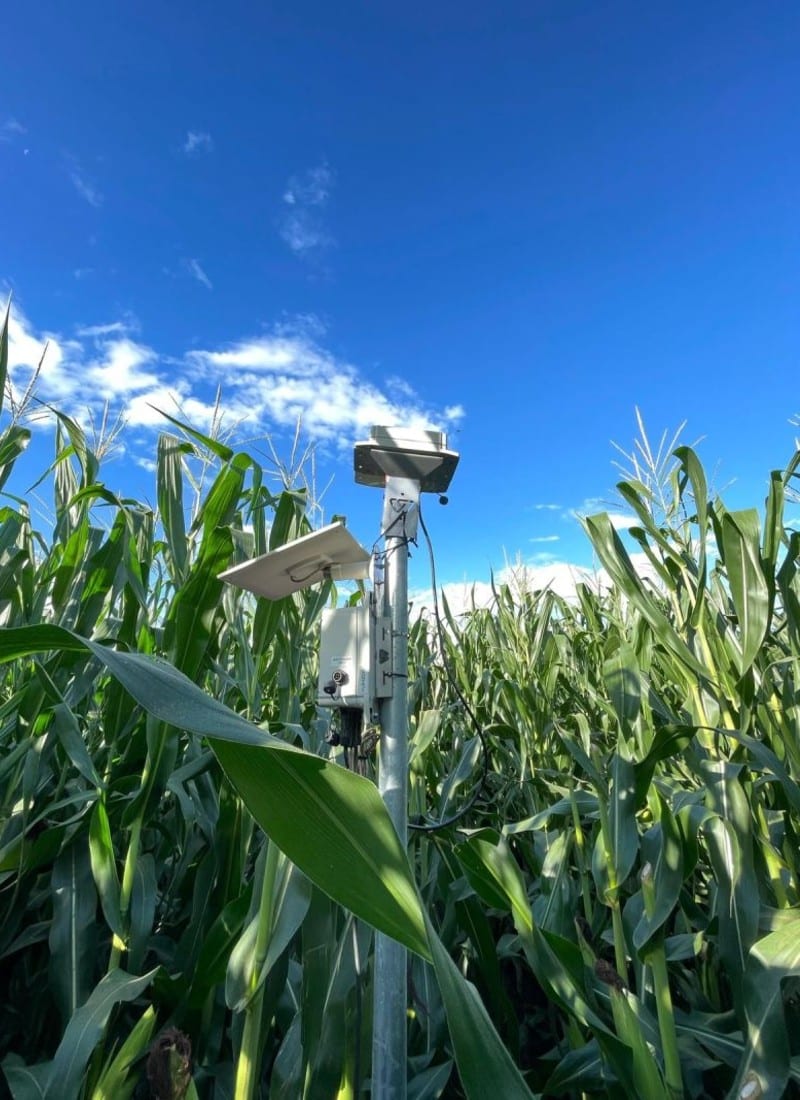
Precision agriculture company Paul-Tech has launched a new soil data forecasting service that enables farmers to plan fieldwork and respond to changing conditions up to five days in advance. The new feature is based on real-time long-term data collected by Paul-Tech’s soil stations and high-quality weather models.
“Our soil stations have been collecting real-time data since 2019, covering a wide range of growing seasons. Thanks to this, Paul-Tech has one of the most comprehensive agricultural soil process datasets available,” explained Eve Plakk, Product Owner at Paul-Tech.
“Over the years, farmers have frequently asked whether it would be possible to see ahead into future soil conditions. Now we can finally say—it is.”
Paul-Tech’s soil stations have already helped farmers assess crop health by monitoring what’s happening underground. For example, if drought stress is detected in the soil, the crop won’t feel the impact until days later. With the new forecasting service, farmers now gain valuable lead time to act before these changes are visible in the field.
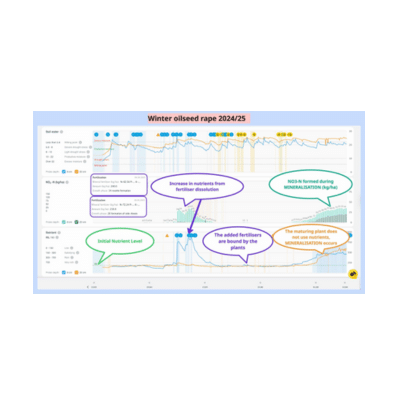
The new forecasting feature is available to all existing Paul-Tech soil station users. It is powered by AI-driven models that combine real-time soil data, historic seasonal information, and trusted weather forecasts. Forecasted indicators include current and five-day rainfall predictions, five-day soil water dynamics, and temperature forecasts for both soil and air (average, maximum, and minimum). The service also provides predictions for volumetric soil moisture and relative humidity.
Although Paul-Tech’s stations do not include a built-in rain gauge, the system integrates reliable rainfall data and forecasts from premium-quality weather models—effectively adding a virtual weather station to the Paul-Tech ecosystem.
“Our core principle has always been simple: what happens in the soil will eventually be seen in the crop,” added Eve Plakk. “With this forecasting service, farmers can now anticipate those changes and respond in advance.”
“We’ve significantly advanced our product in recent years,” said Mikk Plakk, CEO and Co-Founder of Paul-Tech. “Our goal is to offer farmers more accurate tools to support informed decision-making. We recently launched the world’s first real-time nitrate nitrogen monitoring capability, and now we’re taking it a step further with soil data forecasting. These innovations are changing the way agriculture is approached.”
This new forecasting service is now available as an added feature through the Paul-Tech system for all customers from spring 2025.
About Paul-Tech
Paul-Tech is a science-driven agriculture platform that empowers farmers to make more precise decisions using real-time soil data. The company’s soil sensors are built upon generations of research and allow users to track fertiliser effectiveness and various soil processes. Since its founding in 2019, Paul-Tech has operated in Estonia, Finland, and Sweden, and expanded to the UK and Lithuania in 2024.
*I have permission from the copyright holder to publish this content and images.
Post Overview
This story has been submitted by an Agri-TechE member.

 Ceres Research


 BugBiome





 University of East Anglia (UEA)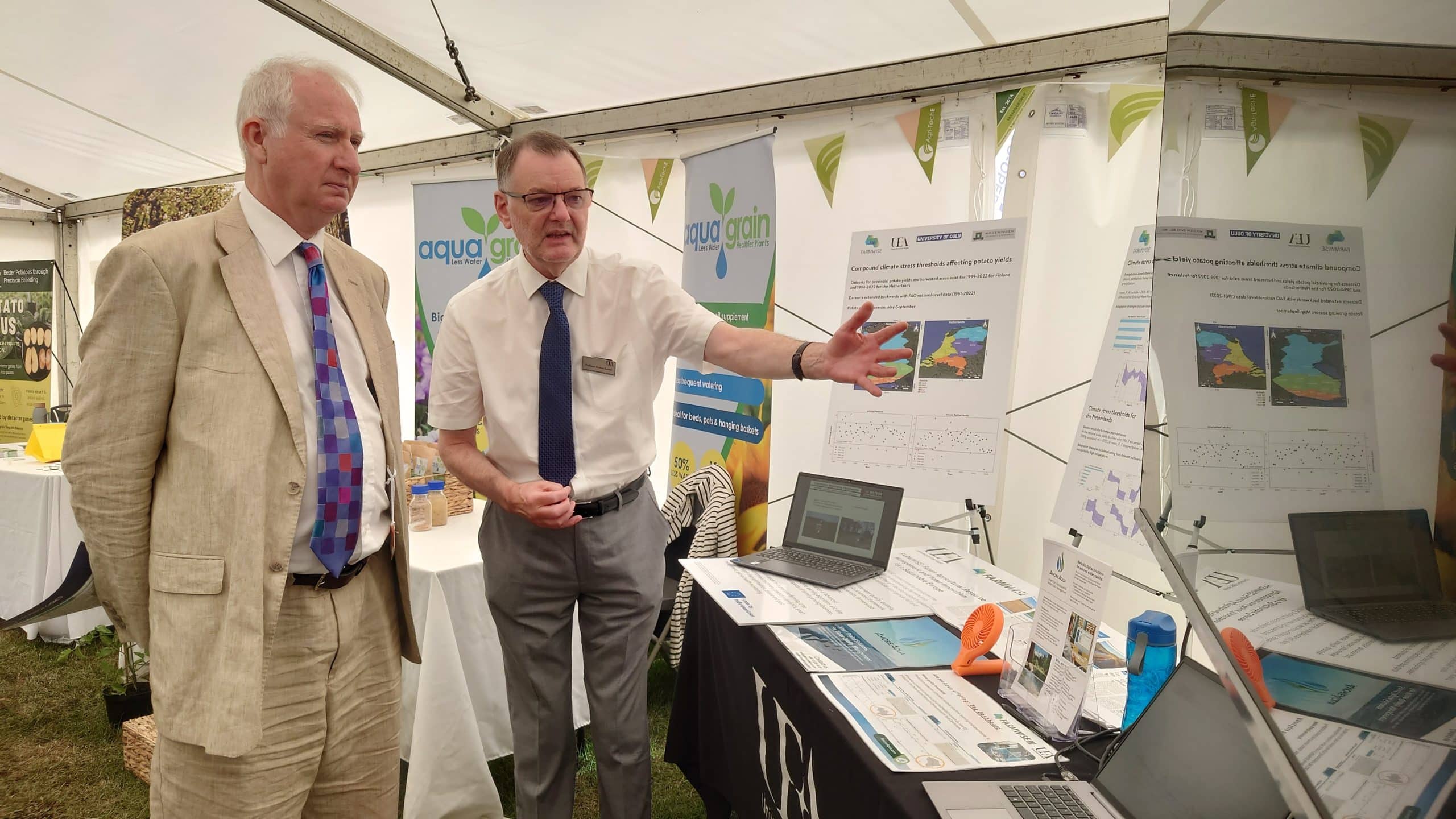


 GK Strategy





 J A KEMP LLP





 Lacuna Space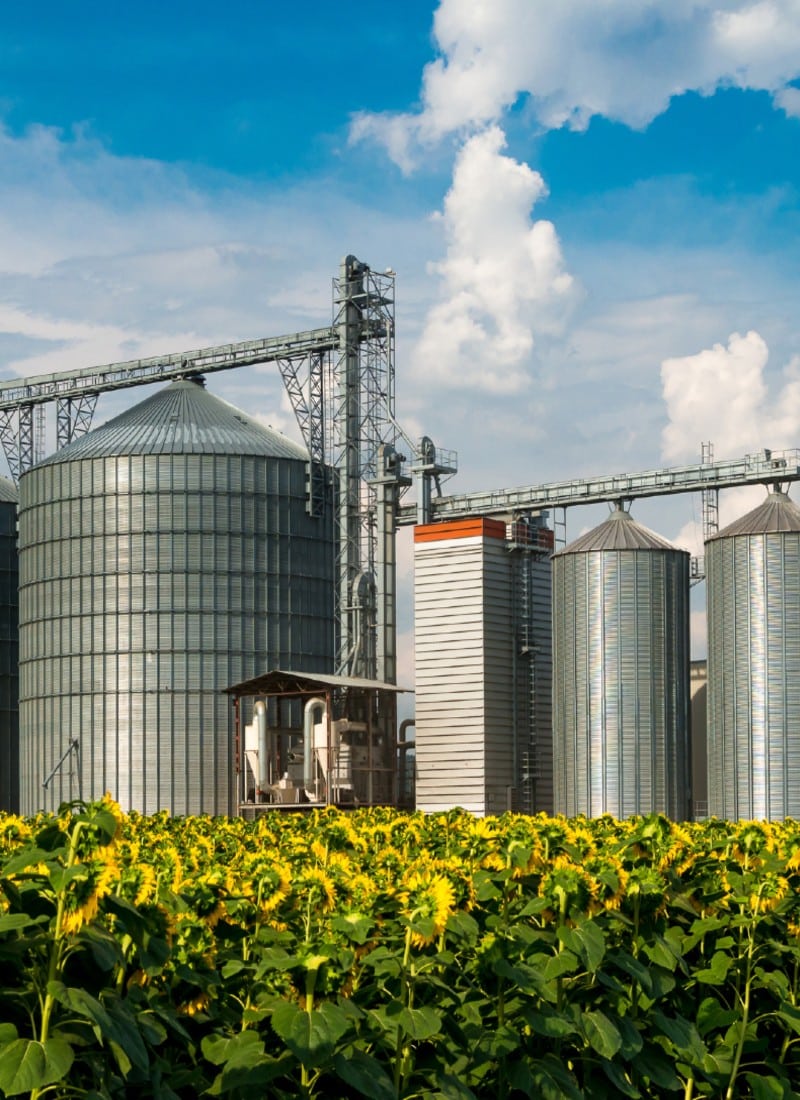








 Zayndu Ltd

 UK Food Valley



 ip21
ip21




 Paul-Tech Ltd