Explore advancements in the arable industry
Join us at CropTec, the UK’s leading technical event for the arable sector, on 14-15 January 2026 at the NEC Birmingham. Gain exclusive insights from industry-leading specialists and explore the latest innovations shaping the arable industry.

DryGro raises £3.8m funding to provide an alternative protein for livestock feed

Agri-TechE
DryGro, developers of cultivation systems for protein rich Lemna, has announced that it has closed a Series A round with an investment of £2 million.
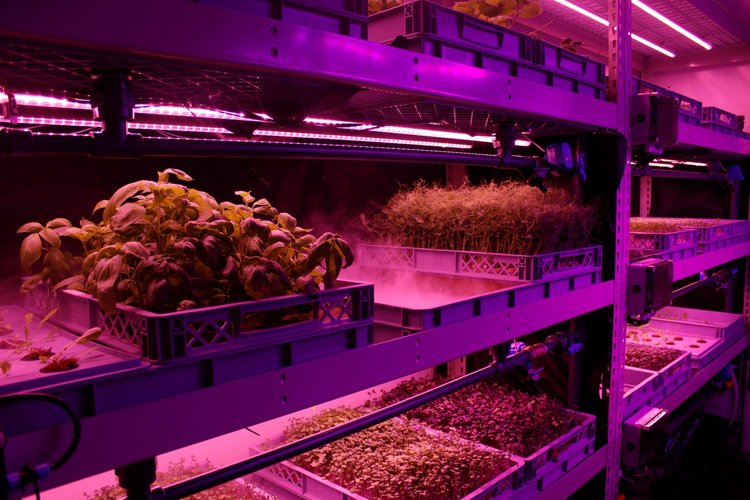
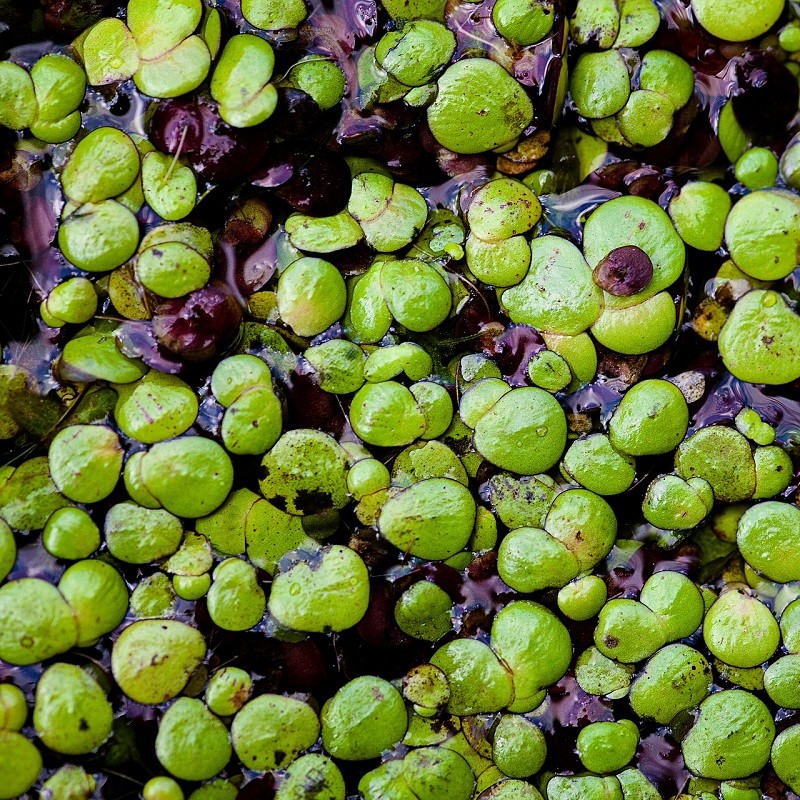
Lemna, commonly known as duckweed, grows floating on the surface of water. DryGro has developed an enclosed incubation system that can be used in sub-saharan climates. It will provide a locally grown source of protein for animal feed and an sustainable alternative for expensive imported soy.
Using a proprietary growing system, DryGro can produce animal feed protein 8x faster than traditional soy meal production. The company was founded at Oxford University in 2015, and launched its first pilot farm in Kenya in 2018.
DryGro intends to use the proceeds of the Series A investment to advance the development of its Lemna production facility near Naivasha, Kenya and expects to enter commercial-scale production of Lemna in 2021. To date, DryGro has received support from investors and advisors including: Sustainable Ventures, aquaculture accelerator Hatch, Innovate UK, the European Institute of Innovation and Technology’s Climate-KIC programme, the European Commission’s Horizon 2020 initiative and the European Space Agency.  An earlier investment of £1.8 million, bringing its total Series A raise to £3.8 million ($4.71 million).
DryGro was supported in this round by investment advisors Fonte Capital and EthicalFin. The Kenya pilot comprises semi-cylindrical structures that let in sunlight but protect the lemna from strong winds or downpours of rain. Inside are swimming pool structures for certain varieties to float through and grow, with a closed loop water filtration and recycling system, sensors to regulate nutrient levels and growth patterns, and a harvesting system that allows for daily extraction.
The team say its growing system could produce animal feed protein faster than traditional soy meal production  using 99% less water because all water used  can be recycled.
DryGro’s production system therefore requires far less land, is not vulnerable to outdoor weather conditions and can be built in most locations that have ample sunlight and inexpensive land.

Vomiting bumblebees show that sweeter is not necessarily better

Research Digest
Agri-TechE
A new study using bumblebees has found that the sweetest nectar is not necessarily the best: too much sugar slows down the bees. The results will inform breeding efforts to make crops more attractive to pollinators, boosting yields to feed our growing global population.
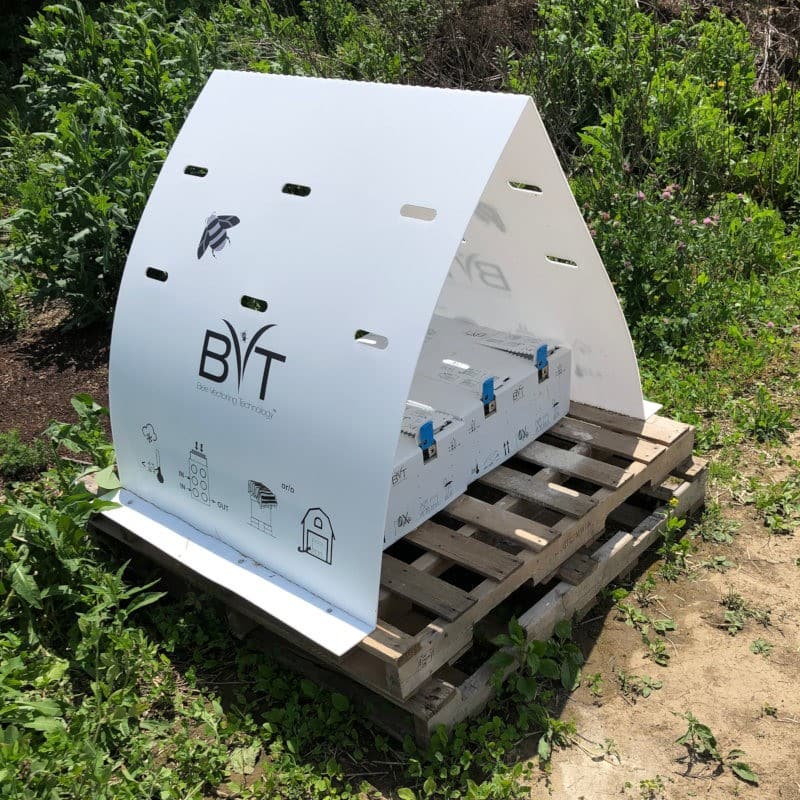
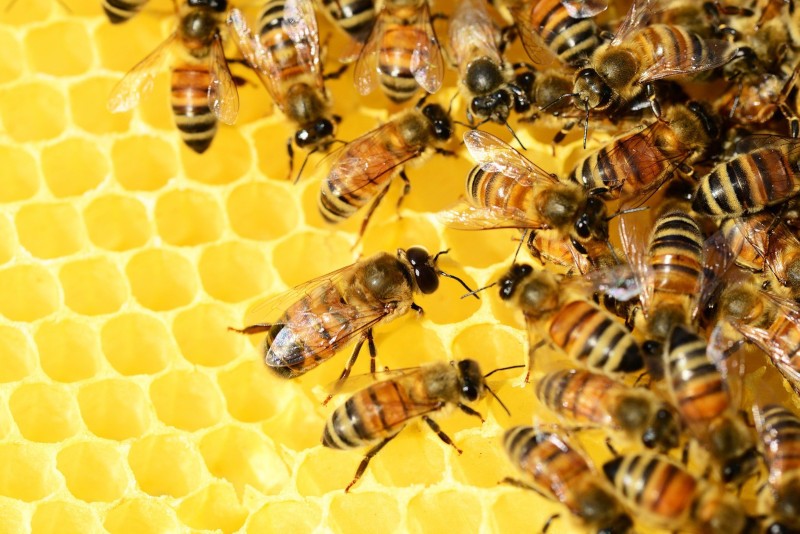
Bumblebees drink nectar from flowers, then offload it in their nest – by vomiting – for use by other bees in the colony. The sugar within nectar makes it appealing, and the more sugar within the nectar, the more energy it contains. But nectar also gets more thick and sticky as the sugar content rises, and this makes it more difficult for bees to drink and regurgitate – requiring more time and energy. Published in the Journal of the Royal Society Interface, the study looked at the mechanics of both nectar drinking and regurgitation in one of the most common bumblebees in the UK, Bombus terrestris. It found that the best concentration of nectar for bumblebees in terms of overall energy gain is lower than might be expected. Nectar that is low in sugar is easy for bees to drink and very easy to vomit back up. As nectar gets more sugary, it gradually takes bees longer to drink, but swiftly becomes much more difficult to vomit.
“Bumblebees must strike a balance between choosing a nectar that is energy-rich, but isn’t too time-consuming to drink and offload. Nectar sugar concentration affects the speed of the bees’ foraging trips, so it influences their foraging decisions,” said Dr Jonathan Pattrick, first author of this study, formerly a PhD student based jointly in the University of Cambridge’s departments of Plant Sciences and Zoology and now a post-doctoral researcher in the University of Oxford’s Department of Zoology.
This new information will help scientists make better predictions about which types of nectar bumblebees and other pollinators should like best, and consequently the kinds of flowers and plants they are most likely to visit. This will inform crop breeders in producing the most appealing flowers for better crop pollination and higher yields.
Current crop breeding is focused on enhancing traits like yield and disease resistance, rather than considering pollinator preference. The new results improve predictions of the perfect nectar concentration for making the most efficient use of pollinating bumblebees.
Nectar is produced by flowers to attract pollinators, and a source of food for many species of insect, bird and mammal. The levels of the sugars sucrose, glucose and fructose within the nectar vary depending on the plant producing it.
“Studies have shown that numbers of some pollinators are going down, but there are more and more people in the world to feed. We need to make better use of the pollinators we have,” said Professor Beverley Glover in Cambridge’s Department of Plant Sciences and Director of Cambridge University Botanic Garden, who led the study. “This research will help us understand the types of flowers and plants the bees are most likely to visit, which will inform crop breeding to make the best use of the available pollinators.”
This research was funded by the Biotechnology and Biological Sciences Research Council (BBSRC).
Find out more on the University of Cambridge website.

Breedr’s virtual value-chain for livestock production supports NFU’s targets

Meet the Network
Agri-TechE
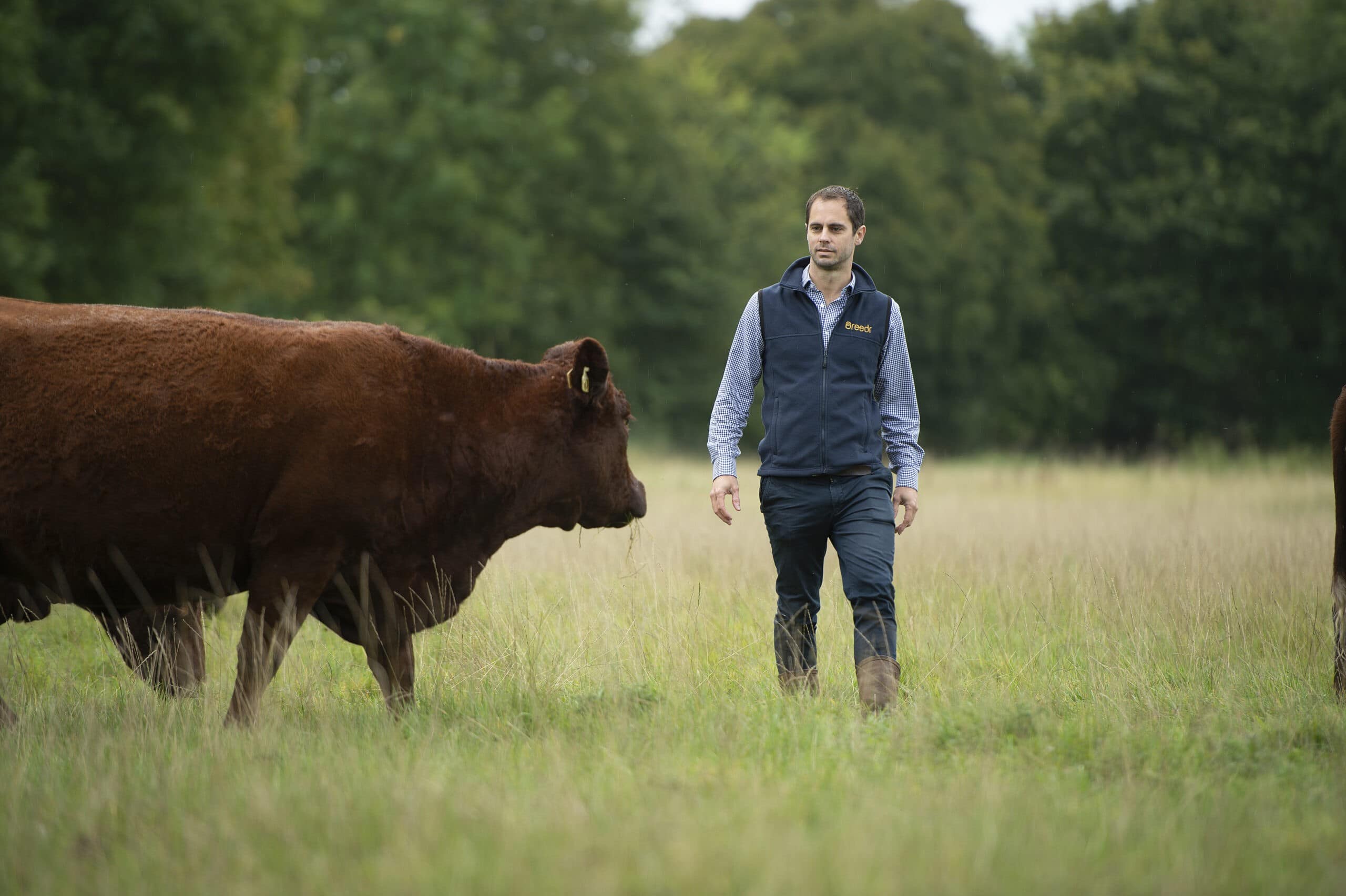
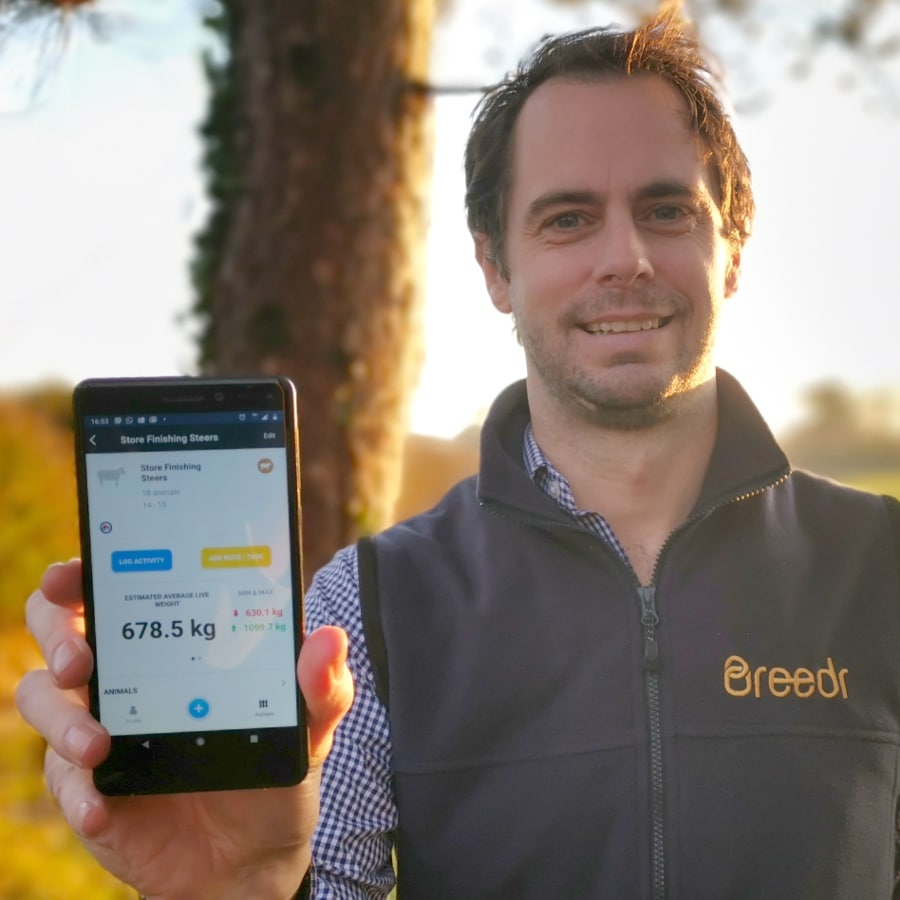
A virtual value-chain for livestock production that ensures quality and supply has been developed by Breedr and has the support of the National Farmers Union, major livestock producers, processors and leading supermarkets.


Breedr is a new precision livestock network that will drive up meat eating quality, help producers to increase productivity and profitability and enable others to source high quality meat online.


John Royle, Chief Livestock adviser at the NFU, comments: “The recent crisis has shown the urgency of upgrading meat value-chains so they are fit for the 21st century. The industry needs to deliver produce of high meat eating quality, consistently, with minimal waste and environmental impacts and to do so in a way that is profitable and sustainable.


“The online network developed by Breedr supports the NFU’s target to reach net zero by 2040. It is creating a virtual supply chain that builds confidence and trust between producers and processors. It will remove the need for buyers to see the animals and ensure that producers are rewarded for meat that meets high welfare and quality standards.”


Ian Wheal, founder of Breedr, comments: “Breedr aims to revolutionise the way that livestock is produced and traded. All producers need to do is share their weight data.”

This video shows how Beef Farmers of the Year 2019 Ian and Michael Sturmer maximise the DLWG of their 6,000 steers using Breedr.

Breedr launches free app to improve productivity in livestock supply chain

Meet the Network
Agri-TechE
“Our vision is to radically change livestock production, so the industry can deliver meat of consistently high eating quality for consumers, with less waste and higher returns for farmers,” says Ian Wheal, founder of Breedr. As latest figures show a drop in meat sales, both in terms of volume and value*, Breedr is making its powerful precision livestock app free of charge to drive productivity improvements across the whole value chain.
Breedr is revolutionising the way that livestock is reared, finished and traded. The company has invested over £2M in development** and has consulted across the industry to create an app that offers immediate productivity benefits.
Something that founder Ian Wheal, son of an Australia cattle farmer, feels passionate about: “Meat is a premium product and consumers want assurance of a good experience. We believe the best way to achieve this is to use the data farmers are already collecting – movements, vet meds, weighing – and digitise livestock production, enabling improvements at every stage.
“So, we are giving every farmer in the UK, no matter of their size, free access to a really sophisticated livestock app that makes it easy to collect and interpret animal data. It gives immediate access to information about health and weight and the powerful analytics tools will boost the herd’s productivity and profitability.”
Breedr is an app on your phone that connects to a secure trading network on the cloud. Data collated through the app about live weight gain, feed, health and parentage is used to make predictions about the animal’s performance and optimum date of sale for peak-profit for the farmer. The app creates a digital profile for each animal that can be matched with a contract and traded online, meaning producers have an assured sale and buyers can easily source prime beef to order.
To achieve this, data needs to follow the animal throughout the value chain, so Breedr has made it easy to connect to the BCMS and then link all of the information gathered about that animal throughout its lifetime – from weigh heads to veterinary records – to a digital record.
Breedr has been trialling its app with top beef producers and has been in consultation with processors, retailers and other stakeholders across the industry. Achieving consistency with minimal waste was the key demand. As Ian Sturmer, UK Beef Farmer of the Year, and one of the first to trial the Breedr app, explains: “Meat is now a luxury product and we need to be making sure of the consistent quality and sustainability of these products, to the highest standards. With Breedr we have become aware of the importance of breeding. Variety in the quality of the bulls within a breed is staggering.
“With the support of Breedr, we are now considering selecting the semen and working with dairy farmers to improve growth rate and performance and meat quality. We can breed animals that use less food, grow more and taste better. That has really excited us.
“With Breedr we are able to have a more powerful complete supply chain analysis, from the dairy farm right the way through to consumption. If we are going to have a vibrant beef sector in the UK and take advantage of the many export opportunities, I think it’s of paramount importance that we try.”
Ian Wheal agrees: “We’ve spent two years building the technology to make this possible, but we can’t do it alone. We need farmers of every size, age and system – who share our vision and want to boost the profit of their operations immediately – to bring their animals onboard and join the amazing farms already using Breedr.
“That’s why we’ve decided to give every farmer in the UK the Breedr livestock app for free.”
To sign up to Breedr’s free performance and trading platform, or for more information, visit www.breedr.co.

* Latest figures shows retail sales of beef fell in both volume and value terms, compared to a year earlier, according to the Government’s Agriculture and Horticulture Development Board (AHDB) https://ahdb.org.uk/news/sales-of-beef-and-lamb-fall-in-both-volume-and-value [published 4 March 2020]
** Breedr has raised £2.2 million in funding, in a seed round led by London-based Local Global, with investment from Mons Investment and other industry angel investors who joined early backers Forward Partners and Gumtree founder Michael Pennington. The investment includes a grant of just over £236k from Innovate UK, the UK’s innovation agency, to lead the development of an innovative Smart Contracts system for the meat and livestock sector.  It will use blockchain or distributed ledger technology (DLT) to capture the complicated flows of data and transactions between multiple parties and improve transparency and trust.

Smartbell animal health system still reaping benefits of GROW agri-tech competition

Agri-TechE Article
Agri-TechE
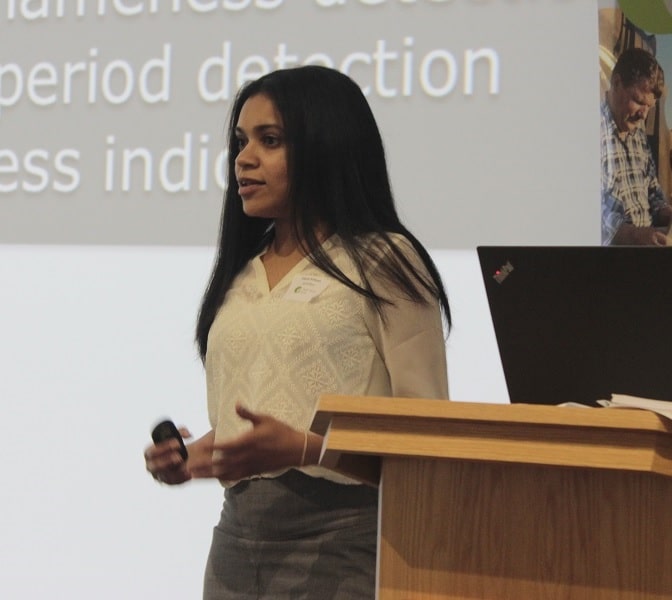
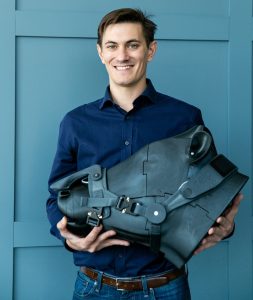
Smartbell’s integrated sensors and software bring the expertise of an experienced herdsman to an automated dairy system. The early-stage company has made good progress since it was a finalist in the non-student category of the GROW agri-tech business plan competition in 2016; the UK’s only competition supporting new businesses in this area.
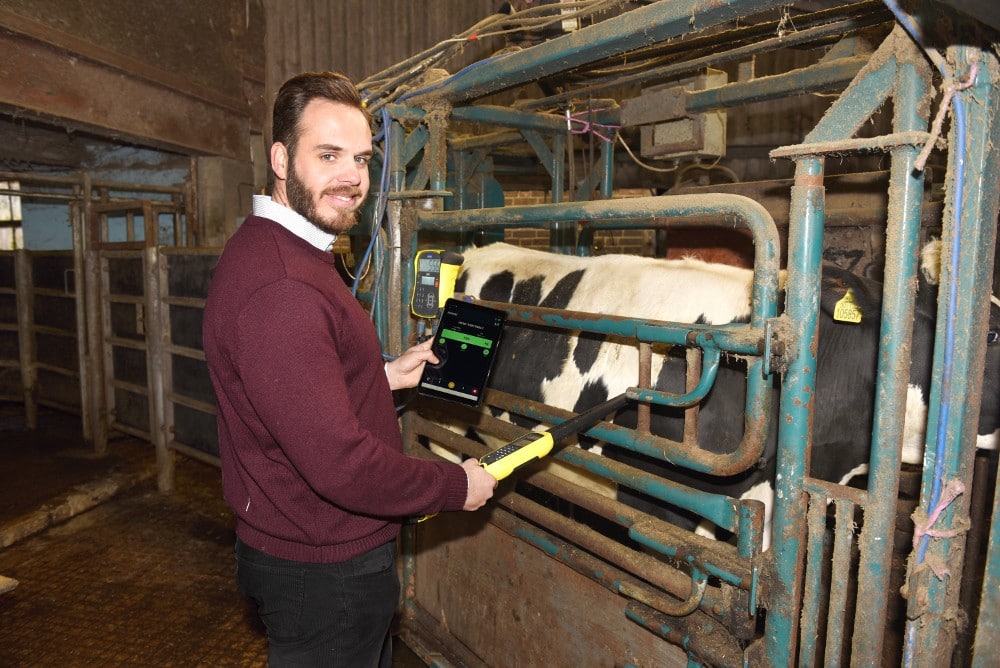
Smartbell works using an RFID (radio frequency ID) device that can easily be attached to an animal’s collar or ear – as with statutory RFID tags – offering a 24/7 animal health system that monitors feed, heat or cold stress, other behaviours as well as fertility and pregnancy.
Farm trials have shown Smartbell can generate revenues of over £40k for a herd of 300 cows.
Here, Smartbell co-founder Veena Adityan speaks to us about how the company has progressed, four years on from taking part in GROW.

Q&A with Smartbell co-founder, Veena Adityan

  • How has the business progressed since the GROW agri-tech competition  – what do you offer, has demand increased?

Smartbell offers precision solutions for animal health monitoring and management, delivering solutions for farmers and producers (aggregators).
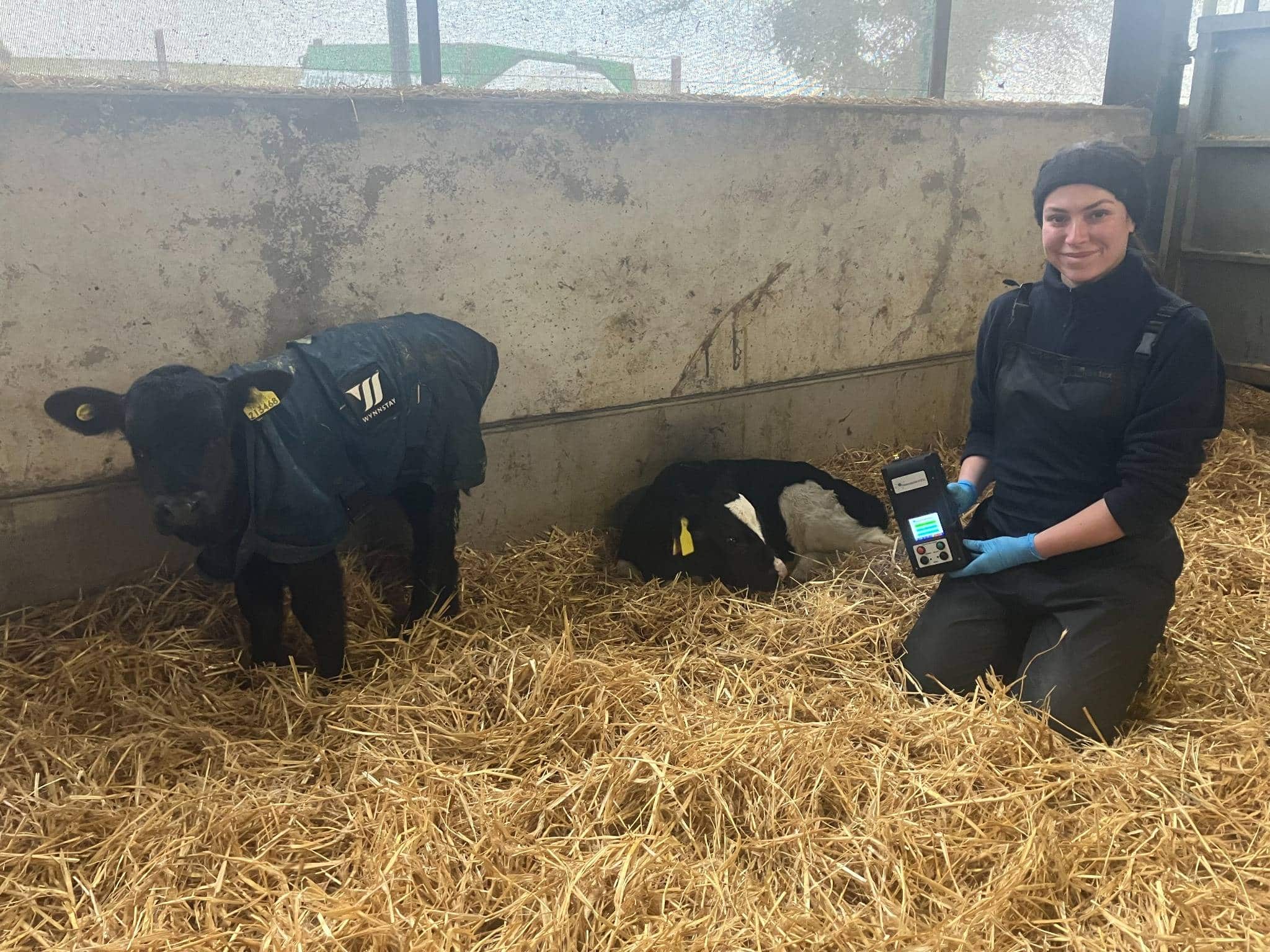
Our beachhead product provides early disease detection and guided triage system to help farmers prevent diseases in young animals, ensuring better lifetime health and growth; it reduces the need for antibiotics and improves profits.

  • How have you grown since those early days, have you received any additional funding? 

Soon after GROW, we received GCGP Local Enterprise Partnership AGri-tech R&D grant support (now The Business Board of the Cambridgeshire and Peterborough Combined Authority).
And, most recently, we have been awarded and are leading a £1M Innovate UK grant: Transforming Food Production.

  • Can you share some examples of how/where your technology has been applied?

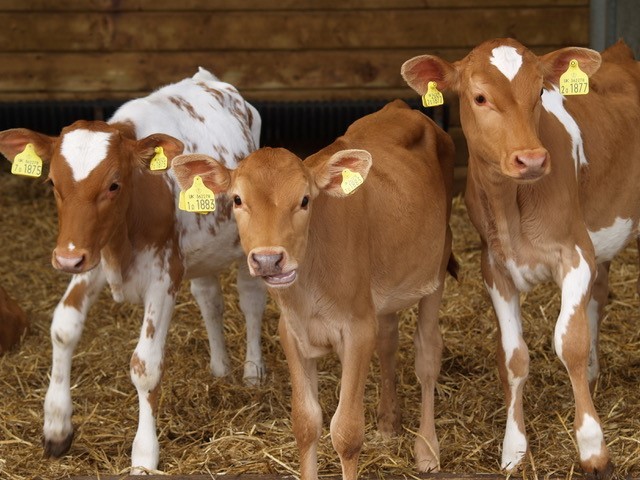
One area is in calf rearing, where there tends to be a high incidence of disease.
Early trials have shown our tech can help detect an outbreak two days before visual symptoms and thus prevents the spread and severity of the disease.
We are also working on several other applications, such as for lowland grazing sheep and affordable health monitoring solutions for adult cattle in emerging markets.

  • What was the benefit to SmartBell of being involved in GROW? 

GROW is very unique competition, with clear focus and structure. The business plan element really made us think through every aspect of our proposition early-on.
We found the mentor programme extremely beneficial. As a young company it is not easy to get access to an experienced mentor from a highly relevant background, who will spend quality time analysing and giving feedback – and this was very useful.
The pitch training and the platform provided by being on GROW has also been incredibly helpful in building credibility and networks.
Belinda Clarke, personally, and through Agri-TechE , as Director, has been so supportive through all these years – that after many years, since taking part, we are still reaping the benefits of having been part of this platform.

Read more about Smartbell.

GROW Agri-TechE Business Plan Competition 2019/20
If you’re an innovative farmer or technologist with a great business concept, find out more about GROW and how to apply to be part of this year’s competition – deadline for registration is 28th February 2020.

As bovine TB reaches record levels in Wales permission is given for first trial of PBD Biotech’s Actiphage® blood test

Meet the Network
Agri-TechE
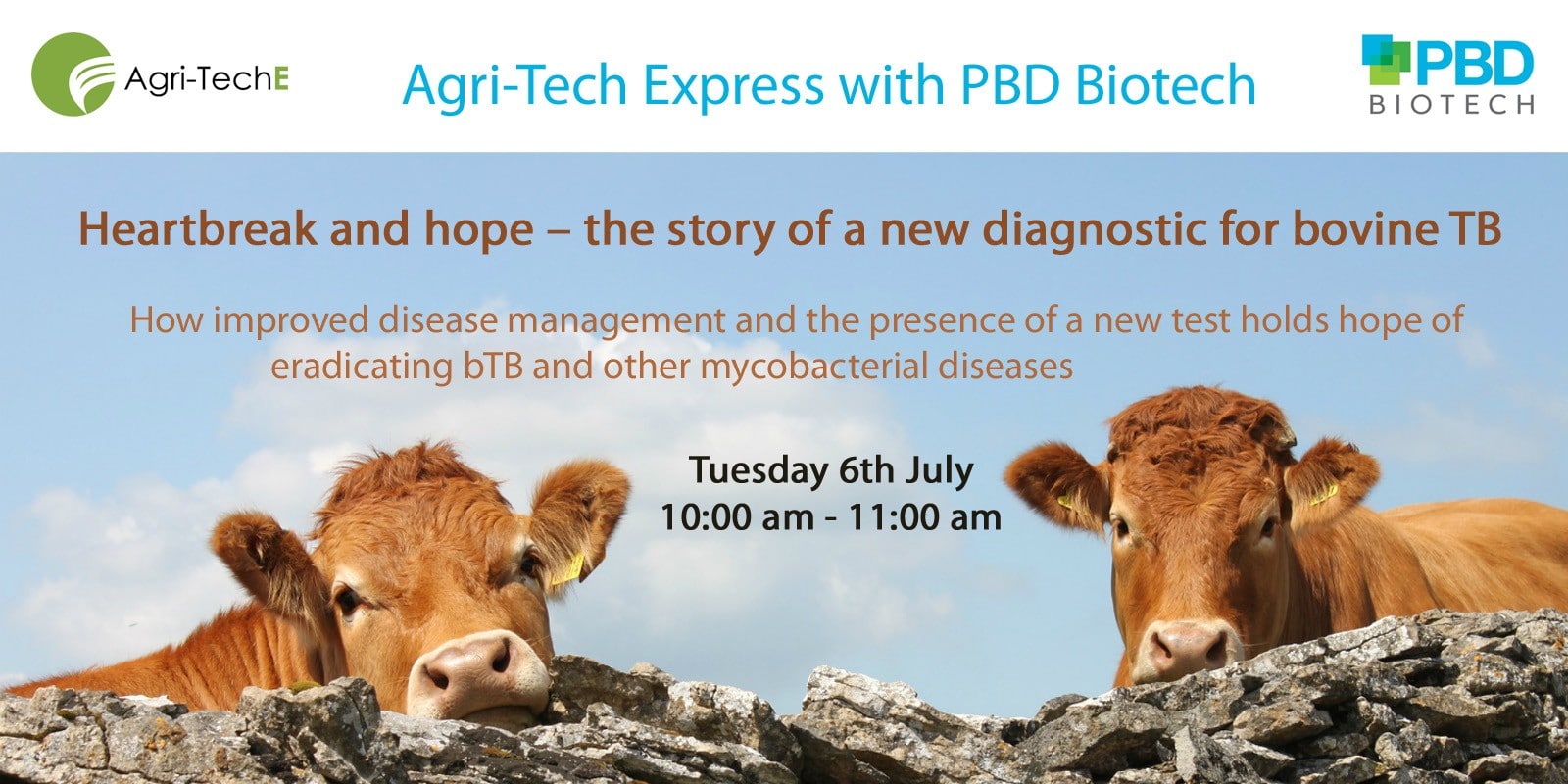
A record 12,799 cattle have been slaughtered in Wales this past year because of bovine TB; a 28% increase year on year, with one region recording a 190% increase.
Now a dairy farm on the west Welsh coast, stricken by bovine TB, is the first to gain permission to trial PBD Biotech’s rapid Actiphage® blood test for Mycobacterium bovis (M. bovis), the pathogen that causes this devastating disease.

New government guidelines allow use of Actiphage

This follows the launch of new guidelines by the Welsh Government, clarifying the use of non-validated testing.  PBD Biotech is encouraging more farmers to participate in further trials in order to gain the World Organisation for Animal Health (OIE) validation.
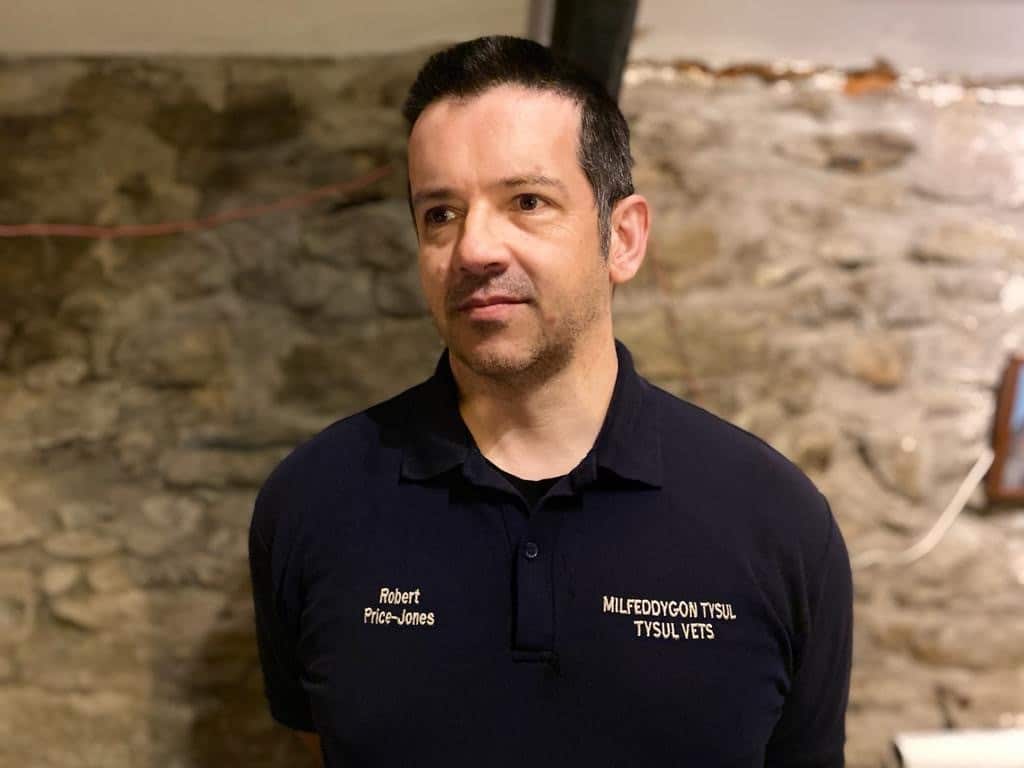
Under the terms of the Welsh Government’s protocol, cattle not condemned for slaughter could be tested with Actiphage. Those that give a positive result are identified with a ‘management’ marker, monitored and milked separately. To prevent further contamination of the environment and to minimise risk to uninfected cattle, animals found to be ‘shedders’ are removed from the farm. Although a decision to remove cattle based on a non-validated test will be at the farmers’ own expense, the APHA(Animal and Plant Health Agency) has confirmed that during the trial, where a positive result is confirmed with statutory tests, the animals will be removed with compensation as normal. In Spring 2019, The Office of the Chief Veterinary Officer for Wales granted permission for vet Robert Price-Jones to use Actiphage to screen high-risk cattle for M. bovis.
Robert, who has been leading the trial, comments: “Actiphage is able to identify the presence of relatively low numbers of M. bovis in the blood stream of infected cattle. It is not dependent upon an immune system response to the pathogen – in contrast to current validated tests – and so has greater sensitivity than such as the official Tuberculin SICCT skin test.
“The benefit of using Actiphage is that it offers the potential for eradicating the disease from the farm; as early identification of animals at risk of bovine TB enables heightened disease management and control.”
To help accelerate the development of alternatives to the current tests, the Welsh Government issued (14 November 2019), a new policy that set out the conditions needed for authorised use of non-validated tests in a cattle herd affected by a bovine TB breakdown. A similar protocol was issued by UK Government last year (May 2018) for cattle herds in England; it includes Actiphage, following the test’s use as part of a successful private eradication plan on Devon dairy farm Gatcombe.

Revolutionise control of bovine TB

The Actiphage test offers the potential to revolutionise control of bovine TB by allowing detection of the disease within hours from a blood or milk sample.
Mossman Farming, in Ceredigion, is located in an area of chronic breakdown. It is a spring-calving milking herd with a total stock of 529, to date 312 dairy cows have been slaughtered.
Farmer Chris Mossman agreed to trial Actiphage after hearing about the Gatcombe pilot.
Chris explains: “TB is a massive problem in Ceredigion, so when I heard about Actiphage’s use at Gatcombe, helping to clear that dairy herd for the first time in six years, I wanted to try and replicate those findings here. Me – and many other farmers – are losing large numbers of animals. I’m trying to do all I can to get rid of this disease from my herd.”
So far, 100 animals from Mossman Farming have been tested with Actiphage and vet Robert Price-Jones is preparing a paper to publish the findings in early 2020.
PBD Biotech is offering reduced cost testing to support trials where the findings are made available to support validation of the test.

Part of the agri-tech cluster

PBD Biotech launched at REAP a few years ago as part of the Start-up Showcase and has benefited from involvement in the HARVEST programme, setting up trials and an HQ in Canada.

Actiphage blood test can improve bovine TB testing

Research Digest
Agri-TechE

Research shows Actiphage improvement on current bovine TB testing
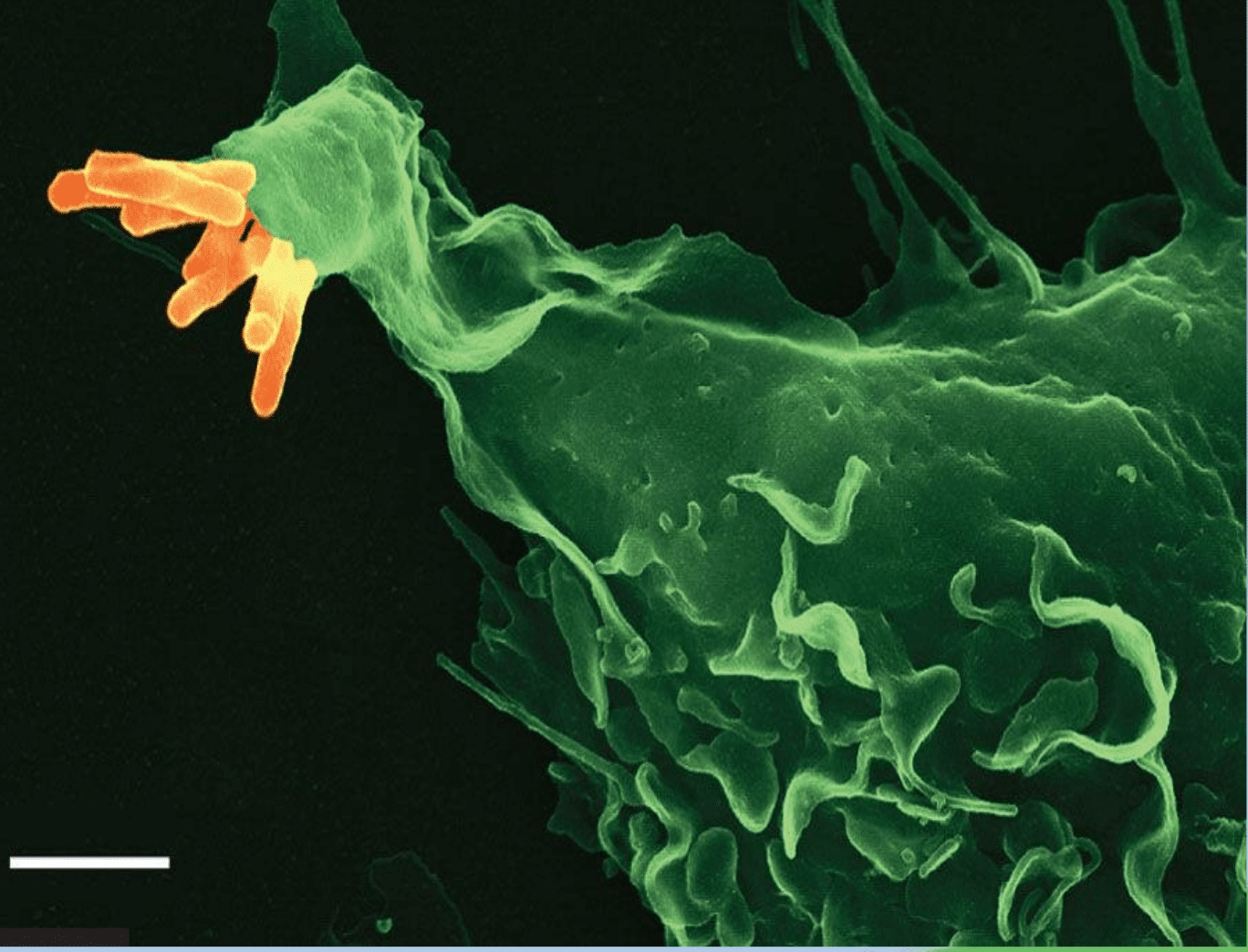
Actiphage® is a rapid blood test for the mycobacteria that cause bovine tuberculosis (TB) and Johne’s disease. A new paper, published in the journal of Microbial Biotechnology, describes how PBD Biotech developed the test to support farmers and vets to provide improved Johne’s and bovine TB testing.
Co-author Ben Swift explains that Actiphage was developed to offer an one-day test that was capable of detecting low levels of viable mycobacteria.

Speeding up disease detection

Dr Swift says, “The Actiphage method offers the potential for rapid, inexpensive, sensitive detection of live mycobacteria in high-throughput format. It reduces the time to detection of the slow growing mycobacteria from months to hours.”
Mycobacteria are responsible for a wide range of diseases in humans and animals. Mycobacterium bovis (M.bovis) causes bovine TB in cattle, wildlife and a range of other species including pets. Mycobacterium avium subsp. paratuberculosis (MAP) causes Johne’s disease, a severe wasting disease in ruminants.
MAP has also been associated with Crohn’s disease in humans, but a causative link has not yet been conclusively proven.
PBD Biotech has developed the Actiphage test for mycobacteria, in blood and milk, as a commercially available kit. The sensitivity and specificity of the new Actiphage test is a further improvement on the original phage-RPA, developed by the co-founders.
The paper ‘The development and use of Actiphage to detect viable mycobacteria from bovine tuberculosis and Johne’s disease infected animals’, co-authored by Drs Ben Swift and Cath Rees, describes the method used.

Potential to revolutionise bovine TB testing

The primary screening test for bTB in cattle in the UK is the single intradermal comparative cervical tuberculin test (SICCT) or tuberculin skin test. It is the internationally accepted standard for detecting M. bovis infection in live animals.
In the study, blood samples from cattle (n=41) found to be positive to M.bovis with SICCT were tested using both the original phage-RPA and the new Actiphage test.
Using the SICCT status as a comparator, the sensitivity of the Actiphage method was 95 % (95 % CI; 0.84 – 0.99) and specificity was 100 % (95% CI; 0.92 – 1).
These SICCT-positive animals had been classified post-mortem as either Visible (VL) or non-visible lesion (NVL), and the data showed that the Actiphage method detected mycobacteria in the blood of all (n=13) of the VL animals and 93 % (26/28) of the NVL animals. None of the animals in the negative control gave a positive result.
Swift concludes, “The sensitivity of the method allows detection of low numbers of viable cells in clinical blood samples and therefore has the potential to revolutionise disease management of mycobacterial infections.”
Actiphage is currently being trialled in the UK, Europe, USA and Canada and PBD Biotech is working towards OIE (World Organisation of Animal Health) validation.
More on the story can be read on PBD Biotech’s website.

Which flowers do bees prefer? Portable sequencer provides answers

Agri-TechE Article
Agri-TechE

To understand which flowers are important for bees, scientists from the Earlham Institute (EI), with the University of East Anglia (UEA), have developed a new method to rapidly identify the sources of bee pollen.
The rapid pollen analysis uses a method called ‘Reverse Metagenomics’ (RevMet) that can identify the plants that individual bees visit. It uses MinION, a portable DNA sequencer from Oxford Nanopore Technologies.
The portability of the equipment involved means that this type of analysis could be performed on-site where bees are collected and sampled – vastly increasing our understanding of where bees look for pollen on a national scale.
Bees are in vast decline in the UK and across Europe, as are the wildflowers on which they rely. One way to help boost their numbers is by planting the correct wildflowers, providing a better habitat for pollinators to disperse, nest and breed.
However, it is unclear which plant species are the most preferred between different pollinators, including bees, and how this might change over time and in different environmental conditions.
Historically, scientists used light microscopy to identify individual bee-collected pollen grains, which was a time-consuming and impractical method.
Ned Peel, the PhD student who carried out the research in the Leggett Group at EI says: “Importantly, from a mixed sample of pollen, we can also measure the relative quantities of each type of pollen.
“Manual methods to measure pollen and other genomics methods, such as metabarcoding, have been developed – but these can’t accurately measure how much of each different type of pollen is found in a sample.”
Prof Douglas Yu from UEA’s School of Biological Sciences, who had the initial idea for the project, said: “To support our tests, we rapidly generated 49 wild UK plant species. Assembling these genomes would have taken us months of work and required a lot of money.
“With our method, the pollen is separately sequenced with the MinION, which generates long DNA sequences – we then used the 49 reference skims to identify each of the long reads to local plant species.”
“This technique can reliably differentiate species in a mixed sample according to the amount of DNA present of each. The results showed that honeybees, and two species of bumblebee, demonstrate a high preference for one plant species per foraging trip.”
The reverse metagenomics pipeline can be applied to more questions than just what plants bees like to pollinate; we can also understand whether certain wildflowers compete with agricultural flowers for pollinators, or the behaviour of pollinators across large areas and land types.
The method could also be used to study other mixed samples, such as herbivore dung, for diet analysis; and air, to identify airborne allergenic pollen and crop pathogens.
The paper, titled: “Semi-quantitative characterisation of mixed pollen samples using MinION sequencing and Reverse Metagenomics (RevMet)” is published in Methods in Ecology and Evolution

Zelp is capturing cattle burps to reduce greenhouse gases

Agri-TechE Article
Agri-TechE

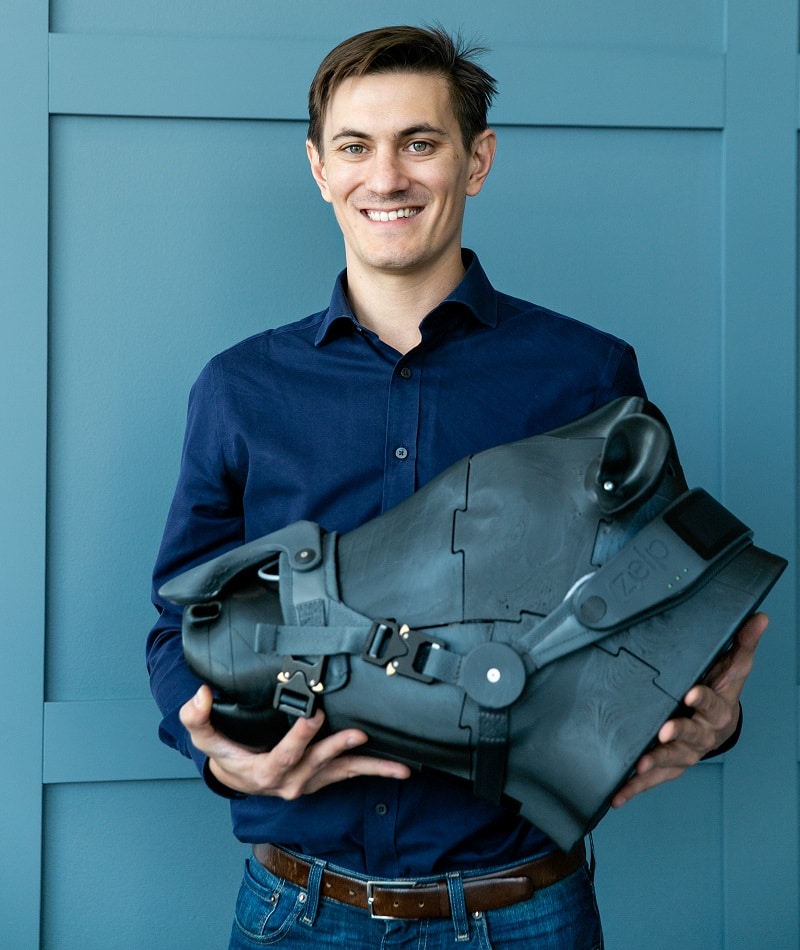
Cow burps have been slammed as a major cause of greenhouse gas (GHG) – but how much methane is produced and can it be reduced? These are the questions being addressed by agri-tech start-up Zelp, which has developed a way to capture methane emissions and oxidise them in the field. Zelp was established by two brothers whose family runs a cattle ranch in Argentina.

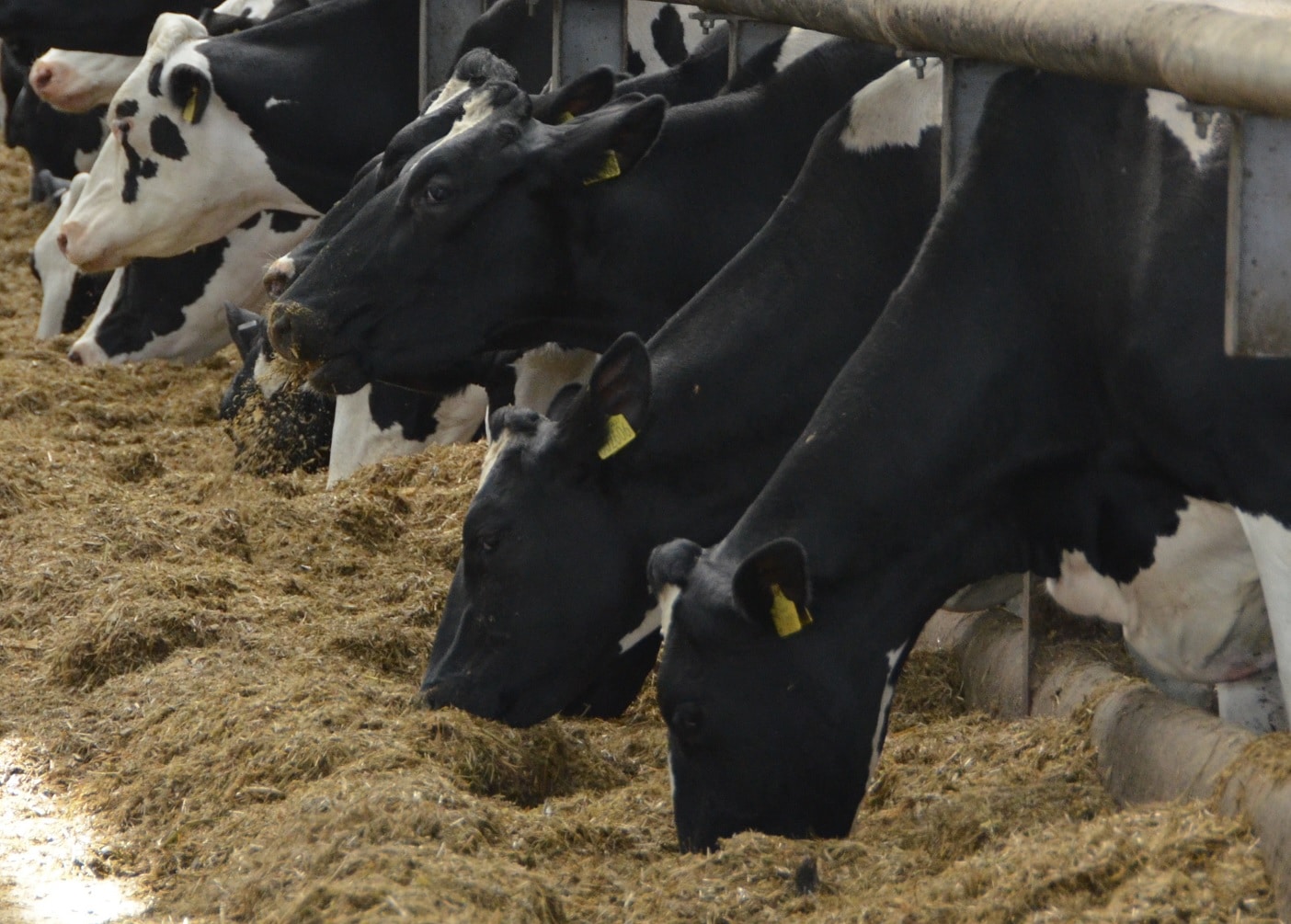
Methane correlates with feed efficiency. An animal that is producing excess gas could be wasting 5-12 per cent of their feed energy, which could otherwise be used for generating milk or mass. A sudden reduction in emissions can also provide an indication that the animal is unwell.

Zelp co-founder Francisco Norris is a design technologist, while his brother Patricio is an expert in natural gas and methane treatment. They were brought up on a family farm, which rears 1,500 animals, so have significant understanding of the issues facing farmers looking to improve sustainability and profitability.

Francisco explains: “The UN FAO estimates that beef and dairy production is set to rise by 70 per cent over the next 30 years. Already agriculture accounts for one-tenth of anthropogenic emissions of greenhouse gas, so we see methane production as a growing issue.

“However, the majority of livestock production in Argentina and also the UK is on grassland, so it is not possible to adjust the feed to reduce emissions. We have developed a technology that can detect when the cow burps – exhaling methane at high purity – and captures the gas to convert it to CO2 and water, reducing its global warming potential by a factor of 85 times.

“It is important that the capture device does not impact the cow’s behaviour, so we have been experimenting to devise the best method – which started as a type of nose-clip, and is now a wearable that sits comfortably on the muzzle of the cow. The idea is when cattle are grazing, data from the device, called a ‘node’, transmits automatically to a gateway, which sends the data to the cloud. We can then access the data remotely, allowing a detailed picture to be built up of the way methane is being produced, learning about efficiency and animal behaviour as well as detecting disease and trends.”

Agri-TechE member Max MacGillivray of Redfox talked to Francisco at REAP 2019 – watch the interview above or on YouTube here.

Zelp is completing a series of trials in the lab and field and anticipates that farmers will be able to use the information generated to improve productivity and decrease GHG emissions.
Francisco continues: “Methane production can give farmers a lot of information on how efficient individual cows are at digesting food and converting that energy into milk or mass. Also it can highlight health issues with the animal, a failure to thrive or bacterial infection.

“Before Zelp it was not possible to access this information. We are looking at how methane production differs between different breeds and the impact of diet. Potentially we will be able to correlate the emissions to heat, oestrous and calving and to a number of different value adds for the producer.”

Zelp has gained $1.2 million in funding and is working with one of the biggest beef processors in Europe to conduct its trials and develop an app. The company presented some of its recent data at REAP 2019.

Boosting productivity and pollinators

Agri-TechE Article
Agri-TechE

Sarah Barnsley REAP 2019“I have seen many farms across the country and beyond where the balance between food production and nature is already being achieved,” says Sarah Barnsley, Postgraduate Researcher at the University of East Anglia. “So I have enormous hope that the future of farming will be more sustainable.” Sarah is speaking in the Emerging Agri-TechE Session at REAP 2019.


“There is an increasing recognition of the importance of ecosystem functioning so that if you restore ecosystem balance, you benefit nature but also increase productivity.
“For example, over 1,000 pollinator species within the UK contribute millions in terms of increased crop yield. Of course pollination is only one of many ecosystem functions that contribute to food production.
“The research that I am undertaking is examining how we can increase food resources for pollinators in UK agricultural landscapes. I am looking at how we can use remote sensing technologies to identify various wildflower and hedgerow species and therefore the food supply that is already available on-farm. This way we would be able to identify any gaps that need to be filled either spatially or temporally.
“I am also identifying how the wildflower composition of different areas of a farm influences the pollinator community there. The nectar reward provided by different flowers might not be available for all species, for example if their tongue is not the right length to reach the nectar. We can start to piece together the building blocks of what different pollinators need and provide that on-farm, for example by changing the composition of wildflower mixes.
“By improving the food supply for pollinators as a whole you could enhance pollination services and crop yield. Putting some cropped land towards suitable habitat for wildlife doesn’t have to affect profitability either, if you take the low producing parts of a field out, for example the hard to reach corners of a field.
“A study published in 2015 by Pywell et al demonstrated that by turning up to 8 per cent of unproductive cropped land to habitat, the same level of productivity could be maintained overall.
“I believe that we have many of the answers already and that the key enabler needed is a shift of willpower across all of society to put these solutions into place. Farmers have a part to play, but so do consumers, government and advisory bodies.
“Farming can be part of the solution in terms of maintaining and enhancing biodiversity and in terms of meeting the resource requirements of a growing global population.”
Sarah Barnsley has a BSc in Animal Science from the University of Reading and an MSc in Conservation Science from Imperial College. She is currently completing a PhD at the University of East Anglia, in collaboration with HL Hutchinson Ltd, looking at how foraging resources can be managed for pollinators at the whole farm scale.
Read more about REAP 2019 here.

Sustainable agriculture has important role in One Health

Agri-TechE Article
Agri-TechE

Simon Doherty“Instead of buying cheap imported animal products, which potentially have a big carbon footprint, we’re encouraging retailers and consumers to purchase UK produced, farm quality assured produce.”
Speaking in the REAP keynote panel is Simon Doherty, President of the British Veterinary Association (BVA) and champion of One Health, a collaborative approach to improving health and wellbeing, and welfare and productivity. He sees the conference as an opportunity to bring farmers to the table.
“Less and better is a bit counterintuitive in some ways, but it is going to have a direct One Health benefit.” he explains. “We’re not suggesting that Wales produces less lamb, that England and Scotland produce less beef and Northern Ireland produces less dairy, it is about reducing waste and better nutrition.”
One Health approach to antimicrobial resistance
BVA has been instrumental in establishing the UK One Health Coordination Group. Simon outlines that the purpose of One Health is to bring together the triad of human health, animal health and environmental health: “It’s that whole sphere.
He highlights tackling antimicrobial resistance as one area where the One Health approach has delivered tangible results, leading to a 40% reduction in sales of antibiotics for food-producing animals over the last five years.
Simon explains: “While antimicrobial resistance is perhaps the biggest and most cited example of the need for a One Health approach, another example would be raw milk production.
“In order to be licensed as a raw milk producer the herd needs to be clear of TB. Maintaining this requires a robust farm management and biosecurity plan – the environmental aspect – close monitoring of the animals’ health and, in terms of human health, there’s benefit of consumer choice and well-produced dairy products.”
Benefits for farming
Expanding on the role farmers have to play in the One Health agenda, Simon said:
“Sustainable production – and consumption – of animals and animal products can have a positive impact on animal welfare, and this provides an opportunity to drive consumer demand for healthier, higher welfare products.
“Until now the farming community hasn’t been explicitly part of the UK One Health Coordination Group, but I see the role of farmers, in terms of their buy-in to sustainability and the One Health agenda, is to be very much at the table.”
Simon DohertyOne Health in Action 
The UK One Health Coordination Group, currently chaired by Simon as BVA President, is preparing a One Health in Action report that will give examples of best practice. At REAP 2019, Simon will be sharing some highlights and case-studies from the report, which is due to launch in the Autumn.
He comments: “Support of the farming community is key to progressing One Health. Already, ongoing work by vets, farmers and industry has already led to a 40% reduction in sales of antibiotics over the last five years. We must maintain this joined-up momentum in the face of the ongoing global threat posed by antimicrobial resistance – and build upon current achievements.
“It is about getting the right people coming together and only then will we work out a sensible solution to the challenges we face.”

Integrated approach to help agriculture become sustainable and profitable

This year’s REAP Conference Innovating Towards One Agriculture will explore how an integrated approach to food systems that brings together the environment, humans, animals, soils, society and crops would help agriculture become more productive and sustainable.
REAP 2019 will be held on Wednesday 6 November, 10am – 6pm, at Rowley Mile Conference Centre, Newmarket. Find out more at reapconference.co.uk Bursaries are available to farmers and students studying relevant subjects.

INNO-VEG launches – chance to hear more at REAP

Agri-TechE Article
Agri-TechE

INNO-VEG launches
INNO-VEG  is a cross border innovation network focussed on vegetables and potatoes that aims to facilitate the wider use of crop sensing technology in field trials.
The official launch is on the 31 October 2019 at Rusthoeve Research Centre, Colijnsplaat, Netherlands but there will be a chance to talk to the UK lead partner ADAS at REAP.
In addition to the network of growers, researchers and technology developers with an interest in precision farming and sensor technology, there will also be a  programme of field experiments.
This year, 48 field experiments have been set up across the UK, France, Belgium and the Netherlands to develop an overarching protocol for integrating crop sensing data into field research methodologies.  Results from these field experiments will be presented by Jean-Pierre Cohan, Head of sensor-based phenotyping at ARVALIS at the launch.
ADAS Principal Soil Scientist Dr Lizzie Sagoo will introduce the INNO-VEG project she explains that the  INNO-VEG innovation network will focus on facilitating innovation, the network is free to join and anyone with an interest in field vegetables and potatoes is invited to get involved.
“To help us focus the network activities over the next few years, we’ve set up an online survey to collect feedback from growers and other industry stakeholders” says ADAS project lead Lizzie Sagoo. “The survey should take no more than 10 minutes to complete and we’d be really grateful for all feedback”.
Further networking events are planning in the UK, France, Belgium and the Netherlands over the next two years. In addition, the network will include a web-based ‘Innovation hub’ with members directory, project database and discussion forum.
The launch meeting is free to attend and open to all, however registration is required as places are limited. Please email inno-veg@delphy.nl to register.
The four-year INNO-VEG project began in August 2018. ADAS leads the project in the UK; the partners are Inagro vzw in Belgium, Delphy BV in the Netherlands and ARVALIS – Institut du vegetal in France. The project has received funding from the Interreg 2 Seas programme 2014-2020 co-funded by the European Regional Development Fund under subsidy contract No 2S05-032.