Explore advancements in the arable industry
Join us at CropTec, the UK’s leading technical event for the arable sector, on 14-15 January 2026 at the NEC Birmingham. Gain exclusive insights from industry-leading specialists and explore the latest innovations shaping the arable industry.

Bee Challenge raises awareness of plight of bees

Agri-TechE Article
Agri-TechE

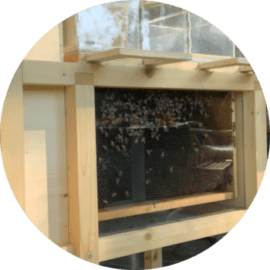
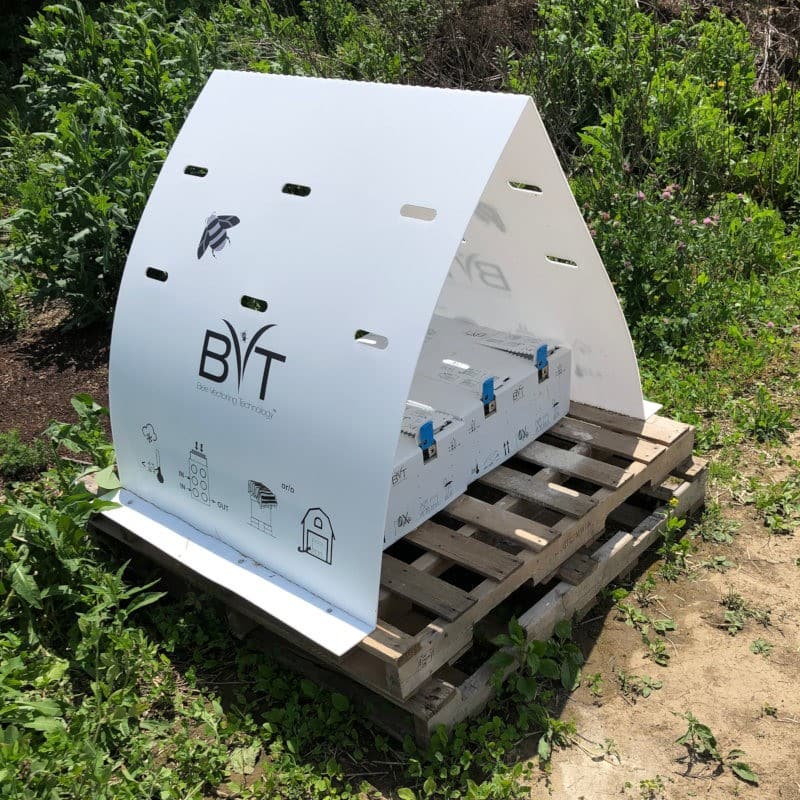
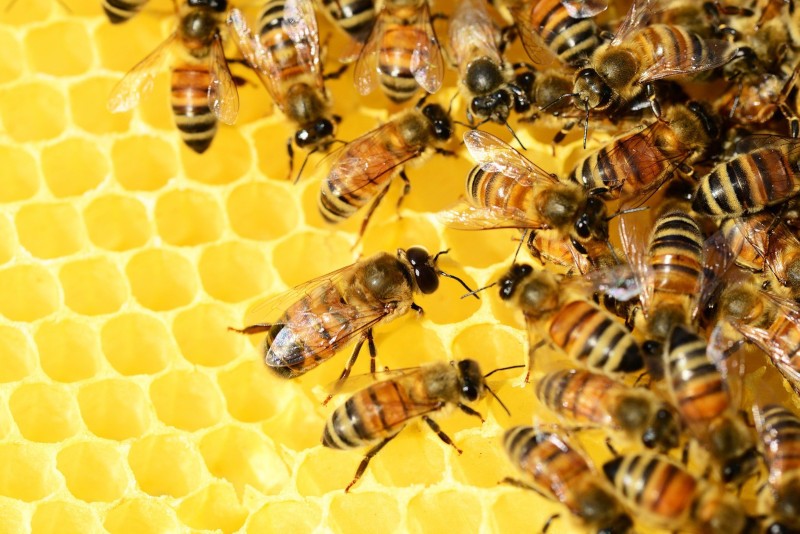
The plight of bees has reached the public consciousness, with the BBC Big Bee Challenge among the campaigns to support these valuable pollinators. For commercial beekeepers, BeeSecure is supporting sustainable beekeeping by improving the way that bee services are rented on-farm. The company was profiled in the Start-Up Showcase at REAP 2020 and has won EU funding to progress its work. BeeSecure is based in Italy and supports thousands of beehives across mainland Europe. Co-founder Roberto Pasi says that by tapping into vibrations in the hive, agri-tech start-up BeeSecure is able to listen into conversations ensuring that the bees are happy, healthy and performing well. He says the company can understand ten main topics, quickly identifying issue. Data from the hives can be viewed in real-time by the farmer and keeper via a secure app. Hive theft is an increasing problem for beekeepers so BeeSecure also contains a GPS tracker, which provides an alert if the hive is moved.
Roberto says the company has had a busy year: “This year we got good news that our consortium got approved for EU funded project, and we have started the activities.
“We are pretty excited about it, as the project involves safeguarding agro-ecosystem resilience under climate change through efficient pollination and sustainable beekeeping. We are going to work in different countries in the Mediterranean area, and provide and improve our devices to create smart digital technologies for beekeepers.
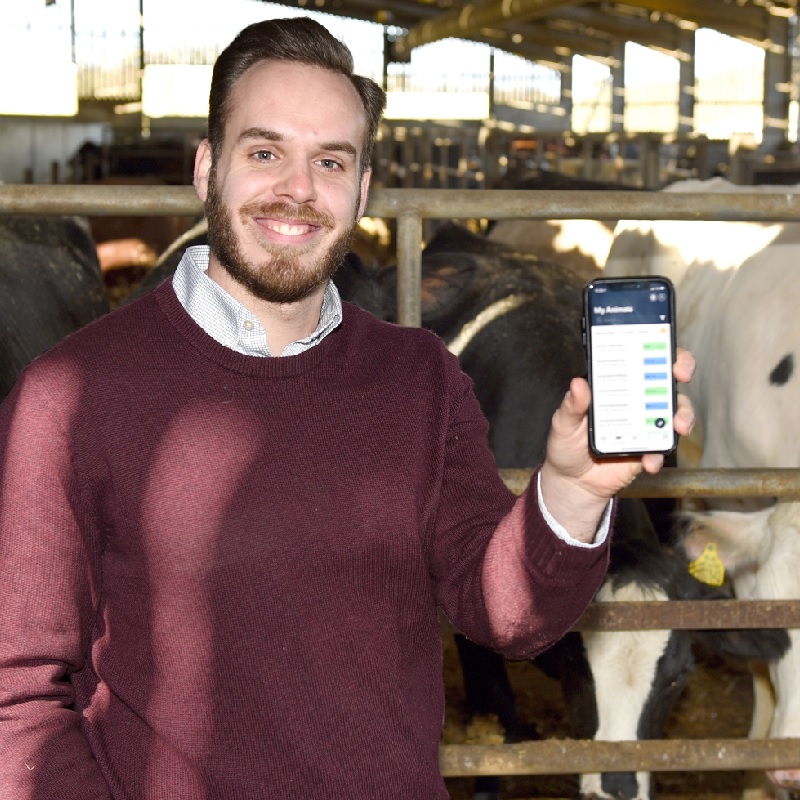
“We’ve also had two new people joining our team, to help out with our operations, specifically to participate in more collaborative projects.
“Our product is progressing well and a couple of months ago we started testing our devices on Mason bees. Our goal is to include as many pollinators as possible in our database. We are currently also in contact with a couple of universities (EU and the US) to further test wild bees and analyse their sounds, to help identify the type of bee present and their health.
“We are currently looking for 1€ million investment to scale, as well as to further develop our sensors and expand to different markets.”

REAP 2021: Changing Time(s) for Agriculture10th November 2021

Imagine a world where agriculture is not constrained by time. The ability to manage and manipulate time is increasing and REAP 2021 will explore the advances in technology and breakthroughs in science that is making this possible.
REAP brings together people from across the agri-tech ecosystem who believe that innovation is the engine for change. The conference bridges the gap between producer needs and technology solutions and showcases exciting agri-tech start-ups. 

PheroSyn gains funding for pheromone trap for midges and weevils

Agri-TechE Article
Agri-TechE

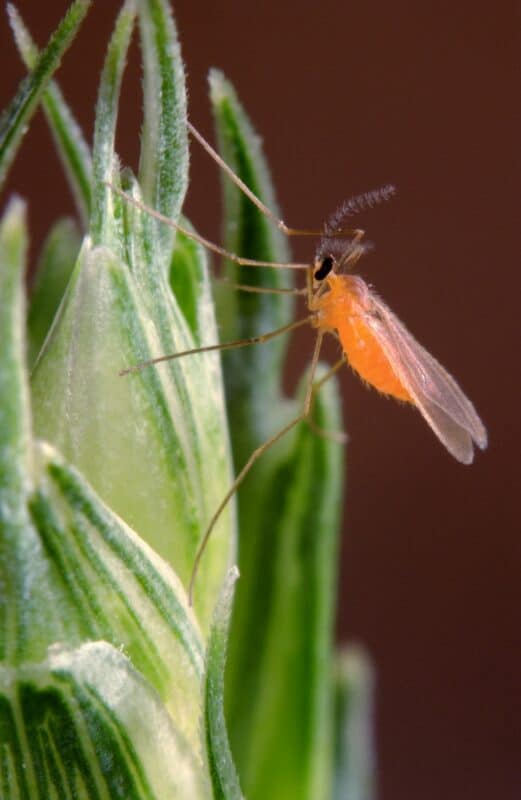
Pheromones, used by insects for communication, can be used to lure and trap pests. PheroSyn, a spin-out from Rothamsted Research, is exhibiting at REAP 2021, it  featured in the REAP 2020 Start-up Showcase and its work has progressed.  The company was awarded an Innovate UK grant (£200k) to develop the supply chain for a new set of insect pheromones to tackle midges and weevils.

Midges and weevils are significant global pests of legume food production. Their management is problematic, and the food harvest can potentially be exposed to pesticides when targeting specific stages of their life cycles, leading to possible contamination of the human and animal food chain. PheroSyn, developers and producers of novel pest pheromones, will use the grant to design scalable routes for two new products that target midges and weevils. It will work closely on the project with the UK Processors and Growers Association (PGRO), the UK’s leading legume agronomists.
Over 18 months, the partners will establish manufacture, validation and distribution of the novel products for use by farmers to enable a smarter application of pesticides.
Efficacy assessment of the pheromone products in trapping and monitoring populations of midges and weevils in legume production systems will be undertaken by PGRO following their synthesis by PheroSyn.
Daniel Bahia, Business Manager at PheroSyn, says: “We are delighted to be starting this next stream of work on pea and bean insect pest pheromones. There is a growing global trend away from reliance on chemical pesticides in food production in favour of Integrated Pest Management (IPM) strategies.
“Demand for our existing pea and pear midge pheromone products has been clear, and this grant allows us to accelerate development of the next range of products, leading to affordable, safe to eat food in a way that promotes zero carbon agriculture.”
Becky Howard, R&D Manager at PGRO, comments: “We are really pleased to be working with PheroSyn to help develop IPM tools for growers and to ensure a sustainable future for UK legumes”.
More information about PGRO, PheroSyn, Rothamsted Research
Find out more about REAP 2021 and the Start-up Showcase 2021. There will be an opportunity to chat to PheroSyn in the exhibition at REAP 2021.

See us at REAP 2021!

REAP 2021: Changing Time(s) for Agriculture10th November 2021

Imagine a world where agriculture is not constrained by time. The ability to manage and manipulate time is increasing and REAP 2021 will explore the advances in technology and breakthroughs in science that is making this possible.
REAP brings together people from across the agri-tech ecosystem who believe that innovation is the engine for change. The conference bridges the gap between producer needs and technology solutions and showcases exciting agri-tech start-ups. 

Biocleave teams up with Rothamsted Research to synthesise promising biopesticides

Meet the Network
Agri-TechE

Biocleave uses soil bacteria to create synthetic insect pheromones as natural crop defence

Insect pheromones used in nature for communication are to be engineered synthetically to produce powerful crop protection tools, following a collaboration between biotech company Biocleave and Rothamsted Research. Biocleave uses a benign soil bacterium, Clostridium, as a micro-factory to create recombinant proteins such as enzymes, for use in the production of biopesticides.

Semiochemicals, such as pheromones, are naturally occurring compounds used by insects to convey specific messages. Disrupting these communications can prevent them from attracting mates and breeding and so provide an exciting opportunity for the creation of highly specific biopesticides that are non-toxic to beneficial insects and natural predators.

Naturally occurring compounds are difficult to make using the traditional chemistry techniques that are currently used to generate fertilisers and pesticides from petrochemicals. Instead, the single-cell organism, E.coli, is often used as a bio-factory to create these. However, some of the ingredients of semiochemicals are toxic to E.coli, so as production of these novel crop protection compounds increases, an alternative bio-factory is needed.

Biocleave overcomes a bottleneck in production

Biocleave is using a new organism, the soil bacterium Clostridium, to produce biological semiochemicals.

Dr Liz Jenkinson, CEO of Biocleave, explains: “There are a whole host of semiochemicals, including sex pheromones, that have been demonstrated to have efficacy at replacing traditional pesticides.
“However, it is difficult to produce these semiochemicals as they are created through pathways of enzymes – so obtaining these enzymes is currently the bottleneck; preventing the synthetic production of these biopesticides. Essentially we are harnessing the power of nature to make these enzymes. and then supporting various production partners, to use those enzymes to make the final biopesticide.”

Biocleave gained investment in December 2020, which has enabled it to develop its novel gene editing technology CLEAVE™ and rebrand the company to take it to market.

Strong track record

The original company, Green Biologics, was an industrial biotech company using Clostridium to make biochemicals, biobutanol and bioacetone – it had a plant in the US to produce these biomolecules. In parallel with this the company was developing new technologies and one strand has been using Clostridium as a new host for making recombinant proteins.

Recombinant proteins can include drugs, antibodies and enzymes for disease treatment. A small section of DNA that codes for protein production is inserted into a micro-organism host and as that host rapidly replicates, the protein is produced.

The most widely used host is E.coli, but this often contains toxins in its cell wall, called endotoxins, that are released when the cell breaks down, so products from the cell require purification and this can reduce the efficacy of the product.

Liz continues: “Clostridium is free of endotoxins, and so does not require purification.  In some cases, ours is the best current solution for making certain types of recombinant protein.”

Biopesticides are one focus of Liz Jenkinson's research
Liz Jenkinson, CEO, Biocleave

Applications for agriculture

Biocleave’s Commercial Director Dr Nathan Fairhurst explains the company currently has a BBSRC funded project with Rothamsted Research.

“Insect pheromones are used in traps to monitor insects, such as the Codling Moth, to identify the presence of adults to time spraying of orchards to kill the larvae. Rothamsted has identified a number of semiochemicals that have potential as biopesticides to lure insects away from crops or to disrupt their behaviour to prevent mating.”

“Rothamsted has done some limited field trials to demonstrate their efficacy but has been unable to scale production in a way to enable them to commercialise it. In this case it is because the enzymes needed are toxic to E. coli.”

“Our technology overcomes this issue. so, we are working with Rothamsted to develop these enzymes and demonstrate that they can be used in the production of semiochemicals.

“Rothamsted has connections with growers and the farming community and a spin-out company PheroSyn, which is starting to commercialise other semiochemicals so there is already a channel to market.”

Biopesticides are one focus of Nathan Fairhurst's research
Nathan Fairhurst, Commercial Director, Biocleave

Benefits of semiochemicals

Semiochemicals are used differently depending upon crop and insect, but they can either be used as attractants or as repellents – with attractant semiochemicals loaded into traps at the edges of the crop, and repellents applied in the centre of the crop to push the insects away from the crop into the traps. In other cases, you would just use one or the other.

Semiochemicals have big advantages over traditional insecticides, not only are they more targeted and can be used just when required, reducing the volumes of inputs required, but also the production process requires less energy and produces significantly less greenhouse gas emissions.

Nathan concludes: “Semiochemicals as biopesticides is an area that we’re really excited about, and Rothamsted are really excited about. They have identified the semiochemicals, and we’re providing the ability to make them.”

Nathan Fairhurst will be speaking at the Agri-TechE event ‘Advances in Breeding for Agriculture – New Tools for New Solutions’.  The event will be looking at the application of genetic tools in breeding of livestock (including insects) and crops, as well as in cultivation of microbes. Nathan will be joined at the event by Helen Sang of the Roslin Institute; Thomas Ferrugia, CEO of Beta Bugs; Gilad Gershon, CEO of Tropic Bioscience; Ingo Hein, from the James Hutton Institute; and Mike Coffey, of the SRUC.

Eradicating Bovine TB – new tool shows promise

Agri-TechE

Bovine TB and Johne’s Disease are two devastating livestock diseases and control has been limited by the lack of accurate diagnostics. In the 2018 Innovation Hub, PBD Biotech announced the development of Actiphage®, an accurate and specific blood test that offers hope for eradicating Bovine TB.

Diagnostic testing is strictly regulated and Actiphage has gained approval from the APHA for use as a non-validated test for use in herds with a chronic breakdown. PBD Biotech has recently gained funding to take it through World Organisation for Animal Health (OIE) validation.

Control of Bovine TB

This news has been well received by farmers and vets as it will give them a tool to use within an effective disease management programme
“From an industry perspective bovine tuberculosis is a huge problem – the disease continues to move across the UK, and we don’t appear to be getting on top of it. We need many more tools in the toolbox in order to help us manage and eradicate this disease,” says David Christensen of Kingston Hill Farm Ltd, a family-owned farming company operating dairy and beef farming enterprises in the Thames Valley, to the west of Oxford. He has a herd of 2,000 animals. Christensen is concerned about the failure of the industry to control and eradicate bovine tuberculosis (bTB). He says: “There is a combination of factors, but a key challenge is a lack of decent testing of the animals in our herds. The current tests are unable to accurately identify those at an early stage of the disease, before they become infectious, so that they can be removed.
“The other main concern is the lack of a vaccine. I am proactive about herd health and vaccinate my cattle against a range of other diseases, so if there was an effective vaccine for bovine TB I would use it.”
Actiphage® is a new rapid blood or milk test for the mycobacteria that cause bovine TB, Johne’s Disease and human TB. It identifies live mycobacteria and so can distinguish between vaccinated and infected animals, a pre-requisite for a vaccine. It is currently going through trials to take it through to OIE validation. Christensen welcomes this development: “I welcome the diversity of tests coming forward – although I’m no expert, I expect they will all have a role in some capacity – the more we’ve got, the better because then we can tailor the tools to each on-farm situation.”
The official skin test measures the immune response that develops after an animal has been exposed to bTB. This response takes time to develop and it is known that up an average of 20-25% of TB-infected cattle can be missed by one round of skin testing using standard interpretation – leaving a reservoir of disease in the herd.

Eradicating Bovine TB

Actiphage can be used to retest those animals where there has been some reaction to the skin test but not sufficient for them to be classified as positive and culled. Christensen sees promise in this approach.
“We’ve had animals that are not officially inconclusive but there’s been some bovine TB reaction. We’ve used Actiphage to test those animals, and then made a decision about the animals based on those results.
“Actiphage told us that those animals were carrying bTB, so those animals were then removed from the herd.
“However, the problem at the moment is that if you use Actiphage to make the decision to cull then you don’t get any compensation – so we lost the value of the cows.” The hope within the industry is that through validation by OIE it will be possible to use Actiphage in parallel with other tests, to increase knowledge about the disease.
Christensen continues: “With better information about the progression of the disease it might be possible to develop a management strategy based on the information that a test can give. For instance, we could proactively remove animals before they became infectious and thus reduce the overall disease pressure in the herd – but all that is yet to be proven, which is why the validation is so important.
“Another unknown is the risk to the calves of cows that have tested positive. An accurate and reliable diagnostic would allow us to test the offspring from TB reactors and see if they were carrying the disease. With more information you could develop a strategy – perhaps to use through targeted application with certain animals to get greater information about their TB status.”
PBD Biotech are participating in the Agri-TechE express meeting ‘Heartbreak and hope – the story of a new diagnostic for bovine TB’ on Tuesday 6th July from 10-11 am.

Heartbreak & Hope in the fight against bovine TB

Meet the Network
Agri-TechE

Yewdall appointed to PBD Biotech
Johnnie Yewdall sees potential of Actiphage to break the cycle of bTB

Jonnie Yewdall, a former dairy farmer, has been appointed Commercial Director at PBD Biotech. The company recently gained funding to take its Actiphage® blood test for bovine TB (bTB) and Johne’s Disease through the validation required for international industry acceptance.
Jonnie will be talking about his experiences and development of the Actiphage test at the Agri-TechE event ‘Heartbreak and hope – the story of a new diagnostic for bovine TB

Devastation of bTB

Jonnie has worked in a commercial role in other industries, but he knows first-hand the devastating impact bTB and Johne’s disease can have on farmers through his experiences on a family farm in North Devon, where the herd was decimated by these diseases.

He lost a third of his Guernsey herd following a positive bTB test, and then the replacement animals began to show signs of Johne’s Disease, another mycobacterial disease. Unfortunately, this was the final straw. The emotional toil and the ongoing financial loss were too great and the Yewdalls sold the family farm. 

Don’t want other farmers to go through same experience

Jonnie says: “I think that Covid-19 has shown the wider business community what it is like to be a dairy farmer at risk from bTB – you are locked-down and you can’t plan or budget. 

“I don’t want any farmers to go through what we did, which is why I have joined PBD Biotech. With tools like Actiphage the industry has an opportunity to work together to potentially eradicate these very difficult diseases.” 

Actiphage is an extremely specific test, as it detects the DNA from live bacteria in a sample of blood or milk, not just the animal’s immune reaction. It can detect just a few cells; this enables farmers to identify carriers of the disease and remove them from the herd before they become spreaders. This was a recent recommendation from the cattle health certification standards regulatory body Checs. 

Actiphage has been approved by APHA for use under special conditions, and when used on-farm as part of a disease management programme it has been proven to eradicate bovine TB.  

Supports farms gain bTB disease free status

By recently gaining £2.3M of funding, PBD Biotech is now able to take Actiphage through trials to gain OIE (the World Organisation for Animal Health) validation for the test which will enable international acceptance.

Jonnie sees potential for Actiphage to be used as part of a wider disease management programme to enable farmers to eradicate and then maintain a disease-free status on the farm. 

“Actiphage is a blood test for live mycobacteria that gives you a simple yes/no answer. When this is authorised for use on the farm, we could use it in parallel with the statutory testing to manage the infection risk, for example isolating inconclusive reactors pending a further skin test,” he says. 

“It could be used as a ‘pre-movement’ test to check animals before they are introduced into a herd and also as a ‘DIVA’ test to differentiate infected from vaccinated animals, paving the way for the introduction of a vaccination programme.”  

Agri-TechE event 

Jonnie will be talking about his experiences and development of the Actiphage test at the Agri-TechE event ‘Heartbreak and hope – the story of a new diagnostic for bovine TB on Tuesday 6th July 2021, from 10am-11am. 

PBD Biotech secures £2.3m funding for OIE validation of its rapid, accurate bovine TB test

Meet the Network
Agri-TechE

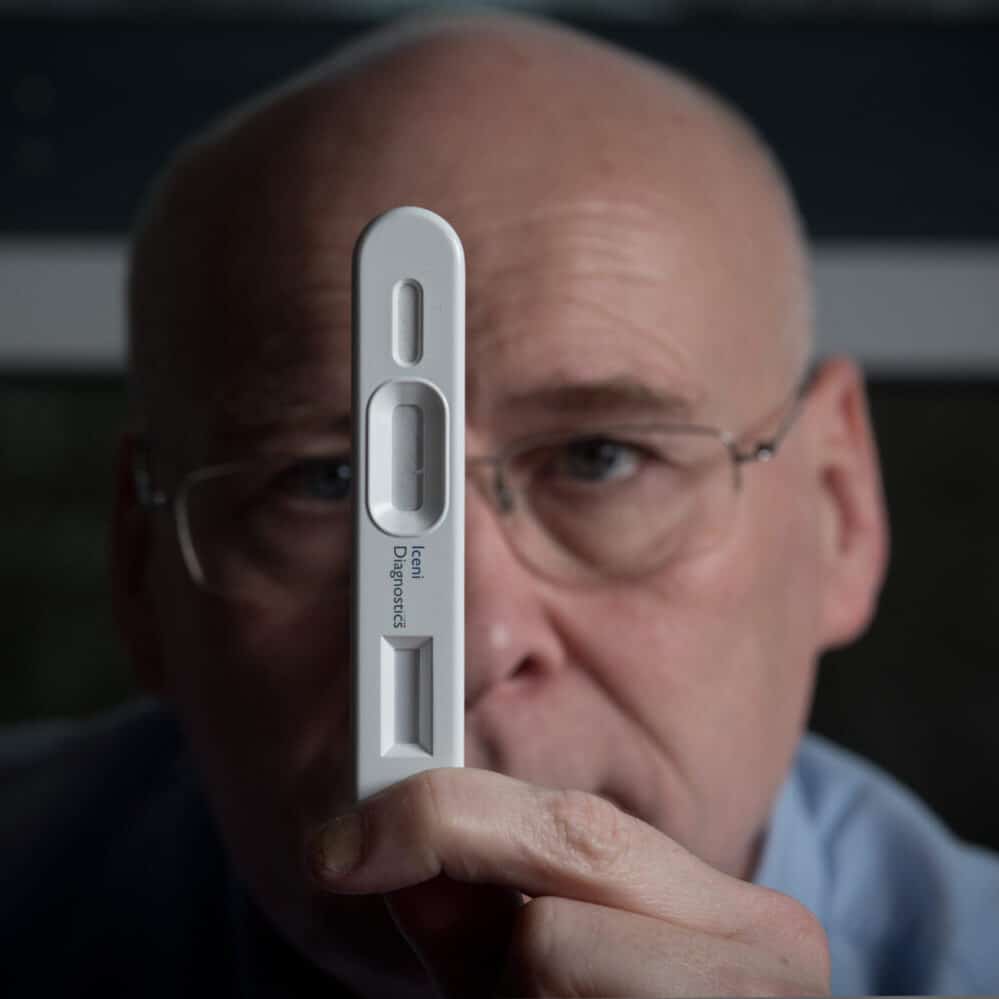
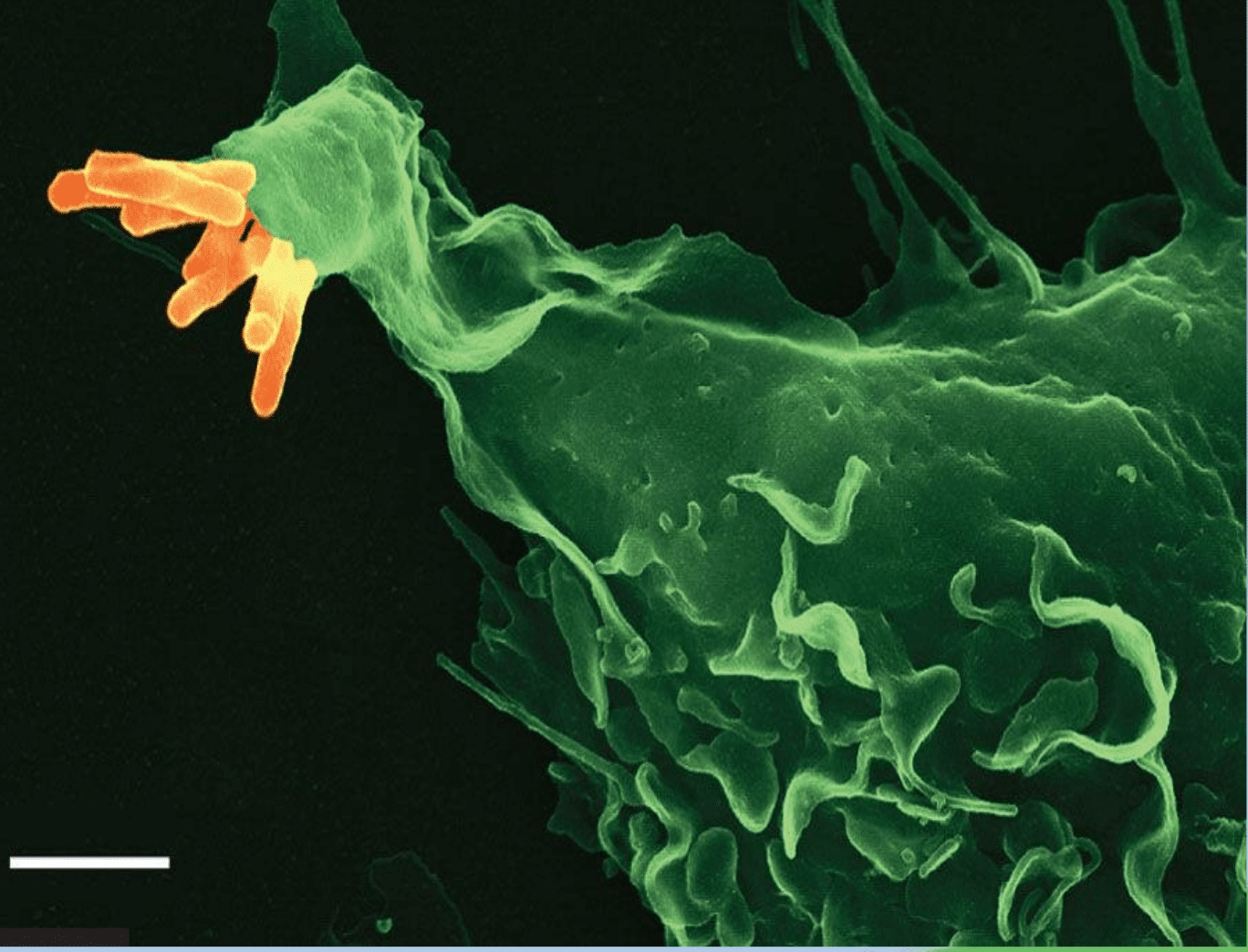
Actiphage® is a rapid, accurate bovine TB test (bTB) that would enable farmers to effectively remove this devastating disease from their herds.

Game changer in fight against TB

PBD Biotech has secured a £2.3m investment to take Actiphage through to validation by the World Organisation for Animal Health (OIE). Full validation will enable international adoption of this novel, patented, diagnostic for mycobacterial diseases, which include human tuberculosis and Johne’s Disease.
Actiphage, has been described as “having the potential to be a game changer in tackling bTB,” by Professor the Lord Trees, head judge for the Veterinary Record Innovation Award 2021. “Actiphage was a worthy winner,” he said.
Actiphage detects mycobacteria in a blood or milk sample, giving a simple yes/no answer. It offers the potential to identify animals at an early stage of infection and remove them from the herd.

Funding accelerates progress to farms

The funding has come from a consortium led by fund managers Mercia and the Foresight Group, which were both investing from the Midlands Engine Investment Fund; the University of Nottingham; the government’s Future Fund; and private investors including farmers and veterinary practices.

Actiphage Bovine TB test gains funding
Significant unmet need for accurate TB test says CEO Mark Hammond

Mark Hammond, CEO of PBD Biotech, says: “It has been shown on-farm that when Actiphage is used within a disease management strategy it is possible to eliminate bovine TB from a herd and maintain a disease-free status. There is a significant international unmet need for a diagnostic for bTB and Johne’s Disease; with this funding we will be able to commission the trials needed to fully validate the test and capture this market.”
Sandy Reid, Investment Director at Mercia, comments: “PBD Biotech’s Actiphage test has the potential to radically improve disease control in the dairy sector, offering huge economic benefits for farmers both in the UK and internationally. This investment will accelerate its progress on to farms. And we are hugely excited about the further development of the test for detection of TB in Human blood samples.”
There are also a good number of dairy farmers and veterinary practices who, recognising the huge potential of Actiphage, have invested in order to fast-track its availability.
Torch Farm Vets is an investor, the company says: “The current TB control program is struggling to progress towards its stated aim of bovine TB eradication by 2030. The current test and cull approach has not been completely successful in eradicating bovine TB, so approaches that enable a better understanding of the cause, development and transmission of this disease are to be welcomed.”
Actiphage offers the potential for: rapid screening prior to movement; quality assurance in dairy products (which would be invaluable to artisan cheesemakers) and to differentiate infected from vaccinated animals (DIVA test), paving the way for the introduction of a vaccination programme.

OneHealth approach to eradication with bovine TB test

Jonnie Yewdall, PBD Biotech Actiphage bovine TB test
Industry needs more tools to overcome bTB, says Jonnie Yewdall, who lost the family farm after bTB

Actiphage’s use in England and Wales is currently approved by APHA as an unvalidated test for use only in a chronic bTB breakdown. OIE validation would enable Actiphage to be used in parallel with the existing skin test, offering farmers and their vets a method of managing and eliminating the disease for the first time, therefore allowing a OneHealth approach to the eradication of bTB
Up to 50% of cattle carrying bTB can be missed by the main tuberculin skin test used in Great Britain, leaving behind a reservoir of disease in the herd that results in chronic infection. Unlike the skin test, which uses the animal’s immune response to indicate the level of infection, Actiphage detects the presence of live mycobacteria in a blood or milk sample it is therefore faster and more accurate.
Former dairy farmer Jonnie Yewdall lost his family farm following a chronic bTB infection. He is one of those who has put up funds for Actiphage and says: “I don’t want any more farmers to go through what I have, which is why I want to become involved. With tools like Actiphage, the industry has an opportunity to work together to potentially eradicate this very difficult disease.”
The Midlands Engine Investment Fund project is supported financially by the European Union using funding from the European Regional Development Fund (ERDF) as part of the European Structural and Investment Funds Growth Programme 2014-2020 and the European Investment Bank.
More information about PBD Biotech

Agri-tech investment survives the pandemic… but how are you?

Agri-TechE Blog
Agri-TechE

Future looking agri-tech attracted significant funding in 2020 – insect farming, gene-editing technologies, alternative proteins – were among the innovations that attracted the eyes (and pockets) of the investors according to a recent report by Agfunder.  The findings are one indication that the agri-tech sector is responding well to recent challenges, but it is only part of the picture.
“How is the pandemic affecting your business?” is probably one of the most Frequently Asked Questions of the last year. From individual farm and agri-food businesses, to global financial systems, Governments, funding agencies and the media are keen to establish the impact of Covid-19.
We have a year of hindsight, data and evidence on which to base our collective reflections and surely the last 12 months will be the subject of huge numbers of research projects, enquiries, investigations, analysis – eventually – history lessons for decades to come.
Among the multiple unknowns of 2020 was the way in which investors would respond.

2020 AgriFoodTech Investment

AgFunder’s 2020 AgriFoodTech Investment report has analysed thousands of deals, tracked the performance of companies and investors globally, and the results are reassuringly positive about the ongoing vibrancy of the sector.
With the highest ever annual financing since 2012, an encouraging $26bn was invested into the sector, with around half of that going into companies developing technologies up to and including the farm gate (rather than down-stream consumer-facing food innovations).
Disruptive technologies and innovations that increase supply chain efficiency proved attractive  to investors – and despite a slight downturn in farm management software and sensing technologies, these held at the very respectable levels seen in 2019 in terms of value.
The UK topped the charts in terms of the European deals, ranking number four in the world (after the USA, China and India) with $1.1bn of investment over 133 deals. Given the uncertainties associated with the UK’s exit from the EU, it’s encouraging data. (Some examples of UK companies with success in fund-raising include Better Origin who have just raised $3M to develop an AI-enabled mini insect farm for black soldier flies).

The Industry is Growing Up

An important trend is reflecting the maturation of the industry, with the first wave of agrifoodtech innovation beginning to realise its potential, and those all-important exits started to happen. The “farm-tech” mergers and acquisition or other exits are starting to happen, helping to build investor confidence in the success of the sector, and also showing there is money to be made. It is probably no coincidence that Israeli irrigation-tech company Rivulis topped the charts of these kinds of deals, with an exit worth $365m – showing the increasing focus on water which will be no surprise to many farmers reading this.

So how is the pandemic affecting YOUR business?

We are proud to be working alongside colleagues in ADAS and the University of Gloucestershire and others on an Innovate UK-supported project to help establish the impact of the pandemic on knowledge exchange in agriculture.
The project aims to co-design a new digital solution – Farm-PEP – that connects projects and people. As well as a survey and interviews, we are hosting a workshop to help unpack the challenges. The outcomes will be made available in a report in early summer 2021 so stay tuned for an update!
If you’d like to get involved in co-designing Farm-PEP and shaping the future of knowledge exchange in agriculture, we would love to hear from you.

Breedr launches first smart beef contracts based on lifetime animal data

Meet the Network
Agri-TechE

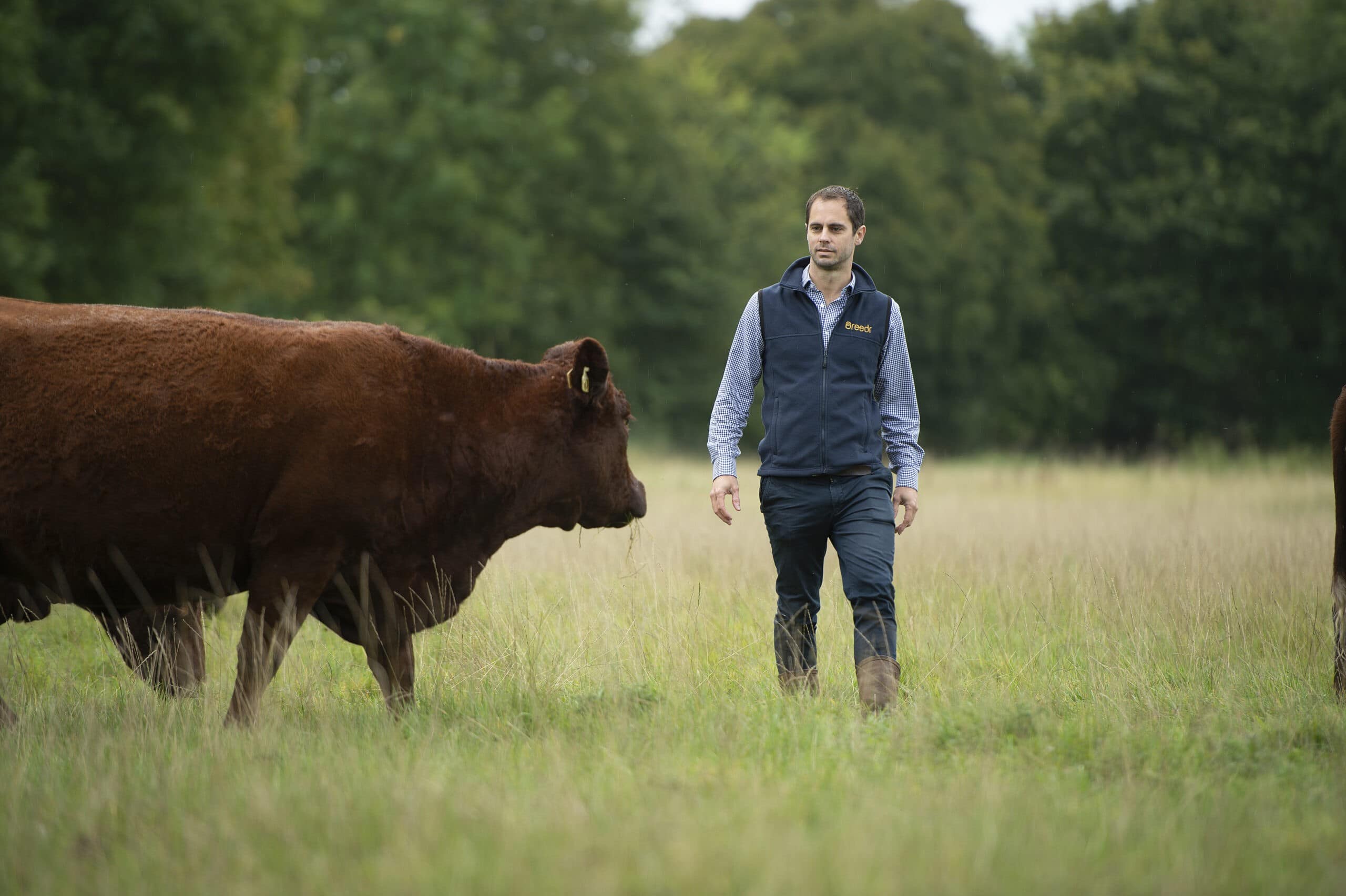
Beef producers can finally plan ahead with confidence, following the launch of the world’s first smart, data-driven beef contract which sets a secure price 24 months ahead.

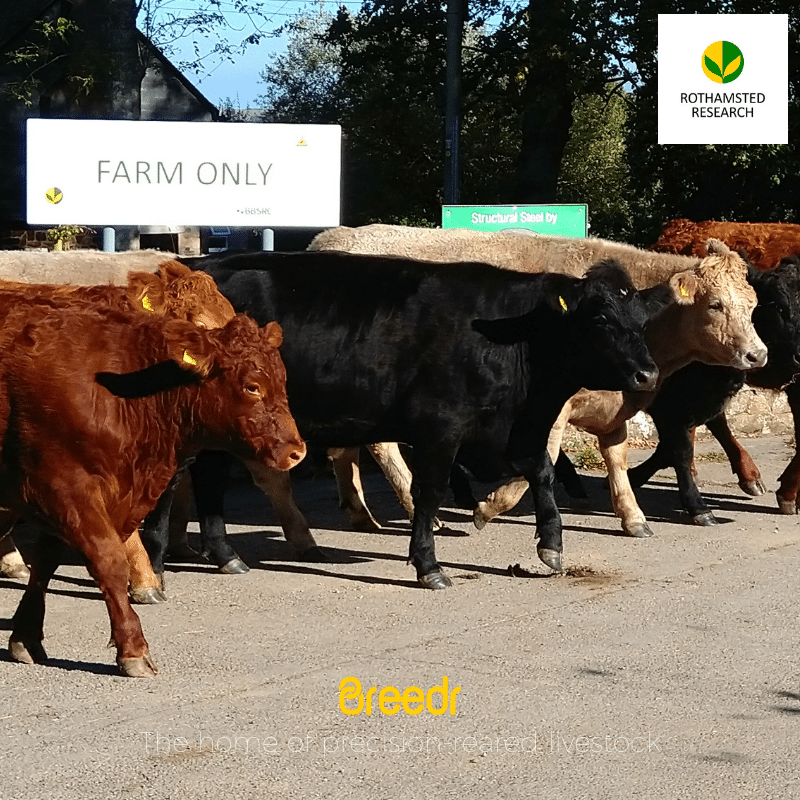
In a development which is set to transform the British beef industry, Breedr has launched the UK’s first ever long-term minimum-priced contract based on lifetime animal data. With price certainty giving producers confidence to invest, and the data used to improve efficiencies throughout the supply chain, this will not only reduce the industry’s environmental footprint but also improve the consistency and quality of the end product.

In addition, the team has launched a new risk-free way to buy and sell livestock, based on lifetime animal data and weights. The Breedr live trading platform means producers can buy and sell through the free app with certainty, with a price guarantee in case of any differential in the weight of weaned calves and stores between farms. Sellers are also ensured payment within 72 hours of collection, and trades will be commission free until later this year.

“As beef producers ourselves, we know how tricky it is to plan ahead with confidence – one batch of bad calves can ruin a farm, as can a downturn in the beef market,” says Ian Wheal, founder of Breedr. “But by making better use of data we can buy and sell with transparency, predict growth rates, and know that we’re supplying the processor with what they want – ensuring a secure end market and price.”

The contract is worth more than £130m to British beef producers over the next seven years, offering a 24-month minimum price for any cattle with lifetime data, with producers also receiving a proportion of any uplift in price above that. Rearers can opt to be paid on a per kg growth basis, eliminating the need for capital outlay on youngstock, while advanced payments are available to smooth cash flow. “With Brexit, the whole food industry is facing an uncertain time – but British agriculture is innovating to meet UK and global needs,” says Ian. “Being able to plan ahead with certainty finally gives farmers the peace of mind they need to invest and build profitable businesses.”

Farmers using the free app are finishing animals five months earlier than the industry average, with 24% more carcasses reaching the target specification. They are saving 1.8t/head in feed and reducing their carbon footprint by 20%, he adds.

Adam Quinney, chair of beef and lamb at AHDB, says: “At AHDB we are very supportive of technology that is helping bring certainty, and collaboration between farmer groups in the supply chain. The benefit of these supply chains encourages improvements to genetics, farm productivity and therefore environmental impact in the long term. Breedr is a good example British innovation utilising technology to develop supply chains for farmers and processors alike.”

The network now has over 2,000 members and 120,000 registered animals across the UK, many of whom are joining forces to create integrated supply chains to further improve efficiencies. By collating data on genetics, growth rates, health, and carcass grades, producers can identify the most productive breeding lines and management methods, optimising productivity throughout the supply chain.

“We run regular webinars for our members, bringing in expert speakers to help farmers improve efficiencies every step of the way,” says Ian. “This is a true community of forward-thinking farmers, who are sharing their own top tips and forming robust business partnerships. Together, farmers have the power to drive this positive change.”

Better Origin insect farm raises $3M to provide alternative protein for animal feed

Meet the Network
Agri-TechE

Insect protein provides a sustainable alternative to soy. Cambridge-based Better Origin has raised $3m to fund the development of its product X1, an AI enabled insect mini-farm.

insect protein Better Origin
Fotis Fotiadis, founder and CEO of Better Origin says the insect min-farm is a scaleable solution

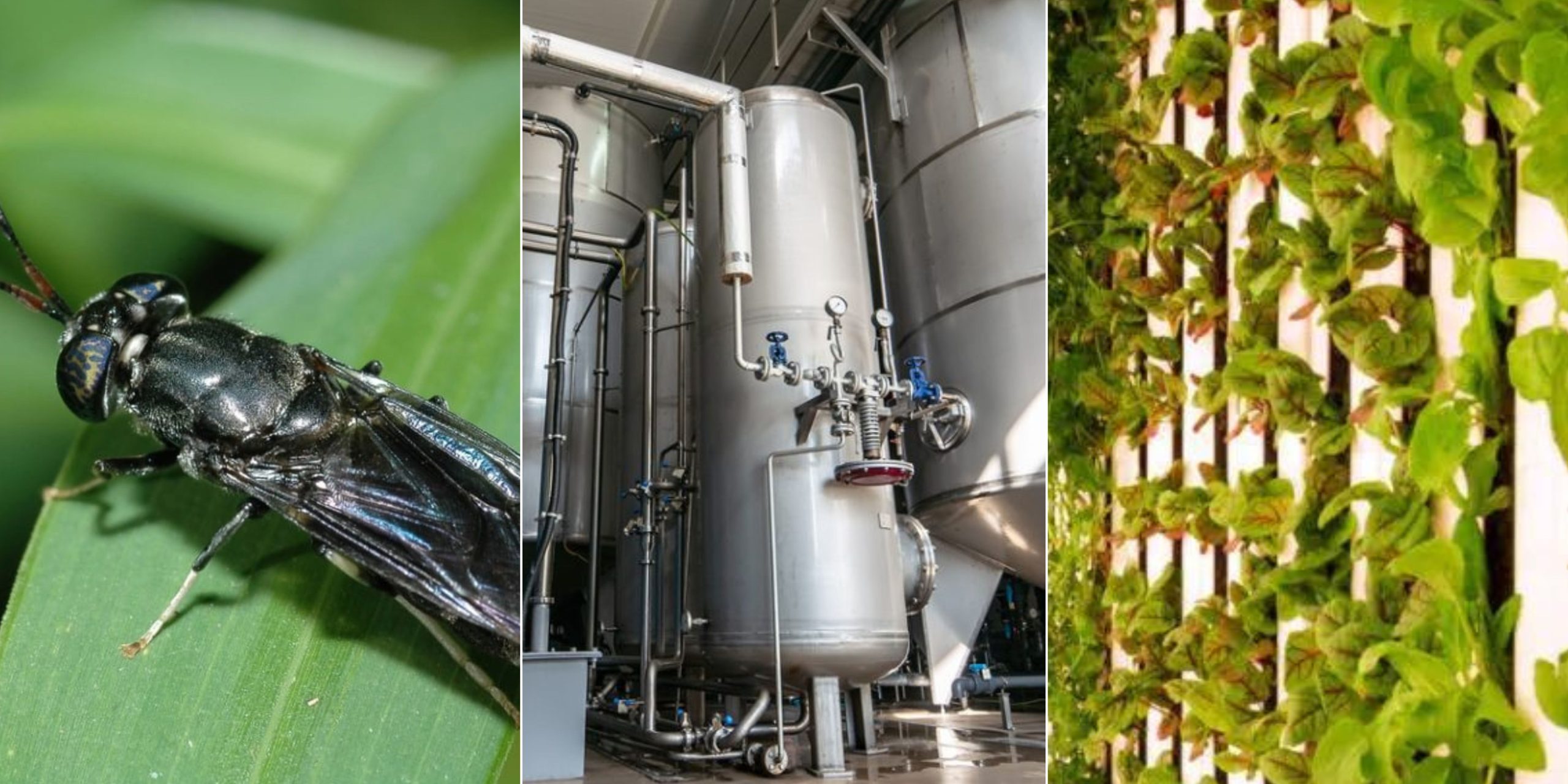
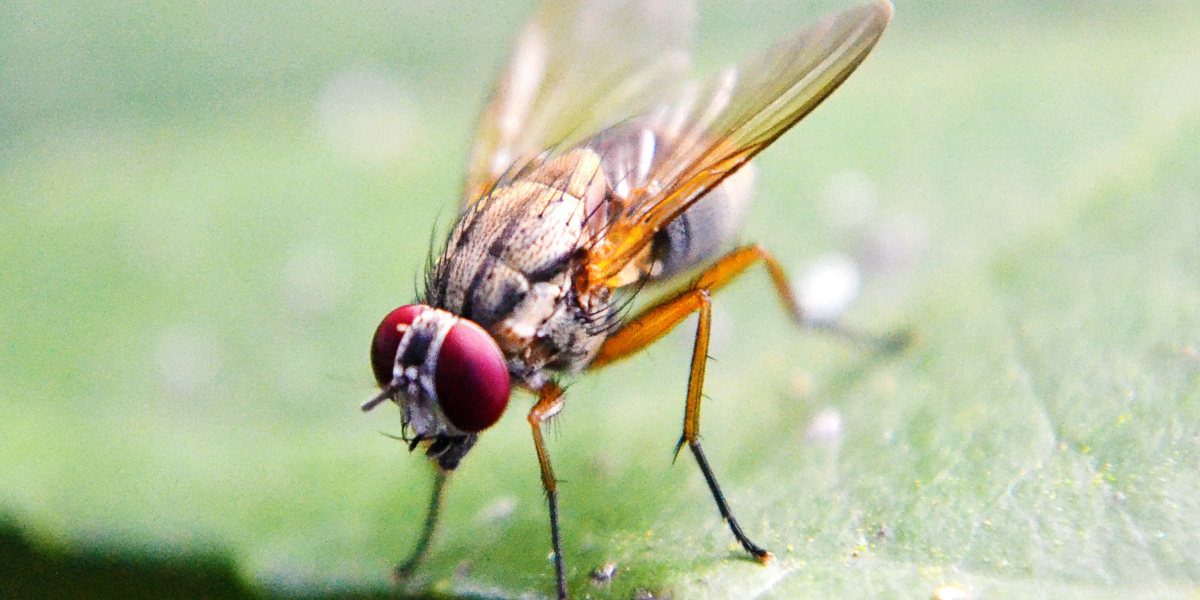
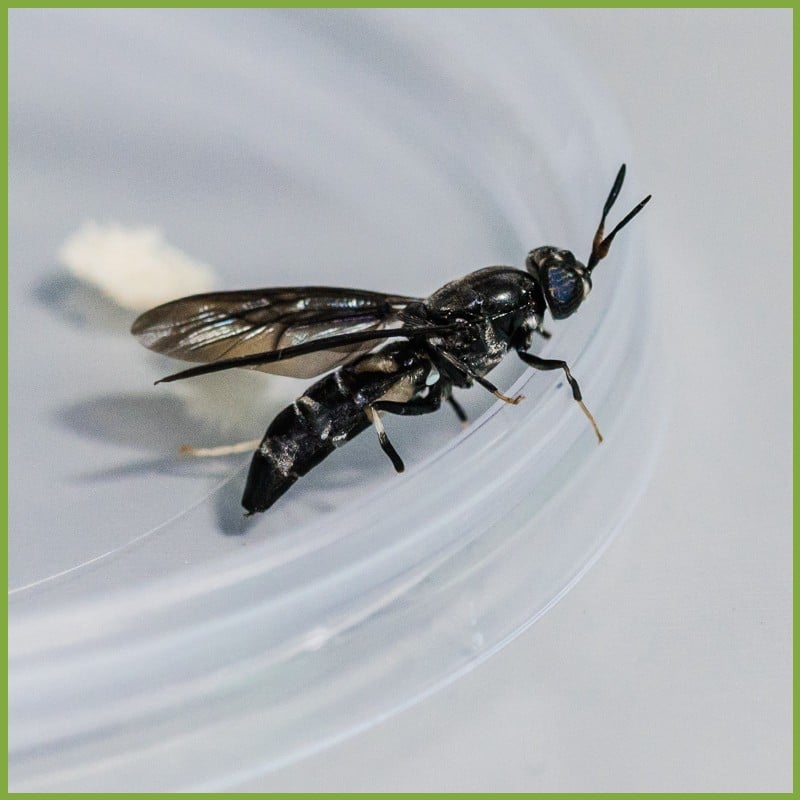
X1 fits inside a shipping container and according to Better Origin, it is the world’s first autonomous insect mini-farm. It uses black soldier fly (BSF, Hermetia illucens)  to convert waste biomass, such as food waste into insect biomass that is rich in proteins and fats. It has been tried and tested on chicken farms where the larvae are harvested and fed directly to chickens.
The black soldier fly (BSF, Hermetia illucens) is a species of fly present in most parts of the world, known for its voracious appetite and rapid growth, making it perfect for converting waste into high value protein.
The entire process is automated through AI – from delivery of the food waste through to monitoring of  larvae growth, temperature, and humidity. When they are ready to harvest, the farmer is notified and the larvae can be fed to the hens.
Better Origin’s founder and CEO, Fotis Fotiadis, explains that the modular, distributed approach will accelerate adoption and remove barriers to entry for millions of farmers around the world.
“The agricultural industry has traditionally been reliant on unsustainable animal feeds such as soy, which is the leading contributor to deforestation around the world and travels for thousands of miles, generating high amounts of carbon emissions. And it does not stop there – it is estimated that 33% of arable land on the planet is used to produce livestock feed.
“Insect feed is an emerging alternative which offers a sustainable and natural feed solution for farmed animals, such as chickens and fish, with benefits that include increased productivity, better health, and higher welfare.”
The funding will accelerate Better Origin’s scaling operation and enable it to deploy more systems across the UK.
The project is backed by Fly Ventures, a Berlin-based VC firm that invests in deep technology and AI-driven venture start-ups.
Matt Wichrowski, who led Fly’s investment in Better Origin, comments: “We were blown away by the progress Fotis, Miha, and their team have made, and we believe in the sector’s potential to transform the food industry. We are delighted to back the team and support them over this next phase of growth.”
Better Origin’s vision is to help secure the future of food by offering an alternative protein that doesn’t cost the Earth. The company aims to upcycle upwards of 50,000 tonnes of organic waste and mitigate as much as 100,000 tonnes of greenhouse gas emissions per year by 2023.
More information about Better Origin.

Agri-TechE members named in global FoodTech 500 finalists

Agri-TechE

Breedr, Small Robot Company and Cellular Agriculture were among the top global agri-tech companies listed in the FoodTech 500 report by Forward Fooding.
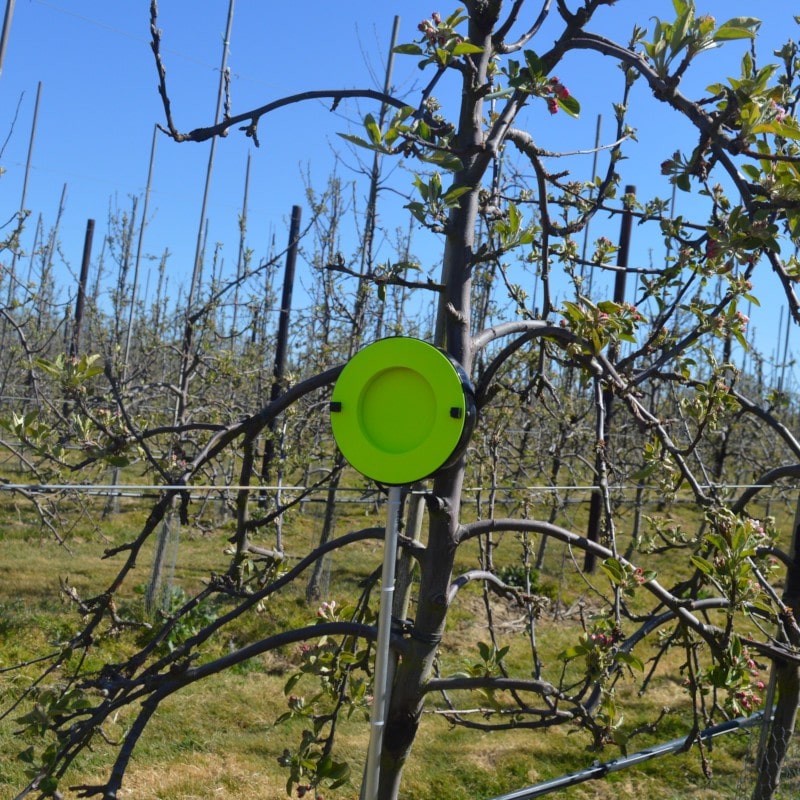
The organisers comment: “It is our ambition that the FoodTech 500 becomes the Fortune 500 of AgriFoodTech, a list of top innovators and disruptors in the industry and the go-to leaders of this emergent and ever-evolving sector.
“With over 2,000+ applications received for this year, the competition to make the 2020 FoodTech 500 was fierce. So, from all of us at Forward Fooding, we would like to thank all the companies that enter this year’s competition as well congratulate to all the teams that have made our ranking for the great milestones they have achieved so far and for all the impact they are creating with their work!”

$4.1B raised 

423 companies out of 500 have received investments – raising a total of over $4.1B in funding to date. This figure doesn’t include undisclosed funding activities and has been validated using external data sources from the FoodTech Data Navigator.
The companies were selected from a pool of international AgriFoodTech startup and scaleup companies using a unique methodology that is used to rank them based on their business size, digital footprint, and sustainability practices

Companies in the Agri-TechE ecosystem listed in FoodTech 500

(more…)

Top innovation award for Actiphage, rapid tuberculosis test

Meet the Network
Agri-TechE

Actiphage®, a rapid, accurate test for tuberculosis that detects the presence of the live mycobacteria in a sample of blood or milk, has been awarded the Innovation Award 2021 by Veterinary Record, the official journal of the British Veterinary Association (BVA).
Tuberculosis (TB), Bovine Tuberculosis (bTB) and Johne’s Disease continue to be devastating diseases across the globe, and there are currently few reliable diagnostic tests available. Actiphage is a simple test that can detect the diseases in livestock, humans and companion pets as well as wildlife and exotic animals.
Actiphage is developed by PBD Biotech; CEO Mark Hammond says: “Vets know first-hand the devastation caused by bTB, so this award by the BVA provides a powerful endorsement of Actiphage’s innovation. By directly detecting mycobacteria at an early stage, Actiphage provides vets with a new tool for managing and eradicating bTB and Johne’s Disease.”
The other finalists for the Vet Record Innovation Award 2021 were the Animal Welfare Assessment Grid, presented by Sarah Wolfensohn of University of Surrey, and U-treat, presented by Rachel Kirkby of Test & Trace. Both showed innovative new ways to support improved diagnosis of other animal diseases. The support of vets is invaluable to PBD Biotech as the company is planning more on-farm trials of Actiphage in the near future.
Actiphage was named as a promising test in the review of UK bovine TB strategy conducted by Professor Sir Charles Godfray. It has also been approved by the APHA for exceptional private use in areas of chronic bTB infection.
Mark continues: “Although 2020 was a challenging year for almost everyone, we have been working closely with vets and farmers to further develop the test, and in parallel have been fund-raising. Our goal is to provide the validation data necessary for Actiphage to achieve international certification by the World Organisation for Animal Health (OIE).”
As Actiphage can distinguish between live and dead mycobacteria and also differentiate between wild strains and vaccine strains, it would be very effective to develop as a DIVA test – for Distinguishing Infected from Vaccinated Animals – a pre-requirement before a successful vaccination strategy can be introduced.
Actiphage has been shown to detect TB in livestock, domestic animals, wildlife and exotic species, so is of interest across the veterinary profession.
It also provides an accurate and non-invasive blood test for human TB and work is progressing to develop a clinically proven test in human TB.

Smartbell gives early warning of calf illness

Agri-TechE

Using indicators such as the animal repeatedly flicking at its ears, the Smartbell system can identify if a calf is becoming ill three days before any symptoms emerge. Early treatment then means reduced suffering for the calf.
Smartbell offers an ‘internet of cows’ by tracking calves, minute by minute, using an ear tag which monitors their activity and movements. The Cambridge start-up was awarded Commendation Award for Innovation at The Cream Awards 2021, a prestigious British industry trade award.
Veena Adityan, CEO of Smartbell, said: “It’s an honour to receive such an award. It is tremendous validation from the industry of work we are doing and the real difference it makes to farmers, the welfare of their animals, and also be a benefit to society.” The information from electronic tags is relayed to a farmer’s phone, or laptop, providing real time insights into the health of every animal in a herd. A powerful algorithm alerts the farmer to any concerns about the livestock.
Jose Chitty, Chief of Operations at Smartbell, said: “The smart tag is like an electronic herdsman, who never sleeps. If a dog is man’s best friend, this tag could become a farmer’s best mate.”
A calf which is in good health in its first three months of life yields, on average has optimal growth and productivity. It also needs far fewer antibiotics, and less food and water, minimising the animal’s carbon footprint.
The company has previously been awarded £1M in research funding by Innovate UK, a government agency which promotes research and innovation. They are partnering with Scottish Rural College and Parklands Veterinary Group (now part of Vet Partners) and Agri-EPI Centre to further develop this technology.