Explore advancements in the arable industry
Join us at CropTec, the UK’s leading technical event for the arable sector, on 14-15 January 2026 at the NEC Birmingham. Gain exclusive insights from industry-leading specialists and explore the latest innovations shaping the arable industry.

New Zealand farmer cooperative LIC meets Agri-TechE members

Agri-TechE

New Zealand farmer cooperative LIC meets Agri-TechE membersWe were delighted to welcome a board level delegation of farmers, scientists and businesses from LIC, New Zealand’s largest farmer co-operative focusing on herd improvement and agri-tech, to Cambridge this week.
The co-operative has over 10,000 shareholder farmers and aims to empower livestock farmers through the delivery of superior genetics and technology.
LIC’s strategic themes:

  • Genetics and information to create superior livestock
  • Information to improve decision making to enable superior livestock performance
  • Hardware and systems to improve productivity and decision making
  • International focus on key markets to add value for shareholders

The meeting was hosted by PwC in their Cambridge offices. It offered an opportunity for a number of agri-tech companies in the Agri-TechE ecosystem to meet the international delegation and showcase their expertise in data analytics, data management, sensor technology and software solution design.
The companies involved were: Delta-T Devices, 30MHz, Agrimetrics and After the flood,
PwC senior partner and agri-food lead Stephen Oldfield commented: “It was a great meeting of minds from both sides of the globe, with many of the same issues being faced by farmers in New Zealand and the UK. In particular, we are all on a shared learning curve as to how best to unlock the value of agricultural data across the value chain and deliver benefit to farmers and consumers.”
We anticipate follow-up discussions to build further linkages between the two agri-tech innovation ecosystems and opportunities to collaborate.
If you have a product or service that might be of relevance to LIC, please get in touch.
New Zealand farmer cooperative LIC meets Agri-TechE members
Images from LIC.co.nz

Could ‘flying flocks’ be the answer to soil fertility and low margins?

Meet the Network
Agri-TechE

“We know as arable farmers that we need to do something to improve soil health and structure and the inclusion of livestock in the rotation must be beneficial,” says Jamie Lockhart, Farm Manager at Honingham Thorpe Farms. But livestock farming is struggling to be profitable, and with Brexit coming many of the farmers are selling their sheep. The question arises: is there a different commercial model that would be mutually beneficial?
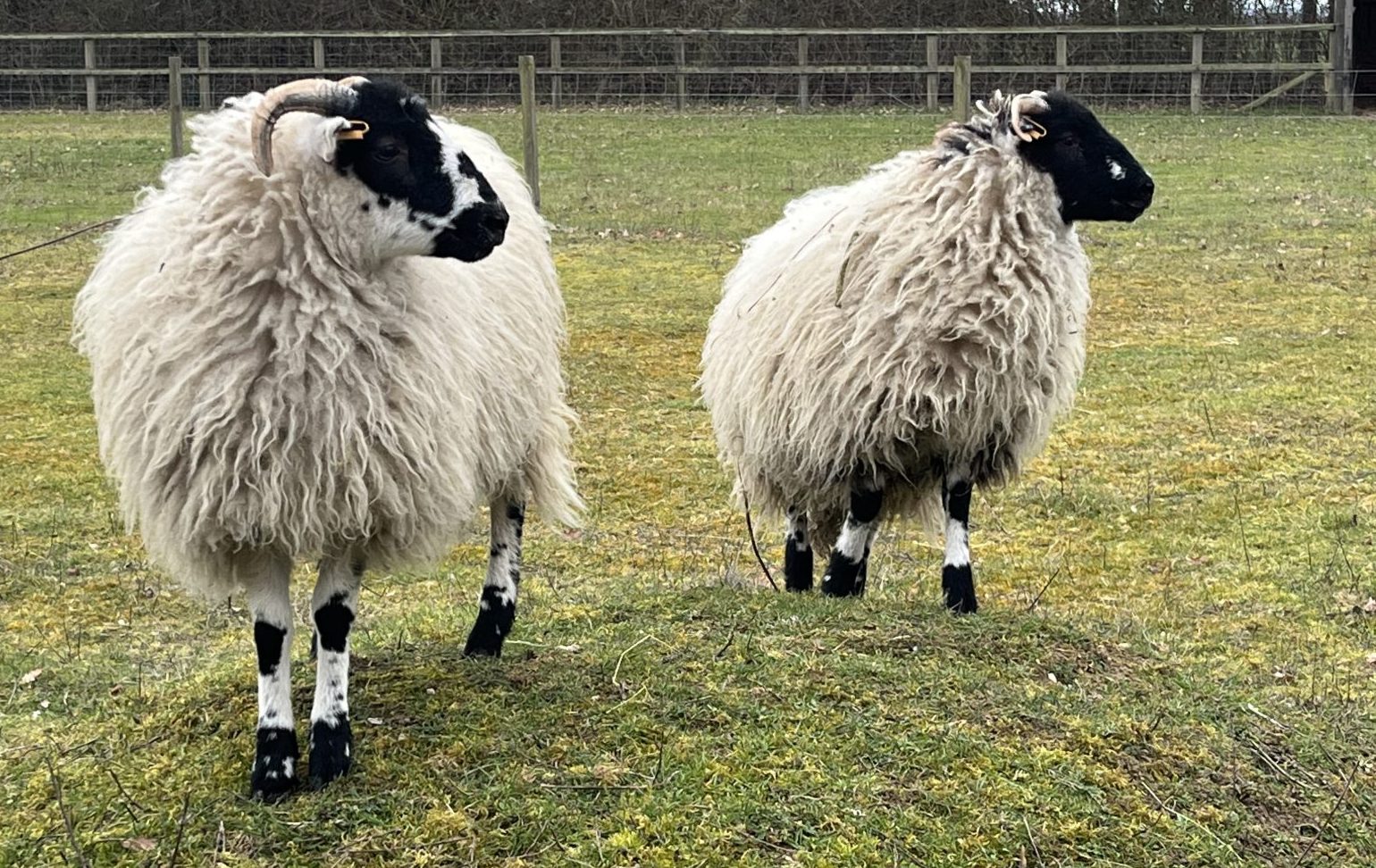
The farm is taking part in a novel trial to explore the benefit of introducing sheep into arable rotations for both the grazier and arable farmer.
Honingham Thorpe Farms is a contract farming business based in Norfolk. Originally a mixed enterprise with livestock and traditional Norfolk cropping of wheat, barley, potatoes, peas, beans, maize, linseed and oilseed rape, it has now streamlined its activities with less crops and more specialisation. The success of this approach has been achieved with a dedicated team and the most advanced equipment available in the sector.

Working trial

Honingham Thorpe Farms - machineryJamie Lockhart is entrepreneurial, with an interest in working with other businesses to share the benefits of spreading costs and using resources in new ways. He explains how he became involved in a pioneering trial on the farm.
“I was approached in July by Simon Wearmouth of Brown & Co who already had the backing of AHDB, National Sheep Association (NSA), the Organic Research Centre (ORC) and Frontier, to see if we were interested in running a working trial on the farm. The aim was to look at the potential benefits of having a ‘flying flock’ on an arable farm. The idea sounded exciting so we agreed immediately.”
Rather than just renting permanent pasture to the livestock farmer or growing a specific fodder crop for winter forage, the trial would look at the benefits to soil health and fertility of a grass ley (a mix of grasses, clovers and herbs) grazed and manured by livestock. If both parties achieved sufficient quantifiable benefit this could form the basis of new type of commercial relationship.
Jamie explains: “The sheep are owned by EM & JF Peacock and we would normally charge rent for permanent grazing land. Using livestock as part of rotation to build soil fertility is a different concept and it will be interesting to see if there is a yield uplift.”

Mutual benefits

Honingham Thorpe FarmsThe trial aims to demonstrate the mutual benefit for both arable and grazing enterprises of grass in the rotation, and is being conducted by Brown & Co in partnership with AHDB, NSA and Frontier Agriculture Ltd.
Honingham Thorpe Farms has about 12 ha of land that has previously grown wheat for 2017 harvest. This has been sown as a grass ley split into two blocks, one a grazing mixture of grasses and white clover and the other a herbal ley, which contains a diverse mixture of grasses, clovers and herbs, including plantain and chicory.
Weekly assessment of grass and forage availability will be made to track grass growth and to help decisions to be made in terms of fertiliser use and stocking rate. Two separate groups of ewes and lambs will graze the blocks and weights will be collected so live weight gain will be tracked up until the lambs are weaned in July/August. It will provide evidence on the best mixture in terms of grass growth rates and animal performance. The trial will also be looking at the benefits to the grazier of clean grazing for parasite control and animal performance.
The benefits to the soil may include increased accumulation of organic matter, improved microbial activity, the introduction of micronutrients and greater availability of mineralised nitrogen. The fields have been GPS mapped, they will be sampled and analysed throughout the trial by Frontier. These factors may lead to better soil structure, health and resilience and potentially an uplift in yield for the following arable crops.
To provide objective assessments, Frontier has developed soil maps for the field to provide a baseline comparison, and the farm has good yield data for three years and information for previous years.
Additionally, using livestock in the rotation may provide weed control. The selected field had a problem with blackgrass, which is becoming increasingly resistant to chemical control. Grazing the plants before they have a chance to seed may control and manage the problem.

Flying flocks a new model

Introducing livestock to arable farms requires careful management and an investment in infrastructure, such as water supplies and fencing. Jamie comments: “We need to do something about the soil and also to look beyond subsidies for directing land use. This trial should give us a good understanding of the true costs and benefits to our farm and for the grazier.”

Honingham Thorpe FarmsNote: Honingham Thorpe Farms is hosting a trial to demonstrate the benefit of introducing sheep into arable rotations for both the grazier and arable farmer. The trial is being conducted by Brown & Co in partnership with AHDB, National Sheep Association (NSA), the Organic Research Centre (ORC) and Frontier Agriculture Ltd. This project has received funding from the European Union’s Horizon 2020 research and innovation programme under grant agreement No 679302, as part of the Innovation for Sustainable Sheep and Goat production in Europe project (iSAGE – www.isage.eu).

Predicting a rise in Stock-Tech

Agri-TechE Blog
Agri-TechE

Are flying flocks the future of farming?
Many of our farmer members will remember when mixed farming was routinely practiced across the region, but in recent times herds and flocks have not been economically viable for a farm business. However the role of livestock is being revalued to be seen as part of a wider ‘agro-ecology’ to improve soil fertility and weed control. This approach could be a potential model for so-called sustainable intensification.
As the role of livestock within a farming system is re-evaluated, so too are we extending the scope of Agri-TechE beyond its initial crop and plant-based focus.

Stock-tech 

The role of livestock innovations in farming systems should not be underestimated –  already innovations such as smart ear-tags, rumen-based sensors and innovative disease diagnostic systems are entering the market.
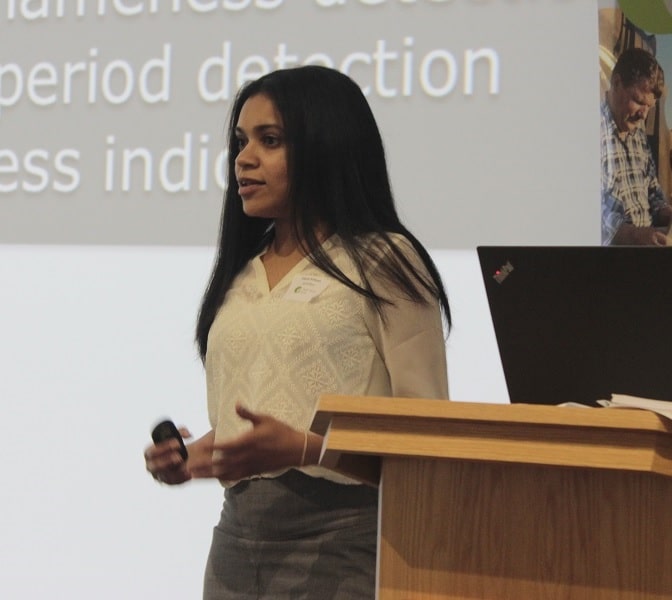
Thinking more about the role of livestock speaks closely to our agenda to help advance new technologies for the industry. We are seeing rapid advances in “stock-tech” innovations, ranging from GROW business plan finalist Smartbell (wellness, lameness and oestrus detection), to PBD Biotech, Start-Up Showcase speaker at REAP 2016 with innovative technologies for TB testing.
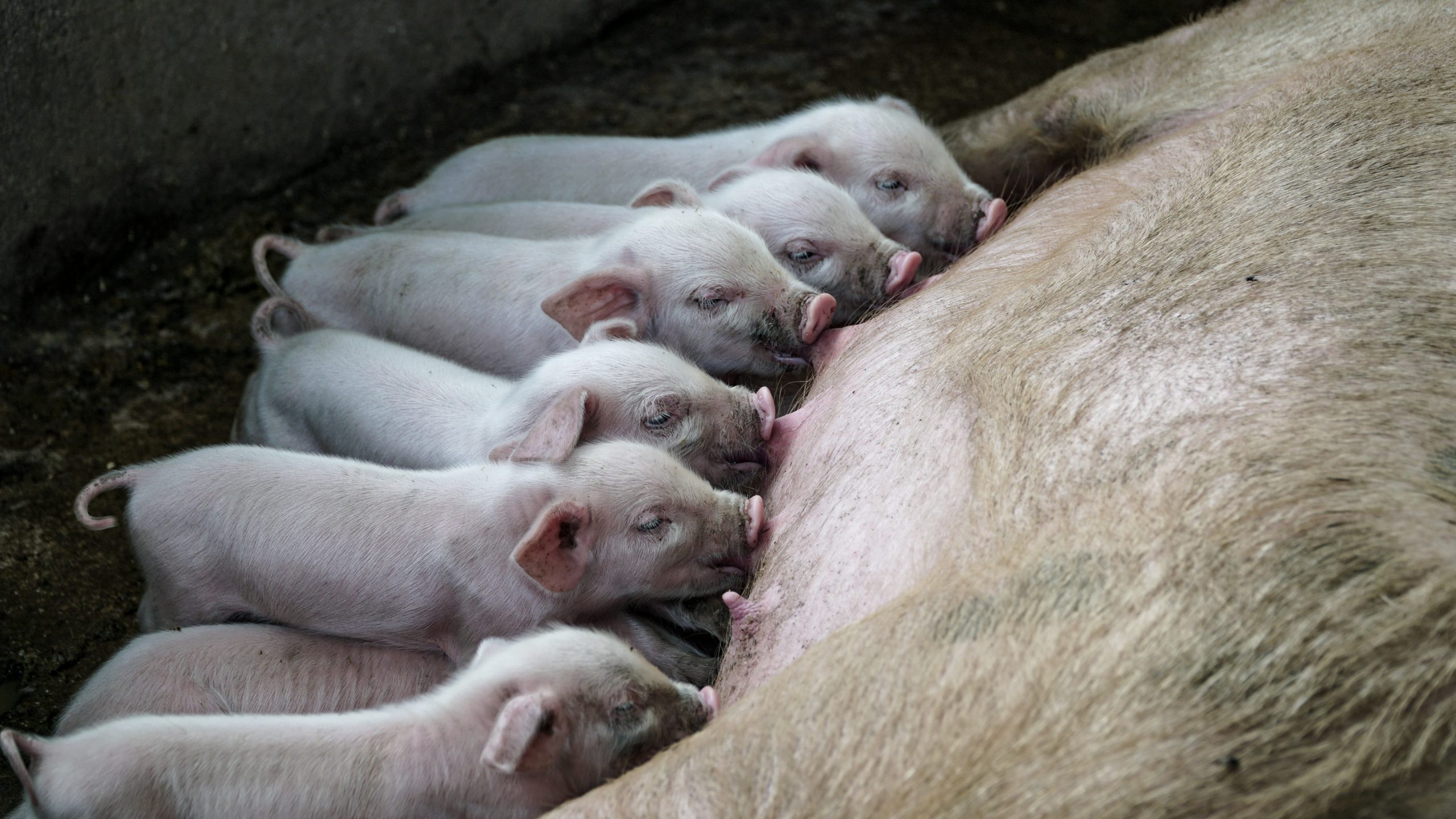
While the east of England has not traditionally been known for its livestock, DEFRA’s most recent data reveal it is home to 28% of England’s pigs and 22 % of its poultry. And there are examples of leading excellence, including a dairy herd in Norfolk managed by robotic milkers, run by Emily Norton, speaker at our Young Innovators Forum Agri-Science 2017 conference. Another dairy herd in Norfolk produces starting material for the famous Mrs Temple’s cheeses, with the cattle muck feeding an anaerobic digester which then returns nutrients to the soil.

No margins?

Predicting a rise in Stock-TechBut do the economics stack up? Livestock farming is challenging, highly regulated and with notoriously low margins, and the threat of imports competing with UK-grown product.
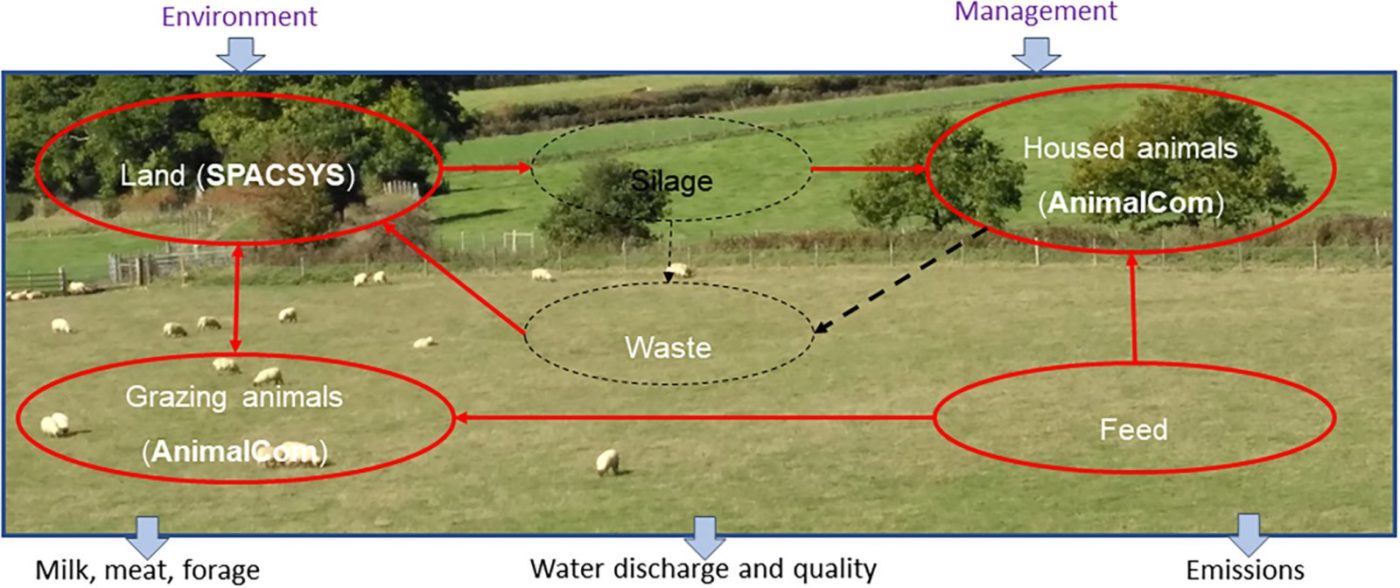
To answer that question, a number of research projects are underway looking at the financial benefits of relationships between grazing animals and soil improvements, be able to put a financial value on the benefits to arable land from grazing stock and to establish the viability of keeping animals just for grazing.
Of course many animals are also housed indoors, with the potential for innovations to help with feed and environmental management, data analysis, automated weighing and welfare support. We will be using our links with the knowledge and technology communities to explore how their use of analytics and logistics can support the agri-tech sector.

Feeding the soil

Gary Zimmer, who gave the keynote speech at our REAP 2016 conference, extolled the virtues of muck.
The effective use of organic manures supports biologically-active soil ecosystems. Soil organisms will use the nutrients in whatever form they are applied (mineral or organic) but they also need an energy source to respire and reproduce.
With mineral fertilisers, soil organisms will break down existing soil organic matter, contributing to the decline in soil organic matter levels associated with intensive cropping systems. However, with organic manures, nutrients are applied to the soil together with organic matter, providing a source of energy (from the carbon compounds) for the soil ecosystem that is not available when mineral fertilisers are used.
It is not just the manure, the use of leys for feeding livestock provides a break in the rotation to allow control of weeds. The addition of clover and other herbs in the ley add nutrients to the soil, further improving its microbial health and structure.

Calculating the value

Could we envisage a relationship between livestock and arable production where the different parties both understand the absolute financial value they bring to the table?
This also speaks to our latest thinking around Natural Capital, which we’ll be talking about in our January Pollinator. Exciting times – watch this space!

Connecting Food uses Blockchain to secure food quality

Meet the Network
Agri-TechE

Connecting FoodConnecting Food is developing an authentication system based on block-chain technology that would allow food operators to get real-time insight into whether a given product meets End Product Specifications (EPS).
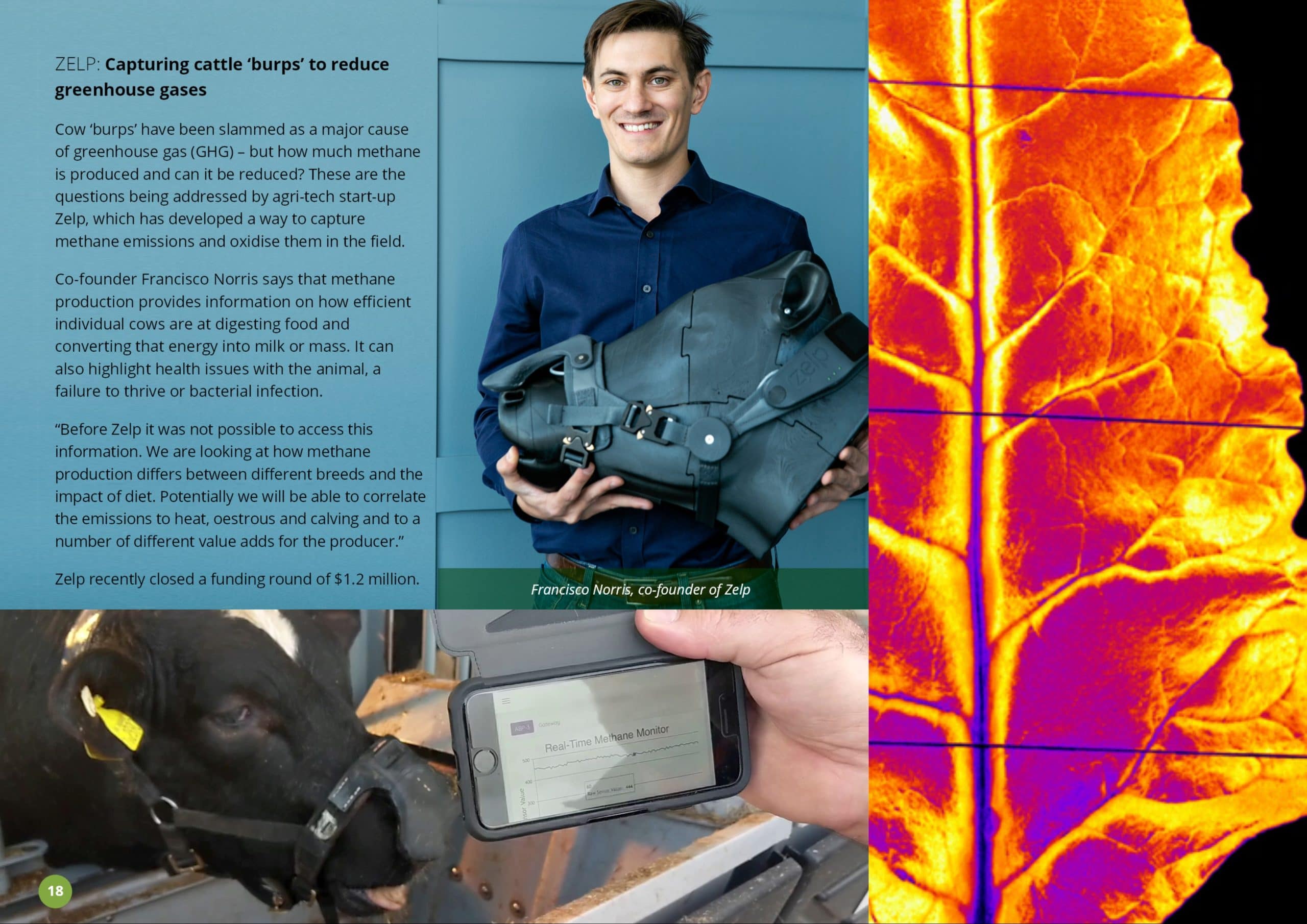
The company is developing an approach that would help detect issues at an early stage and allow the problem to be managed effectively potentially saving the industry millions by reducing contamination that results in product recalls.  (more…)

Olombria flies to the rescue of orchards threatened by lack of pollinators

Meet the Network
Agri-TechE

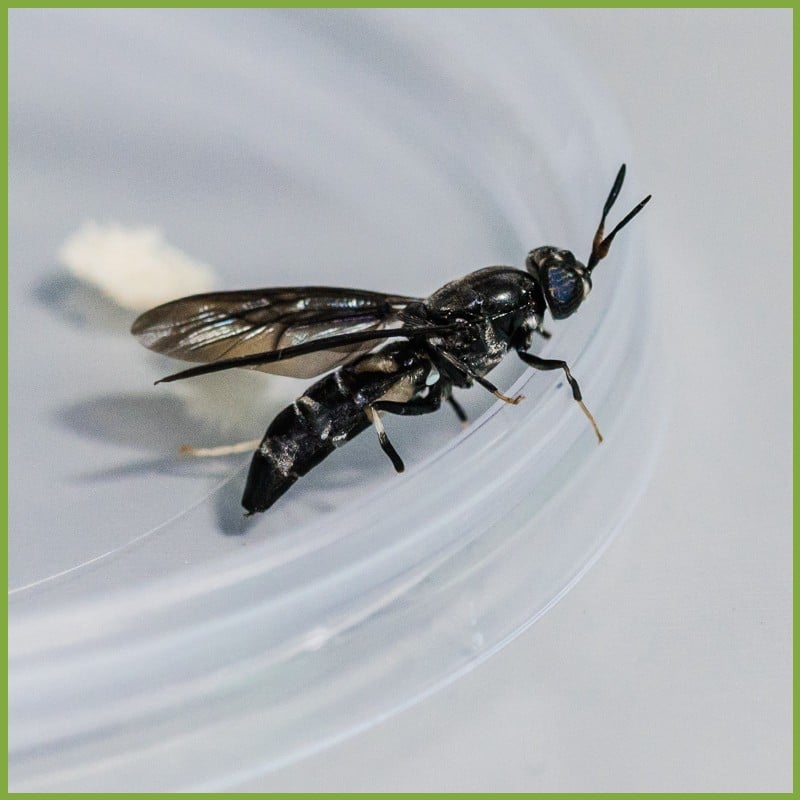
Hairy flies that mimic the behaviour of honeybees are being conscripted by start-up Olombria (formerly known as POM) to overcome the dramatic decline in pollinators, it was announced at REAP 2017. The fly ‘body doubles’ are being lured to orchards by pheromones that encourage them to forage among the blossom, pollinating the crop as they do so.

The early-stage company participated in the Technology Exhibition at REAP.

Louis Alderson-Bythell, co-founder of POM, explains: “The numbers of bees and other wild pollinators have been decimated in recent years; although a number of initiatives are trying to boost the numbers of bees, we thought that the role of other pollinators was being overlooked.”

There are a number of species of fly that resemble bees and have hairy bodies that can trap pollen and transport it to the next flower. Their larvae also eat aphids and so have a dual benefit.

Alderson-Bythell was part of a team that entered the RCA’s entry to the 2017 Biodesign Challenge. Their solution uses pheromones to stimulate the fly’s foraging response; these chemicals are released through a series of nodes located through the orchard.

The flies themselves are easy to breed and die at the end of the season so do not need the same degree of care required by bees. POM believes that the large monocultures across California and Australia, which rely on migrant beekeepers, have the most to gain from its pollination system.

Olombria is working with leading agricultural research organisations including Imperial College, Rothamsted Research, and Niab-EMR to develop an Internet-of-things (IoT) system consisting of a network of small nodes spread throughout an orchard. The nodes collect data and curate the behaviour of flies in the field. Olombria aims to work with natural systems to manage and support rather than exploit local ecosystems.

The start-up’s work originated from the RCA’s entry to the 2017 Biodesign Challenge and is led by RCA graduates Louis Alderson-Bythell, Tashia Tucker and Sam Roots, and current student Greg Swan.

Find out more about Olombria at flypollination.com or follow them on Twitter: @flypollination

Update on Olombria. 

Supporting innovation at REAP new test detects TB in cattle

Agri-TechE

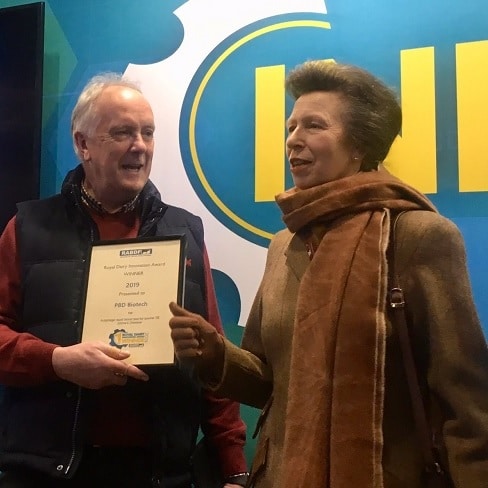
Berwyn Clarke, PBD Biotech, at REAP (1)A year since he first pitched in the REAP Start-Up Showcase (right), Dr Berwyn Clarke, Co-founder of PBD Biotech, was back to announce the first test kit for TB in cattle would shortly be available.
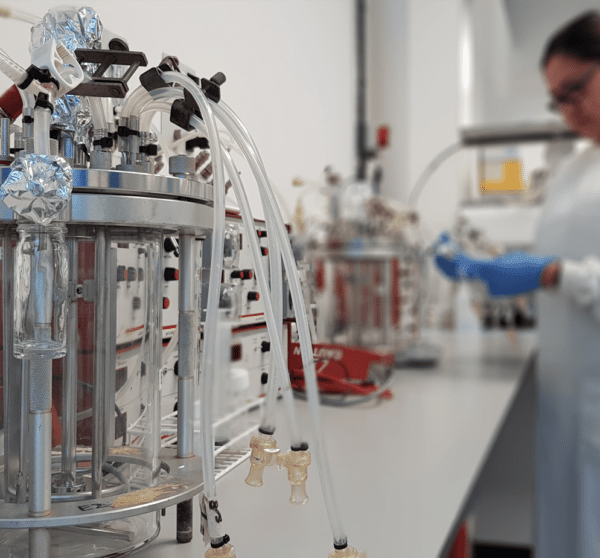
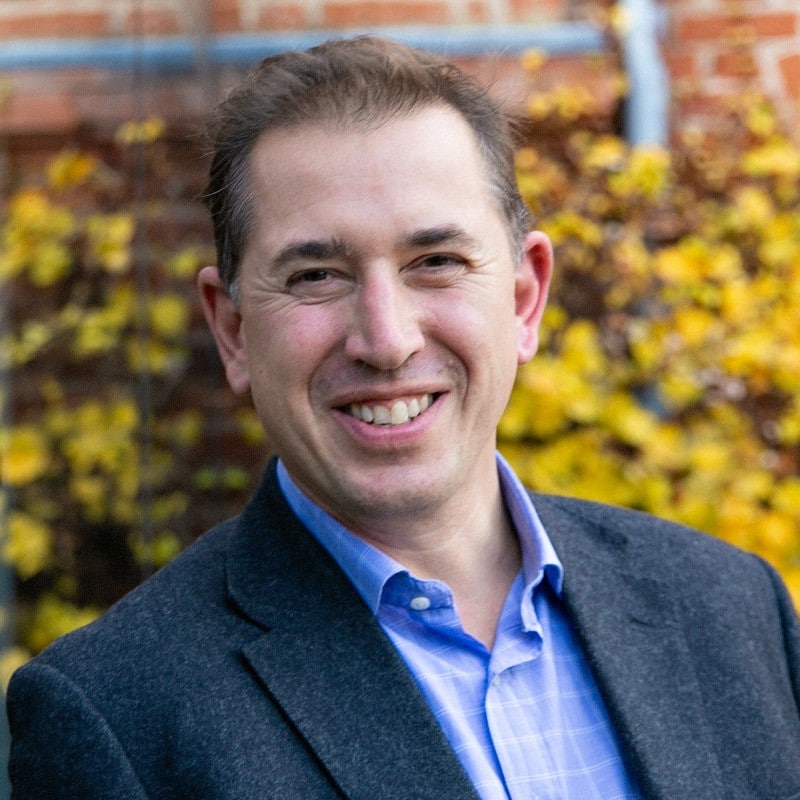
Actiphage™ TB – a new test for bovine tuberculosis (bTB) – will brings fresh hope for the stricken dairy industry which has seen over thirty thousand cows slaughtered this year after contracting the disease.

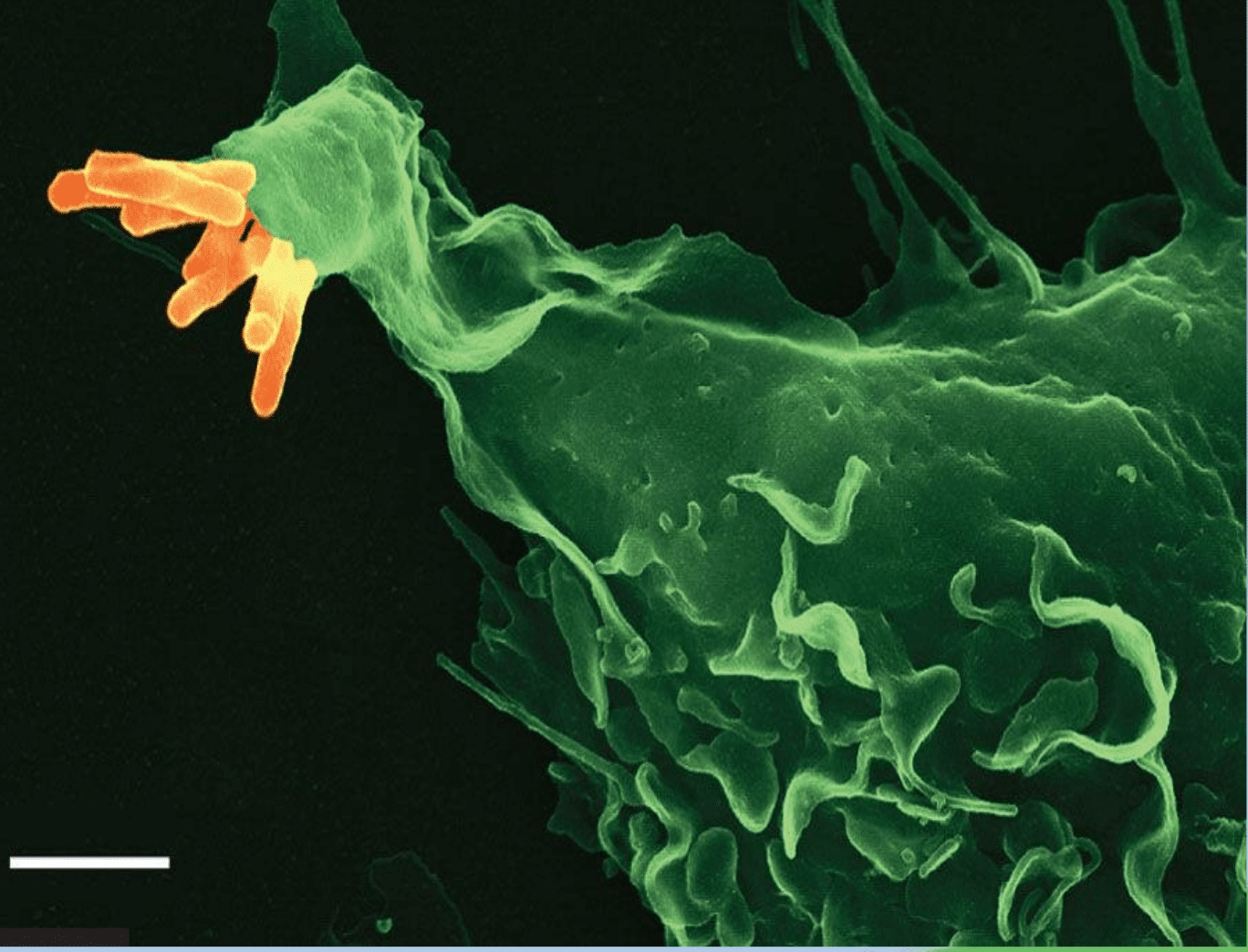
The new test can detect live bacteria in blood or milk in just six hours, allowing affected cattle to be identified quickly before the infection spreads.

The test is based on research conducted at the University of Nottingham by Drs Cath Rees and Ben Swift, co-founders of PBD Biotech.

Dr Rees explains that: “The existing skin test is based on the animal’s immune response, and takes three days to produce a result, but more worryingly is known to miss about 20% of infected animals. “Our new test is unique as it is the only test that directly detects live bacteria in blood or milk and is fast, specific and highly sensitive. Additionally the test can distinguish between a vaccinated and an infected animal (DIVA test) paving the way for new types of disease control in the future when vaccines are available.”

PBD Biotech has been successful in raising finance to create and manufacture test kits based on the phage technology developed by Dr Rees. Although unlicensed at present for commercial use, the test kits are available for research and validation studies, which are vital for approval by Defra and other global authorities. Other countries are moving fast to get the test introduced to help fight this and other tuberculosis diseases.

Dr Berwyn Clarke says the company is in advanced talks with authorities in France, Canada and the USA over trials to start shortly. In the UK, results from a trial in the West Country have proved promising.

Devon Vet Dick Sibley was given permission earlier this year to complete his trials on a working dairy farm. He tested for bTB in blood, milk and faeces and found that the phage test was able to detect infection months before the skin test gave a positive result. This showed that cows previously labelled as ‘healthy’ using the skin test were actually carriers of the bacteria, potentially transmitting it to other animals in the herd and also to calves at birth. By introducing strict biosecurity and hygiene regimes, and using the phage test and faeces PCR tests to identify high-risk animals, Sibley has managed to start to reduce levels of bTB from this herd, leading to the first clear skin test results for five years.

The Actiphage test can also be used in the dairy industry and could be vital to improve quality assurance, allowing rapid detection of contaminated milk or dairy products, especially those sold at the farm gate or using unpasteurised milk. It could also be used for giving healthy cows a clean bill of health for travel, preventing spread of the disease and providing the industry with new ways to control movement of potentially infected animals both locally and internationally.

Research kits will be available from the end of November 2017 via the company website: www.pbdbio.com.

Biological ‘lure and kill’ system for bean weevils shows promise

Research Digest
Agri-TechE

Biological A biological control system for beetle pests of peas and beans would reduce the need for blanket insecticide application and help to reduce the issues with resistance.

Trials by PGRO at the Beeswax Farming Stubton Estate, near Newark include a ‘lure and kill’ trial.  This is investigating the use of a naturally occurring fungus to control pea and bean weevil and, potentially, bruchid beetle. Currently, the main insecticides available to UK pulse growers for control of both pests are pyrethroids – and there is now evidence of partial resistance developing in pea and bean weevil populations.

In the plots, insects are attracted into inoculation stations using pheromones and exposed to the fungus so that they leave and transfer the spores to their fellow beetles. Field cages help retain a captive weevil population.

If successful, the development of this more targeted approach to pest control with the potential to reduce broadcast pyrethroid applications, will offer a more environmentally friendly option for growers.

There are many different pyrethroid products each with their own range of target pests in many different crops. Despite increasing issues with resistance in a number of target species they are still an important product for growers to control a wide range of pests.

Control of pea and bean weevil using pyrethroids in some regions is still good and another aspect of this project is to look at the efficacy of using the pyretroid in an alternative formulation – Entostat® which may provide resistance busting control.

Lure and kill 

Biological Early results from the  second year replicated cage trials were conducted at PGRO and Rothamsted Research Ltd and although not statistically significant data were promising, suggested some control over weevil numbers.  Data from the year 3 trials will be available shortly.
The principle benefits of the “Lure and Kill” system is that it employs a naturally occurring entomopathogen and targets the pea and bean weevil more specifically using an aggregation pheromone via an inoculation station. In this way it is hoped that fewer non-target species will be affected such as with broadcast insecticides.

The beetle pests will be lured to simple devices, baited with specific attractive odours, where they will be coated with spores of an insect fungal disease. When they leave the device they will spread the disease to other beetles. This will reduce pest beetle numbers and damage to the crops, but, unlike insecticide sprays, will not affect the environment or other beneficial and non-target insects such as pollinating bees.

Environmentally friendly

The insect fungal disease occurs naturally in the soil in the UK and does not pose a risk to other animals. The attractants used are either insect produced (pheromone) or are odours produced by flowering peas and beans.

The spores and the attractants will be prepared in a novel formulation that is electrostatically charged and sticks to the beetles body, being passed on to other beetles.

The project is funded by the Technology Strategy Board through the Agri-TechE Catalyst program, BBSRC and the industrial partners PGRO, BASF, Oecos and Exosect.

Caterpillar eats plastic bags

Research Digest
Agri-TechE

Caterpillar found to eat shopping bags, suggesting biodegradable solution to plastic pollution

A common insect larva that eats beeswax has been found to break down chemical bonds in the plastic used for packaging and shopping bags at uniquely high speeds. Scientists say the discovery could lead to a biotechnological approach to the polyethylene waste that chokes ocean ecosystems and landfill sites.

The caterpillar produces something that breaks the chemical bond, perhaps in its salivary glands or a symbiotic bacteria in its gut.

Scientists have found that a caterpillar commercially bred for fishing bait has the ability to biodegrade polyethylene: one of the toughest and most used plastics, frequently found clogging up landfill sites in the form of plastic shopping bags.

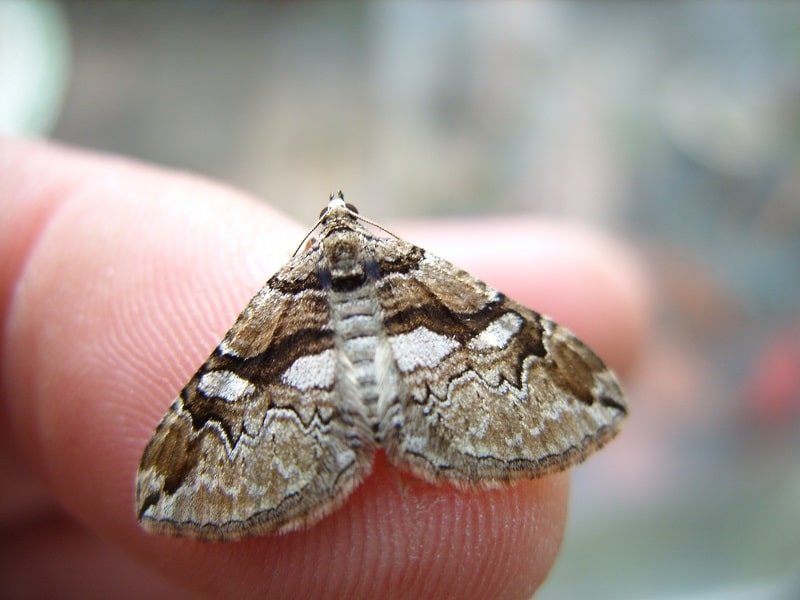
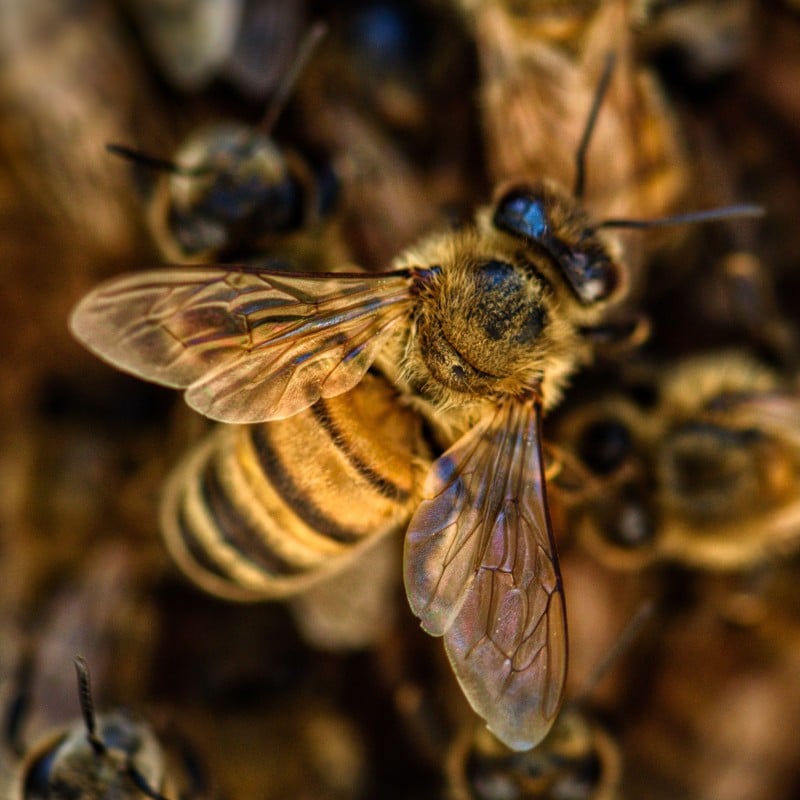
The wax worm, the larvae of the common insect Galleria mellonella, or greater wax moth, is a scourge of beehives across Europe. In the wild, the worms live as parasites in bee colonies. Wax moths lay their eggs inside hives where the worms hatch and grow on beeswax – hence the name.

A chance discovery occurred when one of the scientific team, Federica Bertocchini, an amateur beekeeper, was removing the parasitic pests from the honeycombs in her hives. The worms were temporarily kept in a typical plastic shopping bag that became riddled with holes.

Bertocchini, from the Spanish National Research Council (CSIC), collaborated with colleagues Paolo Bombelli and Christopher Howe at the University of Cambridge’s Department of Biochemistry to conduct a timed experiment.

Around a hundred wax worms were exposed to a plastic bag from a UK supermarket. Holes started to appear after just 40 minutes, and after 12 hours there was a reduction in plastic mass of 92mg from the bag.

Scientists say that the degradation rate is extremely fast compared to other recent discoveries, such as bacteria reported last year to biodegrade some plastics at a rate of just 0.13mg a day. Polyethylene takes between 100 and 400 years to degrade in landfill sites.

“If a single enzyme is responsible for this chemical process, its reproduction on a large scale using biotechnological methods should be achievable,” said Cambridge’s Paolo Bombelli, first author of the study published today in the journal Current Biology.

“This discovery could be an important tool for helping to get rid of the polyethylene plastic waste accumulated in landfill sites and oceans.”

Polyethylene is largely used in packaging, and accounts for 40% of total demand for plastic products across Europe – where up to 38% of plastic is discarded in landfills. People around the world use around a trillion plastic bags every single year.

Generally speaking, plastic is highly resistant to breaking down, and even when it does the smaller pieces choke up ecosystems without degrading. The environmental toll is a heavy one.

Caterpillar found to eat shopping bags, suggesting biodegradable solution to plastic pollutionYet nature may provide an answer. The beeswax on which wax worms grow is composed of a highly diverse mixture of lipid compounds: building block molecules of living cells, including fats, oils and some hormones.


The researchers say it is likely that digesting beeswax and polyethylene involves breaking similar types of chemical bonds, although they add that the molecular detail of wax biodegradation requires further investigation.

“Wax is a polymer, a sort of ‘natural plastic,’ and has a chemical structure not dissimilar to polyethylene,” said CSIC’s Bertocchini, the study’s lead author.

The researchers conducted spectroscopic analysis to show the chemical bonds in the plastic were breaking. The analysis showed the worms transformed the polyethylene into ethylene glycol, representing un-bonded ‘monomer’ molecules.

To confirm it wasn’t just the chewing mechanism of the caterpillars degrading the plastic, the team mashed up some of the worms and smeared them on polyethylene bags, with similar results.

“The caterpillars are not just eating the plastic without modifying its chemical make-up. We showed that the polymer chains in polyethylene plastic are actually broken by the wax worms,” said Bombelli.

“The caterpillar produces something that breaks the chemical bond, perhaps in its salivary glands or a symbiotic bacteria in its gut. The next steps for us will be to try and identify the molecular processes in this reaction and see if we can isolate the enzyme responsible.”

As the molecular details of the process become known, the researchers say it could be used to devise a biotechnological solution on an industrial scale for managing polyethylene waste.

Added Bertocchini: “We are planning to implement this finding into a viable way to get rid of plastic waste, working towards a solution to save our oceans, rivers, and all the environment from the unavoidable consequences of plastic accumulation.”

Images from University of Cambridge

Reward farmers for building soil fertility, says Andrew Blenkiron

Meet the Network
Agri-TechE

Reward farmers for Natural Capital, says Andrew Blenkiron ahead of Agri-Tech“We need to go back to how my grandfather farmed, but using modern science,” says Andrew Blenkiron, Estate Director at Euston Estate, Suffolk. He is scheduled to speak at this year’s REAP conference on 7 November, which will focus on how best practice can be enhanced by emerging agri-tech.

“To run environmental schemes is quite a challenge to fit in with the farming side of things, so there should be a reward or enhanced compensation” says Andrew. “However, the complexity of how we are going to calculate that is quite a challenge.”

Natural Capital – which includes the Earth’s stock of water, land and air – applies economic thinking to the use of natural resources. Andrew believes it is critical to manage these assets effectively or lose the benefits they provide to the rural economy. Euston Estate has preserved its natural assets, such as woodland alongside its farming operations.

Andrew oversees all aspects of the 11,000 acre estate, including farming, let land, diverse enterprises, the historic house, shoot and woodland.

Approximately 6,260 acres are farmed, on which wheat, barley, oil seed rape, forage maize and sugar beet are grown. The land is also used for free-range pig and poultry farming, alongside potato, carrot and parsnip production by agreement with other producers.


Arguing the economic benefit

Andrew believes that it is important for long-term soil security to put organic material back on the land, taking the opportunity to build up fertility rather than remove it with the harvest. However, this can be difficult to justify from an economic perspective.

He says: “We need to enhance the utilisation of green manures, catch crops and the integration of more organic material. We are doing that through our various livestock enterprises. Also our anaerobic digestion plant produces a vast amount of organic material on an annual basis.

“I believe that over the last 40 to 50 years, we have become overly reliant on artificial inputs – it’s too easy to get a bag of fertiliser or a can of spray. We’ve got a lot more evidence to demonstrate that sustainable rotations, like my grandfather used to do, is a more sustainable way to boost fertility.

“The biggest challenge that Andrew faces at the moment, is working out the economic benefits of spreading 30,000 tonnes of organic material from the anaerobic digester, compared to the cost of artificial applications. There is maybe no economic gain if you look at it on a straight costings basis, but I know that the organic material will have the longer-term benefit on the soil health.”

Smarter use of water

Euston Estate is making the most of the latest technology to ensure that water is used economically. The irrigation reels have their own build-in sim card, so that they can be controlled remotely by mobile phone apps. Water is applied according to soil moisture probes and accurate weather forecasts. Looking to the future, Andrew already has some ideas of where he would like to see the agri-tech develop.

He says: “We could potentially have farmers’ extraction pumps linked to the Environment Agency controlled gauging stations. If the Environment Agency gauging station on our river had a telemetric link through to their central computers.

“These could tell our pumps when to switch on, when rivers go to a certain level. It could equally tell them when to switch off.

At the moment, somebody comes to the river gauging station and manually takes the information to their office. We then receive a phone call or an email, and we have to go down and switch our pumps on and off.

Sustainability criteria for food imports

“The days of cheap food are not over in the short to medium term,” says Andrew. “As the world population continues to increase, farmers are doing an incredible job, meeting and even exceeding demand.”

However, the Arab Spring of 2008 demonstrated that a rise in grain prices can lead to significant political instability; there is a realisation that there cannot always be a guarantee of cheap food. Andrew believes sustainability should be rewarded.

He says: “We need to have some criteria for the food imported into the UK; it should be measured for its sustainability versus how we can do it here. There are examples from around the world where they are moving vast amounts of water, in the form of fresh produce e.g. tomatoes around the world. In effect we’re moving water from climates that aren’t sustainable in terms of the abstraction of that water from their aquifers. It’s being moved across the world to countries that have enough water.

“The opportunity is here, but the political will isn’t – if we want to continue to provide cheap food. This has either to be through subsidised production in the UK, or through continuing to harvest the natural resources of other countries.

“It can be argued that we may as well take advantage, if other countries wish to destroy their environment and harvest their natural resource – we will still have a vast natural capital that we can call on when we desperately need to feed our nation.”

For further details on the REAP conference, please click here.

Agri-TechE REAP Conference 2017

Bee friendly oilseed rape

Research Digest
Agri-TechE

Bee friendly oilseed rape researchInsect pollination is important for oilseed rape but some varieties provide an inferior source of nectar.  Scientists researching the issue have found that the breeding system used can impact the amount and sugar content of the nectar.
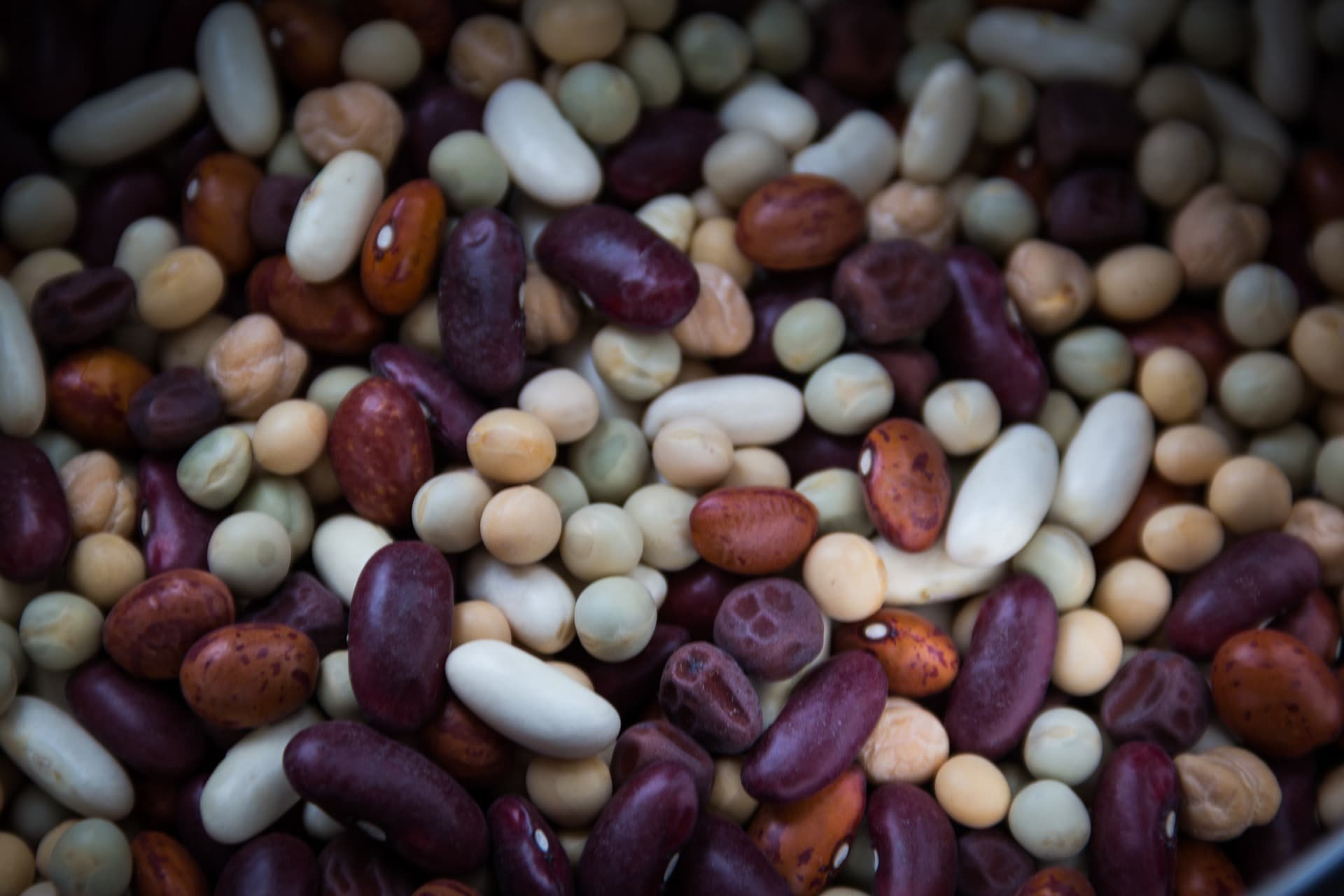
The UK has around 250 bee species, including the domesticated honey bee. Like many other insect pollinators, these bees need sources of nectar and pollen. Lack of available food resources thought to be a major contributor to the decline in bee populations.

In the study, varieties produced by three different methods were tested: open-pollinated (OP), genic male sterility (GMS) hybrid and cytoplasmic male sterility (CMS) hybrid breeding systems.

Dr Jonathan Carruthers, previously a PhD student from Newcastle University working at Rothamsted Research, explained: “We measured a range of floral traits in varieties of winter OSR grown in a glasshouse to test for variation within and between breeding systems. Specifically, we quantified 24-hour nectar secretion rate, the amount, concentration and ratio of nectar sugars per flower, and the sizes and number of flowers produced per plant from 24 varieties.”

Analyses of the data demonstrated that while the amounts of nectar and sugar were similar in varieties within the same breeding system, they varied between the breeding systems, being significantly greater in GMS hybrids than in CMS hybrids and open-pollinated varieties.  The researchers concluded that plant breeding could be used to create crop varieties with pollinator-friendly traits, benefiting both pollination services and crop production.

Professor Juliet Osborne, of the Environment and Sustainability Institute at the University of Exeter, said: “We got the idea for this study from beekeepers. Several approached us to ask if we knew why some varieties of oilseed rape didn’t seem to give as good a honey crop from their hives as they expected.

“Differences in nectar might not be the only reason for variable honey yields, but the research does show that we shouldn’t assume all oilseed rape crops are going to provide the same resources for pollinators.”

Publication:
Carruthers et al. (2017) Oilseed rape (Brassica napus) as a resource for farmland insect pollinators: quantifying floral traits in conventional varieties and breeding systems. GCB Bioenergy, doi: 10.1111/gcbb.12438

Success in value-added dairy

Meet the Network
Agri-TechE

emily norton“Milk is not just some white stuff that goes in a cup of tea, or on your cornflakes in the morning – it’s something that should be respected,” says Emily Norton, Partner at J. Norton & Sons and co-founder of Nortons Dairy in Norfolk. We spoke with her about dairy farming, diversification and women in agriculture.

Nortons Dairy is a family-run dairy and arable farm, six miles north of Norwich city centre. The farm produces milk, butter, cream, cheese and yogurt from a herd of 55 Brown Swiss dairy cows, selling directly to local people and businesses.

Diversifying after the milk crash

The Norton family has farmed at Church Farm, Frettenham since 1946, but it was the milk crash of the 2000s that radically changed the business.

“We had always focused on producing high quality milk in order to maximise returns under the milk contract at the time,” explains Emily. “However we were very conscious that a big tanker would turn up in the morning to collect our milk and the effort we had put into making sure that milk was high quality was lost to us straight away.

“The milk crash in the mid-2000s was a historical low. However, we realised we had some of the skills and labour capacity on farm to be able to add a new business stream into the farm partnership. All the planets aligned to allow us to go ahead and do this. We started in 2007 running the dairy on-farm, so it’s actually our 10th anniversary this year.”

The milk is distributed through a doorstep delivery in the village and a wholesale round to local small businesses and shops in the Broadland area. Cheese and yogurt is also distributed and available throughout East Anglia from independent shops.

As well as selling other dairy products, Nortons Dairy runs educational visits for youngsters to explain the background and effort that goes into milk production.

“Once you put milk in a bottle it just becomes a commodity, rather than something that has been produced with love, care and attention and a huge amount of physical effort from everybody,” says Emily. “So maintaining a conversation and dialogue with the end customer is very important, to understand what it means to them as well as us.”

Voluntary milking system

Success in value-added dairyWell-being is very important at Nortons Dairy; the cows have names (such as ‘Daisy 20th’), drink filtered fresh water and use a voluntary milking system.

Emily says: “We are milking 55 cows on a voluntary milking system (Fullwood Merlin). It works on the basis of incentivising the cows to milk themselves.

“Each cow wears a pedometer – a bit like a Fitbit – so that it activates the robot when they walk in, and measures their activity. They also get some food while they are in there, so we are constantly motivating the cows.

“As a measure of productivity, we are now achieving the same yield of milk from fewer cows. In terms of the quality of the milk and the welfare of the cow, using Merlin means that labour effort can be put into looking after the cows instead. So herd management is of a much higher standard than when labour capacity was taken up with milking.”

Norfolk Ladies in Agriculture

Success in value-added dairyEmily helps run ‘Norfolk Ladies in Agriculture’, a networking group for women involved in a range of agricultural businesses.

She comments: “The group provides advice, inspiration and mentoring amongst other women involved in the industry. This is really important, as it is quite easy in farming businesses for anyone to get stuck in their own bubble, so it’s good to push yourself to meet with others.”

Agriculture is often perceived as a male-dominated industry, but the number of female farmers is rising; women now make up 28 per cent of the British agricultural workforce[1]. Emily is encouraging others to make a difference.

She says: “It is important for women to realise the value of teamwork. There is this feeling that you have to do everything yourself, which I think is a product of female liberation in the ‘60s. However, you can also rely on other people to help you achieve what you want to achieve.

“Rather than feeling swamped by your set of circumstances, your family situation or whatever the expectations are – realise that you can make a massive difference in your own right. You can contribute through leadership, building teams or getting stuck in whatever way you can.

“I would encourage any ladies involved in farming or environmental businesses in Norfolk to contact me if they would like to participate.”

Emily recently spoke at Agri-Tech’s Young Innovator’s Conference at the Morley Agricultural Foundation Wymondham, Norfolk.

Find out more about Nortons Dairy on their website: www.nortonsdairy.co.uk

[1] https://www.gov.uk/government/news/environment-secretary-salutes-britains-women-farmers

A more effective test for TB delivers results in 6 hours

Meet the Network
Agri-TechE

PBD BiotechA ground-breaking test for tuberculosis that can deliver results within six hours is on the cusp of commercialisation, says Dr Berwyn Clarke from PBD Biotech.

The current method of testing is unreliable as it appears to miss a significant number of animals that are carrying the disease.  (more…)