Innovative vets adopts agri-tech for early dairy disease detection

Meet the Network
Agri-TechE

As milk prices decline, along with recurring and emerging diseases and pressures to meet sustainability goals, Nantwich Farm Vets are working with ag-tech innovators to identify diseases earlier, aiming to create more efficient, profitable and successful farming systems.

The next year is offering a challenging time for the dairy industry, reflects Phil Cullinan, Business Development Manager of Nantwich Farm Vets, noting that farmers are losing 6-8 pence per litre for their milk and facing additional pressures with disease and targets.

“There’s the constant challenge of things like TB and Johne’s, then there’s emerging diseases like bluetongue, which we don’t really know what kind of impact they might have.

“There’s also ever more pressure coming on the sustainability side of things; what processors and supermarkets are asking farms to do, and how they can continually develop to achieve the broader industry goals handed down by the government to retailers and processors.

“Juggling all of that is a massive challenge, along with the day-to-day on-farm challenges of staffing and weather”.

However, despite increasing challenges, Phil remains positive that agri-tech innovations could lead to new ways of working, improving animal welfare, and increasing efficiency.

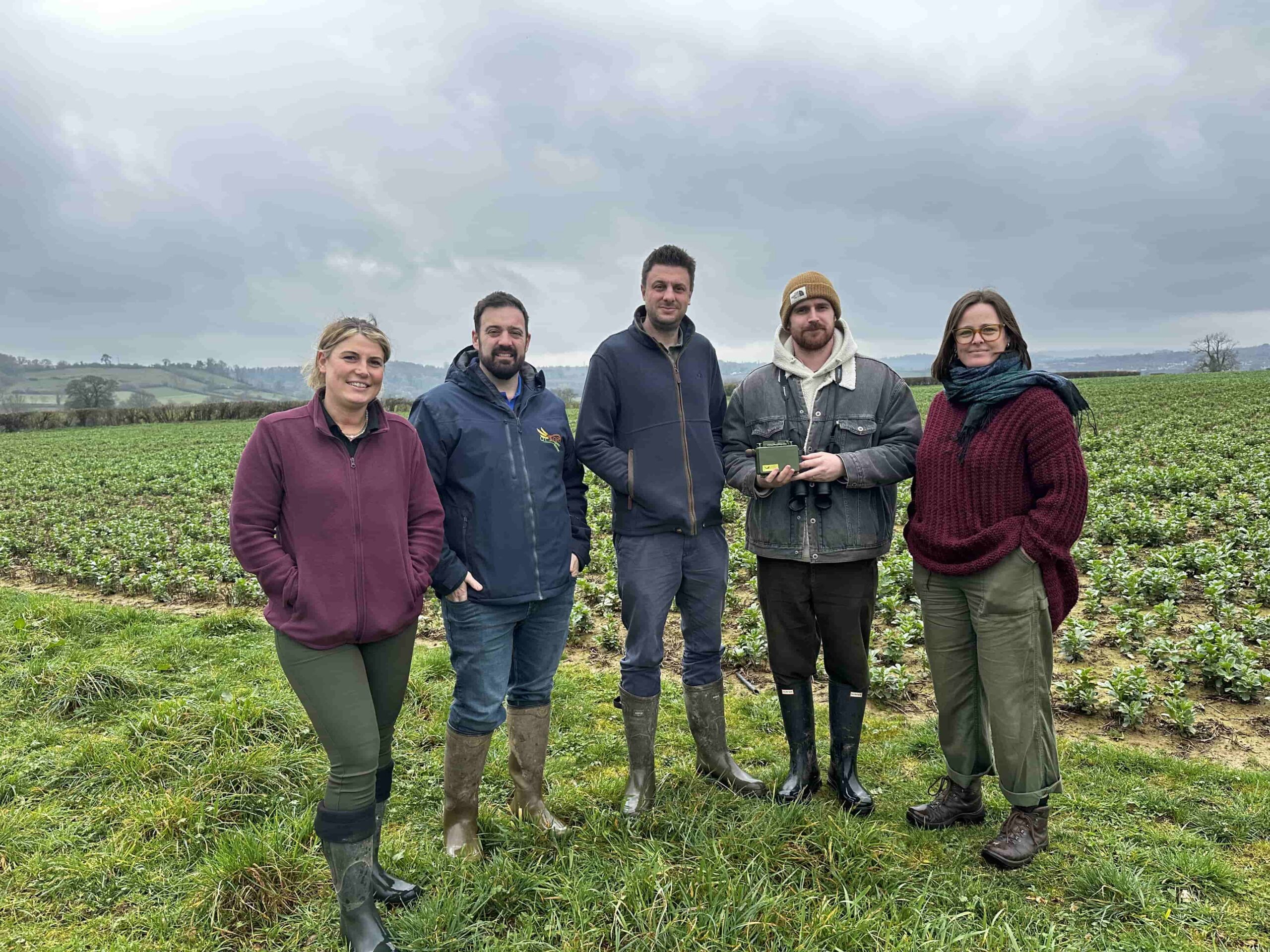
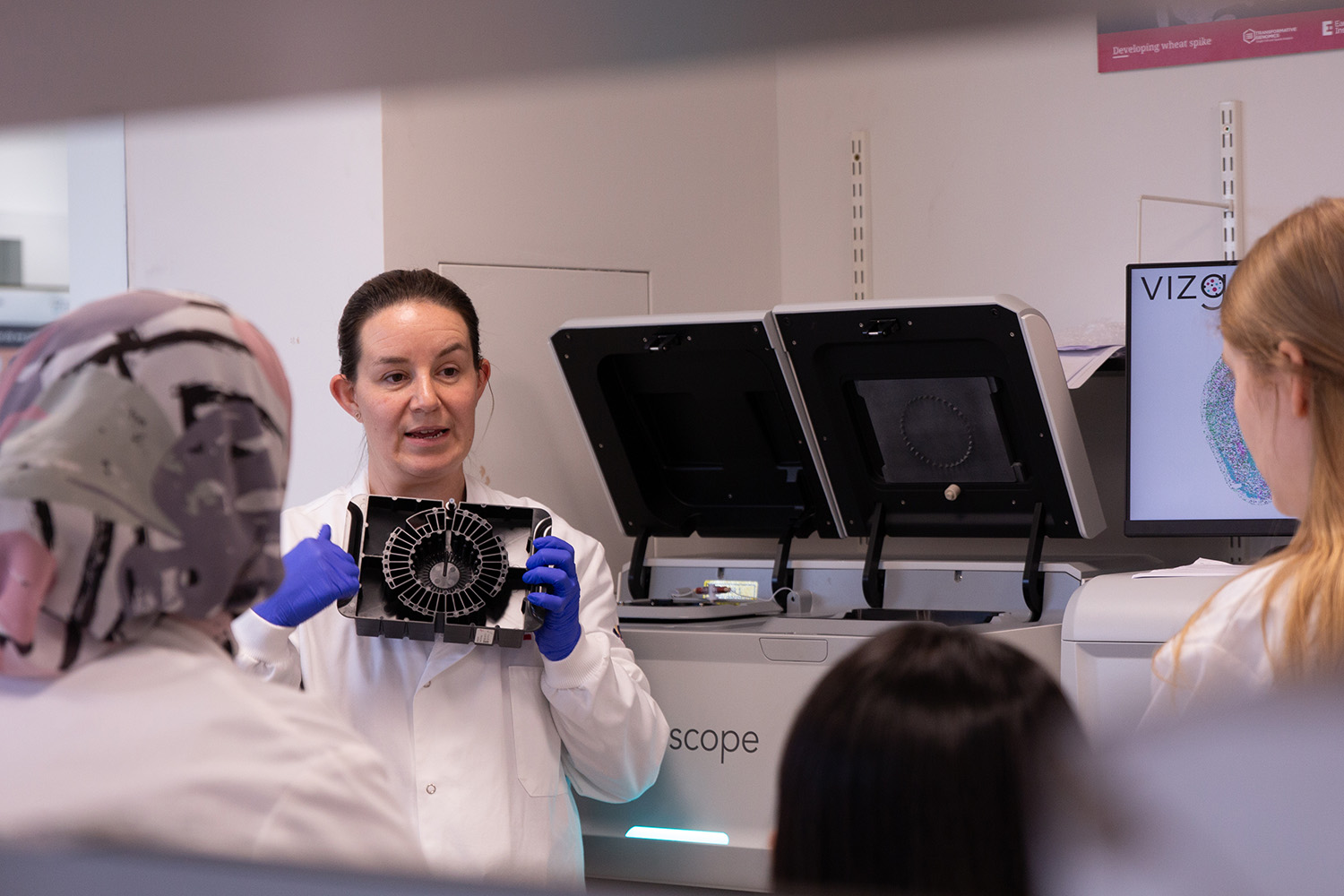
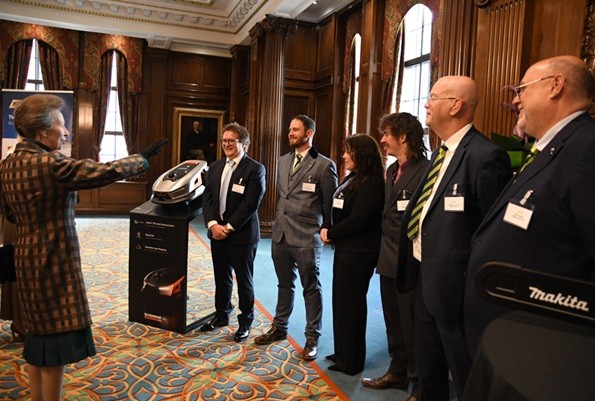
Nantwich Farm Vet Jodie with RoboScientific kit
Nantwich Farm Vet, Jodie, with RoboScientific kit
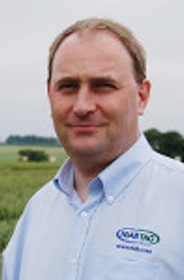
Business Development Manager of Nantwich Farm Vets
Phil Cullinan, Business Development Manager, Nantwich Farm Vets

Taking a preventative approach

When it comes to animal welfare, proactive measures can help detect disease earlier – which reduces suffering and contains infectious spread.

Nantwich Farm Vets is using its Agri-TechE membership to partner with several companies to find new ways to take a preventive approach. From ‘sniffing’ out diseases from gases released from animals, to taking tissue samples for on-farm diagnostics, and AI body monitoring. Agri-tech offers various solutions to get an earlier handle on livestock disease.

For instance, the team is working with RoboScientific, a business that uses volatile organic compound sensors to detect diseases in livestock using breath samples.

By matching the breath sample to on-farm vet assessments, Nantwich Farm Vets is working to corroborate and expand RoboScientific’s dataset.

A breath sample is taken automatically by a machine as the calves feed from automatic milk feeders. “We’re currently in a development phase, but the hope would be that the farmer gets an alert early on in the disease process enabling earlier – and therefore likely more successful – treatment, as well as fewer knocks on calf growth and less antibiotic use. There are lots of benefits,” says Phil.

Additionally, Nantwich Farm Vets has been working with Vet Vision AI to use data to inform decision-making, with the aim of promoting this as a new service to their clients.

Phil explains that on one of their farms, AI cameras have been installed to monitor different parameters between two sheds. The goal is to analyse the data to guide future investments, identify small improvements, and enhance their business operations- caring for the cows and increasing efficiency.

On-farm rapid tests

Following this year’s Agri-TechE REAP Conference, Phil Cullinan also connected with one of the Start-up Showcase businesses, ProtonDX, which has developed an on-farm rapid test to diagnose diseases in under 30 minutes.

The veterinary team has supported the start-up in assessing where the technology could be useful.

“In terms of disease identification and reducing antimicrobial use, that presents another challenge for farmers, which is connected to human health. Some of the new technologies can help farmers to farm more effectively.”

Keeping the consumer in mind

Looking ahead, Phil emphasises that gaining consumer buy-in will be essential for both farmers and vets.

“Consumers, I think, are becoming more aware of what they’re doing and therefore farmers and vets are going to have to make sure that we’re able to deliver a product that is acceptable from the point of view of animal welfare, economics, and environmental sustainability,

“We as a business want to keep growing as an independent vet practice that’s thriving. We want to keep working with the kind of farmers that are going to be around in 20 years, and that can weather the additional pressures that are coming their way.

“The UK has committed to carbon targets and ultimately a legally binding target of Net Zero by 2050. So, there’s going to be more pressure on farmers, and as vets, we want to be best placed to advise them on the kind of things that we can help them with to achieve the targets that are going to be put on them, ultimately, by the processors and the people that are buying their milk.”


Nantwich Farm Vets is eager to partner with other agri-tech businesses.

“If there are any companies that are looking at agri-tech and thinking, ‘how can I get my product to the next stage? I’m interested in doing something to do with dairy cows’, then we’d be very interested in hearing from them”.

You can get in touch with Phil Cullinan here.

Autumn Budget 2025: What’s in it for food, farming and agritculture?

Member News
The views expressed in this Member News article are the author's own and do not necessarily represent those of Agri-TechE.

On 26 November, Chancellor of the Exchequer Rachel Reeves delivered her second budget statement to Parliament. She used her statement to highlight the importance of protecting working people from the government’s tax raising measures and reiterated her three core objectives: reducing NHS waiting lists, cutting the cost of living, and curbing government debt.

The tax-raising measures outlined in the budget, which are required to meet the government’s fiscal rule of having a balanced budget for day-to-day spending by 2029-30, are projected to raise £0.7 billion in 2026-27, rising to £26 billion in 2029-30. These measures more than offset the additional packages of spending outlined in the Chancellor’s statement and reflect weaker than anticipated economic growth and higher borrowing costs. The Chancellor has opted to increase a range of existing taxes and introduce new ones, rather than pursue a smaller number of larger measures borne by the general population (such as increasing the basic rate of income tax or the standard rate of VAT).

Food, Farming & Agriculture

The budget headline for the food and drink sector is the government’s plan for a tougher sugar tax, which had been pre-announced by the health secretary the previous day. The measures will expand the scope of the soft drinks industry levy to milk-based and milk-alternative products and lower the threshold from 5g per 100ml to 4.5g, effective from 1 January 2028. The Chancellor also announced plans to tackle food inflation and reduce the regulatory burden on the largest food retailers through the new Food Inflation Gateway and its agri-food negotiations with the EU. The Food Standards Agency will work to introduce a national level regulation to streamline food standards and hygiene regulation to reduce the administrative burden on supermarkets.

The agricultural community will be disappointed that, despite months of speculation and Westminster protests, the Chancellor did not reverse her reforms to agricultural property relief. Reeves did though confirm that the £1 million allowance for the 100% rate of agricultural property relief will be transferable between spouses and civil partners.

If you are interested in discussing these matters in more detail, please contact Thea Southwell Reeves at thea@gkstrategy.com

  • *I have permission from the copyright holder to publish this content and images.

UK-based Drone Ag gains unique ENAC BVLOS authorisation for autonomous crop-trial monitoring in Italy

Member News
The views expressed in this Member News article are the author's own and do not necessarily represent those of Agri-TechE.

Authorisation under the SORA framework enables Drone Ag to operate locally deployed drone base stations in Italy. Flights are automated, monitored from the UK, and deliver sub-millimetre crop imagery and near-real-time analysis with no on-site pilots.

Northumberland, UK, 25th November 2025.

Drone Ag, the UK agricultural-drone automation company behind Skippy Scout, has received a unique Beyond Visual Line of Sight (BVLOS) operational authorisation from Italy’s civil aviation authority, ENAC.
Issued under the Specific Operations Risk Assessment (SORA) framework, the approval enables Drone Ag’s UK operations centre to initiate and monitor autonomous missions at specialist crop-research sites in Italy.

Each site hosts a self-contained drone base station, housing the aircraft, charging system and communications hardware, so that all flight operations occur locally and autonomously within the authorised area. This removes the need for any on-site personnel while maintaining full compliance with European aviation safety standards.

The authorisation recognises Drone Ag’s adherence to ENAC and EU Reg (EU) 2019/947 safety requirements, including enhanced containment and geo-fencing measures.
Local base-station control ensures every flight remains confined to its designated airspace, while the UK-based operations centre manages scheduling, monitoring and verification.
ENAC’s structured and collaborative regulatory approach supported a transparent review process focused on both safety and technological innovation.

By combining automation with advanced imaging, Skippy Scout removes manual piloting and subjective assessment. The system delivers consistent, repeatable data with machine-level objectivity.
At sub-millimetre resolution, imagery supports AI and machine-learning models that can count tiny plants, detect insect damage, and perform precise canopy and growth-stage measurements.

A single autonomous flight is capable of scanning dozens of trial plots in high detail and can be repeated multiple times per day. Imagery and analysis are delivered to clients within minutes, providing near-real-time insight into crop performance and development.

The system achieves a significant reduction in labour costs and eliminates the need for travel to trial sites for inspections or VLOS flights.
More than 10,000 autonomous flights have been completed using the Skippy Scout platform, demonstrating strong reliability.’ Drone Ag’s automation pipeline delivers higher-frequency, higher-detail data at a lower overall operational cost, while reducing travel emissions and on-site disruption.

“This authorisation represents an exciting step forward for Drone Ag and for agricultural automation in Europe,” said Jack Wrangham, CEO of Drone Ag.
“By combining our autonomous base-station technology with advanced flight automation and data-processing pipelines, we can deliver consistent, objective crop insights at a level of detail that simply wasn’t practical before.
Working with ENAC through the SORA framework has been a constructive and forward-thinking process that demonstrates how regulation can enable innovation when safety and transparency come first.
This milestone shows what’s possible when robust technology meets a progressive regulatory environment, and it sets the foundation for our vision of scaled, fully-automated drone monitoring across agriculture.”

In 2026, Drone Ag will extend this model to additional EU and UK research sites, before expanding into broadacre agriculture, deploying base stations directly on commercial farms for field and farm-scale monitoring.
This next phase will enable large-scale, automated, high-frequency crop insight at an unprecedented operational scale, redefining data-driven agronomy across Europe.

  • *I have permission from the copyright holder to publish this content and images.

Why is it essential to consider Intellectual Property before starting a new project?

Member News
The views expressed in this Member News article are the author's own and do not necessarily represent those of Agri-TechE.

It is natural to rush into any new project and start publishing results immediately, but is this the right approach, and are there consequences to be aware of?

One critical step that is often overlooked is Intellectual Property (IP): it can help structure projects, prevent legal barriers later, and create value for the business. But when should you check?

Smaller companies benefit from agility due to having fewer decision-makers and less complex systems to navigate. In contrast, large multinational corporations have the resources to integrate patent and published paper reviews into their development processes. However, start-ups and smaller companies often struggle to effectively leverage intellectual property (IP) because they typically lack the necessary time, resources, funding, and expertise.

🔎 Why consider IP early in development

  • Thinking about Intellectual Property (IP) from the start helps you know whether your idea is truly novel — or blocked by existing patents/prior art.
  • Running a “freedom-to-operate” check before significant investment can prevent costly mistakes and delays around infringement.
  • Early IP review may also show valuable inspiration from other industries or technologies — enabling you to adapt existing solutions legally and efficiently at the start of the development phase.
  • Designing experiments and development work with future patent applications in mind helps preserve novelty, makes patent applications easier / cheaper and maximises chances of future investment.
  • A clear IP strategy — covering patents, know-how, trade secrets, and eventual branding/trademarks — improves differentiation and competitive edge when you launch.

💡 Strategic Importance of IP for Startups / Small Companies

  • Startups that file for patents or trademarks early are up to ~10.2× more likely to secure early-stage funding.
  • IP assets often become the principal “defensible value” of a company — particularly in sectors like biotech, Agro-bio, or other deep-tech fields.
  • Patents and trademarks can serve as collateral for loans, licensing income, or acquisition/licensing deals — even before you bring a product to market.
  • A strong IP portfolio can improve exit value (IPO or acquisition), attract large corporate partners, or justify investor confidence. If the business’s goal is an IPO rather than building a sales organisation, then all IP protection is essential.

✅ What to do — Key IP-Strategy Actions

  • From the very start, track “who owns what” — especially when collaborating with universities, contractors, and employees. Ensure assignments of inventions, microbial strains, formulations, etc., are directed to the appropriate entity. Some grants require royalty-free licences to IP generated with that funding. How could this affect the future value of the business?
  • Think through the intended market & territory coverage (EU, USA, global) — file patents/trademarks accordingly, before public disclosure or public domain entry.
  • Decide early whether some inventions are better kept as trade secrets rather than publicly disclosed in patents (especially processes, formulations, know-how).
  • As you develop, record each milestone — discoveries, added claims, new markets entered, licensing deals — to build an evolving IP portfolio demonstrating increasing value to investors and partners.
  • Align IP filing timing with your R&D pipeline, branding and go-to-market launch to avoid redundant work or protection invalidation

The emergence of specialised AI systems for reviewing intellectual property (IP) has removed many previous obstacles and is a game-changer for our industry.

Companies like AB-Consultants are using dedicated AI software that can efficiently analyse over 400 million relevant patents and scientific papers in just a few minutes.

This technology can confirm feasibility, provide a list of related published patents and papers, and suggest alternative solutions to development challenges. The information gathered can be used to define critical project endpoints, determine the required filing format for IP, create a Design Failure Modes and Effects Analysis (DFMEA), and conduct a tailored IP Value Assessment for investors.

If you are a startup or just starting your journey, now is the right time to consider your intellectual property and how it can optimise your chances of success.

Rob Cannings

Rob Cannings is a strategic leader and consultant in agricultural biotechnology, specialising in biostimulants, biocontrol, and sustainable crop inputs. With over 40 years of international experience in research and development, commercialisation, and business development. Expert in scaling biological businesses, navigating global regulatory landscapes, and launching innovative technologies. Additionally, founded several ventures focused on biological solutions, most recently AB-Consultants.

  • *I have permission from the copyright holder to publish this content and images.

Turning Data into Decisions – Refining Nitrogen Use in Salad Production

Member News
The views expressed in this Member News article are the author's own and do not necessarily represent those of Agri-TechE.

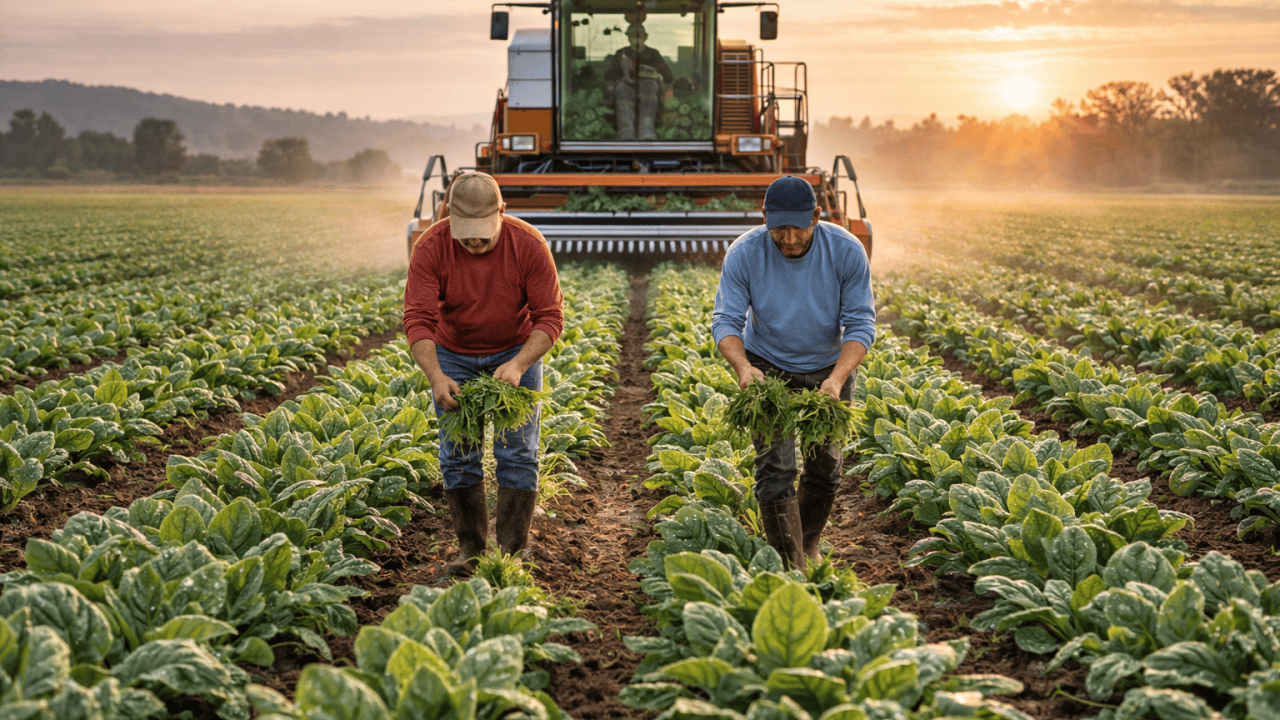
UK-based salad grower J.E. Piccaver & Co have long been known for their careful, progressive approach to salad and lettuce production. Constantly seeking ways to grow more efficiently, the team began working with Paul-Tech to gain a clearer picture of how nitrogen behaves in their soils — and whether there might be scope to use it more precisely.

From assumptions to evidence

The team had often wondered if their nitrogen rates could be optimised, but without direct soil data it was difficult to prove. In 2025, they decided to put that question to the test. Using Paul-Tech sensors, they monitored one of their lettuce fields throughout the growing season to observe how soil moisture and nitrogen levels changed over time.

Two Paul-Tech devices were installed in the same field — one in a biostimulant (BIO) plot and one in a non-biostimulant (NON BIO) plot. Both were on loam-to-light clay soils, and the sensors measured soilwater and nitrate dynamics at 8 cm and 20 cm depths from winter through to the end of harvest.

What the sensors revealed

Both sides started the season with similar baseline fertility. As spring progressed, the BIO plot maintained slightly higher soil moisture, while the NON BIO side experienced longer dry periods. These contrasting moisture profiles shaped how nitrogen behaved through the season: in wetter conditions, nitrogen moved more freely through the profile, while in drier soil it tended to remain closer to the surface.

After the first lettuce harvest, the sensors detected significant amounts of available nitrogen remaining in the soil. Traditionally, the field would receive another application before drilling the second crop — and this time, a smaller nitrogen dose was still applied as part of standard practice.

However, the data made it clear that even before the second drilling, there was already a substantial amount of nitrogen available in the soil, enough to support the next phase of growth without the need for further large applications.

A new understanding of residual nitrogen

By the time of the second harvest, the pattern was unmistakable: high levels of residual nitrogen remained in the soil, representing a valuable resource that could be better utilised by the following crop or a well-timed cover crop.

This insight confirmed what the team had long suspected — that there were opportunities to grow lettuces and salads with greater nitrogen efficiency than before. The Paul-Tech data didn’t just validate the idea; it provided the clear, quantitative evidence needed to plan with confidence.

Putting insight into action

Building on this understanding, J.E. Piccaver & Co will continue expanding their use of Paul-Tech technology in the 2026 season. The next step is a targeted trial where nitrogen inputs will be reduced by around 20%, starting with lettuce and extending to other crops such as onions.

By combining detailed soil insight with practical on-farm experience, the team aims to fine-tune their nitrogen strategy — maintaining quality and yield while improving overall efficiency.

A partnership for progress

For J.E. Piccaver & Co, this collaboration has provided the evidence to make small, confident adjustments that add up to meaningful results. The sensors have turned assumptions into measurable data, giving the farm team a clearer understanding of how nitrogen behaves between harvests and how it can be managed more effectively.

“We’ve always had a feeling we could use less nitrogen — now we can actually see it. The data gives us confidence to make those changes,” says the Piccaver team.

As they expand this approach to more fields and crops, the results from this first monitored lettuce site are already shaping how they plan, apply and grow — proving that better data leads to better decisions, season after season.

  • *I have permission from the copyright holder to publish this content and images.

The first International Innovation Meeting for Pangaea and distributors

Member News
The views expressed in this Member News article are the author's own and do not necessarily represent those of Agri-TechE.

In September at Duxford Imperial War Museum, Pangaea Biosciences hosted their first international innovation meeting for research scientists and distributors from the UK, Czech Republic, Greece, Lithuania, Poland and Portugal. The objectives of the meeting were to share knowledge of market use of Pangaea products, understand resistance issues across Europe, share product knowledge and performance with an opportunity for questions and answers. Invited speakers included Dr Graham Moores, the inventor of temporal synergism and Professor Pavel Wegorek and Dr. Joanna Zamojska, from the Institute of Plant protection, National Research Institute, Poznan, Poland who have conducted bioassay and field trials with Pangaea’s technologies for some years now. Each country representative presented their key technical learnings and commercial successes.

Dr Graham Moores kicked off proceedings with an excellent introduction to his early research work and findings more than 20 years ago, followed by CEO Nick Gooch outlining Pangaea’s journey since he founded it in 2012. Since then, it has expanded its horizons across Europe, Africa, the Far East, and Australia. Nick explains that the most important priority for the company was to overcome insect resistance. ″Resistance to insecticides worldwide is an escalating problem, as growers spray more frequently at multiples of registered label rates, leading to environmental harm, increasing costs for farmers and even greater resistance build up. We have developed a product, Pangaea Booster™ which inhibits or neutralizes the pest’s defensive enzyme before the pesticide is released. This patented and optimized formulation leaves the pest in a hypersensitive state so that the concentration of the pesticide will kill even the most resistant types. It does this by deactivating the metabolic pathway (Cytochrome P450) in insects, which causes breakdown of the insecticide. In countries such as Poland and Czech, beetles show very high levels of resistance to most insecticide groups, and it is in these countries that Pangaea Booster™ has already found great success.″

Other topical subjects discussed at the meeting was the enormity of resistance in Asia where Pangaea Booster™ is also selling and the impact of climate change or global warming on pest resistance. Higher temperatures allow the pest to overwinter moving from crop to host plants, so reproductive cycles are longer allowing for greater resistance build up. It will allow more generations each year and earlier flights for pests like grain aphids. It also decouples the pest and its natural enemies, reducing natural predation, increasing populations, and increasing resistance. Drought conditions will affect the way plant protection products are taken up. All these situations can only enhance the build-up of insect resistance, making the adoption of Pangaea Booster™ more important than ever.

Other areas of interest in the meeting were the product Tardis™ which is a food safe organic complex of carbohydrates and sugars offering a time-controlled delivery system to be used in combination with Pangaea Booster™ and the resistant insecticide.

Nick Gooch explains that the company not only has these key products but a very fruitful pipeline of products in the offing.

Delegates’ Feedback

Joanna Zamojska from IOR PIB. Poland says″ A highly successful conference on many levels, not only scientific. An excellent opportunity for discussion and exchange between science and practice.

Pawel Wegorek also from IOR PIB, Poland considered the meeting to be A great technical meeting for individuals and companies involved in developing Pangaea technology. I was very pleasantly surprised by the Conference in Duxford — an excellent occasion to exchange experiences and engage in substantive, collegial discussions. The agenda was outstanding, featuring some fantastic attractions.

Stavros Rigalos, a distributor from Greece remarked that: The Pangaea Innovation Network meeting at Duxford was an excellent opportunity to exchange ideas and experiences with peers from across Europe. I gained a much deeper understanding of the technical background behind Pangaea’s technologies, and it was a great opportunity to meet the team, share perspectives, and feel part of a forward-looking network that will continue to grow and collaborate in the future.

Ste Massam from Fargro in the UK: Thank you for hosting such an informative and well-organised training and networking day. We found the event very beneficial and appreciated the opportunity to learn more about how the product is being used across Europe. It was particularly valuable to hear how our European counterparts are using the product to control pests more efficiently. The insights into the challenges posed by flea beetle across the region, and the strategies growers are employing – particularly the incorporation of Pangaea Booster™ into their programmes – were especially useful.

We also appreciated the chance to share some of the work we’ve been doing here in the UK with the product against a range of pests which is continuing to show excellent results. Thanks again for the opportunity to connect and share knowledge. We look forward to future collaboration.

Grzegorz Otfinowski from Milagro, Poland ″a great technical meeting for individuals and companies, developing Pangaea technology. Excellent organisation, high quality content and perfect logistics.″

Maciej Milej, Milagro in Poland ″An excellent opportunity to meet directly with people from various countries working with the development of Pangaea’s company portfolio.″

  • *I have permission from the copyright holder to publish this content and images.

Funded access to Catapults and RTOs

Manfacturing Technology Centre

Innovative, ambitious businesses can benefit from the facilities and expertise provided by Catapults and Research & Technology Organisations (RTOs) through funding support.

RTOs are specialised not-for-profit knowledge organisations dedicated to the development and transfer of science and technology to the benefit of the economy and society. They include hubs, laboratories, testbeds, factories and offices for cutting edge R&D. The Catapult network of technology and innovation centres established by Innovate UK supports businesses to transform great ideas into valuable products and services.

Applicants with a suitable project could be offered a grant for 100% of eligible costs to a maximum of £15,000.

Businesses that are looking to grow & scale through innovation can use this grant funding to access Catapults and RTOs to:

  • Explore and test new product ideas
  • Seek technical expertise and specialist sector knowledge
  • Gain advice on regulatory and government processes as well as access networks of customers, services and funders
  • Receive sector-specific expert advice and support with market analysis; cost modelling; business‐case support; creation of industry‐relevant R&D project plans
    Identify opportunities for R&D, collaboration, and partnership building
  • Receive support to commercialise their innovation, including improving efficiency, making their business operations more sustainable, or investigating market gaps.

Are you eligible?

The RTO Catapult Grant scheme is only open to eligible SMEs. Businesses must be a UK-registered, trading company, with up to 250 employees.

The Manufacturing Technology Centre is a member of Agri-TechE. They can help you understand how to scale up manufacturing in your business – which could include supporting farmers to integrate automation in their processes, and advice for start-ups looking to grow their business. We can connect you to MTC who can also tell you more about this grant scheme and other funding options, suich as Made Smarter, to work with them.

You can see other funding calls in our Funding Finder.

Drone Ag Launches Skippy Scout’s Spheres Version 2

Member News
The views expressed in this Member News article are the author's own and do not necessarily represent those of Agri-TechE.

Drone Ag Launches Skippy Scout’s Spheres Version 2: A Major Upgrade to Its Advanced Field Visualisation Tool

Drone Ag is proud to unveil Scout Spheres Version 2, a major upgrade to its advanced field
visualisation tool within Skippy. This latest release introduces a redesigned user interface,
developed to deliver a cleaner and faster experience for users.

Spheres Version 2 enhances navigation and improves clarity, allowing users to assess their
crops and identify key areas of interest with greater ease and precision. The updated layout
not only simplifies use but also strengthens decision-making by providing clearer insights at a
glance.

The new version includes a fresh design that is fully mobile friendly, along with new
functionality such as a settings menu, autorotate, and the ability to show or hide layers. Users
can now calibrate more accurately, zoom into images, view scout point AI images, and access
all-new indexing tools for deeper analysis.

“I for one am most excited about the potential of Skippy’s new Spheres Indexing tool, which
will bridge the gap between the prescription mapping tools that farmers are used to in
satellite-powered farm management software, and the on-demand drone imagery that Skippy
Scout provides. Farmers and agronomists will now be able to use this tool to quickly pick out
differences in vegetation density and type, in combination to scout point imagery as a ground
truth, with a view to exporting zoned prescription files for application of inputs.” Says Alex
Macdonald-Smith, C.O.O. at Drone Ag.

Indexing allows crop health indices to be applied directly in real time within the interface,
combined with close-up scouting and AI based analytics, this helps farmers gain a deeper
understanding of their crops by showing which areas are healthy and which may need
attention, allowing them to respond quickly and plan with greater confidence. Its easy-to-use
design and practical tools make field assessments faster and more precise, and this update
further improves the overall experience.

Alex continues, “We’ve improved so many aspects of the interface with this new update, such
as the new mobile version of the interface, and more useful features will be following shortly,
such as comparing imagery across time, area measurements and more.”

Spheres is not only a valuable tool for farmers but is also proving useful in other fields. It has
been used to map festival sites, helping organisers identify suitable camping areas, and has
supported environmental projects such as the river restoration work on the Harehope Estate.
Its versatility makes it an effective solution for anyone needing clear and accurate land
visualisation.

Further updates are already in development, with upcoming features including a field and date
selection list, comparison tools, crop zoning, additional layers of interest such as
infrastructure and OS map features, one-click calibration, annotations, and area measurement.
Users will also soon be able to share links and embed iframes, and benefit from direct export
options minutes after flight.

This release represents Drone Ag’s continued commitment to innovation, ensuring that users
have access to tools that make field analysis more efficient and accurate than ever before. Finally, in an exciting development, drone operators, manufacturers, and software providers
will be able to make direct use of Drone Ag’s Scout Sphere technology. Via web portal or API,
they will be able to upload panoramic imagery captured by any drone platform and receive a
fully featured and shareable Scout Sphere within minutes.

Spheres Version 2 is available now, bringing a redesigned interface and improved
functionality to enhance your experience in Skippy.

  • *I have permission from the copyright holder to publish this content and images.

Develop and scaleup innovations: EIC Accelerator

Funding Finder
European Innovation Council

The EIC Accelerator is a funding programme under Horizon Europe that offers support to start-ups and SMEs that:

  • have a innovative, game changing product, service or business model that could create new markets or disrupt existing ones in Europe and even worldwide,
  • have the ambition and commitment to scale up,
  • are looking for substantial funding, but the risks involved are too high for private investors alone to invest

UK Applicants can only apply for the Grant scheme; a lump sum contribution below € 2.5 million, for innovation activities (TRL 6-8), to be completed within 24 months. For start-ups and SMEs with capacity to scale-up. To be provided only once during the implementation period of the Horizon Europe programme (2021-2027).

The challenges

There are two challenge themes with particular relevance to agri-tech:

Scaling deep tech solutions that will improve soil health and the sustainability, efficiency, and resilience of the European agricultural sector, which spans food, feed and biomass. The priority areas include soils and soil microbiomes, bioremediation technologies, and biofertilisers.

Developing and commercially scaling timely solutions needed across Europe to adapt to key climate risks. By combining deep-tech approaches with Nature-based Solutions, the call encourages hybrid solutions that link ecological restoration, data and technology, and innovative business models for resilience. This challenge includes Climate-smart agriculture: Innovations for resilient food systems as a priority area.

More information and how to apply

You can see information about each specific challenge here. There is full information about the EIC Accelerator, eligibility, and links to information webinars on the EIC website. There are also opportunities for investor engagement and access to wider business support for those within the EU.

From Mendel’s peas to Tropic’s bananas – how genetics became a key pillar of agriculture and horticulture innovation

Agri-TechE Blog
Agri-TechE

This month we’re reflecting on a lot of strands (not all of them DNA!) which have got us thinking about the role of genetics in agriculture.

The recent death of DNA pioneer James Watson came a week before the UK’s Genetic Technologies (Precision Breeding) Act legislation comes into force, neatly bookending many decades of research and implementation of molecular tools for farmers and growers.

Let’s start at the very beginning

Around 50 years after Austrian monk Gregor Mendel had carried out his famous pea crossing experiments in the 1860s (revealing inheritance from two parent plants), William Bateson, the first Director of the John Innes Centre, coined the term “genetics.”

Fast forward another 50 years or so and the structure of the iconic DNA double helix was solved – famously by James Watson and Francis Crick – and less famously by the unsung heroine of the time, Rosalind Franklin (who generated some crucial data used by Watson and Crick).

Between them they unravelled the mystery of how inherited traits were passed on and paved the way for modern molecular biology.

If ‘genetics’ can be thought of as “nature’s way of keeping a record of what works,” scientists could finally understand how that record of “what works” is encoded into the DNA strands and passed down through generations – with a few changes on the way.

Bateson letter 827, John Innes Historical Collections, Courtesy of the John Innes Foundation
William Bateson, the first Director of the John Innes Centre

From modifying to editing

Being able to transfer genes from one species to another, initially in bacteria and then in plants, opened the door to genetic modification (GM), a technology that was initially used to make GM tomato paste. Clearly labelled as such, this was available in two UK supermarkets in the late 1990s, then later withdrawn due to negative consumer perceptions.

More than 25 years passed – and genetic tools became ever more sophisticated, to the point where DNA can now be “edited” very precisely, and used to replicate mutation events that can happen randomly in Nature, but very specifically and in a highly controlled way.

The regulation catches up… in places – TODAY!

Experimentation in genetics has been surrounded by a raft of regulation, not least when it comes to release of the products of such interventions into the environment or the food chain.

In 2023 a UK Act of Parliament created a new legal category called “precision-bred organisms” (PBOs) — organisms whose genetic changes could have occurred naturally or through traditional breeding but were made using modern gene-editing tools.

Spring 2025 saw secondary legislation introduced which brought that Act to life – defining processes for release, marketing, food/feed authorisations, and public registration of gene-edited plants. Crucially, the implementation at present is just for plants and only applied in England. The Devolved Administrations (and indeed Europe) are still to rule on this.

Under WTO rules, any new regulations that could affect trade have to go through a 6-month “implementation period” before being fully enacted. At the time of writing, the 6 months expires today (14th November), opening up new market opportunities for farmers, breeders and the food industry.

So, what next?

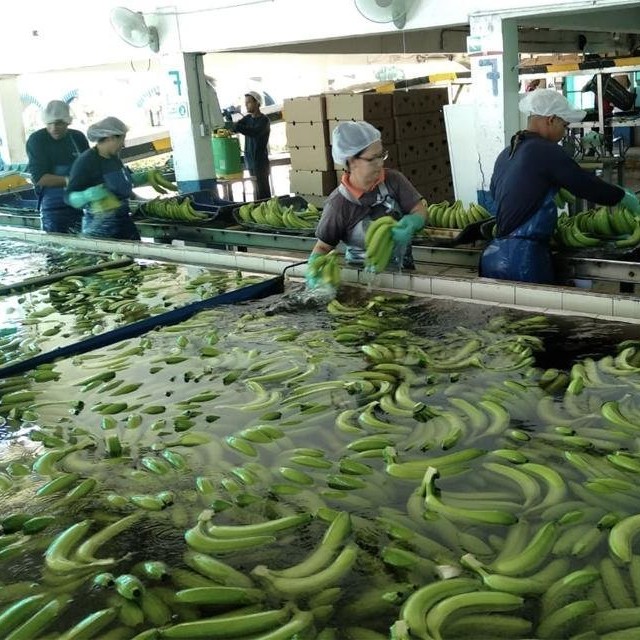
The door is now open – ajar – for companies such as Tropic (who featured in one of the Agri-TechE Week 2025 events) to commercialise their gene-edited products (non-browning bananas in Tropic’s case), as well as a host of new, improved material to be developed, trialled and adopted.

Such is the forensic precision with which the genetic basis of so many plant and animal traits is now understood. Minute, detailed changes can be made to DNA to help introduce disease resistance, increase stress tolerance and other valuable traits into crops and potentially livestock.

Genetics is truly one of the key pillars of agriculture and horticulture innovation… and it just got some regulatory reinforcements.

Work starts on first new laboratory and office building at Norwich Research Park

Member News
The views expressed in this Member News article are the author's own and do not necessarily represent those of Agri-TechE.

Construction has commenced on the first new building at Norwich Research Park, funded by real estate investment manager VengroveProject GB1 is a 62,000 sq. ft laboratory and office building designed to support the growth of companies in the agri-food, health and environment sectors, attracted by the Park’s specialist talent and research facilities.

Roz Bird, CEO of Anglia Innovation Partnership, said, “This is a very important milestone for Norwich Research Park. The new building will meet the needs of a number of successful high-growth companies that benefit from access to our 3,000-strong research community who are working to find new solutions in food production, diet, nutrition and human health, as well as industrial processes.

“It is fantastic to have secured this important partnership with Vengrove, who will be working alongside the Anglia Innovation Partnership team to deliver new accommodation and help develop a thriving ecosystem of science and business activity with the aim of maximising the impact of publicly funded research, creating new jobs that will deliver additional economic growth for UK plc.”

Read the full article online now: Work starts on first new laboratory and office building – Norwich Research Park

  • *I have permission from the copyright holder to publish this content and images.

Fertiliser Supply Update: Why Planning Ahead Matters More Than Ever

Member News
The views expressed in this Member News article are the author's own and do not necessarily represent those of Agri-TechE.

As the 2026 growing season is well underway, we urge our clients to act early in considering fertiliser requirements and supplies. The market is facing renewed volatility, and the window for secure, cost-effective supply is narrowing. Here’s a fertiliser supply update for the season ahead.

What’s Driving the Pressure?

1. EU Tariffs on Russian Fertiliser

The European Union has imposed anti-dumping tariffs on Russian ammonium nitrate and urea, two key nitrogen fertilisers. These measures, aimed at protecting EU producers from underpriced imports, have significantly reduced the volume of Russian fertiliser entering the European market. According to the British Agriculture Bureau, these tariffs will increase gradually over three years, which started earlier in July. Initially, the tariff is the existing base (≈ 6.5%) plus an additional fixed charge per tonne (about €40-45/tonne depending on type). Over time, these extra charges go up, eventually reaching high levels (c.≈ €315 to €430 per tonne) by 2028. In addition to reducing the EU’s dependence on cheap fertilisers from Russia/Belarus, the aim is to also protect domestic fertiliser production.

While the UK is no longer bound by EU trade policy, the interconnected nature of global supply chains means that reduced availability in Europe puts upward pressure on prices and tightens supply across the region.

2. CBAM: A New Carbon Cost

The Carbon Border Adjustment Mechanism (CBAM) is a new EU policy designed to level the playing field between EU-based manufacturers (who pay for carbon emissions under the EU Emissions Trading Scheme) and foreign producers. From 1st January 2026, importers of carbon-intensive goods—including nitrogen-based fertilisers—will need to purchase carbon certificates to match the EU carbon price.

The UK is considering its own version of CBAM from January 2027, which could further complicate the regulatory landscape and pricing structures. Still, the CBAM coming into effect in the EU from 2026 will have implications on the UK ahead of 2027. This will likely:

  • Increase the cost of imported fertilisers, especially from countries with less stringent environmental regulations.
  • Shift trade flows, as suppliers redirect product to markets without such levies.
  • Encourage domestic production, but at a higher cost base.

These macroeconomic and policy shifts are converging with logistical constraints and input inflation. Increasing sunshine and less rainfall through the seasons have compressed delivery times. Glyphosate prices have also risen by 15%, and generic product availability remains inconsistent. These pressures are not isolated—they reflect a broader trend of input market fragility. These trends also reinforce the need for robust budgeting and proactive procurement as part of wider farm planning.

3. Chinese restrictions

China have recently in the last month suspended products such as urea and DAP being exported to global markets. It is suspected that this will last up to the next 6 months, further impacting the tight global supply.

Other chemical pressures this season

Alongside policy and trade impacting fertiliser supplies, early drilling this season has meant that crops are off to a good start and herbicide trade has tightened. Many growers have secured products early in preparation for any challenges that lay ahead with weather changes, especially when the cold and wet weather does eventually snap.

The rising demand and limited availability of products, especially herbicides for cereal and oilseed rape, are notable, particularly as both crops will cover more land across the country this year. Those planting winter cereals should be mindful that earlier sowing not only raises the risk of greater grassweed problems, increasing the need for autumn herbicides, but also makes it more likely that disease pressure, such as septoria tritici in winter wheat, will be higher come spring. Farmers would be advised to keep one eye on spring supplies of key fungicide products, once we move into the new year. Elsewhere, we expect to see price rises in glyphosate before Christmas, on the back of manufacturing cost increases, which are being passed on to growers.

What to do next?

To mitigate risk and maintain flexibility, you could consider:

  • Securing your fertiliser early: it has been suggested to have 70% of your spring 2026 requirement on farm by the end of the year to allow sufficient time for sourcing, shipping and delivery of any additional requirement.
  • Engaging with trusted suppliers: Use AIC-accredited providers, seek FACTS-qualified support where needed and accept deliveries when offered.
  • Reviewing your cropping and nutrient plans: Align purchasing with agronomic needs and budget forecasts.
  • Monitoring policy developments: Stay informed on CBAM and UK trade policy shifts that may affect pricing and availability.

The fertiliser market is no longer just about weather and demand—it’s now shaped by geopolitics, carbon policy, and global trade dynamics. Early planning is your best defence against uncertainty. We will continue to monitor developments and share updates. For tailored advice, please contact one of the team.

  • *I have permission from the copyright holder to publish this content and images.