Biographica raises £7M for AI-driven crop design and expands partnerships across global seed industry

Member News
The views expressed in this Member News article are the author's own and do not necessarily represent those of Agri-TechE.

London, UK – January 7, 2026 – Biographica, a London-based AI startup redefining how the agricultural industry develops new crop varieties, today announced a £7 million funding round led by Faber VC.

The investment will accelerate the creation of climate-resilient, productive and nutritious crops – addressing urgent global food security challenges driven by climate change, population growth, and limited natural resources. Biographica also announced a new partnership with BASF | Nunhems, one of the world’s leading seed companies.

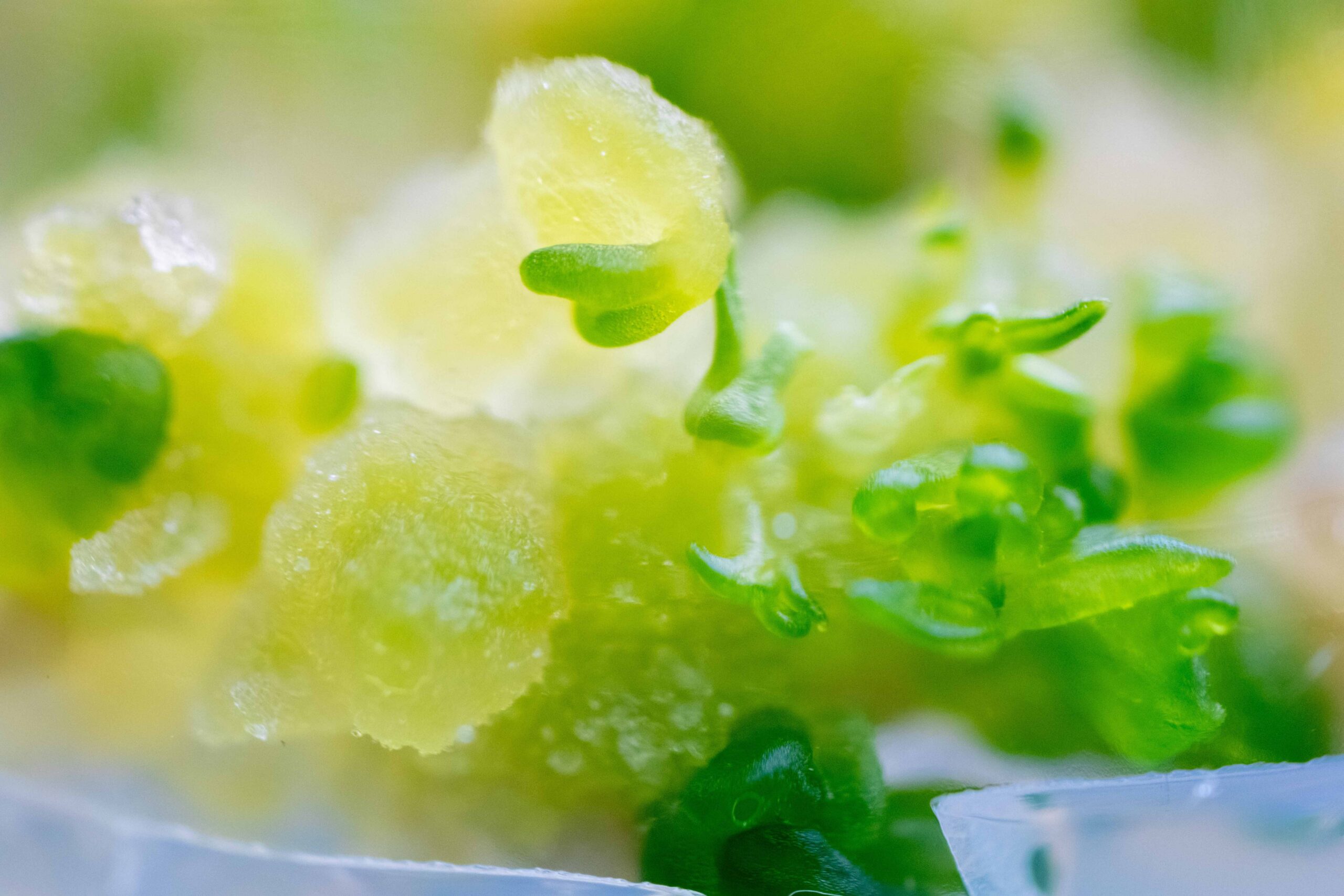
Today, developing a new crop trait such as drought tolerance, disease resistance, or improved nutrition typically takes more than a decade and costs millions of dollars. The most significant and costly bottleneck is knowing which genes control key crop traits – knowledge that informs gene editing and breeding programmes.

Biographica’s proprietary AI platform solves this by pinpointing the most promising genetic targets within weeks – defining what to change, how, and why, to generate precise trait improvements – cutting crop development timelines by up to five years and reducing R&D costs by millions.

In pilots with leading seed and precision breeding companies, Biographica’s AI platform identified proven gene targets 12x faster than traditional methods. Beyond speed, it can uncover novel targets that traditional methods miss, enabling entirely new, high-value traits to reach the market.

The company is now combining its AI-driven discovery with rapid experimental validation to create a “lab-in-the-loop” model – a proven self-improving cycle currently used in drug discovery that gives partners an increasingly rapid and reliable path to trait innovation.

  • *I have permission from the copyright holder to publish this content and images.
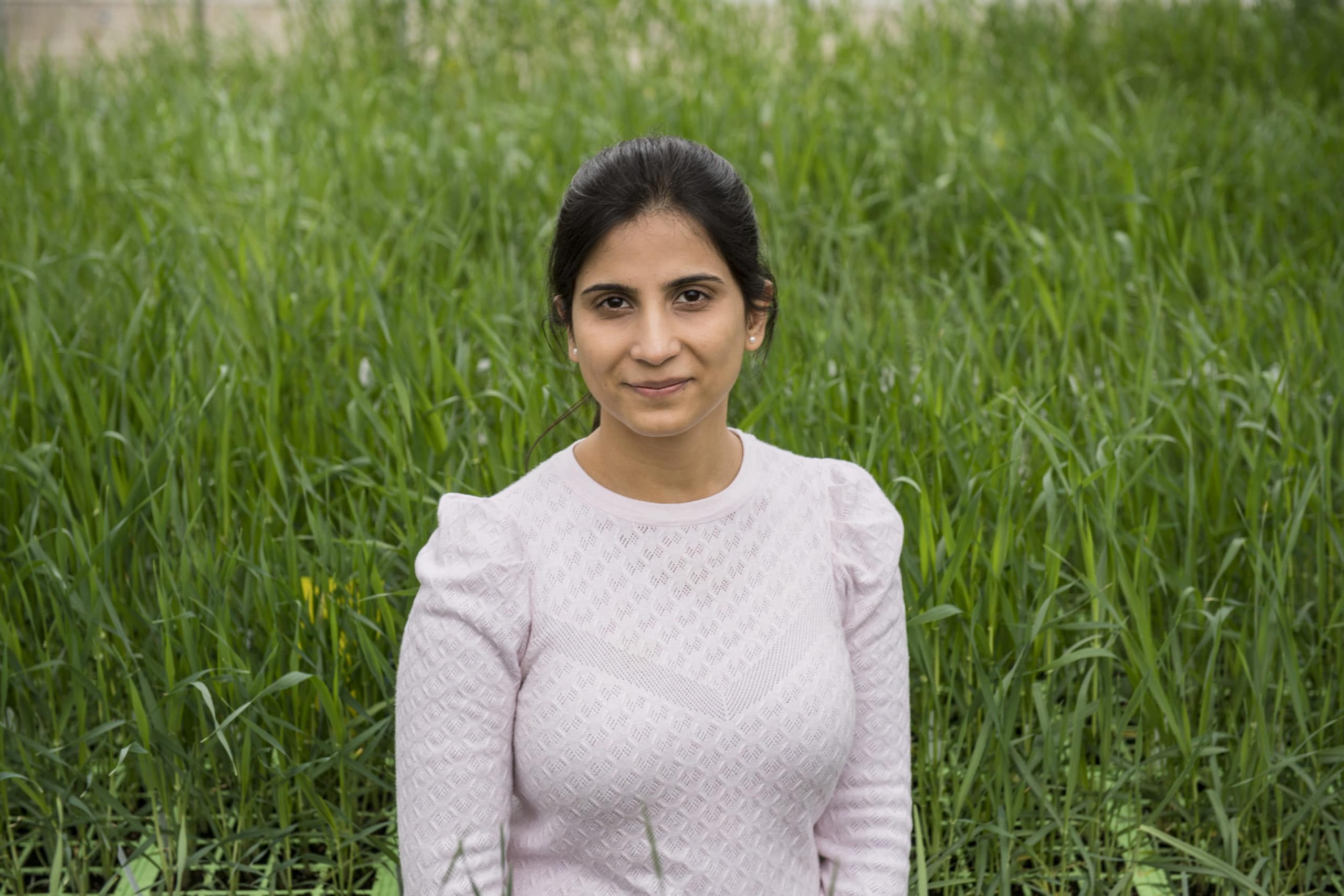
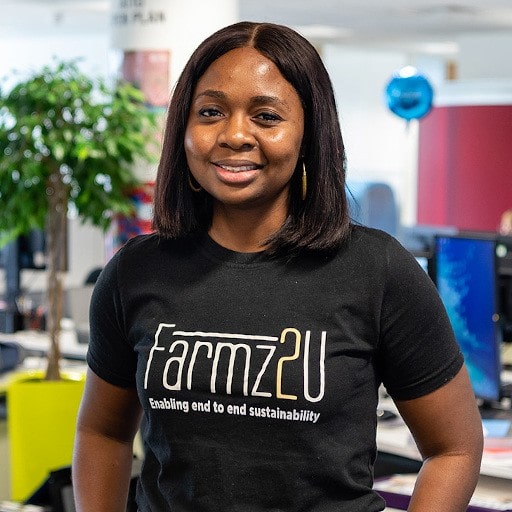
Cecily Price
Cecily Price
CEO of Biographica

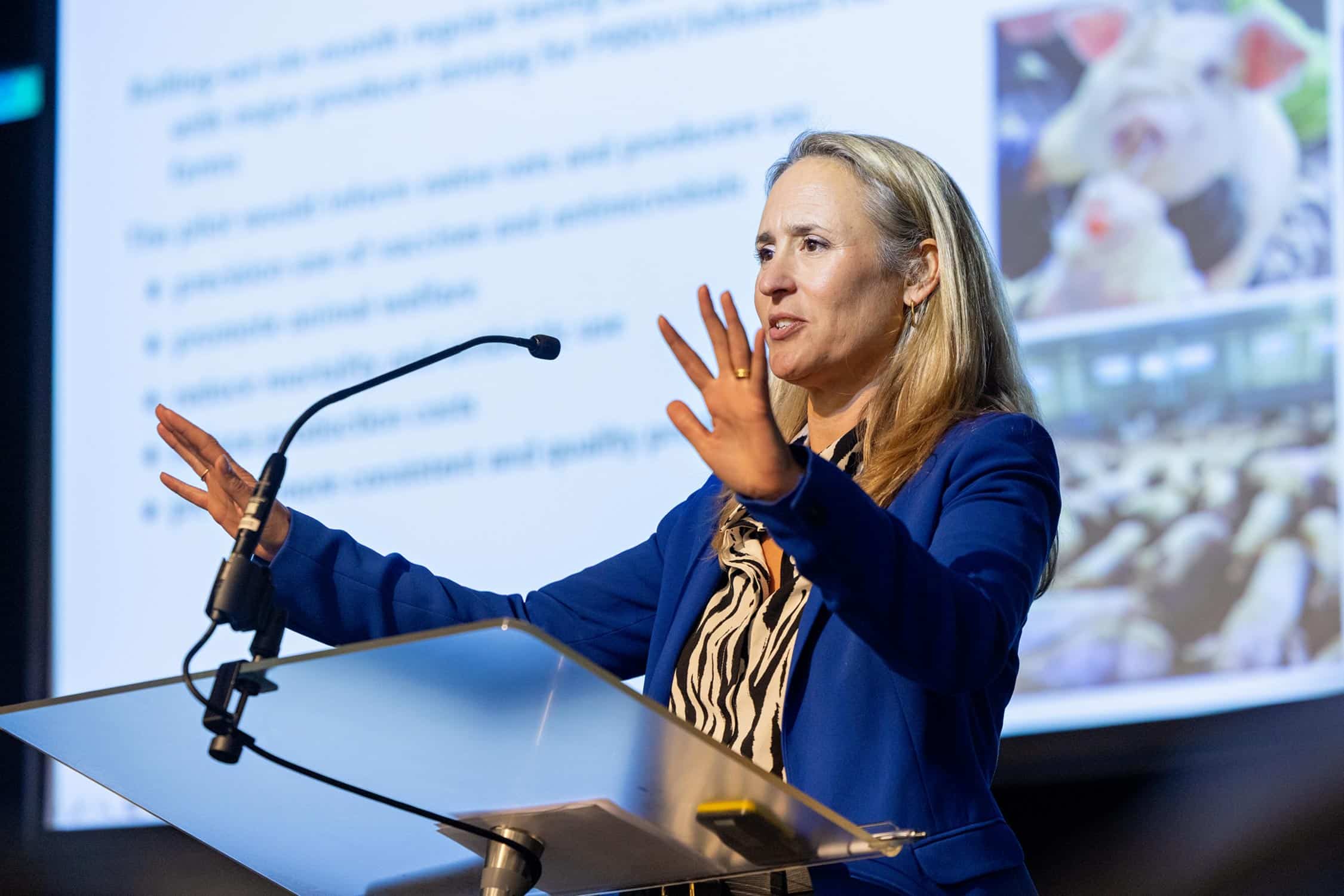
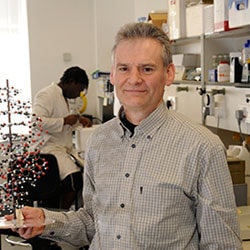
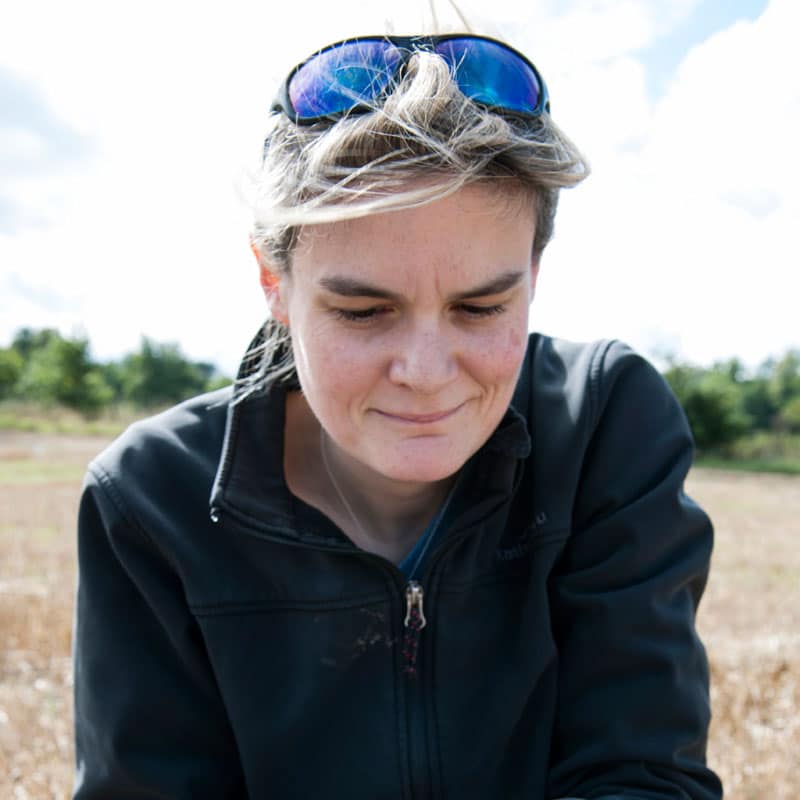
“We’ve seen AI reshape pharma, turning trial-and-error pipelines into learnable biological systems – and it works. We’re bringing that same discipline to crops,” said Cecily Price, CEO of Biographica.

“Our partnerships with BASF | Nunhems and other leading seed companies show the industry is ready for AI-first approaches to trait discovery, to bring high-value crop varieties to market in seasons, not decades.”

Biographica has demonstrated that deep technical partnerships can scale – the technology can be deployed at speed across crops and traits, in both breeding and gene-editing pipelines. Early pilots have progressed into commercial agreements, with Biographica-identified targets already moving into testing pipelines.

The £7 million funding round was led by Faber VC with participation from new investors SuperSeedCardumen CapitalThe HelmEQT Foundation and Sie Ventures, and existing investors Chalfen VenturesEntrepreneurs FirstSaras Capital and Ventures Together, alongside a number of strategic angel investors. The funding will be used to expand Biographica’s proprietary data collection, extend its AI platform to new crop traits, and deepen commercial relationships across the seed industry.

“With climate change intensifying the pressure on agricultural systems, improving crop genetics is the most powerful lever we have to sustainably increase yields and build resilience,” said Sofia Santos, Partner at Faber VC. “Biographica is redefining how agricultural innovation happens, and this investment round will allow them to scale their impact globally.”

To get in touch, contact hello@graphica.bio.

Long-range wireless that actually works

Member News
The views expressed in this Member News article are the author's own and do not necessarily represent those of Agri-TechE.

LoRaWAN technology gives you 10km coverage with minimal power drain—perfect for farms, industrial estates, and remote locations. No expensive cabling. No complicated setups. Just reliable connectivity where you need it most. Ready to go wireless? Contact hello@c3rtechnologies.com or call 03330 386878

  • *I have permission from the copyright holder to publish this content and images.

Building Resilience: 2026 New Year’s Resolutions for Your Arable Business (and Yourself)

Member News
The views expressed in this Member News article are the author's own and do not necessarily represent those of Agri-TechE.

2025 highlighted the need to plan for volatility, rather than relying on “average” years. Soil type and rotation diversity emerged as critical factors—farms with robust soil structure and varied rotations showed greater resilience and yield stability. 

The data also showed that higher yields are not simply a function of greater spend—management, site-specific decisions, and independent advice are key. Tailoring input strategies to crop potential, benchmarking costs, and embracing innovation where possible will be essential for maintaining and/or improving margins in 2026. 

As we turn the page to 2026, UK farm businesses face a landscape shaped by volatility, innovation and the need for ever-greater resilience. 

So, where to start?  

It is sometimes easy to forget in the non-stop world of farming to find time for goal setting. However, the reality is:  

  • Farming is a complex business 
  • You are the driver of that business  
  • And you need direction just as much your business 

Below is a framework to help you plan for the year ahead with clarity, and set some goals for arable farmers in 2026. 

1. Reflection

The past year has reinforced the importance of honest reflection. It is important that this step is reflection, rather than self-criticism. Distinguish between the controllable and uncontrollable factors. Ask yourself: 

  • What went well on the farm this year? 
  • What was out of my control? (e.g. weather, policy changes, prices) 
  • What did I handle better than last year? 
  • What challenged me most? 
  • Where did I make progress that I didn’t acknowledge? 

Define what success is to you  

It is important to have a clear direction or vision for farm business planning for 2026 – as well as for yourself. This might be: 

  • A farm that runs profitably without you working every hour 
  • Any borrowing is under control 
  • More diverse income streams 
  • A tidy yard and working infrastructure 
  • Time for family 
  • A profitable business that can be handed on 

 2. Accept that you can only focus on a few key changes each year 

Despite the many competing demands and tasks on farm, typically there is only time to focus on a couple of changes each year to understand their impact. Ask yourself, “If I could only make real progress on two things this year, what would they be?”. 

3. Set goals

Set SMART goals—Specific, Measurable, Achievable, Relevant, and Time-bound—for all areas of the business, from cropping and livestock to finance and personal development. Practical examples could include: 

  • Professional development: Attend 1 event or webinar a month to learn more about a particular subject, or aim to host a farm walk by the end of the year. 
  • Grain sales review: Hold a 30–60 minute grain sales strategy review each month, recording decisions and next actions. 
  • Crop trial: Plan and run a nitrogen or fungicide trial on one wheat field with your agronomist, keeping an eye on factors throughout the season that might influence the results and reviewing these post-harvest. 

Having clear and ‘SMART’ goals will help you with your direction and ultimately give you greater clarity and attention to detail to contribute towards marginal changes that all add up. A 1% tweak might not look like much on its own, but each 1% can stack up over time and lead to meaningful progress for your business by the year’s end. 

4. Review regularly  

Communicate and review your goals regularly, ensuring they remain relevant as the season unfolds. 

The Ceres AgriStrategy Conference 2025 echoed these themes, urging arable businesses to: 

  • Plan for extremes, not averages 
  • Strengthen soils and diversify rotations 
  • Share data and benchmark performance 
  • Embrace innovation, from biologicals to digital tools, to accelerate adaptation. 

Looking ahead 

Ceres Research will continue to support its members with technical, economic, and policy insights throughout 2026. Members have access to a variety of resources such as expert-led Agronomy Club sessions that focus on upcoming agronomy and tailored benchmarking, networking opportunities, and up-to-date digital tools—helping members stay competitive and well-prepared in an evolving agricultural landscape. 

Find out more about our Ceres Research Membership here.

  • *I have permission from the copyright holder to publish this content and images.

Space4Climate Agriculture Market Breakthrough Showcase, 26 January 2026

Member News
The views expressed in this Member News article are the author's own and do not necessarily represent those of Agri-TechE.

Pixalytics is leading the Space4Climate Agriculture Market Breakthrough project, funded by Space4Climate and involving Environment Systems, Remote Sensing Applications Consultants Ltd (RSAC), and Ian Encke Consulting. The aim has been to understand the use of satellite services, particularly satellite imagery and its derived data products and services, within the ‘last mile’ of the agricultural supply chain, i.e., those advisors and suppliers who are involved in supplying and interpreting data or providing advice and/or services directly to farmers, alongside the farmers themselves.

As we finalise the analysis, we would appreciate your help in shaping the recommendations and outlining the key actions to be proposed for the project. Therefore, we’d like to invite you to attend the Space4Climate Agriculture Market Breakthrough Showcase event in London:

📆 Monday, January 26, 2026

⏰ 10am – 3pm, with informal networking to 4pm

📍 Geovation, 65 Goswell Road, London EC1V 7EN

  • *I have permission from the copyright holder to publish this content and images.

Agri-tech cannot operate in a Research and Development silo

Member News
The views expressed in this Member News article are the author's own and do not necessarily represent those of Agri-TechE.

Government publishes the highly anticipated farming profitability review

18 months since the election of the Labour government and only now are the food and farming industries getting some sense of direction and strategy from policymakers.

Baroness Batters’ Farming Profitability Review was published just before the Christmas parliamentary recess when MPs return to their constituency for the festive period. The review details the ‘what’ – what needs to be done to make farming profitable again. Cue Baroness Batters’ principal recommendation, a New Deal for Profitable Farming that recognises the true cost of producing food and delivering for the environment.

The verdict is stark. Previous governments have been too relaxed about UK food security since the financial crisis. The farming budget has never increased with inflation as Defra’s £2.4bn figure for farming hasn’t really changed since 2007. The only remaining primary manufacturing sector that exists in every county across the country has been neglected.

Batters’ makes a grand total of 57 recommendations that covers regulations, energy and connectivity, to tax incentives, grants and investment. It is a long-list and if Baroness Batters details the ‘what’, farming minister Angela Eagle will now be leading on the ‘strategy’. The upcoming publication of the Farming Roadmap, a 25-year vision for the farming sector, will form the cornerstone of the government’s response to the farming profitability review.

What does this mean for agri-tech?

One of the six overarching themes to make farming profitable again is ‘raising levels of productivity and incentivising resilience’. To achieve this, Baroness Batters singles out giving farmer and growers access to the latest technology. She recommends a joint partnership between Defra and the industry through a ‘Great British Farm Advisory Board’, to bring advice and technical expertise under one roof.

There is considerable excitement about technological and scientific developments in UK agriculture. However, Baroness Batter sheds light on how too much funding is being directed at universities and on research that does not align with business needs or delivers practical on-farm applications. In turn, smaller businesses are being left behind that do not have the back-office staff to support the take-up of tech-savvy solutions.

The implicit message to agri-tech innovators is to engage with policymaking and farming businesses to drive adoption and improve access to technology. She notes that farmers face a complex landscape of technical advice and support which can be expensive and ‘has often been a blocker to accessing schemes or grant funding’.

If the government address this concern, accept and implement Baroness Batters’ recommendations in full, agri-tech businesses should look to engage a new ‘Sustainable Farm Service’. This entity is expected to consolidate the duplicative work that exists across several entities in government and across the industry. A Sustainable Farm Services would serve as a ‘one-stop-shop’ dashboard for business advice, schemes, grants, knowledge exchange and support. Agri-tech innovators should engage with Defra officials to help take this recommendation forward and ensure that tech-savvy solutions are at the forefront of driving productivity gains and improving farming resilience.

To discuss the Baroness Batters review and how GK can support your organisation, please reach out to James at james.allan@gkstrategy.com

  • *I have permission from the copyright holder to publish this content and images.

Are we the change we wish to see in the world?

Agri-TechE Blog
Agri-TechE

As another year draws to a close – without stating the obvious – we are another year closer to 2050, the target to reach net zero greenhouse gas emissions.

The global challenges facing agriculture frame every start-up pitch and underpin the narrative of so many in our industry, but there is little mention of the progress that all this innovation is making towards achieving the Big Goals.

So, we’d like to end the year on a positive note; progress IS being made – the research, the tech development, the changes in behaviour and practice are making a difference globally.

“A mirror and a compass”

A “global stock-take” in the Yearbook of Global Climate Action was published last month (Nov 2025) – a decade on from the landmark Paris Agreement (in which a coalition of countries agreed to limit global temperature rise to 1.5°C).

Given that, in 2024, global average temperatures passed the 1.5°C threshold for the first time in a calendar year, with a high likelihood that the years ahead will be hotter still, the pressure is on for innovation, policy and practice to work together.

The reporting framework in the Yearbook enables progress on climate action to be tracked across many industries – including agriculture. Describing itself as a way for the global community to take a hard look at itself, as well as providing a direction of travel, the report reveals some insights into our journey to climate mitigation in agriculture.

As it turns out, there is some cause for optimism – at least at a global level. But certainly no room for complacency.


Yields up… and emissions down

On average, over the past decade, global crop yields have increased from 6.5 Tonnes/Ha to 6.8 T/Ha.

Meanwhile, global emissions from agricultural production, enteric rumination from livestock and emissions from fertiliser and manures have all dropped. The productivity of ruminant meat has also increased, meaning more meat with lower emissions, while overall consumption has also fallen.

So, heading in broadly the right direction.

Yet when we reflect on the record-breaking yield of nearly 18 T/Ha from Tim Lammyman in Lincolnshire in 2022, it’s clear there is still room for improvement. Not everyone is going to reach those dizzying yields, but the focus on productivity needs to double down.

And among those positive indicators, is some troubling lack of progress around food waste and malnourishment.

All to reflect on as we tuck into our festive fayre this holiday.


And in other news

While the report makes generally for sobering reading in places, it’s important to focus on the positives and acknowledge that change is happening – maybe not at the pace or scale needed, but it’s heading in the right direction.

The report also notes that:

“Farmers are adapting and responding to climate impacts and other shocks and stresses and implementing context-specific approaches, demonstrating results through farm- and landscape-level efforts.”

So, if you need a reason to raise a toast to a farmer this festive season, let’s focus on the positive, recognise we are all part of a global effort to try and improve, and vow to do even better in 2026 and beyond.

As Mahatma Gandhi famously said: “Be the change you wish to see in the world.”


Ceres AgriStrategy Conference 2025

Member News
The views expressed in this Member News article are the author's own and do not necessarily represent those of Agri-TechE.

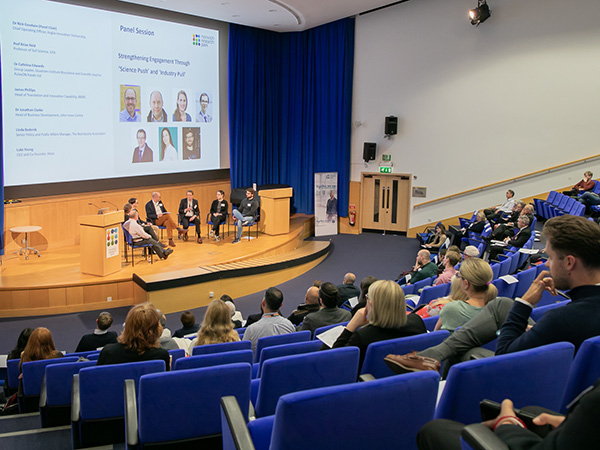
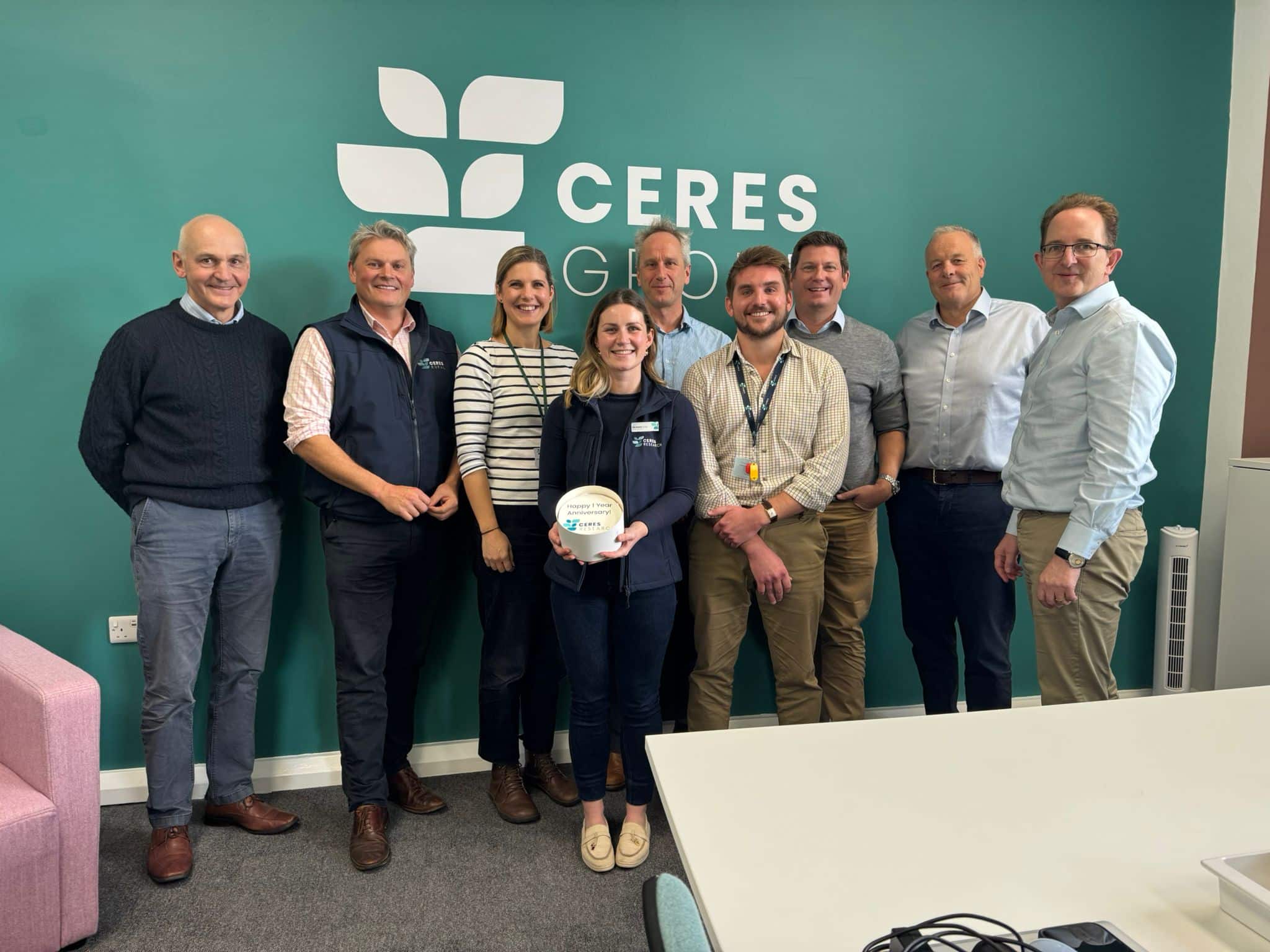
The Ceres AgriStrategy Conference, held on 4th December 2025, brought together farmers, agronomists and industry leaders for a full day of insight, challenge and practical discussion. Chaired by Tim Issac, CEO of Ceres Research, the conference focused on helping farming businesses navigate change, build resilience and seize emerging opportunities.

With the lessons of the 2025 harvest still fresh, the event explored crop strategy, environmental performance, agri-tech innovation and business planning — all grounded in the realities of running farming enterprises today.

Morning Sessions: Setting the Strategic Direction

The conference opened with a powerful address from Sir Peter Kendall, Rothamsted Research, who set the scene by examining the challenges and opportunities facing UK agriculture and the critical role of science and innovation in shaping the sector’s future.

Charles Ireland, Ceres Rural, followed with a forward-looking Farming Outlook, urging delegates to approach uncertainty with confidence, optimism and proactive decision-making. His message was clear: the future of farming lies in adapting to volatility rather than resisting it.

Attention then turned to the realities of the 2025 season. Dr Alex Setchfield, Ceres Research, reflected on the successes and pressures of the recent harvest, while Jock Willmott explored practical and resilient crop rotation options for 2026 and beyond, highlighting the need for flexibility as climate and market pressures intensify.

Environmental performance and efficiency featured strongly. Chloe Timberlake, Ceres Rural, examined the evolving role of funding, Countryside Stewardship and the Sustainable Farming Incentive, while George Badger, Ceres Rural, focused on improving input efficiency to balance profitability with sustainability.

The morning concluded with future-facing innovation. Dr Aoife O’Driscoll, NIAB, shared insights into next-generation Integrated Pest Management, and Dr Dannielle Robb, Ceres Research, introduced emerging biological innovations that are reshaping farming systems. An engaging panel Q&A, chaired by Andrew Meredith, Farmers Weekly, brought these themes together, with speakers responding to a wide range of audience questions and sparking lively debate.

Afternoon Sessions: Turning Strategy into Action

Continuing the momentum from the morning, the afternoon sessions focused on business strategy and real-world application, providing clear, actionable insight for farming businesses.

Edward Hutley, Ceres Rural, opened with the latest Contract Farming Survey Results, providing a snapshot of current trends, opportunities and pressures across the sector. Richard Means, Ceres Rural, addressed Labour and Machinery Planning in Changing Times, helping businesses think strategically about efficiency, workforce challenges and capital investment.

Demonstrating how innovation is already delivering results, Mark Hall, Waldersey Farms Ltd, explored The Role of Technology in Future Profitability, showcasing how data, AI and precision tools are driving efficiency and margins on farm.

John McLarty, Ceres Property, discussed Diversification and Development Opportunities, outlining routes for unlocking value and building resilience beyond traditional farming income. With finance firmly in focus, Martin Hanson, HSBC, provided expert guidance on Funding in a Challenging Environment, offering practical strategies for managing cash flow and investment risk.

The session concluded with a Farming Profitability Review from Richard Sanders, CAAV, giving context to current performance and future resilience. A thought-provoking panel Q&A, chaired by Julie Robinson, Roythornes Solicitors, allowed delegates to challenge speakers and explore key issues in more depth.

Closing Reflections and Looking Ahead

The conference closed with final reflections from Professor Quintin McKellar CBE and Tim Isaac, reinforcing the importance of adaptability, confidence and long-term thinking. Delegates then continued discussions at a networking drinks reception and dinner, bringing a collaborative close to the day.

A Call for Confidence and Maximising Efficiency

Managing Partner Charlie Ireland urged farmers to face change with confidence and realism. “Change is hard. There’s no denying there are challenges ahead for some sectors, particularly now that the BPS cushion has gone. But the future is in your hands.” Rather than trying to preserve outdated systems, he encouraged delegates to focus on what they can control — productivity, efficiency, cost management and strategic direction — noting that “the risk of standing still is now greater than the risk of making changes.”

A key theme was producing more from less through smarter use of data, technology and innovation. “We’re on the cusp of an agri-tech revolution. The potential efficiency and financial gains are significant,” Charlie said, highlighting how technology can sharpen insight and support change. While acknowledging the immediate pressures on arable farms, he offered cautious optimism: “For most arable farmers, the coming year will be tough. But we’re seeing some of the best crops for half a decade. Making the most of those crops will be key to protecting margins.” Reflecting on decades of adaptation, he concluded, “As confidence returns, investment will follow. Be ready to benefit from it.”

Engagement, Insight and Shared Learning

One of the standout features of the conference was the exceptional audience engagement throughout the day. Slido was used extensively, with a high volume of thoughtful questions and strong participation in live voting. This interaction helped shape panel discussions and highlighted the key concerns and priorities facing farming businesses today.

Questions clustered around four main themes:

1) Technology, Data & Productivity

  • Why productivity remains flat despite optimism around technology
  • Barriers to adoption, including cost, knowledge gaps and funding
  • The role of AI and predictive agronomy alongside human expertise
  • How to prioritise which innovations to adopt first

2) Environmental Performance, Soil Health & Land Value

  • Monetising biodiversity and soil health improvements
  • Challenges around Biodiversity Net Gain and natural capital markets
  • Incentivising environmental performance within contract farming agreements
  • Long-term implications for land values and stewardship

3) Crop Strategy & Resilience

  • Alternative crops such as sorghum, millet and miscanthus
  • The role of cover crops and biochar
  • Break crops and their impact on subsequent yields
  • Building resilience to drought through crop choice and market development

4) Policy, Finance & Risk

  • Succession planning and inheritance tax
  • Funding opportunities for innovation and technology
  • The future role of contract farming agreements
  • Diversification versus planning restrictions
  • Ethical and reputational considerations in agri-finance

Further Reflections: Addressing Unanswered Questions

While Slido and panel sessions were highly interactive, time constraints meant some questions went unanswered on the day. These were grouped into the same four themes, with Ceres Group reflections shared following the event.

Technology, Data & Productivity

AI is increasingly acting as a co-pilot in agronomy, rapidly analysing datasets to identify savings and yield improvements. However, human expertise remains essential. Farmers and agronomists are still the pilots, ensuring insights are relevant to individual soils, climates and business goals.

When prioritising innovation, the focus should be on solutions with clear, proven benefits and easy integration. Not all improvements require major capital investment; AI-driven analytics can unlock efficiencies even on smaller farms. Over time, costs will fall and grant support may widen access.

Environmental Performance, Soil Health & Land Value

Environmental performance is not cost-free. Success within CFAs depends on collaboration, shared objectives and recognition of investment in specialist equipment. Biodiversity and natural capital markets are still developing, but baseline data capture is critical to future monetisation.

Crop Strategy & Resilience

Alternative crops such as sorghum, millet and miscanthus offer promise, particularly under climate pressure, but require reliable markets and careful financial analysis. Whole-rotation performance matters more than individual crop yields.

Policy, Finance, Diversification & Risk

Policy uncertainty continues to complicate planning, particularly for labour and machinery. Despite pressure, CFAs still offer flexibility and tax advantages. For diversification, early engagement with planners and farming groups is essential, with further planning reform anticipated.

A Clear Message

The Ceres AgriStrategy Conference 2025 delivered a consistent message: while uncertainty remains, opportunity is real. Through innovation, collaboration and proactive decision-making, farming businesses can adapt, invest and position themselves for a more resilient future. Change is inevitable — but with the right strategy, it can be a catalyst for progress.

Registered Your Interest for tickets to the Ceres AgriStrategy Conference 2026

  • *I have permission from the copyright holder to publish this content and images.

Patent Box tax reduction scheme

Member News
The views expressed in this Member News article are the author's own and do not necessarily represent those of Agri-TechE.

What is the Patent Box?

The Patent Box scheme allows companies to pay just 10% corporation tax on profits attributable to patented products and technology.

It is a generous scheme which includes revenue from worldwide sales of patented products (or products with an integral patented component), revenue generated from the licensing or sale of patents and damages awarded in patent infringement cases.

Its aim is to encourage UK businesses to invest in research and development, create high value jobs and support economic growth.

How can you qualify?

The Patent Box is available to UK companies that own or exclusively licence a qualifying Intellectual Property (IP) right. This includes UK, European and other national patents – but notably excludes US patents.

Patent Box Applications can be made prior to the successful granting of a patent and back-dated (if beneficial) for a period.

Particularly if you already benefit from R&D tax credits, there is a strong case for using the Patent Box scheme to further reduce corporation tax.

How do you obtain a patent?

To obtain a patent, an invention needs to be both new and inventive. However, patents can be granted for seemingly minor improvements to existing technology. One of our qualified Patent Attorneys can advise on this point – it’s always worth asking if new products, processes or specific features are potentially patentable.

Unlike more traditional patent drafting and prosecution strategy which tends to priortise the breadth of the rights claimed, a patent application drafted and prosecuted purely for Patent Box eligibility can be deliberately streamlined to reduce costs and timescales.

Whatever the scope of the eventually granted qualifying patent, it’s presence alone should enable profits made by sales of the product to be taxed at just 10% provided the various Patent Box criteria are met. Specialist tax advice should be sought alongside IP law advice to ensure the Patent Box is exploited optimally.

Example savings

Let’s say it costs £15,000 to patent an innovative product and maintain patent protection for its 20-year lifespan.

The amount of Corporation Tax paid of course depends on the size and profits of your company (ranging from e.g. 19% for small companies with profits <£50K up to 25% for large companies with profits >£250K). This means that whatever the size of company you are, you can make savings and this scheme provides some welcome relief from the sting of moving to a higher tax bracket as your company grows.

Assuming Corporation Tax remains around 20%, the product needs to make just £7,500 profit per annum (£150,000 over 20 years) for the corporate tax savings alone to exceed the patent costs. If profits are greater, the savings can be substantial.

In addition, the granted patent becomes a valuable business asset which can help secure competitive advantage and attract investment.

Further information from the government website is available here: Use the Patent Box to reduce your Corporation Tax on profits – GOV.UK

Don’t hesitate to get in touch at info@ip21.com or visit us at www.ip21.com for more information.

  • *I have permission from the copyright holder to publish this content and images.

Horizon Europe Cluster 6 and Pump Priming: Food, Bioeconomy, Natural Resources, Agriculture and Environment

Funding Finder
Horizon Europe

Topics available under Horizon Europe’s Cluster 6 programme for 2026/2027. We understand from the European Commission that the funding opportunities will also be searchable in a few days’ time on the European Commission’s Funding and Tenders Portal. However, it is likely to take the European Commission a couple of days to upload all of the call topics onto this system.

UK organisations and businesses can apply for Horizon Europe funding, working as part of a consortium with at least three countries, one of which must be an EU Member State.

The available topics in Cluster 6 are summarised below; We expect to see full information on eligibility and closing dates to be made easier to access in the coming weeks. In the meantime, a full list of calls under the work programme for Food, Bioeconomy, Natural Resources, Agriculture and Environment can be found here.

Theme and Destinations

This cluster aims at reducing environmental degradation, halting and reversing the decline of biodiversity on land, inland waters and sea and better managing natural resources through transformative changes of the economy and society in both urban and rural areas.

It will ensure food and nutrition security for all within planetary boundaries through knowledge, innovation and digitalisation in agriculture, fisheries, aquaculture and food systems and steer and accelerate the transition to a low carbon, resource efficient circular economy and sustainable bioeconomy, including forestry.

Research and innovation activities under cluster 6 will contribute to the objectives of the European Green Deal related to the Biodiversity Strategy to 2030, the Farm to Fork strategy, the European Climate Pact and initiatives under sustainable industry and eliminating pollution, as well as the long-term vision for rural areas, and the Sustainable Development Goals.

The expected impacts of this cluster are contained in the Horizon Europe strategic plan.

Areas of intervention:

  • fair, healthy and environment-friendly food systems from primary production to consumption
  • biodiversity and ecosystem services
  • circular economy and bioeconomy sectors
  • clean environment and zero pollution
  • land, ocean and water for climate action
  • resilient, inclusive, healthy and green rural, costal and urban communities
  • Innovative governance, environmental observations and digital solutions in support of the Green Deal

There are 7 specific Destinations for Horizon Europe’s Cluster 6 programme, each with their own specific calls and deadlines. The indicative amount of EU funding contributions for most projects in this cluster ranges from €3m to €12m. This can cover up to 100% of costs depending on the call.

For more infomation on each destination and the calls within them, please visit the Horizon pdf with details. There is also lots of useful information on the UKRI Brussels Office website, with links to future events about calls and Brokerage visits.

Horizon Europe Pump Priming collaboration opportunities

Innovate UK and British Academy are pleased to announce funding schemes for Horizon Europe Pump Priming Grants, open to all disciplines. The fund is not currently open, but we may see future rounds.

The Horizon Europe Pump Priming funding schemes are aimed at enabling businesses, research organisations and other organisations to build partnerships and develop ideas that will have the potential significant market impact by going forward as a proposal to Horizon Europe.

Applications will be processed upon receipt and in the order that they are received, and the award of any grant is made subject to available funding.

Innovate UK are leading a scheme focused on supporting UK SMEs to develop proposals across a wide range of sectors under Pillar 2 and Pillar 3 of Horizon Europe (see below for details). Successful applicants will have access to grant funding of up to £10,000 (excluding VAT) and are advised to work with a UK National Contact Point in support of their project. Applicants are also given access to a highly experienced Innovate UK Business Growth Innovation and Growth Specialist (IGS) if they are not already a client, to further support their innovation and growth journey.

With the aim of developing a consortium and applying to Horizon Europe, Pump Priming can help with:

  • Access to opportunities for collaborative research and innovation
  • Explore networking and partnership opportunities
  • Support with travel costs to meet with potential consortia and partners
  • Develop your Horizon Europe proposal
  • Fund consortium partners to travel to UK

Find out more about the opportunities, eligibility and how to apply, please visit the British Academy website.

You can see other open funding calls in our Funding Finder.

Working with Netafim to save 20% more water than standard irrigation

Member News
The views expressed in this Member News article are the author's own and do not necessarily represent those of Agri-TechE.

Climate change and a rapidly growing global population are driving an urgent need for water conservation.

Today, around half of the world’s population faces severe water scarcity for at least part of the year, and by 2050, over 5 billion people could struggle with inadequate water access. Agriculture sits at the heart of this challenge, consuming 70% of the world’s freshwater. As experts in deep tech innovation for sustainable solutions, we’re proud that our collaboration with the global leader in precision irrigation Netafim that makes a real impact—helping farmers worldwide grow more with less resources such as water and fertilizers.
While drip irrigation has long been recognized as an effective solution, its transformation into a high-tech solution has been hindered by cost, energy consumption, and long-term reliability concerns. Today, advancements in low-energy technology have made it possible to develop solutions that require minimal maintenance and intervention—critical needs across many industries. Additionally, ensuring reliability, durability, and cost-effectiveness has been a barrier to wider adoption, as systems must be robust and built to last. In our collaboration with Netafim we respond to these challenges and work together to think of new solutions for drip irrigation with the potential to save 20% of water with this new technology.

Smart drip irrigation control

To cope with the challenging and complication nature of plumbing on farmland, some suppliers develop over-specified systems of large pumps and pipes that need regular maintenance. Instead, Netafim’s focus is on targeted zones – irrigating small blocks in rotation as required rather than flooding wider areas all at once. The company has also put the emphasis on easy installation, without the need for intermediaries or a specially trained workforce to implement and maintain the system.

Irrigation to maximise crop yield

Our novel smart technology has a network of sensors able to react to actual soil conditions. Water is only used when it’s needed, where it’s needed – a strategy that preserves resources while maximising crop yield. This enhanced approach also has a direct benefit on fertiliser, improving its efficiency by 30% and reducing the association energy consumption by up to 35%. Given the significant carbon footprint associated with fertiliser production and use – four per cent of global CO2 emissions – this unique form of drip irrigation has huge sustainability potential. With no relevant off-the-shelf technologies available, our solution had to be built from first principles. Initially, we had to understand how to minimise the power required to communicate to the devices. Then the task was to develop electronics with incredibly low power consumption. The third step was to design an enclosure that would ensure reliable operation for such a long time. This meant maintaining robust separation of ‘wet’ areas of operation – valves – from the ‘dry’ electronics and optics.
“We are happy to collaborate with the CC team to fight water scarcity. The relationship flourished during the arc of the project, and we are delighted with the results and that trials are now well underway.” – Esteban Socolsky, VP R&D, Netafim

Multidisciplinary deep tech consultants

This unique, multifaceted challenge required the sort of multidisciplinary execution that only CC can deliver. It suited our diverse set of skills, from sensing and low power operation to optical communication, embedded software and mechanical design. With everything inhouse, project team and client had direct access to colleagues as needed. The process benefited from rapid exploration and application of relevant technologies at each turn, maintaining momentum to deliver the optimum overall technical solution. Close collaboration throughout the project engendered mutual trust, as the CC and Netafim teams complemented each other’s skills. Our client has deep engineering knowledge and experience of what it takes to make a successful product. We added expertise in electronics, firmware, optics design and the production side of building electronics. The breakthrough architecture to deliver the ultra-low power, scalable system at an achievable price point called for expert prototype production and quick iterations between any design modifications. Our inhouse electronic production department (EPD) built thousands of units for initial Netafim field trials, with each unit tested and subject to rigorous quality control before being shipped to the test location. This dedicated facilities and expertise covers all aspects of circuit board design, development and manufacture.

Scalability for ultra-low power and future proof design

Getting everything onto the micro controllers was a key challenge. Our embedded software team architected a protocol for a network consisting of thousands of nodes, but they also had to ensure that it delivered the scalability for ultra-low power. Given the long product lifetime and underground inaccessibility, the system allows for additional functionality to be included as digital farming advances, future proofing Netafim customers and delivering opportunities for new revenue streams to Netafim. By considering the future ambitions of Netafim’s digital farming platform, the CC team designed a holistic system with great flexibility to realise future services. And that future looks good. Following production runs, units have been constructed, and field trials are well underway, with a product launch date scheduled for the end of 2025.
“CC had the specific range of technical expertise and inhouse facilities all in one place. Their deep expertise in electronics, firmware and optics dovetailed perfectly with our core strengths.”

– Avi Schweitze, Research & Development Fellow, ex-CTO, Netafim

The Hidden Cost of Avoided Decisions

Member News
The views expressed in this Member News article are the author's own and do not necessarily represent those of Agri-TechE.

Why indecision drains energy, erodes trust, and keeps good people stuck, and how leaders can change it.

Every leader knows the feeling: that knot in your stomach when a decision keeps rolling from one meeting to the next. You tell yourself it’s because you need more information. In truth, it’s often because the decision carries weight, and weight makes us hesitate.

Yet every deferred decision has a cost. Not just in time, but in trust, confidence, and momentum.

The Silent Erosion of Confidence

When teams see decisions delayed, they start filling the silence with stories. “Maybe the strategy’s unclear.” “Maybe leadership isn’t aligned.” Even the best people lose focus when direction wobbles. Progress stalls not because of disagreement, but because no one knows what’s real.

Leaders rarely mean to create uncertainty, but indecision sends a message: We’re not ready. We’re not sure. Over time, that message seeps into culture.

The Illusion of Needing More Information

Most stalled decisions don’t need more data; they need courage. The easy refuge is to ask for another report, another forecast, another round of input. But in my experience, clarity rarely appears from another spreadsheet. It comes when someone asks:

What are we afraid of?
What’s the cost if we don’t act?

Decisions aren’t just analytical. They’re emotional acts of leadership, moments when we choose to commit, even without certainty.

Courage as a Leadership Discipline

Courage in leadership isn’t about bold gestures or risky bets. It’s about choosing progress over perfection. The best boards I work with don’t avoid disagreement. They face it, explore it, and move forward together.

A courageous decision creates movement, and movement builds confidence. Indecision, on the other hand, breeds anxiety, analysis, and quiet disengagement.

A Populi Reflection Framework

When you find yourself deferring a decision, try pausing and asking:

  • What am I really waiting for: data or permission?
  • If I knew this decision couldn’t fail, what would I do?
  • What message does this delay send to my team?
  • What support would help me act with more courage here?

Simple questions, but they break the loop of hesitation and bring honesty back into play.

The Shift from Caution to Clarity

Great leadership isn’t reckless, it’s responsible. It recognises that clarity matters more than control. When decisions are made, even imperfectly, teams re-engage. They regain the sense that progress is possible and that trust is earned through action.

Closing Reflection

The question isn’t whether you have enough information. It’s whether you have enough courage to act on what you already know.

Leadership is rarely about having all the answers. It’s about moving forward with integrity, honesty, and conviction so others can do the same.

  • *I have permission from the copyright holder to publish this content and images.

Succession or Stagnation: What really happens when succession planning is avoided

Member News
The views expressed in this Member News article are the author's own and do not necessarily represent those of Agri-TechE.

In every business, there comes a point where leadership faces a simple choice: succession or stagnation.

It’s rarely talked about openly. Especially in agriculture, where relationships are deep, loyalty runs strong, and many businesses have been built over generations or long periods of time. But avoiding the conversation doesn’t stop change; it just makes it harder when it arrives.

The comfort of continuity

We often tell ourselves that continuity is a sign of strength. Familiar faces, known ways of working, stability. And in many ways, it is. Continuity gives confidence to customers and staff alike.

But there’s a thin line between continuity and complacency. When leadership becomes static, the business starts to harden around the habits of its current generation. Decisions get deferred. New ideas are weighed down by old assumptions. Potential successors grow restless or drift away. And the organisation that once had energy starts quietly to lose it.

Why succession stalls

In most cases, it’s not about ego, it’s about emotion.

  • Leaders who have built something don’t want to see it changed.
  • Successors feel unsure how to step up without seeming disrespectful.
  • Boards and owners avoid difficult conversations until circumstances force their hand.

Fear of losing control, status, or relevance can be powerful. But the bigger risk is losing momentum.

Succession as a people process

Real succession isn’t just about replacing a name on the org chart; it’s about preparing people.

  • Do potential successors know what’s expected of them, and are they being developed for it?
  • Is there honest dialogue between current and future leaders?
  • Are values, culture, and purpose being consciously passed on, not just tasks and titles?
  • Are we creating space for the next generation to bring new thinking, not just carry on ours?

A healthy organisation grows new leaders the same way a good farmer nurtures a crop, preparing the soil, tending the roots, and knowing when to step back.

Signs of stagnation

If you want to know whether a business is moving or stuck, look for the signs:

  • The same people in every meeting and the same voices dominating.
  • A pipeline of talent that looks thin or uncertain.
  • Promotions that come as surprises rather than part of a plan.
  • Staff or family members “waiting their turn” instead of being developed for it.

The leadership responsibility

Good leaders think beyond their own tenure. They invest in people who might one day challenge or change their legacy because they understand that’s how the business stays alive.

Succession is not a threat; it’s a test of leadership maturity. It’s the difference between leaving behind a title and leaving behind a thriving organisation.

The Populi view

At its heart, succession is about trust. Trusting others to lead. Trusting yourself to let go. Trusting that the culture you’ve built can evolve without losing its essence.

The choice is always there: succession or stagnation. One looks easier in the short term. The other keeps the business and the people alive for the long term.

Find out more about Populi Our Services | Agricultural Consulting

  • *I have permission from the copyright holder to publish this content and images.