The views expressed in this Member News article are the author's own and do not necessarily represent those of Agri-TechE.
LettUs Grow is proud to announce its participation in QuBOOSTR. This £2.4m precision breeding project is a collaboration between lead partner QuberTech, the John Innes Centre and LettUs Grow. The initiative is funded by the UK Government Defra’s Farming Innovation Programme and delivered in partnership with Innovate UK.
The QuBOOSTR project aims to domesticate dandelions, a plant that naturally produces latex in its root system, as a sustainable source of rubber for the UK. Historically, dandelion latex levels were too low to be commercially viable. However, this consortium is leveraging gene editing and analytical tools to optimise the plants for higher-grade production at scale. By combining the John Innes Centre’s world-leading plant science with QuberTech’s gene-editing expertise and LettUs Grow’s Advanced Aeroponics™ technology, the partnership will optimise the crop for high-density, soil-less indoor farming.
For LettUs Grow, this project represents a significant expansion of aeroponic applications into “opportunity crops”. Our Aeroponic Rolling Bench™ technology provides the precise, soil-free environment necessary to enhance root growth and allow for the clean and easy access required to harvest and study latex-producing roots. By proving the efficacy of aeroponics for industrial crops, we are opening new doors for commercial growers to diversify beyond food into high-value industrial commodities.
“LettUs Grow are very excited to commence this Innovate UK project, using our unique Aeroponic Rolling Bench technology to support Qubertech in their mission to boost resilience of the global rubber supply. By boosting crop performance and enabling clean and easy access to the crop roots, we believe this exciting R&D could further expand the market for high-tech glasshouse operators worldwide.” – Jack Farmer, Co-Founder and CSO of LettUs Grow.
The programme facilitates research-industry collaborations to pioneer innovative biotech and farming solutions. The QuBOOSTR (Quality Bioengineering for Optimised Output & Sustainable Technologies in Rubber producing crops) project enables the UK to innovate new crops and break down the barriers currently holding farmers back. Crucially, it addresses the need for sustainable, UK-based supplies of global commodities, such as rubber, which are threatened by climate change and supply chain vulnerabilities.
The views expressed in this Member News article are the author's own and do not necessarily represent those of Agri-TechE.
A £2.5m, three-year project bringing the first precision-bred oilseed rape onto commercial farms in Europe has been launched this week, marking a major step towards rebuilding the UK’s most important break crop.
The project, Light Leaf Spot Enhancing Resistance And reducing Susceptibility with EDiting (LLS-ERASED), is led by the British On-Farm Innovation Network (BOFIN) and funded through Defra’s Farming Innovation Programme, delivered in partnership with Innovate UK. It brings together farmers, plant breeders, crop scientists and agronomists to tackle light leaf spot, oilseed rape’s most damaging disease, using precision breeding alongside new disease-management tools.
Light leaf spot has become the number one disease threat to UK oilseed rape, with yield losses estimated to have risen from £94m in 2017 to more than £300m in 2022. Despite widespread fungicide use, control has become increasingly unreliable as pathogen populations evolve and resistance to azole fungicides spreads. At the same time, currently available varieties struggle to offer strong, durable resistance.
LLS-ERASED aims to change that by delivering oilseed rape varieties with significantly reduced susceptibility to light leaf spot, developed using precision-breeding techniques that accelerate the introduction of beneficial traits without introducing foreign DNA. Crucially, the project will move these traits beyond the laboratory and into farmer-led field trials on commercial farms, supported by real-time disease forecasting and decision-support tools.
“This project is game-changing for farmers,” says LLS-ERASED project lead Tom Allen-Stevens, founder and managing director of BOFIN.
“It will put precision-bred oilseed rape technology on to their farms for the first time across Europe. This is combined with risk forecasting and a new decision support tool that will bring growers effective disease control that is truly risk-based and data-driven. That is the reboot the industry needs, and that is what will help reverse the decline in the crop’s planted area.”
At the heart of the project is a newly identified plant susceptibility gene. By switching off this gene using precision breeding, researchers have shown it is possible to reduce the ability of the light leaf spot pathogen to infect the crop, offering a more durable form of protection than traditional resistance genes that pathogens can quickly overcome.
The science is being led by John Innes Centre and the University of Hertfordshire, working alongside ADAS and Scottish Agronomy to integrate the new trait into practical, farm-ready disease-management strategies. A consortium of leading UK and European oilseed rape breeders is involved in developing the disease-forecasting and testing material in elite commercial backgrounds. UK Agri-Tech Centre is overseeing project delivery and integration, supporting effective collaboration across partners and ensuring outputs remain focused on adoption, scalability and real-world impact.
A key element of the project is collaboration with US-based Cibus (NASDAQ: CBUS), whose Rapid Trait Development System™ (RTDS®), a suite of technologies including non-transgenic processes, enables precise genetic edits to be introduced directly into elite breeding lines with scale and speed, dramatically shortening the time needed to bring new traits to market.
“I am really excited to move our resistant material from the laboratory to field scale trials to see how it performs in a real-world setting,” says LLS-ERASED technical lead Dr Rachel Wells of John Innes Centre.
“Precision Breeding offers us an excellent opportunity to develop material to combat our pests and pathogens while supporting sustainable farming. Developing a trusted pipeline to streamline the process from research to variety release will be invaluable for crop improvement. Bringing this work together in an integrated pest management package looking at multiple, combined solutions, is the future of crop protection.”
For airborne diseases like light leaf spot, information on timing of pathogen spore release and virulence in pathogen populations is essential for effective disease control, adds Yongju Huang, Professor of plant pathology at University of Hertfordshire. “Combined with host resistance information about the pathogen, this project will develop an evidence-based real-time decision support system for farmers to achieve effective disease control and reduce the reliance on chemicals.”
Alongside new varieties, LLS-ERASED will deliver a farmer-led delivery platform designed to support the adoption of precision-bred crops. This includes a new disease-management tool combining weather data, pathogen monitoring and on-farm trial results to guide fungicide use more accurately, reducing unnecessary applications while protecting yield.
“The project offers a well-timed opportunity to focus on improving the control of light leaf spot, and the field-based guidance available,” comments Dr Faye Ritchie, technical director at ADAS. “Farmer collaboration and knowledge is essential to build effective disease management tools and IPM testing protocols that are practical and cost-effective.”
Farmers will play a central role in LLS-ERASED through on-farm trials across England, feeding results directly into a grower-led knowledge-exchange network. The approach is designed not only to bring the first precision-bred oilseed rape varieties to commercial farms, but also to establish a pipeline for future traits. This will include resistance to other diseases and pests such as cabbage stem flea beetle, which is widely reported as a major limiting factor for UK oilseed rape growers.
“By combining precision breeding with integrated disease management and farmer-led testing, the project positions the UK at the forefront of efforts to rebuild oilseed rape production in a more resilient, sustainable way,” says BOFIN’s Tom Allen-Stevens.
“What’s more, building on similar precision-breeding grower-led platforms, it establishes the UK as a world leader in the technology and an on-farm testbed for future traits. This has potential benefits for farm profitability, pesticide reduction and food security, not just for the UK, but across Europe, as the EU moves towards greater acceptance of new genomic techniques.”
*I have permission from the copyright holder to publish this content and images.
Post Overview
This story has been submitted by an Agri-TechE member.
Get the latest agri-tech news, events and opportunities direct to your inbox
Are TRL’s “Tailored for Real Life” agriculture – or is it time for a change?
Agri-TechE Blog
Agri-TechE
“Breakthroughs don’t happen by asking farmers what they want. The come from improving things people think are already fixed.”
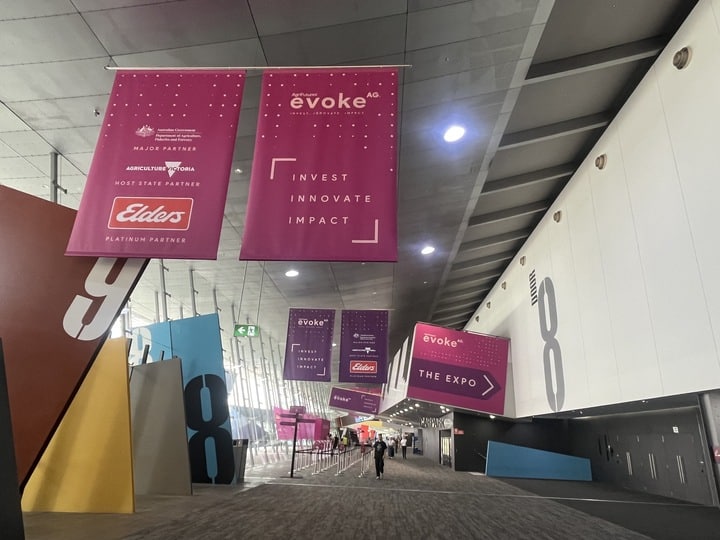
Provocative words from Andrew Bait, farmer, CEO and founder of SwarmFarm Robotics, the keynote speaker at the AgriFuturesevokeAG conference in Melbourne, Australia.
The conference has seen many familiar discussions – including the oft-repeated lament of research excellence failing to translate to commercial on-farm improvements. So maybe it’s time to challenge the orthodoxy of Research and Development being part of the same continuum.
But more of that later.
Going beyond R & D
Many of the conversations have referred to the need for not just R (Research) and D (Development) but also E (Extension), A (Adoption) and S (Scale). All have different drivers, motivations and require very different expertise and levels of support. When lamenting the lack of academic spin-outs that have reached commercial viability, to expect everything to sit within a University or research institute are, to say the least, ambitious.
Currently the UK government is supporting the “A” through its ADOPT programme and the pilot Agri-Scale initiative is an acknowledgement of the challenges encountered in growing a business. So that’s the “S” (hopefully) taken care of – at least in agri-automation.
But why has the “E” – Extension – become, at best, an old-fashioned word in UK agriculture? Internationally, it’s often the bridge between an evolving innovation and building confidence among farmers to adopt a tech, tool or practice.
Hence the need for the joined-up agri-tech innovation ecosystem. It is a big ask to expect the Research – which is about generating knowledge – to seamlessly segue into the Development – which is about finding a market fit to address customer needs bringing in the farmers’ views and input.
And arguably there’s another initial-based problem to contend with.
Is it time to move beyond TRLs in agri-tech?
The “Technology Readiness Level” (TRL) system was originally developed by NASA in the 1970s for space hardware. It gives a simple, standardised, and structured scale of 1 to 9, from early research (1), to proven in an operational environment (9). Usually Research is TRL 1-3, and Development can be anything from 4 to 8.
It has come to be the universal mechanism by which governments, research institutions, funders and innovation systems have described technology maturity and potential proximity to market.
But does it really apply in the diverse, biological systems within which agriculture operates? It works best where systems are engineered, controlled, and predictable and testing environments can be replicated. It also assumes that an innovation moves in a linear way from the lab to a prototype which is then validated and deployed. And going back to Andrew Bait’s point – the TRL system doesn’t take into account farmer trust, behavioural adoption, or the economic variability under seasonal, real world conditions.
Nor does it consider regulatory risks.
Admittedly it provides a helpful common language for the innovation community to understand and simplifies cross-sector comparisons. It also demonstrates the likely time (and money) needed for commercial deployment and can also give a sense of the number of validation hurdles that have been overcome.
But increasingly it seems a less-than-ideal way of describing the evolution of technologies being developed for agriculture.
If not TRLs – then what?
Should we be considering a system that considers farmer adoption metrics, or some indication of industry validation? TRLs feel more about “technology push”, when we know in agri-tech it’s really about demonstrating market pull.
“Market readiness” may be more helpful – it’s a term used in the defence and aerospace industry which sees the value proposition validated, secures early customers and confirms scaleable demand.
A “Commercial Readiness Index” was developed by the Australian Renewable Energy Agency and evaluates other important parameters, such as bankability, regulatory readiness, and supply chain maturity. Especially in a complex system such as agri-tech – this feels very relevant.
“Adoption Readiness” is also crucial – this could measure parameters such as awareness among farmers, the level of interest in participating in trials, the use of demonstration plots, and the number of early adopters who go on to become customers.
Finally, “Ecosystem Readiness” would be a good indicator as to whether a supporting and enabling ecosystem exists to bring the innovation to commercial scale. These could include factors such as the availability of local farmer advice, the level of government support, access to finance, the skills and labour markets, and even parameters such as access to cold chain and logistics.
No easy answers
It’s easy to plead special cases for agriculture and argue why it doesn’t fit within the usual rules of engagement. But if we are to really become effective in R, D, E, A and S, as Andrew Bait pointed out in his talk, “The future of agriculture won’t come from those who think outside the box, but from those who realise the box was optional.”
Post Overview
18th February 2026
Agri-TechE
Agri-TechE Article
Agri-Tech Adoption & Social Science
International Insights
Share this Page:
Related Posts
Agri-TechE members embark on mini-mission to the Republic of Korea for Green & Agritech Asia 2023
The views expressed in this Member News article are the author's own and do not necessarily represent those of Agri-TechE.
Climate change is reshaping farming practices – and with it, the risks linked to mycotoxin contamination.
To better understand today’s challenges in the field, the MYMATCH Project is collecting insights directly from farmers.
By sharing your experience, you will help us design practical, science‑based, digital tools to support mycotoxin risk management and build more resilient agricultural systems.
The survey takes 15-20 minutes to complete, and responses are requested by the end of May 2026.
The views expressed in this Member News article are the author's own and do not necessarily represent those of Agri-TechE.
Maximising the impact of the publicly-funded research being conducted at Norwich Research Park is one of the core aims of Anglia Innovation Partnership, the campus management organisation. One of the ways in which we do this is by helping scientists and researchers to translate their ideas for a business into reality.
We have been successful in doing this over the last couple of years thanks to our incubator programme which has seen 17 companies receive practical and intellectual support and advice. In addition, 40 other companies are actively receiving wider enterprise support to aid their development.
“The incubator programme focuses on reducing the practical and structural barriers that early-stage founders face by improving access to suitable workspace and labs, helping them navigate funding opportunities and connecting them with scientific expertise right across the Park to support testing and validation of their business models.”
Get the latest agri-tech news, events and opportunities direct to your inbox
A trip to the Tees Valley HQ
Agri-TechE Blog
Meet the Network
Agri-TechE
In January some of team Agri-TechE had the pleasure of heading to the Tees Valley to the HQ of CPI (The Centre for Process Innovation).
CPI kindly hosted the first in-person meeting of our newly refreshed stakeholder group that brought together a selection of our membership to share their on-the-ground perspectives as a valuable guide for our work and future strategy.
CPI is an independent tech innovation centre and a founding member of the UK Gov’ts High Value Manufacturing Catapult. As a process development and scale-up business they exist to help businesses transform exciting scientific concepts into industry-ready, commercial businesses.
Their portfolio includes developing novel agricultural products including fertilisers, pesticides, biostimulants, seed coatings, plant and animal probiotics. They are increasingly important as a national capability to help scale up material such as biologicals, as these products become more available their ability to scale and formulate for agricultural uses is critical.
Our stakeholders are a blended group from across the membership – tech companies, farmers, researchers from across the UK. With us, they come together for peer-to-peer learning, sharing and hearing insights, and having candid discussions about what’s needed for the industry. We use their reflections and expertise to inform and shape our strategic activities.
As well as the stakeholder meeting, the group were lucky to take the group on a tour of CPI’s facilities at their Wilton site to see process design and scale-up and bioprocess development.
The views expressed in this Member News article are the author's own and do not necessarily represent those of Agri-TechE.
Biostimulants are gaining momentum in agriculture as innovative tools to potentially boost crop health, resilience, and yield. But what exactly are they, how do they work, and what hurdles remain before they become mainstream on UK farms?
What Are Biostimulants?
Biostimulants are substances or microorganisms applied to plants, seeds, or soil to enhance nutrition efficiency, stress tolerance, and crop quality – regardless of their own nutrient content. Unlike traditional fertilisers, their main role isn’t to feed plants directly but to help crops make better use of available resources and cope with environmental stresses.
The Regulatory Landscape
The rules around biostimulants are evolving. In the UK, there’s no dedicated regulation for these products. If a biostimulant is marketed as a fertiliser or contains significant nutrients, it falls under existing fertiliser laws. If it’s mixed with pesticides or claims to protect against pests, stricter regulations may apply. This patchwork of rules means the market is crowded, with varying product claims and little standardisation in providing evidence of efficacy.
Types of Biostimulants
Biostimulants fall into two main groups:
Microbial: These include beneficial fungi and bacteria that interact with plant roots.
Non-microbial: This group covers a wide range, such as humic substances (from decomposed organic matter), protein hydrolysates (amino acids and peptides), seaweed extracts, plant extracts, biopolymers like chitosan, and certain inorganic compounds (e.g., silicon, selenium).
How Do They Work?
Research shows biostimulants can help crops withstand drought, salinity, and temperature extremes, improve nutrient uptake, and boost yields. However, their effects are often variable and depend on local conditions. Scientists are still unravelling the exact mechanisms, but they can include stimulating soil microbes, enhance water retention, and triggering plant stress responses.
Key Challenges
Despite their promise, several challenges currently slow the adoption of biostimulants:
Variable Results: Biostimulants can have less consistent outcomes than conventional fertilisers. Their effectiveness depends on matching the right product to the right problem and local conditions.
Lack of Independent Evidence: Much of the available data comes from manufacturers or overseas trials, making it hard for UK farmers to judge what will work on their land.
Regulatory Confusion: With no unified definition or regulation, comparing products and ensuring quality is difficult, which can undermine trust.
Practical Tips for Farmers and Growers
Seek Independent Evidence: Look for peer-reviewed studies and experiments and be cautious of bold claims without robust backing.
Start Small: Trial biostimulants on a limited area before wider use.
Stay Informed: The science and regulations are evolving—keep up with the latest research and guidance.
Want to go deeper?
For a comprehensive, evidence-based review—including detailed mechanisms, regulatory updates, and peer-reviewed research—Ceres Research Members can access the full report here: “Biostimulants 101.”
The views expressed in this Member News article are the author's own and do not necessarily represent those of Agri-TechE.
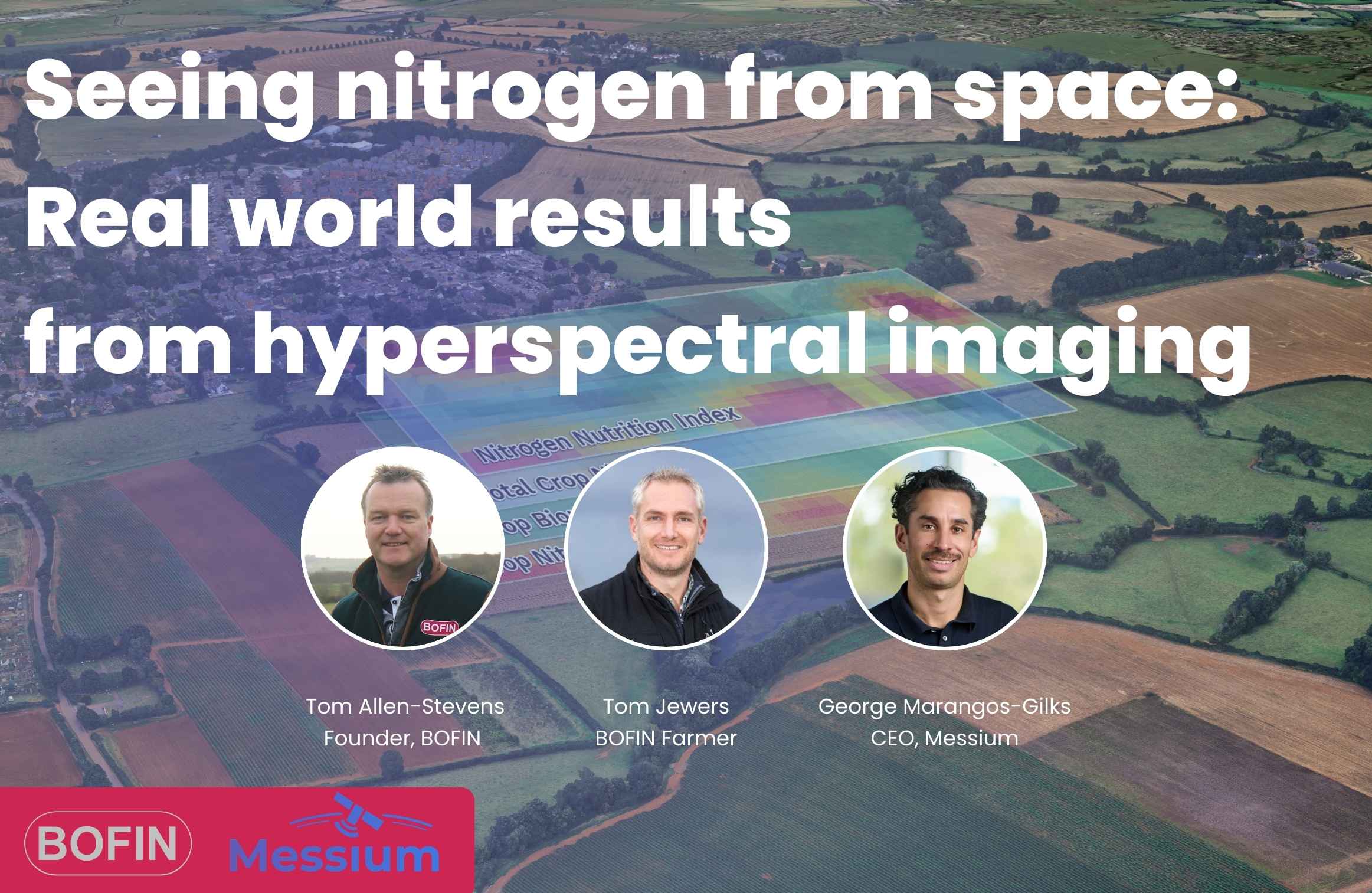
UK farmers are invited to examine new evidence on the use of hyperspectral satellite imaging to inform nitrogen management, at a webinar on Thursday 26 February (8.30am).
The British On-Farm Innovation Network (BOFIN) is working with agri-tech companyMessiumto explore how this next-generation satellite technology performs on commercial farms and the value it can realistically deliver.
Unlike conventional satellite imagery such as NDVI, which measures crop greenness or biomass, hyperspectral imaging can detect the specific wavelengths associated withnitrogen concentration in the crop itself.
“Previous satellite tools couldn’t tell whether a crop was short of nitrogen or just low biomass,” explained Messium CEOGeorge Marangos-Gilks. “Hyperspectral satellites can now do both. That allows us to identify where crops are under or over-fertilised and where nitrogen is likely to lead to an uplift in yield.”
Messium’s approach is underpinned by more than21,000 crop samples analysed in laboratories and linked to satellite imagery to train its models. Independent blind testing has shown accuracy of around85% compared with lab results, with further UK validation underway.
Results from more than150 on-farm trials across the northern hemispheresuggest the technology can help farmers move closer to optimum nitrogen levels. Across its trials, Messium reported anet profit benefit in 65% of cases, with an average yield uplift of0.3t/haand margin improvements of around£50/ha.
Thelive online Q&A session will be held at 8.30am on Thursday February 26. It will include side-by-side comparisons with NDVI imagery and a discussion on costs, complexity and where hyperspectral data may add value. Hosted byTom Allen-Stevens, Oxfordshire farmer and founder of BOFIN, the session will focus on the farmer experience with input from growers who have first-hand experience of Messium’s technology.
“Nitrogen is one of the biggest cost, productivity and environmental levers on farm, so any tool claiming better insight needs proper scrutiny,” said Tom. “This session is about looking at the evidence, the limitations and how it works in practice on real farms.”
Get the latest agri-tech news, events and opportunities direct to your inbox
AbacusBio believes the Precision Breeding Act presents a ‘huge opportunity’
Meet the Network
Agri-TechE
Choosing the right livestock breed/line or crop variety is crucial to any farming operation. However, increasing pressures from climate change, which continue to impact disease and yield, are making these decisions more important than ever.
In this month’s member spotlight, we talk with Tim Byrne, Managing Director of AbacusBio International Limited, about how the 2025 Precision Breeding Act might provide a solution for climate-resilient agriculture.
Growing up on a beef and sheep farm in New Zealand, Tim has firsthand experience with the essential role genetics plays in the production system. Now, as Managing Director for the agri-science consultancy firm, AbacusBio International Limited, he’s keen to help others with their own on-farm decisions.
AbacusBio centres its business on genetic improvement, with a broader offering of economic and sustainability impact assessments, business case development, financial modelling, and strategic agri-business planning. The company has offices in the UK, New Zealand, Canada, and Australia, helping various businesses make informed decisions.
“It’s hugely important that farmers consider the value that genetics can add,” Tim says.
He notes that incremental, cumulative, and permanent improvements in plant varieties or animal populations deliver profit and sustainability outcomes for farmers and the wider supply chain.
“There’s evidence across multiple industries indicating the impact we’ve had. Our advice has influenced somewhere near 14% of the global arable crop land,” Tim says. This influence has come from AbacusBio’s work with their largest client, Bayer Crop Science.
The Precision Breeding Act – what does this mean for the future of agriculture?
The 2025 Precision Breeding Act covers genetically modified crops in the UK and, according to Tim, represents a ‘huge opportunity’ for UK agriculture to adapt to climate change and boost competitive advantage in plant production.
He points out, “We know we need climate resilience, we know we need disease resistance. The Precision Breeding Act and associated regulations enable the industry to accelerate outcomes that would otherwise be achieved through conventional breeding, helping deliver traits we already know will be critical in the future.”
Tim explains that climate change in the crop breeding system increases production pressures: “With more climate variability, there’s likely to be diseases that appear that are not present now.”
He adds, “The Precision Breeding Act, and genetic improvement in general, offers additional tools for the industry to respond to those challenges. For instance, produce more resilient crops that are resistant or tolerant to diseases.”
Integrating precision breeding into traditional programs
When it comes to precision breeding, Tim says AbacusBio can offer the right guidance and support.
“We have a huge amount of experience and expertise in designing and running breeding programs in all sorts of different contexts, in many plant and animal species,” Tim says.
“One important consideration is how precision-bred organisms should be included in traditional breeding programs, or how the information on precision-bred organisms should be included in traditional breeding programs.
The role of AI and data
Alongside the Precision Breeding Act, Tim highlights how AI and data management will shape future agricultural decisions, stressing the importance of expert guidance to maximise their benefits.
“We’re in a very fast-changing environment, which holds true for the climate and the physical environment. It also holds true for the geopolitical, trade, and regulatory environments, and because of that, information and data are key in driving decision-making.”
“Having the right advice, combined with flexibility in strategic decision-making, is critical, especially in an environment where conditions and priorities can change rapidly,” says Tim.
Tim Byrne, MD
AbacusBio International Limited.
“We’ve had some nice connections made through the Agri-TechE platform.
We’ve had conversations with some local breeding organisations and agri-tech businesses. So, it’s been really beneficial from that perspective.”
The views expressed in this Member News article are the author's own and do not necessarily represent those of Agri-TechE.
A new online course “Integrating Food and Energy Production on Farmland” has just launched. Developed by the University of Reading as part of the EU funded project Value4Farm (https://value4farm.eu) it aims to build an understanding of the ways in which crop and renewable energy production can be integrated on farmland and explores the innovative ways farmers are combining crops with solar panels in agrivoltaic systems and producing biogas.
Aimed at farmers, it explores how agrivoltaics and biogas production technologies fit alongside traditional farming. It allows learners to discover what works (and what doesn’t) and understand the real benefits and challenges farmers face when integrating energy production on their farms.
The ecological and technical benefits of these renewable energy systems and how they impact the whole farm ecosystem from soil health to food production are explored alongside the support available to implement these technologies. The course also looks at how policy, regulations and legislation shape what’s possible on farms and how they can influence renewable energy adoption. Through providing information on farming practices and on the possibilities of renewable-based solutions, the course aims to support farmers in making suitable choices for their farm and situation.
The views expressed in this Member News article are the author's own and do not necessarily represent those of Agri-TechE.
At Hypernature, we’re pursuing a bold mission: to give ecosystems intelligence.
What does that mean? It means enabling ecosystems to sense, interpret, and adapt for themselves — not as passive assets we manage, but as dynamic systems with their own capacity to understand and respond to change. In practice, ecosystem intelligence becomes a new ecosystem function. A kind of nervous system. A new category of infrastructure.
If that sounds “out there,” it shouldn’t. To us, this feels like the natural evolution of human intelligence technologies applied to ecological systems. At some point, the tools we build to manage, understand and report on ecosystems begin to merge with the ecosystems themselves. This could even mark a new evolutionary transition for life on Earth (Smith & Szathmary, 1997)
The ecosystem intelligence perspective avoids the limitations of narrower foci like “business intelligence,” “nature intelligence,” or “climate intelligence.” These approaches optimise for isolated metrics, carbon, yield, biodiversity, compliance – but ecosystems don’t operate in silos. What we want is for all components of an ecosystem to thrive — jobs, production, communities, soil, biodiversity, climate resilience. Fragmented intelligence can’t deliver that.
At Hypernature, we bring decades of experience building intelligence systems that automate predictions and recommendations for complex adaptive systems. Again and again, we’ve seen ecosystems managed through narrow, oversimplified lenses — even when the real bottleneck is the absence of a system‑level perspective.
This is why we believe it’s time to build infrastructure for the ecosystem itself — a shared intelligence layer that businesses, governments, and communities can build on to make better decisions and adapt together.
So what is ecosystem intelligence made of? A hybrid of silicon‑based computation and human/institutional intelligence (land stewards, regulators, businesses, communities) giving the ecosystem the ability to sense, actuate, interpret, reason, coordinate, and adapt.
Crucially, ecosystem intelligence is notabout measuring everything or building perfect digital twins. Ecosystems are messy, incomplete, and full of uncertainty — and yet we know a great deal about how they behave.
Intelligence means making good decisions with imperfect information and recognising that desirable future states may look nothing like the present (Gunderson & Holling, 2002). Think of a degraded landscape today versus what it could become in ten years.
There is also a deep technical connection between ecosystem intelligence and the next generation of AI. The frontier of AI is moving toward world models — systems that understand and reason about the world, not just pattern‑match. This ability to interpret, predict, and reason across scales is central to ecosystem intelligence. And it’s something we’ve spent decades building and training models to do for complex adaptive systems.
One challenge with many “nature intelligence” approaches is the assumption that nature is separate from us. We see that as outdated and unhelpful. Humans are part of most ecosystems, and ecosystem intelligence requires understanding the roles our species can play within them — not pretending we sit outside them. Our relationship with living systems is still primitive. Many of the ecosystems we will eventually thrive within don’t even exist yet. Ecosystem intelligence can help us design and realise these new, resilient, productive systems (synthetic ecology, anyone?).
So where is ecosystem intelligence most needed now?
Three obvious candidates would be top of a priority list (though there are many more):
Global agrifood supply chains — highly exposed to ecological volatility, globally interconnected, and under pressure to transform while remaining productive.
Cities — which must continue delivering essential services while reinventing how they sustain themselves.
Degraded landscapes— over a billion hectares that need to be rebuilt into resilient, functioning ecosystems.
It’s time to think seriously about — and start building — ecosystem intelligence.
References
Smith & Szathmary. The major transitions in evolution. Oxford University Press, 1997.
Gunderson & Holling. Panarchy : understanding transformations in human and natural systems. Island Press, 2002.
Post Overview
This story has been submitted by an Agri-TechE member.
The views expressed in this Member News article are the author's own and do not necessarily represent those of Agri-TechE.
As devices become increasingly complex and connected, user interfaces are being relied upon to bridge the gap between the physical and digital parts of a system. This often leads to hybrid interfaces, a blend of physical controls and digital displays.
From complex medical equipment to dynamic pieces of consumer tech, hybrid interfaces must provide the user with the confidence and reliability of physical controls as well as the flexibility of digital displays. All must be done whilst avoiding user confusion, workflow disruption and hazards. So, how do you get the right balance?
Why are hybrid interfaces necessary?
Can’t we just put everything on a touchscreen these days? Not quite.
Physical controls provide real, tactile feedback that confirm an action has been performed without requiring visual confirmation. This tactile response reduces uncertainty and builds muscle memory for frequent and critical tasks. Hence, physical buttons are still common and necessary in medical devices, handheld tools and most vehicles.
On the other hand, digital touchscreen interfaces offer flexibility. They allow settings and controls to be stacked and hidden to reduce cognitive overload. They can also change dynamically in response to a change in user needs or the context and environment of use. This makes them ideal for devices that need to present the user with different options at different times without overwhelming the user with clutter.
When combined, these strengths highlight the value of a hybrid interface. By pairing the tactile certainty of buttons with the adaptability of touchscreens, hybrid systems can support reliable operation for critical tasks whilst still offering the flexibility to present context‑specific options when needed. This balance reduces cognitive load, prevents interface clutter, and ensures that users can work efficiently across a range of situations.
What makes a good hybrid interface?
A successful hybrid interface should feel like a single, unified system, not two separate interfaces glued together. For example, digital cameras combine physical controls for common functions (capture, focus and zoom) with digital controls for more specific tasks (mode switching and image review).
What makes a poor hybrid interface?
Hybrid interfaces can fail when the relationship between the physical and digital elements contradicts user expectations. Common issues include:
Poor mapping
When a physical action (pressing a button) does not trigger a clear digital response (an on-screen confirmation), users can be left uncertain as to whether the system has registered their input, causing confusion and eroding trust in the interface.
Inefficient layouts
When physical controls are positioned awkwardly, users may struggle to operate them whilst maintaining visibility of the screen. This can lead to unnecessary hand movements, breaking the flow of interaction and slowing down task completion.
Crowded layouts Clusters of buttons placed too close together increase the risk of accidental activation. Users may press the wrong control, especially under pressure or in environments where precision is difficult, specifically when wearing PPE.
Wrong controls for the wrong tasks Assigning tasks to inappropriate controls can severely impact usability. For instance, requiring precision adjustments to be made via on-screen sliders rather than tactile controls can make fine-tuning cumbersome and frustrating.
Sizing issues Controls that are too small to see clearly or too fiddly to operate compromise accessibility and efficiency. This can be particularly problematic in high-stress environments or for users with limited dexterity.
Ignoring environmental factors
External conditions such as glare on screen, vibration or background noise can interfere with usability. If these factors aren’t considered during the design, the interface may become unreliable or even unusable in real-world settings.
How to develop successful hybrid interfaces
1. Start with task analysis Begin by identifying the tasks your users need to perform. Consider how frequently these tasks occur and which ones are critical to their workflow. Assess the environment in which the interface will be used, such as lighting conditions, noise levels, stress factors, and whether personal protective equipment (PPE) is involved. It is also important to account for user limitations, including dexterity and physical strength.
2. Map the workflow Understand the user journeys and pinpoint key touchpoints. Aim to minimise unnecessary hand travel or repositioning by arranging controls so that physical actions are spatially aligned with digital feedback and guidance. This helps create a seamless interaction between physical and digital elements.
3. Keep it simple and intuitive Design controls so that each one serves a single function wherever possible. Use clear labelling, colour coding, and logical grouping to make navigation straightforward. Provide immediate feedback for critical actions and incorporate multisensory cues such as tactile, visual, and audible signals. Align your design with users’ mental models and familiar patterns to reduce cognitive load. Avoid duplicating controls or overwhelming users with excessive information.
4. Early user testing and iteration Validate your assumptions early in the design process and continue testing throughout development. Frequent iteration ensures that the interface evolves based on real user feedback, leading to a more effective and user-friendly solution.
How to test hybrid interfaces with users
Testing hybrid interfaces is more complex than pure digital interfaces because they involve multiple inputs and outputs, used across varied contexts.
Key considerations:
Map out the full workflow and all interaction points, use this as a testing ‘checklist’
Use printed wireframes on physical prototypes to mimic a digital screen layout
Apply think-aloud protocols to capture user expectations during use
Simulate the environment of use (e.g. variable lighting, PPE, motion, etc)
Track mode switching (are users favouring physical or digital controls?)
Combine prototyping techniques (e.g. 3D printed buttons, paper mock ups, interactive screen, etc)
The future of hybrid interfaces
We can expect even more complex integration challenges as hybrid interfaces evolve further to include AI driven features such as voice control inputs. The definition of ‘hybrid’ is expanding, it is blending traditional controls with intelligent, adaptive systems. Understanding user expectations, tasks and workflows will be more critical than ever. We, as designers, must ensure that interfaces can successfully bridge the physical and digital divide and create a cohesive, intuitive experience that supports user confidence, safety and efficiency.
Get in touch
To discuss how our skilled team can optimise your product’s user interface, please get in touch.

 LettUs Grow Ltd.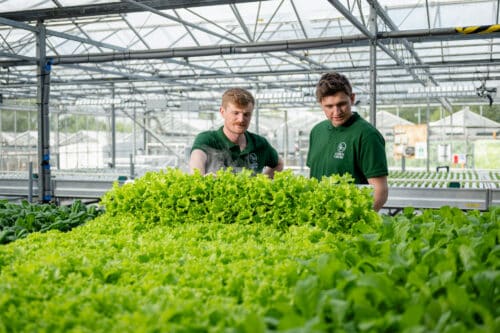



 BOFIN
BOFIN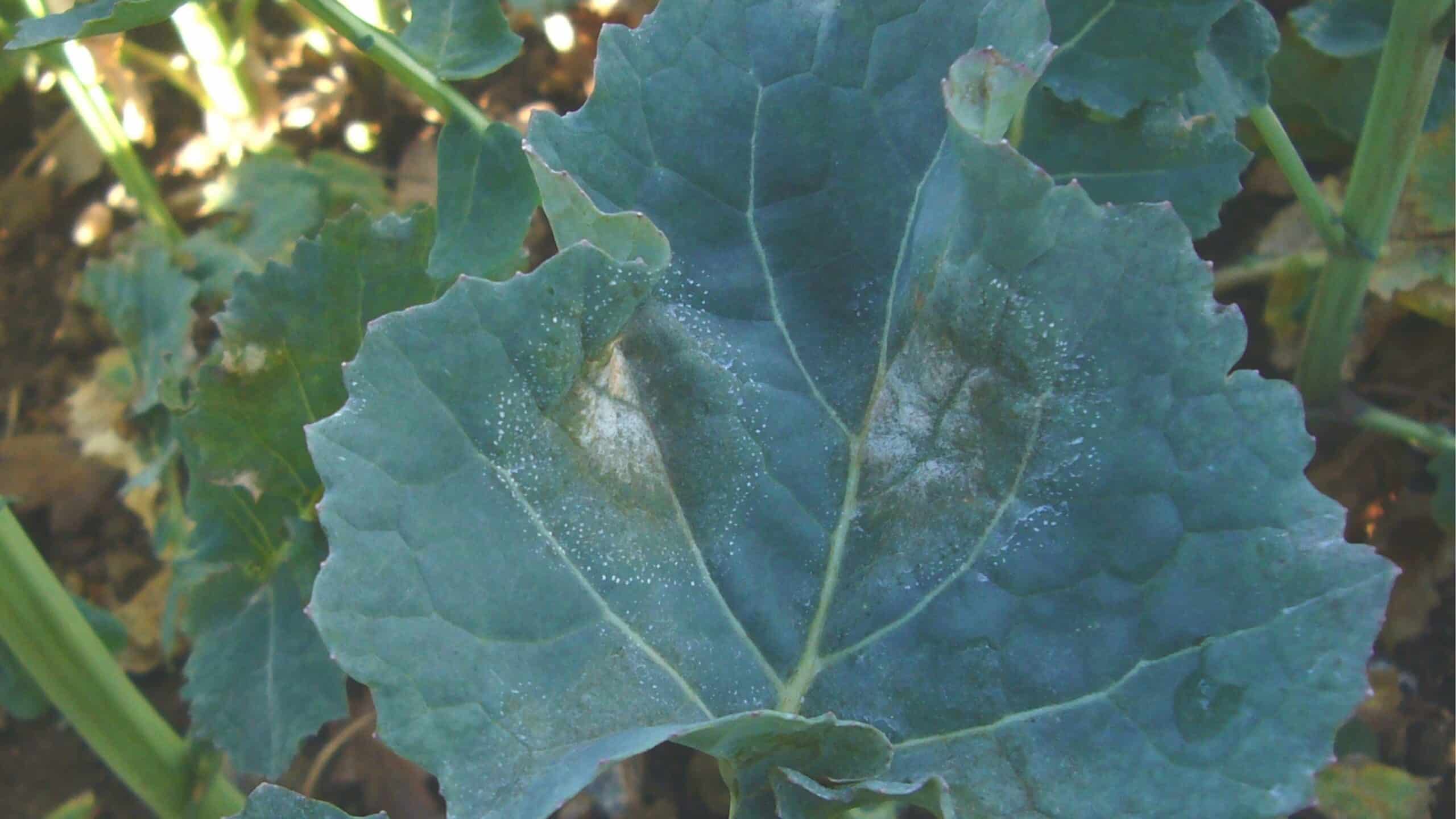



 Agri-TechE




 Cranfield University



 Norwich Research Park






 Ceres Research





 University of Reading

 Hypernature Limited

 eg technology Ltd