The Productive Landscape: NatureTech for Profit and Planet
How can technology enable delivery of food, nature recovery, and climate resilience - all at once? The Head of the Environment Agency is asked: what's the national plan for dealing with land use pressures, plus you’ll hear from technologists and land managers working on nature-based and tech-enabled solutions for water, soils and climate adaptation.

Government confirms commitment to ELMs at Oxford Farming Conference

Agri-TechE Article
Agri-TechE

Farming Minister Mark Spencer has confirmed Defra’s commitment to the Environmental Land Management (ELM) scheme, which makes payments to farmers for initiatives that enhance the natural environment by announcing increases in payment rates for particular actions. ELM is to replace the Basic Payments Scheme, which makes a payment based on land area.

Morning thistles

Speaking at the Oxford Farming Conference 2023, he said: “As custodians of more than 70% of our countryside, the nation is relying on its farmers to protect our landscapes as well as produce the high-quality food we are known for, and we are increasing payment rates to ensure farmers are not out of pocket for doing the right thing by the environment.”

Dr Belinda Clarke, Director of Agri-TechE , comments: “It is good to get clarity on these schemes to maintain confidence across the industry. Farming is a long-term activity and changes to practice may need investment in equipment and tools. The increased rates confirms the direction of travel and this is very helpful.”

Payment has been a source of contention as there has been a lack of information about how it will be structured.

Innovation for ELMs

At a workshop coordinated by Agri-TechE at Rothamsted in March 2022, farmers revealed concerns over how environmental improvements such as soil health, pollinators, water retention  and carbon sequestration would be measured and if this would be a metric used for payments in the future.

The event identified a number of areas where improved metrics are required, where agri-tech solutions are emerging and the opportunity gaps, ie where innovation could prove beneficial.

The challenges include:

  • How can non-specialists accurately identify plant and insect species and report the outcomes in a meaningful way?
  • How can the source of water pollution be identified and a whole watershed approach be adopted to improve water quality?
  • How can machinery become more fuel-efficient, lessen soil damage and require less labour?
  • How can we increase woodland in the landscape and measure its value for carbon capture whilst still maintaining productivity?
  • How can we increase the efficiency of livestock production so higher quality meat is produced with lower environmental impacts?
  • How can we make crops less reliant on inorganic inputs?


A full report is available on request

Announcement about payments

The announcements from Defra at the Oxford Farming Conference were mostly to cover the initial costs of setting up the schemes; it is unclear if to gain continued payments farmers would need to provide evidence of the long-term benefits to the environment and, if so, what metrics would be required.

Sustainable Farming Incentive (SFI)

SFI pays farmers to undertake sustainable management actions (going beyond regulatory requirements) alongside productive farming. The initial offer, launched in June 2022, includes three ‘standards’: improved grassland soils, arable and horticultural soils, and moorland.

The payments are to be enhanced with a new ‘SFI Management Payment’ of £20 per hectare, up to 50 hectares of land entered into the scheme (maximum of £1k). For a 50-hectare farm this represents a potential increase of as much as 50%. Payments will be backdated to when the SFI scheme fully opened in June 2022. An expanded range of SFI standards will be published soon.

The SFI agreement has also been shortened to three years to allow tenants on shorter contracts to enter into the scheme without the need for landlord consent.

Examples of eligible projects (an expanded list is anticipated soon):

  • Increase in rates for in-field grass strips. These strips allow pollinators such as bees to make their way across large fields from one strip to another, improving the consistency of pollination.
  • Sowing strips of land with a seed mix. These provide food for birds in winter, encouraging wildlife to remain on the farm year-round.
  • Low input grassland in upland areas. This option provides grasses and wildflowers that provide nectar food and shelter for invertebrates and help attract ground-nesting and feeding birds to less productive farmland.
  • Creating successional areas and scrub. These areas help provide habitats for birds and other important species and improves the quality of woodland edges, as well as restricting soil erosion and holding back water to reduce downstream flooding.

Countryside Stewardship (CS)

Farmers with a Countryside Stewardship (CS) agreement – of which there are now 30,000 across England – will see an average increase of 10% to their revenue payment rates, covering ongoing activity such as habitat management.

Defra is also updating capital payment rates, which cover one-off projects such as hedgerow creation.

Applications for the Countryside Stewardship capital payments open today (5 January 2023) and may include:

  • Hedgerow creation –  to create new habitats for beneficial insects and birds, reduce soil erosion, improve drainage, and increase carbon capture.
  • Improving or upgrading existing outdoor, uncovered yard drainage – to reduce foul drainage volumes and runoff.
  • Re-wetting and maintaining moorland peatland habitats – payment for capital works for grip blocking drainage channels have risen.

Revenue rates will remain the same for those in Environmental Stewardship (ES) agreements. A full list of the increased capital and revenue payment rates is available.

Grants for tree planting

Meanwhile, capital and annual maintenance payments for the England Woodland Creation Offer (EWCO) and Tree Health Pilot (THP) will also be updated this year, helping to incentivise farmers to incorporate more trees as a valuable natural resource on farms. By publishing rates Defra hopes that landowners will plant now and not delay to see if the next offer is better.

Taken together, these changes will encourage more farmers to take individual positive actions such as creating hedgerows and flower-rich grass areas on the edge of fields alongside sustainable food production.

MBA Agribusiness

Member News
The views expressed in this Member News article are the author's own and do not necessarily represent those of Agri-TechE.

This unique and innovative MBA in Agribusiness with a specific focus on regenerative food systems equips entrepreneurial and strategically focused individuals with the skills to lead and drive sustained growth in the developing food sector. The programme focuses on connections between agri-food businesses, regenerative farming and hybrid production to promote environmental transformation.

Our MBA has been developed with embedded theoretical ‘threads’ linking all modules together to deliver a systems-based approach to circular economics and socio-environmental wellbeing. These ‘threads’ include entrepreneurialism, economic awareness, capability building, emerging business paradigms, environmental sustainability and ecosystem services framework.

Whether you want to operate nationally or internationally, as part of a larger organisation, within a SME or lead your own business start-up, this course will provide you will be skills to take you to the next level in your career development.

MBA Agribusiness – Writtle University College

Brown&Co are delivering the Future Farming Resilience Fund for Defra

Member News
The views expressed in this Member News article are the author's own and do not necessarily represent those of Agri-TechE.

This Defra funded project enables Brown&Co to provide free farm support to farmers up until March 2025. The support will help farmers prepare for the 7 year Agricultural Transition period, which will see the Basic Payment Scheme (BPS) reduce to zero after 2027.

We have worked with hundreds of farmers over the past 2 years delivering the initial phases of this project. Our service is based on a one to one on farm approach and has enabled support to be delivered directly to over 1400 farmers and many hundreds more through remote and digital engagements. We have worked with farmers across all of England and with all farm types.

In this new phase we have widened our offer as a result of farmer feedback to provide greater focus and specialist advice to support their businesses.

We believe our enhanced multi-disciplinary offer to farmers is unique. With Land, Planning, Commercial and Agri-business divisions all under one roof, we are able to provide professional support across a range of disciplines delivered from our in-house teams. Whether it is finding a commercial use for a disused barn, investigating planning potential, managing business finances, working collaboratively with neighbours, producing a Greenhouse gas footprint or chatting through your business options going forward Brown&Co can support you on this journey.

We will continue to offer a business review delivered through an on-farm visit. Our advisors will provide farmers with the knowledge to make positive decisions, create a forward plan and support their business to adapt and succeed through a challenging transition period.

Alongside this business review, in addition we are offering 6 areas of greater focus. These can all be tailored to individual needs and can be delivered after an initial business review or as standalone advice. These reviews are available to farmers who have worked with Brown&Co or with other providers in the previous phase of the project as well as new farmers who wish to work with us going forward. These 6 interventions are:

  • Supporting businesses to manage the present and plan for change through applying budgeting and business planning tools.
  • Supporting technology adoption and grant access, benchmarking performance and facilitating collaborations to reduce costs and increase efficiency.
  • Identifying land or property that could generate new income or capital injections. Offering support and opinion to progress change.
  • Assessing land based natural capital assets, identifying potential for enhancement and securing new income streams. Understanding how woodland, water and biodiversity can generate income as part of producing an environmental strategy for the business.
  • Supporting tenants to deliver new diversifications, plan for land expansion or land reduction, work effectively with landlords and plan for succession.
  • Supporting farmers to produce a GHG baseline and action plan to reduce GHG emissions and position for carbon income streams.

The Brown&Co team are working across all of England with all farmers and farm types including arable, livestock, mixed farms, root crops and diversified businesses.

Details of participating farmers are all completely anonymous and advice will be kept entirely confidential.
To be eligible for support farmers must have a single business identifier (SBI).

We would encourage sign up early into the scheme as we envisage high demand and limited places. Once signed up we can mutually agree at what point in the future you would most value your support to be delivered.

Sign up on this link: https://www.brown-co.com/services/agricultural/future-farming-resilience-fund

Tailwater Newsletter: Special Innovation Issue

Member News
The views expressed in this Member News article are the author's own and do not necessarily represent those of Agri-TechE.
Special Innovation IssueThis issue of the newsletter will focus on Innovation in the water treatment area. Innovation is measured by the rate of new product/service introductions. Innovation is often driven by R&D spending (of all types). Why is this relevant? Because innovation is what brings new value to our customers via more effective water treatment solutions. R&D spending should be creating the next generation platforms for innovation. 
Where Should You Look for Innovative Products?
Not the Big Companies In our experience, we see that many of the companies in the water treatment industry have well established products, stable cost structures, but very low R&D spending of 2-3% of sales, by our simple estimate from 10K filings with the SEC. A likely culprit is the so-called “innovators dilemma”, a concept developed by Professor Clayton Christiansen and made popular in his books and publications. Established companies are prone to disruption as they try to hold on to existing markets and products rather than embrace disruptive technologies and new approaches. We also examined one of the largest publicly traded companies in the water treatment industry for their interest in agriculture- our focus. Their annual report, called a 10-K, mentions agriculture exactly one time. Our takeaway: they know nothing about the needs of agriculture. So if you are a grower and expecting one of these large companies to solve your nitrate, salt, or other issues in a new way, you may be waiting for a very long time. Small Companies Are Your Partner Small companies, like Tailwater Systems, should be part of your R&D strategy moving forward as you attempt to become more sustainable and profitable. We spend much of our time looking for disruptive and innovative ways to solve the agricultural industry’s water problems. Further, we are staunch adherents to “open innovation“- based on the understanding that all the smart people don’t work for your company and you should seek to work with external partners to find truly breakthrough solutions. In the next paragraphs, we’ll provide some background on a few of our explorations.
The Nitrate Example
Nitrate- Remove or Recycle? Lets Do Both Our patented nitrate removal system is the most effective way to remove nitrate from water. When developing this product, we first talked to leading experts in California’s ag industry about the attributes of a solution. Their inputs lead us to some basic design parameters:SimplicityMobilityNo secondary waste stream (this ruled out RO and ion exchange)Can be managed by existing staffCost effectiveNo exotic or difficult technologies This left biological approaches for nitrate removal as the remaining choice (for now). Using some principles of open innovation we began to search for any industry that removes nitrate from water. This lead us to the wastewater treatment industry, commercial fish farming, aquarium management, and a number of other un-related industries. We also learned quickly that this approach was considered by the “experts” as challenging and difficult to manage. Our early experiments showed this as a shibboleth. We rapidly figured out how to manage this technology. We looked at nitrate recycling technologies. One of the sadder things we found was a beautiful piece of equipment that was designed to recover nitrate from drainage water. It never did work longer than a day or so according to the customer. It used all existing technology. It had been sitting in a field, unattended, for a long time. We looked at specific enzyme solutions as nitrate reduction is done by cellular enzymes. This technique might work but the cost to the customer might be prohibitive and did not see a way to reduce the cost. We did see some companies attempt this but it did not catch on due to high cost (from what we were told). They were not cost-competitive with us.  Part of the problem with the nitrate ion is that its very stable in water, does not react with many common chemicals, does not precipitate easily, but can be adsorbed to some degree. The key to the biological treatment was that nitrate reducing bacteria had evolved over millennia to break this specific molecule down into nitrogen gas and return the gas to the atmosphere. We just had to figure out how to isolate these nitrate reducing bacteria into a very densely populated, enclosed reactor. We found a paper written in the first decade of the 1900s that showed how to isolate this bacteria using a mason jar and 1 chemical. We tried this recipe and it worked the first time. This isolation and concentration technique is now part of our standard bioreactor startup process. After spending many exasperating months looking for ways to recycle nitrate (remove it from the water and enable customers to reuse it), we hit upon a simple idea. Can we change nitrate into something else that is easier to remove? It turns out that the answer is yes. It is possible to convert nitrate into ammonia. Ammonia is easy to remove from water and can be used in irrigation. Is it economical? We’ll find out shortly as we move forward with this. Are we trying to sabotage our own flagship product? Not exactly. We think having both options will help our customers close the loop and put an end to fugitive emissions of nitrate into our ecosystems. County, regional, and State governments will now have two ways rehabilitating nitrate contaminated aquifers, waterways, ponds, and lakes. 
Salt Removal
Sodium chloride, one of most common salts, is very difficult to remove from water. In order to truly understand this, one can return to first principles (i.e. physics) and one of the Feynman lectures. We get sodium and chloride into our water systems from a variety of sources including agricultural nutrient salts. The problem becomes two fold- since salt separates into sodium and chloride in water, we’ll need a different approach to remove each component. Yes, there are other types of salts but our focus is primarily on sodium and chloride for their well documented damage to soils (sodium) and chloride (plant damage and yield reduction). For chloride removal, we found a clue in the corrosion of iron rebar in reinforced concrete. You might remember the horrific collapse of the condominium(s) in Miami (Florida, USA) recently. We worked with a very progressive, large company to see how this approach might be used to remove chloride from water. It worked extremely well but required a specialized process. We’ve filed patents on our approach to chloride removal. This material is not specific to chloride but will do the job. Time will tell if this is the right approach. Our team’s prior experience in bio-technology also suggested that perhaps we might be able to find or design a molecular cage- a man made structure that would bind to chloride exclusively with high affinity (strength of the bond between chloride and another molecule). Sure enough, we found a recent discovery that performs this exact function. How close is it to commercialization? Not sure yet.
Summary
First, we want to thank all of our customers for their continued support in 2022 and look forward to bringing innovative solutions to you in coming years. Got a problem that does not appear to have a solution? Contact us- we’ll take a look, apply our open innovation principles, and see if we can help you solve the problem.

Subscribe to Our Newsletter to Get the Latest Updatesform at the bottom of this page.

Good news for salad producers growing under cover and hit by energy costs

Agri-TechE Article
Agri-TechE

Increasing yield with same inputs would improve productivity

Growers hit by energy increases could increase productivity with a novel seed treatment. Results from Zayndu show yield increases of 10 – 27% in yield of herb and salad crops and more rapid germination following treatment with its Aurora plasma-tech.

Improving productivity could offer a significant impact for the sector according to Bernhard Strauss, Director of Research and Operations, at consultancy firm Camrosh. He has just completed an analysis of the energy requirements of the controlled environment horticulture sector for Defra, in collaboration with the Institute for Manufacturing, University of Cambridge.

He comments that recent research* shows plantings are being scaled back by up to 20% this year with many growers walking away from contracts and considering withdrawing from the sector. Autumn and winter planting in heated glasshouses will be reduced due to energy costs.

Yield increase with same inputs

Strauss says: “The pressure on growers is only likely to accelerate, especially in the high-tech glasshouse sector as energy costs remain staggeringly high. Even more so in Vertical Farming where typical electricity inputs per year are ~300kWh/m2 for HVAC, dehumidification systems, pumps etc, plus ~700kWh/m2 for lighting; so with energy costs increasing by 156%, commercial viability is a real issue.

“Hence, a possible yield increase in the range of 15% without additional inputs would be of great interest to the VF sector and for different types of glasshouse and polythene tunnel growing. Achieving consistent yield increases at this level by another method would need an increase in material inputs or labour.”

Although leafy greens, such as lettuce as well as herb crops such as basil, cress, chive, parsley, dill and coriander are currently grown to a large extent in different types of low-tech greenhouses and polythene tunnels, they are particularly suitable for the VF sector. With larger VF operators able to grow as many as 15-20 ‘harvests’ per year through tightly staggered planting cycles over an area footprint of less than half a hectare.

Zayndu increases yield with Aurora plasma tech
Trials show yield increases of up to 27% of some baby leaf

The Zayndu Aurora System uses low energy plasma-technology to treat the seeds in small batches prior to planting. The treatment takes minutes to complete and produces no waste – just clean air and seeds.

In trials it has found that the yield increases on average: Chive 10%, Parsley 10%, Coriander 15%, Dill 27%. This yield increase, when multiplied by 20 harvests, with no additional energy requirement, would have a significant impact on margins.

Furthermore, the Aurora system, increased germination of Spinach from 80% to 95% and accelerated it by approximately 1.5 days. Leafy greens have short growth cycles with germination times of two to three weeks and 4 to 8 weeks to harvest depending on crop; shaving 1.5 days from each cycle can also increase throughput.

Research by Intelligent Growth Solutions (IGS) has found that shelf life is longer for vertical farmed produce, with lettuce lasting three weeks (compared to one week for open field), and water use is less, with 250 L/kg in field compared to 1 L/kg in a vertical farm.

Increasing productivity when energy costs bite

Strauss continues: “Although energy input per unit crop is still much larger in VF compared to growing under glass or polythene tunnels where natural light and ambient temperature is used at no cost, creating opportunities to increase productivity will help make it more commercially viable, particularly in extremes of climate where other resources are scarce.”

More about Zayndu

*The real impact of cost pressures on the horticulture sector, Promar International research commissioned by NFU 15th November 2022.

Glasshouse fruit and vegetable growers cut back on production

University of Lincoln and Barclays Eagle Labs launch AgriTech Accelerator

Member News
The views expressed in this Member News article are the author's own and do not necessarily represent those of Agri-TechE.

The University of Lincoln, in partnership with Barclays Eagle Labs, is launching another 10-week business accelerator designed to help early-stage agricultural technology (AgriTech) businesses to drive innovation in the UK’s agriculture sector.

Applications are now open to entrepreneurs in the AgriTech sector with a promising business plan or early stage (0-3 years) AgriTech businesses with the desire to grow.

The fully funded, 10-week business accelerator will include a series of half-day workshops focused on business skills, including developing a business model, financing a business and planning a route to market. Although most workshops will be delivered virtually, the first workshop will be face-to-face to enable participants to get to know each other.

In addition, each individual business will have access to tailored support and resources via a specialist mentor and a series of unique masterclasses tailored to the sector’s needs. Topics could range from selling to farmers and working with partners to developing new technology and artificial intelligence in farming.

Participants will also gain access to the facilities and services of the Barclays Eagle Lab Farm, based at the University of Lincoln’s Riseholme campus, as well as the opportunity to collaborate with the research teams within the University including:

  •  Lincoln Institute for Agri-Food Technology (LIAT)
  •  Lincoln Centre for Autonomous Systems (LCAS)
  •  Lincoln Agri-Robotics (LAR), a £6.4M project funded by the Expanding Excellence in England fund via Research England.

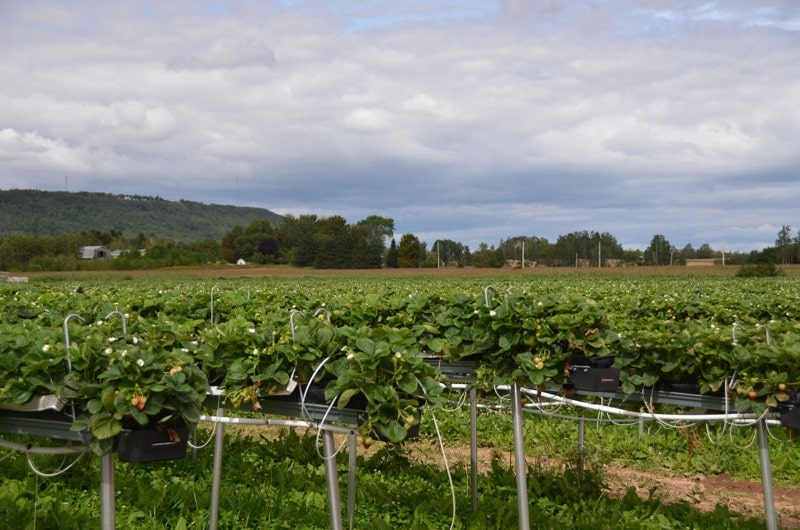
The lab offers access to cutting-edge AgriTech resources, including a dedicated robotics lab, a food handling pack-house, scaled down industry standard strawberry farm and a refrigeration research centre, available for businesses to develop and prototype their products.

Participants will also gain access to the UK-wide Eagle Labs network and exclusive access to community events.

Adam White, National Head of Agriculture at Barclays, said: “Barclays has a long history of supporting UK agricultural and in a further partnership with the University of Lincoln, we want to drive the sort of innovation that will put UK farming at the forefront globally. I urge any early stage AgriTech entrepreneur to go online and find out more – I can’t wait to see what kind of businesses sign up.”

Simon Pearson, Director of the Lincoln Institute of Agri-Food Technology, said: “Agriculture has been at the heart of Lincolnshire’s economy for decades and the Lincoln Institute for Agri-Food Technology is here to ensure that farming and food production make the most of the technological advances on offer. The partnership of LIAT with Barclays Eagle Labs offers early stage AgriTech businesses with unparalleled access to business support, expertise, facilities, research and know how and we can’t wait to get started ”

For more information, or to apply for the programme, visit https:/10by10.co.uk/agri-tech-accelerator-2023/

Haskelberg Nurseries Enter Joint Venture with Ag Tech Firm Yellow Brick AgTech for New Software

Member News
The views expressed in this Member News article are the author's own and do not necessarily represent those of Agri-TechE.

Israel based Haskelberg Nurseries has entered into a joint venture agreement with UK based ag tech company Yellow Brick AgTech (YB AgTech) for the creation of a bespoke data collecting software. The new software will fall under Haskelberg Nurseries subsidiary brand Canacado, an avocado rootstocks selection.

The software is being created for Haskelberg Nurseries by an in-house development team at YB Ag Tech’s parent company Yellow Brick Capital. The creation of the software marks the first phase of an ongoing partnership between YB AgTech and Haskelberg Nurseries The new 50/50 joint venture project sees the formation of new company Haskelberg Advanced Technologies Ltd.

The new software will follow and manage information from orchards around the world. The data collection will enable Haskelberg Nurseries, and its subsidiary brand Canacado, to make accurate rootstock recommendations to growers based on where they are in the world allowing them to buy the right plant to maximize the performance of their orchard.

Udi Haskelberg, CEO of Haskelberg Nurseries commented: “We are thrilled to announce our partnership with YB AgTech on the creation of Haskelberg Advanced Technologies Ltd. This is the beginning of an exciting strategic venture which will produce amazing results for Haskelberg Nurseries and Canacadao.”

Johnathan Kol-Bar, Chairman of Yellow Brick Capital commented: “Haskelberg Advanced Technologies Ltd is an exciting new collaboration for both YB AgTech and Haskelberg Nurseries. The creation of this new software will make Canacado’s data collection dynamic, while supported by an algorithm. This will allow the utilisation of machine learning to improve the product and service offering of Canacado.”

Canacado is a rootstock selection revolutionising the future generation of avocado growing. Canacado combines a wide range of advanced rootstocks of both clonal and seedling propagation. Each of the stocks is the fruition of decades international experimentation in nurseries and orchards alongside years of research, development and mapping the present global variety.

The brand is part of Haskelberg Nurseries, founded in 1974, and currently providing most of the avocado and fruit tree seedlings for Israeli agriculture, while also exporting growing materials and professional knowhow to nurseries and agricultural farms in Europe, Africa, North America and Asia.

YB AgTech has been operating for almost ten years creating and investing in some of the world’s most innovative agricultural technologies. These include cloud-based software i-Plant Nutrition, irrigation hardware I-Feeder Technologies and plant sensor Plant Metrics. The company sits under Yellow Brick Capital, an international private equity company investing in the ag-tech and residential property markets.

Innovative biomaterial start-up Cellexcel appoints Tim Pryce as Executive Chair

Member News
The views expressed in this Member News article are the author's own and do not necessarily represent those of Agri-TechE.

Experienced materials industry executive joins founder team to commercialise unique green technology

Norwich, UK, 13 December 2022. Biomaterial technology start-up Cellexcel today announced the appointment of Tim Pryce as the company’s first Executive Chair. Tim will be responsible for developing the structure, team, and skillsets to accelerate commercialisation of Cellexcel’s innovative greentech solution.

A spin-out from the University of East Anglia (UEA), Cellexcel is developing unique technology to enhance the water resistance of biomaterials. Because they naturally absorb moisture, biomaterials made from plants such as flax and hemp normally decay, dramatically reducing their effectiveness, and limiting the applications they can be used for.

Thanks to Cellexcel’s advanced technology, biomaterials can now be integrated into external applications, such as composite panels used in the automotive or aerospace industry. This ensures lower weight products with around a 90% reduction in manufacturing CO2, by replacing emission-heavy materials such as polycarbonates, metal, or fibreglass composites – all while retaining their form, fit and function over time. This technology is expected to enable a wide range of industries to meet their embedded sustainability goals, benefiting us all.

Since beginning his career at Rolls-Royce Plc, Tim has worked for over 35 years with companies across the materials and engineering industries in the UK and US. Senior leadership roles include CEO of Applied Composites Group, President of Chase-Walton Elastomers Inc, Non-Executive Chair of John Roberts Paper and Packaging, and Executive Chair of Calder Precision.

“Industry faces pressing sustainability challenges and Cellexcel has developed a breakthrough solution that enables manufacturers to increase their use of bio-composites, match performance requirements, and reduce carbon emissions,” said Tim Pryce, Executive Chair, Cellexcel. “My role will be to accelerate Cellexcel’s market adoption, building a strong business and team around our innovation and working with customers to deliver on the promise of our technology. We are already in advanced discussions with potential industry partners and hope to announce our first licensing agreement and revenues in 2023.”

Since the initial development of its technology within UEA, Cellexcel has attracted translational funding and seed investment from Ceres Agri-Tech, a knowledge exchange partnership led by Cambridge Enterprise and financed by Research England. Cellexcel has also received grant funding from Innovate UK, Norwich Research Park, and other sources. To fund its growth and further expand its technology portfolio it will be seeking strategic investment in 2023.

“To meet our current sustainability challenges it is vital to successfully commercialise the exciting research work happening across our universities,” said Louise Sutherland, Director, Ceres Agri-TechE and Cellexcel board member. “Tim has the perfect combination of experience, passion for engineering, and team building skills, to accelerate Cellexcel’s technology and enable it to deliver on its enormous potential. I look forward to supporting him and Cellexcel’s growing team on the next stage of the company’s exciting journey.”

Since joining Cellexcel, Tim has focused on building the team, particularly expanding its depth and commercial breadth, as well as putting in place a management structure and auditable processes to position the company to target the growing opportunities in the biomaterials market.

About Cellexcel
Cellexcel’s technology aims to increase the adoption of biomaterials, reducing carbon emissions and increasing sustainability. To achieve this goal, it has developed a unique solution to chemically modify biomaterial properties, with the first application enabling greater water resistance. This enables bio-composites to be used in external applications, such as the exterior panels of cars, trucks, vans, or aircraft, dramatically reducing their carbon footprint without impacting strength or other properties.

A spin-out from the University of East Anglia (UEA), Cellexcel has received initial investment and commercialisation support from Ceres Agri-Tech, the knowledge exchange partnership led by Cambridge Enterprise and financed by Research England, as well as grants from Innovate UK and the Norwich Research Park. Visit our website or LinkedIn page to learn more.

Farming innovation – creating a digital mapping tool for vineyards

Member News
The views expressed in this Member News article are the author's own and do not necessarily represent those of Agri-TechE.

NFU member and owner of JoJo’s Vineyard Ian Beecher-Jones tells us how he used Defra’s FIP (Farming Innovation Programme) grant to transform the use of digital mapping on his vineyard. 

JoJo’s Vineyard, based in the picturesque Chiltern Hills, has been awarded an FIP grant to support the development of a digital mapping tool for vineyards and other row crops.

The FIP is an investment by Defra into research and development projects of commercial value to the agriculture industry, as part of the ATP (Agricultural Transition Plan).

Ian is just one of the many recipients who has benefited from the grant and predicts that the digital mapping tool has the potential to save up to £1million for the UK viticulture and orchard industry.

Drones and robots on the vineyard

The mapping tool, developed with OpenAgMaps and the Collabriculture project in Australia, will create a shareable, digital infrastructure of the farm’s rows and boundaries using either drones or other surveying tools.

The crux of the project is to develop a mechanism by which this infrastructure can then be shared with any other on farm technology developer, such as robots or drones, instead of each different technology undergoing its own infrastructure mapping procedures. 

The project will invite developers to work with them to onboard their technology onto the mapping software, using the vineyard as a trial farm.

Time and cost savings

Ian hopes that this project will improve access to automation technologies for all row crop growers by reducing the time needed and the costs associated with installing new digital solutions on farm.

He sees significant cost savings available to growers, alongside the benefits of automation and increased technology to improve production and mitigate labour issues.

Applying for the grant

When discussing applying for the funding, Ian described the benefits of partnering with the Agri-EPI Centre as key to winning the award. He also appreciated their partnership in the admin procedures involved in applying for grant funding and the opportunities a network organisation has of meeting forward thinking businesses who want to technology work on farm.

Ian’s advice to any farmers or growers considering applying for FIP grants in the future was to “talk to the people around you about your crazy ideas, learn from them and then seek out the great support that’s out there to turn it into a reality”.

You can find out more about the grant, and other upcoming competitions for funding, by reading our guide to the Farming Innovation Programme.

£1,000 a hectare? Novel crops for rotation, resilience and profit

Agri-TechE Article
Agri-TechE

poppies as novel crops
Chickpeas and opium poppies are just two of many valuable niche crops that could be grown

Chickpeas and opium poppies are just two of many valuable niche crops that could be grown in the UK to help farmers diversify and build soil health within the rotation. Support for novel crops within the arable rotation has gained £1M investment from UKRI and exploratory projects from its Seeding Awards programme are to report their initial findings in a workshop coordinated by Agri-TechE on 23rd February 2022.

Dr Belinda Clarke is director of Agri-TechE , an industry membership organisation facilitating the growth of the agri-tech innovation ecosystem. She explains the opportunity to diversify: “Just 30 of the 370,000 known species of plant underpin the world’s food supply and these plants have been bred mostly for yield, not for taste, nutritional value or resilience.

“Additionally, gaining a high grade in cereals such as wheat requires intensive inputs of fertiliser and other synthetic chemicals, and we are looking to move towards reducing these inputs by building soil health through alternative patterns of cropping.

“Historically we grew a wider range of crops in the UK and over recent years there has been interest in growing more peas and beans and a wider range of cereals such as oats and rye, but there are a number of obstacles. There needs to be sufficient, reliable market demand, expertise on-farm for growing the crop and investment in specialist cultivation and processing equipment.

Convergence of technologies to overcome obstacles

Dr Lydia Smith
Dr Lydia Smith, Niab. Credit:Si Barber

“The convergence of technologies in agri-tech, such as lightweight robotics with specialist attachments and advanced breeding techniques for screening and selecting desirable attributes, means that there is now an opportunity to investigate the potential greater diversity in the rotation, but an industry-led approach is needed to include all elements of the value chain.”

Dr Lydia Smith, Head of the Niab Innovation Farm, has recently co-authored research on behalf of Defra which looks at the potential of a range of crop plants for horticulture and broad field cultivation, ranking them across a number of criteria including market potential. One of these crops is poppies.

She says: “Seeds from the opium poppy (Papaver somniferum) are used as a food ingredient for bakery and also for pharmaceutical use in painkillers. The latter has a value of £1,000/ha (2016 prices). It has potential to be grown as a break crop in cereals, enabling more effective management of blackgrass and providing much needed resources for pollinators. Additionally, as it is sown in late spring it avoids the problems of cultivation during winter flooding. There are a number of established markets and knowledge has been built up over two decades by the Poppy Growers Association.

“There are many opportunities like this for diversifying the rotation with benefits to soil health and farm profitability and I am looking forward to exploring this further at the workshop.”


Seeding Awards to support introduction of new crops

novel crops
Lupins are a potential source of protein

James Phillips, Senior Portfolio Manager for BBSRC, agrees; he has worked to invest £1M at leading ten UK Universities and Research Institutes in Seeding Awards that will support short pump-priming projects aimed at exploring the potential of new crops and varieties for the UK arable rotation. At the workshop the progress will be reported with the aim of stimulating new public-private partnerships that may progress to future funding initiatives.

James explains that the Seeding Awards are closely aligned with UK government plans to progress towards a more sustainable and biodiverse agriculture.

“Introducing novel crops with the arable rotation is recognised within ELMs as an important part of improving sustainability and resilience in the farming sector as well as meeting ambitions for soil health and biodiversity. Advances in bioscience are now giving us the opportunity to re-evaluate some of these older crops and climate change makes others viable for introduction.

“The Seeding Awards were designed to enable BBSRC to quickly invest in building capability in Universities and Research Institutes and we are now looking to gain input from a wide range of industry partners at this workshop coordinated by Agri-TechE .”

James gives the example of lupins as an alternative to imported soya that provides benefits to soil structure and nitrogen fixing. Others include: protein crops such as flava beans; fibre crops such as hemp and flax; cereals including quinoa; teff; and oilseeds like linseed.

The Agri-TechE event “Novel Crops and Fresh Thinking is to be held at Wivenhoe House Hotel, Wivenhoe Park, Park Road, Essex, CO4 3FA on 23rd February 2023. It will include presentations by Dr Lydia Smith and some of the 10 Seeding Award winners, together with a workshop for those interested in the business opportunities across the value chain that will arise from these new crops.


Space-tech meets agri-tech as plans for new space cluster are revealed

Agri-TechE Article
Agri-TechE
Taking agri-tech experiments into space (credit: ESA / NASA)
Lettuce in space (credit: ESA / NASA)

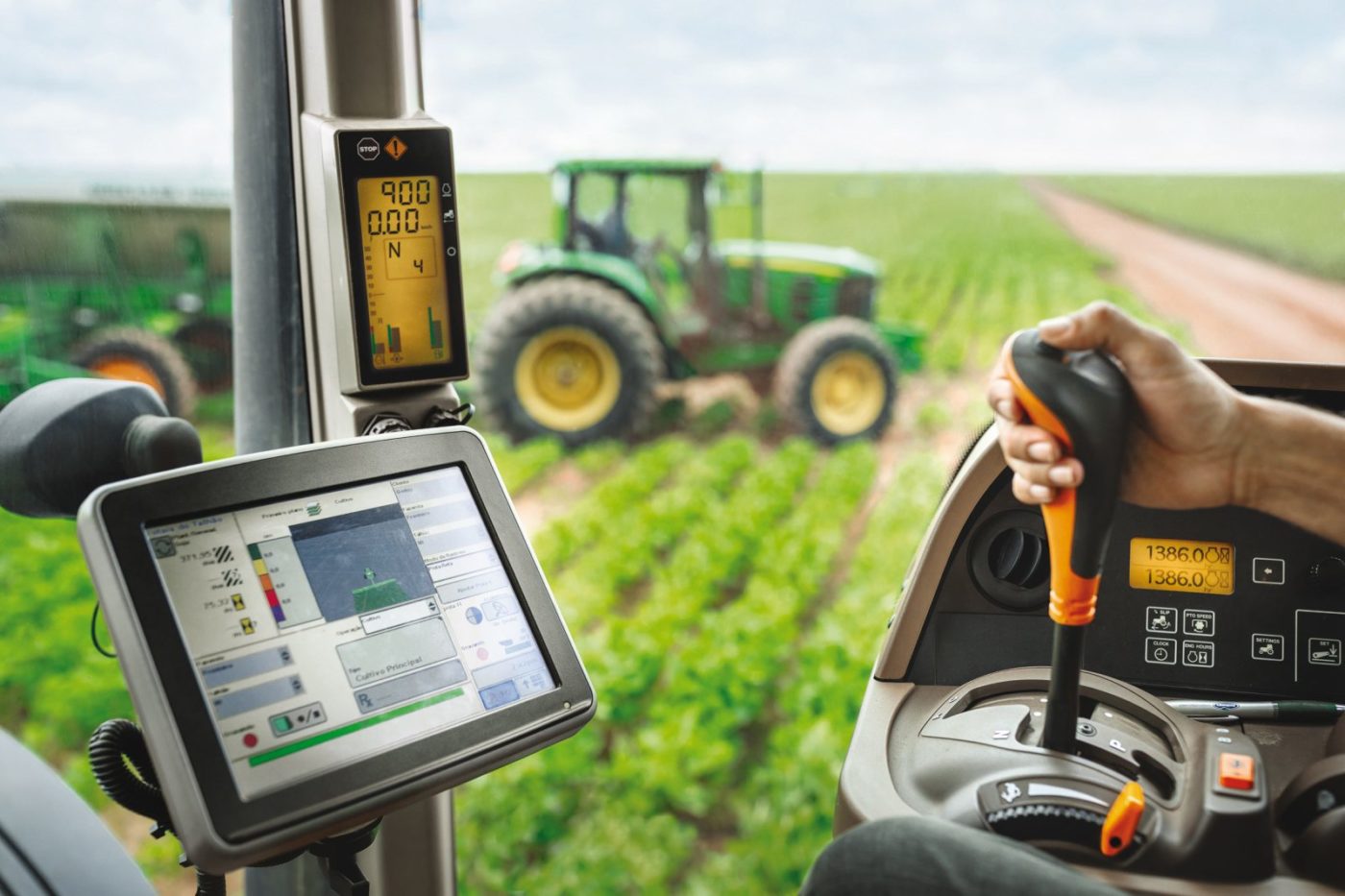
A quiet revolution is happening on the farm: increasingly satellite-enabled technologies are steering tractors, directing the precision application of fertiliser, and mapping plant and soil health. The opportunities created at the intersection between agri-tech and space-tech and the new Space Cluster for Norfolk and Suffolk are to be discussed at an event in January 2023 organised by Agri-TechE in partnership with the New Anglia LEP.

There is expertise within the Agri-TechE cluster in space-tech including Space Cooperative Europe, who recently called for three experiments to take to the International Space Station. 

Entrepreneurs seizing the challenge

Entrepreneurial companies already capturing this opportunity include Agreed, a climate-tech start-up that is building a remote sensing tool to help farmers use more nature and less nitrogen.

Kelly Price, Agreed CEO and Co-founder
Kelly Price, Agreed Earth CEO and Co-founder

Food production is dependent on nitrogen, most of which comes from fossil fuels, but it is estimated that 50% of the nitrogen applied to crops is lost to water as nitrates or into the atmosphere. Agreed is on a mission to improve nitrogen use efficiency.

Kelly Price, co-founder and CEO of Agreed, explains: “Space-tech in the form of satellite data enables us to incorporate observed (actual) data into models at scale to support decision-making. To that end, we’ve received a grant from the European Space Agency to incorporate their satellite data into our model.”

The company’s Chief Technical Officer brings expertise gained from NASA commercialising satellite weather data.

Launch of National Space Strategy driving investment

Agri-tech innovation is to receive a boost from space-tech. Following the launch of the UK National Space Strategy in 2021, The New Anglia LEP led a successful application to the UK Space Agency to establish a Space Cluster for Norfolk and Suffolk.

This will build on existing strengths such as the satellite ground station and quantum cryptography expertise at Adastral Park, advanced materials and engineering at Lotus and Hethel Engineering and climate science, spectral analysis and crop science expertise in the greater Norwich area.

Julian Munson, New Anglia LEP

Julian Munson of the New Anglia LEP is Chair of the Space Cluster for Norfolk and Suffolk; he comments: “The vision is to grow the space sector and there are significant clusters of activity across the region in sustainable agriculture, crop science, climate change, marine science, offshore wind, transport and logistics that will benefit from this.

“The proposed activity includes developing a regional satellite application hub and regional micro-gravity launch and test facility to enable testing of products in a ‘space environment’. The meeting will be an opportunity to discuss the plans and explore the requirements for the agri-tech sector.”

Call for robust infrastructure for rural connectivity

Dr Belinda Clarke, Director of Agri-TechE , says that prediction, decision-support and automation technologies are among those that are building on space-tech. “Over recent years we have seen how innovation at the intersections of different disciplines creates new business opportunities. High-resolution satellite data augmented by drones is enabling early detection changes in crop health and prediction of yield; this type of information is invaluable for risk mitigation, and is just one illustration of the practical applications of space-tech in agriculture.

“However, the success of precision agriculture depends on creating a robust infrastructure for in-field and earth-to-satellite communications and we would see this as a priority for the new Space Cluster.”

Space-tech meets agri-tech on 26th January

The event ‘Space-Tech Meets Agri-Tech’ was held at the Easton Campus of Easton and Otley College at 2pm on Thursday 26th January 2023. Speakers included Luke Ryder of Satellite Applications Catapult, Jodi Bardin of Citicourt and Kelly Price of Agreed. This event was funded by New Anglia LEP’s Connected Innovation project, which was jointly funded by the Norfolk Strategic Fund & Suffolk Inclusive Growth Investment Fund. 


Space East is appearing in the Innovation Hub at the 2023 Royal Norfolk Show.
Read more about the 2023 Innovation Hub >>

Innovation Hub 2023

Use time wisely to make wise decisions

Member News
The views expressed in this Member News article are the author's own and do not necessarily represent those of Agri-TechE.

Growers make a quintillion decisions a year. Make buying from you a no-brainer.

Two things are increasingly true in this world: not enough time and too much information. And nowhere more than in agri, where Sarah Kendall from ADAS recently claimed UK growers make a quintillion decisions a year. So, with growers facing such a mass of information, how can agri marketers get growers to sign up to your offer? As always, it’s about clear, punchy benefit statements made at the right time. A recent visit to REAP showed me yet again how easy it is to miss the target.

The ancient ‘feature, advantage, benefit’ (FAB) mantra still holds true. A great, well-built product is essential – but then you have to be really clear who your buyer is, who’s making the decision, and speak about benefits. Remember, they won’t fall in love with your chemistry or your kit, or even with the idea of buying less herbicide: you’re looking for a small emotional reaction, so speak about whole-farm thinking, more sleep, lower stress, and higher profits.

You have to be really clear who your buyer is, who’s making the decision, and speak about benefits.

Kiwi dairy-herd managers Halter seem to have a great product but their messages need to be even tighter – they push feature statements: ‘combat labour shortages’, ‘redistribute nutrient loading’ and make good use of video. However, they could go a step further to the true benefits to the farmer: lower stress, more sleep/family time, productivity etc. ‘Save up to 20 hours a week’ is a hugely powerful benefit message, but why bury it three screens deep?

Meanwhile, Kiwi beekeeper Edmund Hilary would have had even more time to climb mountains if he’d had Beewise: the beehive reinvented. A quality offer (and I love the line ‘To be or not to bee’…) but they should split good investor-facing messages such as ‘an industry using 150 year old technology’, ‘save bees, save the planet’ from those for growers, (advantage statements like ‘improved yields, improving pollination’) which are buried a long way down their messaging. I do like that there’s a prominently placed order form, taking a prospect right through to ‘Order now’. However, their pitch implies advantages like lower labour costs, less bee loss and significantly higher per-box productivity (which I guess means the true benefit is less bee stings, less smoke, and more sleep!) but these messages are too subtle and there are no testimonials or clear claimed savings to spell any of this out.

In all sectors high-commitment, high-payback offers abound – especially automation and digital ones, and to me it seems none more so than in arable and combinables. There’s just a bewildering array of options that deliver a mind-boggling amount of farm data. These offers take precious time to sift through. Many appear compelling but narrow solutions, rather than whole-farm thinking, and all this must make some growers despair. So your messages need to be tight, consistent, benefit-focused, and delivered in the right space at the right time.

Your messages need to be tight, consistent, benefit-focused, and delivered in the right space at the right time.

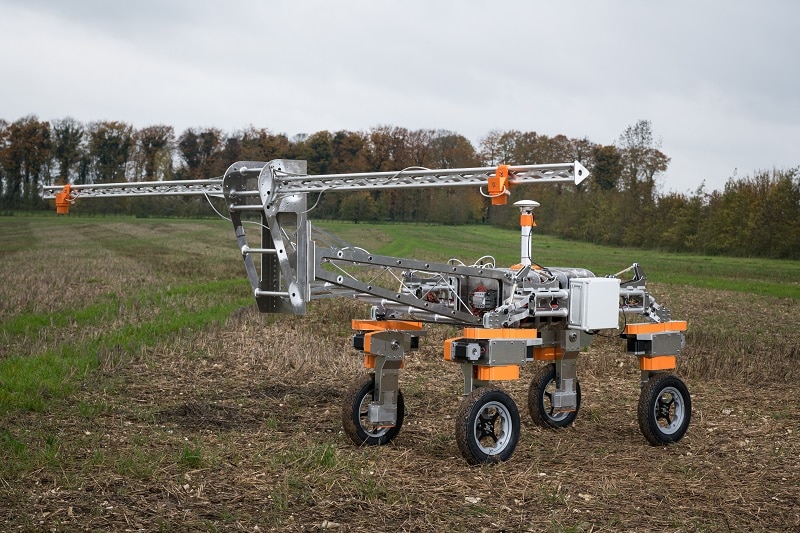
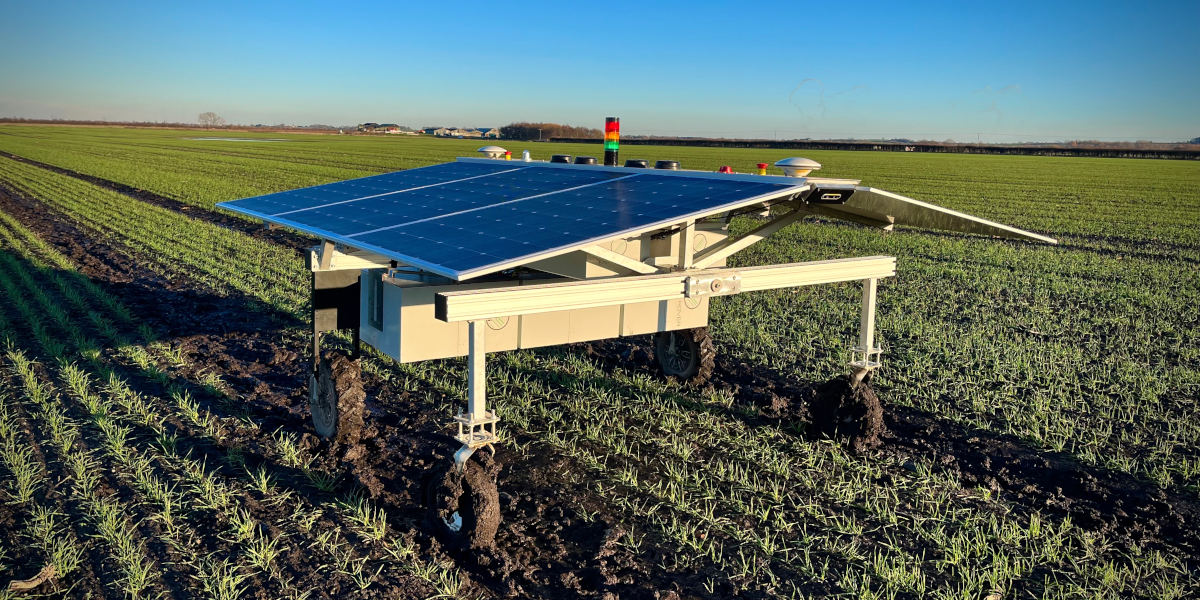
I enjoyed some clarity from Salisbury’s Small Robot Company. Everything from their name onwards leans towards some advantages – Tom the small robot means easier transport and less soil compaction – but even here there’s too much messaging about per plant farming and automated weeding, which are advanced features. However, there’s not enough on the major grower advantages such as huge savings in time and labour, or the claim we heard verbally of 90% less herbicide use – all leading to the true benefits for the grower around less stress, time-efficiency and greater financial security. For agri startups like this one investor communications are very key, but I would suggest trying to save your overloaded grower audience some precious seconds: package your investor pitch and grower pitch clearly and separately, with different FABs.

A good buying decision takes time, so a prospect’s time is our most precious commodity – let’s use it wisely.