The views expressed in this Member News article are the author's own and do not necessarily represent those of Agri-TechE.
London, 31 May 2023. London-based Farmer Charlie Ltd and Côte d’Ivoire Direct Impact Partners (brand name: Cool Lion Energies) have won an Innovate UK Research and Innovation (UKRI) competition. The grant will support the partners with the development of their Cool Mangoes project, following the Energy Catalyst Round 9 competitive call that took place last year. Cool Mangoes launched on the 1st of March 2023.
Cool Mangoes is aimed at bringing refrigerated containers to small farming cooperatives in Côte d’Ivoire. Cool Lion Energies will provide container units that will be equipped with Farmer Charlie’s sensors to monitor cooling temperature and humidity for ideal storage conditions. Both partners rely on the support and collaboration of the local Wopinin-Wognon cooperative, based in the Tchologo region of the country. The cooperative includes more than two hundred farmers, and its involvement brings in-depth knowledge of the growers’ challenges in the area.
The eleven-month demonstrator project will inform the next iterations and improvements required in scaling the innovative cooling-as-a-service solution. The installation will also serve as a visitor centre for other cooperative leaders, with the aim of securing additional deployment and scale the partners’ presence in the country and beyond.
The project is unique in the provision of refrigerated solutions to smallholder farmers and the integration of sensors and digital equipment to improve their experience. It is expected to demonstrate the efficiency and cost-effectiveness of the solution and will be advertised to attract interest from other cooperatives in Côte d’Ivoire and neighbouring countries.
IUK public funding has been crucial to the implementation of the partners’ integrated solution, which will otherwise take much longer to realise in terms of resources that both SMEs would struggle to obtain. Funding will also help absorb potential risks linked to the trial nature of the project, both in terms of planning and of technology adoption.
Post Overview
This story has been submitted by an Agri-TechE member.
The views expressed in this Member News article are the author's own and do not necessarily represent those of Agri-TechE.
Albotherm Ltd, a ClimateTech spinout specialising in the development of low carbon cooling coatings, announce today the close of their £1.6M seed investment round. The investment was led by Green Angel Syndicate and supported by Oxford Innovation Finance through its angel platform OION, Bristol Private Equity Club (BPEC), Cambridge Angels, Cambridge Agritech, and Science Angels Syndicate (SAS), along with a £500k Innovate UK grant. The investment will enable Albotherm to further develop its smart coating technology within the commercial building and greenhouse sectors.
As global temperatures rise and many parts of the world are seeing their hottest summers yet, there is an ever-increasing need to find sustainable, low carbon cooling solutions to regulate temperatures in indoor settings. This is particularly an issue in commercial buildings where there is high demand, as well as greenhouses where 25% of crop yields can be destroyed by excess heat and light, threatening the farming industry and global food security. Energy intensive air conditioning systems currently in place are a key contributor to global warming, accounting for 10% of global electricity usage, thus worsening the problem and creating further need for a sustainable solution.
Albotherm has developed a reversible coating for glass surfaces, using polymer chemistry that can switch between opaque and transparent, providing shade in high temperatures and allowing sunlight through at lower temperatures. Albotherm’s proprietary technology has significant implications as a net zero approach for temperature regulation, replacing energy intensive cooling systems, where their initial focus on commercial greenhouses has shown a 34% increase in crop yield compared to other approaches. The company’s work in commercial greenhouses will not only increase food productivity but also pave the way for broader applications in the building sector, where energy-efficient cooling solutions are in high demand.
The £1.6M seed investment round led by Green Angel Syndicate, represents a significant vote of confidence in Albotherm’s vision and potential to transform the cooling industry. With this substantial investment, Albotherm is poised to shape the CleanTech landscape, moving the greenhouse and built environment industry towards low carbon cooling technologies
The all-female team, led by Molly Allington (CEO) and Dr Sian Fussell (CTO), is based on cutting-edge research from the University of Bristol. The funding will enable Albotherm to develop its technology further, scale up their manufacturing capabilities, and complete large scale commercial pilots, allowing them to bring their first products to the greenhouse market within the next two years.
Molly Allington, CEO of Albotherm Ltd: “We are delighted to have received investment to propel our technology development into large scale commercial pilots. Gaining support from such prominent investors such as GAS, will help us realise our vision to contribute to a more sustainable and resilient food system.”
Dr Sian Fussell (CTO of Albotherm): “As Albotherm continues to push the boundaries of low carbon cooling, we are thrilled to announce our recent investment. As an all-female founding team in the sustainable technology sector, we are inspired by the growing recognition and support for diverse voices and perspectives and we are thrilled to have found investors that are leading the way for this cause.”
For more information, or for partnership opportunities, please contact:
The views expressed in this Member News article are the author's own and do not necessarily represent those of Agri-TechE.
RELIEF from the headache of pesticide compliance checks is the latest promise from farm management app fieldmargin.
The record-keeping and decision-support app has further expanded its feature list by incorporating a pesticide checking database, helping growers and agronomists to double-check that a proposed application meets current regulations.
“Despite the complexity underpinning it, we’ve made this an easy-to-use new feature that should make a lot of difference not only to the average time-poor grower but also improve communication and interaction between farmers and advisers,” said Camilla Hayselden-Ashby, fieldmargin’s Head of Product.
“It puts tools previously only available to the biggest farms and agronomy companies within affordable reach of the everyday grower. When you’re having to juggle weather windows, crop-walking, agronomist recommendations and paperwork, there’s always the risk of error.
“At worst, it could lead to costly crop damage or a fine, but even a relatively minor change to a label can result in loss of certification. It’s easy to overlook a label change, especially if chemical stock is carried over from a previous season.”
Post Overview
This story has been submitted by an Agri-TechE member.
The views expressed in this Member News article are the author's own and do not necessarily represent those of Agri-TechE.
The John Innes Centre today welcomes a major funding investment in its world-leading research and innovation programmes.
The funding from the Biotechnology and Biological Sciences Research Council (BBSRC), part of UKRI, is part of a £163.9m award made to three institutes based at Norwich Research Park, with Quadram Institute Bioscience receiving £55.9m and Earlham Institute £31.4m.
The 5-year investment announced today by the Department of Science, Innovation and Technology cements the region’s position as a world-leader in life science research, innovation, and training, particularly in plant science, food science, microbiology, and genomics.
The John Innes Centre receives funding for four strategic research programmes enabling research across plant and microbial science, from the unlocking of the remarkable and under-exploited biosynthetic capabilities of plants and microbes, through to the understanding and delivery of sustainable, resilient and robust high-yielding crops.
Professor Graham Moore, Director of the John Innes Centre said, “This welcome strategic investment will enable us to continue our research, and to invest in delivering solutions that contribute to a more secure and sustainable future. In particular, the challenges of transitioning to net-zero agriculture, improving public health and mitigating the effects of climate change on food security, are all nationally important priorities that the John Innes Centre, our partners at the Norwich Research Park and from across the UK, can have a real-world impact on, with our world-leading research and innovation.”
All four Institute Strategic Programmes, Delivering Sustainable Wheat, Building Robustness in Crops, Harnessing Biosynthesis for Sustainable Food and Health, and Advancing Plant Health, aim to build a more sustainable future through the power of plant and microbial science. They inform solutions to meet the era-defining challenges of feeding the world, combating global health threats and climate change. They will be delivered through partnerships or consortiums with other research institutes, universities or with industry collaborators.
As the UK’s major public funder of bioscience research and innovation, BBSRC is responsible for the long-term investment of substantial public funds in these strategically supported research institutes.
The funding for the three Norwich institutes is part of a wider investment from the BBSRC into their strategic research institutes and infrastructure across the UK totalling more than £376m between 2023-2028. The three institutes at Norwich Research Park have attracted more than 40% of the total investment announced today.
Professor Melanie Welham, Executive Chair at BBSRC, said: “BBSRC’s strategically supported institutes are a vital component of the national and international bioscience research and innovation
ecosystem. As experts in their fields, these world-class research institutes provide the UK with the capability and connectivity needed to ensure the UK remains at the forefront of the bioscience revolution.
“The investment BBSRC is making in its strategically supported institutes over the next five years will help deliver novel bio-based solutions to some of the greatest challenges we face as a society.
“Bioscience shapes our lives in so many different ways and as the UK’s major public funder of bioscience research and innovation, it is mission critical that BBSRC invests in world-class science that delivers benefits to society as a whole while driving economic growth and prosperity across the UK and beyond.”
Roz Bird, CEO of Anglia Innovation Partnership LLP, the organisation that runs Norwich Research Park, said, “This is a massive boost for Norwich Research Park. As well as the clear benefits the funding will bring to the work undertaken by the three institutes, it also recognises the strategic importance and future role that all of us here at the Park can play.
“Our aim is to make this a hotbed for investors to spot opportunities to grow innovation that will ultimately deliver jobs, revenue and a vibrant future for Norfolk and the rest of the region.”
About the John Innes Centre Institute Strategic Programmes 2023 – 2028
Delivering Sustainable Wheat (DSW) aims to address critical challenges in wheat health, yield, and production in order to safeguard the future of this vital crop and brings together four research institutes – the John Innes Centre, Rothamsted Research, Quadram Institute, and Earlham Institute, plus the National Institute of Agricultural Botany, and the universities of Leeds, Nottingham, Lancaster, Bristol, and Imperial College London.
Advancing Plant Health (APH) aims to deliver new solutions to promote beneficial interactions and disease/pest resistance in crops of both national and global significance and integrates research expertise from the John Innes Centre and The Sainsbury Laboratory.
Harnessing Biosynthesis for Sustainable Food and Health (HBio) will unlock the remarkable and under-exploited biosynthetic capabilities of plants and microbes to make valuable new molecules to address global challenges of food security and human health.
Building Robustness in Crops (BRiC) will deliver genetic diversity and knowledge, innovative technologies and training to allow sustainable production of robust high-yielding crops including oilseed rape, pea, cereals and Brassica vegetables to identify and overcome key challenges caused by our changing climate.
Post Overview
This story has been submitted by an Agri-TechE member.
Get the latest agri-tech news, events and opportunities direct to your inbox
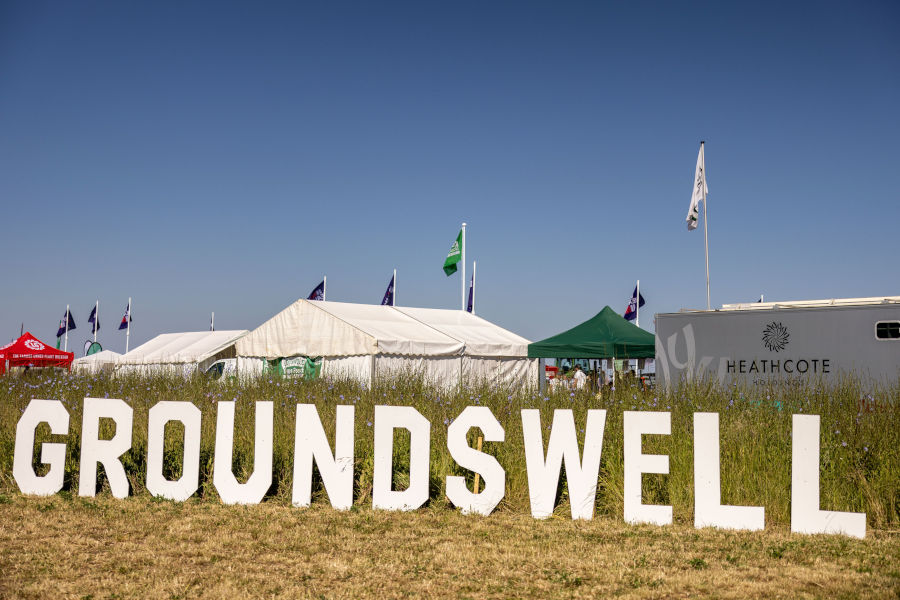
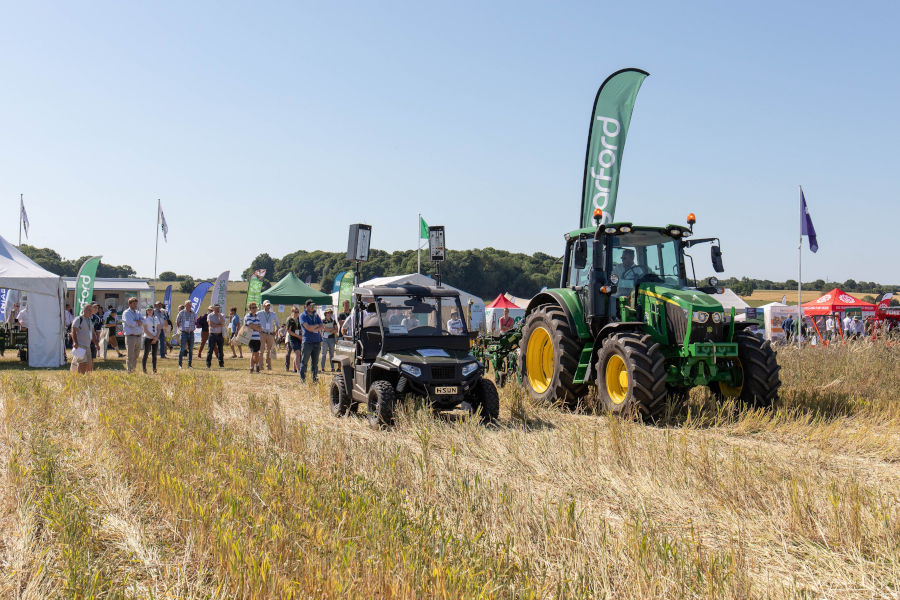
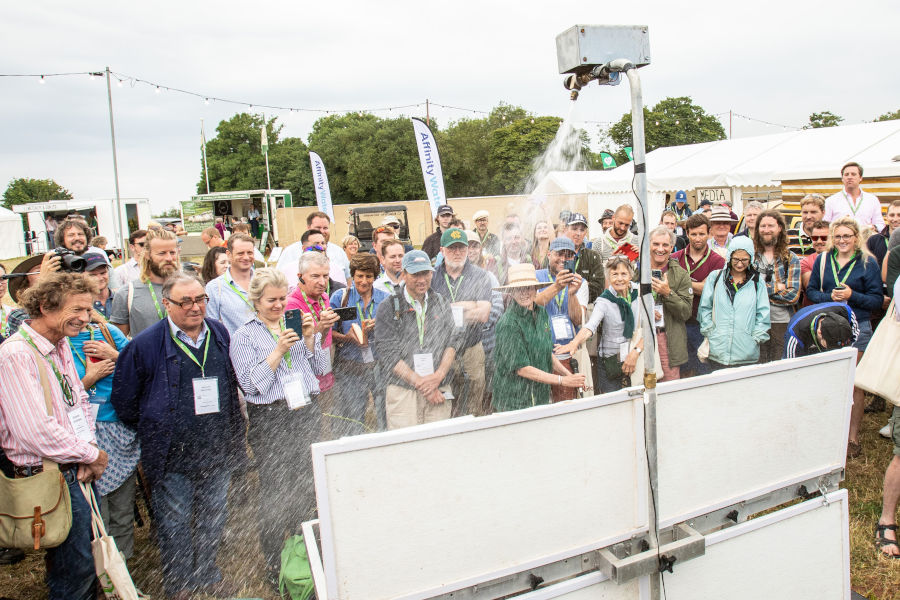
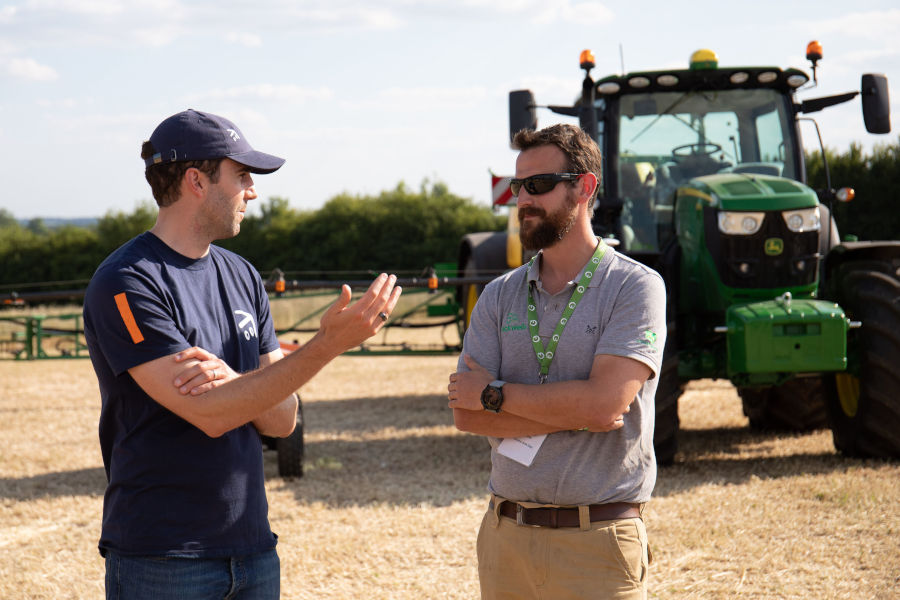
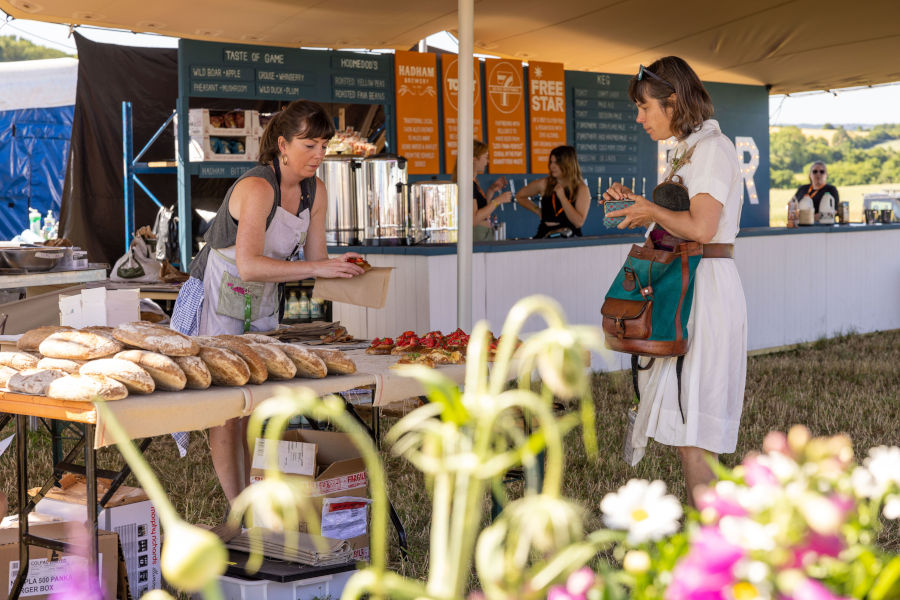
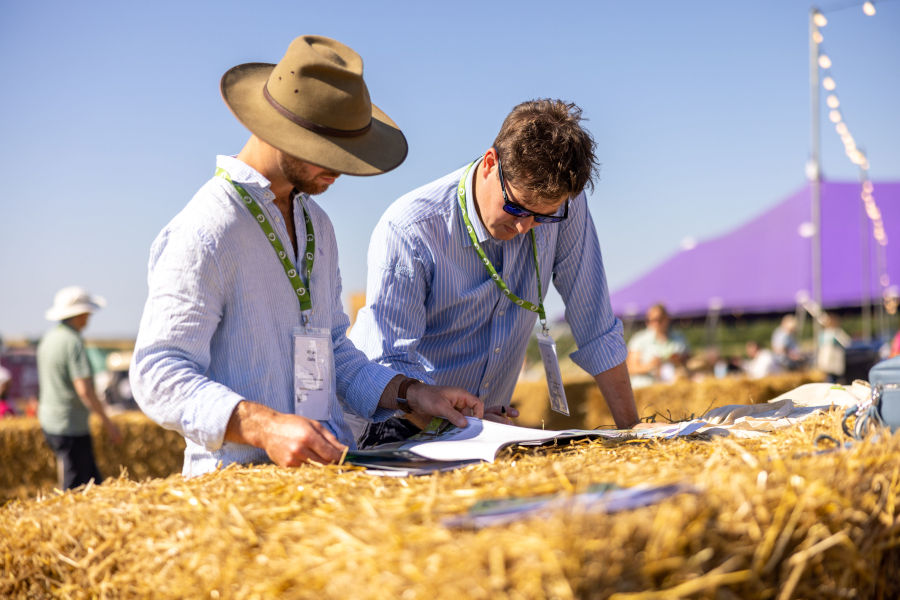
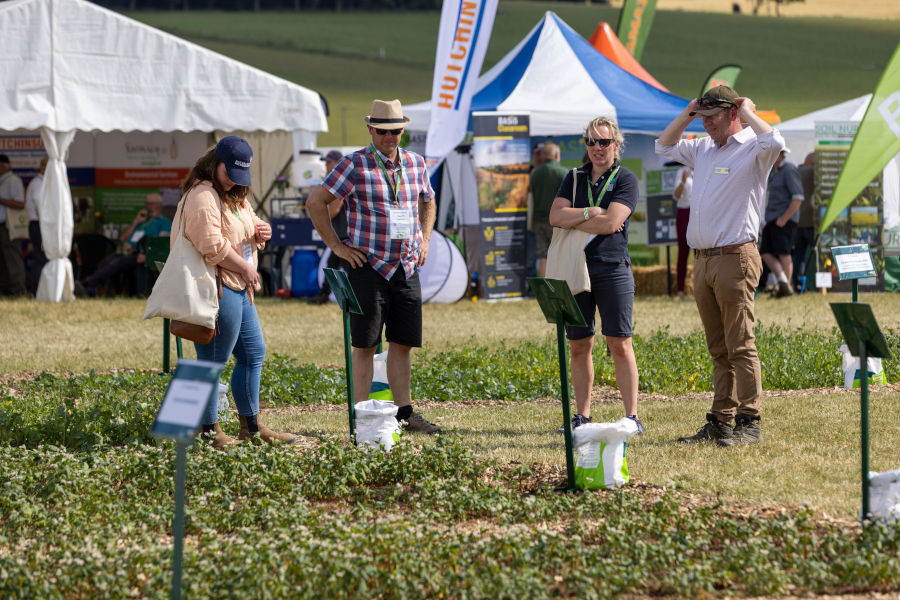
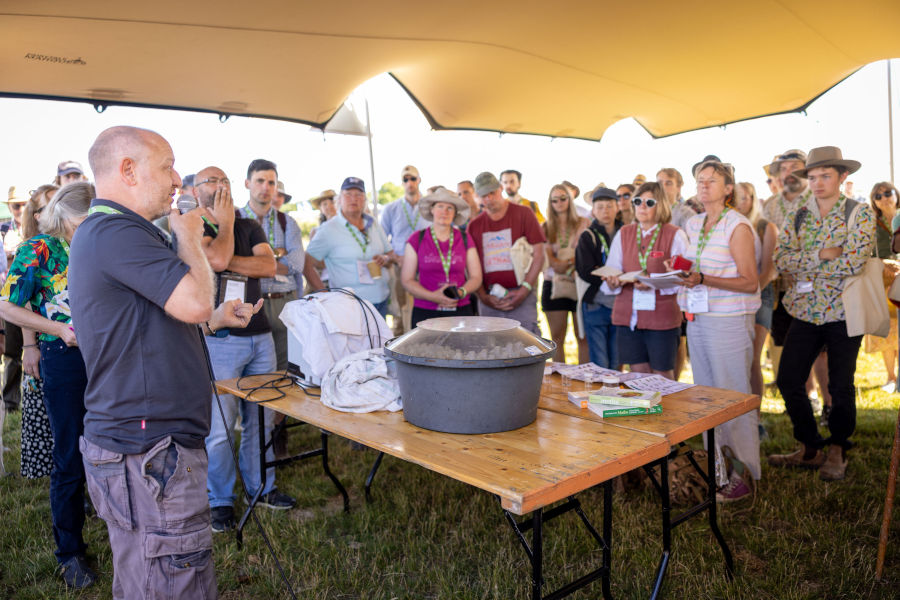
Groundswell 2023 well supported by members
Meet the Network
Agri-TechE
The Groundswell Festival was set up by farmers with an interest in regenerative farming when it was considered very ‘alternative’.
Many of the ideas around diversification and soil health have now become more widely accepted and The Groundswell Festival has broadened its appeal. (See an update here)
There will be a good attendance by Agri-TechE members within the exhibition and Niab and Barenbrug are festival partners.
The views expressed in this Member News article are the author's own and do not necessarily represent those of Agri-TechE.
Cranfield University is using some of its EPSRC Impact Acceleration Fund allocation to enable inward (from partner into the university) and/or outward (from the university into the partner) placements and secondments to strengthen relationships, exchange knowledge, deliver innovation projects, expand skills and collaborate more broadly with partners beyond academia to bring benefits to all parties involved.
This is a fantastic opportunity for an organisation/company that does not have experience of partnering with academia to accelerate research outcomes.
Aims:
Encourage the transfer of knowledge, skills and expertise between academia and external businesses/organisations
Provide the secondee with experience and knowledge of working within a non-academic environment (outward)
Understand the facilities, expertise and knowledge base within the University (inward)
Build long lasting relationships between the University and external stakeholders
Discuss and formulate potential future research collaborations
Need to know:
The grant will fund up to £22k of academic staff time (external partners fund their own time)
Secondments/placements should take place between 1 Jan-31 Dec 2024
Secondments are flexible – they can be short and focused or can be a component of a larger project. Secondments can also be part time.
The views expressed in this Member News article are the author's own and do not necessarily represent those of Agri-TechE.
Food industry leaders attended Downing Street this week to discuss ‘farm to fork’ food supply and inflation as well as supply issues. Which? has pointed out some own brand food items have gone up 25%.
Investment of £2m to boost global trade shows and missions, as well as providing £1.6m for the GREAT food and drink campaign.
Build on existing overseas network with five additional agri-food and drink
Extend funding to promote seafood exports with an extra £1 million between 2025 and 2028, and create a new bespoke £1m programme to help dairy businesses, particularly SMEs, to seize export opportunities, particularly in the Asia pacific region.
Technologies to strengthen food security:
Up to £30 million of investment in the use of precision breeding technologies, building on the £8 million already invested over the last five years and the passing of the Genetic Technology (Precision Breeding) Act earlier this year
The creation of a new working group – bringing together plant breeders, food manufacturers and retailers – to get produce from farms to the shelves.
Pricing structures at retail:
Utilising the Agriculture Act to improve transparency and contracts in the pork and dairy markets;
Additional reviews into fairness in the horticulture and egg supply chains.
The Grocery Code Adjudicator will not be merged with the Competition and Markets Authority. This was advised against by food producers and so is a key positive step.
The horticulture sector:
Replacing the retained EU Fruit and Vegetable Producer Organisation Scheme when it closes in 2026 with an expanded offer as part of new farming payment schemes.
Including making it easier to build new glasshouses through changes to national planning policy
Red Tape
Plans to cut the red tape currently holding farmers back from delivering projects on their land to diversify their incomes, such as re-purposing farm buildings to use as shops, with a call for evidence later this year.
Increasing water security by accelerating work on water supply infrastructure, so that farmers can count on steady access to water, including in periods of intense dry weather.
Also, 22 innovative and ground-breaking projects have been awarded a share of £6.2 million of funding through the Seafood Innovation Fund, as part of the government’s UK Seafood Fund.
The CMA this week updated on the action it is taking to help contain rising cost of living pressures in road fuel and groceries.
The CMA is indicating that it is “stepping up its work in the grocery sector” to understand whether “any failure in competition is contributing to prices being higher than they would be in a well-functioning market”. The CMA has indicated that it intends to a focussed approach and part of its work will assess which product categories might merit closer examination across the supply chain. Although the CMA’s document does not say as much, it appears that the CMA might be lining itself up to do a market study (depending on the outcome of its initial assessment).
Detail provided is that:
The prices that consumers pay for their groceries are the result of competition at three main levels of the market:
Competition between retailers, where consumers shop for their products.
Competition between suppliers who make the products and sell them to the retailers.
Competition between raw material providers who provide the inputs to food suppliers.
The CMA will work in a targeted way, focusing on those areas where people are experiencing greatest cost of living pressures.
This will be divided up to cover:
First, completing work to assess how competition is working overall in the grocery retail market, drawing on publicly available data and other information.
Second, in parallel, identifying which product categories, if any, might merit closer examination across the supply chain.
The CMA will then engage with a wide range of industry participants, experts, and other stakeholder groups to inform their assessment. An update on this work will be provided over the coming months.
REUL sunset clause to be further restricted for food safety?
The government confirmed last week that it is no longer pursuing the sunset clause in the Retained EU Law (Revocation and Reform) Bill (REUL).
On 15 May, House of Lords’ peers backed by 142 votes to 132 a provision to ensure ministerial powers to revoke, replace or update retained EU law do not undermine current environmental protections or food safety standards.
Peers including more than a dozen Conservatives voted to amend the bill to include a requirement that any laws being revoked go before a joint committee in both Houses of Parliament with a debate and vote.
Stakeholders will want to examine the new Schedule to assess its impact.
Ireland alcohol warnings on alcohol challenged
SpiritsEurope and wine industry organization Comité Européen des Entreprises Vins (CEEV) have submitted formal complaints asking the European Commission to open an infringement procedure against Ireland for allegedly ‘breaching EU law’ with its planned new regulation on labelling rules for alcoholic beverages.
The new Irish labels are part of the Public Health (Alcohol) Act in 2018, which has already introduced minimum alcohol pricing.
The Public Health Alcohol Act 2018 has implemented plans to require labels on alcohol packaging linking drinks to cancer. The Irish Department of Health plans for cigarette pack-style warning labels – which make a direct link between alcohol and “fatal cancers” as well as details of alcohol and calorie content per bottle
The complaint claims the proposals will damage the EU Single Market.
Spirits Europe, a group representing small distillers and major alcohol producers including Guinness maker Diageo and Pernod Ricard which produces Ireland’s Jameson Whiskey.
Brewers of Europe represents EU beer makers in 29 countries, as well as the European Committee of Wine Companies (CEEV), acts on behalf of 7,000 wine producers.
Spirits Europe has stated Ireland’s plan represents a disproportionate trade barrier and would make it considerably more complex and more expensive for non-Irish producers and distributors.
Infringements can ultimately lead to court cases and fines if Brussels finds rules damage the single market.
The EU approved the labels last December, despite formal objections or concerns from 13 countries, including France, Italy and Spain. Nine countries, including the US, UK, Australia and New Zealand, are understood to have submitted comments under a World Trade Organization (WTO) “technical barriers to trade” process, which concluded last week.
Drinks makers want Ireland to freeze its plans until the European Commission comes forward with EU-wide alcohol health warnings.
The European Commission has two weeks to decide whether the beer, wine and spirits makers have a case, and a year to decide whether to start an infringement against Ireland.
The Department of Health has said it can’t introduce the labels until it gets WTO assent.
A WTO meeting on the issue is scheduled for June 21.
Meanwhile, EU wine makers are preparing for requirements at the end of the year to introduce EU-wide e-labels, via a QR code containing a full list of ingredients and calories.
Food waste and collection
The Environment Act 2021 introduced changes to waste collection so that recyclable household waste (which includes food waste) must be ‘collected separately from other household waste’. Food waste itself must be collected at least once a week.
New measures will come into force this year, 2023, meaning those in the hospitality sector not already doing so, will be required to separate their food wastage from their general waste and have it collected separately.
The new food waste legislation in England brings changes to how companies need to manage and dispose of their food waste in order to remain compliant.
This Act supports the commitment of the UK government towards eliminating food waste to landfill by 2030, outlined in the Waste and Resources strategy for England.
Food waste will need to be separated from all other types of waste produced at any business. The new legilisation sets out that:
All food waste must be separated into a different bin for collection.
Food cannot be sent to landfill or incineration; it must be sent for recycling. The two methods that can be used are composting or anaerobic digestion.
Macerators (units which chop and flush food down drains using high volumes of water) or liquidising digesters will be banned completely.
Drying or dewatering systems will still be permitted – these can reduce the volume of your food waste when it comes to collection.
All fees payable for waste recycling is the responsibility of the business creating it – or whose staff create it.
In terms of commercial sites, the legislation affects all food waste generating organisations. These include all businesses and sectors that generate food waste as part of their daily routine such as retail, hospitality, healthcare, education, business.
The exact date has yet to be announced in England.
Wales is closer to implementation of these rules than England. Currently the Wales food waste segregation legalisation is set to come into force from October 2023. For all business operating within Wales there is also set to be a 5kg exemption. Any business which produces less than 5kg of food waste per week will not have to separate its food waste
Waste Hierarchy
In revising waste policies businesses should accommodate guidance on waste hierarchy. When looking at the waste hierarchy, prevention is undoubtedly the ideal. But for hospitality and business not only are there unavoidable food preparation off-cuts, but it also relies on consumers making environmentally conscious decisions about the amount of food they order.
Applying the hierarchy – You should deal with your food and drink surplus and waste using the hierarchy’s list of options, where 1 is the best and 8 is the worst. If the first option is not suitable for your business, move down to the next one.
Options 1 to 4 offer you guidance on how to prevent food waste occurring in your business.
The ASA has been reported this week as increasing scrutiny of terms like ‘carbon neutral’ and ‘net zero’. The ASA’s CCE project is actively reviewing our approach to these issues, which may lead to further rulings and updates to this guidance.
The Advertising Standards Authority’s (ASA) is to begin stricter enforcement around the use of terms such as “carbon neutral”, “net zero” and “nature positive” as part of a greenwashing crackdown later this year after a six-month review.
Key steps:
i) Don’t be misleading
Advertisers should avoid using claims such as “carbon neutral” and “net zero” without any qualification. Advertisements should include information explaining the basis for the claims to help consumers understand them, and such information should therefore not be omitted. Simply using these terms is no longer enough – supporting information is imperative to improve consumer understanding.
ii) Be transparent about offsetting
The ASA found that consumers tended to perceive carbon neutral statements to mean that there has been or will be a complete reduction in carbon emissions, leading to consumers feeling misled if such claims relied on offsetting. Carbon offsetting initiatives are attempts to balance emissions by alternative measures that reduce carbon in the atmosphere by an equivalent amount rather than lowering the carbon emitted. To prevent consumers from mistakenly assuming that products, or their manufacture, generate zero or little emissions, advertisers should take care to give accurate information about whether, and the extent to which, they are actively lowering carbon emissions or are basing claims on offsetting.
Any claims that are based on offsetting should also comply with the usual standards of evidence for objective claims set out in the ASA’s guidance and advertisers should be able to provide information about the offsetting scheme that they are using.
iii) Qualifying information
Where advertisers need to include qualifying information about a claim, they should ensure the information is sufficiently close to the main points of the claim so consumers can easily see it and assess it before they make their decision. If the qualifying information is not prominent and distanced from the main claim being made, it is likely that the claim will mislead consumers.
Bird Flu
Two poultry workers have tested positive for bird flu after coming into contact with infected birds on the same farm in England, according to the UK Health Security Agency.
The cases were picked up through a screening programme for people who have come into close contact with the virus, though neither individual suffered symptoms and both have since tested negative.
The two cases are the latest since January 2022 when a person living in the south-west of England was also found to be infected with bird flu. The UKHSA found no evidence of onward transmission from the infected individual.
The agency said the two new cases did not change the level of risk to human health, which remains “very low” for the general population.
Health officials said there were no signs of person-to-person transmission of the virus, which has spread dramatically in wild bird populations and affected other species, but added that contact tracing was being carried out for one of the workers as a precaution.
Chicken factory modern slavery case
A worker pleaded guilty to modern slavery offence after bringing a person from Romania to work at the chicken processing factory in North Wales where he also worked. Nelu Nechita admitted to committing a modern slavery offence by bringing a “vulnerable worker” from Romania to work at the factory and keeping his wages. He would transport him, along with other workers, to and from the factory. The Gangmasters and Labour Abuse Authority (GLAA) said Nechita took control of his victim’s bank card and PIN and would regularly withdraw money from ATMs.
Official statistics released this month showed that the number of potential victims of modern slavery was running at record levels from January to March this year.
The government recommends that all businesses should have policies and procedures in place to identify, prevent, and mitigate the risks of modern slavery in their operations and supply chains regardless of turnover. Guidance is provided at transparency in supply chains (publishing.service.gov.uk)
The Modern Slavery Act (MSA 2015) includes a provision for large businesses to publicly state each year the action they have taken to ensure their supply chains, in respect of the provision of goods and services, are slavery free. The Act requires commercial organisations who supply goods or services and have a minimum total turnover of £36 million per year to prepare a slavery and human trafficking statement for each.
Post Overview
This story has been submitted by an Agri-TechE member.
The views expressed in this Member News article are the author's own and do not necessarily represent those of Agri-TechE.
The Earlham Institute has been awarded £31.4m from the Biotechnology and Biological Sciences Research Council (BBSRC), part of UKRI, to deliver an ambitious programme of research, develop new technology, and deliver innovation and impact over the next five years.
This investment covers two new strategic programmes of research – Cellular Genomics and Decoding Biodiversity – and two National Bioscience Research Infrastructures (NBRIs) – Transformative Genomics and the Earlham Biofoundry.
It also includes core funding, helping to support Research e-Infrastructure, advanced scientific training, and operational costs that enable the Institute’s research to deliver maximum impact.
Funding for the Earlham Institute, which is based at the Norwich Research Park, is part of a wider investment from the BBSRC in life science research institutes and infrastructure totalling more than £376m between 2023 – 2028.
Professor Neil Hall, Earlham Institute Director, said: “This significant investment allows us to continue delivering world-leading research in genomics and data science.
“We’re embarking on an incredibly ambitious, highly-collaborative, and multidisciplinary programme of research we believe will be transformative for the field of life science – as well as benefiting global society in the long term.”
Innovative research and infrastructure
The Cellular Genomics research programme will explore the origins and impact of genomic variation in healthy cells, and how this affects the response to environmental stress. The Decoding Biodiversity programme will develop the tools and resources to turn genome collections and big datasets into new knowledge and discoveries.
In order to maximise the impact of these programmes, the Institute has assembled a range of academic and industry collaborators and partners, each adding value and sharing their expertise.
Partners on the Cellular Genomics programme include The Alan Turing Institute, UK Health Security Agency, Quadram Institute, and Sainsbury Laboratory at the University of Cambridge. Those on the Decoding Biodiversity programme include the Quadram Institute, IBERS, UK Centre for Ecology & Hydrology, IBM Research, and the Royal Botanic Gardens, Kew.
The Earlham Institute will also lead a strand of work in the Delivering Sustainable Wheat (DSW) programme, which seeks to develop the genomic resources to safeguard the future of this critical source of global calories. DSW is led by the John Innes Centre, with collaborators from across the UK. BBSRC has also provided partnership funding to support the delivery of the Institute’s strategic programmes.
The NBRIs are critical to these programmes, as well as supporting other research projects, and provide services to the UK bioscience community.
Transformative Genomics provides access to the latest technology platforms and analytical methods for DNA and gene expression analysis, while the Earlham Biofoundry offers both equipment and expertise in automation, large experiment design, and engineering biology approaches.
The investment will also allow the Institute to deliver against strategic priorities, such as:
Developing science capabilities by opening opportunities for early career research fellows based at EI, as well as delivering a computational and data-science training programme;
Enhancing the organisational culture through equality and diversity initiatives;
Building connectivity through new industry partnerships, academic collaborations, and working with policy makers.
Sarah Cossey, the Institute’s Chief Operating Officer, said: “Strategic funding, such as this award from BBSRC, is critical for our successful delivery of longer-term research programmes and the technology platforms that support them.
“Every individual has a role to play, from our operational staff to the research programme leaders. Together, our work can deliver policy and socioeconomic impact to address some of the biggest challenges facing humanity.”
The investment from BBSRC will support a national network of vibrant, dynamic, and diverse bioscience national capabilities with links across the research and innovation ecosystem.
As the UK’s major public funder of bioscience research and innovation, BBSRC is responsible for the long-term investment of substantial public funds in these strategically supported research institutes.
As well as providing leadership and expertise in important areas of research, the eight institutes also play a key role in driving the vision and core themes outlined in BBSRC’s Institute Strategy – capability, connectivity, and culture.
“All of the BBSRC-supported institutes are closely connected, with the ability to work together or share knowledge, expertise, and infrastructure across the whole of the UK,” said Professor Hall.
“We’re collectively committed to delivering world-class research, collaborating and coordinating our efforts, and building a culture where every person feels valued for the contribution they are making. Through that commitment, we deliver world-class science, innovation, and impact.”
Professor Melanie Welham, Executive Chair at BBSRC, said: “BBSRC’s strategically supported institutes are a vital component of the national and international bioscience research and innovation ecosystem. As experts in their fields, these world-class research institutes provide the UK with the capability and connectivity needed to ensure the UK remains at the forefront of the bioscience revolution.”
Minister of State for Science at the new Dept of Science, Innovation and Technology, George Freeman MP, said: “The world is facing a number of major challenges from the climate emergency, food supply security, a growing risk of deadly disease pathogen pandemics, air and water pollution and the urgent need to harness new green energy.
“These challenges are complex and interconnected and will require a concerted effort from the scientific community to harness our knowledge of biological systems to address.
“This £376m investment for UK biosciences announced today will help build on the UK’s longstanding leadership in bioscience – from plant science, to gut biome and nutrition, new biofuels, disease resistant crops and tropical diseases to help attract and retain the best and brightest scientists from around the world, drive innovation and economic growth through the Bioeconomy and help the UKs Science Superpower mission to better harness science and technology for global good.”
For more information, please contact:
Greg Bowker, Head of Communications, Earlham Institute (EI)
The views expressed in this Member News article are the author's own and do not necessarily represent those of Agri-TechE.
A programme to optimise the operation of one of the UK’s leading vegetable producers has not only seen a significant increase in processing efficiency but also considerable sustainability improvements and cost reductions.
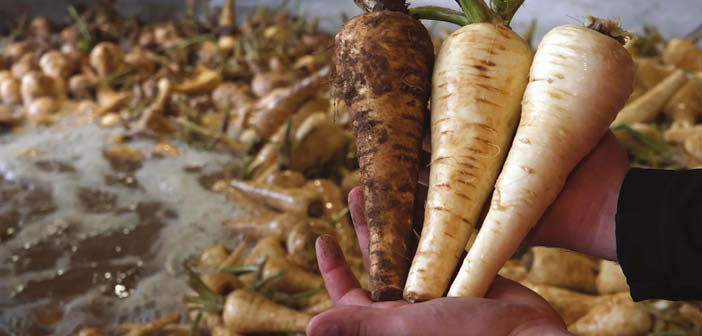
Frederick Hiam Foods is a long-established farming business, growing, packing, and supplying London wholesale markets for over 110 years. The business currently grows potatoes, onions, and parsnips for both retail, wholesale, and food service.
Having installed Wyma machinery in its busy processing line, Frederick Hiam called on the Wyma team to help improve efficiencies across the factory.
Wyma is one of the world’s leading post-harvest handling solutions providers, with over sixty years’ industry experience and customers in more than 90 markets globally. Widely recognised for a responsive, design-led approach and industry-leading products, Wyma provides tailored solutions that meet the needs of a fast-evolving horticulture industry.
“We asked Wyma to come in and look at our line to see how we could get better utilisation of our existing kit,” says Frederick Hiam Managing Director Jamie Lockhart.
“It was quite an eye opener to us when we had the line survey of our existing equipment to find that we were at best, 60% efficient on our trimmers. We’re now looking at somewhere in excess of 90%.”
Maximising Wyma expertise
Josh Stilwell, Wyma’s UK Territory Manager says the Wyma team gets a great deal of satisfaction out of working on line optimisation.
“For Wyma, our relationship with our customers doesn’t stop at sales and installation,” says Josh. “The team really takes pride in our machinery for its whole life. Working alongside our customers to get Wyma equipment working at maximum efficiency and tailored to their unique requirements is extremely rewarding.”
The Wyma team discovered a range of issues on the Frederick Hiam line, from ineffective destoning, which was causing stones to find their way into the trimming section, to poor cleaning and conveyor sweeps that were prone to blocking.
Wyma worked with Frederick Hiam to identify additional line solutions to address the key issues, which were not only a drain on productivity
but also creating a higher risk of produce being damaged and wear on equipment. This included the installation of a cyclone destoner for more reliable destoning, a wet hopper to provide effective buffer storage, pre-cleaning and an accurate metered flow into the line to optimise line flow, as well as a pre-cutting polisher to better clean the crop prior to cutting. Wyma also introduced a pre-cutting lift roller sizer to split the crop flow into pre-determined diameters to optimise trimmer efficiency.
“By taking an overall look at line efficiency, and identifying the key areas where issues were occurring, we were able to introduce a range of tailored solutions that saw a significant overall improvement in performance,” says Josh
Additional sustainability benefits
Jamie Lockhart says that alongside significantly increased efficiency, the project has provided other major advantages that the business hadn’t expected at the start of the process.
“One of them is around energy,” says Jamie. “Obviously the cost of electricity is eye watering at the moment, and we are seeing somewhere in the 20 to 25% saving on energy usage.”
“The other is water. Water is an ever increasingly rare resource and we’re hopeful that this line will save somewhere in the region of 30% of the water usage.”
“What started with a single solution has actually given us significant benefits elsewhere as well.”
Other notable improvements include fewer drops and better transitions in the line, which leads to better crop presentation and lower risk of rejection due to bruising. Overall, the entire system is easier to clean, manage and operate, making the whole process more time and resource efficient.
Open, solutions-focused relationship
Jamie says the openness of the conversations Frederick Hiam Foods can have with Wyma’s sales and service teams is what he enjoys most about the relationship.
Post Overview
This story has been submitted by an Agri-TechE member.
Get the latest agri-tech news, events and opportunities direct to your inbox
Using photosynthesis insights to optimise plant performance – Gardin
Meet the Network
Agri-TechE
Gardin’s technology provides an early indication of plant stress by measuring the photosynthetic performance of a plant growing in either a vertical farm or greenhouse. The system uses a robotic sensor to monitor the crop in real time.
In the Innovation Hub at the 2023 Royal Norfolk Show, the team from Gardin will be discussing how the system provides growers with insights into plant health that can easily be actioned, improving yields and quality, and lowering costs.
We caught up with Fabrizio Ticchiarelli, Lead Biologist at Gardin, ahead of the show to ask about recent developments.
Q. As your technology is giving actionable insights, would it be possible to use this information to automatically optimise the growing conditions – for example adjusting light levels, humidity etc?
Fabrizio Ticchiarelli, Gardin
Yes, we are definitely looking at responding to the insights in real time – we call it Real-time Response Agriculture.
By using the photosynthetic patterns in leafy crops, we have been able to automate watering strategies with great results. We can now create optimised watering recipes for the crop and routinely grow plants according to these specifications. The crops outperform those grown with static watering patterns.
We have used a similar approach to optimise light levels and these have given impressive results both in terms of yield and quality. Ultimately our systems will be able to provide similar recommendations with regards to parameters such as temperature and CO2.
We deliver our alerts both visually to the grower and as part of an API. This means that any grower already using a farm management system will be able to see these responses within their existing system.
Q. With your knowledge of photosynthetic pathways, are you able to gain insights into how to improve the efficiency of photosynthesis or to select varieties based on photosynthetic performance? For example, does increasing carbon dioxide levels and providing light at particular wavelengths boost growth?
It is an interesting area and we are starting to see users in breeding and biotech departments adopt our sensing to support the screening of varieties across a variety of parameters, from vigour, to stress tolerance and the ability to resist pathogens.
Photosynthesis is one of the first processes to respond when things are not right, and it is often predictive of overall performance of the crop. I believe it is a beautifully simple and elegant tool to speed up variety selection.
Q. Do you have any trials underway?
Yes, we have been running an 18-month research programme funded by Innovate UK called project SysSen.
In the project, we tested hundreds of light conditions and found very interesting relationships between the plant and light quality – specifically the ratio between certain wavelengths. These relationships were not just yield, but also nutritional content, flavour and appearance.
Very interestingly, not all crops responded in the same way, so it is a fantastic tool to customise crop appearance/flavour to customer demands.
Q What will you be demonstrating in the Innovation Hub?
We will have one of our sensors on the stand so that we can give interactive demonstrations of Gardin’s user interface and robotic sensor.
Get the latest agri-tech news, events and opportunities direct to your inbox
Pick the winners by profiling a leaf – LCG Genomics
Meet the Network
Agri-TechE
Some ten percent of raspberry plants produce yellow fruits that are not commercially acceptable but it can take years to identify those plants. Now, with LGC Genomics’ technology, farmers and breeders can have the leaves analysed to determine the genotype and find out quickly which plants have markers for yellow fruit, saving years of otherwise wasted effort.
In the Innovation Hub at the 2023 Royal Norfolk Show, LGC Genomics will be discussing how farmers can use their technology to determine which of the varieties they are growing are more resilient to local conditions and how it can accelerate breeding programmes for breeders of all sizes.
Ahead of the show we spoke to Chris Roe-Bullion of LGC about the technology.
We’ve been involved in ag-bio for over 20 years but started to use our high-throughput technology to provide Covid testing during the pandemic and have since expanded our work in human healthcare.
We work with several of the larger well-known breeders, but also with soft fruit growers and even individual farmers in some cases.
There are farmers who ask us things like ‘why am I seeing mildew infection on this crop but not that one?’ and we can give them some answers. We can genotype the plant and say ‘actually, it’s because this plant is genetically different to that one’. We can run small trials for farmers to provide those insights, they just need to collect leaf samples.
Chris Roe-Bullion, LGC
The service we offer is called marker assisted breeding, which helps breeders identify which strains have the attributes they’re looking for much more quickly than waiting for the plant to grow to maturity.
For example, we work with Angus Soft Fruits on their raspberries. About 10% of all raspberries will produce yellow fruit, which no-one wants, they’re not commercially viable, but the plants are phenotypically identical to normal raspberry plants, and take two years to reach maturity.
We can identify which plants will produce yellow fruit at a very early stage, saving them two years of work and the money associated with it.
While we do support the larger breeders, we can also help the smaller guys and can usually improve their productivity with our tools.
The views expressed in this Member News article are the author's own and do not necessarily represent those of Agri-TechE.
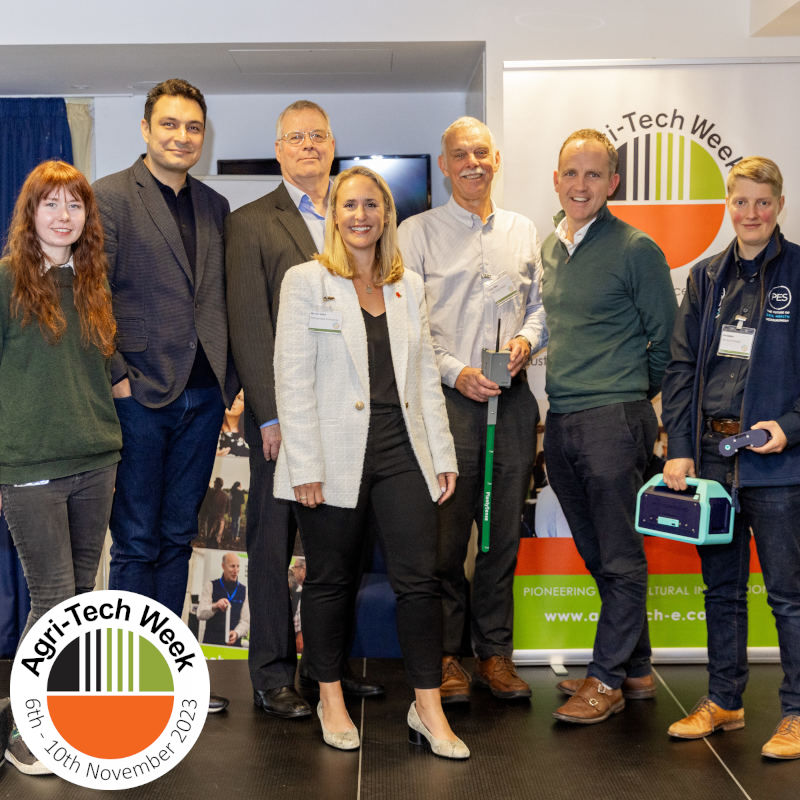
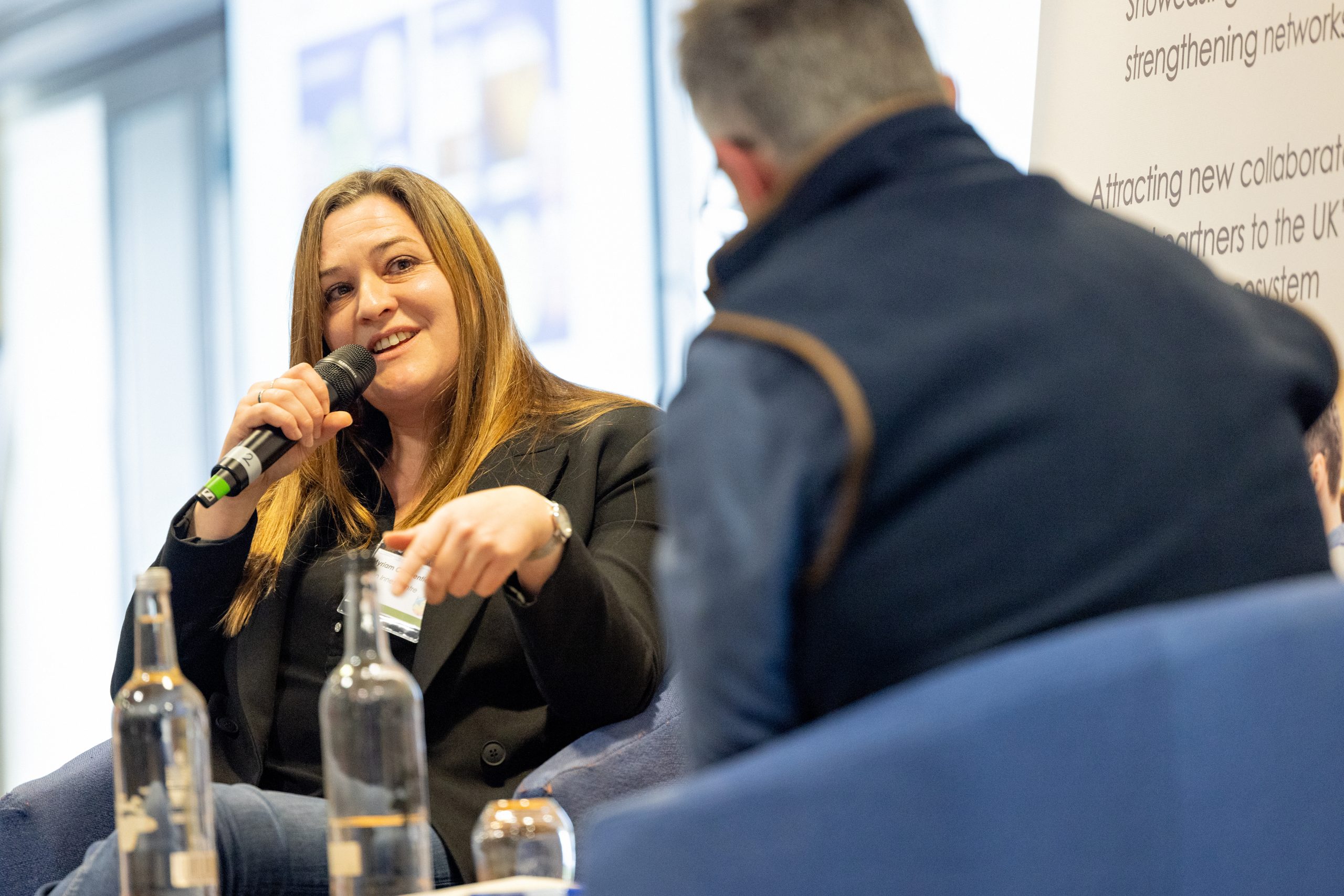
“Don’t dismiss the idea of pre-money that comes forward in the form of a grant because it truly helps you to get to the point to get credibility, showcase a prospect of commercial proposition for partnerships, collaboration and future investments” – Calum Murray, Head of Agriculture and Food. Calum spoke at “Focus on Funding” event on how Innovate UK supports businesses and organizations in developing innovative ideas and bringing them to market.

 Farmer Charlie
 Albotherm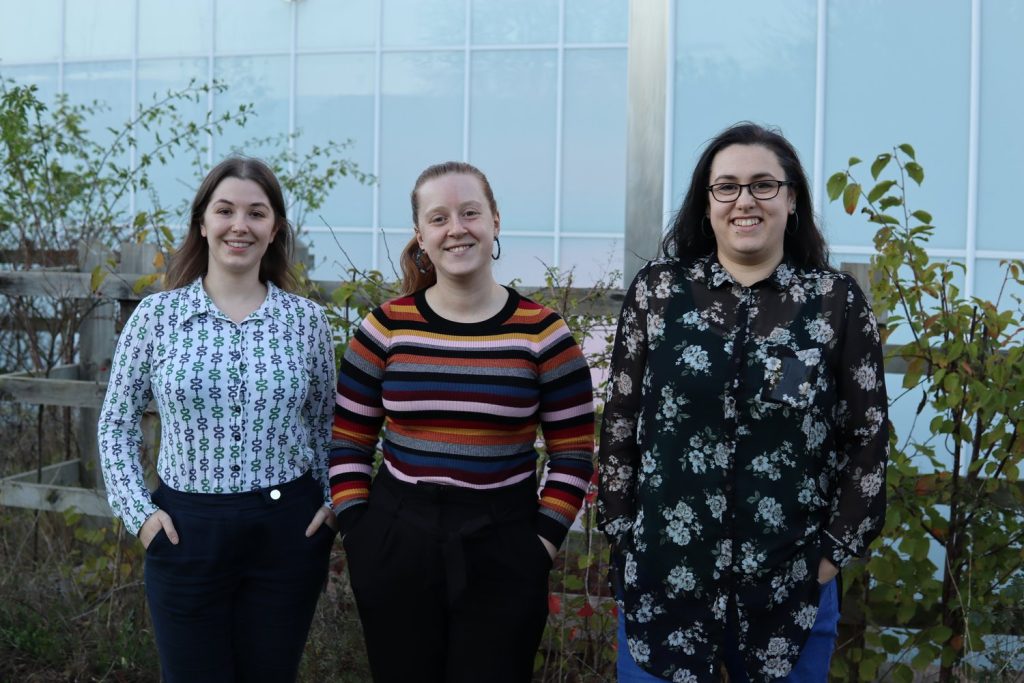
 fieldmargin
 John Innes Centre
 Agri-TechE





 Cranfield University
 Mills & Reeve LLP
 Earlham Institute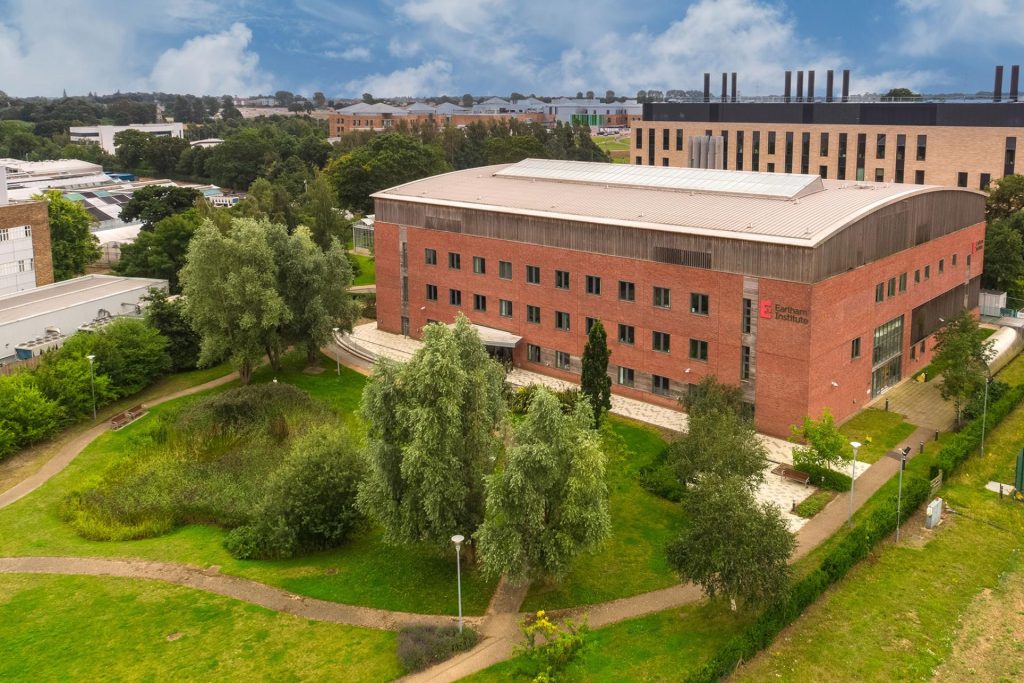
 Frederick Hiam ltd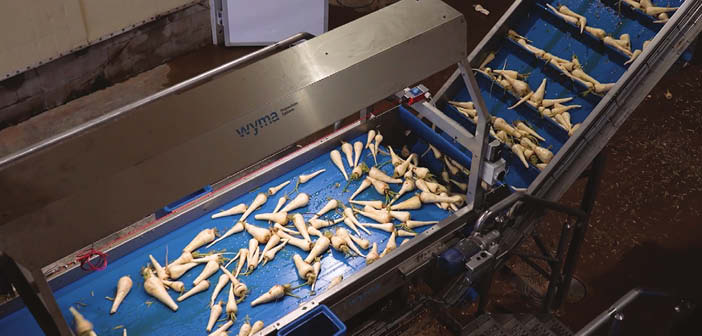










 Innovate UK - UKRI