Get the latest agri-tech news, events and opportunities direct to your inbox
‘Moonshot Approach’ to Innovation needed to address labour shortages
Agri-TechE Article
Agri-TechE
Defra responds to John Shropshire’s Independent Review into Labour Shortages in the Food Supply Chain.
The role of automation and new technology in addressing the issues of labour shortages in the food chain cannot be overstated, according to an independent report produced by a committee chaired by John Shropshire OBE, chairman of G’s Fresh Limited. However, the report warns it is vital not to underestimate the investment required, both in capital and human terms, to realise its potential.
The expert panel concluded that there is a real risk that over-reliance on the promise of technology can deflect attention from the pressing need for immediate, practical actions to address workforce challenges. It also highlighted that the cost of innovative technology is the major barrier to adoption and support is required to help the food chain to make the necessary investments.
Creating a resilient food supply
The recommendations covered recruitment, retention, skills and automation and stressed that the themes are interconnected and should not be viewed in isolation.
John Shropshire in his foreword comments: “Through collaboration and concerted efforts, we can overcome the challenges faced by the industry and create a resilient food supply chain that provides high quality and affordable food for British consumers. I trust that the findings and recommendations presented in this review will serve as a catalyst for meaningful change and support the continued growth and development of the food supply chain.”
John Shropshire
The report has been presented to the UK Government, which issued a response today (30th June). The Farming Minister Mark Spencer had been at the Agri-TechE Innovation Hub the previous day to see emerging agri-tech aimed at improving productivity.
He says in a statement: “We’re supporting the sector to harness new opportunities through funding for the development of automatic and robotic technologies on farms, as part of our wider £270 million Farming Innovation Programme.
“Automation and robotics has huge potential to improve productivity and sustainability and by supporting some of the most promising ideas to get off the ground we are investing in a successful agriculture and horticulture industry for generations to come.”
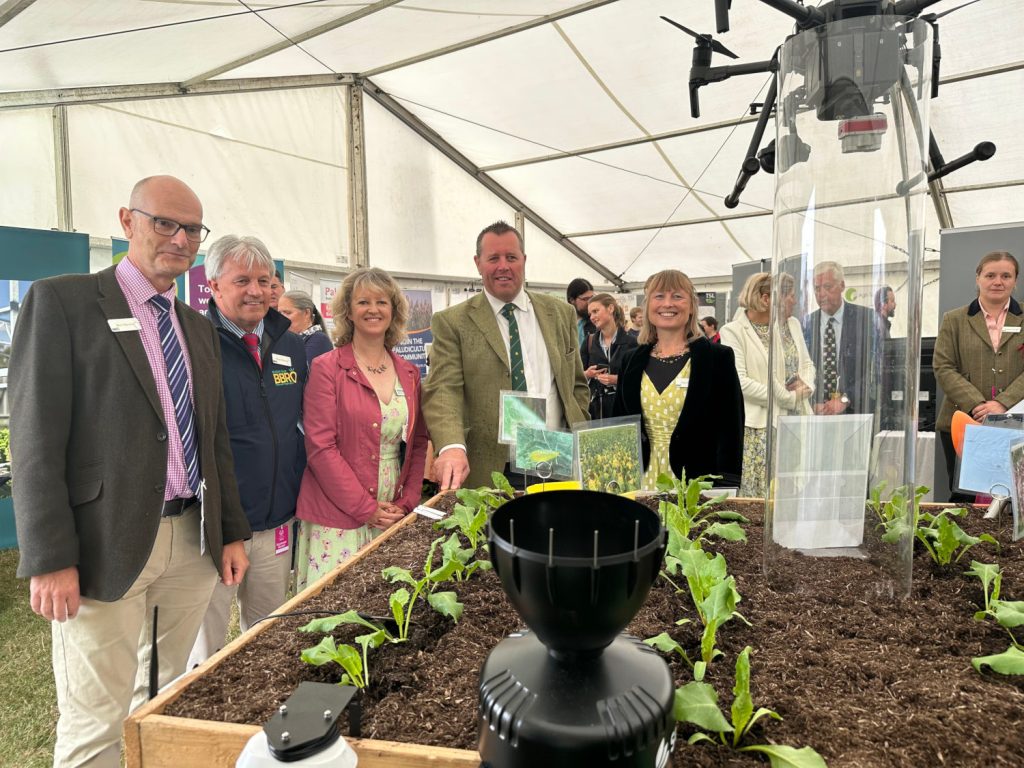
Mark Spencer MP (second right) with Belinda Clarke, Director of Agri-TechE (middle) and Mark Stevens, Simon Bowen and Vicky Foster of BBRO in the Innovation Hub at the 2023 Royal Norfolk Show.
Moonshot approach is needed to accelerate innovation
Much of the technology that could reduce reliance on workers in the food supply chain is not yet commercially available. There needs to be a moonshot approach to innovation funding to help accelerate the development of new technologies. Recommendations of the report include:
The need for a coordinated, cross-industry approach to knowledge-sharing and promoting the adoption of automation which eliminates existing barriers and simplifies access to new technologies.
To create a more joined-up approach to food supply chain automation across government departments.
The Food and Drink Sector Council (FDSC) should act as the initial forum to establish the best way of bringing this project to life.
Collaboration is needed between the government, industry, universities and research funding bodies to:
identify opportunities for new technologies
provide new revenue streams to target specific innovation solutions
support the wider adoption of automation to improve food production
resolve longer-term aspects of labour shortages
help achieve net zero ambitions.
The FDSC should lead in convening the key stakeholders and driving this forward
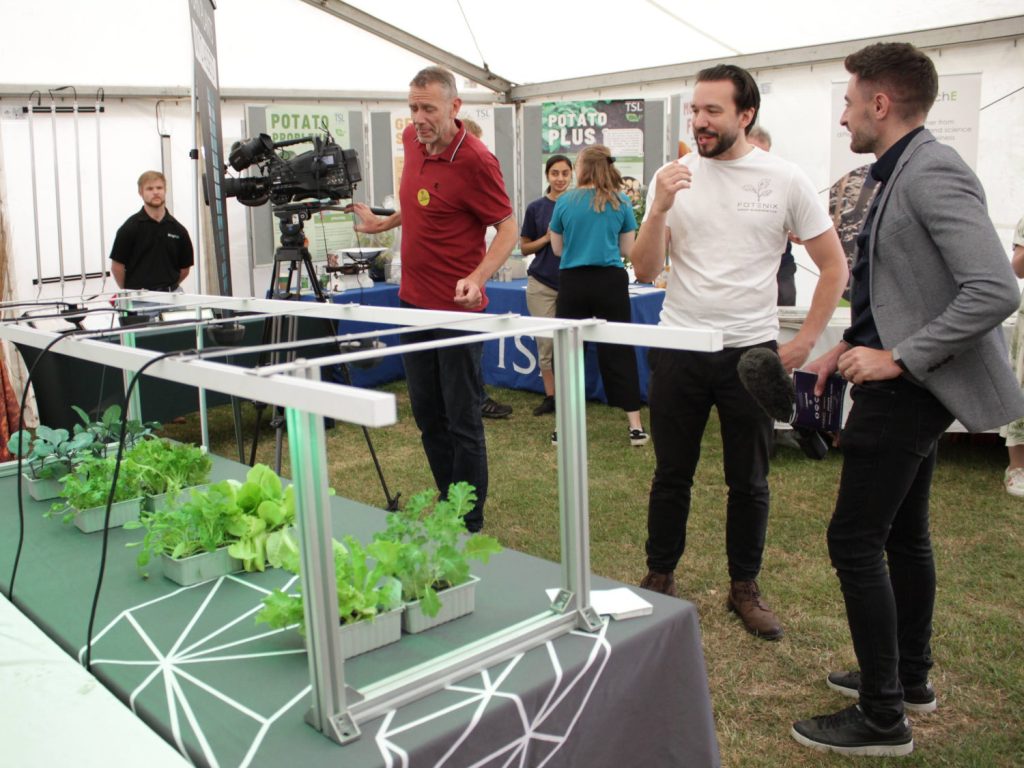
FOTENIX shows their tech to ITV in the Innovation Hub at the 2023 Royal Norfolk Show.
The views expressed in this Member News article are the author's own and do not necessarily represent those of Agri-TechE.
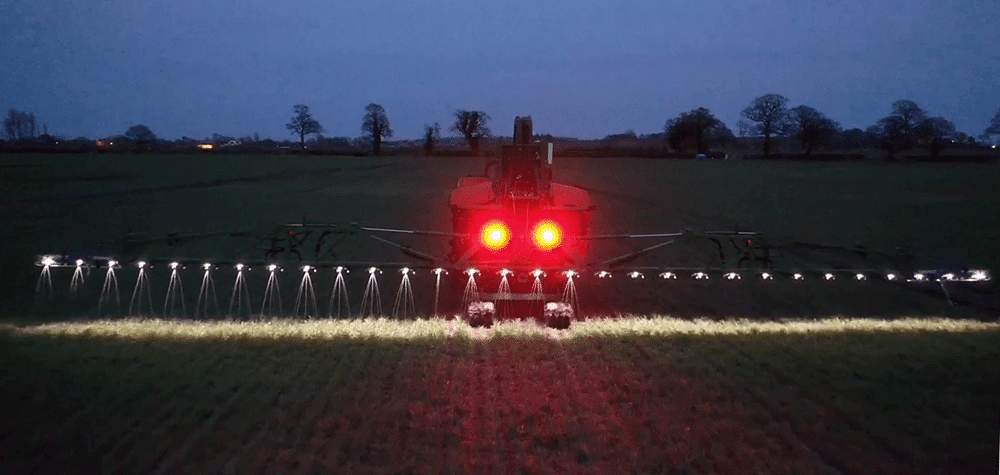
As we approach the one-year mark since the launch of Farmscan Ag’s ISOBUS solution, it is an excellent opportunity to reflect on the technology’s impact and identify potential areas for growth. Over the past year, ISOBUS technology has continued to revolutionise agriculture by providing farmers with greater efficiency, accuracy, and profitability in their operations. Farmscan Ag’s ISOBUS solution is an excellent example of how this technology is transforming the industry, and here are some of the ways in which it is making a difference:
1. Improved efficiency and accuracy
Farmscan Ag’s ISOBUS solution enables different machines to work together seamlessly, resulting in better efficiency and accuracy. Farmers can use a single display in their cab to control both the tractor and planter, resulting in uniform seed placement, improved germination, and crop growth.
2. Reduced costs
The use of our ISOBUS solution has led to significant cost reductions for farmers over the past 12 months. The system can control seed and fertiliser application rates precisely, leading to substantial savings on inputs. Additionally, the system can detect when a machine is not working correctly, reducing downtime and repair costs.
3. Increased flexibility
Another key benefit of our ISOBUS solution is the flexibility it provides farmers. The system is compatible with a range of agricultural machinery and devices, allowing farmers to use different brands of equipment on their farms. This flexibility means that farmers can choose the best equipment for their specific needs, rather than being tied to a single manufacturer’s offerings.
4. Better data management
The importance of data management in agriculture has become increasingly apparent over the past 12 months. Our ISOBUS solution has played a vital role in this regard by enabling farmers to collect data and reliably record it. This often results in data from different machines and devices, displaying it on a single screen. This has made it easier for farmers to monitor their crops and make decisions based on real-time information.Looking to the future, ISOBUS technology offers several benefits for the future of agriculture. Increased connectivity for all functions, such as Seeding, Spraying and Spreading, will enable farmers to collect and analyse more data, leading to more efficient and productive farming practices. Automation will reduce manual labour and increase efficiency, while integration with precision agriculture will optimise planting, fertilising, harvesting, spraying and spreading operations. As ISOBUS is an international standard, we can expect to see greater standardisation across different manufacturers, making it easier for farmers to use ISOBUS technology across different machines and devices.Overall, the past 12 months have highlighted the importance of Farmscan Ag’s ISOBUS solution in modern agriculture. The system’s ability to reduce costs, provide flexibility, and improve data management has been particularly useful in a year marked by supply chain disruptions and increased volatility. As the demand for new innovative technology continues to grow, our ISOBUS solution will remain a vital tool for farmers looking to improve their operations and succeed in an ever-changing agricultural landscape.Farmscan Ag continues to optimise and improve ISOBUS functionality for all aspects of the farming operation. It is important to stay up to date with the latest releases so that the systems perform at a continuously high level. Remember to check our Website for the latest software releases.Want to learn more?We’re here to help you achieve real-time efficiencies in the field. Get in touch with our friendly and knowledgeable team to find out more.
Post Overview
This story has been submitted by an Agri-TechE member.
The views expressed in this Member News article are the author's own and do not necessarily represent those of Agri-TechE.
What is the origin story of GrowPura?
The GrowPura story started around ten years ago in 2013 when the founder, Nick Bateman, turned his attention to vertical farming.
Nick’s journey took him through several technology iterations with a relentless focus to address the key challenges in vertical farming, namely cracking the code of the economic model of controlled environment growing to deliver great tasting food at regular prices, ie with no premium to field or glasshouse grown crops.
The current GrowPura technology solution has a compelling combination of lower relative capex and opex than traditional vertical farms creating increased yield per square metre of building footprint.
What are some of the biggest challenges facing GrowPura in the future?
Our biggest challenge is to scale up our technology quickly in order to prove our economic model and to restore faith in the sector after the recent problems many of the big growers have run into.
It is an exciting time and we have several really interesting conversations ongoing at the moment and the team feels it is on the verge of doing something rather special very soon.
What is unique about GrowPura compared to competitors?
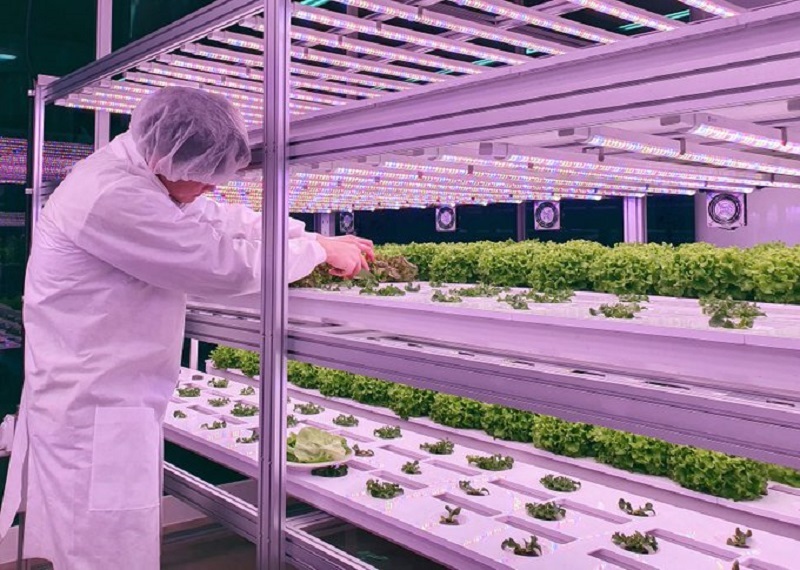
The GrowPura technology creates an environment that is very close to natural conditions for the plants. It does this by moving the plants continually, creating positive horticultural benefits by making the crops stronger and more consistent, and economic benefits due to the crop density that we can achieve via the technology. There are a whole host of advantages to using the GrowPura vertical farming system compared to traditional VF methods. These include using 50% less LED lighting, 50-75% less space requirements, resulting in 100-300% more output.
We are confident that our system delivers unrivalled financial and environmental advantages compared with other growing technology.
How do you measure the impact of GrowPura so far? (Revenue, Employees, Customer Quantity, Production Volume) etc?
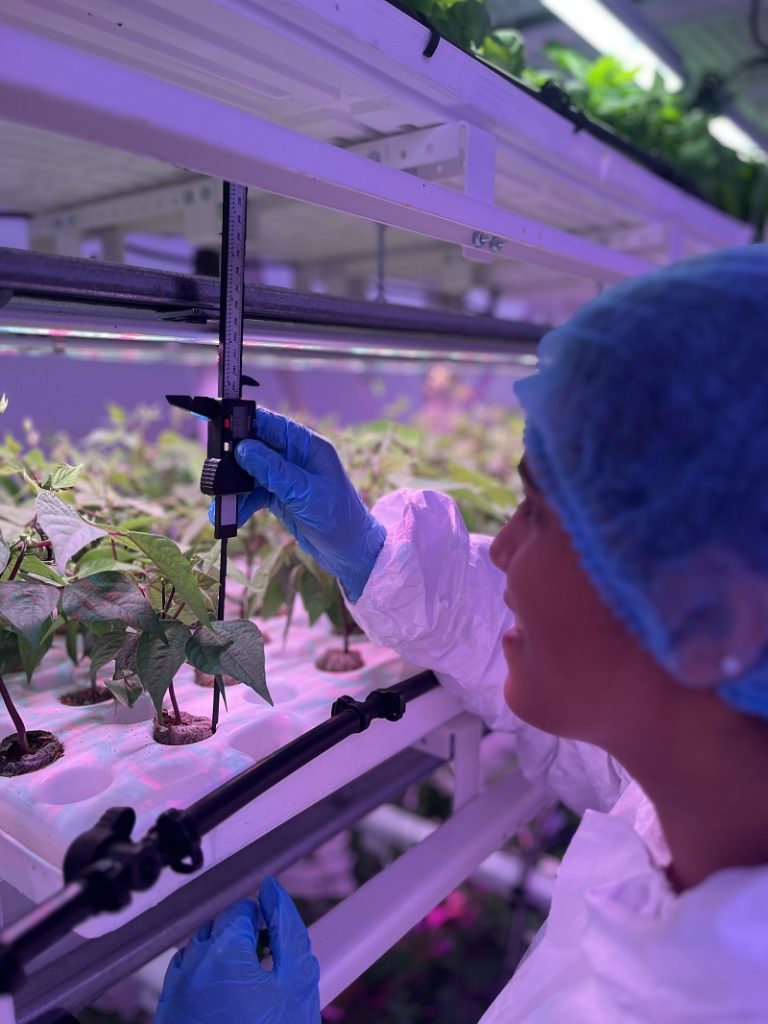
We are a small company with big ambitions. Our R&D centre in Bedfordshire is open for business and is growing crops right now. Everyone who visits feels the energy and intellectual capital that we have in our team, ranging from plant scientists, AI experts and electro-mechanical engineers. Combined with the commercial focus that we have, this is a winning combination.
What has Jeremy learned that he wishes he knew when he started the company?
I’m learning all the time.
I love spending time with our engineers and our plant scientists.
Most important is probably the sweet spot that we have created between horticulture, engineering and financial benefits for our clients.
How can people connect with you or learn more about GrowPura?
Our biggest challenge is to scale up our technology quickly in order to prove our economic model and to restore faith in the sector after the recent problems many of the big growers have run into.
It is an exciting time and we have several really interesting conversations ongoing at the moment and the team feels it is on the verge of doing something rather special very soon.
Post Overview
This story has been submitted by an Agri-TechE member.
The views expressed in this Member News article are the author's own and do not necessarily represent those of Agri-TechE.
What can your grassland do for you?
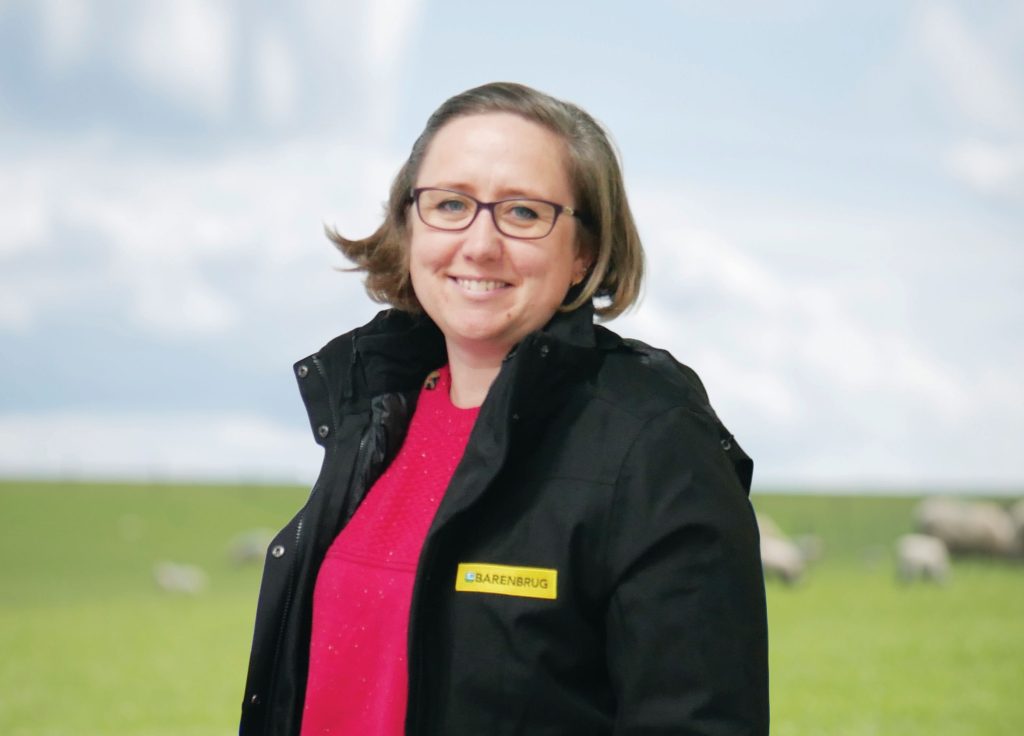
Becoming a better grassland farmer will naturally bring regenerative agricultural principles to your farm, says Barenbrug, returning to Groundswell in 2023 with another set of grass and herbal ley displays.
With grass at the centre of the regenerative agricultural system, the company’s agricultural product manager Janet Montgomery says pastoral farmers should be asking themselves what their grassland can do for them.
“Without major change to management practices, it’s easy to use grassland to accomplish a few more of your regen ag goals,” she says.
“UK farmers already have a more holistic approach to farm management: well-practised rotations, varied and diverse cropping, integrated crop and pest management, livestock and crop integration. We’re much closer to being able to implement regenerative principles without needing to tear-up the playbook and start over.
“There’s still a lot of things we can do to progress and go further down that path, but you may already be ‘more regenerative’ than you think!”
Janet says grass should be at the heart of any regen system. “Ensuring grazing livestock have a role on your farm is one of the system’s crucial five principles. So if you’re an arable farmer, you should be thinking about putting down some grass and borrowing some of your neighbour’s stock.
“If you can’t borrow stock, then even growing a multispecies ley to cut for silage will still deliver some of the benefits: feeding the soil and helping to increase biodiversity, while allowing the land a rest from its crop-growing duties for a year or more.”
For pastoral farmers, Janet recommends three simple steps to adopt to make the farm ‘more regenerative’. “First, think about the biodiversity of your swards. Adopting regenerative principles doesn’t mean you have to ditch the perennial rye-grass altogether; far from it.
“Our best multi-species swards and herbal leys rely on PRG as their backbone species, but adding herbs and additional grass species can significantly improve soil health, pasture resilience and animal health.
“Then you should be assessing your grass fields, using our grassland index. This will help you plan your rotation to ensure that swards don’t go beyond their prime and can either be reseeded, or brought back into cropping.
“With those two steps complete, the third and final step is to implement a robust grass management plan that will ensure all the grass across your farm is performing at its optimum level.
“Incorporating regenerative principles really can be as easy as 1, 2, 3,” Janet enthuses. “The team and I will be available on the stand throughout the show, to help answer queries about multi-species swards and herbal leys, and encourage wider adoption of these easy, simple but oh-so-valuable practices.”
Barenbrug, Groundswell’s official Grass and Herbal Ley Sponsor, has grass and herbal ley plots in the Demo Field and further displays on stand.
Post Overview
This story has been submitted by an Agri-TechE member.
Get the latest agri-tech news, events and opportunities direct to your inbox
Opportunity for fen and broadland farmers to diversify with paludiculture
Meet the Network
Agri-TechE
Lowland peatlands, which include the Fens and the Broads, are some of the most productive soils in the UK, however, there are considerable concerns over land subsidence and soil loss. When drained, peat soil shrinks and releases thousands of years of captured carbon into the atmosphere; when wet it is a carbon sink, absorbing CO2.
The potential for paludiculture – production of profitable crops on rewetted peat – was discussed by Niab and the Broads Authority in the Agri-TechE Innovation Hub at the Royal Norfolk Show.
The Broads Authority has recently been awarded funding as part of the £5m Paludiculture Exploration Fund, which aims to support the reduction of barriers to developing commercially viable paludiculture on lowland peat soils.
Director of Agri-TechE Dr Belinda Clarke says: “We need more data and evidence to underpin land management decisions on these valuable and fragile soils to provide solutions that work for stakeholders, so that no-one is disproportionately impacted by future decisions.”
Novel soil management systems for horticulture
Despite the long history of Norfolk reed, over 97% of the reed used for thatching in the UK is now imported due to the loss of wetlands and a decline in reed harvesting. Reeds and other fibrous plants can also be used to make a range of other sustainable construction materials with multiple benefits – a thatched roof is a long term carbon store.
Andrea Kelly is the Environment Policy Adviser for the Broads Authority, where she focuses on developing ecological and land management strategy for the Broads National Park, including supporting the development of the Environment Land Management scheme.
Andrea explains the context: “The Lowland Agricultural Peatland Task Force report, (launched 29 June 2023), sets out to unlock opportunities for all those farming on lowland peat to do so in a more sustainable way.”
She cites one project at Wrights Farm in Lancashire which is trialling growing a commercial celery crop on re-wetted peat. It is estimated that for every 10cm increase in the water table, there is a corresponding reduction in emissions of 3 tonnes of CO2 equivalents per hectare.
“The science suggests that even a small change in water level management can significantly slow the loss-rate of peat soil, and so, in some landscapes, we want to make it possible to raise water levels above where they are penned currently to farm in a more climate-resilient way,” she says.
Novel farming systems are also being trialled in Norfolk. Anthony Gardiner of G’s Fresh comments: “G’s’ Norfolk farms have some of the deepest and most productive peat as this was some of the last to be drained after the Second World War. This land is unique as it is sub irrigated, using a system of dykes and pipes under the field to manipulate the water table. Evidently this is not appropriate for all soils, so we are actively engaged in discussions about peat soil management and investigations about water table management to reduce carbon emissions, while also gaining a better understanding of the implications for food production.”
Planting reed at the Horsey Wetland Project[image: Broads Authority]
Diversification on marginal land
On marginal land that is currently not suitable for horticulture, there is an opportunity to transition to paludiculture, Andrea says. She continues: “The Horsey Estate in Norfolk, as a contrast, is growing wetland crops on marginal land and aiming to use these for filtering and cleaning water as well as for construction materials.”
Water Works is a two-year project piloting paludiculture with field scale trials in Great Fen. It has identified a number of crops with potential market appeal (see table). These are just a few of a growing range of opportunities for wetland crops across the region, if drainage rates were slowed to reduce peat loss.
Crop
Description
Usage
Potential markets
Floating Sweet Grass (Glyceria fluitans)
Sweet nutritious grain for human consumption. Has been harvested from the wild in the past and is a food source in Poland.
Grain can be rolled as porridge-style oats, used as a seed for baking and flour used for dumplings, flatbreads and sweet cakes.
As highly nutritious gluten-free alternative to flour. Binding agent.
Common Reed (Phragmites australis)
Grown for thatch, but many other potential markets. Reed and sedge cutting is only established and widely practiced form of paludiculture in the UK, with 17 active cutters employed on the Broads. However, only 3% of demand is produced in the UK.
Reed can be compressed into a fibreboard that is light, fireproof, breathable and resistant to rot when waterlogged. Bioenergy source as pellets.
High value industrial chemicals. Reed silica can be used for manufacture of anodes in lithium-ion batteries and for strengthening concrete. UK currently imports 25% of its bioenergy feedstocks
Sphagnum moss
Currently used for reptile habitats and floristry – valued at £200 – £500 per m3.
Very absorbent and antimicrobial – used as field wound dressing and potential for use in sanitary pads and nappies.
Can be a peat alternative. Currently 2.5million m3 of peat used by horticulture.
Reedmace (Typha latifolia)
Typha plants remove nutrients from water. They can act as a sink for 30 -60kg of Phosphorus per hectare per year.
Markets are establishing in Germany and the Netherlands for Typha as a raw product for construction and insulation materials. Seed heads can be used for clothing, such as sustainable jacket fill.
Typha’s high calorific value means it has bioenergy applications, both direct combustion or for conversion into another fuel product.
Wild herbs –
ancient varieties have medicinal benefits
Water mint
Historically as repellent for flies, mice and rats and a strewing herb.
Antiseptic, flavouring and herbal tea.
Retail price for dried mint leaves is £26.20/Kg.
Water Cress
Leaves are rich in vitamins and minerals and its main use is as a garnish and addition to salads.
The wholesale price for watercress in the UK was £9.96/Kg in August 2019.
Meadow Sweet
One of the three most sacred herbs of the Druids.
Used as botanical for gin. Produced as an essential oil used in perfumery and as a tincture.
£11.99/100ml oil and £5.49/50g dried or powdered.
Keeping the water level high has other benefits
The Broadland Futures Initiative is also working with local people to agree a framework for future flood risk management. Avoiding the high land subsidence levels of around 1-2cm each year that occur when peatlands are drained may directly help farmers and land managers. The lower the land gets through subsidence the harder the water pumps need to work to manage the flood and drainage waters, which is becoming more expensive with the rising cost of electricity.
Andrea comments that the multiple benefits gained from raising the water table constitutes a public good and suggests that funding should be made available to farmers exploring this option.
The Horsey Wetland Project [image: Broads Authority]
Paludiculture Exploration Fund
Within the Nature for Climate Fund, Natural England is delivering the Paludiculture Exploration Fund (PEF) for England. A range of PEF projects around England will focus on tackling the barriers to developing commercially viable paludiculture on lowland peat soils in England over the next two years.
This includes the Broads Authority’s Fibre Broads project, which aims to identify areas most suited to wetland crops. In a strategic alliance it will provide a demonstration of paludiculture fibre products to farmers in the region.
Harper Adams has also gained funding for its Paludiculture Innovation Project. Also Fenland SOIL ltd, which includes a consortium of farmers including Nick Allpress, Luke Palmer and Charles Shropshire, will be building on existing work mapping and identifying peatland suitable for change of land-use to paludiculture in the East Anglian Fens.
Saltyco, which uses Typha seed heads for textile production has also gained funding to develop and scale up the process of seed separation for its patented BioPuff product.
The Broads Authority is managing wet farming and wetland restoration projects and engaging with farmers about landscape adaptation in the UK’s largest protected wetland. This includes:
The views expressed in this Member News article are the author's own and do not necessarily represent those of Agri-TechE.
I am very happy to announce that Agtelligence has been recognised with the prestigious StartUp Awards for Southeast England ! This award is a testament to the hard work, creativity, and innovative spirit that every single member of our team brings to the table each day.
This award isn’t just for us – it’s for every advisor, every academic institute that supports us, and every individual who has believed in our vision to bring the power of Earth Observation and Artificial Intelligence into environmental monitoring in agricultural lands. This is your award as much as it is ours .
And what better way to celebrate this achievement than with a fantastic team-building day in sunny and beautiful London? We took the day off to invest in ourselves and strengthen our bonds as a team. We had fun, laughed, and, most importantly, celebrated this incredible milestone together.
We’re just getting started, and we’re excited about what the future holds. Here’s to many more years of innovation and success! www.agtelligence.space
Special #thanks to:
ESA Business Incubation Centre United Kingdom UK Space Agency Harwell Science and Innovation Campus Mark Burrows Space4Climate University of Leicester Rothamsted Research University of Lincoln James Cutler Louise Manning Bita Najafi (MSc, BSc) Innovate UK EDGE East of England Barclays Eagle Labs Keyvan Vakili Mark Burrows Sonia Pietosi Wendy Hewitson Victoria Jeffery Dan Metcalfe Alex Wheldon
Post Overview
This story has been submitted by an Agri-TechE member.
The views expressed in this Member News article are the author's own and do not necessarily represent those of Agri-TechE.
Experts who are revolutionising agricultural practices have joined forces with Leicester scientists to develop a monitoring tool that tracks the environmental outcome of land management.
Agtelligence takes complex earth observation data and simplifies it to enable businesses to take action to help the environment.
It is now working with scientists from the University of Leicester and Space Park Leicester on an innovative project that examines how land management impacts soil health, biodiversity, water and carbon.
The initiative has received funding from the UK Space Agency and uses data from the Sentinel-1 Synthetic Aperture Radar (SAR) satellite which provides high-quality data on the Earth’s surface.
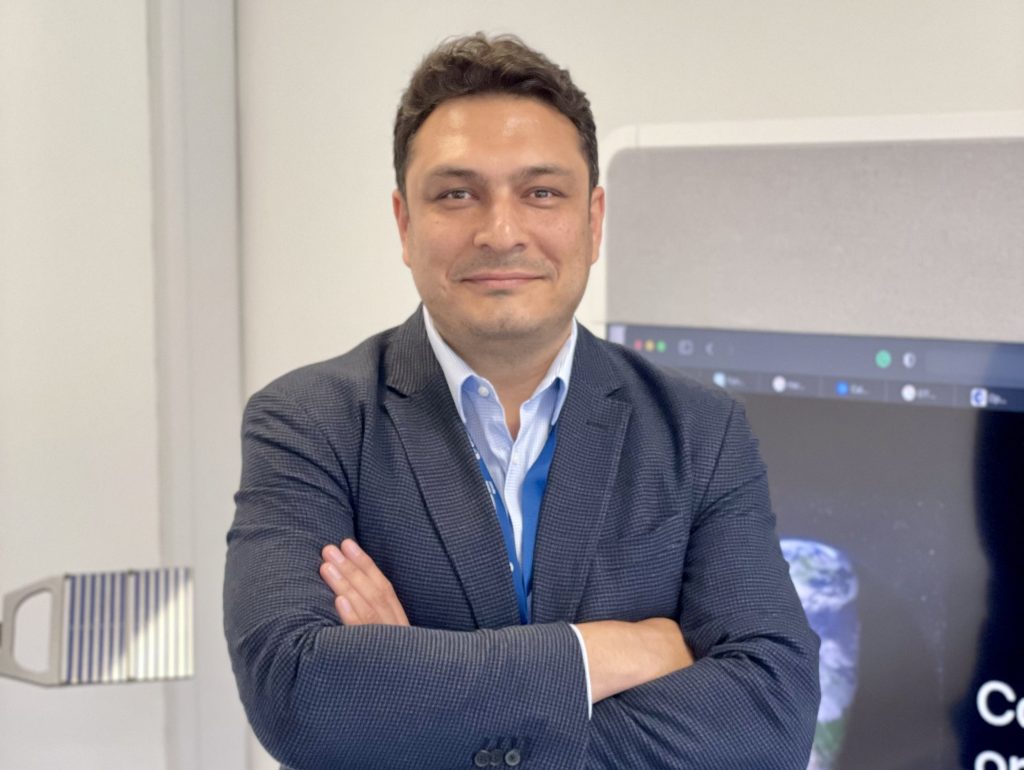
Agtelligence chief executive officer Nima Eskandari explained one of the advantages of Sentinel-1 is its ability to acquire radar data in all weather conditions and at any time of day, making it a valuable tool for monitoring environmental changes in the UK where cloud cover or darkness limits observation.
Nima Eskandari
He added: “Our research is pushing the boundaries of what can be observed and inferred from satellites and developing metrics that help us understand how land management impacts soil health, biodiversity, water and carbon.
“We will use and distribute our results fairly and equally, connecting everyone to landscapes around them through our web-based platform FarmScore ®.
“Once we’re able to quantify the environmental outcomes, we can begin using this information to introduce the right interventions at the right time to support the environment.
“Environmental projects can help improve communities’ health and well-being by reducing pollution levels, providing access to clean water, and promoting sustainable practices.
“They can also create new job opportunities in sustainable industries, which can help to reduce poverty and inequality.”
Professor Heiko Balzter, Professor of Physical Geography and Director of the Centre for Landscape and Climate at the University of Leicester, added: “The University of Leicester is working with Agtelligence on the development of radar imaging for agricultural tillage.
“Tillage practices are important for soil health, soil carbon stocks, the water balance and crop yield.”
The scientists are now in the process of finalising a prototype that can evaluate arable farms in Hertfordshire. Their goal is to complete it in the coming months and eventually expand it across the UK.
Agtelligence is also planning to recruit a Full Stack Software Developer and a Chief Technology Officer and is currently searching for investors who share its passion for the environment and recognise the impact of climate change on it.
The organisation has also recently graduated from the European Space Agency – Business Incubation Centre (ESA-BIC) programme at Harwell and is collaborating with Space4Climate.
ESA-BIC (UK) at Leicester is a route for SMEs to develop technologies for the Space industry. Successful applicants receive a programme of technical support from the University of Leicester’s leading Space and Earth Observation scientists as well as business support. The deadline for the next ESA-BIC is September 18. Further details are available at https://www.space-park.co.uk/innovation/esa-bic/
Post Overview
This story has been submitted by an Agri-TechE member.
Get the latest agri-tech news, events and opportunities direct to your inbox
Join the agri-leader programme at AGRITECHNICA
Agri-TechE Article
Agri-TechE
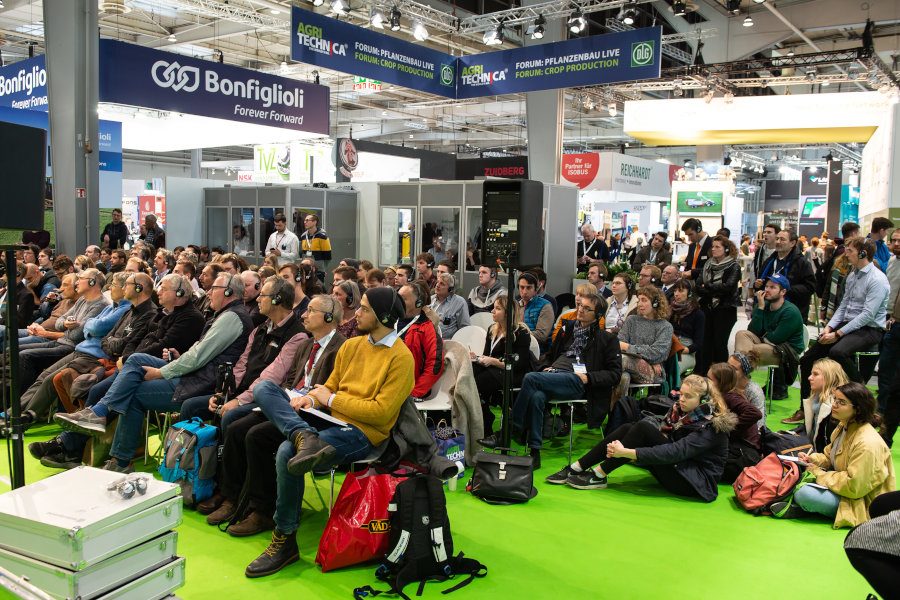
AGRITECHNICA, Germany, is a showcase for the global agricultural technology industry and a forum for future questions on crop production.
From crop protection sprayers to drones, from tractors to autonomous equipment systems and from combine harvesters to digital assistance systems, AGRITECHNICA (12-18 Nov 2023, Germany) presents the whole range of agricultural machinery. As the world’s leading trade fair it covers broadacre to sustainable and environmentally protected farming.
Agri-TechE is delighted to be partnering with DLG – The German Agricultural Society – the organiser of this renowned event, to offer our members a unique opportunity to experience AGRITECHNICA as participants in the DLG’s prestigious “agri-leader” programme.
Logistics
AGRITECHNICA runs from 12 – 18th November 2023, in Hanover, Germany.
Arriving late afternoon on November 12th and leaving on the 14th, the mission will consist of a line-up of bespoke activities and unique introductions as well as the opportunity to experience at first-hand this world-class event at the Hanover showgrounds in Germany.
Key elements of the mission for Agri-TechE members include:
Complimentary “access all areas” delegate registration to the Show for one person per participating organisation;
On arrival at the hotel, a drinks reception to welcome the mission, talk through the programme and make key introductions;
Free access to AGRITECHNICA on 13th November – one of the exclusive member-only ‘preview’ days – and on 14th November;
A chance to attend the seminars and special exhibitions within the event;
Invitation to the official opening reception as guests of DLG and a delegation table at the dinner on the evening of Monday 13th November (all inclusive);
An exclusive round-table networking/discussion opportunity with invited opinion leaders (e.g. from DLG, key OEM exhibitors, EU/government and others) on the morning of Tuesday 14th November;
Access to the International Lounge / Agri-Leaders’ Space throughout the event;
Complimentary hotel accommodation for two nights close to the conference venue;
Return transfers from the hotel to the Show.
“We very much welcome this new partnership with the DLG, which will bring our members a high-value and unique AGRITECHNICA experience,” commented Belinda Clarke, Agri-TechE ’s Director. “While some of our members are regular AGRITECHNICA attendees, we hope to also attract first-timers who will gain more by attending as part of this mission – as well as meeting other key members of Agri-TechE ’s innovation ecosystem.”
“We are delighted to welcome members of Agri-TechE to AGRITECHNICA as members of our unique AgriLeader programme,” said Angelina Laas, AGRITECHNICA Area Manager UK and Ireland, DLG.
“Agri-TechE is a unique and internationally recognised organisation in the agritech space – we look forward to their participation in our flagship event this year, especially their contribution to AGRITECHNICA’s global theme of ‘green productivity’. This requires long-term thinking, expertise, innovation, and technology, all of which are characteristics embodied by Agri-TechE members. Working collectively as the world’s agrileaders, they will help advance this ambition,” she added.
Around three-quarters of delegates attend AGRITECHNICA to find out about new products, industry trends and technology insights. In the ranking of reasons to attend, discussions with manufacturers and the ability to broaden knowledge is second, followed by information about new products and services.
You can find out more about AGRITECHNICA and the DLG here.
Images: Credit DLG, S. Pförtner
Post Overview
21st June 2023
Agri-TechE
Agri-TechE Article
Events
International Insights
Share this Page:
Related Posts
DryGro offers arid regions sustainable high protein alternative to soy
Get the latest agri-tech news, events and opportunities direct to your inbox
Nature for finance – balancing food security with environment
Agri-TechE Article
Agri-TechE
The Norfolk Wendling Beck Environment Project (WBEP) has been used as an exemplar of the type of collaborative project between farmers, private companies (Anglia Water) and environmental groups, that will attract funding under the Natural Environment Investment Readiness Fund (NEIRF) – a fund to support regenerative farming.
Natural Environment Investment Readiness Fund (NEIRF)
Thérèse Coffey, Secretary of State for Environment, Food and Rural Affairs, announced (on 19 June 2023) the government’s intention to release additional funds for NEIRF later in the year.
To date, 86 projects across England have received development grants of up to £100,000 through two competitive rounds of the £10 million NEIRF in 2021 and 2022.
Wendling Beck is a pilot for new nature market
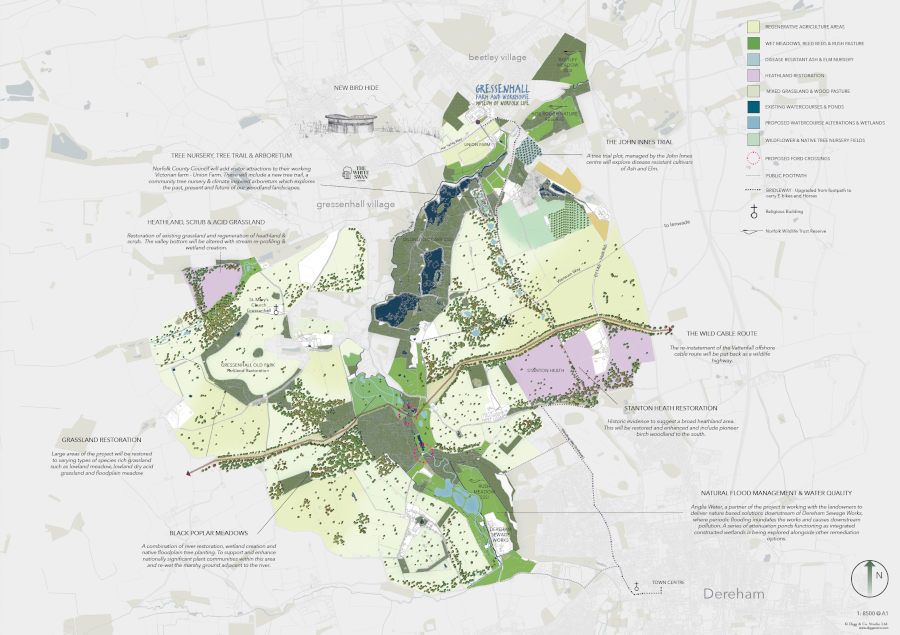
One recipient of the NEIRF is Wendling Beck, a pioneering habitat creation, nature restoration and regenerative farming project spanning almost 2,000 acres near the market town of Dereham in Norfolk, UK.
The project aims to transform land use for environmental benefit while also selling ecosystem services such as biodiversity net gain. Glenn Anderson, Project Lead of The Wendling Beck Exemplar Project explains that it is a pathfinder project for financing land-use change through new nature markets.
It includes a collaboration with Rewilding Britain to better understand how different habitats sequester carbon, along with pioneering research on soil carbon – led by the University of East Anglia (UEA).
Defra also announced the start of the piloting phase of a new version of the Green Finance Institute’s (GFI) investment readiness toolkit which provides a tailored framework for farmers giving advice on how to create investable nature finance projects.
Highlights
Next round of the Natural Environment Investment Readiness Fund (NEIRF) to launch later in year
NEIRF builds on Green Finance Strategy and Nature Markets Framework to facilitate private investment in nature outcomes such as healthy soils and wildlife supporting productive and sustainable food production
Builds on last month’s landmark UK Farm to Fork Summit at which the Prime Minister committed to protect farmers’ interests in future trade deals, boosted fruit and veg production and announced further investment in farming technologies
The views expressed in this Member News article are the author's own and do not necessarily represent those of Agri-TechE.
One of Cambridge’s oldest and most globally successful businesses – Grant Instruments – has opened a new headquarters and ramped its capabilities in the process.
The company, which since 1951 has fashioned scientific equipment for household name clients around the world, has moved from Shepreth to nearby Royston into a new, high impact manufacturing facility.
The move enables Grant to push forward with its next stage of growth, driving high-end innovative solutions that serve scientists globally.
The site is also a much more environmentally sustainable building and will lead to a lower carbon footprint which Grant says is a key focus for the business.
CEO Mark Davison said: “The new site offers us so much opportunity to grow and support our customers’ future growth and ambitions. It will enable us to innovate and manufacture at a much faster rate and in a more sustainable way, which aligns very much to our ethos and that of the scientific community we serve.”
Grant Instruments is a longstanding part of the Cambridge technology ecosystem, contributing over 70 years of innovation. That tradition is carried into the future by the drive and motivation of the team.
The company is a sustainability first organisation, from its product design and development through to driving fundamental workplace changes including a 4-day working week. The new facility is called ‘Evolution House’ reflecting the changes that are expected to continue.
Davison adds: “Over the past year we have made huge changes at Grant Instruments. The new site is the most visible of these but the move to four-day working has been arguably as revolutionary.
“The positive impact of these on staff morale and workplace practice has exceeded our expectations. The changes don’t stop here and we will continue our evolution and growth.”
Additional to the fresh facility, the company is also launching a new state-of-the-art cryopreservation system known as CRFT. The technology is produced at the new site and offers a more sustainable and safer approach to the freezing and thawing of highly sensitive biological samples for scientific research.
Applications include IVF (human and veterinary), stem cell banking, vaccine research and drug discovery. Grant says the system brings accuracy, precision and reproducibility to biological cryopreservation and, importantly, improves the viability of cells when thawed for use.
Davison continued: “Our new CRFT system is an exciting product for us to launch. The new version was driven by feedback from our customers. They wanted a system that allows precision, accuracy and flexibility in cryopreservation. We are incredibly happy to be able to launch this multi-format device to the scientific community and look forward to hearing about the excellent research outcomes this enables in the future.”
Since Grant began its journey it has become renowned worldwide for its solutions. The company has built a global presence across 70 different countries, selling more than 10,000 scientific equipment products annually plus 80,000 data acquisition products worldwide.
The company now has more than 60 employees across the US, India and in the UK.
Grant Instruments was born through one man’s vision and passion for invention. Peter Ward, a Cambridge University economics graduate and Olympic three-mile runner, had a hobby of repairing mechanical singing birds.
From this, some might say, unlikely link, Ward went on to create his first commercial invention – a water bath. Operating from a folly in the Old Vicarage grounds, together with Cecil Chapman who joined Grant in 1954, they built the foundations of Grant Instruments to instil strong values that remain deep-rooted in the company today.
As a pioneer of temperature control, Grant has been developing innovative scientific apparatus solutions and data acquisition tools for decades to the scientific, healthcare and industrial markets the length and breadth of the planet.
Post Overview
This story has been submitted by an Agri-TechE member.
The views expressed in this Member News article are the author's own and do not necessarily represent those of Agri-TechE.
A new research project aims to help UK farmers and growers target Net Zero and build farming resilience through diversifying their arable and forage cropping.
It will also enable new revenue sources through a carbon marketplace and support enhanced value chains for industries such as textiles and construction.
The Centre for High Carbon Capture Cropping (CHCx3) is a four-year, £5.9 million project, supported by a consortium of 22 industry and research partners and led by crop science organisation Niab. The project, which runs from spring 2023 to 2027, has been awarded funding by Defra under the Farming Futures R&D Fund: Climate Smart Farming. This forms part of Defra’s Farming Innovation Programme, delivered in partnership with Innovate UK.
https://www.youtube.com/watch?v=moCneprR5Nw
The research will focus on four cropping options: rotational cover crops; annual fibre crops (industrial hemp and flax); perennial food, forage and feed crops (including cereals and herbal leys); and perennial biomass crops (miscanthus, willow and poplar). In addition to evaluating their potential to enhance atmospheric carbon capture and sequestration, in the soil and crop-based products, CHCx3 will examine the effects of cultivation system and agronomy on economic returns and other environmental outcomes. Further work will optimise the production and use of renewable biomaterials for fibre, textiles, and construction and develop carbon insetting/offsetting platforms.
The Centre’s ‘Knowledge Hub’ will provide resources to support the effective uptake and utilisation of crops with high carbon-capture potential, with practical outputs such as crop guides, web tools and apps available to landowners, farmers and agronomists. The project will offer a wealth of opportunities for its many stakeholders to engage with and participate in the ongoing research, including crop trials, field demonstrations, webinars, workshops and training.
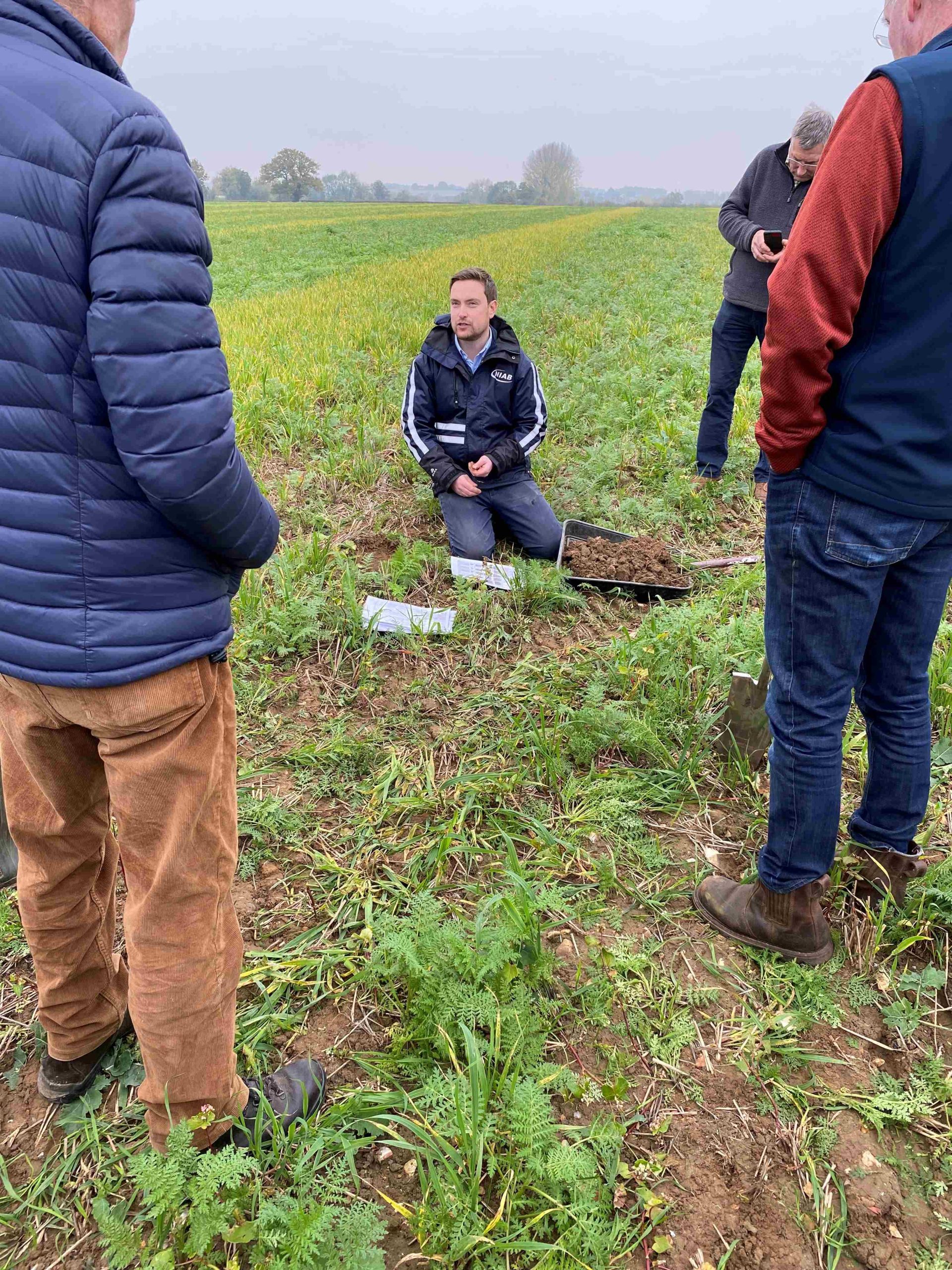
Project Lead and Head of Niab Innovation Farm Dr Lydia Smith explains that crop choice, management and utilisation all offer opportunities. “Farmers and associated industries can address climate change goals through input-efficient crops that are able to increase carbon capture, but they must have confidence in achieving profitable and sustainable outcomes,” says Dr Smith.
Project Knowledge Exchange Lead and Niab Director of Agronomy Stuart Knight highlights that the Centre will build on Niab’s extensive programme of crop diversity and improvement, farming systems and soils research. “The project will kick-start vital new collaborations between researchers, seed suppliers, growers and industries seeking to realise the full potential of crop-based products, establish new revenue opportunities within the carbon market, and give a major boost to our shared aim of achieving Net Zero,” concludes Mr Knight.
Partners include:
The Centre for High Carbon Capture Cropping partners are: Niab, Biorenewables Development Centre, British Hemp Alliance, Cambond, Carbon Farm Hubs, Cotswold Seeds, Crops for Energy, Dark Green Carbon, Elsoms Seeds, Energy Crops Consultancy, English Fine Cottons, FarmED, FC Palmer & Sons, National Farmers Union of England & Wales (NFU), Natural Building Systems, Northern Ireland Hemp Association, Rothamsted Research, Scottish Hemp Association, Terravesta, UK Hempcrete, University of York, Unyte Hemp.
Post Overview
This story has been submitted by an Agri-TechE member.
The awards recognise British Farmers and Agricultural businesses for their commitment, resilience and innovation to this challenging and over-changing industry.
Categories include Agri-TechE Innovator of the Year, Digital Innovator of the Year and Sustainable Farmer of the Year. Entries close 23 June 2023.
Agri-TechE members have historically done well to scoop all the Agri-TechE Innovator of the Year prizes – congratulations to Muddy Machines and Ag-drive

 Agri-TechE


 Farmscan AG
 GrowPura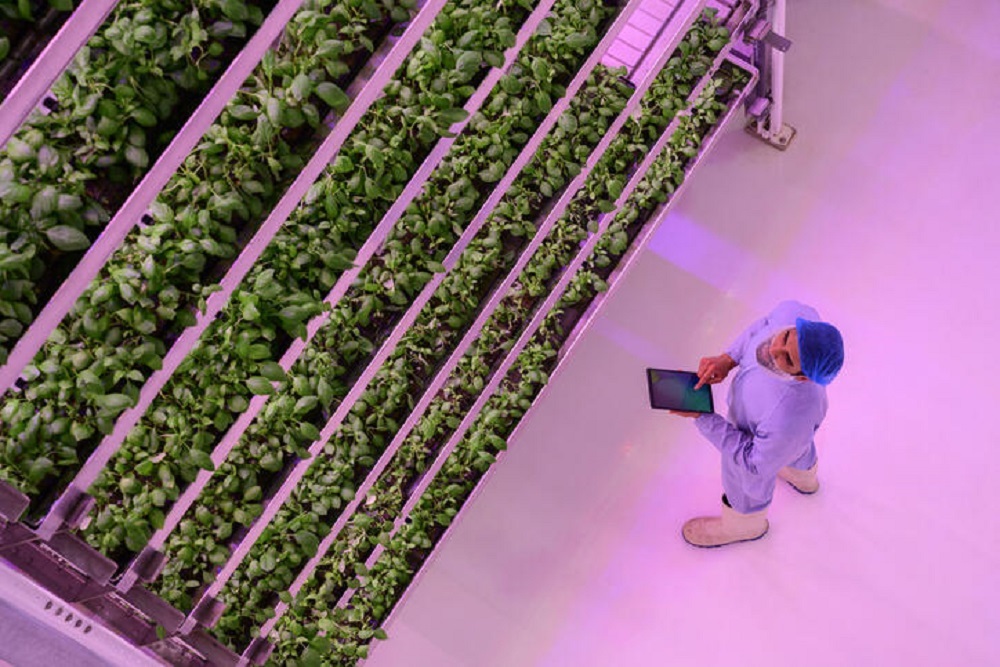

 Our biggest challenge is to scale up our technology quickly in order to prove our economic model and to restore faith in the sector after the recent problems many of the big growers have run into.
 Barenbrug UK Ltd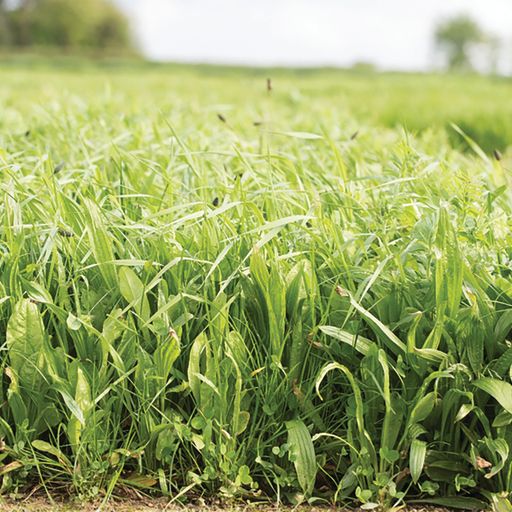
 Agri-TechE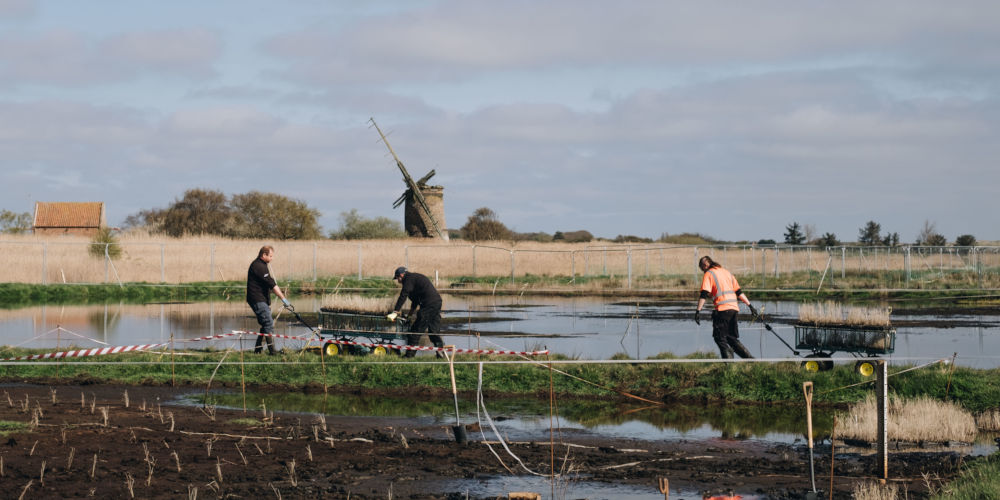
![The Horsey Wetland Project [image: Broads Authority]](https://www.agri-tech-e.co.uk/wp-content/uploads/2023/06/Horsey-wetland-project-web.jpg)



 Agtelligence







 Grant Instruments Ltd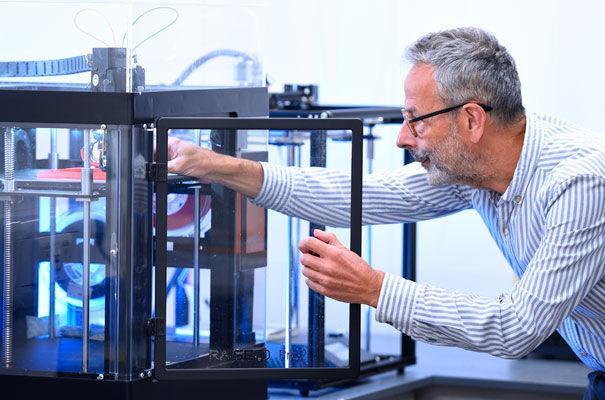
 Niab
Niab Harper Adams University