The Productive Landscape: NatureTech for Profit and Planet
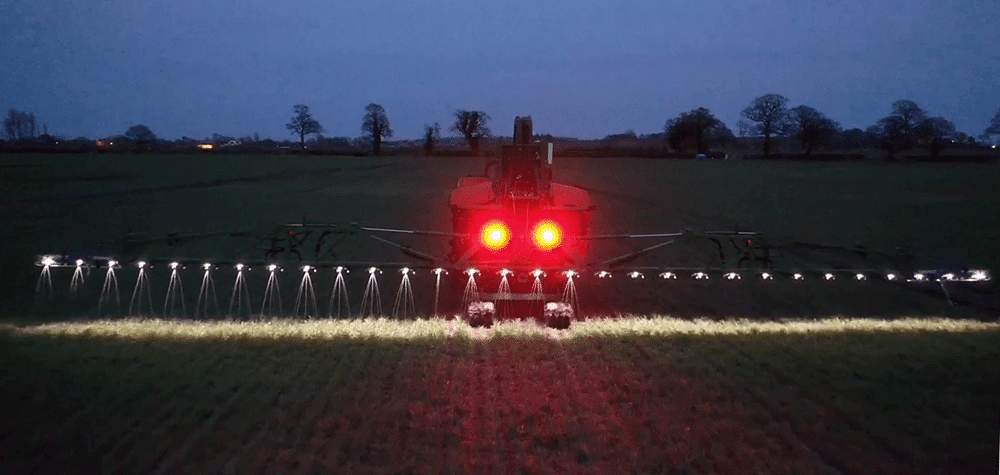
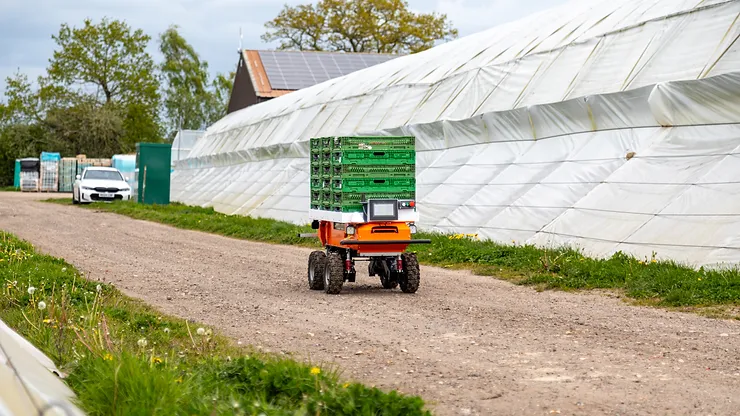
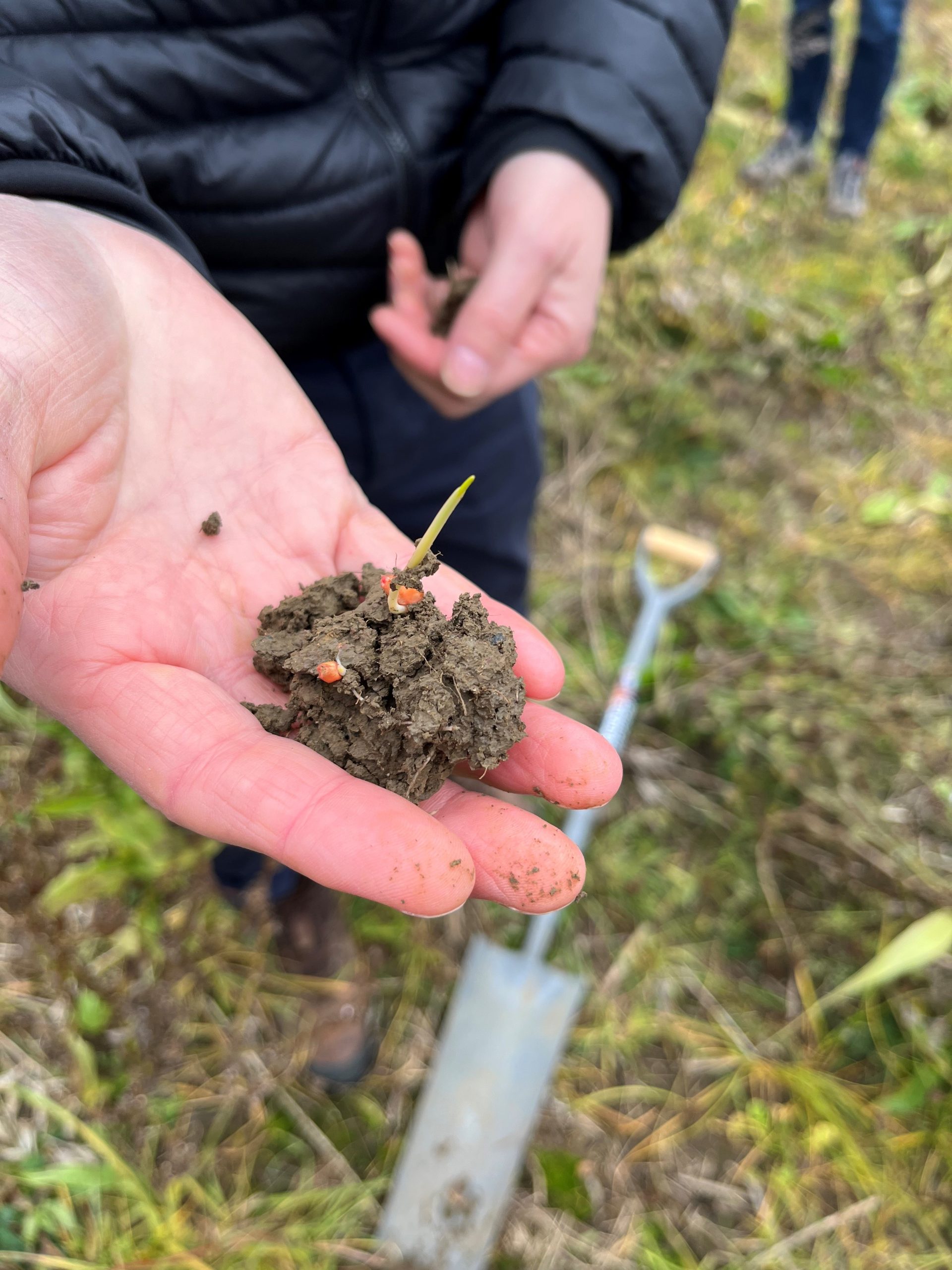
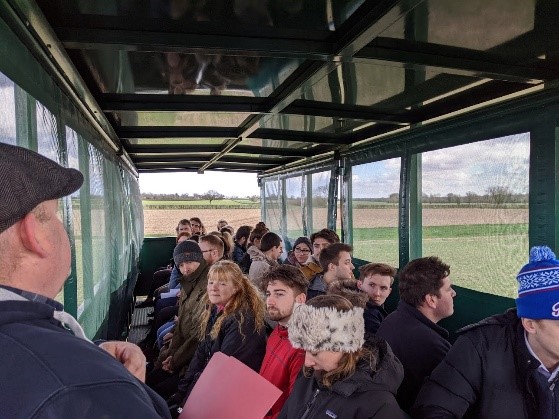
How can technology enable delivery of food, nature recovery, and climate resilience - all at once? The Head of the Environment Agency is asked: what's the national plan for dealing with land use pressures, plus you’ll hear from technologists and land managers working on nature-based and tech-enabled solutions for water, soils and climate adaptation.

Use ESG reporting to build sustainable businesses says Aethr Associates

Member News
The views expressed in this Member News article are the author's own and do not necessarily represent those of Agri-TechE.

As new environmental legislation comes into force Aethr Associates says this provides an opportunity to de-risk an agrifood company.

ESG (Environmental stewardship, Social responsibility, and corporate Governance) reporting focuses on reducing an organisation’s impact, promoting productivity and increasing long-term business resilience.

So when the Summer Berry Company was acquired by ethical investor Cibus, the company was required to introduce comprehensive ESG reporting.

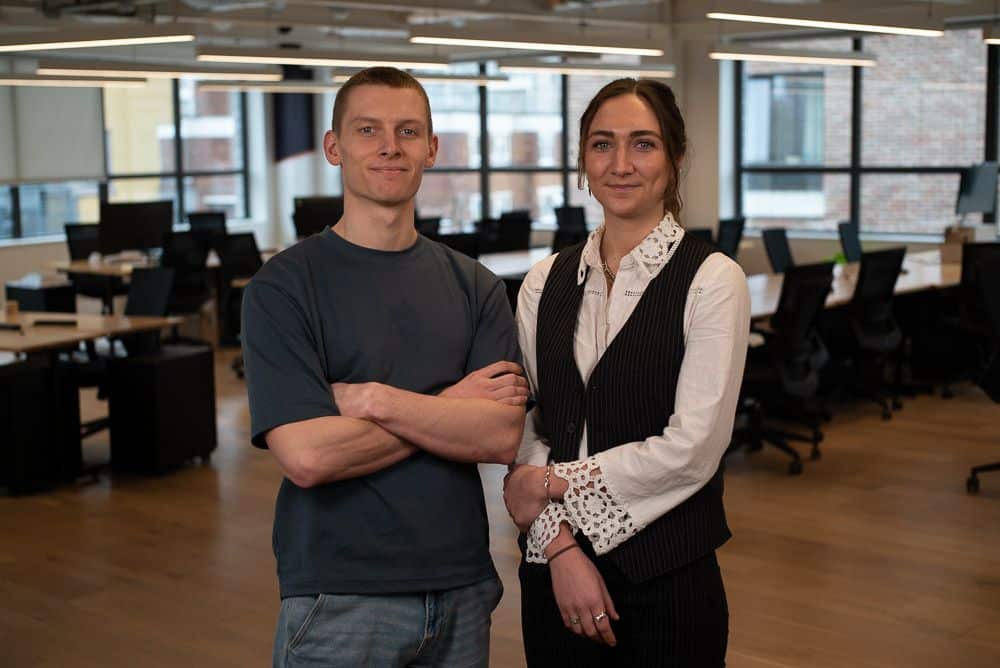
Spurred by this experience and its benefits, two of the directors, Ben Jones and Richard Bonn, who led The Summer Berry Company through this transition have now established their own company, Aethr Associates. It aims to help others incorporate ESG principles into their own business strategies and turn that strategy into action.

Ben Jones, Aethr Associates Co-founder
Richard Bonn, Aethr Associates Co-Founder
Aethr Associates

We are seeing a cascading effect from big retail and big food down to suppliers. This is being driven by changes in their disclosure requirements like TCFD or Corporate Sustainability Reporting (CSRD in the EU), but also by consumer pressure on both big brands and retailers which is impacting their purchasing strategies and discussions with their supply chains.

The challenge for complex primary producers, like many fresh produce businesses, is that they have extensive environmental and social touch points and so require a well-structured approach to ESG.

The ESG Strategy and Reporting framework encompasses carbon footprinting, input reduction, water efficiency, biodiversity improvement, labour welfare and climate risk, which helps to transition the impact of a company and gives confidence to staff, stakeholders and investors.

As Aethr Associates we have refined the learnings we have gained from The Summer Berry Company to help businesses to incorporate ESG principles into their own businesses. The process also brings other benefits in terms of insights and efficiency improvements.

It is widely accepted that Scope 3 emissions are by far the largest part of most food producers’ carbon footprints, but they’re the least understood or mapped.

It still feels like the food industry is some way off from taking meaningful action on Scope 3 reductions, with some other industries moving much more rapidly.

Last year, big retail (and big brand manufacturers) passed down sign-up deadlines for their big supplier partners to reduce their emissions, with the likes of SBTi (Science Based Targets Initiative) or Manufacture 2030 as required accreditations.

A pragmatic place to start is by measuring the carbon footprint of your business. Aethr can help identify the best option on how this is achieved, from self-measurement to sophisticated software platforms. Aethr can also facilitate an ESG strategic review to help companies to identify priority projects that will improve footprint and impact and significantly build medium to long term business resilience.

We firmly believe that companies with a strong ESG strategy will be more profitable and value creating, and to help our clients we have developed six guiding principles:

  1. Businesses require pragmatic and practical impact plans
  2. As expectations increase, prioritisation is fundamental
  3. ESG is more than just environmental impact
  4. Sustainability and climate factors will impact commercial outcomes for businesses
  5. Climate change will impact on a business’s ability to operate
  6. ‘Impact’ resilient businesses will win through in the next ten years

To support companies on this journey, we can offer a series of other services including sustainability strategy workshops, ESG advice for company boards, business resilience evaluation, climate risk assessment, and ESG manager training and mentoring.

Agrasta predicts a farm carbon audit will soon become a licence to trade

Member News
The views expressed in this Member News article are the author's own and do not necessarily represent those of Agri-TechE.

Industry estimates used to calculate Scope 3 emissions can vary by 800 percent, warns Susan Gregory, CEO of Agrasta, who recommends using audited farm-level data. The company was established to provide an online platform that helps food and beverage companies reduce Scope 3 emissions, reach net-zero targets faster and avoid unnecessary costs.

Susan explains: “We are seeing more food businesses looking, and prepared to pay a premium, for low carbon produce. If they have previously relied on industry estimates to calculate the carbon emissions from third parties – known as Scope 3 – they are likely to see an immediate reduction by moving to an audited supplier. A carbon audit for a farm will soon become a licence to trade.

Susan Gregory
Susan Gregory, CEO of Agrasta

“There are a range of farm audits available, such as Agrecalc, Cool Farm Tool, Farm Carbon Toolkit and more. Many are free of charge to farmers, making this a great time to baseline farm operations. We’ve also been told that visibility of input costs can lead to savings of 10-15%. Audits can be undertaken by farmers themselves or in conjunction with a third party – a form of verification that is preferred by downstream customers.

“Agrasta research of 344 farmers shows that only 30% of farmers have baselined their farms. Of the remaining 70%, three-quarters would do an audit if there were a financial incentive to do so. Changing farm practices risks a reduction in yield and related revenue and we would strongly recommend that the food and beverage companies reward audited producers, to recognise their decarbonisation efforts and drive the adoption of Net Zero interventions through the industry.”

Agrasta has seen considerable discrepancies between estimated emissions and those calculated on-farm and is shortly to start two pilot schemes to quantify this.

“The industry is picking its way through the regulations and the metrics,” Susan continues. “But as increasing numbers of food businesses are signed up to the Science Based Targets initiative (SBTi) and one of the first milestones is 2030, we’re seeing an urgency coming through.”

There are many carbon monitoring and measurement systems available, and Susan expects there to be some consolidation in the market.

“There is a vast range, from the farm audits mentioned previously, to retailer specific appraisals, working through consultancies. There will be an element of standardisation and benchmarking will be applied. Just as software has updates and fixes, audit improvements will be implemented.

Agrasta

“However, I think it’s unlikely there will ever be a global standard, as food and beverage organisations already accept multiple data sources. The most important factor is to provide full transparency of information to highlight any differences or gaps in data.

“At the same time, for the NFU to meet their target of net-zero by 2040, agriculture needs to increase its annual rate of decarbonisation eightfold vs 1990-2020.

“If we wait for the perfect carbon measuring system to arrive, we’re just delaying any action to decarbonise.”

Goodley Farm Services, your partner on the regen journey

Member News
The views expressed in this Member News article are the author's own and do not necessarily represent those of Agri-TechE.

Jimmy Goodley has introduced a zero-tillage system on his family farm and has established Goodley Farm Services to support others to make the transition to regenerative agriculture.

Goodley Farm Services, based in the Stiffkey Valley, North Norfolk, offers a regenerative contract farming service to fellow farmers.

The farm grows wheat, oil seed rape, peas, and forage rye and uses cover crops to ensure that nothing is left brown over the winter. The cover crops also provide an indication of underlying soil issues, such as compaction or nutritional deficiency. The soil ranges from heavy clay to blow away sand.

The transition to regenerative agriculture is a steep learning curve and it can take a while to see the benefits.

Jimmy comments: “When we started on this journey eight years ago there was an element of trial and error to see what worked best, we are now in a position to help others avoid the pitfalls and understand the progression if things haven’t gone as planned.

“We invite other farmers to come on to the farm and see what we are doing and then help them to do soil testing, and baselining in preparation for introducing regen principles. If there is a synergy and a willingness to buy-in to the cooperative, then they agree to proceed.

“Crucially, the landowner will be involved in the decision-making process, they are invited to come on farm walks, and engage with their assets in a way they haven’t done before.

Goodley Farm Services is based in the Stiffkey Valley
Farmland in Stiffkey Valley (Photo © N Chadwick (cc-by-sa/2.0))

“Being part of a cooperative, adds a degree of protection and an opportunity to share experiences and benchmark performance.

“2023 saw good yields and we are looking to further evolve our cover crop policy and introduce more SFI options into the system for 2024.

“But essentially the vision remains the same ‘using botany, limited cultivation and soil biology to build healthy soils and crops.”

Contact Agri-TechE if you wish to connect with Goodley Farm Services.

Anti-virals could replace neonicotinoids to combat Virus Yellows

Agri-TechE Article
Agri-TechE

As the first signs of spring begin to emerge, neonicotinoids find themselves back in the spotlight. Doubt emerges on the effectiveness of the existing ban and farmers, especially sugar beet growers, are presented with a challenging dilemma in how to combat Virus Yellows.

Amidst this challenge, innovative alternatives are being developed as new and crucial components in the farmers’ ‘toolbox’.

One such option was last week unveiled by the John Innes Centre (JIC) on the Farming Today programme. Dr. Yiliang Ding revealed a potentially game-changing alternative – using anti-virals that target the virus within the plant, instead of focusing on the insect hosts.

image of a sugar beet - the plant is threatened by Virus Yellows

Virus Yellows: a specific threat to sugar beet

Virus Yellows poses a significant threat to sugar beet crops, causing significant economic losses. Transmitted through aphids, the virus stunts plant growth, reduces yields, and compromises the overall health of sugar beet plants.

It can reduce yields by up to 50%, impacting individual growers, domestic sugar production, and an industry that sustains almost 7,000 jobs. Addressing Virus Yellows is not just about protecting individual crops but ensuring the resilience and viability of the British sugar beet industry.

A lingering ban and persistent exemptions

On 18th January 2024, the Government granted emergency authorisation for Cruiser SB, a seed treatment containing the banned pesticide thiamethoxam. This controversial pesticide is known for its adverse effects on pollinators, soil health, and aquatic ecosystems.

The exemption permits the use of Cruiser SB exclusively on the 2024 sugar beet crop in England, under “emergency situations” determined by an independent forecast created by the Rothamsted model.

The approval of emergency use for four consecutive years raises concerns about the ban’s long-term efficacy (though the threshold was not met in 2021). Amidst the persistent challenge of addressing viral diseases farmers are at a crossroad; in 2022 and 2023, 29% and 40% of farmers opted against using neonicotinoids despite emergency authorisation to do so.

Fortunately, innovative solutions and alternatives offer hope.

Dr. Yiliang Ding JIC developing anti-virals as alternative to neonicotinoids
Dr. Yiliang Ding JIC
John Innes Centre logo - the research team here are developing anti-virals to replace neonicotinoids

The John Innes Centre’s targeted anti-viral approach

Enter the John Innes Centre‘s targeted anti-viral approach, led by Dr. Yiliang Ding and Rudy Maor. Departing from traditional insect-centric methods, their research focuses on the RNA structure analysis of the Virus Yellows. The pioneering approach is developing anti-virals that selectively eliminate disease from within the plant, avoiding collateral damage and shifting away from substances that target disease-transmitting insects.

An enzyme plays a key role in cleansing the virus within the RNA, bolstering plant survival. Administered through a leaf spray, this novel treatment is effective even post-transmission, so treatment can be applied after infection. The technology signifies a pivotal step in actively shielding plants from diseases, with potential applications extending beyond viruses to include fungal and bacterial infections.

Driving commercialisation, Dr. Rudy Maor, the Royal Society Entrepreneur in Residence at JIC, is leading efforts to translate these scientific breakthroughs into practical, sustainable crop protection solutions. The plan is to raise funds to establish a company to supply farmers with this innovative product.

BBRO’s multi-pronged efforts

Simultaneously, the British Beet Research Organisation (BBRO) is actively engaged in multiple alternative trials and practical solutions that can be deployed now to address Virus Yellows. Initiatives include a “camo-cropping” trial with Morley Farms, exploring the use of coloured crops, flowering mixes, and ‘decoy brassicas’ to deter aphids.

Vicky Foster, Head of the BBRO emphasizes their commitment stating: “The BBRO is currently investing £1.5m to look for alternative solutions to control virus yellows and is working closely with plant breeders and chemical companies that are also prioritising work in this area.”

For more information on the 12 strands of research currently being undertaken by the BBRO and to access an overview of the industry’s Virus Yellows Pathway, visit the BBRO knowledge hub.

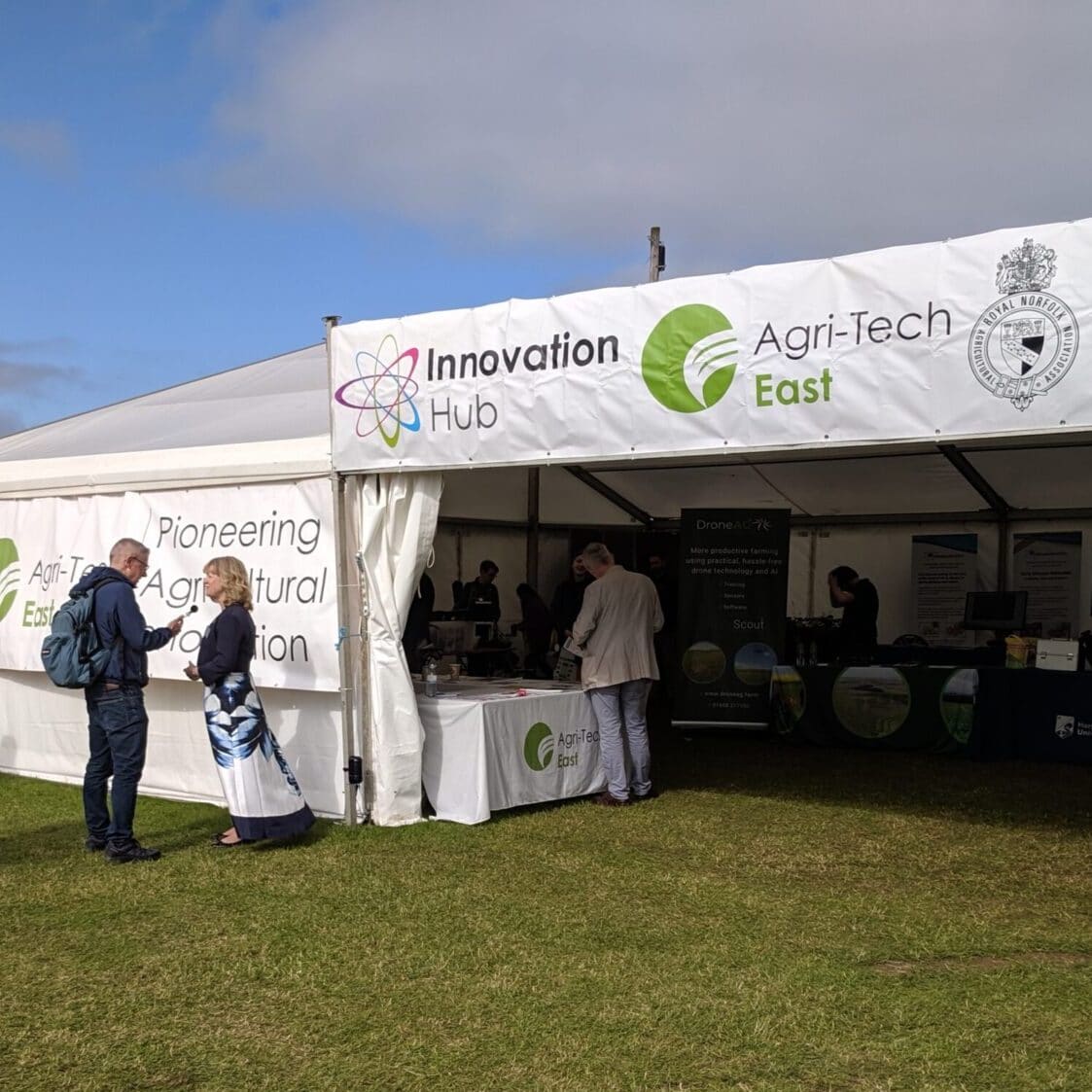
BBRO exhibiting sugar beet trials in the Innovation Hub 2022
BBRO exhibiting in the Innovation Hub 2022

Continued research into disease-resistant varieties, new chemical and biological controls, and government support for Integrated Pest Management (IPM) are also emerging as viable options. Additionally, the development of virus-resistant sugar beet varieties using gene-editing techniques holds promise as a long-term solution.

In navigating the challenges posed by neonicotinoid bans, the industry is actively embracing innovation and alternative solutions to secure the future of sugar beet cultivation.

Jan 2024 Food & Drink Update from Mills & Reeve

Member News
The views expressed in this Member News article are the author's own and do not necessarily represent those of Agri-TechE.

This post highlights a few short summaries from the Mills & Reeves January 2024 update; for more details on any of the topics mentioned below and further updates around labelling and the EU Green Claims proposal, you can visit their blog here.

Brexit Border Checks

Long-awaited changes to border controls on the import of animals, food and flowers from the EU into the UK will be subject to new Brexit customs controls from the end of January.

Under the new restrictions, imports of chilled and frozen meat and fish, cheese and dairy products, and five common varieties of cut flowers will require an export health certificate, signed off by a European vet or plant inspector, before they can enter the UK.

From 30 April the same categories of goods will face physical inspections at the border, raising the prospect of delays and potential for increased costs.

Allergen labelling in non-prepacked foods

The FSA is backing calls for “Owen’s Law” which will introduce guidance for food businesses of non-prepacked foods ie cafes and restaurants, on how best to provide written allergen information. In the meantime, the FSA will work to develop strong guidance for food businesses on how to provide written allergen information to help drive up compliance and make it easier for people with a food allergy, intolerance and coeliac disease to protect themselves when eating out.

Contractual unfairness in the agri-food supply chain

Defra consultation on Fresh Produce follows similar consultations that have already taken place looking at the dairy, pig and egg sectors, and is the next step in delivering on the UK government’s commitment to consult on the need for supply chain fairness regulations on a sector-by-sector basis.

Consultation on contractual relationships in the UK fresh produce industry – consultation document.docx. Consultation ends 22 February

Bird Flu & Eggs

Defra is consulting on a revision to egg labelling restriction.  If agreed, producers will no longer need to change how eggs are labelled during a bird flu outbreak.

Currently, when mandatory housing orders are introduced, eggs from free-range birds may continue to be labelled as “free-range” for 16 weeks and then must be labelled as barn eggs.

The proposals for England and Scotland will consult until 5 March 2024 and will amend the regulations to remove the “derogation” period. This would mean that free-range eggs can stay labelled as such throughout mandatory housing measures. It would also align the free-range egg marketing rules with the European Union

Visit the Food & Drink blog here.

The Science of Decaffeinated Coffee: J A Kemp

Member News
The views expressed in this Member News article are the author's own and do not necessarily represent those of Agri-TechE.

Caffeine provides many benefits—improved concentration, decreased fatigue, even lowering the risk of certain diseases. But research reveals a darker side to the drug. It can interfere with our sleep, cause dependence, and heighten anxiety. This has led to a widely felt demand for decaffeinated beverages. Coffee is a prime example, with 12% of coffee in Europe being decaf.

History of Decaffeination
Like many of us, the great German writer Goethe has spent much of his life struggling to reduce his dependence on coffee and so, in 1820, he presents the young German chemist Friedlieb Ferdinand Runge with a bag of coffee beans, hoping he will discover the cause of coffee’s stimulating effects. Within a few months, Runge has become the first person to isolate the caffeine from coffee.

But it isn’t until the 1900s that decaffeination is commercialised. As with many great inventions, it is discovered by accident when a German shipment of coffee gets soaked in seawater. The merchant, Ludwig Roselius, realises that the caffeine has been removed while the flavour is largely intact. Inspired, he goes on to develop a process for decaffeination and obtains a patent in 1908.

This solvent-based process can significantly affect the flavour of the coffee and historically used benzene (now a known carcinogen). Perhaps this explains why many people are still suspicious of decaf?

Then, in 1970, a patent application is made for a revolutionary process: a one-step method that ditches the organic solvent and retains more coffee aroma. While working at the Max Planck Institute, Kurt Zosel swaps the organic solvent for moist supercritical carbon dioxide (CO2). Supercritical refers to the combination of liquid and gas phase properties at high temperature and pressure, which helps the CO2 to penetrate the raw beans. Unexpectedly, the moist supercritical CO2 easily and selectively extracts the caffeine. Much of the world’s decaf coffee is still produced this way.

Future of Decaf
The Covid-19 lockdowns saw a boom in decaf coffee as many people increased their coffee intake but found themselves consuming excessive amounts of caffeine. This trend seems here to stay in the long term, with the decaf coffee market expected to grow to 29 billion USD by 2030 (up from 19.5 billion in 2022). Therefore, technical innovation is likely to continue in this area. Focus is on producing a coffee plant yielding inherently decaf beans. Growing (rather than making) decaf would make production cheaper plus retain as much aroma as possible.

For example, low-caffeine varieties of arabica coffee (the most popular species) are known to exist. The difficulty is then transferring this characteristic into a commercial variety. It doesn’t help that caffeine acts as a natural pest repellent making the cultivation of low-caffeine plants challenging. A highly promising arabica cultivar (“AC1”) was identified by researchers in Brazil and published in 2004. AC1 contains high levels of theobromine (found in chocolate) which is the immediate precursor to caffeine. Carbon-14 labelling confirmed that the final step in the caffeine synthesis pathway is suppressed in AC1. Field trials began in 2023 and could hold the key to commercially viable, naturally decaffeinated coffee. Whilst such plant varieties are often non-patentable per se, there are separate protections available such as the Convention for the Protection of New Plant Varieties.

Genetic modification (GM) provides an alternative way to produce decaf coffee plants. For example, the genes coding for enzymes in the caffeine synthesis pathway can be “silenced”. This is achieved by introducing a sequence into the plant’s genome that is complementary to the targeted gene. The inserted DNA gets transcribed to RNA which binds to the complementary RNA sequence that codes for the targeted enzyme. This stops the plant from reading that sequence, preventing caffeine synthesis. A patent application for this process was made in 1996, although many further GM methods have been suggested since. Interestingly, genetically modified plants are patentable (at least in Europe) because they are produced by a technical process. Although GM is controversial and often tightly regulated, it is a promising source of full-flavour decaf. Furthermore, unlike cross-breeding programmes, GM can be used on already high-quality coffee varieties, reducing the time needed to commercialise.

Conclusion
The pursuit of flavoursome coffee without the caffeine has inspired many exciting inventions historically—only a handful have been mentioned here. With decaffeination set to grow in popularity, many more innovations will emerge in this fascinating area, generating intellectual property across a broad range of disciplines.

J A Kemp has wide-ranging expertise in the technologies mentioned in this article. See our Specialisms section to find out more.

J A Kemp: Retained EU Plant Variety Rights – 29 Feb 2024 Deadline

Member News
The views expressed in this Member News article are the author's own and do not necessarily represent those of Agri-TechE.

European Union Plant Variety Rights (EU PVRs) granted by the Community Plant Variety Office (CPVO) before 31 December 2020 have continued to retain protection under UK legislation, and these are known as “Retained EU PVRs”. Urgent action may soon be required by rights holders to avoid unintended termination of their Retained EU PVRs.

Since Brexit, the Animal & Plant Health Agency (APHA) has migrated EU PVRs onto a UK database. In order to complete this process, APHA has formally requested holders of Retained EU PVRs to take the following steps by 29 February 2024:

(1) confirm that they hold Retained EU PVRs;

(2) confirm the varieties for which they want to continue to hold rights;

(3) provide a UK address for service, or the name and address of a UK agent; and

(4) provide details of any changes to ownership since 31 December 2020.

More details regarding this process can be found here.

If holders fail to provide the above information by 29 February 2024, their Retained EU PVRs may be terminated (where the Controller of the PVR Office is satisfied that the holders have failed to comply with this request).

If you wish to continue holding one or more Retained EU PVRs in the UK and have yet to provide the above information to APHA, or if you have any questions, please contact J A Kemp’s PVRs team as soon as possible.

Advances in crop monitoring will enable agri-business to respond to Net Zero transition

Meet the Network
Agri-TechE

The move to hyperspectral imagery would offer a step-change in prediction and forecasting of crop performance, according to Rémi Banquet, Commercial Marketing Director for Hyperplan, a ‘Software as a Service’ company. He explains that insights gained from its crop monitoring software will enable agribusinesses to adapt their business models and secure sustainable growth during the transition to regenerative agriculture.

Hyperplan provides decision support services to suppliers, buyers and planners in agri-businesses and agricultural cooperatives.

The Hyperplan platform ingests satellite data about the crop canopy, weather and soils and combines this with crop yield models to anticipate supply volatility.

The service is proving popular with agri-input businesses as it allows their commercial and marketing teams to grow their portfolio of farmers, manage KPIs and respond quickly to opportunities created by changes in production.

Remi Banquet, Hyperplan's Chief Growth Officer
Volatility in agriculture means it is difficult to gain an objective assessment, says Remi Banquet, Hyperplan’s Chief Growth Officer.

Anticipating supply volatility

Rémi explains that there is considerable volatility in agricultural production, and it is difficult to gain an accurate and objective assessment of crop acreage, performance and potential yield. “With Hyperplan our clients can determine what is grown, where, the volume, and monitor the stage of maturity through the season.”

The company was co-founded in France in 2021 by three former McKinsey consultants, each with a decade of expertise in developing supply chain operations for agri-food businesses. They saw the commercial requirement for improved crop monitoring software that could provide predictive insights.

The company now has clients across France, Germany and Spain and is looking to enter the UK market.

It works with partners to optimise the crop models. In France, the company is working with ARVALIS, an applied research organisation that works across the value chain with cooperatives and input firms, as well as feed, food and non-food industries.

By combining ARVALIS’ agronomic expertise with Hyperplan’s deep knowledge on statistical modelling, Hyperplan is able to develop advanced hybrid models and optimise the information available from its satellite imagery.

Hyperplan_screenshot
A screenshot from Hyperplan

The system currently uses multispectral satellite imaging to identify the type of crop and monitor development of the crop canopy and vegetation cover. It has access to Meteo weather data and LUCAS Soil, Europe’s largest topsoil database, with real-time information made available through a single, easy to use platform.

The company is working collaboratively with its clients to collect ground truth data and verify the crop classification and yield estimates. 

Current multispectral imaging satellites have 10 to 20 spectral bands available, but future hyperspectral imaging will give access to 10 times more spectral bands, allowing a much more detailed analysis of the crop as Rémi explains:

“For corn we have just done some trials of 3D crop modelling using hyperspectral imaging looking at the potential for assessment of micro stages of maturity. This is really exciting as it will increase the precision of our predictions and also offers the opportunity for quality analysis models in the future.”

Originally Hyperplan was focussed on providing its customers with a collect forecast on their territory. However, the agri input businesses saw the potential of using its technology to offer greater insights at a field level, as this would enable them to offer farmers and growers more personalised services.

“Being able to provide a customised service is particularly important in the transition to regenerative farming, where there is a focus on effective rotations and improving productivity with fewer inputs,” Rémi continues.

“For the agribusinesses, it means that their reps are not going in cold. They have a sufficient level of knowledge to start engagement with the farmer, to have a proper discussion and fine-tune the response.

“They are trying to sell the most efficient products that will help the farmer gain better performance and improved margin, for example a particular variety of corn that grows well in their soils. This includes using historical data on rotations to look ahead to the next season and advise on suitability of follow-on crops.

“We are helping our clients to anticipate the market for the year, and this is invaluable as they are able to plan their budgets and marketing operations very early.”

Hyperplan_screenshot
A screenshot from Hyperplan

Intelligent Growth Solutions launches world-first international Research Network

Member News
The views expressed in this Member News article are the author's own and do not necessarily represent those of Agri-TechE.

A research network to help bring forth advancements in vertical farming

We have launched a world-first international Research Network designed to bring together leading minds in crop and data science – as well as multiple engineering disciplines – to drive innovation in vertical farming, a technology that can dramatically improve global food security.

Vertical farm infrastructure enables producers to grow crops regardless of climate, weather or environmental conditions such as soil health. It is a crucial tool in helping the world sustainably feed a growing population, improving food security and reducing food miles while catering to local needs and tastes.

The Research Network so far spans four continents, bringing together the brightest minds in plant science, data science horticulture, forestry and engineering to continue to broaden the application of vertical farming technology and the range of its applications.

Its aims include maximising and defining optimum conditions to grow regionally important crops, speed breeding, new variety development, establishing best practice to reduce energy and water consumption as well as proving the technology’s capabilities to efficiently grow novel crops.

David Farquhar, CEO of IGS, said: “Formally launching this network of globally linked research institutions is a huge milestone not only for IGS, but also for the wider CEA industry. We are confident that by bringing together diverse mindsets from all regions of the world with such a wealth of experience across key areas such as horticulture, agriculture and forestry, we will be able to continue to broaden the application of our vertical farming machinery.

“IGS has always been an engineering business with the double-helix of crop and data science at our core, so establishing a way to give the research community direct access not only to our technology, but also to a closely-linked network of like-minded institutions is a significant step. The more we understand about vertical farming, its scope, opportunities and limitations, the greater the impact our technology can have on securing a greener, more sustainable future, in close partnership with traditional growing methods.”

Among those to have so far signed up as inaugural members of the IGS Research Network are the James Hutton Institute in Scotland – a long-term research partner with IGS – England’s Nottingham Trent University, the University of Queensland, Australia, and Germany’s University of Applied Science, HSWT. Each member will build an IGS vertical farm on their site, supported by IGS, to allow them to study crop growth and performance in their own geography and environment.  

Chris Horne, who will lead the research project for IGS, said: “Our aim with the research network is to continue to drive forward crop science and indoor growing innovation by collaborating with the leading minds across the world, validating the technology across different environments and climates, thus improving even further the growth recipes we’ve already developed.

“The World Resources Institute estimates that we need 56% more food than available today to feed the global population by 2050. This work has never been more important. So far, we have proved that more than 200 varieties of crops can be successfully grown indoors – and we’ve demonstrated that having total control of the growing environment enables us to produce high-quality crops at up to six times the speed of other techniques, such as traditional farming or glass houses.”

Priority themes for research include plant analysis, photobiology, and nutrition, including studying ways to enhance nutritional density with an emphasis on produce freshness, flavour and quality. Researchers will also have the chance to work together and share knowledge across different climates and markets.

IGS’ technology is protected by more than 25 patents that uniquely allow automation of every element of the growing environment, including providing optimal light, airflow, watering and nutrition.  

Professor Derek Stewart from the Advanced Plant Growth Centre at the James Hutton Institute said: “Having worked with IGS for several years we know very clearly how the IGS system adds to our research toolbox and is complimentary to other assets like growth chambers and glasshouses. Effectively it gives us 50 lab benches in each tower to enable crop research under very precise control but also at scale. It is also what I call a “time machine” for research, speeding up cycles within projects. We are looking forward to collaborating across the IGS Research Network to accelerate crop science – it will dovetail perfectly with our existing work at the Advanced Plant Growth Centre.”

What our partners said

Professor Chungui Lu from Nottingham Trent University said: “Nottingham Trent University (NTU) is strategically positioned to make substantial investments in vertical farming. With partners from Intelligent Growth Solutions (IGS), we are establishing a Collaborative Research Centre of Excellence in Vertical Farming for our leading position in this sector around the world and to help foster impactful collaborations.  

“We are at the forefront of integrating intelligent technologies to redefine conventional crop cultivation methods. Our current research on Smart Green Grow, including AI-based light and nutrient recipes, can optimise plant growth and significantly improve profitability and ecological sustainability simultaneously. A cornerstone of our innovative approach is the deployment of IGS towers, pivotal in expanding the horizons of our research capabilities. These state-of-the-art vertical farming systems afford us precise control over environmental variables, ensuring consistent and tailored growth conditions for diverse crops.  

“What distinguishes our collaboration within the IGS Research Network is the invaluable opportunity it provides to engage with a global community of like-minded researchers and practitioners. This collaboration will facilitate knowledge exchange, and collectively pursues sustainable and efficient farming solutions, impeccably aligned with our mission at the Centre. Moreover, this endeavour grants us a unique platform for teaching and training in the realm of smart vertical farming.”

Professor Paul Gauthier from the University of Queensland, said: ““Queensland Alliance for Agriculture and food Innovation at the University of Queensland is proud to join the IGS Research Network and support the development of innovative solutions for the success of vertical farming as a solution to feed a growing global population. This initiative aligns with our vision on reaching the UN sustainable goals and increase food production by 70% by 2050 through innovations and cutting-edge science.  

“With climate change and extreme weather impacting our daily agricultural productions, it is critical to change our approach to research and develop a more collaborative network where data and results could be shared openly. We believe that the success of indoor vertical farming remains through multi-disciplinary collaboration and the IGS Research network is the first step in the right direction.  

“Such a network will allow us to develop methodologies to grow crops  that won’t be available to grow in the near future due to climate change and biological pressures. But the IGS Research Network is also about finding solutions to support current and future farmers by providing them with vigorous and adapted crops to mitigate the impact of climate change on productivity and create a resilient global food supply.”

Professor Derek Stewart from the Advanced Plant Growth Centre at the James Hutton Institute said: “Having worked with IGS for several years we know very clearly how the IGS system adds to our research toolbox and is complimentary to other assets like growth chambers and glasshouses. Effectively it gives us 50 lab benches in each tower to enable crop research under very precise control but also at scale.  

“It is also what I call a “time machine” for research, speeding up cycles within projects. We are looking forward to collaborating across the IGS Research Network to accelerate crop science – it will dovetail perfectly with our existing work at the Advanced Plant Growth Centre.”

Professor Heike Mempel from HSWT said: ““Winning IGS as a partner is a milestone for the further development of HSWT as a key player in the field of vertical farming. In the long term, this will pave the way for the ‘IGS Tower’ to be brought to the HSWT as one of the currently best technologies for vertical farming. As part of the IGS research network and with the HSWT’s Applied Science Center (ASC) for Smart Indoor Farming, which has been active since 2020, we can achieve our goal of establishing ourselves as a contact for vertical farming in Bavaria and far beyond take it to a whole new level.”

Lettus Grow: Innovate UK backs collaborative project linking AI with automation & control to improve indoor farming sustainability

Member News
The views expressed in this Member News article are the author's own and do not necessarily represent those of Agri-TechE.

A pioneering project led by LettUs Grow – in collaboration with Fotenix, Rothamsted Research, CHAP, and Vertically Urban – is set to revolutionise the Total Controlled Environment Agriculture (TCEA) landscape in the UK. The Advanced Crop Dynamic Control (ACDC) project aims to develop highly energy-efficient and sustainable indoor farming systems through image-based analysis, AI and software that optimises the growing environment based on plant health and dynamic market environments. 

Innovate UK has announced its support for this nearly million pound project, recognising its potential to transform TCEA operations into sustainable, energy-efficient crop growing systems, awarding £757,151 in funding from the Novel Low Emission Food Production Systems competition. 

The project’s core objective is to tackle the inefficiencies prevalent in TCEA by leveraging innovative technologies and methodologies – thereby improving energy efficiency. 

Energy is one of the largest operational costs for TCEA but it’s not just a question of cost; it’s also one of sustainability. Choosing the right energy source and improving energy efficiency is crucial to reducing emissions.  

By combining expertise from diverse fields, the consortium aims to pioneer novel TCEA growing methods that optimise environmental control efficiencies, encompassing lighting, irrigation, and nutrient supply. These improvements seek to address significant contributors to the carbon footprint within TCEA.

An integral aspect of this initiative is the automation of manual operations, coupled with the enhancement of produce safety, consistency, quality, and shelf-life for both retailers and consumers. This will be achieved by dynamically adjusting the growth environment, ushering in a new era of responsive TCEA technology.

Unprecedented in its approach, the project will utilise an integrated spectral imaging system coupled with an AI-based plant screening technology, designed by Fotenix, to measure crop physiological status. Fotenix CEO, Charles Veys,  said: “Farms use our cameras to detect pest and disease, so why not use this to follow recipe evolution across economy or premium recipes? This project will fast-track collaboration between key suppliers into an industry-ready package at such a pivotal time for energy and food security.”

This data will inform illumination intensity, composition, and energy management, with a focus on integrating renewable energy sources – all of which will be controlled by the software platform, Ostara – originally developed by LettUs Grow. By prioritising plant health, the project aims to devise greener production recipes using advanced responsive control methodologies.

Adam Waterman, Chief Technical Officer of Ostara said: “It’s exciting to see how Ostara can be used as the gateway linking AI to farming systems. Because Ostara seamlessly plugs into farming controls – interfacing with lighting, irrigation, fertigation and environment systems – when sensors detect plant stress, Ostara has the potential to utilise Fotenix’s AI data to dynamically adjust controls to align plant health with energy-usage”. 

Spinach, a high-protein leaf crop, holds a pivotal role in this project. Not only will it serve as a test crop to validate the integrated TCEA technology, but it also represents an alternative protein source poised to unlock new markets.

The project’s impact will be rigorously assessed by evaluating changes in crop yield against operational benchmarks, considering cost-benefit analyses and comparing outcomes against existing industry standards.

Dr Harry Langford, Innovation Network Lead at CHAP said: “Systems-level integration of novel technologies capitalises on the UK’s strengths in TCEA and delivers turn-key solutions with global market appeal, so it is excellent to have been able to secure funding for this exciting project. As well as collaborating on development work, CHAP will conduct demonstration trials within our Vertical Farming Development Centre, to engage and exchange knowledge with the sector around the operational efficiencies achieved, and the potential to deliver on Net Zero.”  

The consortium spearheading this initiative, comprises LettUs Grow, alongside two technology companies—Fotenix and Vertically Urban. Collaborating with them are notable research institutes: CHAP (a Research Technology Organisation), and Rothamsted Research (an academic partner).

Commenting on this collaboration, the consortium’s partners expressed their enthusiasm for the project’s potential to significantly reshape sustainable agriculture practices in the UK. They emphasised their commitment to driving innovation that not only addresses food security challenges but also contributes to a more environmentally conscious and economically viable future for TCEA.

“Vertically Urban is thrilled to be collaborating with leading CEA technology companies in the UK, and I am eagerly anticipating the outcomes of our endeavours” expressed Dr. Phoebe Sutton, Plant Scientist at Vertically Urban.

She elaborated, stating, “This project will unlock the efficient versatility of our Tunable luminaires by integrating seamlessly with the intelligent control features offered by Ostara and Fotenix. This synergy will result in substantial advancements in both energy efficiency and yield for an important crop.”

“Rothamsted Research is looking forward to working with partners to develop energy efficient , sustainable indoor farming systems. The integration of image-based analysis and AI to optimise the growing environment will help to optimise the growing conditions, whilst reducing the energy requirements, crucial to lowering UK emissions. Further, linking metabolite data from the plants will allow an integrated evaluation of the plants health and nutritional status.” said Dr Jane Ward, Principal Research Scientist at Rothamsted Research.

Innovate UK’s support underscores the critical importance of such initiatives in fostering innovation and resilience in the face of complex global challenges. 

Collaborative Effort by PIC®, Vetline, and AbacusBio Elevates Uganda’s Pig Farming

Member News
The views expressed in this Member News article are the author's own and do not necessarily represent those of Agri-TechE.

Improving Pig Production and Welfare in a Sustainable Manner

The team formed by PIC®,Vetline and AbacusBio, continues its mission to enhance Uganda’s pig farming industry, furthering the aim of providing economic stability for pig farmers while ensuring the health and welfare of farming families. This initiative also addresses broader food production and safety issues in the supply chain, with a commitment to delivering nutritious, healthy, and safe food. This transformative effort leverages PIC® genetics, artificial insemination, veterinary services by Vetline, and the innovative database and information platform (Dtreo) by AbacusBio.

A Path to Positive Impact:

Focused on areas surrounding urban development, this venture explores sustainable modern pig production techniques and facilities. Beyond its immediate goals, this initiative has the potential to bring about a positive transformation in Ugandan society at large.

Pig Farming’s Vital Role in Uganda:

Pig farming is one of Uganda’s fastest-growing livestock activities, offering a powerful means to increase food production, income, and employment opportunities. Uganda stands as one of the largest per capita consumers of pork in sub-Saharan Africa. However, the challenge lies in low productivity as demand consistently outpaces supply.

Project Progress Update:


The project is progressing well, with the following key milestones achieved:

– Inseminations: A total of 295 inseminations have been carried out using semen from PIC boars, covering 18 districts and reaching 151 villages. This initiative has engaged 59 inseminators, benefitting 164 smallholder farms. Among these, 56 are female farmers (34%), while 108 are male farmers (66%).

– Expectations: Currently, smallholder farmers eagerly anticipate the birth of piglets resulting from the PIC semen. Deliveries are expected to commence around October 5th, 2023. The project foresees a surge in demand for PIC semen once these deliveries start.

–Research and Monitoring: The project has recruited a master’s student who will closely collaborate with field inseminators. Their responsibilities include tagging piglets, monitoring their weights, and collecting data on health and general farm management.

–Laboratory Equipment and Testing: The laboratory equipment and technician required to run tests and analyze field-collected samples are already in place, ensuring the project’s research and diagnostic capabilities.

–Research Concept Document: A research concept document in development, which outlines the scope of work for the MSc student. They will also gather data on the weight gain of piglets born from PIC and local boars.

Looking Ahead:

The collaborative effort between PIC, Vetline, and AbacusBio builds upon the success of the PigBoost project, initiated in 2020 through a partnership involving international and local organizations. Led by genetics specialists AbacusBio and the Roslin Institute at the University of Edinburgh, in conjunction with Ugandan-based organizations Vetline Services and Makerere University, this project received support from the Kampala City Council (animal production division), Ministry of Agriculture, and the National Animal Genetic Resource.

For additional information about this groundbreaking project, please contact:

AbacusBio | Tim Byrne | Email: tbyrne@abacusbio.co.uk

About AbacusBio:

AbacusBio is a highly respected agribusiness consulting firm, delivering world-class solutions for clients and empowering them with science and business intelligence to grow resources and food for a more sustainable world. With offices in New Zealand and the UK, and a newly opened office in Canada, AbacusBio consultants are deeply engaged with agribusiness communities, leading a diverse range of projects worldwide that highlight the breadth of AbacusBio’s capabilities and services. For more information, visit www.abacusbio.com.

About Vetline:

Vetline Services stands as the premier provider of artificial insemination and pig veterinary services in Uganda. For more information, visit www.vetlineservicesug.com.

About PIC:

PIC (Pig Improvement Company) is the global leader in swine genetics, offering genetically superior breeding stock to pig producers and supporting them with technical services to unlock genetic potential. PIC is a subsidiary of Genus, a UK-based company committed to pioneering animal genetic improvement to nourish the world.

Early-Career Chronicles with Jas Atkins

ECIF
Agri-TechE

Welcome to the inaugural edition of our Early-Career Chronicles series, where we delve into the lives of the individuals and professionals navigating the crossroads of agriculture and technology within the Early-Career Innovators’ Forum (ECIF).

Through a set of quick-fire questions, we’ll present the diverse paths of ECIF participants, exploring the unique perspectives of the trail-blazers shaping the future of this ever-evolving industry.

This month we’re featuring the first ECIF participant to be awarded a certificate as part of our new ECIF Programme!

Who am I?

Name: Jas Atkins

Job and employer: Assistant Research Consultant, Vegetable Consultancy Services (VCS) Ltd

ECIF Programme join date:  13th November 2023

ECIF milestone reached (to date): Bronze Certificate (10 ECIF points)

Quirky fact about your job: Despite being part of a relatively small team, at VCS we collectively look after around 50% of UK onions and 40% of UK carrots and parsnips.

What do you like most about the agricultural sector?

The agricultural sector is exciting due to its complexity, unpredictability, and volatility! I have always been interested in plant science and understanding how plants adapt and defend themselves in ever-changing environments.

After my summer placement at VCS in 2021 my interest focussed on food crops, and the challenges involved in feeding the human population in the face of climate change.

I think that the fast-paced innovation and research being conducted to try and sustainably optimise agricultural processes and engineer our crop plants is what makes the agricultural sector so exciting and why I wanted to be involved in it.

What ECIF events have you taken part in?

I was fortunate enough to attend the REAP Conference last year on behalf of VCS. This event provided so much insight to the agricultural sector and all the interrelated industries that cross it. It was a great opportunity to network with people at different stages within their career and to gain more awareness of the emerging technologies and research.

The tour of the John Innes Centre glasshouses and insectary which was great as well, particularly to meet other ECIF members and to connect with like minded people.

Through both events I have connected with lots of people through LinkedIn and have been in conversations with lots of people to find out more about the work they are conducting.

JIC Insectary visit
VCS Agronomy field event

Who would you like to meet through the ECIF Programme?

I joined the ECIF programme as a way to connect with other people just starting out in their careers. It’s a great way to network with like-minded people at the same time as learning more about agriculture, industry and the research being conducted.

I would like to keep meeting more people who have a shared interest in agricultural innovation and to carry on building my network.

Where do you see yourself professionally in 10 years’ time?

My long-term goal is to do my part in bridging the gap between research institutes and agriculture. Whilst also helping to inspire younger generations to get involved with agricultural research such as trials.

In ten years’ time I would like to be running highly-scientific, in-field research trials that brings the research being conducted into an agricultural setting. I also hope that I will be conducting outreach events to showcase the practical side of agricultural work and how integral it is so the global food system.

I am hopeful that by this time – and with my involvement – more sustainable farming practises will be implemented in combination with genetic technologies to sustainably optimise yields and maintain healthy crops.

Are there any tips you’d like to share with the ECIF community?

I think the most important thing to do whilst being a part of the ECIF community is to immerse yourself in it as fully as you can and to get involved in whatever is on offer.

All the events are so interesting and such a great way to network and meet people who have similar goals and it is a great way to learn from one another.


The Early-Career Innovators’ Forum (ECIF) is a platform uniting early career individuals passionate about agricultural innovation.

Join the ECIF Programme to enhance your knowledge and network in agriculture, and to attend free activities, including research, farm and industry visits, an annual conference, and professional skills webinars. Explore more about ECIF and how to join here.