The Productive Landscape: NatureTech for Profit and Planet
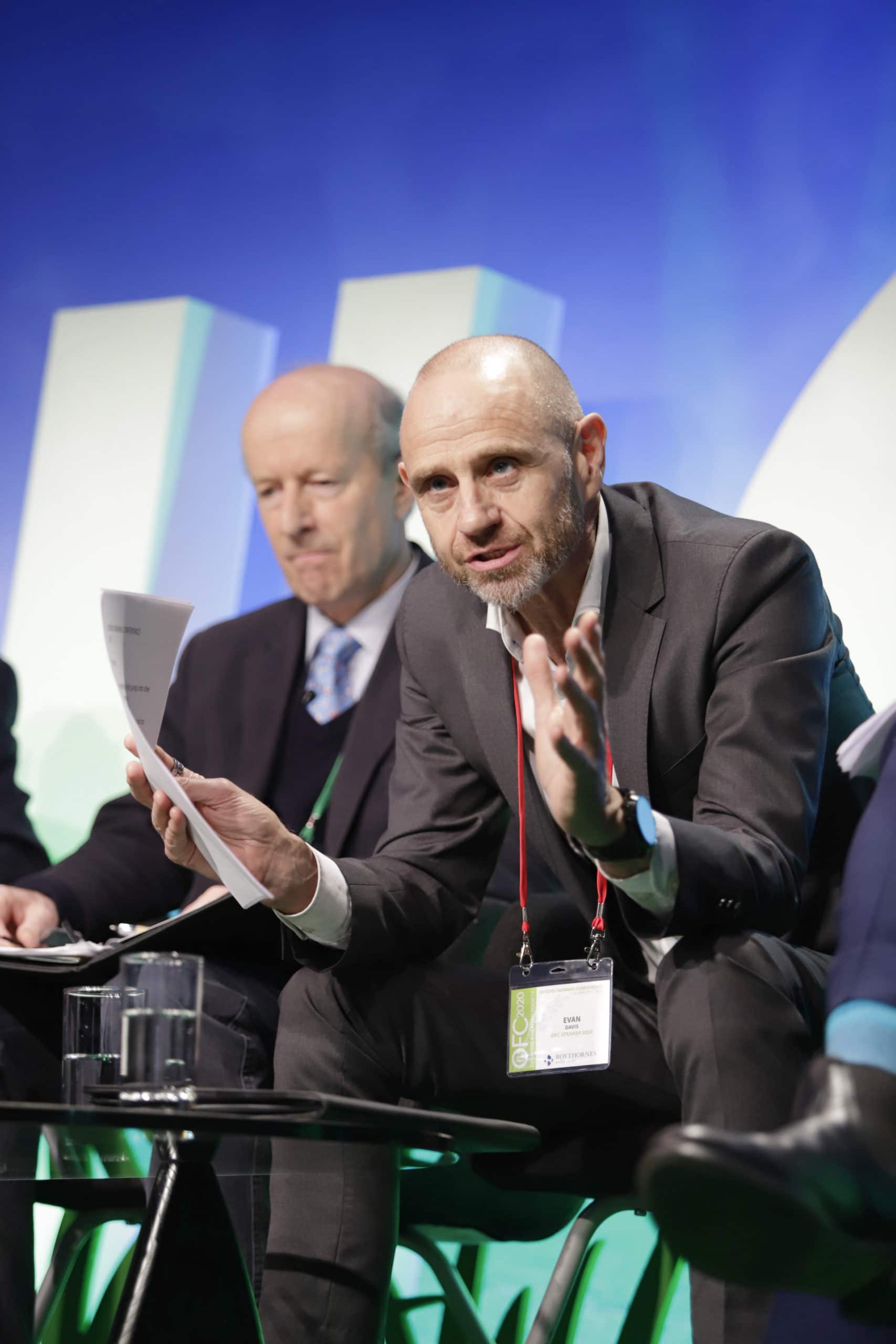
How can technology enable delivery of food, nature recovery, and climate resilience - all at once? The Head of the Environment Agency is asked: what's the national plan for dealing with land use pressures, plus you’ll hear from technologists and land managers working on nature-based and tech-enabled solutions for water, soils and climate adaptation.

The EU AI Act and Intellectual Property

Member News
The views expressed in this Member News article are the author's own and do not necessarily represent those of Agri-TechE.

Intellectual Property and the EU AI Act

The European Union’s AI Act will establish a unified regulatory framework for AI across the EU, introducing significant new requirements for generative AI. Notably, it mandates the disclosure of copyrighted works used in training these systems. Here’s an overview of what this means for AI developers and providers.

Background on the AI Act Amendments

The amendments to the AI Act specifically target generative AI, mandating providers to publicly disclose details of copyrighted works used in training their models. This move addresses growing concerns about copyright infringement in the training processes of generative AI systems. These systems, capable of creating text, images, and other media, have seen explosive growth and investment, exemplified by OpenAI’s ChatGPT and Microsoft’s significant investments in AI.

Often, these AI systems utilise vast amounts of copyrighted material, sometimes scraped from the internet, leading to allegations of infringement from rightsholders. The new disclosure requirements could increase the legal scrutiny AI developers face, particularly in the EU, as they must transparently document their use of copyrighted materials.

New Obligations for Generative AI Providers

  1. Policy for Compliance: Providers of general-purpose models must establish policies to comply with Union copyright law, including honouring opt-outs from the EU’s commercial text and data mining (TDM) exception using state-of-the-art technologies.
  2. Global Scope: The AI Act requires compliance with EU copyright law even if the model is trained outside the EU. This ensures a level playing field by preventing providers from gaining a competitive advantage through lower copyright standards outside the EU.
  3. Disclosure Requirements: Providers must publicly disclose details of the content used for training their models. This includes listing main data collections or sets, such as large private or public databases, while protecting trade secrets and confidential business information. No exceptions are made for open-source models, and those fine-tuning general-purpose models must disclose new training data sources.

Broader IP Considerations

The AI Act aims to balance innovation with the protection of fundamental rights, including IP rights. The specifics of achieving this balance remain to be seen, but the legislation emphasises protecting the intellectual property of AI system developers, such as trade secrets, while mandating public disclosure under certain conditions. Suppliers must provide necessary information for compliance without compromising their IP or trade secrets, and authorities applying the AI Act must also protect these interests.

Impact on the UK and Future Developments

Post-Brexit, the UK’s approach to AI regulation has diverged from the EU’s. The UK has not implemented the EU’s text and data mining exceptions, limiting such exceptions to non-commercial research. While the UK Government is consulting on broader exceptions, it has yet to propose obligations for AI providers to disclose copyrighted works used in training.

The UK aims for a lighter regulatory touch to foster innovation within the AI space. However, this approach may face challenges in a globalised market where the EU’s stringent regulations could set a de facto standard. The UK’s narrower exceptions and different regulatory frameworks could impact its competitiveness in AI development compared to the EU.

Practical Steps for AI Developers in the UK

UK-based AI developers should collaborate closely with IP lawyers to navigate the complex landscape of training data and copyright compliance.

Key steps include:

  1. Identifying necessary works and applicable copyright restrictions.
  2. Evaluating the extraction of protected data and potential infringement risks.
  3. Considering jurisdiction-specific strategies for training and hosting models.
  4. Implementing safeguards like filters and human oversight to prevent infringing outputs.
  5. Documenting compliance efforts meticulously to adhere to regulatory requirements.

Conclusion

  • The EU AI Act represents a significant step towards regulating the use of generative AI and protecting intellectual property (IP) rights.
  • Providers must adapt to these new requirements, carefully considering where and how to train their models to ensure compliance with EU laws. This will involve detailed documentation, transparent disclosure of training data, and robust compliance policies to navigate the complex landscape of AI and IP.
  • The UK’s different regulatory approach adds another layer of complexity, emphasising the need for thorough legal guidance and strategic planning in AI development and deployment.

For assistance in navigating these intellectual property matters, contact ip21 today.

  • *I have permission from the copyright holder to publish this content and images.

New farm supports plan to transform the future of food

Member News
The views expressed in this Member News article are the author's own and do not necessarily represent those of Agri-TechE.

The University of Reading has agreed an ambitious plan to transform the future of food and farming through research.

The University has today (Monday 1 July) agreed a comprehensive plan for investment in research areas for agriculture and food and has completed a circa £16 million purchase of land at Tanners Farm, Farley.

The 635-acre site includes pasture, arable land and woodland, and is around five miles south of the University of Reading’s Whiteknights campus, and close to the University’s existing farming facilities at Hall Farm, near Arborfield.

The purchase of Tanners Farm, and the adoption of the Agrifood Futures Strategy, are significant events that will extend the University’s farming resources, marking a milestone in more than a century of agricultural research and education.

With the possibility of an updated Local Plan for Wokingham allocating parts of Hall Farm for a new garden village, the additional farmland will ensure there is ample space to continue the University’s world-class research, in a location that is still close to the University’s other facilities.

Professor Robert Van de Noort, Vice-Chancellor of the University of Reading, said: “The study of food and farming has been at the heart of the University’s work for more than a century. This new strategy will secure the future of agriculture at Reading for the next century to come.

“Our mission is to develop new methods and partnerships that will transform the way healthy, sustainable food is produced in Britain.

“This is another important step to raise Reading’s position among the world’s best for agricultural research. In time, this strategy and additional farmland will give our researchers the ability to find answers to critical questions of food security and sustainability. It will provide our students with hands-on experience as they train to become our future food growers and the stewards of the countryside.”

The funds for the purchase come from the University’s long-term capital investment funds. The University’s overall investment asset capital will remain broadly unchanged.

The new farm is an addition to the University’s existing agricultural facilities around Reading, which includes mixed farmland and facilities in Arborfield, Shinfield and Sonning.

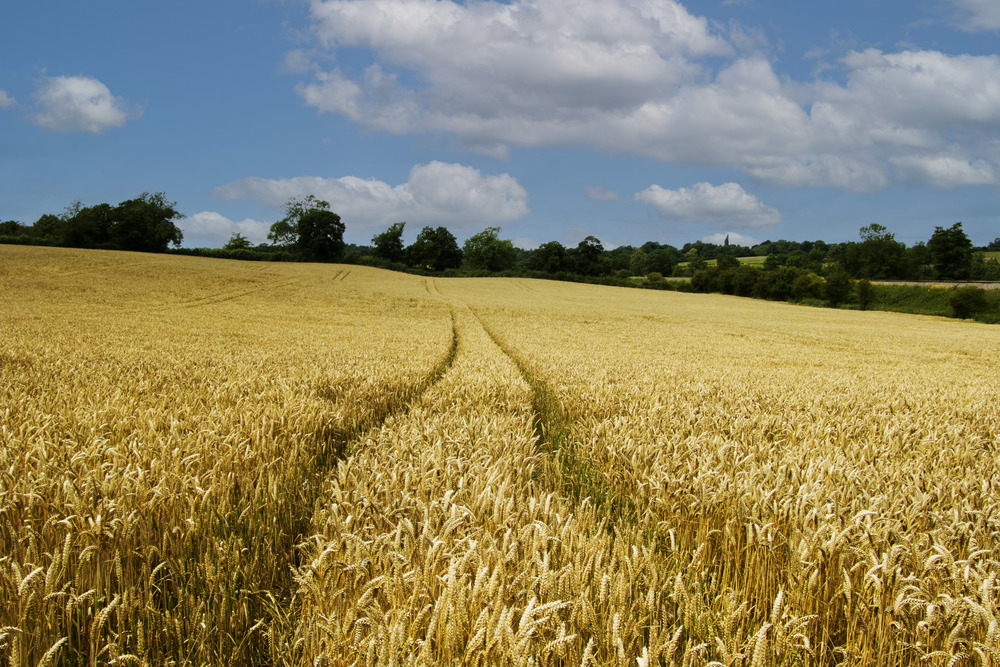
Tanners Farm currently includes arable land where milling wheat, feed wheat and barley is grown.

University of Reading new farm

Future of food

The Agrifood Futures Strategy looks to position Reading to address some of the most important and complex challenges facing the global food system of 2050. It aims to align the University’s research with a vision for everyone globally to be able to consume a sufficient, healthy, sustainable and affordable diet that leaves the lightest possible footprint on the planet.

The strategy identifies three interlinked priority research areas, focusing on transformation to a resilient and fair food system; environmentally friendly farming systems; and developing healthy and sustainable foods.

The University currently has a large existing farming portfolio, including significant dairy and crop research. The University of Reading is ranked among the top 30 universities in the world for Agriculture and Forestry (QS World University Rankings by Subject 2024), behind only Oxford and Cambridge in the UK.

Research carried out on Reading’s farms has included:

  • innovative studies to cut greenhouse gas emissions from milk and dairy production;
  • work on techniques to promote the health and welfare of farmed livestock;
  • measuring ways to boost populations of bees and insect pollinators;
  • the development of new vaccines to counter bovine TB;
  • efforts to support cocoa farmers facing climate change and plant diseases.

Boosting biodiversity

Tanners Farm has been carefully managed, with schemes to encourage wildlife and protect the countryside. The University of Reading will initially lease the land to its existing users, continuing to support biodiversity schemes.

Professor Simon Mortimer, Head of the University of Reading’s School of Agriculture, Policy and Development, said: “This is an exciting development for the University’s ambitions to invest in the future of food and farming research and education.

“The University’s purchase of Tanners Farm will give us the opportunity to research and demonstrate solutions to some of the most pressing problems facing Britain and the world: how to keep feeding a growing population from finite resources, despite a changing climate, while reducing the impact of farming on the environment.”

Thinkable Studio & Gardin Selected for a Prestigious German Design Award

Member News
The views expressed in this Member News article are the author's own and do not necessarily represent those of Agri-TechE.

We are delighted to share that Thinkable Studio and Gardin have been selected for the prestigious German ‘Focus Open 2024 Baden-Württemberg International Design Award’ for Gardin’s revolutionary phenotyping platform.

Thinkable and Gardin received an honourable special mention for the design of one of the world’s most advanced agricultural technologies that helps to improve food crops, reduce resource usage and improves forecasting.

“This is one of those rewarding projects where you can see the impact of technology helping to heal and feed the planet! We are in the midst of an agricultural revolution and Gardin is leading the way in sensor technology for greenhouses, vertical farms and polytunnels.

In a wonderful partnership we designed and developed the Gardin sensor from concept into production between inhouse team and our friends at Gardin in a record 10-months.

We could not be more proud to be working again with Sumanta Talukdar and his talented team” Jorg Schlieffers, Managing Director, Thinkable Studio.

Andrew Hunter-Osborne, Director of Supply Chain & Operations says, “The success of Gardin to date has been built on very solid relationships with our both our strategic partners & customers alike.  The collaboration with the Thinkable team enabled us to realise concept to production against an aggressive schedule delivering our hardware to customers worldwide.  Thinkable not only designed a functional, stylish and robust product, but supported our wider manufacturing partners in ensuring a successful first build along with swift product certification. I look forward to working with Thinkable again in generating compelling hardware.”

The sensor will be exhibited at the awards ceremony in ‘Haus der Wirtschaft’ on November 7th 2024-Jan 25th 2025.

For more information please visit:

https://www.gardin.ag

https://www.thinkablestudio.com/en/gardin

  • *I have permission from the copyright holder to publish this content and images.

Celebrating 75 years of the Crop Centre’s pioneering agriculture research

Member News
The views expressed in this Member News article are the author's own and do not necessarily represent those of Agri-TechE.

The University of Warwick is celebrating 75 years of plant science research at its internationally recognised Crop Centre – the UK’s leading research facility for vegetable growers.

The Crop Centre, based at The University of Warwick’s Innovation Campus, Stratford-upon-Avon, was founded 75 years ago as the National Vegetable Research Station (NVRS) to address post-war pressure for food production.

Research has continued on the site ever since, now incorporated into the University’s School of Life Sciences (SLS).

Read the full Press Release here: https://warwick.ac.uk/fac/sci/wmg/news-and-events/news/wmgnews?newsItem=8a17841a909c4de00190df1baf8910b6

‘NatureTech’ and its role in agriculture

Topic Overview
Agri-TechE

Around 50% of global GDP depends on natural capital in some form. As industries increasingly focus on corporate responsibility for biodiversity and nature, future regulations will likely require businesses to demonstrate their environmental efforts. This trend impacts both agricultural and non-agricultural sectors, extending across entire supply chains.

However, many industries still struggle to grasp what biodiversity really entails and how technology can support it. This is where our community comes in, offering expertise and solutions. For farmers and landowners, programs like the Sustainable Farming Incentive (SFI) provide financial support to adopt sustainable practices. Embracing naturetech can help meet these new demands, ensuring a more resilient and sustainable future.

Why digitise nature?

The imperative to digitise nature stems from the urgent need to bolster sustainability efforts and strengthen the resilience of natural systems. Technology can play a pivotal role in combating environmental degradation and biodiversity loss while enhancing productivity. As global priorities shift towards sustainability, the demand for evidence-based practices grows, necessitating technological solutions for precise monitoring and effective management.

Regenerative Agriculture: a growing movement

One significant area where naturetech demonstrates its relevance is in regenerative agriculture – a holistic farming approach that has gained momentum over the past decade. Regenerative agriculture focuses on restoring ecosystem health, promoting biodiversity, improving soil fertility, and enhancing resilience to climate changes.

Naturetech provides advanced tools and technologies to support these goals by enabling more precise and effective agricultural management through remote sensing, soil sensors, and AI-driven analytics. Events like the Groundswell Regenerative Agriculture highlight the growing adoption of these practices, emphasising the potential role of technology in achieving these goals.

Naturetech: Groundswell Regenerative Agriculture festival

Efforts to support farmers in adopting regenerative practices are gaining traction through public and private investments. For instance, the UK Government’s Sustainable Farming Incentive encourages farmers to adopt practices that enhance environmental sustainability and Innovate UK previously introduced a £7 million investment into markets that integrate private finance with biodiversity projects, in an effort to promote a nature-positive agenda.

Additionally, initiatives like the Natural Environment Investment Readiness Fund provide financial support to farmers for attracting private investments into nature-based projects. These initiatives not only incentivise sustainable land management but also pave the way for new financial opportunities such as biodiversity net gain credits.

Currently, Natural England manages a centralised system for selling biodiversity credits at a statutory price. However, as the nature market evolves, it is expected that these transactions will increasingly occur within private markets, providing farmers with more opportunities to benefit financially from their sustainable practices.

Key Initiatives

Several key initiatives are shaping the landscape of naturetech in agriculture:

    • TFCD (Task Force on Climate-related Financial Disclosures): required organisations to report on Scope 1 and Scope 2 GHG emissions metrics (and sometimes Scope 3). While now disbanded, TFCD’s recommendations on climate disclosures have influenced how organisations approach and report their greenhouse gas emissions, setting the stage for future regulatory requirements. We explored the task force and technologies to support recommendations in this briefing, featuring Chris Brown, Senior Director for Sustainability at Asda.

    • TNFD (Taskforce on Nature-related Financial Disclosures): This framework encourages businesses to assess and disclose their impacts on nature, fostering transparency and integrating biodiversity considerations into financial decision-making. NatureMetrics uses eDNA technology to quantify biodiversity and provide evidence of ecosystem health and they have partnered with Unilever to deliver regenerative practices across the supply chain.

    • Nutrient Neutrality (NN): EU rules mandate that new developments do not add to river pollution. Excess nutrients from developments can be offset by mitigating existing nutrient losses elsewhere. Technologies such as those developed by Timac Agro facilitate precise nutrient application, reducing waste and runoff while improving soil fertility.

    • Natural Flood Management (NFM): Strategies under NFM aim to mitigate flood risks using natural processes like floodplain restoration and tree planting. Data and modelling help in choosing the best interventions for specific areas. Companies like XD Innovation which apply aerospace modelling technologies to landscape systems, can aid in predicting and optimising flood management interventions.

Challenges and opportunities in Naturetech

Despite the promising potential of naturetech, several significant challenges need to be addressed to unlock its full benefits and ensure the sector remains trustworthy and effective.

Data harmonisation

Agricultural data remains fragmented and siloed across different projects and systems, adding time and cost burdens to farmers. Instead of providing clear insights, disparate data sources can make it difficult to form a cohesive and actionable strategy. Solutions like those developed by Yagro focus on harmonising and integrating agricultural data, to make it more accessible and practicable.

However, the industry still requires more robust standards and frameworks to ensure that data can be effectively shared and applied across various platforms and applications, thereby maximising its potential to support better management practices and outcomes.

Trust and transparency

Recent concerns about the integrity of some carbon credit schemes have raised concerns about the legitimacy of environmental claims, making it harder for stakeholders to trust that these projects deliver genuine benefits. To address this, there is a growing need for enhanced transparency and verification mechanisms.

Blockchain technologies, for instance, offer a promising solution by providing a transparent, tamper-proof ledger that ensures the authenticity and traceability of credits. Companies like Ecometric are pioneering rigorous methods for measuring and verifying soil carbon. Their work, validated by the Regen Network, uses a combination of in-field sampling, satellite imagery, and cutting-edge AI to offer transparent and reliable carbon credits. This independent validation not only boosts confidence in the market but also ensures that credits reflect real-world environmental benefits.

Naturetech: Regenerative farming
Photo courtesy of Ecometric

Where are we now?

As of 2024, the landscape of naturetech is expanding rapidly, driven by increased investment interest and technological advancements. Companies like Mantle are pioneering scalable institutional-grade MRV (Monitoring, Reporting, and Verification) technologies for nature-based carbon and biodiversity projects, working closely with regulators to validate claims.

Cambridge Consultants’ report, “Trusted Soil Measurement is the Key to Scaled Regenerative Agriculture,” underscores the critical role of reliable evidence in the nascent nature markets. This report highlights advancements in technologies that provide robust evidence and traceability of system changes, essential for building trust and attracting finance to sustainable practices.

Technological breakthroughs in AI-driven soil sensors and aerial solutions are transforming soil management practices, enhancing nutrient use efficiency, and improving overall soil health. These advancements promise increased productivity and sustainability in agriculture.

AI technologies are also revolutionising our understanding of complex soil interactions and ecosystem dynamics. They enable precise biodiversity mapping and soil health analysis, crucial for informed decision-making and sustainable land management practices.

field intercropping

The regulatory landscape for naturetech and natural capital is rapidly evolving, presenting both opportunities and challenges. Initiatives such as the EU’s nutrient neutrality rules and England’s mandatory Biodiversity Net Gain create new avenues for environmental credits and sustainable practices. However, the complexity and variability of regulations across different regions can pose significant hurdles for businesses and land managers. It is crucial for the industry to stay informed and agile, adapting to changing policies while advocating for regulations that support innovation and sustainability.

A new non-executive director for Zayndu brings extensive industry experience

Member News
The views expressed in this Member News article are the author's own and do not necessarily represent those of Agri-TechE.

Anne Williams, head of protected crops at Bayer Vegetable Seeds, has joined the Zayndu board as a non-executive director.

The announcement follows recent senior appointments to Zayndu’s sales and engineering teams, as the firm is making significant strides in expanding sales of its ActivatedAir cold-plasma seed treatment and priming system.

Anne Williams brings a wealth of industry experience. Her career started in crop protection before she moved to Monsanto, which has seen her work in the horticultural seed industry for the past ten years. She was the tomato global product manager at Monsanto and has been the head of protected crops at Bayer Vegetable Seeds since the acquisition of Monsanto by Bayer in 2018.

As the industry increasingly focuses on genetics to solve its agronomic challenges and increase yields, Anne believes that seed quality will also play a critical role.

“If you have good genetics, reaching the grower in great condition, then you get the best possible start for the crop,” says Anne. “There has been a lot of change in the demands of growers and what their crop cycles and management looks like. Healthy seeds with good vigour and germination get the whole process moving for a grower.

“ActivatedAir is a super interesting technology. It’s easy to use and green tech, which makes it very practical for operators to manage with no risk of exposure to harmful substances. It is also very adaptable to different crop species and varieties.

“It is clean, green and fast.”

Getting faster early growth and establishment is particularly helpful for leafy crops on a short growing cycle, explains Anne. Cutting a few days off each growing cycle could potentially mean fitting in an additional crop in a year, spreading a grower’s fixed costs and increasing profitability.

“A more even emergence also means it is easier to predict harvest times because you don’t have the frustration of waiting for the final percentage of the crop to be ready.

“For growers sowing into open fields, faster emergence means the crop is able to outcompete weeds better. You get better ground cover, which means you are much more efficient in terms of fertiliser, nutrient and water utilisation,” adds Anne.

Zayndu’s CEO, Ralph Weir, welcomes Anne to the board and is already witnessing the value she brings to the team.

“We are building a great depth of experience in the horticulture industry, plant science, seed technology and engineering to ensure that Zayndu is known for its knowledge and service as well as ActivatedAir,” says Ralph.

“Anne is a huge asset to the business. She is acutely aware of the challenges growers face and how enhancing seed quality can play an important part in solving them. We are delighted to be working with her as Zayndu enters an exciting chapter in its growth.”

Rothamsted Enterprises welcomes new Chair

Member News
The views expressed in this Member News article are the author's own and do not necessarily represent those of Agri-TechE.
You must be logged in to view the content.

Royal Barenbrug Group celebrates 120 years of Innovation and Sustainability in the Grass Seed Industry

Member News
The views expressed in this Member News article are the author's own and do not necessarily represent those of Agri-TechE.

In June 2024 the Royal Barenbrug Group, a global grass-seed industry leader, proudly celebrates its 120th anniversary.  

Since its founding on 15 June 1904 by Joseph Barenbrug, the company has dedicated itself to helping feed the world sustainably and enhancing green spaces, through innovative grass-seed solutions.

Joseph Barenbrug envisioned a world of possibilities with grass, initiating the development of diverse varieties for multiple purposes – a tradition which continues to this day.  Barenbrug creates solutions for every need and climate; from tasty and healthy forages with high nutritional values for livestock, to fine-leaved and attractive green grass for parks, gardens and strong, resilient sports pitches.  Barenbrug research has produced multi-species mixtures that enhance biodiversity and creates cover crops which improve soil fertility. 

As a family-owned company, Barenbrug has stayed true to Joseph’s mission of helping customers to overcome challenges.  The fourth generation, represented by Frank and Bastiaan Barenbrug, continues this legacy, in the capacity as Supervisory Board members.

In recognition of its prestige, sustainable management and excellent reputation, Barenbrug was awarded the ‘Royal Predicate’ in 2004, a distinction granted only to companies of extreme importance in their field and able to demonstrate 100 years or more of effective business.


Dedicated to innovation
Barenbrug’s dedication to innovation is central to its R&D philosophy.  By investing significantly in our owned research programs, state-of-the-art facilities and building partnerships with leading institutions, Barenbrug stays at the forefront of grass seed technology.

Our continuous improvement ethos drives the company to explore new frontiers in seed science and to produce superior products which meet the changing needs of the market.  Improvements include more resilience in changing weather conditions, contributions to lower emissions, lower input requirements, better disease control, improved biodiversity and nutritional value.

Sustainable Practices
Sustainability is a core value in Barenbrug’s R&D efforts.  The company strives to develop grass seed mixtures which perform exceptionally, while contributing to environmental stewardship.  By reducing the need for water, fertilizers and pesticides, Barenbrug’s seed supports sustainable landscaping and agricultural practices.  Dedicated to creating a greener future, Barenbrug continues to innovate eco-friendly solutions.

Global Barenbrug Family
The cornerstone of Barenbrug’s success is its people.  Across all functions and locations, the passion, dedication and unique talent of our employees sets Barenbrug apart from the competition.  Barenbrug is committed to being a global family, fostering a sense of belonging, cooperation and mutual growth and increasing Barenbrug’s relevance and impact on a global scale.  Even though Barenbrug is represented in more than 20 operating companies around the world, we ensure that everyone becomes stronger by being part of a global family, maintaining strong relationships with each other, sharing experiences and ideas to help each other.  Our extended family includes our loyal suppliers, partners and customers around the world, with whom we share our culture and values.

Frank Barenbrug, Member of the Supervisory Board: “Reaching 120 years is a nice milestone for Barenbrug and it is a testament to our unwavering commitment to innovation, sustainability, and serving the needs of our customers and end-users globally.  Our mission to help feed the world sustainably and to enhance green spaces continually drives us to improve and adapt to the changing demands of the industry.”

Bastiaan Barenbrug, Member of the Supervisory Board, added:We are incredibly proud of the legacy that our great-grandfather Joseph Barenbrug started in 1904.  Over four generations, we have built on his vision and passion for grass seed development.  Today, our global Barenbrug team’s dedication and unique talents continue to set us apart.  We look forward to many more years of leading the industry with our cutting-edge solutions.”

Some Milestones in Barenbrug’s 120-year history

1904:    Barenbrug is founded by Joseph Theodore Barenbrug

1908:    Publication of the booklet Money in Grasses. This was published in the US market in 1909.

1952:    Barenza is Barenbrug’s first brand on the variety list. Many more will follow.

1979:    Barenbrug opens a seed cleaning facility in the USA

1983:    Barenbrug opens a subsidiary in the UK

1996:    Barenbrug opens a subsidiary and R&D station in New Zealand and in Australia

1997:    Barenbrug opens a subsidiary in South America in Argentina

2004:    During its 100th anniversary, Barenbrug became ‘Royal’, because of the important contribution to the grass seed industry over the last 100 years

2011:    Barenbrug opens a subsidiary in South Africa

2012:    Barenbrug opens a subsidiary in Brazil

2024:    Barenbrug celebrates its 120th anniversary.  It is still as passionate about providing the best sustainable grass solutions for sport, forage and recreation as it was back in 1904.

About Royal Barenbrug Group

With headquarters in the Netherlands, Barenbrug is a fourth-generation, family-owned company, dedicated to the research, development and production of grass seeds and legumes for agricultural and recreational markets.  With over 900 employees, active in more than 20 countries on six continents in all major climate regions, our mission is to increase animal productivity to help feed the world and to enhance the enjoyment of green spaces.  Together, our operating companies deliver annual net sales in excess of €370 million.  

More information can be found at www.Barenbrug.com


NFU calls on Government and kicks-off campaign at Cereals Event

Member News
The views expressed in this Member News article are the author's own and do not necessarily represent those of Agri-TechE.

A wet harvest could push farmers closer to breaking point, said NFU President Tom Bradshaw in a press briefing held by the organisation at this year’s Cereals Event.

Following months of disastrous weather coupled with high production costs, reduced farm support and low confidence across the arable sector, Mr Bradshaw said the resilience of farmers was being tested to its limit, as they could face crippling cash flow pressures over the next 12 months.

Speaking on the opening morning of the event (11 June), Mr Bradshaw stressed that without sufficient clarity on agricultural funding and support, the sector could be ‘sleepwalking’ into a crisis. He also highlighted the culminative impact on farmers’ mental health.

“If we have another wet harvest this year it will, without doubt, take a toll on their mental health and well-being,” he said.

With the general election looming (4 July), Mr Bradshaw called for the prospective governments to clarify their position on the level of support to safeguard farming businesses, food security, and farming’s future generations.

“We need clarity on the Sustainable Farming Incentive (SFI), as to how it is going to enable investment in food production while protecting the environment,” he said. “There are 70 million people living in the UK and investment in our food security should be an absolute priority for the next government.

“We also need to excite and attract the next generation to the industry. Are we going to be a museum of agriculture living in the past – or one that is driving the future?”

Prior to the Cereals Event, NFU combinable crops chair Jamie Burrows echoed similar concerns and highlighted how many farmers had been unable to get onto fields to plant crops, with many having experienced significant crop losses.

He described how it is now a ‘wait and see game in the run-up to harvest’ and that farmers are ‘in in the lap of the weather gods.

Mr Bradshaw also took the opportunity to acknowledge the positive work happening daily on farms to produce sustainable, high-quality foods that positively contribute to the UK’s net zero ambitions.

With that in mind, the NFU launched its sixth iteration of its #YourHarvest campaign, which aims to highlight to consumers the dedication of arable farmers across the UK by bringing harvest stories to life on social media.

The campaign will use videos and pictures across platforms to share what is happening on farm during harvest, helping to educate the public about the journey from field to fork while highlighting the challenges faced by British farmers.

The organisation is calling for farmers to get involved in the campaign by sharing pictures and videos during this year’s harvest on social media using the hashtag #YourHarvest.

Thomas Wedd brings farm business expertise as Agri-TechE ‘s new Membership Manager

Agri-TechE Article
Agri-TechE

Farmers are at the heart of Agri-TechE , so we are delighted to welcome Thomas Wedd as our new membership manager.

Thomas was brought up on the family arable farm and has a BSc (Hons) in Agriculture from the University of Newcastle upon Tyne and an MSc in Crop Protection from IACR-Long Ashton Research Station, University of Bristol.

Before joining Agri-TechE , he had many years working with the Country Land & Business Association (CLA) as the Membership Relations Manager for CLA Southeast.

Thomas says he is excited about his new role: “Agri-TechE has a diverse community of members, and I will be guiding them through a tailored journey, facilitating interactions, and expanding the network. I am looking forward to engaging with other groups and getting the word out through visits to shows and other public events.

“Agri-tech is such a dynamic sector so it will be a very interesting learning opportunity for me. As someone with a background in membership management, working on the DEFRA Farm Business Survey, and in practical agriculture, amongst other experience, I feel I have a lot to offer this role.”

Tom Wedd
Thomas Wedd

Agri-TechE Director Belinda Clarke agrees: “Thomas has a solid farming background and has knowledge of many different aspects of the industry, these insights are invaluable for technologists who are new to the industry and also give credibility when talking to producers and growers.  It is great to have him on board.”

Thomas says he has seen first-hand how technology has helped the industry evolve.  “I grew up on the family combinable crops farm. Some of the biggest changes I have seen since then have been around the substitution of capital for labour, with ever bigger machinery and greater use of share farming or contracting, also the use of data to inform decision making.

Data analytics, to me the umbrella term for any technology that collects and analyses data about the business, is something that is becoming ever more present and important.

“I first saw the potential of this when I worked as a research officer in the School of Agriculture, Policy and Development at the University of Reading. I liaised with farmers and growers who kindly allowed us to analyse their financial and other records to feed into the DEFRA Farm Business Survey. This information was then used to inform and evaluate policy decisions, but in return the participants received reports of their performance, benchmarked against averages for other participants. This data could then be used for their own business purposes.

“Now we are seeing a move out to the production side with soil sensors, weather stations, and yield monitors. The analysis of this data can help make ever informed decisions. With the development of (responsibly employed) AI there are exciting possibilities.

“Other changes include the widespread adoption of the Environmental Land Management scheme in England – a unique system of public money for public goods – and other schemes in the devolved parts of the UK. I hope this will, by default, improve the biodiversity in agricultural production.

“However, I am ever conscious, in an increasingly unstable geo-political climate, that we must not lose sight of food production self-sufficiency as a priority.

“Agri-tech is playing a key role in all these developments, and I am really looking forward to working in such a dynamic organisation helping to optimise the member journey and experience.”

Two spin-out companies secure significant new funding from Innovate UK

Member News
The views expressed in this Member News article are the author's own and do not necessarily represent those of Agri-TechE.

Two companies, TraitSeq and PfBIO, that originated from research carried out at Norwich Research Park, have announced significant funding that will help them with the next stages of their development. Both were successful in securing grants of around £100,000 from Innovate UK’s Launchpad programme. Only seven companies in the East of England received these grants where the focus is to develop new activity in agri-tech and food technology and drive innovation in food production and sustainability.

TraitSeq has developed a technology that uses machine learning methods that ultimately enables highly precise trait performance predictions to be made that could significantly enhance the speed and efficiency of breeding and product selection processes. This places TraitSeq at the forefront of empowering the agritech industry to develop high-yielding and climate-resilient crop varieties, animal breeds and agricultural inputs.

Developed by TraitSeq’s CEO and co-founder, Dr Joshua Colmer, during his PhD research at the Earlham Institute, at Norwich Research Park, this technology is particularly effective in tackling challenges that crops face such as drought tolerance and nutrient-use efficiency, which are notoriously difficult to screen due to their intricate genetic interactions and complex responses to environmental conditions.

PfBIO is a spin-out from the John Innes Centre at Norwich Research Park that is developing bacteria-based products as viable alternatives to synthetic agrochemicals, that will promote plant health and protect crops from major agricultural diseases.

Many pesticides and other agrochemicals have been, or will soon be, withdrawn from the market because of the detrimental impact they have on the environment, so farmers are having to move away from conventional chemical-dominated agriculture to more sustainable and eco-friendly methods.

PfBIO has developed technology that helps to identify the best natural biocontrol and plant-biostimulant bacteria strains so that it can create bioproducts tailored to specific crops and crop diseases. The resulting plant treatments are kind to the environment and can be used as effective alternatives to conventional agrochemicals.

TraitSeq’s Dr Colmer said: “We are delighted to have been successful with our Innovate UK grant application as only a select few companies in the region have achieved this. It significantly enhances the credibility of our business and affirms its potential value and viability. This grant will enable us to make significant strides towards validating our biomarker-based models in wheat, commercialising our platform and making an impact on UK breeding.

“We couldn’t have got to this point so quickly without the support of Anglia Innovation Partnership, the campus management organisation at Norwich Research Park, who helped fund our initial exploration and then provided us with a development programme and access to funders that has meant we have been able to rapidly establish and develop our business.

“Having a virtual tenancy at the Park has helped enormously. It means we are able to rent office space in the Centrum building when we need it and also benefit from the networking and collaboration opportunities that it offers. Having Norwich Research Park as our address has certainly helped to open new doors.”

PfBIO will use the grant award to fund a project to develop a commercial prototype product designed to naturally stimulate plant rooting and fruiting and recruit for its R&D team. Initially, the project will focus on the berry sector, but it will also explore other valuable crops.

Experiments will be performed in conditions that closely mimic commercial settings to prove the effectiveness of the generated biosolutions. If successful, this will generate new investment opportunities and new potential partnerships with manufacturing companies able to support PfBIO’s scale-up production.

Rosaria Campilongo, CEO of PfBIO, said, “Winning the grant from Innovate UK’s Launchpad competition is a game-changer for us. It accelerates the development of our first plant-biostimulant product and gets us much closer to being able to bring it to market.

“Being part of the vibrant Norwich Research Park community has been key for our business growth. Our R&D activities have benefitted hugely from being able to use the bioscience platform services, facilities and expertise at institutes such as the John Innes Centre.”

Roz Bird, CEO of Anglia Innovation Partnership, said: “I am delighted to see that TraitSeq and PfBIO are making great strides in bringing important new products and technology to market that will have really positive impacts on how we grow crops. Rosa and Josh are both excellent examples of the many amazing individuals working across the Park community.

“As one of the largest research communities in Europe, offering access to specialist technology platforms, networks and expertise, I have no doubt that we will succeed in finding solutions to some of the world’s most critical problems such as food security whilst, importantly, creating new jobs for our local economy.”

For more information about companies and other news visit the Norwich Research Park website!

Images: TraitSeq CEO and co-founder Dr Joshua Colmer (left) (Image: TraitSeq)
PfBIO CEO Rosaria Campilongo (Right) (Image: PfBIO)

Enhance Your Crop Yield with NutriSphere-NL, The Premier Solution for Nitrogen Efficiency

Member News
The views expressed in this Member News article are the author's own and do not necessarily represent those of Agri-TechE.

Verdesian Europe & Africa – In the dynamic realm of agriculture, optimising nitrogen use efficiency (NUE) is essential for maximising crop yields and promoting sustainable farming. NutriSphere-NL has been demonstrated to significantly increase nitrogen availability and reduce nitrate losses, thereby boosting crop productivity. This blog will delve into the advantages and effectiveness of NutriSphere-NL, based on thorough studies conducted in the UK and the USA.

Understanding NutriSphere-NL

NutriSphere-NL is engineered to enhance the performance of urea-based liquid nitrogen fertilisers (UAN) by mitigating nitrogen losses through volatilisation and leaching. This improvement ensures more nitrogen is available to crops, facilitating better growth and higher yields.

Key Benefits of NutriSphere-NL

  1. Enhanced Nitrogen Use Efficiency (NUE) NutriSphere-NL considerably elevates NUE, ensuring that a greater portion of applied nitrogen is absorbed by plants instead of being lost to the environment. This leads to improved crop growth and higher yields.
  2. Reduction in Nitrate Losses Research conducted at the John Innes Centre and Niab in the UK has demonstrated that NutriSphere-NL reduces nitrate losses to field drains by an average of 14%. A similar study in Iowa, USA, showed a 21% reduction in nitrate losses.
  3. Improved Soil Mineral Nitrogen (SMN) Over a six-month period, soil treated with NutriSphere-NL exhibited 22% higher SMN compared to untreated soil, meaning more nitrogen is available in the soil for crop uptake.

Field Trials and Testing

1. Water Drainage and Nitrate Concentration: Salle Farms, Norfolk, UK

Objective: Assess the impact of NutriSphere-NL on nitrate concentrations in soil pore water.

Results:

  • Tile Drain Nitrate Reduction: Average reduction of 14%.
  • Maximum Reduction Observed: On May 1, 2020, nitrate concentration was 24% lower in NutriSphere-NL treated fields compared to untreated fields.

2. Agronomic Performance: Morley Farm, Norfolk, UK

Objective: Evaluate the agronomic performance of NutriSphere-NL in terms of soil mineral nitrogen (SMN), grain yield, and grain quality.

Results:

  • Soil Mineral Nitrogen (SMN): Increased by 22% in NutriSphere-NL treated fields.
  • Grain Yield: Average increase of 2.6%.
  • Grain Weight: Increased from 74.4 to 75.5 kg/hl with NutriSphere-NL.
  • Nitrogen Content in Grains: Improved from 1.81g/100g to 1.83g/100g with NutriSphere-NL.

3. Efficiency Metrics Evaluation: Various Locations, USA and UK

Objective: Measure the efficiency of nitrogen utilisation with NutriSphere-NL.

Results:

  • Agronomic Efficiency (AE): Increased by 5.4%.
  • Apparent Recovery Efficiency (ARE): Improved by 11.8%.
  • Nutrient Utilisation Efficiency (NUE): Demonstrated a combined efficiency increase of 11.8%.

Reducing Soil Nitrates and Suppressing Urease Activity

Studies have shown that UAN combined with NutriSphere-NL significantly reduces nitrates in soil pore water, ranging from 33% to 100%. Independent microbial diversity studies have revealed that NutriSphere-NL application completely suppresses urease activity.

KEY FACTS | NutriSphere​ NL ​is​ a​ UREASE ​inhibitor


  • Proven crop quality through improved NUE
  • Achieves zero impact on soil biome
  • Potential to reduce nitrogen inputs through increased efficiency
  • Suppresses urease activity
  • Improves yield response to nitrogen
  • Reduces impact of nitrate loss into soil pore water and waterways

NutriSphere-NL is a transformative solution for farmers aiming to enhance nitrogen use efficiency and achieve higher crop yields. Extensive research and field trials in both the UK and the USA provide compelling evidence of its efficacy in reducing nitrate losses and improving nitrogen availability. By incorporating NutriSphere-NL into your fertilisation program, you can enhance crop performance, support sustainable farming practices, and ultimately boost your profitability.

Link to Brochure

Discover the comprehensive testing and results in our brochure: “Nutrisphere-NL Brochure