The Productive Landscape: NatureTech for Profit and Planet
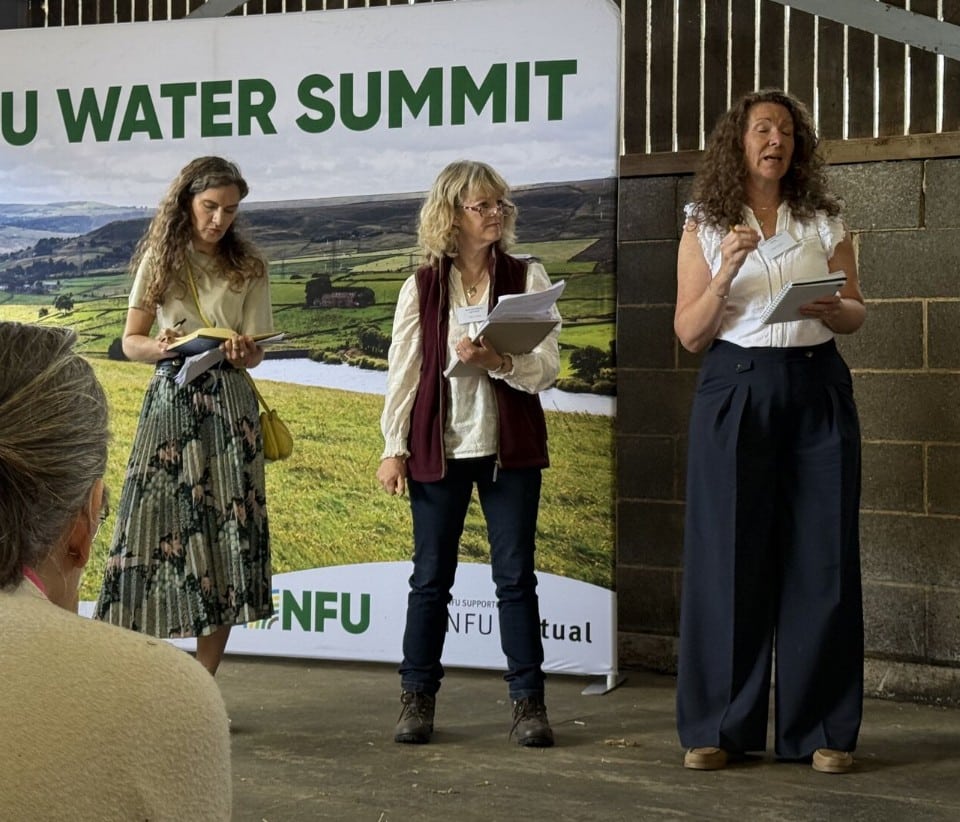
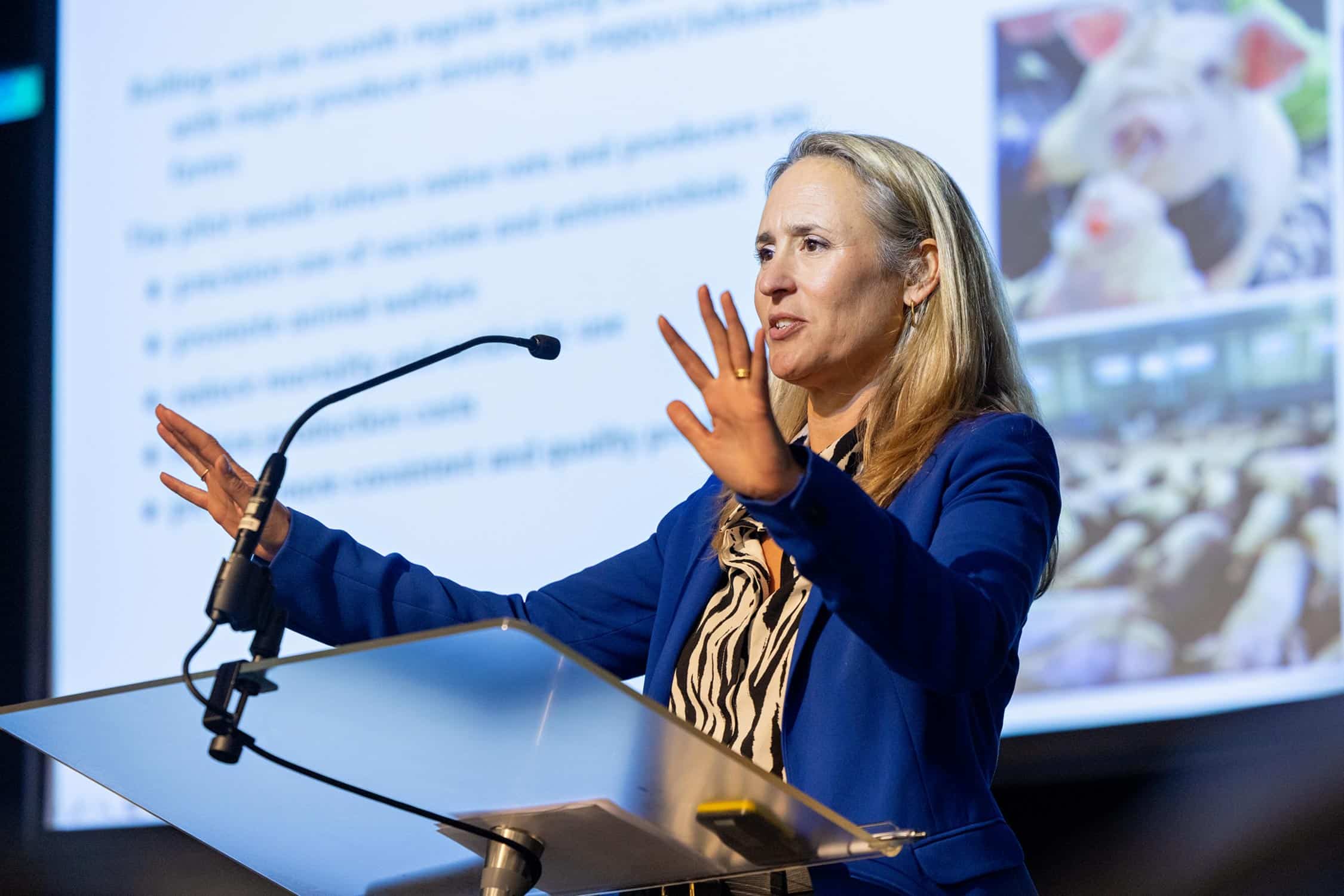
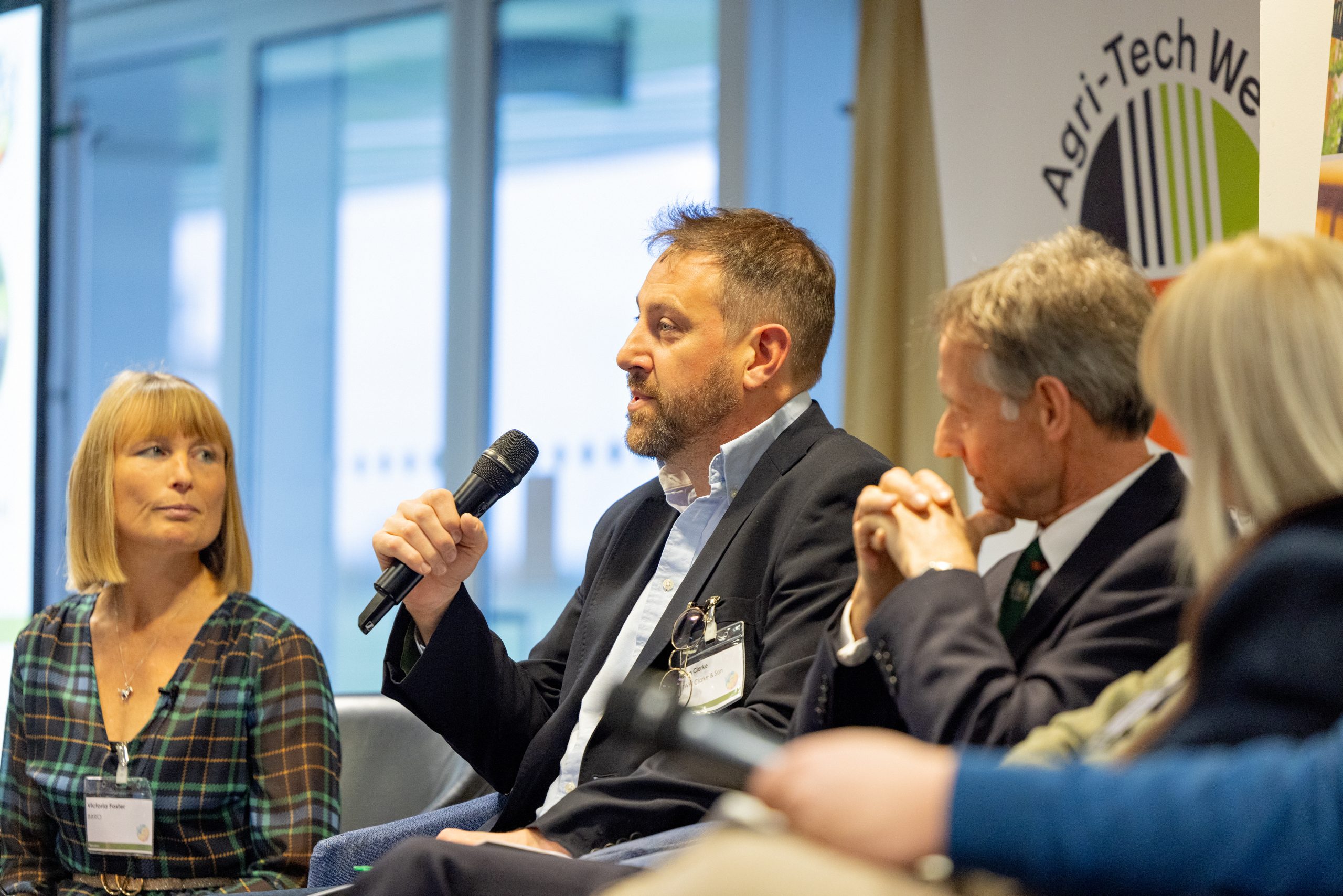
How can technology enable delivery of food, nature recovery, and climate resilience - all at once? The Head of the Environment Agency is asked: what's the national plan for dealing with land use pressures, plus you’ll hear from technologists and land managers working on nature-based and tech-enabled solutions for water, soils and climate adaptation.

Muddy Machines launches crowdfund on Crowdcube

Member News
The views expressed in this Member News article are the author's own and do not necessarily represent those of Agri-TechE.

Don’t invest unless you’re prepared to lose all the money you invest. This is a high-risk investment and you are unlikely to be protected if something goes wrong. Take 2 minutes to learn more 

Muddy Machines is now raising funds on Crowdcube!

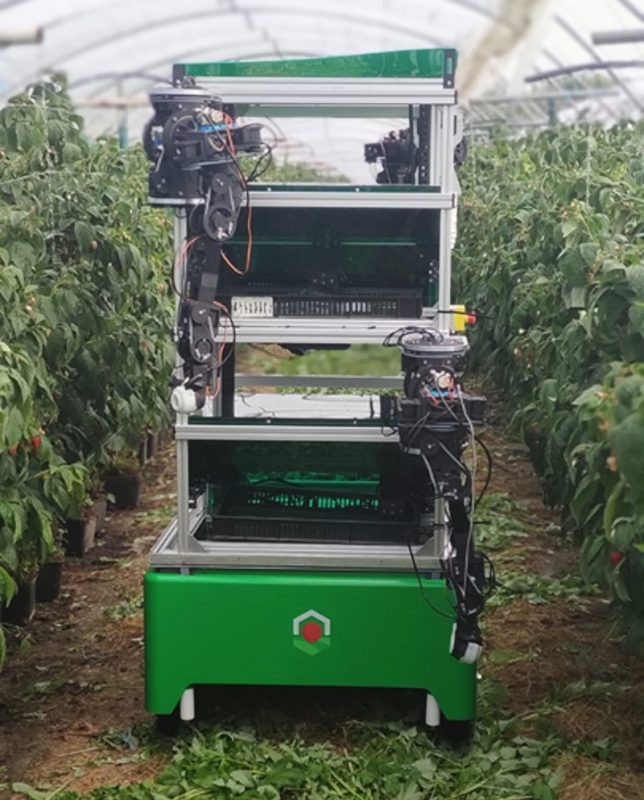
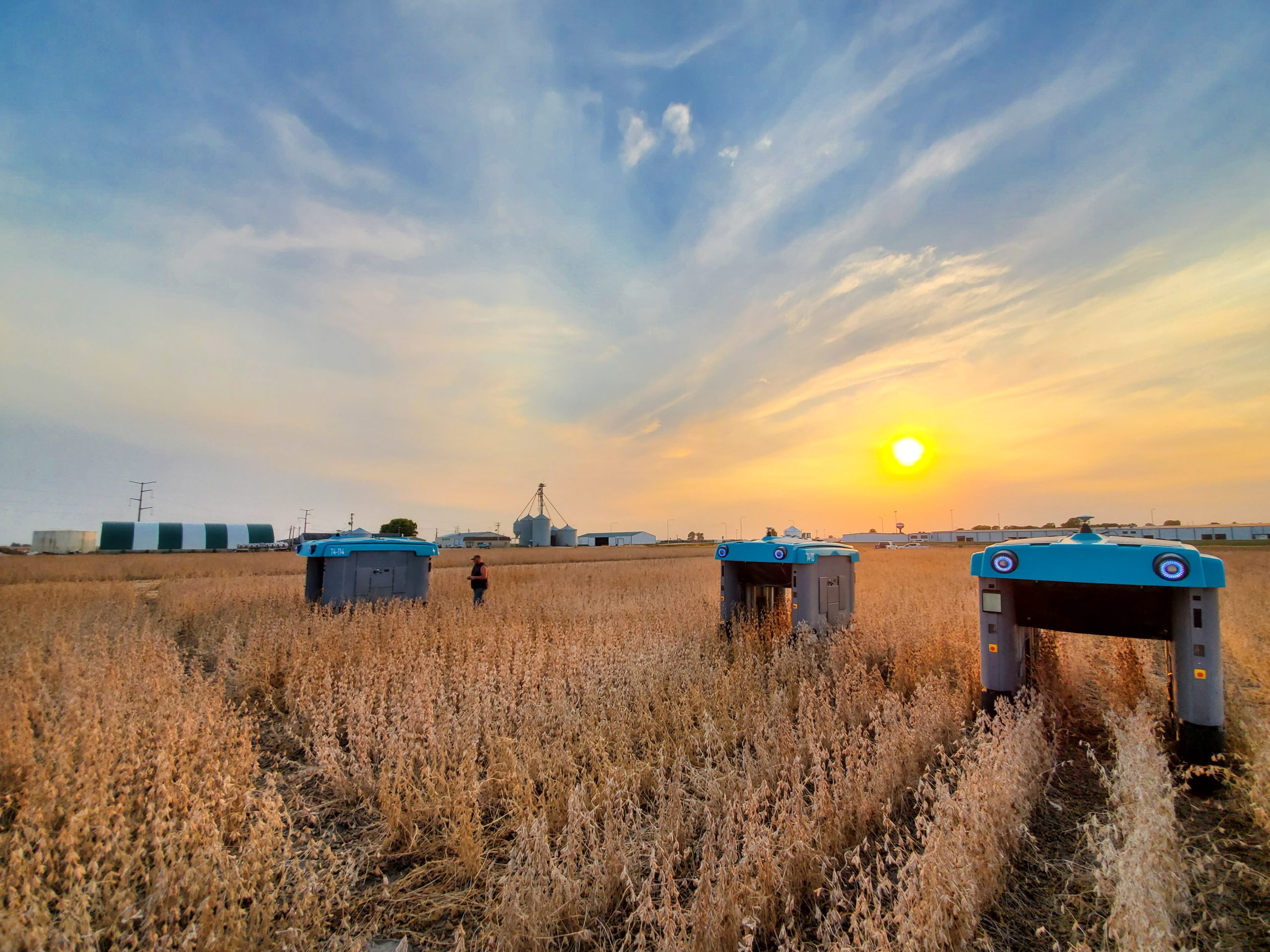
Muddy Machines creates advanced AI-powered robots to automate labour-intensive tasks in horticulture, tackling severe labour shortages and boosting economic efficiency on farms.

Key highlights:

  • Signed expressions of interest from growers for over 650 robots.
  • Secured over £2.8m in Innovate UK grant funding since 2021.
  • Patented asparagus harvesting robot successfully tested in field trials.
  • Significant opportunities in a global agricultural robotics market projected to reach $99bn by 2030.

Funds raised will help progress our robots from prototypes to production-ready units and expand grower trials across the UK.

Visit our campaign on Crowdcube to find out more and invest: LINK

  • *I have permission from the copyright holder to publish this content and images.

Can organic farming solve our sustainability dilemma?

Member News
The views expressed in this Member News article are the author's own and do not necessarily represent those of Agri-TechE.

Almost 11% of agricultural land in the European Union (EU) is organically farmed and the number of organic producers is increasing at a steady rate year on year.

But what does the term ‘organic farming’ actually mean?

For IFOAM Organics – one of the leading international organisations in the organic space – organic agriculture can be defined as: ‘A production system that sustains the health of soils, ecosystems, and people.’

To be organic is to rely on natural ecological processes, biodiversity and cycles adapted to local conditions, rather than turn to inputs which negatively impact both the environment and human health, such as synthetic pesticides, herbicides and fertilisers.

For some, organic farming is the answer to our sustainability dilemma.

However, in an era where global livestock production (particularly dairy) has been heavily scrutinised for its contribution to climate change, how can these organic principles translate to more sustainable livestock production?

“Dairy cattle farming has played a key role in the development of organic principles, regulations and practices,” says Dr Mette Vaarst, Senior Researcher at Aarhus University, Denmark and co-editor of this new book.

This is the focus of Advances in organic dairy cattle farming – a new book edited by three of the world’s foremost authorities on organic animal farming: Dr Mette Vaarst (Aarhus University, Denmark), Dr Stephen Roderick (Duchy College, UK) and Dr Lindsay Whistance (Organic Research Centre, UK).

The book considers how organic dairy farming has the potential to address major environmental challenges, whilst also meeting the four key organic principles of health, ecology, fairness and care.

“The environmental footprint of conventional dairy farming is significant and we can’t hide away from that fact,” says Francis Dodds, Editorial Director at Burleigh Dodds Science Publishing.

“But perhaps what needs to be highlighted and spoken about more is organic farming and its remarkable potential to not only reduce the environmental impact of dairy production, but also how it can promote biodiversity and enhance other ecosystem services,” he adds.

Conventional dairy farming often relies on intensive livestock management, imported feed and synthetic fertilisers and pesticides for pasture management which collectively contribute to higher emissions. In contrast, organic dairy farms utilise natural processes and inputs, including a higher reliance on pasture, organically-sourced feed supplements and regenerative methods for optimising pasture quality.

By working with nature, organic farms can promote biodiversity and create more resilient and sustainable agroecosystems able to deliver key ecosystem services, including pollination, pest control and water regulation.

“However, whilst organic dairy farming does offer numerous environmental benefits, it also presents challenges that need to be addressed,” says Francis Dodds.

“These challenges include potentially lower yields associated with more extensive production systems as well as health and welfare issues given a lower reliance on antibiotics and anthelmintics,” he adds.

However, these challenges also present opportunities for innovation and growth within an already exciting sector which offers a promising path to greater sustainability for the wider agricultural sector.

Note:

Agri-TechE members can redeem 20% off their purchase of the book via the BDS website. Simply enter code AGRITECH at checkout.

  • *I have permission from the copyright holder to publish this content and images.

Plant Patent Infringement in the US Relies on Evidence of Asexual Reproduction

Member News
The views expressed in this Member News article are the author's own and do not necessarily represent those of Agri-TechE.


A recent case in the US District Court for the Northern District of Texas (Dallas Division) once again highlights how important the initial pleadings and evidence in patent infringement cases can be.
The case is between David Austin Roses Ltd and GCM Ranch LLC[1] and is based on alleged willful infringement of US plant patents held by David Austin covering several varieties of roses, and corresponding trademark infringement. David Austin Roses Ltd is a major British rose breeding company. The varieties bred by David Austin are well known as the company has been established for a long time and consistently obtains PVR protection for its roses around the world, including under the US Plant Patent Act. They also typically file trademarks for the tradenames of each rose covered under a corresponding plant patent.

In this case, David Austin alleged that GCM Ranch infringed nine granted US plant patents by selling rose varieties that fall under the plant patent claims. However the evidence they provided in their pleadings was based mostly on screenshots of the rose products on the GCM Ranch websites resembling the patented varieties, and reviews indicating sale of the products to consumers.

In response, GCM Ranch argued that the evidence was not sufficient to prove patent infringement because David Austin failed to provide any explanation of how the alleged infringing plants were produced. According to USC 163, in the case of a plant patent, the grant shall ‘include the right to exclude others from asexually reproducing the plant, and from using, offering for sale, or selling the plant so reproduced, or any of its parts, throughout the United States’. It was clear that David Austin demonstrated that the plant was being offered for sale and sold, but did not satisfy that said plants were proven to be asexually reproduced from the patented plant. GCM Ranch seized on this point of law in their response, as did the Court. Despite the striking similarities in the plants being sold to the protected varieties, and the agreement that GCM Ranch new of the plant patents at issue, the Court granted GCM Ranch’s motion to dismiss the plant patent infringement case. The Court stated that ‘even though the roses resemble one another, David Austin has failed to plausibly allege that GCM Ranch’s roses were asexually reproduced from David Austin’s roses. For example, David Austin did not allege how GCM Ranch was asexually reproducing the patented roses—i.e., whether they did so by grafting, budding, or layering’.

It is clear that for plant patent infringement in the US the pleadings must be sure to provide factual evidence of how the infringing plants were actually derived from the patented plant, in addition to evidence of sales of the infringing plants. It seems that simply alleging that the patented plant variety has been asexually reproduced is not enough. A full case should be presented at the pleadings stage to avoid surprising dismissal.


[1] https://archive.org/details/gov.uscourts.txnd.388559/gov.uscourts.txnd.388559.33.0.pdf

Phase two for Farm Diversification

Agri-TechE Article
Agri-TechE

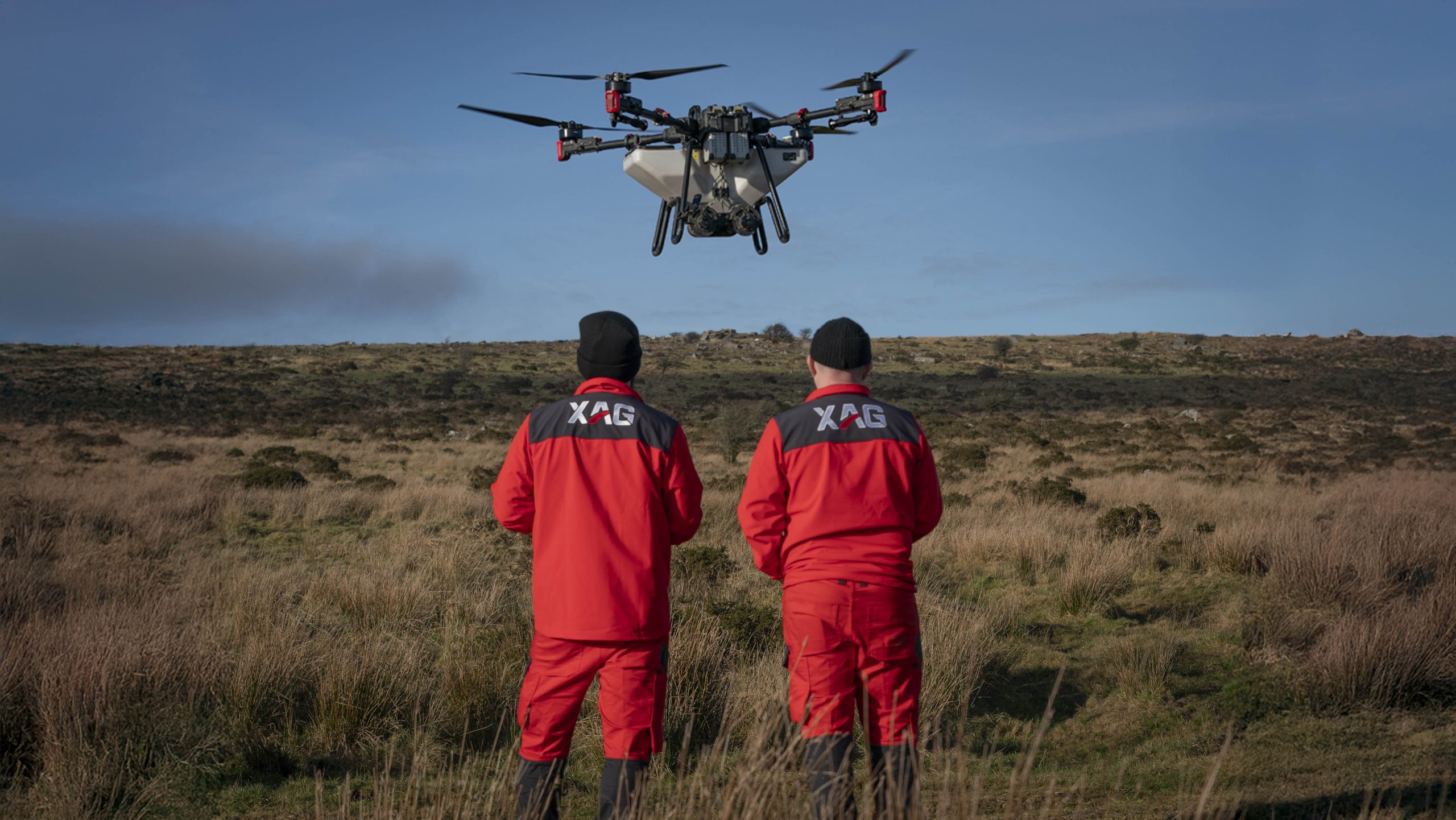
Farm diversification has become more critical than ever for farm profitability. Beyond the offerings of their natural capital, like glamping, ag-tech provides future diversification opportunities to innovative farms. This involves creating a closed loop where farmers can, for example, process their own waste, create biological fertilisers, or high-value out-of-season plants.

Could farms become mini manufacturers for insect protein, fermentation products, or high-value produce grown in a controlled environment?

Modular insect farms are a ground-breaking and profitable waste management solution to help solve challenges like water pollution from excess poultry manure, simultaneously reducing our reliance on imported protein, says Larry Kotch, CEO of Flybox.

Flybox is developing smaller-scale insect farms. Larry says insect farms can be more efficient than an AD system while boasting greener credentials. The two technologies are also highly complementary.

“If you’re a farmer, you can diversify into the new protein source,” says Larry.

“You could convert an old poultry shed into an insect protein factory and have a guaranteed end market. We are trying to make it much more accessible with a lower requirement for capital.

“Previously, insect protein production was based around large factories with teams of entomologists and ingredients experts, which had a high amount of risk.”

Black-soldier-Fly-close-up-2@0
flybox

As agriculture moves from the chemical to the biological age, there’s also potential for farmers to manufacture their own inputs, believes Joanne Neary, Senior Technical Lead at the Centre for Process Innovation (CPI).

For years, CPI has had queries from farmers, mainly in America, asking for advice on how to culture certain bacteria, explains Joanne.

“You would get questions from a farmer with an IBC container trying to grow microbes which they have tested on plots of tomatoes, asking us to help them refine the process.  These days, the majority of enquiries are for non-farming businesses that have fermentors, but it’s an interesting concept to move this onto farms.”

Farmers making compost teas are already carrying out a process similar to a lab fermenter, so it is only a small step to a more formalised process, believes Jo. If the biologicals are produced correctly, it is cheaper than buying them because they do not need the sophisticated formulation to keep the organisms alive.

She says: “Much of the R&D budgets for commercial biological production is looking at the formulation. It is key to ensure the microbes are still viable when the product is stored, however it is packaged. You need the cells to stay in dormancy but still be viable.

“The cheaper approach is to make something on farm and use it immediately. You won’t have something that is stable, but if you can make it when you need it, why would you care?

“Another nice aspect of DIY biologicals is if you understand your soil microbial population, or if there’s a particular problem, you could tailor it to your needs.”

Centre-for-process-innovation_asset
Mark Horler

Mark Horler, Chairman of UK Urban Agri-TechE (UKUAT), believes that controlled environment growing technologies could be a viable proposition for arable and livestock farmers, providing they have the infrastructure. They would also link ideally with the quintessential farm diversification – a farm shop.

“UKUAT has identified a great deal of interest in controlled environment growing technologies as a form of diversification for farmers and landowners,” says Mark. “However, significant challenges and barriers remain. That might be in practical terms, for example, the capital cost, integration with renewable energy, or simply knowing where to get started and how to make appropriate choices.”

Firms like Grow Dynamics offer modular growing solutions more suited to the scale and cost farmers seek, but advice is still needed to navigate a complex landscape.

He adds: “Protected and controlled environment horticulture encompasses a wide range of technologies and approaches – from low tech/ low cost/ low control, for example, polytunnels, right the way through to Totally Controlled Environment Agriculture (TCEA) such as vertical farming. UKUAT tries to help bust some of the myths that have arisen around this topic and help farmers find the right advice.”


JOIN TODAY ONLINE! Future Farms Agri-TechE webinar – April 24th

Larry, Joanne and Mark will discuss the opportunities of future farm diversification in a webinar on April 24th, hosted by Agri-TechE .  It’s a chance to delve into the technology, with information on how to get started and the opportunity to ask the speakers questions.

To register to attend or find out more: Future Farms: Vertical Growing, Insect Cultivation & DIY Biologicals

Ag101 opens doors for tech developers

Agri-TechE Article
Agri-TechE

Agri-TechE ’s Ag101 is a one-day event designed for professionals eager to explore the agricultural industry and its market potential.

Modern farming presents more opportunities for the latest technology than many outside the industry might realise. It is rapidly evolving into a sector that integrates AI, sensors, robotics, data analytics, and other technologies to enhance the sustainability and profitability of food production.

The Ag101 event provides a unique opportunity for researchers, technologists, and business leaders outside of agriculture to explore how their innovations can be applied in agri-tech. Hosted by Agri-TechE , a not-for-profit member organisation, the event takes place on May 22nd in Cambridge.

“Ag101 is an introduction to agriculture and horticulture for anyone new to the industry, considering tapping into this market or looking to expand their understanding,” says Laura Bouvet, Knowledge Exchange Manager, Agri-TechE .

“We’ll take you through who to engage with, how decisions are made, and the intricacies of the supply chain to help attendees get the most from our dynamic industry.”

Speakers from Defra and Innovate UK will present a policy and funding overview, and sharing their latest plans for agri-tech adoption. Farmers will then share their farming experiences, including how they approach decision-making and their challenges. They will explain how technology helps them solve their real-world problems and their method for developing and adopting new solutions.

Experts from high-profile farming firms and consultancies will discuss the broader agricultural ecosystem advising and supplying farmers, farming regulations and the food supply chain. This final topic will be covered by Veryan Bliss from Food Intelligence.

“I love speaking at events like Ag101 because they connect people with ideas and opportunities,” she says.

“The fresh produce industry is one of the most dynamic in the world—short-life products, global supply chains, micro-margins—it’s complex, but that’s what makes it so exciting.”

Dr Bouvet says many attendees benefit from networking with other professionals outside the main presentation programme, which is one of the main reasons Dr Bernhard Strauss, Director of Research at Camrosh, comes to Ag101.

Dr Bernhard Strauss
Dr Bernhard Strauss
Director of Research at Camrosh

“I have attended Ag101 a couple of times, and it always gives a good introduction to some of the latest technologies with good showcase examples of how they can help improve farming practices and address challenges,” explains Dr Strauss.

“It is always attended by an excellent mix of stakeholders across the agri-tech space, which gives a great opportunity for stimulating discussions and making new contacts.

“As a technology strategy consultancy, Ag101 is an event where we can check on the pulse of the industry, the latest technology trends and real-world applications in the farming and food production sectors where some of our clients are.”


Ag101 takes place at Anglia Ruskin University, Cambridge, on May 22nd for more information or to book tickets.

How Nano Electronic Services got started in agri-tech

Meet the Network
Agri-TechE

As Ag101 approaches, we explore why technology companies that are “new-to-ag” should consider the agricultural sector as a promising market for expansion.

Agriculture is a huge, dynamic industry with diverse opportunities across the supply chain – opportunities that tech companies may not have considered before. Ag101 is the perfect introduction to this world, offering a chance to explore how your technology can meet real, practical needs for global agriculture.

Featuring key decision-makers, including Defra’s Head of Agri-Tech, Russell Batten, and networking with real-life end users (that we prefer to call ‘farmers’!), Ag101 gives you direct access to the people shaping agriculture’s future. Whether you’re looking to understand the decision-making process or explore the potential for your technology, this event is an opportunity to find the right partners and grow your impact in a sector that’s hungry for innovation.

Ag101 takes place at Anglia Ruskin University, Cambridge on May 22ndmore information or to book tickets.

We spoke to Nano Electronic Services about how Ag101 has helped them tap into agriculture’s exciting potential.

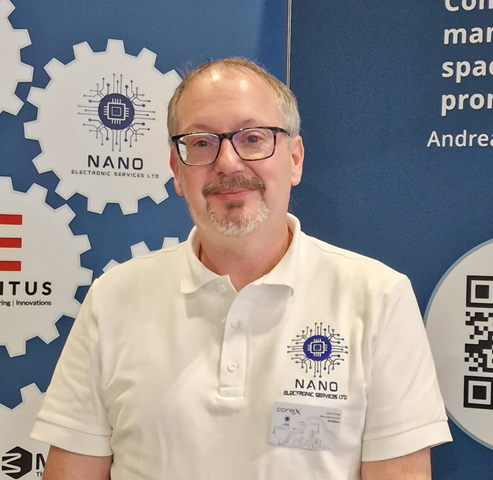
Steve Drew
Steve Drew
Director of Nano Electronic Systems

With over 30 years of experience in the electronics industry offering electronic manufacturing, design capability or testing solutions, Nano Electronic Systems became an Agri-TechE member to help it expand into the agri-tech market.

“We got involved in IOT sensors and began developing our own range a couple of years ago,” says Steve Drew, Director of Nano Electronic Systems. “Agri-tech is one of our target markets.”

“Ag101 helps see what is going on in the industry, and it gives me ideas about what solutions we can apply to fix some of the problems highlighted.”

He says most companies in the industry access sensors in two ways. They either use an off-the-shelf system from the Chinese manufacturer, which rarely has all the functionality they desire, or they build something bespoke, giving them their exact needs but at a cost. Nano Electronic Solutions alternative is called Nanoblox, and it works on the proof-of-concept stage of technology development to provide the customisation required without significant upfront costs.

“Agri-tech is a good opportunity for this because the technology is still developing and every farm is different. It is difficult for a company to design a product that fits everybody.

“We joined Agri-TechE three years ago as an introduction to the industry and have attended its REAP conference and Ag101 events. Through contacts made at these, we now have two customers who are agri-tech developers. We are building server platforms and providing additional sensors for their technology.”

To help with this development work, Steve calls upon the Agri-TechE team for introductions.

“The team is excellent. If we are looking for farmers, they can introduce us to those who are more open to developing solutions.

“As an early-stage adopter, I’m very happy with what Agri-TechE has done. It gives me a good grounding in the industry and helps build connections to grow our business,” concludes Steve.

ip21 Celebrates Being a Finalist at the One Nucleus Awards!

Member News
The views expressed in this Member News article are the author's own and do not necessarily represent those of Agri-TechE.

ip21 are delighted to have been named a finalist in the Best Professional Services category at the prestigious One Nucleus Awards. This recognition underscores the company’s commitment to excellence in supporting the life sciences sector and reflects the dedication to driving innovation alongside other outstanding organisations.

The awards evening was a fantastic celebration of achievement, bringing together leading companies focused on advancing science and technology. ip21 extends sincere thanks to One Nucleus, the dedicated team, and valued clients and partners for their continued support.

Congratulations to all winners and fellow finalists—your contributions are truly making a difference in the industry. ip21 looks forward to continuing to support innovation and growth in life sciences.

  • *I have permission from the copyright holder to publish this content and images.

Spring Fertilisation and Soil Station Data: Why Monitoring NO3 Matters

Member News
The views expressed in this Member News article are the author's own and do not necessarily represent those of Agri-TechE.

Spring is a critical period in agriculture, where every decision impacts the entire season’s yield. One of the most important factors in spring fertilisation is timing—applying fertiliser at the right moment maximises soil moisture utilisation and ensures nutrients are available to crops when they need them the most.

But how do you determine the right time and amount of fertilisation? How can you accurately assess the availability of nitrate nitrogen (NO3-N) in the soil and decide whether additional fertiliser is needed? This is where Paul-Tech’s soil station becomes invaluable, offering real-time insights into nutrient dynamics and soil processes.

How Plants Absorb Nitrogen

Nitrogen is one of the most essential nutrients for plants, and they absorb it primarily in its mineral form as nitrate ions (NO3-). NO3-N is highly mobile and fast-acting—it is either taken up by plants or leaches away with soil water movement.

During the growing season, changes in Paul-Tech’s nutrient indicators are largely driven by NO3-N levels. By tracking NO3-N dynamics, we can quantify the amount of dissolved and plant-available nitrogen, as well as how much has been absorbed or lost through leaching, measured in mg/kg or kg/ha throughout the season.

Ammonium Nitrogen in Soil

Ammonium nitrogen exists in the soil as NH4+ ions, which are far less mobile and remain bound within the soil structure. Because of this, ammonium nitrogen has minimal impact on soil electrical conductivity.

However, ammonium nitrogen (as well as organic nitrogen present in the soil) becomes plant-available only after undergoing nitrification—a process facilitated by soil bacteria that converts NH4+ into NO3-. This transformation is directly reflected in Paul-Tech’s nutrient indicators, and the formation of NO3-N (in kg/ha) can be monitored through Paul-Tech’s nutrient graphs.

What Is the Initial Nutrient Level?

The initial nutrient level, also known as INL, represents the amount of dissolved nutrients in the soil solution before fertilisation in early spring. Typically, this does not include NO3-N (nitrate nitrogen).

What Does the Initial Nutrient Level Indicate?

  • It is recorded in early spring and serves as a reference for fertilisation decisions.
  • It shows the amount of plant-available nutrients without mobile nitrogen (NO3-N).
  • It helps monitor nitrogen consumption, leaching, and the movement of nutrients across soil layers.
  • The Initial Nutrient Level provides a foundation for fertilisation strategies and tracking nutrient availability throughout the growing season.
  • By assessing the amount of mobile nitrogen at the end of the season, farmers can make informed decisions about cover crops and winter crop fertilisation for the following year.

The Role of Initial Nutrients Level in Fertilisation Decisions

Paul-Tech’s soil station determines the initial nutrient level in early spring before the growing season begins. This initial nutrient level indicates the quantity of plant-available nutrients in the soil, excluding mobile nitrogen compounds (NO3-N).

With this data, farmers can make precise fertilisation decisions, reducing the risk of over-fertilisation while optimising crop yields.

Monitoring Nutrient Dynamics

Soil stations collect continuous data, revealing how plant-available nutrient reserves change over time. Sensors placed at different soil depths provide insights into nutrient leaching, helping farmers better understand their soil’s characteristics and plan fertilisation accordingly.

Tracking Nitrogen Uptake and Leaching

Nitrogen is one of the most mobile soil nutrients, meaning that nitrogen applied in autumn is either absorbed by plants or leached into deeper soil layers. Soil stations allow farmers to monitor nitrogen uptake and movement within the soil, ensuring better fertilisation decisions—this is particularly crucial when using slurry on fields.

Making Informed Fertilisation Decisions with Soil Station Data

Paul-Tech’s nutrient indicators provide a comprehensive view of all nutrients present in the soil solution at any given moment. The impact of different elements on these indicators is determined by their role in mass flow uptake mechanisms.

The initial nutrient level (INL) represents soil fertility by indicating the overall nutrient content without added mineral nitrate nitrogen (NO3-N). This is a characteristic soil value that remains relatively stable throughout the growing season.

Nutrient level fluctuations during the season are largely driven by changes in NO3-N concentration, fertiliser dissolution, plant uptake, and leaching. Paul-Tech’s nutrient graphs allow for precise quantification of NO3-N in the soil, expressed in mg/kg or kg/ha. For fertilisers containing sulphate (SO4), the changes in sulphate ion concentration are also reflected in nutrient readings.

By using real-time soil data, farmers can make smarter, data-driven fertilisation decisions—ensuring nutrients are applied at the right time, in the right amount, for maximum efficiency and yield improvement.

  • *I have permission from the copyright holder to publish this content and images.

Cutting through complexity in fresh produce supply chains

Meet the Network
Agri-TechE

With over 30 years of experience in the fresh produce industry, Veryan Bliss, founder of Food Intelligence, has built a consultancy that helps businesses navigate the intricate world of food production, distribution, and retail.

Food Intelligence provides expertise that bridges the gap between agri-tech businesses and real-world supply chain challenges, ensuring new technologies don’t just look good on paper but genuinely deliver value.

For many start-ups and businesses entering the fresh produce sector, the biggest hurdle isn’t necessarily their technology – it is understanding how supply chains work.

Veryan Bliss
Veryan Bliss
Founder/Director Food Intelligence Ltd

“A good product has to solve a real-world problem,” says Veryan.

“It’s not just about having a great idea; it’s about knowing where it fits in the food system, how it will reach the market, and whether it truly benefits growers, packers, and retailers alike.”

Tackling Inefficiencies in the Food System

One of the most pressing issues facing food supply chains today is labour shortages.

Grading and sorting fresh produce remains labour-intensive, yet automation technologies can be expensive and may only solve part of the problem. Investing in technology requires perfect timing as adopting too early risks obsolescence, while waiting too long can mean missing out on valuable efficiencies.

Similarly, partnerships between tech developers and growers aren’t always as mutually beneficial as they could be.

“New technology businesses often rely on growers and farmers to test and refine their innovations, but there’s not always a return on that investment,” Veryan explains.

“Farmers take the risk in trialling solutions, yet they could still end up paying close to market price once the tech goes mainstream.”

This dynamic needs to shift, ensuring that those contributing to the development process also truly reap the rewards.

Rethinking Food Waste and Supply Chain Challenges

Food waste is a hot topic in the industry, but there are misconceptions about where the biggest inefficiencies lie.

“Consumers often think the food industry is unaware of its own wastefulness, but that’s far from true,” says Veryan.

The real challenge is the rigid specifications that dictate what products make it to shelves.

Growers prioritise Class 1 produce, the highest-quality fruits and vegetables, because that’s where the money is. But this approach can result in significant food loss, simply because there isn’t enough market flexibility for lower-grade produce.

Storage solutions could be a game-changer, particularly in categories like salads and soft fruits.

“If we could store tomatoes, peppers, and cucumbers for three months under the right conditions, it would revolutionise the market,” says Veryan.

Currently, fluctuations in weather and market conditions can lead to sudden overproduction, where growers are forced to sell at reduced market prices, or risk product loss.

Smarter storage and supply chain optimisation could reduce this volatility, improving margins for producers.

What’s next for Food Intelligence?

Veryan is focused on continuing her work with food authenticity and consultancy, helping businesses streamline operations and make informed, strategic investments.

She is also developing her role as a thought leader, working with companies from early-stage angel investment all the way through to IPO.

Cutting through the noise and focusing on real business value is Veryan’s priority. At Agri-TechE ’s Ag101 event, she aims to start conversations that lead to genuine collaboration and real results.

“I love speaking at events like Ag101 because they connect people with ideas and opportunities,” she says.

“The fresh produce industry is one of the most dynamic in the world—short-life products, global supply chains, micro-margins—it’s complex, but that’s what makes it so exciting.”

By supporting businesses with deep industry knowledge and practical guidance, Food Intelligence is helping shape a smarter, more efficient food system—one where sustainability and profitability go hand in hand.


Ag101 is a one-day event on 22 May 2025, offering a practical introduction to the agri-tech industry – and those it exists as part of.

It’s ideal for anyone looking to enter the sector, expand their business, or better understand the agricultural landscape. To book your spot and learn more, head to Ag101 – An introduction to the industry.

Maximise Crop Performance with NutriSphere-NL: A Breakthrough in Nitrogen Efficiency

Member News
The views expressed in this Member News article are the author's own and do not necessarily represent those of Agri-TechE.

Enhancing Sustainable Farming Through Advanced Nitrogen Management

As modern agriculture evolves, optimising nitrogen use efficiency (NUE) is becoming increasingly essential. Effective nitrogen management is critical for maximising crop yields and minimising environmental impact. 

NutriSphere-NL has emerged as a cutting-edge solution. It significantly improves nitrogen retention and reduces nitrate losses, leading to higher productivity and sustainability.

This article explores NutriSphere-NL’s benefits, drawing on extensive research studies in the UK and USA that demonstrate its effectiveness in improving crop nitrogen availability and soil health.

What is NutriSphere-NL?

NutriSphere-NL is a specially formulated nitrogen stabiliser designed to enhance the efficiency of urea-based liquid nitrogen fertilisers (UAN). By reducing nitrogen loss due to volatilization and leaching, NutriSphere-NL ensures that more nitrogen remains available for crop uptake, boosting yields and improving soil nitrogen balance.

The Key Advantages of NutriSphere-NL

Greater Nitrogen Use Efficiency (NUE)

NutriSphere-NL enhances nitrogen retention, ensuring that more of the applied fertiliser is absorbed by plants, reducing environmental waste.

This leads to improved plant growth, higher yields, and more effective nitrogen utilisation.

Reduced Nitrate Losses to the Environment

Sponsored research by the Niab (National Institute of Agricultural Botany) in the UK found that NutriSphere-NL reduces nitrate losses to field drains by 14%.

A separate study in Iowa, USA, reported a 21% reduction in nitrate loss, showcasing its effectiveness in diverse agricultural conditions.

Enhanced Soil Mineral Nitrogen (SMN)

Over a six-month period, soil treated with NutriSphere-NL showed 22% higher SMN levels than untreated soil.

This means more nitrogen is retained in the soil, making it available for crop uptake throughout the growing season.

Field Trial Insights: NutriSphere-NL in Action

Water Drainage and Nitrate Concentration

A field study at Salle Farms, Norfolk, UK, examined NutriSphere-NL’s impact on nitrate concentrations in soil pore water. The results were compelling:

  • Tile drain nitrate concentration was reduced by 14% on average.
  • The largest reduction—24% lower nitrate concentration, was observed in fields treated with NutriSphere-NL.

Crop Growth and Yield Improvements

A sponsored replicated agronomic trial at Morley Farm, Norfolk, measured NutriSphere-NL’s impact on crop growth and nitrogen retention. 

Key findings include:

  • 22% increase in soil mineral nitrogen (SMN), improving crop nutrient availability.
  • 2.6% increase in average grain yield, with grain weight rising from 74.4 kg/hl to 75.5 kg/hl.
  • Higher nitrogen content in harvested grains, increasing from 1.81g/100g (UAN only) to 1.83g/100g (UAN + NutriSphere-NL).

Additionally, key efficiency metrics indicated stronger nutrient absorption:

  • Agronomic Efficiency (AE): Increased by 5.4%, indicating higher nitrogen uptake per unit applied.
  • Apparent Recovery Efficiency (ARE): Improved by 11.8%, demonstrating more efficient nitrogen absorption.
  • Nutrient Utilisation Efficiency (NUE): Boosted by 11.8%, reflecting greater nitrogen retention and use.

Reducing Soil Nitrates and Suppressing Urease Activity

NutriSphere-NL has been shown to significantly reduce nitrates in soil pore water—by up to 100% in some cases.

Furthermore, independent microbial studies confirm that NutriSphere-NL completely suppresses urease activity, enhancing nitrogen stability without harming beneficial soil microbes.

Key Features of NutriSphere-NL

  • Proven to enhance nitrogen efficiency (NUE) and boost crop quality.
  • Zero negative impact on soil microbial diversity—preserving soil health.
  • Potential to reduce nitrogen input requirements, improving cost-effectiveness.
  • Suppresses urease activity, reducing nitrogen losses.
  • Increases yield response to nitrogen application.
  • Lowers nitrate runoff into soil pore water and waterways, supporting sustainable farming.

A Smarter Approach to Nitrogen Management

With increasing pressure on Growers to improve productivity while minimising environmental impact, NutriSphere-NL offers a science-backed, highly effective solution. By integrating it into fertiliser applications, growers can:

  • Achieve higher crop yields
  • Optimise nitrogen retention
  • Reduce environmental losses
  • Support long-term soil sustainability

NutriSphere-NL is a proven, innovative solution for growers who want to maximise crop performance while embracing more sustainable farming practices.

Find Out More

View our latest research and field trial results in our NutriSphere-NL Brochure: Download the Brochure.

Want to learn more about how NutriSphere-NL can transform your fertilisation strategy? Contact us today.

  • *I have permission from the copyright holder to publish this content and images.

Nutrisphere: Advancing Sustainable Agriculture with Smarter Nitrogen Management

Member News
The views expressed in this Member News article are the author's own and do not necessarily represent those of Agri-TechE.

A Breakthrough in Nitrogen Retention for Future-Proof Farming

In modern agriculture, the challenge of balancing high yields with environmental responsibility has never been greater. While traditional nitrogen stabilisation methods have been relied upon for decades, their long-term impact on soil health and sustainability raises concerns. 

Nutrisphere presents an innovative alternative. It offers farmers a cutting-edge solution that enhances nitrogen efficiency while safeguarding the natural ecosystem.

The Shortcomings of Traditional Nitrogen Management

For over 40 years, nitrogen stabilisers such as NBPT (N-(n-butyl) thiophosphoric triamide) and DCD (dicyandiamide) have been used to manage nitrogen loss. However, these methods come with limitations:

NBPT only inhibits urease bacteria, reducing ammonia volatilisation but failing to prevent nitrate leaching.

DCD slows nitrate conversion, yet it does not address ammonia volatilisation, leaving nitrogen vulnerable to loss.

Chemical-based inhibitors can disrupt the soil biome, affecting beneficial microbial activity.

While effective in specific areas, these conventional approaches do not provide a comprehensive or sustainable solution.

Nutrisphere’s Advanced Mode of Action

Nutrisphere takes a fundamentally different approach—leveraging a physical, non-chemical mechanism to protect nitrogen while maintaining soil health. This is achieved through two key mechanisms:

  1. Cation Exchange Capacity (CEC) for Metal Ion Retention

Nutrisphere’s electrostatic charge binds in the microzone around the urea with key metal ions such as Nickel (Ni), Copper (Cu), and Iron (Fe). These elements are crucial for harmful bacteria to facilitate nitrogen conversion into volatile forms. By restricting these elements access to the bacteria, Nutrisphere naturally disrupts nitrogen loss without harming beneficial soil microbes.

  1. Localised pH Regulation for Nitrification Control

Nutrisphere lowers the pH in the immediate area surrounding urea, creating an unfavourable environment for nitrifying bacteria. This reduces nitrogen loss via volatilisation, leaching, and denitrification, ensuring a more stable crop supply.

Key Benefits of Nutrisphere for Farmers

Nutrisphere’s innovative approach to nitrogen management delivers multiple benefits for farmers striving for increased efficiency and sustainability:

Greater Nitrogen Retention

  • Minimises nitrogen loss, ensuring crops have consistent access to essential nutrients.
  • Leads to improved plant health, stronger growth, and better yield potential.

Preserves Beneficial Soil Microbes

  • Unlike traditional chemical stabilisers, Nutrisphere does not disrupt beneficial bacteria.
  • Protects the natural balance of the soil biome, promoting long-term soil fertility.

Lower Environmental Impact

  • Prevents the release of ammonia and also nitrous oxide (NO), a greenhouse gas 273 times more harmful than CO.
  • Reduces nitrogen runoff into waterways, supporting cleaner and healthier ecosystems.

Future-Proofing Soil Health

  • Unlike traditional stabilisers that can contribute to soil degradation, Nutrisphere maintains soil vitality for future generations.
  • Offers a sustainable farming solution that enhances productivity without compromising environmental health.

A Smarter Approach to Sustainable Agriculture

Nutrisphere is a progressive, science-driven alternative to traditional nitrogen stabilisation techniques. By employing a physical rather than a chemical process, it provides a groundbreaking, environmentally responsible solution to nitrogen retention.

For forward-thinking growers looking to optimise yield, reduce waste, and improve environmental sustainability, Nutrisphere is the future of crop nutrition.

Want to learn more? Contact us today to discover how Nutrisphere can transform your nitrogen management strategy.

View our latest presentation on how Nutrisphere’s unique Mode of Action (MOA) works View the presentation.

  • *I have permission from the copyright holder to publish this content and images.

Nutrisphere: Advancing Sustainable Agriculture by Optimising Nitrogen Efficiency

Member News
The views expressed in this Member News article are the author's own and do not necessarily represent those of Agri-TechE.

Driving Sustainability in Modern Farming

The agricultural industry faces a crucial challenge: maximising yields while minimising environmental impact. Nitrogen fertilisers play a key role in crop productivity, but inefficient nitrogen use can lead to volatilisation, leaching, and denitrification, resulting in lost nutrients, soil degradation, and environmental pollution.

The latest Nutrisphere Environmental presentation explores how Nutrisphere transforms nitrogen management by reducing emissions, improving soil health, and enhancing fertiliser efficiency. This article summarises the key findings and real-world trial results demonstrating Nutrisphere’s role in sustainable farming.

Download the full presentation here

The Role of Nutrisphere in Environmental Protection

Nutrisphere has been developed to optimise nitrogen efficiency while maintaining soil health and reducing environmental risks. Preventing nitrogen losses ensures more fertiliser is retained in the soil, benefiting crops and the environment.

Key benefits of Nutrisphere’s mode of action (MOA) include:

  • Reduces nitrogen loss through volatilisation, leaching, and denitrification
  • Minimises nitrate leaching by over 20%, protecting water quality
  • Retains up to 4x more ammonium in the soil, improving nutrient availability
  • Decreases ammonia volatilisation by up to 85%
  • Reduces nitrous oxide (NO) emissions by over 50%

These findings confirm Nutrisphere’s effectiveness in improving nitrogen retention while safeguarding the environment.

Proven Impact on Soil Health and Clean Air

Nutrisphere’s ability to preserve soil biodiversity differentiates it from traditional nitrogen stabilisers. Extensive research confirms:

  • No negative effects on crucial soil microbes or earthworms
  • No impact on freshwater aquatic life, ensuring clean water systems
  • Cuts nitrogen-related air pollution, helps to reduce agriculture’s carbon footprint

Nutrisphere supports a more sustainable and eco-friendly approach to fertiliser application by addressing these critical factors.

Field Trials: Real-World Success in Enhancing Crop Yields

Over the past six years, Nutrisphere has undergone 58 field trials across Europe, including in France, Poland, Turkey, and Germany. These trials demonstrate its ability to boost crop productivity while maintaining soil integrity.

  • 5.4% average increase in crop yields
  • 87% of trials reported positive yield improvements
  • 12% higher nutrient utilisation efficiency (NUE)
  • 3.5% increase in grain nitrogen content
  • 1.5% average grain weight increase

Nutrisphere consistently performs across different soil types (pH 5.1 – 8.1) and is proven to work under varied agricultural conditions.

Sustainable Nitrogen Utilisation for Future Farming

As the agricultural sector seeks more sustainable fertiliser management, Nutrisphere presents a scientifically validated solution that ensures:

  • Less nitrogen waste More fertiliser retained in the soil
  • Cleaner water sources Reduced nitrate runoff into rivers and lakes
  • Higher farm profitability Improved crop performance and efficiency

By integrating Nutrisphere into modern farming systems, growers can increase productivity without compromising sustainability.

Download the full presentation to explore the science behind Nutrisphere

Join the Sustainable Farming Movement

Nutrisphere is redefining nitrogen efficiency, helping farmers achieve high yields while protecting the environment. Whether you want to enhance soil health, reduce fertiliser waste, or improve nitrogen retention, Nutrisphere is the solution for a more resilient agricultural future.

Contact us today to learn how Nutrisphere can help optimise your nitrogen strategy.

  • *I have permission from the copyright holder to publish this content and images.