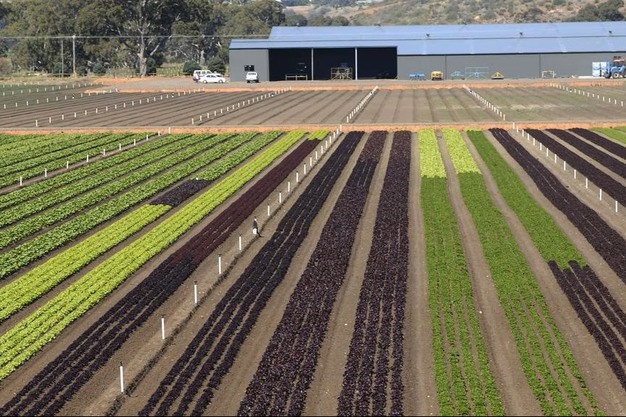
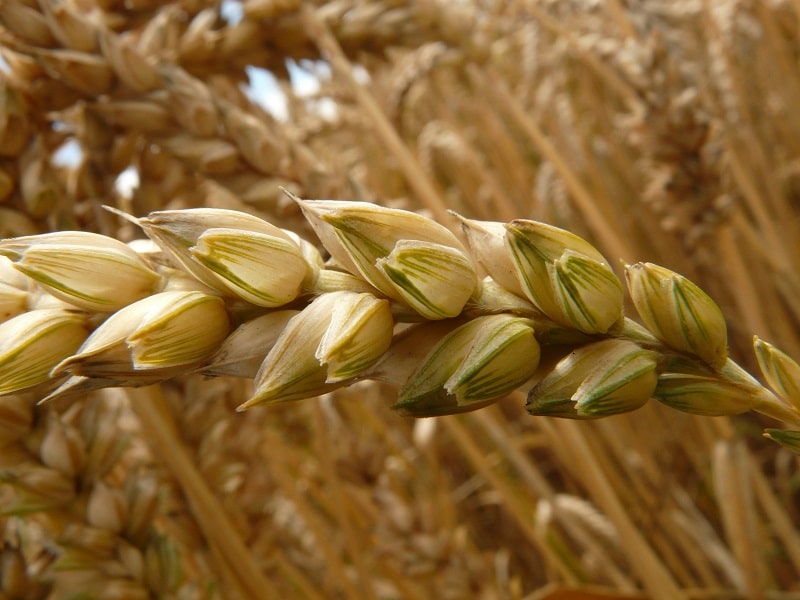
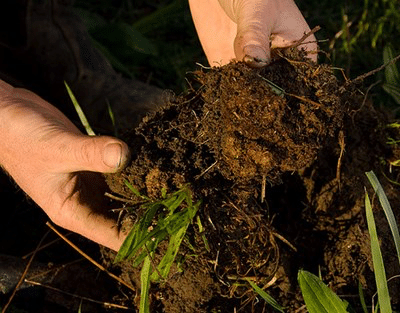
The Productive Landscape: NatureTech for Profit and Planet
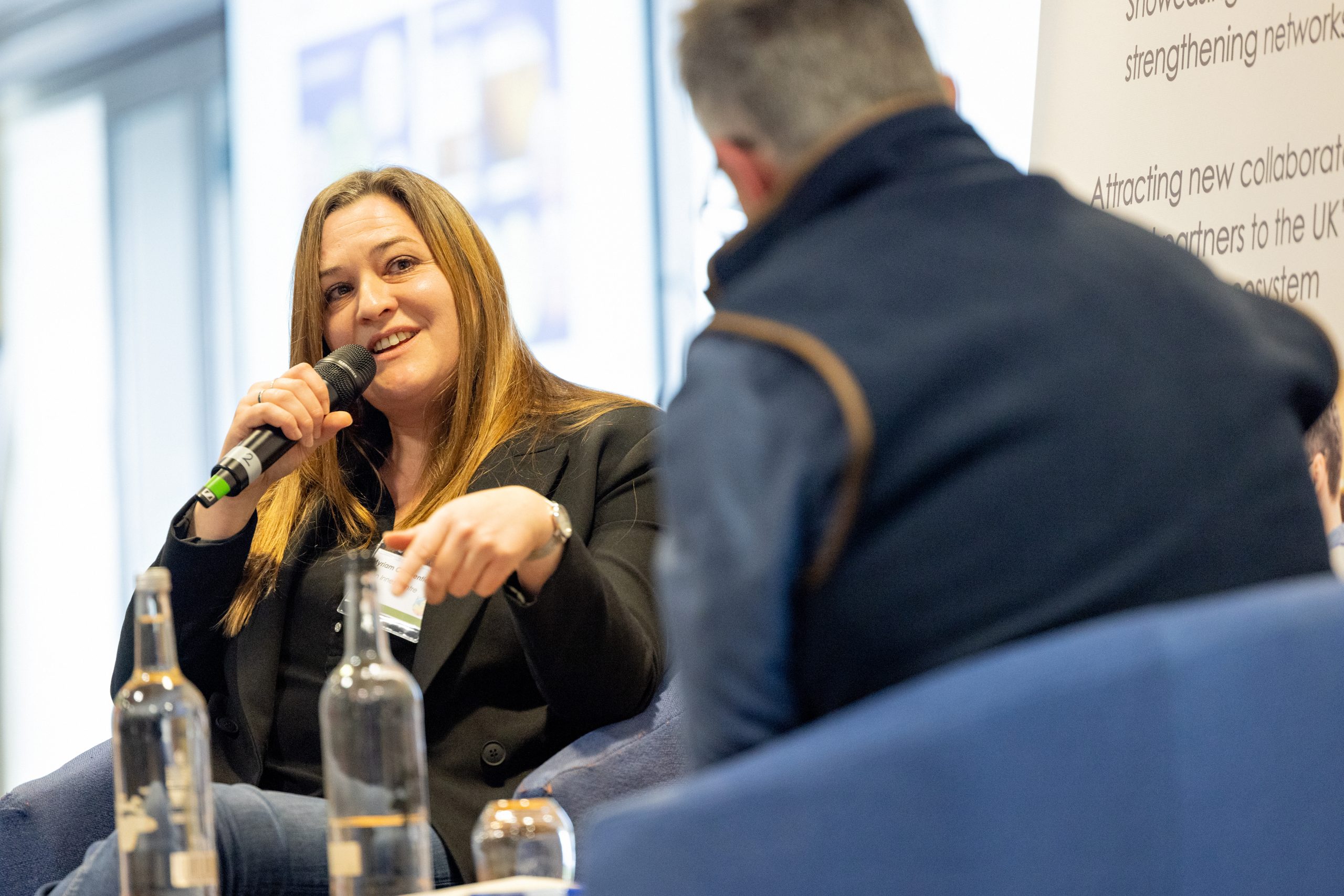
How can technology enable delivery of food, nature recovery, and climate resilience - all at once? The Head of the Environment Agency is asked: what's the national plan for dealing with land use pressures, plus you’ll hear from technologists and land managers working on nature-based and tech-enabled solutions for water, soils and climate adaptation.

Webinar: Politics, pesticides & precision breeding

Member News
The views expressed in this Member News article are the author's own and do not necessarily represent those of Agri-TechE.

Politics, pesticides & precision breeding: In Conversation with George Eustice

Join the British On-Farm Innovation Network (BOFIN) for an exclusive webinar on Wednesday 21st May, offering insight from former Defra secretary George Eustice.

In a discussion with BOFIN managing director Tom Allen-Stevens hear George Eustice’s views on the legislation that has challenged and shaped farming including the ban on neonicotinoids and metaldehyde, and why he believes the rules around biopesticides should be changed.

They will also explore the background to the Genetic Technologies Act (2023), why it was prioritised and what government hoped it would enable.

Tom will also raise questions on the Farming Innovation Programme which Mr Eustice put in motion, and his thoughts on the ADOPT programme and how farmers can benefit from the new scheme.

Participants will have the opportunity to put forward their own questions on policy, innovation, and the future of farming.

Date: Wednesday 21st May
Platform: Zoom (link provided on registration)
Registration: https://tinyurl.com/BOFINwebinar

Register now and join us for an enlightening discussion!

About George Eustice 

George Eustice was Secretary of State for Environment, Food and Rural Affairs from 13 February 2020 to 6 September 2022. He was previously Minister of State at the Department for Environment, Food and Rural Affairs (Defra) from 11 May 2015 to 13 February 2020.

He was elected as the Conservative MP for Camborne and Redruth in 2010 and served on the EFRA Select Committee from 2010.

George is from a farming background, and his family still run a fruit farm, restaurant and farm shop in Cornwall where they also have a herd of South Devon cattle and the country’s oldest herd of British Lop pigs.

  • *I have permission from the copyright holder to publish this content and images.

Creating weather resilience in a changing climate

Agri-TechE Article
Agri-TechE

The last few seasons have proven that farmers can never be complacent when it comes to climate change resilience. And with adverse weather expected to become more frequent and longer lasting, the need to find solutions to future-proof farms is becoming more urgent.

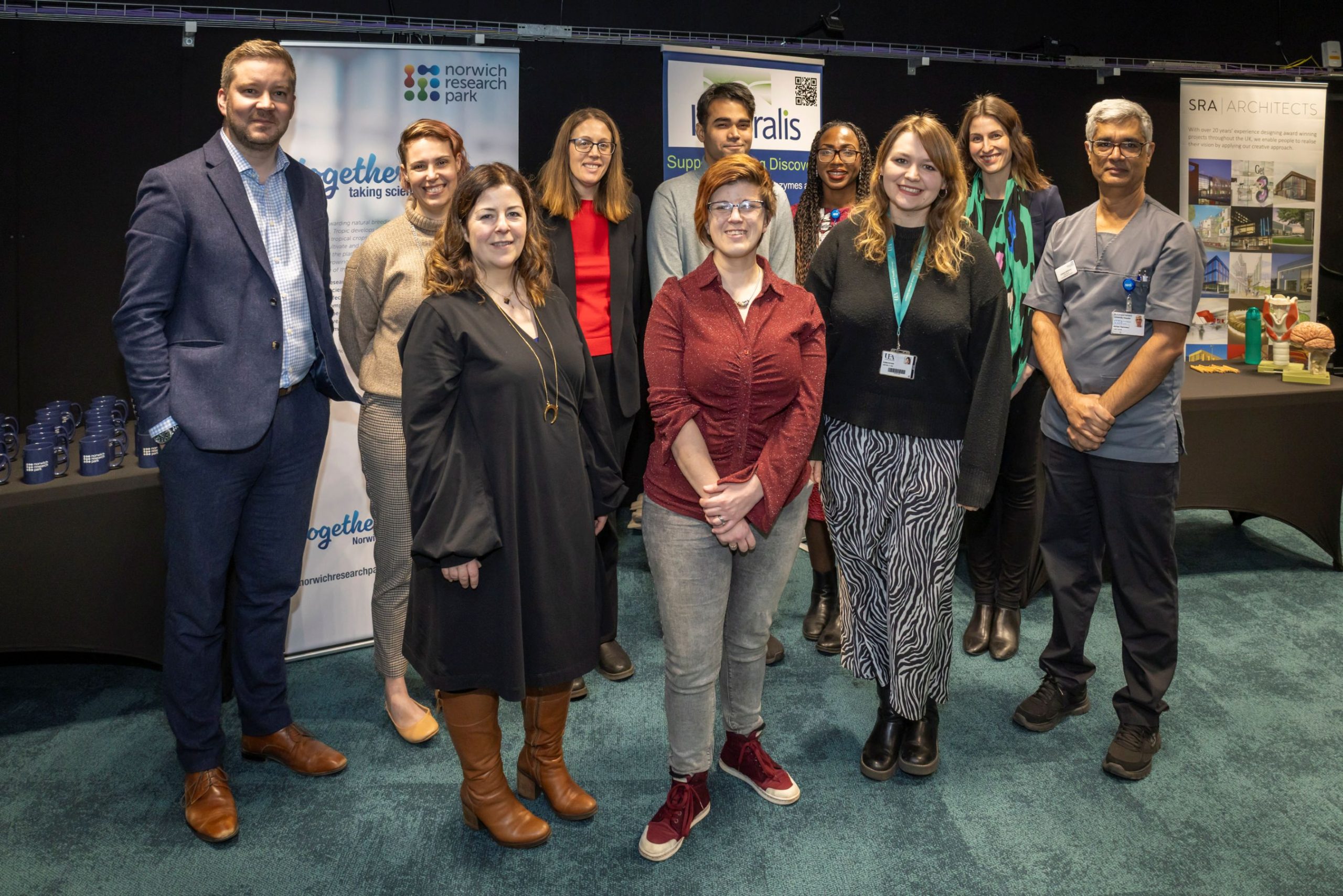
This is the topic of Agri-TechE ’s upcoming event, Farming in a Warming, Wetter World, being held at Norwich Research Park on 14th May 2025, where experts will explore innovations designed to support climate change adaptation and mitigation.

Alistair Cargill, farmer and executive member of the Rural Economy Research Group says: “Climate change is real – we are in big trouble when it comes to food production worldwide and people need to understand the real dangers that are going to be forced upon us. But as land managers we can do something about that.”

Alistair practices regenerative farming across his North Norfolk farm, where he grows crops ranging from potatoes to cereals, integrating cover crops, livestock and minimum tillage throughout the rotation as much as possible. One of his biggest concerns about the changing climate on his farm is access to climate-resistant varieties.

Alistair will be chairing a fireside chat with researchers at the event, where he hopes their discussions will help in closing the gap between lab and trial-based research, and real world, on-farm scenarios.

He says: “We are growing varieties that have been around for decades, and I have major concerns about that. All the varieties we grow from wheat, potatoes, peas and oilseed rape are only being grown for yield and disease resistance. There is nothing being pushed for drought or flood tolerance, or these emerging disease pathogens.”

Alistair_Cargill
Diane_Saunders

The milder and wetter seasons are creating significant challenges to crop management, with new diseases coming to light, and some older diseases re-emerging. These are all set to be discussed during Professor Diane Saunders’ session. Diane is a leading plant scientist at the John Innes Centre’s session.

Diane says: “Climate is becoming increasingly unpredictable, with extreme weather events having a direct impact on shifting pathogen distribution. This changing pathogen landscape makes it increasingly difficult to manage disease. It is particularly challenging where old diseases re-emerge, and the agricultural practices we once relied on to control them are long forgotten.”

Going forward, Diane believes there is going to be a significant shift in pathogen behaviour, with more extreme weather events moving inoculum into areas where it had not previously been seen.

She says: “This is a real challenge, particularly with a push from the EU to reduce fungicide use by 50% by 2030, which is also reflected in the UK. However, genetics can help fill this gap and provide us with new opportunities for disease control.”

In her session, Genetic solutions for climate change resilience, Diane will discuss which diseases are of particular focus for researchers and how previously untapped resources that are now available in genetics can provide greater resilience in our crops.

“The recent step change in wheat research presents many new and exciting opportunities to enhance breeding approaches and utilise ever-expanding genomic resources. Throughout the last century, modern breeding has narrowed the genetic background of everything we grow, so we’re missing a lot of the original diversity that was once present. This untapped diversity presents us with great opportunities to develop more resilient varieties of the future,” explains Diane.

Todd_Jex
174926_carrots1_507190

Another consequence of a changing climate is the likely shift back to earlier autumn drilling. Arable farmers have been advised for years to delay drilling to mitigate weed and some disease issues, but with wetter autumns becoming more commonplace, is the answer to bring forward drilling dates? This lingering question will be answered by Agrii agronomist and regenerative farming expert, Todd Jex.

He says: “The last two years have rendered heavier and lower-lying ground virtually unfarmable because we could not get winter crops in as we had planned, or they have gone in such bad conditions they have not survived winter.

“However, the unintended consequence of bringing drilling back to early September to mitigate against very wet autumns like these is going to bring a whole host of other agronomic challenges we have been trying to work away from for years, such as grassweeds, higher levels of septoria and other diseases in our crops.”

In his talk, Todd will explore how the dramatic shift to these longer periods of very wet or very dry weather will affect crop management including drilling timings and crop choice, and how growers can deal with some of these weather-related challenges through practices such as direct drilling and improving soil organic matter levels.

He will also address the challenges associated with moving towards regenerative farming practices, with earlier drilling potentially putting more pressure on herbicides, and turning away from one of the best tools to manage such grassweeds – rotational ploughing.

To hear from Alistair, Todd, Diane and other leading experts, book your ticket to Farming in a Warmer, Wetter World, held at Centrum, Norwich Research Park on 14th May 2025.

Agri-TechE and IAgrM collaborate to strengthen their early-career communities

Agri-TechE Article
Agri-TechE

Agri-TechE and the Institute of Agricultural Management (IAgrM) have announced they are collaborating to open new opportunities for early-career individuals and professionals in their respective communities.

The arrangement involves promoting the Early Career Innovators’ Forum (ECIF) programme to their networks and providing opportunities to attend Agri-TechE and IAgrM events. Notably, this includes two fully funded places on IAgrM’s Farm Management Skills Programme (FMSP).

ECIF is a platform that unites early-career individuals interested in agri-tech through a diverse programme of free activities sponsored by the Morley Agricultural Foundation. Agri-TechE has delivered ECIF since its inception ten years ago and will now be supported by IAgrM.

Dr Laura Bouvet, Knowledge Exchange Manager at Agri-TechE , sees opportunities for a wider blend of backgrounds participating in ECIF.

“It gives IAgrM members the chance to understand the agri-tech world better and the exciting new innovations in development,” says Laura. “Likewise, researchers and tech developers can get insight into practical farm management.”

Dr_Laura_Bouvet
Victoria_Bywater

Victoria Bywater, IAgrM Director, says: “IAgrM is passionate about supporting the next generation of professionals who will shape the future of agriculture. This collaboration with Agri-TechE allows us to connect emerging talent with the practical knowledge and networks they need to thrive.

“We are offering ECIF participants the chance to apply for two fully funded places on the IAgrM Farm Management Skills Programme this year, hosted at Harper Adams University.”

Find out more or register to join ECIF.

Get in touch with us for our ECIF/IAgrM code to attach with your application. Deadline to apply is 31 August, decisions will be communicated by the end of September 2025.

ECIF in Action
ECIF in Action
Elin Falla

Elin Falla came across ECIF at a careers event. An interest in plant science led Elin to do a PhD at Cambridge University, studying mathematical models of the spread of aphid-transmitted viruses through crops.

“One of the reasons I was so keen to join ECIF is because my PhD is quite theoretical and I don’t get an overview of what the agricultural industry looks like,” explains Elin. “It can seem a bit mystifying at first. Academic papers aren’t the same as hearing about the industry and what other people involved do.”

Once she has completed her PhD, Elin wants to explore opportunities to work for an agri-tech company or pursue further research in the industry. She sees the connections she makes at ECIF as helping her achieve that ambition.

“I still haven’t decided what direction I might take. Either way, it’s important to me that my research is valuable and talking to the people involved daily is really helpful for that,” adds Elin.

Funding Alert: New DEFRA grant competitions now open for Agri-TechE innovators

Member News
The views expressed in this Member News article are the author's own and do not necessarily represent those of Agri-TechE.

Funding Alert: New DEFRA grant competitions now open for Agri-TechE innovators

DEFRA has just launched two significant new funding opportunities under its Farming Innovation Programme, offering a chance for UK agri-tech innovators to access £1 million to £2.5 million in collaborative R&D grants. With up to 70% funding available, these schemes present a timely opportunity for those working on cutting-edge solutions in sustainable agriculture.

🧬 Precision Breeding for Crops – Farming Futures R&D Fund: Precision Breeding Competition

This competition supports projects that use advanced breeding techniques to improve crop outcomes. Focus areas include:

  • Higher yield and improved quality
  • Resistance to pests, diseases, and climate stress
  • Enhanced nutritional value and shelf life
  • Reduction of allergens and toxins
  • Improved harvesting, growth cycles, and storage

🌍 Low Emissions Farming – Farming Futures R&D Fund: low emissions farming

This call seeks innovative, collaborative projects that reduce on-farm or near-farm emissions. Key areas include:

  • Regenerative farming systems
  • On-farm energy efficiency and innovation
  • Methanisation and biogas utilisation
  • Livestock methane reduction
  • Agroforestry, biochar, and land management innovations

Deadline for both competitions: Wednesday 25 June 2025 at 11:00am


Project scoping and application preparation

At Tatton Consulting, we’ve helped secure over £100m in non-dilutive grant funding, including £15m+ for agriculture, food, and agri-tech. With a 70%+ success rate and a strong track record across Innovate UK, DEFRA and more, we bring strategic insight and hands-on bid expertise that can make all the difference.

🔍 Agri-TechE Member Perks
To support the Agri-TechE network, we’re offering:

  • Free 30-minute project scoping & assessment session
  • 10% discount on all grant support fees

Our team provides honest, upfront advice, no boilerplate bids, and bespoke project design to maximise your competitiveness. And with a ‘No-Win, No-Fee’ option, there’s no risk in exploring your eligibility.

📧 Book your session: funding@tattonconsulting.co.uk
🌐 Learn more: ukgrantfunding.co.uk

  • *I have permission from the copyright holder to publish this content and images.

Let’s talk about ADOPT (Webinar 1st May)

Member News
The views expressed in this Member News article are the author's own and do not necessarily represent those of Agri-TechE.

Farmers and innovators are invited to register for a webinar exploring the opportunities created by the Accelerating Development of Practices and Technologies (ADOPT) Fund, which launches on 28th April.

The funding is part of Defra’s Farming Innovation Programme which is delivered by Innovate. It aims to accelerate the adoption of cutting-edge practices, from sustainable techniques to agri-tech solutions by providing grants of up to £100,000. Support grants of £2,500 are also available to kickstart applications.

The British On-Farm Innovation Network (BOFIN) is one of the programme’s approved project facilitators and is ready to encourage farmers to explore the opportunities through a free one-hour webinar on 1st May 2025, starting at 8.30am. It follows the official Innovate UK launch webinar the previous day.

The BOFIN webinar will include a panel discussion chaired by managing director Tom Allen-Stevens. Experts taking part are Kate Pressland of CEIA, Belinda Clarke of Agri-TechE , Becky Swinn of Innovative Farmers, Siwan Howatson of Farming Connect and Holly Shearman of Innovation for Agriculture.

They will discuss the details of the programme, opportunities for farmers and innovators, and give advice on how to develop ideas into projects.

“The long-awaited ADOPT Fund puts farmers in the driving seat of innovation, enabling them to harness the new technologies or innovations they believe could bring productivity gains,” said BOFIN’s Tom Allen-Stevens. “We want to make sure all farmers are aware of the opportunities this fund creates, which is why we are hosting this webinar. I encourage anyone interested to register to learn more and start developing their ideas.

“Going forward, our role as facilitators will be firstly to help farmers build collaborations with scientists and innovators, and apply for grants. Then, for those that are successful, to ensure farmers can focus on what matters – running trials that boost productivity and sustainability for their own businesses and the wider industry – while we handle the paperwork, partnerships and project management.”

Register for the webinar at www.tinyurl.com/ADOPTwebinar or for information on working with BOFIN visit www.bofin.org.uk/adopt

Further information:

The ADOPT Fund is part of Defra’s Farming Innovation Programme, with £20.6m allocated. For further information click HERE.

The ADOPT Support Hub is delivered by ADAS, UK Agri-TechE Centre and the Soil Association. Visit FarmPEP for more information.

  • *I have permission from the copyright holder to publish this content and images.

Is agriculture the oldest – and newest – form of manufacturing?

Agri-TechE Blog
Agri-TechE

This month we’ve been thinking about manufacturing, what it means, how it applies to agriculture and why it even matters.

Traditionally the word “manufacturing” conjures up images of landscapes dominated by resource-hungry heavy industry, quite at odds with the vision of a nature-based production system of plants and animals.

But looking back – and forward – reveals they might be closer than we might imagine.

What is manufacturing?

Manufacturing can be broadly defined as the conversion of raw materials into a finished product through the use of tools, machines, labour and chemical or biological processing.

So, what is photosynthesis, milk, meat or fleece production, if not manufacturing?

Following up from our recent event at the Manufacturing Technology Centre (MTC), and having just read the excellent book by Prof Tim Minshall (Head of the Institute of Manufacturing, University of Cambridge) “Your Life Is Manufactured: How We Make Things, Why It Matters and How We Can Do It Better” we’ve been thinking more about what we can learn from the principles of manufacturing, and how to apply them to agriculture – as Tim Minshall says – to “do it better.”

christian-bass-1pC-3meTUy8-unsplash
arno-senoner-H7rBLuD85Tg-unsplash

Does Nature operate a “design-build-test” cycle?

Arguably, yes. Although unlike targeted product design, evolution doesn’t aim for a specific end goal– random genetic changes happen that impact a lot of individuals, and by chance, some of those changes leave their offspring better suited to survive and thrive in their environment.

But the incremental improvements brought about by evolution operate along the same principles as a rational “design-test-build” approach.

Taking the analogy even further, plant breeding (particularly with the new tools for precision breeding) enables faster and more targeted “evolution” of crops and livestock, designed to a specific end, such as increased yield or better stress tolerance.

Mass, batch or custom-made?

The three main approaches to how most things are made are mass production (a large quantity of standardised products is made), in batches (for limited, higher value products) or custom-made – where the product is unique or specialised.

Again, we can see the parallels with agriculture. Arguably, commodity crops are mass produced (around 800 million tonnes of wheat globally last year, for example), while higher value crops such as salads and glasshouse plants are batch produced, while vertical farming and controlled environment production paves the way for high value crops such as those producing pharmaceuticals or other valuable proteins, for example.

Doing it better

Tim Minshall advocates for more sustainable and responsible manufacturing practices, harnessing circular economies, better supply chain transparency, and a focus on innovation to minimise waste and improve the environmental and social impact of production.

Sound familiar to conversations around agriculture and horticulture? Our recent event at the MTC discussing this very topic predictably positioned automation and robotics as key to this transition, but we realised it is more than technology – it is a collaborative mindset and a  manufacturing-based approach that could be needed.

Why does it matter?

The current global geopolitical uncertainty, and trade tariff turmoil are starting to place a sharper focus on the manufacturing capability of countries and their potential for growth. The ability to generate higher value goods and products is increasingly seen as being a core capability.

So, recognising manufacturing principles and applying them to agriculture has many benefits. It changes mindsets and enables more efficient and sustainable processes – being “leaner” (to use another manufacturing term).

And recognition of the production of food and ecosystem services as bring the valued outputs of am efficient, high-value  manufacturing capability can only be a good thing politically in these turbulent times.

The 2025 Innes Lecture – Following the Pepper: Black berries, Asian trade and European empires

Member News
The views expressed in this Member News article are the author's own and do not necessarily represent those of Agri-TechE.


This year’s Innes Lecture is being delivered by Prof Sujit Sivasundaram, Professor of World History at the University of Cambridge, who will look at the history of pepper and the role it plays in the world.

It will be held on Tuesday 29 April in the John Innes Conference Centre at Norwich Research Park. The event is free to attend and open to all. Please book your tickets here.

Doors open at 6pm with the lecture starting at 6.30pm.

Pepper is the most widely used spice in the world, but its widespread use was not always certain or predictable.

This lecture follows pepper’s journey from its origins in South India, across the Indian Ocean, and through many different hands, before the Portuguese sought to take control of it.

The way pepper was harvested and traded to meet growing demand helped shape the plantation economy. The combination of the plantation economy and European colonisation played a huge role in shaping the modern world. Looking at how pepper was cultivated and traded, reveals different ecologies, trade networks, labour systems and cultural influences.

Prof Sivasundaram’s last book, Waves Across the South: A New History of Revolution and Empire, won both the British Academy Book Prize and the Jerry Bentley Prize for World History. He is a Fellow of the British Academy.

  • *I have permission from the copyright holder to publish this content and images.

Land Use for Net Zero Footprint: Greenhouse Gas Accounting Living Lab

Member News
The views expressed in this Member News article are the author's own and do not necessarily represent those of Agri-TechE.

Land use can be the cause as well as the solution to the biodiversity and climate crises that we currently face. However, our ability to better predict the implications of our land use decisions will determine whether we can achieve desired changes that support diverse needs, on a finite area, whilst reducing environmental impact.

Land Use for Net Zero (LUNZ) Footprint is one of five research projects that run alongside the LUNZ Hub. Collectively these projects aim to help drive the transformation of UK land use needed to achieve net zero by 2025. The LUNZ Footprint project specifically aims to make it simpler for farmers to measure and reduce their carbon footprint, recognising that as we approach 2050, farm businesses will increasingly need to demonstrate net zero credentials to processors and retailers who have Scope 3 net zero targets.

LUNZ Footprint uses a ‘Living Lab’ approach to enable integration of research and innovation through co-creation in the real-world, ensuring research matches industry needs. Key to the success of these Living Labs is building communities who can share best practices and help compare greenhouse gas calculations.  The project is engaging with policy and value chain stakeholders and 100 farm businesses to raise awareness around the tools available to understand greenhouse gas footprint and to help place farm businesses at the centre of decision making.

 There are currently opportunities to engage with this project through a series of regional workshops. The Eastern England workshop to describe the project and provide opportunities to engage further will take place on Thursday 8th May 2025 at Cranfield University in Bedfordshire. Details and registration for this event can be found here.

  • *I have permission from the copyright holder to publish this content and images.

How Integrated Power, Wireless, and SMART Solutions Are Revolutionising Business and Farming Operations

Member News
The views expressed in this Member News article are the author's own and do not necessarily represent those of Agri-TechE.

In today’s rapidly evolving business landscape, the integration of sustainable power, reliable connectivity, and intelligent technology isn’t just a luxury – it’s a necessity for survival and growth. As businesses face increasing pressure to reduce costs, improve efficiency, and meet sustainability goals, the convergence of these three critical technologies is creating unprecedented opportunities for operational excellence.

The Current Business Challenge

Modern businesses face a triple challenge:

  1. Rising energy costs and unreliable power supply
  2. Growing demand for seamless connectivity
  3. The need for intelligent, automated systems

These challenges are particularly acute in industrial settings, agricultural operations, and remote facilities where traditional infrastructure may be limited or unreliable.

The Power of Integration

The real magic happens when off-grid renewable power, private wireless networks, and SMART technology work in harmony. This integration creates a robust ecosystem that delivers:

  1. Energy Independence and Sustainability
  • Reliable off-grid power solutions
  • Reduced operational costs
  • Minimized environmental impact
  • Consistent power supply for critical operations
  1. Secure and Reliable Connectivity
  • Private 5G networks for enhanced security
  • Custom wireless design for optimal coverage
  • Multi-bearer radio technologies for redundancy
  • Seamless communication across operations
  1. Intelligent Operations
  • SMART building management systems
  • Automated security solutions
  • Agricultural technology integration
  • Real-time monitoring and control

Real-World Applications

Let’s explore how this integrated approach transforms different sectors:

Industrial Sector:

  • Automated production lines powered by renewable energy
  • Real-time monitoring through private wireless networks
  • SMART systems optimising energy usage and maintenance schedules

Agricultural Operations:

  • Sustainable power for irrigation systems
  • Wireless connectivity for precision farming
  • SMART technology for crop monitoring and optimization

Defence and Security:

  • Reliable power for critical operations
  • Secure private networks for sensitive communications
  • Intelligent surveillance and monitoring systems

The Implementation Journey

A successful integration typically follows these steps:

  1. Assessment of current infrastructure and needs
  2. Custom solution design
  3. Phased implementation (typically 6 weeks)
  4. System optimisation and monitoring
  5. Ongoing support and maintenance

Return on Investment

The benefits of this integrated approach are substantial:

  • Reduced energy costs through renewable power
  • Improved operational efficiency via SMART systems
  • Enhanced security through private networks
  • Increased productivity through automation
  • Future-proofed infrastructure

Looking Ahead

As technology continues to evolve, the integration of power, wireless, and SMART solutions will become increasingly sophisticated. Businesses that embrace this convergence now will be better positioned to:

  • Adapt to changing market conditions
  • Meet sustainability goals
  • Maintain competitive advantage
  • Scale operations efficiently

Conclusion

The future of business operations lies in the seamless integration of sustainable power, reliable connectivity, and intelligent systems. By adopting this holistic approach, organisations can not only address current challenges but also position themselves for future success in an increasingly competitive and sustainability-focused world.

Phone: 0333 0386878

Email: hello@c3rtechnologies.com

Website: www.c3rtechnologies.com

Follow Us on LinkedIn, Facebook and X

  • *I have permission from the copyright holder to publish this content and images.

FLYTHRIVE uses AI to drive natural defences and deliver value to growers

Member News
The views expressed in this Member News article are the author's own and do not necessarily represent those of Agri-TechE.

New research aims to tackle rising insect pest infestations in common berry crops using advanced AI, natural lures and selected species of aphid-feeding hoverflies to continuously monitor the crop and trigger earlier intervention. 

UK berry growers are threatened by increasing pest infestations which drive down yields and increase costs; aphids can reduce berry crop yields by more than 30%. Growers are urgently searching for new ways to deal with pests at a predictable cost and with better environmentally sound results.

A consortium of commercial growers, leading applied researchers, and an innovative agritech solutions business including the crop research organisation Niab, The Natural Resources Institute, University of Greenwich, Asplins Producer Organisation Ltd, The Summer Berry Company Ltd, and agritech start-up Olombria, have already developed a system to deliver innovative natural pest management solutions in soft fruit.

FLYTHRIVE (Fly-Led Yield Thriving in Horticulture with Integrated Vision and Ecology) is the next step and the £1.3 million match-funded project, supported by InnovateUK, will enable the system to be trialled and optimised in full-scale commercial environments. The unique hoverfly-led control system is expected to be commercially effective in all commonly used berry-growing environments and has broad application across other fruits.

Dr Sarah Arnold, research lead in applied entomology at Niab commented, “There is an urgent need for integrated pest management solutions in commercial horticulture that do not depend on new pesticide approvals. Beneficial insects such as predators and parasitoids are an increasingly important part of growers’ toolkit to manage priority pests like aphids.”

The goal is early automated detection through active monitoring and highly efficient rapid targeting of aphids with select hoverfly species at a much lower cost and without negative environmental impact. FLYTHRIVE aims to reduce aphids by over 70%  within two weeks of deployment. New Machine-Learning Vision Systems and active lures will be developed to monitor and direct hoverflies at a much earlier stage of aphid infestation, reporting their performance directly to growers and providing AI training data for future optimisation. The project will prove the viability at scale for the system.

Tashia Tucker, founder and CEO of Olombria explained, “This project is tackling one of the toughest challenges berry growers face, and we’re confident it will deliver real solutions. Building on our success with pollination systems, we’re excited to collaborate with our incredible partners, whose expertise and dedication are vital to developing a natural, effective way to protect crops from pests like aphids and support growers in achieving healthier, more sustainable harvests.”

Dr Steven Harte, senior lecturer in chemical ecology at NRI, commented, “This project combines chemical ecology techniques commonly used in IPM with new technologies such as machine learning to do something novel in biocontrol research and offers fruit growers a sustainable pest control solution.”

Chris Rose, chief operating officer of Asplins, added, “The UK soft fruit sector has been a great success story providing delicious, healthy fruit to a high standard; yet growers are struggling to remain profitable with rising costs, increasing pest and disease challenges and customer lead need for pesticide reduction.  This exciting and innovative project has the potential to significantly ameliorate all these challenges.”

Camilla Langmead, senior production coordinator at The Summer Berry Company, said, “This project is exciting for us as it will help us reduce our pesticide use, and it will create an additional pollination route which can increase our fruit size and reduce wastage. We have natural biologicals on the farm, but this will increase the biodiversity further, complimenting the direction we want to be heading in.”

A researcher’s guide to Australia’s agriculture and food ecosystem

Member News
The views expressed in this Member News article are the author's own and do not necessarily represent those of Agri-TechE.

When it comes to making meaningful impacts in agriculture and food innovation, Australia’s research ecosystem is brimming with opportunities for local and international researchers. growAG.’s research guide to Australia’s agriculture and food ecosystem serves as an essential resource for international researchers and organisations looking to navigate Australia’s research landscape and forge meaningful collaborations.

Australia’s research ecosystem

Australia’s agricultural research landscape represents a substantial economic commitment, with combined public and private investment reaching US$1.59 billion in 2022-23. This investment includes US$906 million in public funding from federal and state governments and universities, complemented by US$686 million in private funding. Studies have consistently demonstrated the significant return on this investment, estimating that every $1 spent on agricultural R&D yields almost $8 in returns for farmers over a 10-year period.

At the heart of this ecosystem are the Rural Research and Development Corporations (RDCs), which have been driving agricultural advancements since 1989. These organisations facilitate co-investment between the Australian government and primary producers, creating benefits that extend to industry stakeholders and regional communities alike. The Australian research landscape includes 15 RDCs – 5 Commonwealth statutory bodies and 10 industry-owned companies – collectively investing approximately US$550 million annually.

However, Australia’s research ecosystem doesn’t stop at RDCs. It also encompasses numerous Cooperative Research Centres (CRCs), federal government agencies like the CSIRO, state-based agricultural departments, university research hubs, private sector R&D programs, and technology incubators.

While such a diverse and extensive research environment offers tremendous opportunities, it can be tricky to navigate the maze of funding options, partnership structures, regulations, and paths to commercialisation in Australia’s agricultural innovation space.

The solution: The growAG. Research Guide

The growAG. research guide simplifies the pathway for local and international researchers by providing comprehensive insights into Australia’s unique research landscape. The guide is designed to help researchers identify opportunities, establish partnerships, and access programs to foster collaboration and growth.

The guide offers several valuable resources including detailed profiles of each RDC, a map illustrating the Australian agriculture and food research landscapes, five distinct pathways for engaging with research entities and intellectual property considerations.

The RDC profiles summarise their industry focus areas, strategic research priorities, and preferred investment models. These profiles help researchers identify which RDCs align with their research areas and expertise.

The Australian agriculture and food research maps serve as navigational tools, helping researchers pinpoint potential collaborators and understand the complex relationships between various public and private institutions in the Australian research environment.

To grow research in Australia, an outline of five distinct pathways are provided highlighting actionable steps for researchers to take to begin building meaningful collaborations. These included collaborating with RDCs, Cooperative Research Centres, partnering with universities, or accessing government grants, incentives & assistance.

Intellectual property considerations are an essential consideration for international researchers looking to enter the Australian market. The benefits of establishing IP in Australia, the types of IP researchers should consider and specific considerations for research collaboration with universities and businesses are all outlined in the guide.

Success stories from the field

FutureFeed, a partnership between CSIRO, Meat and Livestock Australia, and James Cook University, is one example of collaboration featured in the research guide.

This collaboration created a livestock feed ingredient from native Australian Asparagopsis seaweed that reduces cattle methane emissions by over 80%. Launched as a company in 2020 with US$9.34 million in investment from Woolworths, GrainCorp, Harvest Road, and AGP Sustainable Real Assets- SparkLabs Cultiv8, FutureFeed now licenses seaweed growers across the globe.

FutureFeed, a partnership between CSIRO, Meat and Livestock Australia, and James Cook University, is one example of collaboration featured in the research guide.

This collaboration created a livestock feed ingredient from native Australian Asparagopsis seaweed that reduces cattle methane emissions by over 80%. Launched as a company in 2020 with US$9.34 million in investment from Woolworths, GrainCorp, Harvest Road, and AGP Sustainable Real Assets-SparkLabs Cultiv8, FutureFeed now licenses seaweed growers across the globe.

The innovation was recognised with the Food Planet Prize and demonstrated commercial viability by producing the world’s first lower-emission steaks in 2021. If adopted by just 10% of global producers, it would equal removing 100 million cars from roads while potentially feeding an additional 23 million people – showcasing how Australia’s research ecosystem can transform scientific breakthroughs into global solutions.

As global agricultural challenges intensify due to climate change, population growth, and resource constraints, successful research collaboration examples like these demonstrate what can be achieved. By providing a clear roadmap to Australia’s research ecosystem, the guide empowers Australian and international researchers to contribute to and benefit from one of the world’s most innovative agricultural sectors.

To explore these opportunities further, the complete guide is available to download from growag.com.

  • *I have permission from the copyright holder to publish this content and images.

Brewing a sustainable future: Morrow’s innovative approach to eco-friendly coffee

Member News
The views expressed in this Member News article are the author's own and do not necessarily represent those of Agri-TechE.

Legend has it that the first coffee consumers were goats – and that the energetic properties of coffee were discovered by Ethiopian farmers who noticed their goats were far more animated after consuming coffee cherries. Since then, consumption of coffee has spread to the human population – and if we are going to make a competition out of it – Finland wins, with each adult on average consuming 27.5 pounds of coffee a year…

Despite record-breaking coffee prices, the consumption of coffee worldwide is soaring, and with this soaring coffee consumption comes an environmental debt. Large-scale coffee farming leads to deforestation and the subsequent loss of natural habitats, soil damage, and water pollution, all of which contribute to climate change.

For these reasons, when We are Morrow presented an environmentally friendly solution at Agri-TechE ’s REAP Conference in Newmarket in November, it is fair to say that everyone in the room was intrigued. Their solution? Coffee made from locally grown and up-cycled ingredients, such as fruit pips, peels and seeds, but crucially, not coffee beans. As We are Morrow explained during their presentation, they first identify the compounds that give coffee its unique flavour, aroma and colour, select ingredients that contain those compounds and then ferment, roast and malt these ingredients until a product is achieved with the right flavour compounds. This is impressive given that coffee is actually incredibly complex. The list of chemical compounds present in coffee runs to over 1000 with over 800 aromatic compounds. For this reason recreating coffee without the coffee bean is quite a scientific achievement. However, We are Morrow’s technology is not only scientifically remarkable. As the coffee can be made from locally sourced waste or by-products, the environmental impact of producing coffee is significantly lessened.

The example set by We are Morrow is fortunately being reflected in the food market. As we – as consumers – become increasingly aware of the environmental impact of our food, the popularity of up-cycled food products is increasing at a significant rate. According to a recent market report, the up-cycled food products market was valued at $54.5 billion in 2022, and is forecasted to reach an impressive $94.6 billion by 2032. Examples of other up-cycled food products include snack bars made from spent grain, over ripe bananas and the pulp from pre-juiced vegetables and fruit. As such, we hope to see more and more of our food coming from up-cycled ingredients in the years to come. For now, however, we look forward to welcoming We are Morrow coffee into the coffee shops of Cambridge!

Andrea Williams

Partner, M&C Cambridge

  • *I have permission from the copyright holder to publish this content and images.