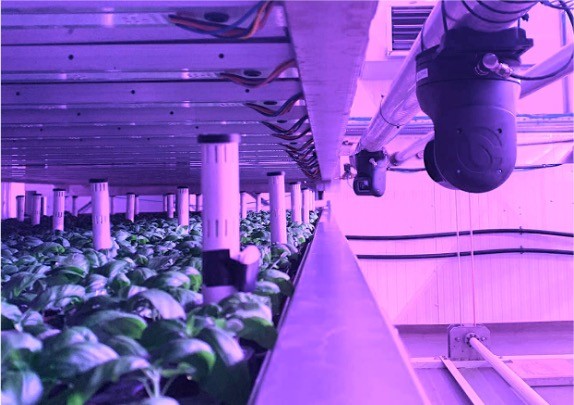
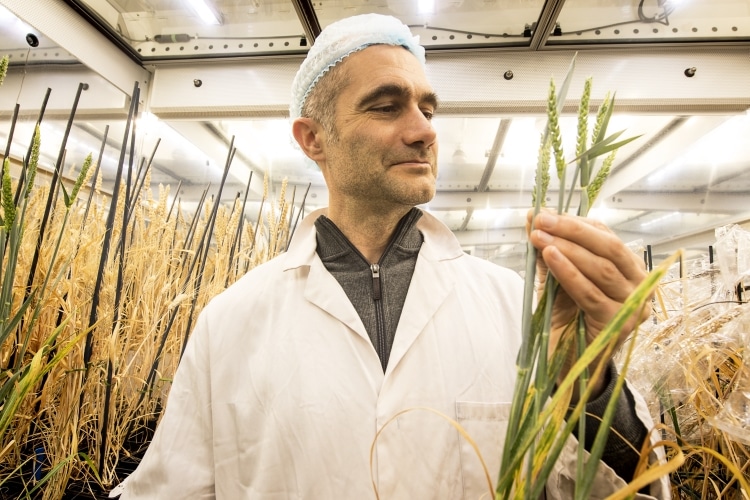
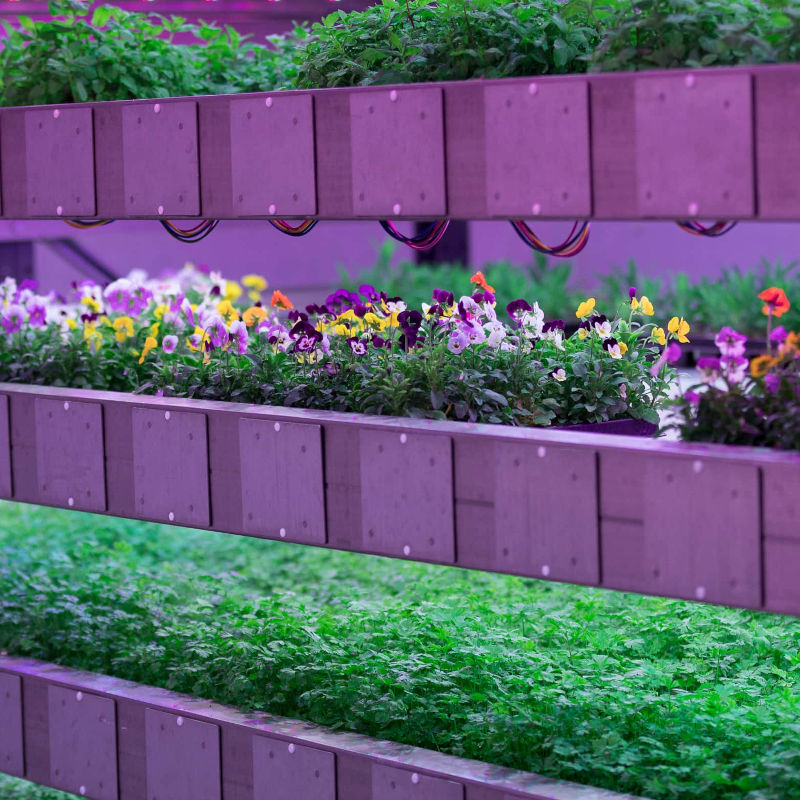
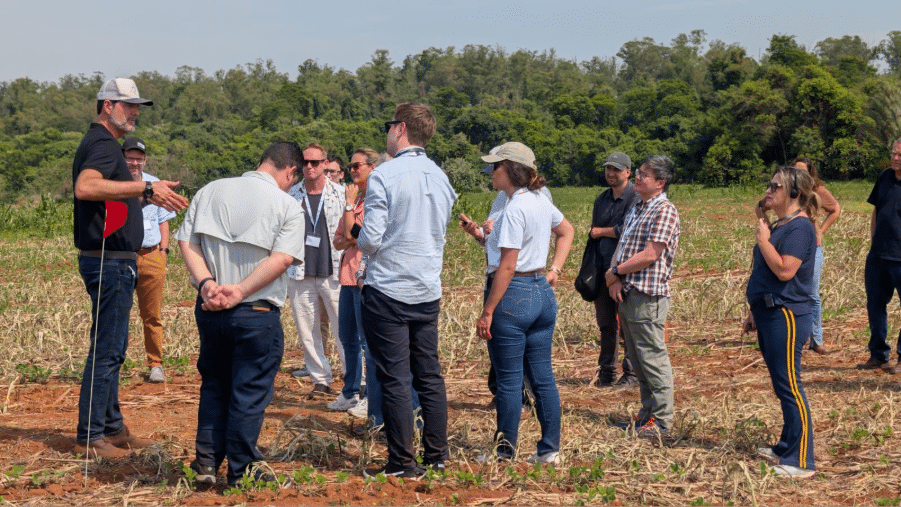
The Productive Landscape: NatureTech for Profit and Planet
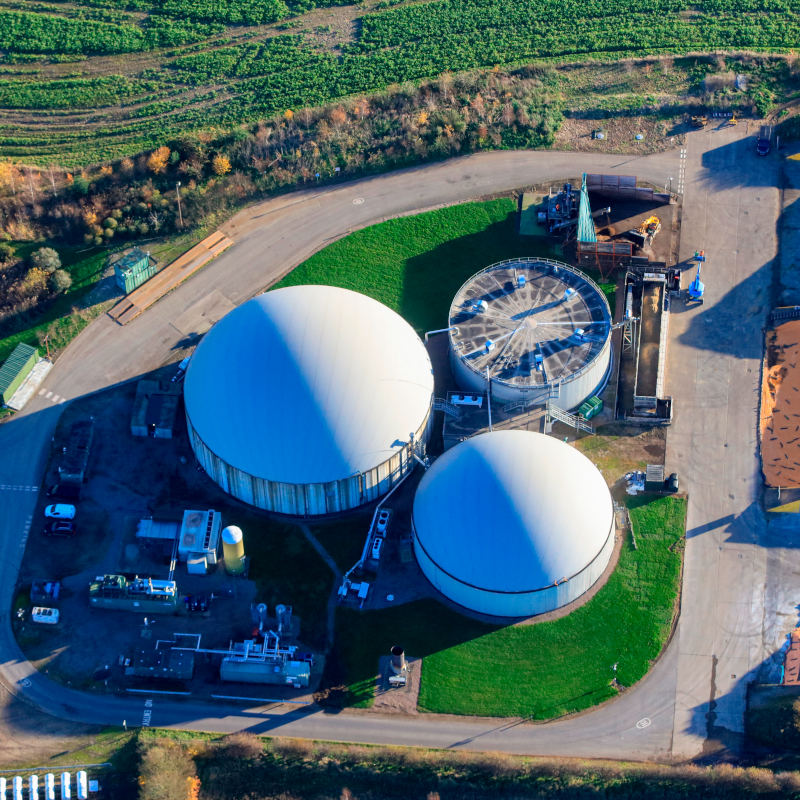
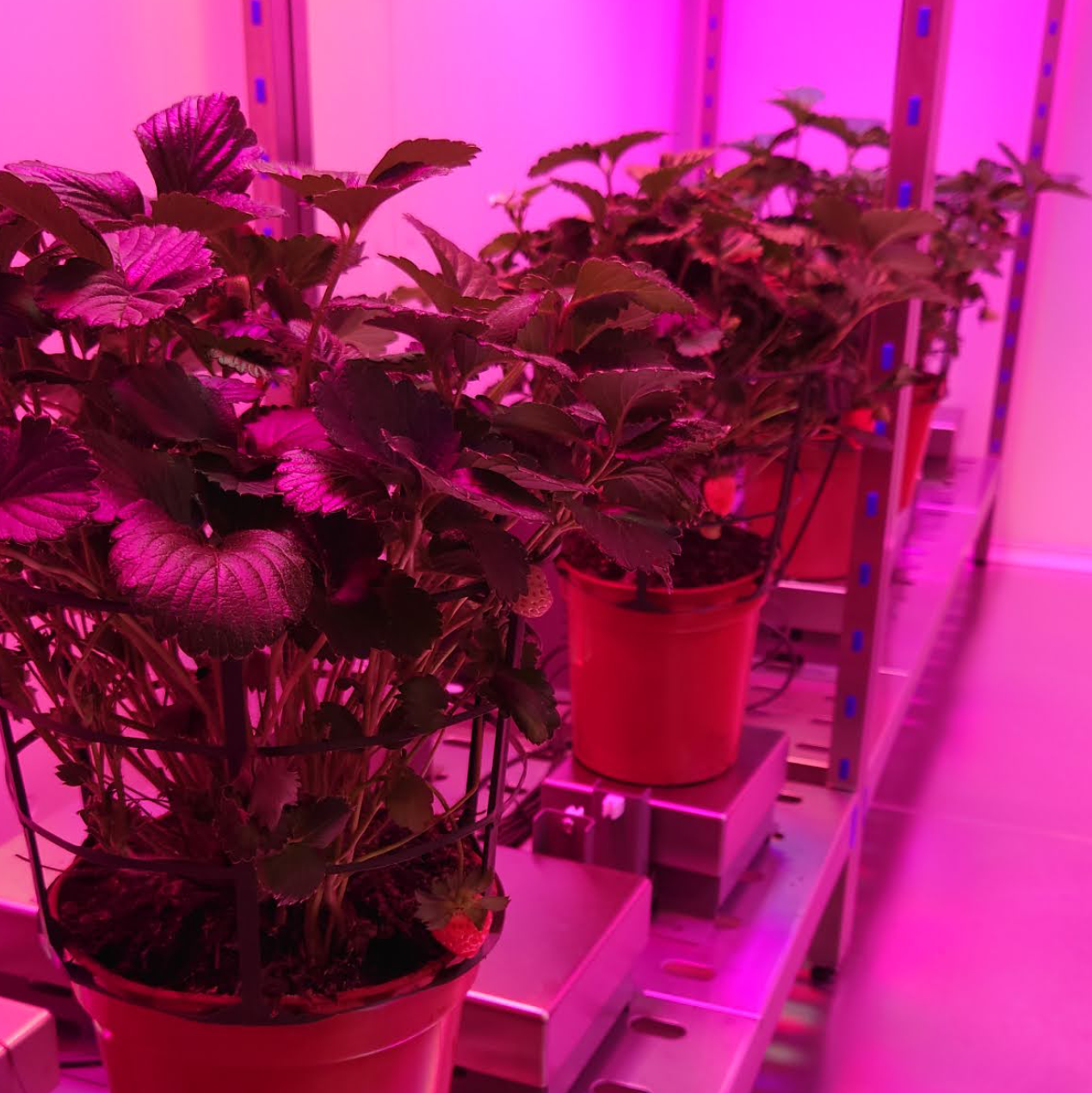
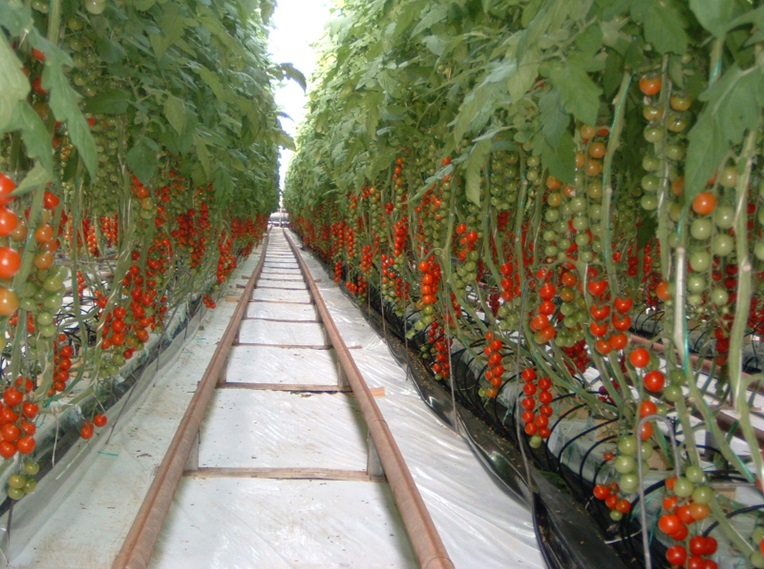
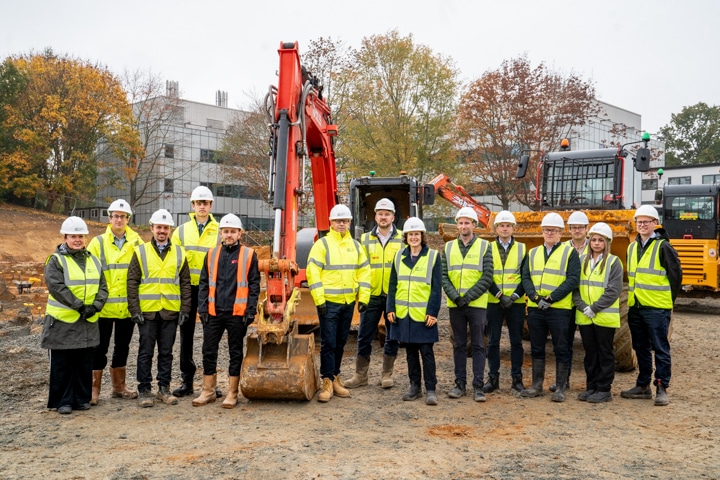
How can technology enable delivery of food, nature recovery, and climate resilience - all at once? The Head of the Environment Agency is asked: what's the national plan for dealing with land use pressures, plus you’ll hear from technologists and land managers working on nature-based and tech-enabled solutions for water, soils and climate adaptation.

Iceni Diagnostics offers new approach to detection of COVID-19

Agri-TechE Article

Agri-TechE
The emergence of COVID-19 has exposed a frailty in our ability to rapidly detect and screen new infectious diseases. Iceni Diagnostics is developing a new approach that identifies the virus not by its genetic code – which can mutate – but by using its reliance on chains of sugars which are constant and unchangeable. The existing prototype product for influenza can detect the virus in less than 20 minutes and could be adapted to identify other pathogens such as Coronavirus.

COVID-19 infection process
Viruses use glycan recognition to enter the host

Viruses typically invade the body through cells in the respiratory tract. These cells are covered in a coat of sugar chains, known as glycans, which are used to recognise beneficial substances.
Viruses can utilise these glycans as part of the infection process. This process can also be used in reverse to identify the virus in saliva or nasal fluids.
Professor Rob Field, a world expert in glycan science and Director of the Manchester Institute of Biotechnology, is the co-founder of Iceni Diagnostics, a biotechnology company based on the Norwich Research Park.
The company has developed a diagnostic technique that uses an artificial glycan receptor to capture the virus.
Professor Field comments: “Right now, everybody is talking about a vaccine for coronavirus but vaccine development, validation, safety-testing, manufacture, regulatory approval and deployment is a time-consuming process.
“A low-cost, easy to use screening test that can be performed at the point of care is an ideal way to limit initial disease transmission in the country or location of origin.

Sugar overcomes limitations of diagnostics based on genetic codes

“Current COVID-19 tests are largely based on PCR (polymerase chain reaction) that requires a laboratory setting for analysis and relies on prior knowledge of the viral genetic code. This code can change as the virus evolves, limiting the effectiveness of the test.
“The Iceni Diagnostics approach uses glycan recognition, which is unaffected by seasonal variation in the genetic code, and can be offered as a handheld home or field-based test.”

Screening for Coronavirus

Iceni Diagnostics has already developed a series of prototype products that can specifically detect pathogens such as Norovirus and different strains of influenza in less than 20 minutes. The most advanced product, for equine influenza, is performing well in early stage clinical trials.
The hand-held device uses lateral flow – like a home pregnancy test – to give a simple yes/no answer. It requires no refrigeration and no training, meaning the test is usable in any location, by any person, in order to detect flu or other pathogens.
The current Iceni Diagnostics products detect a single virus. However, the next generation of diagnostics will enable the detection and discrimination of a series of pathogens that give rise to similar symptoms. This would enable, for example, a distinction between flu and COVID-19 in a single sample. This increases the versatility and robustness of the diagnosis.
Additionally, the way the virus interacts with its glycan receptor makes it seasonally consistent, so, even if the virus genetic code mutates, it will still be detected – meaning the Iceni Diagnostics’ test should remain effective indefinitely.

Managing global disease

Professor Field comments that the device holds huge promise for changing the way we manage global disease: “This new approach, which is based on host-pathogen glycan recognition could potentially result in a more universal detection technique, crucial in early diagnostics of outbreaks.”
Iceni Diagnostics is currently in an investment round to support the validation and roll out the commercial launch of its initial product portfolio. It is also looking at additional funds from EU and BARDA.
In an industry dominated by protein/DNA technology the glycan-based platform offers opportunities for the development of novel medicines and tests. Interested parties are invited to contact Iceni Diagnostics directly at www.icenidiagnostics.com.

ADAS and Brown & Co win success in £1 million Future Farming Resilience Funding

Meet the Network
Agri-TechE
Victoria Prentis MP
Victoria Prentis MP (image from gov.uk)

New projects to help farmers and land managers prepare for life outside the EU’s Common Agricultural Policy have been given the green light, Farming Minister Victoria Prentis announced today.
Nine organisations, including Agri-TechE members Brown & Co and ADAS, have been awarded a share of the government’s £1 million Future Farming Resilience Funding. The projects will provide farmers with tailored on-farm advice to help them fully understand the changes ahead and to identify how to adapt their business models – through one-to-one advice on farms or group information workshops.
The seven-year Agricultural Transition period will start in 2021 and see the current subsidy system of Direct Payments – which pay for the amount of land farmed – phased out from 2021. It will be replaced with a new system that rewards farmers and land managers for the ‘public goods’ they provide, such as better air and water quality, improved access to the countryside and measures to reduce flooding.
Ahead of the future Environment Land Management (ELM) scheme being fully rolled out, farmers and land managers are also being encouraged to apply for Countryside Stewardship (CS) as an additional income stream so they can start delivering environmental benefits on their land now.
Beyond this, the government will help increase productivity and support diversification through a transformative package of productivity grants, launching in 2021.
Farming Minister Victoria Prentis said: “We are transforming British farming to boost productivity, enhance our environment for future generations and support a strong food production sector.
“Whilst we’re not switching off direct payments overnight, we recognise this is a time of huge change for the industry, and we want to help our land managers grasp the exciting opportunities our domestic agricultural policy will provide.
“This initial phase will be thoroughly evaluated to inform future decisions about expanding the Future Farming Resilience Funding in the future, so that more farmers have access to advice and guidance around future change.”
The funding will go to rural-facing organisations across a range of sectors and regions in England and is set to benefit approximately 1,700 farmers this year.
Charles Whitaker, Managing Partner at Brown & Co, said: “Brown & Co are pleased to be awarded this important DEFRA contract at a crucial time of change for the industry. Recognising upfront the challenges and changes to the sector that will be driven through the new British Agricultural Policy as we move away from support under the CAP and BPS is vital, and we believe this project will help farmers and farming families to do so.”
The grants have been awarded following a competitive process from September to November 2019. The projects will be carried out by Bishop Grosseteste University, Brown & Co, Devon County Council, Ricardo-AEA, RSK-ADAS, Soil Association and SRUC (Scotland’s Rural College).
Farmers and land managers should follow these organisations on social media and sign up to mailing lists to hear about local information events and available support.
More information: https://www.gov.uk/government/news/1-million-to-support-transition-to-future-farming-system

Farmable productivity app for fruit growers

Meet the Network
Agri-TechE
Farmable is a mobile app designed in Norway specifically for top fruit, which is fruit grown on trees such as apples and pears. All data from field operations are collected in one place and form the basis for a digital model of the farm to support decision making.
Lars Blikom is the Farmable CEO and co-owner of one of Norway’s largest fruit farms. He was looking for simple and pragmatic software to bridge the current gap between spreadsheets and robotics when he came up with the concept for Farmable.
Benefits for the grower with Farmable include:

  • Document crop treatment and access a spray calculator that specifies the amount of product needed.
  • A job management function uses GPS technology to track spraying in the field and automatically logs activity.
  • Issues spotted in the field can easily be recorded using the app’s field notes. These notes can be shared together with GPS coordinates with agronomists or other team members.
  • Harvest logging allows users to track yield back to the trees at a block level.

After spending three months with ten pilot growers in Australia, the Farmable team gained valuable feedback from vineyard and orchard managers across the country. The concept was so successful in Australia that the team will expand its pilot program to the UK and Germany for the 2020 season.
Mitchell McNab, an orchard manager from Victoria, Australia, has been one of the first to use Farmable. He says: “It’s incredibly rewarding to contribute to a digital future and watch new ideas take shape. I think particularly in horticulture, the grower needs to be central to the development of any new app if we expect to have technology adopted for fruit production. This means making time to try new things and offer genuine advice.”
“Not everyone we approach is keen to try,” says Blikom. “Many feel too busy or perhaps intimidated by new technology, but we try to include all types of growers in our pilot programs. You don’t need to be a computer nerd to make a big impact in a software trial.” Since the pilot, Farmable has gone ‘all-in’ on the Australian market. In addition to launching their latest mobile app in Australia, the team spent three weeks across Queensland, Victoria and South Australia to present their technology at evokeAg, AdvanceAg and meet many of their pilot growers face to face.
By working closely with growers across a variety of regions Farmable aspires to build global best practices into the technology. Blikom continues: “We have a great appreciation for the feedback we receive from pilot users around the world. There is a recurring theme in Europe and Australia on the challenges of increasing documentation requirements and it’s overwhelming for growers. In the same way, the teams developing software experience a never-ending list of features that could be built. When you consider the need to create a simple, user friendly tool, frequent input from growers becomes essential.”
Farmable has used grower input to determine its first features, which include: mapping blocks, recording scout notes (with GPS coordinates and images), tracking crop treatments, and logging harvest volumes down to the block level. In the coming months, Farmable will launch task management, weather system integration and an exportable reporting tool for spray records.
In April 2020, the team plans to launch a complementary profile for agronomists to improve the flow of information between growers and advisors. This means the team will be expanding their search for pilot growers to include pilot advisors.
If you are interested in participating in a pilot program for Farmable do get in touch at hello@farmable.tech.
You can find more information on Farmable’s member profile here.

Farmable kicks off 2020 with a mobile app for horticulture

Meet the Network
Agri-TechE
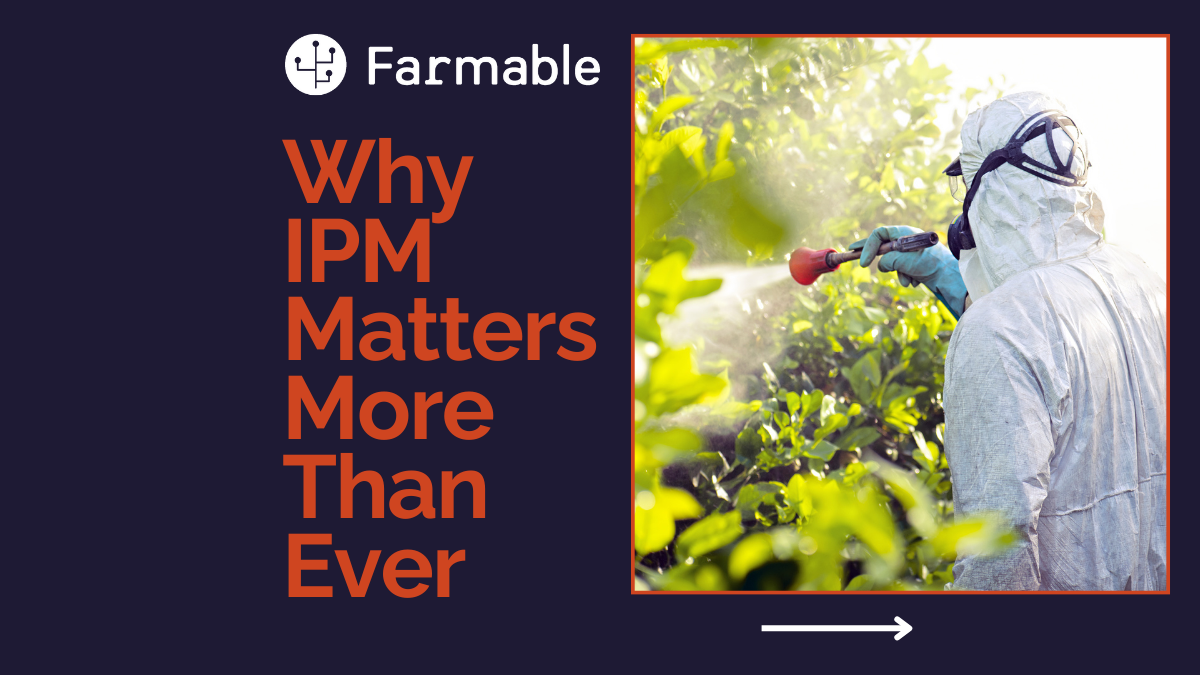
Farmable is the latest agtech player to arrive in the UK market. With a mobile app designed specifically for tree-crop growers, the team has a focused approach that sets it apart from the many farm management applications which are often built for broad-acre.
The Norwegian-based startup spent the winter season getting to know commercial farms in Kent, gaining feedback from vineyard and orchard managers across the region. Farmable’s mission is to offer horticulture farmers a simple, user-friendly way to capture and organize their field data. Initially, the product will allow users to map fields, take scouting notes (with GPS coordinates and images), document crop treatments and track harvest volumes back to the field level.
Next month, Farmable will launch features for job delegation to drivers and advisor recommendations, which is intended to improve the flow of information between growers and advisors. Before summer, the system will have an updated desktop portal with exportable reports for crop treatment documentation.
Farmable Co-founder and CEO, Lars Petter Blikom, is happy with the decision to focus on the UK as a primary market. As the owner of Norway’s largest fruit farm he has a deep understanding of how busy growers can be and the challenge to find time to try out new systems.
“We have tremendous appreciation for the feedback we have received from our pilot users. In order to build a solution that fits the needs of British growers, collaboration directly with farm managers and agronomists is essential.” 
As of January 3rd, the Farmable app is freely available for download at both the App Store and Google Play
Interested in being a pilot user? Check out www.farmable.tech/pilot

Productivity the key to unlocking UK agricultural potential

Agri-TechE Article
Agri-TechE

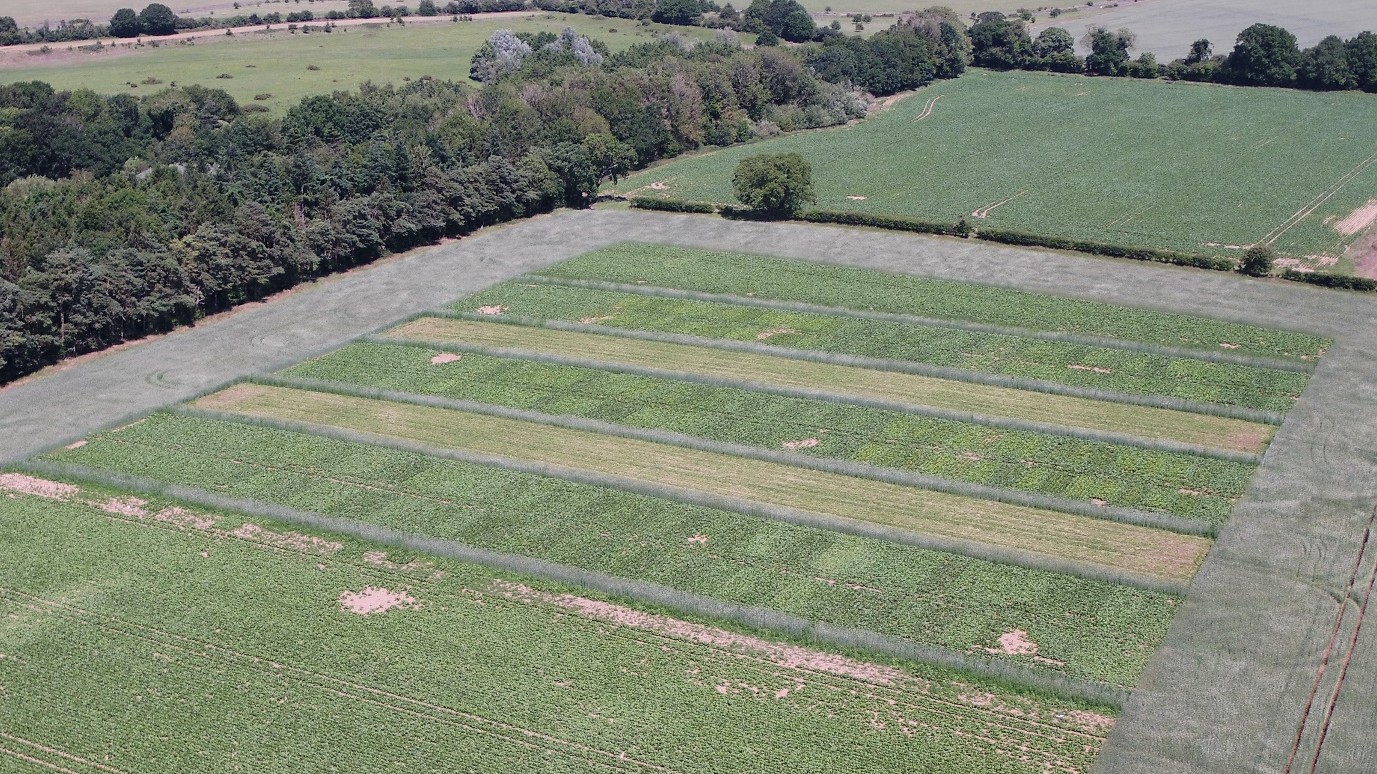
A major report has revealed why the UK’s rate of agricultural productivity growth is lower than many of its major competitors and makes recommendations for how an evidence-based approach can reap dividends.
The report from the Agricultural Productivity Working Group Food & Drink Sector Council (FDSC) was shaped by a broad spectrum of experts and stakeholders from across the industry.
It warns that if the opportunities offered by new policy frameworks and technology are not seized by industry and government that the UK is in danger of being left behind by competitors. Denying consumers and the UK domestic food industry affordable, sustainably produced agricultural goods.

Sir Peter Kendall comments on improving productivity in agriculture
Sir Peter Kendall says now is the time to improve productivity in agriculture

Sir Peter Kendall, Agricultural Productivity Working Group Chairman said: “If you look at our competitors, in 10 years’ time they are going to be in a far better positions than we are in terms of driving the level of ambition for skills and training. So, the question is do we acknowledge that we have a productivity challenge and do we, as an industry, have the ambition to reverse this trend?
A centre-piece of the recommendations is the establishment of the Evidence for Farming Initiative (EFI) to create a single source of evidence based practice, drawing from expertise globally to highlight what works. The report also calls for an expansion of farmer to farmer learning and for the industry to embrace benchmarking through key performance indicators (KPIs).

Evidence for Farming Initiative will provide

EFI will be industry-facing, focusing on the collation of evidence-based best practice recommendations, commercial testing of advice to provide quality assurance, and wide-scale dissemination of information for use by decision-makers.

  • A single physical and digital hub for evidence-based best practice
  • Scientific rigour, independence and objectivity
  • Farm and practitioner-led identification of research needs and generation of evidence.
  • Dynamic analysis, review of the available evidence and identification of gaps.
  • A comprehensive and co-ordinated means of disseminating knowledge through multiple
    channels
  • Recommendations to practitioners, decision makers, funding bodies, consultants,
    advisers, colleges and assurance schemes.

Whilst the initiative should be led and owned by industry stakeholders, it could play a powerful role in identifying innovation priorities and support evidence-based policy-making by government. Secure sharing of farm data via EFI will enhance impact, allowing monitoring of progress, both individually and as a wider industry.

Coordination of demonstration farms

The recommendation also identifies the opportunity to better co-ordinate existing activities and demonstrate best practice via demonstration farms. It identified the potential to grow the network to provide more opportunities for farmers to learn from each other.
 
NFU President Minette Batters said: “I am very pleased to support the APWG recommendations, which will offer a significant boost to a sector that offers so much to Britain at a time of great change and opportunity. A welcome feature of the partnership we’ve formed around the productivity challenge has been the full involvement of industry and government. This must be maintained as we move to act on these recommendations.”
Dr Belinda Clarke, Director of Agri-TechE said: “This report reflects a lot of work by industry experts who collectively brought unique and important views to the discussions around future agricultural productivity. With the rapid rate of change facing the industry, demonstrating leadership to UK and international policy-makers, supply chain actors and farmers is crucial, and hopefully this report will contribute to a future vision for the industry.”

More information about the report can be found here “Productivity the key to unlocking future opportunities in Agriculture” 
A podcast featuring an interview with Peter Kendall can be found here. 
APWG Membership
Peter Kendall (AHDB, Chair) Jonathan Birnie (Birnie Consulting, project manager) Nick Whelan (Dale Farm) Andy Richardson (Volac) Tim Breitmeyer/ Susan Twining (CLA) Helen Ferrier/ Jonathan Scurlock (NFU) David Caffall (AIC) Kate Rowell (QMS) Liz Quigley (AB Agri) Tom Hind (AHDB) Dave Ross (Agri-Epi) Belinda Clarke (Agri-TechE ) Caroline Povey (DEFRA) Stephen Fernando (DEFRA) Helen Fox/ Kathryn Brown (BEIS) Andy Cureton (BBSRC) Calum Murray (Innovate UK)
Agrimetrics’ new Data Marketplace

Agri-TechE Article
Agri-TechE

Agrimetrics has recently launched a new Data Marketplace, which promises to reward data-owners whilst accelerating innovation.  Dr Matthew Smith, Agrimetrics’ Chief Product Officer, answers our questions about what it can offer farmers and others. 

Q. What type of data are you looking for and how should it be supplied – eg. could it come from individual farmers?
As our customers are both data providers and consumers, we’re interested in any data through which value could be created through its exchange.

Data could come from individual farmers in principle but it’s important to have an idea of a supply-demand relationship for the data, as we want to have confidence that there will be demand for data put in the marketplace.

If just one farmer puts up their data then it’d be unlikely to be attractive enough, but if it is part of a  larger data offering, e.g. data from a cooperative, (while importantly ensuring that the farmer is always in control of access to their data), then that could be interesting.
Another way to add value could be to link a farmer’s data to produce in the value-chain in order to support the reporting and certification of product provenance, which consumers are increasingly looking for.

That said, we also have strategic interests driven by where we think the priority needs are. In particular, data that enables:

  • a view of the whole-farm
  • agri-landscape and farm business sustainability
  • cross supply chain data
  • data relating to agri-food supply chain sustainability.

We’ll be announcing our public product roadmap shortly that’ll indicate some of our data acquisition priorities.
If we see value in the data then we will accept it in any form – in the traditional ways as files for us to upload or as models that generate the data – or the modern way as a direct transfer through the cloud.  A good example of this is the Airbus Verde dataset which generates 15 field attributes from satellite data and is available through our marketplace. When a customer requests some data we automatically pass the request on to Airbus who send the data back through us.

So why not just go to Airbus?
You can! But we add extra benefits: for example many people don’t just want the Verde data but also want other data related to that such as weather and soil data from other datasets in our marketplace that can be combined with the Verde data to create new insight.
The point is, right now we’re putting a lot of thought into finding viable data exchanges for which there is a willing provider and consumer.

Q. How will data providers be paid for their data? Is there an annual fee or per usage? Will the data be anonymised?
Whatever the data provider wants! It’s access to their data that they’re selling.
However, as this is a marketplace, they’ll want to be sure the price and pricing mechanism that is right for the data consumer. On our product roadmap is providing a way to enable data providers to automatically set their price and payment mechanism.

We have a few different ways to enable data consumers to pay for data right now –  a subscription model and a pay-per-use model – depending on the datasets. However we’re open to considering other models.
The data does not need to be anonymised, again it’s up to the data provider if they want to, or it makes sense to, anonymise data,  we treat these things on a case by case basis.

Q. How can users access the data? Can you make a query, such as ‘tell me where the onion producers are in the UK?’ or do you need to be a data analysis professional?
We have a few different ways. Our main mode to enable data access is directly from our cloud databases over what’s called an API.

We have several APIs that support different kinds of query, for example one dedicated to facts about agricultural fields in the UK. We just launched a new one called the GraphQL API, which allows more complex queries about linked data to be made – so you could ask for ‘all the fields for which the sown-crops are onions’. We don’t currently have the details of the producers, just the fields. You would need to be someone with programming skills to directly write the API queries however we have produced a number of other tools to make things easier.

Our Query Builder is a web-based graphical tool that allows you to select the data you want by navigating our knowledge graph and selecting what you want, and then the query gets built in the browser. From there you can either run the query in the browser or export the code that’s automatically written and embed it in a tool that can run the query like Excel.

Making this more accessible to inexperienced or non-programmers is a major area of work over the coming months. Critically, we are indeed aiming to grow the range of different types of query we can support.

Q. Will you include public datasets, i.e. information provided by farmers for regulatory purposes?
We include public datasets already, those that are made available for free from the likes of the Met Office. We’re definitely looking at how we support the exchange of data between farmers and regulators.
A key way we can help here is to give farmers a mechanism where they can grant access to particular types of data to users on a case-by-case basis. This will enable farmers to adopt a “measure once, use many” approach rather than the current unsustainable approaches of collecting or inputting effectively the same data multiple times to support multiple purposes. Q. What are you hoping that it will achieve?
We set up the marketplace as a key way to realise our mission at Agrimetrics of accelerating the realisation of new value in the agri-food sector from data. For us it was important to identify a scalable way to serve the whole sector. We ultimately reduce the costs for both data providers and consumers in making data exchanges, enabling the value to flow faster, thus accelerating the industry.
All this is part of the solutions the UK and the world needs to our major sustainability and food security challenges – a lack of adoption of data-informed solutions is holding back the sector, meaning sustainability, productivity and growth improvements are not being made as fast as they need to be. Like our food, we need sustainable data supply chains!

Q. Can you give some tangible examples of the datasets that have already been contributed?
The biggest new dataset is the Verde Field Attributes dataset – others are datasets we’ve associated with UK fields such as Soil data from CEH and Weather data from the Met Office .
Take a look at our catalogue: app.agrimetrics.co.uk/#/catalog/data-sets

See us at REAP 2021!

REAP 2021: Changing Time(s) for Agriculture10th November 2021

Imagine a world where agriculture is not constrained by time. The ability to manage and manipulate time is increasing and REAP 2021 will explore the advances in technology and breakthroughs in science that is making this possible.
REAP brings together people from across the agri-tech ecosystem who believe that innovation is the engine for change. The conference bridges the gap between producer needs and technology solutions and showcases exciting agri-tech start-ups. 

Crop17 to support development of medical cannabis

Agri-TechE Article
Agri-TechE

Crop17 – a new initiative to support the development of medical cannabis facilities – has been launched by Savills in partnership with Hanway Associates, a leading cannabis strategic consultancy, and CambridgeHOK, an innovative glass-house builder.
Crop17 CannabisCrop17 is a turnkey solution for planning, building and operating medical cannabis facilities within the UK’s regulatory framework. Savills will help identify potential sites for investment for medical cannabis ventures the aim is to help British farmers and landowners capitalise on medical cannabis opportunities.
Alex Bragg, Director at Savills, comments: “The UK agriculture sector is embarking upon a period of unprecedented change. For the forward thinking and innovative farmer and grower adapting into new markets is a key priority. This Crop17  is the type of innovation we expect to see more of within UK agriculture.”
Agri-TechE is hosting an event “From Farmer to Pharma” on 14 May 2020 discussing the cultivation of hemp and cannabis.  George McBride, Co-Founder of Hanway Associates, will be chairing the meeting.
He comments: “Growing cannabis legally in the UK is difficult, but far from impossible. Extensive barriers to entry guard lucrative opportunities in the nascent medical cannabis industry. Crop17 greatly reduces the risks involved in developing a commercial cultivation operation. Only 20 high-THC cannabis cultivation active licences were issued to companies between October 2018 and 2019.”
Crop17 will offer an end-to-end solution for investors and businesses wishing to capitalise on the enormous growth potential of the UK’s medical cannabis market. It will provide specific geographical information about a potential cultivation site, alongside regulatory and operational consultancy in order to advise on investment decision making. The aim is to support businesses looking to become medical cannabis cultivators in the UK.
BDS Analytics has forecast that the worldwide legal cannabis industry generated revenues in the region of £11.5bn in 2019 and is expected to grow to around £35bn by 2024. The potential margins from growing medical cannabis are more lucrative per gram for a grower than strawberries.
The total number of medical cannabis prescriptions issued in the UK could surge from a few hundred in 2019 to more than 185,000 by the end of 2023 if the country follows a similar path to Australia, whose medical cannabis programme has grown rapidly since the government relaxed restrictions in 2018.
More information about Crop17 
For more information about From Farmer to Pharma” to be held at Rothamsted Research – 14 May 2020 – click here. 

Sencrop networked weather stations to help improve water quality at source

Agri-TechE Article
Agri-TechE

Sencrop Ag Weather Gauge
Sencrop Ag Weather Station

To help Hertfordshire farmers improve their decision making around when best to apply pesticides and fertilisers,  Affinity Water is funding a network of Sencrop weather stations, to help improve water quality at source.
Affinity is the UK’s largest water-only supply company it provides a population of around 3.6m with more than 900m litres of water every day.
The weather stations measure real time and anticipated rainfall as well as wind speeds.  This information can help farmers to optimise spraying operations so that there is less runoff into the groundwater.
Danny Coffey, Catchment Officer for Affinity Water, explains that a catchment-based solution can prevent contamination of the water.
“It’s expensive and energy-intensive to remove pollutants from drinking water, so its  more sustainable and more efficient to try to reduce levels in the first place,” he says.  “The Mimmshall Brook is particularly sensitive because it straddles both clay and chalk, allowing surface water to quickly reach the groundwater.”
The Mimmshall Brook and Upper River Colne, catchment areas are designated by the Environment Agency to be ‘Drinking Water Safeguard Zones’, and considered at particular risk from metaldehyde, propyzamide and carbetamide.
Mr Coffey hopes the network of ten Sencrop units, which will be complete by the end of January, will help farmers to develop and adopt a simple stewardship approach to the management of agronomically important actives,
“Propyzamide and carbetamide have very few viable alternatives,” Mr Coffey acknowledges, “but if we have a spike in detected contaminants, we have no alternative but to import water from neighbouring areas, at significant expense.
The company has a good track record of supporting farmers within its catchment areas. It already offers a ‘Farming 4 Clean Water’ initiative, which sees participating farmers receive a monthly water quality bonus payment for keeping metaldehyde concentrations below the drinking water standard.
Affinity also helps farmers design and fund optimised washdown facilities for sprayers, including biobeds and biofilters, and funds sprayer and spreader calibration tests. Moreover, recognising the significance of the black-grass problem, it has started to offer resistance testing to help farmers select the most appropriate actives.
Sencrop’s overall UK network now numbers more than 300 individual stations, while user numbers across Europe total over 10,000.
Fred South, Sencrop’s business manager, says: “Crowd-sourcing weather and other farm data can, through analytics, deliver value, efficiency and environmental gains throughout the supply chain,” he says, “while primarily improving the relevance and accuracy of weather forecasts for the individual grower.”
“The network feature is a valuable addition to an already attractive package,” he says, “giving each individual user access to every station within the network, allowing them to make better, insight-led decisions about key agronomic operations. What’s more, farmers can join an existing network without installing a station themselves, paying only the subscription to access the app.”
More about Sencrop.

Top tips for farmers investing in agri-tech

Agri-TechE Article
Agri-TechE

Top tips for farmers planning agri-tech investments are outlined in a  new report compiled by NFU Mutual.

fast developing agri-tech
Lyndon Farm Diversification

Fast developing agri-tech, from robotic pickers to fitness trackers for cows, has the potential to make UK farms more profitable while benefiting the environment, but the report warns that political uncertainty and worries over future government support for agriculture is holding back investment in the latest technological developments.
Fang Wang, is an NFU Mutual business analyst, is part of an NFU Mutual team that has researched the implications of agri-tech for farmers and global agriculture.
She said: “New agri-technology is set to make a major impact on farm profitability and even world prices. However, in the UK, adoption of new technology is currently slow because of uncertainty over agricultural policy and support, lack of understanding, shortage of capital and concerns about the reliability of first-generation technology.”
NFU Mutual research found that only 4% of farmers had already invested in autonomous tractors, while 12% were planning to invest or were yet to decide.
Fang added, “While entirely understandable, this hesitancy is putting UK farmers at risk of falling behind other nations in the race for efficient, environmentally-friendly food production.”
Fang, who has also worked in the automation industry and conducted studies on global insurance markets, recommends that farmers take a ‘whole of farm’ approach to planning future agri-tech investment to ensure new systems integrate with other parts of the farm management system.

The report’s top tips for farmers planning agri-tech investment are:

  • Take a long-term approach – start by reviewing the farm’s strategy and then identify how technology and using detailed data could help you achieve your goals
  • Explore technology systems that integrate not only the farm’s activities but also its supply chain, creating opportunities for farmers, food processors and retailers to work together
  • Keep up to date with developments and ensure you have the management skills to adopt technology and successfully master the opportunities available from data-based farming
  • Consider working with other farms, as co-operation can help achieve economies of scale both in the use of new technology and the adoption of a farmer-friendly supply chain
  • Farm data is a valuable asset – recognise its value and be very careful who you share it with

More information from the NFU Mutual’s website: nfumutual.co.uk/agri-tech

Creating a vineyard in Norfolk

Meet the Network
Agri-TechE
Ben & Hannah Witchell in the vines - credit Flint Vineyard
Ben Witchell of Flint Vineyards will be sharing experiences of setting up a vineyard

Adrian Hipwell is a Norfolk farmer, a chance e-mail from a young couple passionate about wine created an exciting opportunity for diversification.  Ben and Hannah Witchell shared their plans for producing quality wine in the UK and very soon Flint Vineyards was up and running.
The vineyard had its first harvest in 2019, which promises to be a vintage year for English wines.  Hannah spoke to Agri-TechE about their experiences.
Ben is one of the speakers in  the February 2020 Pollinator.    which will look at the opportunities viticulture offers for farmers and technologists.

Did you and Ben have experience of growing grapes before you set up the vineyard? What motivated you to take this step?

Ben studied for a BSc in Viticulture & Oenology and spent time working in France, California, Greece and England.
Ben was originally motivated to study viticulture and winemaking due to a long held interest in wine and a desire to do something more creative as a career.
We were confident that England would be a good place for growing grapes, this was based on Ben’s experience in working for vineyards during his time studying.

What were the biggest challenges you faced when setting up the vineyard? 

Flint Vineyard_WineryIt was a new site. The biggest challenge in any vineyard is making sure the site is right. Site selection is the biggest factor in vineyard success, particularly with regard to issues such as frost, temperature, exposure to wind.
Based on Ben’s experience, he had a good idea which varieties to grow from commercial, taste and regional suitability perspectives.
Many many learning points – one main one is not to dwell too much on minute factors – there are many things to consider – variety, rootstock, planting density, training system, row orientation; it goes on and each decision can take up a lot of thought.
It’s important to make good decisions and move on!

On a day to day level what are your concerns – water and nutrition? Pests? Getting sufficient staff for harvest? Issues with bottling?

Water and nutrition are important, particularly on our free draining, sandy soil and in the early years of a vineyard when the root system is still small.
We are lucky with staff for harvest as we have a great team as well as a group of helpers who are part of our membership club and like to get involved in key aspects of the vineyard and winery.
Frost is a worry in Spring, rain and cold conditions in September and October (harvest), rainfall in June (flowering). Winemaking is relatively easy….!

If you could have a dream invention to make vineyards more productive what would it be?

Automated robot pruning and weed control for efficiency.
An effective and easy to use way of warming the micro-climate around the vine (e.g. cloches).

Vineyards have increased in the UK – what do you think the future holds?

The future looks positive for UK wine. The industry is still small and young and we have plenty of wine drinkers in this country so the demand seems to be there. Quality is on the rise and consumers seem to appreciate the lighter, more aromatic wines that we can produce.
Flint Vineyard's 2018 Vintage TrioWe are already planting for the future with regard to climate change, using more classic varieties that ripen later and haven’t been traditionally planted in England (e.g. Pinot blanc, Pinot gris, Sauvignon blanc).
At present, warming due to climate change does not present a problem for cool climates such as ours. It is mainly the warm climates (southern France / California) that are worried about warming, as their harvest dates are being brought forward, sometimes risking the grapes not being physiologically ripe.
However, other aspects of climate change are a worry in England; late Spring frosts combined with earlier onset of warm weather in Spring risk frost events on young buds…
To hear more from Ben and register for the Pollinator ‘Nothing to W(h)ine About – Uncorking the Opportunities for Innovation in Viticulture’ being held at Cambridge Consultants CB4 0DW on 11 February 2020, 2:00 pm – 6:00 pm

Smartbell animal health system still reaping benefits of GROW agri-tech competition

Agri-TechE Article
Agri-TechE

Smartbell’s integrated sensors and software bring the expertise of an experienced herdsman to an automated dairy system. The early-stage company has made good progress since it was a finalist in the non-student category of the GROW agri-tech business plan competition in 2016; the UK’s only competition supporting new businesses in this area.
Smartbell works using an RFID (radio frequency ID) device that can easily be attached to an animal’s collar or ear – as with statutory RFID tags – offering a 24/7 animal health system that monitors feed, heat or cold stress, other behaviours as well as fertility and pregnancy.
Farm trials have shown Smartbell can generate revenues of over £40k for a herd of 300 cows.
Here, Smartbell co-founder Veena Adityan speaks to us about how the company has progressed, four years on from taking part in GROW.

Q&A with Smartbell co-founder, Veena Adityan

  • How has the business progressed since the GROW agri-tech competition  – what do you offer, has demand increased?

Smartbell offers precision solutions for animal health monitoring and management, delivering solutions for farmers and producers (aggregators).
Our beachhead product provides early disease detection and guided triage system to help farmers prevent diseases in young animals, ensuring better lifetime health and growth; it reduces the need for antibiotics and improves profits.

  • How have you grown since those early days, have you received any additional funding? 

Soon after GROW, we received GCGP Local Enterprise Partnership AGri-tech R&D grant support (now The Business Board of the Cambridgeshire and Peterborough Combined Authority).
And, most recently, we have been awarded and are leading a £1M Innovate UK grant: Transforming Food Production.

  • Can you share some examples of how/where your technology has been applied?

One area is in calf rearing, where there tends to be a high incidence of disease.
Early trials have shown our tech can help detect an outbreak two days before visual symptoms and thus prevents the spread and severity of the disease.
We are also working on several other applications, such as for lowland grazing sheep and affordable health monitoring solutions for adult cattle in emerging markets.

  • What was the benefit to SmartBell of being involved in GROW? 

GROW is very unique competition, with clear focus and structure. The business plan element really made us think through every aspect of our proposition early-on.
We found the mentor programme extremely beneficial. As a young company it is not easy to get access to an experienced mentor from a highly relevant background, who will spend quality time analysing and giving feedback – and this was very useful.
The pitch training and the platform provided by being on GROW has also been incredibly helpful in building credibility and networks.
Belinda Clarke, personally, and through Agri-TechE , as Director, has been so supportive through all these years – that after many years, since taking part, we are still reaping the benefits of having been part of this platform.
Read more about Smartbell.

GROW Agri-TechE Business Plan Competition 2019/20

If you’re an innovative farmer or technologist with a great business concept, find out more about GROW and how to apply to be part of this year’s competition – deadline for registration is 28th February 2020.

Climate change creates opportunities and risks for UK viticulture

Agri-TechE Article
Agri-TechE

“Recent research suggests an area in the UK the size of the Champagne region would be profitable for vineyards, extending far beyond the traditional fruit growing regions. The improved quality of the product and the benefits it offers for carbon storage and regenerative agriculture are making viticulture an interesting option for growers,” comments Dr Belinda Clarke, Director of Agri-TechE (formerly known as Agri-Tech).

Viticulture of interest for those looking to diversify

The organisation is bringing together viticulture experts with enterprising farmers and technologists to discuss the emerging agri-tech that is supporting growth in this industry. Belinda continues: “Hot summers could extend the area where grapes can be grown productively in the UK, but this comes with challenges for farmers looking to diversify”
This will be discussed at an event for growers and technologists to discuss the opportunities for innovation in viticulture on 11 February, hosted at Cambridge Consultants’ headquarters on the Cambridge Science Park.

Cambridge Consultants - Mamut
Mamut offers crop level environmental sensing

Chris Roberts, Head of Robotics and Associate Director of the Technology Leadership Group at Cambridge Consultants, comments that there is a strong desire to focus on sustainable farming against a background of climate change and new technologies and techniques such as precision agriculture and robotics are required to meet these needs.
“Contrary to popular belief, I don’t think there is a reluctance from farmers to invest in new technology, the concern is more of the risk of it going wrong and the impact on the bottom line,” Chris observes.
” The challenge is how to create a viable business model to support its adoption.”

Ripeness indicators improve decision making

Increasing the resilience of the vineyard is the focus of Vidacycle; Community Lead Annie Landless will also be speaking at the event.
Vidacycle has developed the SectorMentor software with a collection of tools to enable more informed decision making in the vineyard. For example, their Ripeness Indicator enables the winemaker and vineyard manager to compare the ripeness curve between different sites in real-time to see how the acids and sugars are progressing to support better decision-making at

Ben Witchell of Flint Vineyards will be sharing experiences of setting up a vineyard

harvest. Visualisations based on data collected over a number of years is making the tools more powerful and is revealing insights into climate change.
Annie comments: “Using the tools to look at historical data we can clearly see that ripening dates have gradually shifted earlier and earlier over the last 20 years – there is no doubt things are changing and the summers do appear to be getting hotter.
“Certainly, the reality of climate change to date is that everything becomes less predictable and more extreme, so building resilience becomes more important – and a healthy soil is the ultimate buffer. We encourage people to build soil health with regenerative agricultural practices to improve water retention and bioavailability of nutrients. Vineyards can also provide a carbon sink.”

Innovation at Niab EMR

Julien Lecourt, Senior Research Scientist at Niab EMR at East Malling (Kent), says that although temperatures are rising climate change is “not going to make the UK the new Spanish Riviera!”
He explains: “Our climate is going to remain categorised as “cold/cool” for viticulture and climate change predictions forecast more extreme events such as late frost. However, warmer temperature can also mean higher diseases pressure.”

The withdrawal of chemicals and lesser acceptance of chemical treatments by consumers makes the need to breed varieties of grape that can tolerate these pressures more acute. Niab EMR’s team is at the forefront on this topic, working on Divico, one of the most promising new red varieties.

Additionally, work has started this year in a dedicated project named ‘Britadapt’, as Julien explains: “We are running a project in collaboration with the University of Bordeaux at the Research Vineyard. There are 13 varieties: five are already largely planted in the UK, while eight are considered as not yet suitable for our climate but are indicative of which varieties could be grown in the future. The first crop has been obtained this year (2019) and data collated to model the varieties which are going to be suitable for our climate.”

Increasing resilience to pests

Claire Donkin, Technical Associate at Global Plant Genetics

Claire Donkin, Technical Associate at Global Plant Genetics, comments that it is not only conditions for the plants themselves that are changing but also the background pests and diseases; a multi level approach is needed to give plants a healthy start and a robust resistance to environmental change.

“Nematodes are a major pest in vineyards – they feed on vine roots and compete with the roots for nutrition as well as causing damage and transmission of disease. In short cycle crops they can be controlled through rotation but a long-term crop like grapes the populations can build rapidly, especially where ground is replanted.

“At Global Plant Genetics we are looking at improving the root stock to enable resistance to phylloxera and nematodes. This is a new development for the UK and we are working with growers to support future expansion.”

Spotting the opportunity 

Vinescapes' Vinemap
Vinescapes’ Vinemap

Dr Alistair Nesbitt, CEO of Vinescapes, is the lead author on a report that assessed the areas of the UK that would be suitable for viticulture and found nearly 35,000 hectares across Kent, Sussex and East Anglia.
He comments: “Viticulture can be more profitable than some more commonly grown arable crops but much depends on quality, route to market and overall business structure. “The viticulture suitability model I developed for England and Wales used a process called Fuzzy Logic to overlay high resolution datasets of topographic, soil, land use and climatic variables to identify and grade land suitability. However, viticulture is a long-term and high capital investment. It requires specialist skill and expertise to get right.

“The last 30-years have seen significant warming during the UK growing season, which is why we can now grow the marketable varieties (Chardonnay, Pinot Noir, Meunier) that we do. “Projections are for warmer, drier summers; all else being equal this will aid viticulture in the UK and potentially open up the possibility of different wine styles and other varieties.”
Flint Vineyards in Norfolk is one the most recently established vineyards in the UK and co-owner Ben Witchell will also be giving his learning points at the event. Bacchus 2018 and Pinot Noir Précoce 2018 will be served at the event from Flint’s own Vineyards.

The Pollinator event ‘Nothing to W(h)ine About – Uncorking the Opportunities for Innovation in Viticulture’ will be held at Cambridge Consultants, Cambridge, 11 February 2020 at 2:00 pm – 6:00 pm. Register on the event page here.