Sarah Morgan – 1980s: What does Techno have to do with cattle grazing?

Agri-TechE Article
Agri-TechE

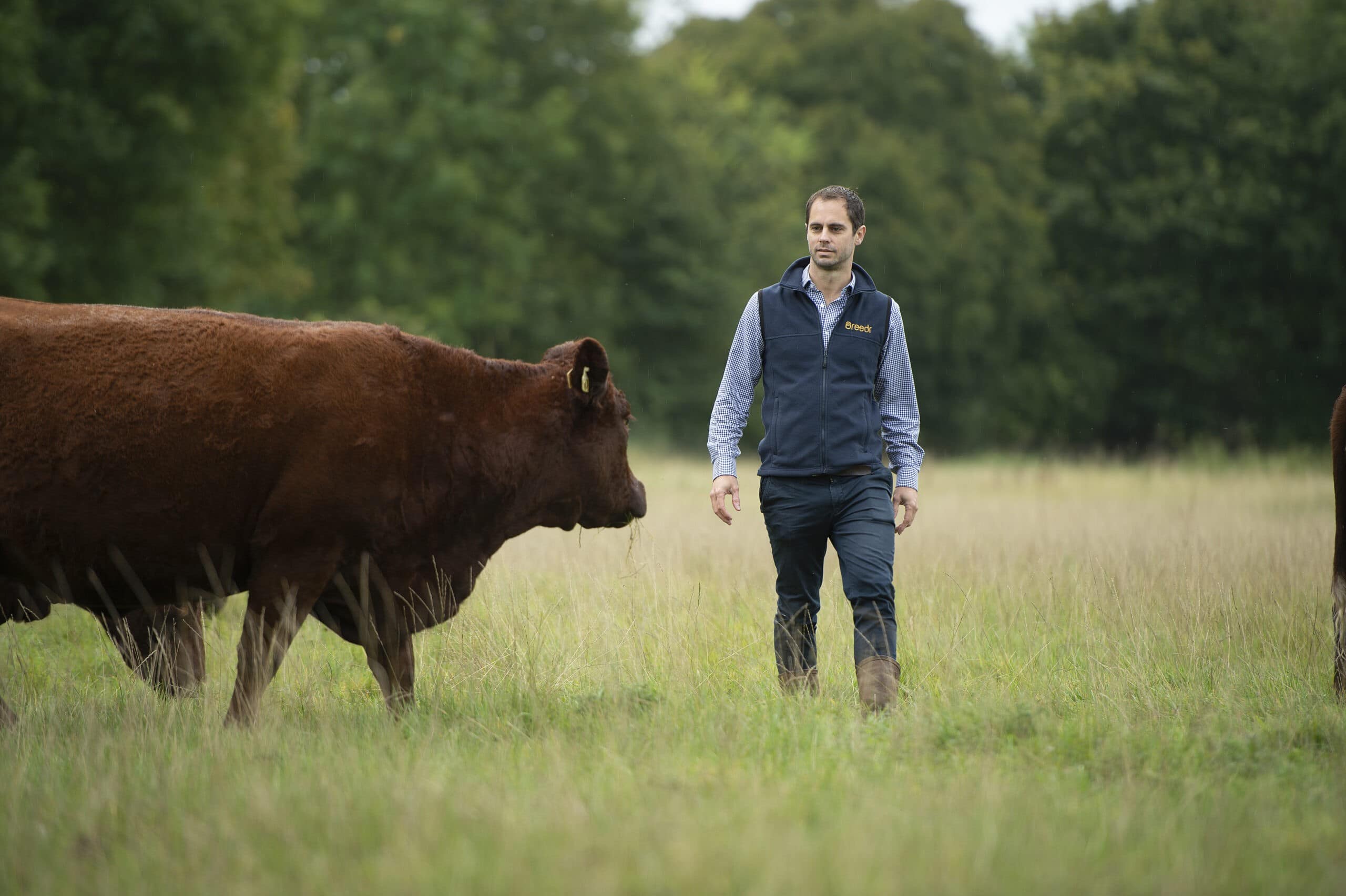
Sarah’s research interests encompass developing more efficient forage-based ruminant production systems which result in consistent, high-quality products for the consumer whilst also safeguarding the environment.
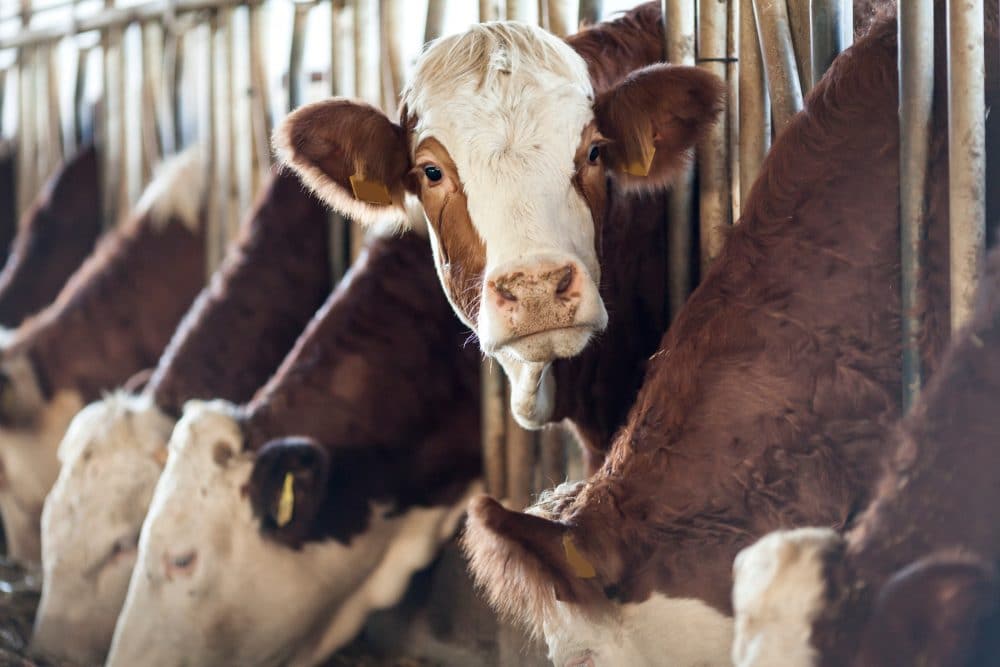
She is currently leading the Cell Grazing project which aims to evaluate the environmental, economic, and social sustainability of traditional set-stocked grazing in comparison to a management intensive grazing system known as ‘techno-grazing’.
Sarah says:
“Techno-grazing is a management system based on the principle of ‘graze and rest’, where animals are fenced into a small area at very high stocking density and are rotated to new pastures every day or two.”
“Plenty of anecdotal evidence on farm suggests techno-grazing can improve productivity per hectare whilst yielding greater biodiversity and higher carbon sequestration in the soil – but there is little scientific evidence of this. If our research supports the claims then clearly it will be a win-win.”

REAP 2021: Changing Time(s) for Agriculture10th November 2021

Imagine a world where agriculture is not constrained by time. The ability to manage and manipulate time is increasing and REAP 2021 will explore the advances in technology and breakthroughs in science that is making this possible.
REAP brings together people from across the agri-tech ecosystem who believe that innovation is the engine for change. The conference bridges the gap between producer needs and technology solutions and showcases exciting agri-tech start-ups. 

1982: Herbicide resistance was first detected in blackgrass…

Agri-TechE

Shaun Coutts is a quantitative weed ecologist with a specialist interest in blackgrass. His research on weed population dynamics includes experimenting with methods of integrated weed management for blackgrass and techniques to rapidly map weed populations in the field.
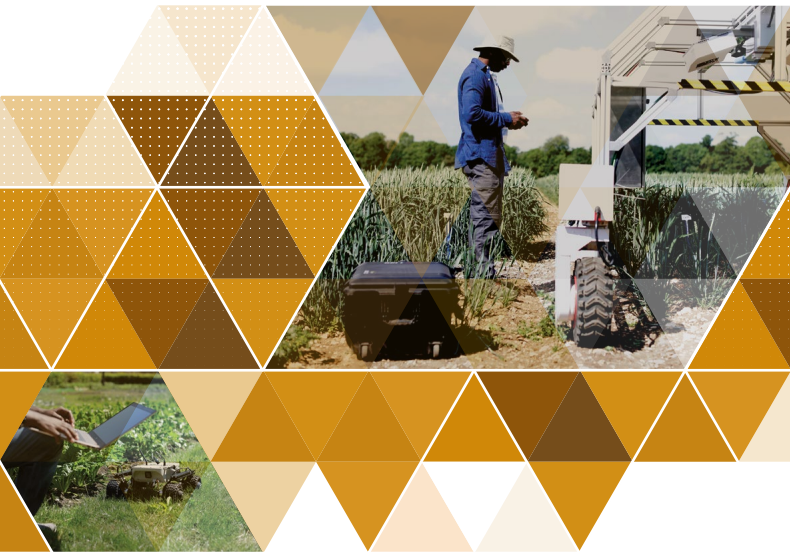
He is currently leading a series of projects experimenting with the use of machine vision to improve the accuracy of inter row cultivation for controlling blackgrass in cereal crops.
“Inter row cultivation uses a metal spike to tear up weeds and their roots. Although a tried and tested approach in vegetables, it is much less common in crops with narrow rows like cereals”.
“Our work is looking at whether advancements in machine vision and artificial intelligence can make interrow cultivation in cereal crops feasible as part of an integrated weed management strategy.”

REAP 2021: Changing Time(s) for Agriculture10th November 2021

Imagine a world where agriculture is not constrained by time. The ability to manage and manipulate time is increasing and REAP 2021 will explore the advances in technology and breakthroughs in science that is making this possible.
REAP brings together people from across the agri-tech ecosystem who believe that innovation is the engine for change. The conference bridges the gap between producer needs and technology solutions and showcases exciting agri-tech start-ups. 

How can captured carbon stop plants from going hungry?

Agri-TechE Article
Agri-TechE

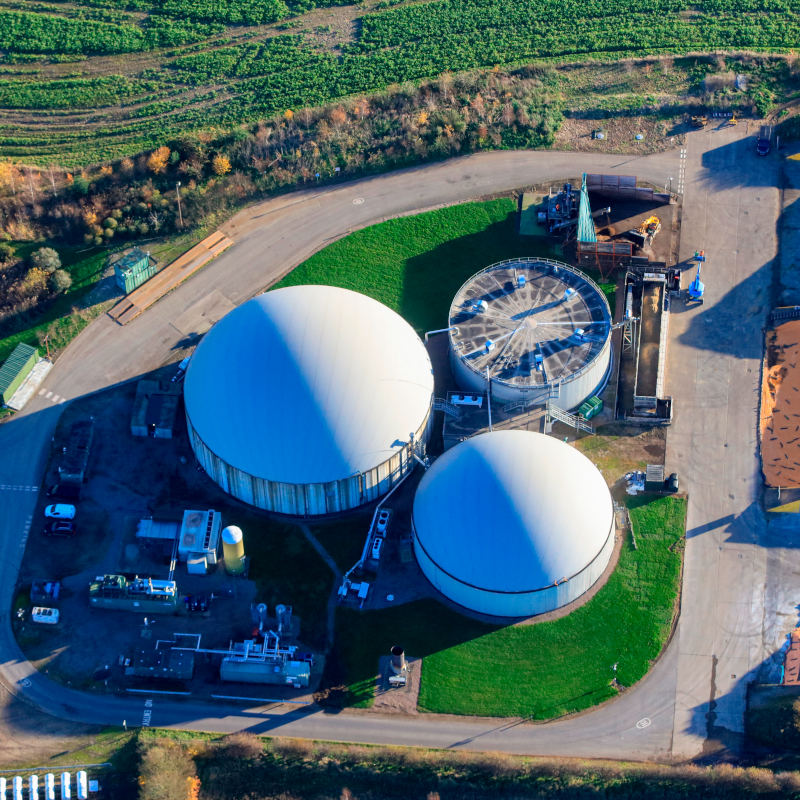
Ruben Sakrabani, Associate Professor in Soil Chemistry, Cranfield Soil and Agrifood Institute, is working to validate carbon capture fertilisers, in which waste organic matter is used to fix waste CO2 to create a high-carbon organic alternative to industrial fertiliser.
Ruben has more than 15 years of experience in determining nutrient dynamics in soils associated with application of organic amendments such as compost, manure, slurry, sewage sludge, biochar and digestates.
His current work is on validation of carbon capture fertilisers, in which waste organic matter is used to fix waste CO2 to create a high-carbon organic alternative to industrial fertiliser.
“We’re working on this project capturing CO2 from point sources and fixing it into organic waste, such as food waste or potato peelings, and converting that into a pelleted fertiliser. We need to find out what is the efficacy of this fertiliser to meet crop demand but also what is the potential for the carbon trapped in the pellet – is it going to be permanent in the soil or is it going to be released?”

REAP 2021: Changing Time(s) for Agriculture10th November 2021

Imagine a world where agriculture is not constrained by time. The ability to manage and manipulate time is increasing and REAP 2021 will explore the advances in technology and breakthroughs in science that is making this possible.
REAP brings together people from across the agri-tech ecosystem who believe that innovation is the engine for change. The conference bridges the gap between producer needs and technology solutions and showcases exciting agri-tech start-ups. 

Broadband in the sky – ubiquitous satellite connectivity and imaging opens global market for agri-tech

Agri-TechE Article
Agri-TechE

Time and place are two key factors in precision agriculture and there are some significant developments happening in Earth observation and connectivity that will be enablers of a new generation of agri-tech. By 2050 there will be transformational change in the way the technology is deployed, enabling automation in even remote areas and the development of intelligent, hybrid connected supply chains – both underpinned by a step-change in satellite connectivity.
Calum Kelly, Agri-TechE Solutions Lead at the Satellite Applications Catapult, spoke at REAP 2021. He sees opportunities for space tech across agri-food systems. “My role at the Catapult is to identify opportunities for space-enabled technology to help solve some of the big challenges across our food system.
The increasing demand in the agri-food industry for technologies – robotics for harvesting, autonomous vehicles across the supply chains – is partly driven by the challenges faced by the food industry, such as access to skilled reliable labour, but there are far wider applications within the sector and the cost of providing ubiquitous coverage and high levels of connectivity – the pre-requisites for this technology – is coming down.
This is partly because it is becoming cheaper to put satellites in space but also it is becoming possible to build and manufacture satellites in space.
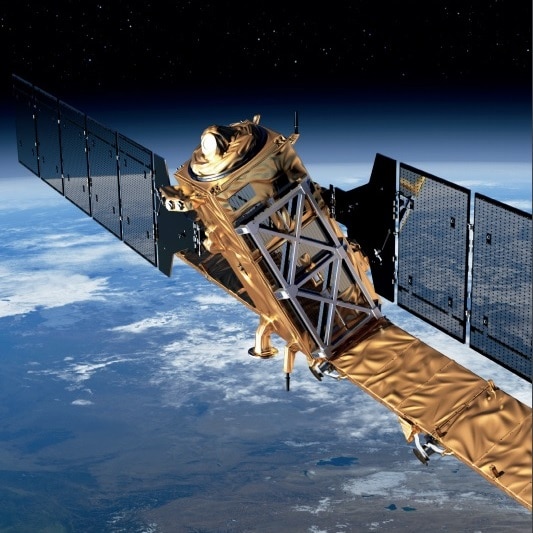
As a result, we are seeing the growth of commercial low Earth Orbit (LEO) satellite networks (~1200 km) and very Low Earth Orbit – vLEO ( ~550 km) constellations deployed by OneWeb and Starlink respectively, which will provide connectivity to users and enterprises of multiple verticals and this is creating a major disruption to the industry.
The difference between the public programme and the data from commercial satellites is the level of resolution. The Copernicus Sentinel Satellite imagery resolution is 20-25m2, so although this provides plenty of potential use cases, greater resolution is required for customised applications and this is becoming available – at a cost. There are three key capabilities through space tech
There are broadly three capabilities enabled by satellite technologies.
Earth observation – looking at the Earth through optical or radar sensing provides an enormous amount of data for applications such as change detection, weather and climate services, forecasting, and modelling, which enables multiple applications.
There have been significant advances in the accuracy, resolution and frequency of data collection and the trend is towards ubiquitous imagery from space, hyper-localised, in real time and customised.
The cost of access to that data is coming down enormously thanks to the declining cost of putting satellites into space and the increase in applications and end users extracting value from the data.
Connectivity – using satellites to connect different parts of the world, moving data and information around, has huge applications for agriculture as typically food is produced in rural areas of the world where on-the-ground connectivity infrastructure is lacking.
Satellites can fill that gap, with organisations such as OneWeb and the likes of Elon Musk’s Starlink creating big constellations of satellites that, within the next five years, will enable access to broadband anywhere in the world – at the moment we are using cables under the sea!
In addition to broadband, there are other LEO constellations with a focus on IoT that would be of interest for rural areas and farming as they will provide connectivity to sensors (LoRaWAN, NB-IoT) from the field directly to the satellite.
Again, the cost of access to that connectivity is coming down. Position, Navigation and Timing (PNT) – this is enabling hyper-local positioning of devices, like robotics, autonomous vehicles and drones, which in turn facilitates asset tracking, the monitoring of products moving around the world. This hypersensitive local positioning is only possible because of the significant constellations of satellites working together.
In the case of OneWeb, the plan is to add PNT capabilities to their second generation of satellites (in service in 2024-2025) a service that will compete with Galileo or GPS.
This would then enable extremely precise robotics. Still challenges for satellite technologies
There are some challenges for the use of satellite data where the cost-benefit has not yet been established.
For example, in prediction and forecasting, the level of resolution needed to look at the maturity or ripening of crops is very high and expensive. The investment case might not be there yet, but if the cost drops in future it might be.
Also, optical satellite imagery is often blocked by clouds (which is particularly problematic in the UK, for example) and struggles with distinguishing different types of green, which is a requirement for classification of ground cover.
It is thought that advances in LEO satellites can potentially overcome those issues and that other technologies may also fill the gaps – for example drones are becoming more advanced and can fly below the cloud line.
Radar Satellites cut through the cloud and fire a beam down to Earth, which will bounce back to build up an image of what’s on the ground.
Satellites are not the silver bullet solution to all challenges facing our global food system. However, there is a specific role that they can play, particularly alongside other technologies – the value is in bringing those technologies together.

REAP 2021: Changing Time(s) for Agriculture10th November 2021

Imagine a world where agriculture is not constrained by time. The ability to manage and manipulate time is increasing and REAP 2021 will explore the advances in technology and breakthroughs in science that is making this possible.
REAP brings together people from across the agri-tech ecosystem who believe that innovation is the engine for change. The conference bridges the gap between producer needs and technology solutions and showcases exciting agri-tech start-ups. 

Falling leaves in Autumn: How will warmer autumns impact inter-species interactions?

Agri-TechE

James Fortune, Final year PhD student at University of Hertfordshire discusses how warmer autumns will impact inter-species interactions in diseases of oil seed rape. Phoma stem canker is a major disease of oilseed rape caused by Leptosphaeria maculans and L. biglobosa. It is responsible for causing annual yield losses worth £80-100M in the UK, despite the use of resistant cultivars and fungicides. L. maculans has often been associated with causing the more damaging stem basal cankers, and the less damaging upper stem lesions to be caused by L. biglobosa.

This difference in lesion location on the plant has been attributed to differences in the timing of the ascospore release in Autumn. James said, “Previous studies have shown that L. biglobosa ascospores are released later in the season than L. maculans, but more recent investigations, including mine, have reported that ascospores of both species are frequently being released at similar times and we are finding both pathogens at the stem basal cankers”.  The release of these ascospores is known to be affected by temperature so this change in the patten of spore release could be a result of a warmer Autumns.

My work has also demonstrated that there are changes in phytotoxin production and disease development because of increased inter-species interactions and competition. Therefore, when L. maculans and L. biglobosa ascospores are released at similar times, phoma leaf spot lesions may appear later or be smaller, resulting in a later application of fungicide creating a new challenge for timely plant protection.

“With warmer Autumns, the internal clocks of the fungi are shifting, showing how climate change can impact pathogen interactions and may cause unforeseen challenges in the future.”

REAP 2021: Changing Time(s) for Agriculture10th November 2021

Imagine a world where agriculture is not constrained by time. The ability to manage and manipulate time is increasing and REAP 2021 will explore the advances in technology and breakthroughs in science that is making this possible.

REAP brings together people from across the agri-tech ecosystem who believe that innovation is the engine for change. The conference bridges the gap between producer needs and technology solutions and showcases exciting agri-tech start-ups. 

1660: Why is Newton’s prism important for high density salads?

Agri-TechE

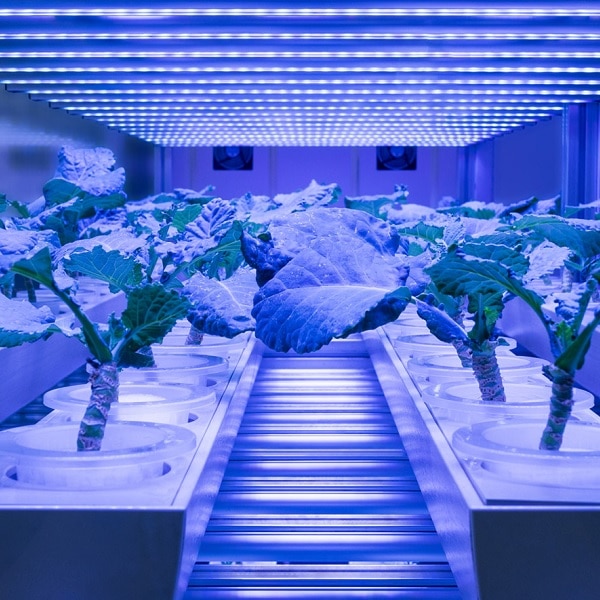
John Stamford is investigating how light can be used to both measure plants and regulate their growth and performance. He has previously investigated non-invasive physiological tools such as chlorophyll fluorescence, thermography, and spectral reflectance, which are used to monitor crop performance and health.
He is currently working on the Interreg 2Seas funded Hy4Dense project, which aims to develop a novel hydroponic cultivation system for high density growth of baby leaf salads. His particular interest is the role of LED lighting spectra and regimes on plant growth, morphology and performance.

REAP 2021: Changing Time(s) for Agriculture10th November 2021

Imagine a world where agriculture is not constrained by time. The ability to manage and manipulate time is increasing and REAP 2021 will explore the advances in technology and breakthroughs in science that is making this possible.
REAP brings together people from across the agri-tech ecosystem who believe that innovation is the engine for change. The conference bridges the gap between producer needs and technology solutions and showcases exciting agri-tech start-ups. 

1978: What can the ‘facial action coding system’ tell us about animal health?

Agri-TechE Article
Agri-TechE

Until recently Marwa Mahmoud’s work was focussed on human behaviour understanding, automatically detecting social signals from facial expressions and body gestures in the context of automotive applications and healthcare. She is now applying her expertise in computer vision and machine learning to livestock, in particular to provide early warning of contagious disease in sheep.
She says: “Sheep are prey animals and so have evolved to hide signs of pain or lameness when predators are around.  We are working on systems that can detect these signs of illness when humans are not present, using machine learning to predict early signs of pain and distress by automatically analysing their facial expressions and gait.”
Marwa is working with collaborators from University of Chester and University of Lincoln on field trials to gather training data to build robust machine learning models that are able to distinguish between healthy and ill sheep, the first step towards automated disease detection.

REAP 2021: Changing Time(s) for Agriculture10th November 2021

Imagine a world where agriculture is not constrained by time. The ability to manage and manipulate time is increasing and REAP 2021 will explore the advances in technology and breakthroughs in science that is making this possible.
REAP brings together people from across the agri-tech ecosystem who believe that innovation is the engine for change. The conference bridges the gap between producer needs and technology solutions and showcases exciting agri-tech start-ups. 

Satellite data, farming and our environmental future

Agri-TechE Article
Agri-TechE

Increasing knowledge about humankind’s impact on the planet – from earth observation and other sources – has given us strong signals on how we are damaging the environment, but also potential solutions to manage our natural capital better, according to Jan-Erik Petersen of the European Environment Agency (EEA), Copenhagen, one of the keynote speakers at REAP 2021. 

Jan-Erik coordinates EEA work to develop better estimates of natural capital and ecosystem services and he will be explaining the implications for farmers and technology developers in his keynote address at REAP 2021.
The falling cost of satellite technology and instrumentation for monitoring and image analysis is opening up new knowledge streams, which the EEA is actively exploiting, combining a range of data sources to understand the link between farming and biodiversity, farming and soils, farming and climate change etc.

Objectivity for rewarding farmers

The satellite data produced by the EU Copernicus programme are one key element in analysing the link between farming and environment at EU level. It offers new options for increasing the productivity of farming, for monitoring how farmers manage their land and associated natural features (such as hedgerows) and potentially for rewarding better environmental management via payments for ‘public goods’, such as higher soil carbon content or landscape elements to favour biodiversity.
The EEA team collates data from multiple sources – from member states, statistical offices, research projects – but also from earth observation data from the Copernicus satellites, and Jan works closely with teams developing new products using the raw satellite data.

High nature value farmland

One focus of his work is the interaction between farming and ecosystems. He comments: “We’ve created a distribution map of high nature value farmland areas and I am actively exploring the kind of data that we can use to further develop this concept. One of the things we’ve been investigating is the role of the high-resolution data that are becoming available.”
Of particular interest to Jan-Erik is extensive grazing where there is a close relationship between agriculture and biodiversity. He says that this is a real test for the technology as it is currently difficult to distinguish between different types of grassland using satellite data, and this is where he believes the combination of old and new knowledge is so important.

Opportunities for tech developers

He is looking forward to sharing his knowledge at REAP and also hearing from technology developers about innovations that are relevant to the work of the agency.

REAP 2021: Changing Time(s) for Agriculture10th November 2021

Imagine a world where agriculture is not constrained by time. The ability to manage and manipulate time is increasing and REAP 2021 will explore the advances in technology and breakthroughs in science that is making this possible.
REAP brings together people from across the agri-tech ecosystem who believe that innovation is the engine for change. The conference bridges the gap between producer needs and technology solutions and showcases exciting agri-tech start-ups. 

#ATW21 Tuesday: Robotic Highways

Agri-TechE

Robotic Highways is – for the first time – demonstrating multiple robotic systems on-farm, and between them the robots have travelled over 8,000km since March.
Amid the huge success remain some technical challenges around reproducible operation of the robots, demonstration of convincing return on investment to farmers, and helping upskill and train the farm workforce to work alongside robots.
Read our overview of the event below, and a report produced by the University of Reading can be downloaded here. “The robots are coming to a farm near you – but they won’t be working alone,” was the key message to emerge from the third event of Agri-TechE Week, which saw growers, researchers, technologists and policy-makers discuss the potential barriers to adoption of robotics.
At an event chaired by Prof David Rose of Reading University, key members of the Robotic Highways project led by Lincoln University and funded by the Transforming Food Production, Innovate UK initiative, came together to identify and explore ways of overcoming these barriers. There are both real and perceived barriers to adoption of robotics – a user survey conducted as part of the project revealed that while there is huge support and excitement about robotics among growers, there is a need for short-term support such as for labour careful messaging is needed.

A Hybrid Workforce

According to Coral Clark of the British Growers Association, “It’s really important that we don’t give the impression that adopting robotics and automation means that human labour isn’t still of critical important to the industry.” Coral predicted that while some additional roles will be filled by the robots, soft fruit production is likely to be via a mix of human and automation in the longer term.
“There is also a concern around pricing of the technology itself, as well as longevity of their businesses, so interim solutions are still very much needed as costs in other areas of businesses are continuing to rise,” she continues.

The Money and the Model….

Calculating Return on Investment (ROI) for any new technology is crucial, and one which needs to be tackled to give confidence in adoption. “It’s essential this generation of robots shows a positive ROI”, argued Simon Pearson “We need to be able to show economic stability of the technology, so the next generation can focus on a redesign of infrastructure.” Harvald Grimstead of SAGA Robotics (where the “Thorvald” robot – star of REAP 2016 – was developed) agreed. “Our investors want to see this working now, so we need to show the economic benefits early on.” SAGA is currently operating a “robotics as a service” business model to help build trust and demonstrate that all-important ROI, but is open-minded to changes to its model in the future.
“Measuring ROI on a farm for a single application is actually possible,” said Simon Pearson, however he went on to say that the wider secondary impacts are often under-estimated, such as environmental benefits – and the jury is still out as to how to do this in a meaningful way!

The Role of Innovation

“Invention is not innovation” according to Innovate UK’s Challenge Director for Transforming Food Production (TFP), Katrina Hayter. She also reflected that innovation generally “under-delivers in the short term and over-delivers in the longer term” – a mindset that has helped underpin the thinking behind the TFP Innovate UK funding and is also embedded in the new Farming Innovation Programme being rolled our in partnership with Defra and currently available to farmers.

Learning from Elsewhere

A key theme in any agri-tech discussion is the role of collaboration and inspiration from other sectors. The potential for learnings around health and safety from other industries is key – with some standards already in place for the role of robotics in horticultural and agricultural settings. SAGA has recruited expertise from the rail industry to help apply health and safety learnings in the context of robots and farming. More work is needed, urged Harvald, to understand how existing rules will be applied and interpreted in the context of agricultural robotics – as well as finding all the gaps!

This event was hosted by the University of Reading.
Agri-TechE Week features a mix of in-person and virtual events that are designed to showcase exciting developments in agri-tech. It is coordinated by Agri-TechE working closely with partners across the innovation ecosystem and aims to provide opportunities to attract new customers and partners and to broker collaborations and international connections.

#ATW21 Monday: Collaborations

Agri-TechE Article
Agri-TechE

“A collaborative approach is vital,” explained Stuart Catchpole, investment manager at New Anglia, the local enterprise partnership (LEP) for Norfolk & Suffolk. In the Agri-TechE Week event ‘Agri-food in the East of England’ the agri-food sector was urged to work together to drive growth within the sector.
“We want to work with the research base,” he continued. “That means the region’s world-leading academics, as well as our world-leading businesses across the food chain, from farmers to processors and technology businesses.”
The event was focussed on how New Anglia LEP, Greater Lincolnshire LEP and the Cambridgeshire & Peterborough Combined Authority are working towards developing major inward investment opportunities in the region’s agri-food sector. Stuart told the meeting that in order to support the growth and further development of the wider region’s agricultural, research, innovation and technology expertise, the LEP needs to forge collaborations across the agri-food value chain.
“We want to build additional collaborative innovation programmes, with real national and international impact, supported by a globally significant agri food research. And we want to lead the development of sustainable agriculture simultaneously feeding Britain and protecting and enhancing our natural capital.” The event showcased some of the area’s world-leading businesses, and highlighted mechanisms and initiatives which support business growth and make the region such a great place to innovate and do business. Martin Collison from Greater Lincolnshire LEP stressed the importance of the logistics sector.
Delegates at the event heard from Martin Lutman, who ran the highly successful Eastern Agritech Growth Initiative, which ran from late 2013 through to March 2021.  The scheme supported SMEs by providing grants for research and development which might otherwise not ever get off the ground, and its other focus was helping businesses grow by funding investments in capital equipment to help them become more productive, efficient, healthier and more profitable. Two of the successful grant recipients, Sam Steggles from Fielding Farm Cottage and Joe Halstead from AgriGrub Ltd, talked about their experiences.
Joe Halsey from Agrigrub said: “Eastern Agritech Growth Initiative really helped us scale up the business in one big leap. It helped us recruit employees and implement new management software. With it we acquired and modified the critical kit we needed. So the funding made a huge difference for the business.”
Also speaking were Dr Louise Sutherland, Agri-TechE Project Development Director for CERES, a collaborative agri-tech partnership between five leading UK universities and three renowned agricultural research institutes, and Professor Simon Pearson from the University of Lincoln, who shared examples of industry linked projects supported by the Centre for Doctoral Training in Agri-Food Robotics. This event was hosted by New Anglia Local Enterprise Partnership, Lincolnshire Local Enterprise Partnership and the Cambridgeshire and Peterborough Combined Authority.

Agri-TechE Week features a mix of in-person and virtual events that are designed to showcase exciting developments in agri-tech. It is coordinated by Agri-TechE working closely with partners across the innovation ecosystem and aims to provide opportunities to attract new customers and partners and to broker collaborations and international connections.
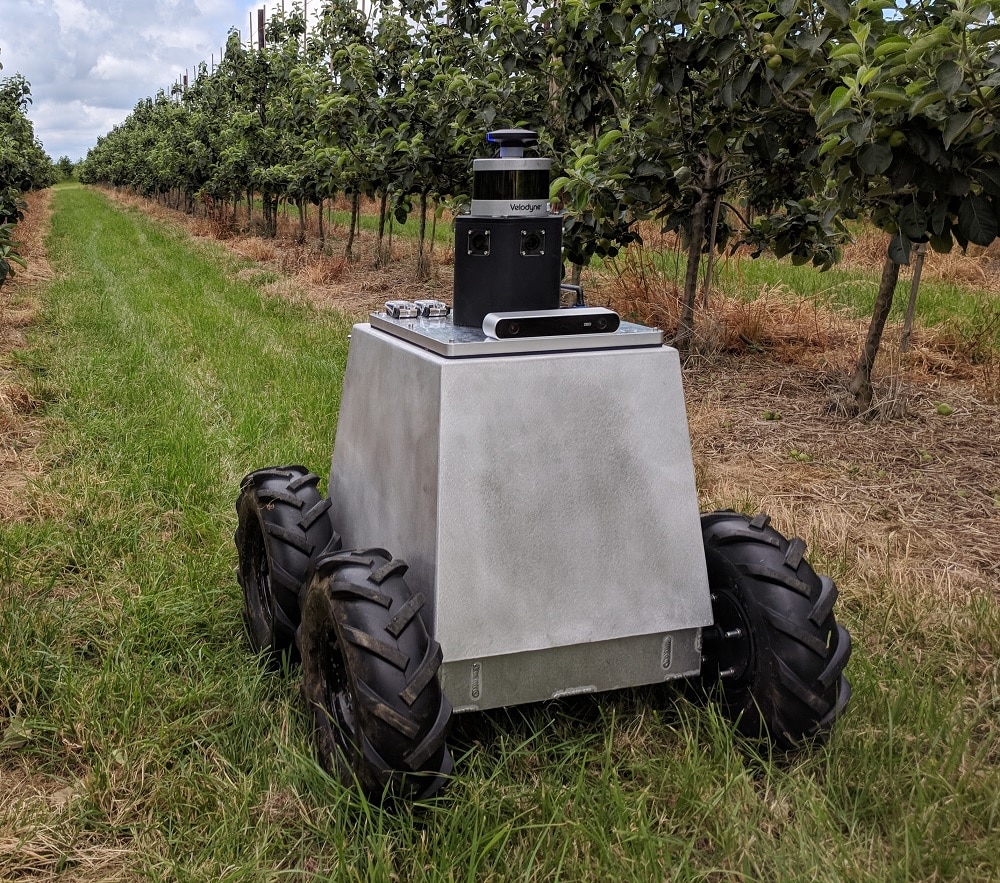

#ATW21 Monday: Precision Nutrition

Agri-TechE Article

Agri-TechE
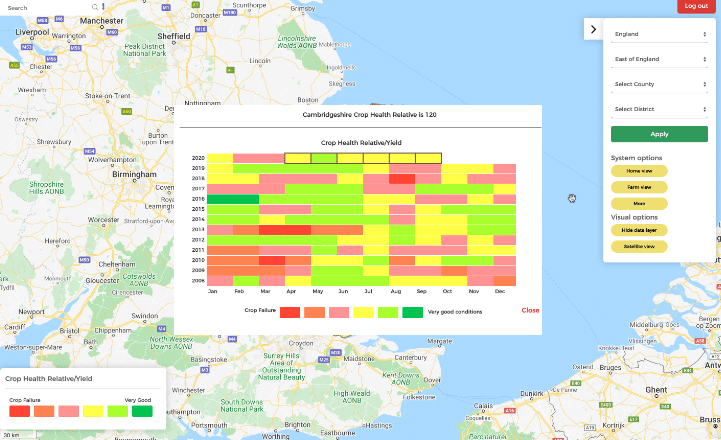
Increasing fertiliser prices and the ambition to achieve net zero have focussed attention on the importance of good nutrient management – particularly Nitrogen fertiliser Use Efficiency – and its financial and environmental benefits.
But what does good nutrient management look like? Today, a range of tools and strategies are available to help farmers reach that goal. ADAS hosted an Agri-TechE Week event to discuss recent developments.
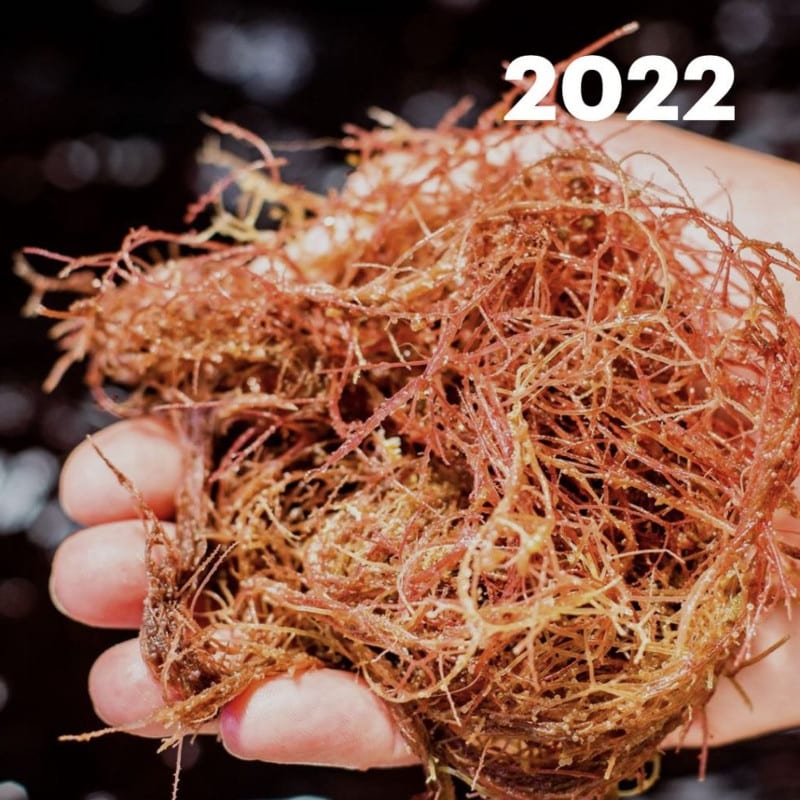
“One good starting point is to measure what is in the soil”, said Dr Mechteld Blake-Kalff of Hill Court Farm Research. Her analytical lab has been helping farmers with measuring soil nitrogen supply (SNS), including additionally available nitrogen (AAN).
Measuring available nitrogen gives a better idea of how much nitrogen will become available from mineralisation during the growing season, having this information has been shown to improve Nitrogen fertiliser Use Efficiency (NfUE).
“By accounting for AAN in nitrogen recommendations, it’s possible to use less fertiliser and make some savings, while still achieving similar yields” commented Dr Blake-Kalff.

Working with Kellogg’s to benchmark Nitrogen fertiliser Use Efficiency

NfUE is also a variable that Clive Blacker, from Map of Ag, has been working on in collaboration with global food giant Kellogg’s and the EFFP, an agri-food consultancy. Together, they are encouraging their network of farmers to benchmark NfUE in order to determine their optimum fertiliser rate of application. They have found that, intensive but regular data capture from crops (with the N Tester from Yara) throughout the season, combined with other environmental data sources, have provided real insight with tangible results. “This approach resulted in one instance in £53/ha of savings, representing a 20% improvement compared to standard on-farm practice,” said Clive.

Timing makes a difference

In addition to using technology and different data sources, different application timings can also make a difference.
A ‘Little and Often” (L&O) approach to application has been tested across different sites and years by ADAS researcher Kate Storer. “Drip feeding nitrogen throughout the season was shown to significantly increase N fertiliser uptake efficiency at two of the four sites tested, under added sugar application” revealed Kate. “Overall the L&O approach did not impact yield negatively”.
Another way to improve nitrogen use efficiency is to look at different ways of applying it.  “People tend to opt for liquid application of fertiliser over solid because of its accuracy” commented David Booty from Omex Agriculture.  Other advantages include the ability to incorporate nitrogen inhibitors to reduce run-off and phosphate protection, particularly in high pH soils. Ultimately, deciding how much nitrogen to apply does come down to pricing. “How much one should buy is an economic decision” commented Daniel Kindred from ADAS. This is because the economic optima sits at the ‘Break-Even Ratio’, the quantity of grain that is required to cover the costs of 1 kg of nitrogen fertiliser. “With increasing prices, we are moving to a situation where not applying enough is costing us more”.
Finally, Daniel concluded that “we should be using a range of tools and experimenting on-farm” in order to decide how much nitrogen to apply in a particular situation. Forming part of initiatives like the YEN where there are opportunities to experiment and discuss results with peers is a crucial part of this.
A recording of the event is now on YouTube. 

This event was hosted by ADAS.
Agri-TechE Week features a mix of in-person and virtual events that are designed to showcase exciting developments in agri-tech. It is coordinated by Agri-TechE working closely with partners across the innovation ecosystem and aims to provide opportunities to attract new customers and partners and to broker collaborations and international connections.
Preventing yield loss through real-time prediction and diagnosis

Agri-TechE Article
Agri-TechE

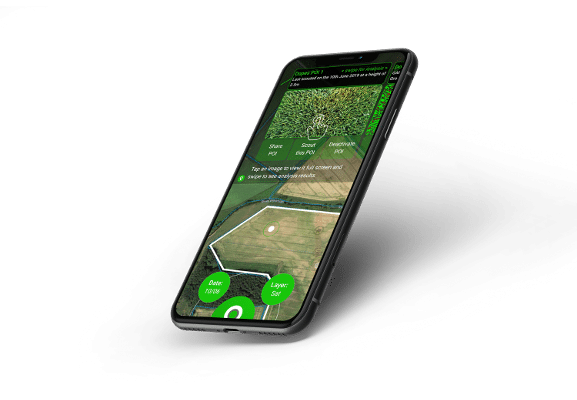
Yield loss diagnosis is one of the features of a new system developed by Omega Crop. Weed mapping and disease prediction is achieved using data gained from multiple sources – satellite, drones, smartphones, hyper-local weather – is layered into Omega Crop’s proprietary crop model resulting in either a yield loss event prediction or diagnosis; the findings delivered to the agronomist or farmer as actionable intelligence.
Co-founders Jared Bainbridge (CEO) and Grant Whittle (CTO) of Omega Crop, presented in the REAP 2021 Start-up Showcase.
Jared says: “When Grant and I started to walk fields with farmers and ask them what really hurt each year, we thought that yield prediction was going to be the thing that would bring them the most benefit. But instead, they wanted to prevent yield loss or reduce the cost of preventing yield loss. They want to know when their diseases are going to occur, or where there weeds are so they can tailor their interventions.”
Grant: “We noticed that other remote sensing solutions in agriculture either came with dedicated hardware or provided additional data to the farmer without telling them what it means. Omega Crop’s crop model tells farmers and agronomists what the data means to them.”
Omega Crop is providing its proprietary crop model services through its web and iOS apps. The software system is independent of any hardware and can be used with a range of data sources, sensors and imaging devices.
Jared is interested in talking to farmers and agronomists about their challenges, and also to potential partners and collaborators.
Find out more at omegacrop.com.