Patenting, Trademarks, Copyright, Trade Secrets...
In the next installment of our micro-learning series, we’ll explore potential legal solutions to help you keep your ideas safe and sound.

Why senior leaders often make decisions based on false information

Member News
The views expressed in this Member News article are the author's own and do not necessarily represent those of Agri-TechE.

Boards and senior leaders make high-stakes decisions every day, often unaware that the information guiding them no longer reflects lived reality.

Many boards and CEOs feel they have a clear line of sight.

-Dashboards are reviewed.
-Reports are circulated.
-Updates are confident and well-rehearsed.

And yet, time and again, organisations are surprised by issues that everyone “should have seen coming”.

This is not usually because people are dishonest but because information mutates as it travels upwards.

The problem is not ignorance, it is distortion. In many organisations, senior leaders do not lack information. They receive the wrong version of it.
By the time reality reaches the top, it has often been:
  • Sanitised
  • Simplified
  • Reframed as progress
  • Stripped of uncertainty
  • Presented as reassurance rather than truth

What arrives is not a lie, but neither is it reality. It is false clarity.

I often describe this as The Fog at the Top. The higher you go, the clearer things should become. In practice, the opposite often happens.

This fog does not appear by accident. It is created through a series of perfectly human behaviours that shape, soften, and redirect information long before it reaches the boardroom.

How false clarity is created

False information rarely starts with bad intent. It is usually created by perfectly understandable human behaviours.

Middle managers protect upwards.
Many senior managers believe their role is to absorb problems, not escalate them. Issues are “managed locally” until they become unavoidable.
People tell leaders what they think they want to hear.
If a challenge has been punished before, consciously or not, people learn to present good news only.
Status changes behaviour
When someone becomes CEO, conversations change. People prepare more. Language becomes careful. Honesty becomes curated.
Targets distort narrative
When bonuses, reputation, or job security are attached to delivery, reality is bent to fit the plan.

None of this requires dishonesty. It only requires pressure.

Over time, these small, rational adjustments compound. By the time information reaches the board, it no longer reflects lived reality. It reflects what has survived the journey.

The boardroom illusion

Boards are particularly vulnerable.

By the time information reaches the board pack, it has passed through multiple filters. Each layer adds polish and removes discomfort.

What boards often see is:

  • Performance without context
  • Risks without emotion
  • Culture without lived experience
  • Delivery without friction

This is why boards are sometimes shocked by staff surveys, resignations, whistleblowing, or sudden performance drops.

The signals were there. They just never reached the boardroom intact.

When this happens repeatedly, boards can begin to trust the absence of bad news rather than question it. False clarity turns into false confidence.

And it is at this point that one phrase often enters the conversation.

The most dangerous phrase in a boardroom

“There are no issues to report.”

In many organisations, this sounds reassuring.
In reality, it should trigger concern.

Every system has tension.
Every team has friction.
Every strategy creates trade-offs.

If nothing is coming up, it usually means one of two things:

  • People do not feel safe enough to speak
  • Leaders have unknowingly trained people not to

Over time, organisations learn what is rewarded and what is punished. If challenge has previously led to discomfort, defensiveness, or career risk, people adapt. They smooth the message. They manage the narrative. They stay quiet.

Silence, then, is not the absence of problems.
It is a signal in its own right.

And when leaders mistake silence for stability, they unintentionally deepen the fog they are trying to escape.

What strong leaders do differently

The best CEOs and Chairs I work with actively disrupt this fog.

They do not wait for truth to arrive. They go and get it.

They ask questions such as:

  • What are we not seeing yet?
  • What feels uncomfortable that no one is saying?
  • Where is reality diverging from the plan?
  • Who would disagree with this narrative?
  • If this goes wrong, what will we wish we had known earlier?

They also pay close attention to how information is delivered, not just what is delivered.

Confidence without nuance is treated with suspicion.
Over-polished answers invite deeper probing.

A Populi reflection for leaders and boards

You might want to sit with these quietly:

  • Who benefits from the story I am being told?
  • What pressures might be shaping this message?
  • Where am I confusing reassurance with truth?
  • What signals am I dismissing because they feel inconvenient?

And perhaps most importantly: What would people say if they believed it was genuinely safe to do so?

Clarity at the top is not about better reporting.
It is about better relationships, better questions, and genuine psychological safety.

Without that, even the most experienced leaders are navigating through fog.

And fog is where good people make bad decisions.

A practical call to action

If this resonates, do not treat it as an interesting observation. Treat it as a leadership risk to be actively managed.

Start with one deliberate action in the next 30 days:

  • Ask for an unfiltered view from someone closer to day-to-day delivery
  • Invite a challenge to a decision before it is finalised
  • Review a recent board or leadership paper and ask what has been softened or left out
  • Create a safe forum where issues can be raised without solutioneering or judgement

If you are a Chair or CEO, make one thing explicit: Honest signals are valued more than polished answers.

Clarity at the top is not created by better reporting.
It is created by better questions, stronger relationships, and the courage to invite uncomfortable truth.

Boards rarely need more data. They need clearer truth.

Helping leaders cut through distortion, surface reality, challenge assumptions, or design healthier information flow at the board or executive level, that is exactly the work I do.

If that would be useful, you are welcome to get in touch.

Populi works with boards, CEOs, and senior teams to improve clarity, decision-making, and people-led performance. www.populiconsulting.co.uk

  • *I have permission from the copyright holder to publish this content and images.

Innovate UK engineering biology Contracts for Innovation engagement webinar

Member News
The views expressed in this Member News article are the author's own and do not necessarily represent those of Agri-TechE.

Interested in engineering biology?

Have an innovative idea you need funding for?

Want to work with a public sector body?

Then register now for the ‘Engineering biology Contracts for Innovation engagement webinar’ on 26 February.

Innovate UK and Defra are preparing for an engineering biology Contracts for Innovation initiative to stimulate the development and adoption of engineering biology technologies. The competition is anticipated to launch this year.

Contracts for Innovation is a competitive UK government programme that enables innovators to work directly with the public sector to develop new technologies and processes, providing funding for R&D and a route to market.

This webinar is the first of a two-stage engagement process. It will help stakeholders understand the direction of the proposed competition and gain insight into Defra’s challenge areas that have been identified as having the potential to benefit from engineering biology–based solutions, including:

  • real-time, low-cost water quality monitoring
  • novel biopesticide approaches
  • next generation veterinary vaccine platforms
  • technologies to address per-and poly fluoroalkyl substances (PFAS) pollution
  • real time genomic monitoring of aquatic environments
  • AI driven eDNA based ecosystem insights

Attendees will have the opportunity to engage with Defra colleagues in breakout rooms to learn more about the specific challenge areas.

The second stage is expected to be an in-person workshop, to explore the problem statements and potential solution areas in more depth, alongside opportunities for partnership building. Details will be shared in due course.

Who should attend?

Innovators from industry and the science based sectors, with the potential to develop engineering biology inspired solutions to the problem statements identified, should certainly attend. It is anticipated that these solutions will be at technology readiness level 4 and above.

Register now here.

  • *I have permission from the copyright holder to publish this content and images.

Farmers and Scientists: Partners against Climate Change in Agriculture

Member News
The views expressed in this Member News article are the author's own and do not necessarily represent those of Agri-TechE.

Farming is central to the nation’s economy and with climate change having a negative impact on our farms’ soil health and a greater susceptibility to crop diseases, we need the brightest minds in plant and crop science to collaborate with those in agriculture. Collaborating together, they can help to remodel farming so that it can be preserved as a sustainable, attractive and profitable long-term business capable of delivering the quality and quantity of food our country needs.

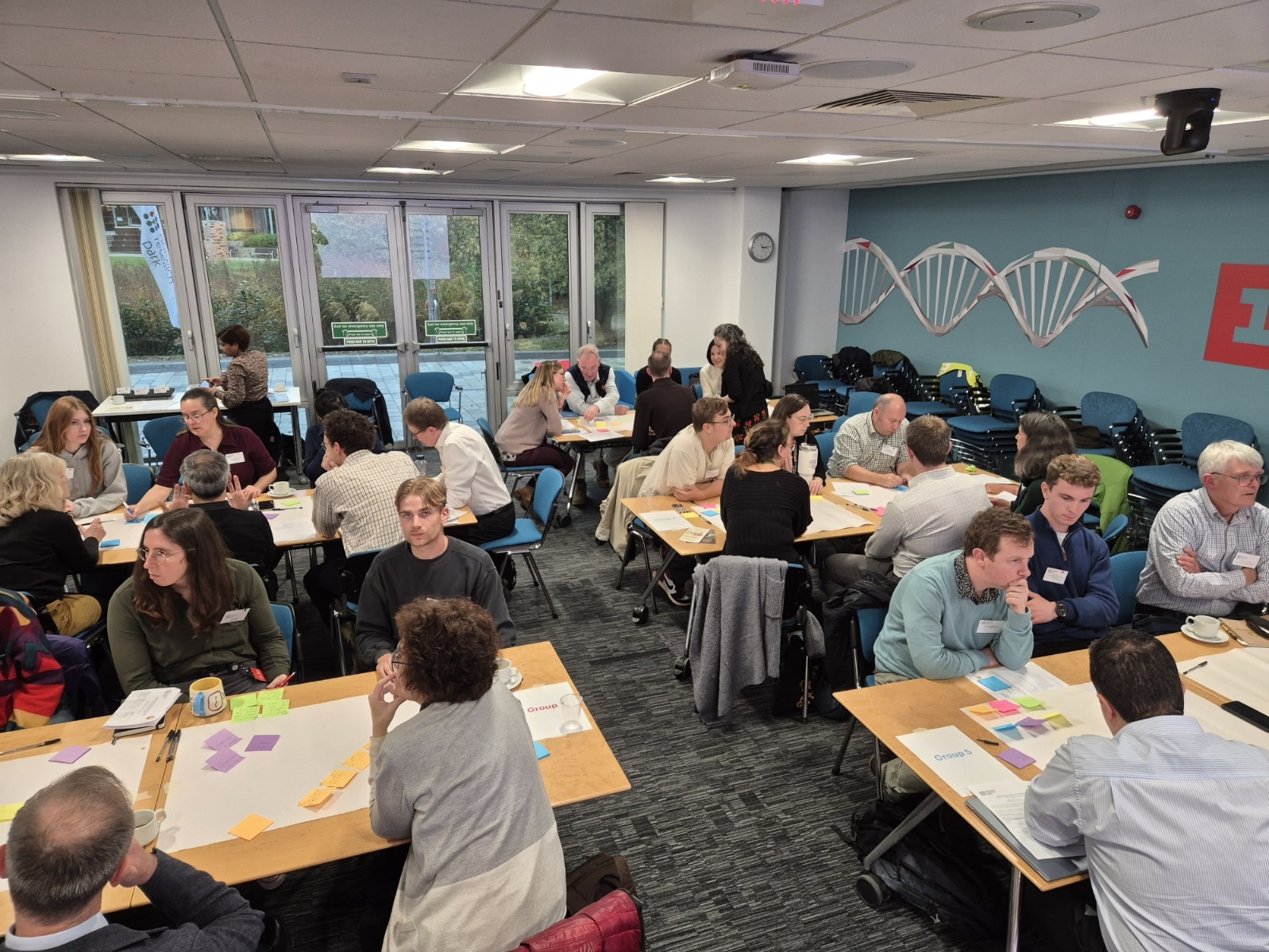
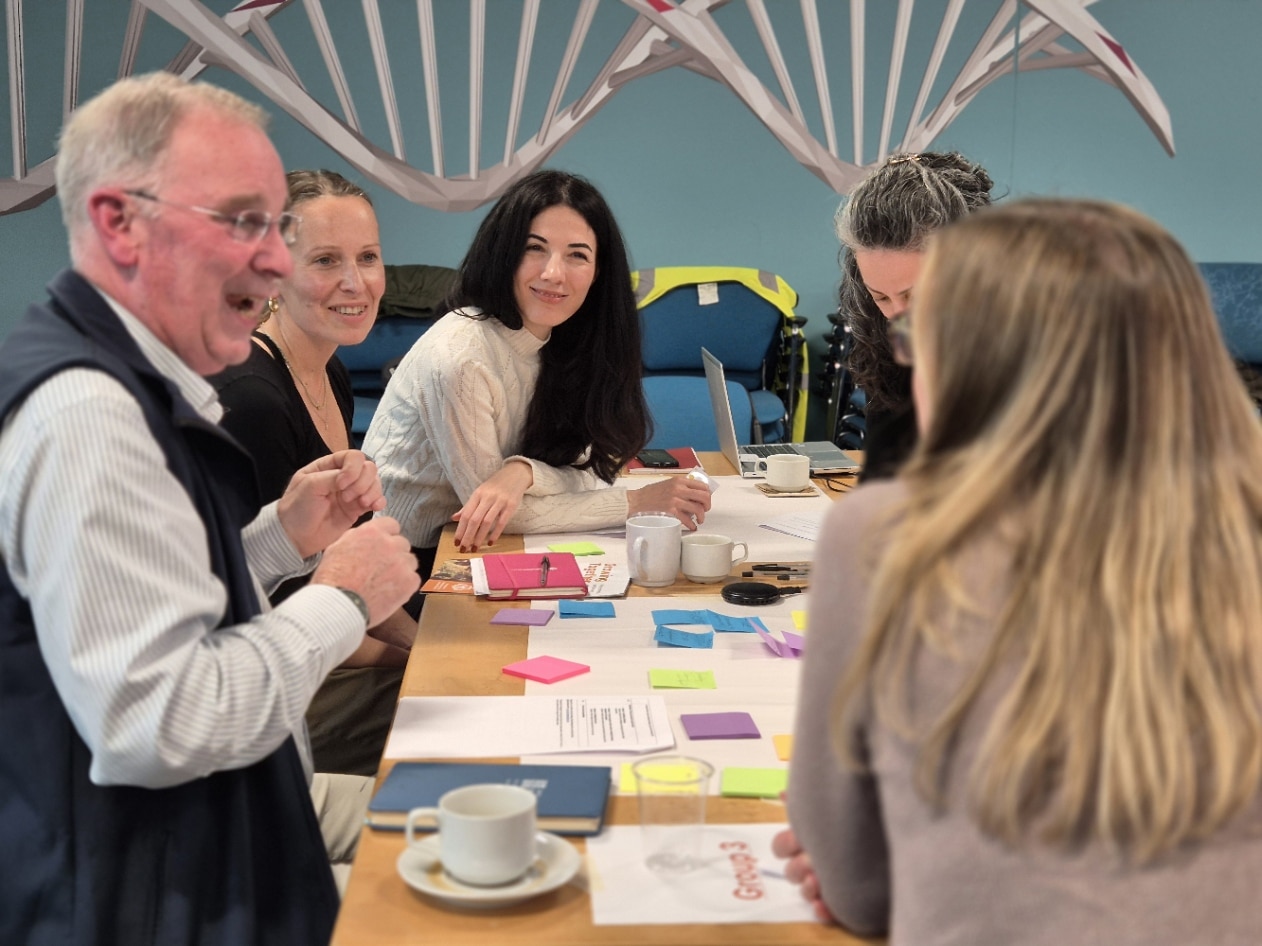
Steps have been taken already to address some of the issues facing modern-day farmers. Cohorts of farmers, agriculture organisations and research scientists here at Norwich Research Park have been working together to generate ideas to resolve some of the threats farming is facing.
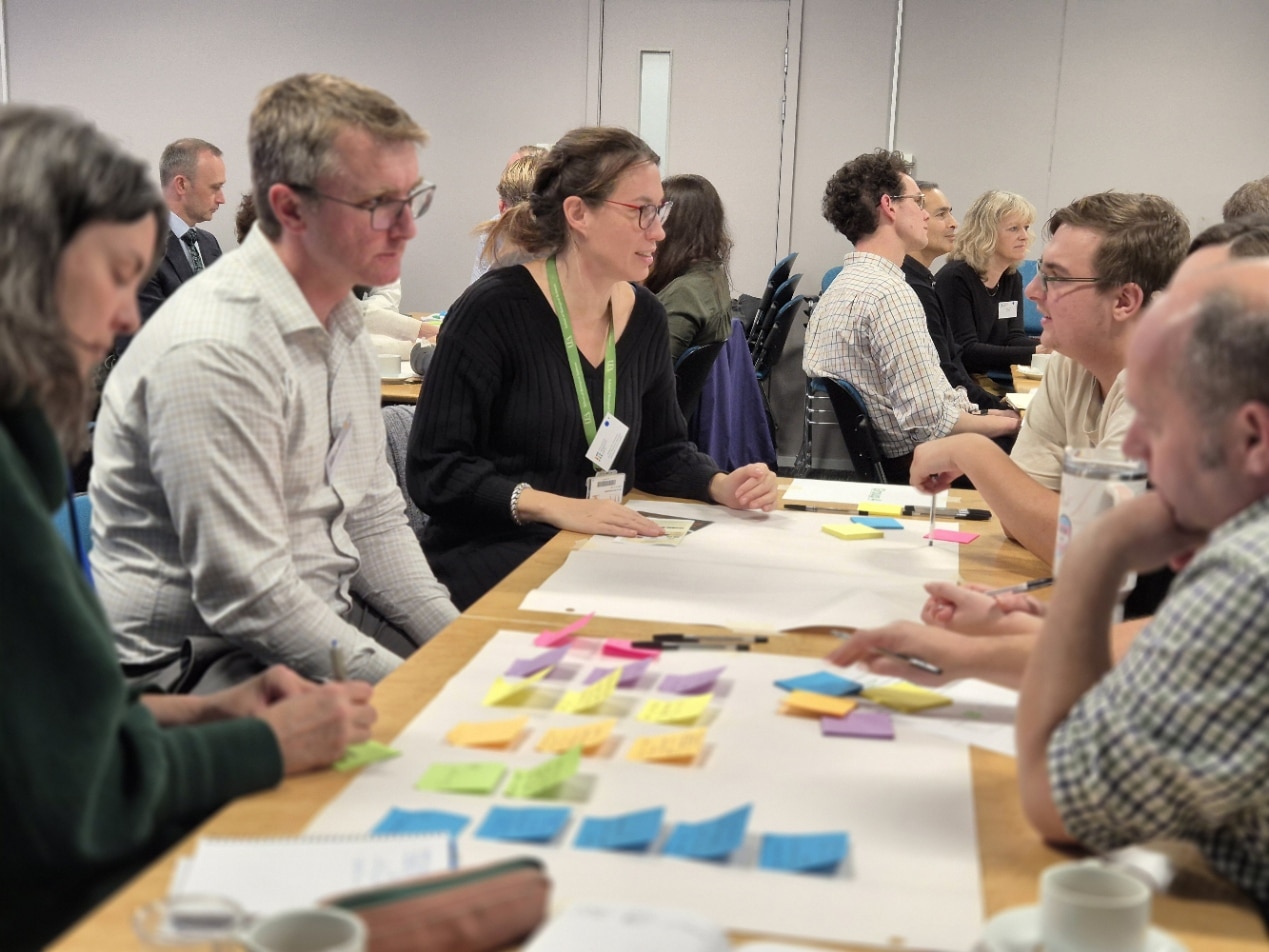
A number of specialist events have been organised by Anglia Innovation Partnership, the campus management company for Norwich Research Park, to generate a series of science discovery activities, programmes and projects to ultimately deliver solutions that will bring improvements to things like the health of our soil, crop resistance to disease, crop yields and resistance to extreme temperatures.

Read the full article via our website using this link: Farmers and Scientists: Partners against Climate Change in Agriculture – Norwich Research Park
  • *I have permission from the copyright holder to publish this content and images.

Innovate UK engineering biology SPARK Award Showcase webinar

Member News
The views expressed in this Member News article are the author's own and do not necessarily represent those of Agri-TechE.

Wondering what the projects that received a SPARK Award from the Innovate UK Engineering Biology Innovation Network have been doing? Then wonder no more! Well, just until the showcase webinar on 18 March from 10:00 until 12:00.

The Engineering Biology Innovation Network funded 15 SPARK Awards designed to tackle real-world challenges faced by UK SMEs or to accelerate their journey towards developing new products, processes, or services.

Attendees will learn more about the funded projects, be able to connect with project partners, network with other attendees and understand future opportunities as part of the Engineering Biology Innovation Network.

Is this for me? If you are one of the following, then yes:

-industrial and academic innovators and researchers
-industry leaders from sectors such as health, agriculture, chemicals, and materials to identify new technologies within these sectors
-policy makers and regulators
-investors
-anyone interested in applying engineering biology

About the Engineering Biology SPARK Awards:

This funding is part of the Innovate UK Engineering Biology Innovation Network which aims to drive the development of a joined-up UK innovation ecosystem to ensure synthetic biology tools, technologies and processes can be more easily developed and adopted by a variety of industries. The network’s goal is to progress innovations, create a commercially focused community and foster new consortia to advance innovations towards commercial applications.

Register now.

  • *I have permission from the copyright holder to publish this content and images.

Innovate UK – Unlocking the future of engineering biology regulation

Member News
The views expressed in this Member News article are the author's own and do not necessarily represent those of Agri-TechE.

Register now for the ‘Unlocking the future of engineering biology regulation’ webinar on 11 February from 10:00-12:00!

Join us for a cross-sector webinar designed to demystify the UK’s regulatory environment and provide practical, actionable insights for innovators, SMEs, researchers, and policy professionals.

The event will feature keynote speakers from the Food Standards Agency, real-world case studies from pioneering companies, and first-hand experiences from participants in the cell-cultivated proteins regulatory sandbox.

Find out more and register here.

  • *I have permission from the copyright holder to publish this content and images.

UK Agriculture & Technology: 2025 in Review

Member News
The views expressed in this Member News article are the author's own and do not necessarily represent those of Agri-TechE.

2025 was an informative year for UK agriculture, marked by a series of influential reports that mapped out the sector’s challenges and opportunities.  

Climate, Nature, and Resilience 

The year began with a clear message: climate change and nature loss are deeply interconnected. The Parliamentary Office Science and Technology’s summary explained how biodiversity loss worsens climate change, and vice versa, highlighting nature-based solutions such as peatland restoration and afforestation as essential strategies for carbon storage and adaptation. However, gaps in carbon measurement and the long-term impact of these solutions remain, and stronger integration into climate policy is needed. 

The AHDB’s Climate Change Adaptation report warned that climate change threatens farm assets and productivity, but also pointed to new opportunities: alternative crops, lower winter costs, and the need to prioritise UK food security as global supply chains become more volatile. 

Innovation & Commercialisation 

A major Agri-tech sector report mapped the UK’s strengths in biotechnology, remote sensing, management platforms, and automation. Despite leading research, commercialisation is hampered by funding gaps, misaligned expectations, and policy coordination issues. The report calls for infrastructure support, flexible funding, and collaborative models to bridge the gap between science and industry – a space where Ceres Research is well placed to contribute. 

Regulation, Policy, and Adaptation 

review of the regulatory landscape in April argued that environmental regulation should protect nature while enabling innovation and growth. The current system is seen as ineffective, with recommendations for more discretion, cost-effectiveness, and a balanced approach to environmental and economic priorities. 

The UK’s Third National Adaptation Programme was assessed as needing better objectives, improved coordination, integration of adaptation into all policies, and robust monitoring and evaluation. 

Sustainable Practices & Market Shifts 

global fertiliser report stressed the importance of redefining success metrics in agriculture, balancing yields with environmental costs, and collaborating across the food value chain. 

The Independent Water Commission’s interim report in June called for a clearer, long-term strategy for the water system, better asset health assessment, and industry-wide benchmarking to protect customers. 

POSTnote on Regenerative Agriculture found that regenerative practices can improve biodiversity, soil health, and water quality, but come with trade-offs and require context-specific application. Policy instability and administrative burdens remain barriers, while new income streams from private schemes bring risks and uncertainties. Notably, this report was supported by farmers, with contributions from the Ceres Research team at a Royal Agricultural University workshop. 

Farm Profitability & Economic Trends 

The year ended with the Farming Profitability Review 2025: an independent review, led by Baroness Minette Batters, which examined the drivers of farm profitability and resilience. The review made clear that UK farm businesses are under sustained pressure from rising input costs, volatile markets and policy uncertainty, with no single fix for restoring profitability. The review calls for a long-term national plan for farming, fairer and more transparent supply chains, improved access to finance, and stronger support for innovation, skills and productivity. The key message is to plan for uncertainty, prioritise technologies that cut costs and improve resilience, and use data to manage risk and inform decisions. It also strongly emphasises collaboration, better market intelligence and smarter financial structures as practical ways to strengthen margins and create more sustainable, competitive farm businesses. 

Ceres Group contributed to this review, sharing insights and recommendations to support the sector’s future (see our response here). 

Looking Ahead 

The reports from 2025 collectively point to a sector in transition: adapting to climate change, embracing innovation, and navigating complex regulatory and market landscapes. The need for joined-up action and resilient food production is clear. As organisations provide new food strategy processes (AFN Roadmap) and sustainability frameworks (Global Farm Metric), the role of knowledge exchange, advisory support, and collaborative models will be critical. 

For Ceres Research and their members, the challenge—and opportunity—is to help shape these changes, ensuring that science, technology, and practical farming experience come together to build a more sustainable, profitable, and resilient agricultural future.  

Joining Ceres Research as a member gives you direct access to timely insights on emerging reports, research breakthroughs, and key policy developments through our Monthly Digests—keeping you informed and ahead in a rapidly evolving sector. 

  • *I have permission from the copyright holder to publish this content and images.

How I’m helping rice farmers in India harness the power of fungi in the soil

Member News
The views expressed in this Member News article are the author's own and do not necessarily represent those of Agri-TechE.

Dr Emily Servanté from the Cereal Symbiosis group at the Department of Plant Sciences, University of Cambridge, writes about her research into using soil fungi as natural biofertilisers to improve crop performance and reduce environmental impact in rice farming.


It’s an exciting time to be a microbiologist working in rice research. A global push towards the cultivation of water-saving rice is enabling farmers to harness the power of microbes that thrive in less water.

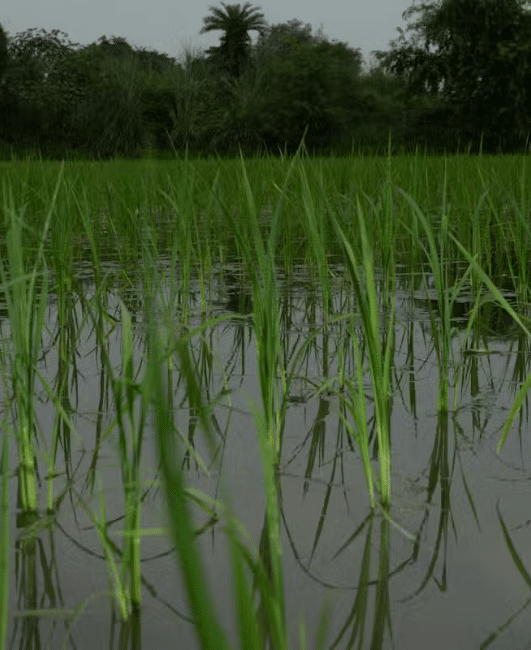
Some farmers already use rice production systems that reduce or eliminate the length of time rice is submerged in a flooded paddy field. At the sowing stage, planting of pre-germinated seeds (direct seeding) rather than traditional transplanting of small plants into flooded paddies reduces the need for waterlogged fields. Waterlogged rice paddies emit huge amounts of methane, a potent greenhouse gas.

Similarly, an irrigation practice known as alternate wetting and drying uses pipes drilled into fields to encourage water management and intermittent flooding, reducing water usage and methane emissions.

Among microbes thriving in less water are arbuscular mycorrhizal fungi. These are beneficial soil fungi that live inside plant roots and help to extend plants’ reach into the soil to collect nutrients, acting as “natural biofertilisers”.

Arbuscular mycorrhizal fungi are aerobic, meaning they require oxygen for survival. This makes them more likely to be well suited to the drier, more aerated soils (with air spaces to allow efficient exchange of nutrients, water and air) that are increasingly promoted in sustainable rice systems.

To test this theory, I stepped out of the Crop Science lab at the University of Cambridge and into the field at the International Rice Research Institute (IRRI) in the Philippines.

Using some ink stain and a microscope, I examined roots from IRRI 154, a direct-seeded water-saving rice variety developed by the institute.

The results were striking: in IRRI 154 grown in traditional flooded paddy conditions, there were no signs of arbuscular mycorrhizal fungi colonising the rice roots. But in irrigated, non-flooded “dry” conditions, the fungi were present in up to 20% of the root. This was a clear indication that water-reducing farming practices like dry direct-seeding can promote arbuscular mycorrhizal fungi colonisation in rice.

Similarly, a recent study reported that arbuscular mycorrhizal fungi help rice grown under alternate wetting and drying in Senegal to have increased resilience to changes in water and nutrient levels.

Arbuscular mycorrhizal fungi don’t just help plants access nutrients. They can also provide resistance to pathogens and increased survival in harsh climate conditions such as drought. Encouraging them to colonise rice plants could therefore enhance the overall resilience of rice, an increasingly important trait in the face of climate change and water shortages.

By supporting and even boosting beneficial microbes like these, our team at the Crop Science Centre also hope to reduce the use of synthetic nitrogen fertilisers. Fertilisers are a major source of nitrous oxide (N₂O), a potent greenhouse gas. One alternative is for farmers to apply biofertilisers, products containing live beneficial microorganisms such as arbuscular mycorrhizal fungi to promote growth.

Determining and testing optimal formulations and application strategies is a big challenge for researchers like me. The effectiveness of biofertilisers depends on several critical quality-control factors. This includes avoiding contamination, preventing spoilage during storage, successful establishment in the soil and efficient colonisation of plant roots.

The soil is a complex environment. Solutions need to be tailored to local landscapes and specific situations. That’s where an ongoing partnership with Tilda, a UK rice brand, comes in. Tilda successfully implemented water-saving alternate wetting and drying with thousands of basmati farmers in India. Since this encourages the arbuscular mycorrhizal fungi, it has enabled my colleagues and I to put our science into practice.

I visited farmers in Haryana and Uttar Pradesh to ask about their thoughts on using local arbuscular mycorrhizal fungi-based biofertilisers to reduce the use of synthetic fertiliser. To my surprise, many had heard of “mycorrhizae” and were optimistic about its potential.

Our first mission was to check the presence of arbuscular mycorrhizal fungi in Pusa 1, a popular basmati variety grown in the area. Together with the rice farmers in Haryana, we turned the local rice market (mandi) into a lab, setting up ink staining and microscopes for people to see. I found the characteristic tree-like structure of arbuscular mycorrhizal fungi in a root, and ran outside to tell the crowd of over 20 farmers and agronomists to take a look.

From lab to field

Having confirmed that the fungi were present in Pusa 1 basmati, and with advice from Tilda’s local agronomists, we decided to test two locally available “mycorrhizae” biofertilisers in 31 pilot farms.

We visited the farmers involved in this pilot in September 2025. In Uttar Pradesh, we visited the family farm of Bhoti Devi, a female farmer, and gathered under a tree for shade while discussing field observations with her and some other farmers in the area.

The farmers told me that the rice with added mycorrhizae biofertiliser appeared to have increased root growth and a higher number of tillers (branches of the rice plant), indicating a potential boost in yields. I shared images from my own tests in Cambridge which showed similar results. It was so exciting to share and compare our observations.

In Haryana, ten farmers similarly described improved root growth. This visible improvement gives us and farmers confidence that these biofertilisers could be improving crop performance while water-saving techniques are being used. Now, we’re gathering data from this season to confirm these initial observations.

Our next steps for the biofertiliser testing are two-fold: to investigate whether we can apply them to reduce the use of synthetic fertiliser, and to examine the composition and sustainability of the available commercial biofertiliser products. This will ensures they reduce the use of synthetic fertiliser and associated greenhouse gas emissions. With more than 4,000 farmers in Tilda’s network, tests can be scaled up to assess the effects of reduced synthetic fertiliser on rice yields.

Translating our lab-based research into a real-world, scalable application is a dream scenario. From breeding programmes at IRRI in the Philippines to farmer fields in India, water-saving rice systems like direct seeding and alternate wetting and drying are promoting the presence of arbuscular mycorrhizal fungi in rice roots.

Together with rice farmers in India, we can explore how to use more natural biofertilisers to reduce synthetic fertilisers and build more sustainable farming systems.

This article was amended on January 6 to clarify that tillers refers to branches of the rice plant not the farming machinery as previously stated.


Top image: Ramphal. a rice farmer from Chamrori vilaage in India. Credit: TildaCC BY-NC-ND

This article is republished from The Conversation under a Creative Commons license. Read the original article.

  • *I have permission from the copyright holder to publish this content and images.

In Conversation With: Henry Grover, Videographer of Ponda’s latest short film

Member News
The views expressed in this Member News article are the author's own and do not necessarily represent those of Agri-TechE.

In Conversation With: Henry Grover

Our latest short film ‘Held by Nature, Shaped by Hands‘ was shot by the brilliant Henry Grover, who first approached us with a curiosity about Ponda and our supply chain. We had been searching for the best way to communicate what we do and who we are, without overcomplicating it, so this collaboration came at the perfect time.

What struck me most, and what Henry instinctively understood, is the sheer breadth of skill behind Ponda: engineers, agriculture specialists, designers. The people who make Ponda what it is are just as vital as the materials and processes themselves.

When people ask what Ponda does, I often struggle to offer a neat elevator pitch. I find myself jumping between regenerative agriculture, wetlands, biomaterials… because so many hands, minds, and disciplines feed into BioPuff. That’s why I was so excited to work with Henry to create a visual journey, one that captures the intimate, human-centred supply chain behind BioPuff. Each stage is crafted locally, just a few miles apart, by people working with care, skill, and intention. The process isn’t simply mechanical; it’s deeply human, grounded in collaboration and a sense of place.

In September, we took Henry to our team harvest at the RSPB Greylake site, and then back to our unit to see how Typha is transformed into BioPuff. Inspired by ASMR, the importance of every detail, and those deeply satisfying sounds, we are thrilled with the final result. I had envisioned a short, sharp film that could summarise what Ponda does, but Henry far exceeded that, capturing the essence of our work without needing a single word.


What first interested you about Ponda and made you want to reach out?

I have always been drawn to the intersection of innovation and tradition. I love the idea of new technology streamlining a process to be more sustainable without compromising on the quality of the end product.

When I first discovered Ponda and BioPuff, it felt like a perfect case study for that balance. It’s rare to find a brand that is literally growing the future of textiles from the ground up. This excited me from a storytelling perspective; I didn’t just want to show the product, but the ‘how’ and the ‘who’ – showcasing the intricate steps of the process and the passionate people driving the company forward.

How important was sound in helping you tell the story of the supply chain?

‍Sound is often the unsung hero of short-form film. In an era where so much content is consumed on mute via a phone screen, I wanted to create a soundcape that demands the viewer’s attention. I used sound as a transition to bridge the gap between the organic wetlands and the mechanical workshop. Without the layers of audio, you lose the tactile feel of the film. The audio makes it less of a highlights video and more of a film that immerses you in the process.


Was it challenging to capture each person’s role in just a matter of seconds?

‍It’s a constant balancing act. When you’re condensing a complex, multi-stage production line into 60 seconds, every frame has to earn its place. The challenge lies in juggling establishing shots, which give the viewer a sense of scale, with detailed shots that highlight the craftsmanship of Ponda.

I find that much of today’s content cuts too aggressively, losing the moments to breathe. My goal was to maintain a high energy without sacrificing the viewer’s ability to actually see the hands and faces behind the work.


From a technical perspective, what were the biggest challenges of shooting in such varied environments?

‍Aside from falling over in waders within five minutes of arriving at the wetlands, the real technical hurdle was maintaining visual cohesion across very different locations and lighting environments. I achieved this by shooting 90% of the film handheld, staying close to the action and tracking movements to create an organic flow.

I chose to shoot this on vintage Canon lenses from the 1980s. While they are slower to operate than modern glass, they provide a unique internal glow and a softer, more human aesthetic. This helped bridge the gap between the raw, natural environment of the plants and the industrial machinery of the workshop, making the entire journey feel like one continuous story.

How did you decide on the visual pacing, especially between organic and mechanical moments?

‍Pace is everything. If the film is constant high-speed movement, the viewer gets fatigued. I wanted to build in moments of stillness where a static wide shot allows the eye to rest and take in the environment. Ramping up the speed as the film went on was a way to mirror Ponda’s process. Starting slow in the wetlands and ramping up the speed as the machinery gets larger was a way to help the film move forward as Ponda’s process gets more intricate.

The final shot, which circles back to the origin of the process, is intended to serve as a full-circle moment of reflection on the regenerative nature of their work.

What do you hope viewers take away from this film?

‍I hope it encourages people to pause and consider the biography of their clothing. Fast fashion has disconnected us from the environmental cost of our wardrobes. By tracing the supply chain back to the source, we can make more informed, intentional choices about quality and longevity.

Furthermore, in an era of AI and automation where there’s a lot of pessimism about the fading crafts, I want this film to offer a sense of optimism. I want viewers to see that there are still people deeply invested in the craft of making things better, more sustainably, and with genuine passion.

Henry’s website: https://www.henrygrover.uk/

Follow Henry: https://www.instagram.com/henrygroverfilm/

Paul-Tech Enhances Its Soil Stations with a Third Sensor

Member News
The views expressed in this Member News article are the author's own and do not necessarily represent those of Agri-TechE.

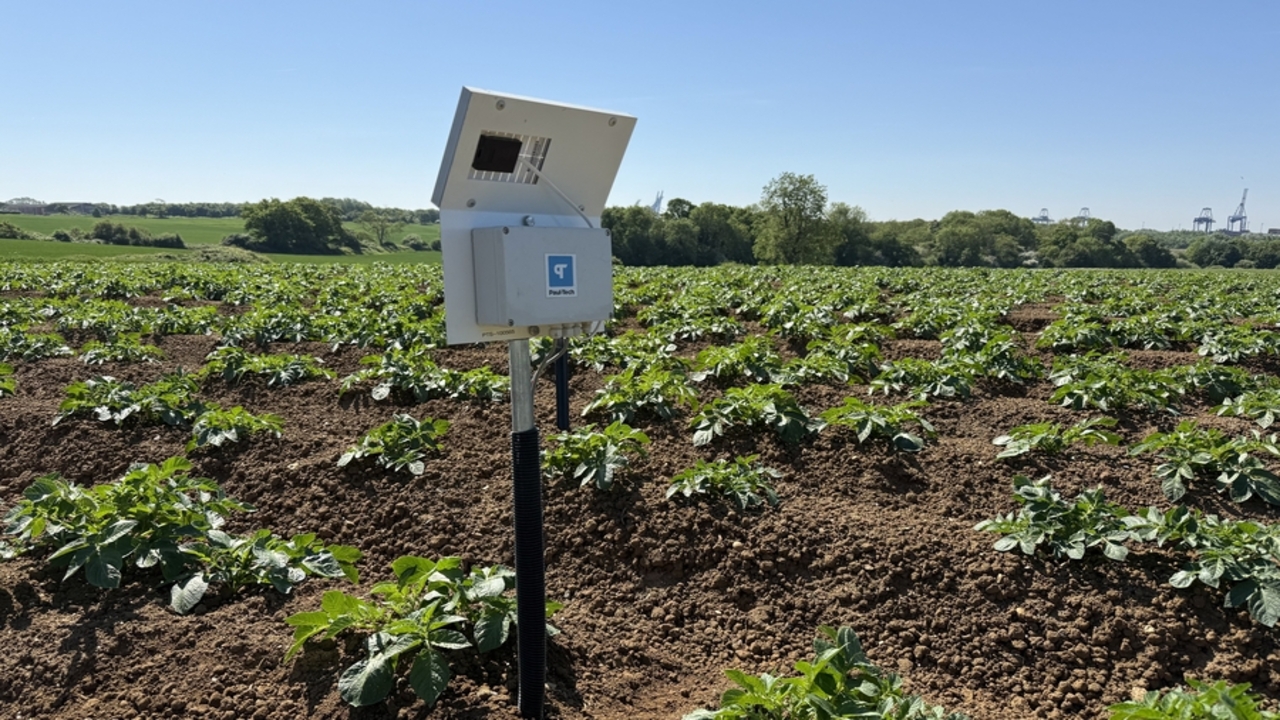
Paul-Tech’s science-based soil stations, designed to support farmers’ decision-making, will soon receive a significant upgrade with the introduction of a third sensor.

Paul-Tech continues to develop its science-based soil stations and the data platform that supports farmers. New stations, whose production began in December 2025, now include the option to add a third sensor, enabling the monitoring of soil water and nutrient dynamics at three different depths.

This enhancement provides farmers with an even more detailed real-time overview of how water and nutrients move through the soil profile, helping them better understand how fertilisation practices and weather conditions affect soil status and plant nutrition.

“Understanding how nutrient and soil water processes actually function is crucial in agriculture,” explains Tiit Plakk, Head of Science at Paul-Tech. “The third sensor allows us to observe changes across a wider soil profile and see how the upper, middle, and deeper soil layers interact. This helps farmers make even more precise, data-driven decisions and is particularly important as periods of drought and excessive rainfall become more frequent.”

According to Paul-Tech CEO Mikk Plakk, farmers using soil stations with two sensors do not need to worry about data sufficiency. “Two-sensor stations already provide a very good overview of water and nutrient dynamics within the crop root zone and strongly support day-to-day decision-making,” Plakk explains. “The third sensor is an additional option for those who want a deeper, scientifically validated understanding of whether and how nutrients move into deeper soil layers. Adding a third sensor is a natural step in Paul-Tech’s development and is offered to customers as an additional service.”

Paul-Tech is a science-based agricultural platform that enables farmers to make more accurate daily decisions using real-time soil data. The company’s soil sensors are developed based on multiple generations of scientific research and allow farmers to measure fertiliser efficiency in crop production and monitor soil water and nutrient movement processes in real time.

  • *I have permission from the copyright holder to publish this content and images.

From Efficiency to Innovation: The Role of Achiever LIMS in Modern Agritech Laboratories

Member News
The views expressed in this Member News article are the author's own and do not necessarily represent those of Agri-TechE.

In the rapidly evolving world of agricultural technology, laboratories play a critical role in driving innovation. From advancing plant genetics to ensuring sustainable farming practices, the success of research depends on the quality, accessibility, and integrity of data. However, many Agritech laboratories still rely on manual systems and spreadsheets that can limit productivity and increase the potential for human error.

Achiever LIMS, developed by our team here at Interactive Software, is helping to transform the way Agritech laboratories operate. Designed to meet the diverse and evolving needs of agricultural research, it provides digital workflows that enhance data accuracy, improve productivity, and ensure full compliance across all areas of agri-science.

Agritech laboratories require flexibility to manage complex and often unique scientific workflows. Whether handling soil analysis, seed germination testing, feed trials, or plant breeding experiments, every process must be traceable, efficient, and repeatable.

Achiever LIMS supports these diverse requirements through its laboratory automation capabilities, allowing users to configure and adapt workflows quickly.

Laboratories can manage multiple sample types within a single secure system, while automating repetitive processes and integrating directly with laboratory instruments and external systems through its API connectivity. This approach allows laboratories to operate in a way that aligns precisely with their scientific and operational goals, without being constrained by inflexible software.

Like all laboratories, those involved with Agritech rely on consistent and reliable data as the foundation of innovation. Achiever LIMS digitises the entire sample lifecycle, from collection and testing to reporting and storage, ensuring complete traceability and data integrity throughout the process.

Our Laboratory Execution System (LES) guides users through every step of standard operating procedures, enforcing good working practices and capturing critical information at every stage. The system’s dynamic audit trail and quality assurance features make it possible to review and reconstruct data histories at any point, providing transparency and regulatory confidence.

The biotechnology company, Tropic has recently implemented Achiever LIMS to support its mission of developing more sustainable and resilient tropical crops. Following implementation, Tropic reported improved data quality, faster reporting, and enhanced compliance, leading to greater research efficiency and confidence in results.

Transitioning from spreadsheets to a connected digital system represents a major step forward for any laboratory. Achiever LIMS provides a centralised, compliant, and structured platform that brings together every aspect of laboratory data management.

By consolidating data into a single source of information, laboratories gain real-time visibility across research projects, improve collaboration, and reduce manual input errors. Achiever LIMS also offers built-in dashboards and analytics tools, giving laboratory managers instant access to actionable insights that support faster, evidence-based decision-making.

To ensure a smooth and successful transition, the Interactive Software team partners closely with each customer, following a structured seven-step data migration process, from defining data goals and cleansing existing information to achieving a seamless migration and full validation within the new system.

Our implementation methodology is designed to deliver measurable results while reducing risk. Using a foundation-first approach, the process begins with the core capabilities of Achiever LIMS before adding tailored configurations that deliver specific operational benefits.

The structured implementation includes four key stages:

Foundation and discovery. Understanding laboratory goals, processes, and requirements.
Solution design and validation. Mapping workflows and testing against business needs.
Configuration and testing. Aligning the system with laboratory operations.
Deployment and enablement. Training teams and launching the live system.
Ongoing support, advanced training, and modular system expansion ensure that each laboratory continues to benefit as its needs evolve.

As agricultural research becomes increasingly data-driven, the ability to manage, interpret, and act on large volumes of information is vital. Achiever LIMS empowers researchers and laboratory staff to focus on science rather than administration, improving efficiency and reducing the time between discovery and result.

By delivering full traceability, audit readiness, and operational control, Achiever LIMS helps laboratories maintain compliance while achieving faster, more reliable outcomes. The system’s configurable design ensures that every laboratory can scale and adapt to meet changing scientific demands.

With over 20 years of experience supporting laboratories across a variety of highly-regulated industries, we continue to help Agritech organisations connect data, people, and processes, transforming laboratory operations through innovation and insight. For Agritech laboratories focused on innovation, Achiever LIMS ensures every sample, process, and result contributes to a more efficient and sustainable agricultural future.

  • *I have permission from the copyright holder to publish this content and images.

Biographica raises £7M for AI-driven crop design and expands partnerships across global seed industry

Member News
The views expressed in this Member News article are the author's own and do not necessarily represent those of Agri-TechE.

London, UK – January 7, 2026 – Biographica, a London-based AI startup redefining how the agricultural industry develops new crop varieties, today announced a £7 million funding round led by Faber VC.

The investment will accelerate the creation of climate-resilient, productive and nutritious crops – addressing urgent global food security challenges driven by climate change, population growth, and limited natural resources. Biographica also announced a new partnership with BASF | Nunhems, one of the world’s leading seed companies.

Today, developing a new crop trait such as drought tolerance, disease resistance, or improved nutrition typically takes more than a decade and costs millions of dollars. The most significant and costly bottleneck is knowing which genes control key crop traits – knowledge that informs gene editing and breeding programmes.

Biographica’s proprietary AI platform solves this by pinpointing the most promising genetic targets within weeks – defining what to change, how, and why, to generate precise trait improvements – cutting crop development timelines by up to five years and reducing R&D costs by millions.

In pilots with leading seed and precision breeding companies, Biographica’s AI platform identified proven gene targets 12x faster than traditional methods. Beyond speed, it can uncover novel targets that traditional methods miss, enabling entirely new, high-value traits to reach the market.

The company is now combining its AI-driven discovery with rapid experimental validation to create a “lab-in-the-loop” model – a proven self-improving cycle currently used in drug discovery that gives partners an increasingly rapid and reliable path to trait innovation.

  • *I have permission from the copyright holder to publish this content and images.
Cecily Price
Cecily Price
CEO of Biographica

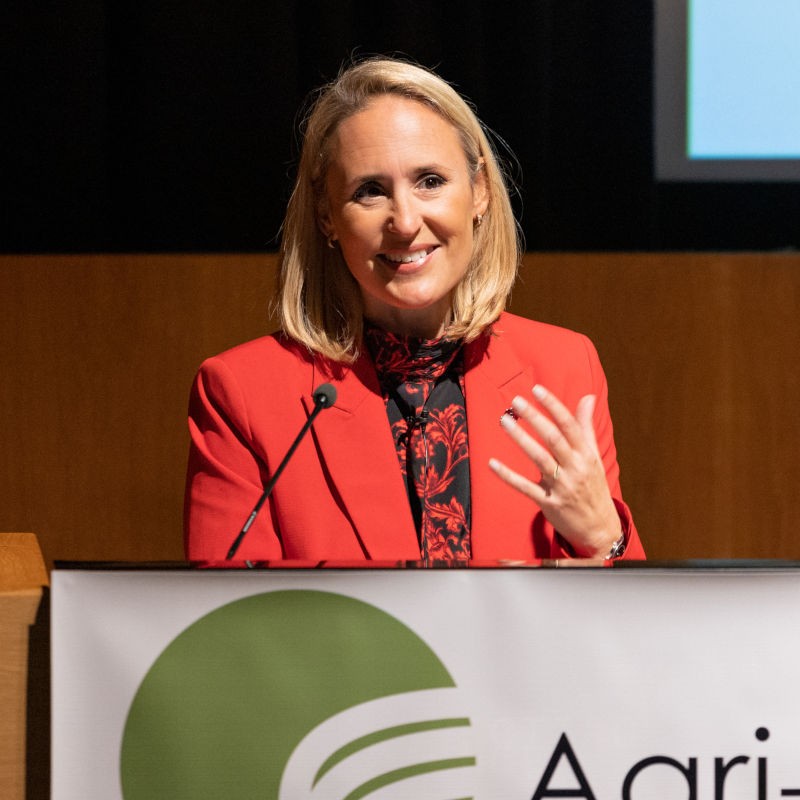
“We’ve seen AI reshape pharma, turning trial-and-error pipelines into learnable biological systems – and it works. We’re bringing that same discipline to crops,” said Cecily Price, CEO of Biographica.

“Our partnerships with BASF | Nunhems and other leading seed companies show the industry is ready for AI-first approaches to trait discovery, to bring high-value crop varieties to market in seasons, not decades.”

Biographica has demonstrated that deep technical partnerships can scale – the technology can be deployed at speed across crops and traits, in both breeding and gene-editing pipelines. Early pilots have progressed into commercial agreements, with Biographica-identified targets already moving into testing pipelines.

The £7 million funding round was led by Faber VC with participation from new investors SuperSeedCardumen CapitalThe HelmEQT Foundation and Sie Ventures, and existing investors Chalfen VenturesEntrepreneurs FirstSaras Capital and Ventures Together, alongside a number of strategic angel investors. The funding will be used to expand Biographica’s proprietary data collection, extend its AI platform to new crop traits, and deepen commercial relationships across the seed industry.

“With climate change intensifying the pressure on agricultural systems, improving crop genetics is the most powerful lever we have to sustainably increase yields and build resilience,” said Sofia Santos, Partner at Faber VC. “Biographica is redefining how agricultural innovation happens, and this investment round will allow them to scale their impact globally.”

To get in touch, contact hello@graphica.bio.

Long-range wireless that actually works

Member News
The views expressed in this Member News article are the author's own and do not necessarily represent those of Agri-TechE.

LoRaWAN technology gives you 10km coverage with minimal power drain—perfect for farms, industrial estates, and remote locations. No expensive cabling. No complicated setups. Just reliable connectivity where you need it most. Ready to go wireless? Contact hello@c3rtechnologies.com or call 03330 386878

  • *I have permission from the copyright holder to publish this content and images.