Patenting, Trademarks, Copyright, Trade Secrets...
In the next installment of our micro-learning series, we’ll explore potential legal solutions to help you keep your ideas safe and sound.

PGRO alerts growers to SFI’s potential impact on pulse crops

Member News
The views expressed in this Member News article are the author's own and do not necessarily represent those of Agri-TechE.

The Processors and Growers Research Organisation (PGRO) is advising growers who are entering agreements for the Sustainable Farming Incentive (SFI) to ensure that they fully understand the potential impact their decisions will have on future pulse crop rotations.

Concerns are growing that well-intentioned SFI agreements could negatively impact future pulse production opportunities. With legumes being included in some SFI options it could mean that they are left in the ground for a number of years – or are very frequently present – increasing the likelihood of soil-borne diseases in future pulse crops.

PGRO has set out a detailed paper written by Dr Becky Howard highlighting some of the potential unintended consequences which it advises all arable farmers to read before embarking on an SFI option. The paper has been published at www.pgro.org.

PGRO CEO Roger Vickers said: “We are not against the Sustainable Farming Incentive – we agree that farmers should be paid for providing positive environmental outcomes.

“But PGRO and others involved in the pulse sector have serious concerns over the impact some options will have on cropping in the long term.”

A number of SFI options encourage the use of either long-term or frequent short-term use of legume species, in either legume-rich ley mixtures or catch and cover crops. Examples include the highly-rewarded NUM3, IPM3, and Countryside Stewardship AB15 options.

Other options are also detracting from more minority crops, in particular Actions for Wildlife AHL 1 and AHL 2.

The potential green bridging effect and risk to future pulse cropping as a result is significant, as disease and pest levels build in the soil, and may seriously impact the viability of pulse crops in the future. A normal, sensible rotation, would not encourage pulses closer than one crop in five, and yet in an SFI scenario soils might easily have almost continuous host legumes present.

Crop protection could also be an issue, Mr Vickers says. “Factoring in that CRD now considers beans to be a major crop and therefore excluded from the EAMU system for agricultural chemical use, and the already minimal portfolio of crop protection products available for pulses in general, this adds to the increasing jeopardy for their future production. Many of the greatest threats are soil borne disease for which there are no seed treatments available.

“These unintended consequences are not certain as insufficient research has been conducted, but are a logical potential outcome based upon life cycle and alternative host considerations.”

The benefits that pulses bring to the rotation have been recognised many times by the government.

Pulses provide nitrogen, and improve soil fertility for the following crops, they have a favourable environmental profile and growing more of them is seen as having huge potential to help reduce carbon emissions from the UK agricultural sector.

“Hence why there are initiatives such as the NCS Project,” Mr Vickers adds. “Growers need to know the possible risks to their pulse-growing capabilities if they do enter an SFI agreement.”

Vertical Future listed as the #1 Controlled-environment-agriculture technology company globally in the “FoodTech 500”

Member News
The views expressed in this Member News article are the author's own and do not necessarily represent those of Agri-TechE.

UNITED KINGDOM: UK-based CEA technology and data company Vertical Future has been recognised as the number one CEA technology company globally in this year’s FoodTech500, a 35 position rise through the ranks compared to 2023. VF also ranked #12 amongst all companies globally in the food technology space.

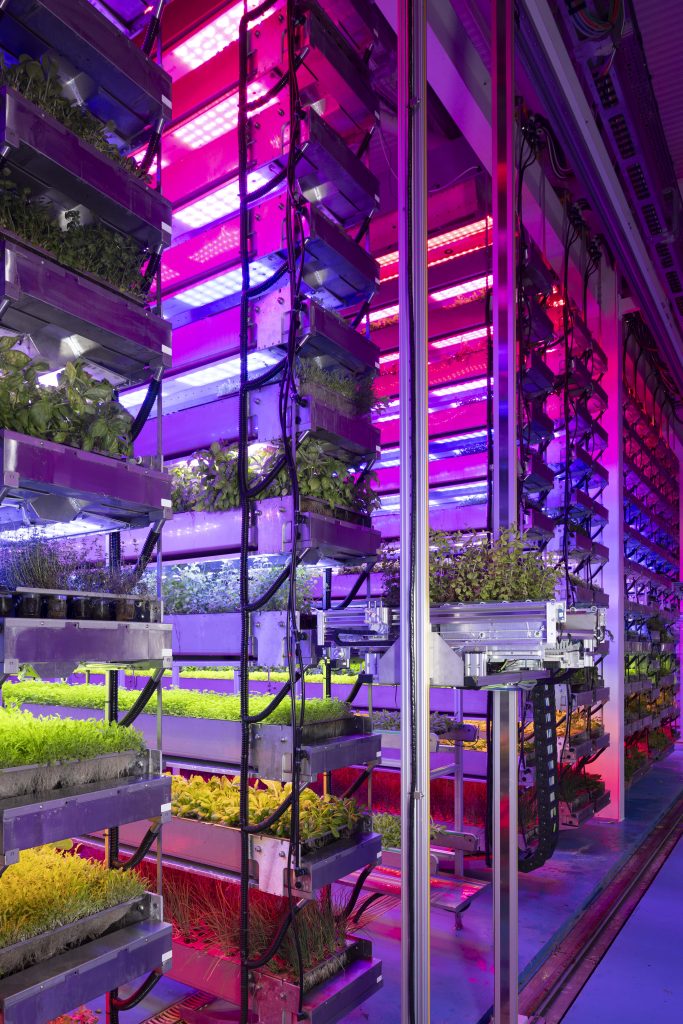
VF designs, manufactures, and deploys intelligent autonomous CEA systems across the globe. The systems and the technologies within them are primarily used to improve food production, addressing key issues such as food scarcity, water security, population growth, and complex global supply chains. Increasingly, however, VF’s systems are finding their way into new use cases such as pharmaceuticals, nutraceuticals, integration with greenhouses, and even (as per recent news), research and development for application in outer space, working with NASA and the U.K. Space Agency.

2023 was a difficult year for the global CEA sector, encompassing many failed business models, negative press, and overall difficult market conditions. There were many reasons contributing to these market difficulties, including poor technology selection, over-expansion, the drying up of capital investment, rising interest rates, and a natural attrition rate given the relative lack of maturity of the sector and number of new market entrants who were insufficiently funded or chose the wrong business model.

Positive activity, including substantial capital investments in Q4 of 2023 followed by several large-scale deals in the U.S. and more broadly, have led to a more positive outlook on the sector. This is coupled with a continued rise for innovative solutions that address the impact of climate change and many other negative factors addressing the world today.

The independent recognition validates VF’s innovative, unique model, that has, since 2018, been plant science and technology-led, following VF’s initial phase as a vertical farming grower across London and the U.K. The achievement comes after eight years of hard work and pivotal strategic decisions, such as moving almost every operation in-house (including manufacturing), focusing on scale to achieve price parity, championing a science-led approach, and providing products and services to secondary markets.


FoodTech500 by Forward Fooding is the world’s first list of global entrepreneurial talent at the intersection of food, technology, and sustainability. Since its launch in 2019, it had over 9,000 applicants, reached over 180 countries, and amounted to $24,6 billion USD in investment raised by the winners. The ranking is based on business size, digital footprint, and sustainability practices.

Commenting on the achievement, Jamie Burrows, Founder and CEO of Vertical Futures, said:
“We are delighted with Vertical Future’s recent recognition as the #1 CEA technology company globally and #12 amongst the entire global Food Technology community on the FoodTech500 list. It’s the market telling us that our almost eight years of hard work, movement from being an operator to a tech and data company, and constant push to develop the best system and overall model have not been in vain. Strategic decisions combined with our hard work and top-of-the-range, innovative offerings are all factors that together make Vertical Future unique. Our journey is far from over.”

About Vertical Future
Vertical Future (“VF”) is a global CEA technology and data company, headquartered in London and founded in 2016. VF designs, manufactures, and deploys autonomous vertical farms across the world into multiple use cases, from food through to pharmaceuticals, and soon to be reforestation. VF’s fully integrated model is unique globally with a goal of contributing to healthier people and planet. VF has raised over £37 million of funding to date, has received over 12 Innovate U.K. grants, and operates with a team of over 60 staff across engineering, software engineering, plant sciences, operations, and commercial. To find out more about Vertical Future, go to verticalfuture.com.
Lettus Grow: Ro-Gro Launches Pioneering Biofortified Microgreens

Member News
The views expressed in this Member News article are the author's own and do not necessarily represent those of Agri-TechE.

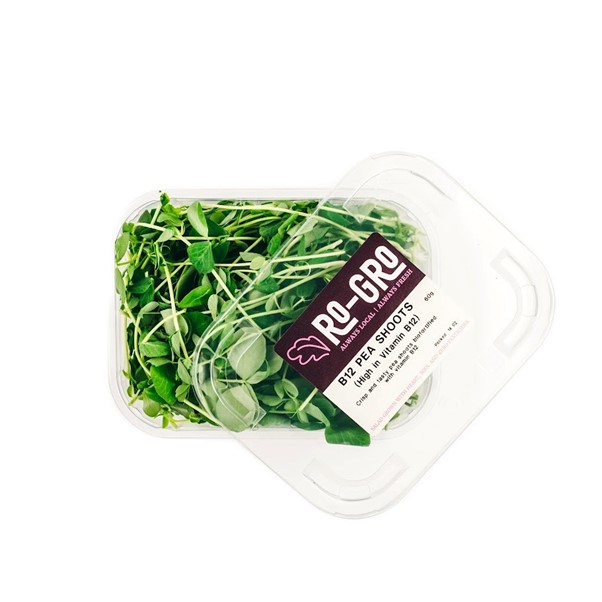
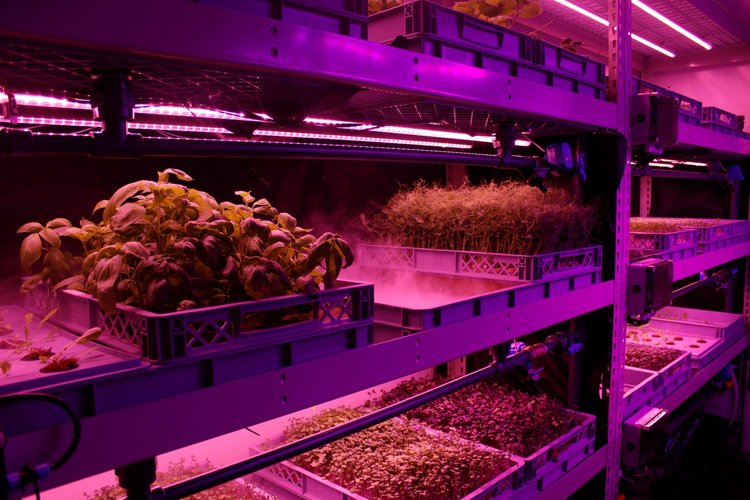
In an industry first, vertical farm Ro-Gro has cultivated biofortified pea shoots with added Vitamin B12, available in Spring 2024 to retailers and hospitality.

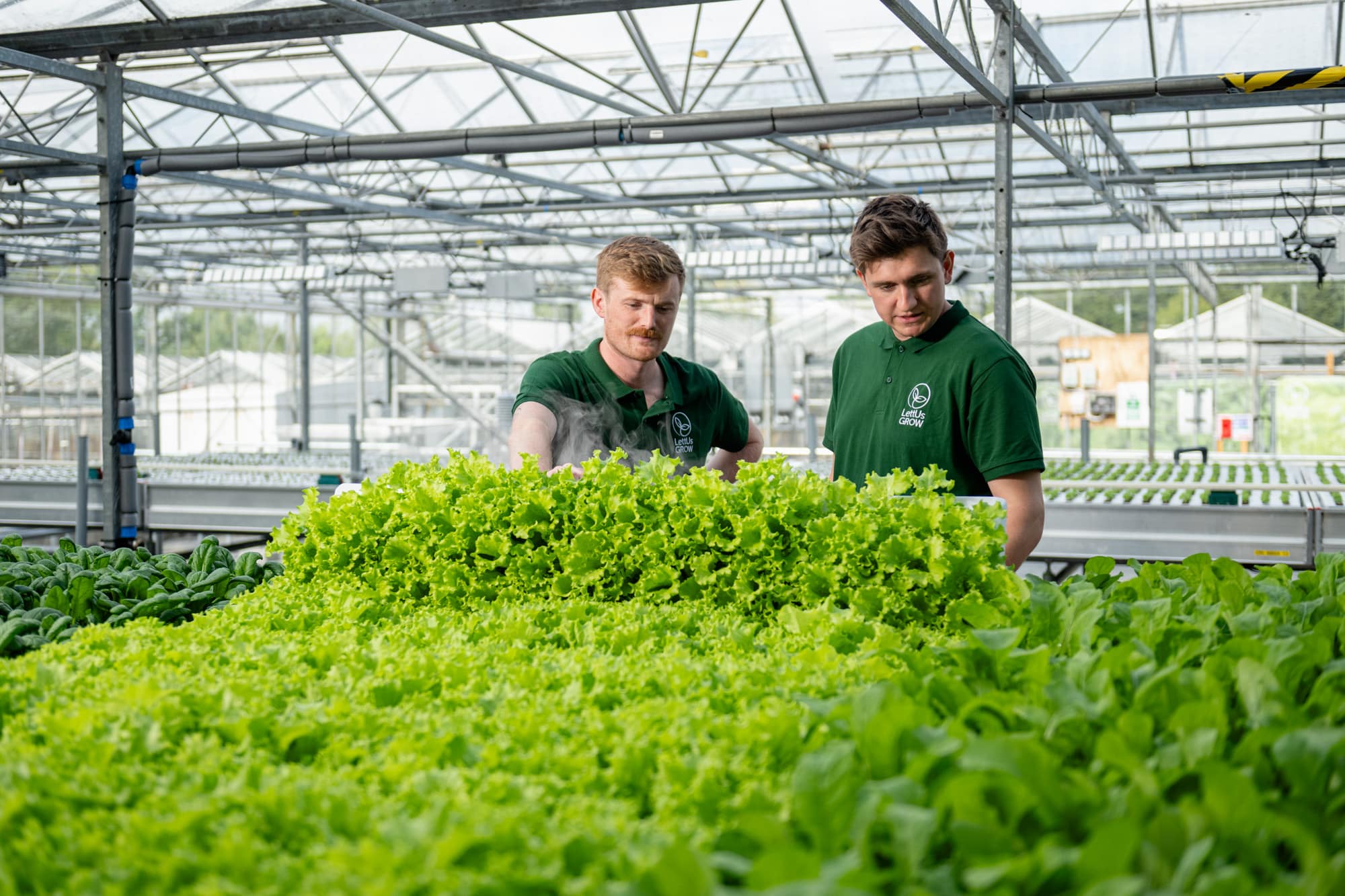
A joint collaboration between vertical farm Ro-Gro, plant and microbiology research institute the John Innes Centre, food and health bioscience facility, the Quadram Institute, and indoor farming tech firm LettUs Grow has resulted in the very first pea shoots biofortified with vitamin B12 coming to market. The pea shoots grown in Ro-Gro’s vertical farm in Kent are biofortified with B12, using ultrasonic aeroponic technology developed by LettUs Grow.

Read the full article here

Cambridge Consultants: Trusted soil measurement is the key to scaled regenerative agriculture

Member News
Agri-TechE
The views expressed in this Member News article are the author's own and do not necessarily represent those of Agri-TechE.

Sustainability is now core to the mission, vision and strategy of businesses and nations worldwide. Everyone has net zero targets and grand plans to minimise environmental impact.

But questions about implementation and traceability are emerging.

Few are more pertinent than the thorny issue of measurement and traceability. How do you reliably and quantifiably measure the impact of initiatives to ensure your net zero ambitions remain on track? And do they stand up to external scrutiny?

Cambridge Consultants explore this topic.

Read the full report here.

Barenbrug: Check ‘Made for SFI’ seed mixtures carefully

Member News
The views expressed in this Member News article are the author's own and do not necessarily represent those of Agri-TechE.

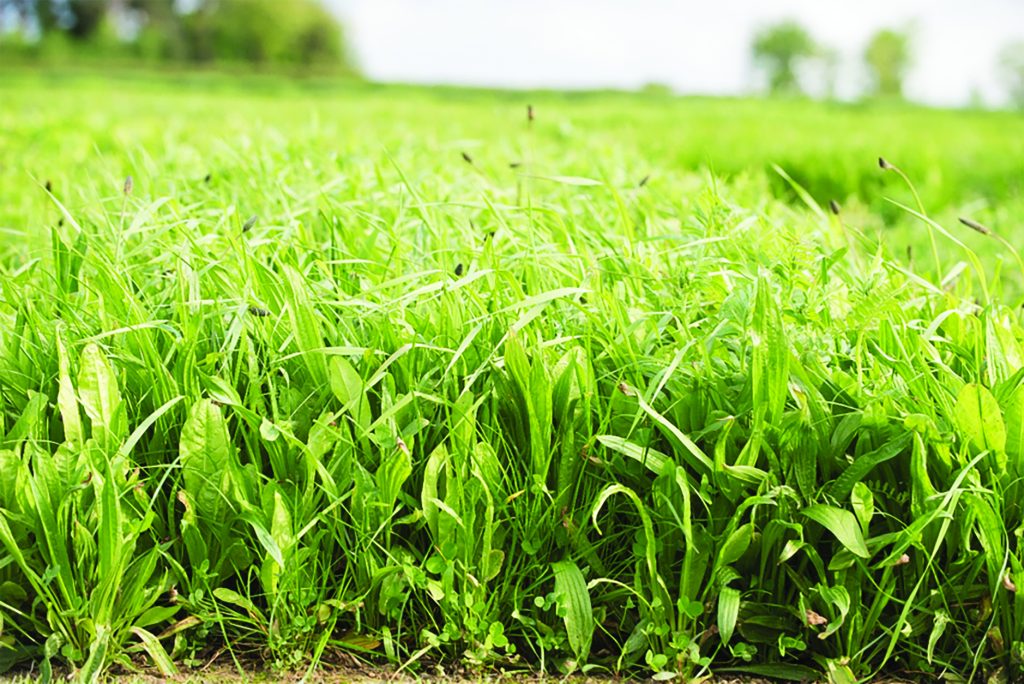
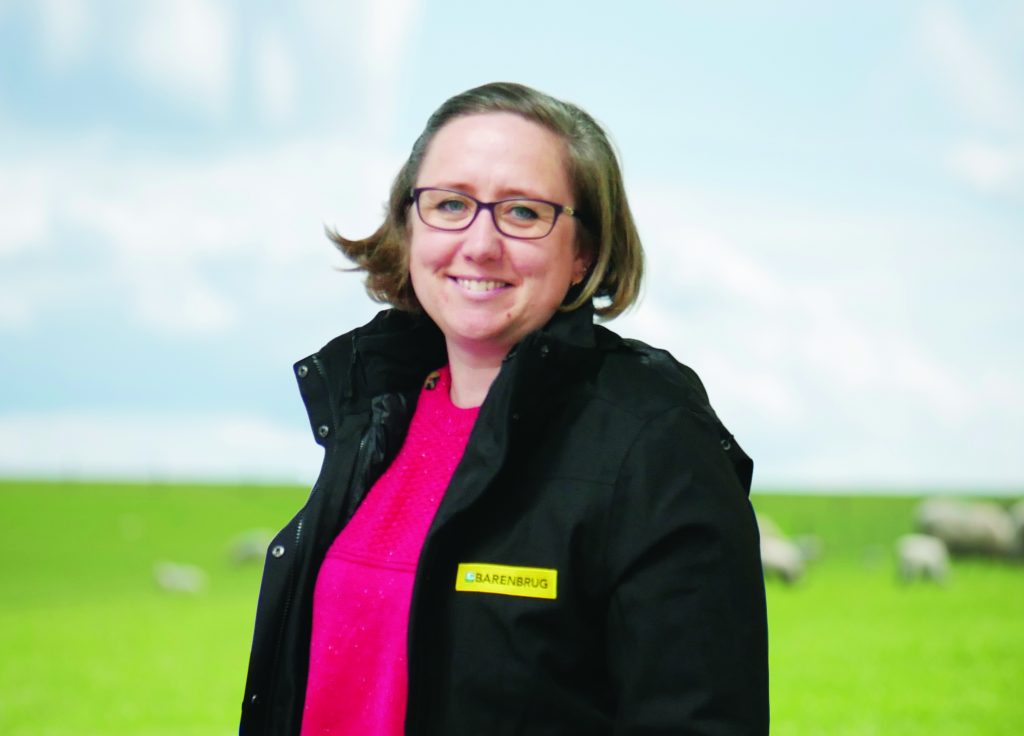
Growers who signed up for herbal leys as one of the 23 options from the 2023 Sustainable Farming Initiative programme should seek competent advice on the suitability of mixtures being sold as ‘SAM3 compatible’, Barenbrug says, as seed decisions loom.

The UK grass-seed breeder points out that while Defra has issued guidelines as to what will properly constitute a ‘herbal ley’ under the scheme, those guidelines are not yet mandatory.

“A seed mixture that has been constituted only to tick boxes against the SAM3 guidelines is perhaps not the best approach,” suggests Janet Montgomery, Barenbrug’s agriculture product manager.

“While it may serve to meet the bare minimum required by the guidelines, it risks doing little or nothing to achieve the full intention of a herbal ley, environmentally or agronomically.

“The best herbal leys deliver improvements in soil health, structure and fertility, and increased biodiversity, while remaining agronomically productive,” Janet says.

“That’s the true spirit of the SFI: delivering environmental benefits with approachable principles that continue to deliver productivity as part of a conventional farming system,” she points out.

“Yet some mixtures labelled ‘SAM3’ might be little more than a standard mix with a ‘top-up’ of legumes and herbs.

“It’s a bit like buying an unknown brand of cola: while the label shows all the same ingredients as the top brand, there’s always a difference in taste. It’s all about know-how – knowing how to blend to get the best results.”

Similarly, a below-par seed blend is likely to result not just in a poor herbal ley, but unsatisfactory agronomic performance to boot, she warns.

“A herbal ley is a really approachable, accessible way to enter SFI,” observes Janet. “Done well, it will deliver – and will demonstrate that SFI doesn’t have to be difficult, or result in lower productivity, if the right agronomic decisions are made.

“Yet if someone’s had a bad experience as a result of a sub-standard mixture, who’ll want to come back to the idea of a herbal ley?”

Janet acknowledges that while the absence of firm guidelines makes it more difficult to ‘second-guess’ what will be deemed acceptable under SAM3 measures, Barenbrug’s approach has been to review its own experience of herbal leys and select species that are known to perform well when grown together, and which offer secondary benefits such as sward resilience.

“What’s more, when designing the SFI mixture, we made the decision to go ‘all out’ for the maximum recommended number of species. That’s five grasses, three legumes, and five herbs.

“We don’t yet know how SFI claims like SAM3 will be checked and enforced, but we believe pursuing the highest quality route ensures top-notch agronomic performance without compromise, while meeting all the environmental requirements that the scheme is designed to address.”

SAM3 promises payments of £382/ha through the planting of a herbal ley.

Real-Time Disease Protection with Roboscientific

Member News
The views expressed in this Member News article are the author's own and do not necessarily represent those of Agri-TechE.

As part of our “Back to the Future” project, we’re asking Agri-TechE members to reflect on how the agri-tech industry has evolved over the past decade and to share their vision for the next ten years. By compiling these insights, we aim to create a powerful outlook on the future of agriculture, a compelling call to arms for the industry driven by the diverse perspectives of our community.

This submission is part of the collection of reflections and predictions from our members, offering unique perspectives on the industry’s past milestones and future directions. Each contribution adds to a broader dialogue about the innovations and challenges that will shape the next decade in agri-tech.

Back to the Future with Roboscientific

Lombard: Tesco and Natwest join forces to help farmers reduce costs and decarbonise

Member News
The views expressed in this Member News article are the author's own and do not necessarily represent those of Agri-TechE.

1,500 Tesco farmers set to benefit from the voluntary scheme, as well as access to Tesco preferred suppliers.

  • Tesco and NatWest will provide financial assistance through Lombard for farmers who want to switch to sustainable farming methods
  • 1,500 Tesco farmers set to benefit from the voluntary scheme, as well as access to Tesco preferred suppliers, with potential volume discounts offered on assets such as solar panels and heat pumps

Tesco, the UK’s leading supermarket and NatWest, the largest UK bank for business and one of the largest for the farming sector, have today launched a new incentivised climate and sustainable finance scheme for 1,500 of the retailer’s farmers, providing them with preferential rates on finance to help them switch to sustainable farming methods, including installing renewable energy sources, such as solar panels and wind turbines, and fossil fuel-free heating or cooling systems, such as heat pumps.

Read the full article here

Episode 2 – Defining Regenerative Agriculture

Member News
The views expressed in this Member News article are the author's own and do not necessarily represent those of Agri-TechE.

In Episode 2, Katherine sits down with Francis Dodds of Burleigh Dodds Science Publishing to explore the challenges that can arise as a result of the lack of a regulatory or legal definition for regenerative agriculture, as well as the strengths and weaknesses of regenerative agriculture.

Listen to Episode Two now:

Spotify
Apple Podcasts
Acast

3CR Bioscience Case Study: Understanding the genetics of important traits in hemp to help breed improved cultivars

Member News
The views expressed in this Member News article are the author's own and do not necessarily represent those of Agri-TechE.

Dr Jacob Toth is a Plant Breeding and Genetics Post-Doc at the School of Integrated Plant
Science at Cornell University, working in the research group of Professor Larry Smart. We
recently spoke with Jacob to find out more about the group’s research and how they are using
PACE® in their workflow

Read the full case study here

The Processors and Growers Research Organisation (PGRO) launches Vining Pea Tool

Member News
The views expressed in this Member News article are the author's own and do not necessarily represent those of Agri-TechE.

The Processors and Growers Research Organisation has launched its new vining pea tool.

After four-and-a-half years of work, the vining pea tool is designed to predict the best harvest time for UK vining peas, reducing the cost of harvesting low-quality crops.

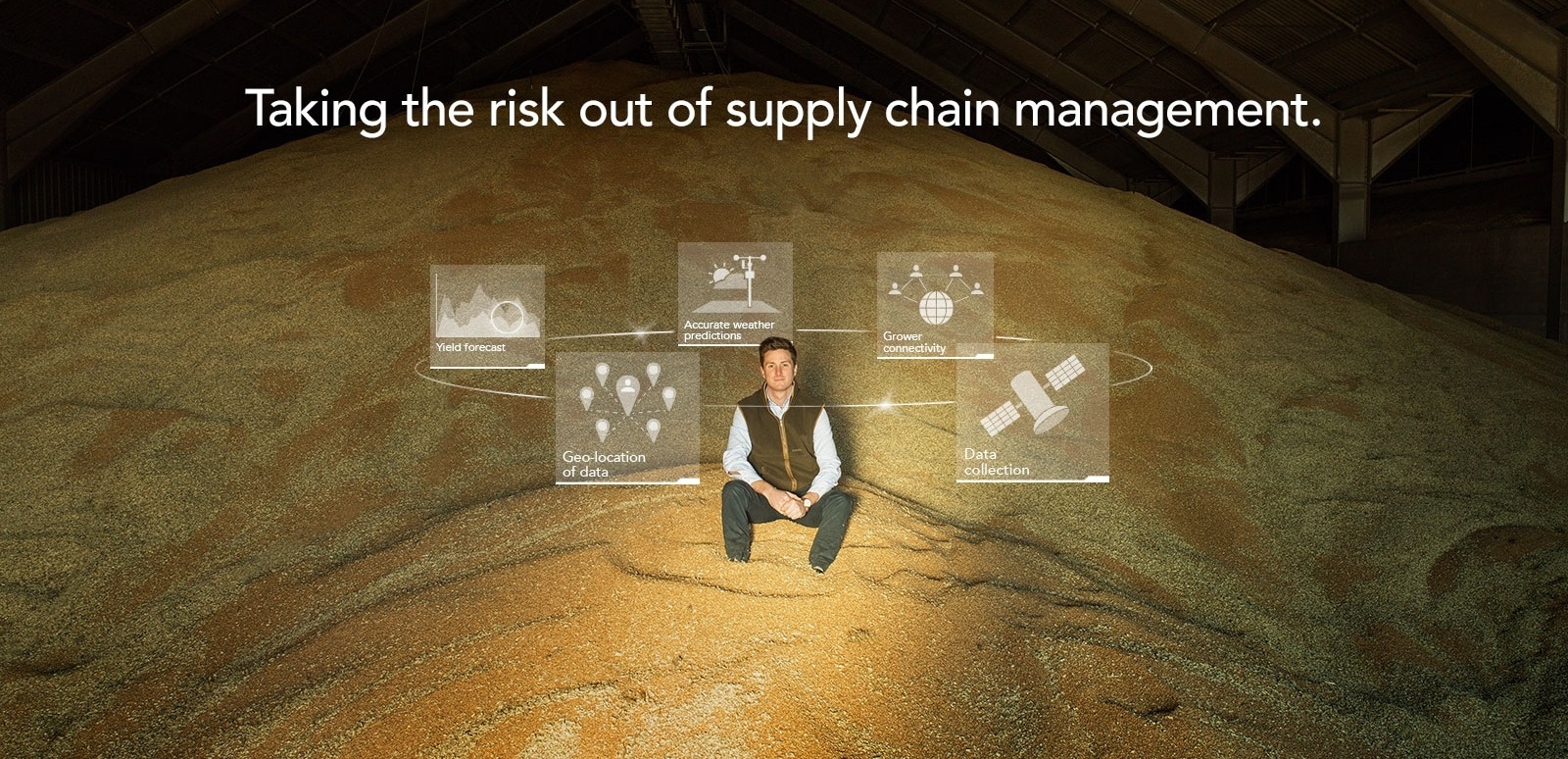
Through the collation of remote sensing, machine learning, weather data and historic yield data the new vining pea tool will advance the harvest forecast from two days to ten days, as well as predict the yield of your harvest.

The increased accuracy of the harvesting forecast provided by the vining pea tool will help growers save in both labour and cost.

Updated daily, the vining pea tool is an all-in-one tool, giving all the important information in a single visualisation. It also takes into account the variety in which the grower is looking to harvest, further increasing its accuracy.

Read more about the tool here

3CR Bioscience: Navigating the SNP genotyping landscape

Member News
The views expressed in this Member News article are the author's own and do not necessarily represent those of Agri-TechE.

In the fast-growing world of genomics and genotyping, having a reliable partner by your side is paramount. Enter 3CR Bioscience, your dedicated ally committed to propelling your research forward at every turn. With our industry-leading tech support, you can access skills and knowledge that will maximise the rapid production of top-quality data routinely in your facility, regardless of its size or your level of experience.

Read the full blog here

University of Reading: VALUE4FARM Sustainable, renewable, energy value chains

Member News
The views expressed in this Member News article are the author's own and do not necessarily represent those of Agri-TechE.

The University of Reading is a partner in an EU funded project, VALUE4FARM, which aims to increase on-farm production of renewable energy while preserving food production, soil health and biodiversity at the same time as reducing water and fertiliser use. VALUE4FARM will demonstrate the effectiveness of coupling sustainable food production and renewable energy production through a range of activities and measures:

Developing sustainable agricultural protocols which are compatible with renewable energy production and sustainable food production

Propose a wide range of renewable energy production and storage technologies, meeting farmers’ residue management, electricity, heat and mechanisation needs

Through demonstration, validate the sustainability and circular nature of three renewable-based local value chains

Ensure the renewable-based value chains are replicable and applicable within Europe

Within Value4Farm, the University of Reading is focusing on establishing the baseline framework and requirements essential for guiding project developments. This will involve exploring and addressing farmers’ needs, collecting information for the effective demonstration of value chains, creating the regulatory framework, and shaping the structure of a comprehensive decision support tool for farmers.

The decision support tool will bring together an educational online course on integrated food and energy production, an audit tool to enable farmers to assess and reflect on on-farm potential for energy production and a transition tool to support farmers adopting or moving towards integrated food and energy production on farm.

More information about VALUE4FARM is available from the project website or please contact Julian Park j.r.park@reading.ac.uk