The views expressed in this Member News article are the author's own and do not necessarily represent those of Agri-TechE.
As part of our “Back to the Future” project, we’re asking Agri-TechE members to reflect on how the agri-tech industry has evolved over the past decade and to share their vision for the next ten years. By compiling these insights, we aim to create a powerful outlook on the future of agriculture, a compelling call to arms for the industry driven by the diverse perspectives of our community.
This submission is part of the collection of reflections and predictions from our members, offering unique perspectives on the industry’s past milestones and future directions. Each contribution adds to a broader dialogue about the innovations and challenges that will shape the next decade in agri-tech.
AbacusBio goes Back to the Future
Post Overview
This story has been submitted by an Agri-TechE member.
The views expressed in this Member News article are the author's own and do not necessarily represent those of Agri-TechE.
Sugarox is delighted to share that we have been recognised by AgriBusiness Review as one of the Top 5 UK Biostimulant Ventures to Watch in 2024.
Our dedicated team of plant biologists and organic chemists is leading the way in developing precision formulations based on single active ingredients (AIs) inspired by powerful plant molecules. Our first product, a biostimulant based on trehalose-6-phosphate, is currently undergoing field evaluation. Results so far show promise in boosting wheat yields by up to 22%.
Working the Agri-TechE network:
We believe that collaboration can accelerate the adoption of our cutting-edge biostimulants and make a meaningful impact on crop productivity and sustainability.
We are building SugaROx to become a world-leading venture focused on the science of crop stimulation and early stages of product development. Our first product is 2-3 years away from launch. Through a B2B business model, we want to partner with go-to-market channels to accelerate R&D and sell our products to farmers in the UK and key agricultural countries.
The views expressed in this Member News article are the author's own and do not necessarily represent those of Agri-TechE.
As part of our “Back to the Future” project, we’re asking Agri-TechE members to reflect on how the agri-tech industry has evolved over the past decade and to share their vision for the next ten years. By compiling these insights, we aim to create a powerful outlook on the future of agriculture, a compelling call to arms for the industry driven by the diverse perspectives of our community.
This submission is part of the collection of reflections and predictions from our members, offering unique perspectives on the industry’s past milestones and future directions. Each contribution adds to a broader dialogue about the innovations and challenges that will shape the next decade in agri-tech.
Gardin goes Back to the Future.
Post Overview
This story has been submitted by an Agri-TechE member.
The views expressed in this Member News article are the author's own and do not necessarily represent those of Agri-TechE.
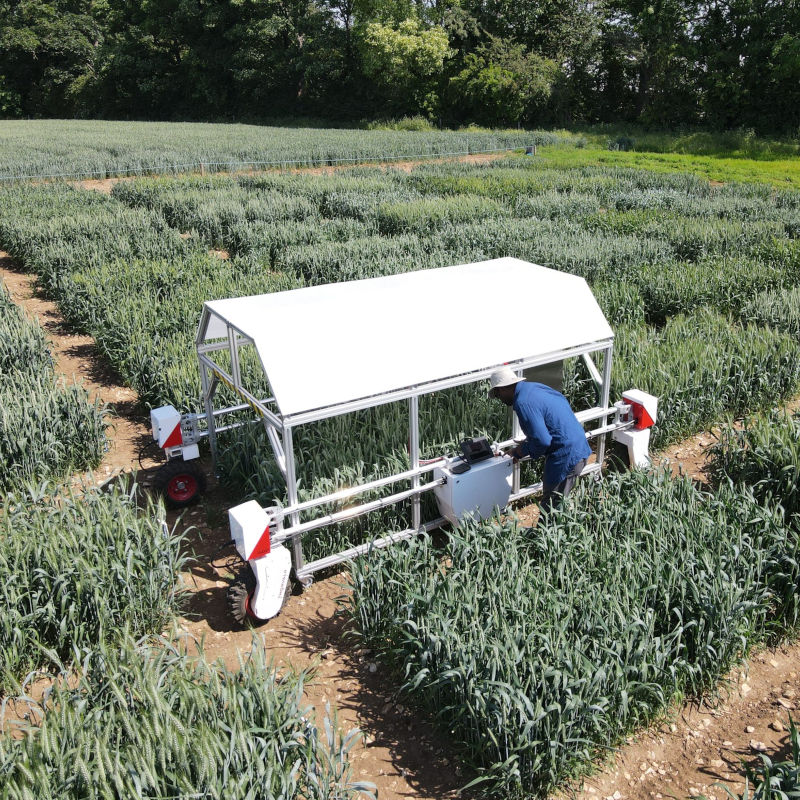
The search is on for forward-thinking farmers to take part in paid trials exploring soil health, the potential of pulses and sustainable slug control.
The British On-Farm Innovation Network (BOFIN) is looking to increase the number of farmers taking part in its Defra-funded projects bringing scientific innovation onto real farms. The number of on-farm trialists will double in two of its three current projects.
Participants are required to run trials on their farms, and to share findings and observations within and outside the project. In return they receive full back up and support from BOFIN and other project partners, as well as a payment for their involvement.
Oxfordshire farmer and founder of BOFIN Tom Allen-Stevens said: “We’ve had a hugely successful year across three projects. Farmers have proven across the trials and monitoring that they can deliver scientifically valid data, adding real value to the progress we’re making towards a more sustainable agriculture.
“We’re now looking to build on this success in 2024-25 and welcome farmers wanting to help shape the future of our industry to register their interest via our website.”
BOFIN co-partners with scientists and researchers to deliver three projects which put farmers centre stage to trial innovative ideas and techniques:
The Nitrogen Efficient Plants for Climate Smart Arable Cropping Systems (NCS) project currently has 10 farmers carrying out trials and BOFIN is looking for an additional 10 for the 2024-5 season. Participating farmers who are known as Pulse Pioneers compare the effects of pulse crops on the health of their soil and subsequent crops.
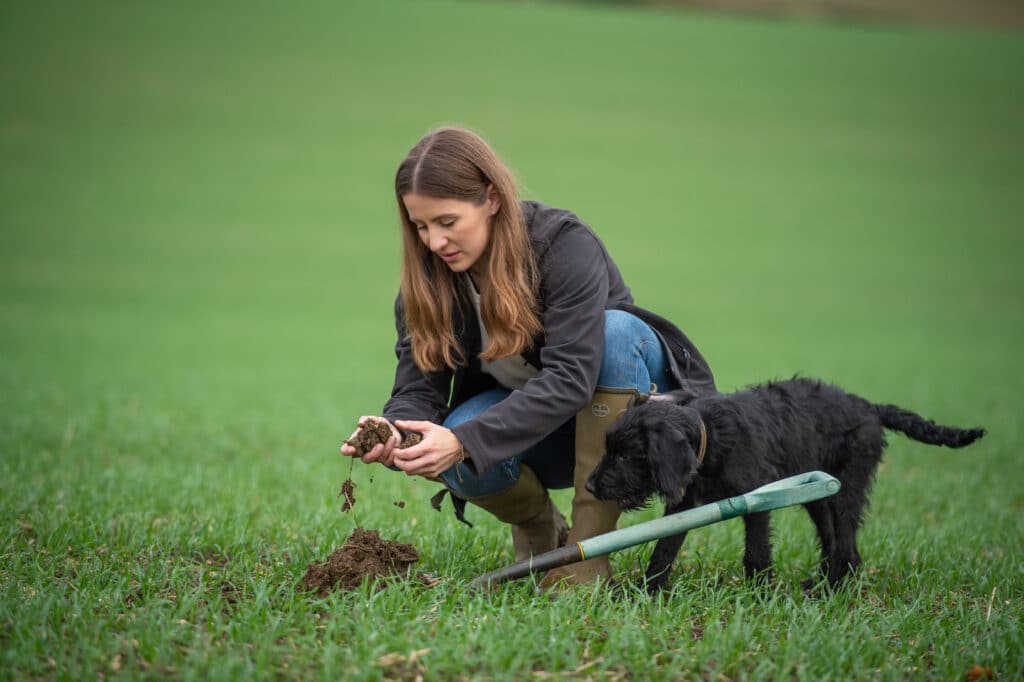
Meanwhile the Thriving Roots Underpin Total soil Health (TRUTH) project is creating a farmer-led platform to quantify and evaluate soil/root interactions and explore the capabilities of a novel sensor. The farmers – known as Root Rangers – are trained to use soil testing tools to inform practices and evaluate novel genetics and bioproducts. The first year saw 10 farmers sign up as Root Rangers, and BOFIN is looking to enlist another 10 for 2024-5.
Finally, the Strategies Leading to Improved Management and Enhanced Resilience against Slugs (SLIMERS) project is trialling ‘slug resistant’ wheat and developing two commercial services from current proof-of-concept: Patch prediction and precision mapping, and autonomous slug treatment using nematodes. Farmers involved are known as Slug Sleuths, and with 27 already on board the team is looking to boost this to 30 for 2024-5, with 10 of those trialling slug resistant wheat.
Cambridgeshire farmer Rhys Jones, who is a Slug Sleuth and Root Ranger said it was important that farmers are part of the conversation about the industry’s future. “Being involved with agricultural trials helps us to look at new ways of doing things and means we can influence the direction we go in,” he said.
Slug Sleuth Andrew Barr, who farms in Kent added that learning was a vital part of success in farming: “There’s so much we need to learn, and farming keeps changing and evolving. I’ve been frustrated in the past that academic trials were not targeted to what farmers really needed solutions for, or that the results of the academic trials were not communicated to farmers. That’s not the case if we do the on-farm trials that we think are necessary, in conjunction with the academics.”
Any farmers interested in taking part in trials and playing a part in the future of farming can find out more and register interest by visiting the BOFIN website www.bofin.org.uk/getinvolved
Post Overview
This story has been submitted by an Agri-TechE member.
The views expressed in this Member News article are the author's own and do not necessarily represent those of Agri-TechE.
As part of our “Back to the Future” project, we’re asking Agri-TechE members to reflect on how the agri-tech industry has evolved over the past decade and to share their vision for the next ten years. By compiling these insights, we aim to create a powerful outlook on the future of agriculture, a compelling call to arms for the industry driven by the diverse perspectives of our community.
This submission is part of the collection of reflections and predictions from our members, offering unique perspectives on the industry’s past milestones and future directions. Each contribution adds to a broader dialogue about the innovations and challenges that will shape the next decade in agri-tech.
Back to the Future with AF Group
Post Overview
This story has been submitted by an Agri-TechE member.
The views expressed in this Member News article are the author's own and do not necessarily represent those of Agri-TechE.
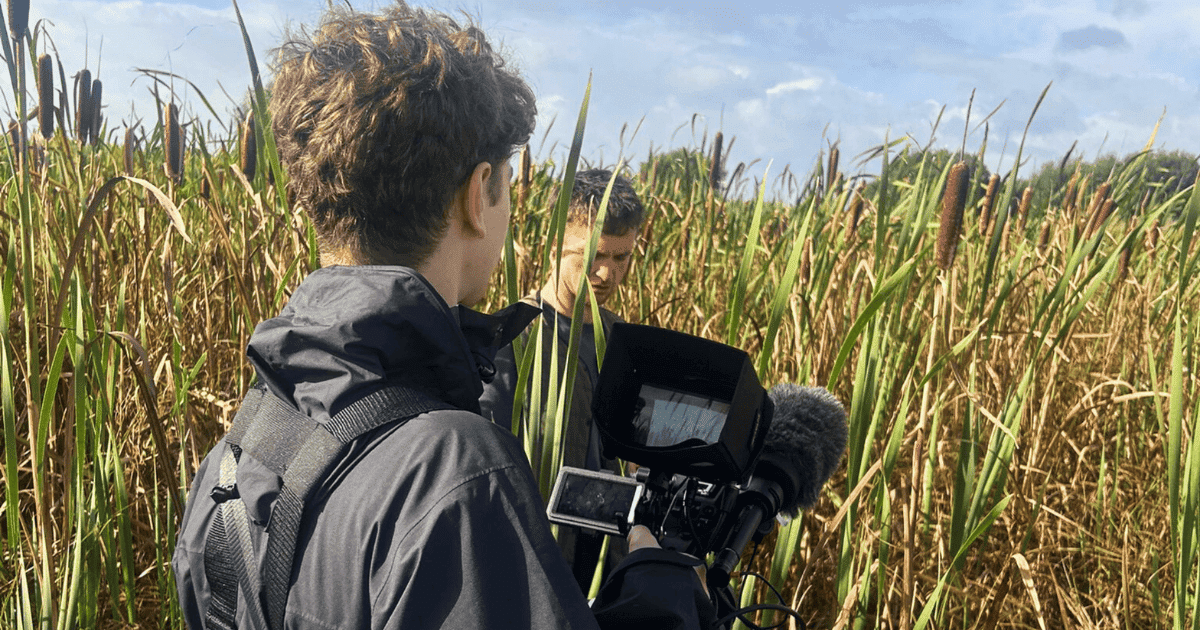
Have a look at this fascinating BBC Countryfile segment featuring Ponda, a next-generation biomaterials company pioneering the global promotion of paludiculture. At minute 30:00, you’ll see how Ponda’s innovative insulation material, BioPuff®, is showcased alongside the ground-breaking paludiculture practices at the Great Fen, where we collaborated on our first UK project to create sustainable materials from this regenerative practice.
*I have permission from the copyright holder to publish this content and images.
Post Overview
This story has been submitted by an Agri-TechE member.
The views expressed in this Member News article are the author's own and do not necessarily represent those of Agri-TechE.
As part of our “Back to the Future” project, we’re asking Agri-TechE members to reflect on how the agri-tech industry has evolved over the past decade and to share their vision for the next ten years. By compiling these insights, we aim to create a powerful outlook on the future of agriculture, a compelling call to arms for the industry driven by the diverse perspectives of our community.
This submission is part of the collection of reflections and predictions from our members, offering unique perspectives on the industry’s past milestones and future directions. Each contribution adds to a broader dialogue about the innovations and challenges that will shape the next decade in agri-tech.
Back to the Future with Ben Burgess
Post Overview
This story has been submitted by an Agri-TechE member.
Resistance 2024, the 9th in a series of conferences, is brought to you by Rothamsted Research to showcase the latest situational analysis and research on pesticide resistance in the UK and globally.
Sessions will include Molecular Mechanisms and Genomics, Evolution and Selection and Monitoring, Field Studies and IPM, and world-leading experts from academia, industry, and government will share knowledge spanning pesticide resistance in insects, pathogens, and weeds.
With such diverse speakers, we likewise expect to attract a diverse audience. The Conference Committee will take every opportunity to ensure that a wide range of individuals’ interests will be represented. This is always a popular meeting and spaces will be allocated on a first come, first served basis.
The registration fee of £415.00 (including VAT) will include attendance for the three days of the conference, poster sessions, refreshments and lunch each day, an evening reception buffet on the first evening, a conference dinner on the second evening, and a programme book and access to online abstracts.
The views expressed in this Member News article are the author's own and do not necessarily represent those of Agri-TechE.
In September 2023, a significant legal challenge brought by Corteva against Inari Agriculture has thrust the issue of seed deposits into the spotlight, and affords a useful opportunity to remind ourselves on the legal requirements surrounding the deposit of biological material to support a patent application.
Corteva alleges that Inari has infringed its patents by obtaining Corteva’s patented seeds, illegally importing them into Europe, genetically editing the seeds, and seeking patent protection in the US for the modified traits. Corteva further claims that Inari have used a third party to misappropriate Corteva’s seeds from the America Type Culture Collection (a recognised institute for the deposit of biological material such as seeds and microorganisms).
The role of biological deposits in patent law
Patent law grants a monopoly for an invention in exchange for disclosing the nature of the invention. For this reason, it is a requirement that an invention is described in a patent application in a manner which enables it to be reproduced. For some biological inventions, a written description is not enough to allow a third party to reproduce the invention, and access to biological material, such as seeds or microorganisms, may be necessary to satisfy the legal requirement of enablement.
The Bupadest Treaty governs the deposit of such material, allowing for a single biological deposit to be made, which is recognised by other Treaty members through reciprocal arrangements. Many jurisdictions, including Europe, Japan, and Korea, require that the deposit is made before the filing date. This requirement ensures that the deposit information is provided in the published patent application, as part of the teaching of how to practice the invention. In Europe at least, a priority document must contain an enabling disclosure of the invention, making it crucial to include deposit information in the first filing. In contrast, in the US, a deposit can be filed much later, up to a date which is set in the Notice of Allowance, posing a challenge for US applicants to meet overseas requirements.
Patent applications must include the deposit date and the deposit accession number. A provisional deposit date and accession number will be provided by a Deposit Authority upon initial receipt of the deposit, but if after testing the sample proves not to be viable and a new sample needs to be supplied, the deposit date may change. In order to ensure that the correct deposit date and accession number are included in a patent application, starting the deposit process well in advance of a priority filing is advisable to ensure that the viability test can be completed before the filing date, and that the information in the patent application will be correct.
Third party access to deposits
A key issue in the Corteva v Inari lawsuit pertains to the issue of third party access to the deposited seeds.
Inari has responded to the allegations, by arguing that the patented seeds deposited with the ATCC are available to the public without restriction after a patent grants. They contend that by depositing the seeds, Corteva authorised their availability and transportation of the seeds for commercial purposes.
Under the Budapest Treaty, an International Deposit Authority is obliged to keep a deposit for the later of 30 years from the initial deposit, or 5 years from the last request for a sample. During this time, any natural or legal person can request a sample of the deposit, and the International Deposit Authority must furnish it to them provided that they have rights to the sample in accordance with patent law which governs the patent or patent application referring to that sample.
For patent applications before the EPO, access to deposited material can be restricted to a nominated independent expert, provided that a request for restricted access is made within a specified time limit.
However, this restriction expires upon grant, upon which date, if the deposited material falls within the scope of the granted claims it may then be accessed by any third party, but in accordance with patent law it may only be used for experimental purposes only. Similar provisions apply in the US and Japan. Inari have defended their use of the seed deposits, stating in a court filing “In exchange for the grant of these patents, Corteva assured the public that the deposits would be available to the public without restriction when the patents issued….Corteva now seeks to renege on that promise.”
Conclusions
The Corteva v Inari case highlights that there may be risks associated with deposit of biological material. There are particular risks in a situation where a patent has been granted but the deposited material does not fall within the scope of the granted claims. If an invention can be described in a reproducible manner without the need for a biological deposit, then this may be preferable, provided that the requirements for enablement are clearly met.
This case underscores the complexity of patenting biological material and the critical importance of understanding the requirements of International deposit requirements to safeguard intellectual property.
The views expressed in this Member News article are the author's own and do not necessarily represent those of Agri-TechE.
Providing sub-Saharan smallholders with a cost-effective alternative to expensive artificial nitrogen fertiliser has come a step closer for British agri-biotech company Legume Technology, following the award of a grant from The Bill & Melinda Gates Foundation and the UK’s Foreign, Commonwealth & Development Office (FCDO).
The Nottinghamshire company, which has been working on microbial biofertilisers for more than twenty years, will receive £2.15m from the foundation and the UK government.
The project will help develop biofertiliser technology as an affordable, accessible agricultural input for small-scale agricultural producers (SSPs) in Africa. The biofertiliser could increase smallholder yields in a sustainable, environmentally friendly manner and improve outcomes for millions of families across the region.
“These farmers face many challenges,” says Dr Bruce Knight, co-founder and managing director of Legume Technology, “of which by far the most significant is access to nitrogen fertilisers.
“The absence of affordable fertiliser options significantly impacts agricultural productivity and livelihoods,” he says. “Synthetic fertiliser is not only too expensive for many of these families, but increased use would also bring its own environmental problems.”
Legume Technology’s work focuses on natural microbes – bacteria and fungi – that have a unique ability to capture the nitrogen that makes up nearly 80% of the air we breathe, making it available to crops. Farmers in the developed world have been using these ‘biological nitrogen-fixers’ (BNFs) for years, but generally they only work on a specific crop type, the ‘legume’ family that includes peas, beans and pulses.
The project will find out how much nitrogen these microbes can fix from the atmosphere, when used in non-legume cereal crops like maize.
“The grant from the Gates Foundation and the UK government will allow us to embark on a new programme of research to identify microbes that can work with non-legume staple crops such as maize, millets, sorghum and cassava,” explains Dr Knight.
As part of the project, Legume Technology will work with research institutes, specialist microbe ‘banks’, innovation centres and universities around the world to collect and assess 50 BNF bacterial strains that are already known to have nitrogen-fixation effects.
The University of Nottingham, Legume Technology’s long-time research partner, will screen these strains in high-tech testing chambers that use ‘marked’ nitrogen to identify the best-performing strains and understand their potential. The top ten strains will then be independently reviewed by the James Hutton Institute, one of the UK’s most-respected agricultural science specialists. Legume Technology will also partner with the Centre for Process Innovation, a government-funded ‘innovation catalyst’ that helps companies develop biotechnology products.
Field-scale trials will follow, to validate the laboratory findings and to check that the microbes perform as expected.
“The second part of the programme is no less exciting,” says Dr Knight. “The foundation’s grant will also allow us to develop specialist packaging for these SSP products.
“Because BNF products are live, quality packaging is very important to maintain shelf life and quality once they’ve left the factory.”
Typically, products are shipped in sterilised packaging containing enough product to treat the seed for tens of hectares. But the average sub-Saharan smallholding is less than ½ a hectare in size, making these packs too expensive and unwieldy for distribution in Africa. Domestically produced biofertilisers are available, but provenance, quality and performance are usually sub-standard.
“It’s another major constraint for SSPs,” Dr Knight points out. “Availability of high-quality crop inputs, in low-volume packaging, is a huge limitation on realising the potential of biofertiliser products in many African countries.
“There’s also lack of awareness around the existence of these biofertiliser products, and that they work,” Dr Knight adds. “The project includes in-country commercialisation trials to validate the product, demonstrate its reliability and show the gross benefits of yield and quality. We can then investigate logistics and registrations, with a view to developing commercial partnerships.”
The grant from the Gates Foundation and the UK government will also enable the design, build and installation of a new packaging line for SSP products at Legume Technology’s factory in East Bridgford. Dr Knight likens the proposed pack design to a crisp packet. “It’s easily portable and highly affordable, while keeping the contents fresh and free from contamination.
“Yet within that small bag, the Micropack, will be a microbe that has the power to transform the lives of millions of African smallholders by making their crops grow bigger and better, with more productive harvests, without any environmental side-effects.”
“It’s a very simple proposition, but a complete win-win project. We’re delighted with this grant and the opportunities it gives us to improve agriculture’s productivity and sustainability.”
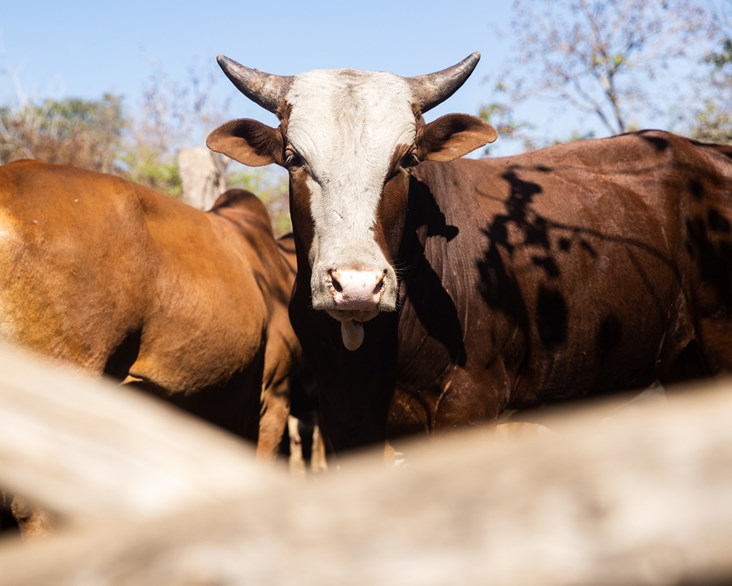
Farmers in the developed world have been using ‘biological nitrogen-fixers’ (BNFs) for years, but generally they work only on a specific crop type, the ‘legume’ family that includes peas, beans and pulses. The new project will try to identify microbes that work in staple crops such as maize, above.
Legume Technology co-founder Dr Bruce Knight, with the ‘Micropack’ packaging that will be developed for African smallholders.
Post Overview
This story has been submitted by an Agri-TechE member.
The views expressed in this Member News article are the author's own and do not necessarily represent those of Agri-TechE.
As part of our “Back to the Future” project, we’re asking Agri-TechE members to reflect on how the agri-tech industry has evolved over the past decade and to share their vision for the next ten years. By compiling these insights, we aim to create a powerful outlook on the future of agriculture, a compelling call to arms for the industry driven by the diverse perspectives of our community.
This submission is part of the collection of reflections and predictions from our members, offering unique perspectives on the industry’s past milestones and future directions. Each contribution adds to a broader dialogue about the innovations and challenges that will shape the next decade in agri-tech.
Hutchinsons goes Back to the Future…
Post Overview
This story has been submitted by an Agri-TechE member.
The views expressed in this Member News article are the author's own and do not necessarily represent those of Agri-TechE.
As part of our “Back to the Future” project, we’re asking Agri-TechE members to reflect on how the agri-tech industry has evolved over the past decade and to share their vision for the next ten years. By compiling these insights, we aim to create a powerful outlook on the future of agriculture, a compelling call to arms for the industry driven by the diverse perspectives of our community.
This submission is part of the collection of reflections and predictions from our members, offering unique perspectives on the industry’s past milestones and future directions. Each contribution adds to a broader dialogue about the innovations and challenges that will shape the next decade in agri-tech.
B-Hive Innovations goes Back to the Future…
Post Overview
This story has been submitted by an Agri-TechE member.

 AbacusBio International Limited


 SugaROx




 Gardin Ltd





 BOFIN
BOFIN



 AF Group Limited


 Ponda
Ponda


 Ben Burgess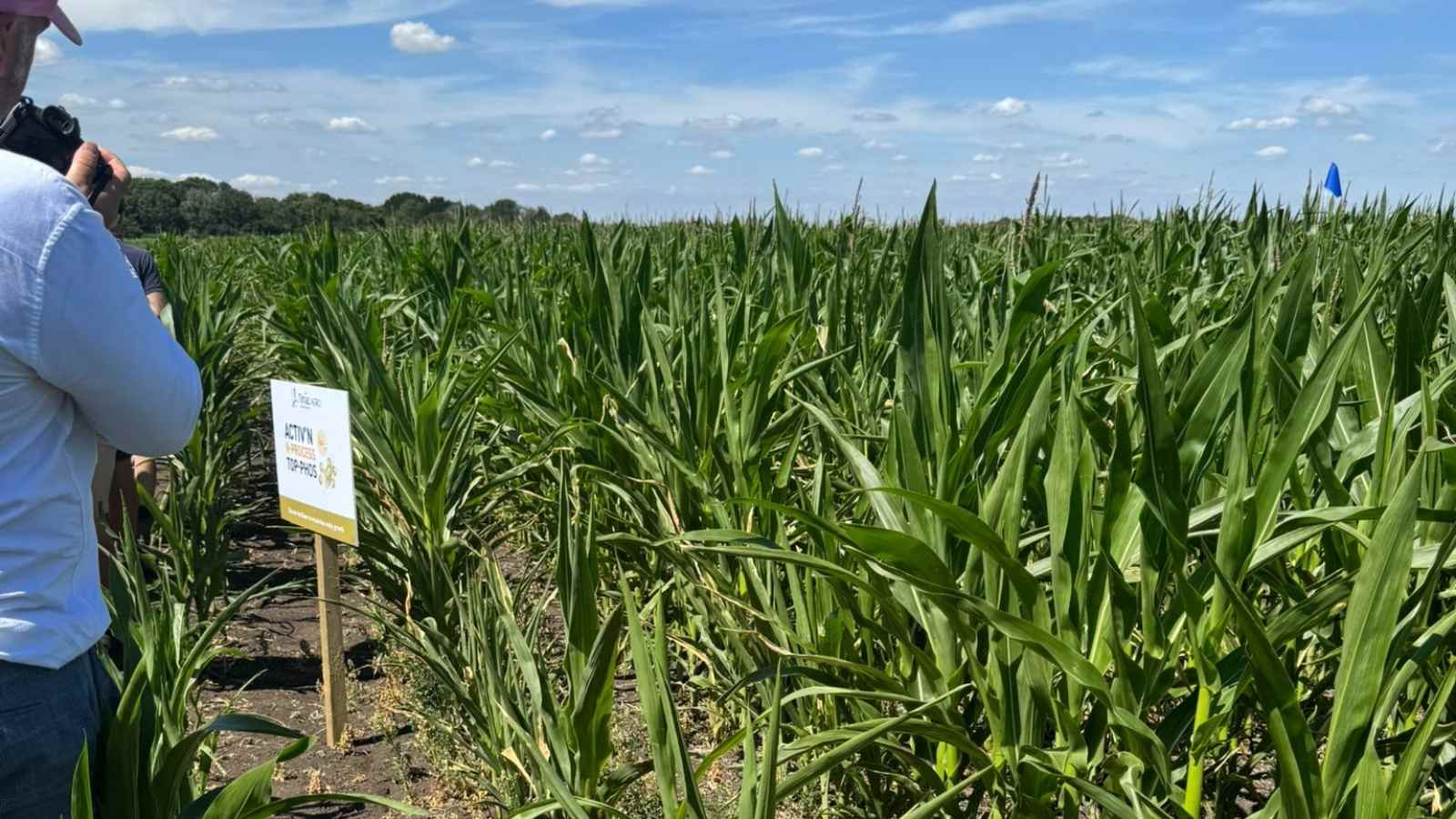


 Rothamsted Research


 HGF Limited



 Legume Technology



 Hutchinsons





 B-hive Innovations Ltd