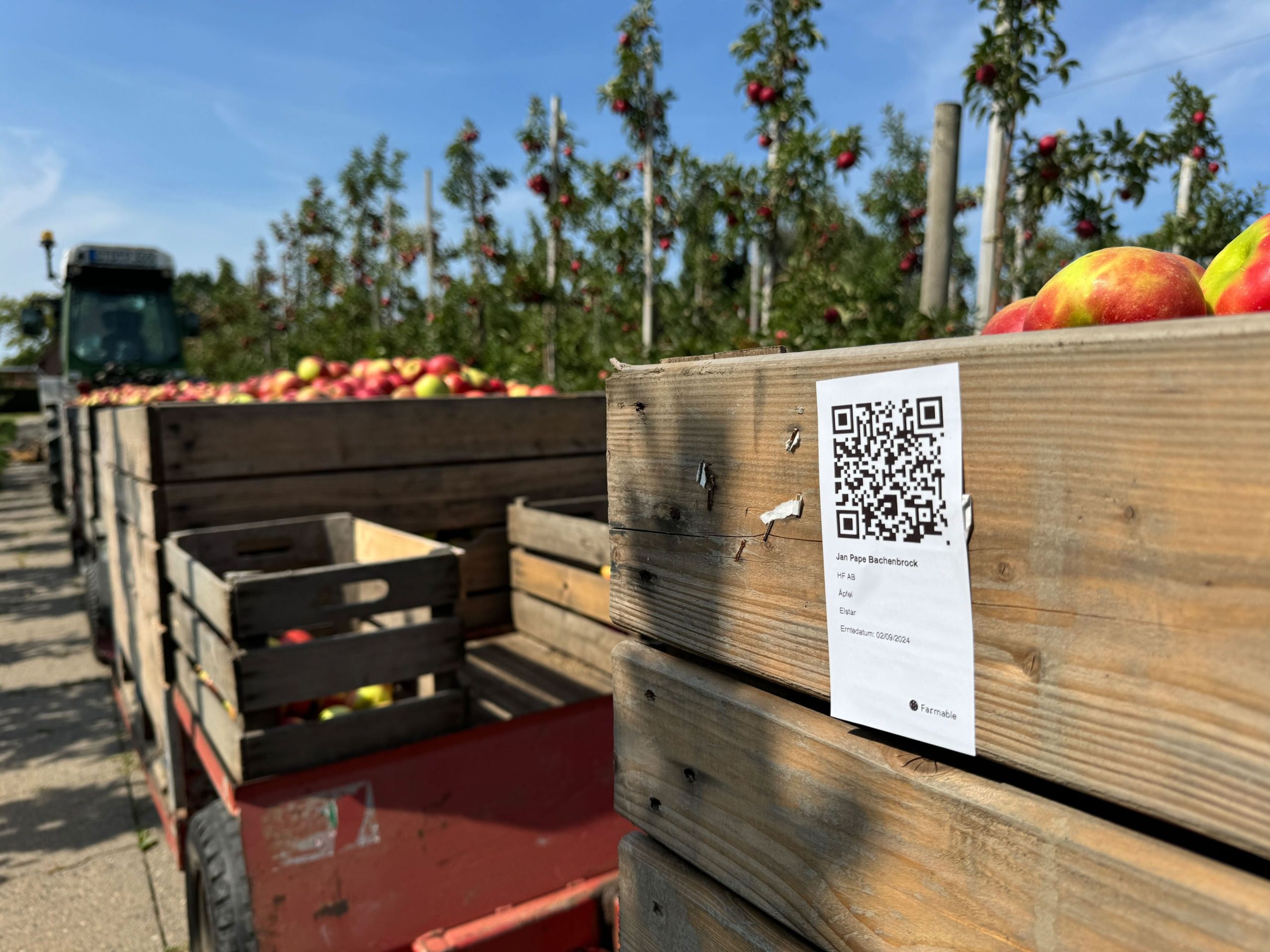
Patenting, Trademarks, Copyright, Trade Secrets...
In the next installment of our micro-learning series, we’ll explore potential legal solutions to help you keep your ideas safe and sound.

Lacuna Space Boosts Rural Connectivity with New Satellites for Smart Farming

Member News
The views expressed in this Member News article are the author's own and do not necessarily represent those of Agri-TechE.

Bringing resilient, global IoT coverage to the most remote farms, fields, and infrastructure

Lacuna Space, a leader in low-power satellite connectivity successfully launched two new satellites aboard SpaceX’s Transporter-14 mission in June 2025. These new additions to the Lacuna satellite constellation are designed to significantly enhance Internet of Things (IoT) coverage for agricultural applications—especially in regions with limited or no traditional connectivity.

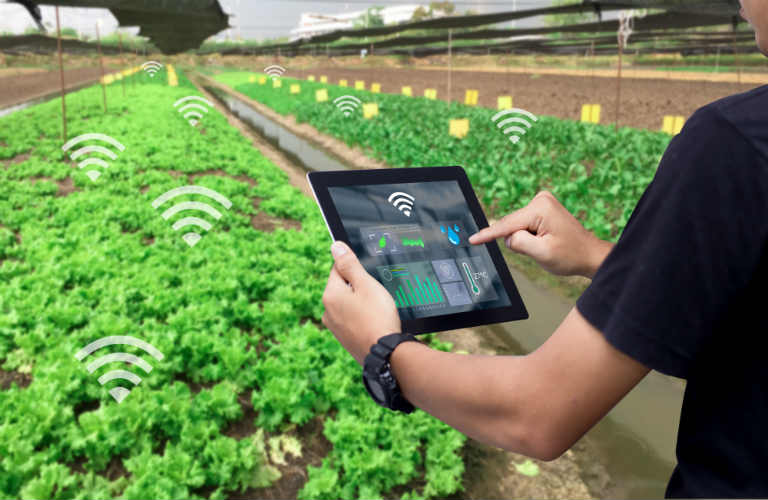
From soil moisture sensors to grain silo monitoring, the agricultural sector is increasingly reliant on data to deliver efficiencies, grow profits, reduce inputs and meet sustainability targets. However, rural and remote locations often suffer from patchy or nonexistent mobile or broadband coverage, limiting the adoption of precision farming technologies. Lacuna’s satellite-enabled network changes that.

Connecting What’s Been Out of Reach

The newly deployed satellites enable ultra-low-power IoT devices to transmit small amounts of data from anywhere in the world—without the need for cellular infrastructure or expensive, power-hungry satellite terminals.

This advancement opens the door to a wide range of use cases in agriculture, including:

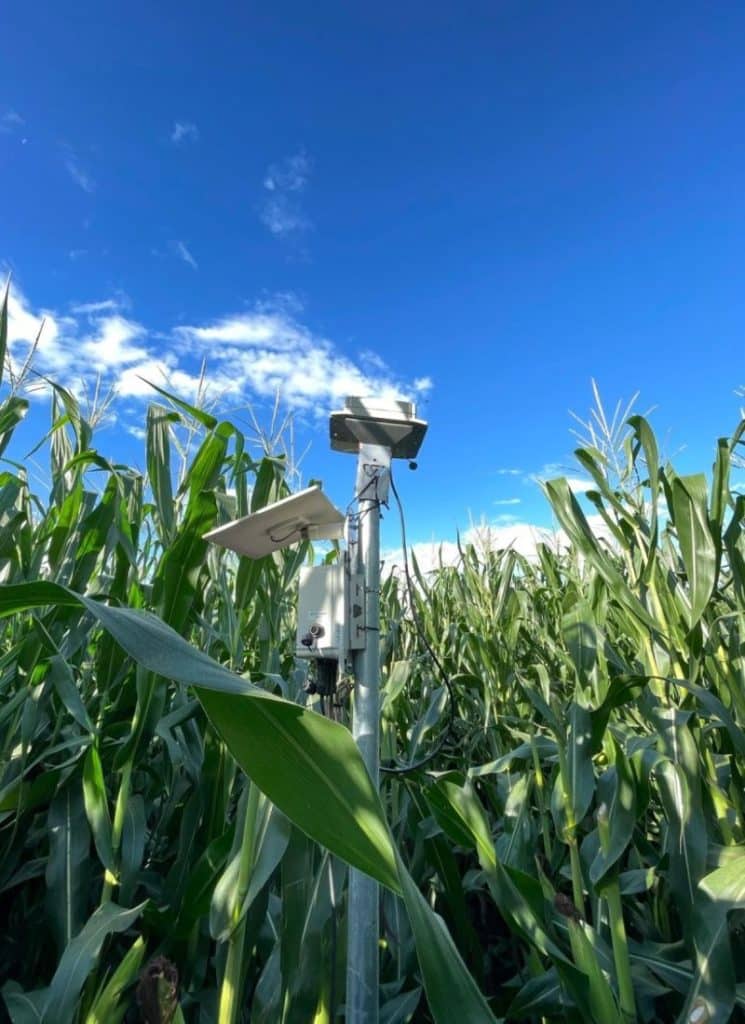
  • Soil moisture monitoring for smarter irrigation scheduling

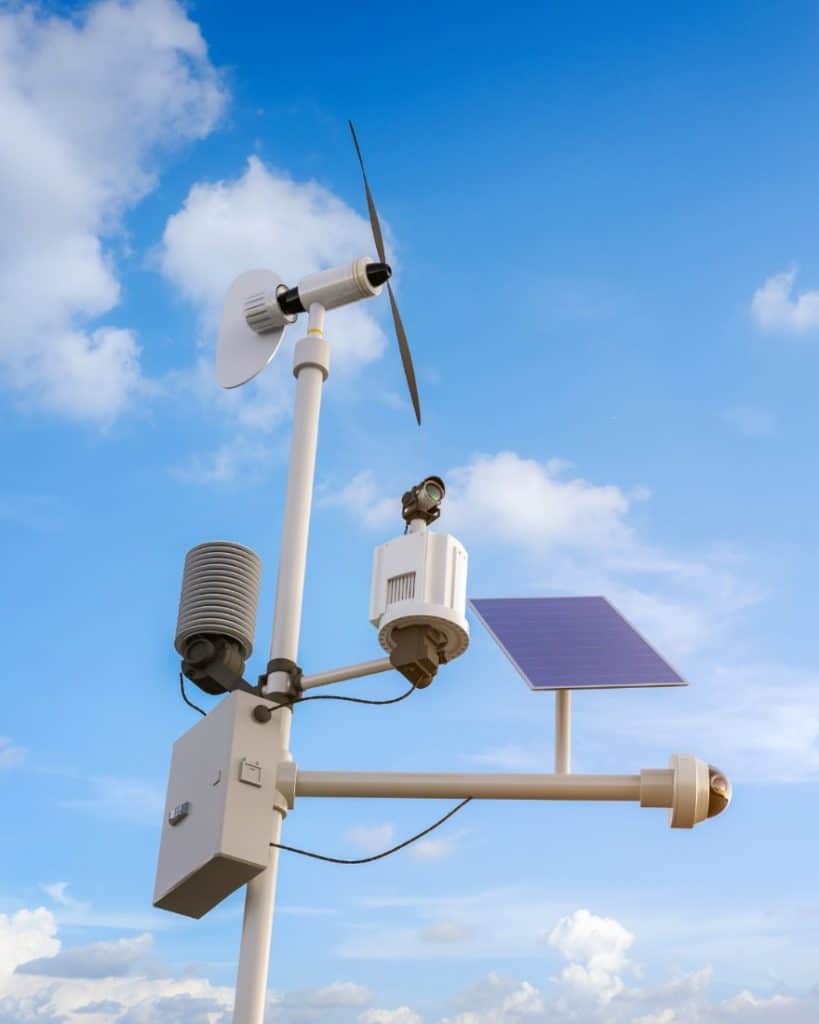
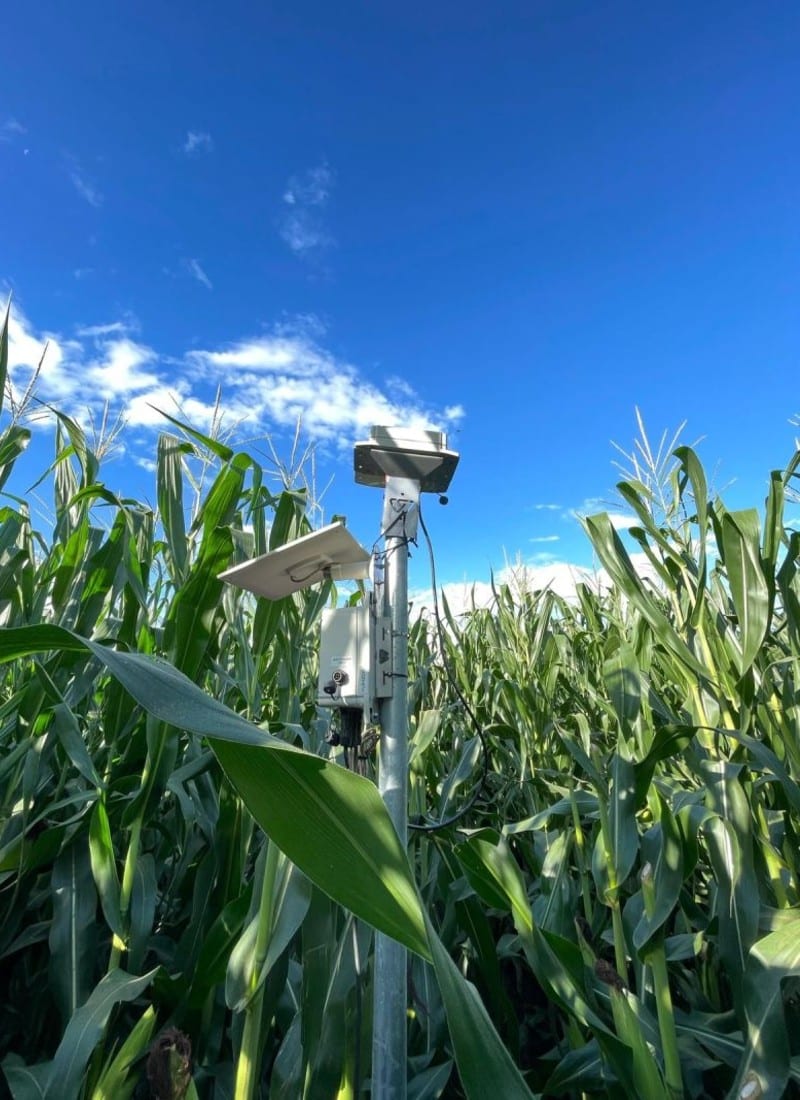
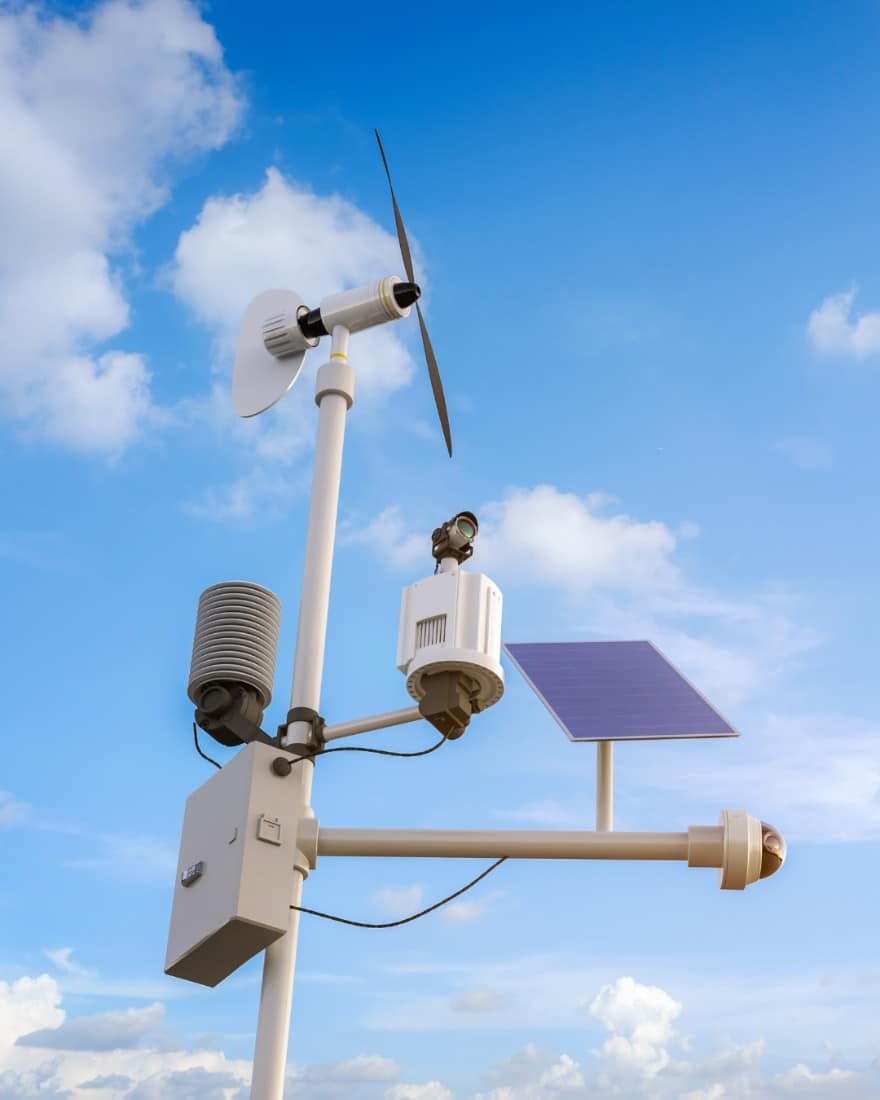
  • Remote weather stations for hyper-local forecasting

  • Tank and trough level monitoring for water management

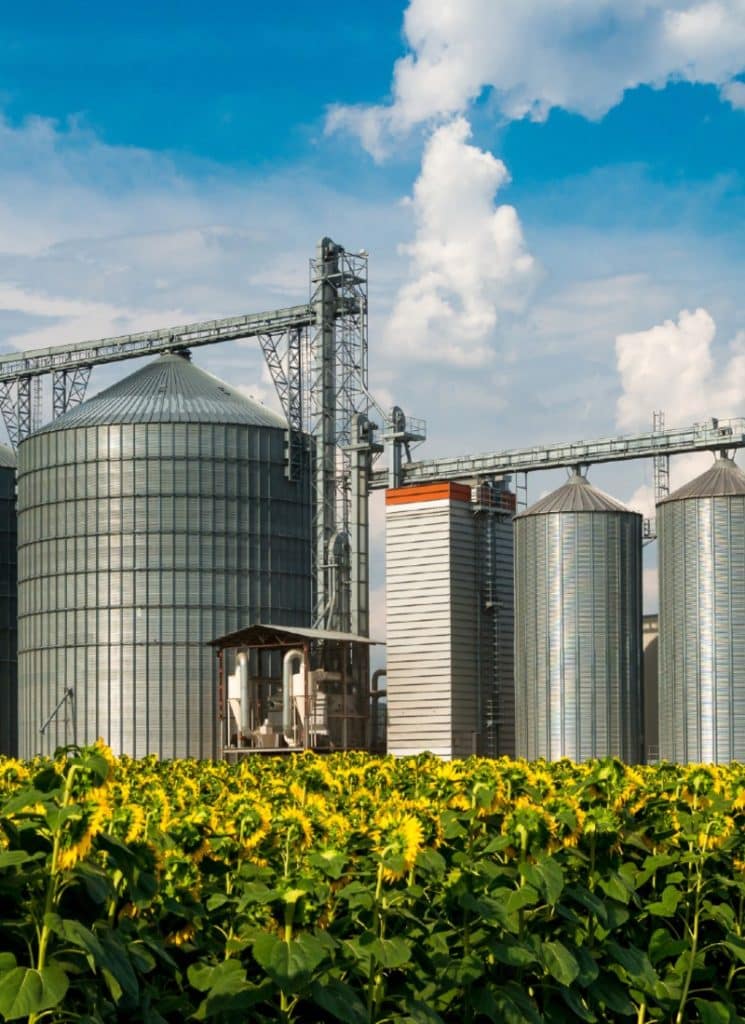
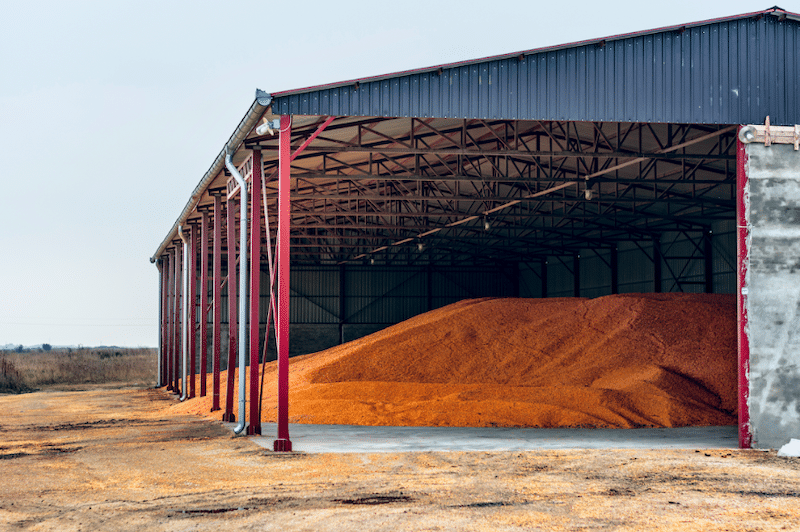
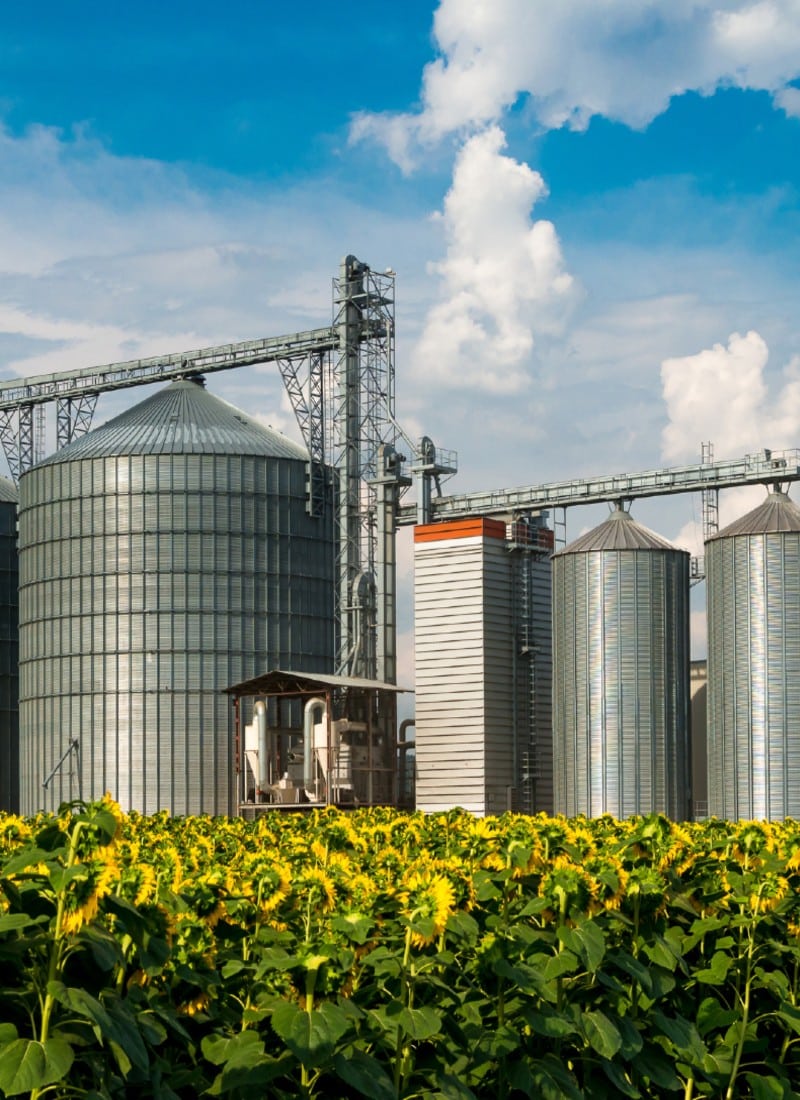
  • Grain storage telemetry to prevent spoilage and loss

  • Fence line security and livestock movement detection

  • Agri-environmental compliance data collection in hard-to-reach areas

A Simple, Affordable Approach to Global Connectivity

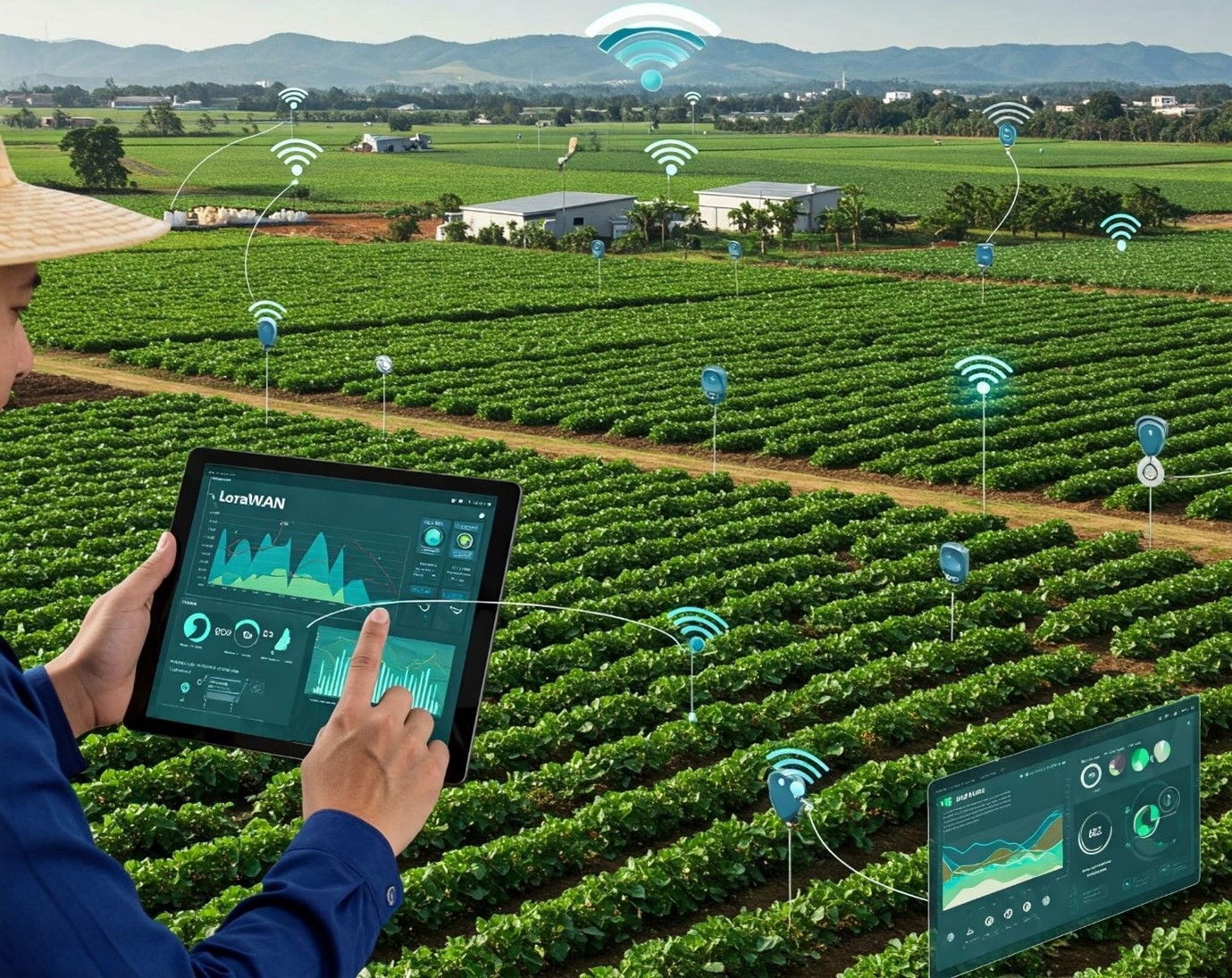
Lacuna’s system works with off-the-shelf LoRaWAN® sensors and transmits data via the company’s satellite network back to the cloud. This means farmers and agronomists can continue using familiar sensor platforms with no need for major infrastructure investment.

Importantly, Lacuna’s network is designed for low power and long battery life, making it especially well-suited for remote deployments with minimal maintenance.

Bridging the Digital Divide in Agriculture

“Connectivity shouldn’t be a barrier to innovation in farming,” says Rob Spurrett, CEO of Lacuna Space. “With these new satellites in orbit, we’re bringing reliable, affordable IoT coverage to even the most isolated agricultural sites. This is a step-change for smart farming, enabling better decision-making, more efficient resource use, and higher yields—anywhere on Earth.”

Want to See It in Action?

Lacuna is actively working with partners across the agri-tech sector to trial and deploy real-world use cases. If you’re a sensor developer, agri-tech provider, or farmer interested in deploying satellite-connected IoT solutions, we want to hear from you.


For more information, visit www.lacuna.space or contact us to explore how Lacuna’s technology can help your agricultural business thrive—no matter how remote.

Food standards or economic growth? A very British trade-off

Member News
The views expressed in this Member News article are the author's own and do not necessarily represent those of Agri-TechE.

Recent months have been busy for Prime Minister Keir Starmer, having secured trade agreements with the EU, USA and India which promise to rewrite the future of the food and agriculture sectors. With these agreements having largely been welcomed by the UK food industry, attentions will now turn to ensuring the UK remains firm in a turbulent geopolitical environment to uphold future protection of UK food production.

UK-US

Among the most headline-worthy agreements is the revised trade policy for the beef and bioethanol sectors between the USA and UK. The Prime Minister allayed tariff concerns and secured reciprocal access to US beef markets, permitting British farmers to export up to 13,000 metric tonnes of beef per year. In return, the 20% tariff on US beef imports has been removed, as have tariffs on US ethanol and bioethanol.

The government has assured the food industry that closer ties to the US market will not be to the detriment of UK food standards. Concerns over chlorinated or hormone-treated meat, which is legal in the US but banned in the UK, have frequently been raised by British farmers and consumers. Defra secretary, Steve Reed, clarified that British standards will be upheld and agricultural food imports must still adhere to UK standards. The UK has previously come under pressure from the USA to dilute these standards.

While the UK appears firm in its resolve this time around, some in the sector are concerned that competition with cheaper and lower quality international products might push British farmers out of the market and force the government to revise its standards. The National Farmer’s Union has expressed concern that US beef might undercut British beef as it is often cheaper, making it an attractive product to hospitality and catering groups but putting British meat at risk. The food sector should be vocal about holding the government to account on food safety and standards, and promoting British products, in order to insulate the sector from potential risks.

While the agreement presents a series of opportunities for British farmers to capitalise from profitable US beef markets, the industry must closely monitor the UK’s dedication to strict food standards.

UK-India

The UK has signalled its interest in forging closer economic ties with India, with the IMF predicting it to be the third largest economy by 2030. The UK-India Free Trade Agreement commits India to reduce tariffs on 90% of UK exports, with the UK in return scrapping tariffs on 99% of Indian exports. Similarly to the US agreement, it is hoped that this will reap long-term benefits for British farmers.

Lamb exports to India, which had previously been subject to a 33% import duty will now face no cost, increasing British competition in Indian markets. Other UK goods including chocolate, salmon and cod will also be tariff free, and alcohol including whisky and gin will see their tariffs halved to 75%.

Following the deal, the government has confirmed that British food standards will be upheld. However, Indian use of pesticides has been raised by farming and environmental groups who have suggested this could cause risk to UK consumers. The Pesticide Action Network has labelled the deal a ‘toxic trade’, given the higher number of highly hazardous pesticides that India permits on its produce. As concerns have been mounting following both the India and USA agreement, businesses operating in the food and farming sector should consider how they best communicate their concerns to government.

UK-EU

Rounding off a busy month of trade negotiations was the agreement with the EU. A natural ally on the importance of high food standards, the EU deal was a slightly simpler process given there was no pressure to dilute the UK’s position on food and welfare standards. The deal removes some routine checks on animal and plant products, easing the flow. Additionally, the deal enables raw meat including burgers and sausages to be sold back to the EU for the first time following Brexit under new sanitary and phytosanitary (SPS) agreements.


While the trio of trade agreements will significantly broaden opportunities for British farmers and help boost UK competition, many fear they will ultimately dilute the government’s commitment to food and welfare standards. The government has signalled that it is not willing to jeopardise its commitment to health and food standards – yet. However, food and farming businesses must remain alert to the threat that cheaper overseas products can have on British markets and the potential for costs to be saved through lower food safety regulations.

Despite the government’s commitment to “Back British” produce so that 50% of food supplied in catering contracts comes from British farms, it is essential that Defra is held to account on this. Keeping on top of government policy and actively communicating the importance of food standards to policymakers will be key to protecting British food.

  • *I have permission from the copyright holder to publish this content and images.
The government’s Industrial Strategy: Agri-tech on the frontier

Member News
The views expressed in this Member News article are the author's own and do not necessarily represent those of Agri-TechE.

Today, the government has published its long awaited 10-year, multibillion-pound industrial strategy. It outlines how the government will progress priority sectors identified by ministers, create jobs and drive long-term economic growth. It is s good news for agri-tech businesses and startups as the sector is identified as a frontier industry.

In its strategy, the government identifies agri-tech as a vital emerging market in the advanced manufacturing sector. The UK agri-food chain contributes £147 billion in Gross Value Added (GVA) and the number of UK agri-tech startups has increased 40-fold in the last decade. The agri-tech market is expected to grow even more rapidly, with increasing global demand for technologies that support economic resilience in agriculture. The agri-tech sector is vital to improving agricultural productivity and sustainability, and ministers want the UK to be at the forefront of innovation.

In its plan for the agri-tech industry, the government has flagged that it is particularly interested in businesses that are seeking to develop net zero solutions and address food security challenges. It will support UK agri-tech to target precision technologies that champion the application of controlled environments, robotics and automation, advanced sensors, AI and data systems, in both domestic and global markets. Precision agri-tech will also benefit from, and accelerate growth in, the application of engineering biology to agriculture.

The government has outlined its vision for the sector, wanting to reduce dependency on public investment by crowding in at least £50 million in private investment by 2029, leading to a strong cohort of profitable businesses in the space. It also wants to see a significant increase in the application of automation to resolve challenges around seasonal labour. By the end of the next decade, it hopes to see the sector turnover at least £20 billion by 2035.

The roadmap for growth

For UK agri-tech, the publication of the industrial strategy introduces several distinct interventions that ministers hope will boost investment and growth in the sector. First, at least £200m has been allocated to the Farming Innovation Programme up to 2030, providing dedicated and targeted funding to drive innovation in agriculture. Second, the government will set up an agri-tech export accelerator programme to match high-growth businesses with the most promising global markets and upskill these companies to build resilient supply chains. The programme will focus on priority markets with UK companies pitching collaboratively to deliver agri-tech solutions in new markets. Finally, to encourage the wider agricultural sector to adopt new technology at pace, programmes such as the ADOPT fund will be expanded to enable agri-tech SMEs to work with farmers to trial new technologies and practices. These grants will provide critical evidence of operational feasibility and return on investment, so farmers have the confidence to invest in new technology on farms.

The Industrial Strategy 2025 and the sector plan for advanced manufacturing places agri-tech at the heart of the government’s plans for future economic growth. Doing so signals how the government perceives the potential of agri-tech solutions to boost the productivity and resilience of the agricultural sector, as well as resolve the biggest challenges of the coming decade such as food security and climate resilience. To work with the sector to deliver these goals, the Agricultural Productivity Group has been set up to support the industry to accelerate agri-tech adoption. Businesses in the space should keep a close eye out for the publication of the farming roadmap and the land use framework later this year, which will set out further plans for the food and agriculture systems. There is no doubt, however, that with cutting-edge research, innovative startups, and strong government support, policymakers are positioning the UK as a world leader on the agri-tech frontier.

  • *I have permission from the copyright holder to publish this content and images.
How ActivatedAir® is 80 Acres Farms’ Secret Weapon

Member News
The views expressed in this Member News article are the author's own and do not necessarily represent those of Agri-TechE.

ActivatedAir® is being used by some of the largest growers in the world, and it doesn’t get much bigger than 80 Acres Farms.

They discovered ActivatedAir® at an industry exhibition. After thoroughly examining the science behind cold plasma, 80 Acres began a free trial, producing remarkable results.

It unlocked incredible outcomes for their business. Higher and more consistent seed germination delivers crops that achieve their target specification quicker, maximising their growing space.

See for yourself

Megan Gambrill, 80 Acres Farms senior manager of growing, explains how they began trialling ActivatedAir® and the results they saw on the crops they tried. She also discusses how ActivatedAir® seed priming is practically incorporated into their growing process.

How does 80 Acres maximise its output from its facility?

Noah Zelkind, 80 Acres head of operations, explains the role getting their crops off to the best start with ActivatedAir® plays in increasing output using the same growing space.

Read the full case study

To read the full blog, or follow along with other case studies, head to www.zayndu.com.

Full case study: https://zayndu.com/case-study/80-acres-farms/

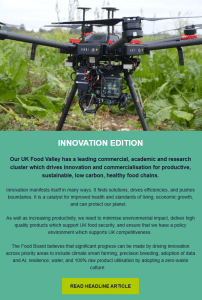
May’s UK Food Valley News Bulletin – Innovation Edition

Member News
The views expressed in this Member News article are the author's own and do not necessarily represent those of Agri-TechE.

See our latest UK Food Valley News Bulletin, this time with an Innovation focus.

  • *I have permission from the copyright holder to publish this content and images.
Patent Alternatives: When to Consider a Utility Model

Member News
The views expressed in this Member News article are the author's own and do not necessarily represent those of Agri-TechE.

Most people in the UK are familiar with 2 ways of protecting their ideas: either through a Patent to protect how something works or through a Registered Design to protect the look of an object.

In many countries of Europe, Asia, and South America there is a third form of protection available which should be considered.  Known variously as a utility model or petty patent, protection is provided for inventions which may not reach the level of ‘inventiveness’ needed for the more usual patent, but which nevertheless include an innovation.  Also, the time between filing the application and grant is typically far less than for a conventional patent, resulting fairly quickly in a valid and enforceable right.

There are several reasons why you might think about filing a utility model application.  First, you are provided with a route to protect more incremental improvements in an invention which might not be independently patentable.  Such improvements are often made some time after the original patent for the broader invention has been filed and so allow for the overall scope of protection at your disposal to be expanded.

Second, the usual patent system sets a cut-off point of 12 months from an initial filing, in which to maintain patent rights outside the initial filing jurisdiction – typically the UK for our clients.  Should you wish to have rights outside the chosen countries, once this period has passed then this is usually not possible.  The utility model however allows rights to be obtained in countries not on the original list: albeit with the additional improvement.

To obtain the rights, then a description of the invention, including drawings, needs to be filed.  This is then examined by the relevant Patent Office, but again, the examination process is not as rigorous as that for a conventional patent and is sometimes directed only to formal matters.

Need Advice on Utility Models or IP Strategy?

If you’re considering using a utility model to protect your innovation, or want to explore how it fits into your wider IP strategy, get in touch with our team. We’d be happy to discuss your options and help you find the right approach for your business.

Written by Paul Harrison for ip21

  • *I have permission from the copyright holder to publish this content and images.

Paul-Tech Launches Soil Data Forecasting Service

Member News
The views expressed in this Member News article are the author's own and do not necessarily represent those of Agri-TechE.

Precision agriculture company Paul-Tech has launched a new soil data forecasting service that enables farmers to plan fieldwork and respond to changing conditions up to five days in advance. The new feature is based on real-time long-term data collected by Paul-Tech’s soil stations and high-quality weather models.

“Our soil stations have been collecting real-time data since 2019, covering a wide range of growing seasons. Thanks to this, Paul-Tech has one of the most comprehensive agricultural soil process datasets available,” explained Eve Plakk, Product Owner at Paul-Tech.

“Over the years, farmers have frequently asked whether it would be possible to see ahead into future soil conditions. Now we can finally say—it is.”

Paul-Tech’s soil stations have already helped farmers assess crop health by monitoring what’s happening underground. For example, if drought stress is detected in the soil, the crop won’t feel the impact until days later. With the new forecasting service, farmers now gain valuable lead time to act before these changes are visible in the field.

The new forecasting feature is available to all existing Paul-Tech soil station users. It is powered by AI-driven models that combine real-time soil data, historic seasonal information, and trusted weather forecasts. Forecasted indicators include current and five-day rainfall predictions, five-day soil water dynamics, and temperature forecasts for both soil and air (average, maximum, and minimum). The service also provides predictions for volumetric soil moisture and relative humidity.

Although Paul-Tech’s stations do not include a built-in rain gauge, the system integrates reliable rainfall data and forecasts from premium-quality weather models—effectively adding a virtual weather station to the Paul-Tech ecosystem.

“Our core principle has always been simple: what happens in the soil will eventually be seen in the crop,” added Eve Plakk. “With this forecasting service, farmers can now anticipate those changes and respond in advance.”

“We’ve significantly advanced our product in recent years,” said Mikk Plakk, CEO and Co-Founder of Paul-Tech. “Our goal is to offer farmers more accurate tools to support informed decision-making. We recently launched the world’s first real-time nitrate nitrogen monitoring capability, and now we’re taking it a step further with soil data forecasting. These innovations are changing the way agriculture is approached.”

This new forecasting service is now available as an added feature through the Paul-Tech system for all customers from spring 2025.

About Paul-Tech

Paul-Tech is a science-driven agriculture platform that empowers farmers to make more precise decisions using real-time soil data. The company’s soil sensors are built upon generations of research and allow users to track fertiliser effectiveness and various soil processes. Since its founding in 2019, Paul-Tech has operated in Estonia, Finland, and Sweden, and expanded to the UK and Lithuania in 2024.

  • *I have permission from the copyright holder to publish this content and images.

Drone Ag are live on Crowdcube

Member News
The views expressed in this Member News article are the author's own and do not necessarily represent those of Agri-TechE.

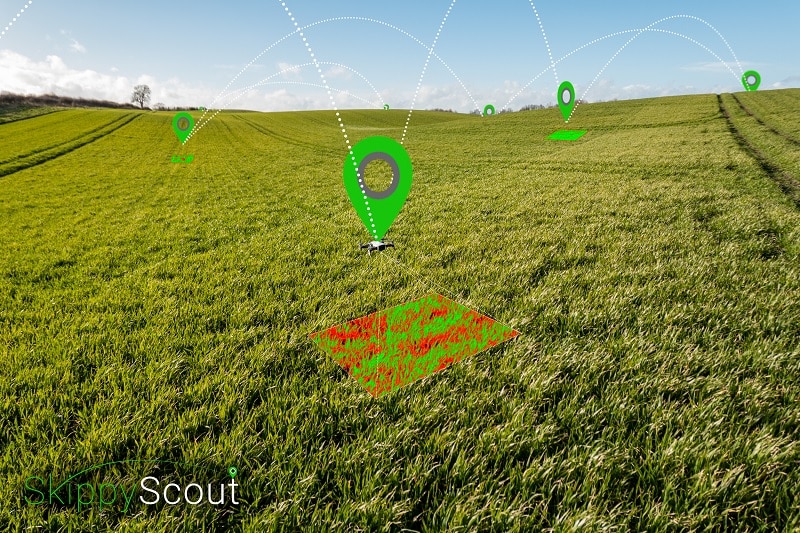
Drone Ag technology is enhancing efficiency and profitability for agriculture globally. Their drone AI technology allows for automated data collection and real-time analysis, helping agri companies manage resources more effectively and enabling environmentally responsible practices.

We’re live on Crowdcube – and we’ve already raised over £300,000 in less than 48 hours!

It’s been 3 years since our last public crowdfund. Since then, we’ve been busy developing simple, effective drone tech that’s transforming agriculture – and now, you can join us on the next stage of our journey.

👉 Invest now and help shape the future of farming.

Highlights

  • Raised over £2m since 2019 & won over £750k Innovate UK grants invested in IP development.
  • Started rollout to 4 R&D sites in Europe for Syngenta.
  • Over 5,000 flights made with Skippy Scout in 2024 across the globe.
  • Agrii holds a 4% equity stake in the company as a strategic investment.

More information here

Capital at risk.
Don’t invest unless you’re prepared to lose all the money you invest. This is a high-risk investment and you are unlikely to be protected if something goes wrong.

Precision Breeding Legislation for Plants Passed – What This Means for Agri-Tech 

Member News
The views expressed in this Member News article are the author's own and do not necessarily represent those of Agri-TechE.

The recent passing of secondary legislation to implement the Genetic Technology (Precision Breeding) Act for plants in England marks a milestone moment for UK agriculture. England is now aligned with countries like the United States, Canada, Japan, Brazil, and India, which have already approved gene-edited plant varieties such as high-GABA tomatoes, drought-tolerant rice, and herbicide-resistant soybeans.  

As GMO regulation is a devolved matter, legislative harmony across UK nations has not yet been achieved. Currently, this is an England only Act, meaning that it has provided a new category for precision bred organisms to be authorised in England. In Wales, Scotland and Northern Ireland, these organisms will remain classified as genetically modified organisms. 

The legislation unlocks a regulatory pathway for gene-edited crops to be developed and commercialised under a domestic framework. This distinguishes them from genetically modified organisms (GMOs) and enables innovations that would have previously been stalled. This shift marks a significant step in the England’s agricultural policy, positioning it as a leader in precision breeding innovation. 

But what does this mean for the wider agri-tech sector? And where do livestock and aquaculture — also covered in the Precision Breeding Act — stand in comparison? 


A Step Forward for Plant Breeding 

This new legislation gives clarity and confidence to plant breeders working with traits that would traditionally be enhanced through traditional breeding, but now with more speed and precision through gene editing. We expect the initial wave of activity to focus on traits that improve: 

  • Disease resistance 
  • Climate resilience (e.g. drought or heat tolerance) 
  • Nutritional value 
  • Input efficiency (e.g. reduced fertiliser or pesticide use) 

For producers, it could mean access to varieties that are resilient to changing environmental conditions or that provide for consumer preferences — crucial in a sector under mounting pressure to deliver more with less. We’re also seeing development of cross-functional GE crops like high-lipid barley, which has been linked to reduced methane emissions in livestock.  


The Science Is Ready – But Is the System? 

We now have the scientific tools to introduce targeted, subtle genetic changes — changes that could have arisen naturally over time — with a precision unimaginable even a decade ago. In livestock, we’ve already seen examples like PRRS-resistant pigs or polled (hornless) cattle where gene editing can deliver clear welfare and production benefits. 

But having the tools is not the same as having a system ready to use them. For gene editing to fulfil its potential in either plants or animals, science must be backed by: 

  • Aligned legislation and trade frameworks 
  • Trust-building across the supply chain and with the public 
  • Robust monitoring, decision-making, and governance systems 

England has taken a bold step forward with plants, but the needs of the wider system that have been outlined above — particularly in animals — still require development. The regulatory path for livestock is still incomplete, and international divergence (including within the UK) poses barriers for deployment and trade. 


What About Animals? 

While the Act also applies to livestock and aquaculture, no secondary legislation has yet been implemented for animals — and this creates both opportunity and uncertainty. 

As highlighted in the Harnessing Genetic Tools report developed by AbacusBio for the UK Agri-tech Centres and the Roslin Institute, animal gene editing has the potential to: 

  • Eradicate or reduce major diseases (e.g. PRRS in pigs) 
  • Improve animal welfare (e.g. hornless cattle, heat tolerance) 
  • Accelerate genetic gain while maintaining the integrity of the animal 

However, the path to commercial use is less clear. Animal editing faces higher regulatory, ethical, and social hurdles, especially around welfare monitoring, ethics, environmental risk, and public acceptance. Cross-border trade challenges also remain a barrier. 


Shared Opportunities, Shared Challenges 

Whether in plants or animals, gene editing is not about “playing God” — it’s about accelerating changes that could happen naturally, but in a more targeted, predictable way. In both cases, the key considerations are similar: 

  • Do we have clear breeding goals tied to sustainability and resilience? 
  • Are systems in place for monitoring intended and unintended effects? 
  • Can we align regulation, public trust, and commercial demand? 

The lessons from plant roll-out will be instructive. If well-governed and communicated, early plant successes could help pave the way for animal applications. 


What We’re Advising Clients 

At AbacusBio, we’re working closely with clients across the value chain — from breeders and producers to policy and research partners — to help them prepare. Our advice is: 

  1. Start building capability now. Even if deployment is still down the road for animals, the foundations — genomic infrastructure, breeding goal refinement, and public engagement — are best laid early.
  2. Think system-wide. Gene editing is one tool among many — it will be most powerful when combined with other technologies like genomic selection, Artificial Intelligence in breeding decisions, and sustainability benchmarking. 
  3. Consider the long-term implication. It takes a substantial amount of R&D to get a precision breeding idea from concept to commercialisation. A robust and informative framework that assesses candidate gene edits for potential progression from research, proof of concept, integration into breeding and variety development programs, through to commercialisation is essential.
  4. Stay engaged and vocal. The plant sector is showing what’s possible when policy moves. Animal sector voices — including from producers and scientists — will be essential to ensure the next phase of legislation reflects both opportunity and practicality. 


Looking Ahead 

The passage of secondary legislation for plants is cause for optimism. It shows that England is willing to lead with science, while also demanding responsible innovation. The challenge now is to extend that clarity and capability across the whole of agriculture — plant and animal alike — and ensure we harness the best of genetic technology for a more sustainable future. 


Budgets down, capital funding up: Navigating Defra’s spending squeeze

Member News
The views expressed in this Member News article are the author's own and do not necessarily represent those of Agri-TechE.

The Department for Environment, Food and Rural Affairs (Defra) is one of the losers of the government’s spending review that sets departmental budgets up to 2028-29. This will only add to the frustrations of rural communities and a sector that feels likes it has already born the brunt of Labour’s early policymaking decisions. The spending review was an opportunity for the government to repair its relationship with the sector after the damage of the 2024 autumn budget with the changes to Agriculture Property Relief, as well as the early closure of the Sustainable Farming Initiative. Defra’s budget will undergo a real terms decrease of 0.7 per cent from 2023-24 to 2028-29. This means that departmental spending will flatline in cash terms at roughly £7.5bn. Sector stakeholders have cautiously welcomed Defra settlement having feared that cuts to spending could’ve been far worse.

However, reflecting the Chancellor’s decision to tweak and omit capital spending from her fiscal rules, there is a small win for Defra. Over the course of this parliament, capital spending will significantly increase. Defra is set to receive £16 billion of capital funding from now until 2029-30, equivalent to an annual average real terms growth rate of 2.5%. The challenge for Defra ministers will be deploying this funding effectively to deliver on their ambitions for food, farming and the environment.

The government’s spending review documents set out how some of this funding will be spent:

  • £2.7 billion per year in sustainable farming and nature recovery from 2026‑27 until 2028‑29.
  • £2.3 billion through the Farming and Countryside Programme and up to £400 million from additional nature schemes.
  • Increasing support for nature-friendly farming through Environmental Land Management schemes from £800 million in 2023-24 to £2 billion by 2028‑29.

Beyond the allocations detailed in the review, attention will now turn to how the remainder of the Defra spending envelope will be portioned out and likely through the upcoming policy documents that the sector is eagerly awaiting. From a National Food Strategy to the review into farming profitability and the revised Land Use Framework, Defra ministers need to navigate competing sector demands – an exercise that will almost certainly involve trade-offs. While Defra ministers keep reiterating that ‘food security is national security’, it still feels as though the dots have not yet been fully connected. Securing the nation’s food supply means boosting domestic production, reducing a reliance on overseas imports and accomplished through supporting the long-term viability of farming and innovative agricultural solutions and technologies.

Now is an opportunity to engage and a lot is up for grabs. Businesses and investors should use this window to advocate for their priorities and influence policy development at both a ministerial and government official level.

If you’d like to discuss this in more detail, including how GK Strategy can support you with government relations and communication, please contact James Allan.

  • *I have permission from the copyright holder to publish this content and images.

AutoSpray Systems Granted UK’s First-Ever Trial Permit for Aerial Biocide Application by Drone

Member News
The views expressed in this Member News article are the author's own and do not necessarily represent those of Agri-TechE.

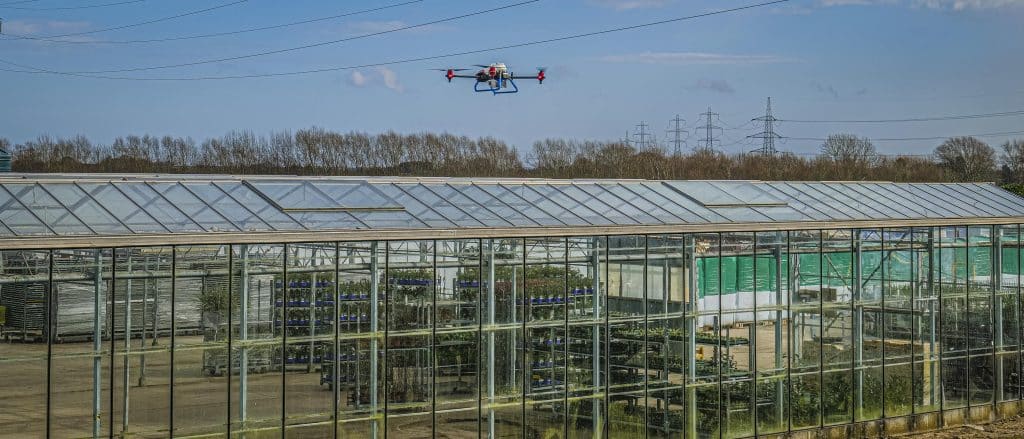
Landmark Health and Safety Executive (HSE) permit, delivered in partnership with Certis Belchim, paves the way for a revolutionary new method to clean glasshouses and boost crop performance.

Stoke-On-Trent, UK – June 11, 2025– AutoSpray Systems, leaders in the UK’s agri-drone revolution, today confirmed they have been awarded the first-ever UK trial permit by the Health and Safety Executive (HSE) for the aerial application of a biocide.

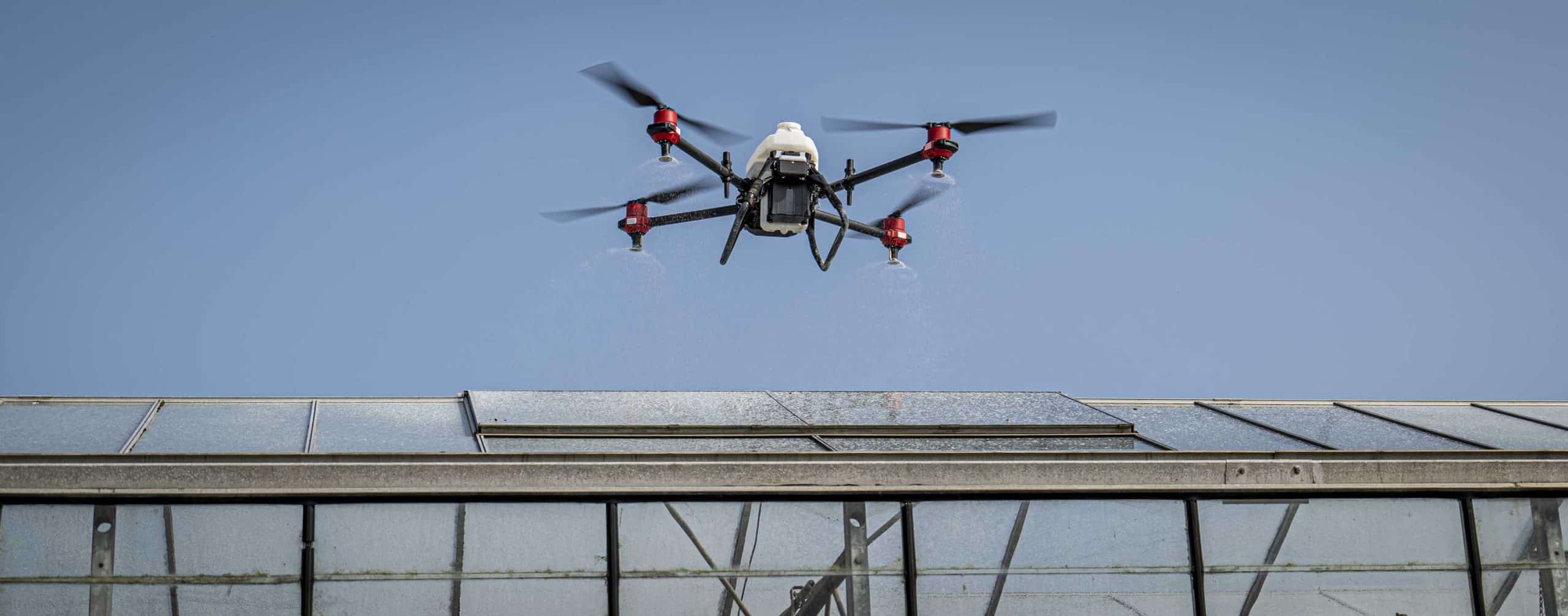
This significant regulatory milestone, achieved in partnership with crop protection specialists Certis Belchim, covers the aerial drone application of an algaecide to tackle widespread algae build-up on glasshouse roofs. This represents the first step towards securing a full commercial authorisation for the practice.

Algal films on glass are a growing issue for the UK horticultural sector, caused by increasingly damp and mild weather conditions. The build-up significantly reduces light transmission, limiting crop performance and reducing energy efficiency in high-value protected cropping systems. Traditionally, cleaning these structures is labour-intensive, disruptive, and often impractical at scale.

Andy Sproson, Director at AutoSpray Systems, commented, ‘Securing this landmark permit from the HSE is a testament to our team’s hard work and our close, collaborative relationship with UK regulators. This isn’t just about cleaning glass; it’s about providing the horticulture sector with a powerful new tool to enhance productivity and operate more safely. We are proving that drone technology offers smarter, cleaner, and more efficient solutions to long-standing industry challenges, and we’re excited to be leading the charge towards full commercial approval.’

The aerial drone solution allows glasshouses to be treated quickly and safely without the need for scaffolding or access platforms. The application is precise, consistent, and repeatable, ensuring light levels can be rapidly restored to improve crop growth and uniformity.

This permit marks the beginning of a full regulatory pathway toward commercial approval. It is a transformative development for the UK horticultural sector, showcasing how drone technology can solve practical challenges with safer and smarter application methods.

About AutoSpray Systems: AutoSpray Systems is leading the agri-drone revolution in the UK. Its purpose is to revolutionise UK agriculture through the safe, smart, and sustainable use of autonomous drone technology.

About Certis Belchim: Certis Belchim is a leading crop protection company, offering a wide range of innovative and sustainable solutions for growers across Europe in both agriculture and horticulture.

Media Contact: Sam Edwards pr@autospraysystems.com 07907597840

  • *I have permission from the copyright holder to publish this content and images.

Greenstalk makes old farm machinery ‘smart’

Member News
The views expressed in this Member News article are the author's own and do not necessarily represent those of Agri-TechE.

A Norfolk software company is collaborating with farms to make the equipment they have used for decades digitally intelligent – increasing productivity and saving farmers from having to spend thousands of pounds on expensive new machinery.

Greenstalk, which is based in Loddon near Norwich, is working with farming businesses in Norfolk and Suffolk to revolutionise their existing machines – from weighbridges to production lines – so the output of multiple elements can be monitored and tracked on one software platform via a mobile device.

It was a chance conversation about a broken bird scarer that led to David Aarons, managing director of Greenstalk, working with the farming sector, having achieved a string of national and international awards for innovation and technology design during his career.

Ian Field, from Raveningham Estate farms in Norfolk said: “I was in the workshop fiddling around with an old gas gun bird scarer which was proving to be a challenge. Quite by chance David Aarons called in for a social visit and was very interested in what the problem was and, as always, he went away and came back with a host of ideas.”

What evolved from that meeting was a collaboration that has transformed elements of Raveningham’s business.

Greenstalk has worked with the farm’s managers to retro-fit monitors to a range of equipment including irrigation pumps and grain stores, enabling the Raveningham team to monitor power usage and efficiency via Greenstalk’s web-based software platform.

Farm manager Wayne Beales said: “Previously we were reliant on checking in person to see that everything was working correctly. With the monitors fitted, we now have access to all the information from those assets on one dashboard and we can see instantly if there’s a problem and deal with it.”

Ian Field said: “David and his team are very capable of turning an unsatisfactory situation into a viable success. They always ask ‘what do want it to do or be?’, rather than saying ‘this is what we have and this is what you need’.”

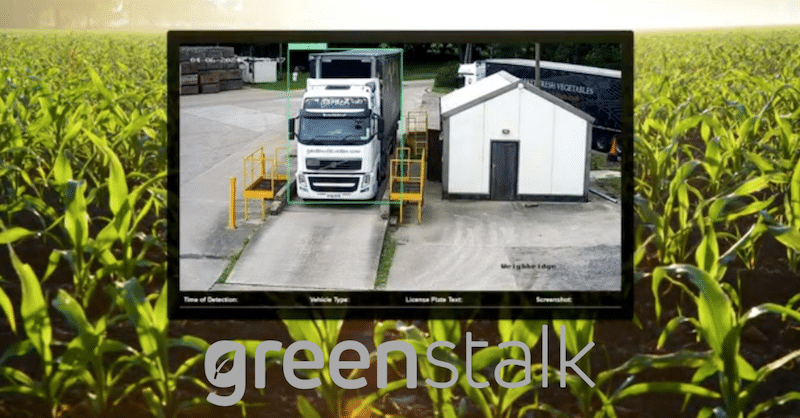
At Frederick Hiam’s farm at Brandon Fields in Suffolk, Greenstalk installed sensors to an old weighbridge which now photographs and records the details of vehicles arriving on site and analyses the weight, type and condition of the load. The system uses existing CCTV cameras with bespoke software that can also monitor the vehicle throughout its time on site.

Managing Director Jamie Lockhart said: “I had spoken to other companies about upgrading the weighbridge and they said we would need to buy a new one at a significant cost, but I knew David had clever ways of making machines talk to each other, so I shared what we wanted to achieve.

“We were having to do everything manually and no one knew what was on site until a ticket was delivered to the relevant person. Now we know, as soon as something arrives, what the load is and how much there is – and we haven’t had to spend a whole load of money on new cameras. We get instant recognition that it’s the right vehicle in the right place at the right time.”

Other innovations at Brandon Fields include digitally monitoring the power usage of production lines which removes the need to produce spreadsheets to analyse results, and creating a geofence around the farm’s fuel tanks to protect them from theft. CCTV cameras now trigger a recording 30 seconds before any vehicle enters or leaves the fuel area, preventing the need to review hours of footage if an incident occurs.

David Aarons said: “At Greenstalk, our vision has always been to build the solutions farmers need, from the ground up, by listening to their needs and adapting our technology to suit. Enabling devices, sensors and platforms to talk to each other helps farmers to manage their operations more efficiently, monitor crop health in real-time, and make data-driven decisions.

“Many people are nervous of investing in new technology, but this is different – it’s about making existing machinery smarter and more efficient and it’s something we can apply to so many applications, which is what makes it so exciting.”

Brandon Fields and Raveningham Estates both continue to work with Greenstalk to explore additional ways to introduce new technology to their businesses.

Jamie Lockhart said: “It’s great for us because we can develop the technology to be exactly how we want it to be and we can redeploy it on other machines to monitor other things, like the output from our packing machines, or the amount of rejected produce. It has been a breath of fresh air and the sort of thinking we want to engage with because, as an industry we are fed up with people selling us the dream and then we buy the reality, and the reality is somewhat disappointing. We are not in the dreams business.”

Greenstalk is a trading brand of Select Software, creating technology from the ground up.

  • *I have permission from the copyright holder to publish this content and images.