Patenting, Trademarks, Copyright, Trade Secrets...
In the next installment of our micro-learning series, we’ll explore potential legal solutions to help you keep your ideas safe and sound.

Creating an opportunity out of challenge – Defra chief scientific adviser to give a keynote at REAP

Meet the Network
Agri-TechE

Increasingly frequent ‘extreme’ events create a challenge but also an opportunity for agriculture if science can keep pace and answer the questions arising from farmers. The Agri-TechE REAP 2023 conference, ‘Adaptation through innovation; beyond the comfort zone’ provides a forum for accelerating innovation in agri-tech.

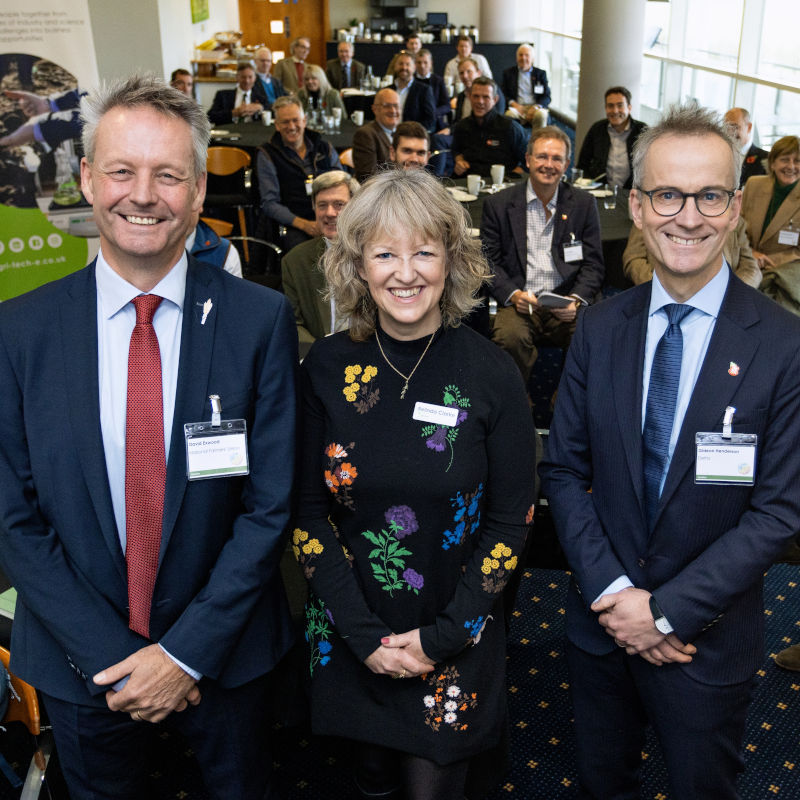
Professor Gideon Henderson, Defra Chief Scientific Adviser, and David Exwood, livestock farmer and NFU Vice President, are the keynote speakers and they will create a context for discussions in this highly interactive event, which also features emerging agri-tech and a start-up showcase.

Prof. Henderson will be framing the direction of travel for agricultural science and discussing the challenge of balancing net zero and biodiversity with food production.

Science and farming is a two-way conversation

Professor Gideon Henderson became Defra Chief Scientific Adviser in October 2019. In this capacity, he is responsible for ensuring that Defra’s policymaking and delivery is informed by the best possible science and innovation, across the full range of the Department’s environmental and agricultural responsibilities.

Henderson says: “I see it as a two-way conversation: science is offering new options and opportunities for farming, and farmers are asking new questions of science. The activities of organisations like Agri-TechE are very important in supporting this dialogue.

Henderson is also Professor of Earth Sciences at the University of Oxford. Before his appointment to Defra, his research looked at the viability of routes to remove carbon dioxide from the atmosphere and he led the Royal Society Report on Greenhouse Gas Removal (GGR), published in 2018.

Recommendations from the report included creating demonstration projects of land based GGR approaches, and developing techniques for monitoring and measurement that would enable verification and validation of the emerging approaches for GGR.

Gideon Henderson
Gideon Henderson

Need for science-based verification of environmental outcomes

Prof Henderson comments that such science-based verification of environmental outcomes are equally important across many areas of government agriculture and environmental policy.

“For example, in terms of soil carbon, we don’t currently have a broad enough range of measurement tools to assess soil carbon content, but we’re improving with some clever innovations in that space. There is hope that we can soon take higher-resolution and more accurate measurements.

“One pressure in our carbon budgets is peat degradation. So much of our Grade 1 agricultural land is peatland, and although we are still at the earlier part of the learning curve than we are with woodlands, we are moving along that curve with farmers.

“The simple statement ‘we want to maintain food production’ is quite a tricky concept. I look forward to hearing discussion about achieving such production in the face of environmental pressures at REAP.”

Agri-TechE ’s REAP 2023 conference ‘Adaptation through innovation; beyond the comfort zone’ is to be held on 8th November 2023 at the Rowley Mile Conference Centre, Newmarket, UK. Find out more at reapconference.co.uk.


REAP 2023 logo

REAP Conference 2023:
Adaptation Through Innovation; Beyond the Comfort Zone

Wednesday 8th November, 9:30 am – 6:30 pm
Rowley Mile Conference Centre, Newmarket

Surviving and thriving under increasingly extreme and unpredictable challenges is the theme of the 2023 REAP conference. To build a productive, profitable and sustainable agri-food industry, we must move away from the comfort zone and become open to the new opportunities that exist when we ‘stretch’.  Be a part of that future – bring yourself and your ideas to REAP.

reapconference.co.uk

Bayer acquires Niab’s Strawberry Breeding Programme

Meet the Network
Agri-TechE
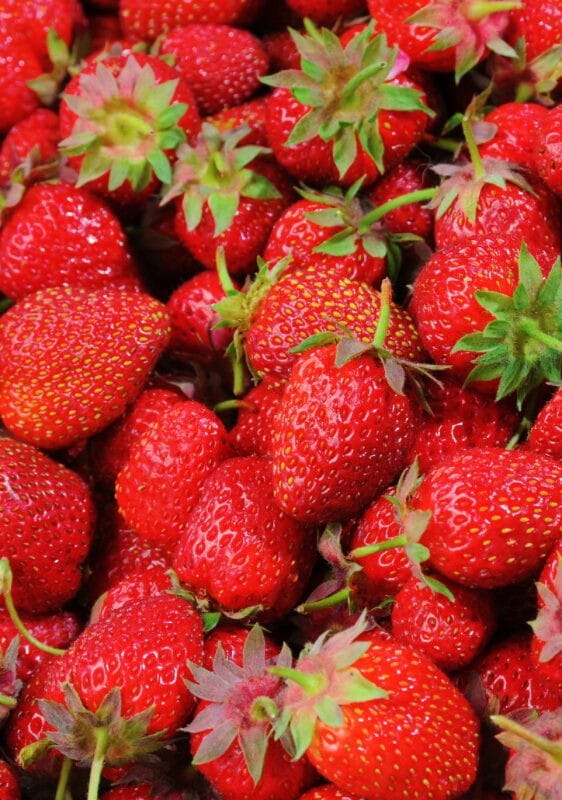
“Strawberries are the fastest growing fruit crop, with year-round demand exceeding supply. In fact, strawberries are the category leaders in the produce aisle, accounting for more than 23 percent of fresh fruit sales,” said Inci Dannenberg, Head of Bayer’s Vegetables business. The company has just announced that it is to acquire Niab’s Strawberry Breeding Programme to complement its biological and chemical crop protection products.

Phenomenally successful strawberries

Niab’s Strawberry Breeding Programme has been operating for more than 40 years. By using a combination of traditional techniques and genomics-assisted breeding, it has supported the development of disease resistant, high quality varieties ensuring improved yield, fruit size and quality.

Over 45 varieties have been produced, including the phenomenally successful strawberry Malling™ Centenary, which was chosen to mark the 100th anniversary of the research station in 2013.

Mario Caccamo, CEO of Niab, comments: “Niab at East Malling has built a strong foundation in strawberries, supported by more than a century of world-class horticulture research at our Kent site, and we’re proud that it will continue with Bayer.

“As well as bringing accelerated innovation to UK growers, Bayer will also make these great tasting strawberries available to more growers and consumers around the world.”

Mario Caccamo
Mario Caccamo
strawberries

Combining premium genetics with innovative crop protection

Bayer is expanding its focus on serving professional protected culture growers to meet the increasing consumer and retail demand for high-quality, year-round strawberries. These premium strawberry varieties will also be available for open field conditions.

Inci Dannenberg continues: “With Bayer entering the strawberry market, we will offer growers premium genetics combined with innovative crop protection products and digital solutions. The addition of strawberries to Bayer’s portfolio is a natural progression that many of our customers are making as well.”

Benefits of protected cropping

Protected cropping offers strawberry growers enhanced control over their growing environment, crop management, and disease and pest control. This results in improved fruit quality, harvest security, and consistency. Additionally, plants grown under protection use less water than open field crops and have the potential for increased retail shelf life as they can be grown closer to the consumer.

Bayer remains dedicated to providing the advancements sought by consumers, retailers, and growers through its breeding technologies. JD Rossouw, Head of Vegetables Research & Development at Bayer’s Crop Science Division, emphasised their commitment to advancing strawberry breeding technologies, saying: “We have built a strong foundation in precision breeding capabilities and look forward to bringing these approaches into strawberries. Using these techniques will enable us to continue to advance on the foundation set by Niab and deliver superior strawberries to our growers and the value chain.”

$485m in strategic initiatives to boost resilience of Saskatchewan agriculture

Meet the Network
Agri-TechE

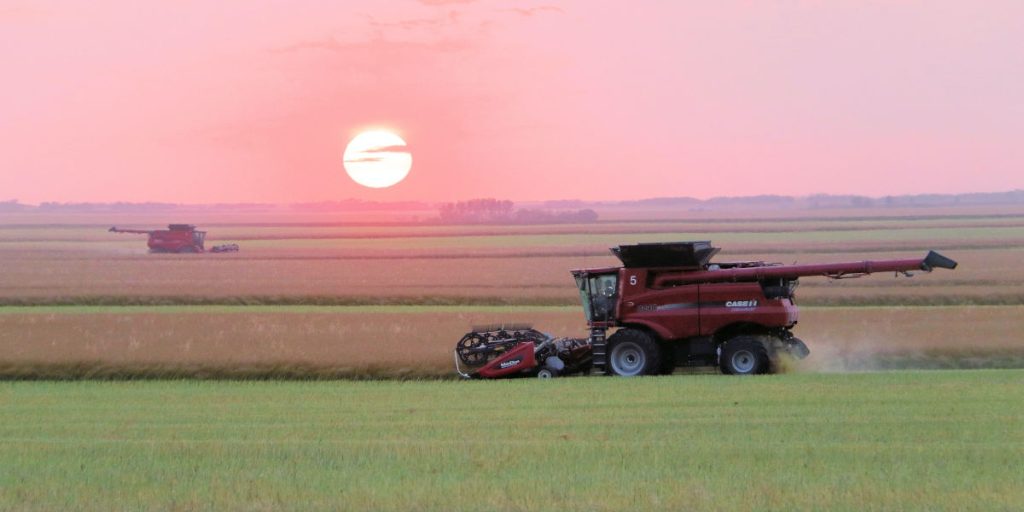
This year’s drought and wildfires are the latest in a series of extreme events to hit Saskatchewan farmers, prompting millions of dollars of investment into strategic initiatives to improve the resilience of agriculture. To support its drive to encourage innovative solutions, the Global Agri-food Advancement Partnership (GAAP) is hosting an online event with Agri-TechE , as part of the long-standing relationship between the two organisations.
Grain and livestock vital

Saskatoon is the largest city in Saskatchewan, a Canadian province located midway between the Coastal Pacific and the Hudson Bay, with the US on its southern border. Forestry and agriculture, in particular grain and livestock, are vital to its economy.

With rainfall well below normal this year, the Saskatchewan government has recently announced a package of support valued at $70 million to offset additional costs for feeding livestock. This follows measures to allow additional acres of cereal, pulse, canola, and flax crops to be diverted to feed.

Opportunity for innovation

Agri-tech to improve the resilience of Saskatchewan agriculture is top of mind for the federal and provincial governments, who have invested $485 million into the Sustainable Canadian Agricultural Partnership (Sustainable CAP). This five-year initiative (2023 – 2028) aims to strengthen competitiveness and innovation in Canada’s agri-food and agri-based products sector.

This investment is creating an opportunity in Saskatchewan for innovative agri-tech solutions, says Grayson Berting, Marketing and Communications Manager for GAAP. GAAP is an investment incubator based in Canada, working to advance early and rapid-growth companies that have developed cutting-edge technologies.

Grayson says: “Drought problems have arisen in Western Canada, accompanied by a rise in occurrences of severe weather events like wildfires, unseasonal frost, hailstorms, and tornadoes.

“Additionally, concerns are arising about escalating costs of fuel and fertilizer, as well as the evolving policies related to the usage of fertilizers and chemicals.

“These are all challenges that will be familiar to farmers and ag innovation companies in the UK and beyond, and we are looking to discuss potential solutions at our virtual event in September.”

Saskatchewan farming

Live webinar frames challenge: ‘Increasing the resilience of Saskatchewan agriculture’

In the live webinar, Grayson will be moderating a panel of speakers with diverse perspectives – from production and research through to the requirements of processors, and the opportunities for creating a presence in this diverse ecosystem.

She will be joined by:

  • Susan Jorgensen, Program and Partnerships Manager at GAAP, discussing the support for growth stage businesses.
  • Dr. Karen Churchill, President and CEO of Ag-West Bio, Saskatchewan’s bioscience industry association, who is knowledgeable about the requirements of the food and beverage industry and opportunities for bioprocessing.
  • Clinton Monchuk, grain and egg farmer, and Executive Director at Farm and Food Care Saskatchewan.
  • Scott Wright, Director of the Livestock and Forage Centre of Excellence (LFCE) at the University of Saskatchewan.

Both Clinton and Scott have a keen interest in improving outcomes for the complex livestock/forage industry.

Latest event in longstanding relationship

Agri-TechE has supported a number of programmes initiated by GAAP and Ag-West Bio, including Navigate and VOYAGE. Although all slightly different in focus they have provided opportunities for Agri-TechE members to visit the region, gain introductions to key players and benefit from support to establish a presence in the province.

Grayson will be discussing some of the outcomes from these programmes and the current support available at the virtual event ‘Round the World – Saskatoon, Canada’ on 25 September 2023, from 16:00 – 17:00 BST.

REAP bursary was highly beneficial to my career progression

Meet the Network
Agri-TechE

Now a Research Consultant at Vegetable Consultancy Services (UK) Ltd, Dr James Fortune had just started his PhD when he gained a bursary for Agri-TechE ’s REAP Conference 2018. He found the conference inspirational and says the contacts and insights he made have been highly beneficial to his career progression.

Memorable presentation

“I have been to many conferences since but that REAP was memorable.

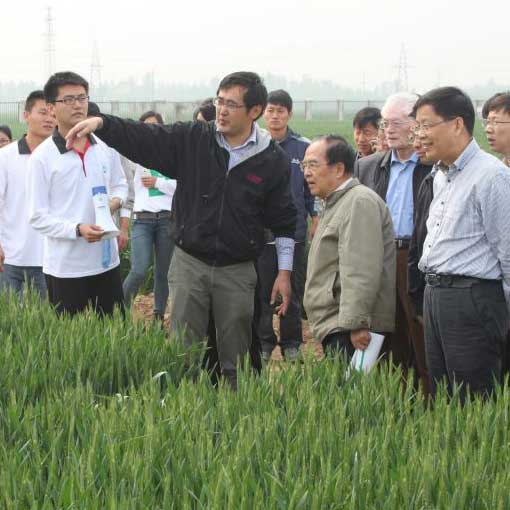
“The keynote speaker Dr Zhenling Cui discussed nitrogen use efficiency and he was inspiring, to be honest. He had a paper in Nature, and to see someone of that calibre speak and to share some of their time with you was phenomenal.

“If I remember correctly, he had something like 20 million different data points, and it was the first time I saw some real solid concrete data that specific reductions in nitrogen do not reduce yields. Being able to produce the same amount of yield, if not more, by applying the data was transformational. It was a really good presentation, and one that really sticks in my mind.

“Whenever you come away from a conference you wonder what you’ve brought away from it. I’ve been to quite a few big conferences and there’s only a handful that I can remember so distinctly. At REAP I was fully locked into what was being said.

Developing contacts with REAP bursary

“It was especially good timing as it was early in my PhD following a year in industry at ADAS, and when you are early in a career it is all about building up the networks and the contacts.

“That’s one of the benefits I see from Agri-TechE ’s approach – it’s very good at linking everybody together. Coming to an event like REAP, everyone is from different backgrounds but they’re all like-minded and keen to talk.

James Fortune benefitted from REAP bursary
James Fortune is now a Research Consultant at Vegetable Consultancy Services
Dr Zhenling Cui spoke at REAP 2018 about his study published in Nature
James Fortune presenting in the Emerging Agri-TechE session at REAP 2021
James Fortune discussing impact of climate change on diseases of oil seed rape in Emerging Agri-Tech at the virtual REAP 2021

Understanding the science

James continues, “Some science conferences can be a little bit too academically-focused, and a little bit hard to comprehend or get a foothold in. Alternatively, some industry events can be a bit basic and you want more depth.

“I thought the REAP conference managed the balance well. There’s lots of different areas of expertise all being presented at the same time. It introduces things that you might not be familiar with, but you can draw parallels from that and bring it into your own work or your own thinking.

“I later presented in the Emerging Agri-TechE section of REAP 2021 about the impact of climate change on pathogens in oilseed rape and I am due to present further development of this work at the International Rapeseed Congress in Australia.”

Why come to REAP?

“If I was to sum up REAP in a few bullet-points it would be:

  • Inspirational speeches, such as that from Zhenling Cui.
  • High quality networking.
  • Gaining a broad knowledge and understanding of how the wider world impacts agriculture.”

Apply for a REAP bursary

The bursary for REAP 2023 is kindly sponsored by the Royal Norfolk Agricultural Association (RNAA).

It is open to UK growers, farmers and those in full-time education in agriculture or related discipline and reduces the cost of the ticket to £65 per delegate.

To apply go to the bursary tab on the REAP microsite.

Other beneficiaries of the REAP bursary include farmer Tom Pearson and George Crane who was a PhD researcher at Niab and is now working as an agri-tech investment analyst with YARA.

See who benefited from the bursary in 2022.

James Fortune, Research Consultant at Vegetable Consultancy Services, will be speaking at ‘Ag101 – An Introduction to the Industry’ on 14th September 2023 in Cambridge. See more on the event page here.


REAP Conference 2023: Adaptation Through Innovation; Beyond the Comfort Zone

Wednesday 8th November, 9:30 am – 6:30 pm
Rowley Mile Conference Centre, Newmarket

Surviving and thriving under increasingly extreme and unpredictable challenges is the theme of the 2023 REAP conference. To build a productive, profitable and sustainable agri-food industry, we must move away from the comfort zone and become open to the new opportunities that exist when we ‘stretch’.  Be a part of that future – bring yourself and your ideas to REAP.

reapconference.co.uk

Advice to livestock farmers following hottest June

Meet the Network
Agri-TechE

Despite recent rainfall, the hottest June on record will have affected pasture biomass, warns Janet Montgomery of Barenbrug, a leading grass breeder.

“Although pastures are in a better position than this time last year, it’s important to remember that while the dryness won’t affect the growth stage of grass, it will have an impact on the amount of biomass produced per unit area of pasture,” she says.

“What’s concerning is that the dry spell came at a time when grass growth is at its highest, because of the long hours of sunlight and high temperatures.

“Both on grazing and forage amounts, this could really catch people out,” she warns, “because pastures haven’t been pumping out the amounts of grass that we’d normally expect.”

Janet Montgomery, Barenbrug

Advice on stocking levels

To increase pasture resilience Janet offers the following advice.

“On a set-stocking system, reduction in biomass will necessitate a decrease in the stocking rate, while rotational grazers will need to go for a bigger allocation each time.

“That’s especially important for dairy farmers to observe, because both milk quality and output will be affected if steps aren’t taken to manage that drop-off in biomass.”

Sheep and beef farmers, meanwhile, will likely see slower growth rates and a longer time to finishing, Janet suggests.

Pasture preservation during dry conditions

Janet also highlights the importance of pasture preservation during dry conditions to prevent lasting damage: “we need to manage ‘the dry’” she says. Janet gave a number of suggestions to achieve this:

1. Avoid grazing too short: allow sufficient time between grazing and re-grazing to prevent too much damage to the sward.

2. Remove seed heads: while topping might seem counterintuitive in the face of less biomass, taking off seed heads removes stemmy material which makes the pastures more palatable and also encourages the plant to divert energy into vegetative growth.

3. Monitor moisture levels: with consistent periods of dry, a decision-support process will help you to identify the right time to introduce supplementary feeds.

4. Consider changing species: to make pastures and swards more resilient in the face of a drier climate, consider changing species of grass. An autumn overseeding can prove a cost-effective route to help mitigate the effects of future dry periods wher fields are not of an age when they would benefit from a full reseed.

Change grass species to increase pasture resilience

Janet continues: “Consider species that are a little higher in root biomass, such as tall fescue, which will help preserve pastures during dry periods.

“And although cocksfoot and tall fescue have a reputation for being clumpy, coarse and unpalatable, modern varieties make that a largely undeserved reputation. These species are deep-rooting, giving better access to moisture lower down in the soil profile.”

Finally, Janet adds a word of reassurance for farmers concerned about balancing pasture health with livestock welfare. “While pasture health is at greater risk the longer the dry period continues (as grass isn’t able to refill its carbohydrate reserves in time to prevent damage) with time and correct management, it will come back.

“It’s easier to allow plants to recover than to put animals’ welfare at risk.”

More about Barenbrug UK Ltd

Building resilience to risk in the stretch zone

Agri-TechE Article
Meet the Network
Agri-TechE

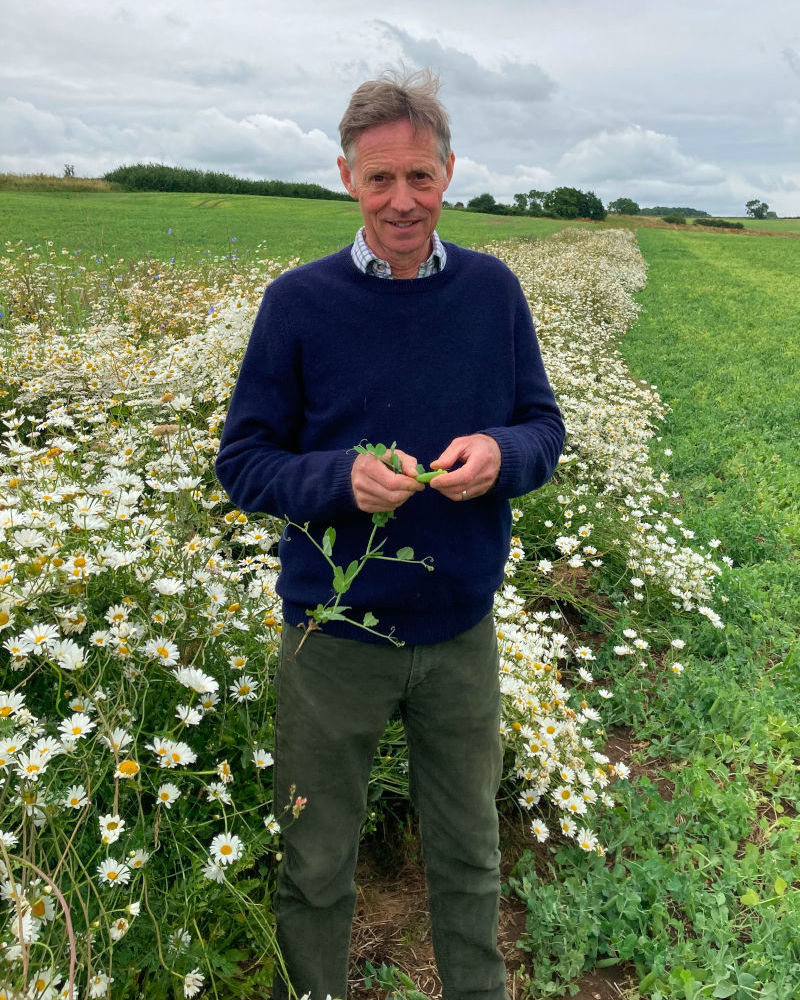
Andrew Pitts is a second-generation farmer working 2,000 acres of land at Moat Farm, Northamptonshire. He hosts the Hutchinsons’ Helix Technology Development Farm at Whiston, which gives him early sight of new technologies and the opportunity to test them on his farm with minimal risk to the business.

Andrew will be part of the Farmer Panel at Agri-TechE ’s 2023 REAP conference with the theme ‘Adaptation through innovation; beyond the comfort zone’.

Actionable insights from soil and cost mapping

Over the last five years Andrew has moved the farm towards minimum tillage and direct drilling. He has gained useful input from Michael Shemilt, the Helix Farm agronomist, that has enabled him to build soil health and resilience to reduce risks from extreme weather events.

Cost mapping for decision making

Michael used Hutchinsons’ Omnia service to produce baselines for the farm. The service provides soil and cost maps that not only show the soil composition, but also the input costs, yield and return for each parcel of land.

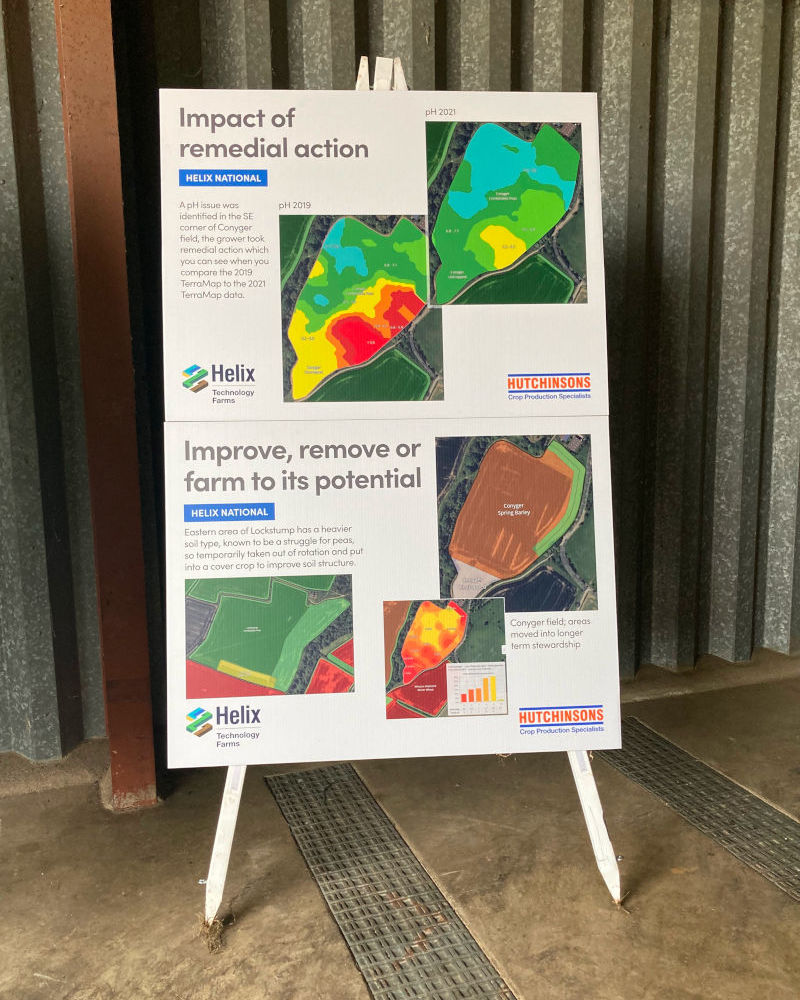
The baseline assessment of the Lockstump Field at Moat Farm revealed that the top section of the field was performing very poorly, with a wheat yield of 5t/ha compared to 13-15t/ha for the rest of the field. The input costs were also double for this section of the field.

Andrew Pitts, Hutchinsons Helix Technology Development Farm
Andrew Pitts of JW Pitts & Sons
Hutchinsons Helix Technology Development Farm at Whiston
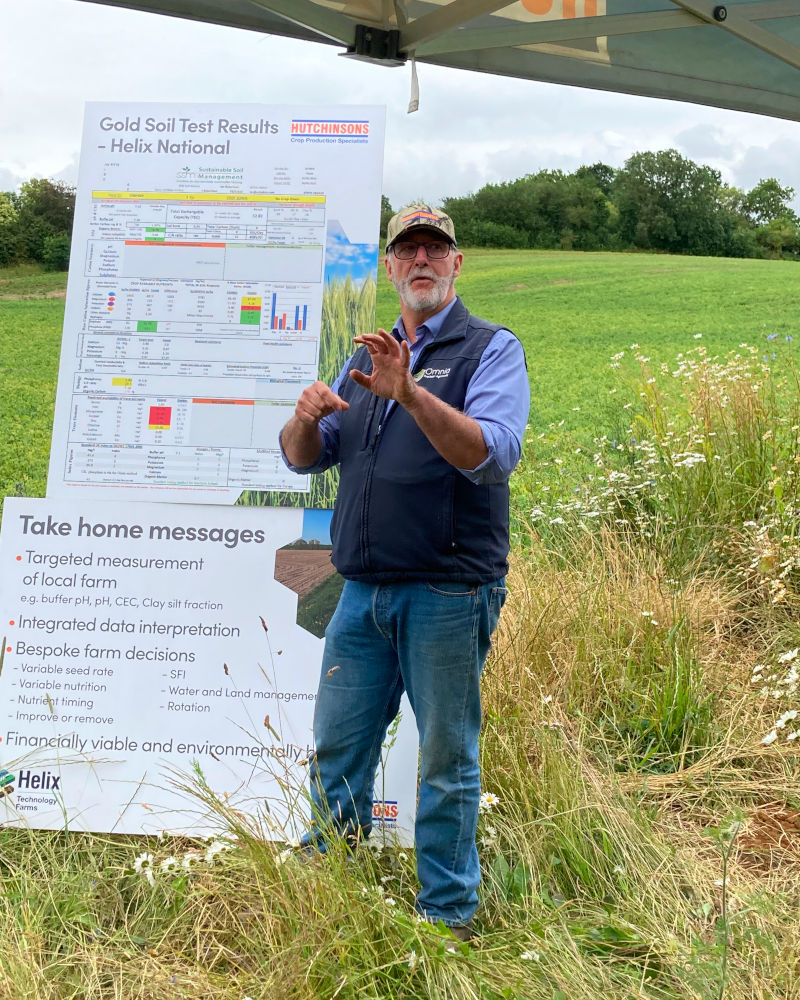
Test results at Hutchinsons’ Helix Technology Development Farm
Dick Neale, Hutchinsons Technical Manager
Data-interpreting to support on farm decisions – Dick Neale, Hutchinsons’ Technical Manager

Data reveals nutrients stored in soil

Further analysis of the field using the Gold Soil Test demonstrated to Andrew that there are two pools of nutrients – those that are readily available to the crop and those that are ‘complexed’ and locked away in the soil.

The mineral elements – sand, silt and clay – and the cation exchange capacity (CEC) gives an indication of the nutrient holding capacity of the soil.

The larger the CEC, the bigger the nutrient reserves and thus the greater potential for nutrient saving if the soil can be stimulated to cycle its nutrients.

Big question: ‘what is stopping the nutrients from cycling?’

Talking at a recent farm open day, Ian Robertson, Hutchinsons’ Head of Soil Services, explained that the big question has moved from ‘what is deficient in the soil?’ to ‘what is stopping the nutrients from cycling?’

The acidity of the soil is a big factor in reducing the availability of nutrients such as phosphate, it also impacts the ratio of bacteria to fungi in the biome. Adding calcium and organic matter to a clay soil, for example, can reduce the acidity – in turn unlocking the nutrients.

Some of the species grown within a cover crop also have a role in adjusting the acidity of the soil. Additionally, their root networks and exudates feed the microbes and mini beasts in the soil. Increasing organic matter and biological activity in the soil accelerates cycling of nutrients and improves soil structure, increasing water retention and building greater resilience to adverse weather.

Taking data-informed action on-farm

Reducing acidity to release nutrients – Although initially sceptical of cover crops, Andrew is now a convert. Selecting the right combination of plants in a herbal ley has adjusted the pH of the soil and made a visual improvement to its health.

He says: “Based on information about soil quality and cost production maps, we made the decision to take this section out of cropping and instead plant a fertility-building mixture containing clovers, tillage radishes, buckwheat, phacelia and linseed to enhance the soil rather than leave it totally fallow. That proved to be a big success.

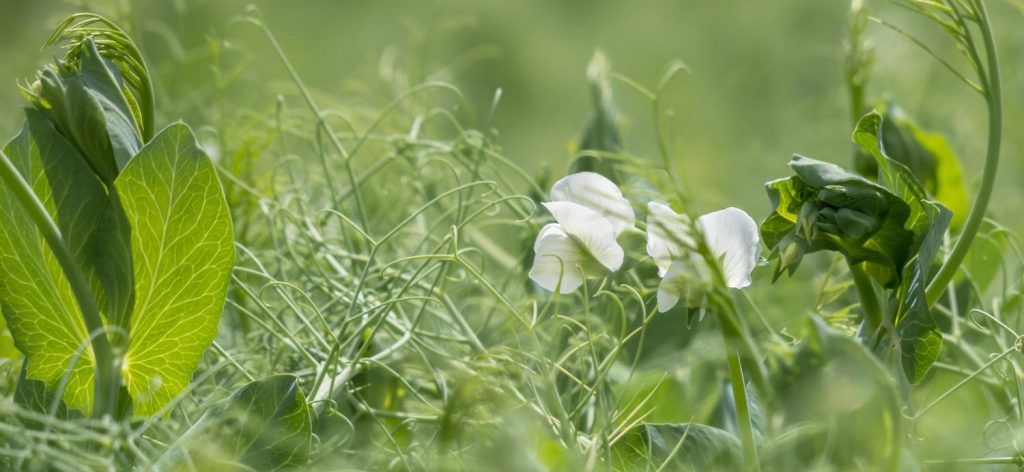
Improving soil resilience to adverse conditions – Peas are a high risk, high value crop that is sensitive to soil quality. Andrew continues: “When we were cropping the whole field, this top section increased the risk. Waiting for the clay caps to dry out meant we were delayed from drilling at the optimum time and as that section was late to ripen, it would also delay combining. You have a small window of opportunity for these procedures.

“As our soils have improved through better soil management, the areas that in the past considered not cropping have got smaller. It’s a leap of faith to change but over time the soil will get better, and you can see it with your own eyes.”

Reducing need for crop protection products – Other adaptions include strips of wildflowers across the fields to provide a habitat for natural predators – known as a beetle bank. This habitat also supports pollinators.

Reducing need for crop protection products – Other adaptions include strips of wildflowers across the fields to support pollinators and provide a habitat for natural predators – known as a beetle bank.

Improving water management – The water strategy has moved away from drainage towards increasing water retention in the soil. Organic matter increases water storage and worm holes enable greater penetration of the water. This banks the water from the winter for use by the crop in summer. Andrew says it is noticeable how the soil retains its structure and is now more resilient during extremes of hot and wet weather.

pea plant

Reducing risk with Sustainable Farming Incentive brings dilemmas

Crop choices can also reduce risk, as Andrew explains: “To further de-risk the business we are considering reducing the break crops as they are too risky. We lost two-thirds of our Oil Seed Rape crop this year, not to cabbage stem flea beetle as expected, but to winter stem weevil. Linseed is another high-risk crop.

“As an alternative, we are considering using the Sustainable Farming Incentive (SFI) which is coming in August 2023. This would provide an opportunity for fertility-building and soil-improvement between the second and first wheat. It would further reduce the amount of bagged nitrogen used and we would be paid to do it, increasing the gross margin on this land.

“This would be a massive change for the farm, but it also creates a real conflict because that could mean as much as a third of our cropped area would not produce a food crop. There is an ethical issue there. If we don’t produce it, who is, where is it coming from?”

In conclusion

“You’ve got technical input, crop protection and specialist advice, and coming through there is SFI stuff. All of those elements each add a layer of de-risking and that’s how we try to survive in an ever-changing political and financial world.

“The theme of REAP is very topical and I am looking forward to participating in the discussion.”


REAP 2023 logo

REAP Conference 2023:
Adaptation Through Innovation; Beyond the Comfort Zone

Wednesday 8th November, 9:30 am – 6:30 pm
Rowley Mile Conference Centre, Newmarket

Surviving and thriving under increasingly extreme and unpredictable challenges is the theme of the 2023 REAP conference. To build a productive, profitable and sustainable agri-food industry, we must move away from the comfort zone and become open to the new opportunities that exist when we ‘stretch’.  Be a part of that future – bring yourself and your ideas to REAP.

reapconference.co.uk

reapconference.co.uk

Opportunity for fen and broadland farmers to diversify with paludiculture

Meet the Network
Agri-TechE

Lowland peatlands, which include the Fens and the Broads, are some of the most productive soils in the UK, however, there are considerable concerns over land subsidence and soil loss. When drained, peat soil shrinks and releases thousands of years of captured carbon into the atmosphere; when wet it is a carbon sink, absorbing CO2.

The potential for paludiculture – production of profitable crops on rewetted peat – was discussed by Niab and the Broads Authority in the Agri-TechE Innovation Hub at the Royal Norfolk Show.

The Broads Authority has recently been awarded funding as part of the £5m Paludiculture Exploration Fund, which aims to support the reduction of barriers to developing commercially viable paludiculture on lowland peat soils.

Director of Agri-TechE Dr Belinda Clarke says: “We need more data and evidence to underpin land management decisions on these valuable and fragile soils to provide solutions that work for stakeholders, so that no-one is disproportionately impacted by future decisions.”

Novel soil management systems for horticulture

Despite the long history of Norfolk reed, over 97% of the reed used for thatching in the UK is now imported due to the loss of wetlands and a decline in reed harvesting. Reeds and other fibrous plants can also be used to make a range of other sustainable construction materials with multiple benefits – a thatched roof is a long term carbon store.

Andrea Kelly is the Environment Policy Adviser for the Broads Authority, where she focuses on developing ecological and land management strategy for the Broads National Park, including supporting the development of the Environment Land Management scheme.

Andrea explains the context: “The Lowland Agricultural Peatland Task Force report, (launched 29 June 2023), sets out to unlock opportunities for all those farming on lowland peat to do so in a more sustainable way.”

She cites one project at Wrights Farm in Lancashire which is trialling growing a commercial celery crop on re-wetted peat. It is estimated that for every 10cm increase in the water table, there is a corresponding reduction in emissions of 3 tonnes of CO2 equivalents per hectare.

“The science suggests that even a small change in water level management can significantly slow the loss-rate of peat soil, and so, in some landscapes, we want to make it possible to raise water levels above where they are penned currently to farm in a more climate-resilient way,” she says.

Novel farming systems are also being trialled in Norfolk. Anthony Gardiner of G’s Fresh comments: “G’s’ Norfolk farms have some of the deepest and most productive peat as this was some of the last to be drained after the Second World War. This land is unique as it is sub irrigated, using a system of dykes and pipes under the field to manipulate the water table. Evidently this is not appropriate for all soils, so we are actively engaged in discussions about peat soil management and investigations about water table management to reduce carbon emissions, while also gaining a better understanding of the implications for food production.”

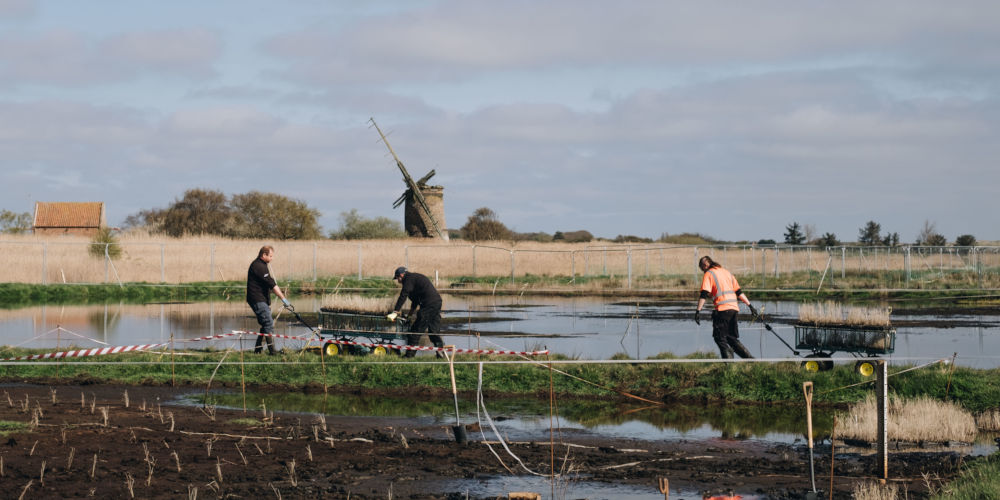
Planting reed at the Horsey Wetland Project [image: Broads Authority]

Diversification on marginal land

On marginal land that is currently not suitable for horticulture, there is an opportunity to transition to paludiculture, Andrea says. She continues: “The Horsey Estate in Norfolk, as a contrast, is growing wetland crops on marginal land and aiming to use these for filtering and cleaning water as well as for construction materials.”

Water Works is a two-year project piloting paludiculture with field scale trials in Great Fen. It has identified a number of crops with potential market appeal (see table). These are just a few of a growing range of opportunities for wetland crops across the region, if drainage rates were slowed to reduce peat loss.

Crop Description Usage Potential markets
Floating Sweet Grass
(Glyceria fluitans)
Sweet nutritious grain for human consumption. Has been harvested from the wild in the past and is a food source in Poland. Grain can be rolled as porridge-style oats, used as a seed for baking and flour used for dumplings, flatbreads and sweet cakes. As highly nutritious gluten-free alternative to flour.
Binding agent.
Common Reed
(Phragmites australis)
Grown for thatch, but many other potential markets. Reed and sedge cutting is only established and widely practiced form of paludiculture in the UK, with 17 active cutters employed on the Broads. However, only 3% of demand is produced in the UK. Reed can be compressed into a fibreboard that is light, fireproof, breathable and resistant to rot when waterlogged. Bioenergy source as pellets. High value industrial chemicals. Reed silica can be used for manufacture of anodes in lithium-ion batteries and for strengthening concrete. UK currently imports 25% of its bioenergy feedstocks
Sphagnum moss Currently used for reptile habitats and floristry – valued at £200 – £500 per m3. Very absorbent and antimicrobial – used as field wound dressing and potential for use in sanitary pads and nappies. Can be a peat alternative. Currently 2.5million m3 of peat used by horticulture.
Reedmace
(Typha latifolia)
Typha plants remove nutrients from water. They can act as a sink for 30 -60kg of Phosphorus per hectare per year. Markets are establishing in Germany and the Netherlands for Typha as a raw product for construction and insulation materials.
Seed heads can be used for clothing, such as sustainable jacket fill.
Typha’s high calorific value means it has bioenergy applications, both direct combustion or for conversion into another fuel product.
Wild herbs ancient varieties have medicinal benefits    
Water mint Historically as repellent for flies, mice and rats and a strewing herb. Antiseptic, flavouring and herbal tea. Retail price for dried mint leaves is £26.20/Kg.
Water Cress Leaves are rich in vitamins and minerals and its main use is as a garnish and addition to salads.   The wholesale price for watercress in the UK was £9.96/Kg in August 2019.
Meadow Sweet One of the three most sacred herbs of
the Druids.
Used as botanical for gin. Produced as an essential oil used in perfumery and as a tincture. £11.99/100ml oil and £5.49/50g dried or powdered.

Keeping the water level high has other benefits

The Broadland Futures Initiative is also working with local people to agree a framework for future flood risk management. Avoiding the high land subsidence levels of around 1-2cm each year that occur when peatlands are drained may directly help farmers and land managers. The lower the land gets through subsidence the harder the water pumps need to work to manage the flood and drainage waters, which is becoming more expensive with the rising cost of electricity.

Andrea comments that the multiple benefits gained from raising the water table constitutes a public good and suggests that funding should be made available to farmers exploring this option.

The Horsey Wetland Project [image: Broads Authority]

Paludiculture Exploration Fund

Within the Nature for Climate Fund, Natural England is delivering the Paludiculture Exploration Fund (PEF) for England. A range of PEF projects around England will focus on tackling the barriers to developing commercially viable paludiculture on lowland peat soils in England over the next two years.

This includes the Broads Authority’s Fibre Broads project, which aims to identify areas most suited to wetland crops. In a strategic alliance it will provide a demonstration of paludiculture fibre products to farmers in the region.

Harper Adams has also gained funding for its Paludiculture Innovation Project. Also Fenland SOIL ltd, which includes a consortium of farmers including Nick Allpress, Luke Palmer and Charles Shropshire, will be building on existing work mapping and identifying peatland suitable for change of land-use to paludiculture in the East Anglian Fens.

Saltyco, which uses Typha seed heads for textile production has also gained funding to develop and scale up the process of seed separation for its patented BioPuff product.

Visit the Paludiculture Community at paludiculture.org.uk to find out more.

More information

The Broads Authority is managing wet farming and wetland restoration projects and engaging with farmers about landscape adaptation in the UK’s largest protected wetland. This includes:


Water Works Project https://www.greatfen.org.uk/big-ideas/wet-farming

Fenland SOIL Project https://www.fenlandsoil.org/

Paludiculture trial at Horsey Estate – Reed, Interreg VB North Sea Region Programme: https://northsearegion.eu/canape/paludiculture/reed/


Niab is appearing in the Innovation Hub at the 2023 Royal Norfolk Show.
Read more about the 2023 Innovation Hub >>

Innovation Hub 2023

Making all-year-round fruit, veg and tea commercially viable

Meet the Network
Agri-TechE

Energy costs have challenged horticulture this year and questioned the viability of vertical farming, but a solution may come from geothermal energy, according to Karl Farrow, founder and CEO of CeraPhi Energy.

The company is proposing a radical rethink of energy supply that could see us growing a diverse range of crops – even commercial quantities of tea – in a climatised environment.

CeraPhi Energy specialises in Deep Geothermal heat exchange technology and will be discussing the opportunities for farmers in the Agri-TechE Innovation Hub at the Royal Norfolk Show. Karl says there is huge potential to use this energy source to revitalise UK horticulture.

He comments: “In 15 years Holland has transitioned from being a net importer of flowers and vegetables to become the third largest exporter, all in a region the size of the East of England. We are building a strong business case for deep energy that would make growing a wide range of imported products commercially viable for the UK.”

Unlike solar or wind power, which is variable, geothermal energy can be used on-farm to provide 24/7 baseload sustainable energy for heating, cooling and power. CeraPhi argues that it is an energy solution that will enable UK farming to significantly reduce the amount of food imported in 10 years.

Ceraphi CEO, Karl Farrow (web)
CeraPhi CEO, Karl Farrow

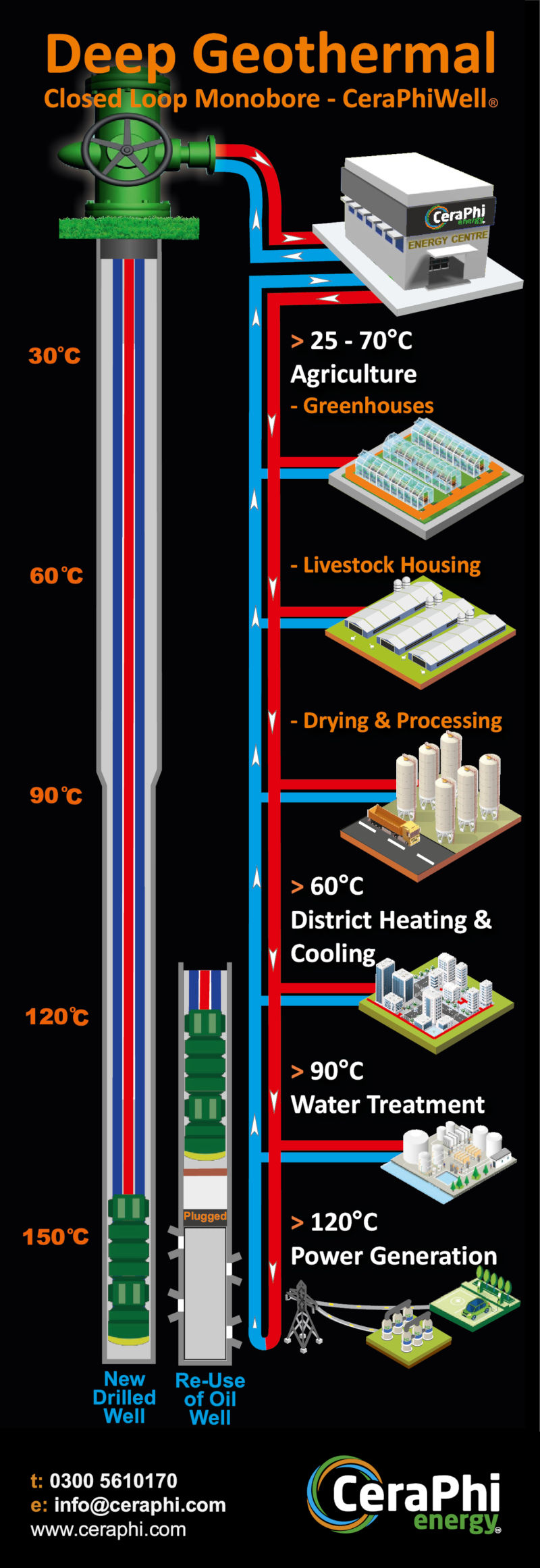
The company sees potential for geothermal energy in developments such as one planned site will be drilling 8 wells of approximately 1 to 2 km deep the project will produce sufficient to provide baseload heat to 10 hectares of commercial glass houses. Its CeraPhiWell™ Technology uses a novel closed loop well system in which a heat exchange liquid is circulated to carry the heat from deep below the ground to the surface.

Conventional shallow heat pump bore holes take up considerable space and are not always favourable for larger commercial applications. Pulling on the companies Oil and Gas expertise in drilling deep wells providing boreholes of between 1 to 3km in depth can create sufficient thermal temperature for direct heat and cooling use and at deeper depth up to 6km power generation can also be achieved. A typical well site layout would have the surface area equivalent to six parking spaces once drilling is complete with minimal land use and causing minimal disruption.

CeraPhi is planning to create a centre of excellence in Norfolk to include an agricultural centre along with water treatment facilities and is looking for farmers and landowners interested in collaborating on such a project.

Karl continues: “Supermarkets want a consistent, reliable source of quality produce and importing food is becoming less cost-efficient and come with a significant carbon footprint with growing concerns around supply chain issues due to climate vulnerability. This is creating an opportunity for UK farmers – with a sustainable energy supply local producers would be able to compete with cheaper foreign imports.”

CeraPhi is thinking bigger than all-year fruit and veg, as Karl explains: “I see the potential to diversify into non-traditional crops and produce a high-quality, single origin British version of camellia sinensis, the ultimate English breakfast tea!

CeriPhi Energy Deep Geothermal diagram
Click to enlarge

“We have already identified a site and have the opportunity to build the world’s first decentralised, zero-waste operation for tea cultivation. This proof-of-concept project would show the potential of growing a vast range of crops in non-traditional settings.”

The development of a new heat network for agriculture is supported by the Environment Agency and is part of the BEIS British Energy Industrial Strategy.


CeraPhi is appearing in the Innovation Hub at the 2023 Royal Norfolk Show.
Read more about the 2023 Innovation Hub >>

Innovation Hub 2023

Groundswell 2023 well supported by members

Meet the Network
Agri-TechE

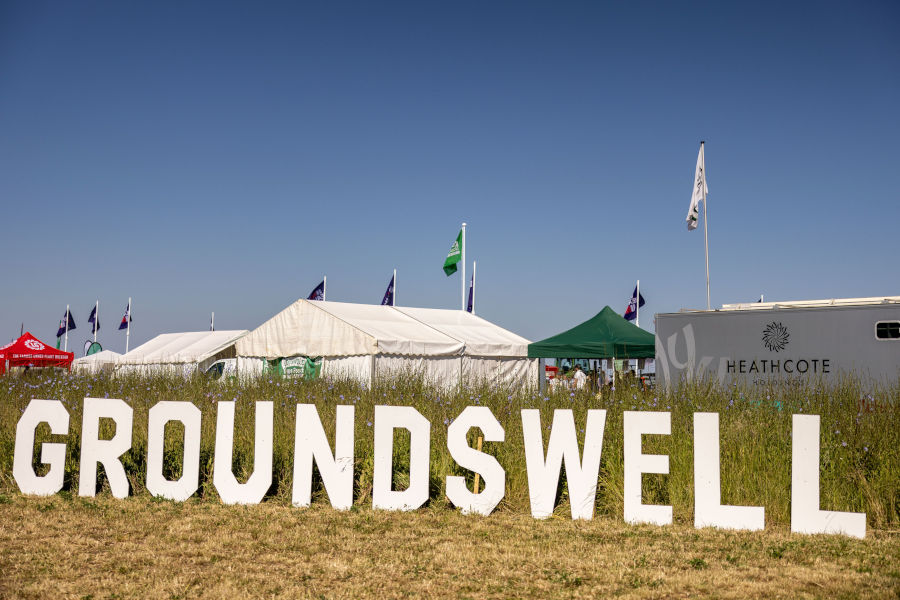
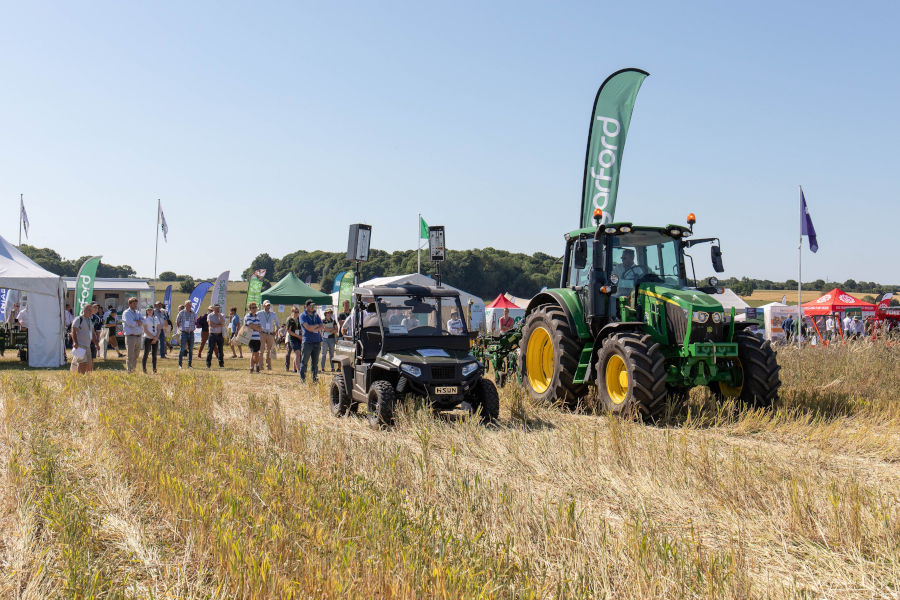
The Groundswell Festival was set up by farmers with an interest in regenerative farming when it was considered very ‘alternative’.

Many of the ideas around diversification and soil health have now become more widely accepted and The Groundswell Festival has broadened its appeal. (See an update here)

There will be a good attendance by Agri-TechE members within the exhibition and Niab and Barenbrug are festival partners.

Members exhibiting at Groundswell 2023 include:

Groundswell 2023 is taking place on 28 – 29 June 2023 at Lannock Manor Farm, Hertfordshire, UK.

Find out more about Groundswell at groundswellag.com.

Agri-TechE hosted an innovation insights session in 2022 – see some of the highlights in the video below:

Take a look at some photos from Groundswell Festival 2022

All images courtesy of Groundswell

Using photosynthesis insights to optimise plant performance – Gardin

Meet the Network
Agri-TechE

Gardin’s technology provides an early indication of plant stress by measuring the photosynthetic performance of a plant growing in either a vertical farm or greenhouse. The system uses a robotic sensor to monitor the crop in real time.

In the Innovation Hub at the 2023 Royal Norfolk Show, the team from Gardin will be discussing how the system provides growers with insights into plant health that can easily be actioned, improving yields and quality, and lowering costs.

We caught up with Fabrizio Ticchiarelli, Lead Biologist at Gardin, ahead of the show to ask about recent developments.

Q. As your technology is giving actionable insights, would it be possible to use this information to automatically optimise the growing conditions – for example adjusting light levels, humidity etc?

Fabrizio Ticchiarelli, Gardin

Yes, we are definitely looking at responding to the insights in real time – we call it Real-time Response Agriculture.

By using the photosynthetic patterns in leafy crops, we have been able to automate watering strategies with great results. We can now create optimised watering recipes for the crop and routinely grow plants according to these specifications. The crops outperform those grown with static watering patterns.

We have used a similar approach to optimise light levels and these have given impressive results both in terms of yield and quality. Ultimately our systems will be able to provide similar recommendations with regards to parameters such as temperature and CO2.

We deliver our alerts both visually to the grower and as part of an API. This means that any grower already using a farm management system will be able to see these responses within their existing system.

Q. With your knowledge of photosynthetic pathways, are you able to gain insights into how to improve the efficiency of photosynthesis or to select varieties based on photosynthetic performance? For example, does increasing carbon dioxide levels and providing light at particular wavelengths boost growth?

It is an interesting area and we are starting to see users in breeding and biotech departments adopt our sensing to support the screening of varieties across a variety of parameters, from vigour, to stress tolerance and the ability to resist pathogens.

Photosynthesis is one of the first processes to respond when things are not right, and it is often predictive of overall performance of the crop. I believe it is a beautifully simple and elegant tool to speed up variety selection.

Q. Do you have any trials underway?

Yes, we have been running an 18-month research programme funded by Innovate UK called project SysSen.

In the project, we tested hundreds of light conditions and found very interesting relationships between the plant and light quality – specifically the ratio between certain wavelengths. These relationships were not just yield, but also nutritional content, flavour and appearance.

Very interestingly, not all crops responded in the same way, so it is a fantastic tool to customise crop appearance/flavour to customer demands.

Q What will you be demonstrating in the Innovation Hub?

We will have one of our sensors on the stand so that we can give interactive demonstrations of Gardin’s user interface and robotic sensor.

Gardin sensor in use

Gardin is appearing in the Innovation Hub at the 2023 Royal Norfolk Show.
Read more about the 2023 Innovation Hub >>

Innovation Hub 2023

Early alert of disease for arable crops from FOTENIX

Meet the Network
Agri-TechE

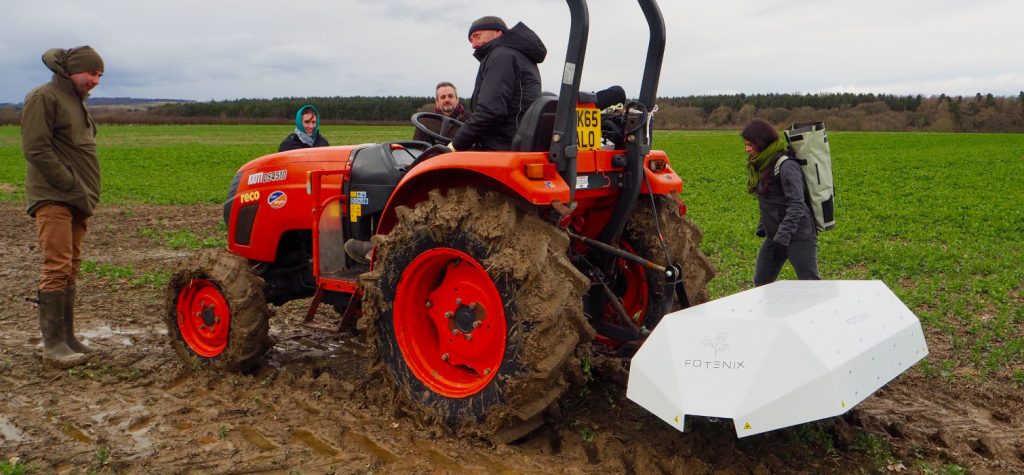
FOTENIX uses a patented spectral camera and light setup to provide early warning of disease in oil seed rape (OSR) and wheat crops. It is developing a monitor that can be mounted on a tractor or robot, such as those from Small Robot Company or Saga Robotics, enabling early detection and intervention before significant losses.

The system has been shown to be capable of detecting light leaf spot and phoma in OSR and septoria in wheat in days, compared to months by traditional methods. Through continuous monitoring it can also provide evidence of disease control or re-emergence post-application.

FOTENIX will be talking about its tractor mounted disease alert system in the Innovation Hub at the 2023 Royal Norfolk Show; ahead of the Show we asked Charles Veys about developments.

Controlled environment agriculture is really our bread and butter at the moment – glasshouses, polytunnels. For these environments, the system can be used out-of-the-box to provide early detection of disease and precision application of a treatment.

We are looking to extend the functionality of the technology to develop a tractor mounted system that would provide continuous monitoring of the crop each time you pass through it on a tractor, looking for fungal disease and weeds such as blackgrass.

SPRAYBot Field Trials with FOTENIX tech (web)
FOTENIX Enabled Diagnostics mounted on a tractor

In trials at Cockle Park Farm, we’ve found that leaf spot in oil seed rape can be discovered within five or six days of infection, whereas usually you wouldn’t see it in the field for about four or five months. This enables a larger window for control of the disease.

A tractor-based system would be cheaper than using a drone and would reduce the amount of fieldwalking done by agronomists. If you were able to give the agronomist a map showing the areas of concern, they can be more efficient and cover a wider area.

We are good at detection but would prefer to work with an agronomist to provide diagnosis and recommendations. There are a number of reasons for that, but we don’t want to over-prescribe. An agronomist is best placed to decide what kind of coverage of disease is acceptable, as there is a trade-off between cost of the product and impact on yield.

Farmers often say they can’t see the impact of an application, but with our system they would be able to see if the disease is being controlled or continues to spread. This would provide evidence for new treatments, particularly biological alternatives.

We have demonstrated that the system works over two metres but we are looking for 24 metres to gain real traction and we are working towards a demonstration of that next year.

We are working closely with other technology companies to enable inter-operability with existing farm management systems.

Being demonstrated on the stand

FOTENIX Enabled Diagnostics – live demonstration of disease and weed detection on a tractor-mounted unit with screen.

Digital Agronomy – a digital twin of the field generated by Fotenix which shows hot spots for disease in the crop.


FOTENIX is appearing in the Innovation Hub at the 2023 Royal Norfolk Show.
Read more about the 2023 Innovation Hub >>

Innovation Hub 2023

Pick the winners by profiling a leaf – LCG Genomics

Meet the Network
Agri-TechE

Some ten percent of raspberry plants produce yellow fruits that are not commercially acceptable but it can take years to identify those plants. Now, with LGC Genomics’ technology, farmers and breeders can have the leaves analysed to determine the genotype and find out quickly which plants have markers for yellow fruit, saving years of otherwise wasted effort.

In the Innovation Hub at the 2023 Royal Norfolk Show, LGC Genomics will be discussing how farmers can use their technology to determine which of the varieties they are growing are more resilient to local conditions and how it can accelerate breeding programmes for breeders of all sizes.

Ahead of the show we spoke to Chris Roe-Bullion of LGC about the technology.

We’ve been involved in ag-bio for over 20 years but started to use our high-throughput technology to provide Covid testing during the pandemic and have since expanded our work in human healthcare.

We work with several of the larger well-known breeders, but also with soft fruit growers and even individual farmers in some cases.

There are farmers who ask us things like ‘why am I seeing mildew infection on this crop but not that one?’ and we can give them some answers. We can genotype the plant and say ‘actually, it’s because this plant is genetically different to that one’. We can run small trials for farmers to provide those insights, they just need to collect leaf samples.

Chris Roe-Bullion, LGC

The service we offer is called marker assisted breeding, which helps breeders identify which strains have the attributes they’re looking for much more quickly than waiting for the plant to grow to maturity.

For example, we work with Angus Soft Fruits on their raspberries. About 10% of all raspberries will produce yellow fruit, which no-one wants, they’re not commercially viable, but the plants are phenotypically identical to normal raspberry plants, and take two years to reach maturity.

We can identify which plants will produce yellow fruit at a very early stage, saving them two years of work and the money associated with it.

While we do support the larger breeders, we can also help the smaller guys and can usually improve their productivity with our tools.


LGC Genomics is appearing in the Innovation Hub at the 2023 Royal Norfolk Show.
Read more about the 2023 Innovation Hub >>

Innovation Hub 2023