New speedy broccoli from seed to harvest in 8 weeks
 Agri-TechE
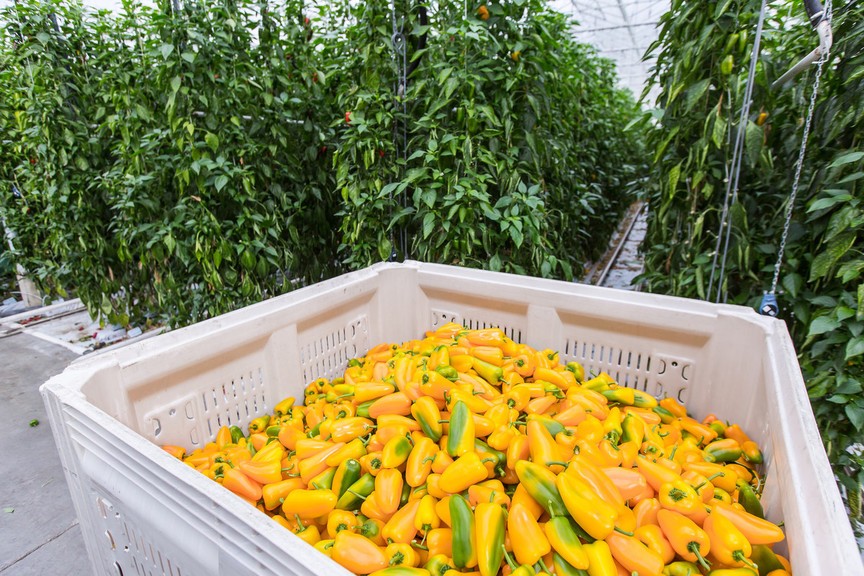
‘This new broccoli is all about speed,” says Dr Jonathan Clarke, Head of Business Development at the John Innes Centre. “It takes 8-10 weeks from seed to harvest. We have accelerated the process, because of our scientific knowledge about flowering time.”
His colleague Dr Judith Irwin (Senior Scientist) revealed the details of the new broccoli during her presentation – ‘Developing a short generation broccoli for 21st Century horticulture’ – at Agri-Tech’s ‘Nutritious and Delicious’ event in Norwich.
We spoke with Jonathan Clarke about the short generation broccoli, moving production to urban farms and creating resilience to climate change.
A rapid growing process
The new broccoli line is fast due to the John Innes Centre’s knowledge about flowering. This is the specialism of Dr Irwin; she works in collaboration with Professor Dame Caroline Dean to translate fundamental research on the control of flowering from the reference plant Arabidopsis thaliana to Brassica crop species.
The timing of the switch to flowering (the part of the broccoli plant that we eat) is essential, as it is critical for adaptation to the environment and resulting yield. Judith explains: “We harnessed our knowledge of how plants regulate the flowering process to remove the requirement for a period of cold temperature and bring this new broccoli line to harvest faster. This means growers could turn around two field-based crops in one season, or if the broccoli is grown in protected conditions, 4-5 crops in a year.”
‘Climate-proof’ broccoli
Climate change is one of the most prominent challenges facing 21st century horticulture. It is the aim of the JIC scientists to produce crops with a more predictable and shorter flowering period, despite varying conditions.
Jonathan says: “We were looking at what was happening in the field and saw that the environment is changing – but it is not changing consistently. We can’t predict from year to year how much cold we are going to get. That creates a real problem for scheduling, as we don’t know when the crop will come to flower.
“In crops such as broccoli, we are effectively eating the flower. So if the plant hasn’t made the transition from vegetative to reproductive growth at the right time, we don’t get the flowers. This creates huge problems in terms of getting persistent performance in-field.
“While we can make some genetic changes – that might help us if those changes in our environment were consistent – it’s much more difficult when we are in an environment with inconsistent, unpredictable changes.
“So by focusing on the need of broccoli varieties for a period of cold (vernalisation) to promote flowering, the John Innes Centre has been considering the need for predictive breeding to suit a varied climate.
High value vertical farms
In addition to having a short growth period, there is a potential opportunity to move production into urban farms for continuous production.
Jonathan says: “The continuity of food production is vulnerable to changes in our climate. At JIC we have been challenging the way people think about how food production. Potentially some forms of horticultural production could be moved into contained horticultural production systems – these could be simple glasshouse or more complex vertical farms where large quantities of produce is grown in a confined space.”
The John Innes Centre is an independent, international centre of excellence in plant science and microbiology, based at the Norwich Research Park. Its innovative research benefits agriculture, the environment, human health and well-being
Post Overview
Agri-TechE Related Posts
Cereals 2022 – an overview

Burleigh Dodds Chapters Online
Thank you! We have received your article.

REAP: Preparing for the Producers’ Panel
Standards and regulation in agri-tech

 Many of the major health challenges worldwide are diet related, which has led Dr Brittany Hazard’s research group at the Institute of Food Research to designing wheat starches to make them healthier and more nutritious.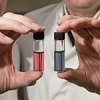



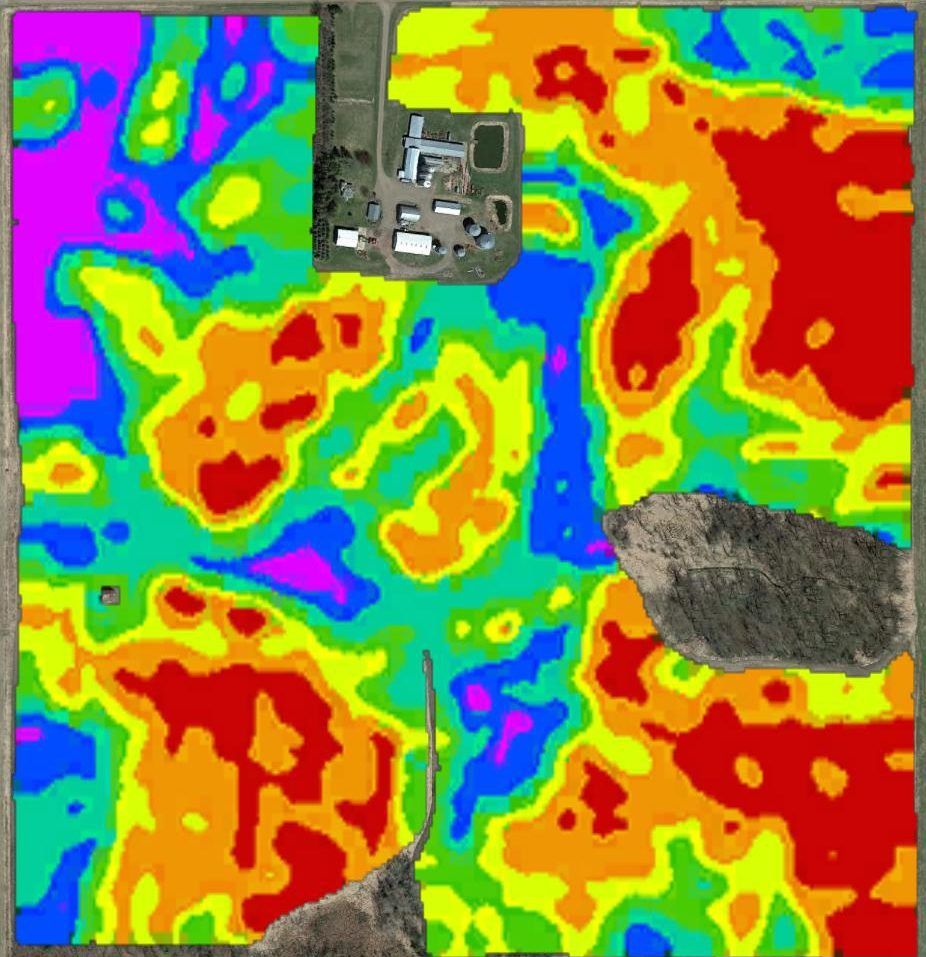
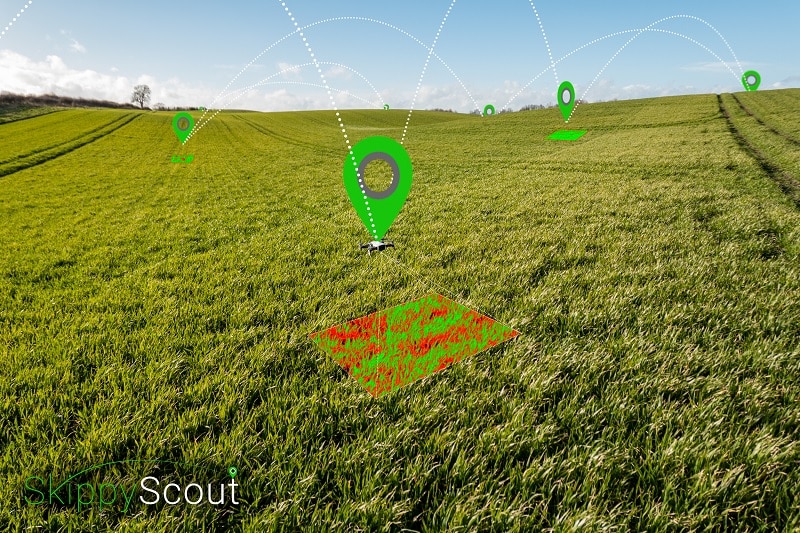
 The main diseases that affect wheat each have their own spectral signature, which means they can be detected remotely, even before there are significant impacts on the crop.
 Increasingly across the industry, a technique called Normalized Difference Vegetation Index (NDVI) is used to determine the health of the plant canopy. Healthy plants strongly reflect NIR light, as it isn’t used for photosynthesis. When a plant is diseased or weak, reflection of NIR is greatly reduced. The infrared images are processed using software to create the NDVI, which can identify the affected areas with pinpoint accuracy. A mathematical algorithm can calculate the difference in what is being reflected across an area of crops.
 Another subset of innovative algorithms can detect blackgrass at very young stages, with 80% accuracy; with more trialing, they aim to be able to detect the weed at pre-emergence stages, which would have a huge effect on both costs and yields, as would confident forward-selling due to accurate yield forecasts (80% by the beginning of May).
 Hummingbird has a particular focus on large arable farms, where there is economy of scale. The company, currently based at Imperial College London, already has over 100,000 hectares in its stakeholder base across the UK – a large part from its cornerstone industry backer, Velcourt – and currently provides an end-to-end service that integrates with existing farm management software.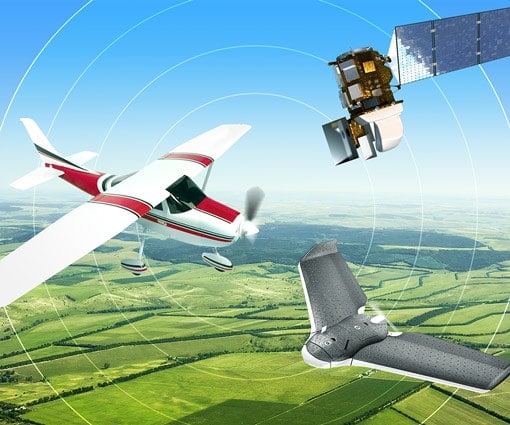


 “Crowdfunding is not a quick and easy solution, but it can be incredibly rewarding” says Paul Hughes, Head of Venture Development at Allia’s Future Business Centre. On 23 January 2017, he will deliver his insights into crowdfunding, at Agri-Tech’s ‘Show Me The Money! Focus on Funding’ event in Cambridge.




 A ground-breaking test for tuberculosis that can deliver results within six hours is on the cusp of commercialisation, says Dr Berwyn Clarke from PBD Biotech.


 “Plant breeding makes a huge difference in virtually every area of everybody’s life,” says Dr Penny Maplestone, CEO of the British Society of Plant Breeders (BSPB). She is set to speak alongside experts in agronomy and agri-engineering at the festive opening of Agri-Tech’s 2017 ‘Pollinator’ series – ‘A New Agriculture – What Will the Future Hold?’ which has been rescheduled to 12th January 2017.
 The creation of new plant varieties is a complex and costly process, so steady investment is crucial. Plant breeders’ rights enable breeders to charge royalties for the use of their varieties. BSPB acts as their royalty collection agency.




 “Having your own personal weather station provides multiple benefits if you are a farmer,” says Peter Palmer, Sales and Development at Prodata Weather Systems. “Knowledge of wind speed and direction is vital for maintaining good spraying records and for making the decision to spray or not, while rainfall monitoring and information about the soil moisture can improve irrigation decisions.”



 Yield and quality can be improved, within the existing fertilizer budget, by a move to Biological Farming.
  Julius Joel (pictured right), of Spearhead International and chair of Agri-Tech’s stakeholder group, has been out to Zimmer’s farm to see for himself. He says: “The difference in the crops grown by biological farming principles is visible in the field and quantifiable in the yields. Of particular interest to me is the work that Gary is doing on improving the nutritional content of the grain through carefully formulated fertilizers and working with the soil.”
 Zimmer makes the distinction between soil correctives – used to fix the soil and reduce the limiting factors – and crop fertilizers, which are applied each year to feed the crop.




 Norfolk-based
  Cost-effective precision spraying