Patenting, Trademarks, Copyright, Trade Secrets...
In the next installment of our micro-learning series, we’ll explore potential legal solutions to help you keep your ideas safe and sound.

Work better together with agri-data feeds in ZENSIE

Meet the Network
Agri-TechE

30 Mhz has recently updated its platform’s interface, look and feel.
A spokesperson says” “We wanted the experience of ZENSIE to reflect how our customers (growers, consultants, store managers, irrigation specialists, to name a few) work, and enable them to get even more out of their crop data. The result? New and improved features that make communication and collaboration simple, from anywhere.”
ZENSIE users (or anyone who’s had a glimpse of the platform) will be familiar with widgets, the modular building blocks used to put together custom dashboards based on users’ needs. From single value widgets and charts to tagged images and animated heatmaps, these building blocks can be explored interactively and annotated with comments.
Your feed helps you stay up to date on the conversations happening around your crop data, with an updating timeline of those comments.

Closing the data gap in horticultural research: in conversation with Chris Need

A few weeks ago, we spoke to horticultural consultant Chris Need about the role real-time data plays in helping growers prevent disease (in this specific case pansy mottle syndrome), and discussed how remote monitoring of plants and their environment can help drive more informed, immediate decision-making.

Q. Now that you’re working with a crop data platform with your customers, what impact have you seen?

For communication between myself and the customer, the 30MHz platform has worked brilliantly. We see historical context, the current status of plants, and can make confident decisions based on a combination of live data and an understanding of what’s been going on previously. We’ve been able to take preventative measures to avoid disease in crops, while communicating from anywhere in the world. I’m really enthusiastic for the opportunities for collaboration and data exchange that groups and comments offer customers as well.
I see some growers taking the next step and forming interdisciplinary project groups within the nursery. These groups features— the ability to share sensor data with any stakeholder, and have an ongoing conversation about that live data– are powerful, so I’d like to see more of them!
Take the example of two growers I’m working with: one grows small plants, and then hands them over to the other. There’s no competition here. The growers work in separate buildings, at separate nurseries, and operatrate reasonably separately, but they’re part of the same chain— same ecosystem. And they happen to share the same overall management. A mutual understanding of the plants’ experience as they move from one stage to the next would be of great benefit to both growers, not to mention the plants themselves.

So how do growers move to this next level of digital collaboration? (Well, they need to just log into the dashboard!)

In horticulture, everyone’s busy. And management at the top needs to see the impact on productivity and margins. Everyone wants innovation, but these organisations want to run as efficiently as possible— there isn’t a great deal of time for “free play.” That’s what makes 30MHz such a great fit: it’s easy to deploy and use, and the benefits are evident very quickly. It’s not risky for the business. That’s why it’s such a massive opportunity. Working together to create horticultural strategies based on real, live data has tangible benefits. Even in extreme conditions— one of the hottest summers the UK has seen in years— we managed to produce a number of batches with no signs of pansy mottle syndrome (PaMS.) We looked at plant stress, environmental conditions, and took action.
Screen settings and irrigation timings were manipulated to reduce leaf and air temperatures and reduce VPD peaks. 30MHz tech allowed us to go beyond a traditional approach of just looking at the environment— we could actually monitor the plants themselves and identify and minimise stress, something you wouldn’t spot using other tools.
At one point, something went wrong: very strong winds (over 15 m/s) led the climate computer to shut the vents based on thresholds set to prevent weather damage. High radiation and closed vents raised the temperature and VPD dramatically.
Two weeks later, we saw that PaMS had developed. From my point of view, this experience confirmed that we had been taking the right approach to prevent pansy mottle syndrome to begin with. And if we didn’t take this approach, we would see the problem.
We now have evidence to back our approach: we know we need to focus on what we need to control stress, and we see that if we don’t control those factors, we’ll have a negative result, with a delay of about two weeks. (We also know that changing wind speed settings will be able prevent this occurring in the future.) So, we’ve already seen some great results, but granular real-time monitoring like this can have an impact in so many other areas of horticulture.
There are real opportunities to leverage this kind of data to push forward on the R&D front— particularly in nurseries. Traditionally, R&D is done in research stations, so there isn’t really access to commercial conditions. There aren’t opportunities to manipulate the environment or the plants the same day— technology like 30MHz closes this gap. I’ve seen pansy mottle trials with traditional data logging, where data was solely historic, and nothing could be improved in real-time. The environment simply couldn’t be manipulated quickly or effectively.
What we’re doing at Newey Roundstone is the next step. The potential for responsive R&D in real, changing and changeable conditions is absolutely massive. I can’t wait to see the innovation that will come from collaborative, interdisciplinary collaboration based on live data. And it’s all possible in this platform.
Follow Chris’ views on the horticultural industry via LinkedIn, or contact him chris@needconsulting.co.uk

Could satellite be the answer to rural broadband?

Meet the Network
Agri-TechE

We are still in an era of not having fast internet by mobile sim everywhere in the UK. In these situations, satellite works well, and can be easily set up (with a farmer’s toolkit and built in tools) and moved from site to site. Speeds of up to 30Mbps and 6Mbps upload are achievable now and by 2019 we could be looking at 100Mbps or more from new European satellite launches.

Sims ideal for agri-tech

Richard Dix, Rural BroadbandRural Broadband (an offshoot of Rural Computing) was started by Richard Dix in 2011 and is based on the family farm at Heacham in West Norfolk.

Richard trained at Easton College during the late 80’s just as the early computer management systems were being introduced on to farms. He was also involved in on farm trials of computerised sow feeding using transponders on collars, giving him an early introduction to agri-tech.
4G networks are spreading over the UK and along with this increase of coverage, data costs are reducing. Rural Broadband work with the main UK mobile networks in supplying data and SMS sims ideal for agri-tech.
From a data sim with a few megabytes of data to large gigabyte plans and SMS only sims.

Rural Broadband Rural Broadband’s services include:
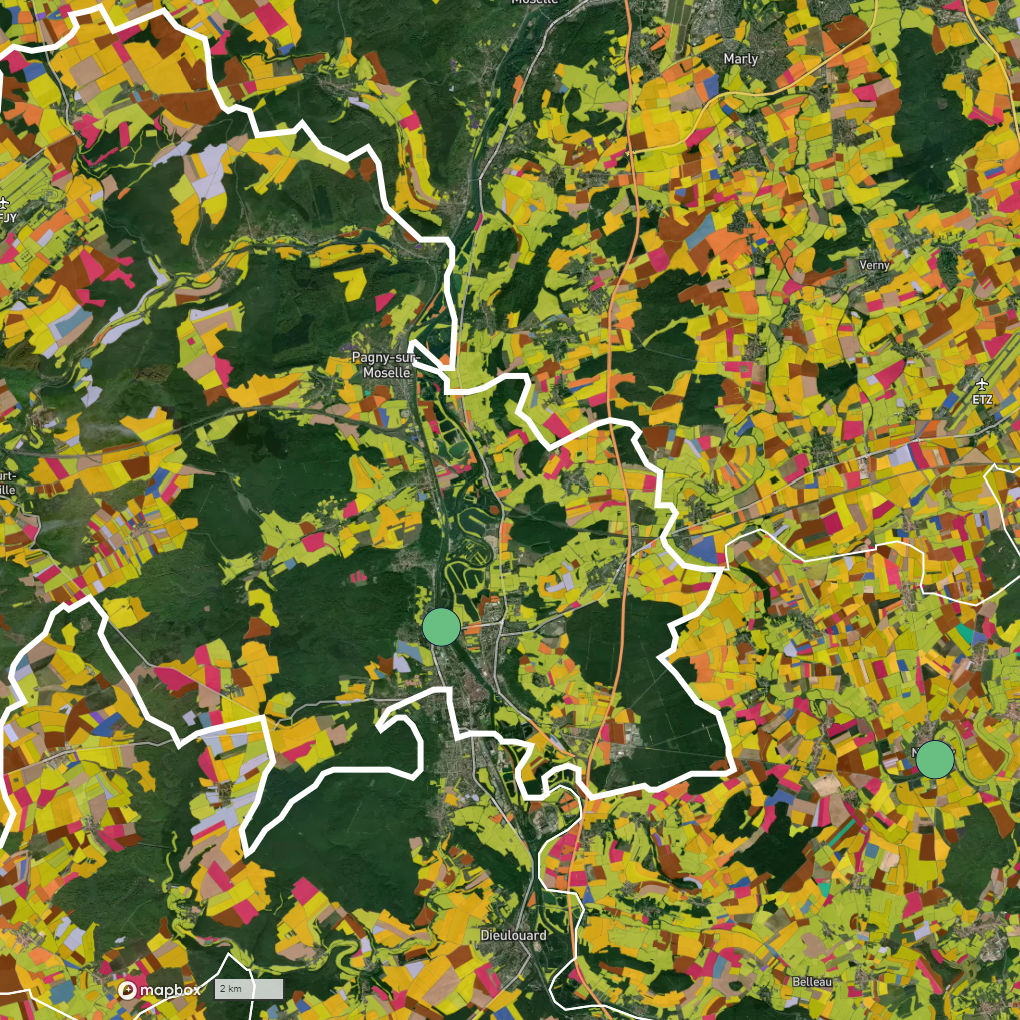
  • Communication and internet on remote sites (including homes and businesses) by 4G network or satellite
  • Remote device monitoring and control (IOT) using a mix of low use data sims on GPRS, 3G or 4G, or using SMS/Text messaging.

As satellite and mobile technology moves on, Rural Broadband stays ahead of others by working with the very latest technology and the best technology partners for their agri-tech connectivity projects.
Solar farm monitoring
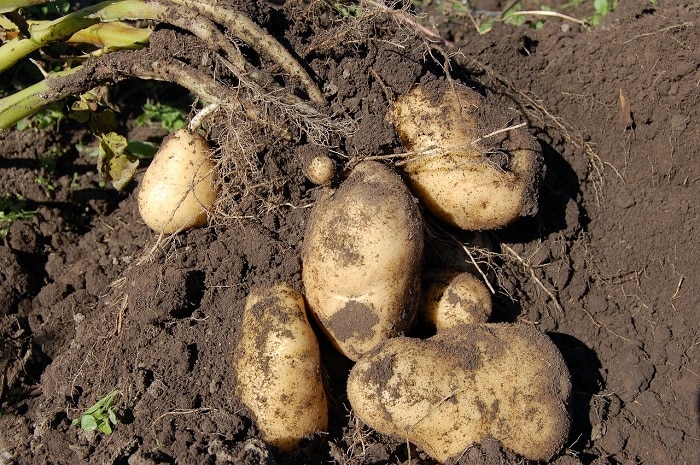
These currently include water level and sunlight level monitoring for potato crops as well as solar farm monitoring and remote meter reading.
This year Rural Broadband hope to add LoRaWan (farm wide) networking to the technologies offered, and they are seeking partners in this area.
Other services provided by the company include dealing with the slow internet and lack of it, in some homes, businesses and farms. We understand the problems of living and working in the country side, with the benefits of clean air and the problems of communication.
Unlike many other communications companies Rural Broadband supply a range of high grade mobile and satellite solutions so that we can provide the customer specifically with their needs rather than just one size fits all.
 
For more information visit ruralbroadband.co.uk
or contact Richard Dix
E: richard@ruralbroadband.co.uk
T: 01485 572253

Seaweed science to boost crop yields

Meet the Network
Agri-TechE

 
Seaweed technology could be the answer to boosting crop yields at a time of declining chemical efficacy, with scientific breakthroughs revealing the multiple benefits of algae.
The Olmix Group, which has invested tens of millions of euros into algae research and innovation since 2012, recently hosted a visit to its Brittany-based laboratories and manufacturing site. Following the acquisition of UK-based Micromix – a firm specialising in foliar nutrition and biostimulants – it invited four agricultural journalists from the UK to learn more about the science behind the technology.
“A lot of seaweed is being simply processed and sold as a plant booster, but Olmix has a scientific understanding of what the molecules are actually doing,” says Chris Gamble, sales manager at Micromix. “Now we know the plant genomes we can see exactly what the different active ingredients are doing.”
Olmix harvests seaweed from the Breton coast once it has reached the end of its lifecycle – so it is a sustainable product. Given the high tidal reach of the area the seaweed is particularly strong, which is reflected in its biochemical make-up and stress tolerance.
When broken down into its components: Carbohydrates, proteins, sulphated polysaccharides and nutrients, the seaweed can then be used to boost crop and soil health, explains Didier Blin, plant care manager at Olmix. “Each has a different action on the plant, from growth stimulation to boosting the plant’s natural defence mechanisms against stress.”
Combined with micronutrients, inorganic acids, or clay, the products can be applied at different growth stages for maximum effect, says Maria Matard-Mann, research projects manager. “We are using seaweed as a complement to crop and soil health, not the only part of nutrition. That’s what makes the difference – having both a nutritional and biological activity.”
There are more than 9,800 species of seaweed, with a greater genetic diversity than fungi and animals combined. Many elements – such as sulphated polysaccharides – are not present in land plants, which is what makes them so useful, she adds.
“As crops don’t recognise marine sulphated polysaccharides they respond with immune aggression, which improves their resistance to stress or disease.” Algal hormones stimulate root growth and nutrient absorption, while biological activators boost humification in the soil.
“Farmers have to produce more and better with less, to feed the planet in a sustainable way,” says international director Jean-Marie Bocher. “We believe algae can be the answer.”
John Swire, editor of the Agronomist & Arable Farmer, reckons it’s essential that alternative approaches are explored given the lack of new chemical controls. “Reducing inputs has got to be the right thing,” he says. “We’re looking at the end of the chemical revolution in agriculture. The technology is fascinating and I really do believe there is a place for such innovative approaches to the growing of crops in the future.”
Lucy de la Pasture, technical editor at CPM, agrees. “Seaweed extracts have been around for a long time but their action is not well understood. The investment and R&D Olmix is pouring into harnessing the properties of marine algae is a reassuring injection of science into a field that has been a dark art.
“I firmly believe that understanding the complex interactions between a crop and its environment, together with supporting the plant’s own defence mechanisms, will provide the backbone for crop production in the future.”

Pollinator event

Pollinator: Mimic, Harness or Borrow: Applying Nature’s Chemistry Set to Agriculture, January 15, 2019 @ 1:30 pm – 5:30 pm more information

Doug Chaplin, Business and Operations Manager, Micromix will be talking at this Pollinator event, for more information.

New facial recognition technology for producers

Meet the Network
Agri-TechE

To make it easier for fruit and vegetable roducers to manage their seasonal workers, Consus Fresh Solutions has developed a new Facial Recognition feature for its traceability software. Machine learning is used to identify staff and permit access, making clocking on and off a thing of the past and improving allocation of tasks and accountability.

The system compares the photograph in the human resources (HR) database with that of the person trying to enter the packhouse. If recognised, the worker is allowed access and can be given a task, which is then logged on the system.

Consus has developed an intelligent software-based system that reduces the burden of audits and improves productivity. By linking HR records to labour deployment the facial recognition module enables accurate costing of all products and improved traceability.

Derek Thompson, co-founder of Consus Fresh, has experience of managing a large packhouse: “Accurate time and attendance records are vital in a packhouse. In peak season you will have an influx of temporary staff. It is not unknown for staff to clock each other into work or not to turn up at all after the first day.

“Additionally if there is a product recall further up in the chain you may need to be able to identify exactly who was working on a specific product line on a particular day if later audited by a customer.

“The facial recognition system works with the procedures that a packhouse will already have in place but instead of RFID tags it uses a camera to identify the staff. Details are recorded electronically and updates or amendments made remotely.″

Craig Bargery, Packhouse Production Manager at Pollybell Organic Farm in the east Midlands, comments that he is looking forward to being the first to deploy the system in the New Year.

The Consus system is built on the Microsoft Azure platform, which supports AI applications.

Dr Matthew Smith, Director of Business Development at Microsoft research, says: “Consus is meeting a growing need by organisations to harness technologies in order to improve supply chain efficiencies, response times, waste reduction and branding. It’s particularly exciting to see how they’re utilising more advanced analytical capabilities such as face recognition to make the harnessing of the necessary information itself more efficient and effective.″

The Consus team has developed the facial recognition so that it needs no training to identify people; it is also consistent with BRC and reports can be generated to meet the varying needs of auditors and retailers.

Consus sees potential for increasing the level of support to producers and demonstrated two new modules for the product – Facial Recognition for improved workforce management and Shelf-life Prediction – in November at Agri-Tech’s REAP conference and at The CropTec Show.

Actiphage is ‘additional test’ farmers want to use, says Godfray TB review

Meet the Network
Agri-TechE

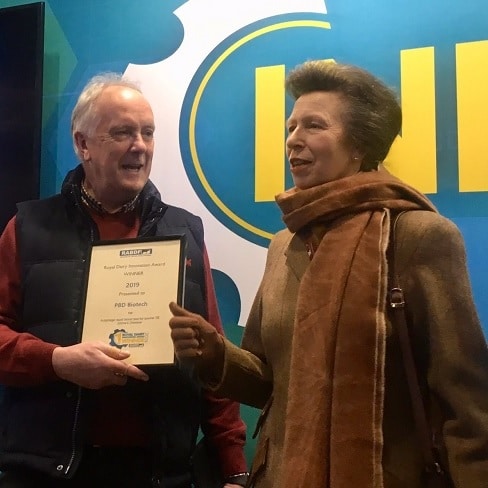
PBD Biotech’s Actiphage TB test is highlighted in the Godfray TB Review of the Government’s eradication strategy, published this week (13 November), as one of the additional tests that some farmers “would like to employ … to accelerate the removal of infected individuals and to better manage within herd transmission”.
PBD Biotech’s CEO Dr Berwyn Clarke, who responded to the review’s consultation call for submissions earlier this year, commented on Godfray’s recommendations: “It’s encouraging to see this independent review acknowledge farmers’ need for additional tests to better identify and manage TB on farm.
“There’s an increasing body of evidence that indicates the sensitivity of the existing skin test is much lower than previously thoughts, meaning many infected animals are being left in herd. It is vital that this hidden reservoir of infection is eradicated; otherwise, all other interventions will have very little benefit. And it casts doubt on whether TB-free status is genuinely the case.
“Actiphage’s sensitivity is higher than that of existing tests and trials have shown it is routinely able to detect live mycobacteria in blood or milk – at less than 10 mycobacterial cells per ml of sample.”
Studies demonstrate Actiphage’s reliability; a survey of SCCIT-positive UK cattle tested at slaughter, using Actiphage, found live Mycobacterium bovis in not only the blood of all animals with visible lesions but also in 93% of animals with no visible lesions  following post-mortem examination. In contrast, no mycobacteria were detected in blood samples from control animals that were taken from a high-biosecurity status herd known to be disease-free.
Dr Clarke continued: “The technology’s unique capacity to differentiate between live, or viable, and non-viable cells – meaning that it can also distinguish between a vaccinated and an infected animal – paves the way for new types of disease control when vaccines become available in the future, as called for as a priority by Professor Godfray.”
PBD Biotech’s highly sensitive and specific Actiphage assay was included in the Government’s ‘Exceptional private use’ policy for chronic TB breakdowns in England when it was updated 6 months ago. This new strategy was driven by the test’s field validation, during studies conducted by Devon-based vet Dick Sibley, who incorporated Actiphage into a disease management strategy to help clear a dairy herd that had been stricken with TB since 2012.
TB in cattle costs UK taxpayers £100m in compensation every year – with 33,000 infected animals slaughtered in 2017.
The Review, commissioned by Environment Secretary Michael Gove in February, aims to inform future strategies around the government’s goal of eradicating bovine TB by 2038. The report highlighted the need for stringent testing around cattle movements to clamp down on disease spread and greater flexibility in adapting bovine TB control measures as new research findings emerge.
Dr Clarke added: “Actiphage is involved in a number of further studies with bovine, ovine as well as exotic species in the UK and overseas. We are keen to work together with DEFRA to support the roll out of new disease management protocols, which include Actiphage, to achieve the most effective results for farmers and make the UK TB free.”
The Godfray report is now with Ministers who will consider its recommendations before publishing a response, setting out the next steps for the bovine TB Strategy.

Enabling livestock farmers to meet changing customer preferences

Meet the Network
Agri-TechE

Changing customer tastes mean that almost half of prime beef now fails to meet ideal market specifications, resulting in lower prices for livestock farmers and waste in the value chain.

Breedr has developed an easy-to-use app that will help farmers finish cattle to retailers’ specifications with greater precision, underpinned by the data to evidence this. The company is launching the Field to Yield trial with Rothamsted Research at North Wyke, to improve the metrics available to farmers, at Agri-Tech’s REAP Conference 2018.

Breedr co-founder Ian Wheal was brought up on a mixed livestock farm in Australia, where his father was one of the first to adopt electronic tagging. The tags capture information about the performance of individual animals and enable an audit trail to be created of medical interventions, time on grass etc.

Wheal explains that this knowledge of data-driven production has helped him to develop a decision support system for UK producers. He says: “There is a big drive towards loin (steaks) and mince (burgers) from consumers, however the current EU-wide EUROP grading system, which is used to value beef, was originally designed when rump was the main piece of beef consumed.

“The result is that today’s farmers are flying blind when trying to meet the specifications of retailers for meat with less fat and improved taste.”

Data from the Agriculture and Horticulture Development Board (AHDB) suggests that if customers have a bad eating experience it can take up to 12 weeks for them to buy that specific cut of meat again.

Breedr’s Field to Yield project with Rothamsted Research is looking at ways to improve the metrics available to both farmers and processors, to truly understand the yield of an animal and the quality of its meat.

Wheal continues: “Currently producers use their experience and expertise to visually assess conformation and estimate carcass weight as a percentage of live weight, but it seems this no longer syncs with what retailers need for their customers. We are looking at ways to capture this information in a more evidence-based way that will provide farmers more meaningful insights.

“One example would be to provide better understanding of how genetics and breeding can create a desirable frame size. Also, to investigate how the use of 3D camera technology can help standardise measurement and give a much earlier predictor of value, and better align to the actual needs of a processor.”

Breedr aims to create a virtuous circle where consumer behaviours and buying decisions are fed back through the value chain to inform decisions on breeding, feeding and animal welfare, and livestock producers can provide data evidence that they are producing premium meat.

Breedr is working with Professor Michael Lee, Head of Sustainable Agricultural Sciences at Rothamsted Research North Wyke and Chair in Sustainable Livestock Systems at Bristol Veterinary School, on the Field to Yield project, which is funded by the Impact Labs.

Prof Lee is excited by the project and comments: Our research shows that it is possible to produce livestock with the desired attributes within 18 months from pasture based finishing, to balance the needs of production efficiency, product quality and environmental impact. But to achieve such targets requires excellent pasture management, appropriate animal genetics and visualisation tools to predict carcass and eating quality.”1, 2

A spokesperson from the Impact Lab says: “Livestock makes a valuable contribution to the UK economy. Supporting farmers to produce high quality meat with lower inputs and reduced environmental impacts will improve their competitiveness in the global market.”

Breedr aims to bring data to the supply chain that can help processors and retailers buy appropriate animals, increase usable meat for their need and reduce variance in supply. Wheal comments that most buyers are now data-analysts: “If buyers have the evidence to show that a particular producer consistently produces meat of the desired quality then it becomes easier to assess fair value.

“Data paves the way for a different type of relationship between producers and their customers where a quality product is rewarded and the guesswork is removed.”

Livestock producers interested in gaining early access to the Breedr technology are invited to take part in the Field to Yield trail. More information is available www.breedr.co


References

1 Takahashi et al. 2018

2 Wilkinson and Lee, 2018

Rothamsted Centre for Research and Enterprise joins UK Science Park Association

Meet the Network
Agri-TechE

Rothamsted Centre for Research and Enterprise, RoCRE, part of the historic, world-renowned Rothamsted Research campus in Harpenden, Hertfordshire, has joined the United Kingdom Science Park Association (UKSPA). UKSPA represents over 130 science, technology and innovation parks in the UK, encompassing well over 4000 companies, and exists to represent innovative knowledge-based environments.
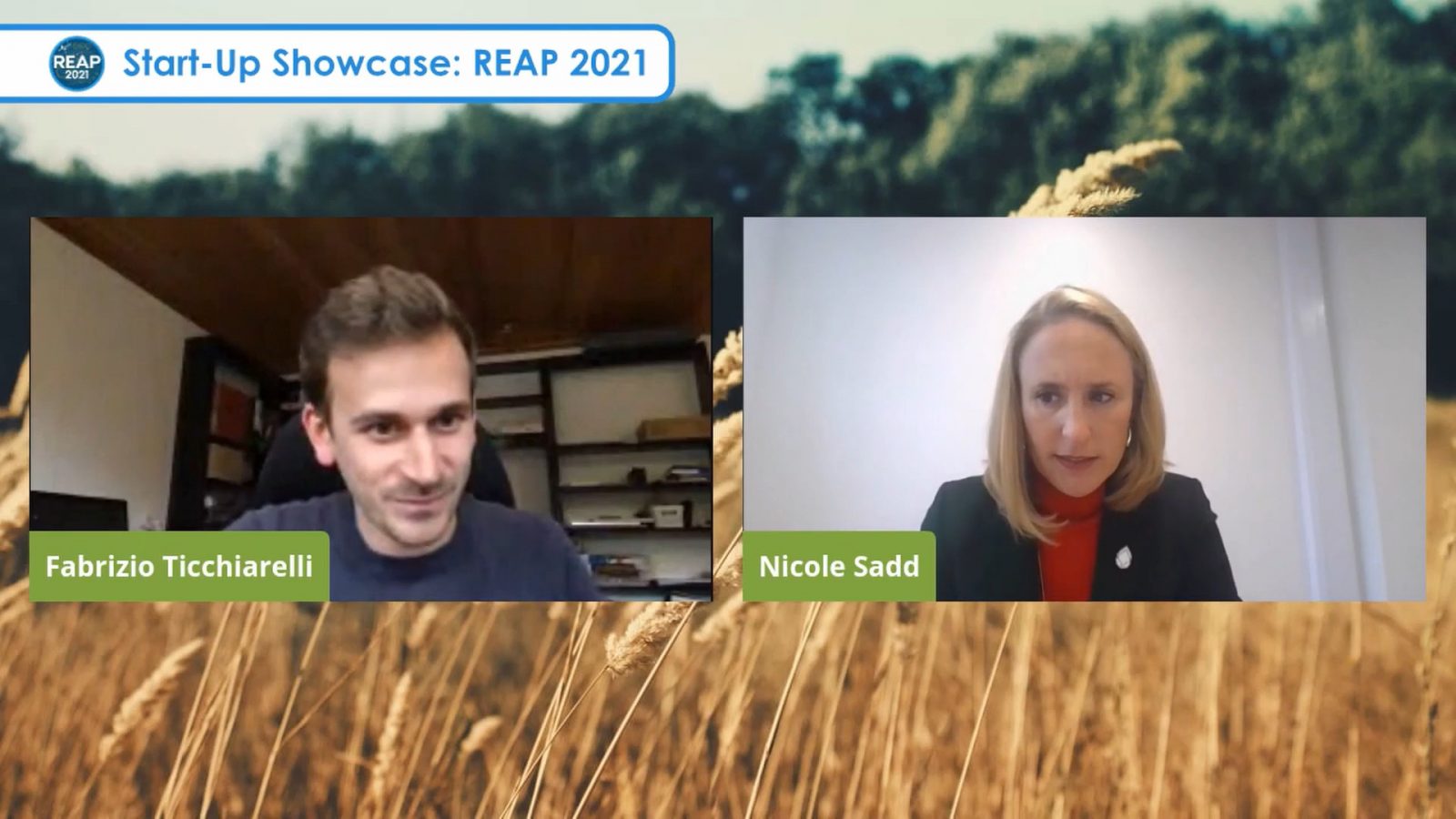
Nicole Sadd, RoCRENicole Sadd, Executive Director of RoCRE comments on the importance of being part of UKSPA: “It’s vital that the innovation centres we build here at RoCRE are fit for purpose and we’re looking forward to building many fruitful relationships with other like-minded parks and organisations. Being part of UKSPA will help us ensure that RoCRE is not only firmly on the map in terms of our state-of-the-art facilities and offering as a centre for innovation and collaboration, but will also help us build a network of relationships across the UK with other parks, to share ideas and best practice. Connecting with these businesses will cement our position in UK innovation culture. Of course, we also want to look at how we can continually keep up with and exceed the competition!”
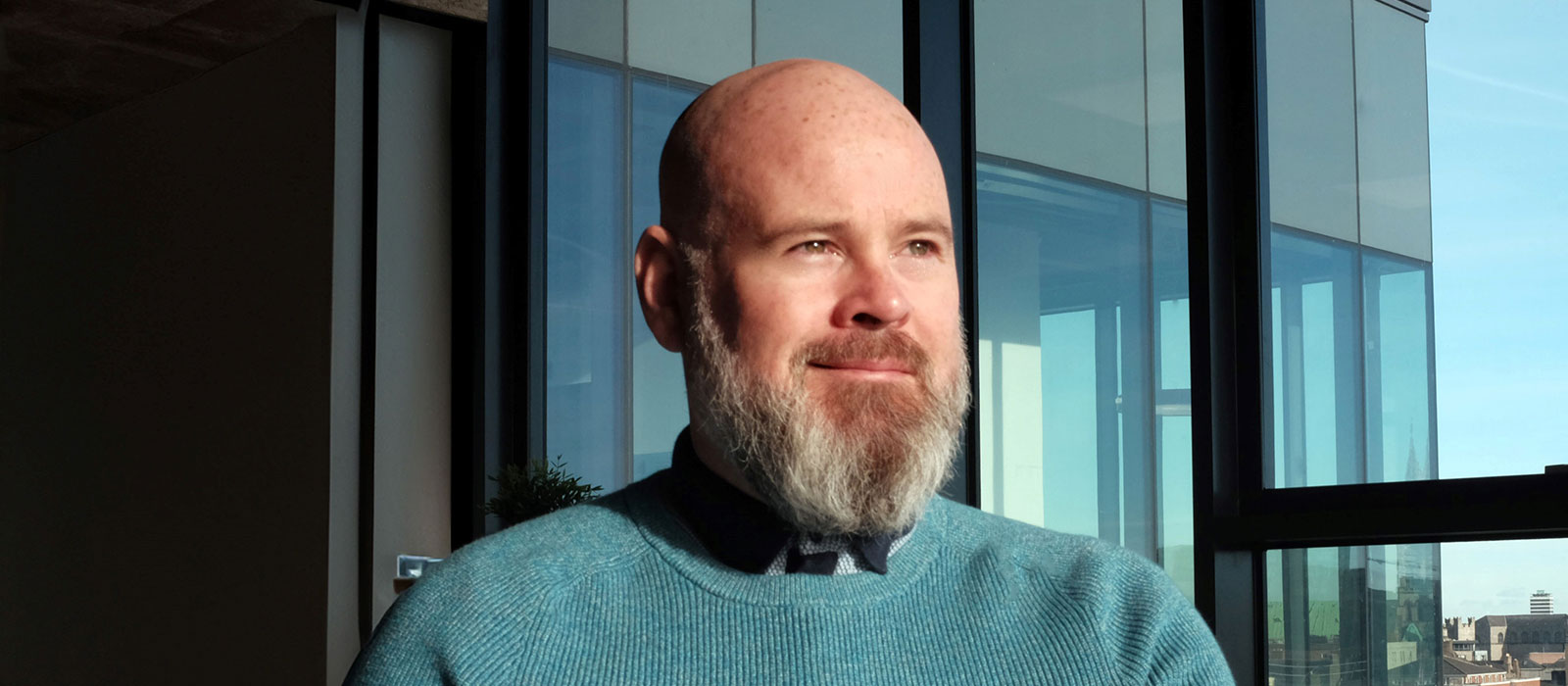
“UKSPA are delighted to welcome RoCRE on board” says Jim Duvall, Executive Director of UKSPA. “Our work to promote the UK’s Science and Innovation sector is greatly enhanced by the scale and growth of our membership and RoCRE are an important addition to our Association. UKSPA’s mission is also to help deliver the ambitious plans that RoCRE has to expand their capacity to deliver even greater impact in the future.”
For more information, go to www.rocre-rothamsted.com or contact Claire Flawn, Marketing, claire.flawn@rocre-rothamsted.com Tel: 01582 938175.

Increase yield by 10%, cut nitrogen by a fifth, make £9bn – find out how at REAP 2018

Meet the Network
Agri-TechE

A decade-long trial involving 21 million Chinese smallholders has shown it is possible to significantly improve crop yields while cutting use of nitrogen fertiliser by almost a fifth.

Zhenling Cui integrated soil-crop system management
Community involvement was a big part of the success behind Zhenling Cui’s integrated soil-crop system management project

The results provide strong evidence that a bespoke integrated soil-crop system management (ISSM) programme, developed by Cui Zhenling and his team at the China Agricultural University, is robust and versatile enough to support agricultural strategies that both enhance productivity and environmental performance.
To enable China to continue to feed its 1.4 billion population, while reducing the detrimental impact that food production was having on the environment, a new approach was required.
Cui Zhenling explains: “We first gathered the results of 13,123 field trials conducted on maize, rice and wheat farms across China’s vast agroecological zones to test the applicability of a comprehensive decision-support ISSM. The framework appeared to suit these needs.”
With data from the field trials, Cui’s project team developed evidence-based advice that was adapted for local conditions and given to farmers. “We developed crop model simulations for optimal use of solar and thermal resources in a given region and then, according to soil tests and the needs of specific crops, were able to combine a formula of nutrients and water to support individual crop strategies,” he says.

REAP looking at competitive sustainable production 

Cui Zhenling is providing a keynote at this year’s Agri-TechE REAP Conference.  The conference will be looking at how agri-tech innovation can support competitive sustainable food production.
The study, which was published in leading scientific journal Nature, is one of the most expansive studies into food production involving almost 200,000 collaborators, extension agents and agribusiness personnel in addition to 20.9 million smallholders.
The project’s decade of data shows an overall yield improvement of 10.8% – 11.5% and a reduction in the use of nitrogen fertilisers of between 14.7% – 18.1% per crop, when comparing ISSM based interventions and the prevailing practices of the farmers.

Agri sector £9 billion better off

Commenting on the outcome of the study, Cui says: “Production and environmental outcomes from the national campaign were positive, in line with expectations. In practice, the study led to a net increase of 33 megatonnes of grains and a decrease in use of 1.2 megatonnes of nitrogen fertiliser – equivalent to China’s agricultural sector being over £9billion better off.”
Cui Zhenling will be sharing his insight at Agri-Tech’s REAP Conference debate, held on Wednesday 7 November 2018 at Wellcome Genome Campus Conference Centre, Hinxton, Cambridge, CB10 1RQ.
REAP 2018

Burden of traceability eased with Consus

Meet the Network
Agri-TechE

Smaller vegetable, fruit and flower producers still using paper-based systems are struggling to meet the ever-increasing requirements of retailers for quality assurance and traceability, says Derek Thompson, co-founder of Consus Fresh Solutions, Bourne, Lincs. To address this the company has developed an intelligent software-based system to reduce the burden of audits and improve productivity. (more…)

Laying foundations for Internet of Agri-Things

Meet the Network
Agri-TechE

East Anglia is one of five broadband “black spots” across the UK, according to a recent report by the Financial Times.
Improving this infrastructure is vital to support the digitisation of agriculture, Professor Gerard Parr is to say in his presentation at REAP.  He will be discussing a new initiative aimed at supporting the emerging Internet of Agri-Things.
Professor Gerard Parr, who started as the University of East Anglia’s (UEA) Head of Computing Sciences two years ago, is driving a unique initiative to create the East of England Smart Emerging Technologies Institute (EoE SETI).

Prof Gerard Parr REAP 2018 speaker PLACEHOLDER
Prof Gerard Parr to speak at REAP

Gerard intends to build on his 30 years’ experience, collaborating with agencies and organisations such as IBM and BT, to help create a unique research and innovation facility in the East of England. EoE SETI aims to design and implement a number of high-speed digital test beds to support innovation over fixed and wireless connections. For agrifood this includes artificial intelligence (AI), imaging, genomics, robotics and smart sensors as part of large scale trials.

A crucial but absent foundation

The 2017 East of England Science and Innovation Audit, commissioned by UK Government, recognised that Information and Communications Technology (ICT) is a crucial foundation for the functioning of key market sectors and the local economy.
However, most rural areas are still underserved by ICT. Commenting on the absence of a foundational, pervasive high-speed infrastructure in the region.
Gerard said: “There’s a huge amount of research talent in East Anglia, in animal, plant and human health expertise as well as in Internet technologies, Al, cyber security, telecommunications and cloud communications. But much of the region is still experiencing worse speeds than rural parts of India. We need to take these available innovations into the field.”Internet of Agri Things
To better understand the requirements and potential impact, the EoE SETI initiative is also planning interlinking Internet of Things testbeds, which will be deployed to benefit smart farming and the wider region.
The Internet of Things (IoT) refers to objects communicating with each other over remote wireless connections and this is becoming more feasible with the development of low cost, low energy, electronic devices – much of this work is happening in Cambridge, with increasing linked work taking place at UEA. The IoT is creating the opportunity for new types of decision-support for farmers.

Establishing an ‘Internet of Food Things’

Gerard has joined UEA from Ulster University in Northern Ireland, where he advised Government on the roll-out of superfast broadband. In the 2018 New Year Honours, Gerard received a MBE for his lead on a multi-million pound initiative that connected Ireland, the UK and North America with high-speed submarine connections and a global data centre for the benefit of the regional economy.
Most recently, the UAE Head of Computing Sciences – in partnership with the universities of Lincoln, Southampton, Surrey and the Open University – has achieved Government funding to establish The Internet of Food Things (IoFT). The network will bring together data and computer scientists, chemists and economists to investigate how AI, data analytics and emerging technologies can enhance the digitalisation of the UK food supply chain.
Gerard continues: “The food and agri-tech sectors are increasingly reliant on novel digital sensor, communications and Internet technologies. There are so many opportunities for bilateral engagement across different industries, but to underpin this we need a cohesive, large-scale solution based on excellent research for the longer term. Through the IoFT multidisciplinary network, we will investigate new innovations to help the sector improve security, robustness and productivity of their systems and plan for new market opportunities.”

Internet of Agri-Things 

Gerard will be giving a keynote address to other scientists, technologists, farmers and producers at this year’s Agri-TechE REAP Conference.
Also at REAP is a debate by a panel about the best use of agri-tech innovations and ICT, including the priorities for investment in agri-tech innovation.
The 2018 REAP Conference will be held on Wednesday 7 November at Wellcome Genome Campus Conference Centre, Hinxton, Cambridge, CB10 1RQ.
REAP 2018

Considering no-till? Plater Bio is a natural choice

Meet the Network
Agri-TechE

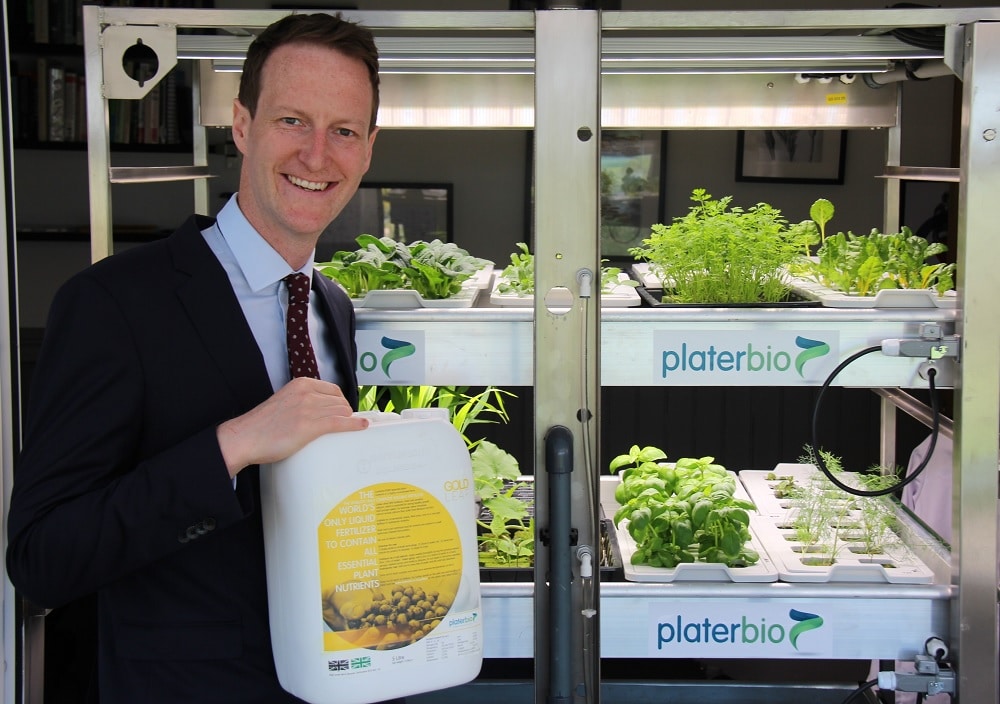
Russell Sharp, Plater BioConcerns over soil degradation have increased interest in no-till cultivation, which, by eliminating ploughing, minimises soil disturbance. Although widely used in the US, concerns over black grass management have restricted its adoption in the UK.
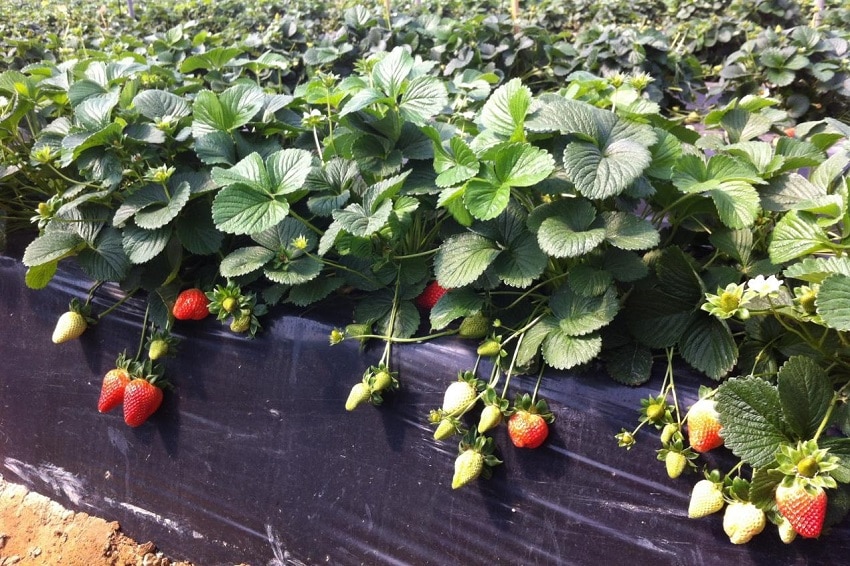
To overcome the challenges Plater Bio provides a number of natural products to support no-till and is conducting a trial to see if liquid gypsum could be used as part of an IPM programme to overcome the problem of pernicious weeds. Plater Bio’s founder and Technical Director Russell Sharp will be at REAP to discuss this with farmers.

Challenges with no-till

No-till cultivation involves preventing or minimising soil disturbance by drilling seeds directly into the seed bed left by the previous crop. This less intense cultivation translates into lower operational costs and long-term improvements to soil structure with associated environmental benefits.
However, there are three key challenges that prevent many farmers adopting no-till.

  • Dealing with the crop residue (stubble) left over from the previous crop
  • Ensuring adequate aeration and drainage without the need for ploughing
  • Control of weeds, in particular black grass (Alopecurus myosuroides), barren brome (Bromus sterilis), and couch grass.

To address these challenges Plater Bio has developed some innovative products
Stubble digester – Residual stubble has been found to delay germination, to be a food for slugs and a source of fungal toxins. It also interferes with the seed drill. Plater Bio’s stubble digester uses carboxylic acid to stimulate the native saprotrophic fungi already in the soil speeding up the breakdown of stubble.
The company has already seen great results from the technology in horticultural settings, and has expanded these trials to no-till arable fields. Russell will be available to discuss these trials.
Phosphorous Liberator – phosphorous is essential to plant growth but it is usually a lack of availability rather than a shortage that is the problem. Plater Bio has developed a phosphorus liberator that helps to dissolve phosphorous locked up in the soil as calcium phosphate to make it available to plants, and also to feed saprotrophic fungi which degrades organic matter in the soil.

Soil erosion from ploughing
PlaterBio’s products aim to combat soil erosion from ploughing

Liquid Gypsum – Plater Bio has been running a series of percolation tests to determine the effectiveness of Liquid Gypsum in increasing and improving the drainage of waterlogged arable fields.
Granular gypsum is worked into the top soil during ploughing and helps to create a crumb structure that improves drainage and aeration. However, this is not possible with no-till cultivation so Plater Bio has developed a Liquid Gypsum. This solution is able to penetrate the entire top soil and flocculate the soil particles at depths where the crop’s roots will be most active. Liquid Gypsum is also 2,000 times more effective than granular gypsum, meaning flocculation will occur at the time of application.
Gypsum is also a good source of calcium and sulphur, which is now deficient in many soils with the reduction of air pollution. Sulphur is particularly important for oil seed rape, as the glucosinolates they produce to resist pests and diseases are sulphur-containing. Calcium is also a key macronutrient that is known to affect crop resilience due to its importance in maintaining healthy cell walls and membranes. Without adequate calcium plants will be more susceptible to environmental stress and attack by pests and disease.
Fungal chitosan – this organic product can be used as a foliar spray or seed coating to control bacterial and fungal diseases and is a powerful flocculant. While popular in Southern Europe, farmers in Britain have yet to adopt the technology. Trials are underway to assess its efficacy on a range of pests and diseases on cereals and rape crops in the UK.
Improving soil condition to manage black grass – black grass is known to thrive in wet and waterlogged soils, and Plater Bio are hoping to assess the long-term impact of liquid gypsum as part of an IPM programme to control this pernicious weed.
Other useful products for no-till include treatments that will stimulate the beneficial soil microbial community (microbiome). This includes seaweed extracts, humates, sugars and amino acids.
Humates are not a panacea and claims that humate products will improve soil drainage or chelate micronutrients have little scientific basis. Instead it should be viewed as a substitute for insufficient soluble humus in the soil, for example in sandy soils early into a conversion program.
The major characteristic of a no-till soil is an abundance of organic matter.
 

More information

Plater Bio (www.platergroup.co.uk) will be exhibiting at the REAP conference on Wednesday 7th November.
Soil improvement is also the subject of several events being held in Agri-TechE Week.
Additionally, if you are interested in alternative approaches to traditional agrichemicals there is a Pollinator event on this subject on 15th January 2019.

Could a re-focusing of our markets future-proof UK food production?

Meet the Network
Agri-TechE

Sustainable food production can only be achieved with a clear market-focus and a degree of pragmatism, believes Mark Suthern, National Head of Agriculture at Barclays, speaking ahead of his panel debate at Agri-Tech’s REAP Conference later this year (7 November).Mark Suthern, REAP 2018 speaker
Mark, who is chairing the all-new debate on whether agri-tech innovations should prioritise land use for competitive sustainable UK food production, has, over the past 25 years, gathered best practice from his work in agriculture at home and abroad.

Seek new markets

Drawing from his experience of working with large-scale farming businesses in South Africa and individual farmers in India, Mark says that: “When the ‘local’ market isn’t there and government support isn’t there, then you really do have to actively seek out new markets. “The principle purpose of farming is to produce quality food at affordable prices for the consumer though. The consumer market is diverse and offers the opportunity to produce premium-priced artisan products alongside cheap, wholesome food,”
Mark continues. “We shouldn’t underestimate the resilience and innovative nature of UK farmers, they have access to land and could use it to generate income not just from beef, sheep, arable but also for entrepreneurial uses like storage and energy generation.” “It’s all about maximising the resources you’ve got. Sometimes in the UK we bemoan our access to market, but in India local farmers travel, by foot or bike 20 or 30 miles, with little more than a basket of plums to sell and earn 30p. We have something to learn from their collaborative way of working to solve a problem.
“In South Africa, they are operating at scale and there is a real focus on new technology. “Irrigation techniques and the science of the soil are an integral part of their business planning – but they are also constantly looking for overseas markets. For citrus fruits, in particular, it is a priority.”

Big wins


“Plant machinery and the use of Big data will be two of the Agri-tech wins,” says Mark, who considers these will make tangible returns on investment.
“Netherlands, it’s the second largest global exporter of food and they produce more tomatoes by square mile than anywhere else in the world. Their levels of bank borrowing are higher than that of the UK’s, but they have leveraged their assets to invest in their businesses.
“When we talk about the provenance of food and policing of the supply chain, it’s about producing and using data that enables farmers and consumers to make informed decisions. Blockchain technology, for example, allows you to track the animal to the slaughterhouse, to the haulier, to the box on the shelf or the restaurant. That level of technology is so powerful.”

REAP debate on priorities for agri-tech 

At Agri-Tech’s REAP Conference, producers, technologists, scientists and advisors will consider whether innovation in agri-tech should be targeted towards food production in broadacre environments, or whether alternative food systems could be more economically and environmentally sustainable.”
The REAP Conference will be held on Wednesday 7 November 2018 at Wellcome Genome Campus Conference Centre, Hinxton, Cambridge, CB10 1RQ.
REAP 2018