Patenting, Trademarks, Copyright, Trade Secrets...
In the next installment of our micro-learning series, we’ll explore potential legal solutions to help you keep your ideas safe and sound.

REAP Start-Up Showcase for farmer-centric agri-tech innovation

Meet the Network
Agri-TechE

The REAP Start-Up Showcase has helped to launch many agri-tech innovations that address a real world challenge. Below is an update on some of the companies that have been featured over the last six years. We keep the line-up for the REAP start-up showcase highly confidential to ensure the attendees (potential clients and investors) get the full benefit of the presentation, as it has been the launch-pad for some of the most exciting young companies in agri-tech – as you can see below. AGRIinsight – has announced major commercial partnerships with Tanzania and Kenya based partners, completing the digitisation of their rice supply chain. The company can now offer a full digital ‘farm-to-fork’ service that allows smallholders to connect directly with large urban markets.
Better Origin (formerly Entomics) – featured in the Forbes article ‘Three Greentech Startups To Watch In 2020 And Beyond: Bringing Innovative Solutions To Food Waste’.
Breedr – has launched the world’s first fully-traceable livestock marketplace, hailed by John Royle, Chief Livestock advisor for the NFU, as “creating a virtual supply chain that builds confidence and trust between producers and processors … and supports the NFU net zero target.”
Connecting Food – the French Foodtech start-up has raised more than €5M since its creation in 2016, accelerating its technological and commercial development and asserting itself as a market leader in food transparency.
Vidacycle – has developed a new product focus on the needs of viticulture.
EcoNomad Solutions – has gained £140k from the SHAKE Climate Change Programme to commercialise its innovative biodigester aimed at small farms.
fieldmargin – has launched DroneDeploy to make it easy to create a visual record of your farm using a drone, enabling farmers to draw maps, make notes, leave messages for the team and more, with or without an internet connection.
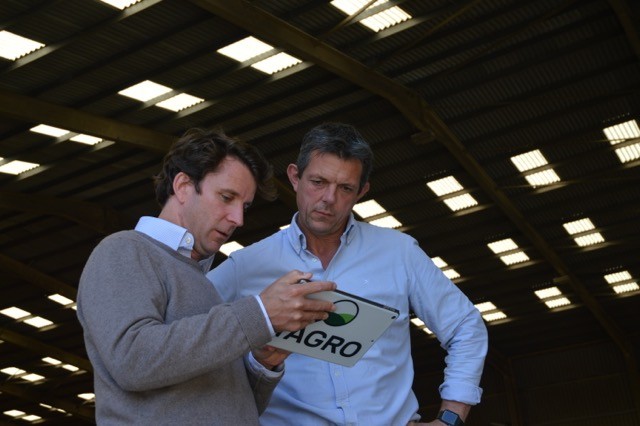
Yagro – has launched a new product developed with the input of a farmers to analyse the cost of production at a field level.
PBD Biotech – has had their novel phage-based technology test, Actiphage, named by APHA as one of the unvalidated tests to be used in bovine TB disease management.
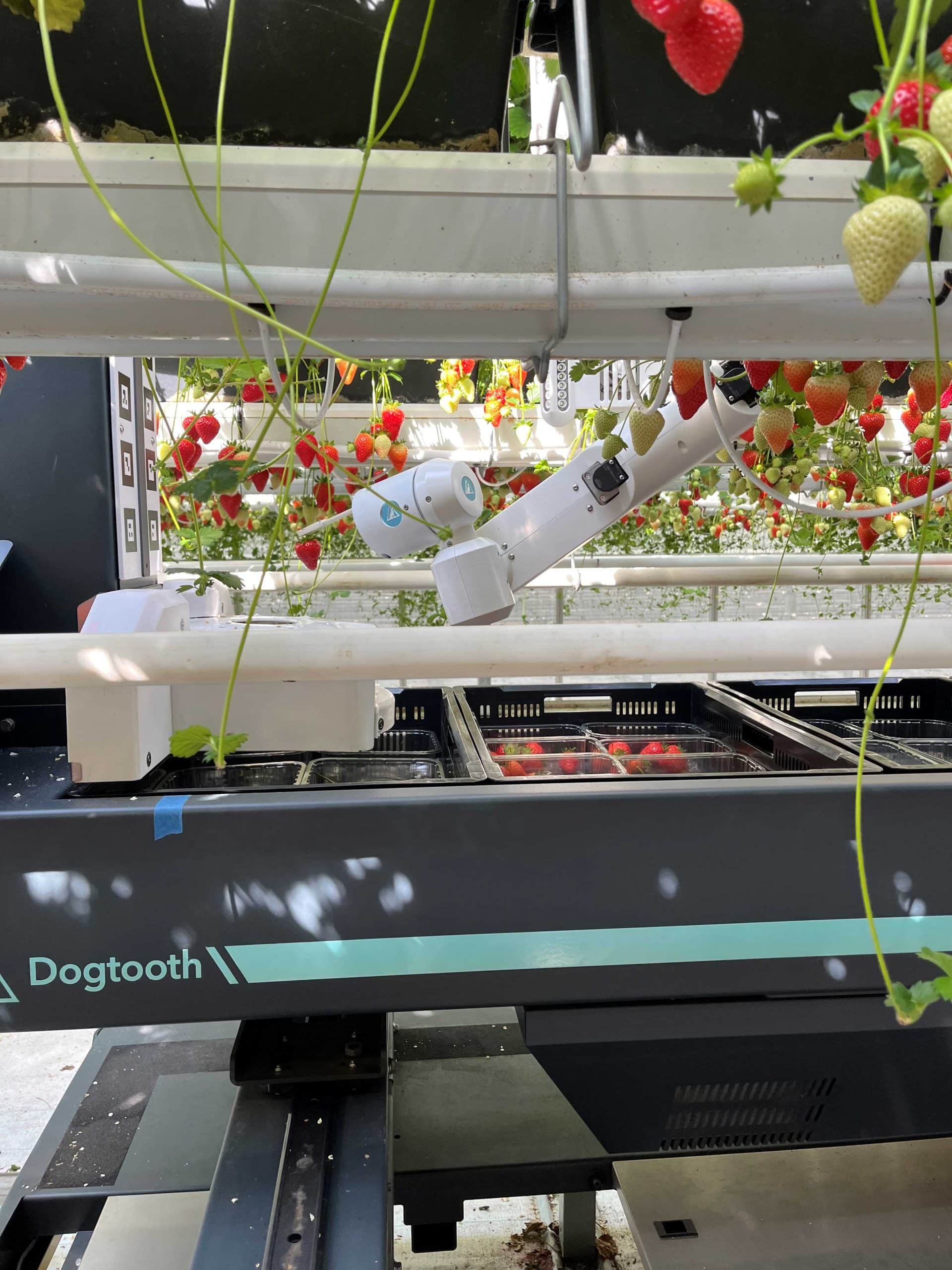
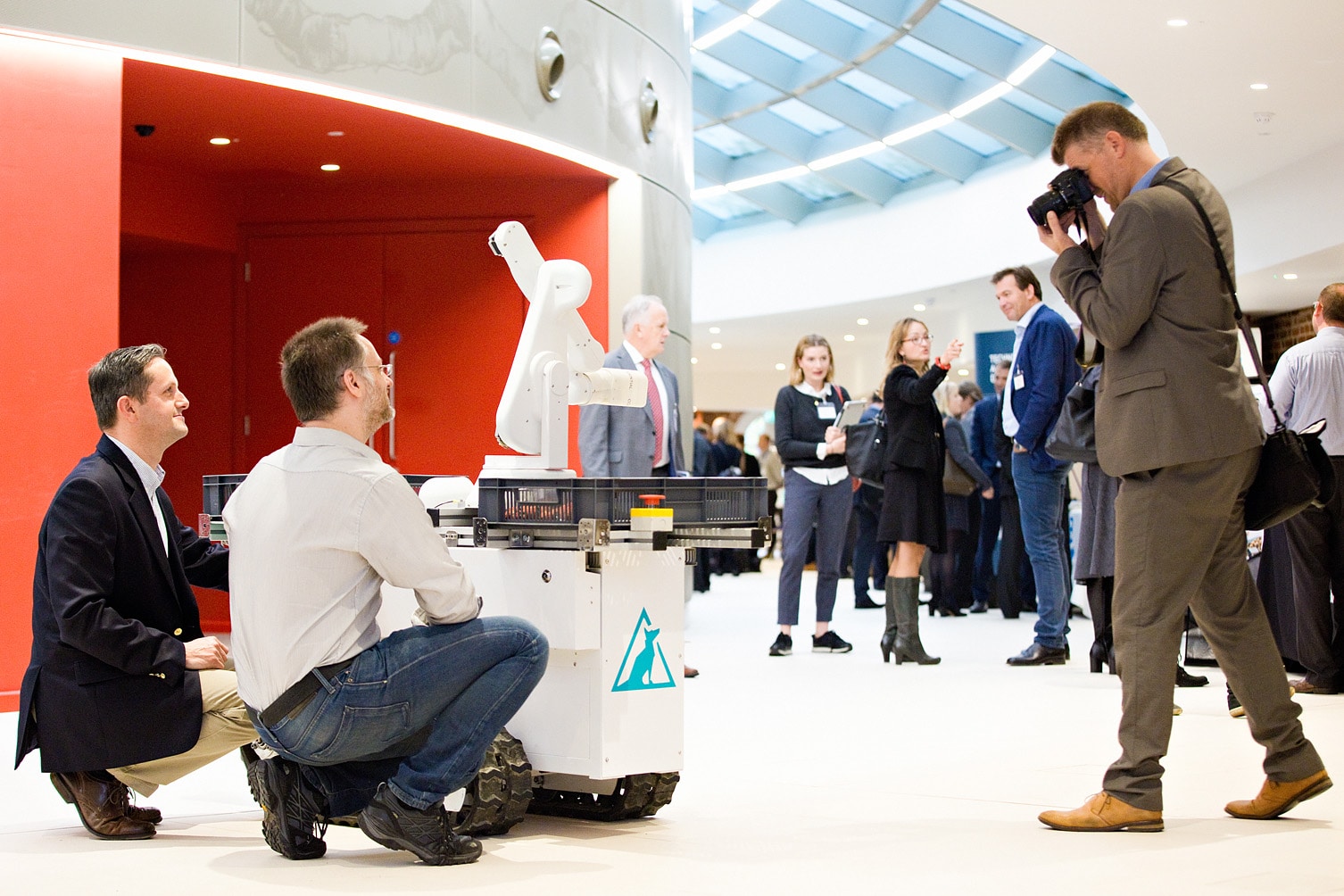
Dogtooth Technologies – has been mentioned by FT.com as one of the companies “accelerating certain robotics and automation projects in an effort to counter farm labour shortages.” Dogtooth Technologies is developing a prototype strawberry harvester.
Hummingbird Technologies – has signed resellers for its innovative data analytics and artificial intelligence platform that improves the management of cereal crop health. Winner of the 2019 Agri-TechE Innovation award.

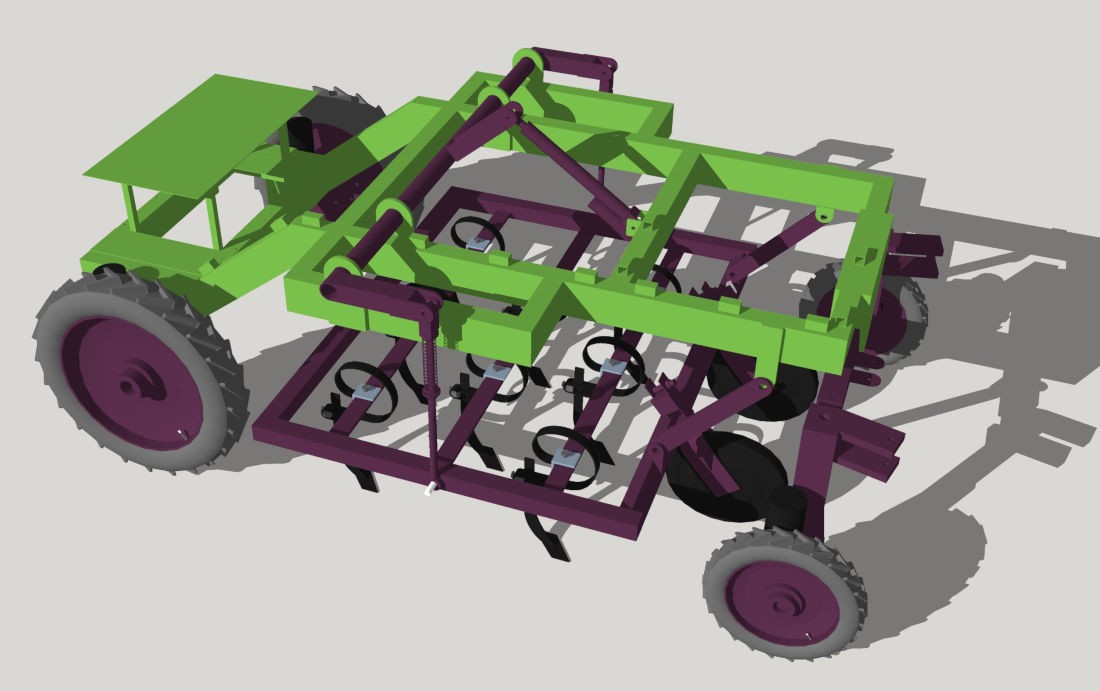
Small Robot Company – has developed the first non-chemical robotic weeder and has announced a strategic partnership with SpaceTime Labs on a Per-Plant farming solution for Latin America.
Farming Data – is delivering an “integrated trading platform and data analytics for Colombian small farmers”, working with Colombian partners: Región Central, RAP-E, ASOCAFE Manantial and Patrimonio Natural. Its digital platform enables direct transactions between farmers and buyers through SMS and smartphone application.
FOLIUM Science – has announced a partnership with John Innes Centre to accelerate development of its Guided Biotics technology that could eliminate or reduce the need for antibiotic use in the raising of farm animals.
Fotenix – has been selected for the #TescoAgriTJam; the company is making high quality disease analytics accessible to smaller farmers.
FungiAlert – was highlighted by StartUs Insights as a top genetic testing start-up for its unique soil health analyses and microbial discovery platform.
Glas Data – has secured £140k funding and announced partnership with Agrimetrics to add value to farmers’ data and make it more meaningful.
GrainSense – has been congratulated by The Innovation Platform, who hailed its hand held device for measuring grain quality on the spot as a breakthrough
MOA Technologies – profiled by Chemical & Engineering News as taking a back-to-the-drawing-board approach to pesticide discovery: “probing for novel biological targets inside weeds and other pests, experimenting with new chemical building blocks, and taking advantage of cutting-edge tools like DNA-encoded libraries”.
Nova Extraction – has launched a low-energy extractor that is gaining interest as a means to gain a high yield of cannabidiol (CBD) from leaves of Cannabis sativa.
DryGro – received £1.4m in Series A investment to progress towards commercial-scale production of sustainable protein.

About the Start-up Showcase – agri-tech innovation 

The REAP Start-Up Showcase offers a proven, high-profile platform that helps early agri-tech businesses connect with investors, advisors, customers and collaborators. This year’s selected companies will be introduced to REAP delegates on the day.
The Start-Up Showcase will feature at REAP 2020 on Tuesday 10th November.
More information about REAP 

Could soil health provide an income stream? David R Montgomery thinks it can

Meet the Network
Agri-TechE
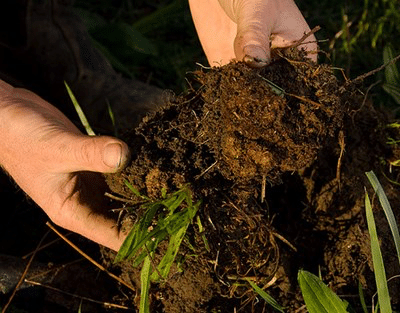
“Frankly those soil maps of the world that show its degradation do depress me, but they also hold the seeds for optimism,” says David R Montgomery, MacArthur Fellow, professor of geomorphology at the University of Washington and keynote speaker at the Agri-TechE REAP conference on 10th November 2020.

“For while there is much work to do, there is much to be gained by doing it. Investing in rebuilding healthy, fertile soils is one of the best investments humanity could make in our collective future.”

The theme for REAP 2020 is “From micro-scape to landscape – innovating at the frontier”.  Soil is a good example of how new methods are needed both to see the whole picture and also to manage the fine details.

Through investigations at every level David Montgomery believes that it really is possible to change the world from the ground up.  He says in his book “I find it fitting that the words humus and human share the same Latin root, restoring healthy soils is the best investment we can make in humanities future.  So as we grapple with the daunting problems of feeding the world and cooling the planet, let us not lose sight of a simple truth. Sometimes the answers we seek are right beneath our feet!”

Montgomery has travelled the world, meeting farmers at the forefront of an agricultural movement to restore soil health. He sees the huge societal benefits of this work and potential for reforming government subsidies to incentive practices that build soil health and carbon storage.  We asked him about this ahead of his talk at REAP.

Growing a Revolution

Q. In your book Growing a Revolution you comment that “…something is seriously wrong with our agricultural system if hardworking Iowans on best agricultural soil can’t make money….” do you think reliance on subsidies is the problem?

DM. We should be using our subsidies to help ensure the economic livelihood of farmers who are good stewards of the intergenerational trust that fertile soil can, and should, be.

Subsidises take many forms, but today in the US at least, most of our subsidies discourage good stewardship of soil health. I would strongly favor reforming but not eliminating agricultural subsidies. In my view, they should be restructured from top to bottom to prioritize and  incentivize practices that build soil health.

Q. Taking a big picture view – you advocate a ‘soil health moonshot’, how would this help?

DM. I see the moonshot analogy as referring to harnessing social willpower to focus on rapidly achieving a goal that would seem out of reach without such focus.

I’m suggesting is that we reorient a portion of the fortune that we already spend on governmental support for agriculture and agricultural research to addressing the challenge of using intensive agriculture to restore rather than continue to degrade the world’s farm and ranch land soils.
Of course, the more funding for research and demonstration farms the faster we might pull off a major shift in practices. (And for the record, my university does not have an agriculture program so we’re not likely to benefit from this proposal!)

Q.  You also propose that  ‘carbon credits could provide an income stream for farmers based on societal value of carbon’, how would you see this working?

DM. I would advocate linking adoption of specific verifiable practices (like no-till and cover crops) to credits based on regionally calibrated studies to establish an expected benefit (increase in carbon content or maintenance of it in the soil). I think we need to reward farming not only for increasing carbon but for not degrading it in the first place.

Q. On the micro scale – how can farmers measure carbon and is this a good proxy for soil health?

DM.  Soil health is microbial, nutritional and physical. Certainly, the simplest measure of soil health is the organic matter (carbon) content of the soil.

But soil carbon only captures one dimension— what’s there to eat in the soil – not whose there and how active they are. So you also want to know something about the microbial population — it’s abundance and diversity. That makes microbial biomass, respiration (activity), and the soil fungi-to-bacteria ratio key indicators of soil health as well. Meta-genomics can tell you a lot more about the community structure, though we’re still learning how to interpret what that means for soil health.

Q. Much of your research has been in continental or tropical climates, do you think these principles can be universally applied?

DM. Yes, one of the key takeaways for me from writing Growing a Revolution is that the principles seem to apply widely even if the specific practices need to be tailored to regional and local climate and soils.

And I’ve been on farms at the Groundswell conference in England that have successfully applied these ideas.

Q. FinallyWhat measures would you like to see all arable farmers take to ‘boost carbon’?

The simplest advice I can offer boils down to ditch the plough, cover up, and grow diversity. I’ve seen the recipe of minimal disturbance (no- or low-till), keeping the ground covered with living plants at all times (cover crops) and growing at least 3 or more crops in a rotation work on farms around the world. Some add innovative animal husbandry to the mix to accelerate soil building. One thing I’d like to see is more farmers tinkering with these systems to better adapt the specific practices to their on-the-ground situation.

More information about the REAP Conference

More information about ‘Growing a Revolution’

FOLIUM Science extends Guided Biotics®technology to plants

Meet the Network
Agri-TechE
More than 400 species of plant – many of them used for food production – are impacted by Xanthomonas blight. Now a collaboration between FOLIUM Science, developers of Guided Biotics technology which makes the bacteria self-destruct and Jake Malone’s Group at the John Innes Centre (JIC) which is focussed on bacterial infections in plants, promises to offer a new approach to controlling pathogens such as Xanthomonas and Xylella.
Dr Simon Warner, leader and Chief Development Officer at FOLIUM Science, says “Our Guided Biotics® technology has the potential to change the way that bacterial disease in crops is treated.
“The project has made such good progress it is progressing to trials, with a view to generating the first sets of data in the first half of 2021”

Guided Biotics cause bacteria to self-destruct

FOLIUM is developing a new class of highly specific anti-bacterial technology based on a natural biomolecule called RNA, which is delivered directly to the pathogen.
RNA has a sequence, just like DNA, and if specifically coded it can trigger a natural process in the target bacteria that guides the bacteria’s own enzymes to degrade and digest the cell material. The process leaves no residues and so overcomes the problems of resistance.
The ‘Guided Biotic’ enables highly selective control of unwanted bacteria – even those resistant to antibiotics – while protecting closely related beneficial species of bacteria.
It can be introduced to young birds or livestock via a probiotic to treat the gut and help stabilise the microbiome. Alternatively, it can be used to counter infection, and stop the creation of biofilms – colonies of bacteria that are difficult to treat.  The partnership with John Innes sees its first move into plant diseases.

Significant commercial potential 

Guided Biotics
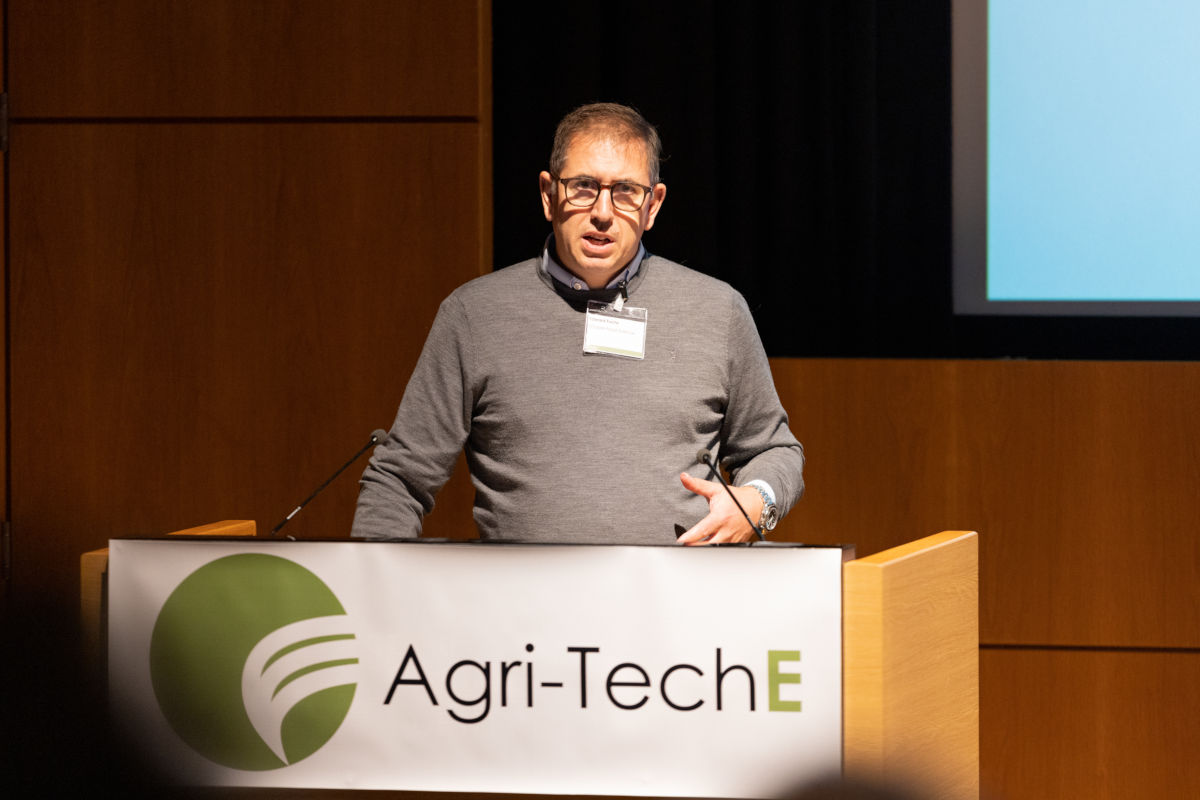
Co-Founder Edward Fuchs presented FOLIUM Science in the REAP Start-Up Showcase

During the project, FOLIUM Science has purchased unencumbered worldwide rights to several unique and proprietary strains of epiphytes; organisms recognised for their ability to protect some plant species from fungal infection.
The integration of the naturally protective attributes of these strains into FOLIUM Science’s Guided Biotics® platform will accelerate the development of products that can be used to combat the devastating losses caused by bacterial blight.
The commercial potential for the Guided Biotics products has been recognised by additional funding from Innovate UK. This will enable the JIC and FOLIUM Science project team to carry out trials of these product candidates and generate data to demonstrate efficacy in specific crops.
More information about FOLIUM Science
 
FOLIUM Science featured in the REAP Start-Up Showcase – don’t miss the next generation at REAP 2020

Time to grow up for Controlled Environment Agriculture?

Meet the Network
Agri-TechE
Jock Richardson thinks it’s time for Controlled Environment Agriculture to grow up. His company, Growpura, is to play a key role in constructing a £22.5million demonstrator, education and training facility to help make this happen in the UK.
“Investment has been focused on exciting technology – AI, automation, robotics – but we also need skilled individuals to build a sustainable, viable operation,” says Jock.
Jock, director and co-founder of Growpura, will be answering audience questions and discussing his plans to support a vibrant Controlled Environment Agriculture (CEA) sector at the upcoming Agri-TechE webinar, “CEA Lite”, on 10th September 2020.

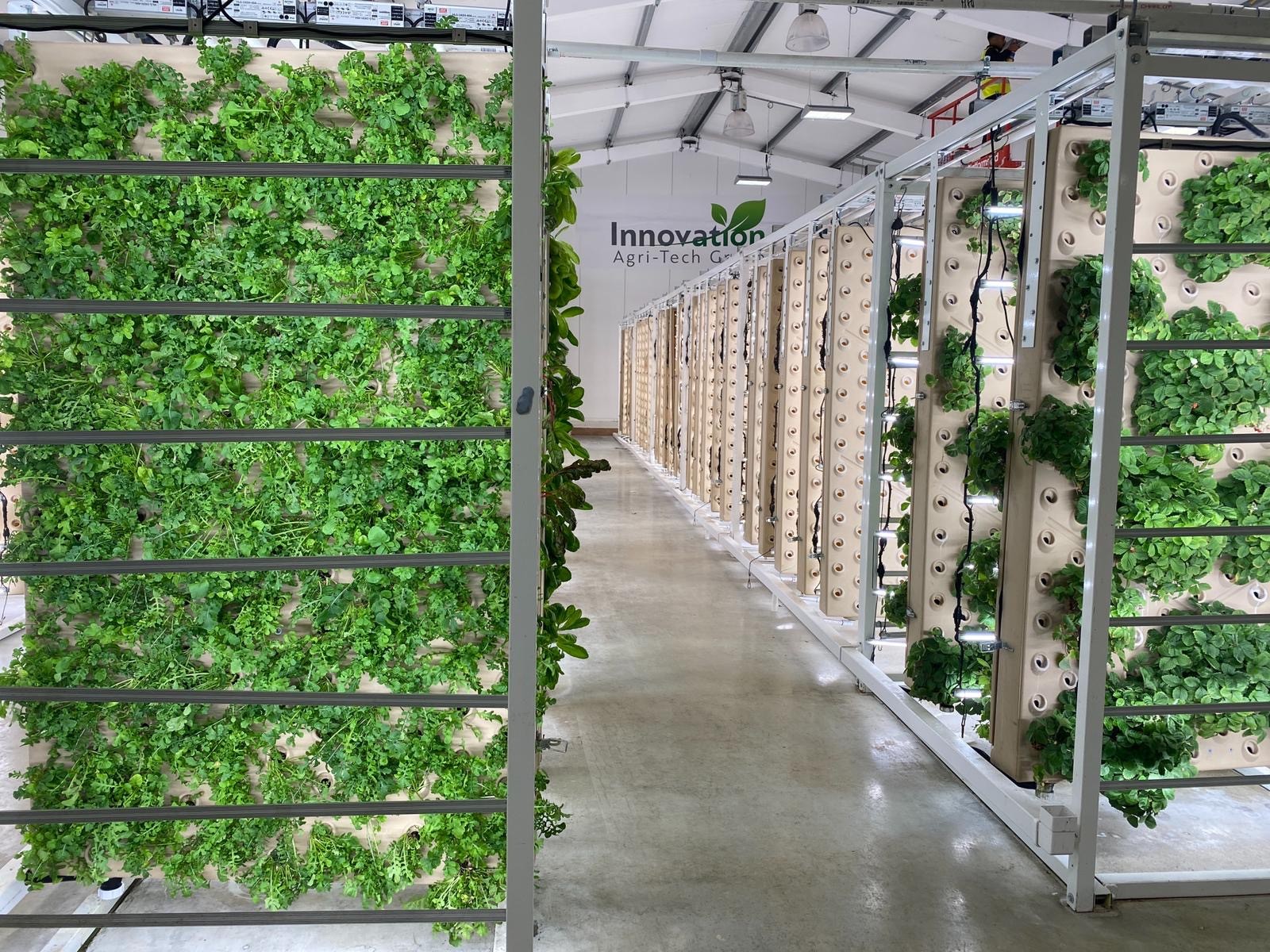
Growpura’s hydroponic bio-halls are popular for their cost-effectiveness and efficiency. “The plants are on a simple conveyor system that provides a sophisticated mode of growth management,” explains fellow co-founder Nick Bateman. “Rather than having infrastructure (irrigation for example) taken to plants, we take the plant to where it needs to be this gives us a lot of flexibility in how each plant is grown.”
“We’re able to supply our plants with natural sunlight, supplemented with artificial light which allows us to reduce energy expenditure on lighting by over 40%.”
“The other differentiator is that the system runs in a clean-room environment, monitored entirely by sensors and without sources of contamination brought in by humans,” Nick explains. “That creates a fresher, more natural product free of pesticides, and eliminating the need for a washing process.”

Origins

Growpura started almost a decade ago, just as large operators were starting to license out indoor farming systems in the United States.
“It seemed to me that there were issues with the technology at the time – so we formed a company to develop our own farms,” Nick recalls. “We up-scaled to a larger operation in Cornwall in 2016, with stacks of growth modules 8 levels high, and we used that facility to test-grow a range of produce and optimise the parameters.”
“From the beginning, we had a number of potential buyers keen on our produce, and we could have sold small quantities to local restaurants with high prestige. But if vertical farming is to play a serious part in today’s world, it needs to be scalable and cost-efficient to sell into the major supermarkets.”

Encouraging apprenticeships

“There’s a skills shortage for protected cropping,” Jock explains. “We’re looking to create a vibrant protected cropping industry in the UK by licensing our large-scale vertical hydroponics facilities… and our customers will also require skilled operators to manage these facilities.”
Growpura received £4.5M, in April 2020, from the South East Midlands Local Enterprise Partnership (SEMLEP) to create a demonstration and training facility for controlled environment agriculture, part of a total investment in the facility of £22.5M.

According to SEMLEP: “The new facility will be based in Bedfordshire and will partner with SE Midlands college providers for apprenticeship provision, creating 73 new jobs by 2025 and 130 new apprenticeships by 2030.”

“The apprenticeship programme will provide students with exposure to a large scale vertical hydroponics facility,” Jock comments.  “There’s simply nothing out there that teaches individuals how to grow at an industrial scale indoors, so we’re looking to run courses focussing on engineering but also with a horticulture component. We’re also seeking university partners for training at undergraduate level.”

Driving social change at scale

“Our funders have been excited by the opportunities for jobs, training and up-skilling in the South-East Midlands region,” says Nick. “If our approach allows the UK to create a viable protected cropping industry then that’s going to create plenty of jobs in engineering, management and logistics.”
But Nick is at pains to explain the importance of efficiency and scale in order to reach that point: “The product needs to be cost-effective to compete with open field production.”
Jock agrees: “Cost remains key – Scale-up is vital but there are operational challenges. By combining automation with moving hydroponics, what we’ve done is come up with a solution that can be scaled without seeing a co-linear growth in costs.”
CEA Lite is an online event being held on 10th September 2020 15:00 – 17:00. Register your interest through the events page.

Deep Branch technology to create protein from waste gas in REACT-FIRST project

Meet the Network
Agri-TechE

Transforming carbon dioxide released from power stations into high protein animal feed, is the aim of REACT-FIRST, an initiative that aims to create the UK’s first scalable route to the sustainable protein generation.
The project, which will contribute to meeting the UK’s Net Zero climate change commitment as well as to the circular economy,  has gained £3M from Innovate UK as part of the government’s Transforming Food Production strand of the Industrial Strategy.

Protein from waste gas

REACT-FIRST is led by  Deep Branch, a carbon recycling biotechnology company that has pioneered a process that uses microbes to convert carbon dioxide from industrial emissions and turns them into high-value proteins.
Members of the REACT-FIRST consortium are:
Deep Branch, Drax, BioMar, AB Agri, Sainsbury’s, Scottish Aquaculture Innovation Centre (SAIC), Synthetic Biology Research Centre at the University of Nottingham (SBRC Nottingham), The Institute of Aquaculture at the University of Stirling, Nottingham Trent University’s School of Animal Rural and Environmental Sciences, and Innogen at the University of Edinburgh.

An alternative to imported protein

REACT-FIRST uses technology developed by Deep Branch, which employs microbes to convert carbon dioxide directly from industrial emissions into a new type of single-cell protein,  called Proton .
Peter Rowe, CEO of Deep Branch, explains that most animal feed protein sources are imported from overseas, making the UK dependent on complicated and fragile supply chains.  “Deep Branch’s technology represents a new way of generating more sustainable animal feeds. Creating protein from waste gas.”
REACT-FIRST will obtain critical data about cost, digestibility, nutritional quality and carbon footprint of Proton, creating a sustainable source of will contribute to reducing the environmental impact of meat production systems.
REACT-FIRST, with its consortium of industrial and academic organisations,  is the first time that the resources and expertise of all parties have been unified towards a single goal.

Contribution to Net Zero

Speaking about the REACT-FIRST project, Science Minister Amanda Solloway said: “To protect our environment and meet our world-leading target of Net Zero greenhouse gas emissions by 2050, we must harness the very best of UK innovation across all sectors, supporting the most creative and pioneering ideas.
“From robotics assisting our farmers in fruit picking, to technology that converts CO2-to clean animal feed, the incredible and cutting-edge projects we are backing today represent the future of farming. Working with the best of British science, we are accelerating the transition to net zero food production, boosting jobs and productivity and driving forward the UK’s economic recovery.”
Melanie Welham, Executive Director, BBSRC, part of UK Research and Innovation, adds: “This project, and others like it will help increase UK agricultural productivity and global competitiveness. At UKRI our aim is to turn the food production sector into a beacon of innovation. Brilliant ideas like this one go a long way to making food production more sustainable, efficient and less carbon intensive but they need support to get them from the drawing board to the farm.
“UKRI’s funding programme for this sector is ongoing. In our current funding round we’ve awarded funding to 9 innovative companies. In the future we encourage businesses to come forward with fresh ideas to help UK agriculture.”

Robot Highways, University of Lincoln part of team developing ‘world’s first robotic farm’

Meet the Network
Agri-TechE
‘Robot Highways’  provides a vision for the future of soft fruit farming. It will create the largest known global demonstration of robotics and autonomous systems (RAS) technologies that fuse multiple application technologies across a single farming system.
The project, which aims to ensure industry sustainability by addressing labour shortages, the need for global food production and reduce the environmental impact of the farming sector, was awarded funding of £2.5m by Innovate UK.

World’s first robotic farm

Robot Highways will deliver what is widely considered to be the world’s first robotic farm. A fleet of robots will perform a multitude of on-farm functions as one operation, powered by renewable energy.
The successful consortium responsible for delivering ‘Robot Highways’ consists of Saga Robotics, the University of Lincoln, the University of Reading, Manufacturing Technology Centre Limited, Berry Gardens Growers, BT, and Clock House Farm.
Aiming to be delivered by 2025 across the UK, ‘Robot Highways’ will harness Artificial intelligence and machine learning technologies  and crucial improvements will be made to telecommunications infrastructure in rural settings.
The University of Lincoln – through its Lincoln Institute for Agri-food Technology – will be leading the academic contribution to robotic development and coordinating the fleet control system.

Huge potential 

Professor Andrew Hunter, the University of Lincoln’s Deputy Vice Chancellor for Research and Innovation, said: “It is widely agreed that robotics will transform the food and farming industries in the coming years, but there is still so much research and development to be done.
“Robot Highways is extremely timely as it will service a pressing national and international need and positions Lincolnshire, and the UK, at the leading edge of research innovations in this truly global industry.
“Agri-food is the largest manufacturing sector in the UK – twice the scale of automotive and aerospace combined – supporting a food chain which generates a Gross Value Added (GVA) of £113bn, with 3.9m employees in a truly international industry.” Prof Simon Pearson, Director of Lincoln Institute for Agri-Food Technology, said: “This is a significant step forward in taking robotics onwards towards the market. I’m delighted that opportunities are being realised for the sector and agri-food robotics specifically.”
Read more at lincoln.ac.uk/news

Blossom Genetics named in top ten most promising European cannatech startups

Meet the Network
Agri-TechE

Cannatech start-up, Blossom Genetics has been named as one of the most promising cannabis start-ups in a review by the publication EU-Startups.Blossom Genetics cannatech
The editor has chosen 10 European-born startups founded in the past few years that are changing the cannabis landscape of Europe; with innovative products ranging from stress-relief chewing gum, to CBD-infused tampons for pain relief.
In recent years, Europe has been witnessing a shift regarding the legalization, cultivation, and trade of medical cannabis, creating a new opportunity for startups and entrepreneurs.
Blossom Genetics, founded in 2019 by Oliver Davies, Oskar Fletcher and Naeem Dungarwalla, aims to utilising their experience of growing and breeding soft fruit to develop medical grade cannabis genetics and products.
The current cannatech portfolio consists of two different products: cannabis genetics and medical cannabis (whole cannabis flower). The London-based startup raised an initial pre-seed funding round led by Deepbridge Capital in April 2020 to accelerate the journey.

Small Robot Company and SpaceTime Labs collaborate on per plant farming approach

Meet the Network
Agri-TechE

Aerial and terrestrial robots are set to transform Latin American agriculture following an agreement between the Small Robot Company and SpaceTime Labs, to collaborate on delivery of a ‘per plant’ approach to farming.

Per plant farming offers yield boost

Per plant farming aims to maximise yields whilst reducing the impact on the environment. This approach currently exists on a small scale in research institutes and trial farms and has been shown to achieve yields 235% times higher than commercially grown wheat.
The Small Robot Company has developed a farming as a service business model using swarms of small autonomous robots. By working with SpaceTime Labs it will extend this to offer ‘sense-predict-act’ service that integrates weed, disease and nutritional management.
The companies will work with leading Brazilian and Argentinian farmers to prototype, test and scale per plant farming – to maximise yields for all key commercial crops in Latin America.

Collaboration between UK and Brazillian companies

SpaceTime Labs is a Brazilian company, that develops industrial scale automated machine learning, computer vision and advanced analytics platforms aimed at solving complex operational planning, optimization and risk management problems. Particularly those of resource-intensive sectors which are exposed to climate and water risk.
Sam Watson-Jones, co-founder of Small Robot Company, said: “The opportunity is immense and our strategic partnership with SpaceTime Labs means that we can enter this market with confidence. Now is the time for us to work together to create a more sustainable farming model in Latin America, starting with Brazil and Argentina.”
Juan Carlos Castilla-Rubio, Founder and Chairman of SpaceTime Labs, comments: “Our strategic partnership with Small Robot Company will allow us to automate a “sense-predict-act” delivery model that acts upon the many variables that are responsible for yield productivity gains and losses at a plant level.  So, partner farmers in Latin America can have a step-change in performance across the board,”
The UK International Trade Secretary Liz Truss said: “The UK is a world leader in technology and is at the forefront of the Agri-TechE industry. We have pioneering scientists and expert farmers, so it’s fantastic to see British businesses like the Small Robot Company reach international markets and develop new innovative technology for Latin American farmers. This is just one great example of the global trading opportunities out there for UK Agri-TechE industry.”

Consus developers of intelligent audit systems to merge with Affinitus Group

Meet the Network
Agri-TechE

Consus Fresh Solutions, developers of intelligent audit systems for packhouses, has announced it is to merge with the Affinitus Group. Affinitus has extensive experience throughout the Fresh Produce, Food Service, Agricultural and Warehousing sectors providing cutting edge ERP, CRM, Mobile Devices and Dashboard functionality so there is considerable synergy between the two organisations.
Derek Thompson, co-founder of Consus Fresh Solutions, says:   “It is clear that the merger will yield extremely positive results for everyone and especially smaller grower packer operations. Our software naturally aligns itself with the Affinitus’ offering and we will continue to develop new solutions to complement our existing options and give customers more choice.”

Derek Thompson, co-founder of Consus Fresh Solutions

Smaller vegetable, fruit and flower producers still using paper-based systems struggle to meet the ever-increasing requirements of retailers for quality assurance and traceability.  To address this
Thompson was himself a packhouse manager for many years and so understands the pressures on producers: “Each retailer can have different requirements for size or ripeness and varying specifications for shelf-life. Confirming that these requirements are met before produce is dispatched from the packhouse is vital to ensure that the customer accepts the consignment,” he says.
“To respond to these needs, some have doubled their QA teams in recent years to meet the requirements of the BRC Global Standard and those of retailers, Red Tractor and the Soil Association – all of which need similar information presented in different formats.”

Consus technology improves productivity for producers intelligent audit systems
Consus technology improves productivity for producers

Consus has been working with leading producers to develop a paperless system. It automates many of the elements of QA, highlights issues with batches of produce and provides actual detailed costing to determine profitability and cost per pack. This reduces the number of people required for QA and enables faster decisions to be made about fresh produce.
Thompson continues: “Many producers already have good quality systems in place; we saw a need to support them by capturing the information electronically and creating labels with unique barcodes that would allow produce quality and full transactional history to be tracked post-harvest from field to dispatch.
“The Consus system is consistent with BRC and reports can be generated to meet the varying needs of auditors and retailers.”
More about Consus Fresh Solutions. 
 

Improved yields under uncertain conditions: Crop4Sight at the Innovation Hub

Meet the Network
Agri-TechE

Benchmarking potato yields
Benchmarking potato yields with Crop4Sight could boost profits

As extreme conditions seem to be getting more frequent, tools that enable growers to mitigate the impacts within the growing season will be invaluable. Crop4Sight is aiming to do just that with its growth tracker that uses imaging via the camera-phone and Bluetooth enabled scales to allow farmers to benchmark crop development.
Paul Coleman of Crop4Sight explains: “If the crop is performing differently to intended then understanding optimum yield potentials and crop value increases is key to making the greatest financial return.”
Crop4Sight will be demonstrating the web and app elements of the product via laptop and iPad and discussing the role of plant physiology and agronomy in agriculture, so don’t miss the opportunity to visit Paul and the team at the Innovation Hub today, Wednesday 1st July. 
 
Visit their stand in the Innovation Hub to learn more.

Aphids and bad weather: BBRO keen to share knowledge

Meet the Network
Agri-TechE

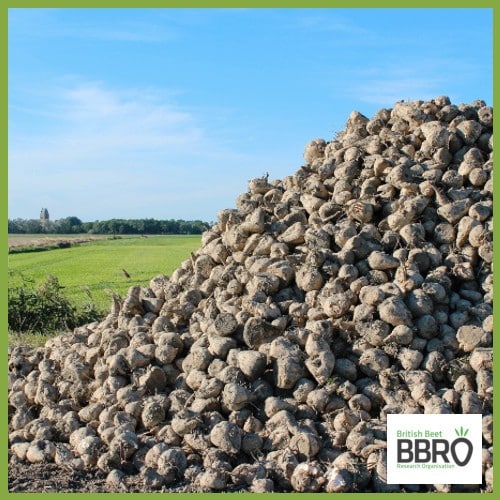
Improving sugar beet yields is BBRO's business
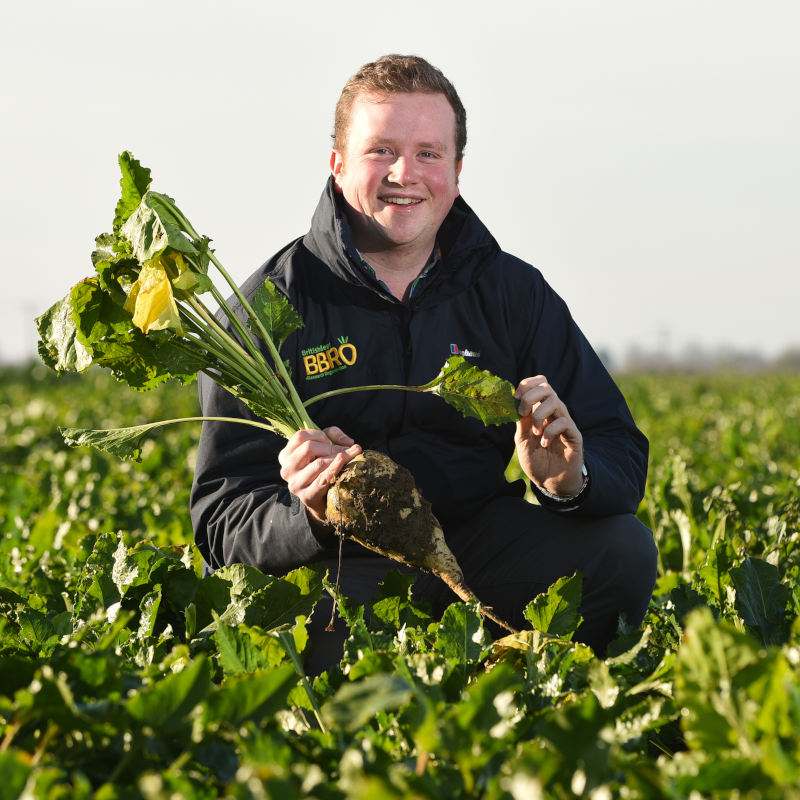
Simon Bowen, BBRO, discusses innovations in sugar beet and other crops

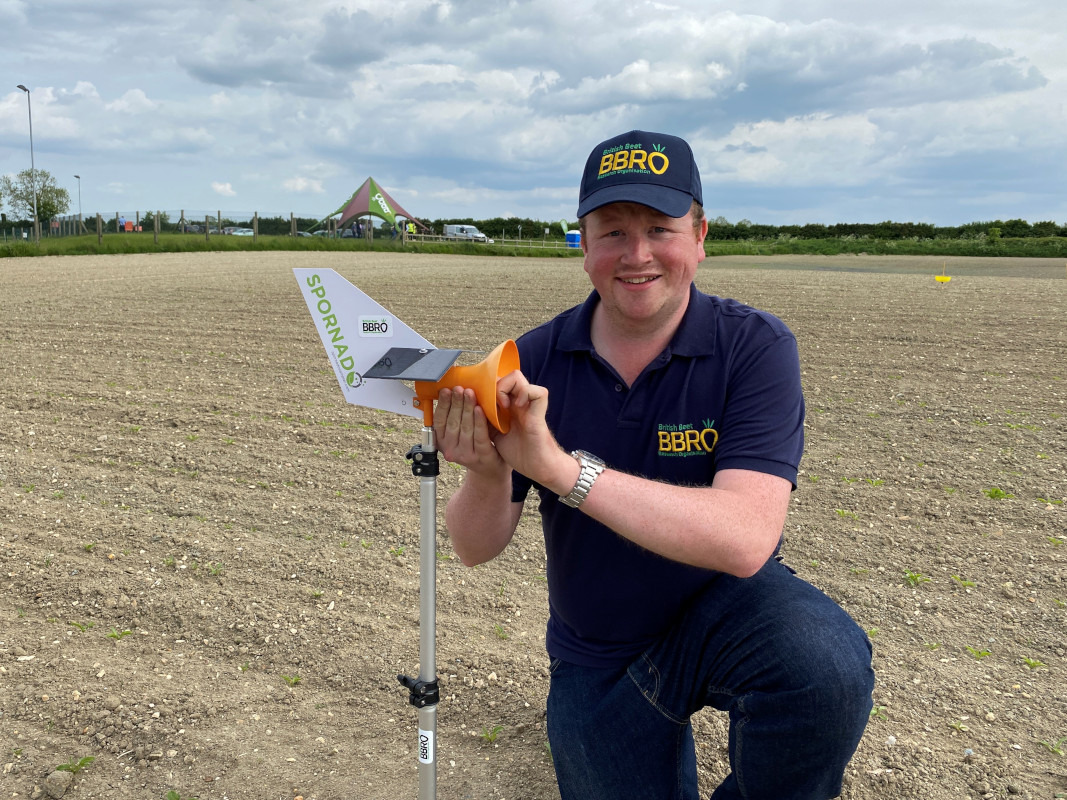
“The number of aphids detected in 2019 reached record levels” says Dr Simon Bowen of BBRO. “That was the first year of growing crops without the seed treatments that help protect crops against virus-carrying aphids”
Simon is keen to talk about the BBRO research that helped sugar beet farmers deal with the aphids and the potential for virus epidemic, as well as the increasingly unpredictable weather conditions. Seeing the opportunity to provide their knowledge to the wider farming community, the company is sponsoring this year’s Virtual Innovation Hub.
The importance of discussion at this point is paramount, as the aphid problem is not going away: “Unfortunately, it looks like 2020 is going to be another record year for aphids and test our control strategies even more thoroughly”, Simon points out.
Join BBRO at the Innovation Hub today, July 1st, to have your say…
 
Visit their stand in the Innovation Hub to learn more.

Square Mile Farms crowdfunding to bring urban farms to workplaces

Meet the Network
Agri-TechE

Johnathan Ransom of Square Mile Farms started with the concept of ‘flat pack farms’ for urban areas and now, through its Office Farming model, is bringing vertical, urban farms to workplaces of big businesses to help them achieve their sustainability and employee wellbeing goals.
He was due to speak at the Agri-TechE event “Controlled Environment Agriculture – The Industry is Growing Up”, which had to be postponed, and a condensed version, CEA Lite, is to be held on 10th September 2020.
A lot has happened in the industry in recent months and – as Square Mile Farms announces their crowdfunding campaign on Seedrs – we caught up with Johnathan to see what progress Square Mile Farms has made. 
STOP PRESS: Square Mile Farms are overfunding by 186% on Seedrs! But there’s still time to join their mission to transform workplaces into greener, more purposeful places through vertical farming! Find out more. After receiving an invitation from British Land, Square Mile Farms opened its flagship farm in June 2019 on the roof of Microsoft’s London HQ at Paddington Central – and then came lockdown. What has happened at Paddington Central since then?
During the lockdown we temporarily moved farm operations to our homes! We’ve since got our Paddington rooftop farm back up and running and are growing plants in order to be ready to transplant into our clients’ office farms once they are back.
With most people at home, and many trying their hand at growing at home we’ve also been using this time to share our knowledge, by producing a series of blogs including how-to guides and troubleshooting common home-growing issues. Our community is important to us and part of our mission is to help urban communities grow their own! Have your plans for the business changed at all during the coronavirus pandemic?
Coronavirus hasn’t altered our business plans. If anything it has further highlighted the debate around the future of the workplace and put the emphasis on the employer to provide a reason to be in the office. Offices, more now than ever, have to be designed around the employee’s lifestyle and provide for their wellbeing, drive engagement and foster creativity.
Our Office Farming model transforms offices and workplaces into green, inviting spaces, creating workplaces of the future. We create a workplace community centred around urban farming through engagement, workshops and knowledge sharing, helping our customers create a culture of sustainable, low impact living. Looking wider – has it increased momentum/made people consider the benefits of shorter supply chains?
Without a doubt. If food security and the damage the conventional food supply chain does to the environment weren’t a priority before COVID, they absolutely are now. The conventional food system has a devastating impact on the environment and on biodiversity.
The key to changing this is by growing closer to the consumer both to improve supply chain resilience, but also to re-engage the consumer, to encourage them to make better choices.
How many urban consumers appreciate the impact that transporting fresh produce long distances has on its nutritional value for instance?
Some of today’s illnesses can be linked back to the lack of understanding we have of the relationship between our bodies and what we put into them. We have to do more to educate ourselves on this relationship and urban farming can play a big part in that. We understand that you are planning a crowdfunding round, what is it for and how much do you need?
We’ve spent the last 16 months building a platform from which to grow our business. We have had early success with clients such as British Land, Grosvenor Estates and Vodafone and have a vision of every business having vertical farms in their office, to create a culture of healthy, sustainable living.
In order to take the business forward we need to invest in our team, technology and profile in order to deliver on the exciting opportunities in our pipeline.
It’s an exciting time to be involved in urban farming, and even more so in the context of the debate around the future of the workplace, given our Office Farming model. We want to share the opportunities this creates with others that share our passion, which is why we’re crowdfunding.
You can see more information about our crowdfunding campaign on Seedrs here.
 
More information about Square Mile Farms.
See more information about the CEA event here.