Patenting, Trademarks, Copyright, Trade Secrets...
In the next installment of our micro-learning series, we’ll explore potential legal solutions to help you keep your ideas safe and sound.

LettUs Grow partners with Octopus Energy to reduce energy costs for vertical farming

Agri-TechE Article
Meet the Network
Agri-TechE

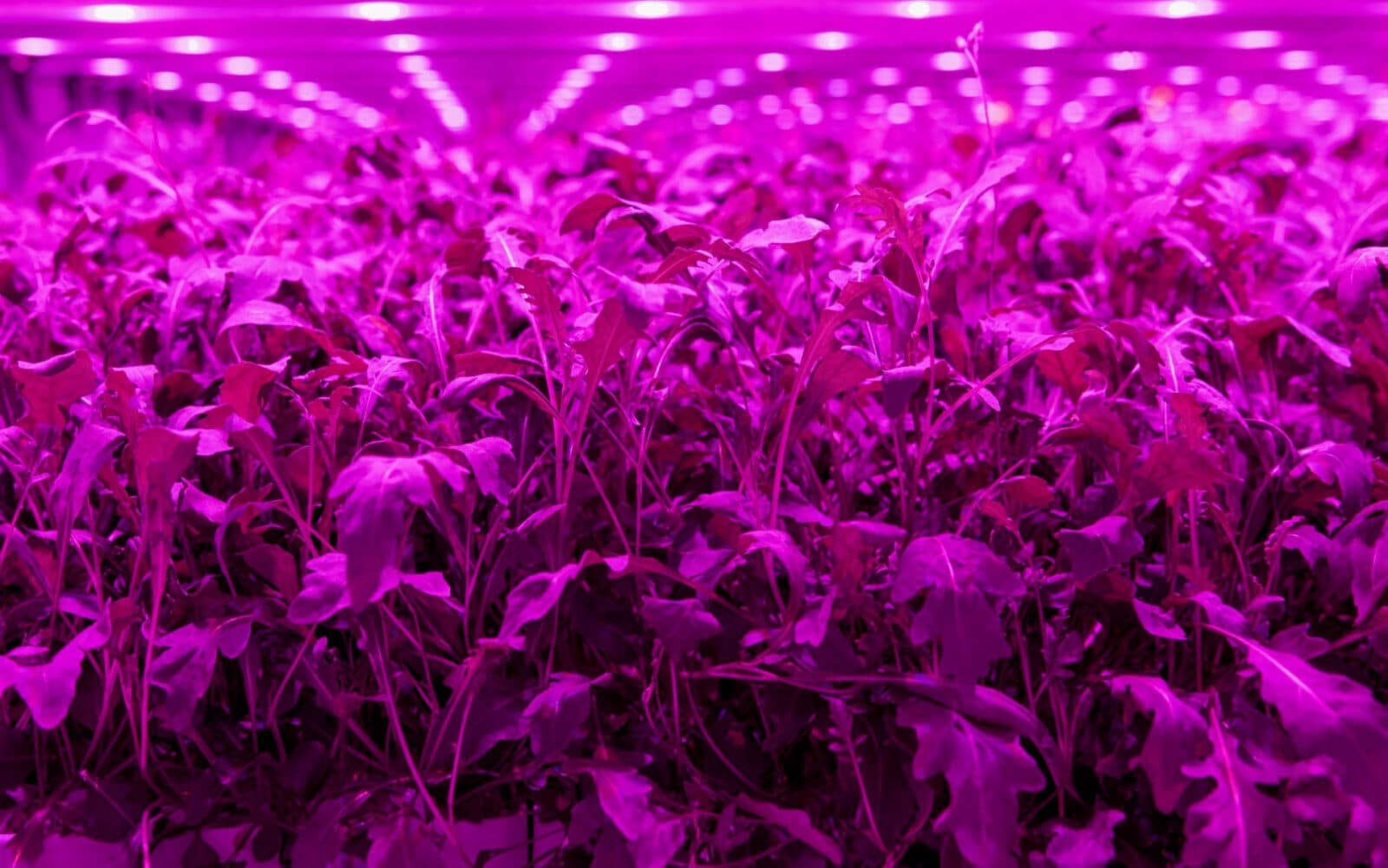
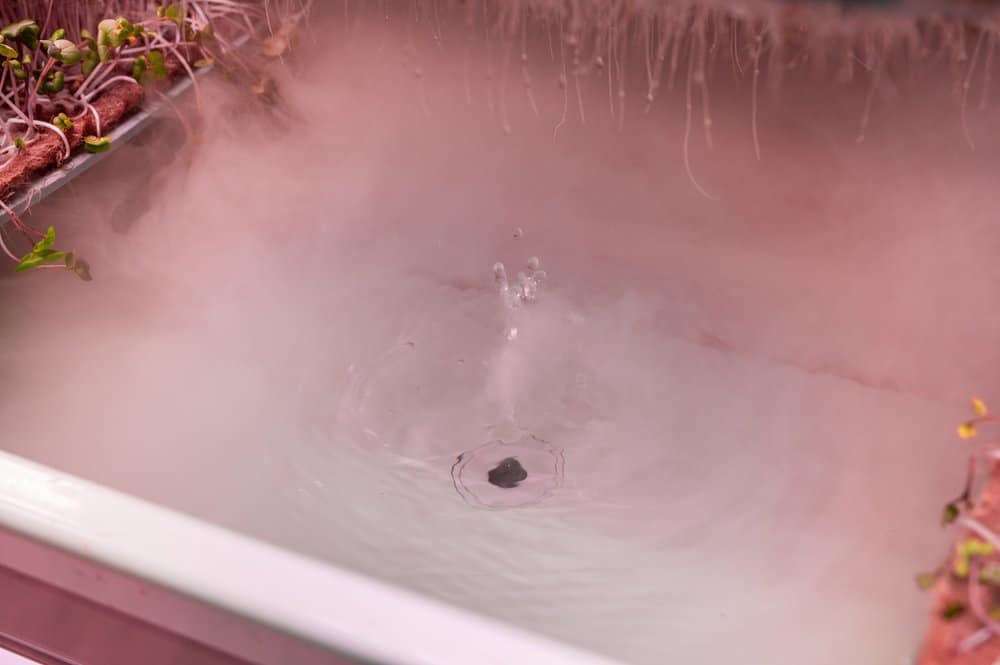
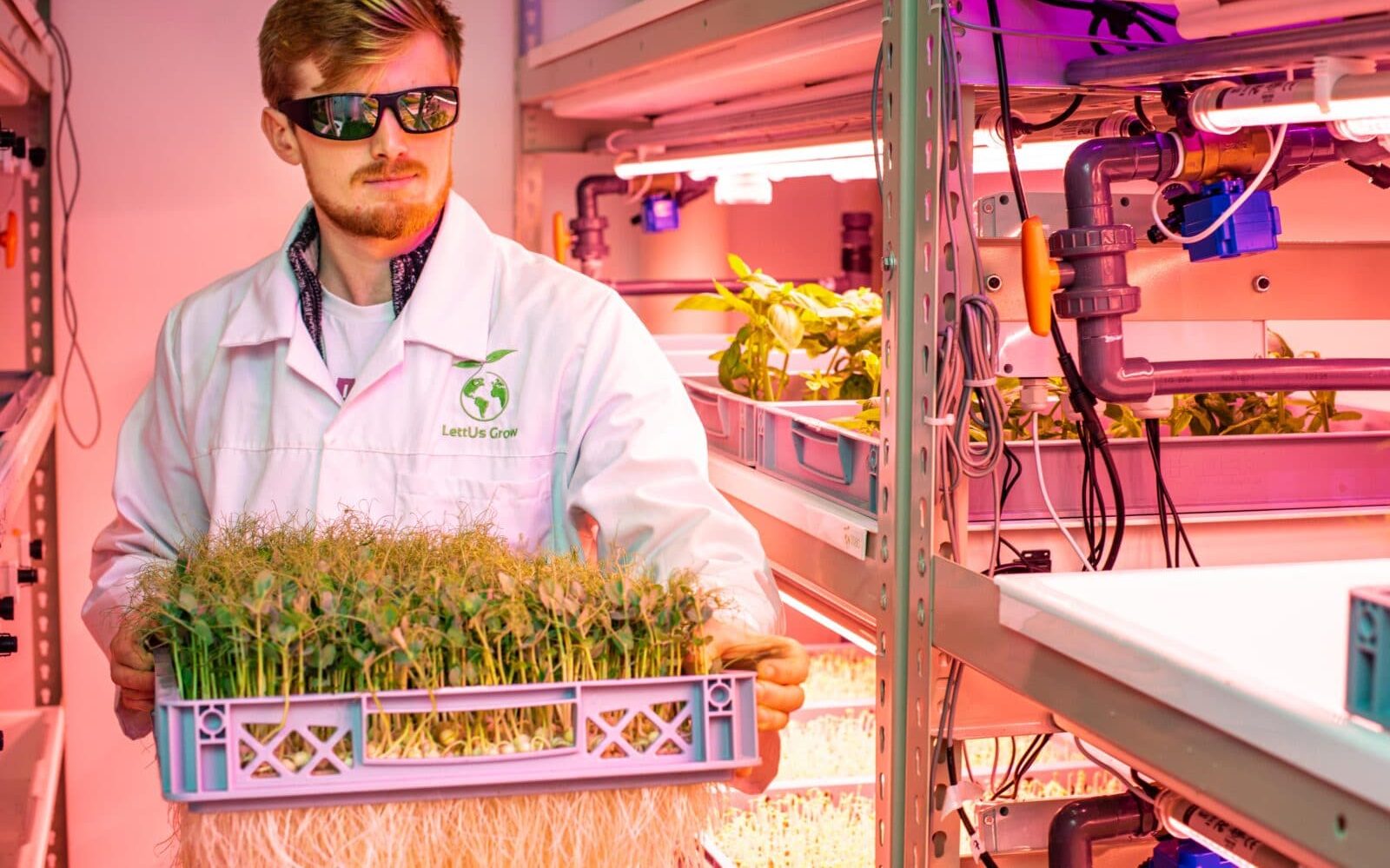
Energy consumption can account for between 40-50% of production costs in vertical farms and lighting costs alone can account for 25-30% of the operational costs. LettUs Grow,LettUs Grow energy efficiency has integrated an Agile Business tariff into its Ostara management system that enables indoor farmers to adjust their plant’s growth cycles to align with lower energy costs.
The partnership with Octopus Energy has just won the Best Energy Efficiency category of the Zenith Global Vertical Farming Awards.
Jack Farmer, co-founder and Chief Scientific Officer of LettUs Grow explains that the crops are given ‘down time’ between 3-7pm when electricity is in high demand and most expensive. “This can ultimately cut down on costs, reduce the environmental impact of vertical farms and also takes some pressure off the electrical grid at times when the UK usually has to call on fossil fuel generators to meet demand. Octopus have developed a tailor made tariff ‘Vertical Power’ especially for vertical farms.”

Optimising performance minimising cost

Ostara is a farm management toolbox which can provide agile, closed-loop control and be used to optimise plant growth.
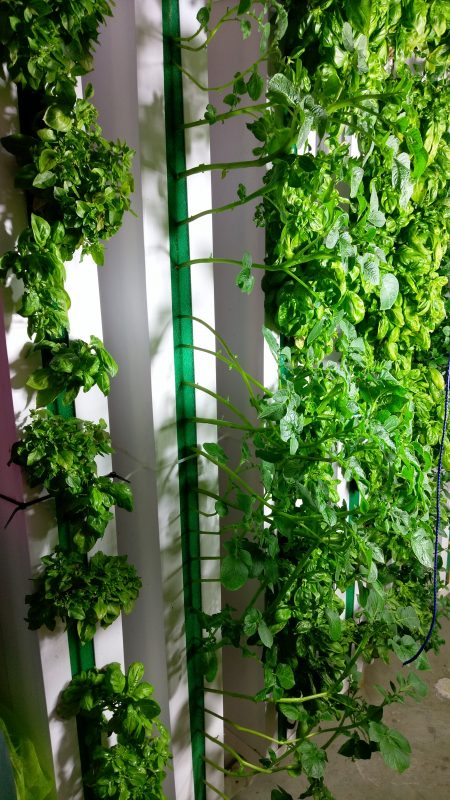
Vertical farming – growing crops indoors under fully controlled conditions using LED lights – is undoubtedly an energy-intensive process, however vertical farms are steady and predictable energy users that have been proven to integrate well with renewable energy production. If supplied by renewable energy, vertical farming can have a carbon footprint of zero, which will help the UK work towards its goal of net zero by 2050.

Agri-TechE CEA speaker Jack Farmer - Lettus Grow
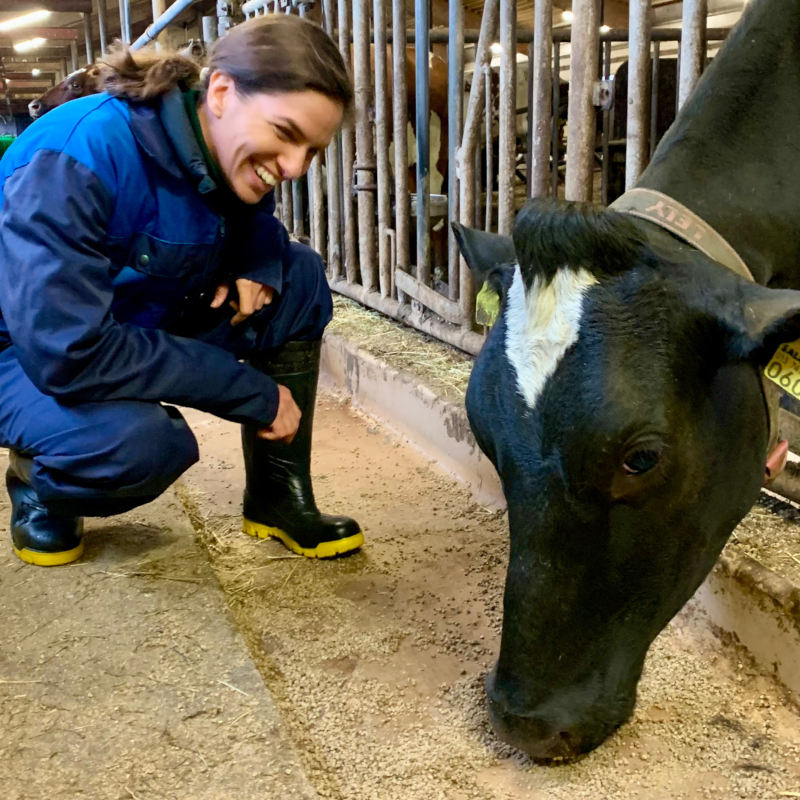
Jack Farmer, LettUs Grow

Jack continues: “Our two research and development vertical farms, based in Bristol, are both powered by Octopus Energy’s 100% renewable energy. We have also teamed up with Octopus Energy to integrate our very own farming management software platform Ostara with their Agile Octopus smart tariff, which received recognition at the Global Vertical Farming Awards and the Better Society Energy Awards this year.
By integrating an Agile Business tariff into Ostara, indoor farmers can adjust their plant’s growth cycles to align with lower energy costs.
Here at LettUs Grow, we are dedicated to reducing carbon footprints, as well as food waste; we are always looking for ways to reduce our environmental impact and reliance on fossil fuels. We are thrilled about winning two energy awards this year with Octopus Energy, and hope our collaboration can continue to bring forth more positive impacts.
More about LettUs Grow
 
 
Agri-TechE has an event on 22nd February 2022 about the use of light for agriculture and it will feature a number of energy-efficient technologies. More information Let There Be Light – Powering Plant Production
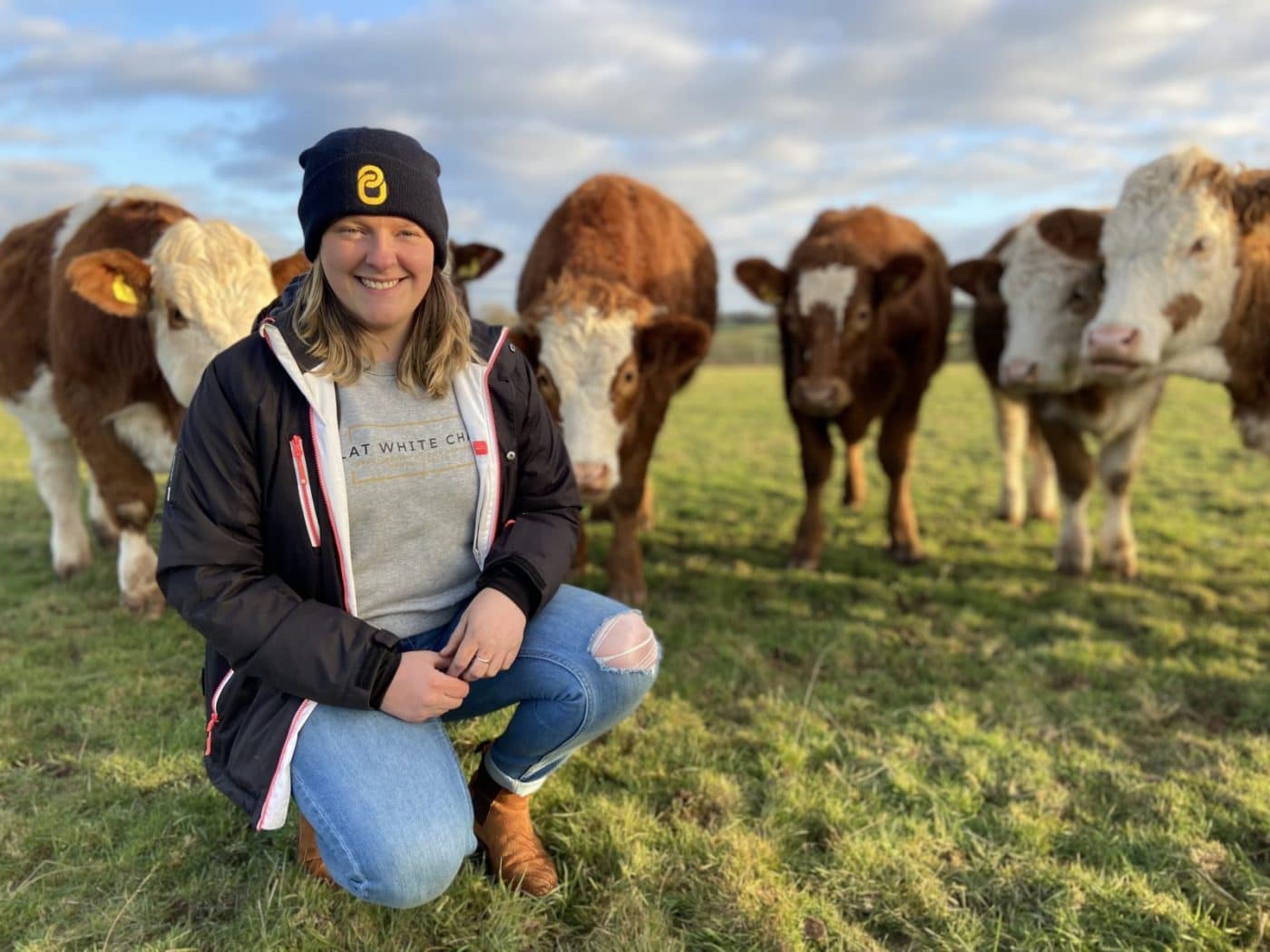
 

Morrison replacing soy with insect protein from Better Origin

Meet the Network
Agri-TechE

Better Origin insect factories
Mini insect factories produce chicken feed

Better Origin is to provide insect mini farms for generating feed for 10 egg suppliers to Wm Morrison,  UK’s fourth-largest grocer.
The automated farms are housed in shipping containers and will produce insects fed on waste from Morrisons’ fruit and vegetable processing site in Yorkshire as part of  a “circular agriculture” scheme.
Insects are a natural feed for chickens, but rearing the birds indoors means that the bulk of the feed comes from soyabeans and grains. According to the British Free Range Egg Producers Association, the largest contributor to emissions on a free range egg farm is bought-in feed, which typically makes up more than 85 per cent of an egg’s carbon footprint.
The 320,000 free-range hens on the 10 farms will also be fed a supplementary diet of British beans, peas and sunflower seeds. Morrisons says it aims to start selling its carbon neutral eggs laid by insect-fed chickens next year.
More about Better Origin
 

Post REAP news Gardin raises $10.8m for plant stress tech

Meet the Network
Agri-TechE

Gardin optical phenotyping
Fabrizio Ticchiarelli, lead biologist at Gardin, presented in the REAP 2021 Start-up Showcase

A stress detector for plants has raised $10.8m in a seed round. Agri-tech start-up Gardin is developing a low-cost optical phenotyping sensor that will give a real-time indication of plant health and predictions of ripening, nutritional content and yield.
The seed round was led by Molten Ventures, with investment by LDV Capital, Seedcamp, MMC Ventures, Alchimia Investments and angels.
Sumanta Talukdar, Gardin Founder & CEO, “Gardin are pleased to announce Molten Ventures as the lead investor for this seed round. We always put a huge emphasis on focused partnerships who share our ambition and we found exactly that when we met the team at Molten Ventures”
Gardin were featured in the Start-Up Showcase at REAP 2021, when lead biologist, Fabrizio Ticchiarelli, explained: “We can detect stress in the plant before it is detectable by eye.”
Most current sensors monitor the environment or the physical changes in the plant resulting from sub-optimal conditions, and there can be a delay before these appear. Gardin’s approach is to instead look at the cellular processes within the plant, which adapt on much faster timescales, and aims to provide recommendations for action.

Photosynthesis drives plant performance

Fabrizio explains that the goal when growing plants is to increase their biomass, and photosynthesis is the key to this: “It is possible to gauge how efficiently photosynthesis is occurring within each leaf of the plant by measuring fluorescence coming from the photosynthesis pigment, chlorophyll.
“As photosynthesis is so fundamental to plant health, it is linked to many molecular pathways in the plant. If a plant is stressed or limited by a lack of water or a nutrient, it diverts energy away from growth and towards other processes to compensate – we can pick up that change by monitoring chlorophyll fluorescence.
“We have completed trials, particularly with growers in controlled environments, to look at patterns of change across the plant in response to different stresses. We use computer vision to assess where the changes are happening, for example if they manifest first in younger or older leaves or if they are specific to a certain part of the plant.
“By looking at changes in the photosynthetic signal we will be able to determine what type of stress is occurring and how to get things back on track.”
The predictive power of the tool relies on data, so Gardin is currently building up its datasets for several uses: to optimise light usage in vertical farming; to identify where stress is occurring across a crop for precise interventions; to forecast yield; to quantify fruit ripening to infer the best time for picking; and to track and improve shelf-life and storage post-harvest.”

Commercial product for broadacre

Gardin has developed a sensing technology which has been trialled in vertical farms and is about to begin trials in greenhouses and polytunnels. The next iteration, which is close to the commercial product, will also be used for broadacre applications.
Mounted in a polytunnel, the sensor swivels to cover a large area of the canopy. If photosynthesis drops, due to drought, frost or overheating, the Gardin device will respond with an emergency alert.

Future plans

Gardin’s machine learning algorithms deliver actionable, real-time insights that enable crop growers to optimise yield, improve unit economics, and sell products high in nutrition. By building up a large unique dataset around crop health and nutrition, Gardin’s long term vision is to become the go-to data marketplace in the global food supply chain.
The company plans to use this injection of capital to fuel their growth in Europe and North America, as well as scale its penetration in greenhouses and vertical farms.
Gardin also plans to improve their sensors and to release new advanced analytics features such as crop forecasting and nutritional density mapping.Fabrizio explains: “The immediate goal is to give farmers direct insight into what they should do next to improve yields. “The long-term vision is to deliver a low-cost high-throughput phenotyping platform for all growers, breeders and the food processing industry.”
More information about Gardin.
More information about the REAP Start-up Showcase


Silal to discuss desert-tech for farming in extreme environments

Meet the Network
Agri-TechE

Desert-tech – controlled environments, smart irrigation, remote management – for farming in extreme environments is gaining momentum and investment.  Silal, Abu Dhabi’s new fresh food and agritech company, recently announced that it is investing is AED 200 million to upgrade 80 local farms in the Emirate of Abu Dhabi, part of a wider initiative to strengthen the AgTech ecosystem in the country. Silal is discussing opportunities for UK companies with desert-tech solutions, in an Agri-TechE xpress event on 12th January 2022.
As Silal works with a network of over 900 growers, service providers, retailers, and regulators it is uniquely positioned to support companies looking to establish or expand in the Middle East.

Smart irrigation for 80 farms

The investment by Silal, aims to increase production volume and quality, improve technology adoption across local farms, promote sustainable agricultural practices, and contribute to the national agritech strategy.
Under this programme, Silal will provide 80 farms with a new 1 Ha (hectare) greenhouse or nethouse facilities, fitted with smart irrigation and crop monitoring systems, that will double the yield, ensure better quality produce and more sustainable farming practices. Silal will work closely with farmers to define crop plans that maximise farms’ profitability and will provide training to farmers on operational best practices.

Abu Dhabi farmingADIO at REAP

AgTech is one of the strategic clusters identified for inward investment as part of Abu Dhabi’s national objective to increase food security. The Abu Dhabi Investment Office (ADIO) participated in the International Cafe, at REAP and is supporting innovative companies in agriculture to establish activities in Abu Dhabi through financial and non-financial incentives.
Salvatore Lavallo, Acting Head of Foreign Direct Investment (FDI) at ADIO, comments: “It is very clear that the degree of change that is required within food and agriculture systems, and the pace with which that change needs to be delivered, requires new ways of doing things.
“New agriculture and renewable technologies can combine to make the desert climate ideal for agriculture. Technologies that use sun for energy and reduce water consumption will transform Abu Dhabi food production capability and reduce reliance on imported food. Our goal is to place Abu Dhabi at the forefront of these technologies and an exporter of technology to other desert countries.”

Farming in extreme environments

Silal is working closely with farmers and local food suppliers to boost production and ensure consistent access and delivery of nourishment for the people of UAE and is supporting the development of an enabling ecosystem for AgriTech in Abu Dhabi. It is conducting research through partnerships and collaborations with the R&D sector to develop implementable AgriTechAbu Dhabi AgTech ecosystem solutions.
The AgTech ecosystem in Abu Dhabi has benefited from an USD 273M programme to develop the desert and climate solutions in Abu Dhabi, and  pioneering companies include:

  • Aero Farms – A global leader in transformational aerophonic framing technology, to provide local and fresh products year round.
  • Madar Farms – UAE founded Madar farms who are revolutionising vertical farming, to create more sustainable methods of growing food
  • RDI Responsive Drip Irrigation – developers of an irrigation system for plants to self regulate water delivery
  • RNZ  – which is opening a new R&D Centre to develop fertilizer technology.

A new AgTech Park project by ADQ aims to accelerate sustainable local food production and position the UAE as a hub to supply high growth markets across the Middle East and Africa.
Agri-TechE xpress with Silal: Farming in extreme environments: Challenges and Opportunities in the UAE
Wednesday 12th January 2022 @ 10:30 am – 11:30 am
More about Silal

Zayndu seed cleaning accelerates salad leaf growing cycle

Meet the Network
Agri-TechE

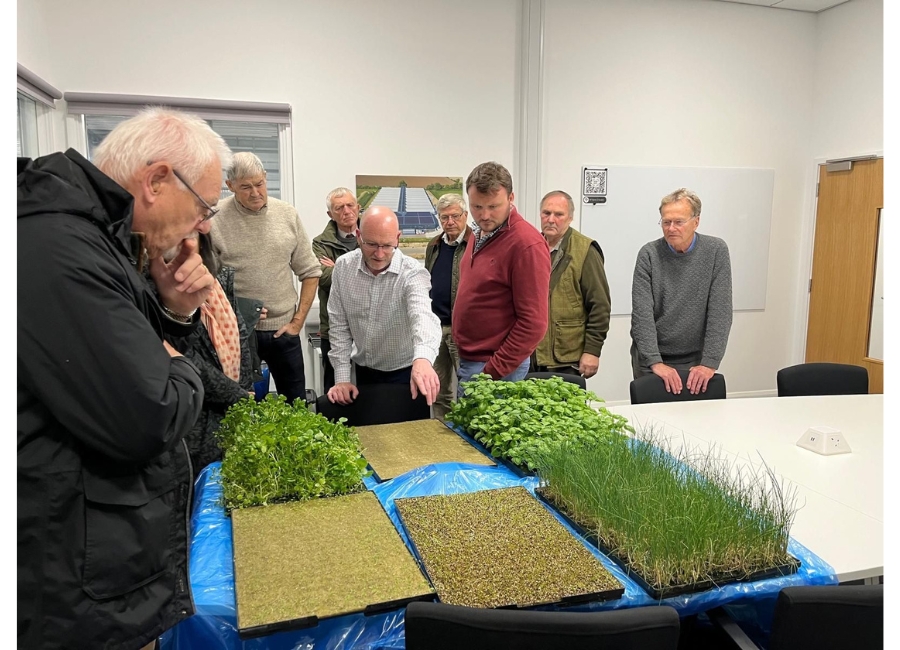
“We’ve seen some amazing results, particularly for crops such as Amaranth, where treated seeds have resulted in significant reductions in infections, improved germination rates, higher yield and reduced losses,” says Dr Katie Wilkins, Senior Plant Scientist at Vertical Future, about Zayndu’s ‘activated air’ seed cleaning technology. Trials have shown baby leaf salad crops germinate a day faster following treatment and Zayndu is to announce its findings at the Global Vertical Farming Expo (GVFE) 2021 on 1-2 December 2021.
Ralph Weir is CEO of Zayndu, a spinout from Loughborough University. He explains that its technology uses a ‘cold plasma’ generated when an electrical current moves through air, splitting the oxygen and nitrogen molecules and creating a powerful disinfectant with no residues. “Our initial focus was removing fungal spores from seeds, and this has been successful,” he says. “We then observed that treated seed was germinating faster and had a higher germination success rate. For crops such as microgreens, where there is a 10-day cycle, 1- or 2-days faster germination will have a massive impact on productivity.
“Cleaning seed with activated air has the potential to increase productivity by 10% or more and reduce the risk of fungal disease, without the need for chemicals or hot water.”
The company is collaborating with Vertical Futures and Niab on CHOPS (CEA Heirloom Optimisation and Pathogen Control of Seed), an Innovate UK funded project to create a quality-marked, high health status seed system.
Vertical farms are closed systems, so are vulnerable to rapidly spreading fungal diseases. To prevent this the highest levels of hygiene are required, including cleaning seeds to remove fungal spores, the options for which are currently limited.
Katie continues: “We are very excited to be working with Zayndu and Niab on this project and using this technology in our vertical farms. Increasing yield has a significant impact on the productivity and sustainability of this industry.” Dr Jane Thomas, senior pathologist at Niab, comments: “A non-chemical approach is really advantageous for vertical farms. Zayndu’s cold plasma treatment is a good technology and one of the few options available for vertical farming.
“The alternatives are hot water treatment, which can knock back germination of viable seed, or possibly UV lighting, which has the potential to damage the seed.
“The accelerated germination rates are very interesting. It could be that the treatment is ‘priming’ the seed by physically altering its coating which is encouraging rapid germination. Salad leaves are a short-lived crop, so reducing the cycle by a day will have a big benefit for productivity, allowing more harvests within a fixed period and space.”
Zayndu’s activated air technology is completely dry and chemical free. The company launched its small mobile unit Aurora Z10 earlier this year to allow small batches of seeds to be disinfected by growers as they are required. For the first time, it enables many high value seeds such as tomato or fast-growing seeds like rocket to be disinfected. Ralph says the technology may also allow more species to be grown undercover.
“Our technology removes fungal spores from seeds, which can be a godsend – for example, we remove 100% of fungus from peas, which are notorious for carrying high fungal loads.
“Infected pea shoots become slimy, smell horrible, and lead to the crop being destroyed – and they may infect other crops within a tightly-packed vertical farm. Removing the fungi would make it easier to grow high value pea shoots in a controlled environment.”
Zayndu is offering a new batch testing service; breeders and growers keen to see the results for themselves should contact Zayndu via seedhealth@zayndu.com, or via the website: zayndu.com.
More about Zayndu.

Bayer announces strategic partnership with Microsoft

Agri-TechE Article
Meet the Network
Agri-TechE

Bayer is to work with Microsoft to build a new cloud-based set of digital tools and data science solutions for use in agriculture and related industries to support sustainability across value chains.

The company already offers its Climate FieldView™  platform, which is used on more than 180 million farming acres across more than 20 countries. FieldView helps farmers to easily collect, store, and visualize field data — recording every pass throughout the season.  Data can be collated directly from many equipment types such as tractors, combines, liquid applicators, and planters without the hassle of manual data entry.

Under the agreement, Bayer will work with Microsoft to co-develop new solutions that address critical industry scenarios such as farming operations, sustainable sourcing, manufacturing and supply chain improvement. Bayer will also migrate its digital farming core capabilities to the new infrastructure for its own customer-facing solutions. This is a significant, strategic step forward in Bayer’s ambitious target of 100-percent digitally enabled sales in the Crop Science division by 2030.

The partnership builds upon a longstanding relationship between Bayer and Microsoft and aims to unlock even greater agricultural innovation by bringing together Bayer’s agronomic expertise and the power of Microsoft Azure to produce data driven insights.

Bayer is a global enterprise with core competencies in the life science fields of health care and nutrition. In fiscal 2020, the Group employed around 100,000 people and had sales of 41.4 billion euros. R&D expenses before special items amounted to 4.9 billion euros.

For more information, go to www.bayer.com.

Start-Up Showcase at REAP 2021

Meet the Network
Agri-TechE

The REAP 2021 Start-Up Showcase, sponsored by Rothamsted Enterprises, features a line-up of exciting early-stage agri-tech ventures – energy saving for glasshouses; pollination innovation; baits for insect pests; diagnostics for plant health; yield prediction that helps inform decision making on interventions and automation for asparagus and raspberry harvesting.

Some are seeking investment, all your advice and input, while others are already near market.

Who from the cohort of REAP 2021 will make it into the Agri-TechE Hall of Fame?

The REAP 2021 Start-Up Showcase is sponsored by Rothamsted Enterprises.

REAP 2021: Changing Time(s) for Agriculture10th November 2021

Imagine a world where agriculture is not constrained by time. The ability to manage and manipulate time is increasing and REAP 2021 will explore the advances in technology and breakthroughs in science that is making this possible.

REAP brings together people from across the agri-tech ecosystem who believe that innovation is the engine for change. The conference bridges the gap between producer needs and technology solutions and showcases exciting agri-tech start-ups. 

Gardin’s new device gives rapid insights into plant physiology

Meet the Network
Agri-TechE

Detecting changes in the rate of photosynthesis can give a fast indication of the plant physiological state, resulting from the levels of water, light, temperature or nutrient levels. Gardin announces at REAP 2021 it has developed an optical phenotyping sensor, this low-cost device gives the grower timely recommendations for action.  
Fabrizio Ticchiarelli, Lead Biologist at Gardin, presented in the Start-up Showcase at REAP 2021. He says: “We wanted to provide a tool that measures plant health, produce quality, ripeness, and plant yield – but we want to be able to measure that directly, to be able to react quickly to problems or engineer desired responses, such as fruiting or increasing the content of specific nutrients. 
“Existing phenotyping devices measure plant features such as height, leaf size, shape and texture, which allows them to report on how well the plant is growing. However, these physical plant metrics are the end-result of processes in the plant cells that have been going on for days or weeks, so there is a lag in these metrics.  
“To get a much more immediate indication of plant health and activity, you need to measure plant cell processes directly. That’s what we’re doing.  
“The optical phenotyping sensor we are currently developing uses chlorophyll fluorescence, which is a signal that allows us to monitor photosynthesis directly, telling us how efficiently photosynthesis is occurring in each leaf and each part of the plant. 
“Our prototype has completed trials in controlled environments with key clients; we would now like to talk to more growers and to tech developers about integration with automated systems and applications within precision agriculture.” 
Find out more at gardin.co.uk 

REAP 2021: Changing Time(s) for Agriculture10th November 2021

Imagine a world where agriculture is not constrained by time. The ability to manage and manipulate time is increasing and REAP 2021 will explore the advances in technology and breakthroughs in science that is making this possible.
REAP brings together people from across the agri-tech ecosystem who believe that innovation is the engine for change. The conference bridges the gap between producer needs and technology solutions and showcases exciting agri-tech start-ups. 

Breedr announces new crowdfunding campaign

Meet the Network
Agri-TechE

Breedr has announced that it will shortly be launching a crowdfunding campaign as part of its next round of investment.
Earlier this year Breedr announced a new risk-free way to buy and sell livestock, based on lifetime animal data and weights. The Breedr livestock trading platform means producers can buy and sell through the free app with certainty, with a price guarantee in case of any differential in the weight of weaned calves and stores between farms. Sellers are also ensured payment within 72 hours of collection.
Ian Wheal, founder of Breedr, says: “The ability for our customers to share in the success of Breedr is something that is really important to me, and crowdfunding is a great way for us to democratise our funding round by opening up the opportunity to everyone.
“The best part about crowdfunding is that it allows our customers and community to invest in Breedr at the same valuation as world-class investors including LocalGlobe & Forward Partners.
“Now is the perfect time to join us. The livestock & meat production market is worth $1.7tn— and we believe we are perfectly placed to positively drive sustainable change within the industry.”
Find out more about Breedr.

Stable raises $46.5m to protect agrifood firms from volatile prices

Agri-TechE Article
Meet the Network
Agri-TechE

Stable, a startup and Agri-TechE member, is changing the way businesses manage volatile commodity prices, it has secured $46.5m to drive its US expansion.
Founded in 2016 by a farmer’s son Richard Counsell, while he was working in Chicago, the Stable platform enables millions of businesses to manage the risk in a simple and effective way.
Counsell comments: “I know the problems volatile cStableommodity prices can cause first hand, and I was struck by how little innovation has happened in the industry.

“Agricultural commodities are perishable and come in all shapes, grades and sizes, which makes them very hard to standardise and trade on an exchange,” said Counsell. “The result is that only 8% of commodities are available to trade on the likes of the CME Group Inc*, which makes purchasing risk management products such as futures or options contracts difficult without enormous basis risk.”
“Back in 1848 when the Chicago Board of Trade opened its doors, it had a simple and clear mission to provide buyers and sellers of crops financial certainty. I wanted to combine modern tools like machine learning (AI), with a great user experience and a clear and client-focused purpose to get back to the grassroots and become relevant again for businesses with a real risk to manage.”

Joe Brooker, VP research at Stable
Joe Brooker, VP Research at Stable, spoke at an Agri-TechE meeting

Stable’s platform hosts more than 5000 indexes which can be selected by clients to customise a contract to protect themselves from volatile prices. Payouts are automated and simply reference the local or highly correlated index to minimise basis risk. The result is a simple and modern way to manage price risk for millions of businesses globally. Currently focused on agricultural commodities, the company is widening its future offering to include packaging, construction & energy.
The company is seeing exceptional demand caused by the disruptions in the Covid impacted food chain, which has highlighted the risks involved for manufacturers and producers alike.
In the agrifood industry alone, more than $5 trillion of un-traded commodity exposures are currently self insured. Hedging can also be a complex, risky and intimidating experience for a business simply wanting to protect their risk rather than trade or speculate. After gaining regulatory approval in early 2021, Stable is now starting to work with many large food businesses in the US, as well as farming organisations wishing to protect against future price falls.
With operations in Chicago, Austin and NYC, the new investment will be used to build out its North American sales and marketing teams and invest in its world class data science departments in London & New York.
The Series A round of funding, was led by Greycroft as well as Notion Capital, Anthemis, Continental Grain and existing investors Syngenta and Ascot.
“Stable has a proven leadership team and is on track to reach $500m of annual premium within 3 years of launch, making them the fastest growing insurtech ever,” said Ian Sigalow, a Partner at Greycroft. “We’re delighted to support a company with this level of ambition and industry experience.”
*CME Group Inc. is an American global markets company. It is the world’s largest financial derivatives exchange, and trades in asset classes that include agricultural products, currencies, energy, interest rates, metals, stock indexes and cryptocurrencies futures. (source wikipedia)
An explanation of the Stable technology.
To find out more about Stable visit www.stableprice.com or email hello@stableprice.com


YAGRO joins Frontier Agriculture

Agri-TechE Article
Meet the Network
Agri-TechE

The agri-tech ecosystem is maturing: YAGRO, which featured as an early-stage company in the second REAP Start-Up Showcase in 2015, has just announced that it has joined the Frontier group of companies.
The Cambridge-based company is a pioneer in the development of analytics for agriculture and released a ground-breaking new product in 2020 that aggregates on-farm business data into a simple online tool, and gives the farm manager incredible detail and insight on the farm’s current and historical performance.
YAGRO has worked closely with a steering group of progressive farmers to ensure its technology meets the needs of farmers; joining Frontier will help to secure its future as a leading provider for the whole industry.
YAGRO will continue to trade as an independently managed, stand-alone subsidiary.

YAGRO joins Frontier

Dan Jolly, Co-founder and Head of Business Development, said: “This is an exciting day for the whole of the YAGRO and our customers. With the backing of Frontier Agriculture, we can forge ahead with our plans for team growth and new analytical tools, supercharging the proven impact we’ve been delivering since 2015. We look forward to accelerating our developments with our farm users and our Partners.”
Gareth Davies, CEO and co-founder, said: “Today’s announcement recognises the quality of the team and capability we have built at YAGRO, that genuinely empowers our customers to better understanding and better decision making for the farm. Now anyone across our industry – from farmers to agribusiness to Government – can be confident in navigating the hard changes ahead, with YAGRO as their trusted and proven data partner to empower insight and decision making. This also marks a hug step forward for UK agri-tech and its role in driving the whole industry forward.”

Part of the Agri-TechE ecosystem

YAGRO is a member of Agri-TechE and many of its National Steering Group are also members, such as Sentry Ltd, Elveden Farms Ltd, and Greens of Soham Ltd.
Greg Colebrook, Director at Greens said: “I’ve been working with the YAGRO team and technology for the last 5 years, and believe that they are on the right track. They’ve already delivered some great products, and this news means that they’re sure to produce new products even quicker. We really like the team there, so it’s great to hear they will remain at the helm and most importantly the business will remain an independent entity.” Mark Aitchison, Managing Director of Frontier Agriculture, said: “We are excited by today’s news that YAGRO will be joining the Frontier group as an independent, stand-alone subsidiary company. YAGRO has quickly gained a strong reputation for nimble design and deployment of practical software solutions for farmers, advisers and the supply chain. Today’s announcement will enable YAGRO to fast-track their strong pipeline of products currently under development, which are much needed for the whole industry.”
More information about YAGRO

SprayBot brings together Fotenix and Small Robot Company to investigate variable rate application of biopesticides

Meet the Network
Agri-TechE

 Small Robot Company and Fotenix are part of a collaboration devising a new method for the precision application of fungicides and biopesticides. Both the companies will be exhibiting in REAP2021. 
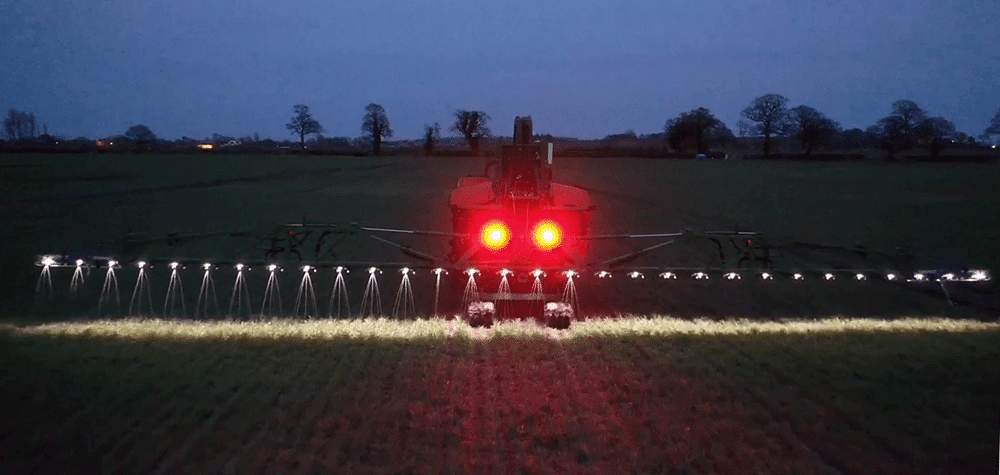
SprayBot is a three year feasibility study funded through the Innovate UK Smart Grants fund (November 2020 call). It will investigate how combining early disease detection techniques such as imaging provided by Fotenix and robotic machinery provided by Small Robot Company can be used to implement targeted ‘variable rate’ applications of fungicides and biopesticides.
This will involve detecting and mapping crop disease and then applying product at a variable rate to small areas of the crop. In the future, this could also extend to an individual plant or even leaf.

Variable rate application of fungicides and biopesticides

Sam Watson Jones, co-founder of Small Robot Company, said: “Microspraying could be game-changing for the industry. Pressure is increasing from regulators, leaving farmers short of options. SprayBot could enable a new generation of spot treatment chemicals, reduce costs, and significantly reduce the impact on biodiversity.
“Up to 95% of chemicals are wasted in the current farming system. Unfortunately, if you treat the whole field the same, waste is inevitable. Robotic precision application technology will be both economically and environmentally sustainable. The best of both worlds.”
Dr Charles Veys, Managing Director at Fotenix, agrees: “SprayBot brings together the latest in disease profiling alongside automated platforms, which close the loop from early detection to impactful treatment, bringing the savings to both the farm’s bottom line and its environmental footprint.”
The consortium combines disease forecasting and diagnostics from Newcastle University, crop imaging and analytics from Fotenix, spray application from Silsoe Spray Application Unit, and autonomous farm robotics from Small Robot Company.
Small Robot Company and Fotenix both appeared in the REAP Start-Up Showcase.

See us at REAP 2021!

REAP 2021: Changing Time(s) for Agriculture10th November 2021

Imagine a world where agriculture is not constrained by time. The ability to manage and manipulate time is increasing and REAP 2021 will explore the advances in technology and breakthroughs in science that is making this possible.
REAP brings together people from across the agri-tech ecosystem who believe that innovation is the engine for change. The conference bridges the gap between producer needs and technology solutions and showcases exciting agri-tech start-ups.