Patenting, Trademarks, Copyright, Trade Secrets...
In the next installment of our micro-learning series, we’ll explore potential legal solutions to help you keep your ideas safe and sound.

How national data sharing could boost farm incomes and ensure food security

Meet the Network
Agri-TechE


The value of your data is currently at the forefront of many farming conversations, with debates about whether to share it or retain the information for your own farm.

As AI becomes more prevalent and financial challenges mount, it’s understandable that farmers might want to keep their data private to boost their competitive edge. Yet, researchers at Cranfield University suggest that sharing this data could generate additional revenue and ultimately, enhance food security and achieve sustainability goals.

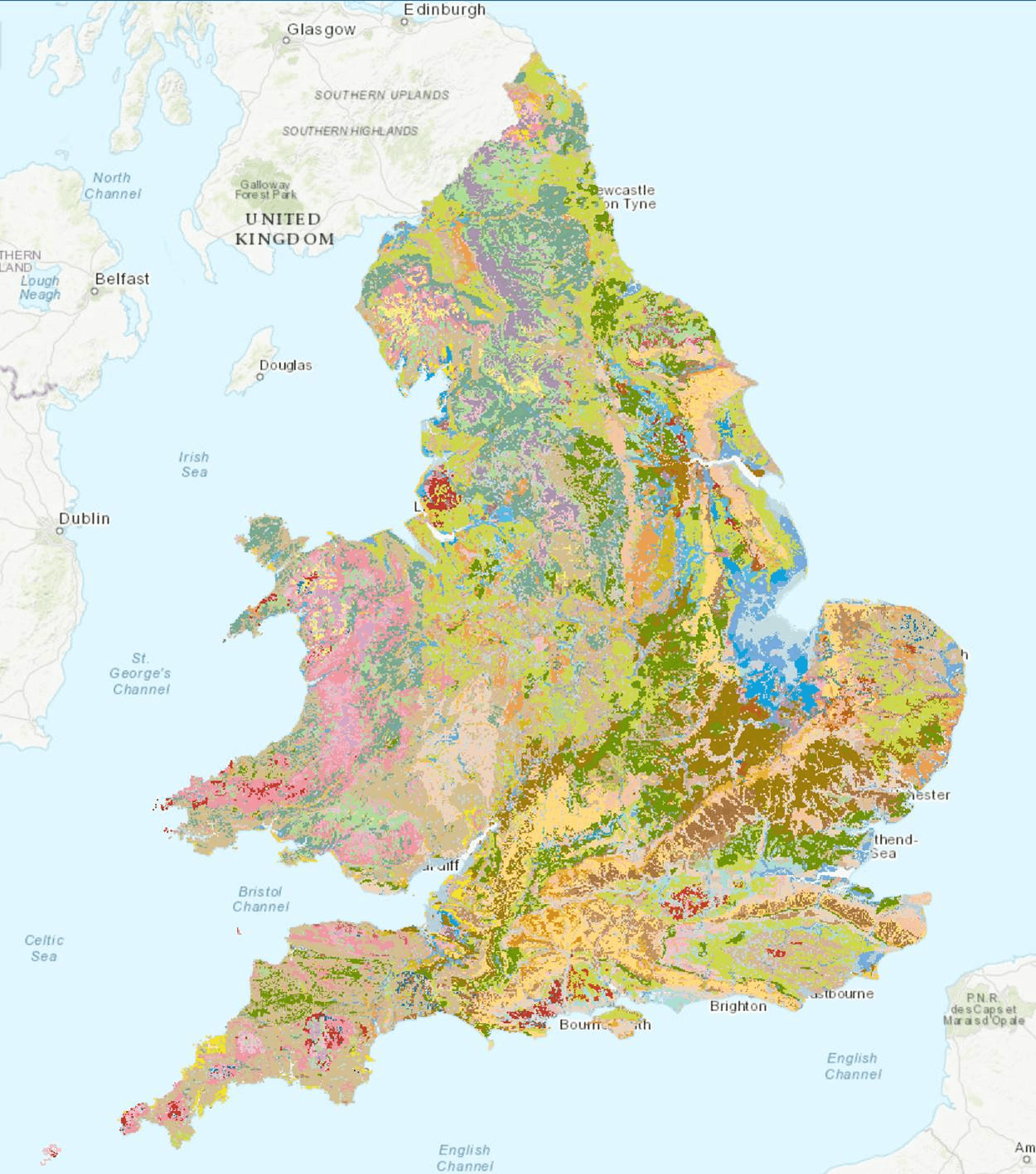
To support this, Cranfield University and Defra have agreed to develop an open access portal of soil and related environmental data for England and Wales, including the National Soil Map of England and Wales (NATMAP).

“We believe opening access to this data is a way to better manage and safeguard our soils and our environment,” says Ron Corstanje, Professor of Environmental Data Science and Head of the Cranfield Environment Centre.


Rob Simmons, Professor in Sustainable Soil Management at Cranfield University, has spent almost two decades focusing on developing applied solutions to on-farm challenges, spanning soil compaction, runoff, erosion control.

A primary focus over the last five years has been optimising the practical use of polymers to improve emergence, establishment, and yield in field grown herbs, salad onions, bulb onions, lettuce and spinach, with his research always in close collaboration with growers so that outcomes are solution based, practical and adoptable.

Working alongside Severn Trent, Southern Water, and Anglian Water, one of his current PhD students Lisa Donovan is modelling the benefits of overwintered cover crops in rotation and their impact on reducing erosion and improving water quality.
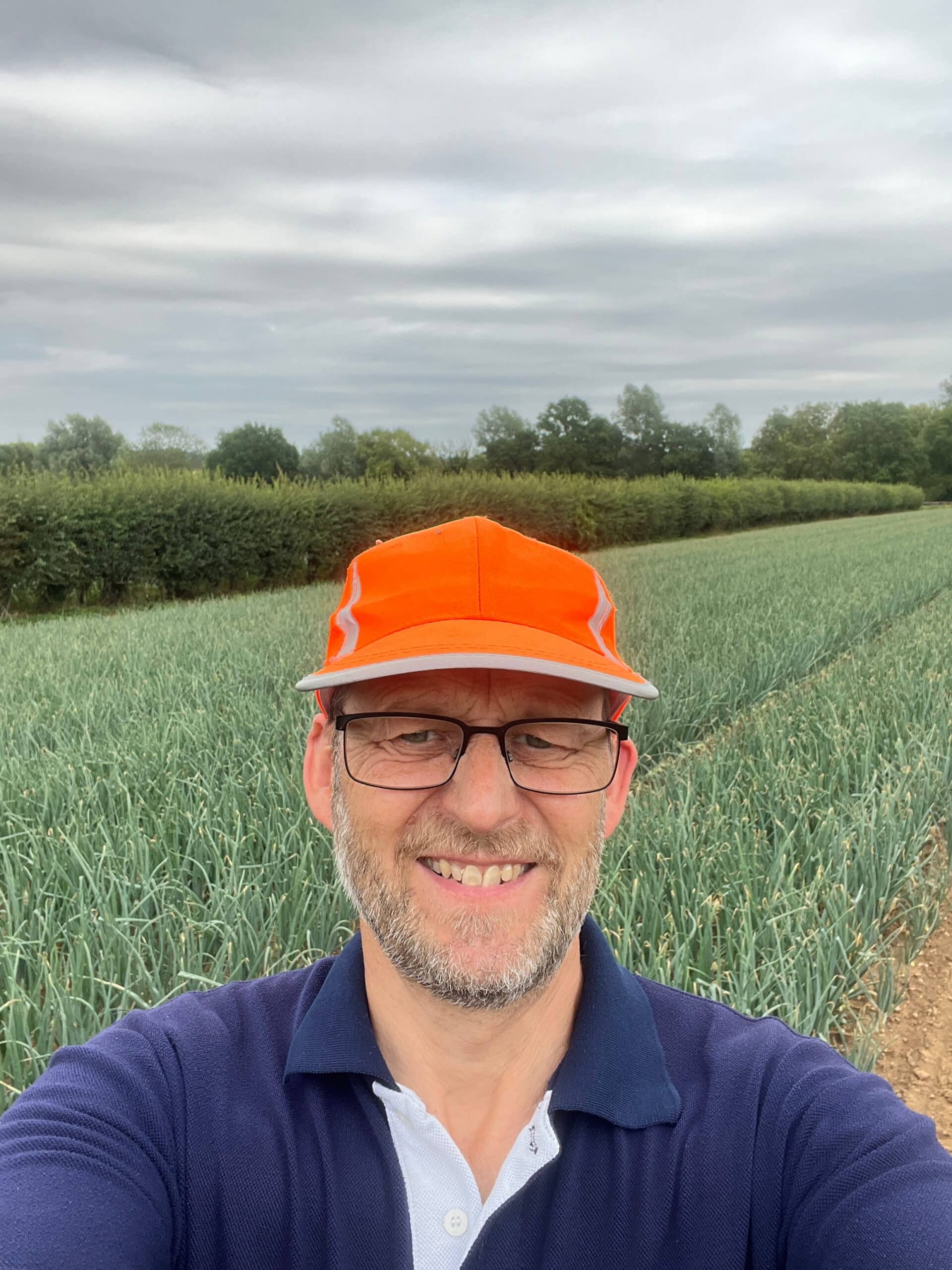
 

Rob Simmons
Rob Simmons
Professor in Sustainable Soil Management, Cranfield University

“The water companies see agricultural land as part of their critical infrastructure. So, it’s not just the pipework, treatment works, drinking water works, and surface water abstraction; it’s also the fields and the catchments around them,” says Rob.

“They actively support farmers to plant cover crops and implement interventions more than the government does, because they recognise that cover crops play an important role.”

Working alongside Rob Simmons, Toby Waine, academic lead of the Applied Remote Sensing Group at Cranfield University, has been involved in a number of projects to question how we use remote sensing and data to monitor a more complex and diverse landscape.

“Remote sensing techniques we use to look at large areas to access regional production can be focused down to different scales with new high-resolution satellites or drones. So, we can assess what’s in what field, right through to what’s happening within a field, a specific plant, or even an individual leaf, so it’s truly precision agriculture. This becomes more important as we introduce mixed cropping systems, that promote biodiversity to improve sustainability.”

Now, with the uptake of remote sensing and soil sampling tools and data-led decision-making, there is an opportunity to share findings that could benefit all, Rob states.


How sharing data could lead to financial benefits for farmers

Usually, data collected on a specific farm is used solely to inform that farm’s decisions, based on soil type, area, and crop selection.

“Farm businesses conduct soil sampling every single year, covering >100,000 hectares of land annually. This is supported by companies such as Agrii, Hutchinsons (Omnia Terramap), and Frontier (MyFarm). Soil sampling and analysis are often repeated on 4-5-year cycles. That data is utilised by the companies and farms that use it for their own decision-making. However, it could be used for national-scale decision-making”.

 

Toby Waine
Toby Waine
Academic lead of the Applied Remote Sensing Group, Cranfield University

“All this data could be compiled and, with modern machine learning and AI approaches, mapping approaches, et cetera, if it were combined and made available to farmers, we would have soil maps on a field-by-field basis and even within-field variability.

I’ve seen these maps generated by Omnia Terramap and Frontier MyFarm, and it’s absolutely remarkable.”

Understandably, releasing data might seem like losing a competitive edge; however, Rob sees broader benefits, including potential financial incentives for farmers through sharing data.

“Essentially, if combined with input and yield data, we would have a ‘National Scale Rotational Field Trial’. This would be invaluable for developing climate-change resilience and assessing the effectiveness of soil-health management options. We would also have a continuously updating ‘live’ national soils database.

“It could be used, for example, to evaluate the efficacy of soil management options under SFI or by water companies, looking at reducing phosphorus in rivers, because they would know which fields within their catchments were associated with high levels of phosphorus and hence target management options more cost-effectively.

“There’s so much competition among growers because what they do gives them an advantage over others. However, if data were shared on cross-cutting themes important to everybody, everyone would benefit,” he adds.


Data sharing on a national scale

Looking ahead, Toby is part of the Cranfield University Team launching the new open access soil platform to enable data sharing and research collaboration within the farming community.

Using what was previously the National Soil Resources Institute’s soil information for England and Wales, the team at Cranfield University is making the data available to farmers and land managers free of charge.

“On larger farms, which may use contractors or people who have never been in that farm’s fields, data sharing and technology could provide instant insights into the quality of the land, which crops grow best, and its yield,” says Toby.

“With enough data sets and knowledge and historic patterns, you could start to model what you think would be the best strategy for that field, even if you hadn’t ever been in there,” he adds.
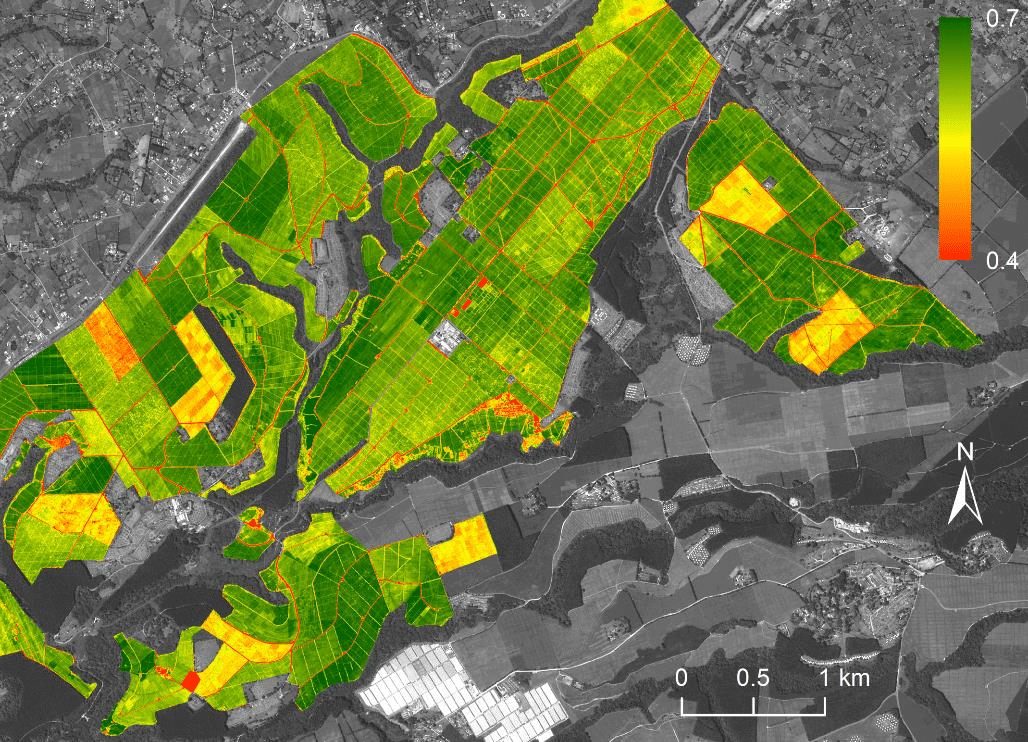
NDVI satellite image of tea estate in Kenya. Darker green indicates ready to harvest, yellow or orange recently pruned.
National Soil Map of England and Wales (Data originated from the Cranfield University, Land Information System LandIS® Portal


Drawing on his past experiences, Rob Simmons highlights the potential for open data sharing and its role in supporting sustainable food security.

“I worked overseas for 10 years, all over South Asia and Southeast Asia. They used to have what they called lighthouse farms, where you’d have a farm showcasing best practices. That information would be shared, and all the funding would focus on sharing best practices. AHDB runs the Monitor Farm Initiative to highlight best practice in arable farming systems.


The LandIS soil data platform will be available spring 2026, where anyone can access free of charge.

A trip to the Tees Valley HQ

Agri-TechE Blog
Meet the Network
Agri-TechE

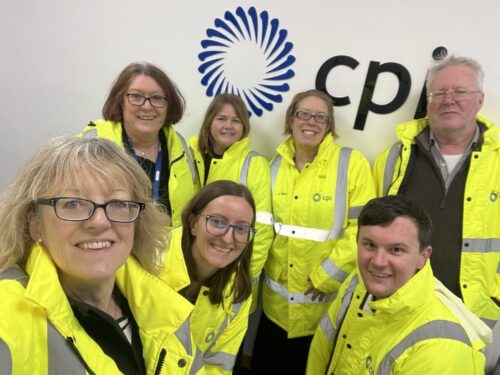
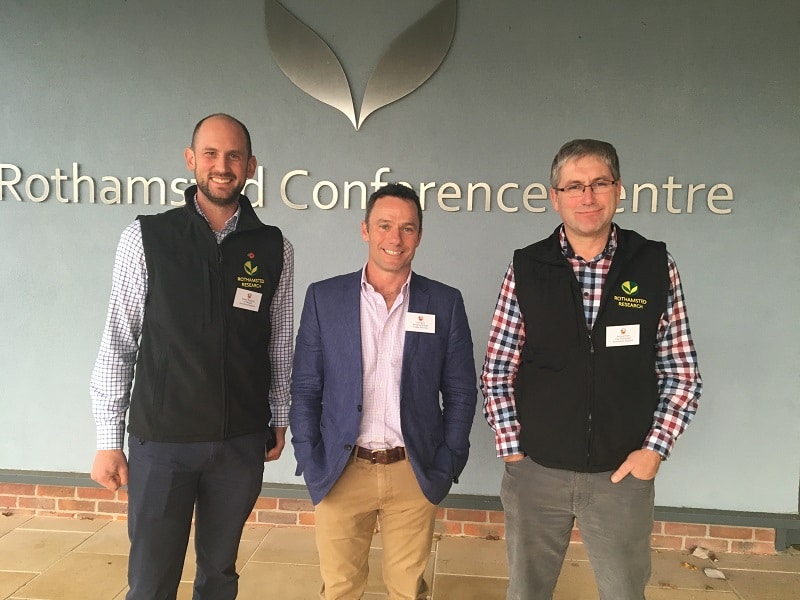
In January some of team Agri-TechE had the pleasure of heading to the Tees Valley to the HQ of CPI (The Centre for Process Innovation).

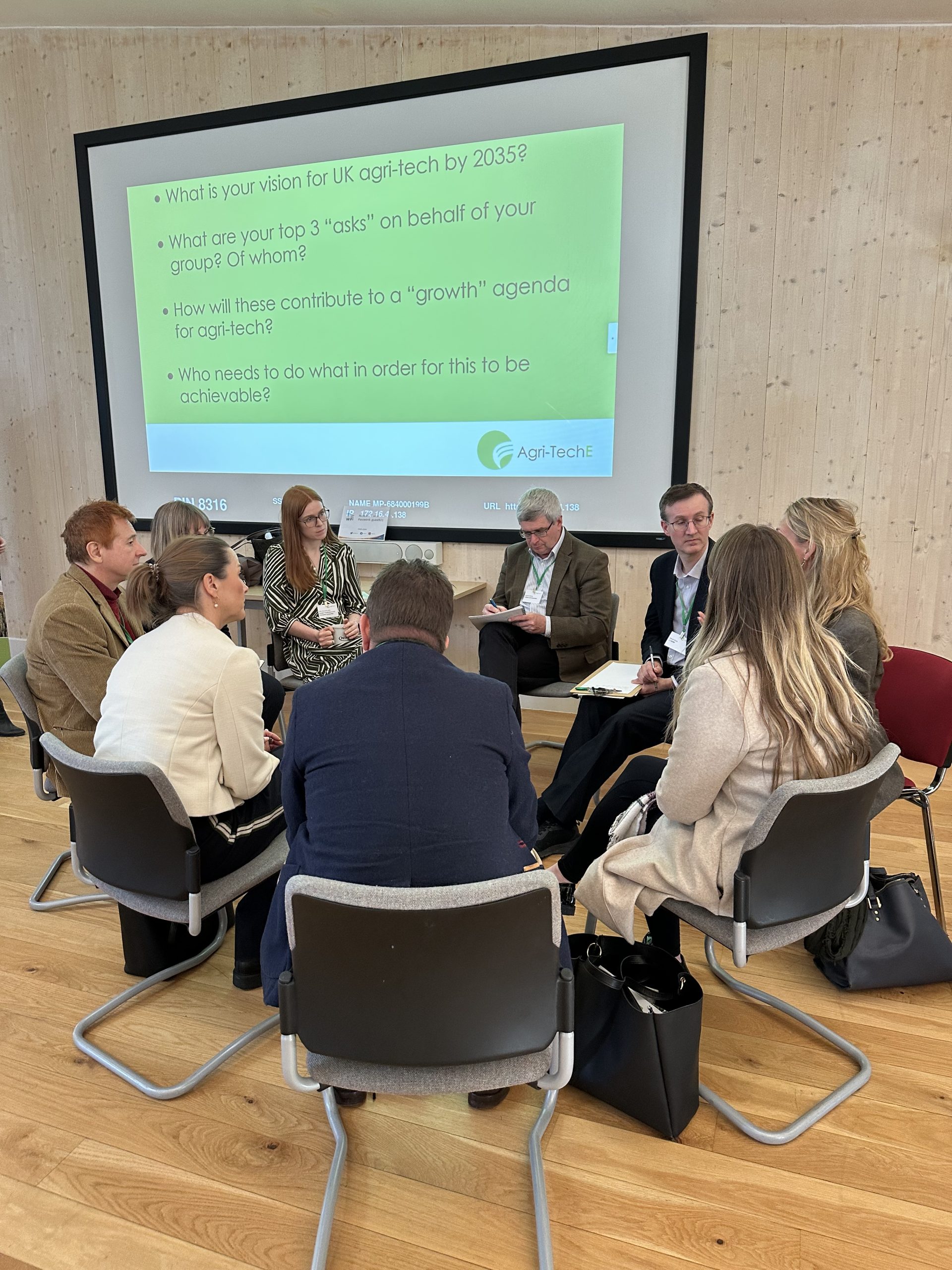
CPI kindly hosted the first in-person meeting of our newly refreshed stakeholder group that brought together a selection of our membership to share their on-the-ground perspectives as a valuable guide for our work and future strategy.

CPI is an independent tech innovation centre and a founding member of the UK Gov’ts High Value Manufacturing Catapult. As a process development and scale-up business they exist to help businesses transform exciting scientific concepts into industry-ready, commercial businesses.

Their portfolio includes developing novel agricultural products including fertilisers, pesticides, biostimulants, seed coatings, plant and animal probiotics. They are increasingly important as a national capability to help scale up material such as biologicals, as these products become more available their ability to scale and formulate for agricultural uses is critical.

Our stakeholders are a blended group from across the membership – tech companies, farmers, researchers from across the UK. With us, they come together for peer-to-peer learning, sharing and hearing insights, and having candid discussions about what’s needed for the industry. We use their reflections and expertise to inform and shape our strategic activities.

As well as the stakeholder meeting, the group were lucky to take the group on a tour of CPI’s facilities at their Wilton site to see process design and scale-up and bioprocess development.

Big thanks to CPI for hosting – especiialy Jenny Readman Alex Smith

AbacusBio believes the Precision Breeding Act presents a ‘huge opportunity’

Meet the Network
Agri-TechE

Choosing the right livestock breed/line or crop variety is crucial to any farming operation. However, increasing pressures from climate change, which continue to impact disease and yield, are making these decisions more important than ever.

In this month’s member spotlight, we talk with Tim Byrne, Managing Director of AbacusBio International Limited, about how the 2025 Precision Breeding Act might provide a solution for climate-resilient agriculture.


Abacus Bio-53
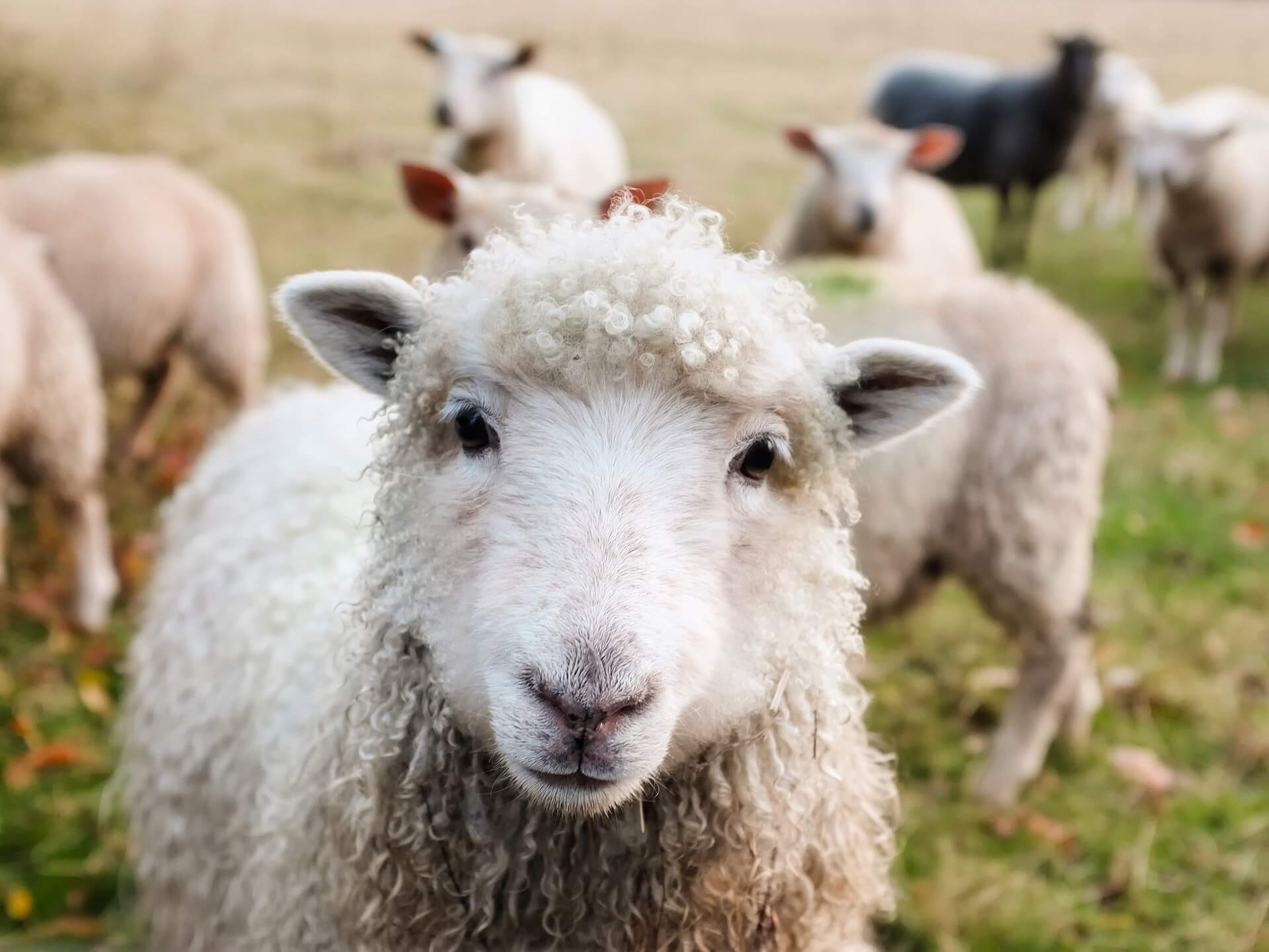
Lamb AbacusBio International Limited


Growing up on a beef and sheep farm in New Zealand, Tim has firsthand experience with the essential role genetics plays in the production system. Now, as Managing Director for the agri-science consultancy firm, AbacusBio International Limited, he’s keen to help others with their own on-farm decisions.

AbacusBio centres its business on genetic improvement, with a broader offering of economic and sustainability impact assessments, business case development, financial modelling, and strategic agri-business planning. The company has offices in the UK, New Zealand, Canada, and Australia, helping various businesses make informed decisions.

“It’s hugely important that farmers consider the value that genetics can add,” Tim says.

He notes that incremental, cumulative, and permanent improvements in plant varieties or animal populations deliver profit and sustainability outcomes for farmers and the wider supply chain.

“There’s evidence across multiple industries indicating the impact we’ve had. Our advice has influenced somewhere near 14% of the global arable crop land,” Tim says. This influence has come from  AbacusBio’s work with their largest client, Bayer Crop Science.


The Precision Breeding Act – what does this mean for the future of agriculture?

The 2025 Precision Breeding Act covers genetically modified crops in the UK and, according to Tim, represents a ‘huge opportunity’ for UK agriculture to adapt to climate change and boost competitive advantage in plant production.

He points out, “We know we need climate resilience, we know we need disease resistance. The Precision Breeding Act and associated regulations enable the industry to accelerate outcomes that would otherwise be achieved through conventional breeding, helping deliver traits we already know will be critical in the future.”

Tim explains that climate change in the crop breeding system increases production pressures: “With more climate variability, there’s likely to be diseases that appear that are not present now.”

He adds, “The Precision Breeding Act, and genetic improvement in general, offers additional tools for the industry to respond to those challenges. For instance, produce more resilient crops that are resistant or tolerant to diseases.”


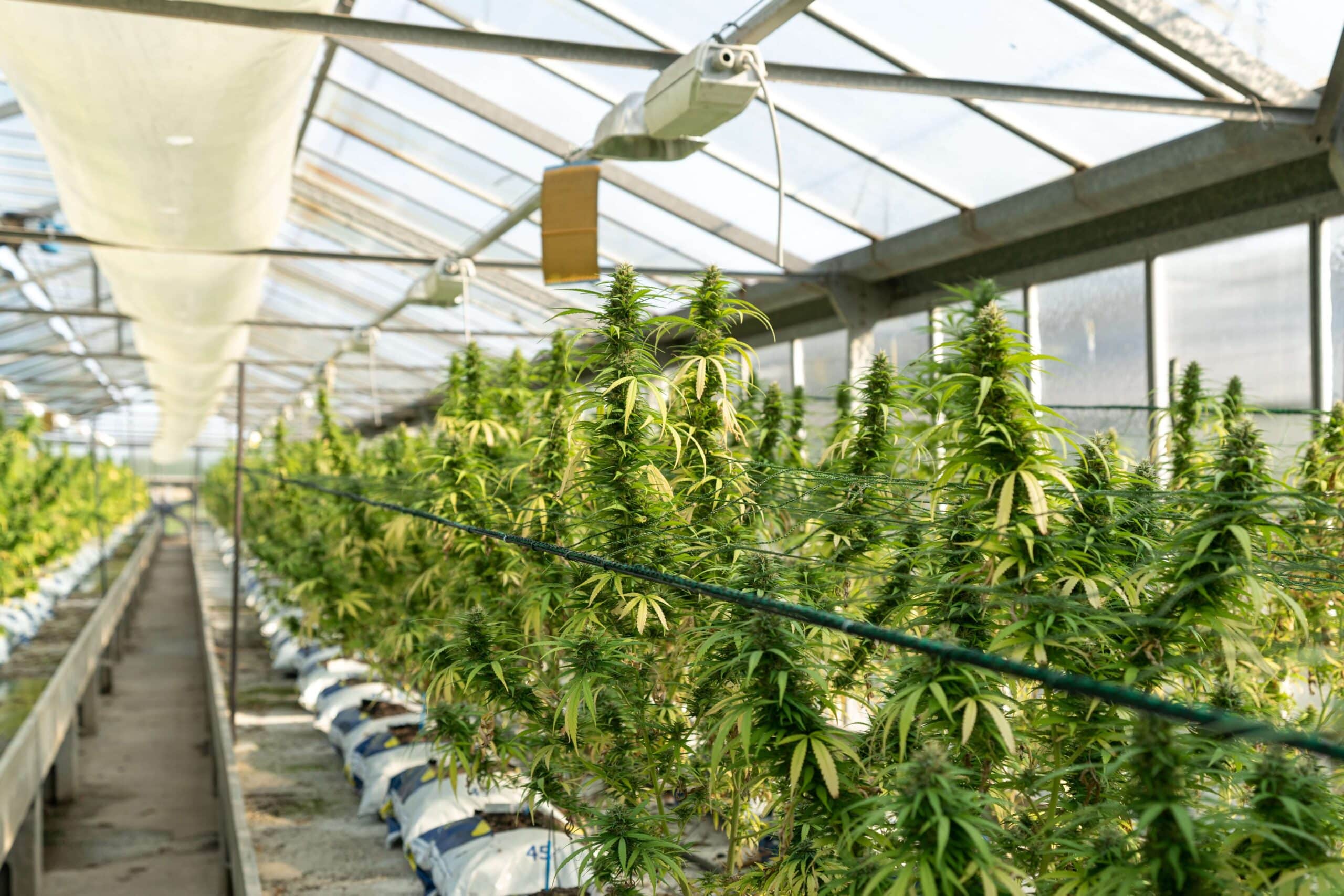
Cannabis Plant AbacusBio International Limited
Cattle AbacusBio International Limited

Integrating precision breeding into traditional programs

When it comes to precision breeding, Tim says AbacusBio can offer the right guidance and support.

“We have a huge amount of experience and expertise in designing and running breeding programs in all sorts of different contexts, in many plant and animal species,” Tim says.

“One important consideration is how precision-bred organisms should be included in traditional breeding programs, or how the information on precision-bred organisms should be included in traditional breeding programs.


The role of AI and data

Alongside the Precision Breeding Act, Tim highlights how AI and data management will shape future agricultural decisions, stressing the importance of expert guidance to maximise their benefits.

“We’re in a very fast-changing environment, which holds true for the climate and the physical environment. It also holds true for the geopolitical, trade, and regulatory environments, and because of that, information and data are key in driving decision-making.”

“Having the right advice, combined with flexibility in strategic decision-making, is critical, especially in an environment where conditions and priorities can change rapidly,” says Tim.


Tim Byrne, MD
Tim Byrne, MD
AbacusBio International Limited.

“We’ve had some nice connections made through the Agri-TechE platform.

We’ve had conversations with some local breeding organisations and agri-tech businesses. So, it’s been really beneficial from that perspective.”

Take a look at AbacusBio’s page in the Member Directory to find out more or to get in touch with the team.

Analysis of the impact on UK crop production of GB aligning with EU on PPPs

Meet the Network
The views expressed in this Member News article are the author's own and do not necessarily represent those of Agri-TechE.

Analysis of the impact on UK crop production of GB aligning with EU rules and decisions on Plant Protection Products | CropLife UK
A new report by The Andersons Centre, commissioned by CropLife UK, has revealed that immediate retrospective alignment of the British Plant Protection Product
(PPP) regulatory regime with the European Union could reduce Total Income from Farming by between £500 million to £810 million per year. 

The report examines the impact of aligning UK Plant Protection Product (PPP) rules with existing EU decisions under a proposed UK–EU Sanitary and Phytosanitary (SPS) agreement, which the Government has indicated could take effect from June 2027. 

Using a worst-case “cliff-edge” alignment scenario, the analysis shows that the loss of key crop protection tools, including several newer active substances currently approved in Great Britain, would reduce yields, alter cropping patterns and increase production costs. Indicative impacts include wheat production falling by 9–16%, potatoes by 4–6% and apples by 3–7%. 

CropLife UK Chief Executive Dave Bench commented: 

“Since leaving the EU, the GB regulatory regime has delivered innovative new chemistry faster than the EU, benefitting GB growers.  But these benefits could be thrown away if the Government does not negotiate a good SPS deal.. 

“As our report highlights, the impact of a ‘cliff-edge scenario’ on British growers could be devastating.  At a time of increasing pressure on farm profitability, this could prove a tipping point for many farmers and growers.  While we welcome the Government’s commitment to reducing the price of food for consumers, it is difficult to see how reducing domestic crop yields could help achieve that aim.” 

The Common Understanding Agreement, agreed in May 2025, does not specify how existing regulatory divergence should be managed. The report distinguishes this issue as “cliff-edge alignment”, separate from future regulatory changes under dynamic alignment. 

 CropLife UK Head of External Affairs Josh Woolliscroft added: 

“We recognise that this is a flagship trade policy for the Government and a key priority to see it delivered. However, we urge policymakers to take account of this independent analysis and the industry’s consistent feedback. This is simply too important a decision to rush. The report highlights ways in which this deal could be delivered in a way that avoids harming British growers and British consumers.” 

Analysis of the impact on UK crop production of GB aligning with EU rules and decisions on Plant Protection Products | CropLife UK

  • *I have permission from the copyright holder to publish this content and images.

Innovative vets adopts agri-tech for early dairy disease detection

Meet the Network
Agri-TechE

As milk prices decline, along with recurring and emerging diseases and pressures to meet sustainability goals, Nantwich Farm Vets are working with ag-tech innovators to identify diseases earlier, aiming to create more efficient, profitable and successful farming systems.

The next year is offering a challenging time for the dairy industry, reflects Phil Cullinan, Business Development Manager of Nantwich Farm Vets, noting that farmers are losing 6-8 pence per litre for their milk and facing additional pressures with disease and targets.

“There’s the constant challenge of things like TB and Johne’s, then there’s emerging diseases like bluetongue, which we don’t really know what kind of impact they might have.

“There’s also ever more pressure coming on the sustainability side of things; what processors and supermarkets are asking farms to do, and how they can continually develop to achieve the broader industry goals handed down by the government to retailers and processors.

“Juggling all of that is a massive challenge, along with the day-to-day on-farm challenges of staffing and weather”.

However, despite increasing challenges, Phil remains positive that agri-tech innovations could lead to new ways of working, improving animal welfare, and increasing efficiency.

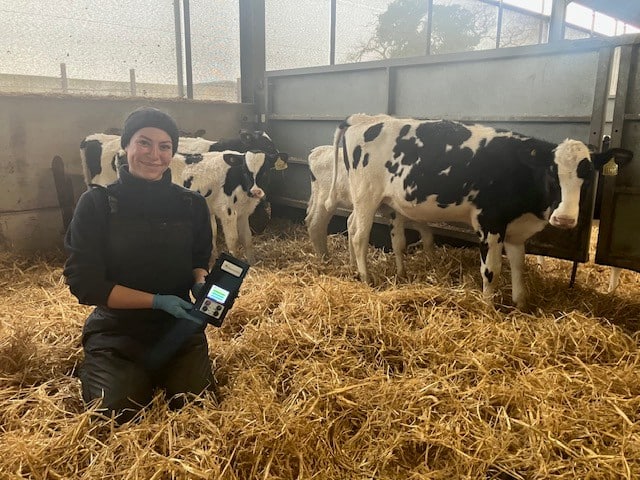
Nantwich Farm Vet Jodie with RoboScientific kit
Nantwich Farm Vet, Jodie, with RoboScientific kit
Business Development Manager of Nantwich Farm Vets
Phil Cullinan, Business Development Manager, Nantwich Farm Vets

Taking a preventative approach

When it comes to animal welfare, proactive measures can help detect disease earlier – which reduces suffering and contains infectious spread.

Nantwich Farm Vets is using its Agri-TechE membership to partner with several companies to find new ways to take a preventive approach. From ‘sniffing’ out diseases from gases released from animals, to taking tissue samples for on-farm diagnostics, and AI body monitoring. Agri-tech offers various solutions to get an earlier handle on livestock disease.

For instance, the team is working with RoboScientific, a business that uses volatile organic compound sensors to detect diseases in livestock using breath samples.

By matching the breath sample to on-farm vet assessments, Nantwich Farm Vets is working to corroborate and expand RoboScientific’s dataset.

A breath sample is taken automatically by a machine as the calves feed from automatic milk feeders. “We’re currently in a development phase, but the hope would be that the farmer gets an alert early on in the disease process enabling earlier – and therefore likely more successful – treatment, as well as fewer knocks on calf growth and less antibiotic use. There are lots of benefits,” says Phil.

Additionally, Nantwich Farm Vets has been working with Vet Vision AI to use data to inform decision-making, with the aim of promoting this as a new service to their clients.

Phil explains that on one of their farms, AI cameras have been installed to monitor different parameters between two sheds. The goal is to analyse the data to guide future investments, identify small improvements, and enhance their business operations- caring for the cows and increasing efficiency.

On-farm rapid tests

Following this year’s Agri-TechE REAP Conference, Phil Cullinan also connected with one of the Start-up Showcase businesses, ProtonDX, which has developed an on-farm rapid test to diagnose diseases in under 30 minutes.

The veterinary team has supported the start-up in assessing where the technology could be useful.

“In terms of disease identification and reducing antimicrobial use, that presents another challenge for farmers, which is connected to human health. Some of the new technologies can help farmers to farm more effectively.”

Keeping the consumer in mind

Looking ahead, Phil emphasises that gaining consumer buy-in will be essential for both farmers and vets.

“Consumers, I think, are becoming more aware of what they’re doing and therefore farmers and vets are going to have to make sure that we’re able to deliver a product that is acceptable from the point of view of animal welfare, economics, and environmental sustainability,

“We as a business want to keep growing as an independent vet practice that’s thriving. We want to keep working with the kind of farmers that are going to be around in 20 years, and that can weather the additional pressures that are coming their way.

“The UK has committed to carbon targets and ultimately a legally binding target of Net Zero by 2050. So, there’s going to be more pressure on farmers, and as vets, we want to be best placed to advise them on the kind of things that we can help them with to achieve the targets that are going to be put on them, ultimately, by the processors and the people that are buying their milk.”


Nantwich Farm Vets is eager to partner with other agri-tech businesses.

“If there are any companies that are looking at agri-tech and thinking, ‘how can I get my product to the next stage? I’m interested in doing something to do with dairy cows’, then we’d be very interested in hearing from them”.

You can get in touch with Phil Cullinan here.

An “Oatstanding” break crop…

Meet the Network
Member News
The views expressed in this Member News article are the author's own and do not necessarily represent those of Agri-TechE.

UK farmers are currently grappling with intensifying pressures, including managing persistent cereal diseases, insecticide resistance, and high input costs. This environment makes robust break crops essential, not only for their critical agronomic function in breaking disease cycles (for example in ‘take all control’), but also for their financial resilience.

By diversifying the rotation and requiring fewer inputs, break crops spread risk, helping to insulate the farm business from volatile commodity prices. However, while oilseed rape (OSR) has long been the traditional choice, it now faces a major threat in the form of cabbage stem flea beetle (CSFB), particularly since the neonicotinoid ban in the UK.

Making the case for oats

As growers seek low-input alternatives that deliver guaranteed returns, oats offer a compelling and timely solution as a white straw break crop alternative.

Too often dismissed as a niche crop tied to specialist contracts or health food trends, oats deserve recognition as a strategic staple with broad relevance across the British food system. With rising demand from processors, strong agronomic benefits, and a clear role in sustainable rotations, oats are well-placed to meet the twin pressures of market volatility and environmental mandates.

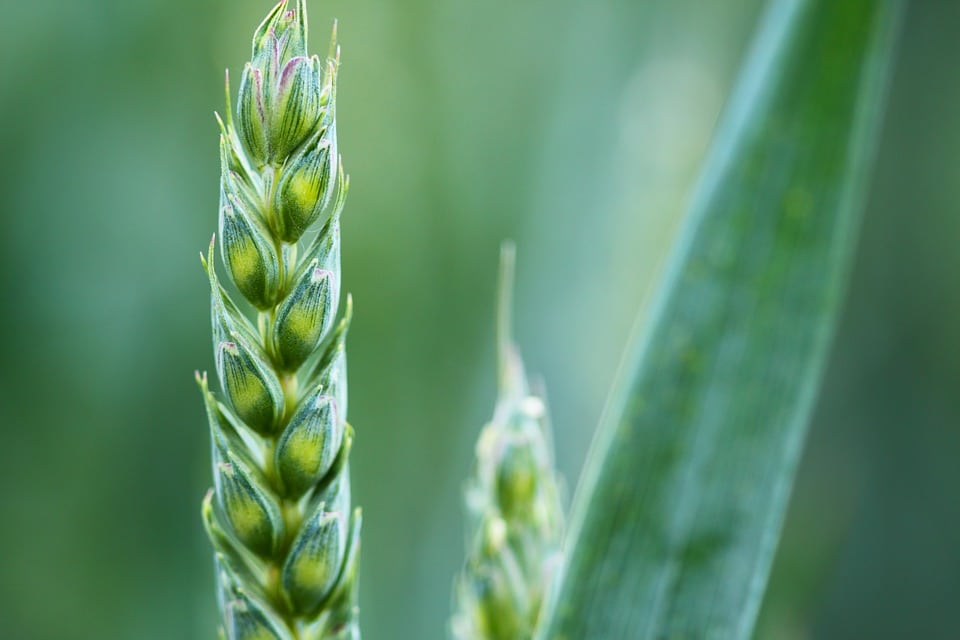
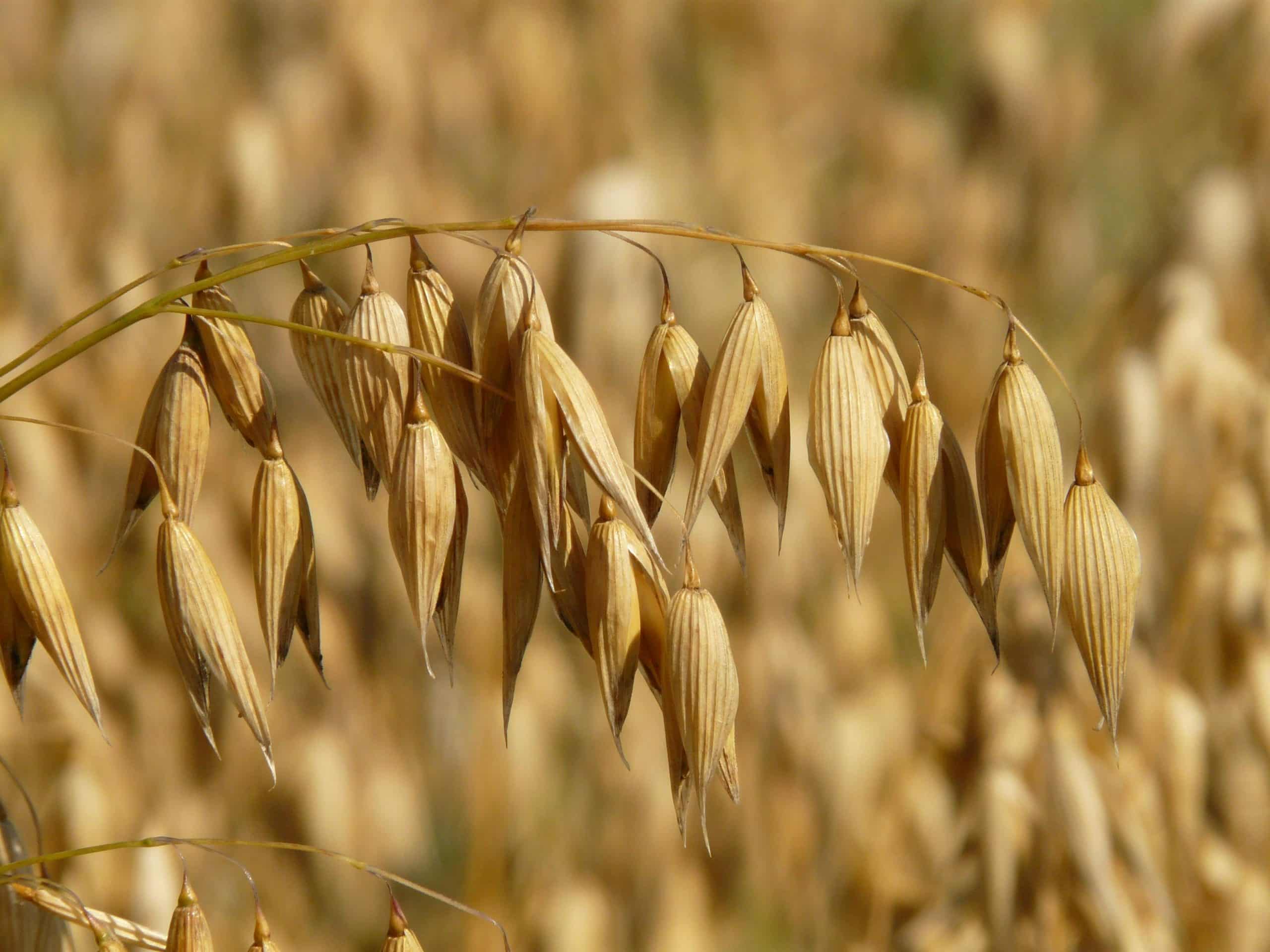
oat plant pexel
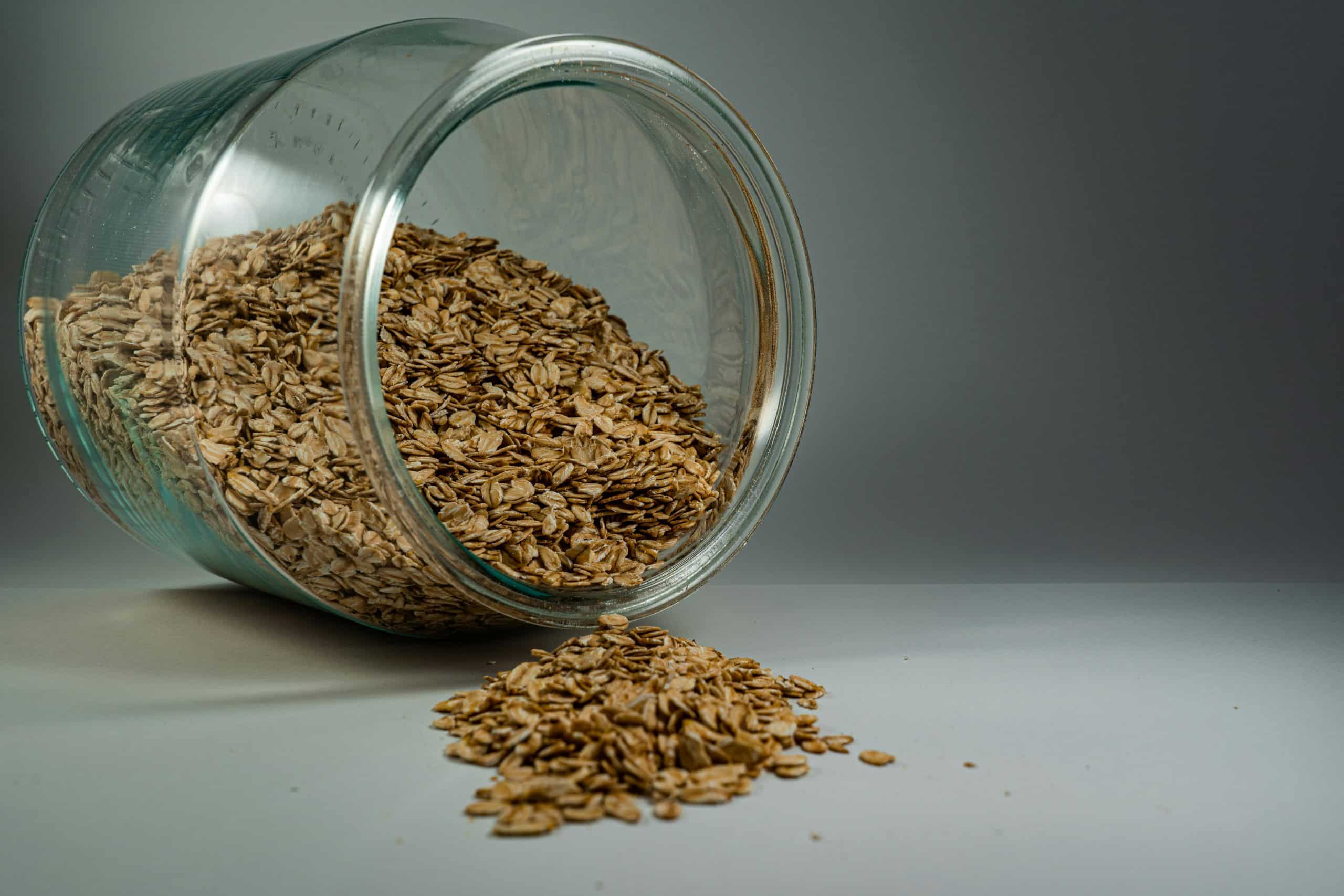
oats pexels 2

Agronomic resilience and environmental benefits

For farming professionals managing farm rotations, integrating oats is demonstrably smart business, providing immediate financial benefits and long-term environmental advantages.

Spring-sown oats effectively tackle persistent grassweeds like black-grass and brome, functioning as a powerful, natural “cleaner” crop. This strategy allows for the effective clean-up of fields, reducing reliance on specific chemical groups and bolstering resistance management strategies.

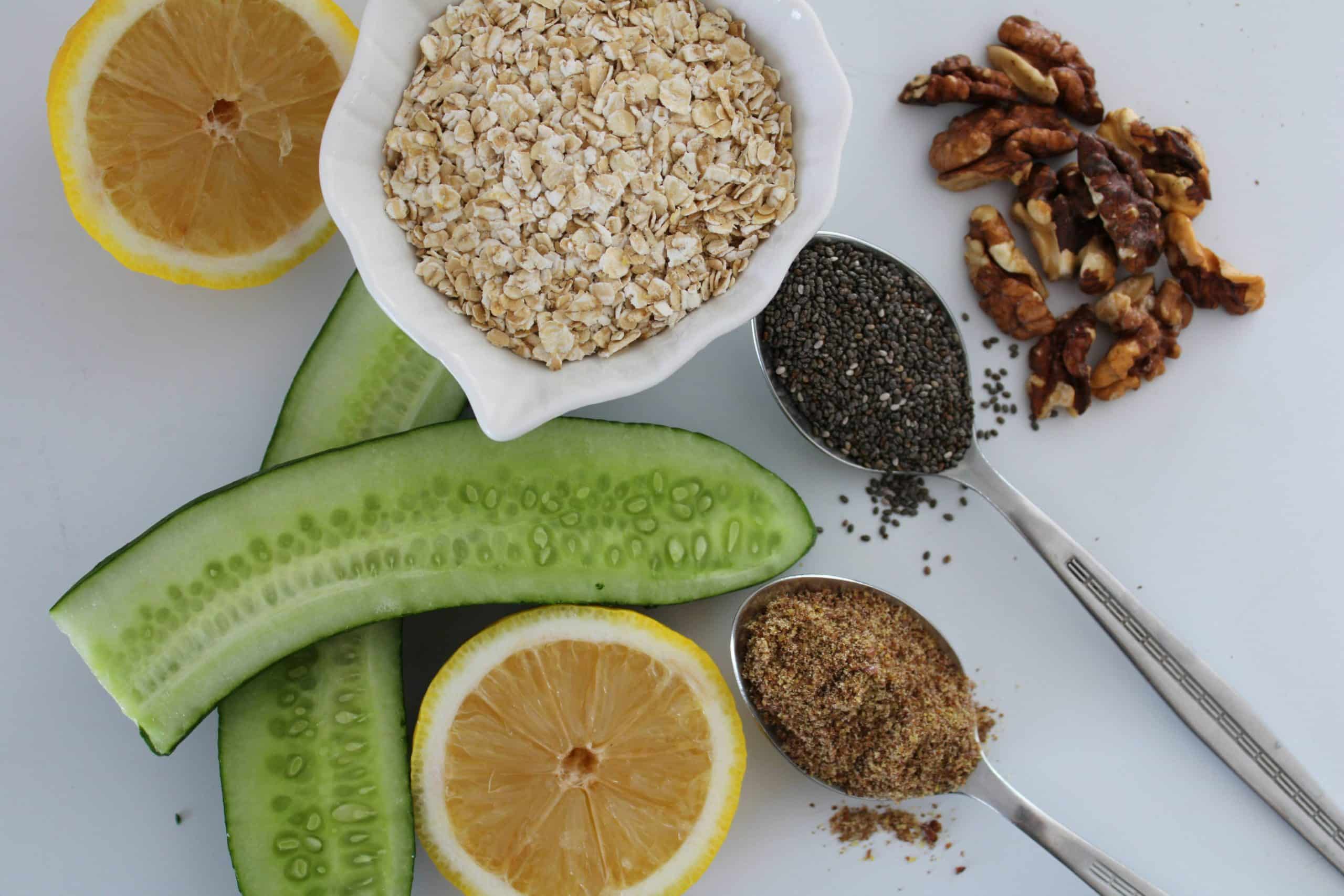
Furthermore, oats are crucial champions of soil health. They actively combat common soil diseases, notably take-all, by releasing natural compounds called ‘Avenacins’, which are antimicrobial compounds that inhibit the growth of fungi, and their presence in oat roots provides a natural defense mechanism against diseases that would harm other crops like wheat and barley.

Plus the economics are favourable: oats typically require lower inputs of nitrogen fertiliser and fewer fungicide applications compared to alternative cereals. This not only results directly in a lower cost of production, providing a reliable profit margin that aids farm diversification, but also a lower carbon footprint.

Driven by health: the stable domestic market

Then comes the sale. The domestic market for British oats is thriving, driven by strong consumer trends focused on health and nutrition.

Official surveys used by the Food & Drink Federation show only a fraction of UK adults meet the recommended daily fibre intake. Oats, rich in beta-glucan (a soluble dietary fibre), are a great candidate to address this lack of fibre.

The connection to public health is reinforced by EFSA Health Claims that state that beta-glucan from oats contributes to the maintenance of normal blood cholesterol levels and the reduction of blood glucose increase after eating.

This robust link between oats and significant health outcomes has driven major investment from leading UK millers and processors, notably Richardson Milling UK, which maintains extensive local merchant and grower partnerships. Their commitment provides the domestic agricultural sector with a stable, structurally supported market, which through grower contracts offers insulation from the unpredictable fluctuations of global commodity markets.

Market realities and the quality challenge

While the long-term outlook for oats is positive, growers should be pragmatic about the challenges. Like all crops, the farm-gate value can fluctuate with the broader commodity market.

More specifically, the major technical challenge for growers is in providing consistent delivery of high-specification milling-quality grain. Key to this is the de-hulling process – the requirement to cleanly and efficiently remove the tough outer husk to reveal the usable core – called the ‘groat’. Millers assess quality using two key metrics: the percentage of usable groat and the grain’s hullability.

When adverse conditions, such as low moisture during the summer, impede grain filling, the groat can develop poorly, and in some varieties, the husk can stick firmly to the kernel. This results in poorer performance in the mill and higher hulling losses.

The long-standing success of the IBERS-bred winter oat variety ‘Mascani’ demonstrates that genetic breeding offers the best primary defense against quality issues. Ultimately, whether growers select high-spec husked oats or opt for naked oats (which naturally bypass the hulling problem), maximising premium contract potential requires leveraging variety selection.

Knowledge Hub size images (4)
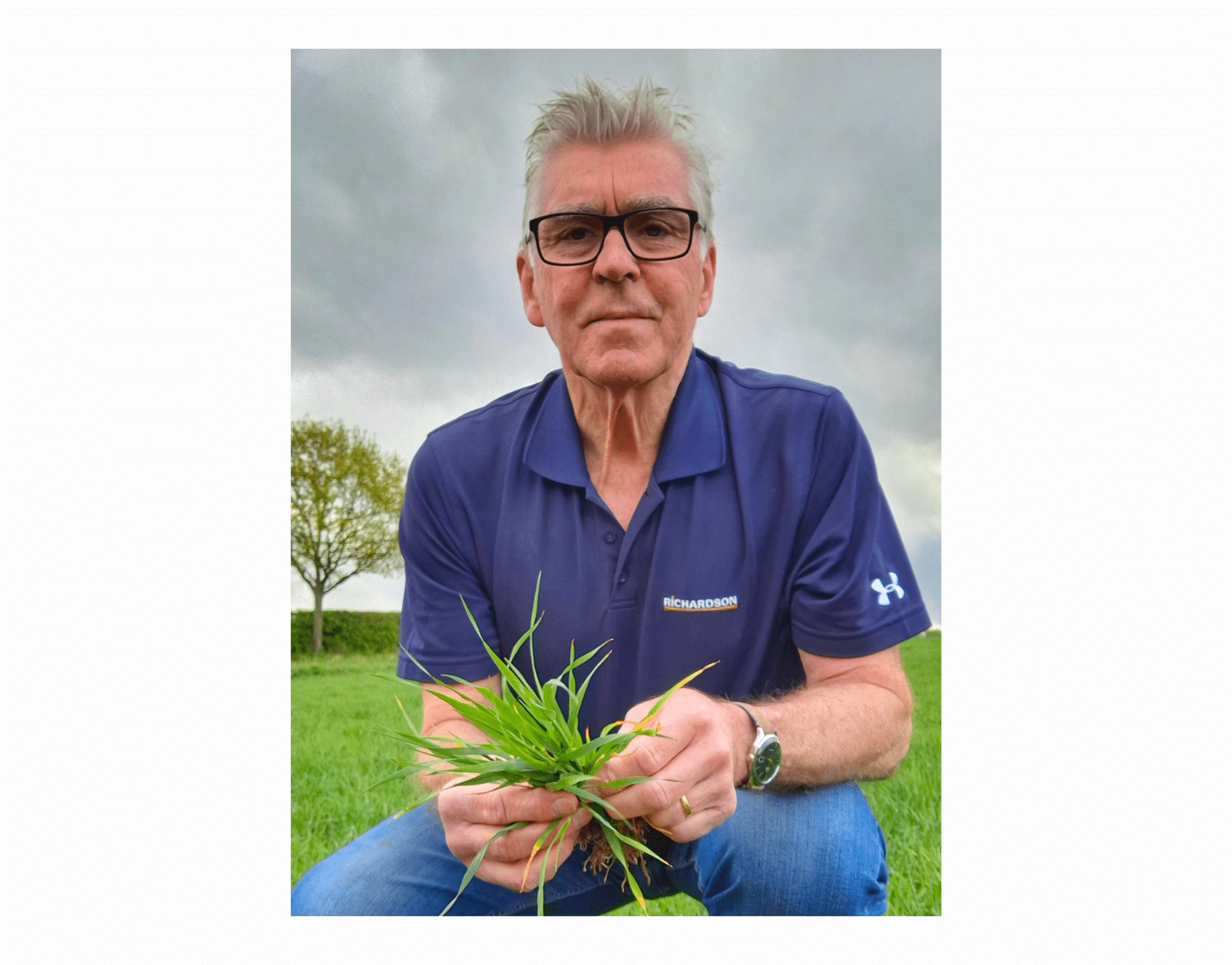
Brin Hughes, Agronomy Manager, Richardson Milling UK

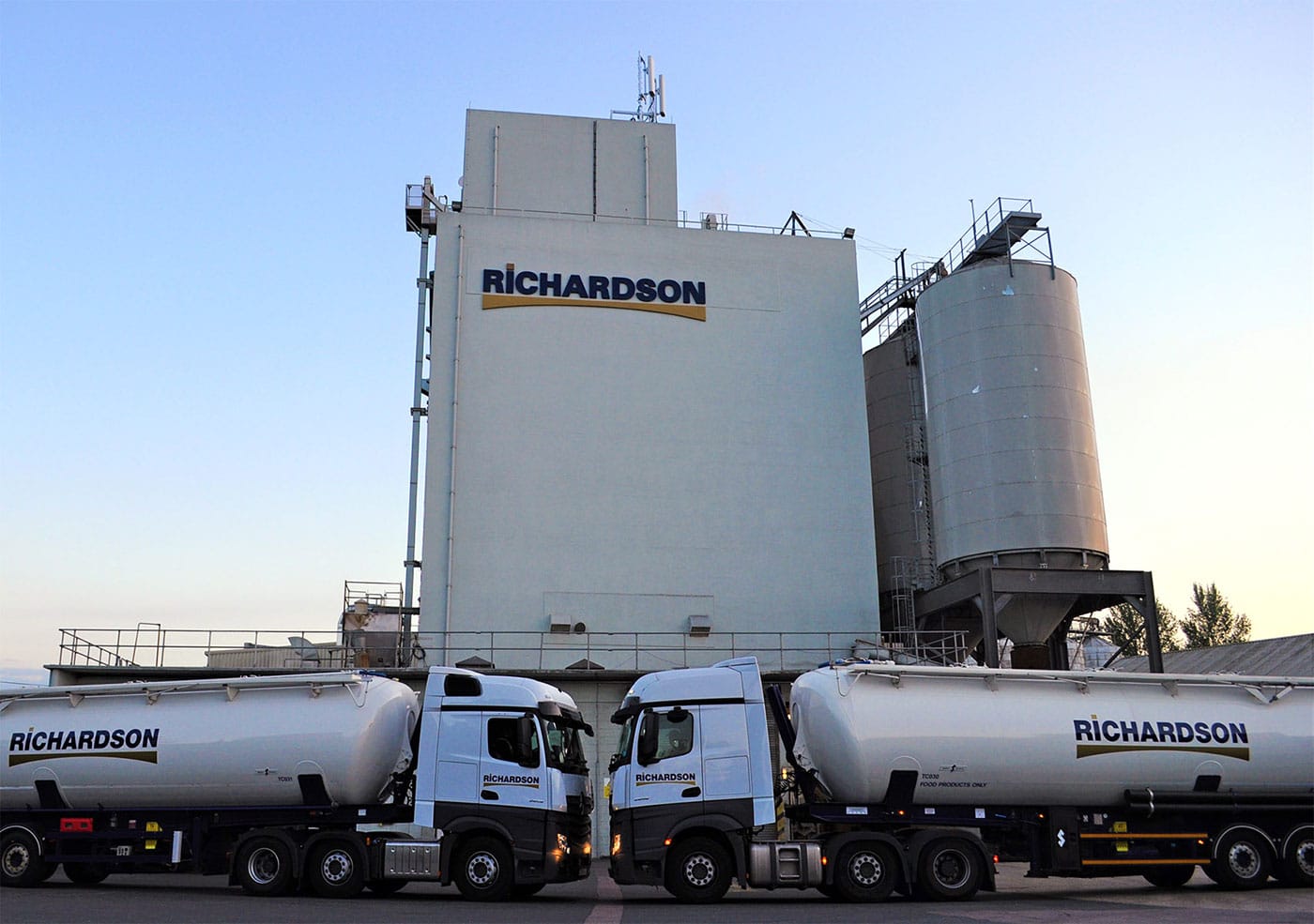
u19128-Bedford-Mill2

Partnering for quality: Richardson Milling UK

Recognising that consistent quality is in everyone’s interest, Richardson Milling UK actively invests in its own trials research, often partnering with major oat breeders to identify the best available varieties and growing techniques to ensure farmers reach the best possible yields and quality. This collaborative approach ensures farmers can reliably meet milling specifications, secure premium contracts, and contribute to a resilient, health-driven domestic supply chain.
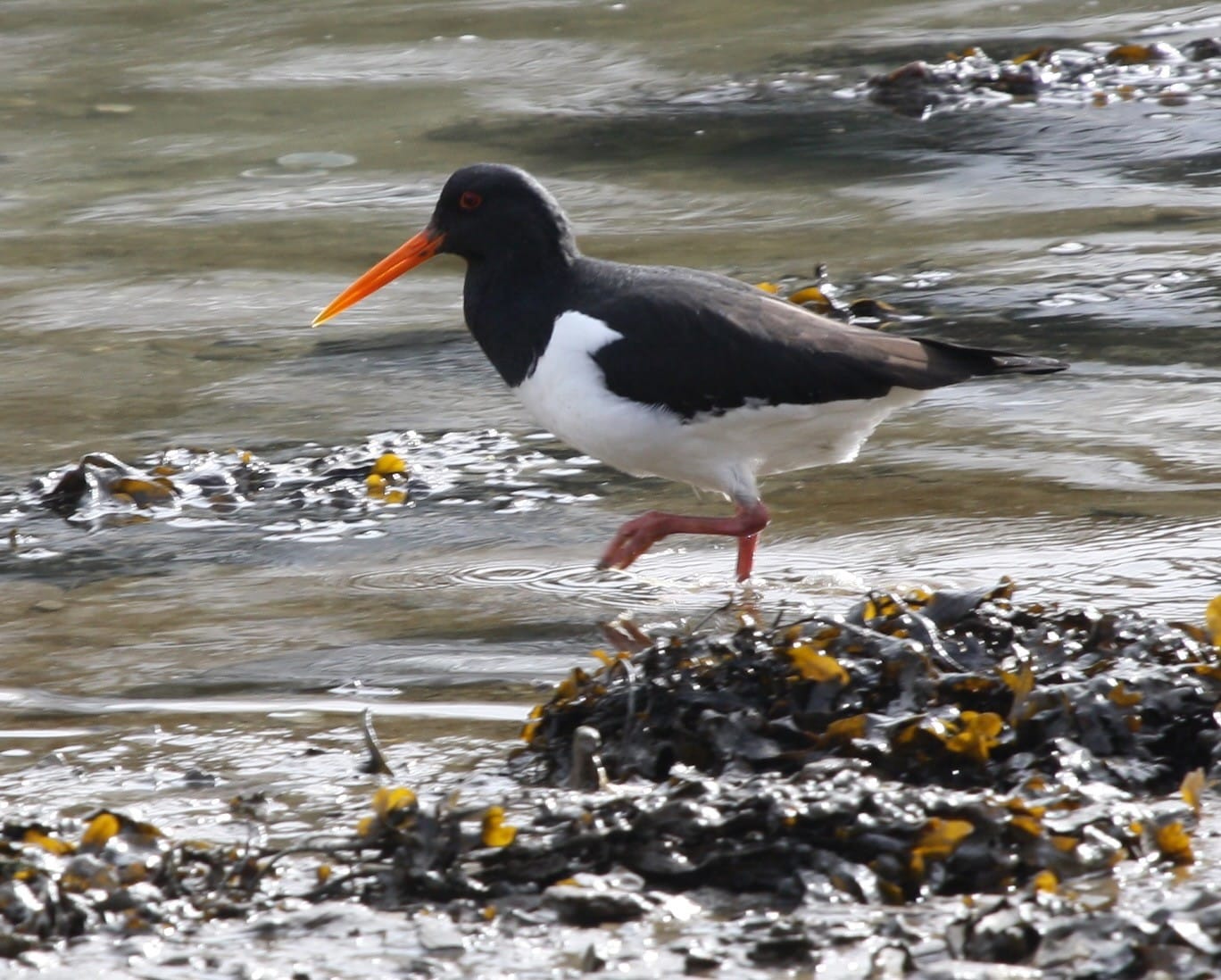
In short, oats are no longer a niche crop, they’re a strategic asset with national relevance, backed by a sector ready to support growers who seize the opportunity, with “oatstanding” potential!

Agri-TechE partners with leading farming voices in NEW ambassador programme

Agri-TechE Article
Meet the Network
Agri-TechE

Agriculture is rapidly changing with the evolution of technologies, continuous innovations, and a demand for efficient solutions. To better support the industry, Agri-TechE is bridging the gap between farmers and technology-driven businesses and is now working with leaders and social media voices to engage both communities on a wider scale.

With rising input costs, uncertain supply chains and changing policies, it’s no surprise that farming is always looking for new ways to work more effectively. Furthermore, with funding seemingly favouring AI innovations (as discussed at this year’s Focus on Finance Event), developing technology has to work harder than ever to offer the right solutions to farmers.

To broaden their scope and influence, Agri-TechE has launched its new ‘Ambassador Programme’ in 2025 to unite well-known voices, foster genuine discussions and interactions, and co-develop the right kinds of innovative solutions.

To begin with, the programme is partnering with a small group of farmers and agronomists, offering them opportunities to engage with emerging technologies, share insights from their perspectives, and contribute to a wider discussion about the changing agricultural landscape.

Kicking off this autumn, Agri-TechE has announced the first set of three key ambassadors, featuring:

  • Farmer, agronomist,  and social media creator, Louise Penn;
  • Potato farmer and school educator, Luke Abblitt; and
  • Agronomist and National Technical Adviser for Regenerative Farming, Todd Jex.

Dr Belinda Clarke, Director of Agri-TechE , says, “The ambassador programme is a fantastic opportunity for farmers and innovators to really share their stories, offer on-the-ground opinions and showcase what Agri-TechE has to offer.

“At Agri-TechE , we are excited to partner with the first cohort, especially as they join us at this year’s REAP Conference.

In November, the ambassadors will attend REAP, providing an opportunity to network with other leaders and explore new technologies in the industry.


Meet the Ambassadors

Louise Penn, Agronomist and Farming Consultant

Louise supports her father and brothers on the family’s mixed farm in Northamptonshire, where 2,500 breeding ewes graze rented grassland alongside a continuous wheat rotation and a small cattle enterprise on 550 acres under an AHA tenancy.

Louise is also a Ceres Rural agronomist and farming consultant working across arable farms and vineyards, with a focus on regenerative agriculture, Louise is passionate about soil health, low-input systems, and the potential of tech and AI to transform farm decision-making.

She’s always on the lookout for new tools to test and share, especially in precision agronomy.

Louise Penn
Louise Penn
Agronomist and Farming Consultant

“Technology is so important in agriculture. There is so much that we can do to be more efficient and ultimately more profitable.

“Within my job as an agronomist, I see there are so many things that we can be doing to adopt technology and make the job more precise.

“It’s really great to be part of Agri-TechE , go to different events and be part of the network, so I know what cutting-edge technology is available and how I can adopt that on my family farm as well as across my clients,” Louise says.

Garnering almost 10,000 followers on Instagram @louisepennagronomy_ as well as a voice on other social media platforms, Louise shares her farming life with videos from out in the field to valuable takeaways at industry conferences, and will continue to use her platform to showcase her part in the ambassador programme.


Todd Jex, Agronomist and National Technical Adviser for Regenerative Farming

As a leading agronomist and the National Technical Adviser for Regenerative Farming, Todd brings a wealth of expertise and passion to the industry.

In his current role, at Agrii, he serves as the national technical advisor for regenerative farming, coordinating trials with a particular focus on soil health and crop nutrition.

A hobby beekeeper, in his spare time Todd observes interactions between pollinators and arable farming systems.

Todd Jex
Todd Jex
Agronomist and National Technical Adviser for Regenerative Farming

“UK farming is changing at a pace probably not seen since the introduction of tractors.

The opportunity to work alongside forward-thinking researchers, scientists and tech businesses to help improve on farm profitability and overcome some of the challenges facing in the industry is most exciting,” Todd says.

Growing up on the Dorset/Wiltshire border with farming roots, he studied at Harper Adams University and graduated in 2011 with a BSc (Hons) in Agriculture with Crop Management.

Since then, he has earned the BASIS Diploma in Agronomy and the HAUC Graduate Diploma in Agronomy.

Todd has worked as an agronomist in southern England since graduating, managing a large area of predominantly combinable and forage crops.

Todd was named Arable Advisor of the Year at the Farmers Weekly Awards 2023, and the National Arable and Grassland Awards Young Agronomist of the Year 2024. Find Todd on LinkedIn.


Luke Abblitt, Potato Farmer and School Educator

Growing up on the tenanted family farm in the Cambridgeshire fens, Luke has always lived and breathed farming.

After acquiring his own council holding in 2011, his farming operation now spans 400 acres growing cereals, sugar beets, and potatoes, and he continues to embrace technology on the farm. He has recently installed a robotic potato stacker to increase efficiency.

However, with financial pressures, Luke has to be selective when choosing the right technology for him, and the partnership with Agri-TechE will enable him to have key conversations with innovators to discuss what the future of farming needs.

Luke Abblitt
Luke Abblitt
Potato Farmer and School Educator

“I’m very excited to be an Agri-TechE ambassador!

With the pressure facing the industry, we are looking at new ways to increase our productivity and margins, embracing new technology is one of the ways we can make ourselves more sustainable,” Luke says.

Outside of the farm, Luke continues to make an impact working with NFU Education’s Farmers for Schools initiative to help children learn more about farming and inspire careers in the sector.

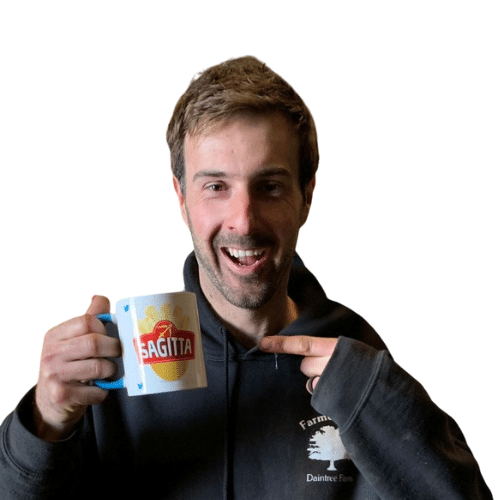
He also creates educational videos seeing him generate tens of thousands of views across his social media @downondaintreefarm.

Additionally, he meets with MPs to discuss political farming issues to advocate for change in the industry.


The three Agri-TechE ambassadors will be attending this year’s REAP conference on November 4th at the KingsGate Centre in Peterborough, which aims to address the industry’s pressing questions and offer solutions for its future.

The event will start with a farmer’s breakfast, featuring a timely discussion from keynote speaker Minette Batters, farmer and member of the House of Lords.

You can join the ambassadors at this year’s event by booking a ticket for REAP 2025.

Wilder Sensing’s birdsong data reveals wildlife health of farmland

Meet the Network
Agri-TechE

What if you could track the health of your farm’s ecosystem just by listening? That’s the aim of Wilder Sensing, a company using bioacoustics – the sounds of nature – to help farmers and land managers measure their impact on biodiversity.

It was during the COVID lockdown that founder Geoff Carss, a software engineer by trade but a keen naturalist, started to consider how we could better measure our impact on the environment.

“It’s a really complex subject,” he says. “There’s so many different taxa and they interrelate to each other, so how can we start to measure this?”

He was looking for an approach that was low cost, scalable technically, commercially and geographically, underpinned by good science, and could produce results that would be easy for people to understand.

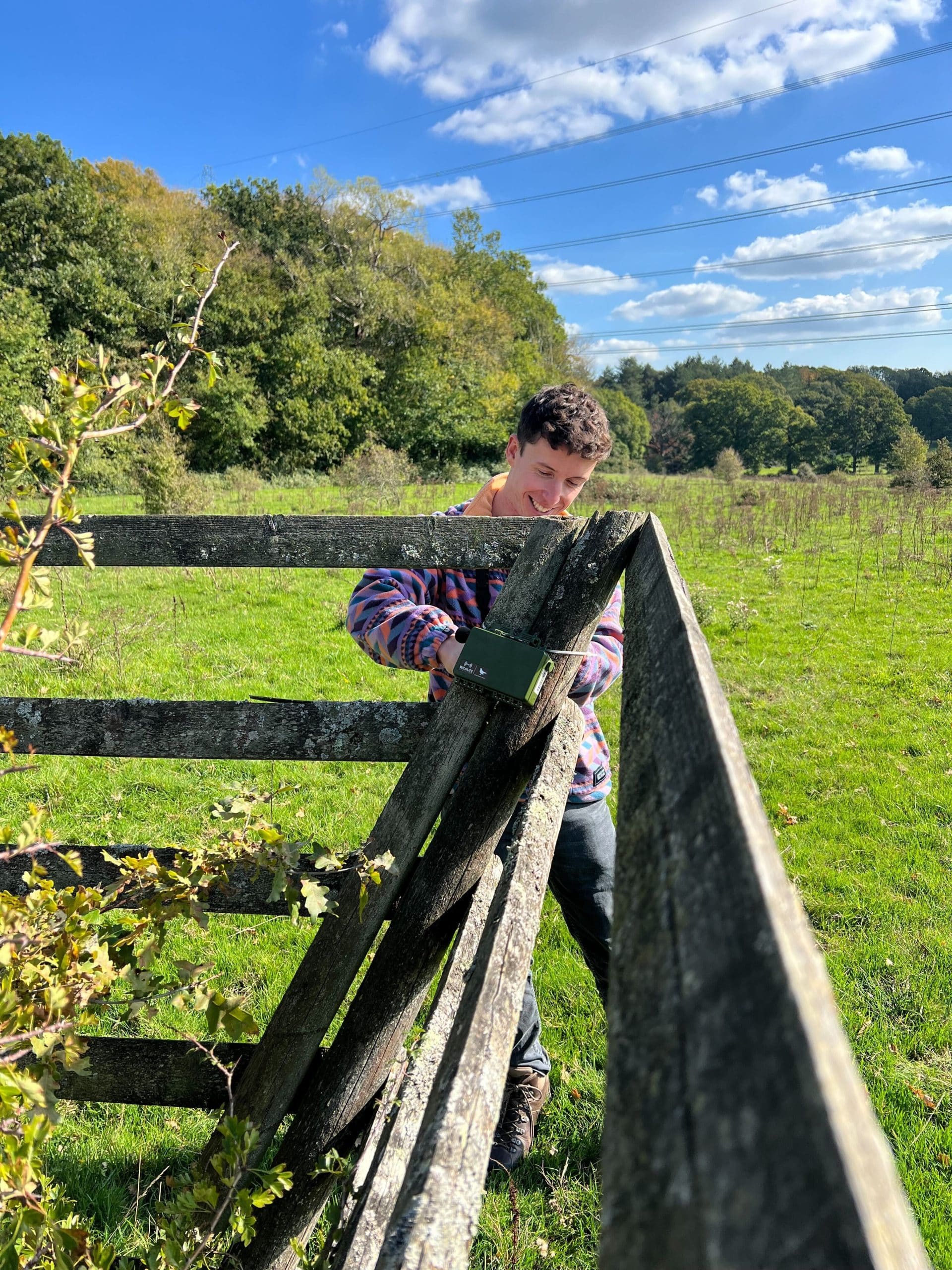
The answer was bioacoustics and the use of a simple recording device, an unobtrusive green box, consisting of a microphone, batteries and a memory card.

“It’s very straightforward to obtain vast amounts of data,” he says. “You can record 24/7 and use multiple devices across a site or farm.”

After successfully pitching an idea to use the recorders on BBC’s Springwatch in 2024, six recorders created over half a million records of identified bird calls in six weeks. That doubled the following year, when eight recorders over 10 weeks collected almost a million records.

Processing all that data is where the complexity begins, although the actual process is rather underwhelming, Geoff says. “It’s designed to be simple. You put the memory card in a computer, upload the audio files through a file manager and then everything happens in the background.”

The ‘background’ is using artificial intelligence and machine learning algorithms to identify individual bird species, explains Cat Scutts, Wilder Sensing Business Development Manager. Further down the line, the aim is to expand their capacity to also identify bats, mammals and some insect species.

“AI gets a bit of a bad rep, particularly around the environmental impacts of energy use and water for cooling. But the AI and machine learning we use is discriminative rather than generative AI.

“This has a much lower environmental impact,” Cat says. “The approach also saves a huge amount of time, money and potential fuel costs compared with an in-person survey – it’s very efficient.”

Wilder Sensing biodiversity monitoring and reporting
bird1

How the data is revealing the hidden stories of farmland wildlife

A primary use of the data is to track how wildlife responds to changes in farming or land management practices. Farmers can use recorders to establish a baseline of species currently on their land, and ongoing data to see how bird species change after implementing new strategies, such as joining a Sustainable Farming Incentive scheme or moving to regenerative agriculture.

“For example, you might track key indices such as the farmland bird index, which has declined significantly over the past 40 years,” Geoff says. “We can tell you what species are present, and which are absent. Farmers might then choose to work with an ecologist or farming wildlife advisory group to improve the index or attract a specific species back.”

Beyond presence and absence, the information helps reveal insights into bird/wildlife behaviour through the year, Cat says. “That kind of data gives you stories and insights into what impacts climate change and other environmental changes are having on species, and the underlying impact on the function of the ecosystem.

“It gives you an idea of the state of the health of the ecosystem and the environment.”

One such example came from the second Springwatch appearance in 2025. That data showed how resident birds, such as dunnocks, were breeding earlier in the year due to a changing climate, Geoff says.

This was having a potentially significant consequence on cuckoos, which arrive in mid to late April. Typically, they parasitise the nests of dunnocks along with other bird species.

“But now, by the time cuckoos arrive, it’s too late, which means they have fewer nesting options to choose from. And when you delve deeper, you find there are different genetic lineages in female cuckoos, which means they target a specific species to parasitise so their eggs look very similar to the target species.

“The concern is if they cannot parasitise dunnocks’ nests anymore, that lineage could die out.”

wilds
bird2 pics

Regenerative agriculture gets a modern makeover at Dennington Hall

Agri-TechE Article
Meet the Network
Agri-TechE

Regenerative agriculture is certainly having its moment, but at Dennington Hall Farms, this “new AND old” way of farming is far from a fad.

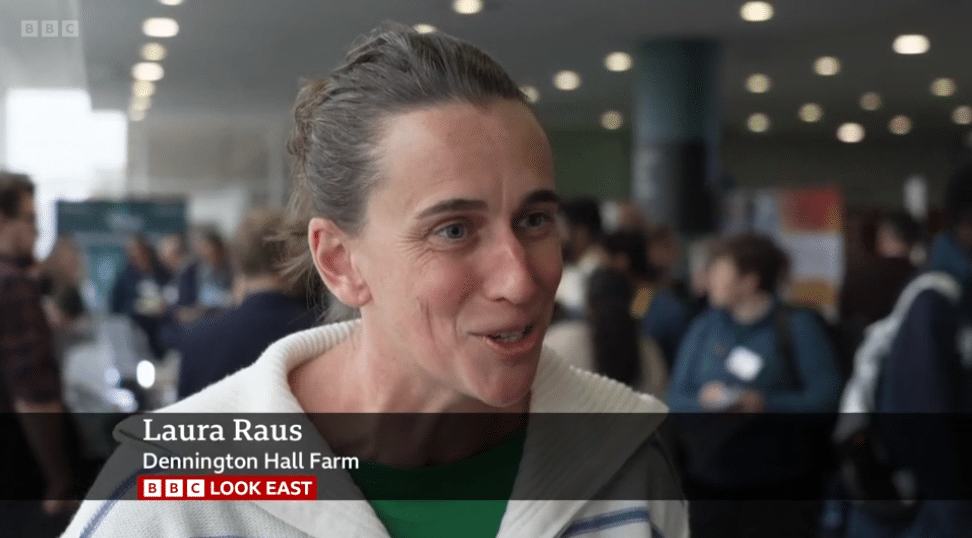
This month’s Member Spotlight features Dennington Hall farmer, Laura Rous, who shares her experiences implementing regenerative methods and innovation into their farming operations that have yielded positive results.

Located in East Suffolk and with land ownership tracing back 750 years, Laura is a third-generation farmer. After working in the tech sector, she returned to the family farm to bring a new perspective to managing the business and adopt a regenerative approach.

Although the farm is predominantly arable (wheat), the family works on a 12-year rotation, involving sugar beet, peas, beans, oats, and barley, and continues to incorporate livestock within their setup.

Since returning to the farm, Laura has focused on applying innovation to the farm and adopting regenerative agriculture principles.


What does regenerative agriculture mean to Dennington Hall Farms?

As an interchangeable definition, it’s no secret that regenerative agriculture can stir – sometimes controversial – conversations across the industry. However, despite some challenges, Laura sees it as a positive change, offering an opportunity.

“For us, it’s all about restoring the health of the land. It’s about improving the soils, biodiversity, and natural processes so that they’re stronger, more resilient, and more productive over time.

“It’s not a checklist, it’s a sort of mindset shift. So, we’re thinking about the farm as a living system where the soils, the plants, the animals, the water, the air, and the people are all hugely interconnected.

“It’s about actually looking at what we need to do at any point in time to help the environment that we’re in, whilst also making sure that we’re trying to grow commercially viable crops and so that our businesses have that resilience as well,” says Laura.


449f3a42-3e5c-44cb-ba4f-fd2e7435dc2d
9d2d426f-18ae-4648-8e37-0caf9d788f53 (1)

Integrating livestock – what are the benefits?

Integrating livestock is one of the five fundamental principles of agriculture, and Laura has implemented this across the farming business, particularly through her work with WildFarmed.

“The sheep was originally driven, which has been brilliant because we have learned more from our WildFarmed fields in the last few years than anything.

Although application is minimal across their WildFarmed fields, with no pesticides or insecticides and only some nutrition and seaweed allowed to understand micronutrients, Laura has found the process to be invaluable.

“If [the crop] is healthy, they are able to fight off these diseases themselves without having to go full hog on some really heavy-duty chemicals. It’s been absolutely fascinating to watch.

“A big part of the WildFarmed ethos is to also include livestock into your rotation and so we have been using overwinter cover crops, which we have been grazing off with sheep. And that has now been rolled out into our wider rotation across the farm,” she adds.

Adding sheep to their regenerative approach has also seen fantastic results for the soil.

“You know when something just feels right. We’re only just getting the data through as to the impact of the financial side of things, but it seems to be stacking up well. You see the bird life after they’ve left, and the other benefits that aren’t just raw data in terms of the financials, and the two of those combined just make it feel right to have the livestock back on the land. It feels like that natural process and we’re really happy with how it’s working.”

Going further with conservation

In addition to the sheep, Dennington Hall Farm is also home to other animals as part of a conservation project.

“We’ve got a wonderful population of turtle doves here. We’re incredibly lucky, which is down to my mum’s hard work and dedication to keep feeding them in the difficult years. So, we’ve decided to dedicate a patch of turtle dove habitat, and part of that has been incorporating the piggies. Watching how they interact with and create the landscape has been absolutely fascinating.

“The wildlife, the flowers that we’ve seen as a result of them rootling around and the ability they have to really change quite a bland landscape into something really interesting has been fascinating. So, I think it’s another way of illustrating how much a livestock can really help shape and build an environment”.

3e4ca07d-0ee3-4fba-bea4-1ddfbb05fa43
70c767c7-44af-475f-8aa5-042ccb02c392

Is this just the ‘old way’ of farming?

In response to Laura’s changes, some have suggested that her new practices are simply reverting to traditional methods: “but actually, we’re also trying to embrace what’s best about modern science at the moment.

“All the technology that’s coming through and combining that with the traditional knowledge so that we can really create a system that’s building in that resilience that’s at the top of its game for the next generation,” Laura states.

Combining her tech background with her roots in farming, Laura finds innovation in all aspects of the business.

Laura Rous
Laura Rous
Dennington Hall

“Innovation isn’t just about a shiny bit of new kit. Some of the things that have had the biggest benefit for us on the farm are probably some of the least sexy bits of innovation for farmers in general,” she states.

“When I first moved back, we changed our accounts package, which meant I could have real-time information about accounting. We put our staff on a digital HR system.

“There are so many different elements of innovation that can really improve a business; from the data-led decisions that can affect the back office, as well as how you decide what to put on the ground from one time to the next, to some other really cool quirky things.”

What does innovation look like on the farm?

Laura is not one to shy away from trying something new but when experimenting, she ensures it’s a tested and reliable solution on a small scale first. To do this, she uses ‘Aggie’s Bedroom’.

“My favourite field, the field where we test everything first before we start rolling it out,” Laura states. “It’s the first field that we direct drilled and we have continued to direct drill, although we’ve learned various things from Aggie’s bedroom that went wrong in year one.

“Last year, we did summer catch crops before a wheat crop on Aggie’s Bedroom and it was amazing seeing these living roots growing in the field. We had the enormous rain in October and Aggie’s Bedroom was the only field that we could get onto to drill because the summer catch crops had done what we wanted them to do and kept the soil in a really nice condition.

“So we just drilled straight into the summer catch crops and now we’re rolling that out over a 200-hectare block. It’s about being curious, testing, not being afraid to try things out, and not being upset if they don’t work because you’re hedging your risk by just doing it on a small area to begin with,” she says.

Other exciting innovations happening on the farm are:

  • No-fence collars on the red pole cattle and goats
  • Drones to establish a crop in standing wheat of wild bird mixes
  • Yield and conductivity maps, satellite imagery of biomass and soil testing to learn more about how to approach the micro and macro nutrition that is applied
  • Changing the business model to create meat boxes
  • Renewable energy generation

“What we’ve really enjoyed in the last few years is building up partnerships, which is something that Agri-techE has been amazing at supporting us with,” Laura says.

“It’s been great working with innovators to test their ideas that could really transform farming efficiency and it’s been really nice to hear from the science side and then apply a practical side to that. There’s so much cool stuff going on in the world of ag at the moment. It’s really exciting.

“For us to be able to be a little part of that is a real pleasure. We are lucky to be part of the AHDB baselining pilot, working with OMEX, Wild Farmed, Limagrain Demo Farm, New Holland is testing some of their software in their with us before it gets rolled out. So, all sorts of fun things.”

c5470bf7-0f6d-4e72-aacc-4640bc456872
fb7f3196-4ea2-4dcc-8cfd-b76b0dae5c29

What’s next?

“I feel like we’re going through one of the biggest periods of change that farming has seen in decades. Which makes it exciting and challenging.

“We’re seeing changes in technology, government policy, climate. You’re seeing changes in rural communities and the changing pressures on terms of land use are huge, whether it’s housing, energy, food, nature.

“So, this makes it a hugely challenging but exciting time full of opportunities.

“The future of Dennington Hall Farms is very much embracing and maintaining a curious mindset. We want to be looking at trying things out, seeing what can work, how we can make the business better, how we can make it more efficient. That may be anything from a deeper integration of livestock into arable rotations, expansion of biodiversity or agroforestry projects.

“The real opportunities come in terms of looking at direct-to-consumer sales and how we can manage that. Then, we get into the really interesting stuff, which on Ryan, our farm manager’s side, includes how driverless tractors could work, increasing use-cases for drones and so much more. We are both also excited about creating new enterprises and are at the early stages of looking at what opportunities there are around micro proteins, or what we can do with eco-tourism and connecting people to where their food comes from.

“I hope that we can be known as a place that’s commercially robust, environmentally ambitious and deeply connected to our local community. That’s what I’d like us to be.”


REAP Conference 2025

Laura will feature in the Farmer Insights Panel at this year’s REAP Conference, to discuss how they are participating in the co-design of new ways of working and balancing the co-existence of so many demands.

Farmers can apply for a heavily discounted ticket through the REAP bursary and can participate in the intimate ‘Farmer-Only Breakfast’ including a personal discussion with Minette Batters.

Farmer Insights Panel

Chair: Craig Patrick, Lead Knowledge Exchange Manager, AHDB

Laura Rous
Laura Rous

“I think REAP is really great. It is one of the few conferences that genuinely bridges the gap between science, technology and practical farming.

It brings people together who are actually doing the work, from farmers to researchers to innovators, and just simply creates this brilliant space for real, grounded conversations about the future of agriculture,” Laura says.

“I always come away feeling really inspired and definitely better connected. So, I think it’s the most brilliant place to visit”.

Celebrating Agri-Tech Week 2025!

Meet the Network
Agri-TechE


Agri-TechE Week celebrates its 12th year in 2025 – featuring eleven events across the country from Newcastle to Norfolk, Essex to Earth satellites (and lots online!).

Curated by Agri-TechE , Agri-TechE Week showcases the innovation, collaboration, and creativity at events hosted by our incredible member community.

Each event reflects the strength of our ecosystem, fostering vital connections between growers, researchers, and technology developers.

Take a look at our video summary from the week and read post-event reports below:


Climate Adaptation in Agronomy with Satellite Technology
Monday, 20th October (Online). 2 BASIS / 2 NRoSO points

Learn how satellite technology can help farmers adapt to climate change. This event aims to showcase to the community the benefits and opportunities of using satellite imagery, as well as discussing barriers.

Read a summary of the event

Rooted in Science: Transforming Soil for Tomorrow’s Farms
Monday, 20th October (In-Person, Norwich).

Soil health within the farming system is recognised as a vital component of the UK’s natural capital and is in the forefront of innovation in sustainable agriculture. This collaborative event offers a unique opportunity to hear about latest applications of research for soil health, soil microbiome, root-soil interactions and to explore innovative solutions, including bioengineered, nature-based approaches, that support DEFRA’s goals and strengthen output of the UK agri-food sector. This event will be of interest to agri farmers, agri companies, and agri-government agencies. See detailed agenda.

Discover The New Farming Systems Experiments
Monday, 20th October (In-Person, NR18 9DF). 2 BASIS / 2 NRoSO points

Initiated in 2007, the New Farming Systems Experiments are large-scale, fully replicated long-term studies seeking to develop bio-sustainable cropping systems for conventional arable cropping. The NFS programme seeks to maintain or increase system output while improving efficiency, sustainability and resilience in conventional arable cropping systems. Experiments examine three inter-related themes: fertility building, approaches to tillage, and the use of soil amendments.

Read a summary of the event

When Biology Meets Technology
Tuesday, 21st October (In-person, Colchester). 3 BASIS /3 NRoSO points

Find out about the ever-increasing role of technology in agriculture, enhanced nutrition, energy efficiency in controlled growing environments, as well as the role of changing environment on food production in the field. Discuss how changes in government policy offer novel solutions to enhanced crop production and crop quality CEA to field and tour the University of Essex’s Smart Technology Experimental Plant Suite (STEPS), a multi-million-pound facility designed to expand the already world leading research that takes place within EPIC.

Read a summary of the event

A Tour of Agrii’s Flagship Technology Centre
Tuesday, 21st October (In-Person, Essex). 2 BASIS / 2 NRoSO points

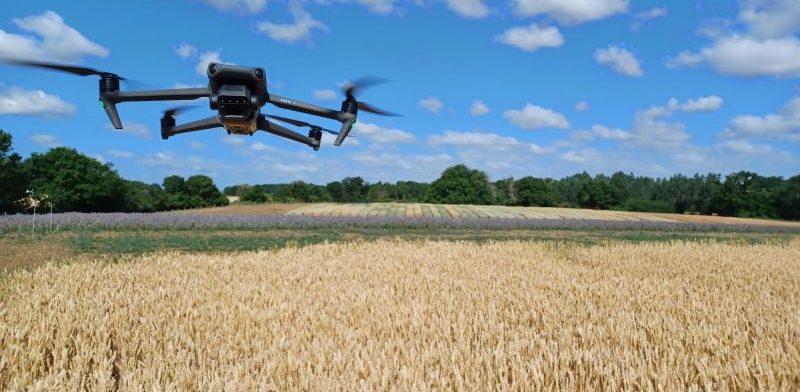
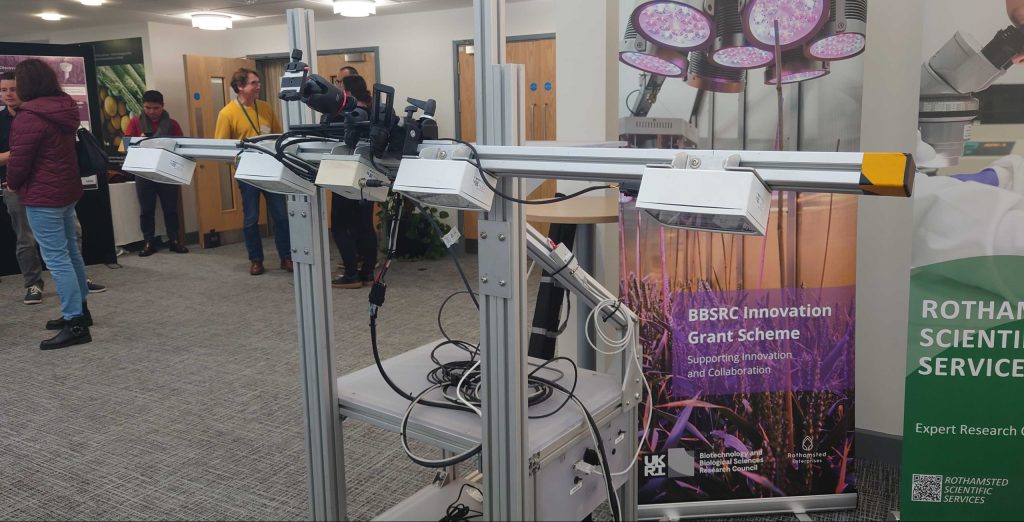
Agrii is opening its gates to its flagship Technology Centre for an exclusive afternoon showcasing how cutting-edge innovation is transforming agriculture. This guided tour offers a rare opportunity to go behind the scenes to: a) see how controlled environments and hyperspectral imaging are accelerating crop research; b) watch live drone demonstration; c) learn how the real on-farm value of emerging agri-tech solutions is assessed; and d) hear how innovations are influencing research programmes and agronomy strategies.

Read a summary of the event

Making the most of organic materials
Wednesday, 22rd October (In-Person, Lakenheath)

Organic materials, including livestock manures, biosolids, compost and digestate contain valuable plant nutrients and can save farmers money on their fertiliser bill. However, how these materials are managed can have a significant impact on their value to the farm. This farm-based event will outline how farmers can maximise the value of their organic materials.

Read a summary of the event

The National Food Strategy: the role of agri-tech in strengthening the UK’s food system
Wednesday, 22rd October (Online). 1 BASIS / 1 NRoSO point

Join political advisory firm GK Strategy for a panel discussion on the development of the national food strategy. Together with Steve Brine and Honor May Eldridge, we will be exploring how the agri-tech sector can offer solutions that help the government achieve its goal of a more sustainable, healthy and resilient food system.

Click here to book your place

Cockle Park Farm walk
Wednesday, 22rd October (In-Person, Newcastle). 2 BASIS / 2 NRoSO points

The Cockle Park farm walk showcases innovative agricultural practices and research projects on productivity, sustainability and environmental stewardship, with demonstrations in agroforestry, biomass, soil management, and livestock monitoring. The event offers researchers, farmers, advisors, and policymakers a chance to see technologies in action, explore partnerships, and discuss future-proofing farming.

Harnessing nature: exploring carbon removal solutions
Thursday, 23th October (In-Person, Harpenden)

This half-day, in-person event will explore the latest science and business approaches to nature-based carbon removal technologies, focusing on agriculture’s role in climate resilience and carbon sequestration. Bringing together researchers, innovators, and industry stakeholders, the event will examine how land management practices, soil health, and ecosystem restoration can drive scalable climate solutions.

Read a summary of the event

Pioneering Gene Editing in Agriculture
Thursday, 23th October (In-Person, Norfolk Showground). 2 BASIS / 2 NRoSO points

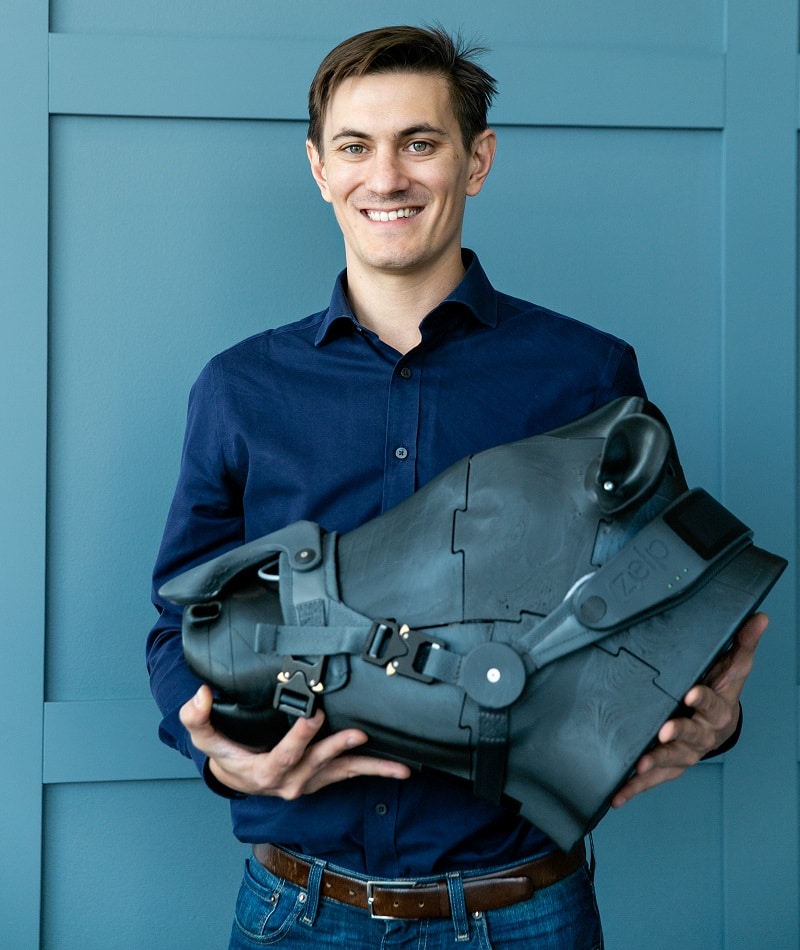
An exclusive speaker event with Dr Philip Zegerman from Tropic, where you’ll discover how their ground-breaking gene-editing technology is transforming agriculture and advancing global food security.

Tropic’s advanced tools, including their Editing induced Gene Silencing (GeiGS) platform, are being used to improve tropical produce such as bananas and rice – making them tastier, more resilient, higher yielding, and better able to withstand the challenges of climate change. These innovations are now being applied to UK-grown crops and extended to livestock, with promising developments in disease resistance and animal welfare. The event will also provide insights into the new regulatory landscape – what it means for farmers, and how they can benefit from technologies that are a true game-changer for sustainable farming.

Read a summary of the event

How can agriculture decarbonise the supply chain?
Friday, 24th October (In-Person, Cambridge). 4 BASIS / 4 NRoSO points.

This event will highlight how alternative crops and innovative solutions can help decarbonise sectors such as food, textiles, transport, construction, and energy; reduce carbon emissions and work towards Net Zero.

Read a summary of the event

How data analytics are helping farmers reduce input costs

Meet the Network
Agri-TechE

For this month’s Member Spotlight, we met Louis Clabburn, Head of Member Services at AF Group Ltd, to understand how they are using data to support their Members.

With rising costs, changing political landscapes and other unprecedented challenges, managing finances is at the forefront for farming businesses. When it comes to input costs, Louis emphasises how valuable data is in making informed and effective purchasing decisions to maintain a sustainable business.


Saving your farming future – and finances

With a staggering £332.7 million turnover in 23/24, AF is leading the way in providing a one-stop shop to manage farming businesses efficiently. With almost three thousand Members, the non-profit co-operative is harnessing a vast amount of data to offer its Members competitive prices on their input costs.

“We’re processing about 30,000 invoices a month, and we’re collecting a lot of product and pricing data from those invoices,” Louis states.

“We need to keep proving to Members the value of being part of the co-operative. So, we’re working with a knowledge transfer partnership through the University of East Anglia, using our data and their resources, to benchmark our prices across different products.”

What can data tell us?

At AF, the team are invested in helping Members understand and interpret their data, ultimately giving more intelligence back to the farming community in a new tool that they’re about to launch.

Louis Clabburn
Louis Clabburn
Head of Member Services, AF Group

“We’ve taken all the invoice data we have and combined it with information on our Members’ buying habits, to produce a report showing them when the best time to buy was, how much they could have saved by doing it this way, how much they could have saved doing it that way. It’s open and transparent, completely independent, benchmarked openly, which is fantastic.

“Next, we will build a forecasting model to help Members understand the effect of future purchasing decisions.”

How does this stack up on farm?

In 2024, AF Members achieved an average saving of 14% across their input costs purchased through AF, plus an added reduction of admin hours across their business.

Soon, using the myAF portal, Members will be able to access benchmarking for many products in one place, including feeds, fertilisers, machinery parts, and more, condensing time spent researching and making decisions.

“It will consolidate into one portal, so it’s really easy, very accessible, saves time, saves farmers a lot of money because we benchmark everything, and we’re using real data to benchmark our prices in the market”, Louis states.


Join the conversation

This interview took place at Groundswell 2025, where Louis described the benefits AF have had from Agri-TechE membership.

“It’s really valuable to get ideas, insights, knowledge share and talk to people about what works, what doesn’t work and just be quite open and honest about things,” Louis states.

Find out about Agri-TechE membership, and see who else is in the Agri-TechE community in our Member Directory.

How Earth’s earliest photosynthesizers could offer farmers a new commercial – net zero – opportunity

Meet the Network
Agri-TechE

Member Spotlight on: Tattva, with Founder Prantar Mahanta Tamuli

With the rising demand for a more sustainable economy, researchers have discovered a new method to harness the world’s oldest plants, cyanobacteria, to help reduce global carbon emissions.

Prantar Mahanta Tamuli, the founder of Tattva – recent recipient of the Innovate UK Smart Grant – discusses his discovery and the opportunities it presents for the farming sector.
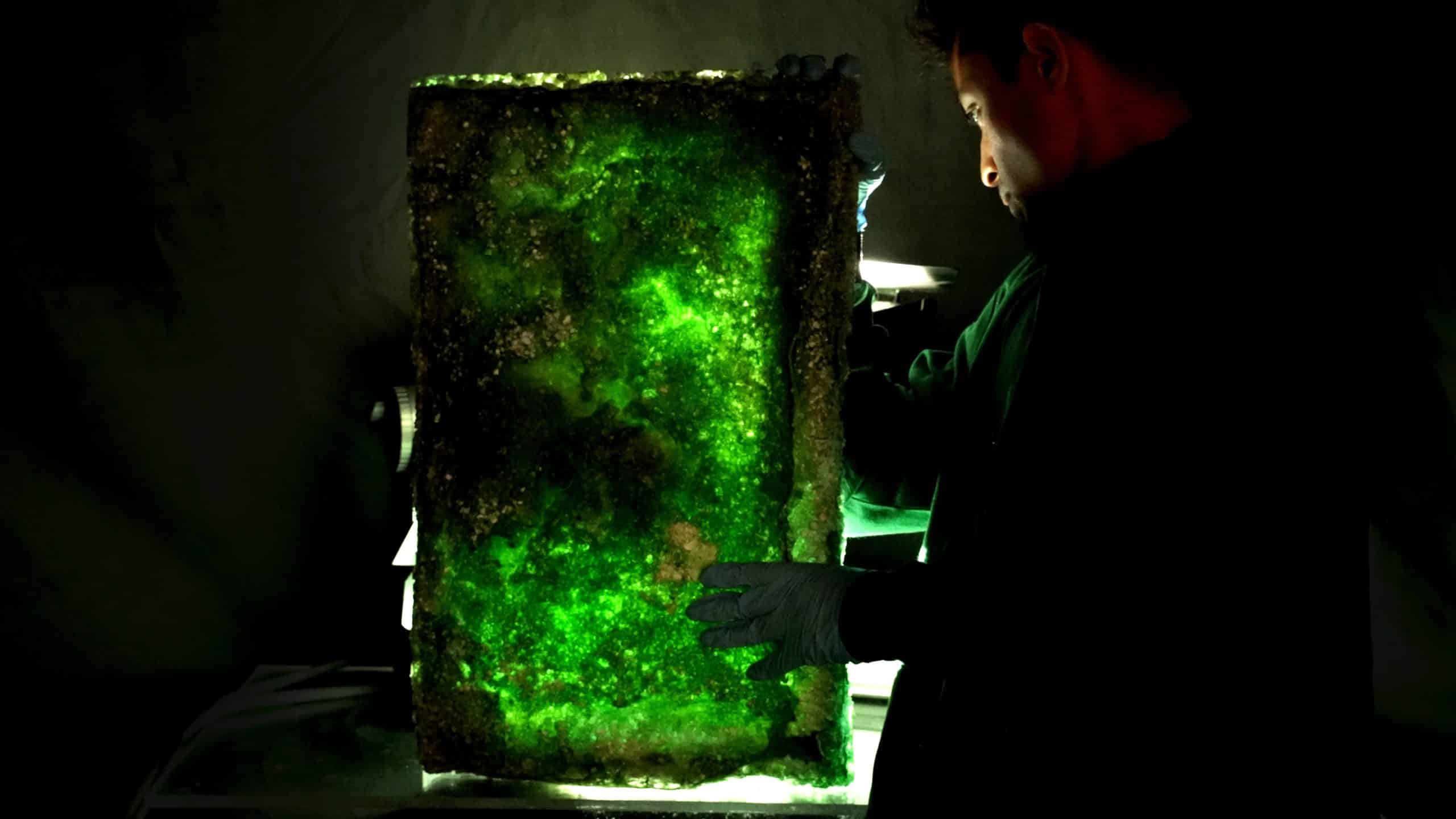
Cyanobacteria, over 3.5 billion years old, are recognised as the first organisms to develop photosynthesis and contribute oxygen to the Earth’s atmosphere. In their rock formations, known as stromatolites, these structures can sequester carbon, but until now, they have taken thousands of years to grow.

However, through his research, Prantar has discovered a method to artificially grow the bacteria in days, producing a new material that is poised to be instrumental for both the architectural and agricultural landscape.

“Growing the bacteria allows us to harness their ability to sequester these minerals in the form of calcium carbonate in just ten days.

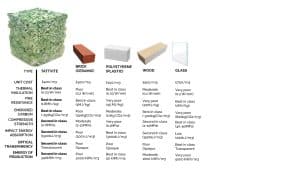
Using the organism cyanobacteria to create a new building material, Tattva aims to replace the four primary conventional materials — brick, foam, wood, and glass.

Prantar Mahanta Tamuli
Tattva Founder & CEO

“These four materials are some of the most used with a market size of about $1.11 trillion.

“They contribute about seven gigatons of materials of CO2 in the atmosphere, so even if you’re replacing an extremely small percentage, you’re looking at a massive global impact,” Prantar adds.

“The estimates show us that about one ton of carbon can be sequestered in about four cubic meters of this material when we grow it.

How does this stack up against traditional materials?

In comparison to conventional materials, the new cyanobacteria structure has both practical and sustainable properties.

“It’s like a brick, but extremely insulating and fire resistant, so it has very valuable, functional properties that we use in the current construction industry. But the main difference is that it sequesters carbon dioxide rather than emitting it,” says Prantar.

Initial prototypes and pilot projects have demonstrated the material’s application in the construction industry, but Tattva plans to expand into the agricultural sector.

What could this mean for farming?

The farming industry is facing challenges in reaching net-zero targets. Working with his co-founder Andy Grey, chairman of Devon Agriculture Association, Prantar is exploring ways to incorporate their discovery into farming systems to create commercial opportunities, aid in reducing carbon emissions, and achieve sustainability targets.

It could also unlock an enormous market for farm diversification, utilising a vertical farming production approach. We discussed vertical farming and biological production as potential future farm diversifications in our recent online event.

In the future, could farmers be growing construction materials and sequestering carbon at the same time?

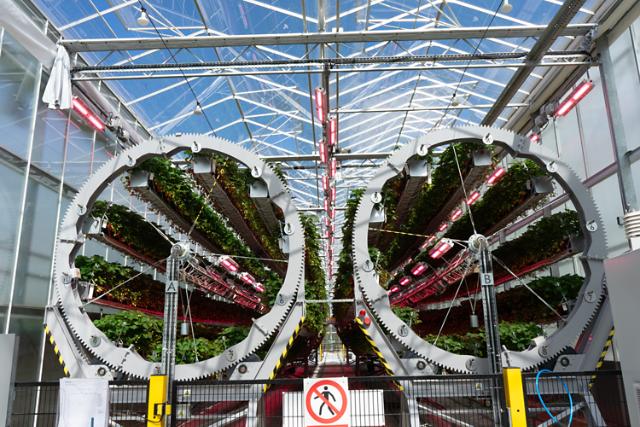
“The process is essentially seeding, growing, and harvesting. We grow the bacteria in a solid-state reactor — a bed where the material is grown. This bed can be stacked vertically, which means that the principles of vertical farming we use today, and the principles of scaling food production, can also be applied to scale this new material technology.

“Therefore, the model we are approaching or developing is one of growing this material and supplying it to cities in much the same way our food is grown on farms and supplied to cities, within the same network,” he states.

“The estimates show us that about one ton of carbon can be sequestered in about four cubic meters of this material when we grow it.”


Big news for Tattva

Tattva have recently been awarded the Innovate UK Smart Grant of £650,000 (for an overall project award of £925,000) to scale the business and their bioengineered material, Stromate.
“With this grant, we hope to unlock its true potential to transform our world and usher in a new future that is regenerative, safe, and carbon negative,” Prantar states.


Join the conversation

You can stay up to date and learn more about the latest innovations by being a member of Agri-TechE . Tattva has found it to be a valuable asset for their business development.
“There are very few who know about something like this development, and that is where knowledge transfer is absolutely essential,” Prantar says.

“[Agri-TechE ] has helped us with this, exploring the dimensions of what would work in the agricultural domain, scaling and how it can help and those kinds of aspects.