Explore advancements in the arable industry
Join us at CropTec, the UK’s leading technical event for the arable sector, on 14-15 January 2026 at the NEC Birmingham. Gain exclusive insights from industry-leading specialists and explore the latest innovations shaping the arable industry.

eFeed: Cattle and Climate – A Comprehensive Review on Feeding Strategies to Control Enteric Methane Emission from Cattle

Member News
The views expressed in this Member News article are the author's own and do not necessarily represent those of Agri-TechE.

Feeding strategies to mitigate methane emissions from dairy and beef cattle pertaining to ration balancing program and use of phytochemical feed additives: A Review

a. V. Vismitha Shree, b. Parag Ghogale, c. Kumar Ranjan

eFeed Life Sciences, Research and Development,

a. Product Manager, eFeed Life Sciences
b. Senior Dairy Nutritionist, eFeed Life Sciences
c. Chief Executive Officer, eFeed Life Sciences

Abstract

The escalating global demand for animal-derived foods places strain on livestock systems, notably contributing to the 14.5% of total greenhouse gases emitted by livestock. Among these emissions, methane from cattle, primarily in beef and dairy production, stands out as a major concern. This comprehensive review explores sustainable strategies to mitigate methane emissions, focusing on early-life interventions, Total Mixed Ration (TMR) balancing, and the use of phytochemical feed additives such as essential oils, allicin, tannins, saponins, and curcuminoids. These diverse approaches not only reduce methane production but also enhance animal productivity, emphasising the critical need for environmentally responsible and economically viable practices in livestock farming.

Keywords:
Methane emissions, Livestock, Sustainable feeding, Total Mixed Ration (TMR), Phytochemical feed additives, Essential oils, Allicin, Tannins, Saponins, Curcuminoids.

Introduction


The global demand for animal-derived foods continues to rise, placing immense pressure on livestock systems. Modern feeding patterns have introduced more concentrate based rations which are leading to more emissions from dairy cattle. Livestock emissions, contributing to 14.5% of total greenhouse gases, are a major focus, with cattle being primary contributors, particularly in beef and dairy production, notably in methane emissions (1-3). Almost 71% of total methane production originates inside the rumen during digestion and fermentation of feed and forages, leading to a higher production of metabolic hydrogen (H2), subsequently converted to CH4 as a protective mechanism (3). Sustainable animal feeding is a crucial aspect of modern agriculture, emphasising the efficient utilisation of natural feed resources while safeguarding the environment and ensuring the production of economically viable and safe animal products (Makkar, 2016)

Methane emission stands as a significant obstacle to environmental sustainability, being a major contributor to greenhouse gases (Chuntrakort et al., 2014). Beyond its environmental implications, methane represents a loss of carbon sources, leading to unproductive dietary energy use, with potential losses of up to 12% of dietary energy intake (Kim et al., 2012). eFeed is currently working on strategies to reduce methanogenic microbiota in calves during the process of rumen development.

To balance conventional feed and fodder through TMR feeding to limit methanogenesis by using RationCraft software and natural ingredients to use in cattle feed or feed supplements to reduce methane emissions and thereby improve FCR of dairy animals by diverting energy lost towards production and body maintenance. Calves fed with feed additives since birth to weaning showed decrease in methane emissions post-weaning to 1 year of age. However, further research and studies are required to reduced methane emissions from calving stage as developing rumen is further going to harbour more methanogenic bacteria and archeas in due course of time.

Balanced total mixed ration and improved feeding practices results in higher feed conversion ratio, thereby increasing milk production and weight gain and also reduces methane emission. Once the protein: energy (P:E ratio) is maintained in the diet, it will help to utilise amount of protein and amino acids for growth, production and reproduction. Utilising energy in this way will allow in more hydrogen ions to be used in the process, which leads to less availability of hydrogen ions for methane generation
Research is going on various feed additives to competitively reduce hydrogen ion availability and to inhibit methanogens. Many of the ingredients are synthetic and not environment friendly. Therefore using natural ingredients will be a sustainable approach to tackle this issue.

Plant secondary metabolites, including saponins, tannins, essential oils, organo-sulphur compounds, and flavonoids, are known for their antimicrobial properties (Hague et al., 2018). Herbs and spices, rich sources of these metabolites, present a natural and safe alternative to chemical feed antibiotics (Yang et al., 2015). Feeding bioactive-endowed plant products not only benefits in sustainable management practice but also improves productivity without posing any adverse effects. This approach has the potential to mitigate enteric methane and nitrogen emissions through the modulation of rumen function and microbial community (Kamra et al., 2012; Salami et al., 2019) The inhibitory effects of oils on Gram-positive bacteria, influencing H2 production and methanogenesis, have been demonstrated in various studies (17, 18).

In conclusion, the comprehensive exploration of sustainable animal feeding encompasses bioactive feed resources, medicinal herbs, and strategic feeding. By understanding the potential of these diverse elements, researchers seek to address the dual challenge of improving animal product quality while mitigating environmental impacts, particularly methane emissions. The findings from these studies are expected to contribute valuable insights and innovative solutions to the ongoing discourse on sustainable and efficient livestock production. As global demands for animal-derived foods continue to escalate, the imperative to develop environmentally responsible and economically viable practices in the livestock sector becomes increasingly valuable.

Mechanisms governing enteric methane production
Two primary mechanisms underpin the variation in methane production in cattle. The first revolves around the amount of dietary carbohydrate fermented in the reticulorumen. This intricate mechanism involves numerous diet-animal interactions that impact the equilibrium between carbohydrate fermentation rates and passage rates. The second mechanism regulates the available hydrogen supply and subsequent methane production through the ratio of volatile fatty acids (VFA) produced.
The critical factor in this regulation is the fraction of propionic acid produced relative to acetic acid. The acetic:propionic acid ratio has a profound impact on methane production. If all carbohydrate is fermented to acetic acid with no propionic acid production, energy loss as methane would be as high as 33% (Wolin and Miller, 1988). Given that the acetic:propionic acid ratio typically varies from approximately 0.9 to 4, the corresponding methane losses exhibit significant variability.

Research indicates that as the daily feed intake of an animal increases, the percentage of dietary gross energy lost as methane decreases by an average of 1.6% per level of intake (Johnson et al., 1993b). The type of carbohydrate fermented significantly influences methane production, likely through its impact on ruminal pH and microbial population. Fermentation of cell wall fiber results in higher acetic:propionic acid ratios and, consequently, higher methane losses (Moe and Tyrrell, 1979; Beever et al., 1989). Grinding and pelleting of forages can markedly decrease methane production (Blaxter, 1989). These effects become more apparent at high intakes, with methane losses per unit of diet potentially reduced by 20 to 40%.

The addition of fats to ruminant diets influences methane losses through multiple mechanisms, including the biohydrogenation of unsaturated fatty acids, enhanced propionic acid production, and protozoal inhibition (Czerkawski et al., 1966). While the addition of long-chain polyunsaturated fatty acids has been shown to decrease methanogenesis, the overall impact on total metabolic hydrogen remains relatively small. Ruminal protozoa may play a significant role in methane production, particularly when cattle are fed high-concentrate diets. Observations suggest possible interspecies hydrogen transfer between ruminal methanogens and protozoal species (Stumm et al., 1982)

Feeding strategies to control methane emissions
Feed & Fodder
Among the strategies aimed at mitigating methane emissions, dietary manipulation stands out as a straightforward and practical approach. This method not only promotes enhanced animal productivity but also contributes to the reduction of methane emissions. Dietary strategies can be categorised into two primary groups: i) enhancing forage quality and adjusting the diet proportions, and ii) supplementing the diet with additives that either directly impede methanogens or modify metabolic pathways, thereby reducing the substrate available for methanogenesis.

The prevailing method involves modifying the type or quality of forage and adjusting the concentrate-to-forage ratio in the feed. Opting for younger plants with higher fermentable carbohydrates, reduced non-digestible fiber (NDF), and a lower C:N ratio contributes to high-quality forage, ensuring increased digestibility and passage rate. This, in turn, steers rumen fermentation towards propionate production [34, 35]. As propionate serves as an alternative hydrogen (H2) sink, an elevation in propionate production results in less H2 available for methanogenesis [36]. However, solely relying on forage is insufficient to enhance animal performance, as concentrates are typically incorporated into the feed in varying proportions. Concentrates, with fewer cell walls and readily fermentable carbohydrates such as starch and sugar, play a crucial role. Studies have indicated that the addition of 35% or 60% concentrate to the feed leads to a reduction in methane (CH4) production, accompanied by improved productivity.

Essential oils and Plant extracts
Essential oils (EOs) are volatile, aromatic liquids derived from various plant sources, encompassing flowers, seeds, buds, leaves, herbs, wood, fruits, twigs, and roots [74]. Microbes exhibit varied responses to EOs, either promoting or inhibiting specific microbial groups like methanogens. Some EOs hinder protozoa growth indirectly or through biohydrogenation of unsaturated fatty acids, limiting hydrogen availability for methanogens [77, 78]. Guyader et al. demonstrated a 29% reduction in methane emissions and a 50% decrease in protozoal population with increasing saponin dosage in an in vitro batch culture [95].

The methane-suppressing effects of plant secondary metabolites (PSM), including essential oils, are attributed to their antimicrobial properties against bacteria, protozoa, and fungi in the rumen [77, 78, 79]. Due to their lipophilic nature, essential oils have a high affinity for microbial cell membranes, impacting microbial populations by interacting with functional groups on the cell membrane [58]. Methanogenesis is further inhibited by essential oils, influencing protein degradation and amino acid determination [59]. Ongoing research is essential to explore the potential incorporation of essential oils into mainstream livestock farming practices, considering their promising impact on mitigating methane emissions and optimizing microbial balance in the rumen.

a.Cinnamon extracts

Cinnamon powder, rich in flavonoids, saponin, and tannin, has demonstrated methane-reducing properties in livestock. The addition of cinnamon powder to the substrate resulted in a notable decrease in total gas methane production, with reductions ranging between 7% and 14%. The key bioactive compounds in cinnamon, such as polyphenols and cinnamaldehyde, contribute to its inhibitory effects on methane production. Studies confirm the presence of various secondary metabolites in cinnamon, including flavonoids, tannins, saponins, and alkaloids. The tannin content in cinnamon powder, determined through the Folin Ciocalteu method, was found to be 5.64%, along with other constituents like flavonoids (7.21%) and saponins (6.02%)

b.Saponin in Yucca schidigera extracts

Yucca schidigera (YS), belonging to the Agavaceae family, holds substantial potential for various applications, historically recognized for its effective treatment of inflammatory conditions. Originally native to North America, particularly the arid Mexican desert, YS extracts (YSE) offer diverse benefits in animal nutrition. Rich in phytochemicals, including steroidal saponins and polyphenolics like resveratrol, YS is regarded as a major commercial saponin source, contributing to odour control in intensive farming. Continuous discovery of new steroidal saponins in YS adds to its bioactive profile.
Studies primarily focused on ruminants, especially cattle and sheep, reveal promising effects of YSE on gas mitigation. Increased YSE feeding in lactating dairy cows demonstrated a significant linear effect on 4-hour and 24-hour gas production. Similarly, in vitro experiments with various ruminal substrates showed increased total gas production as dietary saponin levels rose. YSE addition effectively reduced methane production in multiple studies without adversely affecting gas production rates. Adjusting saponin levels in YSE treatments aimed to avoid potential side effects on ruminal fermentation, maintaining non-significant differences in methane production. Notably, a 1% sarsaponin concentration effectively inhibited methane in steers without compromising animal performance. Ongoing analysis of YS structures and bioactive components promises further insights, offering potential applications for environmental pollution mitigation in the livestock industry and improved feed efficiency.#

c. Allicin

Allicin has been reported to reduce the production of CH4 by reducing the number of methanogens (Kongmun et al., 2011). Busquet et al. (2005) reported that CH4 production was significantly reduced by allicin supplementation. They also found that the supplementation of allicin reduced the deoxyribonucleic acid (DNA) of methanogens. Meanwhile, Liu et al. (2013) suggested that illite had a high CH4 adsorption capacity, which reduced CH4 production in the intestine and Biswas et al. (2018) found that CH4 production was reduced by 13% with 1% illite supplementations. As a result, it was presumed that allicin affected the methanogens, reduced CH4 production and thereby increased the concentration of CO2. Based on batch culture and dual flow continuous culture studies, the supplementation of garlic oil (300 mg/L) and allicin (a sulphur-containing bioactive compound in garlic; 300 mg/L) decreased CH4 yield (mL/g dry matter (DM)) by 73.6 and 19.5%, respectively, compared with control basal diets consisting of 50:50 forage:concentrate ratio, over 24 h [37]. Dietary supplementation of allicin at 2 g/d for 42 d decreased CH4 yield (mL/g DM) by 6% compared to a control diet in sheep [10
Garlic contains the organosulphur compounds allicin (C6H10S2O), alliin (C6H11NO3S), diallyl sulphide (C6H10S), diallyl disulphide (C6H10S2), and allyl mercaptan (C3H6S) [137–140] (Figure 3). These compounds are widely known for their unique therapeutic properties and health benefits, as they act as antioxidants to scavenge free radicals [141]. Garlic derived organosulphur compounds demonstrate different biochemical pathways that may provoke multiple inhibitions [142]. One potential pathway for the direct inhibition of methanogenesis by garlic is via the inhibition of CH4-producing microorganisms such as archaea [142]. Archaea possess unique glycerol-containing membrane lipids linked to long-chain isoprenoid alcohols, which are essential for cell membrane stability. The synthesis of isoprenoid units in methanogenic archaea is catalysed by the enzyme hydroxyl methyl glutaryl coenzyme A (HMG-CoA) reductase. Garlic oil is a potent inhibitor of HMG-CoA reductase Gebhardt and Beck [142]; as a result, the synthesis of isoprenoid units is inhibited, the membrane becomes unstable, and cells die.

d. Plant polyphenols

Early studies on the effects of dietary PP focused mostly on the effect of tannins on ruminants’ performance and feed utilization efficiency: in fact, tannins have been shown to possess both detrimental and favorable effects, depending on the diet composition, the animal species, the tannin source, and the level of their inclusion in the diet (Frutos et al., 2004; Waghorn, 2008). Tannins might have a toxic effect on some rumen microbes, by altering the permeability of membranes (Frutos et al., 2004). Moreover, tannins may inhibit the enzyme activity of ruminal microorganisms (Jones et al., 1994). However, the toxic effect is strongly dependent on the dose and the nature of tannins as well as the bacteria species. For instance, an in vitro study demonstrated that the activity of proanthocyanidin against Clostridium aminophilum, B. fibrisolvens, and Clostridium proteoclasticum depended to their chemical structure, whereas the growth of Ruminococcus albus and Peptostreptococcus anaerobius was strongly affected, regardless of the fraction of proanthocyanidin adopted or the dose applied (Sivakumaran et al., 2004). Condensed tannins have a direct inhibitory effect on hemicellulases, endoglucanase, and proteolytic enzymes of several rumen microbes such as F. succinogenes, B. fibrisolvens, Ruminobacter amylophilus, and S. bovis (Jones et al., 1994; Bhat et al., 1998). Conversely, P. ruminicola is able to counteract the negative effect of tannins by producing protective extracellular material (Jones et al., 1994).

I.Tannins

An interesting development in CH4 mitigation research is the development of forages with higher levels of tannins, such as clover and other legumes, including trefoil, vetch, sulla and chicory [29]. The anti-methanogenic activity of tannins has recently been investigated in vitro and in vivo [83]. The CH4-suppressing mechanism of tannins has not been described clearly; however, this mechanism may inhibit ruminal microorganisms [77]. Tannins may inhibit, through bactericidal or bacteriostatic activities, the growth or activity of rumen methanogens and protozoa [84]. Methane production was reduced (up to 55%) when ruminants were fed tannin-rich forages, such as lucerne, sulla, red clover, chicory and lotus [81]. Although tannins appear promising for CH4 mitigation, these impede forage digestibility and animal productivity when fed at a higher concentration, limiting their future wide-scale use in CH4 abatement [19]. However, more research may identify the balance between CH4 reduction and possible anti-nutritional side effects as associated with tannin supplementation.

II. Saponins

Saponins are naturally occurring surface-active glycosides that are found in a wide variety of cultivated and wild plant species that reduce CH4 production in the rumen [29, 79]. Saponins have a potent antiprotozoal activity by forming complex sterols in protozoan cell membranes [83] and, to some extent, exhibit bacteriolytic activity in the rumen [66]. Saponins are antiprotozoal at lower concentrations [85], whereas higher concentrations can suppress methanogens [77]. Saponins inhibit ruminal bacterial and fungal species [79] and limit the H2 availability for methanogenesis in the rumen, thereby reducing CH4 production [77]. Methane reduction of up to 50% has been reported with the addition of saponins [86]. However, a wider range of CH4 reduction (14–96% depending on the plant and the solvent that was used for extraction has been reported [62].

e. Curcuminoids

Turmeric, recognized for its medicinal properties, contains fat-soluble polyphenolic pigments known as curcuminoids, contributing to its status as a medicinal plant. Enriched with nonnutritive phytochemical constituents, turmeric is acknowledged for its disease preventive properties, containing approximately 3-6% phenolic compounds collectively referred to as curcuminoids (Niranjan and Prakash, 2008).
In experiments, turmeric consistently and significantly reduced gas production when included at levels above 5 mg/g of substrate throughout a 48-hour incubation period. Notably, at 10–15 mg/g inclusion, turmeric exhibited a significant reduction in methane, carbon dioxide, ammonia, total volatile fatty acids production, and substrate degradation. Concurrently, the inclusion of turmeric led to a reduction in rumen bacteria and protozoa at 10–15 mg/g, with fungi reduction observed at 15 mg/g inclusion. Microbial biomass reduction was evident at 15 mg/g of turmeric inclusion.
Turmeric’s impact on gas production, particularly the sustained reduction above 5 mg/g, suggests its potential to inhibit carbohydrate degradation in the rumen. The initial reduction effect diminishing at 5 mg/g after 27 hours implies microbial adaptation to turmeric at lower inclusion levels during fermentation. The observed decrease in total volatile fatty acids aligns with reduced acetic acid and butyrate production, given that gas production typically occurs during the fermentation of substrate carbohydrates to acetate and butyrate. Furthermore, turmeric’s inhibitory effect on ammonia production suggests potential benefits in optimizing dietary protein utilization in the rumen, showcasing its multifaceted impact on ruminal fermentation dynamics.

Conclusion

In conclusion, addressing methane emissions from cattle is imperative for environmental sustainability. Designing diets that reduce methane emissions while maintaining optimal nutrition and productivity can be challenging. Research and development are needed to identify and refine additives that are both practical for on-farm use and environmentally sustainable. Many farmers may not be aware of or understand the importance of methane mitigation strategies. Implementing effective educational programs to disseminate knowledge and encourage the adoption of sustainable practices among farmers is challenging. Developing standardized and cost-effective measurement techniques to monitor emissions on a large scale is essential and still needs research. Methane emissions from cattle are a global issue that requires international collaboration. Coordinating efforts and policies across countries to address methane mitigation uniformly and effectively is of great importance. This comprehensive review highlights importance of mitigating methane emissions early life stage of cattle, diverse feeding strategies through TMR balancing and using advanced software , emphasising use of phytochemical additives, essential oils, and naturally occurring compounds like allicin, tannins, saponins, and curcuminoids. These approaches offer multifaceted benefits, from inhibiting methanogenesis to improving animal productivity. Phytochemical feed additives are emerging as a particularly impactful candidate, consistently reducing gas production and methane while influencing microbial populations in the rumen. The ongoing pursuit of sustainable animal feeding practices is essential for meeting global food demands while mitigating environmental challenges.


Institutional Review Board Statement: This study neither involved human/animal participation, experiment, nor human data/tissues.
Data Availability Statement: All data generated during the study are included in the published article(s) cited within the text and acknowledged in the reference section.
Acknowledgments: Open Access Funding by eFeed Life Sciences
Conflicts of Interest: The authors declare that they have no conflict of interest
References

Agri-TechE members secure £3.4m of £12.2m funding

Agri-TechE Article
Agri-TechE

Agri-TechE celebrates the success of five members that have been awarded a substantial £3.4 million from the total £12.2 million. The funding to boost farm resilience is allocated by Defra’s Farming Innovation Programme (FIP), delivered by Innovate UK.
This achievement highlights the collective strength of Agri-TechE ‘s community and further positions our members as the drivers of agricultural innovation in the UK.

Logo for Innovate UK that is delivering Defra's Farming Innovation Programme (FIP).

Congratulations to the winners:

B-Hive Innovations Ltd: pioneers the development of an integrated fusarium early diagnostic and management system. They have been granted £787,865 to enhance crop health and productivity. Their innovative approach involves early detection and targeted management of fusarium, contributing to more resilient and sustainable agricultural practices. Other collaborators include VCS Agronomy, CHAP, ADAS and G’s.

Bofin Farmers: explores how thriving root systems contribute to soil health. Bofin Farmers, under the British On-Farm Innovation Network (BOFIN), secures £811,814 for their project, “Thriving roots underpinning total soil health (TRUTH),” This initiative aims to foster a balanced ecosystem, emphasising biodiversity and environmental sustainability. Collaborating members include the John Innes Centre, PES Technologies, and CHAP.

Eagle Genomics: awarded £330,751 to develop a novel barometer for soil health. This comprehensive project encompasses physical, chemical, and microbial elements, emphasising the importance of holistic soil health assessments. By providing valuable insights for regenerative agriculture, Eagle Genomics contributes to improved soil quality and overall environmental sustainability.

FOLIUM Food Science Ltd: double win securing £1,088,988 across two projects. The first, awarded £361,151, focuses on harnessing CRISPR-Cas technology to reduce ammonia emissions in poultry production. The second, “Safe poultry, secure future: Guided Biotics® to mitigate Campylobacter in farming systems for sustainable agriculture,” receives £727,837. Their Guided Biotics® platform technology, endorsed as a non-GM ‘new-breeding technique,’ enhances gut health and animal productivity.

Pollybell Farms collaborates with Agri-TechE member Earth Rover in the Climate SAFE Project. This initiative was awarded £388,336 to address climate challenges contributing to innovative solutions for climate-smart farming practices, and fellow collaborator members include Collison Associates and the University of Lincoln.

Logos of Agri-TechE Members that have secured £3.4m of £12.2m funding to boost farm resilience

Defra’s Farming Innovation Programme (FIP)

Defra’s FIP, part of a broader £270 million investment, aims to catalyse research and development initiatives within the agricultural and horticultural sectors.

The recently allocated £12.2 million is distributed among 24 projects, marking a significant stride towards fostering more productive, sustainable, and resilient agriculture.

Key Objectives of the funded projects

  1. Boosting Productivity: initiatives including robotics for pest management, climate-smart fertilisers, and novel disease-resistant crop varieties, aim to enhance agricultural output.
  2. Sustainable Practices: such as projects focusing on peatland restoration and AI-based image analysis for crop disease diagnosis.
  3. Economic Growth: streamlining processes through innovations like robotic strip cropping and advanced pest management not only improves efficiency but also potentially reduces costs.
  4. Environmental Outcomes: Exploring novel barometers for soil health and employing satellite imagery with machine learning applications in vineyards.
  5. Carbon Emission Reduction: Projects decarbonising agriculture such as through nitrogen-fixing bacteria and efficient fertilisers.

Anti-virals could replace neonicotinoids to combat Virus Yellows

Agri-TechE Article
Agri-TechE

As the first signs of spring begin to emerge, neonicotinoids find themselves back in the spotlight. Doubt emerges on the effectiveness of the existing ban and farmers, especially sugar beet growers, are presented with a challenging dilemma in how to combat Virus Yellows.

Amidst this challenge, innovative alternatives are being developed as new and crucial components in the farmers’ ‘toolbox’.

One such option was last week unveiled by the John Innes Centre (JIC) on the Farming Today programme. Dr. Yiliang Ding revealed a potentially game-changing alternative – using anti-virals that target the virus within the plant, instead of focusing on the insect hosts.

image of a sugar beet - the plant is threatened by Virus Yellows

Virus Yellows: a specific threat to sugar beet

Virus Yellows poses a significant threat to sugar beet crops, causing significant economic losses. Transmitted through aphids, the virus stunts plant growth, reduces yields, and compromises the overall health of sugar beet plants.

It can reduce yields by up to 50%, impacting individual growers, domestic sugar production, and an industry that sustains almost 7,000 jobs. Addressing Virus Yellows is not just about protecting individual crops but ensuring the resilience and viability of the British sugar beet industry.

A lingering ban and persistent exemptions

On 18th January 2024, the Government granted emergency authorisation for Cruiser SB, a seed treatment containing the banned pesticide thiamethoxam. This controversial pesticide is known for its adverse effects on pollinators, soil health, and aquatic ecosystems.

The exemption permits the use of Cruiser SB exclusively on the 2024 sugar beet crop in England, under “emergency situations” determined by an independent forecast created by the Rothamsted model.

The approval of emergency use for four consecutive years raises concerns about the ban’s long-term efficacy (though the threshold was not met in 2021). Amidst the persistent challenge of addressing viral diseases farmers are at a crossroad; in 2022 and 2023, 29% and 40% of farmers opted against using neonicotinoids despite emergency authorisation to do so.

Fortunately, innovative solutions and alternatives offer hope.

Dr. Yiliang Ding JIC developing anti-virals as alternative to neonicotinoids
Dr. Yiliang Ding JIC
John Innes Centre logo - the research team here are developing anti-virals to replace neonicotinoids

The John Innes Centre’s targeted anti-viral approach

Enter the John Innes Centre‘s targeted anti-viral approach, led by Dr. Yiliang Ding and Rudy Maor. Departing from traditional insect-centric methods, their research focuses on the RNA structure analysis of the Virus Yellows. The pioneering approach is developing anti-virals that selectively eliminate disease from within the plant, avoiding collateral damage and shifting away from substances that target disease-transmitting insects.

An enzyme plays a key role in cleansing the virus within the RNA, bolstering plant survival. Administered through a leaf spray, this novel treatment is effective even post-transmission, so treatment can be applied after infection. The technology signifies a pivotal step in actively shielding plants from diseases, with potential applications extending beyond viruses to include fungal and bacterial infections.

Driving commercialisation, Dr. Rudy Maor, the Royal Society Entrepreneur in Residence at JIC, is leading efforts to translate these scientific breakthroughs into practical, sustainable crop protection solutions. The plan is to raise funds to establish a company to supply farmers with this innovative product.

BBRO’s multi-pronged efforts

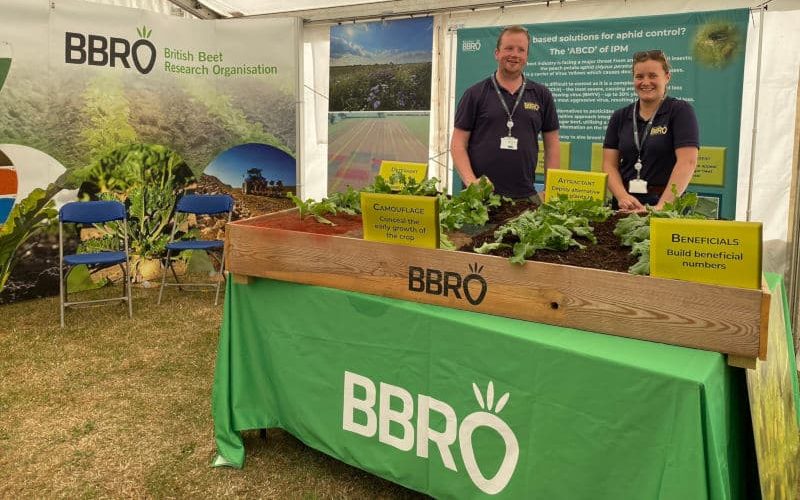
Simultaneously, the British Beet Research Organisation (BBRO) is actively engaged in multiple alternative trials and practical solutions that can be deployed now to address Virus Yellows. Initiatives include a “camo-cropping” trial with Morley Farms, exploring the use of coloured crops, flowering mixes, and ‘decoy brassicas’ to deter aphids.

Vicky Foster, Head of the BBRO emphasizes their commitment stating: “The BBRO is currently investing £1.5m to look for alternative solutions to control virus yellows and is working closely with plant breeders and chemical companies that are also prioritising work in this area.”

For more information on the 12 strands of research currently being undertaken by the BBRO and to access an overview of the industry’s Virus Yellows Pathway, visit the BBRO knowledge hub.

BBRO exhibiting sugar beet trials in the Innovation Hub 2022
BBRO exhibiting in the Innovation Hub 2022

Continued research into disease-resistant varieties, new chemical and biological controls, and government support for Integrated Pest Management (IPM) are also emerging as viable options. Additionally, the development of virus-resistant sugar beet varieties using gene-editing techniques holds promise as a long-term solution.

In navigating the challenges posed by neonicotinoid bans, the industry is actively embracing innovation and alternative solutions to secure the future of sugar beet cultivation.

Collaborative Effort by PIC®, Vetline, and AbacusBio Elevates Uganda’s Pig Farming

Member News
The views expressed in this Member News article are the author's own and do not necessarily represent those of Agri-TechE.

Improving Pig Production and Welfare in a Sustainable Manner

The team formed by PIC®,Vetline and AbacusBio, continues its mission to enhance Uganda’s pig farming industry, furthering the aim of providing economic stability for pig farmers while ensuring the health and welfare of farming families. This initiative also addresses broader food production and safety issues in the supply chain, with a commitment to delivering nutritious, healthy, and safe food. This transformative effort leverages PIC® genetics, artificial insemination, veterinary services by Vetline, and the innovative database and information platform (Dtreo) by AbacusBio.

A Path to Positive Impact:

Focused on areas surrounding urban development, this venture explores sustainable modern pig production techniques and facilities. Beyond its immediate goals, this initiative has the potential to bring about a positive transformation in Ugandan society at large.

Pig Farming’s Vital Role in Uganda:

Pig farming is one of Uganda’s fastest-growing livestock activities, offering a powerful means to increase food production, income, and employment opportunities. Uganda stands as one of the largest per capita consumers of pork in sub-Saharan Africa. However, the challenge lies in low productivity as demand consistently outpaces supply.

Project Progress Update:


The project is progressing well, with the following key milestones achieved:

– Inseminations: A total of 295 inseminations have been carried out using semen from PIC boars, covering 18 districts and reaching 151 villages. This initiative has engaged 59 inseminators, benefitting 164 smallholder farms. Among these, 56 are female farmers (34%), while 108 are male farmers (66%).

– Expectations: Currently, smallholder farmers eagerly anticipate the birth of piglets resulting from the PIC semen. Deliveries are expected to commence around October 5th, 2023. The project foresees a surge in demand for PIC semen once these deliveries start.

–Research and Monitoring: The project has recruited a master’s student who will closely collaborate with field inseminators. Their responsibilities include tagging piglets, monitoring their weights, and collecting data on health and general farm management.

–Laboratory Equipment and Testing: The laboratory equipment and technician required to run tests and analyze field-collected samples are already in place, ensuring the project’s research and diagnostic capabilities.

–Research Concept Document: A research concept document in development, which outlines the scope of work for the MSc student. They will also gather data on the weight gain of piglets born from PIC and local boars.

Looking Ahead:

The collaborative effort between PIC, Vetline, and AbacusBio builds upon the success of the PigBoost project, initiated in 2020 through a partnership involving international and local organizations. Led by genetics specialists AbacusBio and the Roslin Institute at the University of Edinburgh, in conjunction with Ugandan-based organizations Vetline Services and Makerere University, this project received support from the Kampala City Council (animal production division), Ministry of Agriculture, and the National Animal Genetic Resource.

For additional information about this groundbreaking project, please contact:

AbacusBio | Tim Byrne | Email: tbyrne@abacusbio.co.uk

About AbacusBio:

AbacusBio is a highly respected agribusiness consulting firm, delivering world-class solutions for clients and empowering them with science and business intelligence to grow resources and food for a more sustainable world. With offices in New Zealand and the UK, and a newly opened office in Canada, AbacusBio consultants are deeply engaged with agribusiness communities, leading a diverse range of projects worldwide that highlight the breadth of AbacusBio’s capabilities and services. For more information, visit www.abacusbio.com.

About Vetline:

Vetline Services stands as the premier provider of artificial insemination and pig veterinary services in Uganda. For more information, visit www.vetlineservicesug.com.

About PIC:

PIC (Pig Improvement Company) is the global leader in swine genetics, offering genetically superior breeding stock to pig producers and supporting them with technical services to unlock genetic potential. PIC is a subsidiary of Genus, a UK-based company committed to pioneering animal genetic improvement to nourish the world.

NatureMetrics and BigSis in Bloomberg Top 25

Meet the Network
Agri-TechE

The aim of the list was “to find the most interesting areas of innovation, the best ideas, the smartest founders.” The result was an eclectic mix of entrepreneurial companies.

“I’m truly thrilled by our inclusion as one of these 25 companies,” says BigSis Founder and CEO Glen Slade.

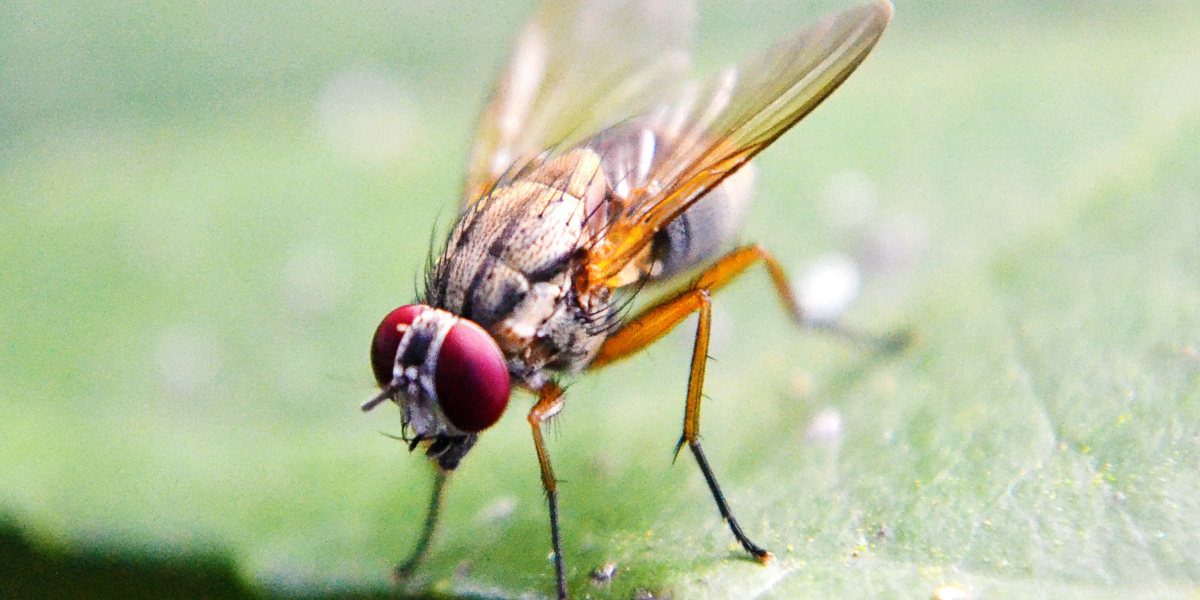
BigSis is tackling the problem of fruit flies in soft fruit. It has automated the rearing of sterile male insects that mate with wild females to reduce populations and prove affordable, chemical-free pest control.

In a project with Niab and Berry Gardens, the UK’s largest berry suppliers, the technology reduced the population of destructive “spotted wing drosophila” in a strawberry crop by 91%. Last year, BigSis raised £4.5 million, led by UK agritech fund Regenerate Ventures.

Glen Slade continues: “To have been selected from what was undoubtedly an impressive bank of entries is a great vote of confidence in the value of our work to reduce chemical insecticide usage and surely reflects BigSis’ unique and innovative approach to this problem.”

Fruit fly

NatureMetrics is a biodiversity-monitoring company that analyses traces of DNA found in soil and water samples to identify the organisms present.

The company says it is 10 times cheaper than traditional survey methods and identifies five times the number of species. Its platform is used by over 500 companies in 100 countries and it has recently launched a ‘nature intelligence platform’ to support impact reporting. The company has raised over £20 million in the last 18 months and won the recent Tesco Agri T-Jam, an ag-tech startup competition.

There are many exciting companies within the Agri-TechE ecosystem and ahead of the Agri-TechE REAP conference we experienced a big influx of new members.

The theme around ‘innovation in a time of extreme events’ resonated with many people and the benefits of being interconnected to tackle these challenges, has never been more apparent.

Being part of an ecosystem, sharing ideas with others from different perspectives and using networks to access skills, contacts and knowledge is vital for innovative companies, and among the benefits of joining Agri-TechE

To find out more information about membership do get in contact.

Lombard: How technology helped a poultry farmer grow his business more sustainably

Member News
The views expressed in this Member News article are the author's own and do not necessarily represent those of Agri-TechE.

A Move Towards Sustainability

As energy prices remain persistently high, poultry farmer Gordon Whiteford has embraced a sustainable, more cost-effective future by investing in solar technology for his business.

Gordon runs his company, Highland Eggs, from the 150-hectare Lower Mill of Tynet Farm in Moray, in the north-east of Scotland, along with his wife, June.

The farm is mixed, with some arable land, 40 cows, a small flock of sheep, and 9,000 free-range laying hens and 6,000 organic-laying hens, producing award-winning brown and white eggs.

Lombard’s Support and Expansion

With Lombard’s support, Gordon recently installed 120 solar panels on the roofs of his hen sheds, to produce 40 kw of energy for the farm. He also received financing for new, multi-layered laying machinery which feeds and waters the birds and collects the 90,000 eggs they produce every week.

Gordon says: “We already had 12kw of solar energy, and Lombard helped us with the additional investment to expand that. With the price of electricity going up so much, we decided it was the right time.”

Gordon says that although the purchase of the panels increased his costs initially, the additional units were needed to help power his expanding milking operation, which can be a high energy consumer.

“It’s an investment for the future because once the panels have been paid off, they’ll still be producing electricity for you, and there’s very little upkeep required,” he says.

“First and foremost, you’re always trying to make a decent margin, but anything you can do to make yourself more sustainable helps – and it’s good to put that message out there so that people can support you.”

The bulk of the eggs produced on the farm find their way into supermarkets like Aldi and Lidl via wholesalers or are purchased by hotels and restaurants.

Connecting with the Community

But, eager to serve the local community, Gordon has installed five vending machines in the farm shop, where visitors can purchase eggs and other farm produce like milk – dispensed in reusable glass bottles – milkshakes and home baking. He also has plans to install an ice-cream vending machine as his dairy operation grows.
“That’s a pretty good source of income for us,” says Gordon. “And it’s a nice way to have a closer connection with our neighbours here.”
After studying Agricultural Business Management, Gordon received financing from the Prince’s Trust and a local enterprise grant to get his organic egg business off the ground in 2005. From there, he managed to secure a tenancy with Crown Estates in 2012, which meant he was able to expand the farm and build a packing facility on site.
He spent a year studying animal-welfare best practices through a Nuffield Scholarship. He now applies these techniques on the farm which, he says, not only help to improve the environment but also produce higher quality produce.
His ambition is to develop his business further, and he is especially keen to grow his dairy herd, despite it being an unusual practice in his region.
“Dairy farming is quite rare in this part of Scotland now, so everyone thought we were a bit crazy when we decided to develop a dairy herd, but we’ve grown it organically,” he says.
“It’s quite successful because there isn’t much competition, and the milk is locally produced and doesn’t have to be brought in on lorries from further afield. We sell about a third of our milk directly through our own vending machines too, so there is a good margin for us.”

Overcoming Challenges and Future Ambitions

Despite the recent success of Highland Eggs, building the business from the ground up hasn’t been without its challenges. Currently, for instance, there is the constant threat of avian flu – which has the capacity to wipe out entire flocks – and higher feed prices.

But with careful cash flow management, and a philosophy of always putting the hens’ welfare first, Gordon hopes he can continue his profitability and maintain the standards of hygiene and care on the farm.
“We’re quite lucky in that we have a healthy retail market for eggs in the UK, and because we pack our own eggs, we have control of the price,” says Gordon. “We have to stay on top of hygiene, but our hens are cared for to the highest welfare standards.”

Lombard’s Role in Agricultural Sustainability

Lombard’s agricultural relationship manager, Adam Peters, says: “It’s great to help our customers become more sustainable through our support. We’re helping them not only potentially reduce their own carbon footprints, but also potentially save them money in the long term, enabling them to invest that money elsewhere in the business.”

Find out more about how Lombard might be able to help you grow your agricultural business.
Security may be required. Product fees may apply. Business use only. Subject to status.

HerdVision – REAP 2023 Start-Up Showcase

Meet the Network
Agri-TechE

HerdVision brings body condition scoring to DairyComp

HerdVision, a robust camera system for objective body condition and mobility scoring, will soon be integrated into the dairy management software system DairyComp, enabling real-time health updates each time a cow exits the parlour.

Matthew Dobbs, co-founder of AgSenze and HerdVision says: “Body condition scoring is a key indicator of health and fertility in dairy cows, and it is often based on subjective visual observations.

“With HerdVision the camera system can be retrofitted on the parlour or cattle race and provides 2D and 3D imaging of the animal. This enables body condition to be scored and lameness or other injuries to be detected.

“The information is synced automatically with the herd management system and made available through an app. This enables timely interventions, such as a feed supplement or health inspection, to catch a potential problem early.”

HerdVision has recently gained Innovate UK funding to further develop its body weight algorithm, and will be able to assess the bodyweight of calves through to adult animals, simply by passing under the camera.

The company has just closed a Series A funding round with strategic and institutional investors and is looking for further commercial partnerships and end users.

Find out more at https://herd.vision.

Start-Up Showcase 2023 - Matthew Dobbs, HerdVision (web)
Matthew Dobbs, HerdVision, presenting in the REAP Start-Up Showcase 2023
HerdVision Screenshot
HerdVision in use

REAP 2023 logo

REAP Conference 2023:
Adaptation Through Innovation; Beyond the Comfort Zone

Wednesday 8th November, 9:30 am – 6:30 pm
Rowley Mile Conference Centre, Newmarket

Surviving and thriving under increasingly extreme and unpredictable challenges is the theme of the 2023 REAP conference. To build a productive, profitable and sustainable agri-food industry, we must move away from the comfort zone and become open to the new opportunities that exist when we ‘stretch’.  Be a part of that future – bring yourself and your ideas to REAP.

reapconference.co.uk

‘Techno-grazing’ more efficient and promotes soil health

Research Digest
Agri-TechE

It was in the REAP 2021 Emerging Agri-TechE panel that Sarah Morgan of Rothamsted Research outlined a new techno-grazing approach to managing grassland that kept the cattle penned into smaller cells and regularly moved to make more efficient use of the land.

Now a study published in the Journal of Environmental Management has shown that grassland can recover just as well from a highly-stocked cell-based approach as the traditional (set stocked) grazing model. The findings could have major implications for livestock management, allowing farmers to use less land to deliver similar quantities of high-quality protein without adversely affecting soil conditions.

Sarah Morgan at REAP 2021
Click to watch Sarah Morgan speaking in the Emerging Agri-TechE Session at REAP 2021 (video opens in new tab)

The study, undertaken at Rothamsted’s North Wyke farm in Devon, compared soil disturbance in traditionally grazed and cell-grazed fields.

The issue with the traditional method is that the pasture isn’t grazed evenly and grass can be trampled. Also animals tend to cluster around features like water troughs leading to compaction and bare patches. The cell grazing animals are restricted to a small area and regularly moved. In this way more grass is grown and harvested, but there were concerns that the concentration of animals would damage the soil structure.

Techno-grazing offers high quality protein on less land

By measuring soil compaction in both systems over a season, the researchers found that there was no significant difference in how grazing affects soil structure and how well the pasture recovered over the winter break.

“The results suggest that with careful management of cell grazing including appropriate stocking densities and resting periods, stocking rates on grassland could be increased with no detrimental consequences in soil structure beyond what would normally occur on grazed pasture,” said Dr Alejandro Romero-Ruiz who led the study. “This means we can deliver more high-quality protein using the same land – thus contributing to meet the growing demand for animal-origin foods.”

GPS collars used to create ‘Moovement Model’

The team tracked the steers’ daily grazing patterns using GPS collars. The patterns were similar in both systems suggesting that the animals’ foraging was not affected by the relatively small size of the enclosures.

The grazing pattern was consistent with Lévy walk process, a phenomena observed in groups of animals, (including humans navigating through crowded pavements), which is considered optimal when searching for unpredictably distributed resources.

Using information from the trackers the research team developed a so-called “Moovement Model” linking grazing patterns with soil structure and soil functions which may have applications to assess the impacts of grazing in other localities.

Future versions of this could include the prediction of areas of dung and urine deposition. These can be linked with variations in vegetation and increased numbers of microbial communities that may represent hot-spots of increased greenhouse gas emissions from the soil.

“A better understanding of how livestock move and interact with their environment may offer new insights on how grazing practices impact soil and ecosystem functions. This will potentially also offer solutions to reducing the impact of cattle on soil health and the environment,” said Romero-Ruiz.

To read the paper: Grazing livestock move by Lévy walks: Implications for soil health and environment
Alejandro Romero-Ruiz, Sarah Morgan et al.

REAP Emerging Agri-Tech

The REAP Emerging Agri-TechE session provides an opportunity to gain an update on exciting science developments. You can also see more about livestock technology in our Knowledge Hub.

Scientists at REAP 2023 include:

Dr Richard Green Harper Adams University: Grasslands
Dr Jolanda van Munster SRUC: Livestock
Dr Ewan Gage Cranfield University: Vegetable Nutrition
Dr Jacqueline Stroud University of Warwick: Soil
Jonathan Ashworth Earlham Institute: Biodiversity
Dr Myriam Charpentier John Innes Centre: Crop Traits
Dr David Withall Rothamsted Research: Insects

REAP 2023 logo

Influence of nature and nurture – Antler Bio provides insights

Meet the Network
Agri-TechE

Subclinical signs of stress are difficult to detect but the new platform EPIHERD, developed by Antler Bio, is harnessing gene expression data to reveal the impact of nature and nurture on the status of the herd. Farmers are given advice on targeted interventions.

Maria Jensen, CEO of Cambridge-based Antler Bio, says that results from its recent collaborative research project have exceeded expectations.

“Using EPIHERD we are able to do a deep dive to investigate, for example, why genetically similar individuals in the herd have lower milk yield, and to report this back to farmers so they can take action.”

The company was recently awarded follow on funding from the Innovate UK Better Food for All.

Benefiting from the Agri-TechE ecosystem

After presenting in the REAP 2022 Start-up Showcase, Antler Bio joined Agri-TechE . The membership organisation supports innovation in agricultural technologies, and Maria was keen to benefit from the network.

Director Dr Belinda Clarke comments that Antler Bio is a welcome addition to the innovation ecosystem.

She says: “Changing climate patterns are making our crops and livestock vulnerable to new strains of disease and to a shortage of resources – such as water.

“Identifying stress at an early stage can help improve livestock performance in suboptimal environments. Antler Bio’s technology answers a key question in animal welfare and provides insights for pragmatic interventions.”

Maria Jensen of Antler Bio

Impact of nature and nurture – Antler Bio can give the answer

Cows with the same genetics may perform very differently to one another; this means that gene expression may be influenced by environmental factors.

Maria says: “By measuring which genes are actually active in an animal, and their level of activity, we can bridge the existing data gap between the animal’s DNA and its performance.

“Our project aimed to understand the gene expression profiles between top and underperforming dairy cattle. We have succeeded in identifying novel biomarkers that are linked to productivity, and these are being patented. We have also developed a highly sophisticated data analysis and validation methodology and have built this into our EPIHERD reporting platform.

“By understanding events that promote desirable or undesirable gene expression we can give precision recommendations regarding habitat, animal husbandry and feed in order to unlock the herd’s full potential and support herd health in a natural way.”

Signatures that indicate dehydration

Maria gives an example of one herd where they were able to determine that the significant difference between high and low performing individuals were signatures of dehydration between these groups.

“When we presented this to the farmer, he thought it was most likely due to the combination of herd dynamics and the positioning of the water troughs. He immediately bought a water unit and installed it at a strategic spot, enabling better water access to the high-potential but submissive animals.

“The data from another herd revealed a need for omega-3 fatty acids and choline, which previously had gone unnoticed even though they conduct routine analysis on the forage with nutritional experts. This farm started supplementing the herd and have reported an increase in milk yield ever since.

“Another example was a farm where herd data indicated that the cows were stressed due to suboptimal hygiene conditions in the barn. Although the animals were healthy and unaffected on a visible level, our data showed that they were constantly diverting energy that could be used for milk production towards counteracting infections. Through simple hygiene improvements the farm was able to increase milk yield.

“These few examples highlight the power and the potential of the data that we bring to the farmers’ fingertips.”

Creating opportunities from challenge at REAP 2023

The theme of the 2023 Agri-TechE REAP Conference is ‘Adaptation Through Innovation; Beyond the Comfort Zone’ and it will explore strategies for creating opportunity from challenge. It includes a carefully curated Start-Up Showcase of early growth companies with promising technologies.

Antler Bio presented last year and Maria reports that since then they have been delighted with the response from farmers to their decision support platform.

The company has since attracted further funding. Antler Bio is building towards a seed round, has recently closed a bridging funding round with the Nest Family Office, and secured a Women TechEU award from the European Commission.

The Start-Up Showcase at REAP has provided profile for many exciting early-stage businesses with collaborators, end-users, and investors – here we ask some: where are they now? This year’s line-up is being kept under wraps until the conference on 8th November 2023.

Find out more about Antler Bio at www.antlerbio.com.

Find out more about REAP at reapconference.co.uk.

Maria Jensen of Antler Bio presenting in the Start-Up Showcase at REAP 2022

REAP 2023 logo

REAP Conference 2023:
Adaptation Through Innovation; Beyond the Comfort Zone

Wednesday 8th November, 9:30 am – 6:30 pm
Rowley Mile Conference Centre, Newmarket

Surviving and thriving under increasingly extreme and unpredictable challenges is the theme of the 2023 REAP conference. To build a productive, profitable and sustainable agri-food industry, we must move away from the comfort zone and become open to the new opportunities that exist when we ‘stretch’.  Be a part of that future – bring yourself and your ideas to REAP.

reapconference.co.uk

Using agri-tech to make farmers part of the solution

Agri-TechE Article
Agri-TechE

“I think as challenging and uncertain as things are for farmers at the moment, these times are equally exciting and full of possibility,” comments livestock farmer and NFU vice-president David Exwood.

David will be giving a keynote presentation at the 2023 Agri-TechE REAP Conference, ‘Adaptation Through Innovation; Beyond the Comfort Zone’. He will speak alongside Defra Chief Scientist Professor Gideon Henderson.

Trying to farm profitably and do the right thing

David comments that while farmers are open to science, there are many sources of information and a lack of clarity from government and the supply chain on how to achieve targets.

“If a farmer asks the question ‘what is the right thing to do for net zero, biodiversity and climate?’ you could get a hundred different answers. Trying to farm profitably while doing the right thing in all those directions – well that is the challenge. We can do it, but it’s not easy.”

Circular farming systems are the future

With his wife and sons, David farms over 1,200 tenanted hectares in the heart of the Sussex Weald. The business has arable, dairy beef, Sussex suckler herd and sheep enterprises.

Although grazing has helped shape the British countryside, intensive livestock farming with a reliance on bought-in feed and concentrated manure production is still a major cause of greenhouse emissions. David comments that there is a lot of noise around livestock farming and the role of meat in the diet.

“We have been the problem for many years, but we are starting to turn a corner where we are the solution. I would say that anyone looking at any kind of circular farming system would understand the value of livestock and would be really positive about what this means for biodiversity in the landscape.

“We can deliver all the things that people want to see, but we’ve got to make sure that farmers are recognised for that, and they get the value. I actually think we’ve got a great story to tell.”

Precision beef

David was one of the first to use Breedr’s ‘precision beef’ application, to improve the consistency of his delivered product.  It is based on science from Rothamsted Research that showed there is a point of ‘peak production’, after which additional feed is converted to fat and methane emissions increase. Breedr helps farmers to gauge that point for individual animals and to trade their ‘digital twins’ in an online market.

David Exwood, NFU Vice President (credit Lawrence Looi and NFU)
David Exwood, NFU Vice President (credit: Lawrence Looi and NFU)

David continues: “Feeding livestock is complex, especially when you are supplementing grazing. Understanding how your cattle are growing, how starch from grass is being turned into meat, the amount of protein and fat on the carcass, the time taken to do that, and the return you’re getting for every kilo you’re putting into them is really important. Technologies, like Breedr, which is brilliant, enable us to break down this challenge into the things we need to do and to see how it can be done better.

“I think there are two things there. It’s about a consistent deliverable product, which has a value to the supply chain, but also creating the data to prove the value of what you are doing. So, when a customer, a processor or retailer, says to a farmer ‘what are you doing for the environment or for sustainability?’ you can codify it in a way we haven’t been able to in the past.”

Shopping list for REAP

Looking ahead to REAP and the discussion of agri-tech David is particularly interested in hearing about technologies that will improve resilience to extremes.

“As technology gets cheaper and more widely available a whole range of possibilities opens up. Livestock produces nutrients in the form of manure, which is often seen as a waste and a pollutant, but we can turn that into sustainable fertilizer through better use of technology.

“I think herbal leys and different grazing systems that will use less fertilizer and can cope with more extreme weather are vital. To support this, GPS collars could be a novel way to graze sensitive areas or to feed them more sustainably.

“Then finally, obviously, is robots. Robotic feeders and milkers could be rolled out further.

“All this would help to make us more resilient and to keep profitable, and crucially, to be truly sustainable in terms of climate and the environment and changing weather.

“We need to turn the clock forward, not back, and I firmly believe that better use of technology is the answer here.”


REAP 2023 logo

REAP Conference 2023:
Adaptation Through Innovation; Beyond the Comfort Zone

Wednesday 8th November, 9:30 am – 6:30 pm
Rowley Mile Conference Centre, Newmarket

Surviving and thriving under increasingly extreme and unpredictable challenges is the theme of the 2023 REAP conference. To build a productive, profitable and sustainable agri-food industry, we must move away from the comfort zone and become open to the new opportunities that exist when we ‘stretch’.  Be a part of that future – bring yourself and your ideas to REAP.

reapconference.co.uk

FOLIUM Science using Guided Biotics to reduce ammonia in poultry production

Meet the Network
Agri-TechE

Improving gut health in animal production could significantly boost wellbeing and productivity, according to Ed Fuchs, co-founder of FOLIUM Science. The company has won funding from Innovate UK to extend the application of its Guided Biotics® platform technology to tackle the bacteria responsible for excessive ammonia production in the poultry house. It is the latest in a series of initiatives from FOLIUM Science to tackle major challenges in animal production.

Announcing at REAP 2024

FOLIUM Science will be announcing a new development at the Agri-TechE REAP conference ‘Adaptation Through Innovation; Beyond the Comfort Zone’. The conference will explore strategies for creating opportunity from challenge.

Agri-TechE is a membership organisation that supports innovation in agricultural technologies. Director Dr Belinda Clarke comments: “FOLIUM Science’s approach is a good example of agri-tech that addresses an unmet need and will quickly provide a return on investment”.

Ed Fuchs says that gut health is key to performance: “Research has shown that even a short exposure to high concentrations of ammonia is harmful, and this gas is produced by enzymes from bacteria residing in the guts of the animals. Our platform technology can modulate the microbiome to reduce ammonia production and improve animal health”.

The company will be exhibiting at REAP 2023.


Ed Fuchs, FOLIUM Science reducing ammonia in poultry production
Ed Fuchs, FOLIUM Science

Reducing ammonia in poultry production

Ammonia in poultry houses is a major challenge. Unused nitrogen in the feed is converted to ammonia by bacteria in the gut. Many of these bacteria – Helicobacter, Staphylococcus, Klebsiella – also cause disease in both poultry and humans. FOLIUM Science’s technology is able to selectively target and silence the genes involved in ammonia generation in these bacteria, weakening them so they are less able to colonise the gut and compete with beneficial bacteria in the microbiome.

Ed explains that, critically, the Guided Biotics process does not remove the bacteria: “Our technology is making these bacteria less aggressive, restoring the balance in the microbiome, and reducing the amount of ammonia produced. The plan for the future is to support the bird’s metabolism in becoming more efficient at repurposing this nitrogen into protein.”

Protecting chicks from Salmonella

FOLIUM Science has already produced a feed additive that will protect young chicks against common bacterial infections such as Salmonella and E. coli. This was announced at the Agri-TechE REAP conference in 2018 and is to be launched in Brazil next year. It offers highly specific, targeted antimicrobial effects, with none of the bad side effects of an antibiotic. It also has probiotic properties.

FOLIUM Science’s Guided Biotics, based on CRISPR-Cas technology, has received endorsement from the Brazilian National BioSafety Committee (CTNBio) as a non-GM ‘new-breeding technique’, which is supporting the commercialisation of the company’s first product.

CRISPR-Cas is a defence system that has evolved in bacteria to protect them against invading viruses. FOLIUM Science is harnessing this natural system to manage and modulate bacteria in the microbiome.

Ed is keen for the UK to adopt a similar approach to Brazil, saying it will accelerate the development of new types of solutions.

“We have demonstrated that our Guided Biotics technology can have multiple benefits in the control of disease and improving performance in the poultry industry. We would encourage regulators to give overarching approval for the technology platform – the process we are deploying – rather than each output needing separate approvals as it does currently, as this would enable the rapid production of the products that the industry and the environment urgently need.”

Ed Fuchs, FOLIUM Science, presenting at REAP 2018
Ed Fuchs, FOLIUM Science, presenting in the Start-Up Showcase at REAP 2018

To announce at REAP: rapid lateral flow test for Salmonella

FOLIUM Science is to announce its latest project developing new applications of its CRIPSR-Cas portfolio, a rapid lateral flow test for Salmonella, at the Agri-TechE REAP conference on 8th November 2023. Find out more about the REAP 2023 exhibition at reapconference.co.uk.


REAP 2023 logo

REAP Conference 2023:
Adaptation Through Innovation; Beyond the Comfort Zone

Wednesday 8th November, 9:30 am – 6:30 pm
Rowley Mile Conference Centre, Newmarket
Surviving and thriving under increasingly extreme and unpredictable challenges is the theme of the 2023 REAP conference. To build a productive, profitable and sustainable agri-food industry, we must move away from the comfort zone and become open to the new opportunities that exist when we ‘stretch’. Be a part of that future – bring yourself and your ideas to REAP.

reapconference.co.uk

Advice to livestock farmers following hottest June

Meet the Network
Agri-TechE

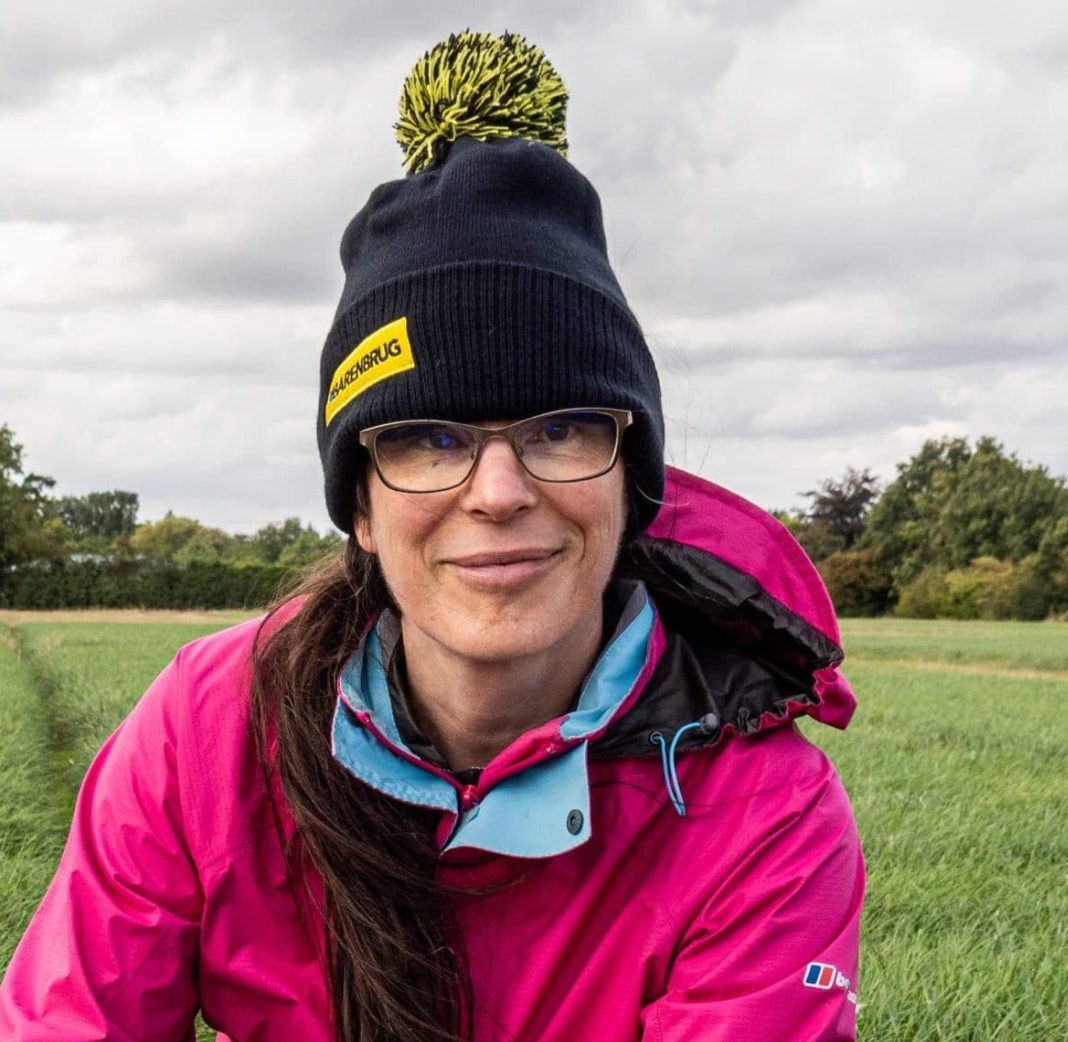
Despite recent rainfall, the hottest June on record will have affected pasture biomass, warns Janet Montgomery of Barenbrug, a leading grass breeder.

“Although pastures are in a better position than this time last year, it’s important to remember that while the dryness won’t affect the growth stage of grass, it will have an impact on the amount of biomass produced per unit area of pasture,” she says.

“What’s concerning is that the dry spell came at a time when grass growth is at its highest, because of the long hours of sunlight and high temperatures.

“Both on grazing and forage amounts, this could really catch people out,” she warns, “because pastures haven’t been pumping out the amounts of grass that we’d normally expect.”

Janet Montgomery, Barenbrug

Advice on stocking levels

To increase pasture resilience Janet offers the following advice.

“On a set-stocking system, reduction in biomass will necessitate a decrease in the stocking rate, while rotational grazers will need to go for a bigger allocation each time.

“That’s especially important for dairy farmers to observe, because both milk quality and output will be affected if steps aren’t taken to manage that drop-off in biomass.”

Sheep and beef farmers, meanwhile, will likely see slower growth rates and a longer time to finishing, Janet suggests.

Pasture preservation during dry conditions

Janet also highlights the importance of pasture preservation during dry conditions to prevent lasting damage: “we need to manage ‘the dry’” she says. Janet gave a number of suggestions to achieve this:

1. Avoid grazing too short: allow sufficient time between grazing and re-grazing to prevent too much damage to the sward.

2. Remove seed heads: while topping might seem counterintuitive in the face of less biomass, taking off seed heads removes stemmy material which makes the pastures more palatable and also encourages the plant to divert energy into vegetative growth.

3. Monitor moisture levels: with consistent periods of dry, a decision-support process will help you to identify the right time to introduce supplementary feeds.

4. Consider changing species: to make pastures and swards more resilient in the face of a drier climate, consider changing species of grass. An autumn overseeding can prove a cost-effective route to help mitigate the effects of future dry periods wher fields are not of an age when they would benefit from a full reseed.

Change grass species to increase pasture resilience

Janet continues: “Consider species that are a little higher in root biomass, such as tall fescue, which will help preserve pastures during dry periods.

“And although cocksfoot and tall fescue have a reputation for being clumpy, coarse and unpalatable, modern varieties make that a largely undeserved reputation. These species are deep-rooting, giving better access to moisture lower down in the soil profile.”

Finally, Janet adds a word of reassurance for farmers concerned about balancing pasture health with livestock welfare. “While pasture health is at greater risk the longer the dry period continues (as grass isn’t able to refill its carbohydrate reserves in time to prevent damage) with time and correct management, it will come back.

“It’s easier to allow plants to recover than to put animals’ welfare at risk.”

More about Barenbrug UK Ltd