Explore advancements in the arable industry
Join us at CropTec, the UK’s leading technical event for the arable sector, on 14-15 January 2026 at the NEC Birmingham. Gain exclusive insights from industry-leading specialists and explore the latest innovations shaping the arable industry.

Albotherm to adapt smart shading technology for commercial polytunnels with £500k Innovate UK Grant

Member News
The views expressed in this Member News article are the author's own and do not necessarily represent those of Agri-TechE.

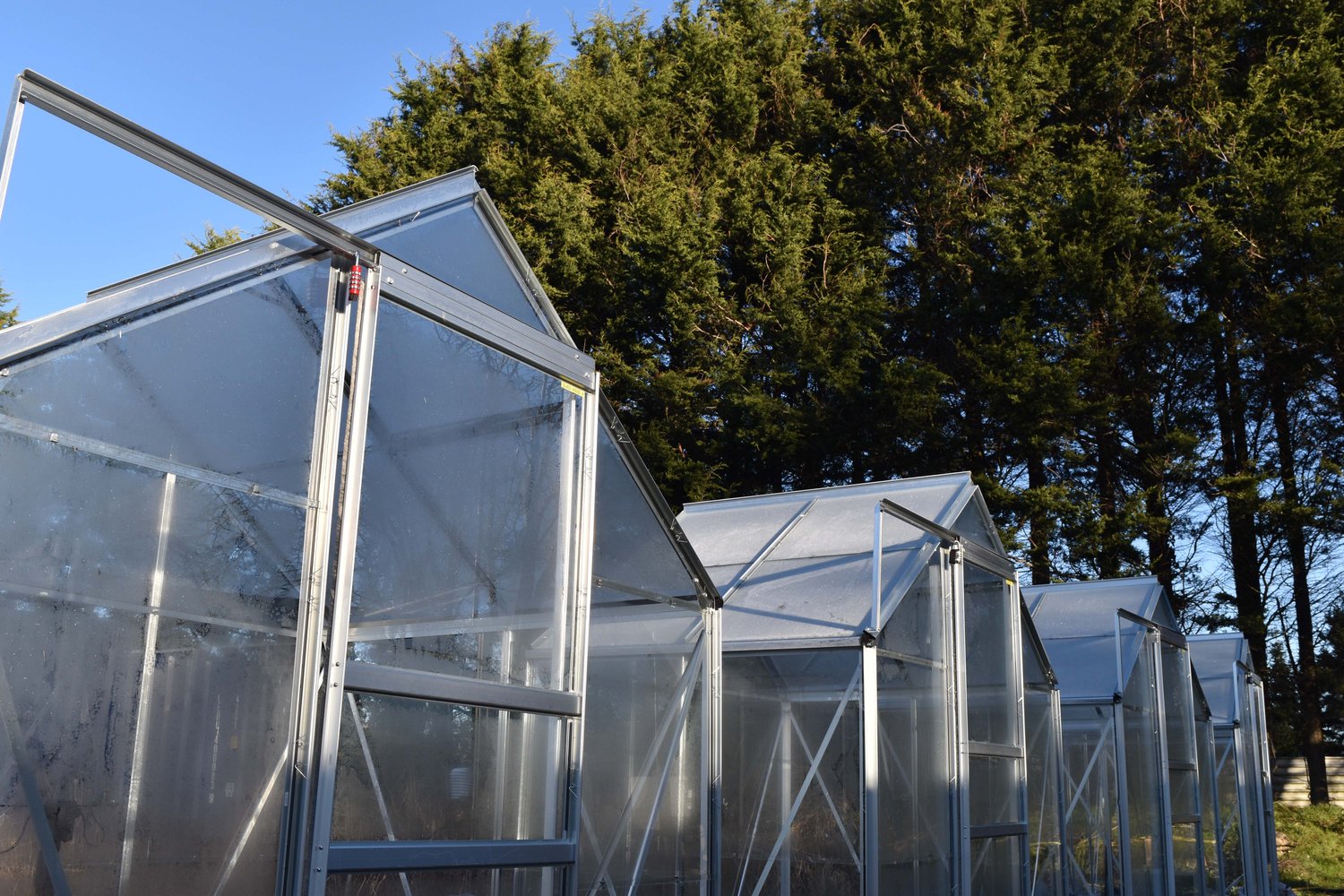
Albotherm, an innovative AgriTech startup, is excited to announce that it has been awarded a £500,000 grant from Innovate UK to further develop its cutting-edge greenhouse technology. This latest project will focus on adapting Albotherm’s temperature-responsive additive technology to be embedded within plastic films for polytunnel applications.

The world faces the challenge of needing to increase food production by 50% by 2050, even as arable land has decreased by 30% over the last four decades. Polytunnels offer a solution due to their ability to extend growing seasons by protecting crops from frost in cooler months. However as they are prone to overheating in summer months, this can lead to potential crop losses from heat stress. This issue is especially pronounced in hotter regions where polytunnels, widely used for food and flower production, are more prevalent. While polytunnels are cost-effective and flexible, they lack the precise climate control of glasshouses and are vulnerable to extreme weather, often resulting in overheating.

Albotherm’s temperature-sensitive additive transitions from transparent to reflective white when heated, providing essential protection for crops by reducing heat inside greenhouses. On cooler days, it automatically returns to transparent without the need for electrical input, allowing maximum light availability. Their technology has previously demonstrated up to 34% increase in crop yields compared to traditional shading methods, and they have successfully concluded trials at two major UK commercial glasshouse farms this summer. This significant advancement positions Albotherm to address the pressing challenges faced by growers, particularly in managing heat stress and optimising production across diverse agricultural environments.

The adaptation of Albotherm’s technology for in plastic greenhouses use is expected to bring substantial benefits to growers. By preventing temperature spikes that cause early ripening, the technology can extend the growing season into the off-season, where berry prices for example, are often more than double. Extending the season by just one month could provide considerable increases in crop yield and revenue annually for farmers.

As governments and individuals return to more localised food production, polytunnels have become increasingly vital to keep up with the consumer demand for variety offered by global food distribution. They enable farmers in the UK and beyond to grow crops that may not typically thrive in their local climates, enhancing resilience to extreme weather and seasonal changes. Additionally, home growers are realising the benefits of year-round food production, underscoring the relevance of Albotherm’s smart coating technology in today’s agricultural landscape.

Albotherm sees a significant business opportunity in expanding their product range to include solutions specifically designed for polytunnels. Polytunnels are widely used in commercial agriculture and make up 90% of the world’s greenhouse structures. The R&D underpinning this project, incorporating Albotherm’s unique additives into films, also opens up some significant market opportunities outside of agriculture in the commercial and residential buildings space.

As part of this project, Albotherm has partnered with Billington Farm, a prominent UK berry producer within the Berry Gardens group, to trial their innovative materials on commercial polytunnels in the form of a retrofit coating. These trials are supported by Lumiforte, who provide the specialised coating for this application, and will assess the performance of Albotherm’s temperature-responsive technology in real commercial conditions.

Molly Allington, CEO of Albotherm, commented:

“With a considerable portion of the world’s horticultural crops being grown under plastic, we aim to leverage this funding opportunity to expand our market reach across the globe, in particular into the Asia-Pacific region as the fastest growing market for agritech solutions. By tackling these new markets, we will not only enhance our product offerings but also position ourselves as a key player in the global agricultural sector, addressing the growing demand for efficient and sustainable farming solutions.”

Contact:

Molly Allington, CEO, Albotherm Ltd

mollyallington@albotherm.com

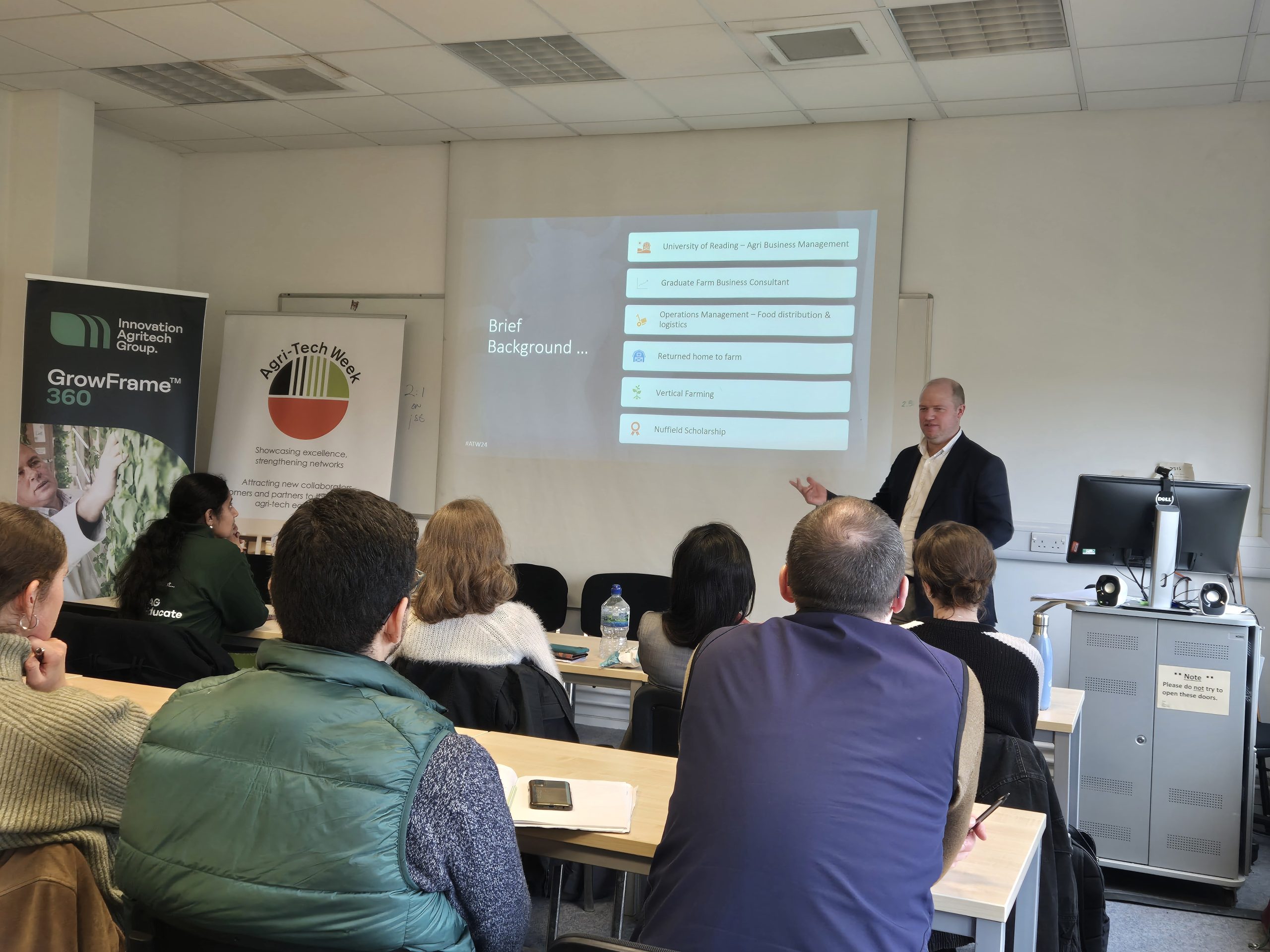
ATW 2024: Can vertical farming help feed the world?

Member News
The views expressed in this Member News article are the author's own and do not necessarily represent those of Agri-TechE.

Agri-TechE Week 2024 celebrates its 11th year – our largest yet, featuring eleven events curated by Agri-TechE and hosted by our incredible member community. This week exemplifies innovation, collaboration, and forward-thinking in agri-tech.

Each event reflects the strength of our ecosystem, fostering vital connections between growers, researchers, and technology developers. Thank you to our members for hosting and making Agri-TechE Week possible and showcasing what our community can achieve. 

Organised by the RNAA, Fischer Farms opened their doors to a group of Norfolk farmers and advisers all eager to learn about innovative ways to grow uniform crops all year round.

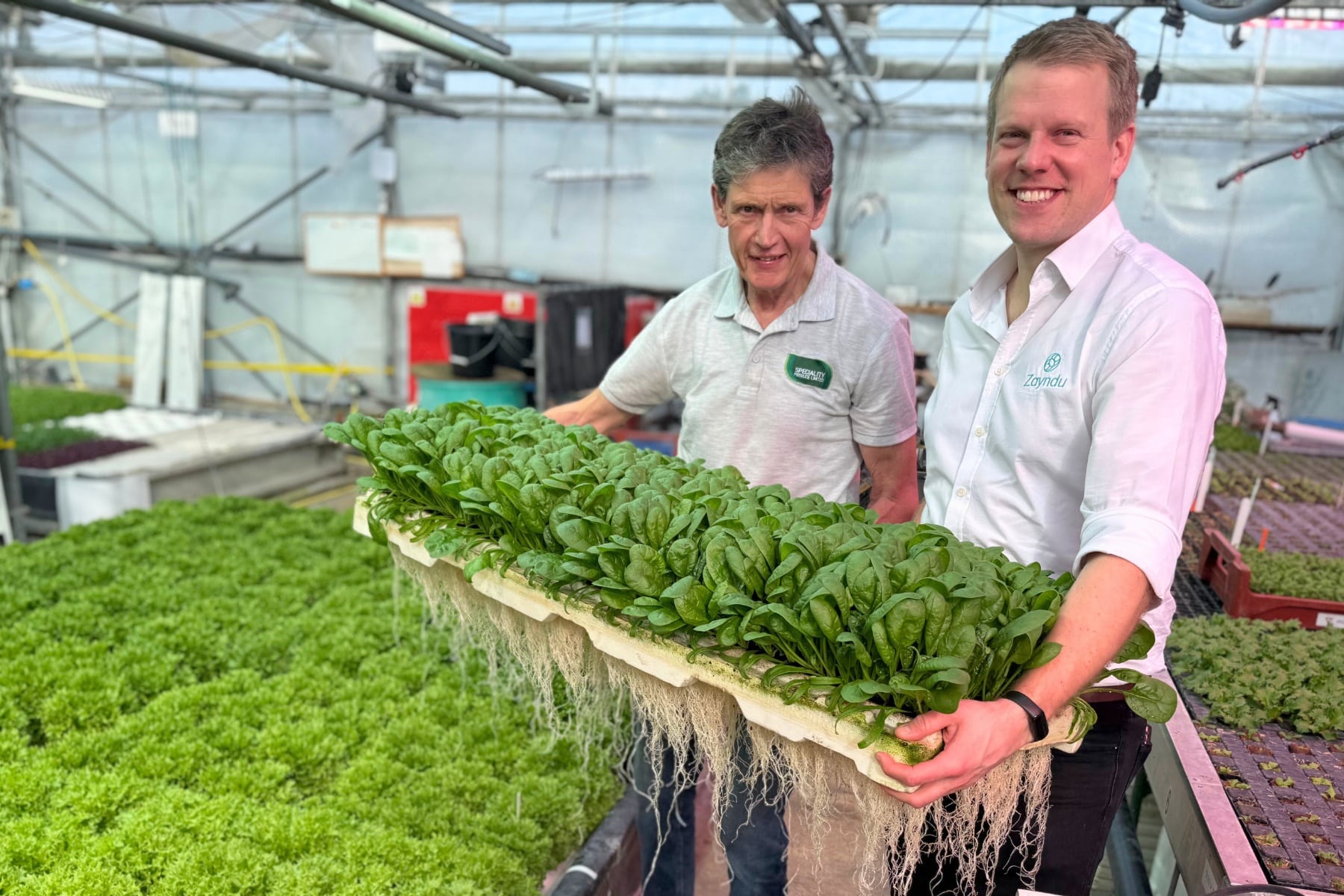
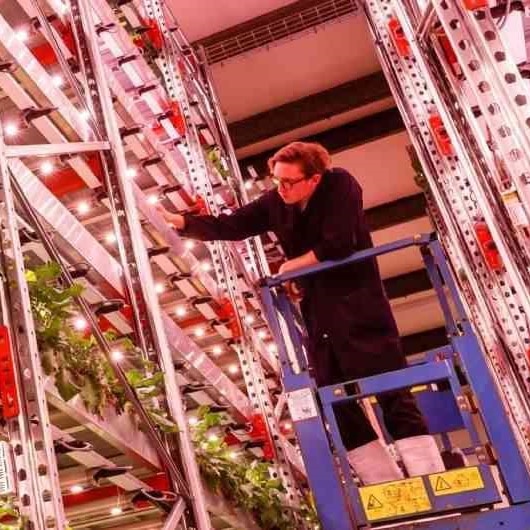
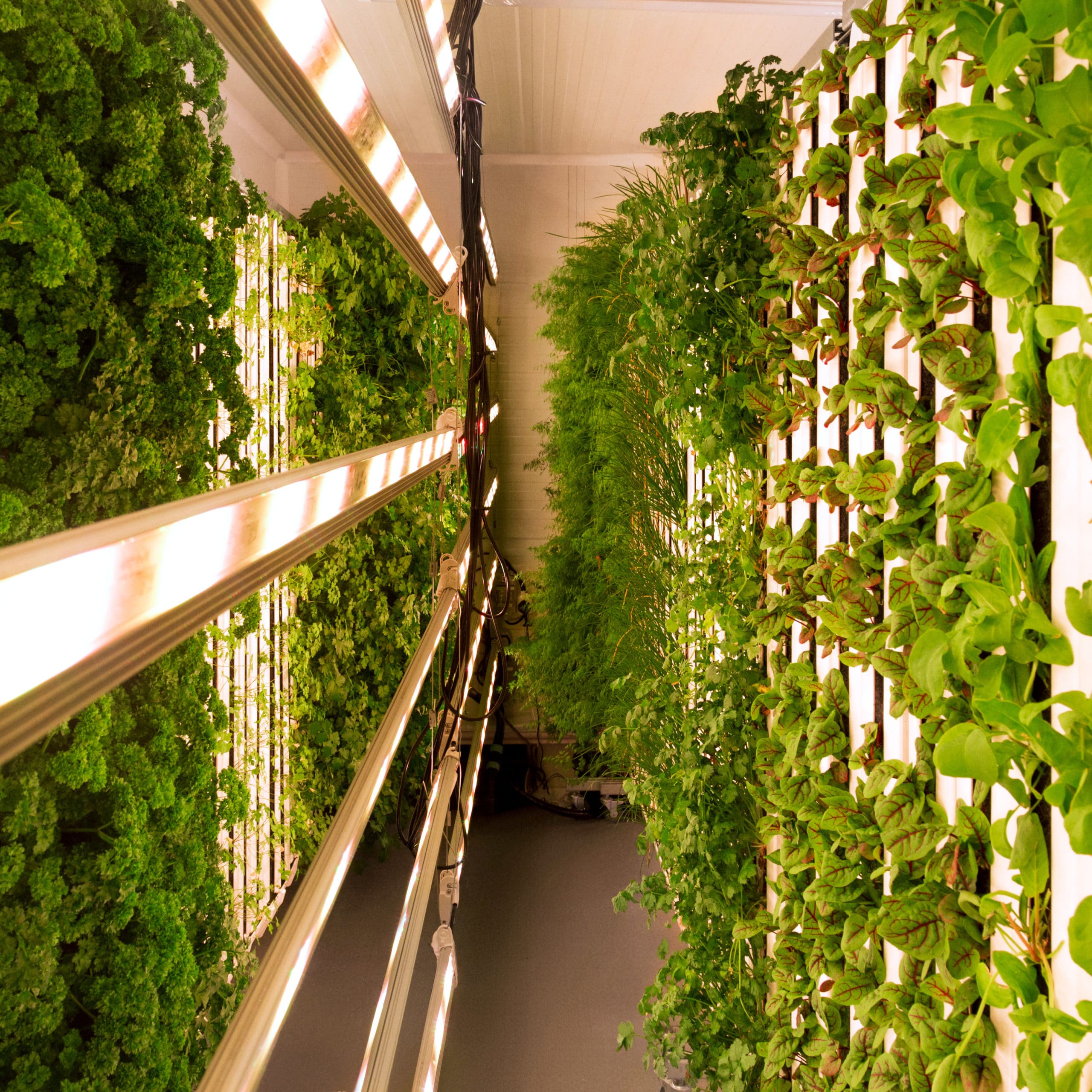
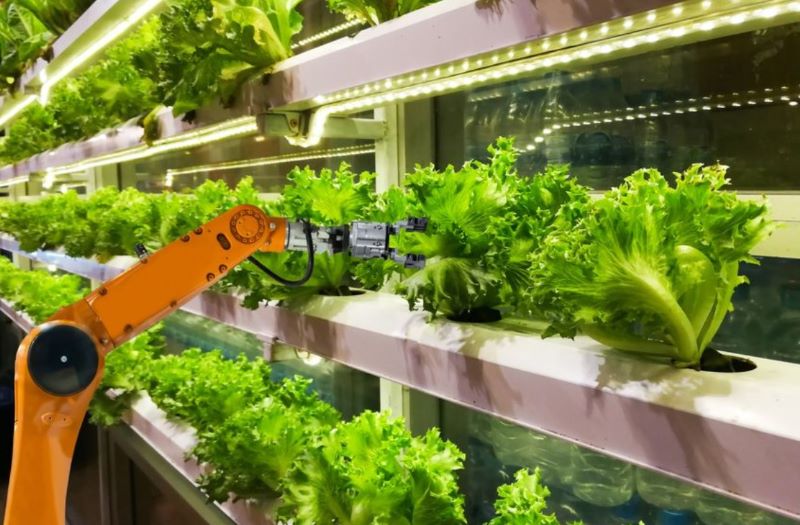
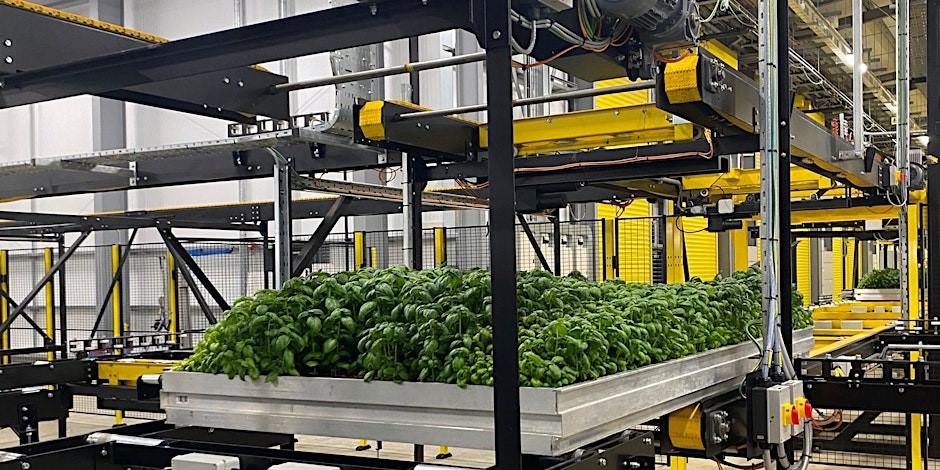
Fischer Farms is a vertical farming operation that is leading the way in scalable food production to provide a more resilient and sustainable way to feed people. The organisation has a multi-channel route to market supplying mainly food service and wholesale. The facility in Norwich specialises in the production of leafy greens and aromatic herbs.

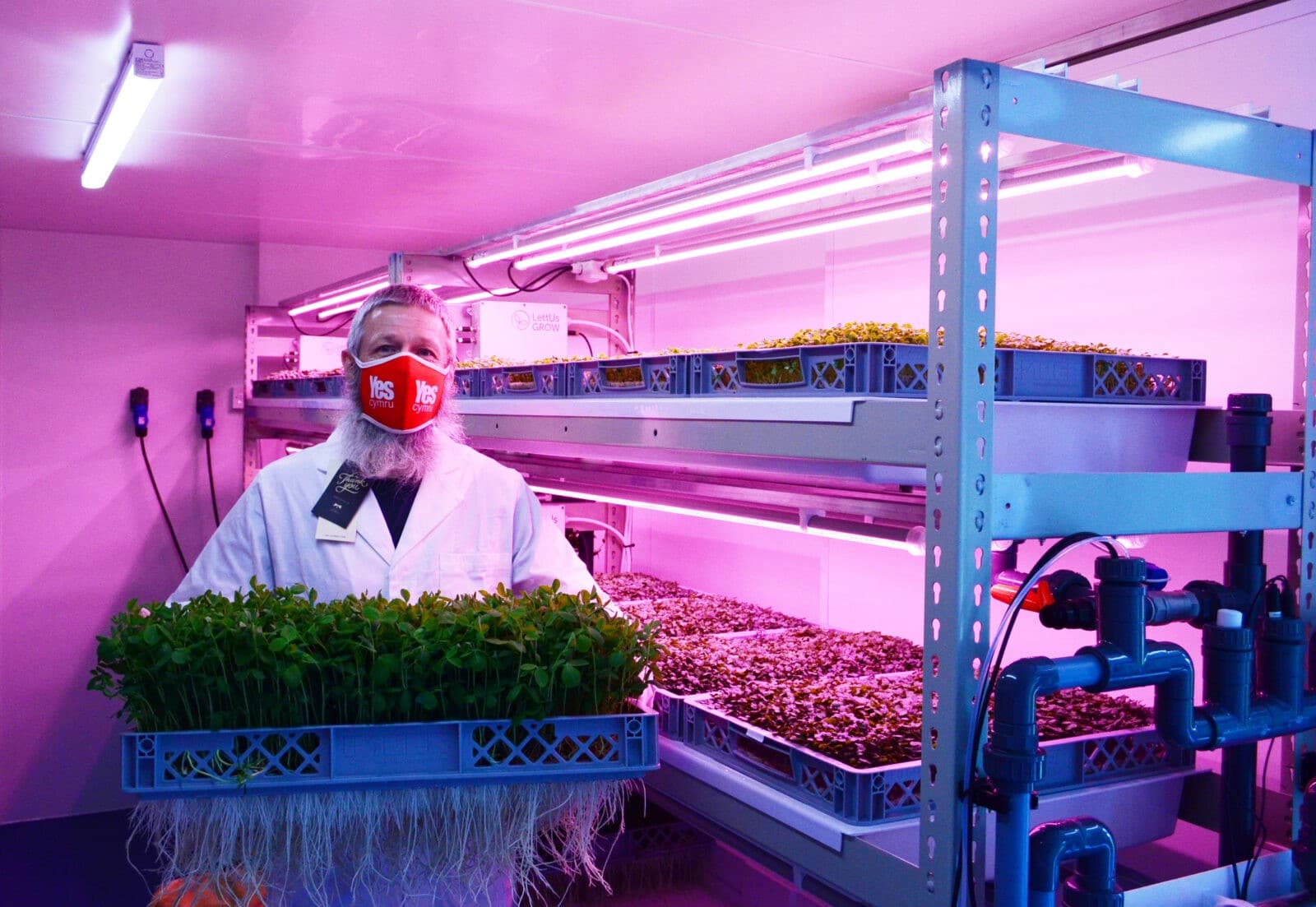
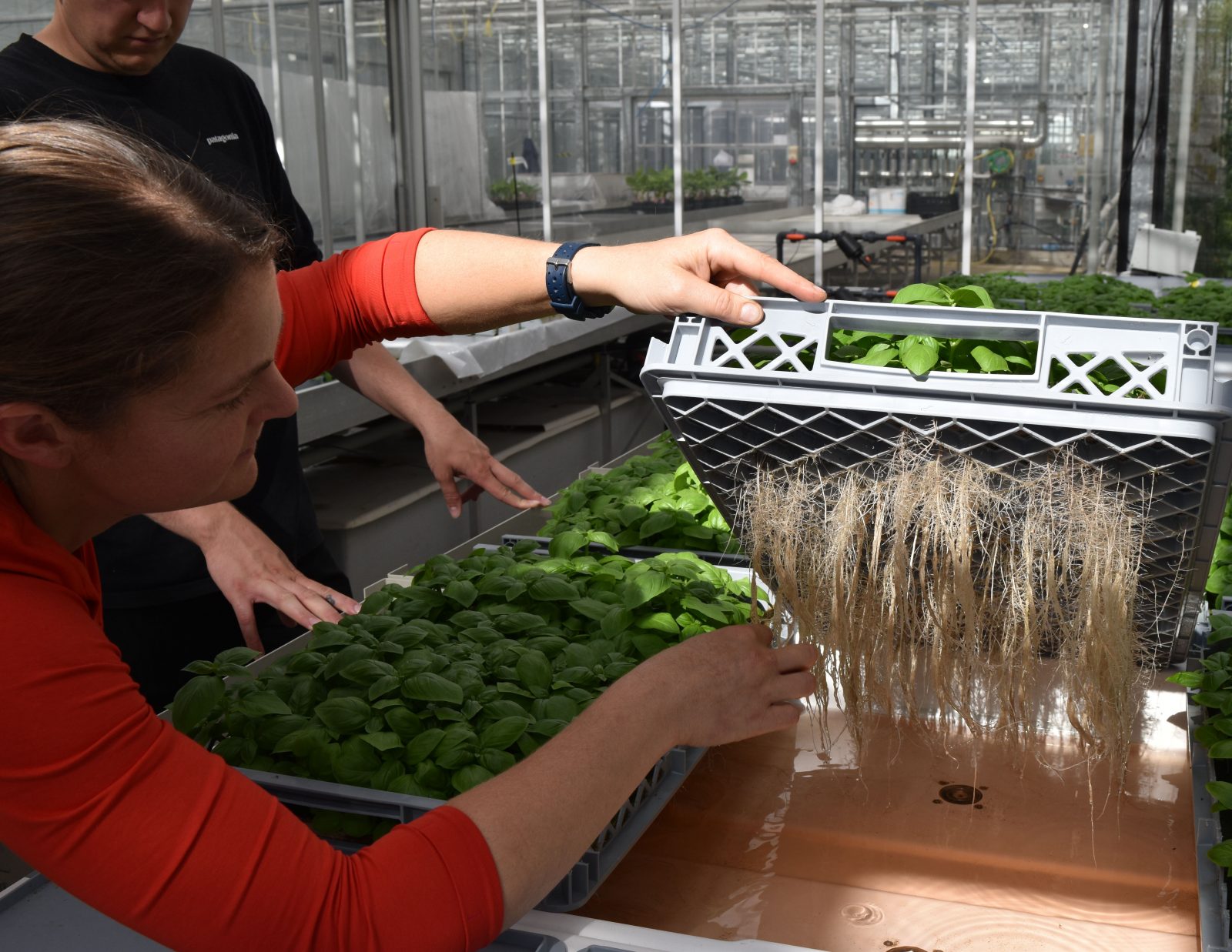
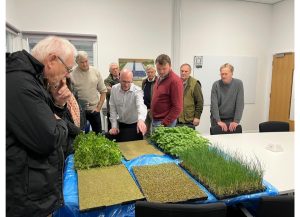
We got to see how basil, watercress and chive is grown on the site – the basil smelled and tasted particularly fresh and delicious! All three crops start off in a damp mat of rockwool, on which seeds are spread at different densities.

The group was particularly interested in learning about the different growth requirements for these crops. For example, basil and chive only need watering once a day, but watercress requires a steady stream of water. While watercress and basil are harvested once, chive on the other hand goes through several rounds of cutting.

One of the advantages of growing crops in a protected environment is that all aspects of the growing cycle can be controlled, from the day and night cycles to the temperature, airflow and water. We discovered that the water used on site, coming from either the mains or collected rainwater, is filtered to become purified and then supplemented with a bespoke concoction of nutrients required for different crops.

Leafy greens aren’t the only crops of interest to Fischer Farms. Research & Development is the focus of a second facility based in Lichfield, where trials are taking place to test growing alternative crops such as soft fruits. The R&D site is continuously looking at ways to innovate, through growing different crops – such as pharmaceuticals, trialling different growing regimes or engineering solutions for vertical growing.

Following the visit to Fischer Farms, we heard about the establishment of the Food Enterprise Park. The hub is supporting food production in Norfolk through the co-location of businesses that can add value through food processing and agri-tech solutions. Find out more about Fischer Farms and the Food Enterprise Park.

LettUs Grow Hosts Exclusive Unveiling of New Aeroponic Innovation Centre in Bristol, UK

Member News
The views expressed in this Member News article are the author's own and do not necessarily represent those of Agri-TechE.

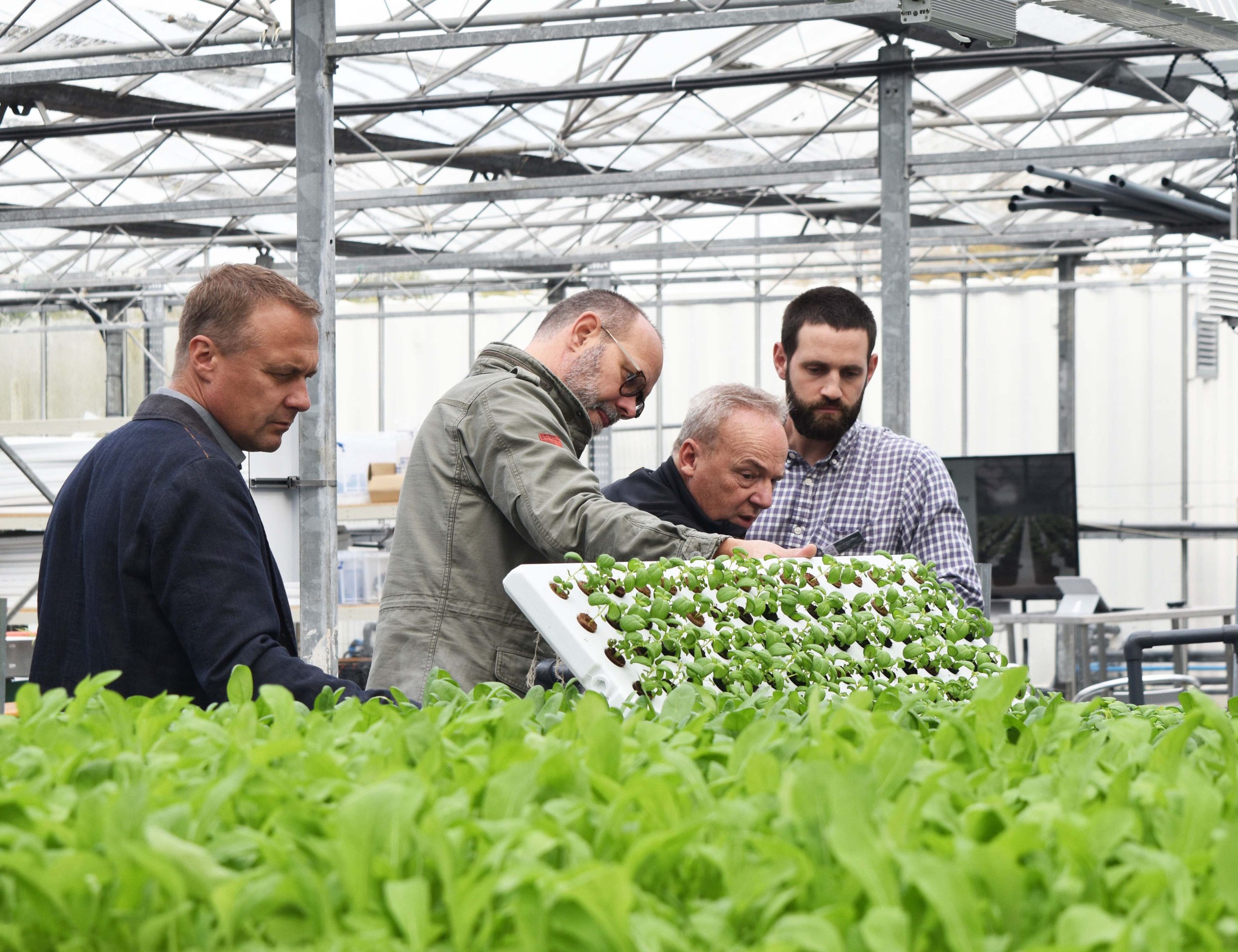
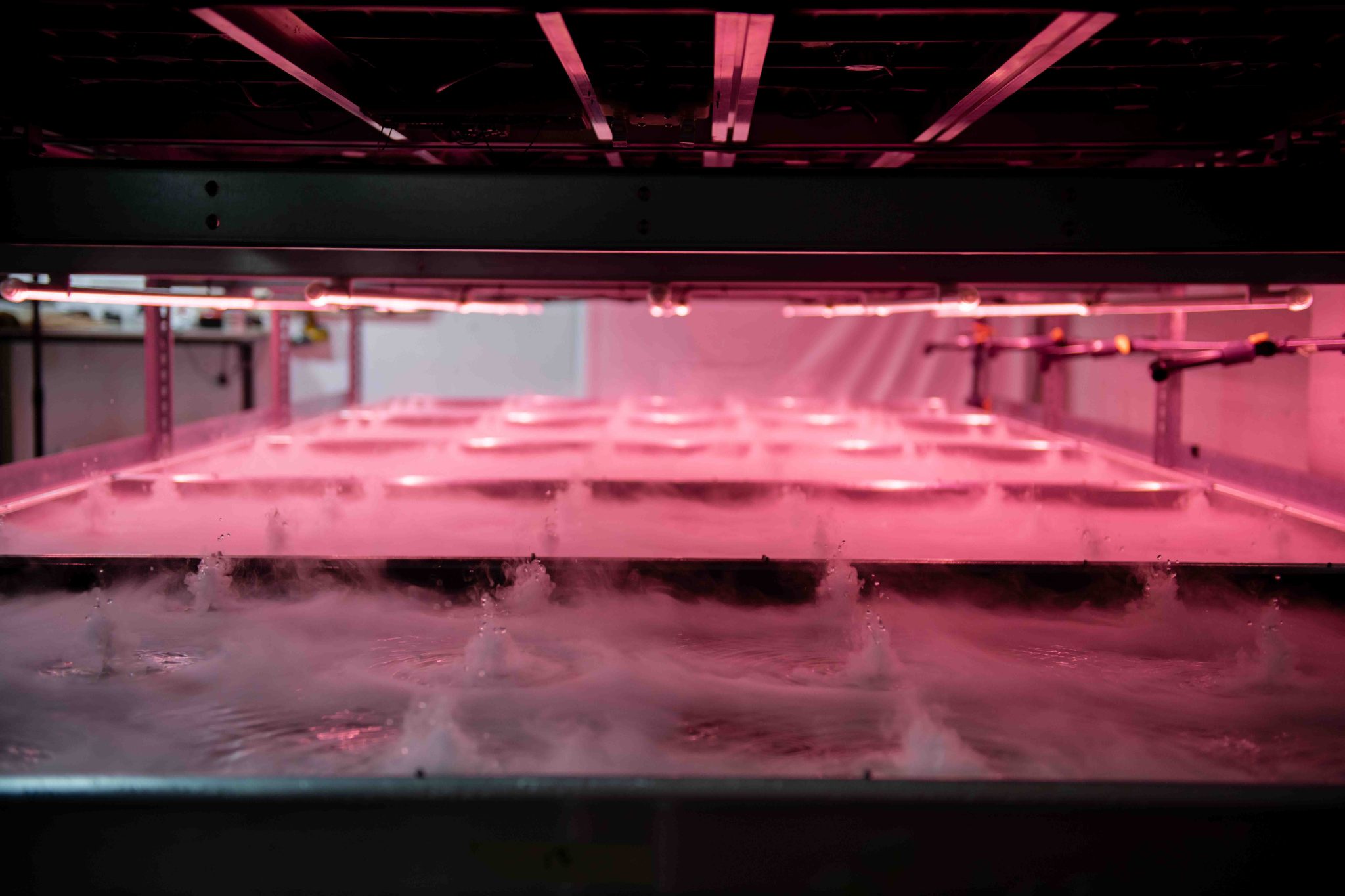
LettUs Grow, experts in advanced aeroponic irrigation, officially unveiled their latest Aeroponic Rolling Bench™ product to an exclusive group of industry partners, customers and commercial growers. The invitation-only technology showcase, held at their Heath Farm: Aeroponic Innovation Centre in Bristol, UK, reinforced the company’s ambition to bring the advantages of aeroponics to the global greenhouse industry at scale. Attendees included leading horticultural technology partners and collaborators from across the UK and the EU, who supported the development of LettUs Grow’s flagship product.

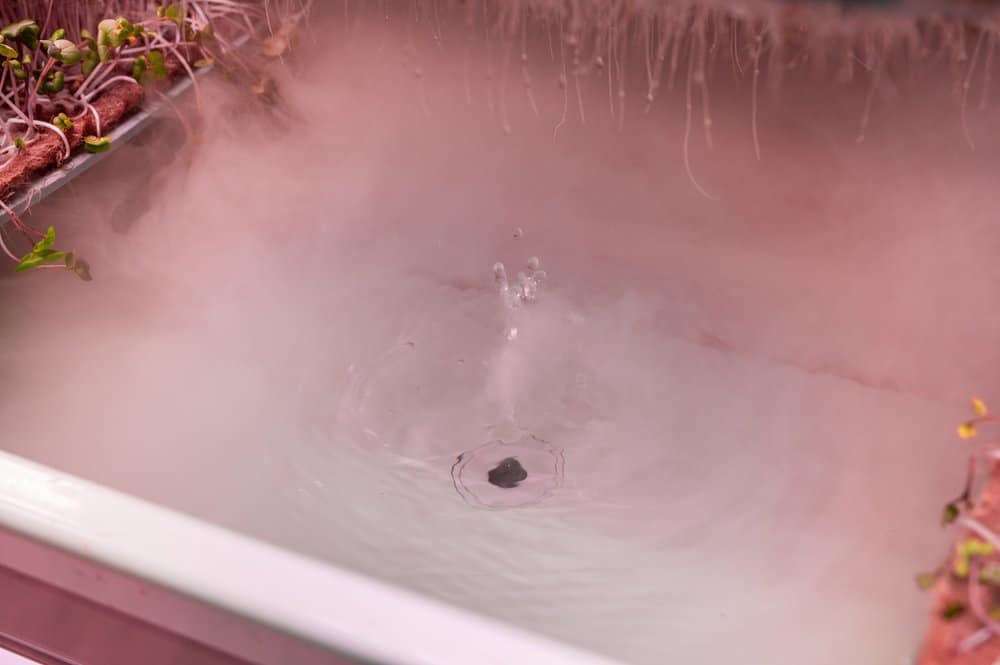
Aeroponic Rolling Benches combine LettUs Grow’s ultrasonic aeroponic irrigation with industry standard rolling bench systems, allowing large-scale indoor growers to increase productivity and outperform annual yield targets. Until now, this breakthrough technology has only been available in vertical farming systems, and now offers greenhouse growers the ability to bring the benefits of aeroponic technology into their current operations with ease.

The showcase brought together collaborators from across the industry, who are key to the development and delivery of Aeroponic Rolling Benches. LettUs Grow have worked with growers, manufacturers and innovators from the early stages of the product’s development, so that Aeroponic Rolling Benches can be utilised by as many growers as possible around the globe. Attendees of the event included industry leaders such as Bosman Van Zaal, Meteor Systems and Staal & Plast, who are all key manufacturers in the production of Aeroponic Rolling Benches.

Charlie Guy, Chief Executive Officer of LettUs Grow said, ”This day marks an important milestone in our company’s development in the greenhouse sector. Before we open the site to larger audiences officially next year, we wanted to bring our existing partners and customers together to celebrate the vital collaborations that are now enabling us to scale our technology globally. We’ve always known that collaboration is absolutely vital in the agritech industry, and we are both proud and grateful that so many of our partners who made this product possible could join us for this celebration.”

Bas Dirven, R&D Manager at Meteor Systems, commented on the event saying “This is our first visit to Heath Farm, and it’s inspiring to see our collaboration come to life and connect with others involved in this journey. We’ve been working with LettUs Grow to develop custom aeroponic plug trays tailored to their system, and we’re excited to see the impact our efforts will have on the cultivation process and for growers using the technology.”

Following the positive feedback from attendees, LettUs Grow will be releasing information on future events and tours throughout 2025 exclusively to their newsletter subscribers, and on the LettUs Grow website. If you are interested in visiting the site privately, please contact enquiries@lettusgrow.com

  • *I have permission from the copyright holder to publish this content and images.

Overcoming Barriers to TCEA Adoption: Lighting, AI, and the Path to Sustainable Farming

Member News
The views expressed in this Member News article are the author's own and do not necessarily represent those of Agri-TechE.

As part of our “Back to the Future” project, we’re asking Agri-TechE members to reflect on how the agri-tech industry has evolved over the past decade and to share their vision for the next ten years. By compiling these insights, we aim to create a powerful outlook on the future of agriculture, a compelling call to arms for the industry driven by the diverse perspectives of our community.

This submission is part of the collection of reflections and predictions from our members, offering unique perspectives on the industry’s past milestones and future directions. Each contribution adds to a broader dialogue about the innovations and challenges that will shape the next decade in agri-tech.

Introduction

Innovation Agritech Group is developing, producing and installing totally controlled environment agriculture vertical aeroponic solutions for growers around the world. We are committed to using science and technology to develop fully sustainable farming systems allowing reliable production of food crops in an increasingly unstable environment.

What do you think is the game-changing tech development we’ve seen in the last 10 years?

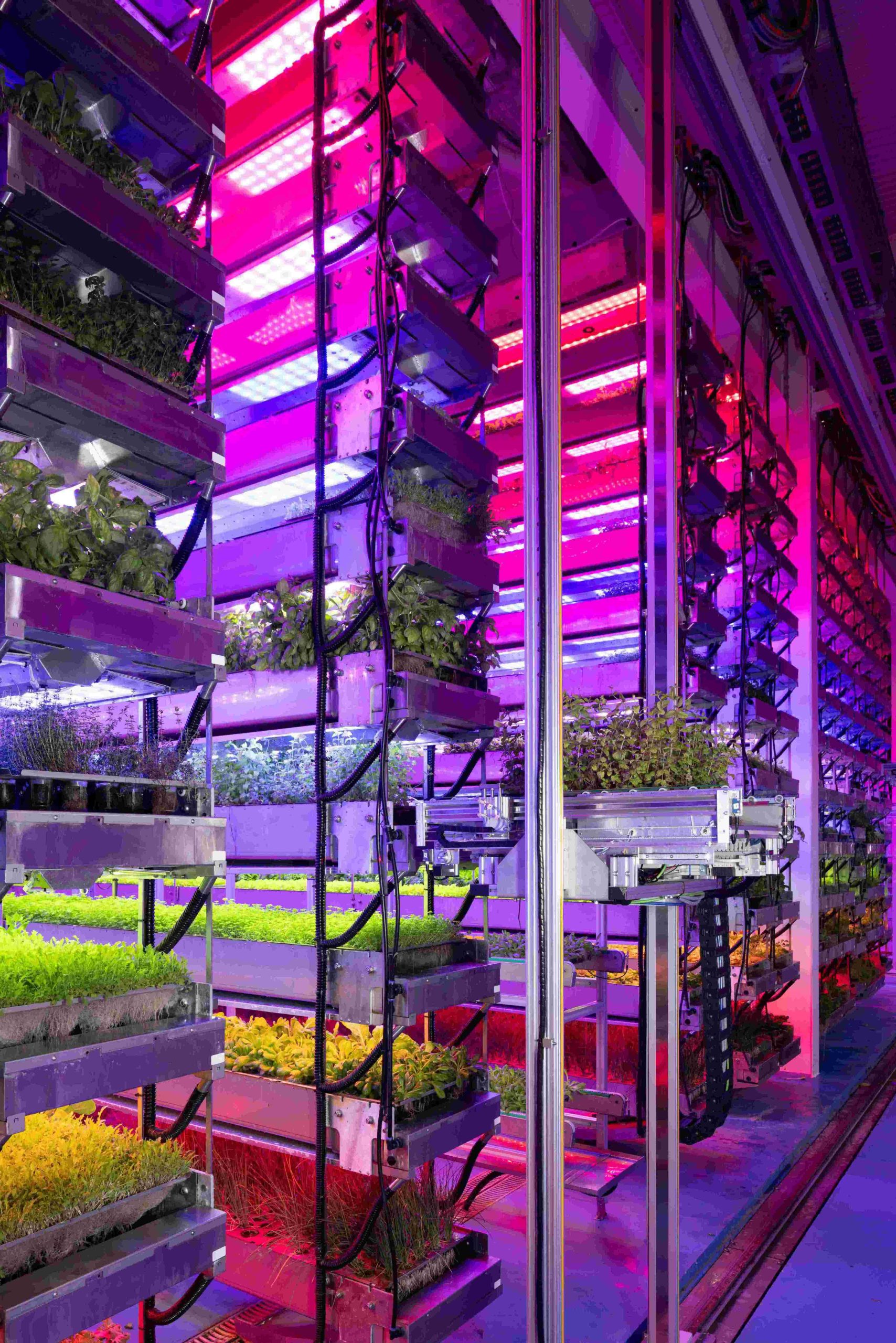
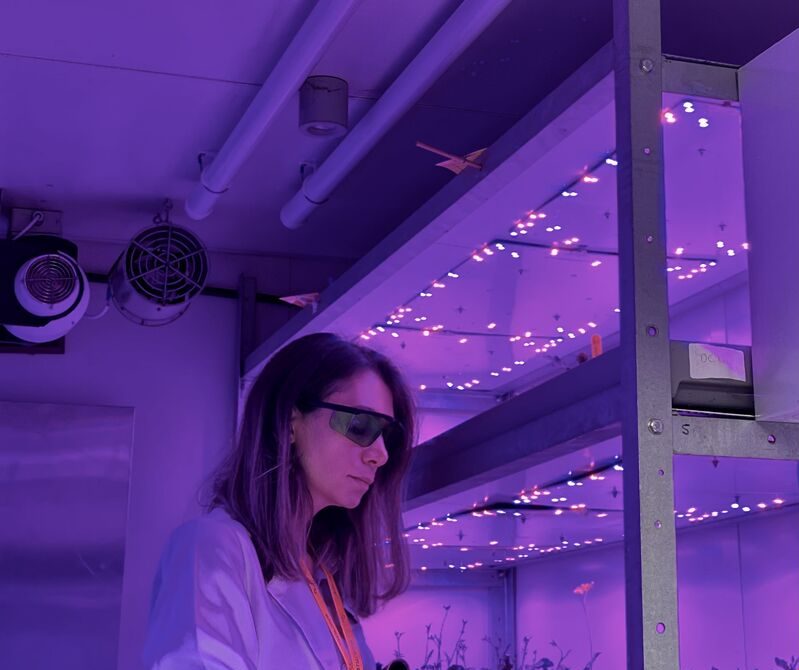
Here at IAG, we consider the improvements made in the field of lighting and lighting control to be the greatest step forward in advancing the development of totally controlled environment agriculture and vertical aeroponics. Replacing fluorescent tubes with LEDs has allowed IAG to accurately manipulate both intensity and spectrum of lighting with LED lights to create and develop recipes for a variety of crops. Control of spectrum allows controlled environment farms to increase blue and red wavelengths to match the optimum pattern plants need to grow without wasting energy on unproductive wavelengths. Despite higher initial costs, lighting has advanced in terms of energy efficiency, giving savings in the longer term. These improvements are likely to increase over time as increased innovation and adoption of LED technology reduces the cost of production further.

Other advancements in lighting include simplified control via software, diffusion systems, for improved light uniformity, improved light cooling, and high frequency colour modulation. Recent efforts have also been made into utilisation of far-red light wavelengths over 700 nm to manipulate plant characteristics such as shoot elongation.

What’s the biggest challenge to widespread adoption?

The biggest challenge to widespread adoption of TCEA vertical aeroponics are the high costs, both of initial investment and running costs, particularly energy. Until these farms no longer require high capital investment, it is difficult to foresee widespread adoption without increases in available funding, limiting the benefits to only those able to afford the upfront cost. Additionally, the high demand of energy by farms of this nature means that adoption of sustainable TCEA will be limited to areas of the world where energy is already cheap, notably the Middle East.

Overcoming this hurdle is the responsibility of two major stakeholders: us technology production companies reducing the cost of our solutions to compete in the emerging market, as well as funding bodies making capital more available to growers. Perception also has a part to play in prevailing over this obstacle, as TCEA and vertical farming become more mainstream, growers will become more willing to adopt technology that has been proven, meaning economies of scale will come into play and prices will fall, hopefully leading to a snowball effect of increasing adoption. IAG are confident we, and other stakeholders can utilise new developments in agritech in the next decade to overcome these challenges.

What do you think is the most exciting thing we’ll see in 10 years’ time and what will this technology enable?

We expect the most important development in TCEA in the next decade to be the application of artificial intelligence. The wide-ranging uses of AI are impossible to fully anticipate but what follows are a few benefits we expect to be able to exploit in the coming years. AI can be used to make data collection and handling simpler and quicker, particularly useful for farmers inexperienced in data management. AI can be used in conjunction with cameras mounted on robotics and drones to record information such as leaf area, ripeness, disease presence. Automation makes it possible to constantly record this information meaning problems such as disease or mineral deficiency can be identified and remedied as early as possible. Importantly, AI may also be able to play a role in acting on this data and engage in decision making processes. These abilities are most beneficial in complex systems, including those beyond the farm gate such as supply chain management. Integrating AI together with existing and novel farm systems and devices together such as irrigation, lighting, and harvest data can be achieved using the Internet of Things.


CEA as a Technology Proving Ground with LettUs Grow

Member News
The views expressed in this Member News article are the author's own and do not necessarily represent those of Agri-TechE.

As part of our “Back to the Future” project, we’re asking Agri-TechE members to reflect on how the agri-tech industry has evolved over the past decade and to share their vision for the next ten years. By compiling these insights, we aim to create a powerful outlook on the future of agriculture, a compelling call to arms for the industry driven by the diverse perspectives of our community.

This submission is part of the collection of reflections and predictions from our members, offering unique perspectives on the industry’s past milestones and future directions. Each contribution adds to a broader dialogue about the innovations and challenges that will shape the next decade in agri-tech.


Introduction to Jack Farmer & LettUs Grow

Jack is a plant scientist and specialist in aeroponic irrigation systems and their application within controlled environment agriculture (CEA). He co-founded LettUs Grow alongside Ben & Charlie back in 2015 to contribute to the development of controlled environment horticulture and their vision for a sustainable food system for people and planet.

LettUs Grow is an innovative agricultural technology provider based in Bristol, UK. They believe that careful innovation in farming can make the world a better place. LettUs Grow’s ultrasonic aeroponic irrigation systems allow growers to increase productivity & efficiency whilst minimising environmental impact.

Outside of the day-to-day Jack is passionate about the use of agriculture, ecology, and the circular economy to bring about a more sustainable future. He is always looking to promote cross-industry collaborations based on sound science, climate impact and evidence.

What do you think is the game-changing tech development we’ve seen in the last 10 years?

The first thing to state regarding the CEA industry is that it’s a remarkably innovative and strong performer in terms of productivity and financial performance within wider agriculture: operating with minimal subsidy within a UK context. The majority of tech development within the sector is by design around chasing incremental performance improvements – the 5 – 20% increases in yield, quality and/or growth rate that together lead to significantly higher yields overall. This is true across high-tech glasshouse and vertical farming, alongside to an appropriate extent across medium-tech vented polytunnels.

Beyond our innovations in the root zone, alongside peers such as Molear, I would give a shout out to tech companies such as Vivent, 2Grow and Gardin in bringing cost effective biometric sensors to the industry that allow us growers and plant scientists to evaluate crop behaviour and productivity in real-time, rather than waiting harvest to harvest. This is genuinely useful tech and rapidly reduces the time required to take crop steering decisions – empowering a grower to deploy their expertise over a wider area with less (but still many) crop walks.

What’s the biggest challenge to widespread adoption?

Technology adoption in our industry is by its very nature, slow, as almost everything new and useful has hardware involved. Growers have been sold yield-boosting promises since the dawn of time, so naturally most have to trial a technology before major adoption, which slows down progress. This means that all agritech startups need to keep their costs low, minimise overheads and find the fastest, cheapest path to getting their actually novel tech into grower hands – likely by outsourcing manufacture to an existing incumbent.

Lastly, being a tough (low margin) business, there isn’t a massive slush fund for most growers to spend on R&D and/or tech. Hopefully this will be addressed in the future with more government funds being directed to growers to trial technology and validate its performance. There is really good pathways for funding (public and private) technologies to commercial readiness, now we need to see actual state funding for UK growers to trial them – if the tech work this will validate mass adoption, improved performance, and advance the competitiveness of our whole UK industry.

What do you think is the most exciting thing we’ll see in 10 years’ time?

Whilst so far this has focused on plant-level technologies that improve productivity, the genuinely disruptive technology that seems ready to come down the track in the next decade is most likely semi-autonomous robotics entering the CEA growing operation – matching the existing expertise in packhouse automation. Once these machines are in operation and becoming competitive with seasonal labour then this dramatically reduces the exposure of the industry to the vagaries of the international labour market.

As with all new technology, growers will need to keep a very keen eye on keeping many competitors in the market to prevent any provider forming a monopoly – particularly if the government uses these innovations as an excuse to minimise seasonal labour visas. Leasing of robots also could prove a useful model (particularly for the startups) but may expose growers to longer term price inflation, versus the high CapEx of robot acquisition once the tech is mature enough. It will be very interesting to see how this plays out!

LED lighting boosts strawberry propagation

Research Digest
Agri-TechE

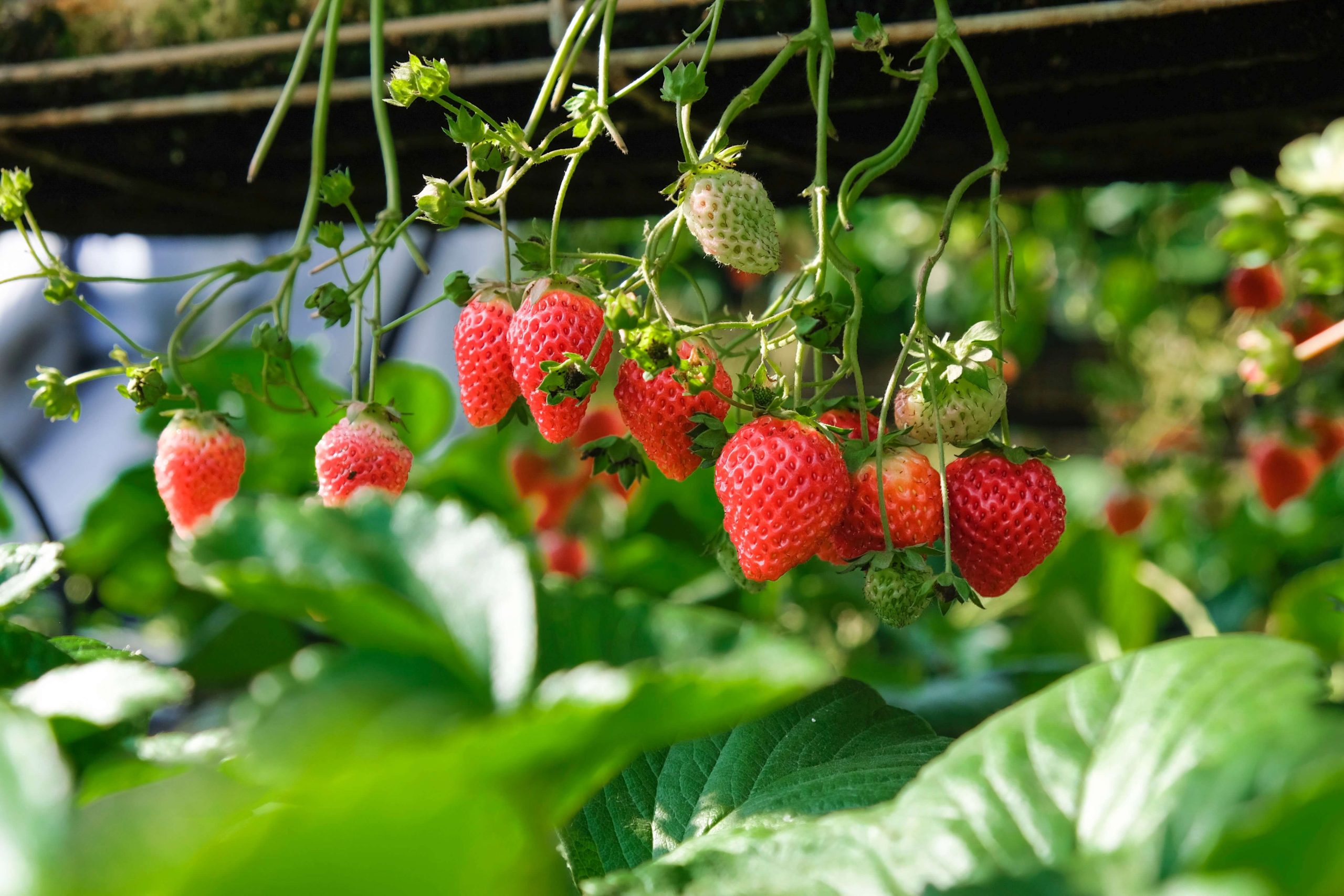
As the extended strawberry season continues, ARU Writtle’s recent research offers new insights into the propagation of strawberry plants within vertical farming (VF) systems.  

The study focuses on the everbearing Fragaria × ananassa ‘Malling Ace,’ a leading variety introduced in 2020 that has quickly become important in extending the strawberry growing season in the UK.  

However, as a relatively new variety, optimal propagation methods for ‘Malling Ace’ are still being refined, particularly within controlled environments like vertical farms.  

Writtle 1
strawberry plant HERO

Why strawberries and why now? 

Strawberries are among the UK’s most consumed fruits, with consumption ranking among the highest in Europe. This high demand has driven the adoption of everbearing varieties like ‘Malling Ace,’ which extend the growing season well beyond the traditional summer months. 

Propagators often need to coordinate the reproduction of strawberry stock plants years in advance to ensure an adequate supply of planting material, creating a need for more efficient and reliable propagation methods. 

However, everbearing varieties like ‘Malling Ace’ present unique challenges in propagation as they typically produce fewer runners compared to June-bearing plants, limiting the availability of planting material.  This limitation has made it difficult for growers to meet the high demand for ‘Malling Ace’ plants, highlighting the need for optimised propagation techniques.  

Vertical farming, with its precisely controlled environments, offers a promising solution for addressing these challenges and ensuring consistent quality and supply.  

ARU Writtle’s study provides new insights into how different tipping dates and LED lighting conditions can influence the growth and quality of this relatively understudied cultivar.  

Enhancing strawberry propagation through vertical farming 

The study experimented with different tipping dates – key moments when young plants are transferred to stimulate root development – to determine the optimal timing for robust plant growth.  

The findings show that tipping dates significantly influence shoot biomass, total crown diameter, and leaf chlorophyll content, while their impact on root systems was less pronounced.  

This leeway in tipping timing suggests that growers have some flexibility in scheduling tipping dates, allowing commercial growers to align plant propagation schedules with other operational timelines without compromising root development. 


Light matters: LED impact 

The study also explored how different LED lighting conditions interacted with tipping dates. Various lighting regimes were tested to evaluate their effects on plant growth.  

One specific light treatment that provided a balanced spectrum tailored for photosynthesis, referred to as L1, proved particularly effective. Results showed that plants tipped early and exposed to the L1 light regime showed superior fresh and dry root growth compared to those under other light conditions.  


Energy efficiency in vertical farming 

The research also evaluated the energy efficiency of vertical farming systems by comparing a Direct Current (DC) microgrid powered by solar panels and batteries, with a conventional Alternate Current (AC) unit connected to the national grid.  

The findings revealed that the DC microgrid system offered a 23% reduction in energy demand compared to the AC unit, demonstrating notable advantages in terms of lower energy intensity and reduced electricity consumption.  

This results in significant cost savings and improved sustainability opportunities for commercial growers.


ARU Writtle’s study provided valuable insights into effective strawberry propagation and highlighted the importance of integrating energy-efficient technologies in vertical farming. 

As the industry continues to seek sustainable and efficient methods to meet consumer demand, these findings could play a key role in shaping the future of strawberry propagation.  

To read the full publication: Using vertical farming systems for propagating everbearing strawberry: Physiological and technological feasibility assessment Lorch-Schierning, Elizabeth; Perera, Anya; Baghalian, Kambiz

Celebrating Agri-TechE Week 2024!

Meet the Network
Agri-TechE


Agri-TechE Week 2024 celebrated its 11th year – our largest yet, featuring eleven events curated by Agri-TechE and hosted by our incredible member community. The week exemplified innovation, collaboration, and forward-thinking in agri-tech. The week showcased exciting developments and latest thinking in agriculture-related research and farming practice, through a dynamic mix of events, workshops, farm visits alongside Agri-TechE ‘s flagship REAP Conference.

Each event reflected the strength of our ecosystem, fostering vital connections between growers, researchers, and technology developers.

Thank you to our members for hosting and making Agri-TechE Week possible and showcasing what our community can achieve.

Check out all the events that took place across the week

#Soil Microbiome: exploring challenges and finding real time solutions

A creativity workshop to develop in-field solutions assessing soil health and microbiome activity.

#The Future of Crop Protection: Is it Biological?

Roundtable discussion diving into biological technologies feat. a series of start-ups in the space.

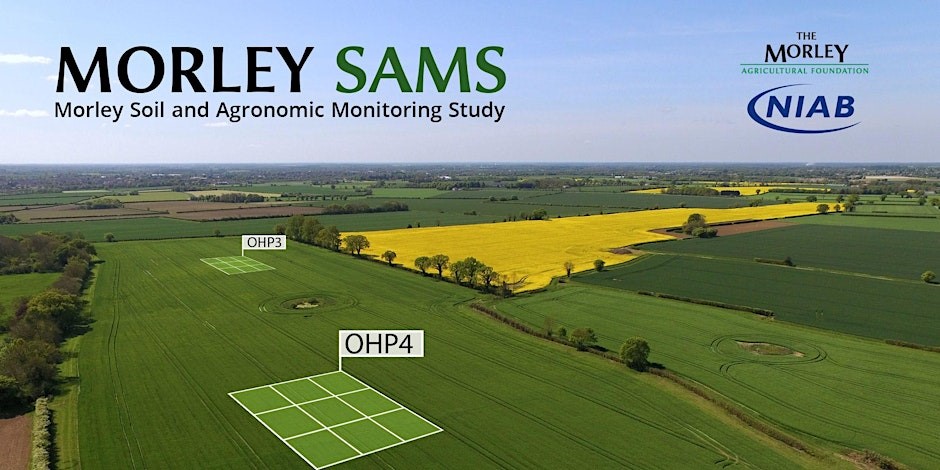
#Discover the Morley Soil and Agronomic Monitoring Study (SAMS) Project

Featuring a farm tour and insight into best monitoring practices across farms. Spade was useful!

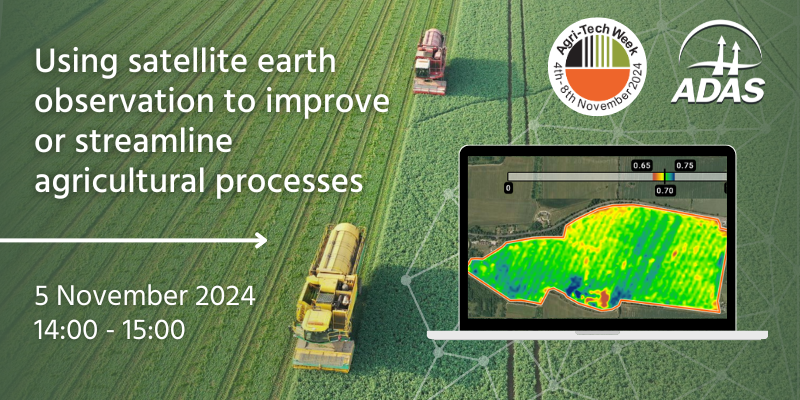
#Using satellite earth observation to improve or streamline agricultural processes

Online session of practical case-studies supporting agricultural services using satellite data from ADAS.

#Can Vertical Farming help feed the world?

Farm walk at Fischer Farms vertical facility and an overview of the Broadland Food Innovation Centre.

#REAP Conference: The Agri-TechE Balancing Act – Optimising One or Managing Many?

Agri-TechE ‘s flagship conference that unites the ecosystem around agriculture innovation.

#Surveillance and Monitoring in Plant Protection

An insightful seminar, where experts discussed innovative strategies to protect crops from diseases, pests, and weeds.

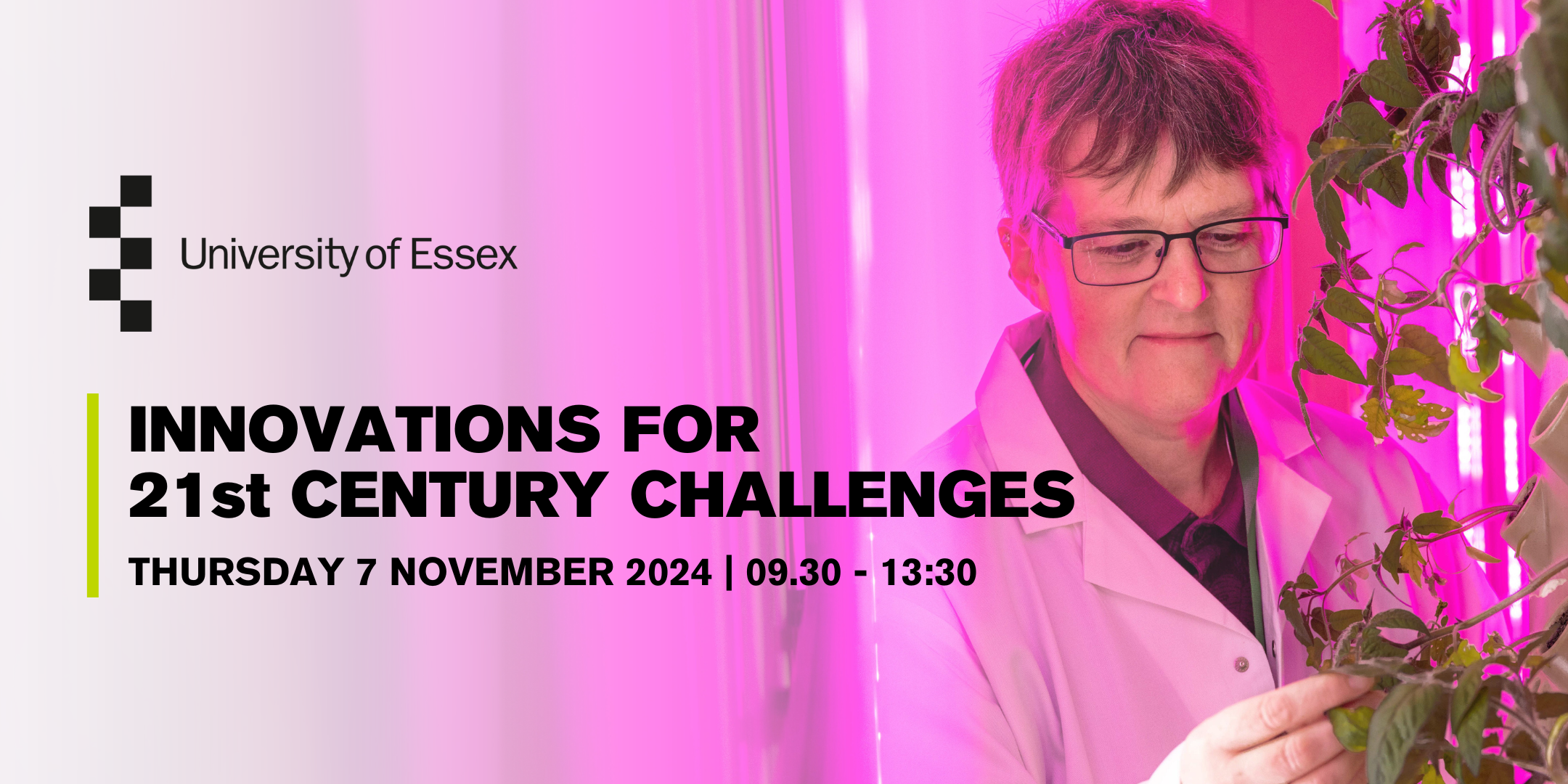
#Innovations for 21st Century Challenges

Tour of the brand new STEPS facility and discovery of the world-class research at the University of Essex.

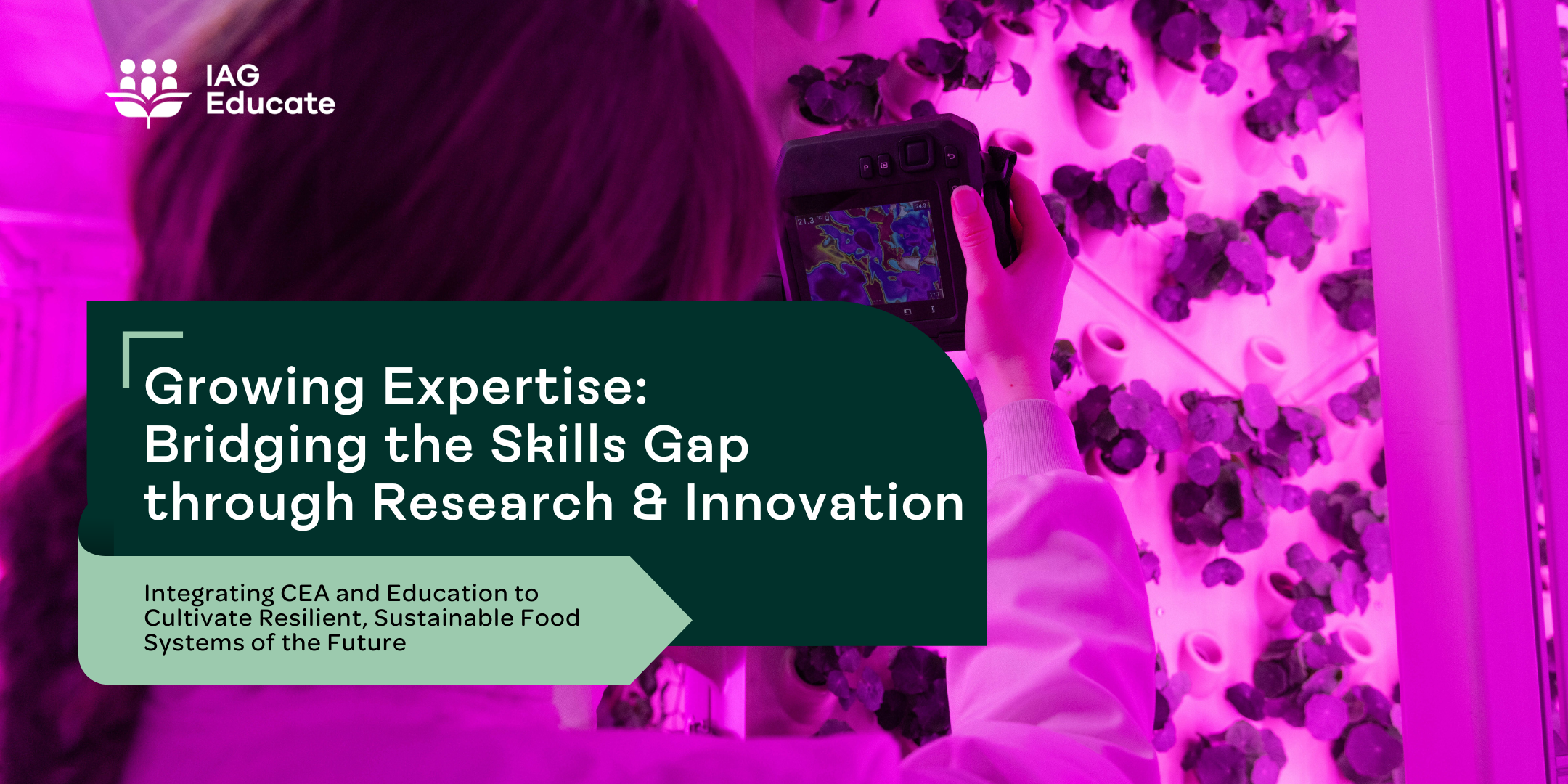
#Growing Expertise: Bridging the Skills Gap through Research & Innovation

Innovation Agri-TechE Group hosted a discussion around the pressing skills gap in agritech, integrating CEA and education to Cultivate Resilient, Sustainable Food Systems of the Future.

#Transition to a sustainable future

Visited Sustainability Farm and saw first hand sustainable agriculture in practice and how we can transition to a more innovative and technology-driven farming system.

#Can Regenerative Agriculture get us closer to Net Zero?

Niab hosted a seminar exploring the role of regenerative farming in the UK.


Soil Microbiome: exploring challenges and finding real time solutions
Monday, 4th November (Basis/Basis EAR/NRoSO - 3 points)

A half day workshop hosted by Anglia Innovation Partnership LLP took a creative format for academic researchers, farmers and industry professionals to jointly explore challenges and develop innovative real-world solutions related to soil microbiome and soil health. This event explored the needs, challenges and key parties involved in developing ground-breaking technology for assessing soil conditions and microbiome ecosystem in real-time outside the confines of a laboratory setting.

Read a summary of the event.

The Future of Crop Protection: Is it Biological?
Monday, 4th November (Basis/NRoSO - 2 points)

This event was for farmers, growers, agronomists, entrepreneurs, and researchers utilising or developing new technologies in crop protection. It aimed to enhance understanding of biological solutions and broader integrated crop management, offering networking opportunities over a hog roast with like-minded people, and contributing to the progress of crop protection practices.

Read a summary of the event here.

Discover the Morley Soil and Agronomic Monitoring Study (SAMS) Project
Tuesday, 5th November (Basis CPD/Basis EAR/NRoSO - 3 points)

A farm tour and roundtable discussion to understand how best to monitor soils across farms, gain insights into the datasets generated, and see how Morley SAMS is supporting projects that improve our understanding of soil and crop interactions across space and time.

Read about the day here.

Transition to a sustainable future
Tuesday, 5th November (Basis CPD/Basis EAR - 3 points)

This event explored the challenges in agriculture, with a particular emphasis on sustainable agriculture and the transition to a more innovative and technology-driven farming system. As the global population continues to grow, it is essential for the agricultural sector to evolve, ensuring maximum yields and economic viability for farmers while adopting sustainable practices that benefit our environment. The event presented practical solutions and strategies to address current agricultural challenges and featured engaging interactive sessions and discussions.

The event took place at Sustainability Farm, the Grange, Wellingborough, where BASF has been partnering with William and Andrew Pitts, for over 15 years, and where attendees saw first-hand how to create a resilient agricultural system meeting the needs of a growing population while safeguarding our environment.

Read about the event here.

Using satellite earth observation to improve or streamline agricultural processes
Tuesday, 5th November (Basis CPD - 1 point)


This online event focused on how satellite earth observation data can be used to support agricultural services. It provided attendees with an understanding of satellite data and some examples of how it could be/has been used in agriculture.

Read a summary of the event.

Can Vertical Farming Help Feed the World?
Tuesday, 5th November (Basis/NRoSO - 2 points)

An RNAA Agri-TechE Week event where attendees viewed Fischer Farms, along with an overview of the Broadland Food Innovation Centre at the Food Enterprise Park.

At Fischer Farms, they are creating the farm of the future. And it’s vertical. They are innovators and pioneers in vertical farming, leading the way in scalable food production to provide a more resilient and sustainable way to feed the world.

Read a summary of this sold-out event.

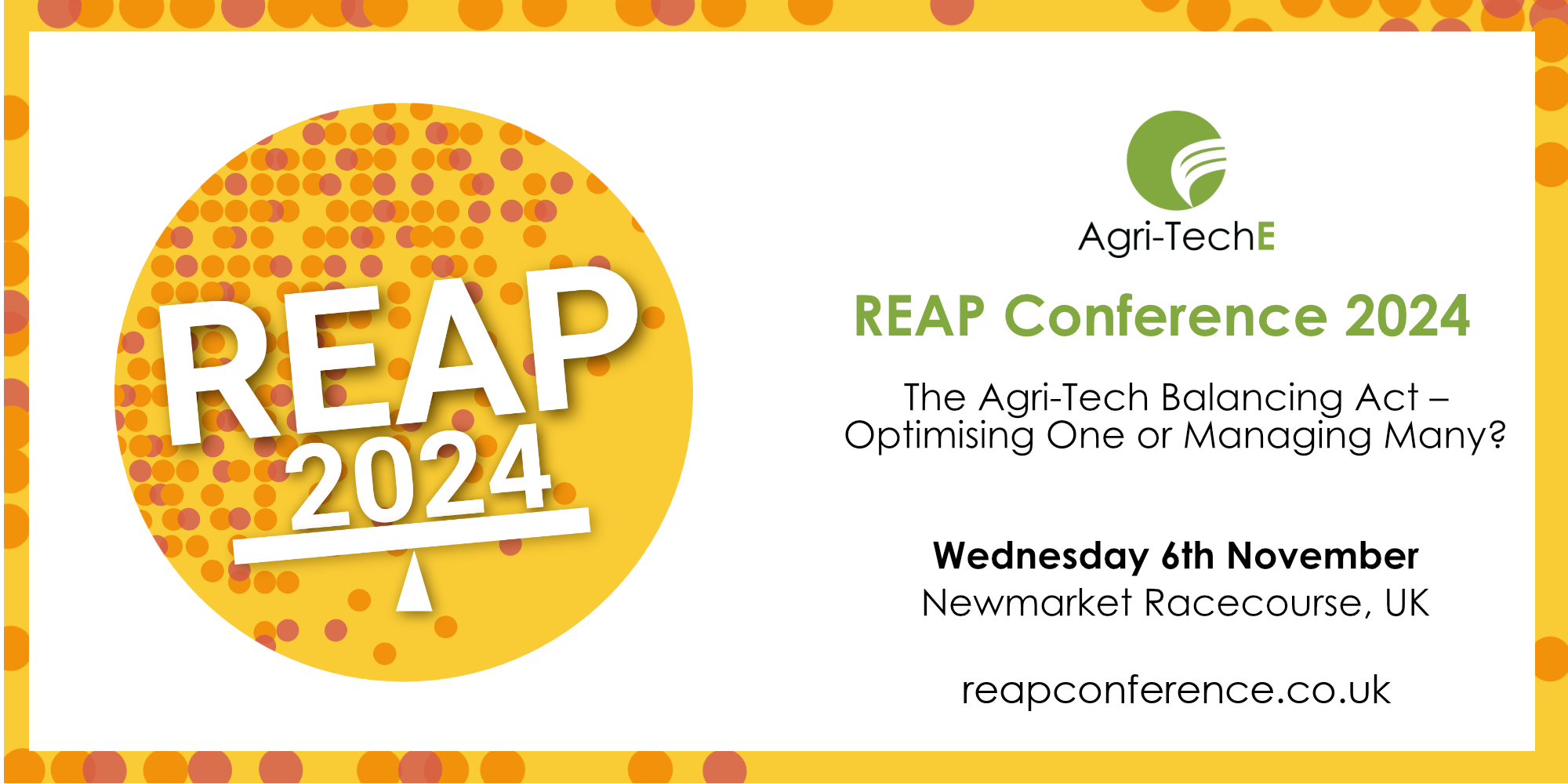
REAP Conference: The Agri-TechE Balancing Act – Optimising One or Managing Many?
Wednesday, 6th November (Basis/NRoSO - 5 points)

Celebrating its 11th year, the REAP Conference is a cornerstone of the UK’s agri-tech event calendar. By putting farmers at the heart of the discussion, REAP helps delegates navigate the demands of 21st-century agriculture by reframing challenges to inspire new ideas and identify innovative solutions. Agri-TechE ‘s biggest event of the year attracts farmers, researchers, innovators, tech developers and investors, government officials and agribusiness leaders from across the UK and beyond.

Optimise one or manage many? Attendees of REAP 2024 learned that, in the future, both might be possible with new technologies powered by artificial intelligence.

Read our REAP round-up from the day.

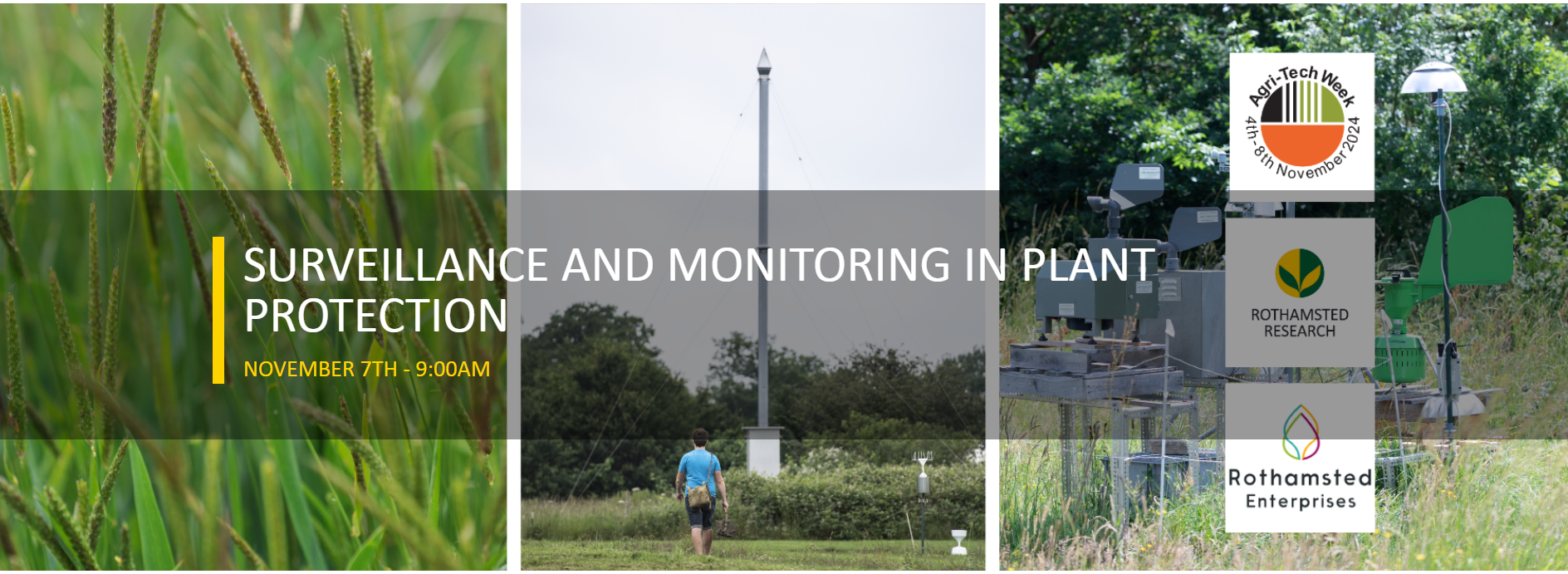
Surveillance and Monitoring in Plant Protection
Thursday, 7th November (Basis/NRoSO - 3 points)

An insightful event blending learning and networking where experts discussed innovative strategies to protect crops from diseases, pests, and weeds.

A seminar covered the latest advancements in Surveillance and Monitoring in Plant Protection, featuring early detection techniques for better management, insect monitoring and control with sustainable solutions, as well as weed management tools to identify and control harmful weeds.

The event also included an interactive breakout session and pitches featuring companies based at Rothamsted Agri-tech Business Centre showcasing innovative technologies and real-world applications.

Read a summary from the day here.

Innovations for 21st Century Challenges
Thursday, 7th November (Basis/ Basis EAR - 3 points; NRoSO - 2 points)

What innovative solutions are driving efficiency in energy use, enhancing nutrition, tackling labour shortages, and increasing productivity in all growing environments from controlled-environment agriculture (CEA) to field? This event included a tour of the brand-new Smart Technology Experimental Plant Suite (STEPS), a multi-million pound facility designed to expand the already world leading research that takes place within the Essex Plant Innovation Centre (EPIC).

Hear about the day’s event here.

Growing Expertise: Bridging the Skills Gap through Research & Innovation
Thursday, 7th November (Basis/Basis EAR - 3 points; NRoSO - 2 points)

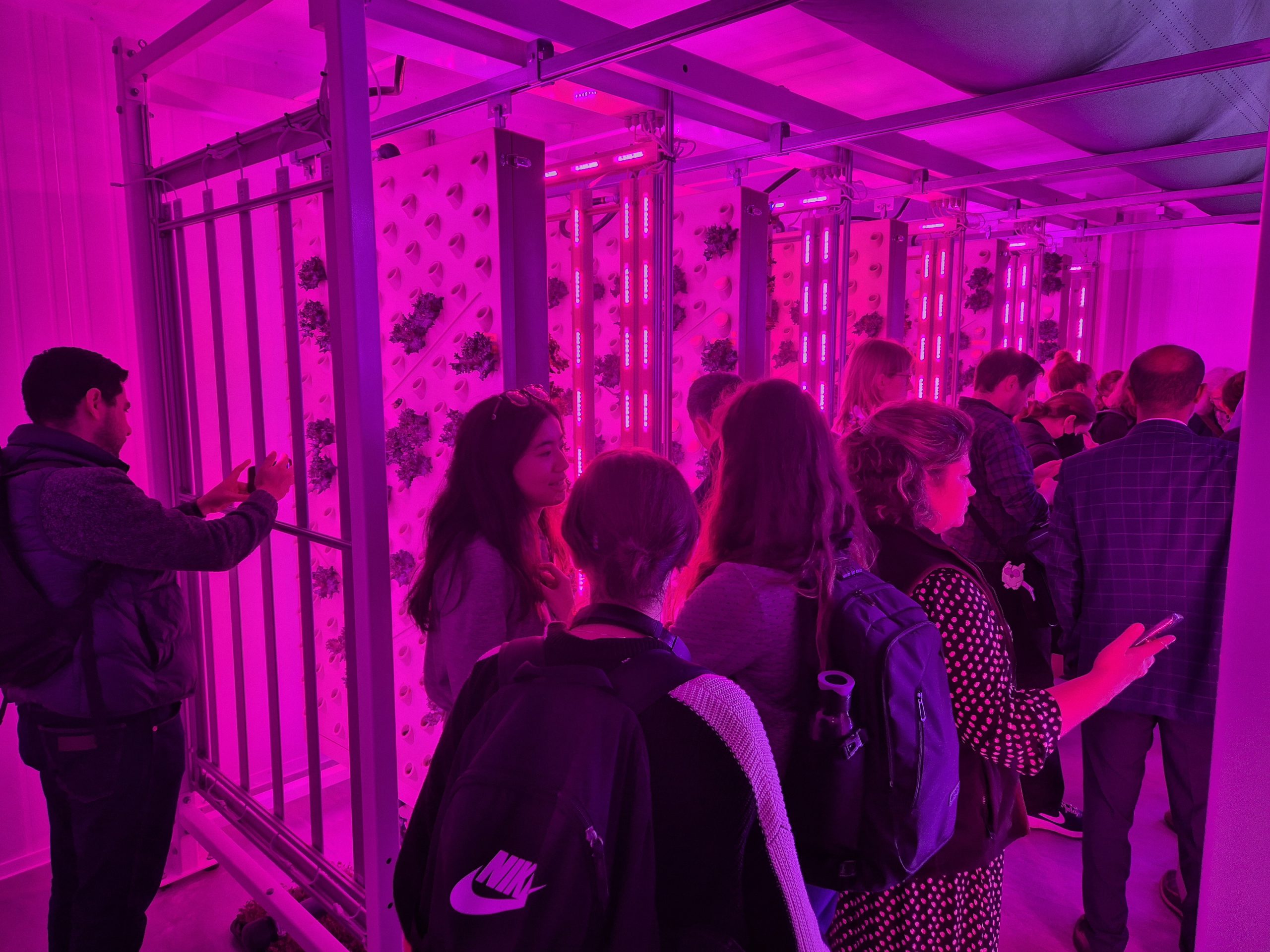
A visit to the newly installed vertical farm at the University of Essex and discussions into the role of vertical farming and controlled environment agriculture (CEA) in achieving a sustainable food production system – and how university research can help to accelerate its development in the 21st century.

There were live demonstrations of vertical farming technologies, and a discussion on addressing the skills gap in agri-tech.

Read summary from the day here.

Can Regenerative Agriculture get us closer to net Zero?
Friday, 8th November (Basis/Basis EAR/NRoSO - 3 points)

The regenerative agriculture movement has largely grown as a result of a focus on the importance of soil health to support farming system resilience. The focus has widened to include regeneration of biodiversity as well as a rediscovery of the role of biological cycles, alongside targeted use of inputs to support high-quality food production. It was therefore timely to explore the role of regenerative farming in the UK in the context of both adaptation of food systems to climate change and their role in the achievement of net zero.

Experts reflected on the issues and attendees discussed the next steps needed and what roles all stakeholders might play.

Read a summary from the day here.

Thinkable Studio & Gardin Selected for a Prestigious German Design Award

Member News
The views expressed in this Member News article are the author's own and do not necessarily represent those of Agri-TechE.

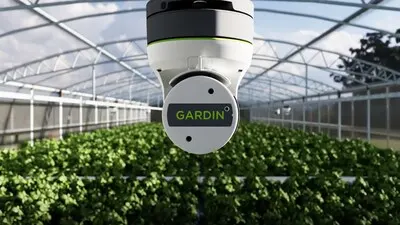
We are delighted to share that Thinkable Studio and Gardin have been selected for the prestigious German ‘Focus Open 2024 Baden-Württemberg International Design Award’ for Gardin’s revolutionary phenotyping platform.

Thinkable and Gardin received an honourable special mention for the design of one of the world’s most advanced agricultural technologies that helps to improve food crops, reduce resource usage and improves forecasting.

“This is one of those rewarding projects where you can see the impact of technology helping to heal and feed the planet! We are in the midst of an agricultural revolution and Gardin is leading the way in sensor technology for greenhouses, vertical farms and polytunnels.

In a wonderful partnership we designed and developed the Gardin sensor from concept into production between inhouse team and our friends at Gardin in a record 10-months.

We could not be more proud to be working again with Sumanta Talukdar and his talented team” Jorg Schlieffers, Managing Director, Thinkable Studio.

Andrew Hunter-Osborne, Director of Supply Chain & Operations says, “The success of Gardin to date has been built on very solid relationships with our both our strategic partners & customers alike.  The collaboration with the Thinkable team enabled us to realise concept to production against an aggressive schedule delivering our hardware to customers worldwide.  Thinkable not only designed a functional, stylish and robust product, but supported our wider manufacturing partners in ensuring a successful first build along with swift product certification. I look forward to working with Thinkable again in generating compelling hardware.”

The sensor will be exhibited at the awards ceremony in ‘Haus der Wirtschaft’ on November 7th 2024-Jan 25th 2025.

For more information please visit:

https://www.gardin.ag

https://www.thinkablestudio.com/en/gardin

  • *I have permission from the copyright holder to publish this content and images.

Ten ways agri-tech has changed agriculture

Agri-TechE Article
Agri-TechE

Starting a revolution

Agri-TechE conducted a review of the agriculture technology sector in 2014 to capture a baseline. At that time the industry was dominated by a small number of agri-suppliers, providing ever bigger machinery, delivering plant protection and inorganic fertiliser, supported by agronomy that achieved the goal of improving yields. But change was coming.

The UK Agri-TechE Strategy, announced the previous year, was the first time that an ‘Agri-Tech’ sector had been recognised by government and recognised as a means to improve productivity in the sector. The aim was sustainable intensification to produce “more with less input and environmental impact” and underpinned by funding directed at stimulating innovation.

The Agri-TechE Strategy identified that the ‘sector is diverse and complex, making it difficult for individual institutions to make connections and develop new partnerships.’

It was at this pivotal moment that Agri-TechE , an independent membership network, came into being with the support of its founder members and some charitable organisations. By bringing together a multi-disciplinary community underpinned by new sources of finance, innovation in the sector started to accelerate.


Ten years on the agricultural landscape it is very different – with many new players and types of agri-tech. We have picked out some of the radical ways that this combination has changed farming.

Smartphones are now ubiquitous on-farm and used for everything from data capture to remote control of irrigation. Visualisation from drones is replacing field walking and agri-robotics are starting to be used commercially for picking and packaging.

The sequencing of the wheat genome was a major breakthrough, followed by tools for gene editing. The Genetic Technology (Precision Breeding) Act 2023 was a major milestone.

A suite of technologies are now available for continuous, automated monitoring of each animal, enhancing health, welfare, production, and reproduction, as well as reducing environmental impact.

The need to reduce greenhouse gas emissions has created a new urgency for alternatives to reduce the reliance on fossil fuels.

The concept of the circular economy – where byproducts previously wasted are used as raw materials for a new process – has become more economically viable. Anaerobic digestion, solar farms, and growing crops for fibre and bioenergy are all creating new income streams for farmers.

Indoor farming has moved away from being a lifestyle statement to be scaled commercially. Although the learning phase has been long and the sector has been hit by the hype cycle, there are signs that the sector is moving into a new phase.

Insects were previously an untapped resource. The future of insects as human food in the UK may be uncertain, but circular systems now use black soldier flies to convert food waste into protein for animal feed and fertiliser. Other insect knowledge is creating artificial pheromones as deterrents and ‘impersonators’ as alternative pollinators.

The economic value of ecosystem services was recognised, driving the development of metrics and tools for accessing how the natural environment has been degraded or improved. This is the pre-requisite for asset management.

Over the last ten years a new ‘soil first’ approach to farming has encouraged rotations with novel crops and introduced new concepts such as minimum tillage, cover crops and the use of biologicals to enhance the natural processes.

The vision of a part-time farmer managing their land from the office is getting closer. The falling cost of smartphones and improvements in the cellular network has created the opportunity for real-time data capture and analysis, with the infrastructure emerging to enable ‘hands-free’ farming.

This top-down driver to reduce emissions is now moving through the agri-food value chain, creating an imperative for farmers and growers to evidence their credentials.


LettUs Grow and Valoya India partner to bring advanced aeroponic technology to India/Middle East

Member News
The views expressed in this Member News article are the author's own and do not necessarily represent those of Agri-TechE.

In an exciting partnership that will introduce aeroponic technology to India and the Middle East, LettUs Grow and Valoya India will combine their expertise to optimise crop production for indoor growers.

Valoya India is the second group to join LettUs Grow’s global partnership programme, which focuses on licensing aeroponic technology to key agricultural manufacturers around the world. LettUs Grow’s aeroponics has been shown to improve growth rates in comparison to hydroponic irrigation methods, as demonstrated in successful growth trials at Wageningen University’s R&D greenhouse facility, and more recently at Stockbridge Technology Centre in collaboration with CHAP.

Valoya India will licence LettUs Grow’s patented ultrasonic aeroponic irrigation systems and offer a turnkey building solution for vertical farming companies. This will allow growers to increase yields, improve the quality of their crop and minimise water use. LettUs Grow’s expertise in aeroponics alongside Valoya India’s world-leading manufacturing capacity will bring the benefits of aeroponics to the exciting emerging controlled environment agriculture (CEA) market in India, as well as the more established markets in the Middle East.

Valoya stands as a pioneer in research-oriented LED lighting solutions tailored for horticulture. Leveraging patented technology and a wide spectrum, Valoya’s solutions are crafted to maximize plant growth across various sectors including crop science, crop production (greenhouse, controlled environment agriculture (CEA), medicinal plants and vertical farming), even extending to unique applications like algae cultivation. With an impressive track record of over 700 plant trials spanning more than 300 plant species, Valoya has established itself as the industry leader. Strengthening its global footprint, Valoya operates subsidiaries strategically positioned in the USA and Valoya India (eAge Electronics Pvt. Ltd), each committed to catering to the specific needs of their respective markets.

India has been penned as one of the world’s fastest growing economies, with the agricultural sector being the significant contributor to its growth, and is the second largest producer of food grains, fruits and vegetables in the world. With climate change, water scarcity and soil degradation becoming a growing threat to agricultural development, CEA provides an alternative to traditional outdoor farming, which is dependent on using large quantities of water, fertiliser and pesticides.

By combining LettUs Grow’s state-of-the-art aeroponic technology with Valoya’s ambitious plans for turnkey vertical farming solutions, the partnership aims to strengthen and support food security across India, addressing the challenges posed by the changing climate and water usage. The partnership will also look to support the Middle Eastern CEA market, who face similar challenges and are striving to increase the amount of produce that is produced locally.

Charlie Guy, CEO of LettUs Grow, said: “India is primed to become one of the most exciting emerging markets for CEA, and this partnership marks another significant step forward in our mission to reduce the impact of fresh produce production across the globe, through careful innovation and collaboration. By working together with Valoya, we aim to empower farmers across India and The Middle East to improve access to fresh produce, allowing the agricultural sector to thrive, while still conserving precious groundwater reserves and resources.”

LettUs Grow and Valoya will conduct crop growth trials from a Valoya India labs based at eAge Electronics offices in Noida, UP, India. The focus will be to tailor the technology to the Indian market. This will also provide the opportunity for future collaborators, tech adopters and growers to see aeroponics in action.

“We are thrilled to partner with LettUs Grow to introduce their unique aeroponics to the growing CEA sector across India and the Middle East. Combined with Valoya’s cutting edge LED lighting solutions and spectrums for horticulture applications, we believe it could be an extremely beneficial and advantageous turnkey solution for all our clients.” said Dhruv Mahajan, Vice President at Valoya India. “We are very excited to conduct, observe and document the results of our combined trials and develop tailor-made solutions for a host of crops/plants suited to the India and Middle East Markets as a starting point to our collaboration.”

See more here


  • *I have permission from the copyright holder to publish this content and images.

Vertical Future listed as the #1 Controlled-environment-agriculture technology company globally in the “FoodTech 500”

Member News
The views expressed in this Member News article are the author's own and do not necessarily represent those of Agri-TechE.

UNITED KINGDOM: UK-based CEA technology and data company Vertical Future has been recognised as the number one CEA technology company globally in this year’s FoodTech500, a 35 position rise through the ranks compared to 2023. VF also ranked #12 amongst all companies globally in the food technology space.

VF designs, manufactures, and deploys intelligent autonomous CEA systems across the globe. The systems and the technologies within them are primarily used to improve food production, addressing key issues such as food scarcity, water security, population growth, and complex global supply chains. Increasingly, however, VF’s systems are finding their way into new use cases such as pharmaceuticals, nutraceuticals, integration with greenhouses, and even (as per recent news), research and development for application in outer space, working with NASA and the U.K. Space Agency.

2023 was a difficult year for the global CEA sector, encompassing many failed business models, negative press, and overall difficult market conditions. There were many reasons contributing to these market difficulties, including poor technology selection, over-expansion, the drying up of capital investment, rising interest rates, and a natural attrition rate given the relative lack of maturity of the sector and number of new market entrants who were insufficiently funded or chose the wrong business model.

Positive activity, including substantial capital investments in Q4 of 2023 followed by several large-scale deals in the U.S. and more broadly, have led to a more positive outlook on the sector. This is coupled with a continued rise for innovative solutions that address the impact of climate change and many other negative factors addressing the world today.

The independent recognition validates VF’s innovative, unique model, that has, since 2018, been plant science and technology-led, following VF’s initial phase as a vertical farming grower across London and the U.K. The achievement comes after eight years of hard work and pivotal strategic decisions, such as moving almost every operation in-house (including manufacturing), focusing on scale to achieve price parity, championing a science-led approach, and providing products and services to secondary markets.


FoodTech500 by Forward Fooding is the world’s first list of global entrepreneurial talent at the intersection of food, technology, and sustainability. Since its launch in 2019, it had over 9,000 applicants, reached over 180 countries, and amounted to $24,6 billion USD in investment raised by the winners. The ranking is based on business size, digital footprint, and sustainability practices.

Commenting on the achievement, Jamie Burrows, Founder and CEO of Vertical Futures, said:
“We are delighted with Vertical Future’s recent recognition as the #1 CEA technology company globally and #12 amongst the entire global Food Technology community on the FoodTech500 list. It’s the market telling us that our almost eight years of hard work, movement from being an operator to a tech and data company, and constant push to develop the best system and overall model have not been in vain. Strategic decisions combined with our hard work and top-of-the-range, innovative offerings are all factors that together make Vertical Future unique. Our journey is far from over.”

About Vertical Future
Vertical Future (“VF”) is a global CEA technology and data company, headquartered in London and founded in 2016. VF designs, manufactures, and deploys autonomous vertical farms across the world into multiple use cases, from food through to pharmaceuticals, and soon to be reforestation. VF’s fully integrated model is unique globally with a goal of contributing to healthier people and planet. VF has raised over £37 million of funding to date, has received over 12 Innovate U.K. grants, and operates with a team of over 60 staff across engineering, software engineering, plant sciences, operations, and commercial. To find out more about Vertical Future, go to verticalfuture.com.

Plants as biofactories – a high value opportunity for vertical farming?

Agri-TechE Article
Agri-TechE

Contributing his expertise to the workshop is Malcolm Skingle, Director of Academic Liaison at GSK, who has seen the evolution of natural products over many years. GSK has dipped in and out of plant-derived pharmaceuticals and used alkaloids as starting points for novel chemistry programmes.

Malcolm says the key challenges with natural products have been issues around purifying the active ingredients, and ensuring consistency of potency and yield: “The pharmaceutical industry has been fickle in the area of natural products as the yields have been low. However, the technology moves on and I have, through GSK and work with BBSRC, kept a watching brief on developments.”

Malcolm Skingle
Malcolm Skingle of GSK
White willow
Bark of the white willow was the original source of salicylates for multiple medicinal uses. The active ingredient is now synthesised as Aspirin.

Technologies developed at the John Innes Centre (JIC), a member of Agri-TechE , have been used by Canadian company Medicago to produce proteins for vaccines using Nicotinana Benthaminana (tobacco) plants as bioreactors.

The company used the technology to develop a COVID-19 vaccine candidate in collaboration with the Canadian government, using an adjuvant manufactured by GSK. Unfortunately, the first Canadian-made vaccine was rejected by the UN due to the involvement of the tobacco industry, however other plants – including the potato – also have potential as biofactories.

Dr Belinda Clarke, Director of Agri-TechE , observes: “The commercial exploitation of technologies developed at JIC show there is market potential for production of high value active ingredients in plant biofactories, but there are still many elements to be co-aligned, not least the regulatory environment.”

Adjuvants are a potential opportunity for biofactories – they boost the immune system and are a critical component of many vaccines, but only a few have been approved by the US Food and Drugs Administration.

HotHouse Therapeutics aims to explore this niche. It was spun out from JIC following a breakthrough from Professor Anne Osbourn’s lab that created an understanding of the biosynthesis of the vaccine adjuvant QS-21, used in vaccines for Covid 19, malaria, shingles, and RSV.

HotHouse Therapeutics

QS-21 is currently extracted from the bark of the Chilean Soapbark Tree and a single gram of the pure material costs more than $100,000. However, the tree bark also contains even more potent molecules that are present in such tiny amounts that they cannot be extracted at commercial scale.

HotHouse Therapeutics’ technology has the potential to synthesise these hyper-potent molecules in a biofactory, removing the need for extraction from wild trees and addressing a significant unmet need in the vaccine industry.

Martin Stocks, HotHouse Therapeutics CEO

Martin Stocks, co-founder of HotHouse Therapeutics, explains: “HotHouse Therapeutics has the capability of isolating and reconstructing entire biosynthetic pathways that generate metabolites/chemicals of interest, from plants or other organisms.

“We can not only produce a compound of interest in our plant biofactory but also modify the pathway to improve its properties.” The company views vertical farming technology companies as a key element for the future development of these innovations.

Tony Jones from OneNucleus comments: “By bringing together pharma and agri-tech we plan to explore the current obstacles and the innovations needed to help realise the potential of this exciting prospect.”