The Productive Landscape: NatureTech for Profit and Planet
How can technology enable delivery of food, nature recovery, and climate resilience - all at once? The Head of the Environment Agency is asked: what's the national plan for dealing with land use pressures, plus you’ll hear from technologists and land managers working on nature-based and tech-enabled solutions for water, soils and climate adaptation.

METOS UK virtual weather station offers accuracy without the hardware

Member News
Agri-TechE

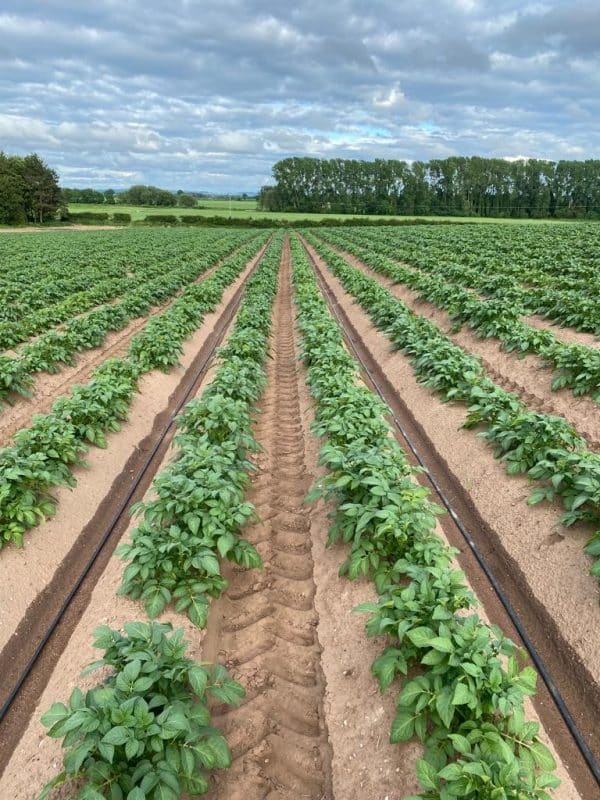
METOS UK will be showcasing its virtual weather station at LAMMA on 4-5 May in Birmingham, which offers simple, cost-effective weather forecasts and in-field weather conditions with no maintenance costs and no hardware. Plus, root crop growers can take a look at new sensor for monitoring storage environment conditions for potatoes, carrots and onions crops, and an in-field yield estimator app for potato crops.


LAMMA visitors will be able to get free weather forecasts for a month by signing up on the day or collecting a discount code from the METOS stand. The Virtual Weather station gives users access to all the tools in METOS UK’s digital platform, FIeldClimate, and seamless integration with third party software such as the John Deere Operation Centre,


The virtual weather station can be used anywhere on earth, fixed at one coordinate, and offers the same range of solutions as a physical weather station. It calculates all the essential parameters to support daily decision

making on-farm, and can help with work planning. Disease models are available as an added option.


For root crop growers, METOS UK’s blue tuber-shaped SolAntenna contains sensors to measure and

track temperature, humidity, and CO2 levels in-store. Suitable for use in potato, onion, carrot and other stored root crops, the live data from the sensors enables storage conditions to be assessed in real-time, with preventative action taken to prevent rots and quality deterioration.


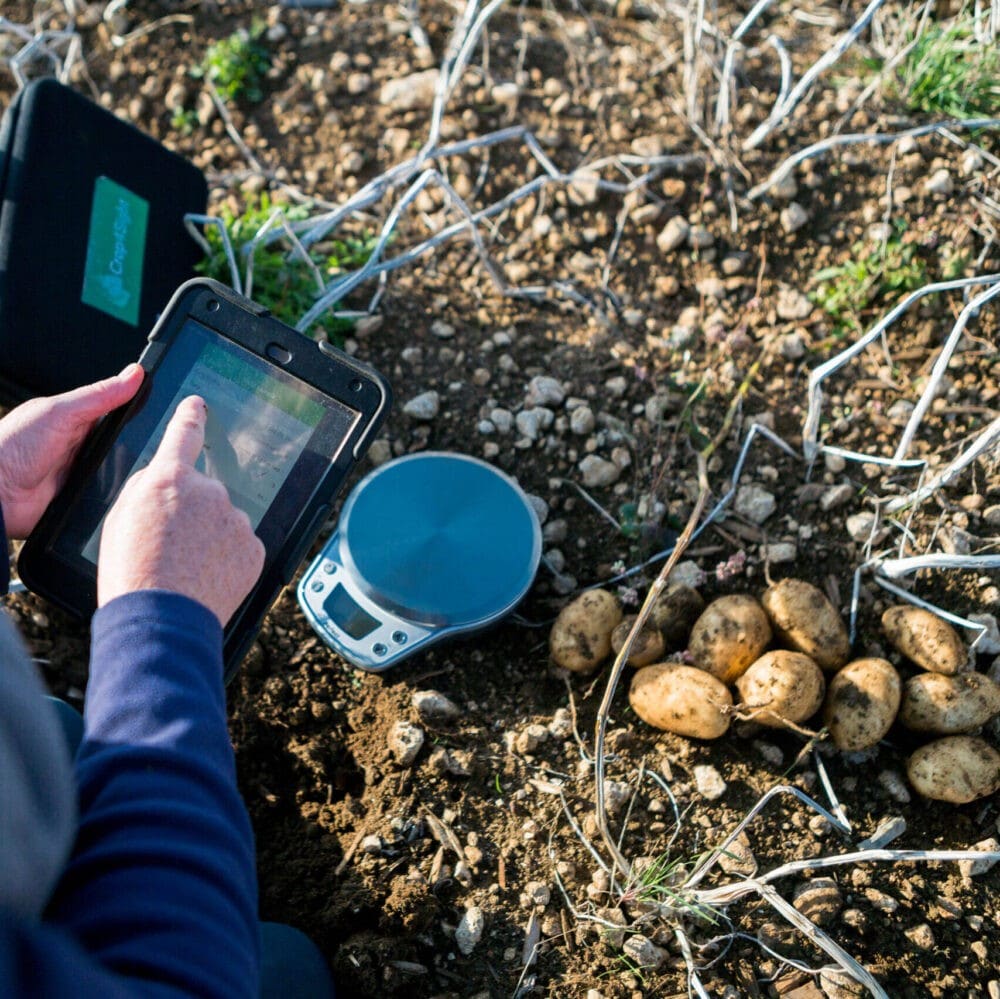
In the field, METOS UK’s SolGrader app will calculate the estimated tuber size distribution, overall crop weight, yield, and value of a potato crop, from a photo taken of tubers on a special blue mat.


METOS UK can be found at LAMMA in Hall 1, stand 11.140.

Need a seasoned CEO?

Agri-TechE Blog
Agri-TechE

Recent months have seen a noticeable increase in our smaller tech-focussed members seeking a seasoned CEO to help lead early-stage ventures through their next round of fundraising, or to bring commercial acumen and contacts to the business.

The challenges in sourcing labour in agriculture and horticulture are well-documented, but this month we are reflecting on the opportunity to attract experience and talent into the boardroom – as well as the field, pack-house or abattoir.

Need for Cs

This spike in the “need for Cs” can be considered an indicator of the success of the many agri-tech accelerator programmes and the efforts in Universities and research institutes to commercialise their research by spinning it out into new businesses.

As a result good CEOs with experience and a good network are in ever-greater demand.

While this is a nice problem to have (if you are a seasoned CEO!) it is proving something of a problem for the industry. SMEs are vital engines of innovation, but this needs sound leadership to bring good ideas to commercial reality or fruitful partnerships.

This isn’t a new phenomenon – the more mature pharmaceutical industry took many years before the emergence of the “serial” CEOs with a track record of securing investment and growing small businesses.

Opportunity for part-time CEO

Some companies are happy to have a part-time CEO – perhaps providing the opportunity for a portfolio career for someone looking to widen their interests and apply their talents across more than one business. Others are looking for a leader to perhaps succeed the innovator-founder and take the business to its next commercial inflection point.

There are some shining exceptions where experienced industry grandees are heading up new and growing UK agri-tech businesses, either in an executive or non-exec or advisory function.

But we need more of these individuals. Many more.

Increasingly we are seeing leaders from other sectors coming into agriculture to head up some of these businesses. While not professing to have the technical background of the founder CEO, they will bring vital experience of  growing companies in other sectors, and potentially a background in finance or investment.

Less need for technical knowledge

As the technologies serving agriculture and horticulture are becoming increasingly multi-disciplinary, the need for significant technical knowledge is less critical at the C-Level in a business. Indeed, bringing knowledge from other sectors, alongside commercial experience – may even be a benefit to a growing agri-tech business.

As companies begin to turn towards the agri-good sector as a new market opportunity, so their leadership is ready to be inspired and attracted to helping to build companies which can help deliver on a food security and a net zero agenda – which sits at the heart of a lot of agri-tech endeavours.

There is a long-list of businesses seeking CEOs – so if you’re up for the challenge we’d be delighted to connect you and suggest other talent pools to explore.

The talent is out there to lead the next generation of businesses – just not where you might traditionally be looking.

Don’t forget our Opportunity Zone features a range of roles, from Executive to Non Executive – you may just find your next role!

Report from Groundswell 2022 – regenerative farming on the rise

Member News
Agri-TechE
The views expressed in this Member News article are the author's own and do not necessarily represent those of Agri-TechE.

Reporting by Holdsworth Associates.

‘The FSA investigates food fraud – will there be an equivalent for fraud in carbon goods?’ asked the Food Tsar Henry Dimbleby at Groundswell 2022.

Speaking at the event, Defra Secretary of State George Eustice warned that farmers need to be careful before committing to carbon payment schemes. He advised that it was an embryonic market and farmers would be wise to seek legal advice before jumping on to a scheme, particularly around the exit strategy in case there was a need to renegotiate.

He was speaking in response to questions from the floor about how the market in carbon will be regulated and if indeed it will provide an additional income stream for farmers.

The Secretary of State agreed that it needed regulation and went on to explain that the Treasury was currently developing a ‘Green Taxonomy’, led by Richard Benyon, to create a common framework for investments that can be defined as environmentally sustainable and clarify what impact interventions have.

Support for sustainable farming

The minister stressed government support for a move towards more regenerative agriculture and announced that farmers would be able to apply for the Sustainable Farming Incentive from 30th June and that it would be a rolling programme, with no deadlines for entering or submitting paperwork. First payments would come three months after enrolment followed by quarterly payments.

Farmer Ian Davis, who is an advocate of regenerative farming, talked from experience when he said the transition to regenerative farming is risky for businesses, explaining that a period is needed where a drop in output allows nature recovery. He said he was struggling to see how this transition was being supported: “Regenerative farming is not prescriptive; you can follow the instructions to the letter without delivering the benefits,” he warned. “It’s more about the mindset, not just the practices – the ‘why’ not the ‘how’.”

Ian would like to see support for peer-to-peer learning, with those with muddy boots who have practiced regenerative farming providing the advice, and greater financial support during the transitional period to replace loss of income.

Land use management core to strategy

George Eustice was challenged on the decision to drop consumer-facing elements of the National Food Strategy proposed by Henry Dimbleby, such as reducing meat and dairy consumption by 30% and the sugar tax. The plan had taken a systems approach identifying key issues at the heart of food system, but this also meant it cut across many government departments, including health, with the buck stopping at the Treasury.

It was clear from the discussion that the Defra response was restricted to the elements of the Food Plan where it had autonomy, focussing on the transition to a more regenerative approach to farming and investment in technologies to mitigate environmental impacts.

Core to the government strategy is land use management. The SoS gave the statistics that the majority of food production was on a small part of farmed land, that there were opportunities to make space for the nature both through the way the land was cultivated and by increasing hedgerows and changes to land use on marginal land.

Eustice explained that a healthy farmed ecosystem does need the inclusion of some livestock in a lowland rotation for soil health and well managed pasture can be part of the solution.

“If the UK can make and share technological solutions with the rest of the world this can create global change.” He cited a number of projects that he had observed recently around the use of methane as a biofuel for adapted New Holland tractors; the development of feed additives that reduce the emissions; adoption of pasture-based systems for livestock rearing that reduce requirements for supplementary feed; and the opportunities for ‘off-land’ food production such as vertical farming.

“Adoption of a more regenerative approach to agriculture could be a model for the world,” he asserted. “We see the opportunity for sustainable agriculture and profitable food production.”

Accelerating Adoption fund delayed

Concerns were raised from the floor about delays in the ‘Accelerating Adoption’ fund which is aimed specifically at farmer-led innovation.

The fund aims to provide facilitation and funding for farmers and growers to connect with each other, as well as with researchers and businesses, to trial innovative technologies, processes and practices on-farm.

The Secretary of State addressed this and confirmed that the fund had been delayed as the department focussed on the Sustainable Farming Incentive (SFI), which opens for farmer enrolment on June 30th 2022.

Food pricing ‘elephant in the room’

Minette Batters, the NFU president, had promised at the outset to be on her best behaviour. She stressed the benefit of working with an agricultural minister that understood farming.

She commented that what was needed was a new economic model for farming – focussed not just on carbon but also reward for clean water and biodiversity – but that food pricing is the ‘elephant in the room’ that nobody is allowed to talk about.

She also stressed that the food strategy needed cross-party support, as farming and the environment needs long term approach.

She urged the minister to listen to the wisdom coming from the audience at Groundswell particularly around a soil first approach, which is the ‘answer to global warming and global feeding’.

And then she called to the community to lean in – “let’s do it, let’s work together”.

Exciting research on plant infections awarded a multi-million euro grant

Member News
The views expressed in this Member News article are the author's own and do not necessarily represent those of Agri-TechE.


The Sainsbury Laboratory have announced that their Executive Director, Prof. Nick Talbot FRS, and his research group were awarded a prestigious Advanced Grant of up to €2.5 million by the European Research Council (ERC).

This generous grant will allow the Talbot group to provide fundamental new insight into how valuable cereal crops are infected by the devastating blast fungus.

The ERC is the premier European funding organisation for excellent frontier research as part of the Horizon Europe programme and only 14.6% of the submitted proposals were successful.

Why do we need to understand more about the blast fungus?

Each year, the rice blast fungus Magnaporthe oryzae destroys enough rice to feed 60 million people. In addition, the fungus causes a newly emerging disease of wheat that now threatens wheat production in Bangladesh and sub-Saharan Africa.

Many of the world’s most serious plant diseases are caused by filamentous fungi such as M. oryzae. Annually, plant diseases claim up to 40% of the total world harvest and their control is vital to the development of sustainable agriculture.

This is particularly important in face of the climate emergency, as we need to quickly reduce the environmental impacts of our agricultural systems whilst providing more healthy food for a growing human population.

The Talbot group are renowned for scientific discoveries which have led to new insights into how fungal pathogens evolved the capacity to cause some of the worlds’ most important crop diseases, many of which target staple cereals such as rice and wheat.

Nick Talbot’s research group has also made contributions in the application of molecular genetics to study how fungi cause diseases. Because plant pathogenic fungi are so difficult to analyse experimentally, we know relatively little about the infection mechanisms of many of the world’s most serious cereal pathogens.

How does the blast fungus infect plants?

Magnaporthe oryzae shares an important feature with many other plant pathogens – such as rusts and powdery mildews – which allows them to infect their hosts. These pathogens use specialized cells called appressoria which generate immense pressure to breach the tough outer layer of plants (up to 40 times the pressure of a car tyre). This is one of the reasons why M. oryzae has become an important model organism for investigating the biology of plant disease.

The ambitious SEPBLAST project proposed by the Talbot group will draw upon their recent discoveries which have shown that fungal morphogenetic proteins, called septins, are essential for rice blast disease. Septins are pivotal to the function of appressoria as well as transpressoria (which are the infection cells of M. oryzae that invade host cells once inside the plant). Septins are key determinants of virulence but are still poorly understood in this context.

This project will lead to a completely new level of understanding of the role of septins in plant disease and will facilitate intervention strategies against many diseases that plague the world’s crops.

To secure future food supplies we need new and durable methods of disease resistance, either by deploying the immune systems of plants or devising new methods to prevent plant infection by micro-organisms.

Nick Talbot says, “I am delighted and honoured to win an ERC grant supporting high-risk high-reward science, to which we are strongly committed at TSL. We are very excited to learn more about the role of the remarkable septins during rice blast disease.”

President of the ERC, Prof. Maria Leptin congratulated the awardees from 21 EU Member States and associated countries, “By following their scientific curiosity, these senior researchers are pushing the frontiers of our knowledge in a wide range of fields.”

This article was originally posted by our partner, The Sainsbury Laboratory. You can check our their website here!

Overcoming the Challenges of Clostridial Engineering with CLEAVE™ technology

Member News
The views expressed in this Member News article are the author's own and do not necessarily represent those of Agri-TechE.

Non-pathogenic clostridia have promising utility for many different applications. This includes their use for recombinantly producing proteins that have historically been difficult to express, such as malarial proteins and other protozoal targets. However, researchers have long struggled to leverage these benefits, largely due to a lack of effective tools for manipulating the clostridial genome. CLEAVE™ technology overcomes the inherent challenges of clostridial engineering and has been cited in several publications for generating recombinant clostridial strains.

Why are researchers keen to exploit non-pathogenic clostridia?

A main reason for researchers’ interest in non-pathogenic clostridia stems from the fact that its use as a recombinant protein expression host offers several advantages over existing systems. Not only does clostridia have a rapid doubling time and simple growth media requirements, but it also has the ability to release protein products directly into the fermentation media, or in association with the spore complex, thereby avoiding potential host-toxicity issues. Additionally, because clostridia is Gram positive, using it for recombinant protein production eliminates the need for an endotoxin removal step, translating to higher product yields and reduced downstream processing costs.

How is CLEAVE™ used for manipulating the clostridial genome?

CLEAVE™ is a patented technology based on the endogenous CRISPR-Cas system, an adaptive bacterial and archaeal defense mechanism that functions by cleaving foreign DNA. Unlike other CRISPR-Cas technologies, which use non-endogenous expression of nucleases such as cas9, CLEAVE™ ensures high selection efficiency with no impact on cell growth, resulting in engineered strains free of undesired plasmids and antibiotic resistance markers. The CLEAVE™ approach also provides greater flexibility in target selection. Using CLEAVE™, researchers have been able to produce a broad range of gene edits, including in-frame deletions, single nucleotide polymorphisms (SNPs), new DNA insertions, and multiple targeted knockouts, all without introducing unwanted mutations into the clostridial genome.

Proven utility of CLEAVE™

While CLEAVE™ enables researchers to produce any desired genetic change in clostridia, its published applications to date have largely focused on manipulating solvent metabolism. Importantly, using clostridia for solvent production represents a more sustainable approach than established oil-derived chemical processes and promises to pave the way towards further industrial applications.

In their 2019 publication, Atmadjaja et al. used CLEAVE™ to manipulate the genome of the solventogenic clostridial species C. saccharoperbutylacetonicum N1-4(HMT), targeting the spo0A gene, which impacts on the microbe’s ability to sporulate1. Their data showed CLEAVE™ to be capable of producing SNPs, in-frame deletions, and DNA integration – something that was not previously possible with a single method. Subsequent studies (unpublished) have proven CLEAVE™ to support the synthesis of new products, ranging from primary metabolites to complex recombinant proteins.

Another study using C. saccharoperbutylacetonicum N1-4(HMT) for targeted gene editing with CLEAVE™ created a deletion in the gene gapN, which controls the cellular transition from acid to solvent synthesis2. Here, Monaghan et al. showed this strategy to expedite the switch to solventogenesis, suggesting it to be a viable approach to increase solvent production. Critically, the engineered strain exhibited no unexpected mutations, proving CLEAVE™ to circumvent the risk of off-target effects.

Most recently, CLEAVE™ was used to generate knock outs in several key genes required for solvent and acid synthesis3. By doing this, Baur et al. were able to convert C. saccharoperbutylacetonicum N1-4(HMT) into a butyrate producer, highlighting the utility of CLEAVE™ for multi-gene targeting.

To discuss how CLEAVE™ could benefit your research, contact us today!

References

  1. Atmadjaja, AN, et al. CRISPR-Cas, a highly effective tool for genome editing in Clostridium saccharoperbutylacetonicum N1-4(HMT), FEMS Microbiology Letters, 366, 2019, fnz059. doi:10.1093/femsle/fnz059
  2. Monaghan TI, et al. Deletion of glyceraldehyde-3-phosphate dehydrogenase (gapN) in Clostridium saccharoperbutylacetonicum N1-4(HMT) using CLEAVE™ increases the ATP pool and accelerates solvent production, Microb Biotechnol. 2021 Dec 19. doi: 10.1111/1751-7915.13990.
  3. Baur ST, et al. Increased Butyrate Production in Clostridium saccharoperbutylacetonicum from Lignocellulose-Derived Sugars, Appl Environ Microbiol. 2022; e0241921. doi:10.1128/aem.02419-21.

Innovate UK EDGE fortifies wine agri-tech’s commercial strategy

Member News
The views expressed in this Member News article are the author's own and do not necessarily represent those of Agri-TechE.

A UK agri-tech company that benefited from participation in Innovate UK’s Global Business Innovation Programme is now expanding in South Australia, a development welcomed by the State Government and Pernod Ricard Winemakers

Supported by Innovate UK, Deep Planet built a decision management tool that helps winemakers and growers strengthen climate change resilience, while also improving yields and reducing vineyard management costs. The tool, VineSignal, uses AI, satellite imagery and IoT sensor data to enable winemakers and growers to make better farming decisions, based on real-time information on factors such as grape maturity, vine health, moisture levels and disease outbreak predictions. 

Agri-tech GBIP to Australia

The Oxford-based company was identified as a high-growth company by Innovate UK and was accepted onto an agri-tech in Australia-focused Global Business Innovation Programme (GBIP), delivered by Innovate UK EDGE. It was then introduced to global winemakers, including eight of the top Australian producers, on the GBIP market visit to Australia in February 2020. 

During the visit, it attended the agri-food evokeAg conference and met with regional industry bodies and research organisations. This enabled it to develop VineSignal from the R&D stage to a commercial product that is now being used in key wine regions across the world. 

“We built an extensive network in Australia within a matter of weeks,” says Sushma Shankar, co-founder and CEO at Deep Planet. “The GBIP was instrumental in helping us gain market entry, going from pilot to commercial-scale and intensifying our research and development efforts.”

One of the early Australian adopters of VineSignal is the prestigious wine producer Pernod Ricard Winemakers. “Deep Planet has demonstrated some exciting capability in helping us to better predict yields, manage maturity and variability in our blocks. It’s definitely the way our industry needs to go to ensure we remain globally competitive,” says Philip Deverell, national viticulturist at Pernod Ricard Winemakers.

The global wine industry is worth $340.8bn, according to 2021 figures from Statista. But, climate change is having a negative impact on crop yields. Unseasonably high temperatures in France in early 2021, followed by heavy frosts, damaged up to 80% of French vineyards in most regions, according to the national wine union CNIV. And a recent study by the NASA Goddard Institute for Space Studies and Columbia University, predicts a significant reduction in the regions of the world that are suitable for growing wine grapes – up to as much as 56% if temperatures rise by 2°C, or 85% if they rise by 4°C. 

By using VineSignal, growers are able to predict and mitigate some of the impacts of climate change. “We help growers understand when to harvest, how to get the best yield, what the yield will be at the end of the season, and so on,” says Shankar. “We now have close to 40 customers, from SMEs to really large wine producers.”

Since being on the GBIP, Deep Planet has doubled its workforce from five to ten people, and is recruiting for four more roles. It plans to expand into other crops, starting with potatoes and cereal. It also plans to develop tools around automated disease, nutrition and carbon baselining.

Watch Deep Planet Founder and CEO, Sushma Shankar and Innovate UK EDGE Innovation and Growth Specialist, Eileen Modral, talk about how tailored support on strategy and IP along with participation in Innovate UK’s Global Business Innovation Programme in Australia accelerated its growth.

We are pleased to welcome SOLVEAT to the Trendlines portfolio

Member News
The views expressed in this Member News article are the author's own and do not necessarily represent those of Agri-TechE.

SOLVEAT headed by Udi Peretz, Zakhar (Zacki) Nudelman, PhD, MBA and Tal Naveh are developing the next generation of functional foods with active herbs to prevent disease and promote health.

Innovation Insights at Groundswell

Member News
The views expressed in this Member News article are the author's own and do not necessarily represent those of Agri-TechE.

Hear the Timac Agro talk in the Innovation Insights session at Groundswell 2022. Watch from 46.40

The Pulse Magazine Spring Edition

Member News
The views expressed in this Member News article are the author's own and do not necessarily represent those of Agri-TechE.

The Official Journal of the PGRO (link)

LEGUME TECHNOLOGY AND GREEN UNIVERSE AGRICULTURE ANNOUNCE NEW AGRI-BIOTECH ALLIANCE TO STRENGTHEN USE OF CROP MICROBES

Member News
The views expressed in this Member News article are the author's own and do not necessarily represent those of Agri-TechE.

Legume Technology and Green Universe Agriculture announce new agri-biotech alliance to strengthen use of crop microbes

Legume Technology, the British inoculant and crop biostimulant pioneer, has announced a link-up with the Spanish agri-biotech specialist Green Universe Agriculture in a bid to meet the growing demand for novel, sustainable inputs.

Described as an ‘alliance of equals’, the new partnership sees the two companies retain their independence while sharing knowledge and a strategic vision: to help farmers around the world increase agricultural productivity, while adapting to climate change and improving resource-use efficiency.

“Joining forces with Green Universe gives Legume Technology a tremendous opportunity to use new bacterial strains and novel technologies,” says Dr Bruce Knight, Legume Technology’s CEO and founder.

“Since Legume Technology was launched more than 20 years ago, our research-led ambition has been to expand understanding of soil and root microbes in everyday, large-scale agriculture, and identify routes for more widespread adoption.

“By striking this alliance with Green Universe, we can leverage the differences in the two companies’ approach to biotechnology. We can ‘turbocharge’ the development and roll-out of a new generation of agricultural bio-products, reducing our currently unsustainable overreliance on other planetary resources while cutting costs for growers by helping them reduce inputs such as artificial nitrogen.”

As an example, Dr Knight cites how Legume Technology’s products are currently seed-applied, in contrast to the crop-applied approach of Green Universe. Moreover, rather than the Legume Technology focus on crop/bacteria interactions, Green Universe products often exploit the effects of the secondary metabolites produced by bacteria – substances that can act as biofertilisers or biostimulants or even bio-protectors, removing the threat to crops’ yield potential posed by environmental stresses such as temperature, pH or UV radiation.

“This is a strengthening of the two companies’ portfolios,” says Ignacio Horche, the founder of Green Universe. “Together, we are more than the sum of our parts. The alliance will create new and exciting products, high-tech solutions that focus on maximising yield using micro-organisms.

“Crucially, the alliance allows us to expand the benefits of micro-organisms to more crop types. With a combined customer base reaching 50 markets around the world, there’s never been a better time to pool our expertise and use our contrasting approaches to transfer knowledge between different crops, sectors and markets.”

The alliance between the two companies will be known as the Green Group, acting as a vehicle for future acquisitions as opportunities arise. Legume Technology and Green Universe will each retain their current operating locations – Legume Technology in Nottingham, UK; Green Universe in Madrid, Spain – allowing a shared approach to product knowledge and technical support to emerge, to serve the interests and needs of distributors and end-users more efficiently.

For further information:

For Legume Technology For Green Universe
Agnese Kromane Alejandra Horche
Business Development Manager Business Development Manager
+44 7512 198846 +34 619 923 680
agnese@legumetechnology.co.uk a.horche@greenua.net

Better Origin raises $16million for insect mini-farms

Member News
Agri-TechE

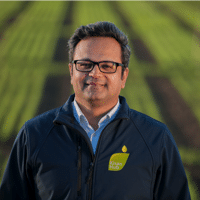
Fotis Fotiadis, CEO, Better Origin

Cambridge-based Better Origin, developers of AI enabled insect mini-farms that can fit inside shipping containers, has raised $16million in a Series A funding round.

Fotis Fotiadis, CEO and co-founder of Better Origin, says: “One of the biggest problems our generation will face is how to produce food sustainably and securely. Our solution is to localise the food supply chain and convert food waste back into food.

“We’re tackling a huge problem – the inefficiency of our broken food chain – but with support like this, we’re more motivated than ever.”

The $16 million funding round was led by UK investors Balderton Capital, with participation from existing investors Fly Ventures and Metavallon VC, and will be used to help the company scale internationally and grow the team.

“Fotis, Miha Pipan, and the Better Origin team are working to fundamentally change our broken food chain, for the benefit of everyone,” says Suranga Chandratillake, general partner at Balderton Capital. “Climate change, the pandemic, political tensions and our growing population have demonstrated time and again how fragile our current systems are. They’ve also shown how farming currently exacerbates the challenges we face and solutions so far are not leading to the wholesale change we need. Better Origin presents a new approach and we believe it can have a transformational effect on food and farming systems.”

More information about Better Origin.

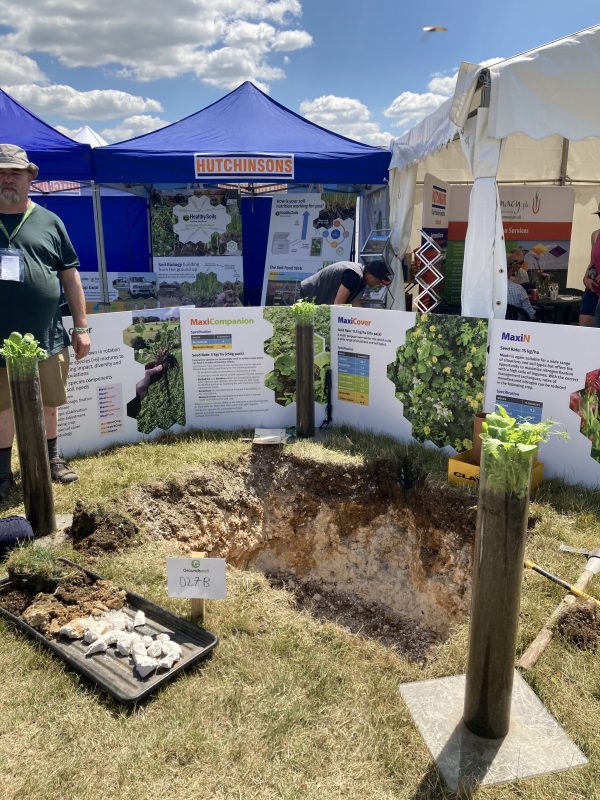
Baseline for soil carbon vital ahead of changes, says Hutchinsons conference chair

Meet the Network
Agri-TechE

There was an emphasis on soils at the Hutchinsons National Carbon Conference. “Many things we can do to reduce emissions make perfect business sense,” said chair of the conference, Gary Mills-Thomas, Arable Business Director at H L Hutchinson Limited.

However, before making changes, he, and others, advised farms to assess their individual carbon situation to identify areas to focus on and provide a baseline to measure changes against. TerraMap Carbon and Omnia Carbon management offer an ideal means of doing this.

Hutchinsons’ Head of Soils Ian Robertson said well-managed healthy soil fulfilled four functions:

1. Plant production
2. Carbon sequestration
3. Filter and buffer water
4. Biological habitat and diversity

Building Soil Carbon with Steve McGrath, Rothamsted Research

Healthy, well structured soil meant better crop rooting and improved nutrient use efficiency, potentially creating opportunities to reduce fertiliser applications while maximising yield. Healthy soils were also more resilient and could facilitate management changes that reduced carbon emissions, such as zero tillage, he said.

Cover and catch crops, plus regular organic matter additions are vital for feeding soil biology, retaining moisture, and improving structure and workability.

Steve McGrath, Principal Research Scientist at Rothamsted Research, agreed and said soil was important for sequestering carbon, but soil type and land use affected its storage ‘capacity’.

He explained that different soils had their own “saturation point” for soil organic carbon (SOC) and levels would gradually decrease if organic carbon inputs fell as material was degraded. Soils with high clay or fine silt content were good at protecting SOC, as it became bound to mineral particles.