The Productive Landscape: NatureTech for Profit and Planet
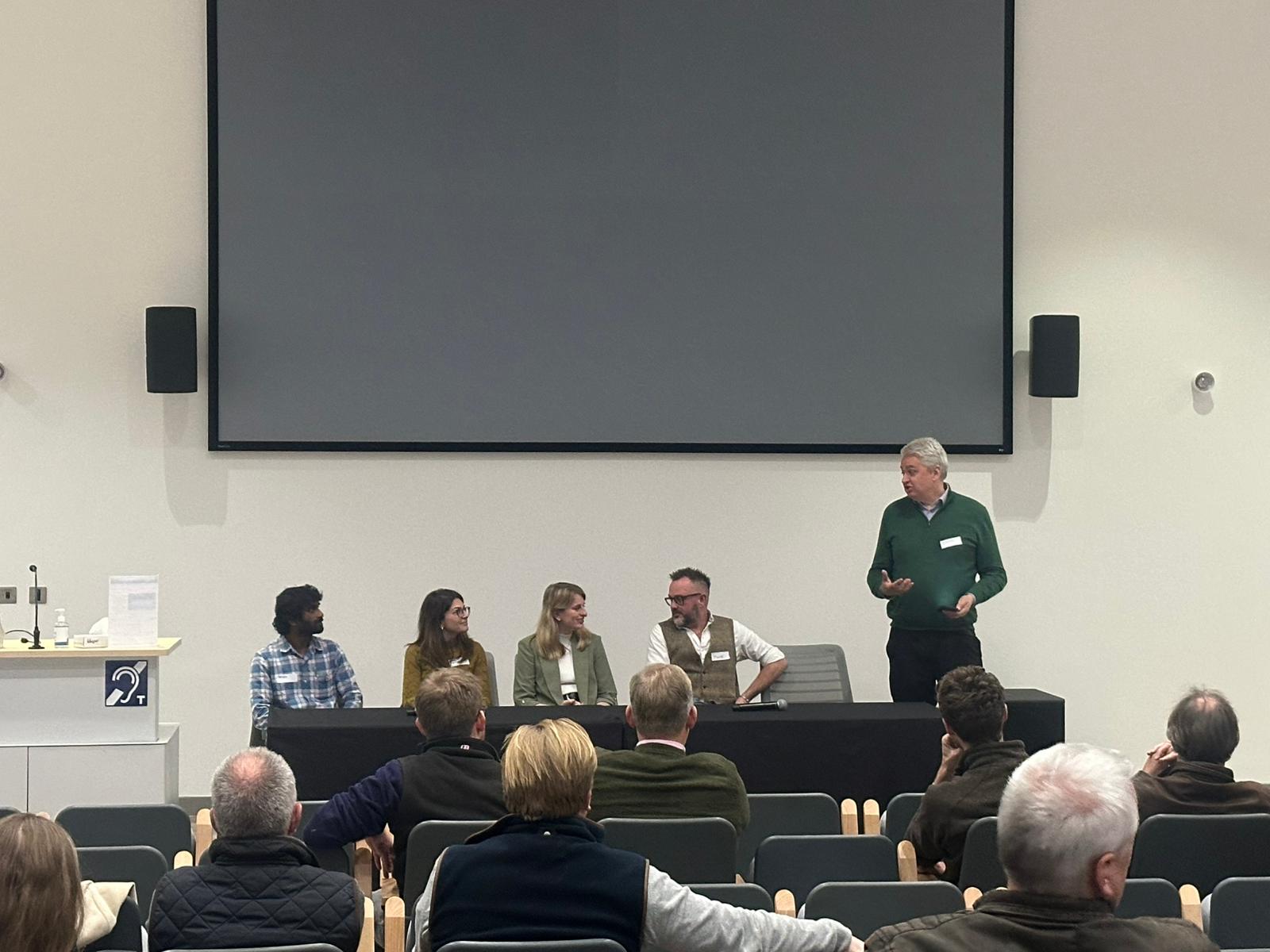
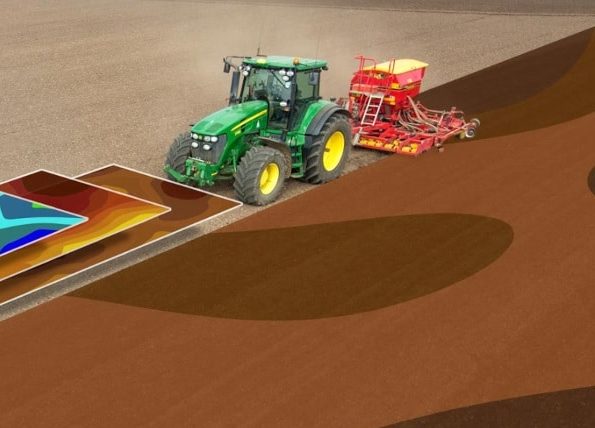
How can technology enable delivery of food, nature recovery, and climate resilience - all at once? The Head of the Environment Agency is asked: what's the national plan for dealing with land use pressures, plus you’ll hear from technologists and land managers working on nature-based and tech-enabled solutions for water, soils and climate adaptation.

Hutchinsons research reveals a digital transformation on-farm, defying the investors

Member News
The views expressed in this Member News article are the author's own and do not necessarily represent those of Agri-TechE.

“Investors don’t believe farmers will adopt digital technologies,” said George Marangos-Gilks, CEO of Messium. The City evidently hadn’t spoken to the hundreds of farmers that attended the Hutchinsons and Agri-TechE Connected Farming Conference 2024, observes Rachel Holdsworth.

A Slido poll quickly showed that George was in the right room.

53% of the delegates described themselves as ‘early adopters’, ready to be within the first wave. A further 29% were ‘innovators’, keen to try anything new at the first opportunity, and the remainder were ‘followers’, happy to let others try it first.

Messium’s satellite technology uses hyperspectral imaging to deliver improved yields with lower nitrogen inputs. Farmers contributing £300 to take part in the Messium trial will receive regular reports on the status of their crop, recommendations of when and how much nitrogen to apply, a discount on the service in the future, and a money back guarantee if not suitably impressed.

Trials on commercial farms in the UK and Australia have demonstrated that yield performance can increase with accurate knowledge of the plant health and weather forecasts. The pilot next summer is to further train the AI models, ground-truthing the satellite information against lab tests.

“Please have a look at the website and answer four questions while you are there,” George appealed to the room. “Investment is a massive issue; I need to show I have your support.”

The need for digital technologies to manage the challenges facing the industry was further supported by a Communagator survey commissioned by Hutchinsons. It gave a snapshot of the views of 200 growers on arable or mixed farms of over 100 hectares across the country.

The survey revealed significant penetration of digital technologies.

Half of respondents said digital technology is of increasing importance, rising to two thirds among the largest farms, with potential cost savings being a major driver, followed by yield improvement and efficiency. Three quarters were using autosteer technologies, whilst 40% were using variable rate fertiliser and seed applications.

John Deere’s platform GreenStar was the most widely used digital precision agricultural tool by some margin, with weather apps and What3Words also being used by the majority of farmers.

The desire to increase the accuracy and targeting for nutritional inputs, particularly nitrogen, was supported by the popularity of the AHDB Nutrient Management Guide and Hutchinsons’ Fieldwise Pro, both of which featured highly. 37% of respondents were using variable nitrogen applications.

Also apparent was the extent of the challenges facing farmers, with 72% citing concerns around climate change and a significant proportion anxious about profitability, with issues around end market prices, high cost of input, labour and economic uncertainty.

Three quarters of the farmers felt confident in using technology, but many said they were insufficiently aware of what is available, citing time needed for research and training as a major limitation.

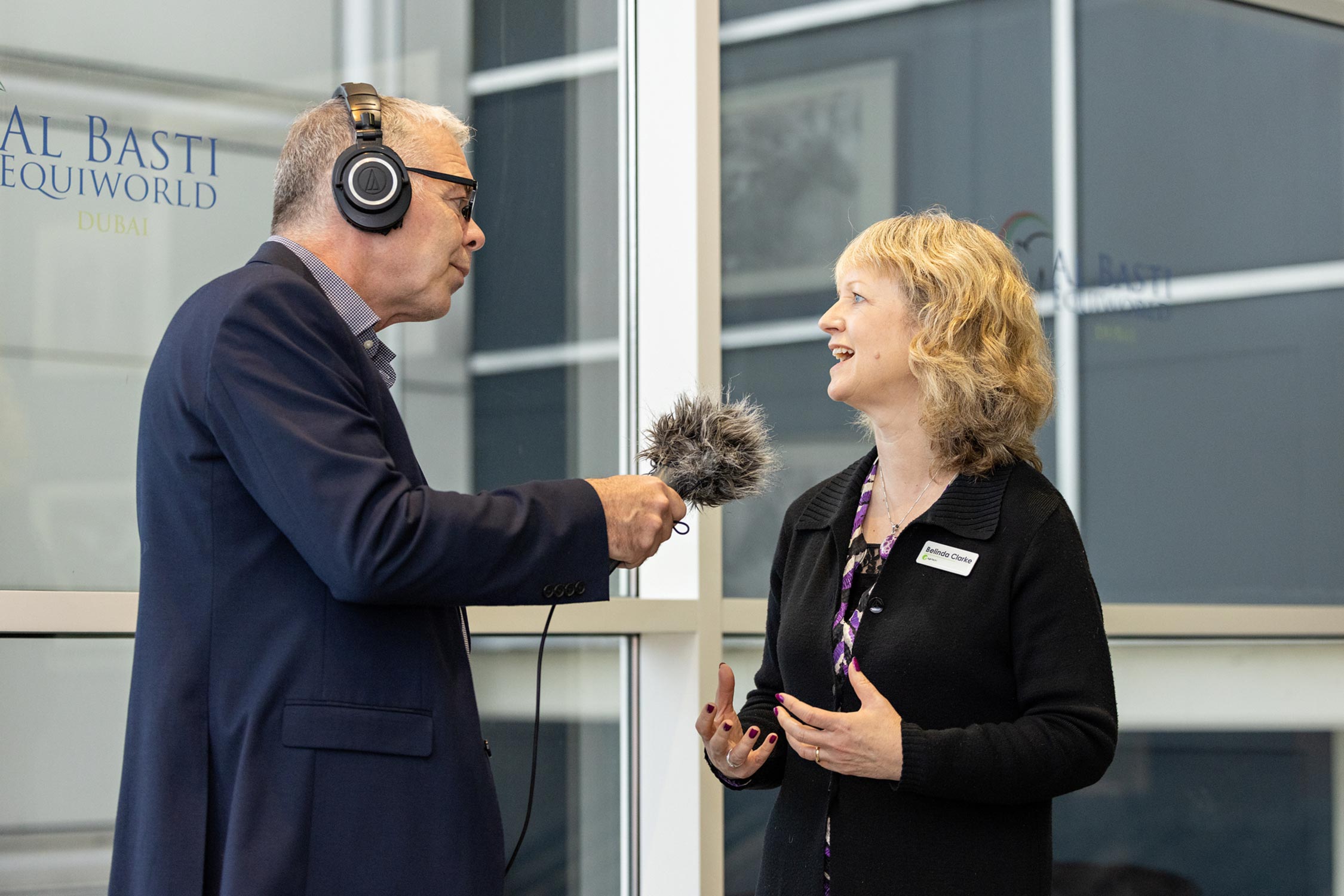
Dr Belinda Clarke, Director of Agri-TechE , addressed this, describing how its Farmer First programme provides a useful introduction to the emerging technologies.

For the field view, farmers Richard, Will and Tom expanded on their use of precision agriculture – describing the smartphone as a ‘digital toolbox’.

Of increasing value is the ability of tools to calculate the ‘cost to grow’, which provides information needed to know when it might be more preferential to release land from food production to SFI or indeed to diversify (one of the farmers had set up a profitable dog park and started an olive grove).
Managing green energy was another rich source of income generation/cost reduction, with digital technologies enabling a fine degree of control over how and when to use the grid to access cheaper energy.

With environmental legislation deluging the industry, a switch to renewables to reduce GHG emissions is becoming attractive on many levels – both to retailers and brands wanting to reduce their Scope 3 exposure by selecting suppliers with lower carbon footprint, and also, more recently, for farmers wanting to access a lower rate of interest on finance.

HSBC has introduced a new initiative that rewards companies reducing their environmental impacts with preferential interest rates.

The speakers accurately reflected the views of the delegates, with 38% of those at the event saying the prospect of better phone signal was getting them excited, followed by 22% who were anticipating driverless tractors and robots for planting and weeding.

David Hutchinson, Chair of the Hutchinson Group, concluded the event talking about how farmers don’t need complexity – the ability to enter data once and link it to an animal, crop, or field is in itself a major breakthrough. He accepted there are still real concerns over data ownership and sharing, but these are being resolved, and he looked forward to the next era of the digital journey.

  • *I have permission from the copyright holder to publish this content and images.

Muddy Machines acquires Key Assets and IP from Fox Robotics

The views expressed in this Member News article are the author's own and do not necessarily represent those of Agri-TechE.

Muddy Machines is excited to announce that it has successfully acquired the majority of key assets and intellectual property from Fox Robotics, including its farm logistics robots. This strategic acquisition positions Muddy Machines as the go-to provider of robotic vehicles for use on farms, diversifies the product portfolio, and allows the business to offer a broader range of solutions to growers. 

“We are thrilled to integrate Fox Robotics’ innovative vehicle into our lineup,” said Chris Chavasse, CEO of Muddy Machines. “Their technology aligns perfectly with our mission to solve labour challenges in horticulture with electric robots that carry out labour-intensive fieldwork and increase worker productivity.”

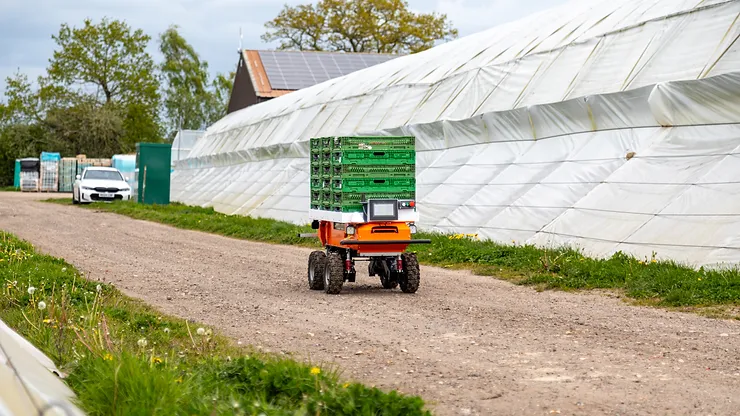
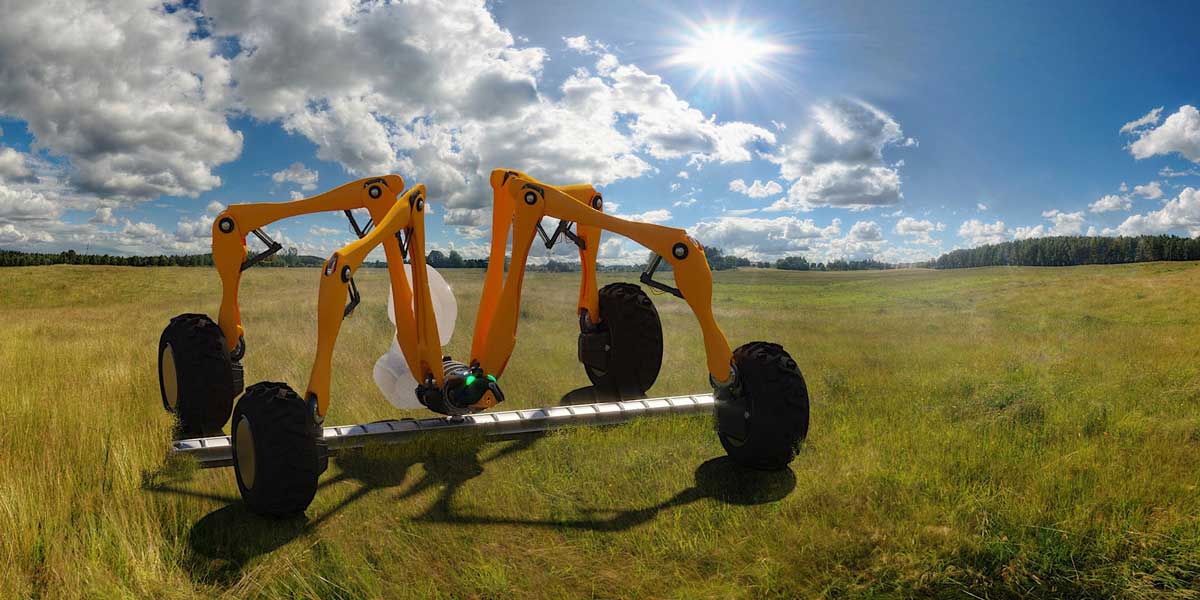
As part of the acquisition, Muddy Machines will rebrand Fox Robotics’ logistics robot platform to Squirrel. By diversifying our product portfolio, we can better serve the needs of growers. Squirrel complements our existing solutions by providing farmers with an efficient means to transport goods, supporting different parts of their workforce and operations.

With this development, Muddy Machines is entering a pivotal stage of its growth and is currently raising funds to accelerate delivery of its products to market. We welcome inquiries from investors interested in supporting advancements in agricultural robotics. For more information, please get in touch at hello@muddymachines.com.

About Sprout and Squirrel

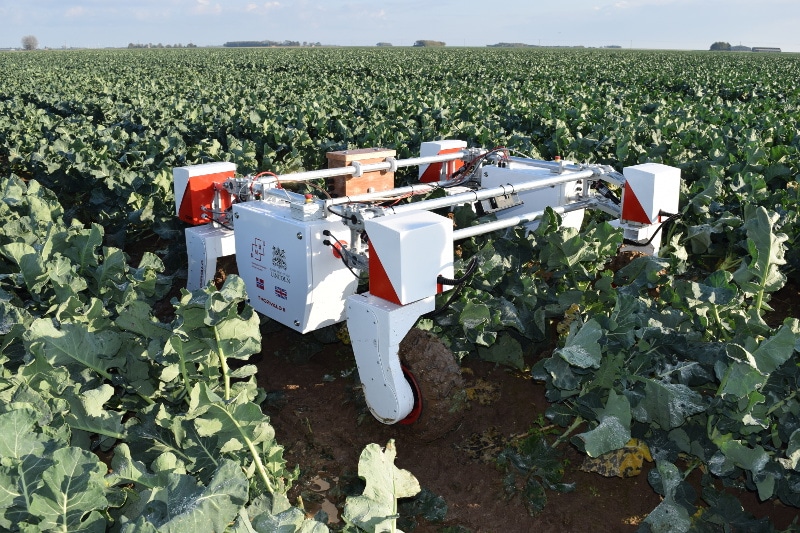
Sprout, Muddy Machines’ existing robot, is a precision agriculture platform for speciality crops grown in open fields. Its initial tool, a selective green asparagus harvester, was successfully trialled earlier this year. With partnerships in place, Muddy Machines is developing additional tools for precision weeding, planting and spraying. This versatility unlocks true precision agriculture and the cultivation of high-value field vegetables.

Squirrel expands Muddy Machines’ reach into the berry and fruit sector. Capable of operating both outdoors and in polytunnels, Squirrel addresses the unique challenges of berry and fruit farming. Initially serving as an autonomous carrier for heavy loads between workers, it increases worker productivity and addresses critical labour gaps in seasonal horticulture.

“By combining the strengths of Sprout and Squirrel, we’re offering a comprehensive suite of electric robotic solutions that directly tackle the labour challenges faced by the horticulture industry,” added Chavasse. “Our robots are designed to assist farm workers by carrying out labour-intensive tasks, making their jobs easier and more efficient.”

Addressing Economic Challenges

Recent increases in the minimum wage and National Insurance contributions in the United Kingdom have placed additional financial pressures on growers, squeezing profit margins and making it more challenging to sustain traditional farming practices. By delivering advanced robotic solutions like Sprout and Squirrel, Muddy Machines aims to alleviate this pressure, offering growers efficient and cost-effective tools that support farm workers.

“Our diversified product line will give farmers new tools to maintain productivity and profitability in the face of economic challenges,” said Chavasse. “We are committed to supporting the agricultural community with technology that solves their biggest challenge, the availability of labour.”

The integration of these assets will accelerate the development of our existing projects and expand our offerings to serve customers better. With the addition of Squirrel, Muddy Machines is now better equipped than ever to lead the way in agricultural robotics, providing the electric robots necessary for the future of farming.

For more information about Sprout, Squirrel, or to schedule a demonstration, please contact: hello@muddymachines.com

About Muddy Machines

Muddy Machines is a leading developer of electric robotic solutions for the horticultural industry. Founded in 2020, the business’s mission is to solve labour challenges in horticulture by providing electric robots that operate alongside farm workers, increasing productivity and carrying out labour-intensive operations.

For more information, visit www.muddymachines.com

Image Credits: Fox Robotics Limited and Muddy Machines Ltd

  • *I have permission from the copyright holder to publish this content and images.

The Rise of the Machines

Agri-TechE Blog
Agri-TechE

Artificial Insemination, Active Ingredients, and Artificial Intelligence – all these types of ‘AI’ have been transformational technologies for agriculture.

But one is poised to be the most disruptive of all… and it already has the brain power of a dog.

Just two years ago, Artificial Intelligence was deemed to be as smart as a fruit fly. It’s evolving at pace and is already embedded across much of our industry. As inventor and futurist Ray Kurzweil points out, we are on a trajectory to the so-called Singularity – where human AI exceeds human intelligence, and achieves things we humans can’t even understand.

An industry suited to AI

AI is well-suited to agriculture, which has traditionally relied on deep and specialist human knowledge. Farmers – almost subconsciously – have run their businesses by integrating thousands of data points to make decisions. But as ever-increading, overwhelming amounts of data are now being generated, some technological help is needed to bring it all together and make sense.

Ten years hence, agriculture will be super-charged by the power of AI generating new knowledge, and unprecedented insights – a huge opportunity for the industry.

“Will AI take our jobs?”

From innovations in crop breeding to crop protection, to continuous management of individual plants and animals, as well as irrigation controls, machinery management and even staff recruitment – AI is here to help.

It also enables prediction and modelling, de-risking costly decisions and creating new knowledge. But, as REAP keynote speaker Dr Elliott Grant pointed out at our recent REAP conference, the future will not see AI doing a version of what humans do today – it will be carrying out totally different jobs, with different business models.

We just don’t know what they will be – yet.

The “Faustian Bargain”

Deployment of AI is inevitable, ubiquitous and increasing – and now is the time to start implementing the lessons learned from the emergence of the internet.

And several big questions need urgent consideration.

The first is tackling the fact that AI can’t yet be designed to explain itself. It is, as Elliott Grant reflected, “like having a brilliant agronomist who can’t explain themselves.” Getting comfortable enough to trust it, is going to take a change in mindset across the industry.

Second, managing biases in the data is a massive challenge. It is critical to have a diversity of data – of different soil types, crop varieties, management practices – so the models can understand the full spectrum of scenarios the industry faces. The model needs to learn the importance of diversity across the industry to build resilience, rather than recommending every farmer do the same thing.

Third, the costs – both financial and energy expenditure. At the REAP farmer breakfast, it was pointed out that farm businesses should put a line in their budgets for data to enable cost models – i.e. including it in their cost of production models. From an environmental point of view, a ChatGPT query demands up to x10 more energy than a Google search and has a footprint of around 4g of carbon dioxide.

C0983_028
T4 robot in Soy field source Mineral.ai
T4 Robot in Soy field-source Mineral.ai

“Something to embrace, not fear”

We have had the internet in our lives for 30 years and life without it is now inconceivable. As one of the farmers at REAP commented: “It has inspired us to grasp the nettle of AI and embrace rather than fear what it could do for us.”

Is your business AI-ready?


To discuss this and more, Agri-TechE is hosting a workshop for agri-food businesses undergoing their digital transformation journey, in partnership with the School of Computing Sciences at the University of East Anglia and the DIGITLab programme. If you run a farming or agri-food business and are looking at how the emergence of the digital world will impact your business, you are invited to join us on December 12th to discuss more.   

SugaROx adds Third Innovation Award to its 2024 tally

Member News
The views expressed in this Member News article are the author's own and do not necessarily represent those of Agri-TechE.

This year has been a series of milestones for the SugaROx team.

Following our wins at the CorporateLiveWire Innovation & Excellence Awards and being named Agriculture Chemical Manufacturer of the Year, we are thrilled to announce our third accolade of 2024: the Innovation Prize at the Biostimulants World Congress in Miami.

This recognition celebrates our cutting-edge approach to crop stimulation, built on 25 years of research into trehalose-6-phosphate (T6P), a natural sugar critical for plant carbon allocation. Leveraging breakthroughs from Rothamsted Research and Oxford University, we’ve developed a plant-absorbable version of T6P.

The Biostimulants World Congress highlighted key industry trends, including the growing demand for differentiated, science-backed solutions like ours. With this award, we reaffirm our commitment to advancing sustainable farming in collaboration with industry partners.

Stay updated on our progress or explore partnership opportunities by connecting with our Business Development Director, Bianca Forte, or following us on LinkedIn.

  • *I have permission from the copyright holder to publish this content and images.

New agri-tech strategy and government support needed to maintain momentum

Agri-TechE Article
Agri-TechE

A refreshed government agri-tech strategy that helps unlock the potential of agriculture and horticulture to deliver multiple societal benefits is vital to build on the success of the first government agri-tech strategy from 10 years ago, according to a new report from Agri-TechE .

The organisation’s ‘Back to the Future’ report, marking 10 years of the not-for-profit membership organisation, provides a 360-degree overview of what is needed to maintain the momentum from the 2013 AgriTech Strategy. It reflects on both the successes and current challenges agri-tech faces.

Responses from over 70 contributors, including innovative farming businesses and estates, researchers and technology developers, investors, and technical and commercial service providers, shaped the report.

While there is much optimism for the next decade of agri-tech innovation, contributors also identify challenges, including a changed investment landscape, difficulties scaling solutions and businesses, a lack of secure revenue streams, and regulators failing to keep pace with innovation.

The responses clearly highlight the need for a new government agri-tech strategy, following on from the transformational strategy from 2013, says Dr Belinda Clarke, Agri-TechE director.

Belinda Clarke
Belinda Clarke
Director, Agri-TechE

“The 2013 strategy engendered a lot of fresh thinking, energy, external investment and innovation in the agricultural and horticultural sectors,” she says.

“But the sector is now in a very different place and needs new government focus to shape the future of agri-tech to enable it to help the sector meet new priorities.”

These include a much greater emphasis on climate-smart agriculture to reduce greenhouse gas emissions, and aligning on-farm productivity with environmental sensitivity to help reverse biodiversity declines and maintain clear water and air.

The government should also recognise that the sector delivers much more than just food and beverages; it also includes ecosystem services and industrial feedstocks such as biofuels, pharmaceuticals, and raw materials for textiles and construction.

“We need the new government to deliver a strategy for agriculture and horticulture that recognises the industry as a key component of our bioeconomy,” Dr Clarke says. “This, in turn, will inform a refreshed agri-tech strategy as one of the key enablers of unlocking the industry’s potential.”

Clear policies give clarity on the direction of travel and build confidence, she stresses. “Well-defined, long-term sector strategies can lever private investment and provide a roadmap for innovation success. A new strategy for the next decade is needed.”

Among the other challenges for agri-tech companies identified in the report is how regulation is failing to keep pace with innovation. An example is the lack of clear regulation for emerging trends, such as the use of biological products. For agri-tech developers, earlier engagement with regulators from the outset of innovation is vital, the report suggests.

Scaling solutions also remains challenging, which could at least be partially helped through more government support for businesses, potentially via contracts or subsidies to help boost nascent industries. Without secure revenue streams, markets can be tough to penetrate.

Equally importantly, agri-tech developers are struggling to calculate return on investments for farmers – vital information for farmers to decide whether to embrace a new technology. That is leading to some on-farm fatigue, the report reveals, along with some technologies and businesses failing to deliver on their hype.

“We need to stop promising farmers that a technology is going to change the world tomorrow,” Dr Clarke stresses. “While some farmers are happy to be beta-testers, the majority want reliability and seek solutions that will work the first time.”

Agri-TechE 10 Years Ebook v11
BTTF Featured Images (38)

The report identifies there is no shortage of new technology to help farmers in the future. From conversational artificial intelligence that will allow users to ask specific questions of their data – and get sensible answers – to sensors that help growers understand what plants need for optimum nutrition and performance, and genetic tools for breeding plants and animals with valuable new traits.

These and other technologies will potentially deliver solutions to reduce greenhouse gas emissions, reverse biodiversity loss and maintain water quality.

Developments such as satellite imaging and GPS navigation, clean energy production through ground source heat pumps and anaerobic digestion, innovative lighting solutions, livestock wearables and metagenomic sequencing of plants, animals and microbes show how farm agri-tech has come in the past decade, Dr Clarke says.

“The agri-tech community is collectively very optimistic about the next decade, but a new agri-tech strategy would give the granular clarity to inspire further transformative innovations,” she concludes.

You can read the full report and see all the contributions here.

AI Animal Care

Meet the Network
The views expressed in this Member News article are the author's own and do not necessarily represent those of Agri-TechE.

Animal health and welfare monitoring is essential for farmers and vets constantly striving to keep livestock healthy and productive. Traditional welfare checks often occur during periodic vet visits, providing only isolated “moments in time” assessments that can be subjective.

VetVision AI aims to address these limitations by harnessing innovative technology to deliver continuous, in-depth animal behaviour monitoring.

“We wanted to use technology sensors to make a positive difference to animal health and welfare,” says co-founder Charlie Carslake. He is a qualified vet who gained a PhD at the University of Nottingham before founding the firm.

After four years of development, the company now offers a computer vision system that simplifies the monitoring process and provides actionable insights for improved animal welfare.

VetVision AI’s primary product consists of AI-powered cameras designed for easy installation. The cameras require just one week of data collection to deliver insights, tracking behaviours like feed access, lying times, and comfort levels.

Data is analysed and linked to a dashboard, offering key performance indicators. Reports created are designed to help vets and farmers improve areas such as equal access to food, comfort and space usage.

Charlie highlights the technology’s accessibility, saying, “we’re focused on developing low-cost, low-infrastructure ways of gaining valuable insights into animal welfare.” The team aims to ensure that farmers and vets can readily adopt VetVision AI’s solutions without significant financial or technical barriers.

The cameras are portable and require only an SD card for basic operation, while 4G connectivity enhances their functionality, allowing real-time data transfer and analysis. This robust monitoring experience means vets can integrate the system seamlessly into their existing services.

Continuous monitoring enables farmers to showcase their commitment to high welfare standards, adding value to their products while meeting consumer expectations. Simultaneously, vets benefit from the ability to provide more precise, informed advice based on real-time data, strengthening their role in animal health management.

“Our goal is to enable better veterinary services,” Charlie adds, noting that the system offers continuous monitoring beyond traditional moment-in-time checks. “We see potential across species and have developed an equine monitoring product that gives owners and vets insights they can use to improve their animals’ wellbeing.”

By focusing on building algorithms with human expertise, the team ensures that the power of AI driving the system is harnessed for effectiveness and reliability.

In summary, VetVision AI is transforming animal welfare monitoring through advanced technology. With a commitment to accessibility and scalability, VetVision AI is poised to make a significant impact on animal welfare and the agricultural industry as a whole.

Coffee: Same, Same but Different

Meet the Network
Member News
The views expressed in this Member News article are the author's own and do not necessarily represent those of Agri-TechE.

Founded in 2023, Morrow is revolutionising the coffee industry by creating a sustainable alternative to traditional coffee – without using coffee beans.

Their innovative approach upcycles ingredients like fruit pips, peels, and seeds, transforming them into a beverage that “smells, tastes, and feels like coffee,” according to co-founder Anna Sophie Deetjen. The company addresses the environmental impact of coffee production by replicating the flavour and aroma of a traditional brew using domestic sustainably-grown crops.

With 3 billion cups of coffee consumed daily and demand skyrocketing, supply for traditional coffee is under pressure due to growers in the equatorial ‘coffee belt’ struggling to maintain yields amongst soaring costs and increasing climate impacts..

Coffee bean farming is resource-intensive, requiring vast amounts of water, fertilisers, and pesticides, contributing to environmental degradation. Moreover, the vulnerability of coffee crops to climate change and pests threatens the livelihoods of millions of farmers. Morrow aims to alleviate this pressure by providing a locally sourced, resilient alternative that is both sustainable and scalable.

Working with Dr Ian Fisk as technical director, the team applies world-leading flavour chemistry, data-driven research and biotransformation to address the environmental challenges of traditional coffee production.

pexels-lood-goosen-508841-1235706
C0983_241

By leveraging advances in food science, Morrow has recreated the complex flavour profile of coffee using their upcycled, more locally sourced ingredients. This innovation helps reduce the environmental footprint of coffee production and supports regenerative agriculture practices.

Now in the final stages of product development, the company plans to launch this year across coffee shops, restaurants and other direct-to-consumer channels. They will focus on building relationships with speciality coffee shops, eco-conscious restaurants, and food producers.

Morrow is also expanding offerings to include decaf and instant blends and exploring applications in desserts such as ice cream. By creating versatile products, the team aims to lead the emerging market for bean-free coffee alternatives.

Beyond product development, the company is building a network of partners across the supply chain. By partnering with maltsters, growers, and distributors, Morrow is committed to diversifying the coffee market, offering a sustainable solution that complements or replaces traditional coffee.

The team values consumer education and transparency, aiming to provide transparent information about how their products are made and their environmental impact. By engaging with consumers through storytelling, Morrow hopes to raise awareness about the coffee industry’s challenges and encourage sustainable choices.

As the company prepares for its launch, it is investing in research and development to keep improving its products. The team is exploring additional upcycled ingredients and experimenting with different roasting techniques to enhance flavour. They aim to keep up with consumer trends by staying innovative and ensuring their products contribute to a more sustainable coffee industry.

The company hopes to create a more resilient and sustainable industry that benefits consumers and the environment by reimagining how coffee can be produced.

Revolutionising Broccoli

Meet the Network
Member News
The views expressed in this Member News article are the author's own and do not necessarily represent those of Agri-TechE.

Broccoli presents a unique harvesting challenge. With a harvest window of as little as 24 hours due to weather and reliance on large teams of casual labourers for multiple harvests, growers face both high costs and significant waste. Inconsistent weather conditions can further complicate this, making it difficult to achieve steady yields.

Despite broccoli’s high value per hectare, labour costs and operational inefficiencies often result in low margin returns for farmers.

UPP (Upcycled Plant Power) offers a two-fold solution to these issues. First, they’ve developed an automated, patent-protected harvester powered by machine learning. This harvester selectively picks broccoli at its optimal time, reducing the need for large labour teams and minimising waste. With this innovation, farmers can optimise costs and reduce reliance on casual labourers while ensuring timely harvests.

The harvester will be offered on a rental model, making it accessible without heavy upfront costs. This addresses significant pain points for many growers and helps improve profit margins.

UPP’s second innovation transforms what would usually be considered agricultural waste (the broccoli cores) into high-protein, hypoallergenic ingredients. While most broccoli harvesting discards the stalk and core, UPP utilises these to create a protein that can be incorporated into food products like burgers, sausages, and smoothies.

Broccoli protein is a sustainable alternative to common plant proteins like soy and wheat, and is hypoallergenic. It also has a lower greenhouse gas footprint, making it an appealing choice for consumers seeking nutritious, sustainable foods.

One of UPP’s key target markets for their broccoli protein ingredient is the beef burger sector. By incorporating broccoli protein into burger patties, supermarkets and other retailers can offer healthier, more sustainable burgers to their customers with the added opportunity to reduce their Scope 3 Emissions.

With rising demand for plant-based alternatives, UPP’s broccoli protein offers a nutritious, low-cost solution for food manufacturers eager to meet consumer preferences for healthier, more sustainable food products.

In addition to the food market, this protein-from-waste process brings additional income to farmers from selling what would otherwise go to waste.

As UPP scales, they plan to process larger quantities of broccoli protein, increasing batch sizes from 50kg to 1000kg, allowing them to serve a growing market and boost income for farmers.

In summary, UPP tackles key challenges in broccoli farming by cutting labour costs, improving harvest efficiency, and reducing waste with their automated harvester. At the same time, they transform plant waste into a valuable, hypoallergenic protein source, providing farmers with an additional income stream.

By offering a rental model for the harvester and creating a sustainable plant protein, UPP is helping farmers increase profitability and contributing to a healthier, greener food system.

T’is the season to be… networked! 

Agri-TechE Blog
Agri-TechE

With life on arable farms slowing for the winter, it’s time for the plethora of events, trade shows and exhibitions to take centre stage in the agricultural calendar.

As we reflect on REAP and rev up for our stand at CropTec (it’s #1.350!), we’ve put together some thoughts about how to make the best use of events – either as an exhibitor or a delegate.  

C0983_119
C0983_183

Over the last decade the events landscape in agriculture has changed. Some events have expanded, some have contracted, there have been some new entrants on the events scene and some challenges to the model and formats of existing ones. Increased costs have also made exhibiting prohibitively expensive in some cases.  

So how to make the most of the agriculture event scene to leverage your brand and build your network? 

After 10 years of doing this, we have some advice to share. Here’s our top five tips to make the most of the time and resource you’ve invested in an event.  

1. Create a plan of action 

Whether you are an exhibitor or a delegate, what are you wanting to get out of it?

New business leads? Raising your profile? Industry insights and new knowledge?

Diarise your day – if there are talks to go to, schedule them in. Croptec has a range of panel sessions and discussions over three halls focussed on Innovation, Knowledge and Profit. 

2. Reach out in advance and schedule meetings  

Instead of wandering up to a stand and asking for your contact, reach out to the organisation beforehand, find out who will be on the stand (you might make some new contacts within the business) and arrange a time to meet.  

We’re booking individual time-slots at our CropTec stand, so we can have the most effective conversations to support your needs.

3. If something isn’t serving you well – stop doing it! 

At the World Agri-TechE Innovation Summit this year, a dull-ish session saw me swap the conference auditorium for the exhibition hall. This led to a chance encounter with Defra colleagues and a subsequent meeting with the Minister.

You’re only at an event for a short time – max out the opportunities.  

4. Managing FOMO 

At bigger events there is always something else going on. There will always be something potentially more interesting happening elsewhere, and you can’t be in two places at once.

If there are more of you in an organisation, split up to cover seminars and stands separately.

At CropTec, we have a team handling the stand while one or two others can visit other stands or attend a seminar. If you are on your own, just accept that you can’t be everywhere and revert to your plan – unless something really interesting pops up (like a Ministerial meeting!).  

5. Follow up, follow up, follow up 

The event itself is just the beginning. The real work comes with the follow up – reaching out to the people you met straight after the event – and then if you really want their attention, make a note to revisit the connection a couple of weeks later when the event excitement is over. 

Brief your colleagues about things you discovered, new insights you uncovered and the people you met. Scale the impact of your visit across the team. 


* Event resilience 

Events are hard work. Comfy shoes and a bottle of water are key, as well as snacks – as with one notable exception (yes, Groundswell, looking at you) food offerings can be patchy and certainly not always healthy.


Disclaimer! We aren’t sponsoring or sponsored by CropTec, but we are partnering them this year and are looking forward to attending. Come and see us – we’ll be coming to see you! 

20210623_090632
CropTec-black-logo civi

Researcher Reflections

Member News
The views expressed in this Member News article are the author's own and do not necessarily represent those of Agri-TechE.

As part of our “Back to the Future” project, we’re asking Agri-TechE members to reflect on how the agri-tech industry has evolved over the past decade and to share their vision for the next ten years. By compiling these insights, we aim to create a powerful outlook on the future of agriculture, a compelling call to arms for the industry driven by the diverse perspectives of our community.

This submission is part of the collection of reflections and predictions from our members, offering unique perspectives on the industry’s past milestones and future directions. Each contribution adds to a broader dialogue about the innovations and challenges that will shape the next decade in agri-tech.


Read the Full Back to the Future from UEA here

ATW 2024: Growing Expertise – Bridging the Skills Gap Through Research & Innovation

Member News
The views expressed in this Member News article are the author's own and do not necessarily represent those of Agri-TechE.

Agri-TechE Week 2024 celebrates its 11th year – our largest yet, featuring nine events curated by Agri-TechE and hosted by our incredible member community. This week exemplifies innovation, collaboration, and forward-thinking in agri-tech.

Each event reflects the strength of our ecosystem, fostering vital connections between growers, researchers, and technology developers. Thank you to our members for hosting and making Agri-TechE Week possible and showcasing what our community can achieve. 

Innovation Agritech Group (IAG) and the University of Essex proudly hosted this Agri-TechE Week event in collaboration with Agri-TechE . The event brought together leading minds from academia and the agri-tech industry to address one of the most pressing issues in modern agriculture—the skills gap—and showcased how university research and technology can advance sustainable food production.

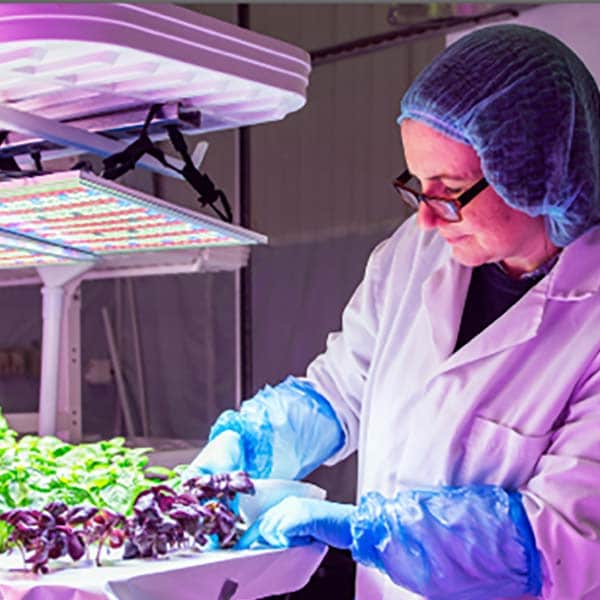
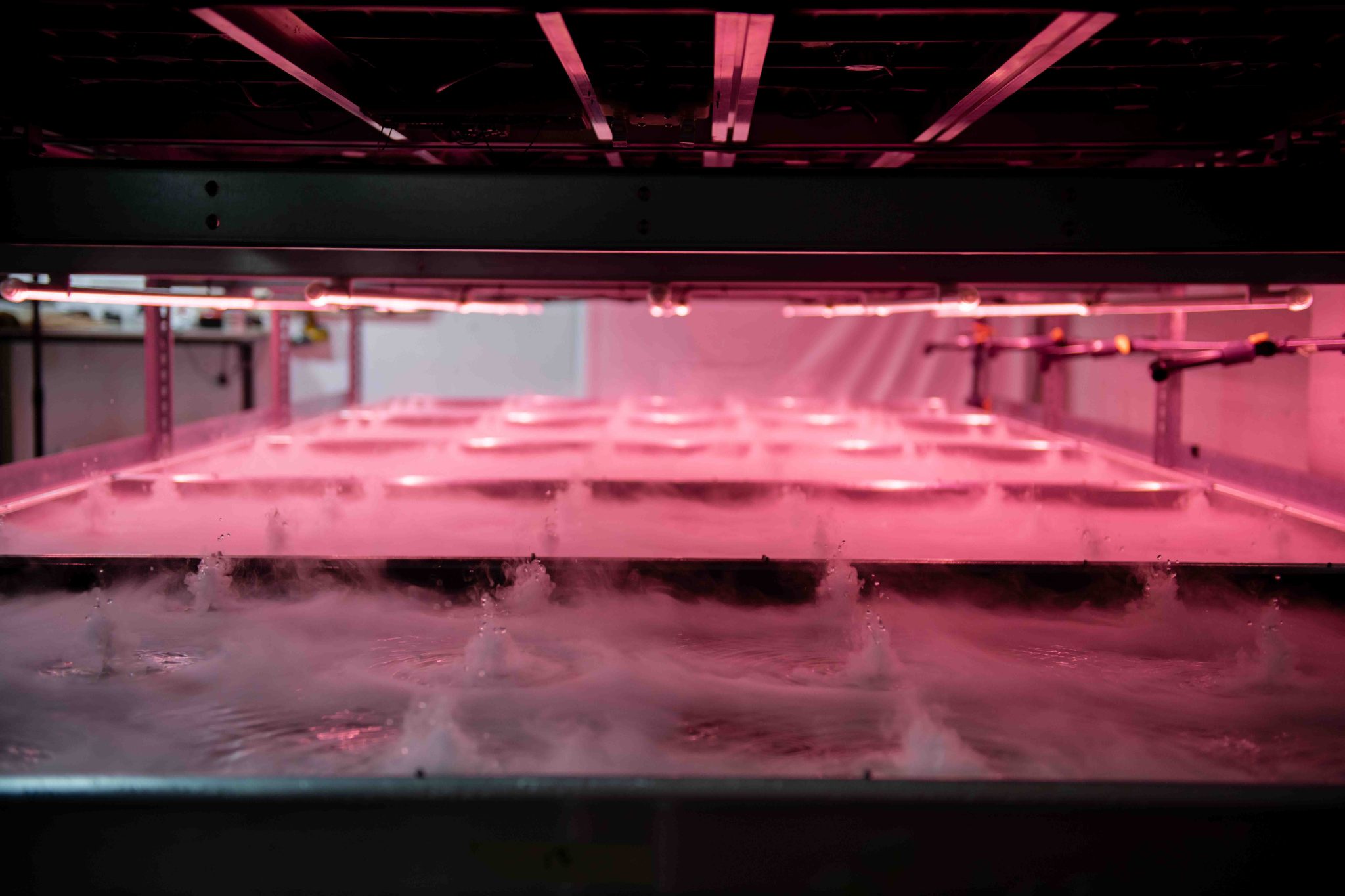
After a morning session hosted by Tracy Lawson, Professor of Plant Science at the University of Essex, guests were invited to tour the Smart Technology Experimental Plant Suite (STEPS) facility in the School of Life Sciences featuring IAG’s GrowFrame360™ vertical farming system. The vertical farm is key in the STEPS laboratory’s mission to develop climate change-resilient crops for a harsher future growing environment. This hands-on experience offered attendees valuable insights into how cutting-edge technology is practically being used in a research setting to address future food production challenges.

Following the tour of the novel facilities at STEPS, IAG’s Business Development Director Kate Brunswick welcomed a number of expert speakers to discuss the role that agritech systems, such as those demonstrated earlier, can play in agricultural education and the importance of bridging the skills gap.

Dr Laura Placzynski, postdoctoral research associate at Harper Adams University, delivered an insightful keynote on behalf of Professor David Rose, Elizabeth Creak Chair in Sustainable Agricultural Change at Harper Adams, on the trends in British sustainable food systems and the skills needed to keep up with technological change.

Oxfordshire mixed farmer Will Brown, 2023 Nuffield Scholar, shared valuable insights about his scholarship on vertical farming and how vertical farming can fit into agricultural production, research and training.

Kirsty Barden, Head of Business Development at Management Development Services (MDS), discussed the skills gap in agriculture and how her organisation is helping to bridge it.

Lastly, Professor Tracy Lawson delivered a presentation overviewing the STEPS lab’s role in agricultural education and the benefits of installing a vertical farm within an educational institution.

The event wrapped up with an open panel discussion and Q&A session chaired by Kate Brunswick, where the keynote speakers were joined by IAG’s Lead Plant Scientist, Dr. Deepa Haridas. This interactive session allowed attendees to ask questions, sparking discussions on the essential combination of innovation and education in agri-tech. Key themes included the importance of equipping future agri-leaders with both practical skills and theoretical knowledge to navigate an evolving industry and a changing world.

Throughout the day, attendees enjoyed multiple networking opportunities, connecting with peers and industry experts who are shaping the future of agriculture. The event underscored the value of collaborative efforts between academic institutions and industry partners like Innovation Agritech Group in bridging the skills gap and fostering sustainable food production solutions.

The event highlighted the urgent need to attract new talent to agriculture, especially as 35% of the current farming workforce is over 65. Agri-tech’s modern, tech-driven environment could be instrumental in engaging younger generations, with vertical farms and advanced technology making agriculture more appealing and accessible. Re-educating the public on the diverse, high-tech career paths now available in agri-tech such as engineering, project management, and design can help dispel outdated stereotypes about the industry.

Supporting agri-tech in education, including integrating vertical farming and Controlled Environment Agriculture (CEA) into academic programs, offers hands-on experience and exposure to cutting-edge methods. These setups allow researchers to conduct experiments more efficiently, and with government support, could become a foundational part of agricultural education. Vertical farming, while not a replacement for traditional agriculture, can complement it by supporting niche crops and advancing agricultural research.

This Agri-TechE Week event not only highlighted the critical role of agri-tech  in advancing academic research but also demonstrated how initiatives like IAG Educate and the GrowFrame360™ system are contributing to a skilled, knowledgeable, and capable future workforce. While changing perceptions around careers in agriculture requires ongoing effort, events like this highlight tangible steps to attract the next generation. By incorporating more agri-tech solutions into educational institutions, we can inspire young minds and move toward a sustainable future in agriculture.

ATW 2024: Exploring the route to net zero; what role regenerative agriculture?

Member News
The views expressed in this Member News article are the author's own and do not necessarily represent those of Agri-TechE.

Agri-TechE Week 2024 celebrates its 11th year – our largest yet, featuring nine events curated by Agri-TechE and hosted by our incredible member community. This week exemplifies innovation, collaboration, and forward-thinking in agri-tech.

Each event reflects the strength of our ecosystem, fostering vital connections between growers, researchers, and technology developers. Thank you to our members for hosting and making Agri-TechE Week possible and showcasing what our community can achieve. 

The regenerative agriculture movement has largely grown as a result of a focus on the importance of soil health to support farming system resilience. The focus has widened to include regeneration of biodiversity as well as a rediscovery of the role of biological cycles, alongside more targeted use of inputs to support high quality food production. It was therefore timely for this workshop to explore the role of regenerative farming in the UK in the context of both adaptation of food systems to climate change; and encompass the potential role of farms in the bioeconomy and the potential to achieve net zero.

Dr Lydia Smith welcomed all to Niab and the workshop; handing over to Dr Belinda Clarke (Director of Agri-TechE ) to highlight its place in the week of Agritech events across the region. Belinda noted that the event was well supported, as were all over the week. She encouraged join in discussions during part two, to identify possible next steps needed.

Dr Smith introduced the Centre for High Carbon Capture Cropping (CHCx3). This four-year, multi-partner project, led by Niab, aims to help UK farmers and growers target Net Zero through carbon capture and reduced emissions. Looking at building farming resilience through diversifying arable and forage cropping. It will contribute to considering revenue sources through carbon marketplaces and supporting enhanced value chains for industries such as textiles and construction.

The purpose of the day was to explore the potential for regenerative agricultural strategies that might provide a route to Net Zero.

Liz Bowles (Farm Carbon Toolkit) highlighted actions needed, both to increase soil carbon sequestration and to reduce carbon emissions on farm. She highlighted the importance for agriculture and food systems of considering all greenhouse gases (GHG, including carbon dioxide, nitrous oxide and methane). Liz summarised the evidence base for a range of regenerative farming practices and their impacts on farm finances, GHG emissions, and ecosystem services; highlighting that evidence was often patchy, but that key principles can allow farmers to make a difference. Liz highlighted some positive benefits of transition to regenerative practices but that these were site and system specific.

Andrew Ferguson (Leckford Estate, supplying Waitrose) gave an absorbing case study describing how he and his team have been using evidence from their own farming practice and its impacts to drive forwards more regenerative practices. They aim to improve farm resilience and help Waitrose meet net zero commitments, whilst providing financially viable farming. In the dry summer of 2023, they saw many benefits from using herbal leys, compared to grass leys in giving more durable forage supply. These fields with higher soil organic matter levels then gave higher cereal yields, partly due to better soil moisture retention.

Dr George Crane (Yara Growth Ventures) described the role of investment in start-ups and in venture capital funds in bringing new science and technology to the food and agriculture industry. He highlighted how investments can make new products and services available (e.g. biological soil improvers, methane-reducing feed supplements, autonomic machinery, etc). He discussed how new monitoring and verification systems would be needed to make Carbon Trading affordable and accessible. He highlighted the importance of developing clear Supply Chain Traceability e.g. products coming from regenerative farm systems for consumers.

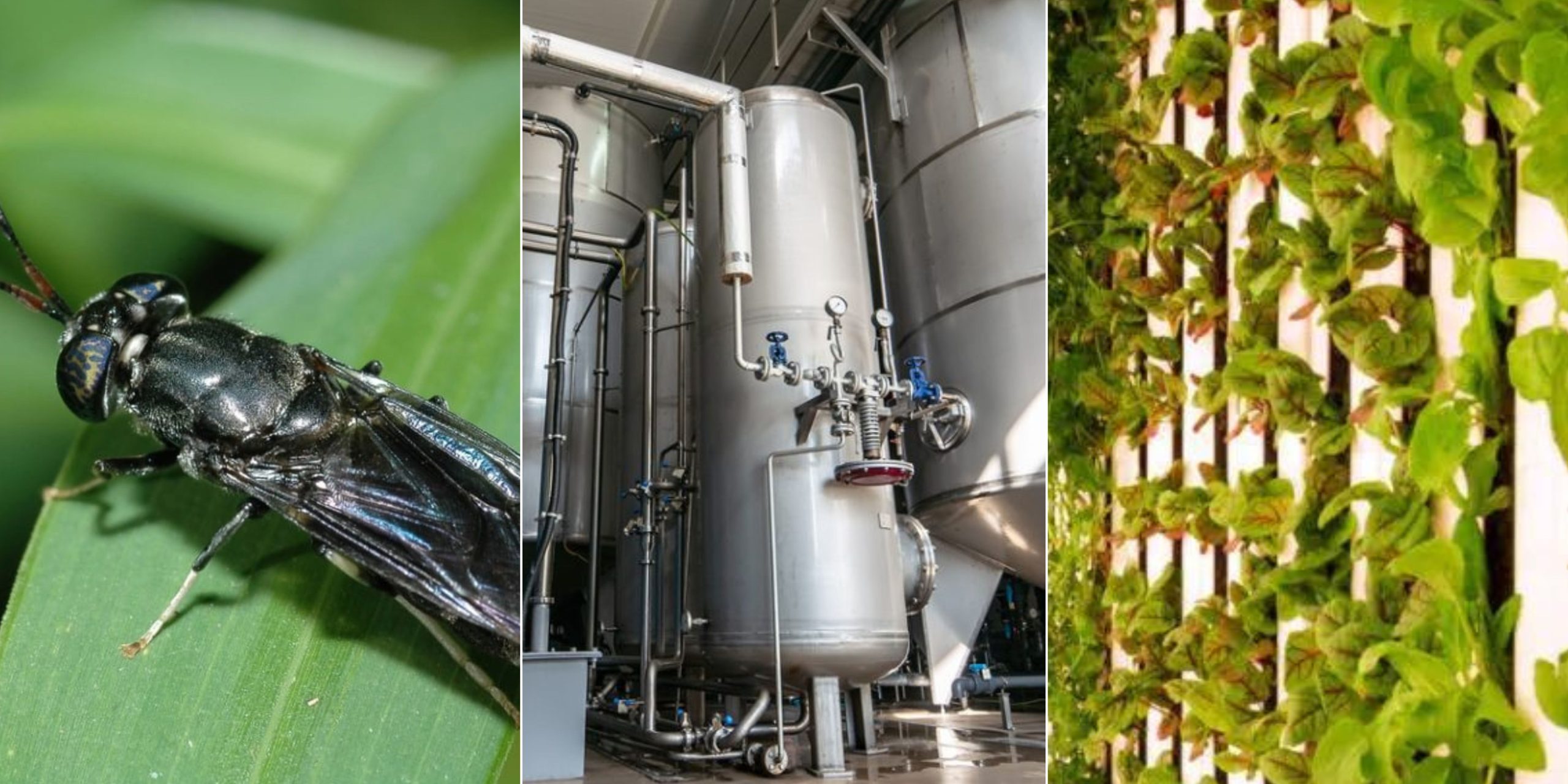
Miha Pipan (Better Origin Ltd) described how insect farming can provide one circular approach can providing new opportunities in waste valorisation. He explained how certain waste produce can be converted into black soldier fly larvae; which can be used for feed and potentially food. He highlighted the sustainability benefits of a circular food waste system, but also considered challenges encountered in scaling up, accessing capital, and navigating very difficult legislation.

Dr Stéphanie Swarbreck (Niab) explored the role of improved nitrogen (N) use efficiency on the pathway to net zero. She described how variety selection and pre-breeding activities will support regenerative farming systems. Some new characteristics of varieties are being considered including N requirements and efficient utilisation, whilst minimising emissions of the potent GHG nitrous oxide. She also considered weed competitiveness, and crop establishment following direct drilling.

Discussions in three rotating groups then discussed knowledge gaps and economic considerations relating to the opportunities for farmers in the bioeconomy and in the potential for achieving net zero.

The new crop opportunities group discussed which alternative crops had potential, legumes (especially soy and lentil) leguminous forage species including lucerne and sainfoin; fibre crops such as hemp and flax; and perennial and mixed cropping, such as, agro-forestry, and agro-floristry systems. They considered options that consider both food and financial security of farmers, but that enable regenerative practices. The group looked at incentives to enable this and identified mainstream funding and more local focused initiatives such as Powys’s Our Food 1200 project). The group also considered that value chains, market development, and international co-operation, will help to drive these changes post-Brexit.

The arable group discussed whether crop choice could improve rotational N-use efficiency, noting that integration of legumes within the system was key. It was noted that it is important to consider the value of break crops across the whole system, rather than solely in terms of their own profitability. The group also identified other under-utilised crops/varieties, such as hard red wheats and noted that farmers (and their advisors) often lack all-important agronomic strategies needed to integrate these crops into rotations.

The forage / perennial ley group considered whether grassland can be incorporated into both livestock and arable systems. They discussed the need for focussed breeding for species in optimised forage and grass seed mixes. They considered whether heritage varieties might help in activities to breed lines with greater N-use efficiency; suggesting that knowledge from more extreme growing environments might be useful. There should be caution that success should be determined by the most appropriate metrics rather than those most easily measured.