The Productive Landscape: NatureTech for Profit and Planet
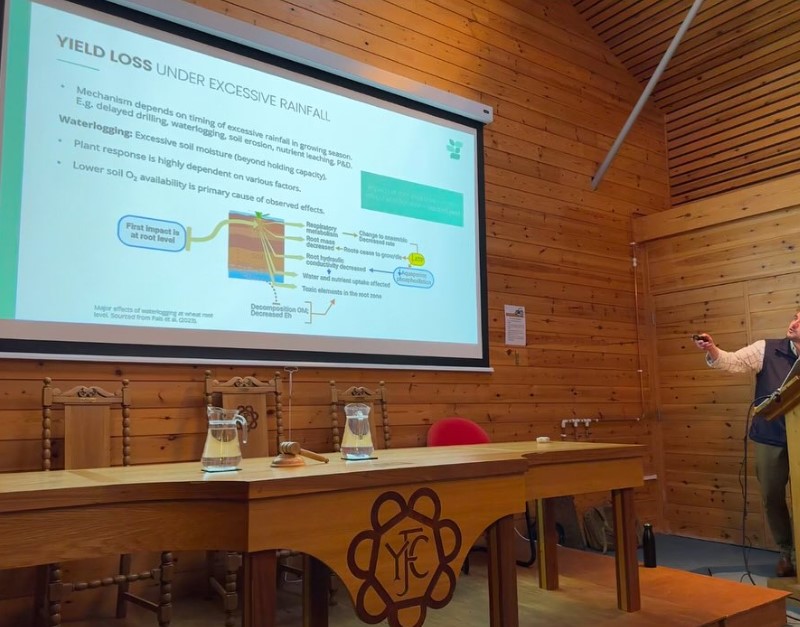
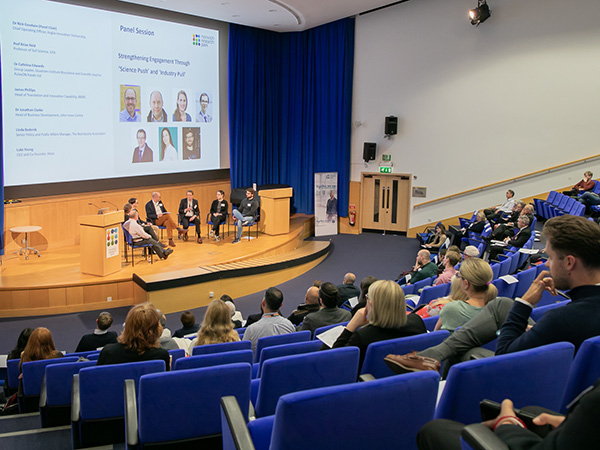
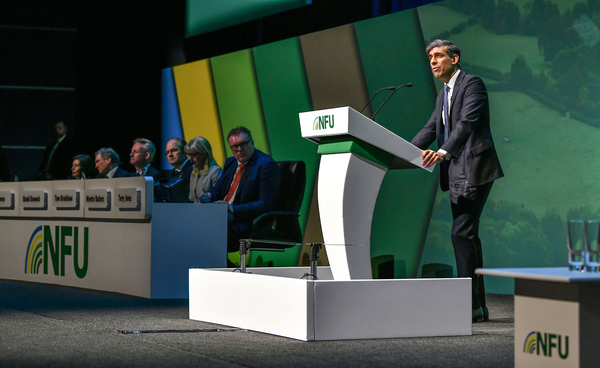
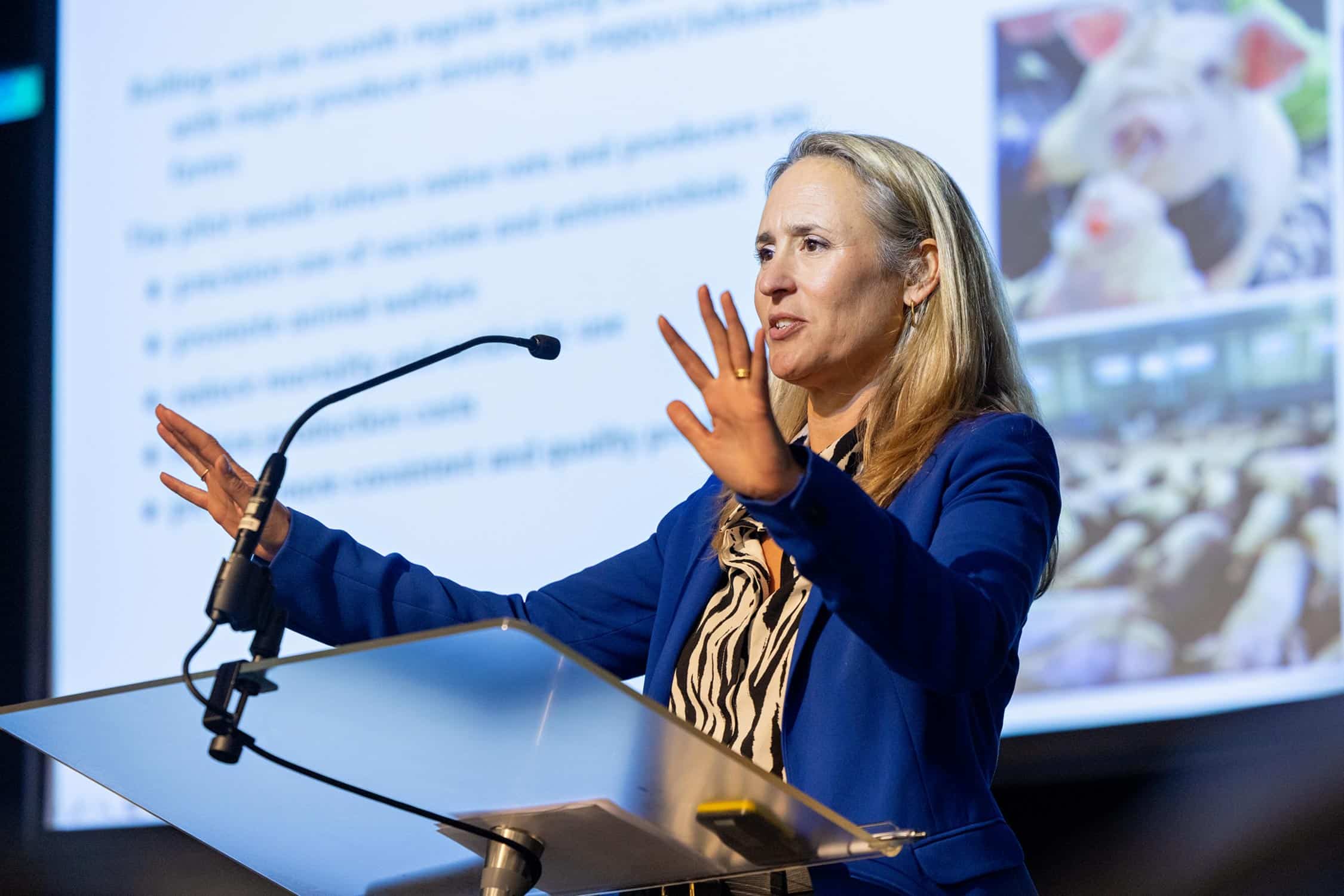
How can technology enable delivery of food, nature recovery, and climate resilience - all at once? The Head of the Environment Agency is asked: what's the national plan for dealing with land use pressures, plus you’ll hear from technologists and land managers working on nature-based and tech-enabled solutions for water, soils and climate adaptation.

Paul-Tech Supports British Farmers

Member News
The views expressed in this Member News article are the author's own and do not necessarily represent those of Agri-TechE.

On the 29th December we were excited to attend the Romsey Young Farmers Tractor Run 2024, held in Romsey, Hampshire, England. This inspiring event brought the community together to celebrate and support British farmers. With the powerful message “Support British Farmers,” the tractor run showcased the hard work and dedication of local farmers while raising awareness of the vital role agriculture plays in our daily lives.

The event featured over 200 tractors, and the organisers made a huge effort to entertain the community with festive Christmas-themed decorations. The tractor drivers were also fantastic sports, flashing their lights and tooting their horns, creating a lively and engaging atmosphere for everyone. All of this was done while emphasising the main theme – supporting British farming, which plays such a huge role in food production and sustains our communities.

For Paul-Tech, attending the event was not only a way to show our support but also an opportunity to better understand the challenges and opportunities British farmers face daily. Engaging with the community and seeing their enthusiasm reinforced our commitment to providing innovative solutions that empower farmers to thrive. Events like the tractor run remind us of the importance of collaboration and community in creating a brighter future for farming.

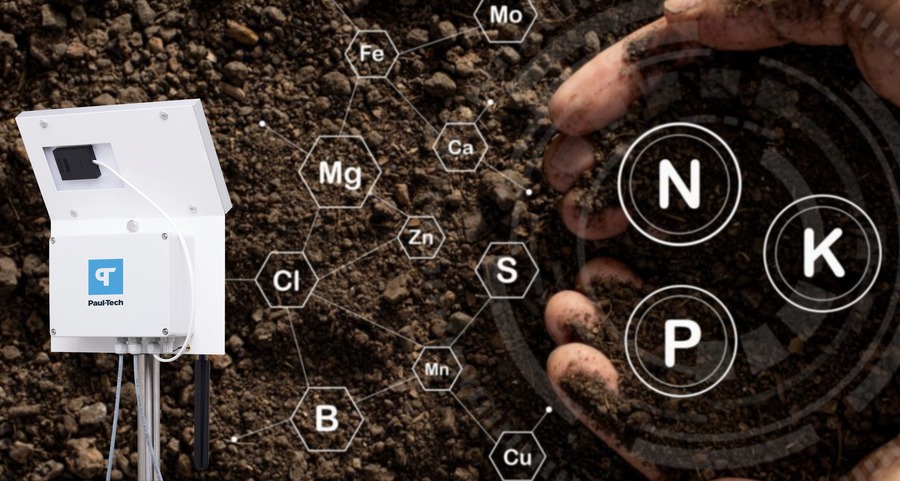
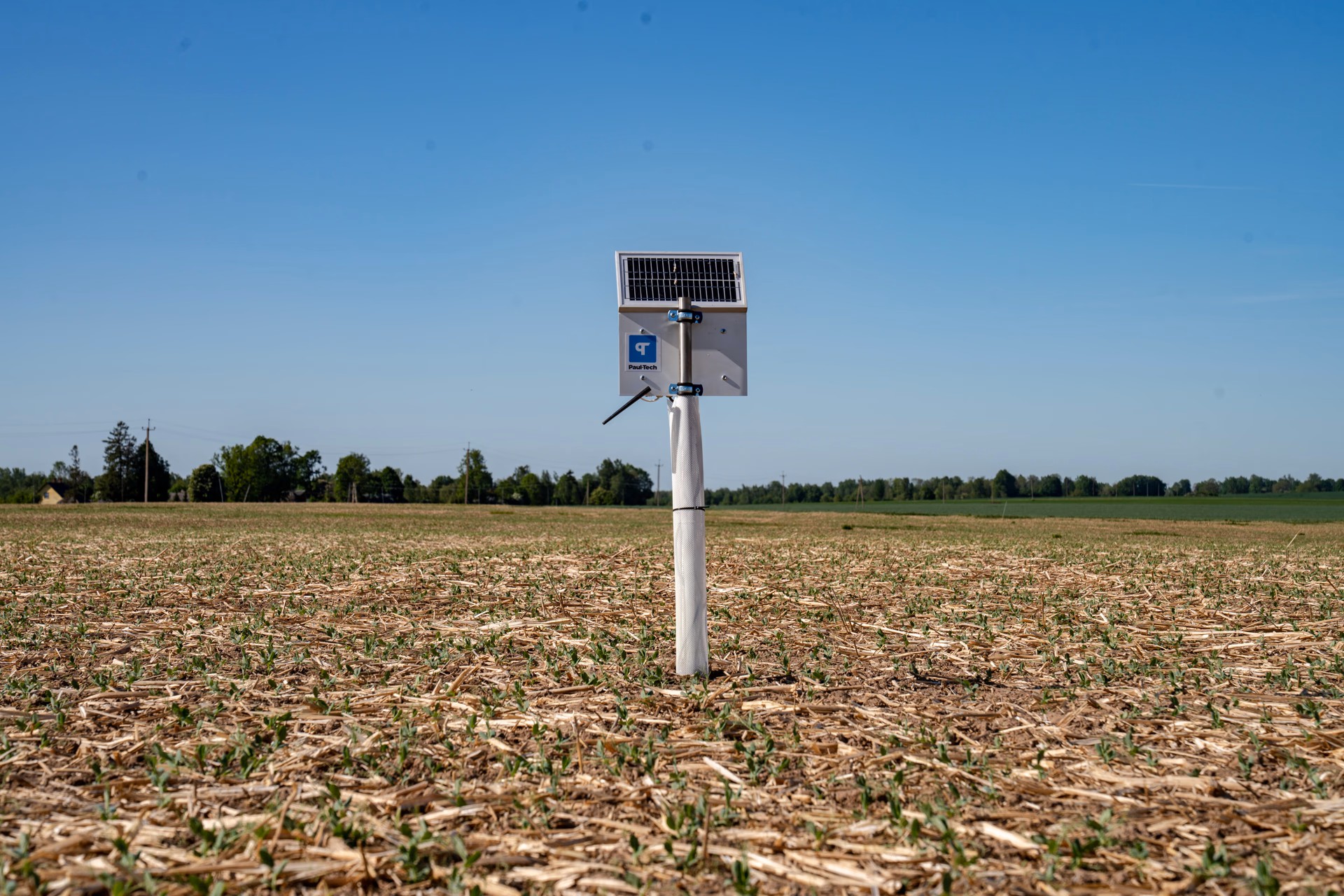
At Paul-Tech, we are committed to empowering farmers through innovative solutions. Our real-time soil monitoring systems are designed to help farmers make data-driven decisions that enhance productivity and sustainability.

  • *I have permission from the copyright holder to publish this content and images.

A successful project: AI vision system for dusty agricultural environments

Member News
The views expressed in this Member News article are the author's own and do not necessarily represent those of Agri-TechE.

Our client asked:

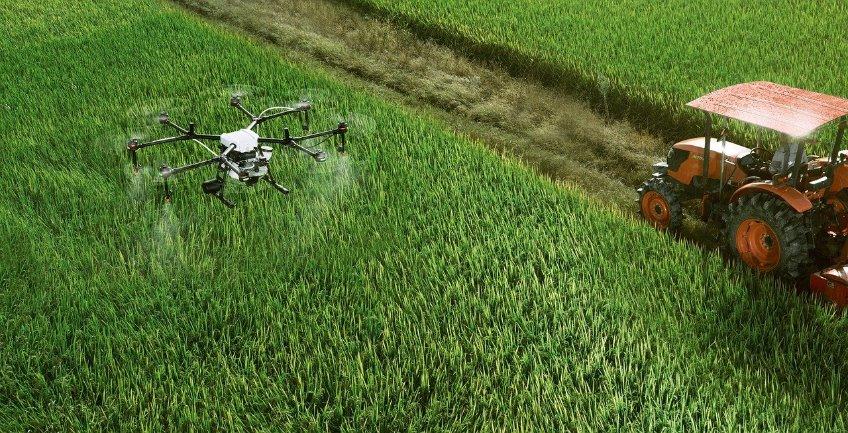
Our client wanted to determine the precise positioning and settings of a wide variety of agricultural implements, such as tillers, harrows, and sprayers, in order to provide alerts and notifications to the driver of the tractor. The client’s aim is to optimise the agronomic performance of those implements and ensure that the driver is operating within safe limits.

The project story:

  • The natural environment presented challenges to conventional image analysis algorithms due to the variability in lighting from sunshine to night working, and the challenges of drifting dust affecting visibility.
  • Sagentia Innovation assessed the performance of several vision systems, using a combination of experience, modelling and lab-based experimentation. We identified that low-cost, standard cameras in combination with active illuminated markers were the optimal solution for this specific challenge.
  • We built a prototype vision system and conducted field trials using off-the-shelf cameras and lenses to collect images in the natural environment. Processing the data with conventional analysis routines produced variable results and often failed to find the objects of interest.
  • A few hundred images, captured under various environmental conditions, were labelled by hand to mark up the objects they contained. This data set was used to train a convolutional neural network.
  • The trained neural network was then used to successfully identify objects with high accuracy in subsequent images.
  • Once the objects have been successfully located in each image, other automatic processes can be carried out on them. Two cameras can be used to get a stereo view, and the 3D position of the object can be accurately measured.

Results: deliverables and outcomes

Our client received a robust prototype system that allows them to accurately determine the position and settings of the towed implement, whilst undertaking agricultural activities. We continue to develop this prototype into a mature product that offers significant benefits to farmers, in terms of enhanced safety and agronomic performance.

  • *I have permission from the copyright holder to publish this content and images.

Food and Drink Accelerator from Growing Kent & Medway

Funding Finder
Agri-TechE

Do you have a new plant-based food or drink idea? Have you spotted a gap in the market? Would you like to turn your idea into a commercial reality? Learn how to grow your business with the Growing Kent & Medway Food & Drink Accelerator programme.

We offer free technical, business, and financial support to help take your concept to market.

What to expect

The programme runs over a three-month period. It includes training, workshops, and events. There will be lots of opportunity to network and meet other businesses operating in the sector.

  • 4 in-person workshops in various locations across Kent
  • Online Business Innovation Masterclass – 1 hour per week
  • One-to-one technical and business support available
  • Networking and industry events

It is aligned to the Mentoring programme which also offers you 12 hours of free one-on-one support.

About the Accelerator

The programme is run by experts in food product development, processing, handling, storage, and food waste.

We will work with you to;

  • Assess your idea
  • Identify any technical and business gaps
  • Define a clear direction to take your idea to market

You will receive technical support with access to cutting-edge facilities and equipment. Our research team can help you;

  • Develop your product
  • Produce a viable prototype
  • Develop a new process, practice or technology

It is based at the University of Greenwich in Medway, home to the new Medway Food Innovation Centre.

If you’d like to speak to our team about whether the Accelerator is right for your business, please contact the Growing Kent & Medway team via their website.

Who can apply?

We support horticultural and plant-based food and drink businesses from across the supply chain, including food products, technology and related services.

About you

  • Are you ambitious?
  • Looking to scale up your business fast?
  • Are you based in Kent or Medway, or looking to relocate to the region?
  • Can you commit to the three-month programme?

Applications are open to small and medium sized businesses who have not received more than £200,000 in public funds over the last 3 fiscal years.

If you’re interested in applying, the team would love to hear from you. They will give you more information about who can apply and what to expect

You can get in contact with the Growing Kent & Medway team at any time for more information as the programme runs frequently. There’s lots more info and contact details on the Growing Kent & Medway website.

Five crop science projects funded under Bayer – Niab Challenge Grant Program

Member News
The views expressed in this Member News article are the author's own and do not necessarily represent those of Agri-TechE.
A new partnership between Bayer’s Crop Science division and Cambridge-based plant science organisation Niab will see researchers embark upon a series of innovative research projects focused on exploitation of genetic diversity in wheat, control of flowering in strawberry, root symbiosis in wheat, and phenotyping technology.
The five projects, that got underway this autumn, have been funded under the Bayer – Niab Challenge Grant Program, an open innovation challenge created to support innovative science in areas of interest to both organisations.

Bayer will provide financial and mentorship resources, with a total award of £100,000 over one year and access to its leading crop science researchers, who will provide guidance as the research progresses.

Dr Phil Taylor, Director of Open Innovation and Outreach for Bayer’s Crop Science division said: “The Bayer – Niab Challenge Grant Program provides an exclusive opportunity for Niab scientists to receive funding for cutting edge ideas and connect with the Bayer team for their execution.

“We are looking forward to advancing innovations together in what is an exciting time for plant science in the UK as it moves forward with detailed regulations for precision breeding in England.”

Two of the projects aim to advance understanding of the genetic diversity in wheat.

Niab Director of Research Prof Xiangming Xu, who will coordinate the research programme, said:

“We are using two different approaches to help us better understand and exploit genetic diversity in the D-genome, facilitating further genetic discovery and exploration of haplotypes linked to useful traits such as disease resistance.”

Read the full article here

Fotenix Secures Investment to Empower Farmers with AI Driven Food Production

Member News
The views expressed in this Member News article are the author's own and do not necessarily represent those of Agri-TechE.

Fotenix, a University of Manchester spinout dedicated to supporting farmers with smarter, sustainable farming solutions, has announced a major investment from River Capital’s Fund:AI. This funding will accelerate Fotenix’s mission to help growers protect their profits while adopting more sustainable practices.

At the heart of Fotenix’s innovation is its spectral imaging technology, combined with AI-powered insights. These cameras allow farmers to detect early signs of crop stress, such as pests and disease, giving them the ability to take targeted action before problems escalate.

For horticultural growers, this means reducing costly crop losses, optimising resource use, and maintaining consistent quality to meet market demands.

“Farmers are at the core of everything we do,” said Charles Veys, CEO of Fotenix. “We understand the immense pressure they face to deliver high-quality produce while dealing with rising costs and environmental challenges. This investment enables us to bring accessible, practical solutions to their operations—helping them maximise yields, cut waste, and farm more sustainably.”

Fotenix’s technology supports growers in reducing their reliance on chemical inputs, such as fertilisers and pesticides, contributing to a lower environmental footprint. By making data-driven decisions, farmers can also improve water and energy efficiency, critical in regions affected by resource scarcity.

This investment from River Capital’s Fund:AI will allow Fotenix to expand its team, scale its operations, and reach more farmers in high-value horticultural markets, including the glasshouse sector. With a farmer-first approach, Fotenix is committed to empowering growers to protect their profits while meeting the demands of a more sustainable and competitive agricultural industry.

Technologies for Animal Welfare

Agri-TechE Article
Meet the Network
Agri-TechE

As the agricultural sector embraces technological innovation, one of the most promising areas of progress is in enhancing animal welfare.

New tools are helping farmers improve the health, comfort, and well-being of livestock, ensuring higher welfare standards. From AI-driven monitoring to improved genetics breeding programs and automated handling systems, these solutions help farmers prevent disease, reduce stress and support natural behaviours.

At Agri-TechE , our network of members is at the forefront of developing these solutions. By embracing these advancements, farmers can create healthier, more comfortable environments for their animals.

See below some examples of exciting scope of progress from our community.

For more insights on the benefits of technology for animal welfare, check out our latest blog and join upcoming event ‘Moo-ving the Oinksperation’ – focused on technologies for better animal welfare.

The Crown Estate to breathe new life into Cambridge Business Park

Member News
The views expressed in this Member News article are the author's own and do not necessarily represent those of Agri-TechE.

Cambridge Business Park is set to contribute to a new innovation ecosystem in Northeast Cambridge, providing a variety of office and lab spaces for start-ups and established businesses, alongside a residential, leisure and cultural offer for the wider community. It will greatly support the UK’s science, innovation, and technology ambitions.

Led by The Crown Estate, the mixed-use regeneration project worth £1.5bn will support the Government’s focus on keeping the UK at the forefront of global innovation. This builds further on The Crown Estate’s recent partnerships with Great British Energy to accelerate the deployment of renewable energy, and with Pioneer Group and Oxford Science Enterprise to deliver a new 100,000sq ft life sciences, technology and innovation space in the heart of Oxford.

As a major national landowner, The Crown Estate has a proven track record of enabling innovation and generating long-term social value, and is driven by its remit to create economic, social, and environmental value for the nation. Through redeveloping Cambridge Business Park, it intends to create an inclusive destination; connecting ideas, people, and industries that facilitate important science innovations with tangible social impact.

This is part of The Crown Estate’s wider long-term ambition to invest up to £1.5 billion in the science, technology, and innovation sectors nationally over the next 15 years. Supported by the creation of a globally significant Innovation District in Northeast Cambridge, the proposals will nurture homegrown skills and enable businesses to scale up in the UK and attract investment.

Cambridge is well-positioned to capitalise on this growth and support investment in innovation. Today it is firmly established as Europe’s largest technology cluster, with more than 60,000 people employed by around 5,300 knowledge intensive businesses in the area. With a raft of science and R&D-focused spaces within Cambridge, the curation of a national, innovation focused ecosystem will help to contribute to this growth and create further opportunities for Cambridge, the wider region, and the UK. The Crown Estate aims to deliver a scheme that will fulfil a wider mission-led purpose, fuelling meaningful social, environmental and economic change for the public good that connects top talent, research and funding to address urgent global challenges. The Crown Estate is well-positioned to play a key role in UK innovation through its unique combination of assets, customers, and partners which it intends to leverage for the benefit of the sector.

Initial proposals for the transformation of Cambridge Business Park will be shared as part of public consultation, due to commence later this month.

Dan Labbad, CEO at The Crown Estate, comments: “The Crown Estate is investing where it can have the most meaningful impact in addressing areas of national need, meeting local challenges and realising opportunities. Our vision for Cambridge Business Park is to create an inclusive and connected place that is industry leading in terms of sustainable and innovative workspace.

“Working with government and our partners, we intend to contribute to the UK’s science, technology and innovation sectors’ success on the global stage, acting as a catalyst for innovation and economic growth, while delivering a community of socially-conscious and environmentally-focused business leaders.

“We are confident Cambridge Business Park will play a pivotal role not only in enabling SMEs to scale up, but also in connecting and convening the brightest minds and organisations to innovate with impact, and support our wider aims of improving planetary health.”

The Crown Estate has a diverse national footprint, proven ability to bring together the public and private sectors, and a unique structure compelling it to act in the long-term national interest. It has identified science, technology and innovation as key sectors where it can have a meaningful impact to support regional economic growth.

The redevelopment of Cambridge Business Park is still in its infancy, with the new masterplan in very early stages of design and a wider public consultation planned for later this month to inform proposals. The site currently comprises 12 buildings across 20 acres, providing in the region of 325,000 sq ft of commercial office space only. The developing masterplan intends to create a thriving and biodiverse innovation-led destination comprising a mix of retail and leisure spaces, a brand-new high street, ‘science on show’ focused lab buildings and office space and homes. Central to proposals will be a ‘no borders’ ethos through the opening up of the site, creating improved accessibility and connectivity to Cambridge North station and surrounding science parks, as well as opportunities for young people and the local community to enjoy the facilities and access STEM focused educational opportunities.

Subject to planning, construction at Cambridge Business Park is anticipated to begin in 2026 through a phased approach, with the new destination open and operational by 2030.


The Crown Estate announces a further £7.3 million investment in net zero research projects

Member News
The views expressed in this Member News article are the author's own and do not necessarily represent those of Agri-TechE.

The Crown Estate is partnering with a range of expert bodies across the UK to launch five new projects that will support with accelerating the nation’s path towards a net-zero and energy-secure future, whilst enabling our marine and coastal ecosystems to thrive.

These initiatives, backed by a £7.3 million investment through the Offshore Wind Evidence and Change Programme (OWEC), are led by the Offshore Wind Industry Council, Scottish Government Marine Directorate, Historic England, the Department for Environment Food and Rural Affairs (Defra) and the Offshore Renewable Energy Catapult with support from numerous public, private and charitable organisations.

The projects will aim to fill critical evidence gaps around the impacts of offshore wind farms on marine ecosystems, advance solutions to reduce those impacts, enhance access to marine data and explore the opportunity for co-location of fisheries and offshore wind farms.

Subject to contracts, the projects are part of The Crown Estate’s £50 million investment in the OWEC programme, delivered in partnership with the Department for Energy Security and Net Zero (DESNZ) and Defra. Through a mix of targeted studies, research projects, and comprehensive evidence-gathering, the programme aims to accelerate the deployment of offshore wind while supporting nature restoration. By building a robust evidence base, OWEC is helping to speed up the consenting process, enhance biodiversity, and provide a better understanding of the spatial needs of seabed user groups.

The five projects are: 

1. Disco Scallops

Scientists found that scallops love ‘disco’ lights. They were successful in developing a new low-impact fishing technique that led to a 500% increase in scallop catch, and want to roll this out at a regional scale. This project will provide the evidence base to demonstrate that static fishing methods can be used in areas where mobile methods might be restricted – like in offshore wind farms and marine protected areas.

Led by the Offshore Wind Industry Council.

2. ECOCHANGE

Ecosystem Consequences of Changes to Habitats and implications for a Net Gain Energy approach.

Building new offshore wind farms creates changes in biodiversity – both in new sealife communities that attach to the infrastructure and in the sandy, soft-bottom habitats around developments. This project aims to determine how much these changes influence the wider ecosystem and our marine food webs.

Led by Scottish Government Marine Directorate.

3. MDE Heritage Accelerator

This project will improve access to marine heritage data which is gathered when offshore wind farms are developed to enable faster, informed decision making by regulators, developers and their advisors.

By integrating data from the Marine Data Exchange (MDE), into Historic England’s National Marine Heritage Record, the project aims to enhance planning and strengthen how heritage is represented.

Led by Historic England.

4. Piloting of Offshore Wind Environmental Mitigation 

This collaborative project between Government and the offshore wind industry will pilot two proposed innovative mitigation measures that could further reduce the impact of offshore wind farms on the marine environment. The Piloting of Offshore Wind Environmental Mitigation (POWEM) project will consist of two pilots:

  • turbine blade painting to reduce bird collisions, and

  • an offshore wind piling noise limit to reduce the impact of construction noise on marine species.

Led by the Department for Environment Food and Rural Affairs (Defra) in collaboration with the offshore wind industry.

5. S3 (Subsea Soundscape)

This project will pioneer a new regional framework in the Celtic Sea to provide valuable insights into existing underwater noise conditions and marine mammal presence – understanding these baseline conditions will support with future environmental assessments for new floating offshore wind in the region.

Led by Offshore Renewable Energy Catapult.

Interconnectivity at heart of The Crown Estate’s new Nature Recovery approach

Member News
The views expressed in this Member News article are the author's own and do not necessarily represent those of Agri-TechE.

The Crown Estate has published a new ambition for Nature Recovery that will drive a consistent approach across its diverse assets on land and seabed, following a 12-month engagement process with a wide range of nature experts and organisations.

To ensure cohesive action across a diverse array of habitats and interconnected ecosystems, The Crown Estate sets out company-wide nature goals and commitments that will raise the bar on its ambitions for Nature Recovery. These goals set the focus of its delivery plan and there will be a further update published in 2025 with public targets and KPIs.

The ambition brings together The Crown Estate’s work on nature recovery from across its portfolio, integrating the approach with addressing other national needs including the development of offshore wind to enable secure and affordable energy; building homes; developing places; supporting food production; and creating economic opportunity.

This requires a joined-up, systemic and partnership-led approach that maximises its contribution to not just nature recovery, but also efforts to reach net zero and an energy secure future, while supporting thriving communities.

The Crown Estate has set three new goals to drive holistic delivery on nature recovery and building on activities where The Crown Estate is already delivering an impact, including;

  • Best practice in conservation across its Windsor Estate, rapid action on tree and hedgerow planting across its rural estate with its £10m environment fund, and more systemic approaches to embed nature across leases with new Environmental Farm Based Tenancy agreements.

  • Existing activities in its Marine business to prioritise nature’s nature recovery by leveraging its best-in-class data and mapping capabilities, supporting the development of high-integrity marine natural capital markets and funding essential research through its world-leading Offshore Wind Evidence & Change (OWEC) programme.

  • Our approach to increasing nature and biodiversity in urban environments, from the Park-to-Park initiative with Westminster Council, to create a permanent green corridor in the heart of London’s West End; to enhance nature, wellbeing and climate change resilience, to regional initiatives such as reintroducing Beavers to Rushen Lakes Retail Park happening in October.

To help set its ambition The Crown Estate consulted over 40 nature experts from leading ENGOs, public bodies, SMEs, corporates, academics and trade unions across England, Wales and Northern Ireland, gathering insights and testing and validating its approach over a 12-month consultation period.

The goals underpinning The Crown Estate’s approach are aligned with domestic and global ambitions for nature recovery, helping to halt nature’s decline by 2030 and contributing to nature’s recovery by 2050:

  • Goal 1: Deliver increased biodiversity – deliver a measurable increase in biodiversity for The Crown Estate’s holdings across land and sea by 2030, supporting climate adaptation and resilience.

  • Goal 2: Protect and restore freshwater, marine & coastal systems – identify and tackle causes of water degradation and water stress in areas within The Crown Estate’s influence by 2030.

  • Goal 3: Increase social and well-being benefits from nature – reconnect people with nature, delivering measurable health and well-being benefits by 2030, including community engagement with nature across our projects and developments.

To deliver these goals The Crown Estate has set out four key commitments to embed nature recovery across its business:

  • Understand Nature: Identify high quality data to inform decision-making

  • Design for Nature: Embed nature as a core priority in its management of land and seabed

  • Fund Nature: Unlock capital at scale to protect and restore nature

  • Partner for Nature: Collaborate at scale to accelerate nature recovery

Anna Swaithes, Chief Sustainability Officer at The Crown Estate, said: “We are setting nature goals and commitments that raise our ambition to deliver joined up action across land and sea. This approach to nature will interconnect with our approaches to net zero, placemaking and communities, ensuring we create lasting and shared prosperity for the nation.”

“Consulting with a wide range of expert stakeholders has enabled us to understand how our activities fit within a systems context, including ecosystems and economic systems. It’s crucial we create space for collaboration and engagement at a national and local level as we know that nature recovery cannot be delivered in isolation.”

Is animal welfare on your Christmas menu?

Agri-TechE Blog
Agri-TechE

From the roast turkey to glazed hams, pigs in blankets and joints of beef – as well as the cream (or custard, or brandy butter) with Christmas pudding, and even smoked salmon for a special breakfast, the festive feast relies heavily on livestock and their producers.

While most people (hopefully) prefer that the animals and fish providing their seasonal meals had a happy, comfortable life, and a rapid, pain-free death, we’ve been exploring how technology is helping to improve animal welfare standards.

A Low-Stress Life

We all need less stress in our lives, including livestock. Automated milkers enable cows to offer themselves for milking at will, which improves comfort and provides a bespoke feed ration to optimise the health and nutrition of each animal.

Virtual fencing (using collars that recognise GPS boundaries) reduces the risk of injury, and being able to remotely change the grazing area reduces stress to the animals of being moved with quad bikes or other vehicles. Drones are also being deployed to move and monitor sheep at (far) more than arms-length.

Hydraulic chutes and automated handling systems have also been designed to help make moving and treating animals and fish less stressful, minimising their contact with humans.

Robotic milking

Monitoring for Malaise

Trackers and collars, enrichment solutions and environmental monitors are now able to identify changes to animal health and behaviour and provide the opportunity for action.

Computer vision and machine learning is permitting earlier identification of lameness in cattle and the onset of mastitis can be detected by changes in the electrical conductivity in milk around 24 hours before the cow starts to show symptoms.

And a healthy environment makes for better welfare. Detection of volatile organic compounds in the breath of calves and in the air of poultry sheds can reveal pending illness (as in the case of technology by Roboscientific).

Plus, underwater sensors and drones are being used to monitor water quality and analyse behaviour of farmed fish.

Multi-disciplinary Moooves

But what does “well-being” mean for animals?

It is easy to be anthropomorphic about what makes a “happy” animal or fish. Of critical importance is the need for data-based benchmarks as to how a “normal” cow, pig, sheep, chicken or fish behaves. And behavioural ecologists are critical to helping understand behaviours under different states of stress, in order to learn to monitor and reduce them.

Increasingly we are seeing vets either working alongside tech developers (as in the case of Nantwich Farm Vets) or starting their own companies (such as AgSenze and Vet Vision AI) to ensure a sensible correlation between behaviour and health and well-being.

One of the best pieces of advice even given to me about animal welfare was: “just watch your animals. You’ll know when something is wrong.” That’s easy to do with just a few individuals, but at industrial scale we need to deploy the tech to do the watching for us – and then advise on those all-important actions.

Perhaps nowhere is the need for a multi-disciplinary approach stronger than when trying to develop, integrate and adopt new innovations to enhance livestock welfare, alongside the productivity and profitability agendas.

The UK has one of the highest welfare standards in the world. Let’s get technology rolled out globally to ensure all livestock has the happiest, healthiest life possible.


If you are developing or using new technologies to improve animal, welfare, why not join our online event on Jan 27th – “Moooving the Oinkspiration” and be part of the conversation.

New project to benefit net zero targets, soil health, biodiversity and agriculture

Member News
The views expressed in this Member News article are the author's own and do not necessarily represent those of Agri-TechE.

Researchers at the University of East Anglia (UEA) have received a share of £14.5 million in funding to support projects that seek to revolutionise agricultural practices, land use change and soil health in the pursuit of a more sustainable future.

Five projects have received the funding from UK Research and Innovation (UKRI) and government partners, under phase two of the Transforming Land Use for Net Zero, Nature and People programme (LUNZ), which aims to boost the UK’s efforts to achieve net zero emissions by 2050.

The three-year, £4 million UEA project – OpenLAND – will see researchers carry out an evaluation of climate-resilient interventions for land management and soil health that could benefit net zero targets, biodiversity and agriculture.

The work will be led by Professor Rachel Warren of the Tyndall Centre for Climate Change at UEA, and Professor Brian Reid from the School of Environmental Sciences. It will create a validated, UK-wide, spatially explicit integrated modelling framework to evaluate potential net zero pathways.

The project will extend the capability of the OpenCLIM modelling framework, which was developed with previous UKRI funding. This will be achieved by ground-truthing soil carbon and soil health using empirical data and by developing and trialling robotic monitoring for measuring and verifying soil carbon and health.

“OpenLAND will use computer models to look at how the way land is managed in the UK can contribute to net zero,” explained Prof Warren. “It will map out plans for land use management that combine carbon storage, restoration of biodiversity and sustainable agriculture.

“We will use the computer models to quantify and map the relative merits and effectiveness of alternative land management plans with stakeholders to assist them with their decision making. A unique aspect of the project is that we will calibrate the computer models with measurements of carbon stored in the soil at a number of field sites in Norfolk and beyond.”

Read the full article here

Agritech Thymes: Arusha Protocol Enters into Force

Member News
The views expressed in this Member News article are the author's own and do not necessarily represent those of Agri-TechE.

Since being introduced in July 2015, the Arusha protocol for the protection of novel plant varieties in Africa has finally entered into force on the 24th November 2024, after ratification by a fourth member state. The states currently to have ratified the protocol are Cape Verde, Ghana, Rwanda, and São Tomé e Príncipe.

The protocol aims to provide a central harmonised system in Africa for protecting plant variety rights, sitting within the African Regional Intellectual Property Organization (ARIPO). Applications can be filed through ARIPO, examination follows the usual DUS testing, and once granted the rights should have a uniform effect across the designated states, much like  a community plant variety right in Europe. Provision is made in the Protocol for the claiming of priority from an application in any country that is a party to an “international agreement for the protection of new plant varieties” (including the UPOV Convention). It is hoped that more of the 22 African ARIPO states will sign up in future such that the protection offered to users by the protocol will become more extensive.

There has been historic resistance to the protocol given that some feel it would only benefit large multinational breeders, not the local famer, and threatens traditional farmer’s rights to save seed and exchange seed for future harvests  which are common  practices in Africa. The protocol follows that of UPOV 1991, in that it only contains limited exceptions for farm saved seed, subject to payments to the PVR owner. To attempt to combat this, ARIPO have implanted a provision which states that the PVR will have effect in the designated state, provided that the designated state has not refused the grant of the PVR. Therefore giving a get-out clause for states to refuse the grant of the PVR within 6 months of receiving the application, as long as they have good reason to do so. Perhaps if it were to threaten a key staple crop in that state.

There is some speculation this could hamper the use of the new system which has already proven to be fairly limited in its introduction. Furthermore the Arusha protocol joins a patchwork of different rights that are available in Africa for plant varieties including national rights, the OAPI system, and the SADC protocol, adding to the complexity in the region. However, it is still viewed as a crucial development towards easier access to improved varieties in Africa, with the potential to help food security, environmental issues, and encourage the development of new varieties adapted for this market. Craig Kahn, Head of Patents at South African firm Spoor and Fisher feels the overall benefit is positive: “For multinational breeders, it is an extremely important development for Africa and will encourage investment and job creation in the ARIPO member countries that ratify the Arusha protocol. It is a pity that only four ARIPO member counties have so far ratified the Protocol and, of these four countries, only two have Plant Breeders’ Rights legislation, namely Ghana and Rwanda. However, since the announcement of the Arusha protocol coming into force, we have been contacted by a number of multinational breeder clients interested in filing applications at ARIPO. We expect more ARIPO member countries to ratify the Protocol such that it becomes a cost effective option to protect new varieties of plants in the ARIPO member countries”.


This article was prepared by Partners Punita Shah and Ellie Purnell.

  • *I have permission from the copyright holder to publish this content and images.