The views expressed in this Member News article are the author's own and do not necessarily represent those of Agri-TechE.
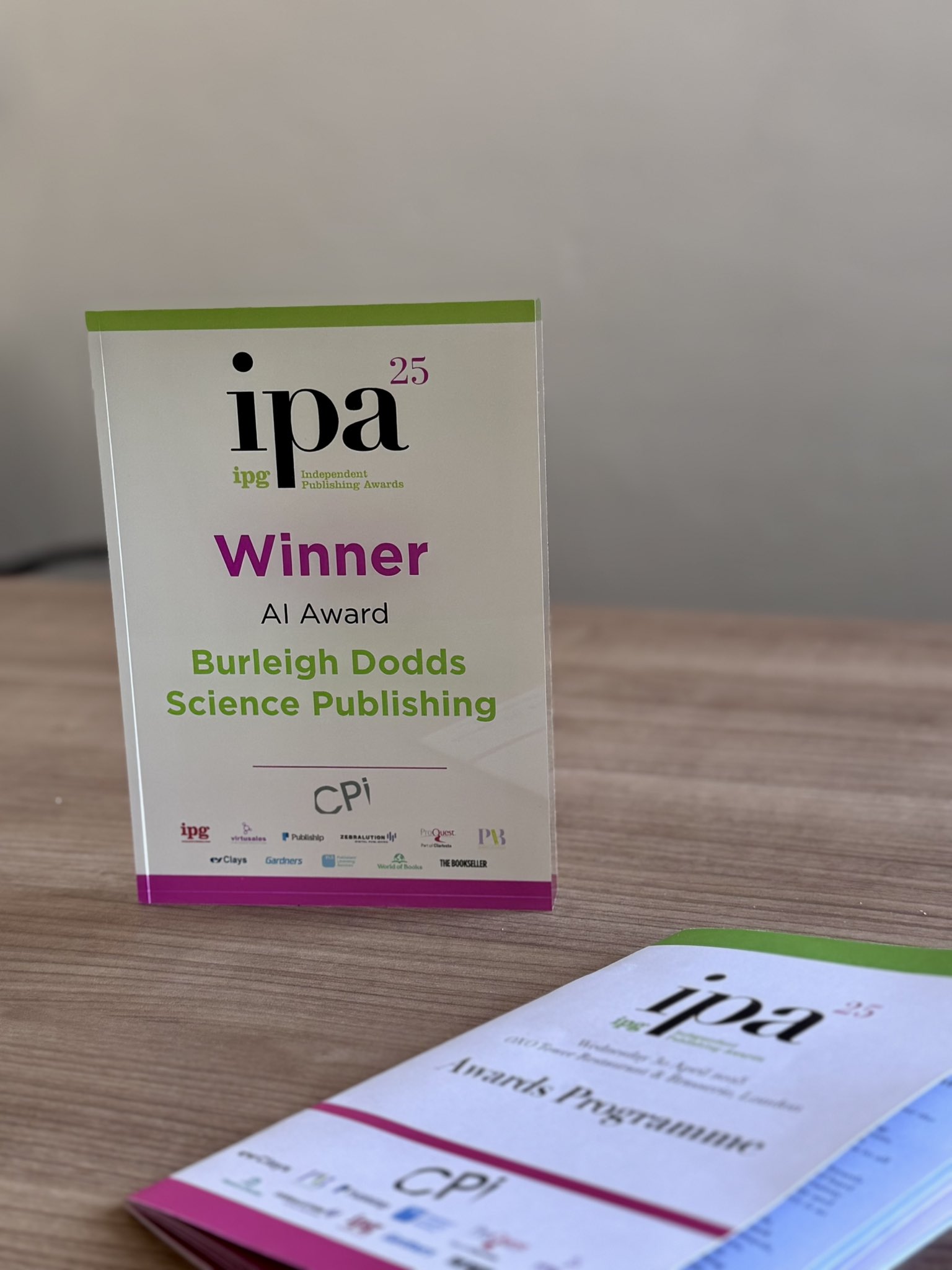
Burleigh Dodds Science (BDS) Publishing were recently crowned winners of the PLS AI Award for the second year in a row at the Independent Publishing Awards in London.
Hosted by The Independent Publishers Guild, the award ceremony is recognised as the UK’s biggest annual celebration of the remarkable achievements of the independent publishing sector in the UK and Ireland.
BDS won the award for the first time at last year’s awards ceremony for the development of AgNetZero – a generative AI-based knowledge platform which utilises the publisher’s internationally-trusted content to provide users with science-based evidence to make an impact on achieving agriculture’s net zero ambitions.
“Since our win last year, we’ve worked alongside our technology partners at Librios to enhance user experience and improve the capabilities of AgNetZero,” says Rob Burleigh, Managing Director at Burleigh Dodds Science Publishing.
“And we can already see the benefits of this continued innovation as our customer base continues to increase and diversify, with governing bodies and agricultural corporations now subscribing to AgNetZero,” he adds.
Notable improvements to the platform include enhanced document categorisation, allowing users to now filter search results by geographical location and climatic regions, as well as the ability to extend their research further by connecting to other trusted resources.
Speaking of their win, members of the judging panel state:
“Burleigh Dodds Science Publishing are showing the benefits of early AI adoption. It’s an excellent example of how AI can be used to make content more usable.”
In addition to their recent back-to-back PLS AI Award wins in 2025 and 2026, BDS were also recipients of the Nick Robinson Newcomer Award at the 2018 Independent Publishing Awards for their innovative commissioning model.
*I have permission from the copyright holder to publish this content and images.
Post Overview
This story has been submitted by an Agri-TechE member.
The views expressed in this Member News article are the author's own and do not necessarily represent those of Agri-TechE.
Across agriculture and amenity, the season has started under pressure. And when pressure rises, something predictable happens inside businesses. Alongside that, a wider backdrop of uncertainty exists. Markets are shifting. Input costs are unstable. Geopolitical tensions persist.
In environments like this, something predictable happens within organisations. Activity increases. There are additional meetings, more updates and increased conversations.
But as activity rises, clarity often diminishes.
It feels like progress. But often, it isn’t.
When Pressure Rises, Structure Matters More
Over the past few weeks, I have observed the same pattern across a number of businesses. Leadership teams are working hard, conversations are happening regularly and decisions are being discussed. Yet those decisions are not always being closed, or they are not always being made at the right level.
Issues are beginning to drift upwards. Boards are drawn into operational detail. CEOs find themselves carrying more than they should.
This is not a capability issue. It is a clarity issue.
As pressure increases, decision boundaries blur. Ownership becomes less certain, and escalation begins to feel like the safest option. Over time, this creates noise, and noise reduces the quality of judgment.
A Familiar Pattern
One conversation in particular captured this well. A Managing Director described feeling “close to everything”. Every decision seemed to come back to them. It created a sense of control, but it also slowed the business down and created reliance on a single point of decision-making.
This is common among growing businesses, particularly in uncertain conditions. Not because leaders want control, but because the system defaults that way when clarity is not explicit.
What Makes the Difference
The businesses navigating this well are not necessarily working any harder. They are working more deliberately. Clear on:
· What decisions genuinely need to be made now?
· What stays at the operational level?
· What belongs at the board level?
They ensure decisions are finalised, ownership is clear and conversations lead somewhere.
They are simple principles, but they require discipline.
Space to Think
There is another factor that is often overlooked. Space.
Most leadership teams are not short of activity. They are short on space. Space to reflect, test ideas and to decide what really matters. Without it, everything becomes reactive, and reaction is not the same as leadership.
In my experience, some of the most valuable thinking happens when you step away from the day-to-day.
Not for long. But long enough to see more clearly.
The Season Will Change
The current conditions will not last indefinitely. The weather will stabilise, markets will adjust and conditions will move on. The question is what happens within the business while all of this is unfolding.
Does clarity improve, or does complexity increase?
A Few Questions Worth Asking
Which decisions are currently at the wrong level in the business?
Where is ownership unclear?
When was the last time you stepped back to think carefully about priorities?
In uncertain conditions, leadership is not about doing more. It is about seeing more clearly.
If any of this resonates with your experience as a CEO, MD or board leader, I am always open to exchanging perspectives.
*I have permission from the copyright holder to publish this content and images.
Post Overview
This story has been submitted by an Agri-TechE member.
Get the latest agri-tech news, events and opportunities direct to your inbox
Global Incubator Programme: Agri-Tech Australia Farmers2Founders
Agri-TechE
Innovate UK seeks innovative Agri-Tech companies to participate in an acceleration programme to support growth by exploring the potential of the Australian market. Under the Global Incubator Programme: Agri-Tech Australia Farmers2Founders, Innovate UK will fund and organise group flights, group accommodation and group airport transfer fees for successful applicants, who will also benefit from an intensive 9 to 12 months, three phased programme and bespoke support from an Innovation and Growth Specialist or Scale Up Director throughout.
The Opportunity
The Global Incubator Programme: Agri-Tech Australia, organised by Innovate UK, will include two week-long visits to Australia in October 2026 and February 2027. Each business is supported by an Innovate UK Business Growth Specialist or Scale Up Director to help maximise the potential of being part of the programme and beyond. This initiative will be delivered physically and will include virtual activities.
Targeted agricultural sectors:
Horticulture: tree crops, field vegetables and protected cropping
Livestock production: dairy and beef, sheep, pigs and poultry production
Monitoring and management systems
Arable and broadacre cropping: precision crop management
Soil health and assessment technologies
Key focus areas include but are not limited to:
Precision Agriculture and Variable Rate Technologies:
Imagery, soil maps, and yield data
Input optimisation
Decision support tools, including modelling
Climate resilient growing systems
Robotics & Automation:
Harvesting and planting automation
Labour efficiencies
Automated irrigation, nutrient and plant protection product delivery
Automation for livestock operations
Advanced Sensors & AI Systems:
Crop growth and monitoring sensors
Crop yield, quality and harvest readiness prediction
Soil and environmental monitoring
Livestock monitoring technologies
Engineering Biology for agriculture:
Bio-based crop and animal protection
Microbial soil health protection
Enhanced plant and animal resilience and productivity
More Information and apply
To apply, you must:
Be a UK-based innovation-led company with ambitions to grow and internationalise
Be a company with fewer than 250 employees
Have a focus on Agri-Tech
Innovate UK is committed to improving the diversity of who we support. We welcome applications from under-represented groups.
Get the latest agri-tech news, events and opportunities direct to your inbox
MTC driving agri tech innovation through robotics and the success of its AgriScale programme
Agri-TechE Article
Meet the Network
Agri-TechE
The Manufacturing Technology Centre (MTC), an independent research technology organisation within the High Value Manufacturing Catapult (HVMC), is helping innovators bridge the gap between promising agri‑tech ideas and becoming commercially viable products.
Drawing on expertise in robotics, manufacturing and scale‑up support, MTC works with entrepreneurial companies to overcome technical and production challenges that often prevent good ideas from reaching the field, helping innovators to attract investment. Bhavnita Patel, MTC’s Business Development Manager for agri-food, says too many strong ideas fail before reaching market.
“We’ve been working with DEFRA and Innovate UK to find the best way to help bridge that gap, taking a great technology to something that is manufacturable and commercially viable,” she says.
That approach took a major step forward with AgriScale, a pilot programme delivered by the HVMC centers – MTC and the Warwick Manufacturing Group (WMG) to support agri‑tech companies tackling manufacturing challenges.
Following the success of the pilot, AgriScale has now been expanded into a major national initiative delivered by Innovate UK and DEFRA, with up to £13 million available in spring 2026 across two competition strands (Industrial Research and Experimental Development). The pilot supported five companies, and the newly expanded AgriScale competition will support innovators with market‑ready products who need help to scale manufacturing and reach commercial deployment.
“There are smaller pots of money focused on solving bottlenecks that businesses are facing with regards to scaling up, but there are also bigger pots of funding for a few companies to really help them reach that commercial point.” Bhavnita says.
Lindsay Roome, DEFRA Head of Agri-Tech and Innovation said: “AgriScale is helping innovative products and businesses to reach the next level on their production journey. This ultimately makes sure new solutions become available to farmers and growers.
“MTC and WMG brought fresh perspectives and a depth of experience and expertise that was transformational for pilot participants. We’re delighted that Innovate UK is extending the programme as we feel AgriScale is a key piece of the puzzle for UK Agri-Tech Advanced Manufacturing growth.”
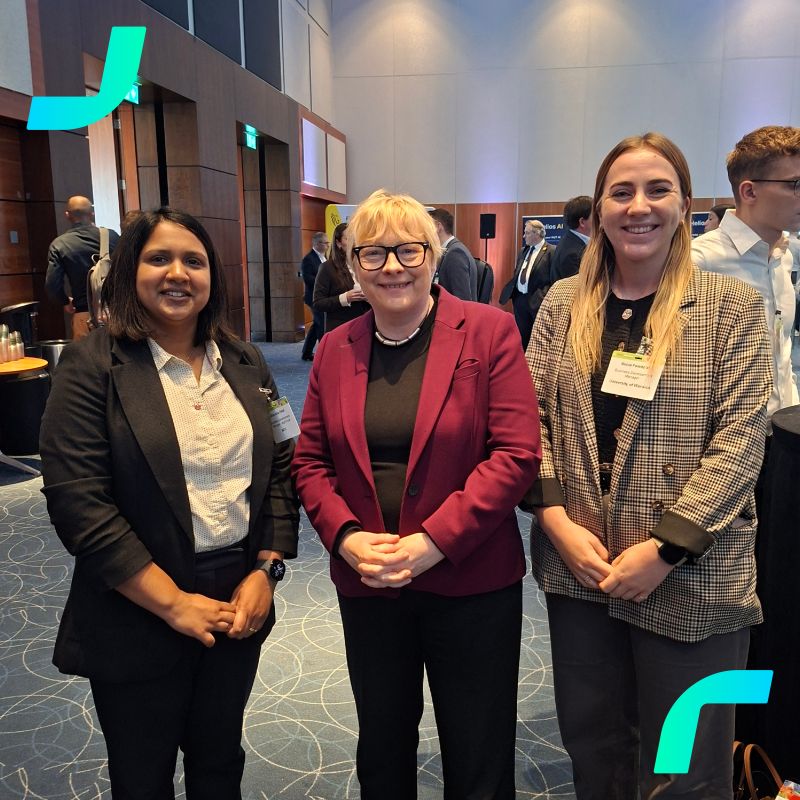
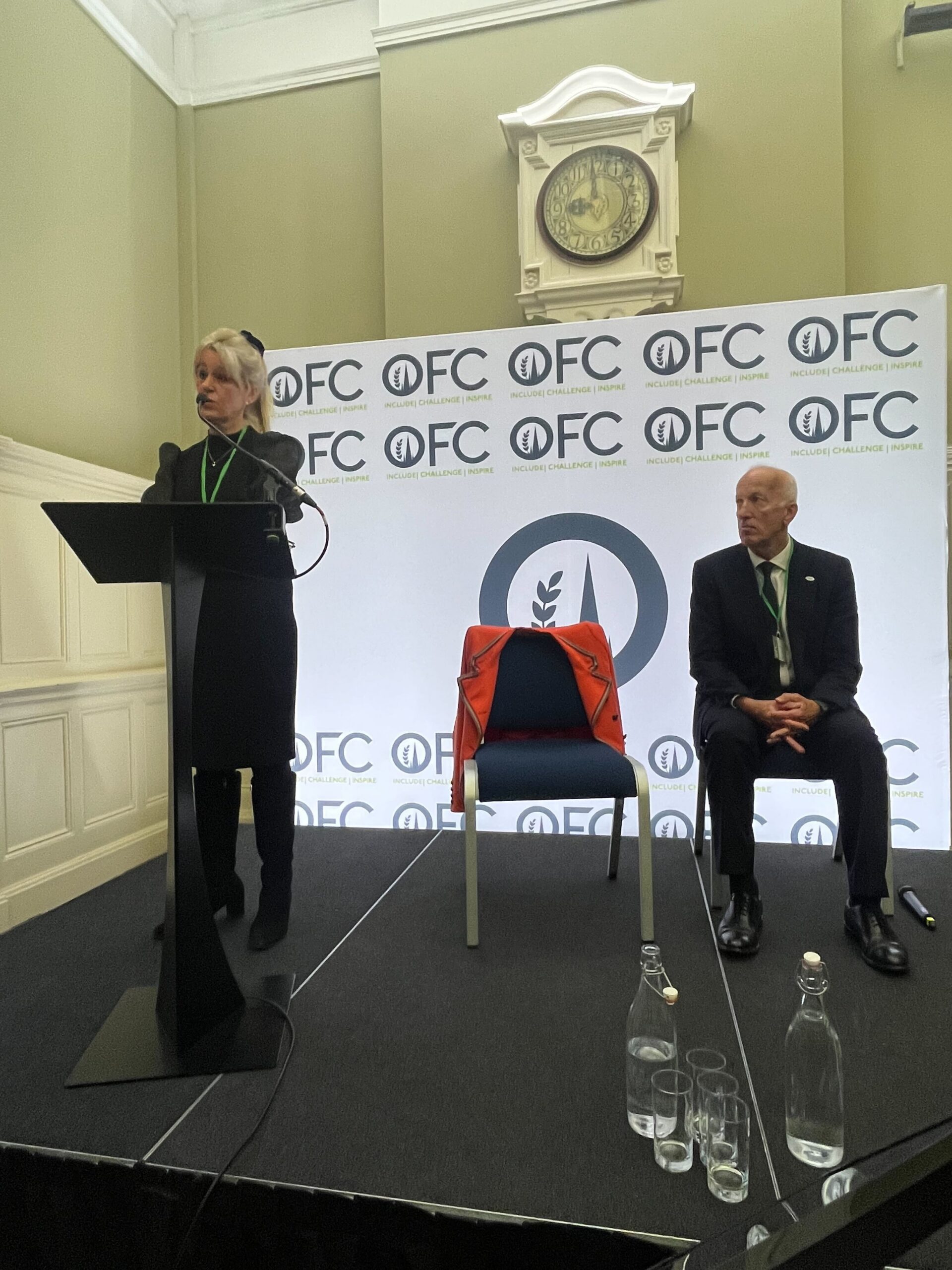
Bhavnita Patel MTC with Dame Angela Eagle Minister of State in the Department for Environment, Food and Rural Affairs
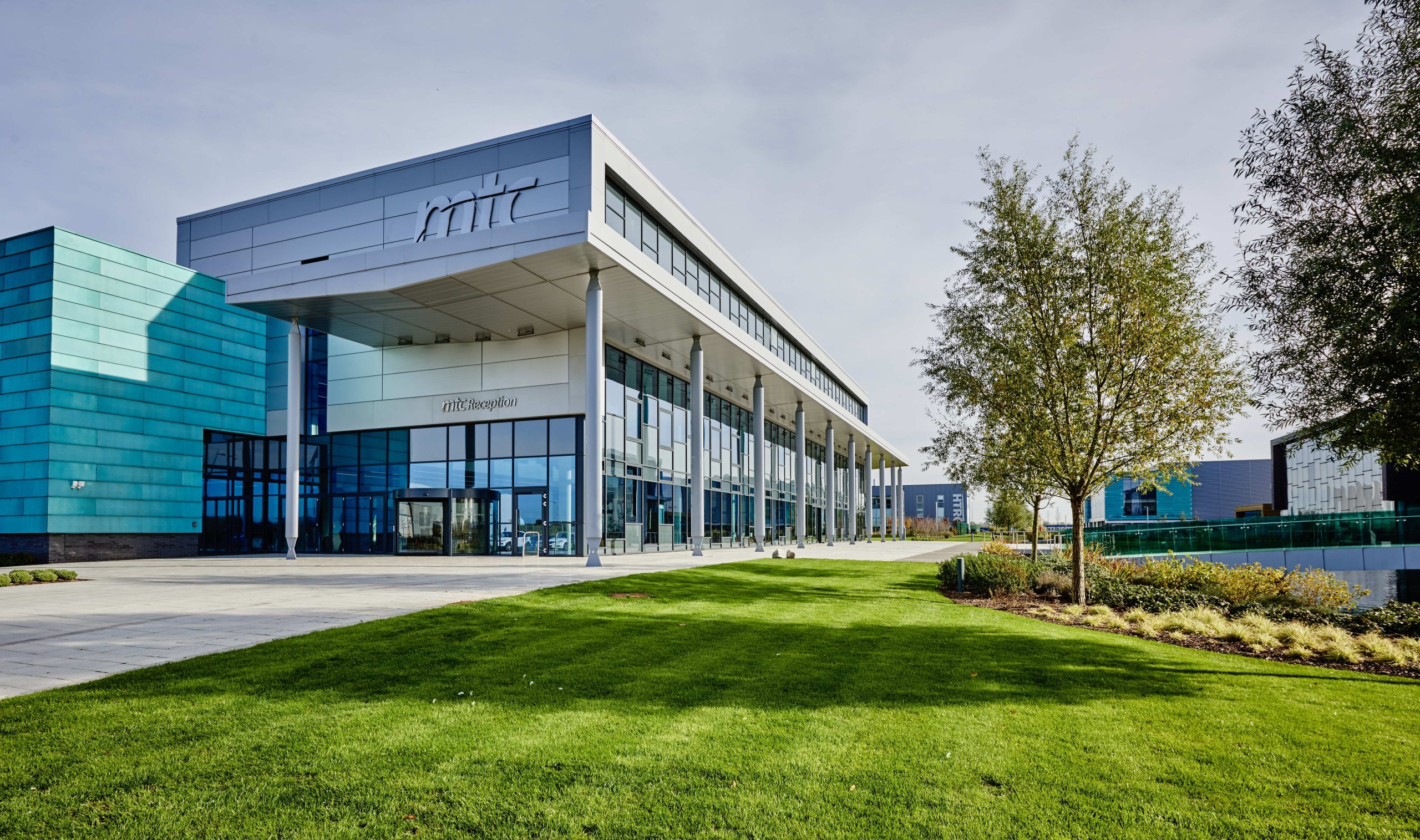
MTC's state-of-the-art facility with cutting-edge manufacturing technology at Ansty Park, Coventry
AgriScale in action: Earth Rover
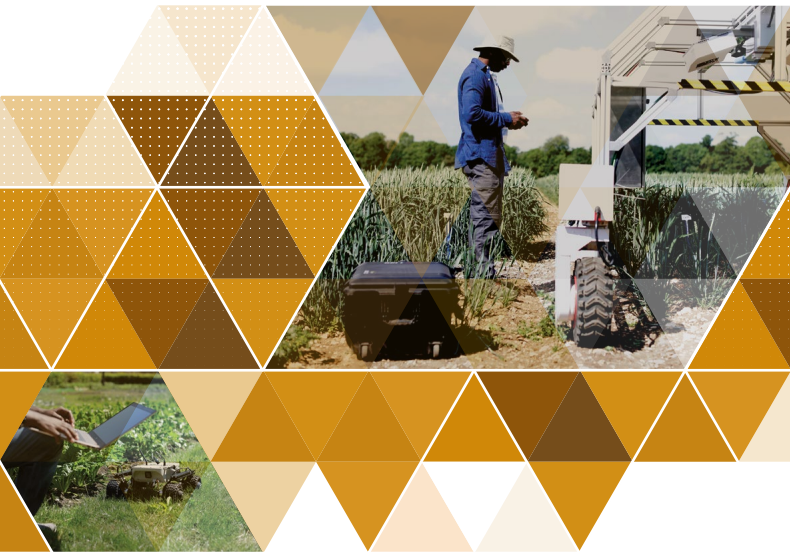
One of the companies supported through the AgriScale pilot is Earth Rover, which is developing autonomous scouting and crop‑monitoring technologies designed to help growers improve efficiency and reduce labour pressures. Their experience illustrates how manufacturing and scale‑up support can accelerate the adoption of advanced robotics on farms.
One of the main challenges faced by start-ups seeking to scale is getting through the “valley of death”. Even if the technology is proven to be successful with clear customer demand, the scale up of manufacturing and supply chain is never simple.
“By looking ahead at volume production to support roll out to customers we have been able to address key manufacturing engineering, procurement and supply chain risks before they become a problem and prevent us from deploying our robots with farmers with the expected quality and in a timely manner. The growing season is unforgiving and won’t wait for any delays or interruptions. The AgriScale pilot has helped us look at some of those risks earlier than would have been possible.” Says James Miller, CEO of Earth Rover.
Robotics are constantly developing within agriculture, but are they supporting farmers or taking away vital jobs?
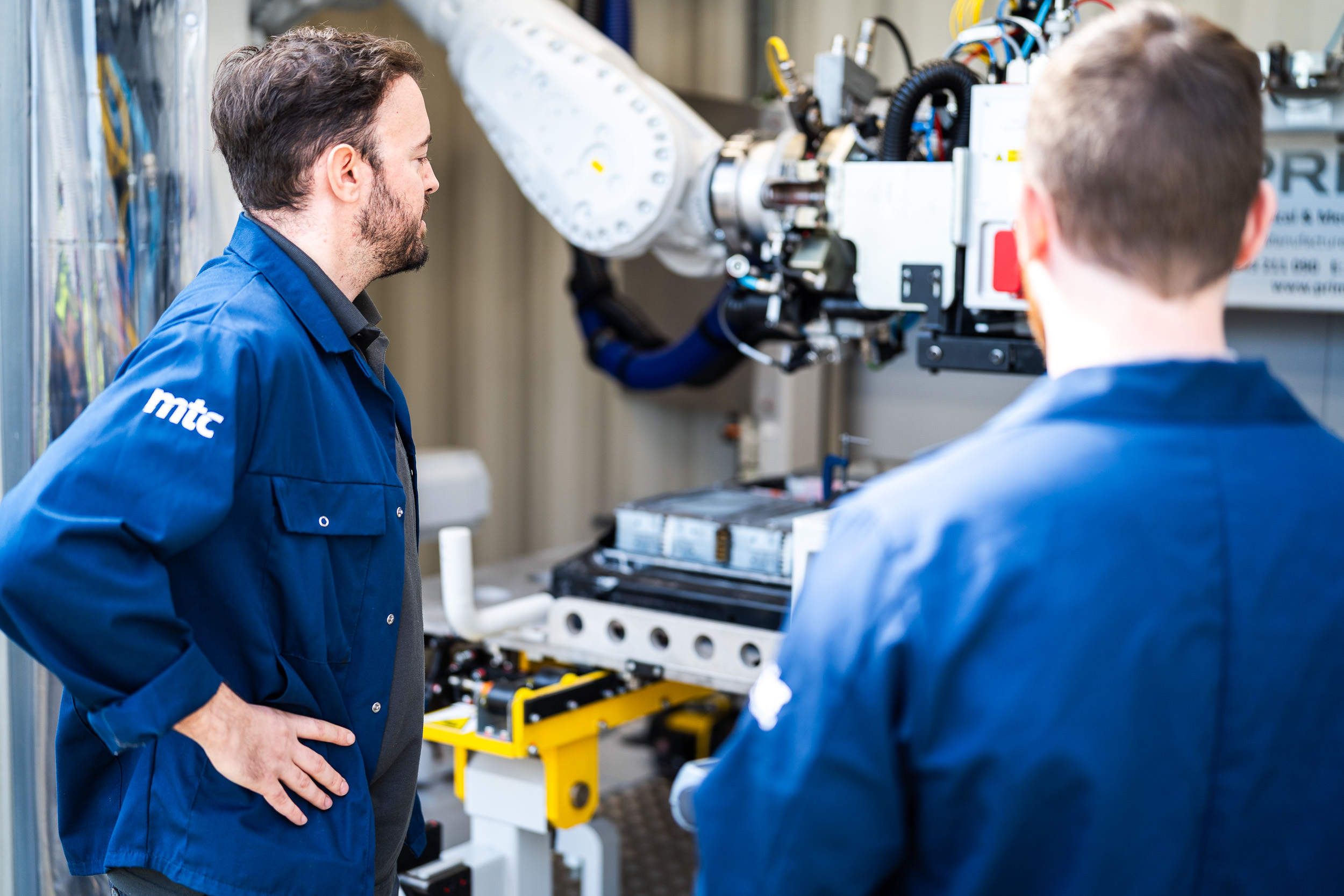
With over six hundred engineers, MTC is actively developing robotic solutions and supporting innovators in bringing them to market.
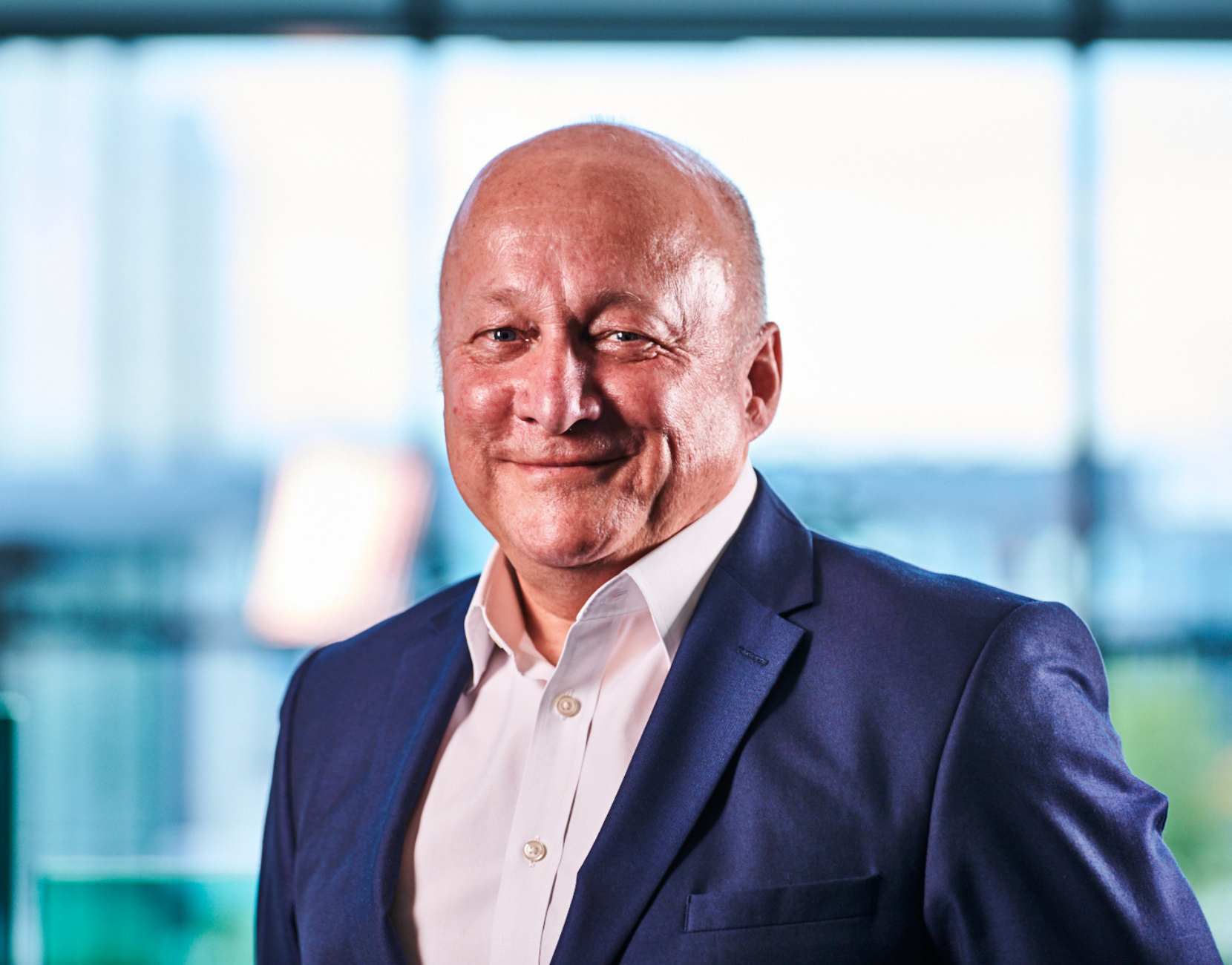
Mike Wilson, Chief Automation Officer, brings forty years of engineering experience to the agricultural sector. Speaking about current challenges, he believes there is a need for robotics to fill roles farms struggle to recruit for.
Mike Wilson
Chief Automation Officer MTC
“It’s a common misconception that robots take jobs, and it’s not just on the farm; it’s across every industry sector.
I think the issue on farms is not that people are worried about employment, it’s they just can’t get workers.
It’s about using automation to do the jobs that farmers can’t get people to do anymore.
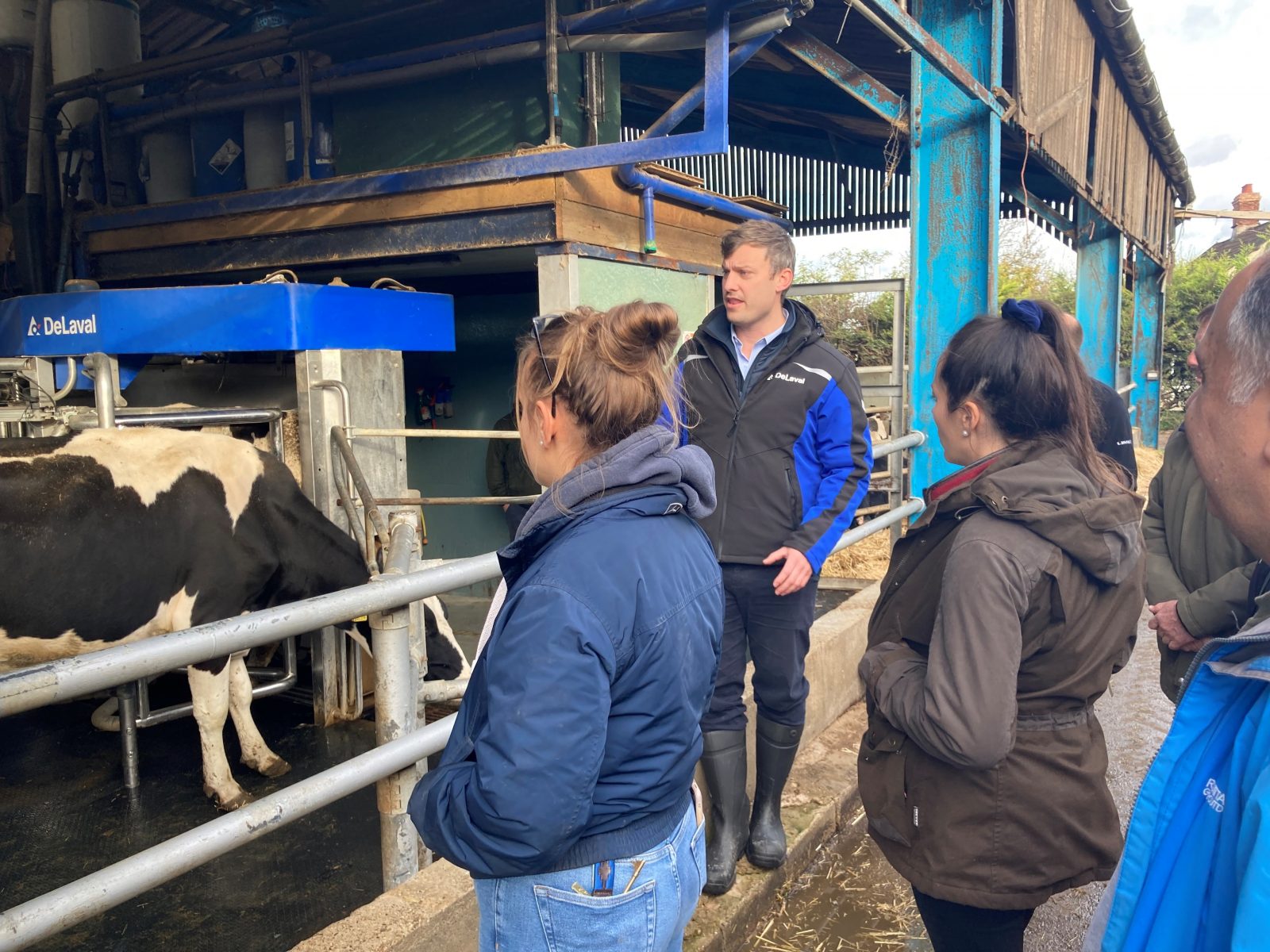
It’s about helping people to be more productive. There are robots now that clean parlours. And why not? Why have someone pushing a broom around when we can use a robot?”
Strawberry fields forever
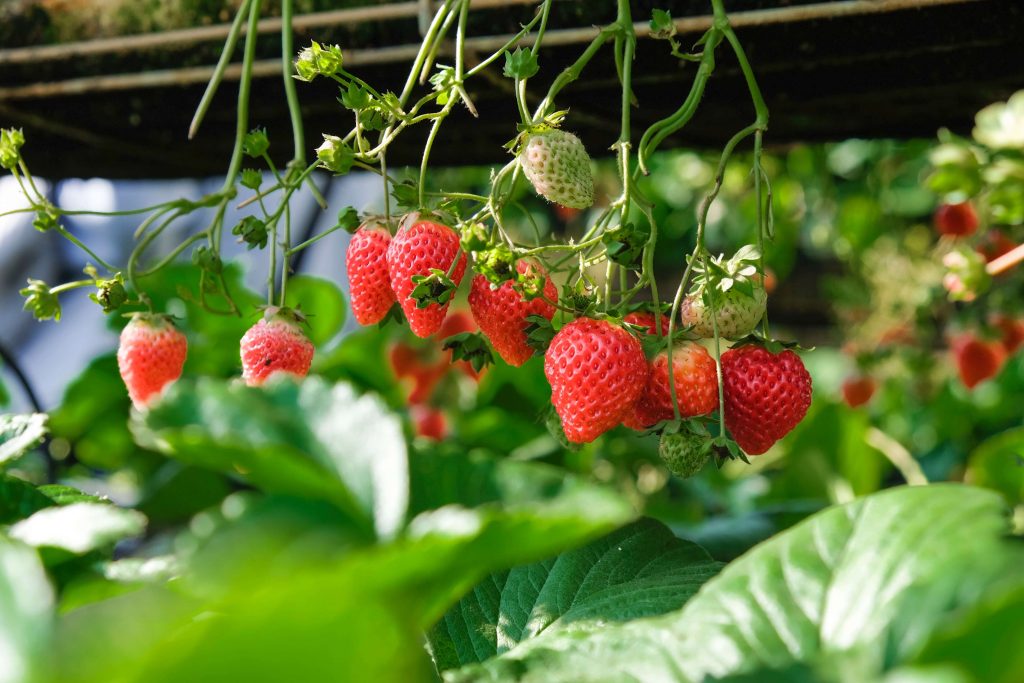
One area of intense academic focus has been robotic strawberry picking. However, Mike believes progress could be fast-tracked by prioritising tasks that are easier to automate while retaining human skills elsewhere.
“We’d make quicker progress if we concentrated on tasks that are easier to automate, using robots for the mundane jobs and letting people focus where their skills add value,” he says.
Mike sees opportunities for hybrid approaches, using technology available today, that support rather than replace skilled pickers – for instance utilising a robot that follows farm workers to collect the strawberries as they are picked, so that workers can focus on the picking.
Building resilience for UK farming
MTC’s team emphasises that robotics is ultimately about strengthening the sector to build more resilient and efficient farming businesses.
Making it more efficient makes it more resilient, and less susceptible to changes in costs, which we know the farming community faces at the moment.
“There are many growers at the moment struggling to find labour to harvest their crops. I’ve known people who have had to leave certain crops unharvested.”.
Bhavnita adds that UK‑developed technologies can support both domestic production and global food systems.
“It’s about augmenting what people can do to get the most out of not only domestic production but also supporting other countries through the technologies we’re developing and manufacturing within the UK,” she says.
Bhavnita Patel
MTC’s Business Development Manager
Connecting with growers
One tip Bhavnita recommends for aspiring innovators is to work with growers and farmers at the outset of development.
“The people we’ve worked with who have been most successful in accelerating their technology have been companies that started working with growers or farmers very early on.
“You’ll find that some companies, where it’s very tech-led and less end-user-led, they end up going down a route they later have to modify.”
“Agri-TechE has been instrumental in helping us do the right thing based on that membership and the people within it, it brings the agri-tech community together, from technology developers to end users that will be using the technology on a daily basis” she says.
Dr Bhavnita Patel will be joining the panel Growth Catalysts and Innovation Champions at Agri-TechE’s upcoming event Introduction to Agri-Tech.
Even if something looks good in the lab or in trials, moving it to commercial farm use is a whole different ballgame: you need to be able to manufacture at scale, create a strong commercial value proposition, and ensure you have captured the value of your solution. Understanding the target market, future customers, and the scale-up journey is key.
Bhav will share her experiences of supporting businesses on technology adoption alongside Louise Sutherland, Director of Ceres Agri-Tech; Lizzie Wills, Senior Partner & Head of Private Equity, GK Strategy; and Kate Pressland, CEO Ag.Impact
The Introduction to Agri-Tech event is on 20 May 2026 at Throw’s Farm Technology Centre in Essex: Book here
Post Overview
5th May 2026
Agri-TechE
Agri-TechE Article
Machinery, Robotics and AI
Share this Page:
Related Posts
Small Robot Company and SpaceTime Labs collaborate on per plant farming approach
The views expressed in this Member News article are the author's own and do not necessarily represent those of Agri-TechE.
A new land use planning tool has been launched by ADAS to support land owners and managers with making sustainable yet profitable land use decisions.
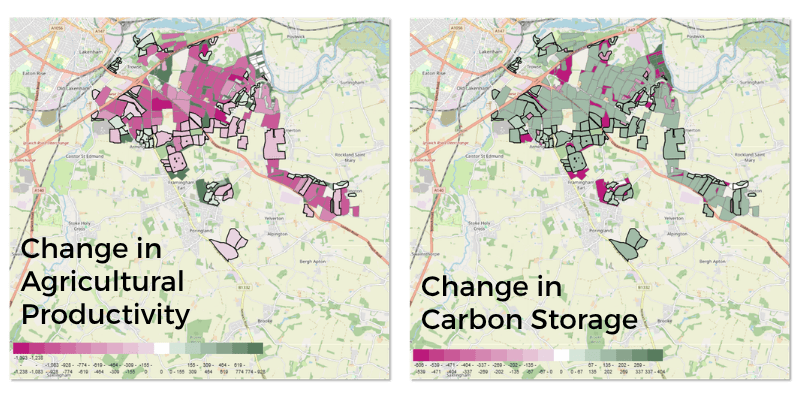
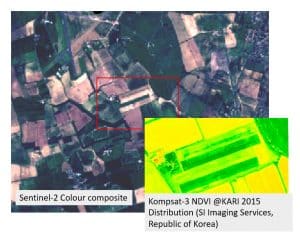
The tool – Land Use Management, Evaluation, and Optimisation tool (LUMEO) – uses satellite imagery, farm insight, and machine learning to offer land managers suggestions on how to maximise environmental gains and financial returns from their land.
Generating ideas for land use change
After inputting farm data and the desired end-goal – e.g. pure profit, environmental benefit, carbon neutrality- users are presented with a shortlist of economically viable actions to reach that goal while turning a profit. This ability to offer suggestions makes LUMEO particularly helpful for those who have a goal in mind but are unsure of how to best achieve it.
“Where LUMEO differs from other tools on the market is its ability to generate ideas. It doesn’t require you to already know the actions you want to try out. It will suggest actions based on what is possible on your holding and take into account any ongoing farm business requirements. Our goal is to help farmers to farm, but more efficiently, profitably, and sustainably,” explained ADAS environmental modeller Dan Hobley, developer of the tool.
For those who already have a plan in place, LUMEO can suggest suitable locations for change using maps of the holding – prioritising unused or underutilised land to maximise productivity.
Making sustainable, yet profitable decisions
LUMEO performs a profit calculation for each land use suggestion, allowing users to compare and combine options to find which provides the best financial return.
Dan added: “For every suggested land use change, users can see the profit they could make if they choose to convert X number of hectares. This allows them to effectively weigh up the costs and benefits before committing to any change.”
As well as profit calculations, LUMEO also shows how each land-use option could benefit others and the wider environment, including supporting local nature recovery plans.
Advisor support
At this stage, LUMEO is intended to be used with the help of an advisor.
“We’re keen to use the tool with more farms so we can continue to refine it and develop it. Anyone who feels they could benefit from what LUMEO has to offer is welcome to get in contact with ADAS.”
The views expressed in this Member News article are the author's own and do not necessarily represent those of Agri-TechE.
Ahbstra came to CC with an early proof of concept and a bold ambition: to be the first to create a large-scale water-from-air generator for low humidity climates.
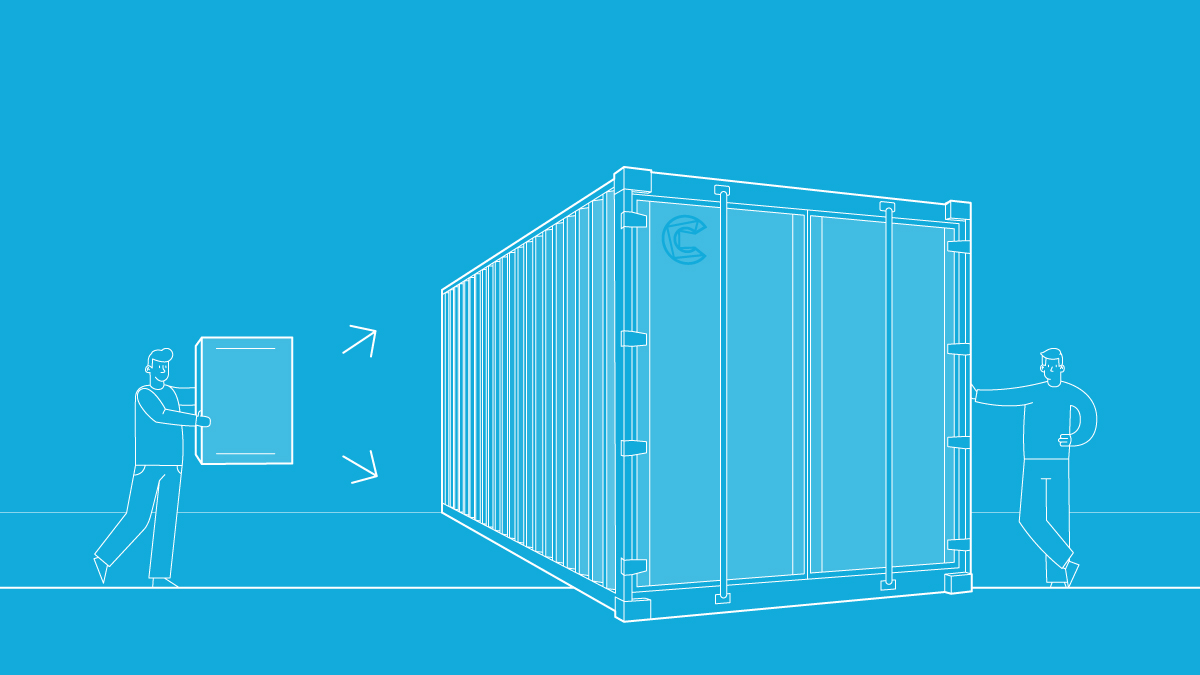
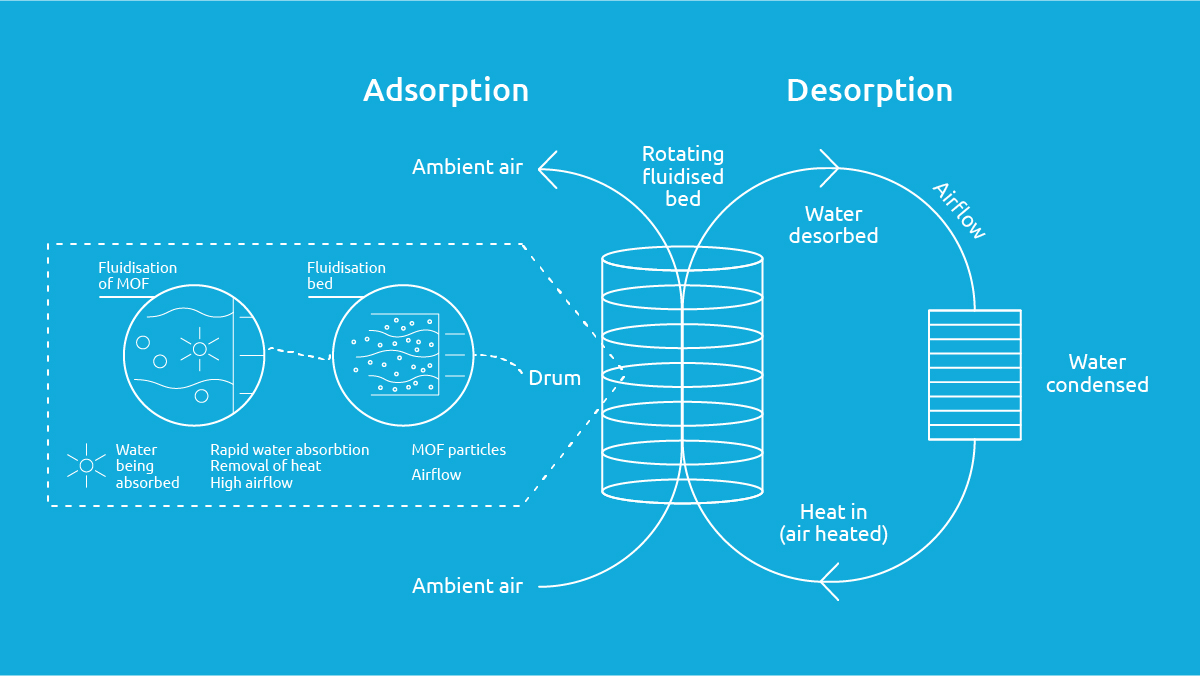
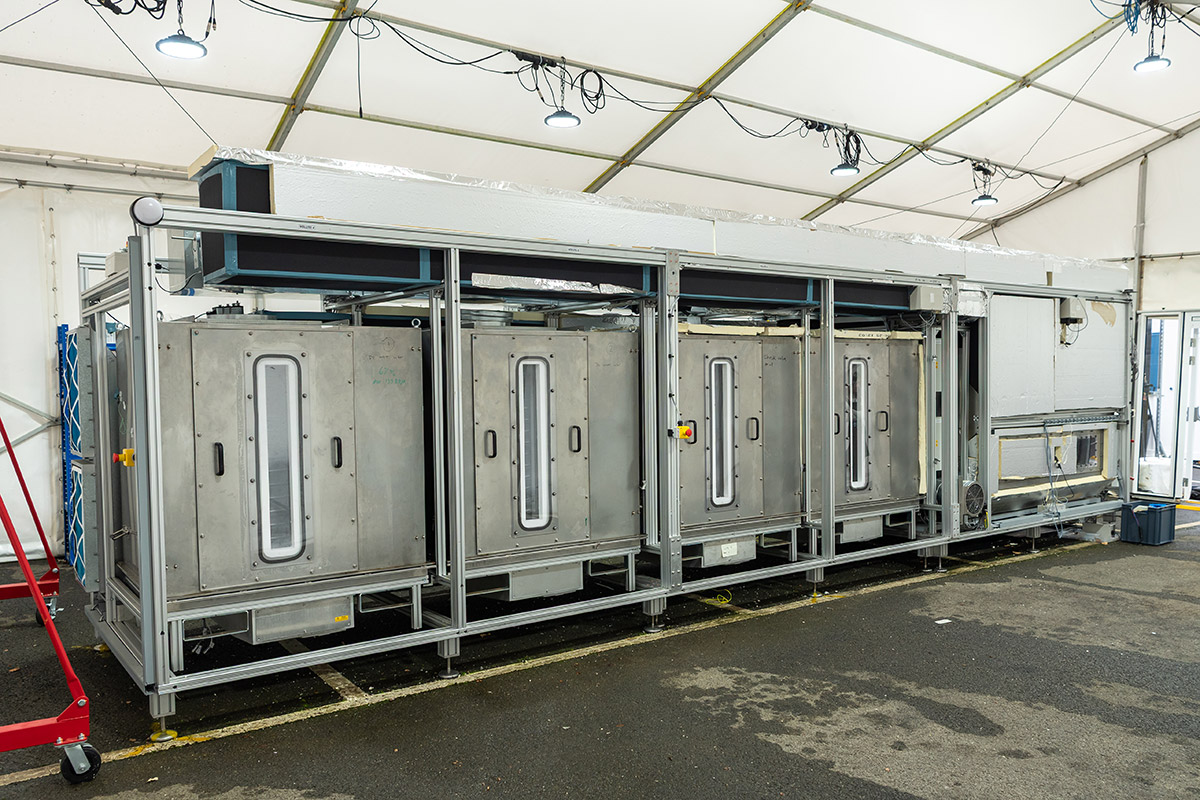
Together, we evolved that initial bench top concept into a scaled, first-of-a-kind commercial Atmospheric Water Generator (AWG) that fits into a standard shipping container. Leveraging metal organic frameworks (MOF) to extract and store water directly from the air, this technology breakthrough effectively addresses water scarcity in arid regions to position Ahbstra as market leaders in the pursuit of water independence.
Pioneering water generation technology for arid regions
Ahbstra identified an untapped gap in the market: the need for a reliable way to generate water from low-humidity air to support basic living needs without placing additional strain on already stressed ecosystems. This demand is especially urgent in arid regions with low humidity, such as southern Spain and California, where conventional water solutions often fall short.
Addressing this need would unlock transformative opportunities for housing, community development and regional growth. Beyond its residential potential, this water-from-air technology could also revolutionise access to clean water for industries including defence and data centres, as well as providing critical support in regions grappling with drought or disruption to water supplies.
But there’s a reason this hasn’t been done before. While extracting water from high-humidity air is relatively straightforward, designing a system that efficiently pulls meaningful volumes of water from low-humidity air posed a far greater challenge, while the sheer scale of the build involved numerous complexities. Solving it required a deep tech approach.
Harnessing deep tech to deliver solutions at scale
Ahbstra first approached CC to evaluate an early-stage proof of concept that could produce around 15 litres of water per day – a great achievement, but below the level needed for commercial viability. Scaling this technology to take it from the lab to commercialisation was a challenge requiring a profound understanding of the underlying technology. From air circulation and controls to heat pumps, software, electronics, feedback and sensing, every element needed to be assessed.
Our first step was to embed sensors through the design, capturing critical data and insights on system performance to fine-tune efficiency. In parallel, we developed a bespoke test rig to validate the tricky desorption cycle, diagnose performance challenges and inform the next stage of development.
This approach proved invaluable. What began as technology the size of an under-counter fridge has been transformed by our systems engineers into a 20-foot build capable of producing 150 litres of water per day. Using CC’s insights, development is underway to further maximise efficiency and reach 500 litres per day while maintaining the current size. This innovation proves the solution works at scale, setting the stage for Ahbstra’s market-leading IP.
“CC’s engineers and designers have been fantastic in taking the concept, scaling it up and engineering it to operate at full scale. It’s relied on the expertise on both sides, and it’s been a very open relationship to make this machine a reality, together.”
Zane van Romunde – Ahbstra Product Development and Commercialisation
Commercialising MOF-based technology for real-world application
At the heart of this breakthrough is the use of metal-organic frameworks – advanced adsorbent materials that act like molecular sponges, selectively capturing and storing chemicals such as water vapour, hydrogen, carbon dioxide or toxic gases from the air. The creation of MOFs recently earned a Nobel Prize win in Chemistry, yet despite hundreds of thousands of MOFs documented in scientific literature, very few have progressed beyond research labs to real-world use.
While MOFs offer exceptional potential, they remain costly. To make large-scale systems possible, we needed rapid thermal cycling on a container-sized machine. Rapid cycling depends on maximising contact between air and MOF to enable efficient adsorption and desorption. Building on Ahbstra’s proprietary drum concept, we had to scale it up to handle 40 times more MOF while maintaining performance.
We needed to manage the energy-intensive process of releasing water from the MOF, which required heating to drive off moisture and then cooling the vapour back into liquid. Unlike conventional systems, our heat pump had to cool its own exhaust, demanding a completely new control strategy, and ultimately a novel heat pump architecture engineered to manage real-world effects and maintain efficiency throughout the cycle.
This integrated novel design – requiring sophisticated thermodynamics, mechanical engineering and airflow management – marks a pivotal step in turning MOF science into practical, scalable technology with real commercial impact.
Turning water generation innovation into defensible market leadership
The result of this collaboration is advanced technology with the potential to transform global access to clean, fresh water in areas under threat from water scarcity. Designed to operate in low-humidity environments, it stands apart as the only atmospheric water generator capable of producing water in conditions where existing solutions fail. In a market with few commercially viable alternatives, it presents a game-changing solution to a critical and growing global need.
This project exemplifies CC’s deep tech mindset, developing new-to-the-world solutions that deliver both commercial and societal impact. Reliable water generation in harsh, arid climates offers the potential for applications across humanitarian aid, disaster relief, defence, remote research stations and off-grid housing developments. As climate change accelerates and water scarcity intensifies, demand for resilient, adaptable solutions are only set to grow.
Armed with a first-mover advantage and the breakthrough IP developed in collaboration with CC, Ahbstra is now positioned to shape the commercial landscape of atmospheric water generation with a real-world solution.
*I have permission from the copyright holder to publish this content and images.
Post Overview
This story has been submitted by an Agri-TechE member.
The views expressed in this Member News article are the author's own and do not necessarily represent those of Agri-TechE.
Don’t invest unless you’re prepared to lose all the money you invest. This is a high risk investment and you are unlikely to be protected if something goes wrong. Take 2 mins to learn more.
For a long time, the fashion industry has forced a difficult choice on us: rely on fossil fuel-based materials, or use animal-derived down. But what if the clothes we wear could actually help heal the planet instead of harming it?
At Ponda, we believe they can. We’ve created BioPuff®, a warm, high-performance plant-based jacket filling made from bulrush, grown on regenerated wetlands. But this isn’t just about making a new material- it’s about how that material is grown. We work with farmers to grow bulrush on rewetted peatlands, actively restoring damaged wetlands that are vital for our climate (in fact, peatlands store about twice as much carbon as all the world’s forests combined!).
We have spent the last few years validating our technology, building our pilot facility here in Bristol, and getting BioPuff® into the hands of incredible brands like Berghaus, Ahluwalia and Stella McCartney.
Now, we are ready for the next big leap: scaling up so we can bring BioPuff® to the mainstream. And rather than doing it behind closed doors, we want to invite you to build this future with us.
What is equity crowdfunding?
When you hear “crowdfunding,” you might think of platforms where you donate money or pre-order a product. Equity crowdfunding is a bit different. Through platforms like Republic Europe, it allows everyday people to invest in private startups alongside larger venture capital funds. Instead of just buying a jacket, you are actually buying shares (equity) in Ponda.
In short: you become a co-owner. If the company grows and succeeds, the value of your shares can grow, too. It is a way to directly support the businesses you want to see in the world, and share in their success. Please note that the value of your investment can go down as well as up.
Why are we crowdfunding?
We have been incredibly fortunate to receive £4.8 million to date through major institutional investors and vital government grants. While this is a massive milestone, much of this grant funding is strictly ring-fenced for specific, foundational research-such as farming innovation, land-use studies, and government partnerships.
These grants have been absolutely vital for validating our science and establishing our agricultural model. However, pioneering truly innovative material requires immense time, energy, and flexible capital to actually build the business around the innovation. As we look to scale, opening our doors to the public was a deeply intentional choice for three core reasons:
1. We want you on this journey with us
Since day one, we have been surrounded by an incredible community of nature lovers, climate advocates, and people who want better from the fashion industry. Until now, the only way to support our mission was to cheer us on from the sidelines. We want to change that. Crowdfunding allows the people who care most about regenerative farming and biodiversity to move from passive supporters to active participants in our growth.
2. Building the supply chain of the future takes a village (and a wetland!)
Grants are fantastic for funding specific research and proving that an idea works. But we aren’t just making a concept material—we are building an entirely new, nature-friendly supply chain from the ground up. Crowdfunding provides the flexible, community-backed capital we need to expand our manufacturing, support more farmers, and get BioPuff® out into the world at a commercial scale.
3. The time is right
We have proven that BioPuff® works, we have the backing of major fashion brands, and we have the pilot infrastructure in place. Now, it is time to scale an emerging system that the planet and the industry desperately need.
How to get involved
We are currently in our private Pre-Registration phase. By signing up now, you will get priority access to our pitch deck, behind-the-scenes updates, and the chance to invest before the campaign opens to the wider public.
Pre-register: Click the link below to visit our Republic page and register your interest (it takes 30 seconds and there is no obligation to invest).
Learn more: Once we go live, you can review our full story, our future plans, and our community reward tiers.
Become an owner: Choose your investment amount and officially join the Ponda family!
A type of crowdfunding that enables multiple investors to buy shares in a company, using a crowdfunding platform like Republic.
What is a share?
An ownership interest in a company that entitles the shareholder to certain rights, for example, a share of profits or dividend payments from the company if it grows financially. Shares are also referred to as “stock”.
What is an ordinary share?
Shares that represent normal equity ownership in a company. Ordinary shares generally entitle the owner to vote at shareholder meetings, receive dividends, and receive distributions on the winding up of a company but do not carry preferential treatment. The nominee structure means that Republic will generally exercise these rights on your behalf. Businesses like those funded on platforms rarely pay dividends. This means that if you invest in a business through the platform, even if it is successful, you are unlikely to see any return of capital or profit until you are able to sell your shares. Even for a successful business, this is unlikely to occur for a number of years from the time you make your investment.
What is Republic?
Republic is the crowdfunding platform which will enable you to invest in Ponda. Republic, formerly Seedrs, has funded over 2,000 deals to date. The top companies they have funded include Revolut, Allplants, Cheeky Panda, Manilife, Oddbox, Mindful Chef, and TransferGo.
Who can invest?
To invest through Republic, you must be over 18 years old, legally entitled to invest, and a resident of the UK, Europe, or another country supported by the platform.
How do I become a shareholder?
You can become a shareholder of Ponda by opening an account with Republic and placing your investment through them. Your investment will be administered and held through your registered Republic account.
What is early access or pre-registration?
First, we will offer everyone the opportunity to register their interest in investing in Ponda. Everyone who pre-registers will be given the first opportunity to invest. They will receive an exclusive email inviting them to invest when the early access funding round opens. This will be open for a short period of time before the funding round is opened up to everyone else. Republic will guide you through the whole process, from pre-registering your interest to making an investment and beyond.
How do I sign up with Republic?
It’s simple and free for anyone in the UK or EU to sign up. Once your investor profile is complete, you’ll be able to access our campaign, ask us questions, request further information, and invest. When creating your Republic account, please make sure you create it in your own name, as the person investing. They cannot accept joint investments or investments made on behalf of someone else. Note: In order to make investments, you need to successfully complete the Republic Investment Authorisation Questionnaire or self-certify as a “high net worth individual” or a “sophisticated investor” if you reside in the UK or Europe. If you reside in an accepted jurisdiction outside of the UK and Europe, you will need to self-certify as an accredited investor in your local jurisdiction. This is intended to show us that you have the judgement and understanding to appreciate the risks of investing in private companies.
How do I pay for my investment?
Once you’ve made an investment, you’ll need to pay for it. If you are able to pay with a debit/credit card, you can do so as part of the investment confirmation process. If you’re unable to pay by debit/credit card, you will need to make a deposit into your Republic account and then allocate the investment amount to the investee campaign. You must deposit and pay for the investment before the campaign closes, or your investment will be cancelled, and you will not receive shares in the business.
How much can I invest?
You can invest from as little as £20 up to the full amount that the campaign is seeking—and note whether you’d like the investment to be public or anonymous. You will then be presented with an Investment Agreement, which is a standardised agreement between you and Republic with respect to your investment. If you’re happy with it, click to accept, and that’s it—you’ve made an investment!
What is overfunding?
Businesses must reach their targets on Republic within 30 days, and if they do not, all investors receive their money back. However, if a business hits its target before the 30-day period is over, it can accept additional investment—in exchange for additional equity—if it so chooses. This is called overfunding, and investors who invest during the overfunding period do so on the exact same terms as other investors. The one difference in overfunding is that businesses do not have to accept any or all of the funds they raise in their overfunding period. Republic will let you know if we have chosen not to accept your overfunding investment via email, and Republic will refund your payment to your Investment Account.
Can I cancel my investment or change my mind?
You can cancel an investment at any time before a campaign closes from within your Republic Investment Account. You have a minimum of 7 days to cancel your investment. By cancelling, funds already paid will be returned to your Republic account to be paid into other investments, if you like. If you have funds in your Republic account that are not currently committed to an investment, you may withdraw them at any time from your Investment Account. This can take up to 48 hours and must be returned to the account from which they originated.
What happens when the campaign ends?
Once our campaign closes, and the Republic team has successfully completed legal due diligence and investment documentation, Republic will transfer the funds to the company in exchange for shares. Republic will then send you an electronic share certificate, confirming that you are officially an investor in the business, and will include a link to our post-investment portal where you can keep in touch with us and our progress.
When can I sell my shares?
The main way you can make money from your investment is by selling your shares for more than you paid for them. There are a couple of ways that this might occur: if the company grows to the point where it floats on a stock exchange, is bought by another company, or conducts a share buyback, you are likely to be able to sell your shares—potentially at a profit—at that stage. You may also be able to sell your shares on the Republic Secondary Market, whereby investors can buy and sell shares from each other online. Bear in mind that the ability to buy and sell shares will depend on demand, meaning that you may not be able to sell them immediately.
Risk Warning
Investing involves risks, including loss of capital, illiquidity, lack of dividends and dilution, and should be done only as part of a diversified portfolio. Please read the Risk Warnings before investing. Investments should only be made by investors who understand these risks. Tax treatment depends on individual circumstances and is subject to change in future. Republic does not make investment recommendations to you, and any investment decision should be made on the basis of the full campaign. No communications from Republic, through email or any other medium, should be construed as an investment recommendation.
Seedrs Limited, trading as Republic Europe, is authorised and regulated by the Financial Conduct Authority. Seedrs Limited is a limited company, registered in England and Wales (No. 06848016), with a registered office at Cubo Soho, Ilona Rose House, Manette Street, London W1D 4AL, United Kingdom.
*I have permission from the copyright holder to publish this content and images.
Post Overview
This story has been submitted by an Agri-TechE member.
The views expressed in this Member News article are the author's own and do not necessarily represent those of Agri-TechE.
Elsoms Seeds, the UK’s leading independent seed business, now operating across a world-wide market, has announced a significant investment into a new Innovation Centre that will expand their research and development capabilities. Plant science, breeding better varieties, and advanced seed technologies are vital to Elsoms and to global food security. This latest investment affirms Elsoms’ commitment to R&D and strengthens their ability to deliver high-performing, resilient crop varieties.
The new Innovation Centre will substantially increase Elsoms’ R&D capacity, enhancing capabilities, accelerating future variety development, strengthening delivery and providing greater support to customers and partners. The enlarged capacity will also bring R&D teams from Elsoms Seeds, Elsoms Wheat, and Elsoms Ackermann Barley together under one roof.
A one-year build programme, expected to start in June 2026, will create a wide range of climate-controlled growing rooms, specialised laboratories, offices and more in the new facility on Elsoms Way. There will also be further upgrades to facilities at the head office site.
David Coop, Managing Director at Elsoms Seeds said,
“Elsoms’ work in plant science is customer focused. This investment in innovation means we’ll do even more to develop, demonstrate and deliver great varieties, support food security and help our customers to grow more from less.”
Post Overview
This story has been submitted by an Agri-TechE member.
The views expressed in this Member News article are the author's own and do not necessarily represent those of Agri-TechE.
Anglia Innovation Partnership, the campus management organisation for Norwich Research Park, has announced that Bayer, a global leader in health and nutrition, will be supporting its new ‘BioTransitions’ programme with a three-year sponsorship.
The ‘BioTransitions’ programme will initially focus on supporting ‘Seed-to-Series A’ companies operating in the agri-food biotech sector. As well as supporting companies already based at Norwich Research Park, the programme will aim to attract agri-food biotech companies from elsewhere in the world who will benefit from the specialist skills pool and technology platforms available on the Park’s campus as well as the bespoke programme of support and network of connections on offer.
The ‘BioTransitions’ programme will help companies with their investment strategies, intellectual property (IP) and patent applications, field trials, access to advanced technology platforms, marketing strategy, network of contacts in academia and industry, as well as accessing the expertise of the sponsors of the programme, including Bayer.
The term ‘BioTransitions’ refers to the use of biology to help the planet move away from its reliance on petrochemicals. Thanks to the extensive research carried out in this discipline across its campus, Norwich Research Park has a unique capability to deliver multiple potential solutions.
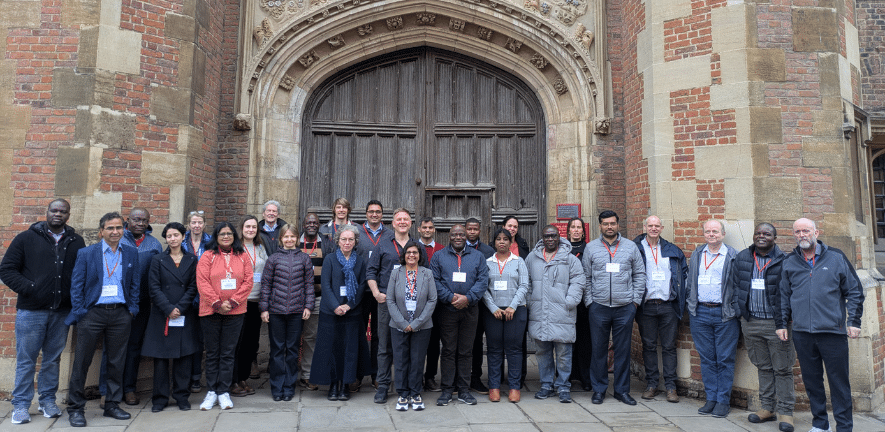
The announcement was made at a reception Anglia Innovation Partnership held on Thursday 23rd April at Norwich Research Park for a visiting delegation from St Louis, Missouri in the US. St Louis is home to a similar cluster of plant science and pharmaceutical research organisations and businesses, known as 39 North AgTech Innovation District. Bayer has two separate campuses in close vicinity. The delegation from St Louis flew to the UK on the inaugural direct flight from the city’s airport to Heathrow airport.
*I have permission from the copyright holder to publish this content and images.
Roz Bird, CEO of Anglia Innovation Partnership, said, “Following on from the success of our on-campus incubation programme for start-ups, we are delighted to welcome Bayer on board as first sponsor of the new ‘BioTransitions’ programme.
“The connection with Bayer and St Louis is part of the work we are doing to develop the role of the campus in the global agri-food market. Much like Norwich Research Park, St Louis is a global hot spot for agri-food biotech research and commercialisation activity so we are looking at opportunities to work ‘ecosystem-to-ecosystem’, pooling our collective strengths and considering new opportunities for collaboration to help solve some of the world’s major challenges in agriculture and climate change.”
Dr Florian Jupe, Strategic Partnerships Lead Biologics at Bayer’s Crop Science division, said, “At Bayer, we are dedicated to fostering external partnerships and embracing open innovation as key drivers to transform the agricultural landscape. We have known about the potential at Norwich Research Park for some time, bolstered by numerous valuable collaborations over the years with partners from Norwich Research Park. We are excited to now advance together current early-stage businesses and help them step up to the next level in their journey to commercialisation, , and ultimately their future success in agriculture and food security.”
The BioTransitions programme will be run by a sister company of Anglia Innovation Partnership, reporting to the Anglia innovation Partnership Board, and is looking for up to four other sponsors to enable its delivery by a small team of experts.
Dr Phil Taylor, Director of Ecosystem Development at Bayer’s Crop Science division, said “We are delighted to announce our involvement as a sponsor of the ‘BioTransitions’ programme and to reinforce the collaborative work that can develop between our cities’ clusters over the next few years. These programmes matter as they combine leading research & development capabilities with in-depth knowledge and ingenuity from experts to accelerate the delivery of agricultural innovation to farmers, and we look forward to create an environment to support early-stage companies to scale.
Post Overview
This story has been submitted by an Agri-TechE member.
The views expressed in this Member News article are the author's own and do not necessarily represent those of Agri-TechE.
It was in June 2025 that Space4Climate announced the two successful consortia in the Phase 2 Market Breakthrough Funding (MBF) round. They were tasked with building on insights from the first MBF, that resulted in three reports on barriers blocking take-up of EO data by end users. The aim was to develop practical roadmaps to put many of those recommendations into action.
Space4Climate members Pixalytics led the MBF Phase 2 consortium focusing on farm advisors.
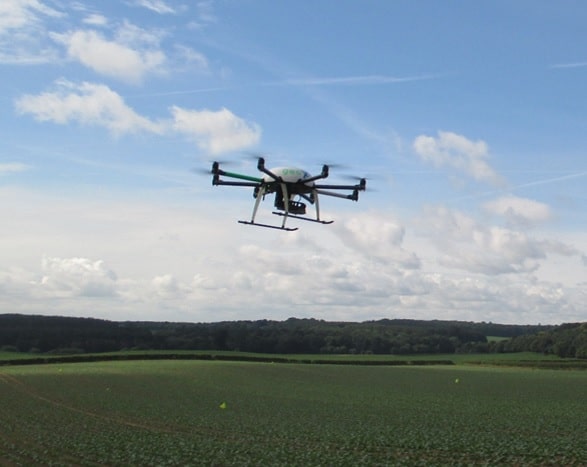
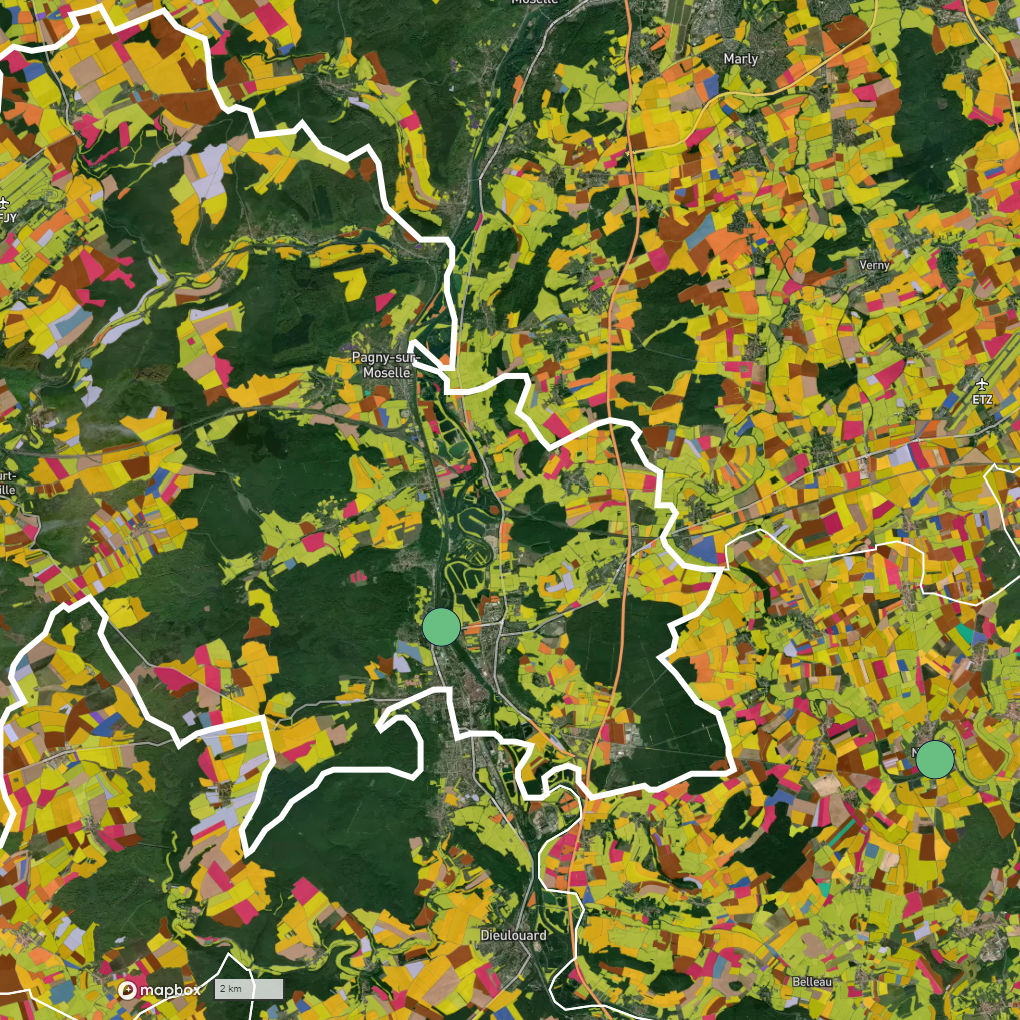
The six-month Space4Climate-funded project, ‘Furthering market understanding through engaging with farm advisors to support climate services’, focused on understanding the use of satellite services within the ‘last mile’ of the agricultural supply chain – those advisors and suppliers who supply and interpret data or provide advice and/or services directly to farmers, alongside the farmers themselves.
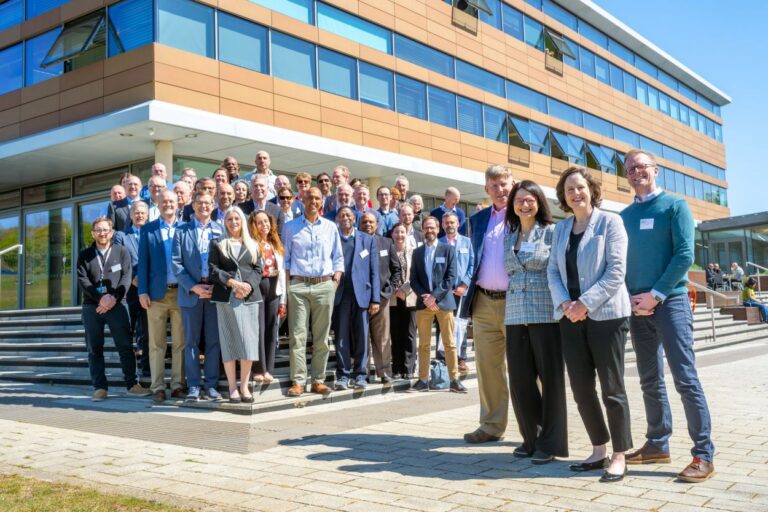
Activities included webinars, attendance at agricultural shows and conferences, a survey, 1-to-1 interviews, and webinars supported by Agri-TechE. The discussions yielded more than 300 findings, which have been curated and are reflected in the report.
The project has been finalised by a report, including 14 key recommendations, that have ‘the potential to offer relatively low-cost quick wins to enhance the uptake and usage of satellite-derived data and information services’ by identifying suitable end users in agriculture.
*I have permission from the copyright holder to publish this content and images.
Post Overview
This story has been submitted by an Agri-TechE member.
The views expressed in this Member News article are the author's own and do not necessarily represent those of Agri-TechE.
Most AI conversations start in the wrong place. They ask which jobs AI will replace. For farming, that misses the more useful point.
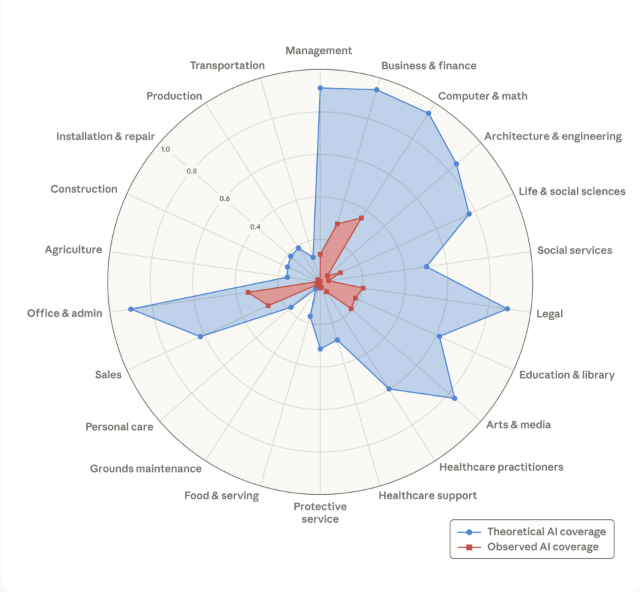
Source: Anthropic, Labor market impacts of AI: A new measure and early evidence, March 2026. Chart used for commentary and analysis.
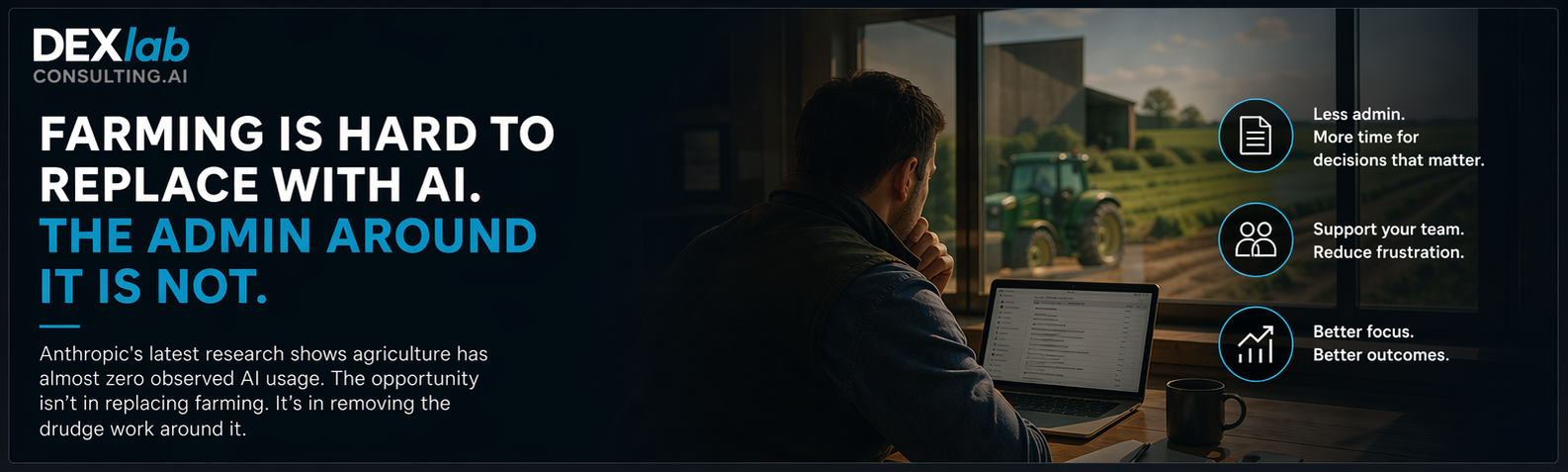
Anthropic’s latest labour market research compared theoretical AI capability with observed AI usage across different occupations. Agriculture sits low on theoretical coverage and almost at zero on observed usage. That should not surprise anyone who understands farming. AI is not about to replace the physical reality of working land, managing livestock, fixing machinery, reading weather, making field decisions and dealing with the constant judgement calls that come with running an agricultural business. Anthropic also notes that many agricultural tasks remain beyond AI’s reach, including physical work such as pruning trees and operating farm machinery. (Anthropic)
Farming is physical, local, seasonal and full of uncertainty. That makes it hard to replace. But the rest of Anthropic’s chart tells a different story. Management, business and finance, legal, office and admin, and sales all show much higher AI coverage. Every one of those functions exists inside agriculture.
That is the real opportunity. Not replacing farming. Removing the drag around it.
For many farmers, the problem is not a lack of effort. It is that too much time gets pulled away from the work that actually needs them. Paperwork, emails, supplier comparisons, meeting notes, staff rotas, compliance documents, grant applications, customer follow-up, invoices, reports, policy updates, health and safety documents and basic planning all sit around the core work of farming. None of this is why most people got into the sector. But it still has to be done.
This is where AI can help now. Not through an overbuilt six-month project. Not by buying the latest platform because a vendor said agriculture is being transformed. Not by starting with a tool before anyone has worked out the actual problem. AI can help a farm manager turn rough notes into a clear update, summarise long documents before a decision is made, draft routine emails, turn meetings into actions, compare supplier information, build first drafts of operating procedures and structure knowledge that currently sits in someone’s head.
That does not replace the farm manager. It gives them time back.
That distinction matters. An hour saved on admin is not just an hour saved. It is an hour that can go back into work that needs experience, judgement and presence. Better conversations with staff. Better decisions on the ground. Faster follow-up with customers. Less end-of-day paperwork. Less frustration.
This is augmentation rather than automation. Automation asks, “What can we remove?” Augmentation asks, “What can we make easier?” For most agricultural businesses, that second question is the better starting point.
I wrote recently about the difference between AI augmentation and automation. The core point was simple: the question is not what AI can replace, but what good people could do if AI took the work that does not need their judgement. That point applies strongly to agriculture because so much of the core work still depends on human context, experience and real-world decision-making. (Dexlab Consulting)
The risk now is not that farmers ignore AI. The risk is that AI gets made too complicated before they even start. As more tools appear, more vendors enter the market. More platforms. More claims. More dashboards. More promises. More consultants selling large programmes before the business has even worked out where the pain is. That creates confusion. It also creates room for exploitation.
A farmer who knows they should probably be doing something with AI, but does not know where to start, is easy to overwhelm. Sell them the vision. Show them the demo. Talk about automation. Skip the foundations. That is how businesses waste money.
The better route is simpler. Start with the work. Where is time being lost? Where is admin slowing people down? Where are decisions delayed because information is scattered? Where is useful knowledge trapped in one person’s head? Where are managers doing low-judgement work that AI could help with?
That is the first layer. Not the tool. The work.
At Dexlab Consulting, I take a vendor and tool-agnostic view of AI adoption. The starting point should not be a product catalogue. It should be the reality of how the business runs. The right tool might be Microsoft Copilot. It might be ChatGPT. It might be a specialist agricultural platform. It might be no new tool at all, just better use of something the business already pays for.
The point is not to make AI sound clever. The point is to make work better.
Agriculture is well placed to get this right because the core work is not easily replaced. That gives the sector a better starting point than many office-based industries. Less fear. More usefulness. Less replacement. More support.
The businesses that win with AI in agriculture will not be the ones chasing the biggest automation story. They will be the ones that ask the simplest question first:
Where are good people spending time on work that does not need their judgement?
Start there. That is where AI becomes useful.
*I have permission from the copyright holder to publish this content and images.
Post Overview
This story has been submitted by an Agri-TechE member.
The views expressed in this Member News article are the author's own and do not necessarily represent those of Agri-TechE.
Following the success of last year’s sell-out event, Ceres Group are proud to host the Ceres AgriStrategy Conference 2026.
Thursday 3rd December 2026
Rothamsted Conference Centre, Harpenden
Designed for progressive farmers, agronomists and agricultural leaders, the conference provides an opportunity to take stock of the past year and look ahead with clarity and confidence.
Early bird tickets are now available at a discounted rate, matching last year’s pricing for a limited time only.Book today to take advantage of this offer.
Hosted by Ceres Group, the day brings together expert speakers, practical insights and evidence-led discussion to support strategic planning for the seasons ahead. We’re excited to build on the momentum of last year’s event, with new features designed to make this year’s conference even more valuable and engaging for attendees.
Join industry peers for a focused day of learning, discussion and connection, aimed at supporting resilient, informed and forward-thinking agri businesses.
BASIS and NRoSO points will be available.
—
NEW FOR THIS YEAR: EXHIBITOR PACKAGES
We are excited to announce that this year’s conference will feature a dedicated exhibitors’ area.
This space is designed for AgTech businesses, innovators, and organisations looking to connect with a highly targeted audience of farmers, growers, agronomists, and rural professionals.
With over 200 farming professionals expected to attend, the event offers dedicated networking time and exhibition opportunities alongside a strong, independent speaking programme focused on data-led insight and practical strategy. Exhibitor participation is carefully curated to maximise visibility while remaining separate from conference content.
—
Interested in exhibiting at this year’s event? Contact us to find out more about our exhibitor packages.

 Burleigh Dodds Science Publishing Limited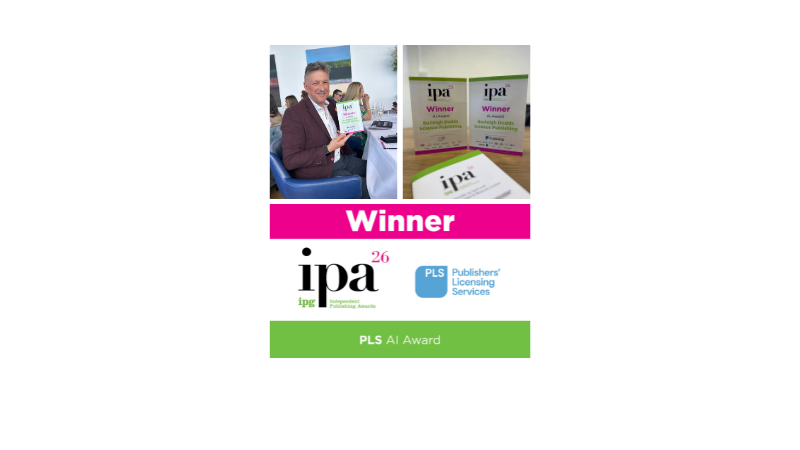



 Populi Consulting Ltd




 Agri-TechE




 Agri-TechE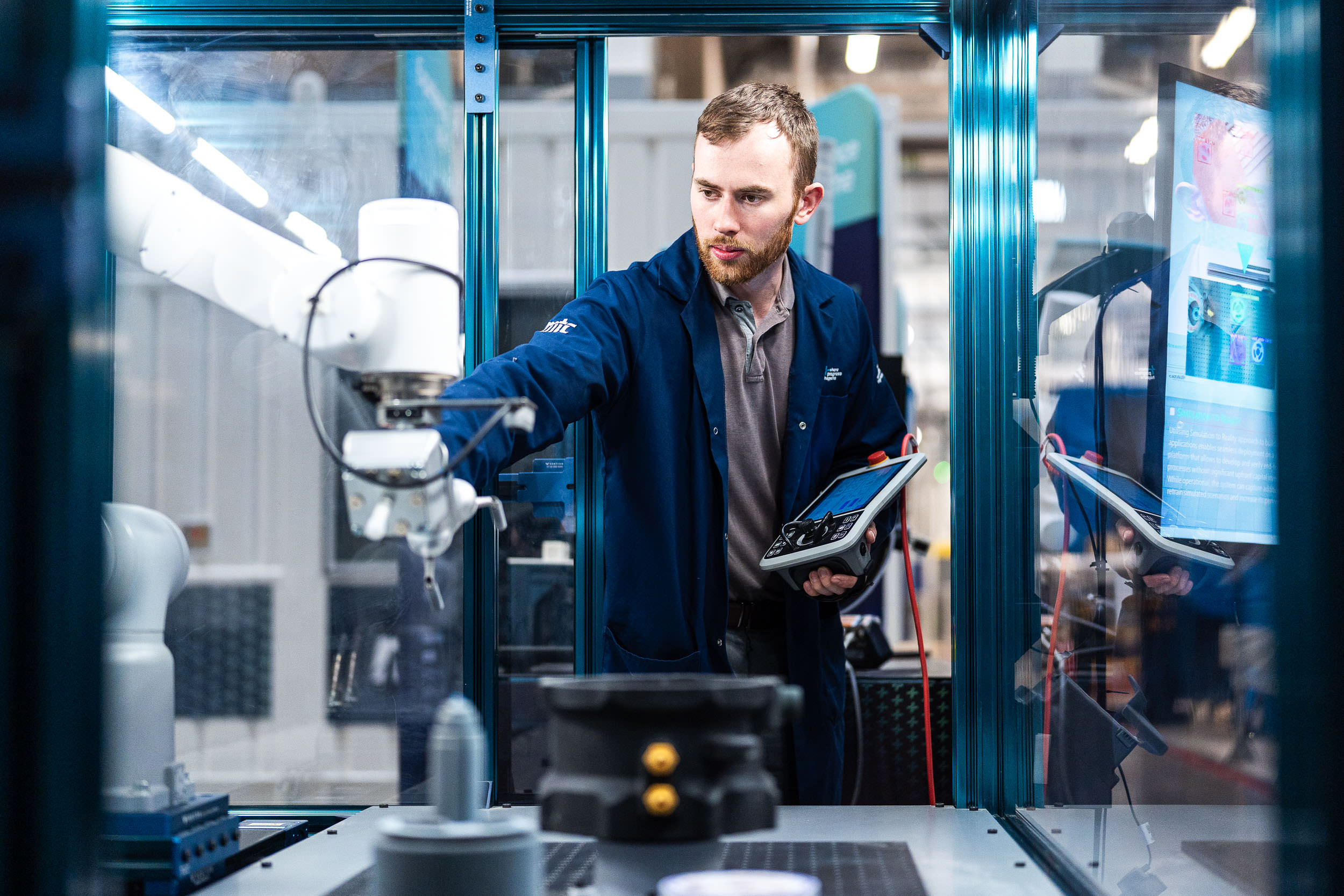


 ADAS
ADAS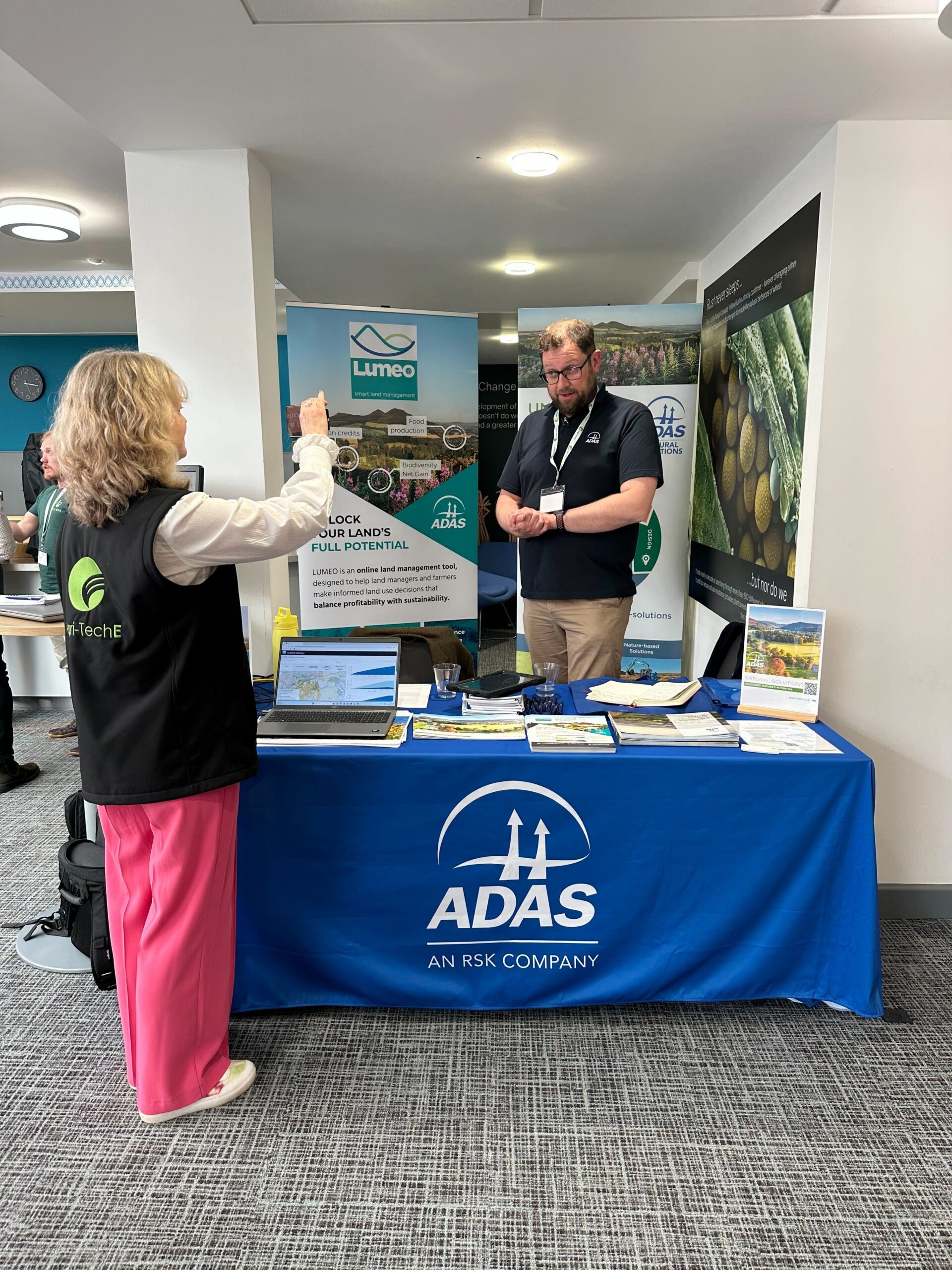


 Cambridge Consultants



 Ponda
Ponda

 Elsoms Seeds Ltd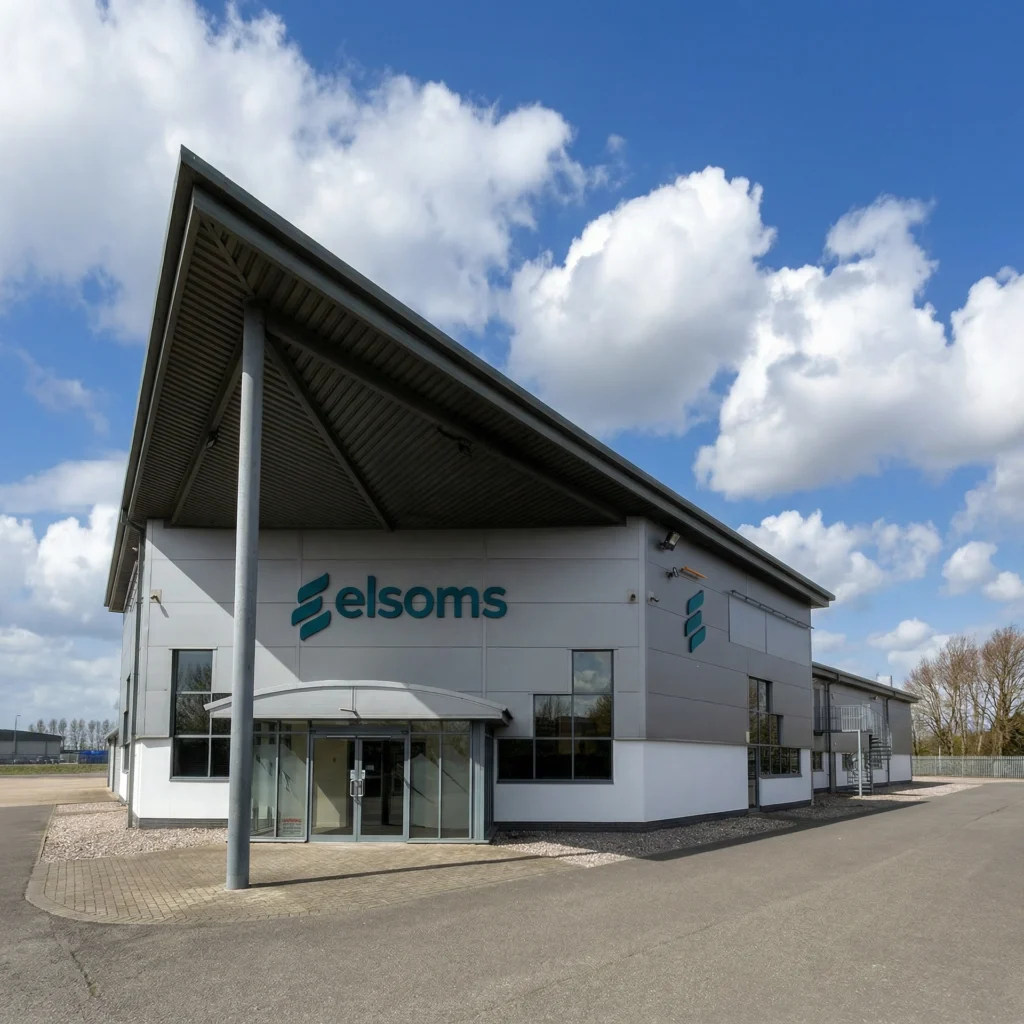

 Norwich Research Park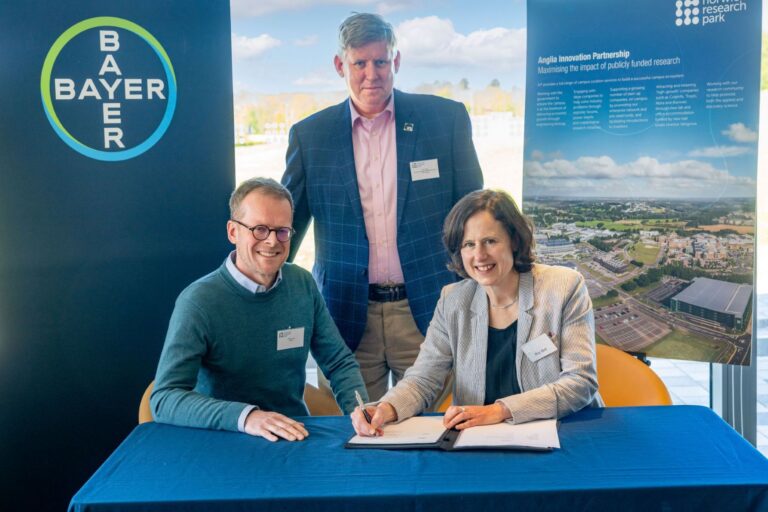
 Pixalytics Ltd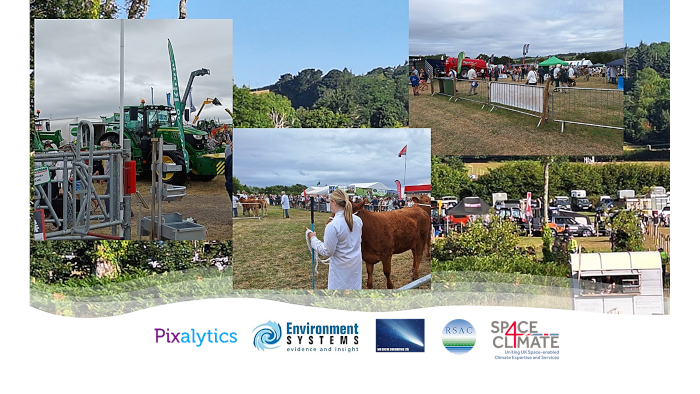


 Dexlab Consulting Ltd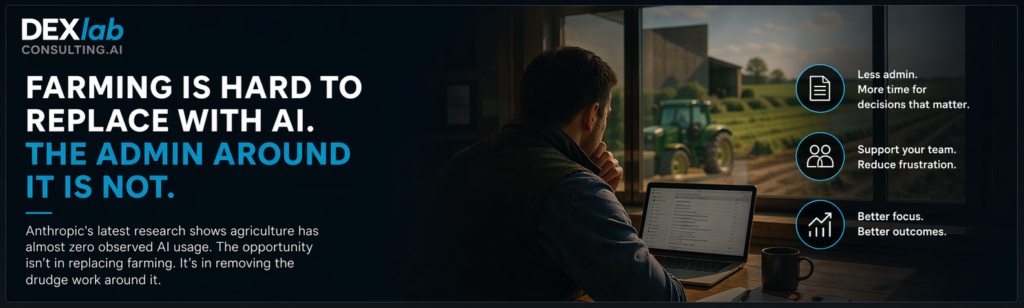

 Ceres Research