New BioTransitions global scale-up programme launched at Norwich Research Park for agri-food biotech businesses

Member News
The views expressed in this Member News article are the author's own and do not necessarily represent those of Agri-TechE.

Anglia Innovation Partnership, the campus management organisation for Norwich Research Park, has announced that Bayer, a global leader in health and nutrition, will be supporting its new ‘BioTransitions’ programme with a three-year sponsorship.

The ‘BioTransitions’ programme will initially focus on supporting ‘Seed-to-Series A’ companies operating in the agri-food biotech sector. As well as supporting companies already based at Norwich Research Park, the programme will aim to attract agri-food biotech companies from elsewhere in the world who will benefit from the specialist skills pool and technology platforms available on the Park’s campus as well as the bespoke programme of support and network of connections on offer.

The ‘BioTransitions’ programme will help companies with their investment strategies, intellectual property (IP) and patent applications, field trials, access to advanced technology platforms, marketing strategy, network of contacts in academia and industry, as well as accessing the expertise of the sponsors of the programme, including Bayer.

The term ‘BioTransitions’ refers to the use of biology to help the planet move away from its reliance on petrochemicals. Thanks to the extensive research carried out in this discipline across its campus, Norwich Research Park has a unique capability to deliver multiple potential solutions.

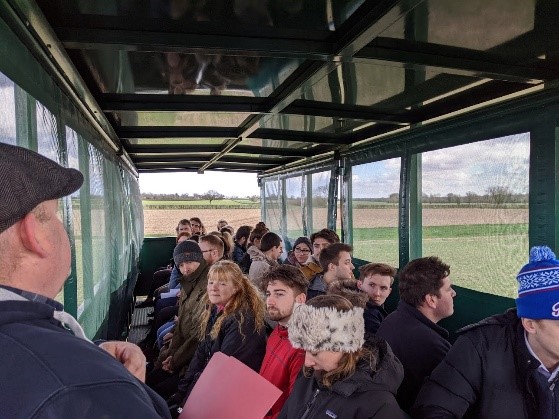
The announcement was made at a reception Anglia Innovation Partnership held on Thursday 23rd April at Norwich Research Park for a visiting delegation from St Louis, Missouri in the US. St Louis is home to a similar cluster of plant science and pharmaceutical research organisations and businesses, known as 39 North AgTech Innovation District. Bayer has two separate campuses in close vicinity. The delegation from St Louis flew to the UK on the inaugural direct flight from the city’s airport to Heathrow airport.

  • *I have permission from the copyright holder to publish this content and images.
NRP_St_Louis_Bayer-26-768x512
NRP_St_Louis_Bayer-7-768x512

Roz Bird, CEO of Anglia Innovation Partnership, said, “Following on from the success of our on-campus incubation programme for start-ups, we are delighted to welcome Bayer on board as first sponsor of the new ‘BioTransitions’ programme.

“The connection with Bayer and St Louis is part of the work we are doing to develop the role of the campus in the global agri-food market. Much like Norwich Research Park, St Louis is a global hot spot for agri-food biotech research and commercialisation activity so we are looking at opportunities to work ‘ecosystem-to-ecosystem’, pooling our collective strengths and considering new opportunities for collaboration to help solve some of the world’s major challenges in agriculture and climate change.”

Dr Florian Jupe, Strategic Partnerships Lead Biologics at Bayer’s Crop Science division, said, “At Bayer, we are dedicated to fostering external partnerships and embracing open innovation as key drivers to transform the agricultural landscape. We have known about the potential at Norwich Research Park for some time, bolstered by numerous valuable collaborations over the years with partners from Norwich Research Park. We are excited to now advance together current early-stage businesses and help them step up to the next level in their journey to commercialisation, , and ultimately their future success in agriculture and food security.”

The BioTransitions programme will be run by a sister company of Anglia Innovation Partnership, reporting to the Anglia innovation Partnership Board, and is looking for up to four other sponsors to enable its delivery by a small team of experts.

Dr Phil Taylor, Director of Ecosystem Development at Bayer’s Crop Science division, said “We are delighted to announce our involvement as a sponsor of the ‘BioTransitions’ programme and to reinforce the collaborative work that can develop between our cities’ clusters over the next few years. These programmes matter as they combine leading research & development capabilities with in-depth knowledge and ingenuity from experts to accelerate the delivery of agricultural innovation to farmers, and we look forward to create an environment to support early-stage companies to scale.

Space4Climate Agriculture Market Breakthrough – Report published

Member News
The views expressed in this Member News article are the author's own and do not necessarily represent those of Agri-TechE.

It was in June 2025 that Space4Climate announced the two successful consortia in the Phase 2 Market Breakthrough Funding (MBF) round. They were tasked with building on insights from the first MBF, that resulted in three reports on barriers blocking take-up of EO data by end users. The aim was to develop practical roadmaps to put many of those recommendations into action.

Space4Climate members Pixalytics led the MBF Phase 2 consortium focusing on farm advisors.

The six-month Space4Climate-funded project, ‘Furthering market understanding through engaging with farm advisors to support climate services’, focused on understanding the use of satellite services within the ‘last mile’ of the agricultural supply chain – those advisors and suppliers who supply and interpret data or provide advice and/or services directly to farmers, alongside the farmers themselves.

Activities included webinars, attendance at agricultural shows and conferences, a survey, 1-to-1 interviews, and webinars supported by Agri-TechE. The discussions yielded more than 300 findings, which have been curated and are reflected in the report.

The project has been finalised by a report, including 14 key recommendations, that have ‘the potential to offer relatively low-cost quick wins to enhance the uptake and usage of satellite-derived data and information services’ by identifying suitable end users in agriculture.


  • *I have permission from the copyright holder to publish this content and images.

Farming is hard to replace with AI. The admin around it is not.

Member News
The views expressed in this Member News article are the author's own and do not necessarily represent those of Agri-TechE.

Most AI conversations start in the wrong place. They ask which jobs AI will replace. For farming, that misses the more useful point.


Source: Anthropic, Labor market impacts of AI: A new measure and early evidence, March 2026. Chart used for commentary and analysis.

Anthropic’s latest labour market research compared theoretical AI capability with observed AI usage across different occupations. Agriculture sits low on theoretical coverage and almost at zero on observed usage. That should not surprise anyone who understands farming. AI is not about to replace the physical reality of working land, managing livestock, fixing machinery, reading weather, making field decisions and dealing with the constant judgement calls that come with running an agricultural business. Anthropic also notes that many agricultural tasks remain beyond AI’s reach, including physical work such as pruning trees and operating farm machinery. (Anthropic)

Farming is physical, local, seasonal and full of uncertainty. That makes it hard to replace. But the rest of Anthropic’s chart tells a different story. Management, business and finance, legal, office and admin, and sales all show much higher AI coverage. Every one of those functions exists inside agriculture.

That is the real opportunity. Not replacing farming. Removing the drag around it.

For many farmers, the problem is not a lack of effort. It is that too much time gets pulled away from the work that actually needs them. Paperwork, emails, supplier comparisons, meeting notes, staff rotas, compliance documents, grant applications, customer follow-up, invoices, reports, policy updates, health and safety documents and basic planning all sit around the core work of farming. None of this is why most people got into the sector. But it still has to be done.

This is where AI can help now. Not through an overbuilt six-month project. Not by buying the latest platform because a vendor said agriculture is being transformed. Not by starting with a tool before anyone has worked out the actual problem. AI can help a farm manager turn rough notes into a clear update, summarise long documents before a decision is made, draft routine emails, turn meetings into actions, compare supplier information, build first drafts of operating procedures and structure knowledge that currently sits in someone’s head.

That does not replace the farm manager. It gives them time back.

That distinction matters. An hour saved on admin is not just an hour saved. It is an hour that can go back into work that needs experience, judgement and presence. Better conversations with staff. Better decisions on the ground. Faster follow-up with customers. Less end-of-day paperwork. Less frustration.

This is augmentation rather than automation. Automation asks, “What can we remove?” Augmentation asks, “What can we make easier?” For most agricultural businesses, that second question is the better starting point.

I wrote recently about the difference between AI augmentation and automation. The core point was simple: the question is not what AI can replace, but what good people could do if AI took the work that does not need their judgement. That point applies strongly to agriculture because so much of the core work still depends on human context, experience and real-world decision-making. (Dexlab Consulting)

The risk now is not that farmers ignore AI. The risk is that AI gets made too complicated before they even start. As more tools appear, more vendors enter the market. More platforms. More claims. More dashboards. More promises. More consultants selling large programmes before the business has even worked out where the pain is. That creates confusion. It also creates room for exploitation.

A farmer who knows they should probably be doing something with AI, but does not know where to start, is easy to overwhelm. Sell them the vision. Show them the demo. Talk about automation. Skip the foundations. That is how businesses waste money.

The better route is simpler. Start with the work. Where is time being lost? Where is admin slowing people down? Where are decisions delayed because information is scattered? Where is useful knowledge trapped in one person’s head? Where are managers doing low-judgement work that AI could help with?

That is the first layer. Not the tool. The work.

At Dexlab Consulting, I take a vendor and tool-agnostic view of AI adoption. The starting point should not be a product catalogue. It should be the reality of how the business runs. The right tool might be Microsoft Copilot. It might be ChatGPT. It might be a specialist agricultural platform. It might be no new tool at all, just better use of something the business already pays for.

The point is not to make AI sound clever. The point is to make work better.

Agriculture is well placed to get this right because the core work is not easily replaced. That gives the sector a better starting point than many office-based industries. Less fear. More usefulness. Less replacement. More support.

The businesses that win with AI in agriculture will not be the ones chasing the biggest automation story. They will be the ones that ask the simplest question first:

Where are good people spending time on work that does not need their judgement?

Start there. That is where AI becomes useful.

  • *I have permission from the copyright holder to publish this content and images.

Join us on 3rd December 2026 at the Ceres AgriStrategy Conference

Member News
The views expressed in this Member News article are the author's own and do not necessarily represent those of Agri-TechE.

Following the success of last year’s sell-out event, Ceres Group are proud to host the Ceres AgriStrategy Conference 2026.

Thursday 3rd December 2026

Rothamsted Conference Centre, Harpenden

Designed for progressive farmers, agronomists and agricultural leaders, the conference provides an opportunity to take stock of the past year and look ahead with clarity and confidence.

Early bird tickets are now available at a discounted rate, matching last year’s pricing for a limited time only. Book today to take advantage of this offer.

Ceres Research members also receive a further 50% off the delegate ticket price.
Ceres AgriStrategy Conference 2026 Tickets, Thursday, December 3  •  8:30 AM – 7 PM | Eventbrite

Hosted by Ceres Group, the day brings together expert speakers, practical insights and evidence-led discussion to support strategic planning for the seasons ahead. We’re excited to build on the momentum of last year’s event, with new features designed to make this year’s conference even more valuable and engaging for attendees.

Join industry peers for a focused day of learning, discussion and connection, aimed at supporting resilient, informed and forward-thinking agri businesses.

BASIS and NRoSO points will be available.

NEW FOR THIS YEAR: EXHIBITOR PACKAGES

We are excited to announce that this year’s conference will feature a dedicated exhibitors’ area.

This space is designed for AgTech businesses, innovators, and organisations looking to connect with a highly targeted audience of farmers, growers, agronomists, and rural professionals.

With over 200 farming professionals expected to attend, the event offers dedicated networking time and exhibition opportunities alongside a strong, independent speaking programme focused on data-led insight and practical strategy. Exhibitor participation is carefully curated to maximise visibility while remaining separate from conference content.

Interested in exhibiting at this year’s event? Contact us to find out more about our exhibitor packages.

Dannielle.robb@ceresresearch.com 07825928594

Navigating Fertiliser Risk over Reacting to Headlines

Member News
The views expressed in this Member News article are the author's own and do not necessarily represent those of Agri-TechE.

Fertiliser continues to sit at the heart of arable profitability discussions. It remains one of the largest controllable costs on farm, yet it is also one of the most unpredictable. The focus recent is not on trying to forecast fertiliser prices, but on understanding how growers can make better decisions when volatility is no longer temporary, but structural.

The core message is clear: the greatest risk today is often not the price of fertiliser itself, but risky decision‑making driven by uncertainty, hindsight and headline reactions.

Fertiliser prices are volatile, but the real risk lies elsewhere

The past few seasons have shown just how exposed fertiliser markets are to global disruption. Geopolitical conflict, particularly in Ukraine and the Middle East, alongside ongoing instability in energy markets, has created sharp price swings that feel uncomfortable and difficult to navigate.

However, focusing solely on price obscures the bigger problem. Businesses tend to respond emotionally to volatility, often reacting to the wrong signals at the wrong time. This can lead to missed opportunities, badly timed purchases, or over‑correction in following seasons.

Understanding where fertiliser risk actually comes from is the first step in managing it more effectively.

Understanding the drivers behind fertiliser markets

  1. Nitrogen must be viewed as an energy product first, and an agricultural input second. Prices are driven primarily by natural gas values, ammonia production capacity, logistics, and geopolitics. When gas prices rise or supply chains tighten, nitrogen prices follow. Crop values, drilling progress, and farmer sentiment have very little influence.
  2. Phosphate and potash are better thought of as geopolitical minerals. These markets tend to move more slowly but are highly sensitive to exporting nations, sanctions, and shipping routes. Supply is concentrated, which makes prices vulnerable to sudden step changes when disruption occurs.
  3. Crucially, current market volatility is not temporary. Structural drivers such as global trade realignment, carbon pricing, environmental constraints on production, and geopolitical tension mean that input markets are likely to remain unstable for the foreseeable future.

The question is no longer when prices will return to normal, but how farm businesses can operate profitably in a permanently volatile input environment.

The current fertiliser landscape

As of spring 2026, fertiliser markets remain tight and nervous.

Global urea prices are being propped up by disruption risk around the Strait of Hormuz, through which around 30 percent of global urea shipments pass. With periods of production offline and strong buying interest from India, prices remain elevated.

In the UK, ammonium nitrate prices are firm, supported by constrained European production and high raw material costs. NS compounds are increasingly difficult to source, with little new stock expected. Liquid nitrogen remains available and can still be cost‑effective for applications such as earwash, particularly where milling premiums are modest.

Phosphate fertilisers such as DAP and TSP are available but expensive, limiting flexibility for maize and spring cropping decisions. MOP has so far avoided the sharp price rises seen elsewhere, although it is not immune to future increases.

Putting fertiliser prices into a UK context

Viewed in isolation, fertiliser prices look alarming. However, when set alongside UK wheat values, a more nuanced picture emerges.

Crop prices have also moved to a higher average level than pre‑2020, helping to offset some of the increased input cost pressure. Affordability is strained, but not unprecedented.

Looking back over the past decade reinforces this point. The extreme spike in fertiliser prices during 2022 was exceptional, but prices never fully returned to earlier norms. Similarly, wheat prices now sit on a higher plane than during the 2010s.

The key shift is that both inputs and outputs are now more volatile, increasing the consequences of poor timing and emotionally driven decisions.

UK fertiliser and wheat prices line graph
Figure 1. Nitrogen prices vs Wheat ex-farm prices. Source: AHDB.


An exit strategy for a volatile world

Rather than chasing the lowest possible fertiliser price in hindsight, develop strategies that reduce exposure and protect margin.

Key principles include:

  • Accepting volatility as permanent, not temporary
  • Stopping attempts to time the market
  • Buying fertiliser in tranches rather than committing to total requirements in one go
  • Linking fertiliser purchases to crop margin and, where appropriate, forward grain pricing
  • Investing in nutrient efficiency to reduce exposure over time
  • Protecting certainty through written strategies, price triggers, and pre‑agreed decisions rather than emotion.

In volatile markets, the goal is not perfection. It is avoiding catastrophic outcomes and preserving business resilience.

From market strategy to field decisions

Understanding fertiliser markets is only half the picture. The real challenge is translating that volatility into sensible nitrogen decisions in the field, particularly in a dry spring where crop response is uncertain.

We explore this practical reality in a follow‑on members article focused on nitrogen decision‑making under dry, variable conditions, including where flexibility exists and how to avoid irreversible decisions too early in the season. You can read this article here, or re-watch our Monthly Agronomy Club here where we discussed these topics in even more detail.

If you’d like to learn more, or become a Ceres Research Member, please visit here. Remember, Agri-TechE members receive 10% off the membership through the Member Discount Scheme! Enquire with us to find out more.

  • *I have permission from the copyright holder to publish this content and images.

Looking Back, Moving Forward: The New Era of Precision Breeding

Agri-TechE Blog
Agri-TechE

The recent granting of a Precision Bred Organism (PBO) marketing notice for a gene-edited variety of barley to Rothamsted Research has made us reflect over 30 years of debate, discussions, strong opinions and scientific discovery which have led to the current development.

Monitoring global trends

There’s nothing like an annual report to give a good overview of the direction of travel. The recently published “Global Status of Commercialised Biotech/GM Crops in 2024”, was launched in February by the International Service for the Acquisition of Agri-biotech Applications (ISAAA) which, for the last three decades, has provided insights into the global adoption of this technology.

The latest report has revealed that since 1996, 73 countries have integrated genetically modified (GM) crops into their agricultural systems – 44 through cultivation and 29 through imports.

What is clear is that despite set-backs and regulatory hurdles, there has been a global gaining of momentum, not least with the development of gene-editing technologies, first developed in 2012. The latest ISAAA findings highlight not just continued global adoption, but also an evolution in how this technology is used.

Early adoption – narrow but deep

When GM crops were first commercialised in 1996, farmer adoption was relatively modest—just 1.7 million hectares across a handful of countries. But early ISAAA reports documented a rapid surge.

In just four years global GM crop area had reached 44 million hectares, and by the mid-2000s, adoption had increased more than forty-fold.

This rapid uptake allegedly gave GM crops the status of fastest adopted technology in the history of modern agriculture.

Early growth, however, was geographically narrow and mapped mainly to countries with enabling regulatory jurisdictions. The United States, Canada, Argentina and China dominated production, and so-called “industrialised nations” accounted for the vast majority of cultivated area.

The technology was largely focused on a few key crops—soybean, maize and cotton—and on two primary traits: herbicide tolerance and insect resistance.

pexels maize crop
pexels cotton crop

Going global

The 2006–2015 period marked a shift from rapid expansion to global diffusion. GM crop area surpassed 170 million hectares, and adoption spread to around 30 countries. Crucially, developing nations began to play a larger role, with smallholder farmers increasingly adopting “biotech crops” due to their economic and agronomic benefits – yield gains, reduced pesticide use, and improved farmer incomes were reported.

A slow down and a re-framing

By the late 2010s, total global area stabilised at around 185–190 million hectares, and adoption rates in major producing countries had, according to ISAAA, approached “saturation”—often exceeding 90%. At this stage, further expansion was constrained not by technology, but by market and regulatory factors. Growth slowed, and attention turned toward improving traits and addressing emerging challenges such as climate variability and pest resistance.

Stacking and editing – for climate resilience

The 2024 ISAAA report reflects a new phase: diversification and strategic expansion. Global GM crop area now exceeds 200 million hectares, with more than 30 countries cultivating biotech crops and over 70 engaged through cultivation or import approvals. Notably, recent growth has been driven by developing regions, particularly in Africa, where countries such as Kenya and Ghana have begun adopting the technologies.

At the same time, innovation is evolving. While traditional traits remain dominant, newer developments—including “stacked traits” and gene editing techniques—are expanding the scope of agricultural biotechnology. Increasingly, the technology is being viewed not just as a tool for productivity, but as a provider of broader challenges such as climate resilience, sustainability, and food security.

Minister for Food Security and Rural Affairs announces further funding for agri-tech growth at AEA Conference

Member News
The views expressed in this Member News article are the author's own and do not necessarily represent those of Agri-TechE.

AEA AGM, Conference & Luncheon

A very special guest: Her Royal Highness the Princess Royal addresses the AEA Conference

It was a true honour and a privilege for us to have Her Royal Highness the Princess Royal join us at the AEA Conference on Tuesday, and for her to address our audience during the speeches.  We feel it was an amazing end to the 150th year celebrations. We will be able to offer a little more insight next week when our official release is approved, but for now a huge thanks to Steve Gibbs of Service Dealer magazine for such a lovely write-up.  ROYAL VISIT AEA CONFERENCE


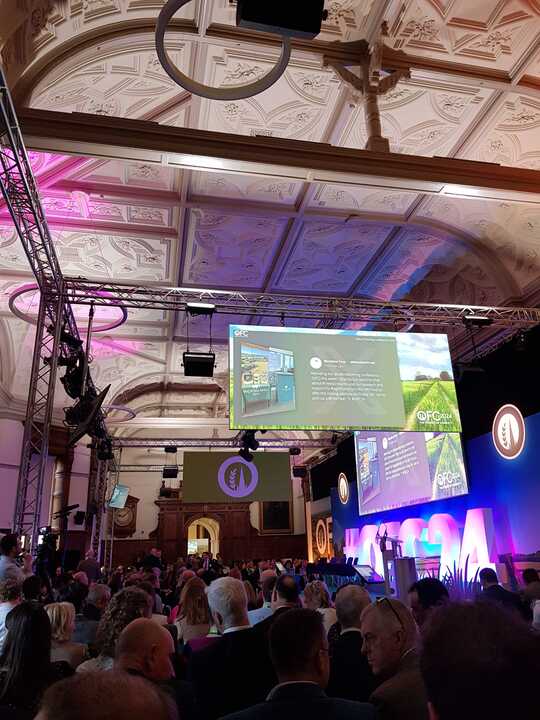
Dame Angela Eagle DBE, Minister for Food Security and Rural Affairs, announces further funding new plans for agri-tech growth at AEA Conference

We were especially delighted for the farming minister to attend, who in her speech, clearly recognised the importance of the Agri-tech sector, alluding to its recognition as a priority sub-sector within Advanced Manufacturing in the Government’s Industrial Strategy. She took the opportunity to announce a new £5 million round of Defra’s Farming Innovation Investor Partnerships competition, opening next month.

Speaking at the AEA Conference, the minister confirmed the further funding round for 2026 to 2027, intended to drive more private investment into agri-tech growth. The scheme supports businesses developing innovations that are close to market for use on farms. It combines funding from government with private investment from more than 150 experienced investors in Innovate UK’s Investor Partner Pool. The aim is to help bring practical, farm-focused innovations into everyday use. The funded projects will focus on improving productivity, reducing costs and supporting more sustainable farming.

The latest round is backed by £5 million of government and previous competitions have attracted private investment worth around five times the government input. The next round of the competition will open for applications on 11 May, closing on 17 June. Applicants must be UK-registered SMEs and have projects costing between £750,000 and £3 million, lasting for up to 18 months. Further details about how to apply will follow shortly (the previous version can be found here).

Defra have also issued a reminder that the closing date for applications under the 2026 round of the Farm Equipment and Technology Fund (FETF) is midday on Tuesday 28 April. This is likely to be the final round of FETF funding in its current form.


aea2
aea banner

GNSS developers target agriculture’s expanding precision ag market

Agri-TechE Article
Agri-TechE

The Royal Institute of Engineers (RIN) and Agri-TechE hosted a joint webinar to discuss the opportunities for GNSS technology developers in agriculture. Sophie Butler, content manager for Agri-TechE, reports.

Modern agriculture has become dependent on global navigation satellite systems (GNSS) for much of its operations, and as sensing technology, robotics and digital tools launch in the sector, the agriculture GNSS devices and services market is predicted to expand to around €23 billion by 2033. Agri-TechE, a not-for-profit agri-tech member organisation, hosted an online event to explore these opportunities.

“In 2012, about 200,000 GNSS devices were shipped for the agriculture industry annually,” says Alex Schofield, PhD researcher at the University of Warwick and RIN representative at the event. “By 2022, this had grown to more than 1.3 million.

“A lot of the growth has come from commercial augmentation services. These are correction services that take a GNSS receiver from metre of accuracy down to centimetre level, which is the accuracy needed for robotics and precision agriculture.”

With fewer than 1% of the UK population involved in farming and a growing population to provide for, the industry has become more reliant on precision farming technologies to improve efficiency, says Kit Franklin, a senior engagement fellow at Harper Adams University and president-elect of the Institute for Agricultural Engineers. Added to this is the drive to produce more sustainably and with a lower carbon footprint, whilst facing the pressures of climate change in farmers’ day-to-day activities.


Kit Franklin
Kit Franklin
Senior engagement fellow, Harper Adams University

“Precision agriculture is one of the ways we are going to meet these growing climate challenges. This is the process of observing our fields, breaking them down into areas, treating the plants as individuals, and doing the right thing in the right place at the right time, in the right way.

“But you can only do these things if you know exactly where in the field you are, so GNSS is absolutely critical for precision farming,” Kit explains.

One of the earliest ways GNSS facilitated precision ag was by enabling tractor auto-steering systems. This provides savings for farmers by reducing overlap when working the fields and applying inputs such as fertiliser and pesticides. Kit estimates that 5-10% of crop inputs can be reduced using the technology.

It is this clear evidence of value to farmers that has driven significant adoption of GNSS guidance for tractors. Kit cites a 2019 study of American farmers estimating that 59% of the US corn crop in 2018 was sown using GNSS auto-steer.

“The next step is extrapolating the GNSS out of the tractor cab and onto the implement its towing. By doing that, we can turn on and off outlets from a boom sprayer or a seed drill to prevent overlap between passes.

Tools to measure soil and crop health at high resolution, enabling some of the next leaps in precision farming technology, all require GNSS to reference where in the field the data was recorded.

“Once you have determined the health of your crop, you want to tie that to a location so you can understand how it looks overall and how to treat it in a more precise way,” notes Kit.

Alex Schofield
Ben Scott Robinson

This is the culmination of precision agriculture, believes Ben Scott-Robinson, partner at Moss & Gund and former CEO of the Small Robot Company.

“At the Small Robot Company, we were using robotics and AI to develop a per-plant farming system,” he says. “The hypothesis behind that was if you understand each plant, then you can truly get a grip on what is happening in the field, in particular, how you provide nutrients for those crops and control weeds.”

Taking this one step further is the idea of universal resource numbers. Ben says these are used in navigation to define the context and meaning of a given location. In agriculture, this would mean building up layers of information on a given field location.

“When you have all these layers in place, then you can really understand the potential of a field and how to maximise it without relying on what is happening in the field right now,” explains Ben.

With navigation technologies underpinning all current and future precision farming practices, there is ample opportunity to deploy new technology into the sector. Becky Dodds, Director of Communities at Agri-TechE, explains how one of their functions is to help technology developers access the agricultural sector.

“Research institutions and tech companies are able to join the Agri-TechE community for a full range of member benefits,” says Becky. “There are a lot of funding opportunities around at the moment – for example, there is a programme called ADOPT that tests new technologies on farms. We can support members through making connections and helping build their consortium.”

Agri-TechE also runs a full-day programme, Introduction to Agri-Tech, specifically designed for people interested in or new to agriculture, which has run since 2019. This is being held on May 20th, at Agrii’s Throw’s Farm Technology Centre in Essex.

International food group Importaco partners with AgriSound on regenerative almond farming project

Member News
The views expressed in this Member News article are the author's own and do not necessarily represent those of Agri-TechE.

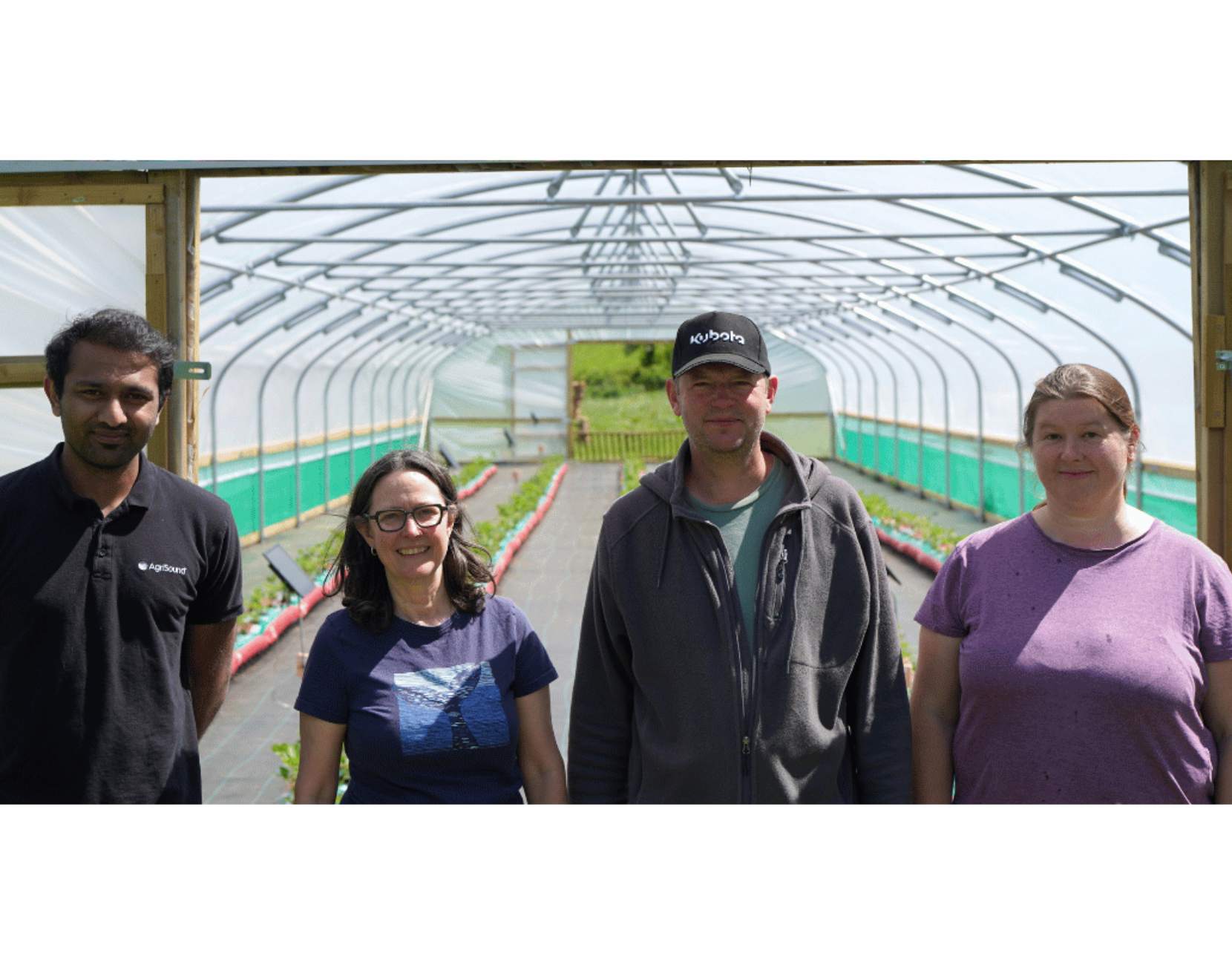
AgriSound has launched a major European field trial with international food group, Importaco, to measure how regenerative farming affects pollination and crop performance in almond orchards.

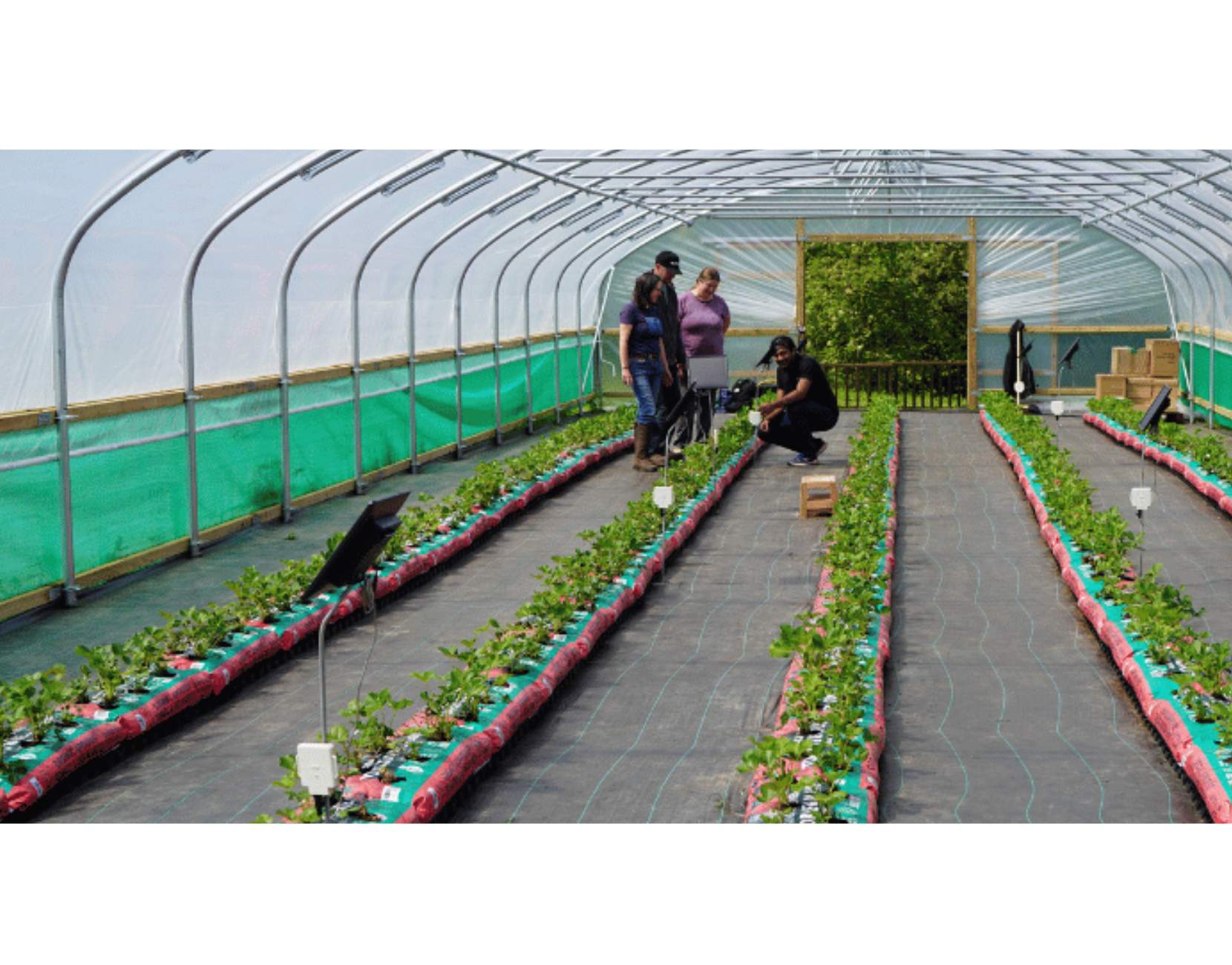
The 2026 bloom season pilot will see AgriSound’s Polly monitoring technology deployed across two commercial almond production sites in Spain and Portugal, capturing real-time data on bee activity, pollination performance and crop outcomes.

The project with Importaco, specialises in the production, processing and distribution of nuts, dried fruit and mineral water, is developed in line with the company’s commitment to promoting agricultural practices aimed at protecting biodiversity, and with the pathway undertaken across the value chain towards decarbonisation.

By directly linking pollinator performance to nut set, yield and quality the trial aims to provide large-scale commercial evidence of how regenerative farming practices affect both biodiversity and productivity in tree nut crops.

More than 120 field sensors will be installed across the orchards, making it one of the most detailed pollination monitoring programmes currently underway in European almond production.

AgriSound’s Polly monitoring devices will be deployed to two of Importaco’s almond productions sites; Zurria, Spain, a 50-hectare orchard, and Freixo, Portugal, a 23-hectare site.

The trial will evaluate performance across four core areas:

  • Pollination performance – tracking hourly bee activity, generating field-wide heatmaps, and monitoring hive dynamics during bloom
  • Crop outcomes – analysing nut set, yield and quality to quantify return on investment
  • Biodiversity and regenerative impact – comparing pollinator activity across habitats and management systems to evidence biodiversity gains from regenerative practices
  • Operational insights – identifying underperforming orchard zones and linking pollinator activity directly to yield and quality improvements.

Sensor deployment has been tailored to Importaco’s orchard geometry to ensure complete spatial coverage. Zurria’s larger, uniform blocks will use a wider hexagonal grid, while Freixo’s smaller, fragmented polygons will use tighter spacing to prevent pollination ‘dead zones’. AgriSound’s devices will be positioned to avoid end-of-row microclimates, ensuring representative bloom monitoring across both edge and interior zones.

Casey Woodward, founder and CEO of AgriSound, said: “Pollination is one of the most important, yet least measured, drivers of crop performance. By working with Importaco across both regenerative and conventional almond systems, this pilot allows us to directly link pollinator activity with real crop outcomes such as nut set, yield and quality.

“The goal is to generate robust, independent data that helps growers and food companies to understand where regenerative practices are delivering measurable benefits, while also demonstrating how precision monitoring can support more resilient and productive orchard systems at scale.”

Lucia Donnini, Director of Agricultural science at Importaco, added: “Importaco is committed to advancing sustainable and regenerative agricultural practices across our supply chains, and understanding the role of pollinators is a key part of that journey.

“Partnering with AgriSound gives us an exciting opportunity to apply vital monitoring technology to our almond orchards and generate the robust, data-driven insights needed to better understand how pollination influences both biodiversity and crop performance. We’re looking forward to working together to demonstrate how innovation can support healthier ecosystems while delivering strong outcomes for growers and food production.”

To explore the technologies, science and industry partnerships driving this work, AgriSound will also be participating in The Productive Landscape: NatureTech for Profit and Planet, hosted by Agri‑TechE on 28 April 2026. The event brings together farmers, researchers, technologists and supply‑chain leaders to discuss how nature‑tech innovation is enabling the delivery and measurement of ecosystem services across productive landscapes.

  • *I have permission from the copyright holder to publish this content and images.
AgriSound-Importaco-low
AgriSound sq 500

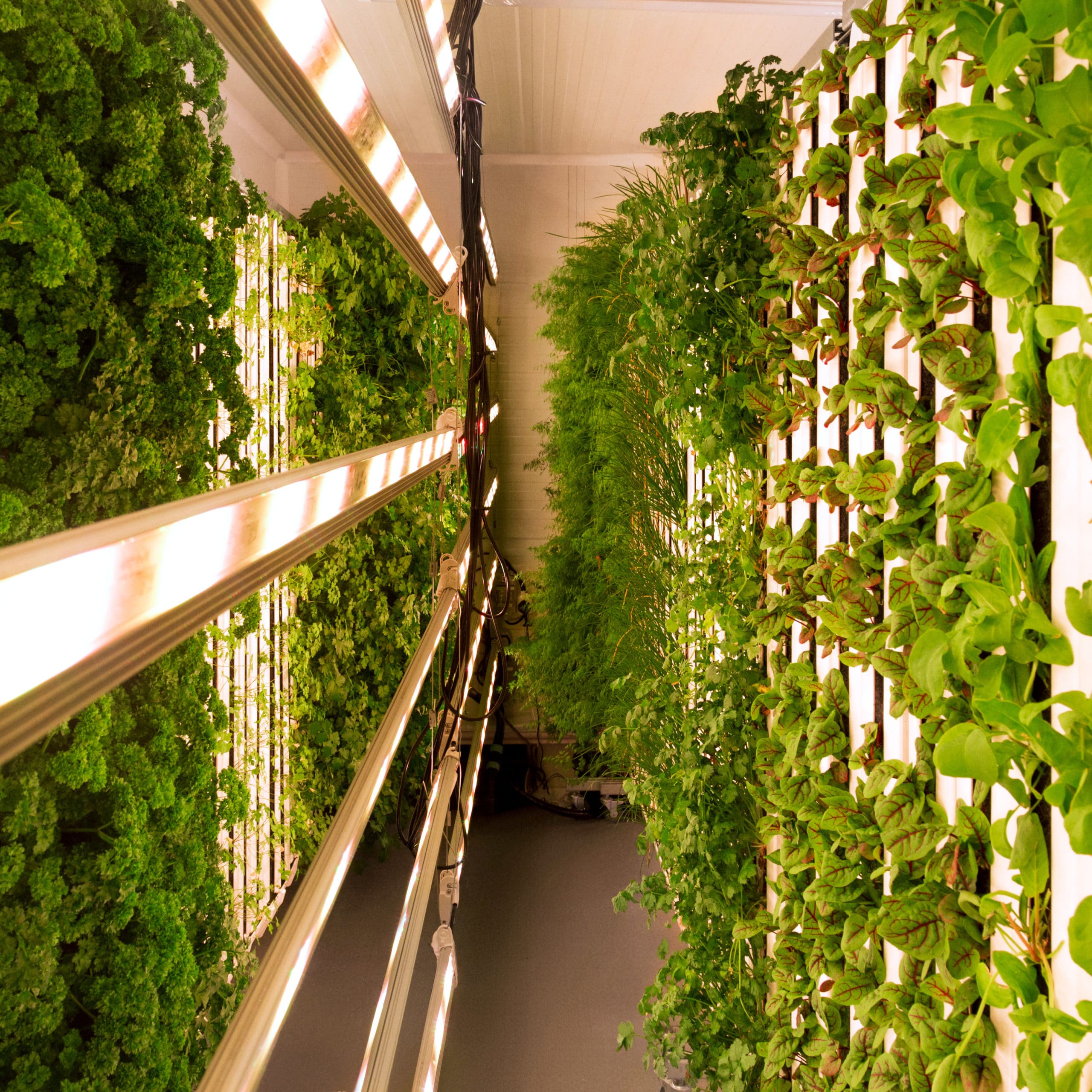
LettUs Grow’s Advanced Aeroponics Unlocks Multi-Million Pound Market Opportunity: Vitamin B12-Fortified Salad Crops

Member News
The views expressed in this Member News article are the author's own and do not necessarily represent those of Agri-TechE.

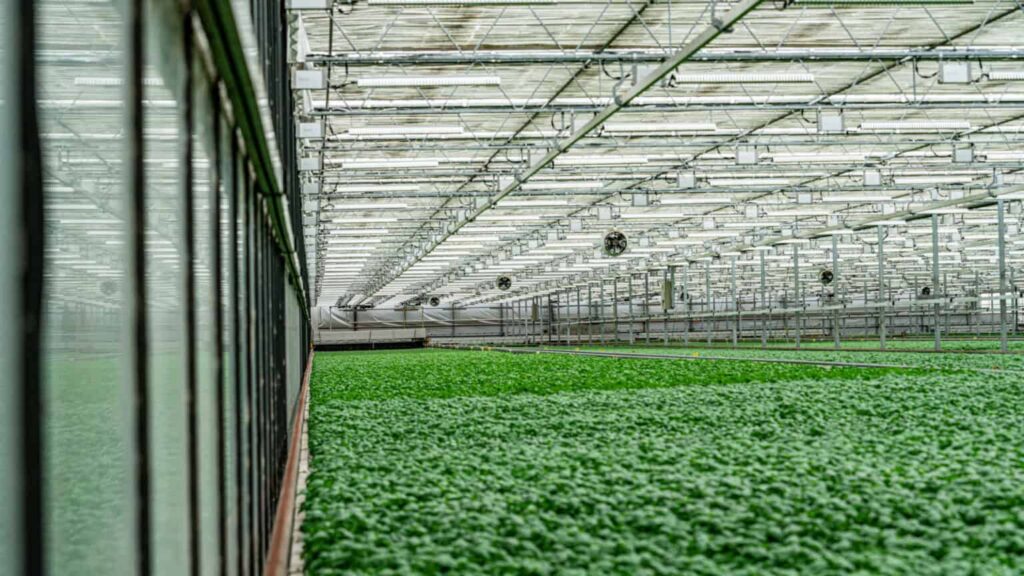
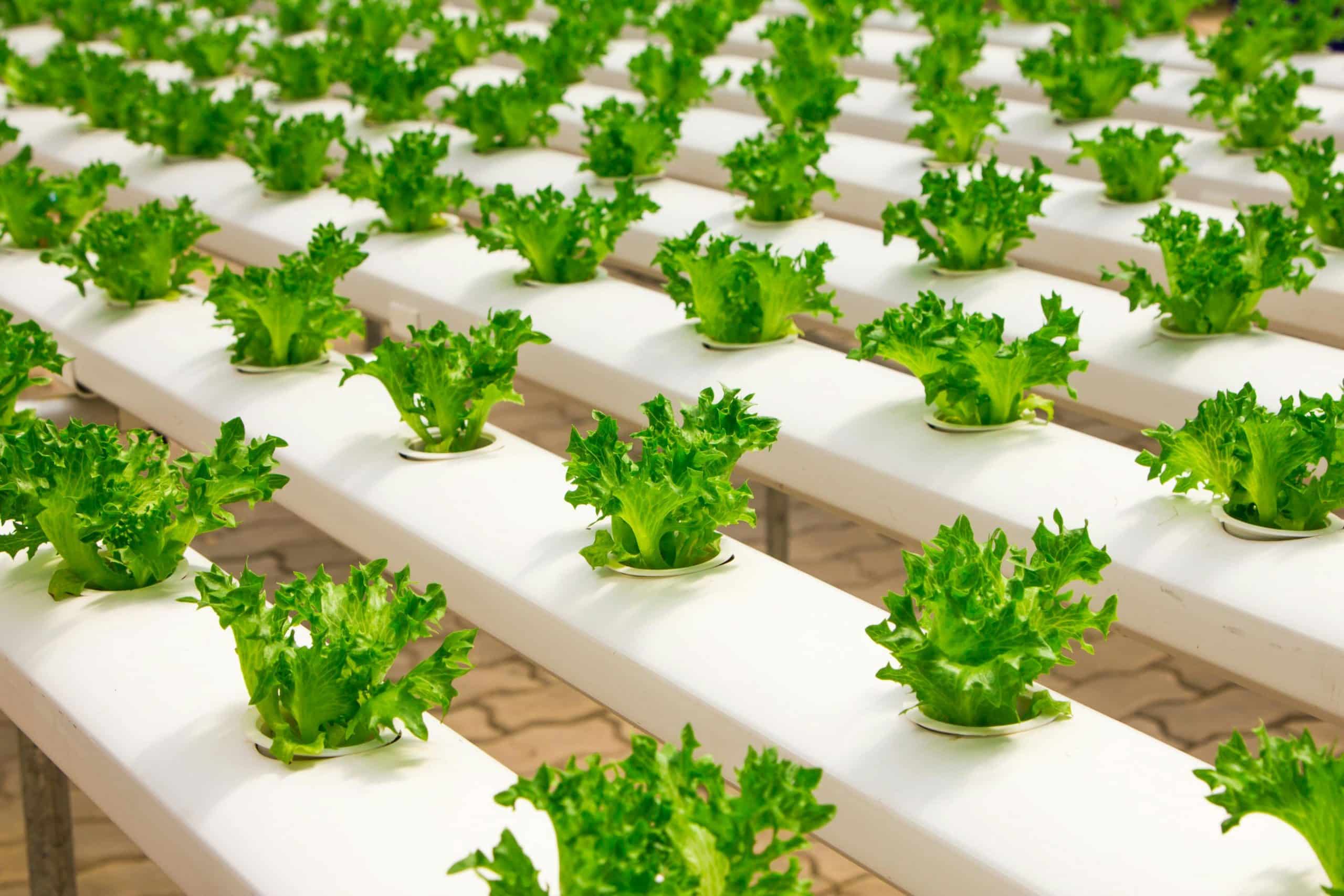
LettUs Grow, the Bristol-based pioneer in Advanced Aeroponics™ technology, announces the successful completion of a ground-breaking research project that enables commercial-scale fortification of salad crops with Vitamin B12, opening a significant new market opportunity for controlled environment agriculture (CEA) growers.

The multi-year collaboration between LettUs Grow, the John Innes Centre, the Quadram Institute, and the University of Bristol has demonstrated that pea shoots grown using Advanced Aeroponics can deliver the recommended daily allowance (RDA) of Vitamin B12 in a single 15-gram serving at an additional production cost of less than one penny per bag.

First-of-its-kind research partnership demonstrates how aeroponic technology can deliver new revenue streams for UK growers while addressing a major public health need.

With an estimated 6% of the UK population deficient in B12 and a further 44% with insufficient levels, the breakthrough offers growers a commercially viable route to premium-priced, nutritionally enhanced produce for health-conscious consumers particularly those following plant-based diets.

The research, published first in Communications Biology, confirms that B12-fortified pea shoots maintain shelf-life, retain nutrient content through cold storage, and deliver bioavailable nutrition that the human body can absorb all critical factors for commercial viability.

The Market Opportunity

Vitamin B12 deficiency represents a growing public health challenge, particularly as consumers adopt more plant-based diets. Globally, B12 insufficiency is common, especially in populations consuming low amounts of animal-derived foods and in older adults.

Current solutions, primarily tablet-based supplements, face adoption barriers: they’re easily forgotten, less effective when taken without food, and many consumers prefer to receive nutrients through whole foods rather than supplements.

This creates a significant market gap that fortified salad crops can fill:

Premium pricing potential: Health-enhanced produce commands higher margins
Growing consumer demand: Plant-based diet adoption accelerating
Minimal cost addition: <1p per bag fortification cost
Differentiation: First-to-market advantage for early adopters
Retail appeal: Clear consumer health benefit, easy messaging


How Advanced Aeroponics Enables Commercial-Scale Fortification

LettUs Grow’s patented ultrasonic aeroponic technology was critical to achieving commercial viability.

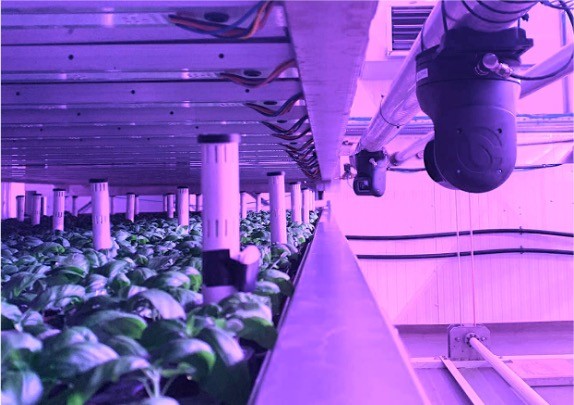
The system delivers a nutrient-enriched mist directly to plant roots suspended in air, allowing precise control over B12 application. During the eight-day cultivation period, plants absorbed the most bioavailable form of B12 (cyanocobalamin), with leaves accumulating sufficient quantities to deliver the RDA in a single serving.

Key advantages of the aeroponic approach:

Precise nutrient delivery: Ultrasonic misting ensures controlled, efficient B12 application
Cost-effectiveness: Much more cost-effective than any prior methodologies
Scalability: Works in both vertical farms and horticultural glasshouses
Proven performance: Exceeded RDA targets while maintaining crop quality and shelf-life

Critically, experiments confirmed that the fortification persists through cold storage and that simulated human digestion successfully releases the vitamin for absorption as essential factors for retail distribution.

Commercial Pathway for Growers

LettUs Grow is now working with commercial partners to bring B12-fortified salad crops to market.

Jack Farmer, Chief Scientific Officer at LettUs Grow, commented:
“The exciting thing about this project is that it is the first time the enhanced yield potential of aeroponics has been combined with the nutrition enhancement of B12 fortification in a way that can be scaled up to commercial volumes.

“For growers and retailers, this represents a genuinely unique market opportunity. The additional cost is minimal, less than 1p per bag, but the consumer value proposition is clear: a convenient, food-based source of an essential nutrient that millions of people struggle to get enough of.

“We’re already in discussions with growers and retailers about commercial deployment. Pea shoots are the first application, but the technique is adaptable to other rapid-cycling salad crops grown in controlled environments.”


Beyond Pea Shoots: The Broader Opportunity

While the initial research focused on pea shoots, the fortification method is predicted to work across other salad crops commonly grown in CEA environments, including:

  • Microgreens and baby leaf salads
  • Leafy greens (lettuce, spinach, rocket)
  • Herbs and specialty crops

This positions Advanced Aeroponics as an enabling technology for a new category of “functional foods” as crops grown specifically to deliver enhanced nutritional benefits.

The approach also addresses “hidden hunger” when people consume sufficient calories but lack essential micronutrients necessary for good health. With rising interest in sustainable diets and growing awareness of nutritional deficiencies, market demand for fortified produce is expected to accelerate.

Research Partnership Delivers Commercial Innovation

The project exemplifies how industry-academic collaboration can accelerate commercial innovation in agriculture.

Dr Bethany Eldridge, first author of the study and recipient of BBSRC grants to facilitate the research-industry partnership, said:
“The beauty of this work is how it marries high tech and low tech in such a cost-effective way. Pea shoots are literal sponges for B12, while controlled environment farms provide an environment in which we can tailor its uptake by the plants.

“This method diversifies ways of getting B12 naturally into your diet, especially if you are not consuming meat and dairy as vegans or vegetarians, or if you are consuming them in smaller quantities as part of a flexitarian diet. Globally B12 levels are in decline and if we can find a variety of ways that we can get it into food in a bio-accessible way, then that is exciting.”

Professor Antony Dodd, Group Leader at the John Innes Centre and corresponding author of the study, added:
“This novel fortification method can be done at extremely low cost to growers as a way of providing consumers with a cost-effective way of supplementing their diet with Vitamin B12 in a form that their body can use.”

Professor Martin Warren, Chief Scientific Officer at the Quadram Institute, noted:
“Vitamin B12 deficiency is often framed solely as a concern for people following vegetarian or vegan diets, but the reality is far broader. Across many populations, inadequate B12 intake contributes to what nutritionists call ‘hidden hunger.’ Developing practical ways to incorporate B12 into everyday foods offers an exciting route to improve nutritional resilience.”

Growth Potential

LettUs Grow is working with growers and retail partners to bring B12-fortified pea shoots to supermarket shelves in 2026.

The company is also exploring applications of the fortification technique across other micronutrients and crop types, with potential to create a new generation of nutritionally enhanced fresh produce.

For growers interested in exploring B12 fortification or other applications of Advanced Aeroponics technology, LettUs Grow facilitates trials, and delivers turnkey greenhouse and indoor farm projects through its global network of delivery partners.


Learn more: lettusgrow.com

For media enquiries:

Portia Hill
portia.hill@lettusgrow.org

  • *I have permission from the copyright holder to publish this content and images.

AgriScale: Is this new grant opportunity right for you?

Member News
The views expressed in this Member News article are the author's own and do not necessarily represent those of Agri-TechE.

An exciting new UK grant scheme has just arrived from Innovate UK and Defra. And if you’re an agri-tech business with a product beyond the early stages of development, it’s one certainly worth taking a look at.

Unlike the Farming Innovation Programme or Farming Futures initiatives, AgriScale is not a feasibility fund or an early-stage R&D support programme. It has been specifically created to fill a critical, and all too familiar, gap in the innovation pipeline that previous schemes haven’t addressed; the point at which your technology is developed, your market is defined, but scaling it reliably and commercially remains out of reach.

Often referred to as “the valley of death” – AgriScale is here to help build your bridge.

What Makes It Different?

AgriScale is designed to transition innovative agricultural technology from prototypes to commercial, large-scale production. It draws on proven scale-up models from advanced manufacturing sectors, like automotive, and applies that same thinking to agri-tech for the first time.

The focus throughout is firmly on late-stage innovation. If your project is still at concept or feasibility stage, this scheme isn’t for you. But if you have a product with demonstrated potential that’s being held back by manufacturing, supply chain, performance gaps, or adoption challenges, this competition is designed with you in mind.


A Two Strand Approach

The grant funding is available in two separate strands: Industrial Research and Experimental Development.

The Industrial Research strand targets businesses that need to close specific technology or performance gaps before a product can be commercially accepted. UK registered businesses can apply for a share of up to £5 million, for projects with costs of £250k–£750k and a duration of 6–12 months.

The Experimental Development strand is for those a step further along, ready to take a product to market and accelerate end-user adoption. In this strand, UK registered businesses can apply for a share of up to £8 million, for projects with costs of £1m–£3m and a duration of 6–18 months.

Both strands are collaborative (you’ll need at least one project partner to form a consortium), and both are focused on technologies that enable automation to reduce labour demands and improve productivity and sustainability in agriculture, forestry, horticulture and aquaculture, including automated sensing and observation systems with associated data processing and intelligence systems.


So, Is It Right for You?

If this new scheme feels like a good fit for where your business or technology is currently at, ask yourself…

Is your technology largely developed, but facing real barriers to manufacturing at scale?

Do you have a reliability or performance gap standing between your current product and commercial adoption?

Can you demonstrate genuine farmer or grower demand, and a credible route to market?

If you’re answering yes to these questions, then there’s a good chance AgriScale is for you.

New Scheme, New Standards

Because AgriScale has no previous rounds, there’s no established template for success. No previously funded projects to reference and learn from, no pattern of what assessors have rewarded before. For applicants, that means the quality of your positioning; how you frame your technology maturity, your manufacturing roadmap, your commercial case etc., is crucial.

Choosing the right strand, articulating the right gaps, and telling a compelling story about your route-to-scale will be the difference between a competitive application and one that falls short.


Free Scoping Support for Agri-TechE Members

Tatton Consulting has an established track record securing funding for innovative start-ups and SMEs across Innovate UK and Defra programmes, including £15 million+ for agriculture, food, and agri-tech projects. With 30+ years of sector-leading expertise, we know what strong applications look like, and we know how to assess honestly whether a business is genuinely well-placed before committing time to an application.

And because AgriScale is brand new, we think that an honest assessment is even more important.

That’s why we’re offering all fellow Agri-TechE members a free Scoping and Eligibility Call. A straightforward conversation to discuss your project and work out whether this scheme is a real fit for your business and what your prospects look like.

This is alongside our existing Member Benefit of a “No-Win No-Fee” option for our full grant writing support service.

So don’t miss your opportunity to benefit from this new and unique scheme – visit tattonconsulting.co.uk to find out more, or email funding@tattonconsulting.co.uk to book your call.


  • *I have permission from the copyright holder to publish this content and images.

Cranfield University research aims to overcome sprouting challenge

Member News
Research Digest
Agri-TechE

Finding a breeding solution to the problem of dormancy break in potatoes during long term storage is one of the key objectives of a £3.6m BBSRC-funded Prosperity Partnership project.

Understanding the genetics that control dormancy could enable the breeding of new potato varieties with enhanced dormancy, addressing several challenges, according to Dr MariCarmen Alamar, Senior Lecturer in Postharvest Biology at Cranfield University and academic lead on the project alongside PepsiCo (industry lead) and hybrid potato breeder Solynta.

“It could help us reduce reliance on chemical sprout suppressants, and potentially allow longer storage at relatively higher temperatures, lowering energy costs and improving the carbon footprint of the crop,” she explains.

potato sprout Cranfield
flower Cranfield potato

The genetic basis of potato dormancy

The project is taking two approaches to investigate the genetic basis of dormancy. One uses dedicated breeding populations from Solynta to screen for tubers with contrasting dormancy, which will be used for genetic studies to identify genetic signals that can ultimately lead to the identification of causal genes.

This information will then be used to support marker assisted breeding of varieties with naturally enhanced dormancy, MariCarmen says.

“Because Solynta works with well-characterised diploid germplasm, rather than the more complex tetraploid genetics of the current commercial varieties, it becomes much easier for scientists to study the genetics and biology of traits such as dormancy.”

A second, more targeted approach uses analysis of selected genes known to be involved in tuber initiation and development that could influence tuber dormancy as well.

“We will functionally characterise these candidate genes by silencing or over-expressing them under laboratory conditions to evaluate their role in dormancy.”

The findings could eventually be used to breed new potato varieties with enhanced dormancy, which could be achieved more rapidly using state-of-the- art precision breeding, MariCarmen suggests.


Pre-harvest growing environments

The project also explores how pre-harvest growing environment and management, can influence tuber dormancy.

These methodologies are being supported by the development of a rapid phenotyping model that can act as an early warning system for dormancy break. “We are taking thousands of images of potatoes to train an AI-model that will automatically identify early signs of sprouting using a machine learning approach originally used in medicine.”

From a research perspective, an accurate model would help speed up and increase accuracy of assessing potatoes produced during screening of breeding lines, MariCarmen notes.

In addition to visual detection, the project is also examining whether electrical signals – detected by minute electrodes installed in plants in the field or tubers in store can be used to predict dormancy break by detecting changes in electrophysiological measures.


ZebraChip. d2395-1 by USDAgov is licensed under CC BY 2.0. Cranfield potato
potato Cranfield potato

Pests and soil-borne Pathogens that pose a risk to potatoes

Cranfield University is also one of 18 partners in an EU-funded Horizon project, PataFEST, researching the potential future pests and soil-borne pathogens that might pose a risk to potato production. One such disease is zebra chip, caused by a bacterium, Candidatus Liberibacter solanacearum, which affects potato crops in South America.

Transmitted by plant lice not currently present in Europe, it not only has a big impact on yield but also quality, MariCarmen reports. “The tubers have a discolouration inside that makes them unsuitable for processing.”

Part of the research is looking for potential pre-harvest solutions, such as foliar sprays that would prevent the psyllid from feeding on the plant, development of resistant varieties through breeding programmes and real-time diagnosis tools for early disease detection but MariCarmen’s team is focused on postharvest technologies.

These look at ways of slowing down the progression of some fungal diseases, such as black dot and silver scurf, which get worse the longer the potato is stored. Examples of possible solutions include the use of controlled atmosphere environments in store that contain higher levels of carbon dioxide and lower oxygen concentrations, and edible coatings that the potatoes can be dipped in or sprayed with that reduce disease progression.

“We’re also looking at tools for early detection, not only for zebra chip, but also other diseases like dry rot. We are trying to identify volatile organic compounds released in the very early stages of the disease, which we can then develop sensors for and further install in stores to detect the disease much earlier.”

While this wouldn’t stop the disease, early detection would allow timely and informed management decisions that will help reduce storage losses, she concludes.