The views expressed in this Member News article are the author's own and do not necessarily represent those of Agri-TechE.
The UK Government recently launched a call for evidence to explore how the private sector can play a greater role in nature recovery. This initiative sought views on two key areas:
The role of government in enabling and growing private investment in nature.
Opportunities to increase investment in environmental outcomes such as water quality, carbon reduction, flood mitigation, and sustainable food production.
At Ceres Group, we believe it is vital to contribute to these discussions. With our deep expertise across the rural economy and our work supporting over 1,100 farmers and landowners, we are uniquely positioned to offer practical, evidence-based insights.
Our response, submitted on behalf of Ceres Group, outlines three key areas we believe the government must prioritise to align its economic growth mission with environmental sustainability. These include:
Strengthening the economic case for nature-based investment.
Creating clear, long-term policy frameworks.
Supporting market development for ecosystem services.
We welcome the opportunity to support the development of policies that will unlock greater private sector investment in protecting and enhancing our natural environment.
If you have any concerns or would like tailored guidance on how these policy developments might affect you or your business, please don’t hesitate to contact us.
*I have permission from the copyright holder to publish this content and images.
Post Overview
This story has been submitted by an Agri-TechE member.
The views expressed in this Member News article are the author's own and do not necessarily represent those of Agri-TechE.
Dr Dan Evans, Senior Lecturer in Soil Science at Cranfield University, has been awarded a prestigious Future Leaders Fellowship from UK Research and Innovation (UKRI), which will provide his work with £1.5million of funding.
The Future Leaders Fellowship scheme exists to provide long-term support to talented people in universities, businesses and other research and innovation environments. It allows those institutions to support early career researchers with the aim of developing the next wave of world-class research and innovation leaders.
“Receiving this fellowship from UKRI is a huge honour,” said Dr Evans. “Funding like this is the foundation for long-term, complex research that allows us to tackle global issues which is exactly what my research here focuses on.”
Tackling real-world problems through research
Dr Evans’s project is called ‘Today’s Carbon in Tomorrow’s Soils: unlocking new opportunities for climate action with soil parent materials.’ It will examine the factors that affect the long-term storage of organic carbon in soil parent materials. This layer, which sits directly beneath the soil profile and is the material from which soils form, has never been included in soil carbon budgets before now.
In an already completed, award-winning, research project Dr Evans has shown that soil parent materials can hold a significant amount of carbon, representing a potentially game-changing approach to boosting the amount of carbon which is captured and stored underground.
“Imagine trying to squeeze everything you own into a single-room house,” explains Dr Evans. “For years, soil scientists have been trying to put more carbon into soils. But soils are thinning, and that ‘room’ is shrinking. Now imagine discovering a hidden basement beneath the floor, which significantly expands that storage capacity. Under the soil is an untapped opportunity to store and lock carbon long-term.”
However, some types of bedrock release carbon as well as store it.
“Shale, for example, releases ‘petrogenic carbon’ – ancient carbon locked in when these rocks first formed – back into soils. So, a part of my Fellowship will investigate the extent to which climate change and land management affects this release of carbon, and the implications for achieving Net Zero.”
Professor Leon Terry, Pro-Vice Chancellor for Research and Innovation at Cranfield University, said “Massive congratulations to Dan on being awarded this prestigious Fellowship. Recognition like this really underlines Cranfield’s position as a thriving hub for internationally leading research.”
Post Overview
This story has been submitted by an Agri-TechE member.
The views expressed in this Member News article are the author's own and do not necessarily represent those of Agri-TechE.
Join AutoSpray Systems and ARPAS-UK for a landmark digital event to explore how pioneering drone technology is set to transform both environmental conservation and UK agriculture. This one-hour session will serve as a launchpad for the first commercial use of Beyond Visual Line of Sight (BVLOS) operations at scale.
The views expressed in this Member News article are the author's own and do not necessarily represent those of Agri-TechE.
Bioinsecticide start-up BugBiome focuses on lead product development with move to Norwich Research Park
Enhanced access to agritech community & trial capacity follows recent investment from European funds Rockstart & Biotope
In the next phase of its development, BugBiome has relocated to Norwich Research Park where it will focus on field validation of its lead product, an aphicide
As well as having all its activities on one site, BugBiome will benefit from being part of the food and agritech community at the Park campus
European VCs Rockstart & Biotope recently invested in the company, supporting its focus on field validation for the lead product
BugBiome, the agri-tech innovator developing new bioinsecticides from crop-associated microbes, has relocated to Norwich Research Park as it focuses on moving its lead aphicide into field trials in 2026. Consolidating on a single site in proximity to its greenhouses enhances its progress towards this field validation milestone for the first product from AvidX, its proprietary discovery engine. In its new location at Norwich Research Park, one of the largest single-site concentrations of research in food, genomics, and health in Europe, BugBiome has established a presence at the John Innes Centre, providing direct access to world-leading expertise.
The company’s lead asset has shown promising efficacy in greenhouse trials on sugar beet and oilseed rape, with preparation for field validation now underway.
The company joined the Agrifood portfolio of the purpose-led VC fund Rockstart earlier this year, followed by investment from Biotope, which is focused on positive change for planetary health. Its other backers are Cambridge Angels, Discovery Park Ventures, IndieBio/SOSV and AgLaunch. Proceeds from its ongoing fundraising round will further support development and commercialisation of its lead biopesticide, as well as generation of a pipeline of follow-up products targeting beetles/weevils and lepidoptera, broadening BugBiome’s reach across major crop pests.
Dr Alicia Showering, CEO of BugBiome, said ‘Demonstrating field efficacy of our aphid product is a critical milestone for commercialisation and partnering, and the environment here will enable us to accelerate not only this product but also the broader portfolio of new bioinsecticide solutions farmers urgently need.’
‘This move to Norwich Research Park places us in the heart of the UK’s agritech community. Our relocation and integration have proceeded smoothly and we are delighted to enter this next phase of our development here.’
Roz Bird, CEO of Anglia Innovation Partnership, the campus management organisation for Norwich Research Park, said “We are delighted to welcome BugBiome to our campus, adding another highly innovative agri-biotech start-up company to our community. Over the last three years, we have developed a successful ecosystem and incubator programme to support spin-outs, spin-ins and start-ups as they establish themselves and grow. Agri-biotech along with food biotech, industrial biotech and medtech are the sectors where we have an enormous amount of experience, expertise and state-of-the-art-facilities to nurture both the research and subsequent commercialisation. We are looking forward to supportingBugBiome’s next phase of development and helping it to achieve its business ambitions.”
*I have permission from the copyright holder to publish this content and images.
Post Overview
This story has been submitted by an Agri-TechE member.
The views expressed in this Member News article are the author's own and do not necessarily represent those of Agri-TechE.
Most farmers are accustomed to keeping an eye on rainfall – when it rains a lot, it feels like the fields must have plenty of moisture, and when rainfall is scarce, conditions are automatically considered dry. In reality, however, the rain gauge does not always reflect how much water plants can actually take up from the soil. This is where soil water measurement comes into play, showing more precisely whether there is enough moisture at root level.
In crop production, soil water levels are more important than rainfall readings, because soil water directly indicates the amount of water available to plants. Measuring soil water also takes into account soil type, organic matter content and structure, all of which affect the soil’s ability to retain water. Rainfall only shows how much water has fallen onto the surface, without revealing how much of it has actually infiltrated the soil or how long it will remain there.
Simply measuring rainfall overlooks many crucial factors that influence how well plants are supplied with water. Soil water also affects the feasibility and quality of field operations.
Soil Type and Structure: Different soils hold water differently. For example, sandy soils let water drain through quickly, while clay soils retain it for longer. A rain gauge does not reveal whether rainfall has soaked into the soil or run off, whether fields are trafficable for machinery, or whether the soil structure is suitable for cultivation.
Plant-Available Water Capacity: Only part of the soil’s total water content is available to plants. By measuring soil water, it is possible to assess the exact proportion of water that plant roots can absorb.
Evaporation: After rainfall, some water may evaporate quickly from the soil surface, especially in hot and windy weather. Soil water measurement accounts for this loss.
Irrigation Needs: Rainfall data alone does not give a clear picture of whether crops require supplementary irrigation. For instance, a short, intense shower may register a high rainfall amount, but the water might not reach deep enough into the soil layers where roots are located. Soil water measurements, on the other hand, provide real-time feedback on whether the soil has enough moisture.
Therefore, while rainfall is the source of water, soil water readings give a far more accurate and practical picture of the actual water supply available to plants and of the soil’s condition, both of which are critical for planning fieldwork. Using this direct indicator of plant growth conditions allows risks to be assessed more precisely, leading to much more efficient farm management.
Monitoring soil water is essential for timing sowing, fertilisation, crop protection and other field operations. It helps avoid crop damage caused by drought or excessive moisture. When planning fieldwork, it also helps account for soil structure and load-bearing capacity.
Soil water sensors provide a direct signal of when irrigation is needed, when to avoid over-fertilisation, or when to prevent soil compaction.
Soil water is the main factor determining yield, because it is from the soil that plant roots take up water.
*I have permission from the copyright holder to publish this content and images.
Post Overview
This story has been submitted by an Agri-TechE member.
The views expressed in this Member News article are the author's own and do not necessarily represent those of Agri-TechE.
In business, the boardroom is often painted as the pinnacle of leadership. A place of wisdom, oversight, and accountability. Yet too often, we see boards that are not leading but coasting, what I call “Good Time Boards.”
A Good Time Board looks fine on the surface. Meetings are cordial, lunches are pleasant, and reports are nodded through. But beneath the smiles, there’s a lack of rigour. Too many difficult questions are left unasked. Too many assumptions go unchallenged. And too often, the board exists for the comfort of its members rather than the growth and security of the business.
What do Good Time Boards look like?
Consensus over candour – members would rather agree than debate.
Comfort over challenge – hard truths are smoothed over in the name of harmony.
Process over progress – the agenda is ticked off, but little value is added.
Friendship over function – loyalty to individuals outweighs loyalty to the organisation.
Blind spots in perception – directors often have little understanding of how they themselves are viewed by staff, customers, or partners.
Disconnected from reality – many don’t know how the organisation really works day-to-day, preferring a neat report to messy reality.
The iceberg of ignorance – 4% of front-line problems reach top management; boards often operate on the thinnest tip of the iceberg.
Lack of listening – little curiosity about what people at every level are experiencing; no genuine interest in hearing voices beyond the boardroom.
In short, Good Time Boards thrive in the good times. When markets are buoyant and margins healthy, it’s easy to convince yourself that all is well. But when conditions change, as they inevitably do, these boards are exposed. Without the habit of scrutiny, they lack the resilience to steer through a crisis.
Why does it happen?
The reasons are usually human, not structural. Directors are wary of upsetting the chair. Chairs are wary of upsetting the CEO. Nobody wants to be the awkward voice in the room. And sometimes, people just enjoy the status and social aspect more than the responsibility.
What does a healthy board look like?
A high-functioning boardroom is not always comfortable. The best boards are those where trust is high enough for challenge to be real. Where directors feel not only permitted but obliged to ask the awkward question. Where people are clear that their duty is to the organisation and its stakeholders, not to keep the peace.
Strong board balance:
Challenge with support – the CEO is backed, but not shielded.
Short-term reality with long-term vision – today’s numbers matter, but so does tomorrow’s direction.
Collective responsibility with individual accountability – nobody hides in the crowd.
Insight with humility – board members listen, learn, and respect that they rarely see the full picture.
Moving beyond Good Time Boards
For chairs and directors alike, the work is about resetting expectations:
Re-establish purpose – why does this board exist, and for whom?
Invite discomfort – ask the questions nobody else is asking.
Measure value – does each meeting leave the business stronger than before?
Model honesty and listening – leaders set the tone by being candid, curious, and humble enough to hear unwelcome truths.
When boards do this well, they become more than a governance mechanism. They become a genuine leadership team guiding, protecting, and stretching the business through both good times and hard times.
Because the truth is this: a board that only works in good times is not a good board.
If you recognise elements of a Good Time Board in your own organisation, now is the moment to act. Regulation, investor scrutiny, market pressures, and shifting stakeholder expectations mean resilience is no longer optional.
This is where I help. My work with boards is about creating that balance, high trust, real challenge, and genuine leadership. If your board needs a reset, let’s talk.
Board Meeting Self-Checklist
Before your next meeting, take a moment to test the health of your own board. The questions below are designed to spark honest reflection and, if needed, uncomfortable conversations. They’re also the kind of conversations I help boards navigate: constructive challenge, sharper focus, and stronger governance. If you’re wondering whether your board is slipping into “Good Time” mode, start with these questions:
1. When was the last time someone asked a question that genuinely unsettled the room, and was that welcomed?
2. Do people feel more loyalty to fellow board members or to the organisation and its stakeholders?
3. How much of the understanding of the business comes from neat reports, and how much from direct contact with staff, customers, or partners?
4. If markets turned tomorrow, would the current board habits prepare us to respond quickly and decisively?
5. Does every meeting leave the organisation stronger than before, or just more comfortable?
Populi Consulting helps boards move from ‘Good Time’ habits to resilient, effective leadership.
*I have permission from the copyright holder to publish this content and images.
Post Overview
This story has been submitted by an Agri-TechE member.
Get the latest agri-tech news, events and opportunities direct to your inbox
Carpe diem, Global Agri-tech: Reporting from World Agri-Tech Investment Summit
Agri-TechE Blog
Agri-TechE
A more nuanced and sophisticated mindset was in evidence at the World Agri-Tech Innovation Summit (WATIS) 2025, particularly around finance, access to capital and investment in early stage and growing businesses.
This year’s WATIS (for which Agri-TechE was a media partner) was its usual blend of networking, panel and speaker content and meetings, but happily with a more positive “vibe” than last year.
Given the global status of investment into agrifood tech is still experiencing some significant challenges, it was heartening to see the optimism around the industry, with what felt like the largest ever group of new and growing businesses showcasing their technology and sharing their ambitions.
A new Minister and Support for Scale-Up
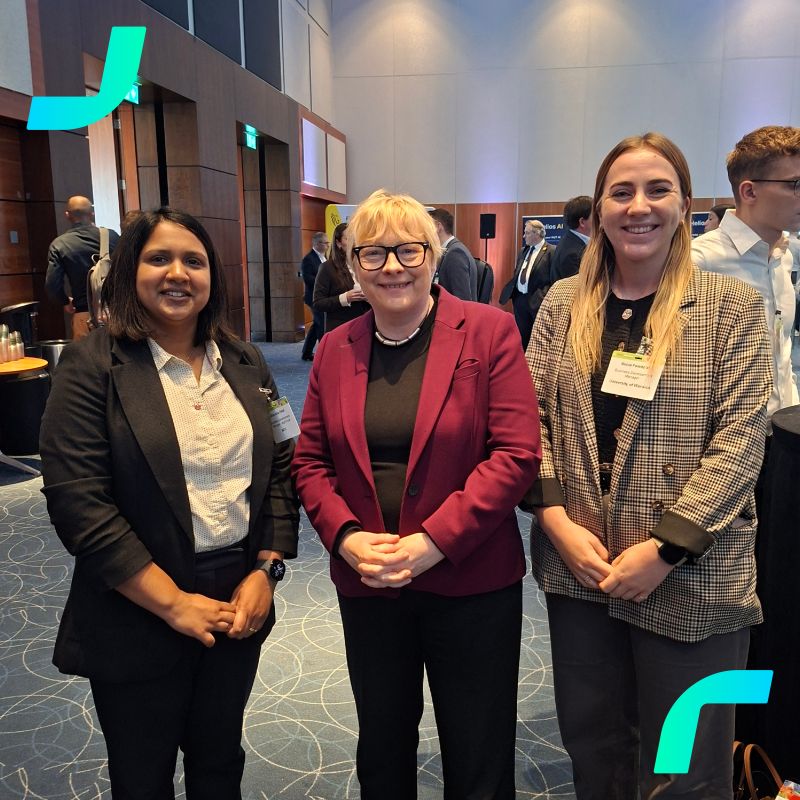
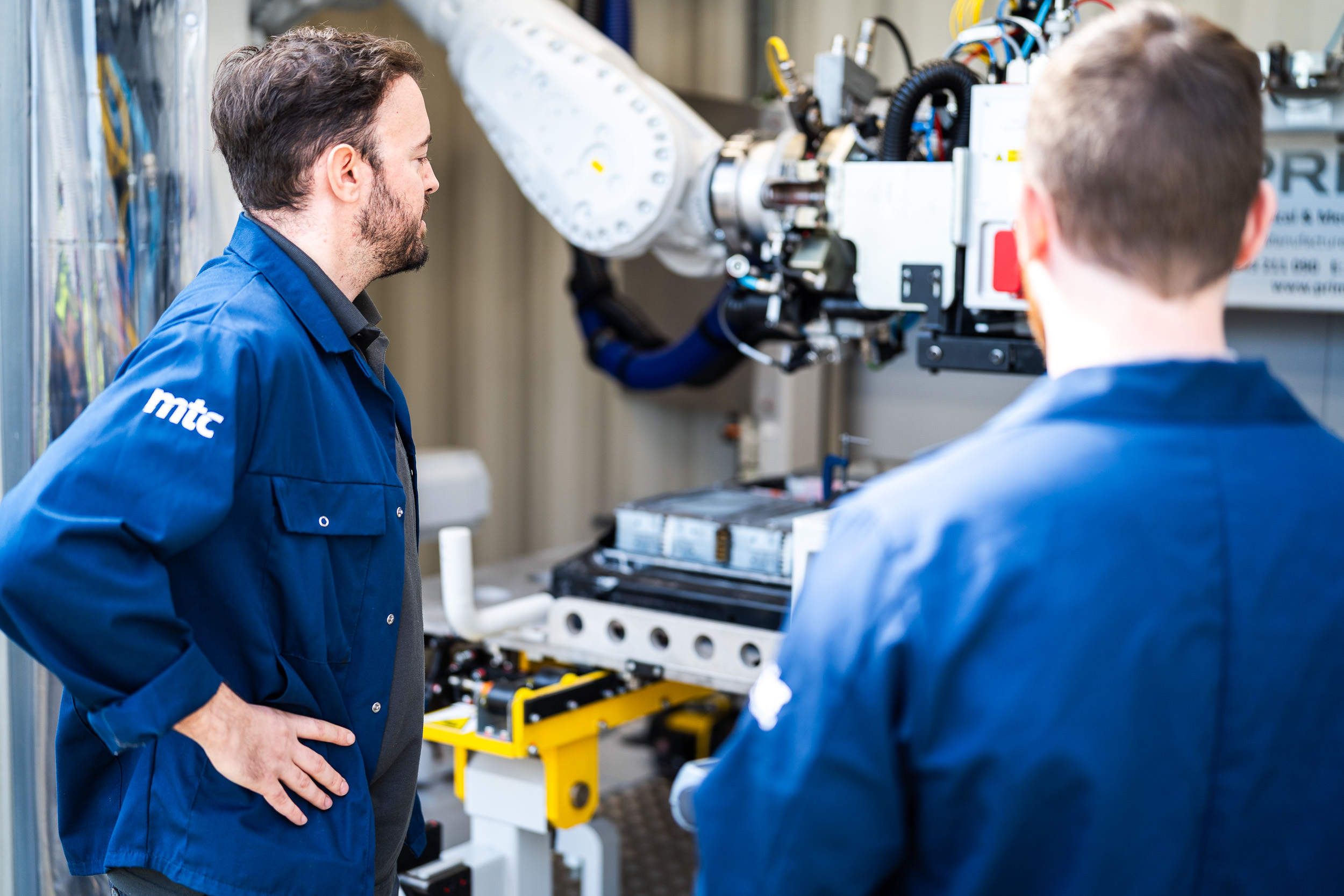
In her keynote speech, the newly-appointed Minister for Food Security and Rural Affairs – Dame Angela Eagle – announced the launch of Agri-Scale, a new pilot programme to help agri-tech companies scale up by deploying the support capabilities of the Manufacturing Technology Centre and the Warwick Manufacturing Group to our industry.
During my 1:1 with the Minister, we discussed the importance of welcoming technologies and innovations from other sectors into agriculture (a great endorsement for our own AG101 programme!). When I asked her to share what she is most excited about during her term of office as Minister, she replied the potential for growth of the sector. It’s a call to action to all of us to keep helping inform and accelerate thinking as the new Defra Ministerial team settle into their posts and keep them excited and engaged.
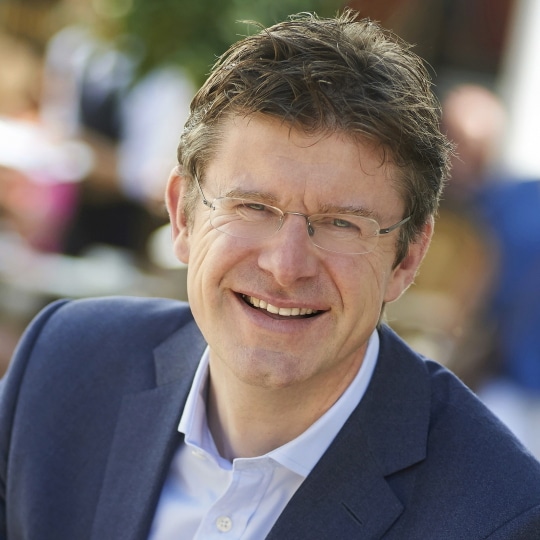
Minister for Food Security and Rural Affairs, Dame Angela Eagle, talking with Agri-TechE Director, Dr Belinda Clarke.
The 'Women in Agritech' breakfast at WATIS 2025
Regulate for Success
Another reflection from the conference was the role of regulation, not just by being clear, prompt and enabling, but also dictating what mustn’t happen, pulling the levers of regulation to make adoption of technologies by farmers easier, not harder.
Amid lots of conversations about the role of financial institutions – investors, family offices, banks, and insurance organisations, there really are different investment models starting to emerge, encouraging better practices and tech adoptions on farm.
Get the latest agri-tech news, events and opportunities direct to your inbox
Agri-TechE named UK ‘Ecosystem Partner’ for Global HARVEST AgTech Platform
Agri-TechE Article
Agri-TechE
Agri-TechE has been selected as the inaugural UK Ecosystem Partner for the newly launched H.A.R.V.E.S.T. AgTech platform: Harnessing Agricultural Research and Venture Ecosystems for Sustainable Technology.
IN2 provides funding, validation, and access to research expertise to help early-stage companies refine their solutions and prepare for market scale-up. Through HARVEST, this model is being extended internationally, with a focus on agri-tech innovations that support climate resilience, sustainable production, and technology adoption.
The UK joins Brazil, Israel, and Argentina as one of just four global partners in this initiative. Agri-TechE ’s role is to identify and refer UK-based agri-tech companies that are ready to scale. The chosen short-list will be eligible for funded R&D collaborations with leading US research institutions, enabling them to test, adapt, and strengthen their technologies in new environments. The incubator model supports not just technical development, but also strategic positioning and investor readiness
Selected companies will gain funded access to opportunities at:
These institutions are recognised globally for their work in climate resilience, crop science, and technology adoption, and are part of an agri-tech hub in the US.
Agri-TechE will be working closely with the wider HARVEST network to ensure UK representation is both strategic and inclusive. The opportunity is open to companies across the agri-tech spectrum, including those working in precision agronomy, regenerative agriculture, AI, and data-driven solutions.
The inaugural HARVEST AgTech cohort will focus on agricultural biologicals and the technologies that support their development, delivery, and adoption. This includes:
Direct biological applications such as microbial products and biostimulants
Enabling technologies like formulation platforms, data acquisition tools, and commercialisation support
Proof of concept is required to help derisk investment, but the programme intentionally avoids rigid TRL definitions to encourage a broader range of applicants
Startups selected for the cohort will receive tailored support from leading US research institutions, including NC Plant Science Initiative and UC ANR, alongside non-dilutive funding and access to field trials across diverse agro-climatic zones.
Important dates: more details, including the referral process and timeline, will be made available on Friday 10 October.
Post Overview
23rd September 2025
Agri-TechE
Agri-TechE Article
International Insights
Share this Page:
Related Posts
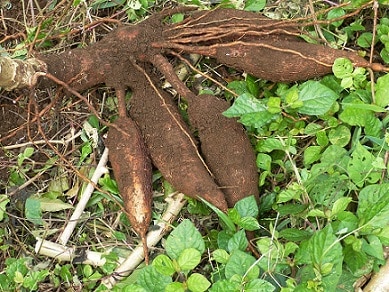
Aspuna is breaking down barriers for African cassava farmers
The views expressed in this Member News article are the author's own and do not necessarily represent those of Agri-TechE.
As we head into a new season, it’s a good time to revisit the current status of protection for Essentially Derived Varieties (EDVs) and plants derived from New Genomic Techniques (NGTs).
The “Breeders Exemption” allows the development of new varieties from a protected variety without having to wait for the initial PVR to expire. If the new variety falls within the definition of an EDV, as set out below, its owner will need permission from the initial PVR holder in order to commercialise it, so providing some economic recompense to the PVR owner. If a third party, for example another breeder, wants to use that EDV, they would need permission from both the PVR owner and the new EDV owner. Any new EDV may itself be protected by a PVR, provided it meets the requirements of stability, uniformity and distinctiveness.
As a reminder, an EDV is a plant which is “predominantly derived” from the initial variety – meaning that it has more of the genome of the original variety from which it is derived than would be expected from a normal cross. It must also retain the expression of “essential characteristics” of the initial variety, and be “distinguishable” from the initial variety by one or more characteristics which are capable of a precise description.
Of course, an EDV may be used to generate further EDVs. But when considering protection, it is important to remember that the PVR only extends to the first “generation” of EDVs. So, if a party is planning to use an EDV generated from an earlier EDV, they would need permission from the initial PVR holder (until the PVR ceases) and from the owner of the last EDV from which it is derived if this is protected by a PVR, but not from the owners of any intermediate EDVs. This becomes interesting when we look at how New Genomic Techniques are being used to generate new plant varieties.
It has been acknowledged by Defra and UPOV that an EDV may be produced from the initial variety by methods including genetic engineering, including precision breeding techniques. However, in 2023 UPOV issued non-binding Explanatory notes which suggested that an EDV does not need to completely share the essential characteristics of the initial variety, as long as the missing essential characteristics are missing as a result of the act of derivation. These Explanatory notes have been interpreted as broadening the definition of an EDV to encompass offspring plants which do not share all essential characteristics with the initial variety. Because the initial PVR provides protection for the first generation EDV but not for intermediate EDVs, if all NGT plants fall within the definition of an EDV then the effective scope of protection of the PBR would be reduced because a greater number of gene edited plants may fall within an intermediate EDV category.
Over a year since the Explanatory Notes have been issued, there remains uncertainty in the field regarding the scope of PBR protection for precision bred EDVs.
In addition, further talks on how to simplify and accelerate the approval process for NGT plants have recently been halted, as the parties have been unable to agree on several issues including labelling of NGT plants. It is hoped that agreement will be reached and the proposed regulation finalised during the Danish presidency in the second half of 2025.
For the time being, HGF’s advice remains to continue with existing patent and PVR filing strategies.
This article was prepared by Partner & Patent Attorney Punita Shah.
*I have permission from the copyright holder to publish this content and images.
Post Overview
This story has been submitted by an Agri-TechE member.
The views expressed in this Member News article are the author's own and do not necessarily represent those of Agri-TechE.
The Australian agricultural innovation landscape has never been more dynamic. With climate change, sustainability pressures, and evolving consumer demands reshaping how we produce food and fibre, the need for targeted, industry-relevant research and development has never been greater.
That’s why we’re excited to launch our comprehensive Research and Development Corporation (RDC) pages. ‘Explore RDCs’ is a dedicated section of the growᴬᴳ platform that explains Australia’s RDC landscape and provides clear pathways for startups and scaleups, businesses, and international stakeholders to engage meaningfully with rural industries.
Understanding the RDC system
Australia’s 15 RDCs operate at the unique intersection of industry, government, and research. They’re not just funding bodies; they’re strategic partners that enable government and primary producers to co-invest in innovation that drives real industry impact and benefits regional communities.
‘Explore RDCs’ provides comprehensive information about RDCs in one easy-to-use place:
Complete RDC directory: Detailed profiles of all 15 RDCs, from Commonwealth statutory bodies like AgriFutures Australia and the Cotton Research and Development Corporation, to industry-owned companies like Dairy Australia and Meat & Livestock Australia.
Funding landscapes: Clear explanations of how RDCs are funded through industry levies and government matching, plus specific information about each corporation’s funding opportunities and cycles.
Strategic priorities: Up-to-date information on each RDC’s current strategic focus areas, helping you assess alignment between your innovation and industry needs.
Opportunities for engagement: Highlights programs, VC funds and innovation challenges run by individual RDCs designed to build capacity and source solutions to real industry challenges.
Connections: Access to growᴬᴳ’s concierge service where we can assist in connecting you with the right person within an RDC and understand your objectives.
Making connections that matter
Whether you’re developing precision agriculture technology that could enhance grain production, sustainable packaging solutions for horticulture, or animal welfare innovations for livestock or aquaculture industries, our resource helps you identify the RDC most aligned with your work and understand their specific priorities and funding mechanisms.
Each RDC page is designed to be actionable, meaning that these resources are downloadable with links to access growᴬᴳ’s concierge service, where we can assist in connecting you with the right person.
Getting started
Ready to explore how your innovation could contribute to Australia’s agricultural future?
Explore RDCs and start identifying which agricultural sectors align with your work. Dive into the specific RDCs, understand their priorities, and reach out to growᴬᴳ concierge service to explore tailored engagement pathways.
Post Overview
This story has been submitted by an Agri-TechE member.
Get the latest agri-tech news, events and opportunities direct to your inbox
Behind-the-Scenes at REAP 2025
Agri-TechE Blog
Agri-TechE
It’s that time of the year – as activities in the fields quieten down, it’s time for the pop-up banners to blossom!
Conference season is nearly upon us, with the annual rotation of speakers and the efforts to attract delegates to the myriad of events in the industry calendar.
Our own REAP Conference is no exception, so this month we’re sharing some “behind the scenes” insights into our REAP thinking.
Co-Existence isn’t passive – it’s a strategy!
This year’s theme is “Connect, Co-Develop, Co-Exist” – signalling the way innovation happens, as well as the importance of different farming systems, technologies, and even cultures and ideologies working together.
At REAP you will Connect, after the conference we will hopefully see some Co-development, and we all will be getting more comfortable with Co-existence.
Big names and big thinking
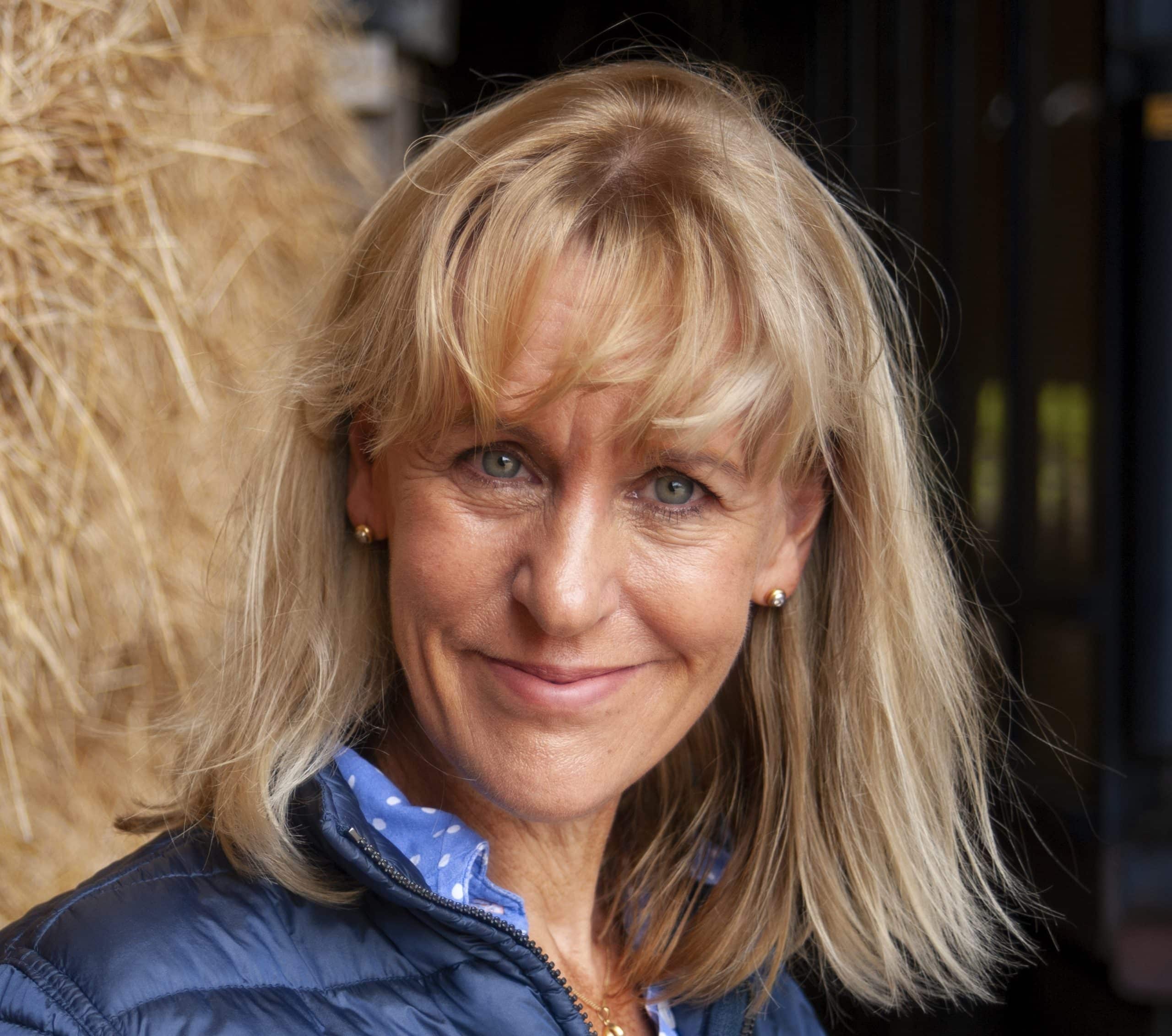
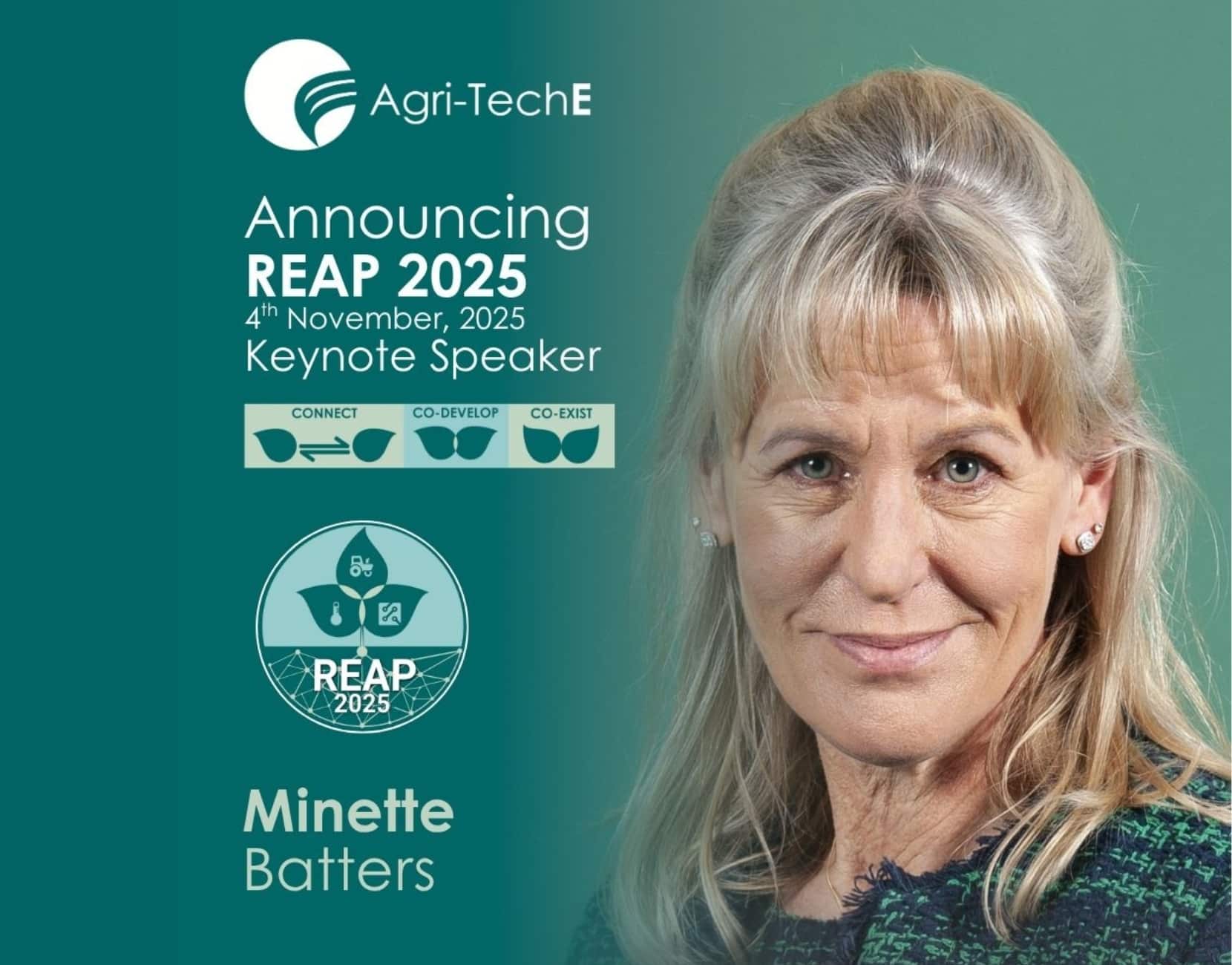
The flywheel for every conference is the speaker line-up, and we are beyond delighted that Minette Batters accepted our invitation to give the keynote address. The timing couldn’t be more perfect, she’ll be straight from her Farm Profitability Review, sharing her thoughts which will impact the industry at every level.
But in addition to a great keynote, you also need a fantastic line-up of speakers to maintain momentum. Instead of long seminar-style talks, REAP talks are short and energetic, with lots of time for panel discussion and questions from the audience.
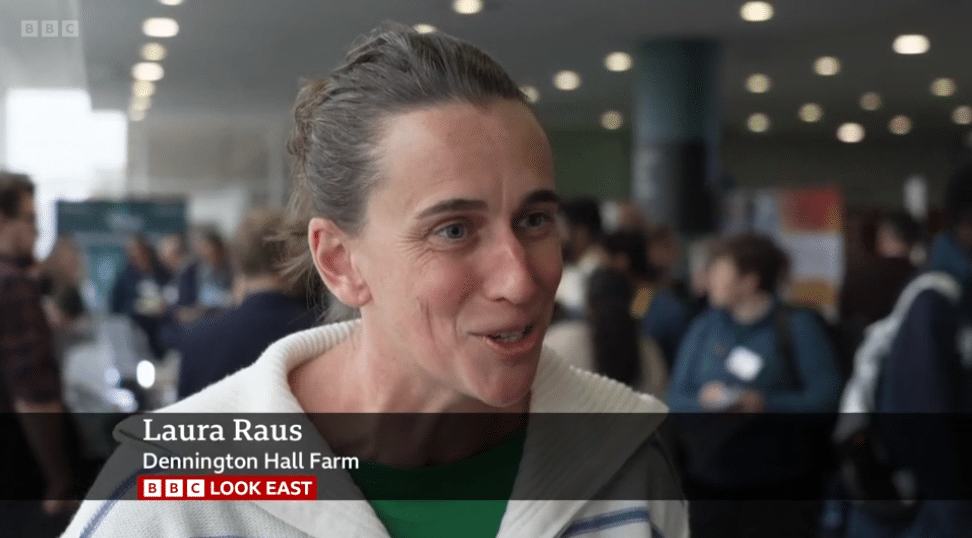
Keeping it real with the farmers, we’re going to be following up Minette’s keynote session with a panel of leading farmers – Ali Capper (Stocks Farm, and British Apples and Pears), Laura Rous (Dennington Estate), James Beamish (Holkham Estate) and Jake Freestone (Overbury Estate) comprise our “farmer insights” session.
Everyone always wants to hear from government, but – as recent events have revealed – there is always uncertainty around Ministerial attendance! So instead of elected officials, we invite those who advise the Ministers and we’re welcoming Harley Stoddard, Defra’s Head of Climate Mitigation Science alongside Niab’s CEO (Mario Caccamo) and AGCO’s Head of Government Affairs, Mark Moore.
The Research Into Practice session will be led Andrew Blenkiron from the Elveden Estate, who’ll be asking the “so what” question of the scientists as they explain their research, and the Start-Up Showcase will reveal a selection of new agritech ventures making their mark in the industry.
Understanding our audience
With so many conferences, how do we make sure REAP is a go-to reason to clear your diary for the day?
The short answer is, with a lot of thought and planning, but more importantly by putting ourselves in the shoes of our different groups who come to REAP.
Farmers are likely wanting to be weighing the benefits of the latest technology or practices and like meeting and chatting together. So, we organise a farmer-exclusive breakfast before the conference, with an opportunity to meet the keynote speaker.
Tech companies want to meet customers and potential collaborators, so with some of the UK’s leading farmers in the room, we are pretty confident that box is ticked. With our biggest ever technology exhibition as well, this is the place for profile.
Meanwhile, researchers love to have real-world validation and ground-truthing of their thinking and innovations and always have new discoveries to share. And a recent member survey revealed people really rate hearing “bite-sized” insights into the latest science.
Seeds of progress, fruits of celebration
The thing we aim to get right is to keep everyone fed and watered – and we’re planning a “fruity” surprise as well. As we’re at a new venue this year, we’re working hard to make sure delegates remember REAP for all the right reasons – and we close the conference with a networking reception to reflect on the day.
The views expressed in this Member News article are the author's own and do not necessarily represent those of Agri-TechE.
If you visit BBC Sounds and listen to the 11 September episode of BBC Radio 4s Farming Today, you will hear Wilder Sensing CEO Geoff Carss interviewed on a farm in Lincolnshire discussing the benefits of remote bioacoustic monitoring.
The segment focused on farmland birds and practical steps landowners can take to protect and enhance nature on their land. Forward thinking farmers working with Wilder Sensing are using remote monitoring to capture sound from the natural environment and, through our AI platform, convert it into usable ecological insight.
This approach makes it possible to monitor large areas at lower cost compared with manual surveying, helping landowners understand the real impact of their management choices in near real time. As highlighted in the interview, farmers can use this data to improve their practices and also strengthen the value of their produce with credible evidence demonstrating regenerative outcomes.
If you would like to discuss monitoring on your own sites, you can contact George Caterer at gcaterer@wildersensing.com
*I have permission from the copyright holder to publish this content and images.
Post Overview
This story has been submitted by an Agri-TechE member.

 Ceres Research



 Cranfield University


 SEAD Artists




 BugBiome


 Paul-Tech Ltd

 Populi Consulting Ltd



 Agri-TechE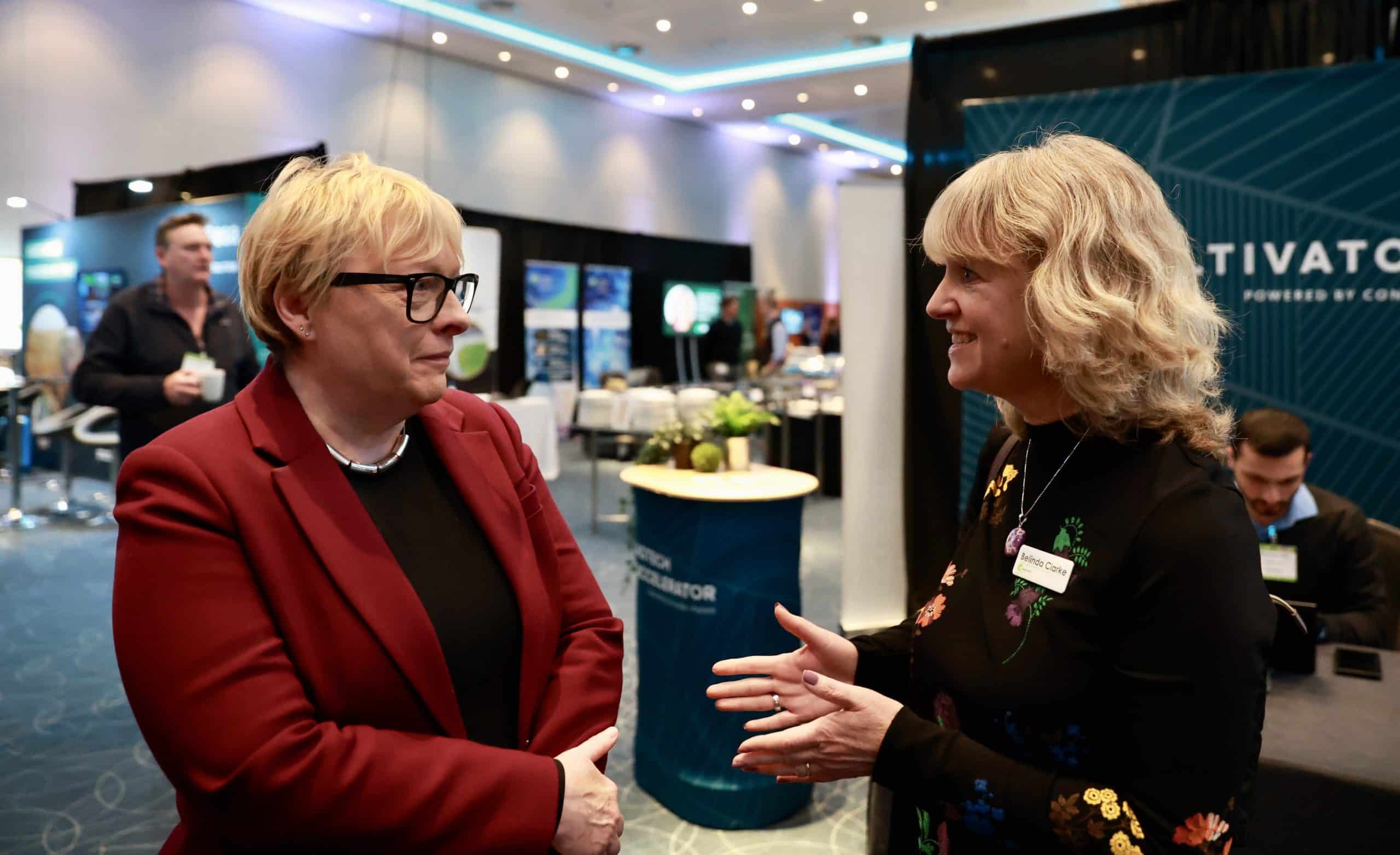






 Agri-TechE



 HGF Limited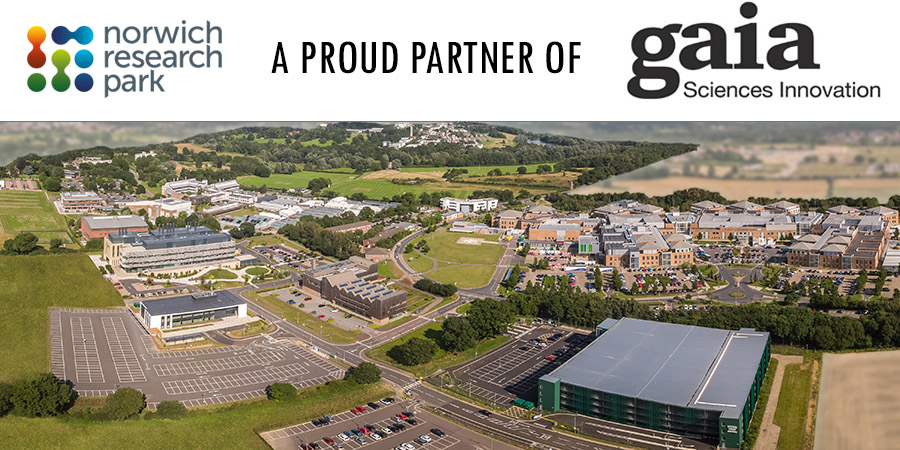




 AgriFutures growAG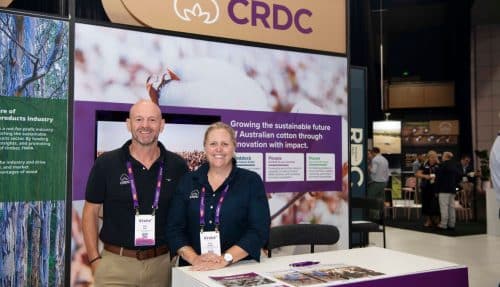
-width-1680.jpeg)






 Wilder Sensing