The views expressed in this Member News article are the author's own and do not necessarily represent those of Agri-TechE.
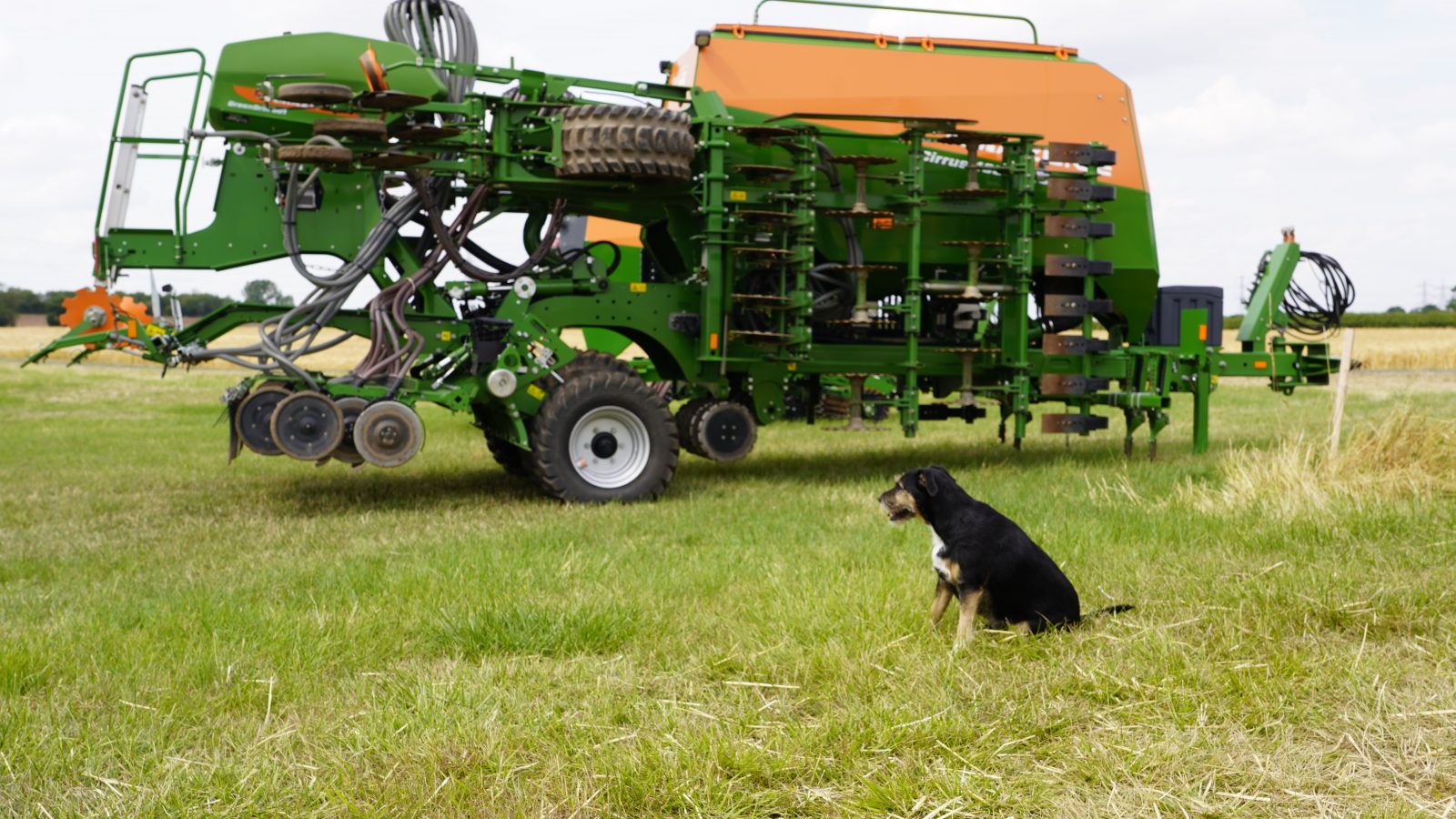
Manor Farm is a part of the Castle Ashby Estate in Northampton and is run by the Penn family.
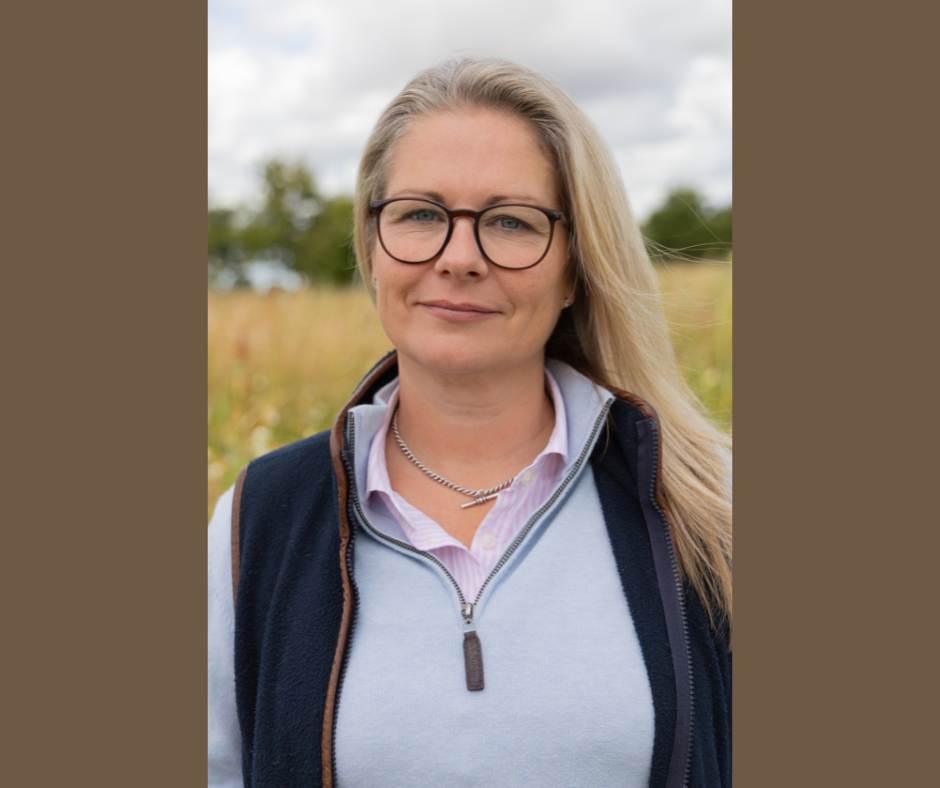
This includes dad, David, his daughter Louise and sons Robert and George. As 2nd generation tenants, they have been farming wheat for as long as they can remember. A qualified agronomist, Louise is responsible for choosing the crops, when they are planted and implementing regenerative techniques to ensure the farm is working towards being as sustainable as possible.
There is nothing better than spending a summer’s day in the golden fields with the whole family coming together to get that grain in the shed. Dad drives the combine and my brothers or myself will be grain carting. Over the year, so much work goes into growing the best crop we can, but only when you’re sitting on the combine can you see the end result.
The views expressed in this Member News article are the author's own and do not necessarily represent those of Agri-TechE.
Newly-discovered diversity in the wheat genome could offer vital new opportunities to improve and ‘climate-proof’ one of the world’s most important staple crops.
A landmark study, led by the Earlham Institute and Helmholtz Munich as part of a global collaboration, has generated the first wheat pan-transcriptome – a comprehensive map of gene activity across multiple wheat varieties.
Wheat has a very large and complex genome. Researchers have found that different varieties can use their genes in different ways. By studying RNA—the molecules that carry out instructions from DNA—researchers can see which genes are active and when. By mapping this gene activity for the first time, researchers are able accelerate international wheat breeding programmes, developing new varieties of wheat which can adapt to the rapidly escalating climate emergency.
Wheat is the most widely cultivated crop in the world, with over 215 million hectares grown annually. To meet the demands of a growing global population, plant breeders face the challenge of increasing wheat production by an estimated 60 per cent within the next 40 years.
The wheat pan-transcriptome offers a powerful tool to help meet this challenge. It will enable plant breeders to accelerate yield improvements and develop more resilient wheat varieties—better equipped to cope with rising temperatures, water shortages, and poor soil quality. Importantly, this can be done without increasing reliance on fertilisers, which are linked to biodiversity loss and pollution.
Senior Postdoctoral Researcher at the Earlham Institute and co-first author Dr Rachel Rusholme-Pilcher said: “We’ve revealed layers of hidden diversity spanning our modern wheat variations. This diversity is likely to underpin the success of wheat over such a wide range of global environments.
“We discovered how groups of genes work together as regulatory networks to control gene expression. Our research allowed us to look at how these network connections differ between wheat varieties revealing new sources of genetic diversity that could be critical in boosting the resilience of wheat.”
Furthermore, this work has created an important resource for the worldwide wheat research community – a clear example of how national and international collaboration and new technologies can lead to scientific breakthroughs in global food security.
Much of the untapped genetic diversity may stem from how wheat has adapted to different environments over time, shaped by over 100 years of modern breeding and more than 10,000 years of cultivation.
Deputy Group Leader in the Plant Genome and Systems Biology Group at Helmholtz Munich Dr Manuel Spannagl, said: “The new expression atlas allowed us to independently predict and compare the gene content of the wheat cultivars. We used those gene predictions together with the pan-transcriptome data to identify pronounced variation in the prolamin superfamily and immune-reactive proteins across cultivars.”
Transcript isoform sequencing and de novo annotation was carried out by the Technical Genomics and Core Bioinformatics Groups at the Earlham Institute through the BBSRC-funded National Bioscience Research Infrastructure in Transformative Genomics.
Dr Karim Gharbi, Head of Technical Genomics at the Earlham Institute, said: “This work demonstrates the power of technology to reveal novel biology, in this case hidden functional diversity which had not been documented before. Wheat pangenomics resources are growing rapidly with more diversity yet to be discovered.”
The study was conducted as part of the International 10+ Wheat Genome Project, and involved a global collaboration of scientists from countries including Australia, Japan, France, Germany, Switzerland, the United States, the United Kingdom, Saudi Arabia, and Canada.
*I have permission from the copyright holder to publish this content and images.
Post Overview
This story has been submitted by an Agri-TechE member.
The views expressed in this Member News article are the author's own and do not necessarily represent those of Agri-TechE.
Downforce joins Leading Harvest to help scale climate-smart agriculture solutions
Downforce Technologies has joined Leading Harvest as an Activator to accelerate the transition to more sustainable and resilient agricultural systems worldwide.
Leading Harvest is a non-profit organisation that operates one of agriculture’s most extensive sustainability frameworks, with over three million acres (1.2 million hectares) of farmland enrolled globally across more than 100 different crop types.
The Leading Harvest Farmland Management Standard provides a framework for improving agricultural sustainability with core principles ranging from environmental factors including soil health and biodiversity to social factors such as farm labour and protection of special sites. Through the implementation of the Farmland Management Standard (FMS), Leading Harvest is harmonising and mobilising the entire supply chain while also ensuring that companies are continuously improving their operations.
Leading Harvest Director of Strategic Partnerships, Rebecca Gildiner, said “We are thrilled to have Downforce Technologies as an Activator with Leading Harvest. We are excited about the value that they can bring to our membership and are looking forward to the shared impact that we can create together.”
“Certifying members must identify areas for improvement from one year to the next through our core principle of continuous improvement. This generates positive impact for farm businesses each year while ensuring sustainability efforts keep up with evolving scientific findings, agronomic knowledge, and societal expectations,” Ms. Gildiner said.
“Activators like Downforce Technologies play a major role in the Leading Harvest ecosystem to drive continuous improvement and support the community of sustainable agriculture practitioners. Activators assist our members in obtaining certification or measuring outcomes associated with their certification with use of their products or services.”
Downforce Technologies Head of Product & Business Development for the Americas, Luke Richards, said the company was looking forward to supporting the Leading Harvest community and furthering sustainability in agriculture.
“What we like about Leading Harvest is that they have a strong presence with asset managers and those who own the farmland and have the greatest interest in long-term prosperity and sustainability,” Mr Richards said.
“Other sustainability standards usually target the product coming from the farm, but our focus – the soil – doesn’t leave the farm, so targeting the asset just made a lot of sense to us.”
As an Activator, Downforce is already working with an existing Leading Harvest member on a project to measure outcomes associated with certification. This project will assist in meeting two FMS objectives – soil health and conservation, and energy use, air quality and climate change – through its US-patented methodology for remote assessment of soil organic carbon at scale, anywhere in the world.
“In this project, we will work with multiple Leading Harvest Program Users to provide data to measure how effective their on-farm practices are” Mr Richards said.
“It really comes down to the Farmland Management Standard providing a playbook for system change and behavioural change that needs to take place to transition towards a sustainable and resilient global agriculture system.”
“Standardising the approach required enables collective action.”
*I have permission from the copyright holder to publish this content and images.
Post Overview
This story has been submitted by an Agri-TechE member.
The views expressed in this Member News article are the author's own and do not necessarily represent those of Agri-TechE.
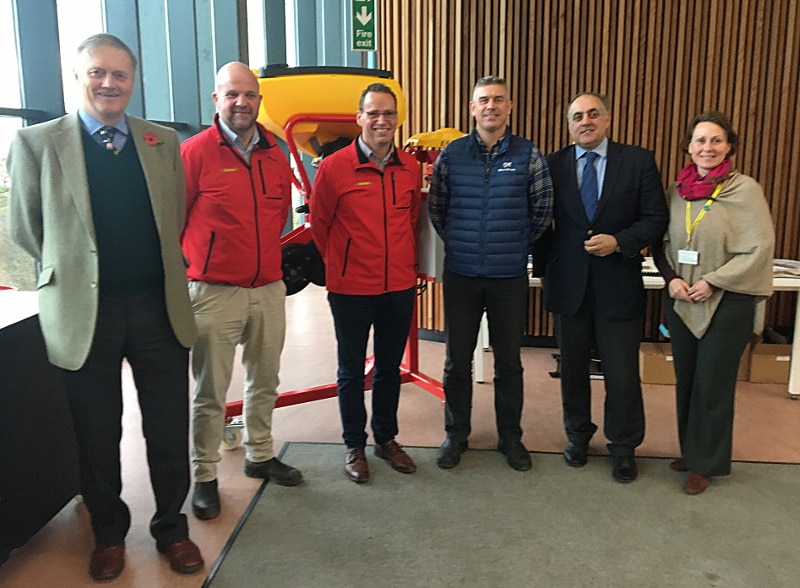
eg technology is pleased to announce the promotion of Russ Farn to the position of Director.
Russ will join the eg technology Board of Directors, where he will contribute to shaping the company’s strategic direction and guiding the oversight of operational planning and project delivery. The Board also carries fiduciary responsibility to the Employee Ownership Trust, ensuring alignment with its values and long-term vision.
Having joined eg in 2008 as a design engineer with a focus on industrial design, Russ progressed to become the departmental and technical lead for industrial design and mechanical engineering. In 2023, he was appointed as an Associate Director to support the growth of eg technology through the strategic development of internal capabilities and exploration of external opportunities.
Russ continues to oversee the creative and technical direction of complex engineering projects within his multidisciplinary team and is a senior point of contact for clients. In particular, he advises on complex challenges in relation to human factors, concept development, detailed design and transfer to manufacture, focusing on system engineering and risk management.
Russ will join Rouzet Agaiby, Paul Edmondson, Helen Coppen and David Warwick on the Board of Directors from October 1st.
David Warwick said:
“We are delighted to welcome Russ to the Board of eg technology. His input is highly valued, and as well as driving successful outputs from the design team, he has a real passion for the continued development of our employees, seeing this as a key component in the strategic growth of the company. With a wealth of experience, Russ brings a thoughtful perspective and a results-driven approach that will help unlock new opportunities for both our clients and our employee-owners”.
About eg technology
eg technology is a product design, engineering and development specialist based in Cambridge, UK, with a second office in Galway, Ireland. We provide an integrated solution for innovators requiring the expertise to bridge the gap between their idea and a market-ready product. eg works with organisations, from start-up to blue-chip, to deliver inspiring, marketable and industry-transforming products across MedTech, Lab/BioTech, VetCare, CleanTech, AgriTech, Consumer and Food/Drink Sectors. Specialising in electronics and software engineering, industrial and mechanical design, human factors, project management, technical due diligence and regulatory compliance, we know how to solve technical challenges and make things work. eg is an agile and adaptive development partner providing tailored project delivery, whilst minimising risk from concept through to transfer to manufacture in an ISO 13485 accredited framework.
eg transitioned to Employee Ownership in March 2023, placing the ownership and management of the company in the hands of our team, under the careful governance of the Board of Trustees. The transfer of ownership to an Employee Ownership Trust (EOT) provides security for the business going forward, whilst ensuring that our company is run for the benefit of all employees.
eg technology is committed to sustainable growth, collaborative innovation and delivering exceptional value to clients and stakeholders.
For more information on getting your technology or ideas to market, or to chat with one of the eg team about your product design and development requirements, please contact us.
The views expressed in this Member News article are the author's own and do not necessarily represent those of Agri-TechE.
Historic offer of free soil carbon reports for every Oxbury Bank loan customer
In a first for the United Kingdom, Oxbury Bank is set to offer free soil carbon analysis for every one of its loan customers, providing valuable new insights into more than 120,000 hectares of the nation’s farmland.
Soil organic carbon (SOC) is a key marker of the overall health and productivity of soil, a key component in farm profitability. Soil is also the world’s second largest greenhouse gas sink, behind the ocean, containing more carbon than the atmosphere and vegetation combined.
The SOC assessments will be completed by pioneering remote measurement and natural capital company, Downforce Technologies, which was founded by former Chief Scientist of the United Nations Environmental Programme, Professor Jacquie McGlade.
Downforce Technologies Chief Product Officer, Geoff Horrell, said it was a major development in both agriculture and banking and would generate valuable information for UK farmers.
“We are proud to be partnering with Oxbury Bank on such an exciting initiative that sets a new benchmark in banking that will unlock incredible insights for their customers,” Mr Horrell said.
“They will get a detailed map of the carbon levels in their soil down at a 10m resolution, with a dynamic assessment over time, providing an historical view of how those levels have changed with different farming practices over time.
“Given how important soil carbon is to soil health and yield, this will help inform farm management decision making, and, given the precision of our US-patented methodology, can be used to underpin reporting requirements to banks and supply chains.”
Oxbury Bank Chief Commercial Officer, Matt Ryan, said the initiative was a natural fit for the only UK bank solely dedicated to agriculture, food and farming.
“We launched in 2021 with a commitment to advancing the entire rural economy and this is a practical way we can help our customers in their farming decisions and management of greenhouse gas emissions,” Mr Ryan said.
“In addition, Oxbury is launching a new credit facility that enables farmers to manage their cashflow as they transition their businesses in order to reduce emissions and increase resilience. This is another first for UK farming businesses and another way Oxbury is looking to support this critical sector.”
The globally unique Oxbury Transition Facility provides funding for farmers to manage their cashflow and capital needs to transition their business to increase their resilience by reducing carbon emissions and improving their soil health and soil organic carbon.
Oxbury Co-founder and Managing Director Nick Evans said:
“Oxbury spent two years developing the Transition Facility ensuring that it understood the needs of farmers and the supply chain. The Bank concluded that the whole industry including government, banks and the supply-chain needs to work together to support farmers to remain profitable while reducing emissions and improving soil health. Our partnership with Downforce Technologies illustrates one such collaboration and will help farmers measure and prove that the changes that they have implemented are delivering results.”
The data from the assessments will also contribute to Oxbury Bank’s natural capital report, which is breaking new ground in assessing and disclosing the nature-based impacts of the bank, its supply chains and customer activity financed by the bank.
Trial finds customers “enthralled”
Oxbury Head of Sustainable Banking, Carolien Samson, said the announcement followed a successful pilot program conducted over the past 12 months.
“We have trialled Downforce with a number of customers already and they have been excited by the results,” Ms Samson said.
“They are enthralled by the fact that they can estimate the gap between their emissions and carbon stored on-farm in much more detail and assess the scale of change needed over various time scales.”
Oxbury non-executive director and West Hertfordshire cereal farmer, Richard Percy, took part in a pilot project and was interested to close some important information gaps.
“We’re essentially growing combinable crops – wheat, oilseed rape and spring barley for malting,” Mr Percy said.
“We know how much carbon we’re using to produce our crops but what we didn’t know was how much we’re tying up in the soil and, more importantly, how that changes from year to year.
“So now we know where we stand and what we want to try to do is see how we can reduce that going forward.”
Richard’s son, Henry, helps run Cottingham Farm and said he was surprised with the results.
It’s actually really easy to see the trends,” Mr Percy said.
“It’s given us historical data and we can link it to things like rainfall and cropping and we can make decisions with that.
“In the short term if we can make little changes and see results going forward then we can change the way we crop, we could use more cover crops, we could introduce a livestock farmer to take those cover crops and be more adventurous on that side.”
For more information on the program visit the Oxbury Bank website. To learn more about how Downforce Technologies can help your farm operation, get in touch.
*I have permission from the copyright holder to publish this content and images.
Post Overview
This story has been submitted by an Agri-TechE member.
The views expressed in this Member News article are the author's own and do not necessarily represent those of Agri-TechE.
We are pleased to share details of an upcoming event hosted by Rothamsted Enterprises. The Campus Discovery event will take place on Wednesday 26th November, 9am – 1:30 pm at the Rothamsted Conference Centre, Fowden Hall.
This bi-annual event brings together Rothamsted-based scientists, innovative companies on campus, and the wider agri-tech community to explore opportunities for innovation and collaboration.
Attendees will:
Hear from leading researchers and agri-tech businesses about current projects and opportunities for collaboration
Explore an exhibition area showcasing Rothamsted’s scientific services, research facilities, agri-tech innovators, and external organisations
Network with stakeholders across academia, industry, and government
Discover how to build strategic partnerships that support innovation and transformative change
The event is free to attend and includes a buffet lunch.
The views expressed in this Member News article are the author's own and do not necessarily represent those of Agri-TechE.
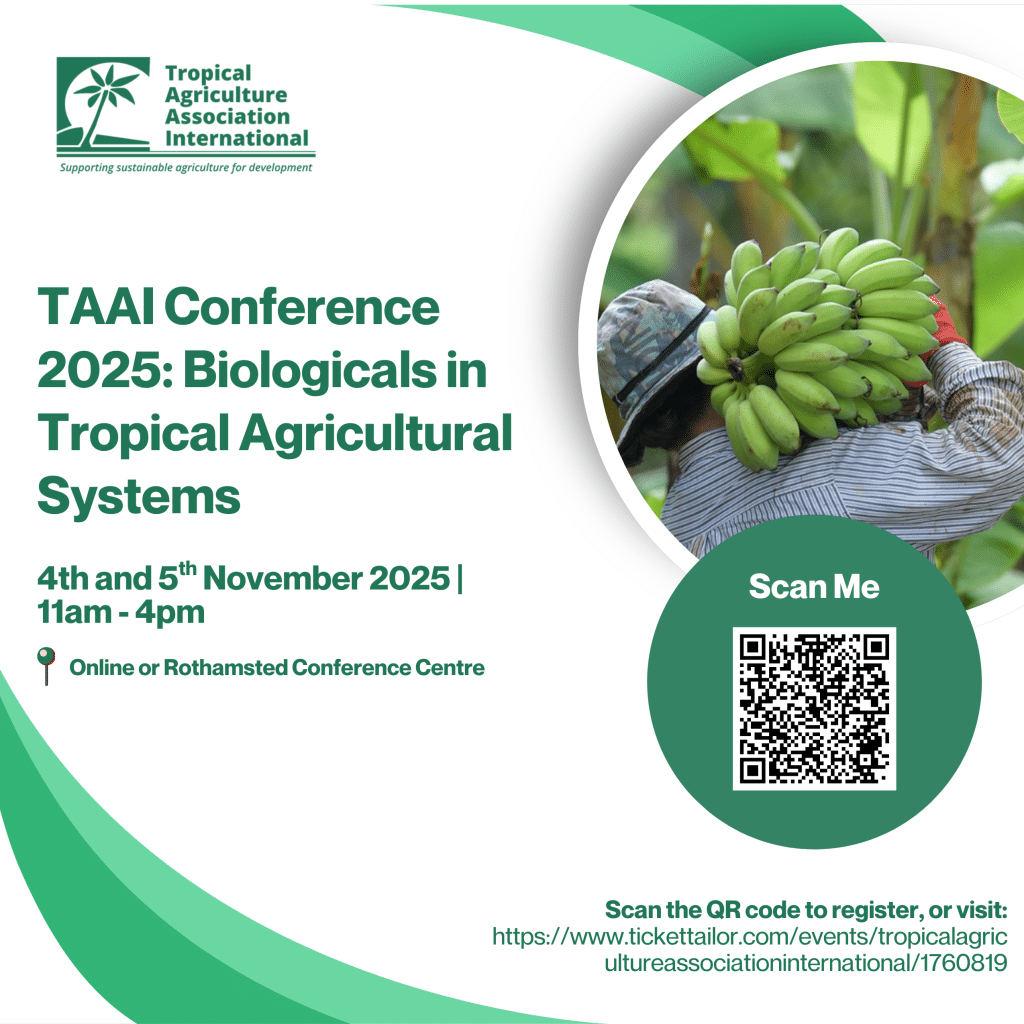
Join the TAAI Conference on Biologicals in Tropical Agricultural Systems on Tuesday 4th – Wednesday 5th November 2025| 11am – 4pm at Rothamsted Conference Centre on the Rothamsted campus, Harpenden, UK.
Organised by the Tropical Agriculture Association International (TAAI), this hybrid conference is designed for researchers, practitioners, policy makers, and anyone interested in the practical application and development of biological solutions.
By attending the conference, you will:
Explore real-world experiences in the development and use of biological agents for soil, nutrition, and plant protection
Gain insights into overcoming challenges from research to market adoption
Identify future opportunities and emerging trends in tropical agriculture
Network with global experts and peers in the field
Access conference papers and posters published in TAAI’s open-access journal Agriculture for Development
The views expressed in this Member News article are the author's own and do not necessarily represent those of Agri-TechE.
Extreme weather events, from heavy rainfall to heatwaves and droughts, are increasingly threatening crop yields globally, so new solutions are needed for agriculture.
An international team from the University of Cambridge, University of Adelaide, University of Western Australia and NASA have reimagined how we grow food into the future.
The paper was published in the journal ‘Trends in Plant Science’ and has been chosen for inclusion in an upcoming 30th anniversary special issue titled ‘Big concepts – shaping the future of plant science’.
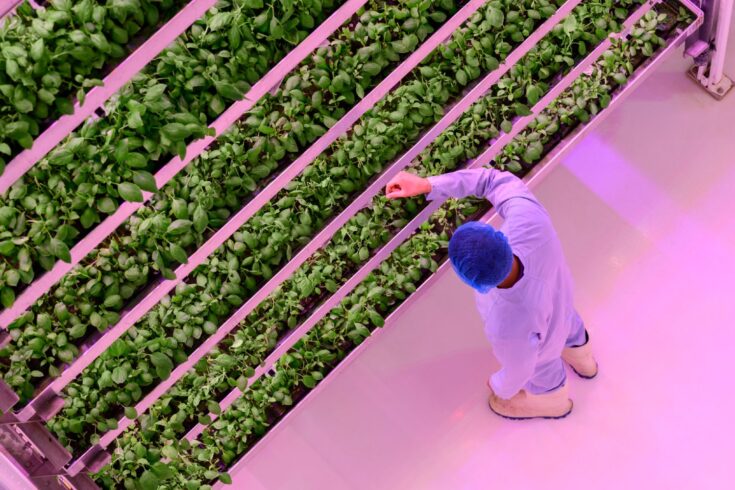
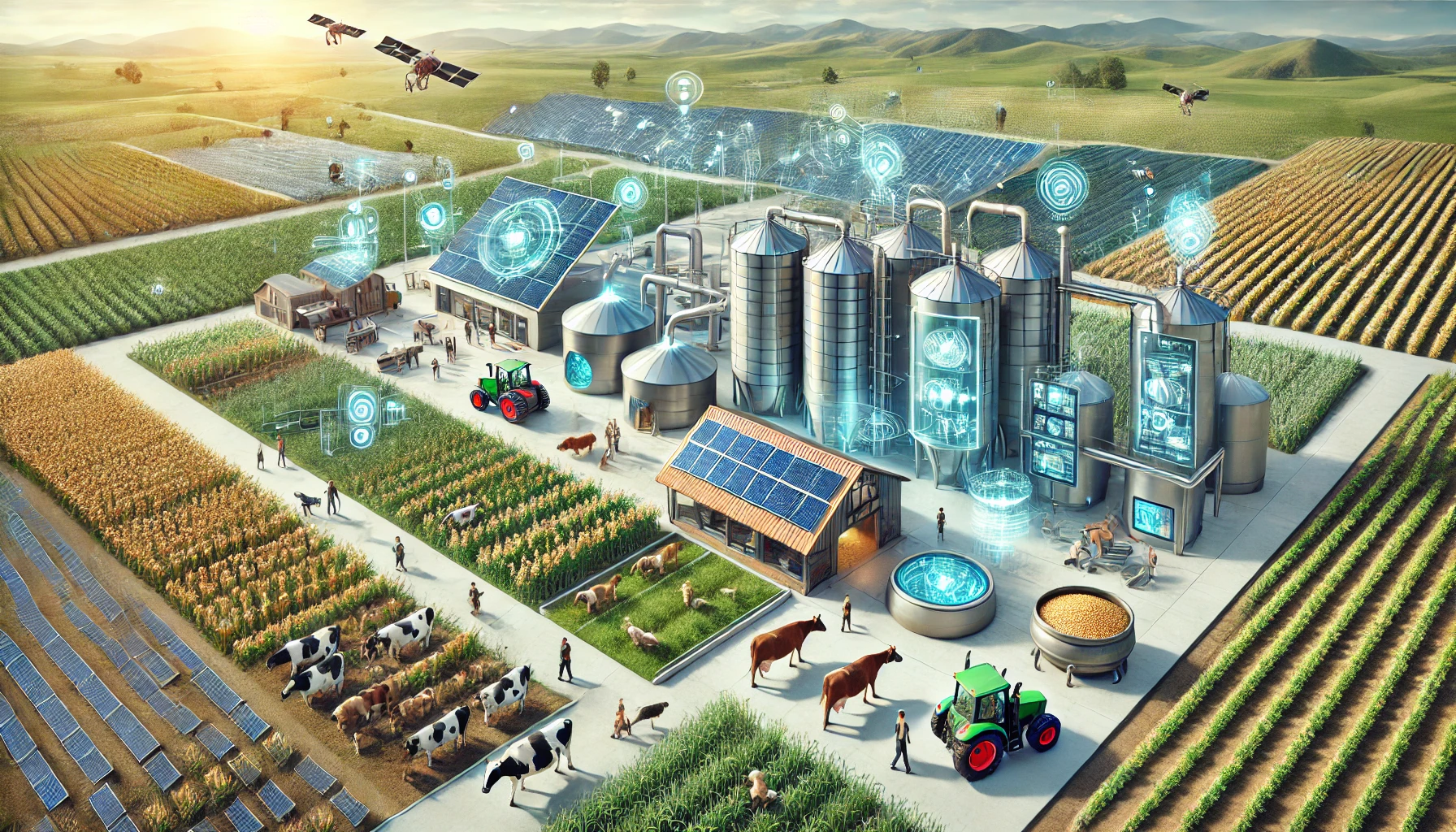
The work highlights how new developments in controlled environment agriculture (CEA) offer a powerful opportunity to accelerate the translation of fundamental plant science discoveries into real-world agricultural impact.
“With the right investment, these innovations could redefine what it means to grow, eat, and share food in the 21st Century,” said co-author Professor Alex Webb, Head of the Circadian Signal Transduction group at the Department of Plant Sciences.
“Controlled environment agriculture allows crops to be grown indoors under the precise control of light, temperature, humidity, carbon dioxide, and nutrients, while reducing pest risks,” says Dr Alison Gill, postdoctoral researcher at the ARC Centre of Excellence in Plants for Space, the University of Adelaide, and first author of the paper.
“The result is food that can be produced anywhere, year-round, with yields up to 20 times greater than traditional agriculture, with much less arable land and water required.
“By combining decades of plant science with new technologies to track crop health and fine-tune plant growth, we can grow food that is more consistent, nutritious and tailored to our needs. CEA is not a platform that will replace traditional farming, but it is a powerful supplement.”
While the work was inspired by research focused on growing plants in controlled environments in space as part of a UK and Australian Space Agency funded collaboration, the greatest impacts will be here on Earth.
“What began as space science, with experiments designed to grow food beyond Earth, has enabled us to create a blueprint to deliver big impacts back home. In Australia, container farms could bring fresh produce to remote outback communities, cut food miles, and help supplement farmers’ incomes during drought using recycled water,” says Dr Gill.
“We also envisage indoor plant-based pharmaceuticals and other high value bioproducts as a massive economic opportunity for CEA.”
To date, successful CEA production has been limited to small, pick-and-eat crops like lettuce, herbs, cucumbers, and microgreens, with considerable challenges in building and running the high-tech farms efficiently.
“We have identified specific targets that plant scientists must address, and the routes by which this could be achieved, as a pre-requisite for controlled environment agriculture to form a viable production platform going forward,” says Plants for Space Director and the paper’s senior author Professor Matthew Gilliham.
“This includes a pre-breeding pipeline for traditional horticulture, broadacre agriculture and even forestry, increasing opportunities beyond pick-and-eat crops.”
Professor Webb said creative minds are needed to adapt crops to indoor environments, in combination with the latest technologies.
“It is only now that we have these tools, so by combining precise environmental control with cutting-edge plant science, we can begin to grow plants that are best suited to meet the challenges ahead,” he said.
“If implemented to its potential it would secure fresh food supplies locally all year round, even under extreme weather, from inner cities to the most remote corners of the planet and beyond.”
The views expressed in this Member News article are the author's own and do not necessarily represent those of Agri-TechE.
Colorado’s First Climate Smart Barley Project Shows Greenhouse Gas Removal
(FORT COLLINS, CO – DATE, 2025) – Today, New Belgium Brewing, Olander Farms, and Root Shoot Malting, in collaboration with Downforce Technologies, announced the successful demonstration of climate smart barley farming’s ability to remove greenhouse gases from the atmosphere while maintaining high brewing quality standards. The Climate Smart Barley project, funded by the Colorado Department of Agriculture, is the first in the state to demonstrate a climate-smart barley supply chain that meets international greenhouse gas standards (ISO 14064).
As part of this initiative, Olander Farms’ barley fields achieved an estimated net removal of over 4,000 tons of carbon while also improving farm-level operational performance. In addition to carbon removal, Olander Farms achieved a relative soil health score of 84%, representing best in class agricultural performance. This score was calculated using Downforce Technologies’ advanced soil health system and a patented U.S. land classification model which compares how similar pieces of land perform, using 20 variables.
Brewing trials confirmed that the high quality of the barley was fully maintained, suggesting the supply chain’s potential to scale climate-smart practices across the beer industry.
“A part of New Belgium’s climate strategy focuses on reducing greenhouse gas emissions in our operations and supply chain so that the product consumers pull off the shelf does not contribute to irreversible climate change,” said New Belgium’s Senior Director of Environmental Programs Walker Modic. “Having this project’s data indicates we can make sustainable, low-emissions beer from grain to glass.”
Using Downforce Technologies’ ISO 14064-aligned verification and advanced soil health measurements, the project provides audit-ready sustainability data that breweries can use to meet carbon reduction commitments and inform Scope 3 reporting of indirect emissions across a company’s value chain.
“Olander Farms is a 100-year-old, five-generation family farm, and we’re proud to supply craft malt to breweries and distilleries throughout the US.,” said Todd Olander. “The Climate Smart Barley project demonstrated that our regenerative practices aren’t just good for the land, they’re actively removing carbon from the atmosphere. It’s a meaningful step forward for the agriculture and brewery supply chain.”
The project indicates a replicable model that is designed to not only build sustainability credentials but also establish supply chain resilience and a premium product for the consumer.
“The project shows that connecting farmers, maltsters, and breweries through verified data can turn climate smart barley into a reliable, resilience-building asset,” said Head of Product & Business Development (Americas) at Downforce Technologies Luke Richards. “Many consumers are willing to pay more for sustainably produced beer, and with Colorado’s sizeable barley production and craft industry, scaling the Climate Smart Barley project’s verification framework could deliver significant environmental and economic benefits.”
New Belgium Brewing is a leading US premium adult beverage company, known for its iconic portfolio and unique approach to business. Founded in a Fort Collins, CO basement in 1991, New Belgium has grown into one of the most successful breweries in the country, known for Voodoo Ranger IPA, Fat Tire Ale, Bell’s Two Hearted IPA, Oberon Ale, an award-winning wood cellar program, and much more. Over the past three decades, New Belgium’s Human Powered Business model of caring for people, protecting the environment, and owning our impact has remained consistent, guiding our business practices in all that we do. This ethos continues on today and has enabled us to reach many significant milestones over the past three decades including becoming the first craft brewery to become a certified B-corp still in operation, developing the first carbon-neutral beer in Fat Tire, and much more.
New Belgium expanded to Asheville, NC, in 2016, Daleville, VA, in 2023, and acquired Bell’s Brewery, in Kalamazoo, MI in 2021.To learn more about New Belgium, visit www.newbelgium.com and to learn more about Bell’s, visit www.bellsbeer.com.
About Olander Farms/Root Shoot Malting
Root Shoot Malting is a fifth-generation family farm and a first-generation craft malthouse producing responsibly-raised, caringly-crafted, high-quality malts. We believe farmers are stewards of the land and that responsible agriculture can support a better food and beverage industry. Located on the Olander family farm in Loveland, Colo., Root Shoot produces malts made from barley, wheat, rye, oats and corn and is working to protect farmland through its conservation easement with Colorado Open Lands. Find our craft malts online at rootshootmalting.com.
About Downforce Technologies
Downforce Technologies is a climate technology company delivering independent, science-led soil health and carbon monitoring at scale. Our mission is to be the world’s leading enabler of agricultural soil health regeneration by providing low-cost, accurate data that helps land managers restore soils and habitats, improve resilience, and contribute to global climate and food security goals.
Built on world-leading, independently verified science, our ISO 14064-validated and U.S.-patented platform uses advanced modelling and remote sensing to measure soil health and soil organic carbon with accuracy and consistency. This impartial digital MRV approach empowers supply chain leaders, sustainability managers, and landowners to monitor impact, track progress toward targets, assess risk, and identify opportunities for profitability, productivity, and regeneration.
Operating in 22 countries and having assessed over 100 million acres globally, Downforce Technologies is making trusted soil data accessible worldwide to accelerate the transition to sustainable agriculture and nature-positive land management.
*I have permission from the copyright holder to publish this content and images.
Post Overview
This story has been submitted by an Agri-TechE member.
The views expressed in this Member News article are the author's own and do not necessarily represent those of Agri-TechE.
DEFRA has announced two new funding opportunities under its Farming Innovation Programme, giving UK agri-tech innovators the chance to access substantial collaborative R&D support.
To be eligible, your project must:
Address a significant industry challenge or opportunity in at least one of the following subsectors:
Farmed animals
Plants
Novel food production systems
Bioeconomy and agroforestry
Significantly improve:
Productivity
Resilience
Sustainability
Progression towards low-emission farming
Clearly demonstrate how it will benefit farmers, growers or foresters in England
These schemes are designed to accelerate cutting-edge innovation in sustainable agriculture, with projects required to deliver benefits that can be exploited in England.
🌱 Farming Innovation Programme: Small R&D Partnership Projects (Round 4)
This competition is aimed at collaborative R&D projects that push forward innovative solutions for farming and food production.
This strand is designed to support feasibility studies that test the potential of early-stage ideas before progressing to larger-scale development.
Key details:
Open now – closes 3 December
Total eligible costs: £200,000–£500,000
Duration: up to 24 months
Must be collaborative
Project start: by 1 July 2026
Project end: by 30 June 2028
⏰ Don’t miss out
With deadlines fast approaching, now is the time to scope your project ideas and identify partners.
Project scoping and application preparation
At Tatton Consulting, we’ve helped secure over £100m in non-dilutive grant funding, including £25m+ for agriculture, food, and agri-tech. With a 70%+ success rate and a proven track record across Innovate UK, DEFRA and more, we bring strategic insight and hands-on bid expertise that can make all the difference.
🔍 Agri-TechE Member Perks
To support the Agri-TechE network, we’re offering:
Our team provides honest, upfront advice, no boilerplate bids, and bespoke project design to maximise your competitiveness. And with a ‘No-Win, No-Fee’ option, there’s no risk in exploring your eligibility.
📧 Book your session: funding@tattonconsulting.co.uk
🌐 Learn more: ukgrantfunding.co.uk
*I have permission from the copyright holder to publish this content and images.
Post Overview
This story has been submitted by an Agri-TechE member.
The views expressed in this Member News article are the author's own and do not necessarily represent those of Agri-TechE.
Key points:
Evidence of Healthy Soils: Organic farming can improve soil health factors, especially soil biology. But do you need to go organic to reap these benefits? This report underscores practices that all farmers – organic or not – can consider in improving their soil, the key asset on any farm.
Profitability Gap Narrows: While organic yields can typically be 18% lower than conventional, price premiums (20–30%) can offset this, making organic farming financially viable, but only with the right market and policy support.
UK Needs to Rethink Policy: The UK is lagging in support for organic farming, despite rising consumer demand. Imports are filling the gap. Stronger policies, such as conversion payments, farm advice programmes, consumer education, and procurement support, often evident in EU counterparts, are needed to strengthen domestic production.
Organic farming has transitioned from a niche movement into a well-studied approach at the heart of sustainable agriculture. As we celebrate Organic September – a month-long focus on organic food and farming – it’s a good time to reflect on how far organic practices have come in the UK and internationally. Drawing on recent research and industry data, this article explores soil health, farm profitability, and policy support, while offering actionable insights for farmers and agri-professionals.
Healthier Soils: Organic’s Living Legacy
One of organic farming’s clearest successes has been its positive impact on soil health. Organic systems rely on natural inputs (compost, manure, diverse rotations) and biological processes to maintain fertility. The result? Soil that is richer in life and resilience. A recent comprehensive review of 463 studies in temperate climates (Dongo, 2025) shows significant improvements in soil biological activity under organic management:
Microbial biomass: +34-84% increase in soil microbes in organic vs conventional fields
Earthworm abundance: +78% higher earthworm populations on average under organic management
Nitrate leaching: -26% reduction in nitrate loss from soils with organic practices
Healthier soils mean not only improved biodiversity below ground, but also cleaner water, stronger resilience, and potential carbon sequestration. The message applies beyond organic: all farmers can benefit from practices like diverse rotations, organic matter additions, reduced agrochemical use, and fostering soil biodiversity.
Profitability and Yields: Closing the Gap
Historically, the biggest question mark around organic farming was whether it could be productive and profitable enough. Organic yields are often lower than conventional yields, especially during the early transition years. However, decades of data and a number of systematic reviews reveal a more encouraging picture today: with the right market conditions and support, organic farms can achieve comparable financial performance to conventional farms – and sometimes even better.
A global meta-analysis found organic yields average 18% lower, yet 20–30% price premiums often more than offset this gap. In fact, a 5–7% premium may be enough to break even (SC Department for Agriculture, 2015).
In the UK, Farm Business Survey data show organic farm incomes broadly comparable to conventional farms across several sectors (Villa, 2021).
Still, organic economics hinge on two key factors:
Premiums – Consumers must be willing to pay more, and supply chains must deliver fair returns.
Policy support – Conversion is the hardest phase: farmers must follow organic standards but cannot yet market their produce as organic. Yields may dip while premiums remain out of reach, creating a financial squeeze.
EU countries help offset this through area-based subsidies, recognising the public benefits organic farming provides. With such measures in place, organic farming can stand as both an environmental and economic success.
Policy and Adoption: The UK in Context
As organic farming’s benefits and viability have become clearer, many governments and industry bodies have set ambitious goals to scale up organics. Europe leads the charge: the EU’s flagship target aims for 25% of farmland to be organic by 2030, a dramatic increase from roughly 10% today (Mohring, 2024). Several European countries are already well ahead – for instance, Austria has about 27% of its agricultural land organic (the highest in Europe), and nations like Denmark, Sweden, and Germany are pushing toward 20–30% organic land in the coming years. This growth is propelled by strong policy support: from conversion payments and farm advice programmes to consumer education and procurement policies favouring organic produce.
The UK, however, has stalled. Only about 3% of farmland is organic, a figure largely unchanged in recent years (FarmingUK, 2024). Meanwhile, demand is climbing: the UK organic food and drink market logged its 12th straight year of growth in 2023, reaching £3.2 billion in sales (nearly double its 2011 value). Much of that demand is met by imports.
Why the disparity?
Policy gaps: Less government support than in Europe.
Market structures: Weaker supply-chain incentives for domestic producers.
The Soil Association (2024) has called for a “radical rethink,” urging policymakers, retailers, and industry to work together on conversion support, domestic production, and consumer access.
Actionable Takeaways for Farmers & the Industry
Organic September is not only a celebration of organic food and farming – it’s also a prompt to consider actionable insights that can benefit farms today. Whether or not one is ready to go “all-in” on organic certification, the lessons from organic farming’s journey can inform better agricultural practices and strategies in the round. Here are some key takeaways:
Build Soil Wealth:Soil is every farmer’s core asset. Adopting organic techniques for soil building can pay off. Even conventional farms can borrow organic practices – for instance, planting cover crops or diversifying rotations – to improve soil health, fertility, and drought resilience.
Mind Your Inputs: Organic farming shows that it’s possible to rely less on synthetic inputs in some systems. It’s a stepwise journey: start by monitoring soil nutrients closely and using inputs more judiciously, which is aligned with both organic principles and good business.
Plan for Profitability: Leverage available conversion support grants and line up your marketing channels early – whether that’s organic milk buyers, grain processors, or local direct-to-consumer sales – to ensure you can secure the premium your organic produce warrants.
In summary, organic farming has come a long way: what started as an alternative philosophy is now backed by solid data and growing adoption worldwide. The UK’s organic sector has achieved a lot, but there is room to grow further – especially in domestic production and policy support.
As we reflect during Organic September, the overarching message is one of integration: integrating the hard-won lessons from organic practices into the broader agricultural mainstream.
The views expressed in this Member News article are the author's own and do not necessarily represent those of Agri-TechE.
GK is delighted to share its first policy spotlight report on the food and agriculture sectors where geo-political, economic and health priorities increasingly collide.
From tackling obesity and diet-related ill-heath to food security and investor appetite for agri-tech innovation, the government’s policy agenda is ambitious. Our report explores:
The future of food and health: analysis of the government’s more interventionist stance on obesity, sugar reform and the development of a new national food strategy.
Innovation in agriculture:why agri-tech is now a priority in the UK’s industrial strategy and where the opportunities lie for businesses to partner with government.
Investor sentiment: how food, agriculture and natural capital are performing as asset classes and where private capital flow is likely to follow.
The view from the US: how the political and regulatory landscape in the US is evolving and how this might shape UK markets.
With the government eager to demonstrate delivery and progress towards much-needed economic growth, businesses and investors have a critical window of opportunity to shape policy and regulation. This policy spotlight report highlights where the engagement opportunities lie, how to align with government priorities, and how to mitigate regulatory and political risks while unlocking commercial growth.

 D Penn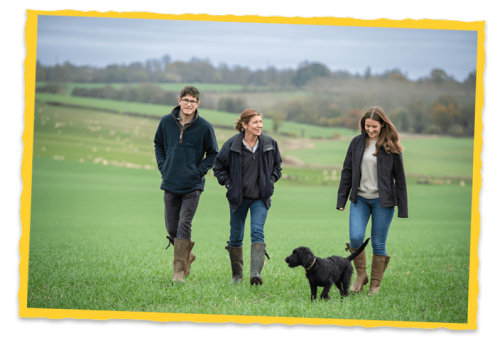


 Earlham Institute


 Downforce Technologies Limited



 eg technology Ltd







 Rothamsted Enterprises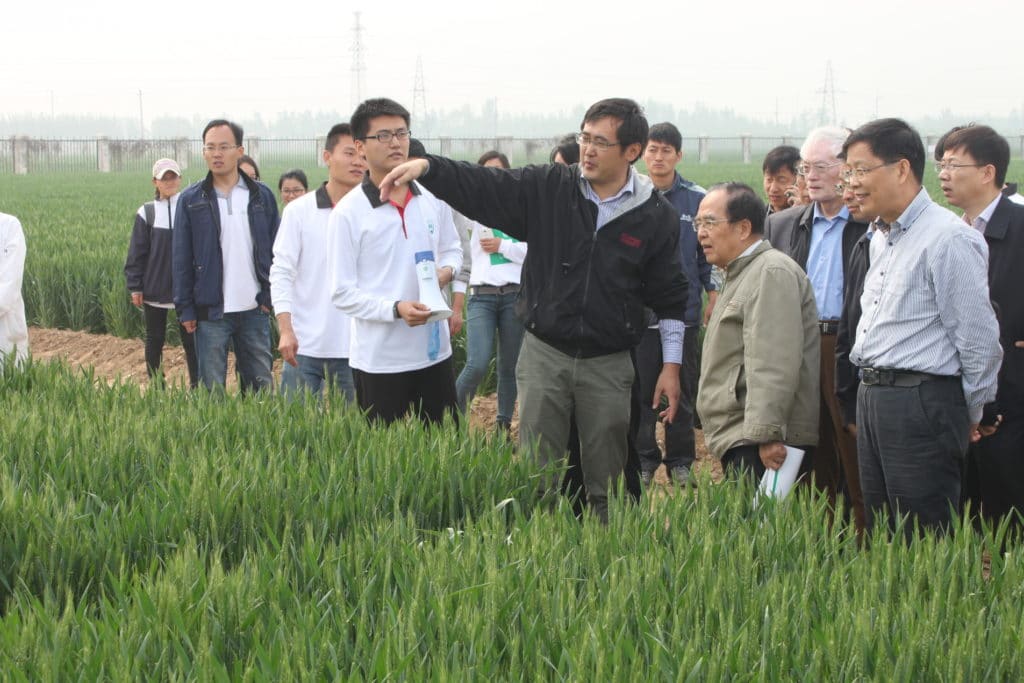


 University of Cambridge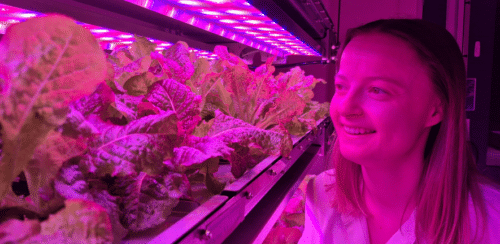



 Tatton Consulting




 Ceres Research
 GK Strategy