Rapid identification of disease enables timely disease detection

Agri-TechE Article
Agri-TechE

FOTENIX is speeding up the diagnosis of disease in-field. The company aims to make sophisticated imaging technology accessible for small-scale farmers and has grown its offering since it was featured in the REAP 2019 Start-up Showcase.
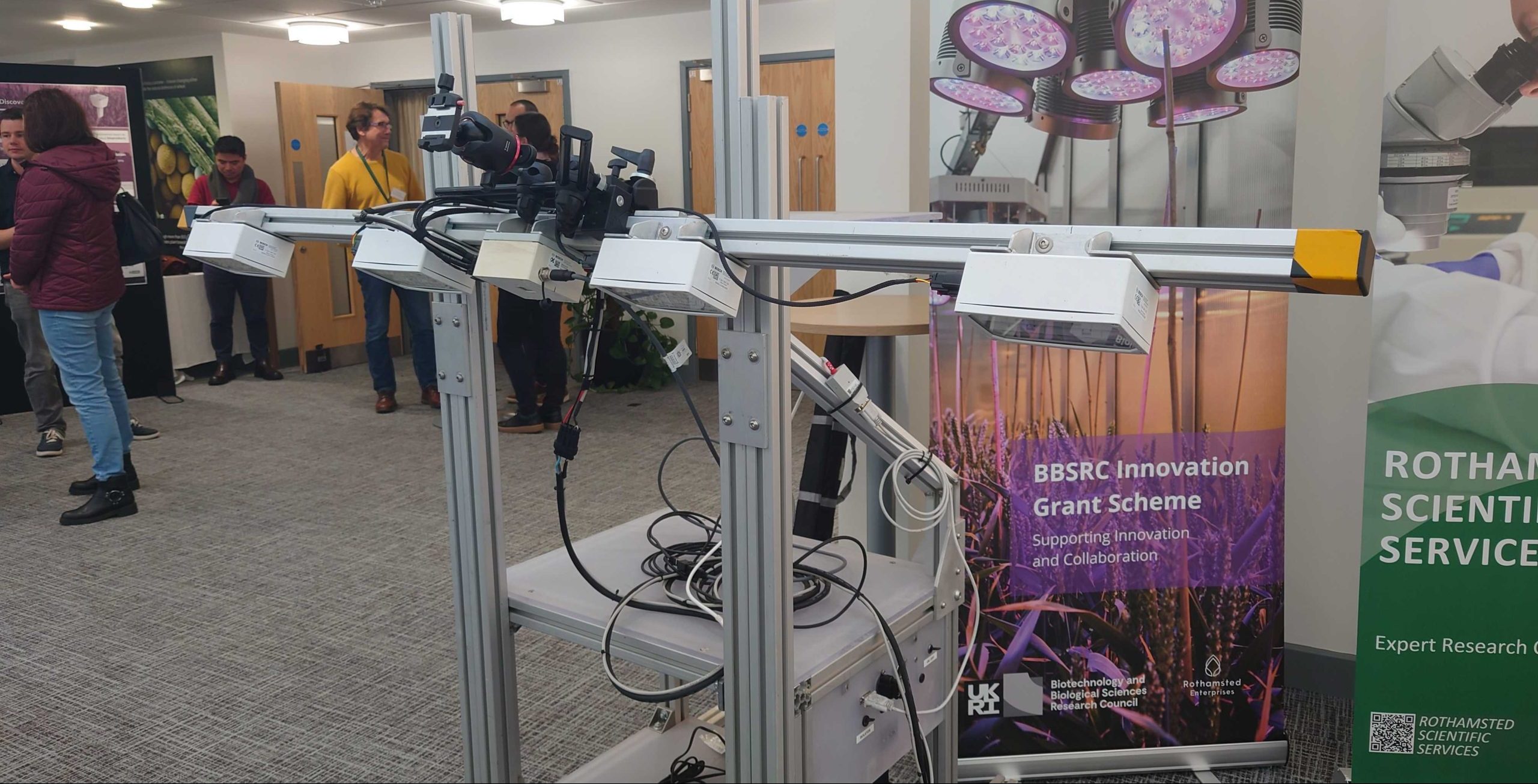
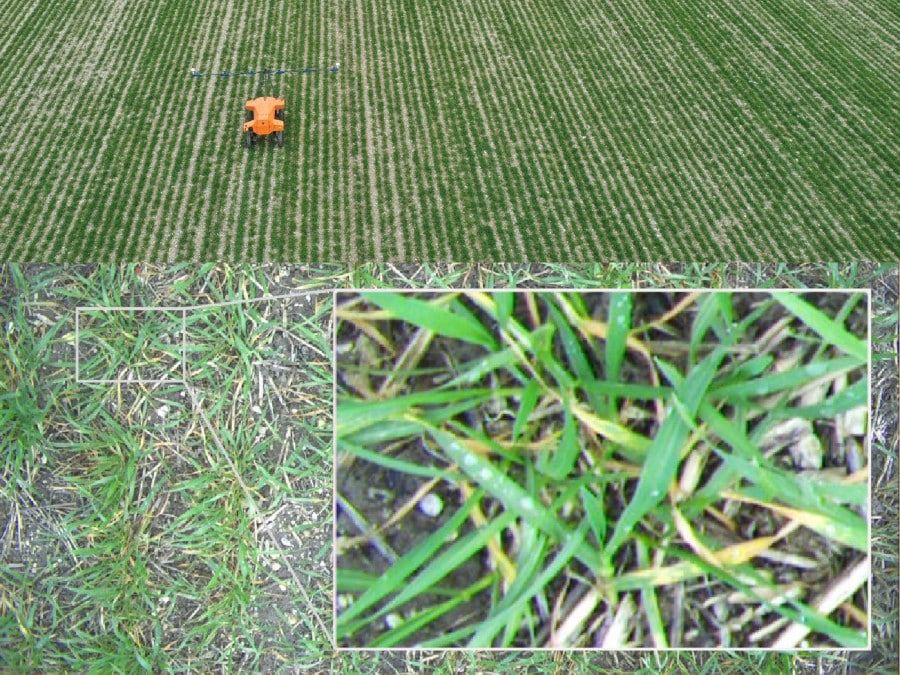
FOTENIX aims to provide affordable crop diagnostics in real-time. It has miniaturised its lab-quality technology so it can be used in the field. Spectral image data is captured using a standard camera and LED flash and is transmitted for analysis in the cloud. The results are delivered to producers’ smartphones.
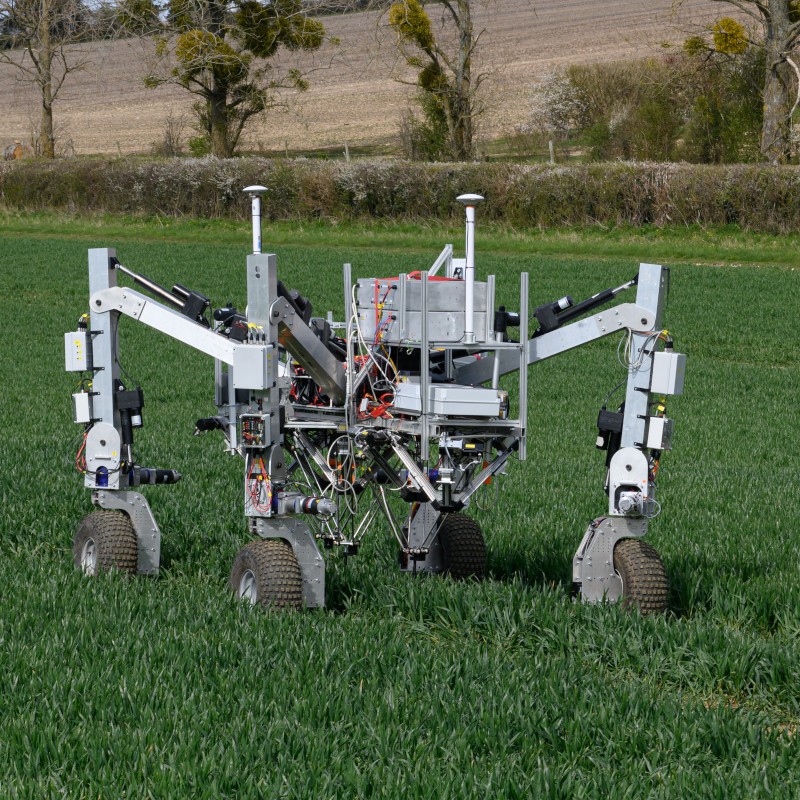
The compact device can be integrated into farm equipment and the company is working with two robotics companies on further integration.
The technology can also be used to facilitate breeding and the company has recently developed DELTA, a desktop system that can detect cues from dynamic plant responses. Using multispectral imaging, it can significantly improve identification of the traits under study. Co-founder Charles Veys says: “We have grown the team and made major releases of our product LIMA, which is a crop scout used for detecting disease in soft fruit and wheat, and DELTA, a desktop system for use by breeders.
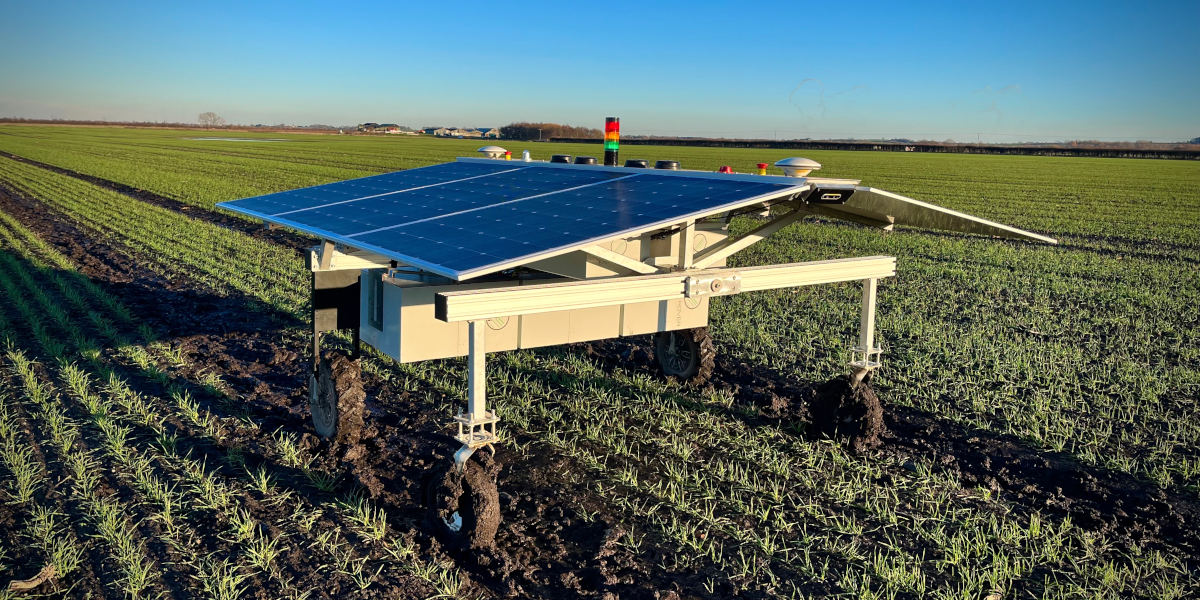
“Our focus is on reducing cost to the producer and adding value to the rest of the supply chain. We are developing LIMA for soft fruit in collaboration with the Lincoln Institute for Agri-Food Technology, Saga Robotics and Berry Gardens, and for wheat in partnership with Small Robot Company and CHAP – two very exciting developments.”
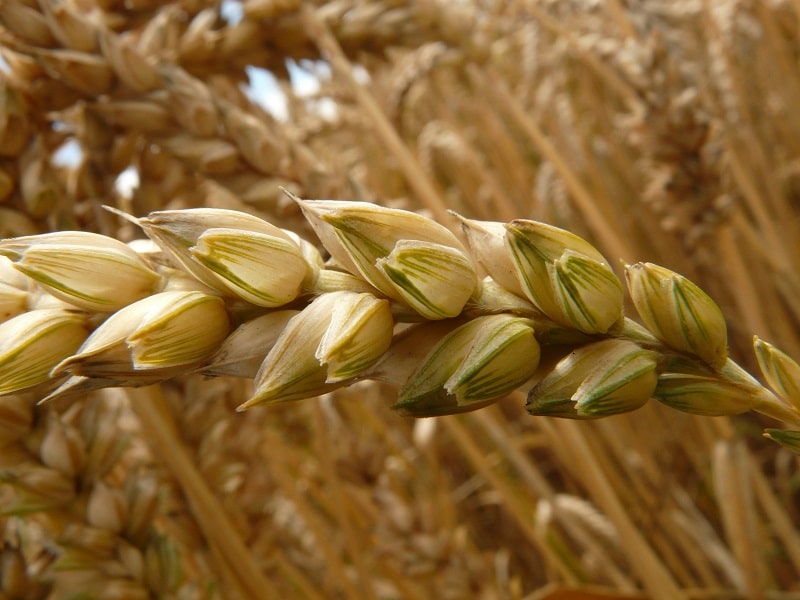
FOTENIX’s spectral imaging offers the ability to detect crop diseases, including those with no visual symptoms such as Light Leaf Spot. It provides improved prediction of yields – even under difficult conditions such as counting white fruit flowers amidst white tabletop guttering. Charles continues: “Essentially, we’re detecting disease so producers know exactly where and when to spray. When the device is being used, it translates the raw information and creates an image so producers can choose to bring forward their application schedule and reduce crop losses.
“We intend to offer FOTENIX’s imaging-advice-action as a fully automated process so we’re currently working with robotics companies to achieve this.
“It could deliver immediate operational savings – as well as help continue the work of environmental stewardship, which is becoming increasingly important to the future of farming.”
Find out more about the REAP Start-up Showcase.

REAP 2021: Changing Time(s) for Agriculture10th November 2021

Imagine a world where agriculture is not constrained by time. The ability to manage and manipulate time is increasing and REAP 2021 will explore the advances in technology and breakthroughs in science that is making this possible.
REAP brings together people from across the agri-tech ecosystem who believe that innovation is the engine for change. The conference bridges the gap between producer needs and technology solutions and showcases exciting agri-tech start-ups. 

Is time up for blackgrass? MoA Techologies offers multifaceted attack on weeds

Agri-TechE

Is time up for blackgrass? We asked MoA Technologies when the company appeared in the REAP 2019 Start-up Showcase. The company is developing a rapid screening technology for herbicide development that uses insights from evolutionary biology to discover potential leads with new modes of action. We caught up with Co-founder Professor Liam Dolan to see how the company has progressed.
MoA Technology, a spinout from Oxford University’s Department of Plant Sciences, is developing a crop protection discovery platform that offers a radically different approach. Its rapid screening process uses both whole plants and active ingredients, promising to fast-track the introduction of effective herbicides with low environmental impacts. Prof Dolan says: “We have developed a really neat technology that allows us to rapidly identify potential new herbicide leads that are a combination of naturally occurring and synthetic products working in different ways.
“We can screen their efficacy against entire plants using an imaging process, then from this we can get a lot of information about how the molecules are killing the plants and use this to identify new targets.”
Prof Dolan says the company is still focused on developing new environmentally safe herbicides with novel modes of action and progress has been excellent with numerous patent filings.
“We are growing rapidly and raised a further £5M, the team is now 25 strong – from 15 at the end of 2019 – and we have recently moved from the Oxford BioEscalator into bespoke labs on the Oxford Science Park. “We have also been delighted to welcome Virginia Corless as the CEO. Virginia was an MIT Physics undergraduate and has a PhD from Cambridge University. She also has extensive experience in sustainability and agriculture, having worked with a number of NGOs and Novihum Technologies GmbH.”
MoA Technologies’ aim is to develop a more diverse toolkit with a variety of different chemistries and minimal impact on soil health that can be used alongside non-chemical measures to provide sustainable crop protection.
This will be particularly welcomed by low-till cultivation systems that currently rely on glyphosate to control pernicious weeds such as blackgrass. Glyphosate is being withdrawn from use – so MoA’s technology is particularly timely.
Find out more about the Start-Up Showcase.

REAP 2021: Changing Time(s) for Agriculture10th November 2021

Imagine a world where agriculture is not constrained by time. The ability to manage and manipulate time is increasing and REAP 2021 will explore the advances in technology and breakthroughs in science that is making this possible.
REAP brings together people from across the agri-tech ecosystem who believe that innovation is the engine for change. The conference bridges the gap between producer needs and technology solutions and showcases exciting agri-tech start-ups. 

PheroSyn gains funding for pheromone trap for midges and weevils

Agri-TechE Article
Agri-TechE
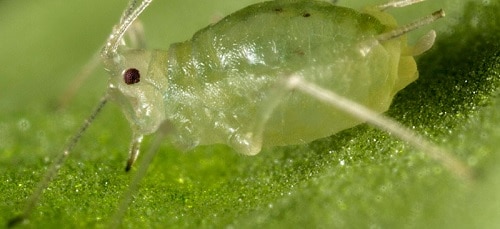
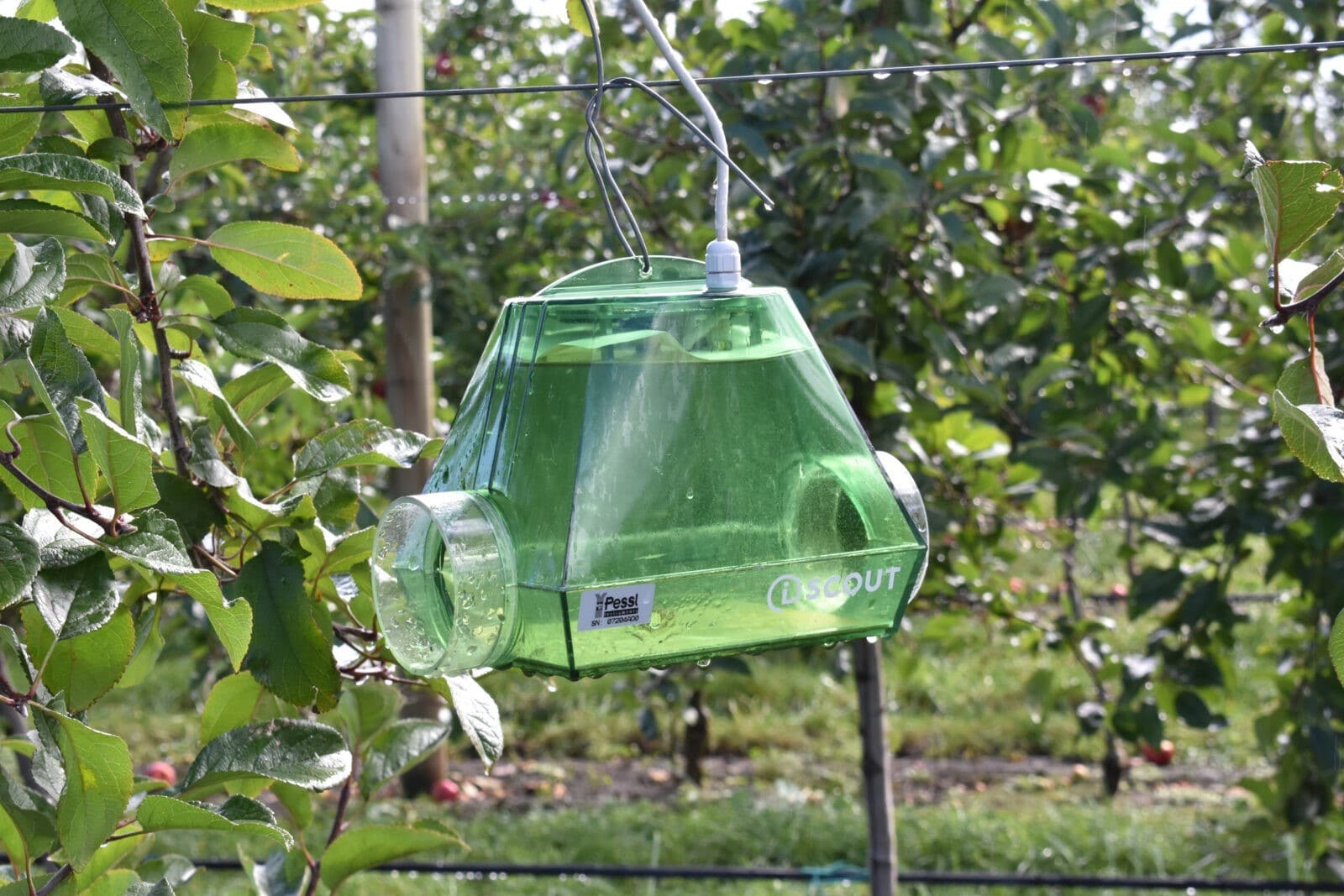
Pheromones, used by insects for communication, can be used to lure and trap pests. PheroSyn, a spin-out from Rothamsted Research, is exhibiting at REAP 2021, it  featured in the REAP 2020 Start-up Showcase and its work has progressed.  The company was awarded an Innovate UK grant (£200k) to develop the supply chain for a new set of insect pheromones to tackle midges and weevils.

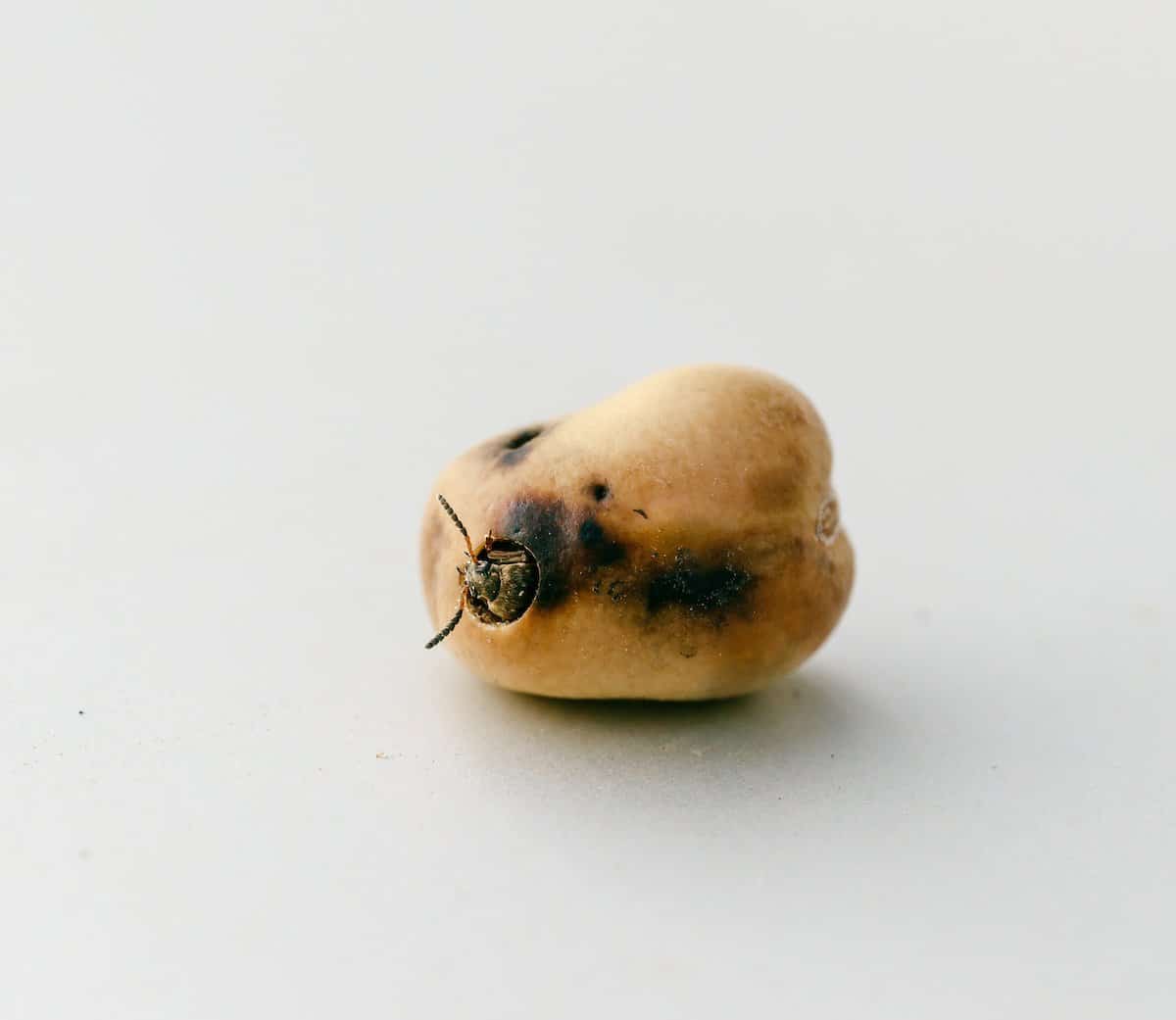
Midges and weevils are significant global pests of legume food production. Their management is problematic, and the food harvest can potentially be exposed to pesticides when targeting specific stages of their life cycles, leading to possible contamination of the human and animal food chain. PheroSyn, developers and producers of novel pest pheromones, will use the grant to design scalable routes for two new products that target midges and weevils. It will work closely on the project with the UK Processors and Growers Association (PGRO), the UK’s leading legume agronomists.
Over 18 months, the partners will establish manufacture, validation and distribution of the novel products for use by farmers to enable a smarter application of pesticides.
Efficacy assessment of the pheromone products in trapping and monitoring populations of midges and weevils in legume production systems will be undertaken by PGRO following their synthesis by PheroSyn.
Daniel Bahia, Business Manager at PheroSyn, says: “We are delighted to be starting this next stream of work on pea and bean insect pest pheromones. There is a growing global trend away from reliance on chemical pesticides in food production in favour of Integrated Pest Management (IPM) strategies.
“Demand for our existing pea and pear midge pheromone products has been clear, and this grant allows us to accelerate development of the next range of products, leading to affordable, safe to eat food in a way that promotes zero carbon agriculture.”
Becky Howard, R&D Manager at PGRO, comments: “We are really pleased to be working with PheroSyn to help develop IPM tools for growers and to ensure a sustainable future for UK legumes”.
More information about PGRO, PheroSyn, Rothamsted Research
Find out more about REAP 2021 and the Start-up Showcase 2021. There will be an opportunity to chat to PheroSyn in the exhibition at REAP 2021.

See us at REAP 2021!

REAP 2021: Changing Time(s) for Agriculture10th November 2021

Imagine a world where agriculture is not constrained by time. The ability to manage and manipulate time is increasing and REAP 2021 will explore the advances in technology and breakthroughs in science that is making this possible.
REAP brings together people from across the agri-tech ecosystem who believe that innovation is the engine for change. The conference bridges the gap between producer needs and technology solutions and showcases exciting agri-tech start-ups. 

Keynote announced for REAP 2021

Agri-TechE
The theme of REAP 2021 is time, a key limiting factor in agricultural production. The conference will examine many dimensions of time and the technologies that are emerging to enable us to manipulate or overcome this major obstacle.

Changes in temperature and seasons as a result of climate change will have an increasing impact on the timing of germination and harvest and also on animal health with migration of pests and diseases, so it is with pleasure that Agri-TechE announces that the keynote speaker for REAP 2021 is Jan-Erik Petersen of the European Environment Agency (EEA), Copenhagen.
Natural capital and ecosystem accounting

Jan-Erik Petersen has worked at the EEA for about 20 years in a range of specialist and management roles. He currently focuses on helping to develop approaches to ecosystem accounting at EU and global level.
His previous role as an agricultural expert at the EEA involved developing indicator data sets that captured the entire interaction between agriculture and environment, from soil protection to water pollution, to GHG emissions, and also biodiversity.
He coordinates EEA work to develop better estimates of natural capital and ecosystem services. The EEA team collates data from multiple sources – from member states, statistical offices, research projects – but also from earth observation data from the Copernicus satellites.

80% of rural areas of the world will have connectivity by 2030

Earth observation data and ‘fibre in the sky’ will become a major facilitator for many types of precision agriculture and reducing the time delay – latency – is needed for autonomous vehicles.
Jan works closely with teams developing new products using the raw satellite data and one focus of his work is the interaction between farming and ecosystems.
He comments: “We’ve created a distribution map of high nature value farmland areas and I am actively exploring the kind of data that we can use to develop further this concept. One of the things we’ve been investigating is the role of the high-resolution data that are becoming available.”

EEA new products team 

Of particular interest to Jan-Erik is extensive grazing where there is a close relationship between agriculture and biodiversity. He says that this is a real test for the technology as it is currently difficult to distinguish between different types of grassland using satellite data.
Dr Belinda Clarke, Director of Agri-TechE says: “We are delighted that Jan-Erik has agreed to present the keynote and also to join us for further discussions. He sees the conference as an opportunity to gain input from a range of different perspectives that will be of keen interest to the EEA new products team.”

REAP 2021: Changing Time(s) for Agriculture10th November 2021

Imagine a world where agriculture is not constrained by time. The ability to manage and manipulate time is increasing and REAP 2021 will explore the advances in technology and breakthroughs in science that is making this possible.
REAP brings together people from across the agri-tech ecosystem who believe that innovation is the engine for change. The conference bridges the gap between producer needs and technology solutions and showcases exciting agri-tech start-ups. 

Groundswell shows regenerative agriculture has wide appeal

Agri-TechE Blog
Agri-TechE
From grass leys to e-seeders and robots to weather stations, Agri-TechE and many of our members were out in force at the Groundswell Regenerative Agriculture Conference and Show last week in north Hertfordshire. (See our Twitter feed to learn more – and how we took “time” to talk about the REAP 2021 conference!)
Gaining traction

Organised by farmers for farmers (in this case, the forward-thinking Cherry family), Groundswell is fast gaining traction as the go-to event with the relaxed feel but razor-sharp thinking and a determined focus by farmers on change for the better.
Once visitors had got over the excitement (really!) of being out and about in real life, the initial giddiness was soon replaced by information gathering, knowledge exchange and sharing with some of the UK’s leading farmers. The seminar marquees were full – mostly standing-room only – and the exhibitor stands were buzzing, while the walks and demos gave some much needed real-world perspectives.
And a number of myths were busted at Groundswell 2021.
One visitor to our stand – new-to-agriculture and attending their first trade event – commented on the concentration of farmers, all united around a common goal – that of improvement and “doing things better.”
This unity, however, resulted from an eclectic and heterogenous group of farmers. Some own or manage big estates, some run smaller mixed farms, others are practising permaculture on smaller holdings as far north as Orkney.
A very elegant busting of the myth that only a certain type of farmer can or will take a regenerative agriculture approach.
The role of science and technology to support this approach was very much in evidence – it isn’t about letting Mother Nature just go mad, it is about a mindful, deliberate approach to sensitive holistic management. Using data to inform decisions, robotics and automation to tread lightly – but accurately – around crops and livestock, and understanding the biology and chemistry underpinning soil and feed amendments to reduce carbon emissions and improve performance and productivity. Another myth busted – regenerative agriculture is more than a philosophy; it needs good science, robust technology a carefully curated understanding of the systems.
And the final myth was about atmosphere and that famous “festival” vibe of Groundswell. Yes, there was a beer tent. Yes, there was a stand selling hummus wraps (alongside other more familiar food options we expect at agricultural trade shows!), and yes, there was music in the evening of Day 1. And rumour even speaks of some overnight camping in cars, tents and caravans.
But as a way of bringing together the serious change agents of the future in the industry – those farmers and technology enablers committed to making a difference, doing things better, and having the curiosity and open-mindedness to prepare for the future … it was certainly an event worth celebrating.
Hang out the bunting for all those committed to doing differently – and doing better – and long live the festival vibe!

Using tech to tackle challenges – Innovation Hub live now!

Agri-TechE Article
Agri-TechE

The uncertainty faced by all businesses over the last year with the pandemic is the everyday experience of farmers, and it is driving innovation. It is noticeable how technologies that seek to improve prediction of disease and weather and improve timing of interventions – such as sowing, spraying and harvesting – have grown in maturity over the six years that Agri-TechE has hosted the Innovation Hub at the Royal Norfolk Show, in partnership with the Royal Norfolk Agricultural Association (RNAA).
The Royal Norfolk Show is one of the UK’s oldest agricultural shows – it will celebrate 175 years in 2022. However, it has always been ahead of its time and sharing innovative practice was the original inspiration for the show. Back in the 1800s new techniques in breeding were producing quality animals and plants, and showing them competitively was an excellent way to not only reward performance but also to showcase to others what was being achieved. Fast forward to 2021 – and The Sainsbury Laboratory, Earlham Institute and John Innes Centre have accelerated this process with novel tools for improving the selection and production of new varieties with improved resilience.
175 years ago, farm practices were changing too with the introduction of new forms of cultivation and the machinery to do this. In the Innovation Hub, the first drones for agriculture were demonstrated, along with devices for the emerging Internet of Agriculture.
Although sadly the show will not be happening this year, this fine tradition is being kept alive in the Innovation Hub, which for the second year is going online as a virtual show, rather than physical demonstrations in a marquee at the showground.
Mark Nicholas MBE, Managing Director of the RNAA, comments that the Innovation Hub is keeping the flame alive and makes a valued contribution to the show:
“Recognising the importance of innovating in the agri-sector, the RNAA is thrilled to be partnering with Agri-TechE as they support the growth of a world-leading network of innovative farmers, producers, scientists, technologists and entrepreneurs in the East of England.
“The Royal Norfolk Show provides an annual showcase for this exciting work and this year, in the absence of a Show, we are delighted to be supporting Agri-TechE as they demonstrate the utility of collective knowledge exchange with an online Innovation Hub.”
Dr Belinda Clarke, Director of membership organisation Agri-TechE , says: “In the first few years of the Innovation Hub, we saw the demonstration of individual devices such as novel sensors and the first drones; now we are seeing greater integration of data from sensors and monitors and other sources feeding into ‘Smart Farming’ frameworks. These will enable greater decision making and also remote management and control of growing environments.
“A good example of this is the smart irrigation system designed by Niab EMR with equipment from Delta-T Devices, which has increased yields of strawberries by 7% while reducing water consumption. Also, 30MHz’s contribution to the Autonomous Greenhouse Project which enables the precision control of environments to grow cherry tomatoes remotely.
“A major enabler for many forms of agri-tech has been the been the wider availability of connectivity across rural areas and the uptake of smartphones by farmers. The pandemic has accelerated the use of all types of digital communication and this will help to lower the barriers to use of technology in agriculture.”
The full Royal Norfolk Show and a live Innovation Hub are set to return in 2022. Until then you are invited to review some of the highlights of previous years and updates on 15 of the many organisations that have participated.

The 2021 virtual Innovation Hub is live now so take a look!

Innovation Hub 2021

Agri-TechE

The Royal Norfolk Showground would normally be a hive of activity at this time of the year, says Dr Belinda Clarke, Director of Agri-TechE , as she introduces a review of the Innovation Hub.

Mark Nicholas MBE, Managing Director of the RNAA, comments that with its online presence the Innovation Hub is keeping the flame alive for the show.

[ess_grid alias=”Innovation-Hub-gallery”]

Welcome to the 2021 Innovation Hub!

We’ll be opening on 28th June so check back soon.

Welcome to the 2021 Innovation Hub!

We’ll be opening on 28th June so check back soon.

Paper Crumble could build carbon stocks and improve soil health

Agri-TechE Article
Agri-TechE

Could a co-product from paper recycling help farmers to improve soil health whilst building carbon stocks? This was the question being explored by researchers at the University of East Anglia (UEA) and discussed at the 2020 Innovation Hub – and recent reseach suggest that it would.

UEA is working with Greenworld Ltd to explore the potential of Paper Crumble (PC) to improve soils and improve the delivery of public goods, as explained by Brian Reid, Professor of Soil Science and Associate Dean for Science (Innovation) at UEA:
“Soil carbon enables soil to self-structure, and thus increases water infiltration, increase water storage and decreases the risk of flooding. The opportunity to sequester carbon in soil through the use of paper crumble could make a meaningful contribution to net zero aspirations.”
Practices that increase soil carbon stocks can also improve a range of essential ecosystem services, such as food, fuel and resource production, climate change mitigation and biodiversity net gain.

Listen to an interview with Prof Brian Reid from UEA and Steve Kilham, Managing Director of Greenworld Ltd.

UEA discussed the opportunities to increase soil carbon with farmers and growers and has since trialled the use of paper crumble in field trials.
Brian says: “In September 2020, we established a second paper crumble field trial near Swaffham to look at the influence of paper crumble on light sandy soils. This is as a counterpoise to the heavy clay soils trial already in place near King’s Lynn. We are also seeking a location with mid-texture soil for a third trial.”
The team has developed a carbon profiling approach to assess the effectiveness of carbon storage. Brian continues: “In order to provide a prognosis on the longevity of carbon storage under paper crumble amendment, we have developed a carbon profiling approach that can be used to support the modelling of long-term carbon fate in soil amended with PC.
“Given an average farm size, in the East of England, of 120 ha (with 79 % as arable), a 50 year Carbon uplift (via 4-year rotational PC amendment) would be 607 t C (equivalent to 2225 t CO2e in long-term “lock-up”). Thus, the opportunity to sequester carbon in soil through paper crumble deployments could deliver a meaningful contribution to net zero aspirations.”

Resilience, resistance and reduction in fungicides – The Sainsbury Laboratory demonstrates how it can be done

Meet the Network
Agri-TechE

About The Sainsbury Laboratory 

The Sainsbury Laboratory is a world-leading research institute working on the science of plant-microbe interactions. It deploys the latest technologies to combat plant diseases and accelerate crop improvement. Discoveries in fundamental research translate to scientific solutions that tackle crop losses caused by existing and emerging plant diseases, particularly in low-income countries. These solutions support the Sustainable Development Goal of zero hunger.

In 2009 researchers first reported a novel gene for combatting potato late blight. Since then they have added two more, and were able to show that these genes are effective under field conditions. At the 2017 Innovation Hub researchers showed their initial work – this work has advanced significantly.

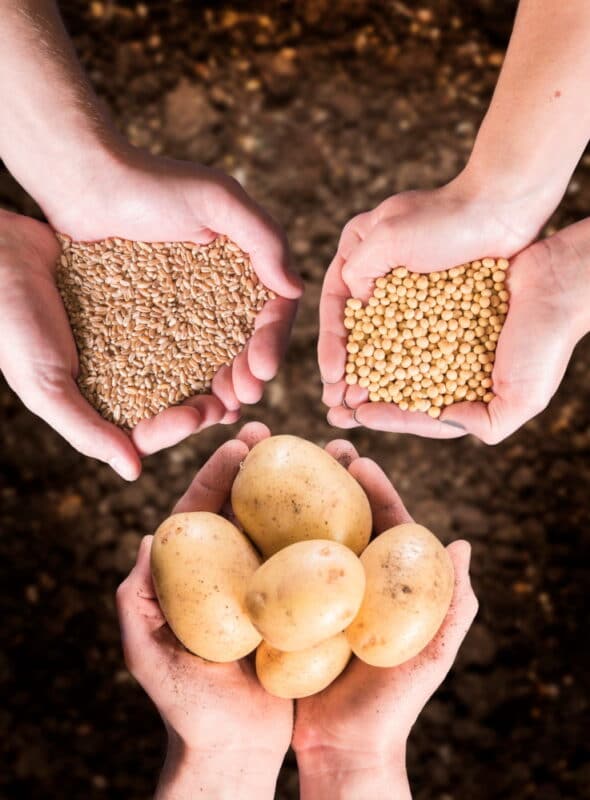
In 2016 a trio of studies from The Sainsbury Laboratory appeared in Nature Biotechnology, demonstrating the potential of developing disease resistance in three globally important crops: soybeans, potatoes and wheat. Two of these projects were supported by the 2Blades Foundation and the Laboratory has continued to engage with key industry partners to ensure that this technology reaches growers.

Increasing resilience to rust – soybean 

Asian soybean rust is caused by the fungus Phakopsora pachyrhizi and can lead to up to 80% loss in soybean yield. Increasing genetic resistance to fungicides and the huge costs associated with disease control emphasises the need for a more robust and sustainable solution. Currently the cost of disease management and yield loss is two billion dollars a year, and soybean crops rely on three to four fungal sprays a season to keep infections under control. By transferring a resistance gene from the orphan legume pigeon pea to soybeans, scientists at The Sainsbury Laboratory were able to create lines of soybean that were substantially more resistant to this fungal disease.

Unlocking resistance – wheat and barley

The stem rust fungus Puccinia graminis f. sp tritici infects economically important cereal crops, such as wheat and barley. In the last decade we have seen an increasing frequency of outbreaks, along with the evolution of more virulent races. Wheat varieties in the UK are highly susceptible to this disease and as temperatures increase in the UK due to climate change, the risk of stem rust re-establishing becomes even higher. The bread wheat genome is notoriously complex consisting of three genomes that evolved from three different grass species.

TSL 2blades
Photo taken by Andrew Davis, John Innes Centre

These genomes can interact in a way that suppresses resistance to stem rust, making the plant more susceptible to disease. By identifying and isolating a gene on the wheat D-genome that is supressing this resistance, scientists at The Sainsbury Laboratory are making headway on the potential to unlock reservoirs of inherent resistance genes and develop more resistant wheat varieties.

Jonathan Jones group - potatoes
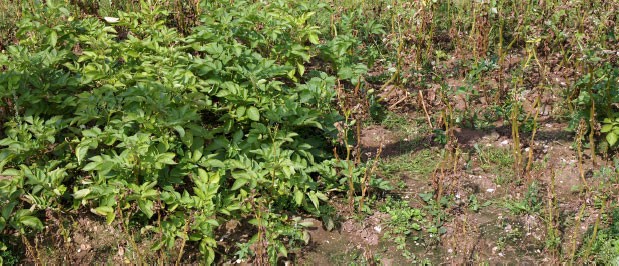
Infection with Phytophthora infestans in the field destroys currently used potato varieties but not the Rpi-vnt1 immune receptor engineered plants. Photo taken by Andrew Davis, John Innes Centre.

Reducing loss in the supply chain – potatoes

Potato late-blight is caused by the fungus-like microorganism, Phytophthora infestans. This plant pathogen triggered the Irish potato famine in the 1840s. Today, UK farmers are still battling this devastating crop disease, and depend on 15-20 fungicidal sprays per year to keep it under control. The Sainsbury Laboratory has developed a Maris Piper variety that is not only blight-resistant, but also resistant to tuber blight during storage. This PiperPlus potato incorporates three resistance genes from wild potato relatives. By combining different resistance genes, they can protect each other from being overcome by mutations that would allow the pathogen to evade their detection. This means that all these genes continue to stay effective in protecting the plant from diseases in the long term.

In addition to blight resistance, the PiperPlus potato has added qualities of reduced cold sugar formation and reduced bruising which will cut down on yield losses in the supply chain. Researchers at The Sainsbury Laboratory are now generating PiperPlus lines that also carry potato virus Y resistance and elevated nematode resistance.

Researchers at The Sainsbury Laboratory are now generating PiperPlus lines that also carry potato virus Y resistance and elevated nematode resistance. By combining different genes and modes of action there is less of an opportunity for pathogens to become resistant to any single gene. This enables gene stewardship, which means that these valuable resistance genes continue to stay effective over time. The PiperPlus potato is an excellent example of how stacking different genes can confer durable blight resistance.

The future 

Many of the research projects conducted at The Sainsbury Laboratory have provided evidence that engineering disease resistance in crops can reduce several agricultural challenges associated with plant pathogens. If resistant varieties of crops were available for stem rust, late blight and soybean rust it would not only save millions of pounds in annual yield loss, but also drastically reduce the amount of fungicides needed in agriculture, thus making a major contribution to more sustainable crop production.


The Sainsbury Laboratory is appearing in the Innovation Hub at the 2023 Royal Norfolk Show.
Read more about the 2023 Innovation Hub >>

Innovation Hub 2023

New approaches by BBRO aim to overcome removal of Neonicotinoids

Research Digest
Agri-TechE

A new electronic beet that shows the stress created by the harvester was one of the demonstrations by BBRO at the 2018 Innovation Hub. The sugar beet research organisation has kindly sponsored the Innovation Hub on a number of occasions.

CEO Vicky Foster comments that BBRO was pleased to support the Innovation Hub to demonstrate to the general public and other industries how British agriculture is leading the way.
“The electronic beet is helping us to better understand some of the stresses on the beet during harvest. We can put the electronic beet through the harvester, follow its progress and collect real time data. From this we can identify the key pressure points, information which can be fed back to the manufacturers for future development or used to refine machine settings in the field to reduce damage.”

Defence against aphids priority

However, in 2020 the attention of BBRO was focussed on mitigating the impact of the withdrawal of the neonicotinoid seed treatments which has left the UK sugar beet crop exposed to the aphid-borne infection and reliant on foliar applied insecticides.
In 2020 the extensive BBRO aphid monitoring network showed unprecedented numbers of aphids migrating into crops exceptionally early in the season when many crops were highly susceptible. Consequently, many growers have experienced widespread virus infection despite a very targeted approach to aphicide sprays, based on strict thresholds, to help reduce infection.
Vicky continues: “In 2020 we took the decision to put all our efforts into finding solutions for virus yellows following the loss of the neonic seed treatment, and also into discussions with industry and the government to review options that would provide additional protection in the short term.”

Innovation farm new for 2021

BBRO is looking at alternative approaches to controlling aphids and has created an innovation farm area to look at some proof of concept ideas in 2021.
Approaches include:

  • Undersown cover crops, such as barley, to protect the emerging sugar beet from aphids
  • Use of flowering mixes to attract beneficial insects
  • Decoy brassicas to attract aphids from sugar beet
  • Endophyte grasses to boost natural resistance
  • New foliar insecticides and improved non-neonicotinoid seed treatments

In addition the BBRO has two PhD projects looking at how plant resistance is triggered and the molecular variation in virus yellows, to provide new targets and mechanisms for plant protection approaches.
Vicky concludes: “Things are rather hectic at BBRO at the moment as we move into our first field events for quite some time in June (four in total) and we are also relocating our lab and office across the research park in mid-June!
“Despite this we are continuing to do the aphid monitoring – although this has been slightly different with Covid restrictions –  but we are still producing the map for growers to highlight the situation in their area. The main aphid migration is just starting now so lots of activity in the plant clinic in the coming weeks.”

Sweet and water efficient strawberries – Niab EMR and Delta-T Devices collaborate at WET centre

Agri-TechE Article
Agri-TechE

Smart irrigation resulted in a 7% increase in the yield of strawberries for one large commercial grower, following the trial of a precision irrigation system designed by Niab EMR with equipment from Delta-T Devices and Netafim.

Delta-T Devices is an industry partner of the Water Efficient Technology Centre (WET) based at Niab EMR in Kent supplying sensors and data loggers for both research and commercial projects. Delta-T first appeared alongside Niab at the Innovation Hub in 2016 and became involved in WET the following year.
Yields of strawberries reached 72t/ha at the WET centre in 2020, double that of the industry average of 45 t/ha with a significant reduction in water use.
The initial trials were in small polytunnels, but WET Centre enables industry scale conditions with commercial farm polytunnels and tabletop  configuration, ie where the strawberries are grown on substrate on raised platforms.
The research is focussed on the use of automated irrigation control systems, with as little human intervention as possible.

Smart irrigation

Minimising water wastage is of huge importance given its increasing scarcity. In future, it is anticipated that intensive horticultural growing systems will become increasingly based in urban locations, where very strict water waste prevention protocols (and legislation) are likely to be the norm.
Delta-T’s programmable GP2 Data Logger allows different control algorithms to be set for separate experimental irrigation regimes, and then for researchers to measure and compare the outcome of each approach. These experiments enabled the  key plant stress points to be accurately determined, and the optimum moisture content levels in the growing substrate to be determine at each stage of the life cycle of the strawberry plant.
The aim was to ascertain the minimum amounts of water needed to achieve the desired level of strawberry plant quality and yield.

Colour of growbags impacts growth

Further research has shown even the colour of the plastic on coir growbags can have a big impact on crop growth.
The WET Centre team investigated the correlation between plant water use and vapour pressure deficit (VPD) – using the Delta-T Devices SM150T Soil Moisture and Temperature Sensor and RHT2 Relative Humidity and Air Temperature Sensor.
The outputs of this research have been fascinating – showing that black grow bags absorb sufficient additional solar radiation to create warmer root zones (especially earlier in the growing season), whilst white bags reflect more light up into the canopy of the growing crop (see image below for effects on substrate temperature).
Timing of plant growth and fruiting can therefore be manipulated by something as simple as selecting a specific grow bag colour.

Impact of sheeting on photosynthesis

In addition the sheeting, frames and particularly the row position within the polytunnel structures can affect light availability to plants and thus growth and Class 1 yield. Researchers measured Photosynthetically Active Radiation (PAR) levels within polytunnels using the Delta-T Devices QS5 PAR Sensor. PAR corresponds to the spectral range of radiation that plants require for growth and photosynthesis, and levels seen in 2020 were well above the 10 year average.
To explore the effect of this phenomena the team used the GP2 Data Logger and Controller (connected to QS5 PAR sensors) to automatically open and close venting in the roof of the polytunnels – based on the meeting of pre-set threshold requirements and to adjust the irrigation accordingly.
This system was designed to optimise the phytoclimate as the sun passed overhead and leverage the unusually sunny weather of 2020 to maximise yield to levels otherwise not achievable.

Football will be first mover on UAV spraying says Crop Angel

Agri-TechE

Crop Angel was on the point of launching a new aerial applicator for agrochemicals when they participated in the Innovation Hub in 2016. It offered the potential to extend the flight times for Unmanned Aerial Vehicles (UAVs), allowing them to cover a greater crop area more cost-effectively and with greater precision.

At that stage the company was waiting for Civil Aviation Authority approval. The company is still waiting…

Crop Angel CEO and farmer Chris Eglington gave us a quick update: “The UAVs we have now are leaps and bounds ahead of those from only a couple of years ago and many of the issues we highlighted then have been or are being resolved with each new model developed.

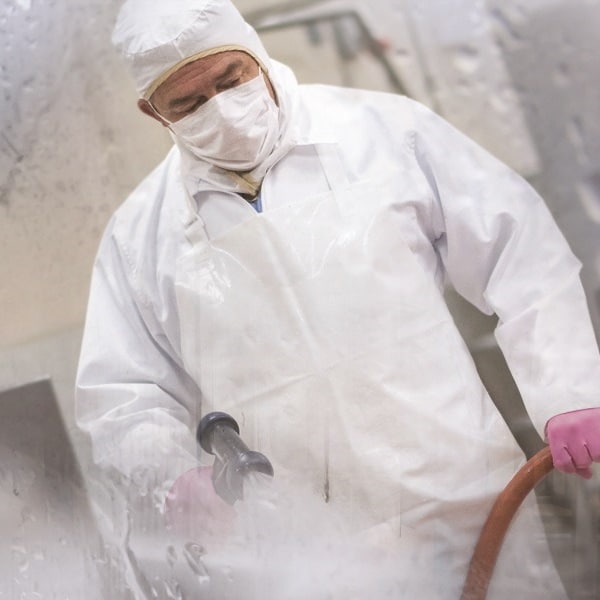
“We have been involved in a number of projects where the various models of spraying drones we sell have been used mostly for everything except for spraying – although spraying of football stadiums with disinfectant may be set to take off (sorry) later this year.

“The issue in regards to agricultural spraying is legislative restrictions. The HSE’s Chemicals Regulation Division (CRD) don’t seem to have a timetable for trials let alone registering products that can be applied from a UAV.

“Also the CAA require an Operational Safety Case before anything is allowed to be dropped from a UAV and those annual licenses are very expensive if approved and are very costly to write in the first place.
“I can see that Premier football clubs wouldn’t have a problem with associated costs but currently in agriculture it’s a nonstarter.

“The sad situation is that many other countries in the world are embracing this technology and we are losing out.”